
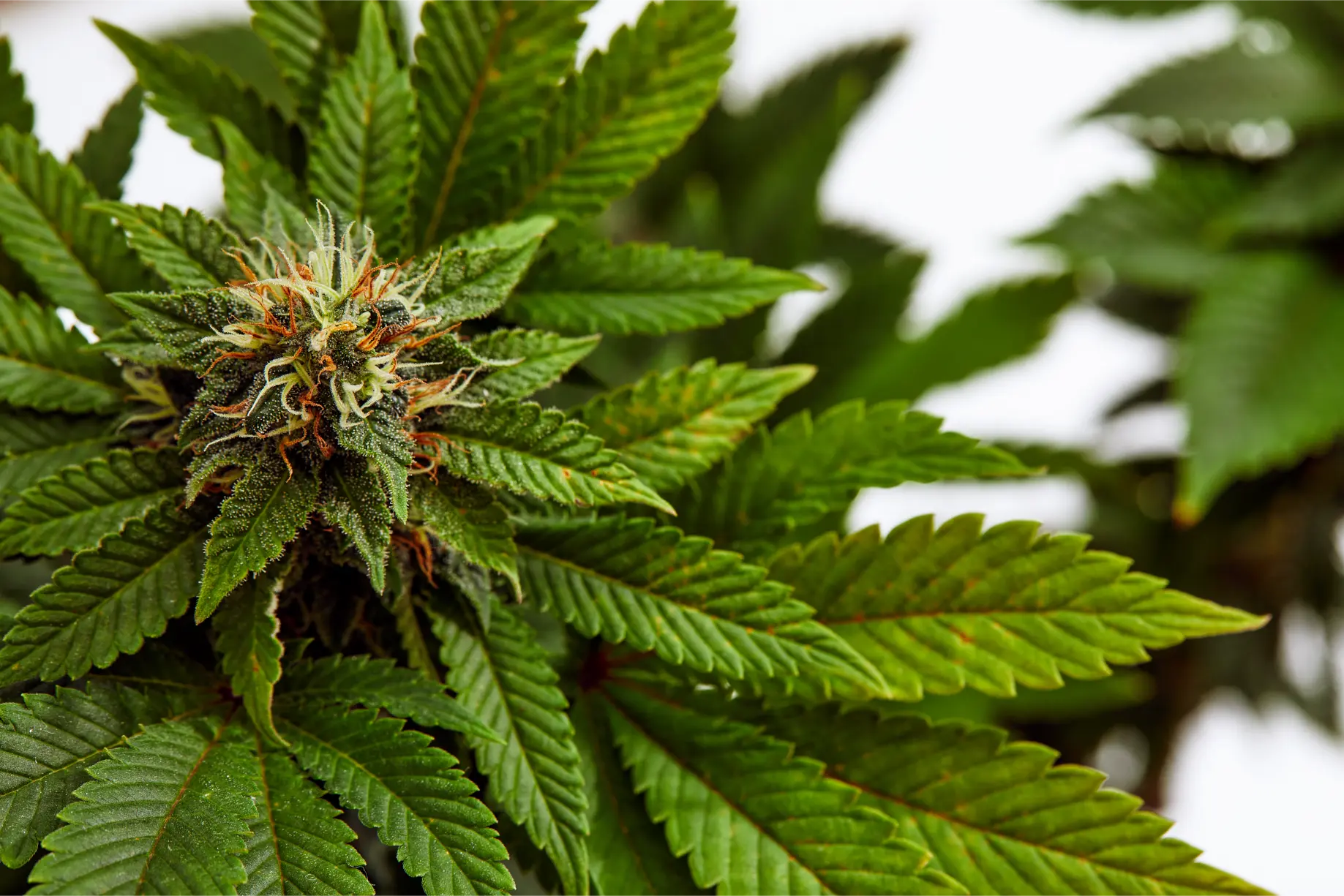
Fast Eddy
In the rapid evolution of modern therapeutic cannabis horticulture, few cultivars offer a more elegant synthesis of speed, physical discretion, and balanced cannabinoid medicine than Fast Eddy. Engineered by the master geneticists at Royal Queen Seeds, Fast Eddy was developed with a specific, noble horticultural objective: to provide urban apartment cultivators, patio hobbyists, and balcony medical patients with an ultra-fast, high-CBD autoflowering cultivar capable of delivering clear-headed daytime relief within sixty days from germination. By harmonizing the pungent, resinous genetics of the legendary UK Cheese with the celebrated high-CBD Spanish heirloom Juanita la Lagrimosa and hardy Cannabis ruderalis, Fast Eddy stands as a triumph of functional polyhybrid breeding, offering unmatched domestic therapeutic autonomy in confined residential spaces.
From an architectural and growth standpoint, Fast Eddy is tailor-made for container cultivation on urban terraces and balconies. Maturing at a compact height between sixty and one hundred centimeters, the plant stays safely below standard residential balcony balustrades, ensuring complete privacy from street view and neighboring apartment windows. The cultivar develops a sturdy central stem flanked by four to six ascending lateral branches that form an attractive, symmetrical candelabra canopy. As flowering progresses through its rapid eight to nine week cycle, internodal gaps tighten, allowing dense floral bracts to consolidate into thick, crystal-dusted colas accented by vivid orange pistils and frosty emerald sugar leaves.
From an olfactory and experiential perspective, Fast Eddy delivers a delightfully unique sensory bouquet paired with a gentle, non-intoxicating therapeutic profile. Testing at approximately 9% Delta-9-THC alongside elevated cannabidiol (CBD) concentrations, Fast Eddy provides a balanced cannabinoid ratio that soothes somatic discomfort, dissolves mental stress, and alleviates physical inflammation while leaving the intellect clear, motivated, and fully functional. The aromatic profile combines the tangy, savory skunk notes of authentic Cheese with sweet citrus zest, damp earth, and subtle herbal spices, creating a comforting, culinary fragrance that delights the palate without overwhelming surrounding outdoor spaces.
Cultivar Quick Overview: Fast Eddy
Pedigree: Cheese x Juanita la Lagrimosa x Ruderalis (Royal Queen Seeds)
Classification: Balanced High-CBD Autoflowering Hybrid (50% Indica / 40% Sativa / 10% Ruderalis)
Average Cannabinoid Profile: 9.0% to 10.5% THC | High CBD (6.0% to 9.0%) | 0.8% to 1.2% CBG
Total Terpenes: 2.0% to 2.6% (Dominant: Myrcene, Beta-Caryophyllene, Alpha-Pinene, Limonene)
Total Seed to Harvest Cycle: 56 to 65 Days (8 to 9 Weeks Total)
Canopy Stature: 60 to 95 cm Balcony Stature | Average Yield: 50 to 80 g per plant outdoors
Core Agronomic Rule: Direct-sow into final 10 to 12 liter containers; provide steady organic nutrition with adequate calcium-magnesium; practice gentle low-stress training without topping; protect container roots from excessive concrete floor heat.
Strain Features
| Cultivar Trait | Specification Range | Agronomic Details |
|---|---|---|
| Genetic Heritage | Cheese x Juanita la Lagrimosa x Ruderalis | Engineered by Royal Queen Seeds combining iconic UK Cheese aroma with legendary Spanish high-CBD mother Juanita la Lagrimosa. |
| Classification | Autoflowering High-CBD Hybrid | 50% Indica / 40% Sativa / 10% Ruderalis balanced expression. |
| Average THC Content | 9.0% to 10.5% | Modest, functional psychoactive baseline that eliminates anxiety while maintaining full cognitive clarity. |
| CBD & Minor Cannabinoids | CBD: 6.0% to 9.0% | CBG: 0.8% to 1.3% | Balanced 1:1 or 1:1.5 THC to CBD therapeutic ratio delivering profound somatic anti-inflammatory relief. |
| Total Terpenes | 2.0% to 2.6% (Dry Weight) | Rich savory citrus and cheese bouquet dominated by myrcene, beta-caryophyllene, alpha-pinene, and limonene. |
| Total Lifecycle (Seed to Harvest) | 56 to 65 Days (8 to 9 Weeks) | Rapid developmental cycle allowing two consecutive outdoor crops in temperate continental climates. |
| Outdoor Balcony Canopy Height | 60 to 95 cm (24 to 37 inches) | Compact, manageable silhouette that stays naturally below standard apartment balcony railings. |
| Balcony Container Yield | 50 to 80 grams per plant | High harvest efficiency producing chunky, resin-dusted colas along sturdy lateral branches. |
| Balcony Stealth Rating | 9.5 / 10 (Compact Stature & Pleasant Citrus Aroma) | Controlled height and sweet citrus-cheese bouquet that blends easily with balcony herbs. |
| Climatic Resilience | High Wind, Heat & Cold Tolerance | Robust ruderalis and Cheese hardiness that withstands turbulent high-rise breezes and summer heat. |
Genetic Lineage & High-CBD Breeding
The genealogical foundation of Fast Eddy represents a masterclass in purposeful therapeutic plant breeding. In the late 2000s, as the international scientific community began documenting the profound medical efficacy of cannabidiol (CBD) for inflammation, neuroprotection, and anxiety, urban medical consumers faced a severe logistical hurdle: almost all high-CBD cultivars were large, late-flowering photoperiod sativas that required extensive outdoor space, four to five months of warm weather, and total absence of nocturnal light pollution.
To bring high-CBD botanical medicine into the compact domain of urban apartment balconies, Royal Queen Seeds selected Juanita la Lagrimosa, the legendary Spanish landrace hybrid bred by Reggae Seeds that served as the foundational source of CBD for world-renowned strains like Cannatonic and ACDC. Juanita contributed a rock-solid high-CBD chemical profile, an uplifting cerebral clarity, and a refreshing citrus-diesel aroma. To infuse the line with tight internodal spacing, heavy floral mass, and savory complexity, breeders crossed Juanita with an elite selection of UK Cheese, the iconic British Skunk phenotype famous for its thick resin coverage and robust environmental resilience.
To lock in day-neutral autoflowering independence, the resulting progeny was crossed with a vigorous, fully stabilized Cannabis ruderalis donor. Through four filial generations of careful phenotype selection and cannabinoid laboratory testing, breeders fixed both the autoflowering clock at eight to nine weeks and the balanced 1:1 THC-to-CBD chemical ratio. Christened Fast Eddy, the cultivar emerged as the ultimate rapid medicinal autoflower for home terrace and balcony growers seeking functional, daytime wellness.
Phenotype Spectrum & Architectural Traits
Due to rigorous genetic stabilization, Fast Eddy displays remarkable morphological uniformity across seed batches. Over eighty percent of plants express a compact, balanced hybrid structure that reaches between sixty and eighty-five centimeters in an 11-liter container. The central main stem is thick and fibrous, supporting four to six vigorous lateral branches that angle outward at forty-five degrees to form a neat, compact candelabra canopy. This manageable architecture ensures that terminal floral tips remain well below standard 90-centimeter balcony balustrades, providing effortless visual privacy.
A secondary phenotype, appearing in roughly fifteen to twenty percent of germinated seeds, exhibits a slightly taller sativa-leaning stature that can reach up to ninety-five centimeters in larger containers. This variation reflects the ancestral Juanita la Lagrimosa lineage, featuring slightly narrower leaflets and elongated floral clusters with pronounced calyx swelling. Even in this taller expression, the plant responds eagerly to gentle low-stress training (LST), allowing cultivators to guide branches horizontally to maintain a low-profile canopy.
The leaves of Fast Eddy are vibrant lime green, with medium-width leaflets coated in a waxy cuticle that helps prevent moisture loss during hot balcony afternoons. The floral bracts are dense and chunky, stacking into thick spears that become coated in a thick frost of capitate-stalked glandular trichomes. As harvest approaches, pistils shift from pale ivory to deep burnt orange, providing a gorgeous visual contrast against the pale crystalline calyxes.
Effect Breakdown & Clear-Headed Daytime Function
The experiential hallmark of Fast Eddy is its clear-headed, uplifting, and functional therapeutic profile. Containing roughly 9% Delta-9-THC alongside 6% to 9% CBD, Fast Eddy delivers an exceptionally harmonious cannabinoid synergy. The high concentration of CBD acts as a negative allosteric modulator at CB1 receptors, softening the psychoactive intensity of THC and preventing common side effects such as racing thoughts, anxiety, ocular pressure, or memory haze.
Upon inhalation, the consumer experiences a gentle wave of cerebral clarity and light euphoria within three to five minutes. Mental fatigue, irritability, and stress dissolve into a calm, focused mindset that facilitates creative work, domestic chores, conversation, or outdoor exercise. The mind remains completely lucid and grounded, free from the intoxicating fog or heavy drowsiness associated with high-THC indica cultivars. Users feel alert, capable, and physically comfortable, making Fast Eddy an ideal companion for morning and afternoon balcony consumption.
Somatic relief unfolds steadily over the second hour as the synergistic blend of CBD, CBG, and beta-caryophyllene eases muscular tension, joint stiffness, and chronic inflammatory discomfort. The body enters a state of light physical tranquility that softens aches without causing sluggishness or couch-lock. For medical patients managing chronic inflammation, fibromyalgia, tension headaches, stress, or mild anxiety, Fast Eddy offers dependable symptom management that allows them to live active, productive lives.
Flavor & Tangy Citrus-Cheese Bouquet
The olfactory footprint of Fast Eddy is an intriguing blend of savory complexity and bright citrus freshness. During vegetative growth and early flowering, the plant emits a gentle, sweet herbal aroma that blends innocuously into outdoor balcony greenery. As flowers swell during weeks six through eight, the fragrance develops a distinctive character that combines the sharp, savory skunk notes of UK Cheese with the tangy lemon-lime zest of Juanita la Lagrimosa.
When cured flowers are gently broken apart, they release a comforting aroma of aged cheddar, sweet citrus fruit, damp forest loam, and spicy black pepper. A subtle undertone of pine needles and fresh mint adds an invigorating finish. Despite its Cheese heritage, Fast Eddy produces a far more moderate olfactory volume than pure photoperiod Skunk strains, ensuring that its fragrance remains pleasant and manageable on shared apartment balconies without alarming adjacent neighbors.
The smoke and vapor of Fast Eddy are velvety, smooth, and richly flavorful. Inhaling through clean glassware delivers an initial palate burst of tangy citrus peel and creamy, savory cheese, followed by an earthy, slightly peppery exhale with hints of cedar and clove. The smoke is gentle on the bronchial passages, producing no harsh throat tickle and leaving a clean, refreshing herbal aftertaste.
Dominant Terpenes & Entourage Kinetics
Laboratory chromatographic testing of Fast Eddy demonstrates a total terpene concentration ranging between 2.0% and 2.6% by dry weight. The terpene matrix is led by a therapeutic quartet: myrcene, beta-caryophyllene, alpha-pinene, and limonene, supported by secondary fractions of humulene, linalool, and bisabolol. This specific chemical arrangement drives both the savory citrus flavor and the powerful anti-inflammatory properties of the flower.
Myrcene serves as the primary terpene by volume, typically comprising 35% to 45% of the total essential oil content. Myrcene enhances cellular membrane permeability, allowing THC, CBD, and minor cannabinoids to interact smoothly with endocannabinoid receptors. Simultaneously, myrcene exerts direct muscle-relaxant and pain-relieving effects that soften bodily stiffness.
Beta-caryophyllene acts as an atypical dietary cannabinoid, selectively binding to peripheral CB2 receptors throughout the immune and nervous systems to trigger potent anti-inflammatory cascades without psychoactive effects. Alpha-pinene introduces crisp pine notes while functioning as an acetylcholinesterase inhibitor, protecting short-term memory and mental alertness. Limonene injects bright citrus brightness while modulating serotonin and dopamine pathways, providing an uplifting, stress-dissolving mood boost that perfectly complements the clear-headed physical relief.
Balcony Container vs Indoor Tent Dynamics
Cultivating Fast Eddy highlights distinctive differences between indoor controlled spaces and dynamic urban balconies. Indoors under artificial LED lights, Fast Eddy is a uniform, reliable performer. Under continuous eighteen-hour photoperiods with regulated temperatures, plants grow with predictable precision, producing frosted green colas in fifty-six to sixty days. However, indoor setups require substantial investments in ventilation, carbon filtration, and electricity.
On an open-air urban balcony, Fast Eddy demonstrates the full vitality of its hybrid vigor. Bathed in natural full-spectrum solar radiation, including natural UV-A and UV-B photons, the plant synthesizes higher concentrations of CBD and aromatic terpenes than indoor-grown specimens. The gentle balcony breezes stimulate stem lignification, producing strong, woody branches that support chunky colas without mechanical staking. Furthermore, the natural diurnal temperature fluctuations enhance the expression of sweet citrus terpenes.
Balcony cultivation does require attention to microclimatic variables, such as hot concrete floor tiles and high-altitude winds. By elevating containers on plant dollies, providing semi-permeable wind protection, and ensuring consistent hydration, urban growers can harvest top-grade medicinal cannabis using nothing more than free, natural solar irradiance.
Balcony-Specific Agronomic Guidance
To achieve maximum yield and therapeutic potency with Fast Eddy on an urban balcony, cultivators must adhere to a zero-shock agronomic protocol. Because Fast Eddy initiates flowering within sixteen to twenty-one days from germination, any stress that stunts early root development will permanently reduce the plant’s final harvest potential. Therefore, high-stress techniques like topping or heavy pruning are strictly prohibited.
Instead, apply gentle low-stress training (LST) between day twelve and day twenty-two. By gently anchoring the primary stem horizontally with padded garden ties, growers break apical dominance without damaging vascular tissues. This simple manipulation allows sunlight to reach lower lateral branches, encouraging four to six secondary stems to develop into uniform, dense colas. Once the plant enters week four and vertical stretch slows, all training should cease to allow flowers to consolidate resin undisturbed.
Balcony Grower Inquiry: Preserving CBD & Terpenes Under Intense Balcony Solar Radiation
Urban Cultivator Question: “My south-west facing balcony gets blisteringly hot in July, with midday sun beating down for hours. How do I protect Fast Eddy’s delicate CBD concentrations and citrus-cheese terpenes from degrading under intense solar heat?”
Weedth Horticultural Advice: Intense direct solar radiation combined with reflected heat from concrete walls and glass windows can push balcony canopy temperatures above 35 degrees Celsius, which accelerates the volatilization of light monoterpenes and can prematurely oxidize cannabinoids. To preserve your flowers’ rich terpene and CBD profile, install a lightweight 30% to 40% white agricultural shade cloth or permeable bamboo screen that you can pull across during peak solar hours (between 1:00 PM and 4:00 PM).
This light shade cloth filters harsh infrared radiation and cools the canopy by four to six degrees Celsius while still delivering abundant photosynthetic active radiation (PAR) for floral growth. In addition, elevate your containers off hot balcony tiles using slatted wooden risers or plastic dollies, and wrap dark fabric containers in light-colored burlap or white reflective covers. Keeping subterranean root temperatures below 24 degrees Celsius ensures continuous water uptake and cellular cooling, locking in the rich, sweet citrus-cheese bouquet and high CBD potency all the way to harvest.
Sub-Irrigation & Container Hydration Strategy
Balcony hydration for Fast Eddy requires careful management, particularly during warm summer months when atmospheric transpiration is high. In an 11-liter container, an adult Fast Eddy plant in full flower can transpire between 1.5 and 2.5 liters of water daily when exposed to direct sunlight and breezy balcony air. Allowing container media to dry to the point of severe wilting causes root hair desiccation, stalls calyx swelling, and reduces final yields.
Utilizing a sub-irrigation capillary system or self-watering fabric pot base is an ideal solution for urban balcony growers. These systems allow water to rise from a lower reservoir into the container via capillary action, matching the plant’s water consumption in real time. This keeps the lower root zone uniformly moist while keeping the surface media drier, which prevents surface mold and discourages fungus gnat breeding.
When hand-watering, irrigate until roughly 10% to 15% of the applied volume drains freely from the bottom of the container, ensuring that old mineral salts are flushed away. Lift the container to gauge its weight before watering; only irrigate when the container feels noticeably light. Always empty drainage saucers within twenty minutes to prevent stagnant standing water from causing root asphyxiation.
Organic Living Soil for CBD-Rich Autoflowers
Formulating a dedicated living soil matrix for Fast Eddy requires recognizing the unique metabolic demands of high-CBD autoflowering cannabis. Cannabidiol synthase enzymes rely heavily on specific micronutrient cofactors, particularly bioavailable zinc, manganese, and boron, to facilitate the enzymatic conversion of cannabigerolic acid (CBGA) into cannabidiolic acid (CBDA). Incorporating certified organic green-sand and volcanic kelp meal into the container substrate supplies these critical micro-elements in naturally chelated forms that the root system can absorb steadily throughout the short vegetative window.
Formulating a rich, biologically active living soil potting mix provides the ultimate nutritional foundation for Fast Eddy. An active living soil supplies steady, balanced macro and micro-nutrients throughout the plant’s sixty-day lifecycle without requiring complex bottled liquid feeding schedules.
A proven living soil recipe for a 10 to 12 liter fabric container consists of 40% high-grade sphagnum peat moss, 25% coarse horticultural perlite or volcanic pumice for drainage, 20% well-aerated thermal worm castings, and 15% composted bark or coconut coir chips. Amend each ten liters of media with two tablespoons of micronized basalt rock dust, one tablespoon of steamed bone meal, one tablespoon of cold-water kelp meal, and one teaspoon of agricultural gypsum. This blend provides a gentle, slow-release reservoir of calcium, magnesium, potassium, and trace minerals.
Inoculating the root zone with diverse endomycorrhizal fungi (Glomus intraradices) at planting ensures rapid root colonization. The fungal hyphae extend into the soil matrix, increasing the root system’s effective surface area and providing enhanced water and nutrient absorption, which is particularly vital for buffering plants against hot, dry afternoon balcony breezes.
Balcony Solar Trajectories & Light Pollution Immunity
Photobiological studies indicate that ultraviolet radiation, specifically natural UV-B photons present in unfiltered outdoor sunlight, acts as a primary environmental elicitor of secondary cannabinoid and terpene synthesis. When cultivated on an open urban balcony, Fast Eddy responds to natural solar UV by up-regulating CBDA and terpene production within capitate glandular trichomes, resulting in a more potent and aromatic medicinal harvest than specimens grown beneath standard indoor LED lights that lack UV-B wavelengths.
Urban balconies present dynamic lighting environments where direct solar exposure is often limited by surrounding architecture. Fast Eddy thrives remarkably well in these urban conditions, requiring only five to seven hours of direct sunlight combined with bright ambient daylight to produce dense, high-quality colas.
Crucially, Fast Eddy possesses total genetic immunity to nocturnal light pollution. In dense urban neighborhoods, streetlights, security fixtures, and interior apartment illumination create an ambient nighttime glow that severely disrupts photoperiod cannabis strains, causing delayed flowering, leaf deformities, or hermaphroditism. Because Fast Eddy’s flowering mechanism is triggered strictly by chronological age rather than dark period duration, it matures with absolute consistency regardless of exterior nighttime illumination.
To optimize light capture on balconies with limited direct sun, place clean, matte-white reflective boards or white privacy netting behind container pots. These simple reflectors bounce diffuse ambient daylight back into lower canopy branches, ensuring that secondary bud sites develop into solid, resinous colas rather than loose popcorn buds.
Precision Mineral Nutrition & EC Schedules
Monitoring the electrical conductivity and pH of container runoff provides essential feedback for urban balcony growers. Because small containers dry rapidly during breezy summer afternoons, mineral salts can concentrate quickly in the lower substrate. Maintaining a 15% to 20% drainage runoff at every fertigation event ensures that electrical conductivity does not spike beyond 1.8 mS/cm, safeguarding delicate root hairs from osmotic stress.
When feeding Fast Eddy with mineral nutrients, growers should maintain a moderate electrical conductivity (EC) schedule. Autoflowering hybrids have lower nutrient requirements than sprawling photoperiod plants, and overfeeding can easily cause root-tip burn, leaf clawing, and harsh smoke.
During the vegetative stage from germination to day twenty-one, maintain a mild nutrient solution with an EC of 1.0 to 1.2 mS/cm and a pH of 5.8 to 6.2 in soilless media (6.2 to 6.6 in living soil). Provide balanced nitrogen, calcium, and magnesium to support vigorous leaf development and strong stem cell walls.
As flowers form during weeks four through seven, gradually raise EC to peak between 1.3 and 1.6 mS/cm, adjusting input pH to 6.3 to 6.5. Shift the nutrient balance toward phosphorus and potassium to fuel calyx expansion while reducing nitrogen inputs. Supplementing with potassium silicate reinforces cell walls, helping the plant support heavy colas under gusty balcony winds.
Balcony IPM & Companion Herb Synergies
Integrated pest management on an urban balcony relies on proactive cultural practices and natural biological deterrents. While high balconies offer some separation from ground insects, airborne pests like aphids, thrips, and spider mites can drift upward on thermal wind currents.
Companion planting serves as an effective biological defense shield. Placing companion containers of sweet basil, English lavender, and garden peppermint around Fast Eddy creates a multi-layered aromatic barrier that confuses pest olfactory systems while masking any cannabis scent. Dwarf marigolds attract beneficial hoverflies and release root exudates that deter soil nematodes.
During the initial vegetative window (weeks one through three), apply a weekly organic foliar spray of cold-pressed neem oil (0.5% concentration) emulsified with mild insecticidal soap during late evening hours to protect foliage against soft-bodied insects. The moment floral pistils begin clustering into dense crowns around day twenty-one, all foliar spraying must cease to protect developing resin glands from moisture and oil residue.
CBD Resin Density & Solventless Extraction
Fast Eddy develops a rich mantle of glandular trichomes inherited from its Cheese and Juanita ancestry. Microscopic examination of mature calyxes reveals thousands of capitate-stalked glandular trichomes crowned by large, spherical resin heads measuring between 75 and 110 microns in diameter. These glandular structures feature brittle abscission zones that detach cleanly under cold mechanical agitation, making Fast Eddy an outstanding candidate for solventless high-CBD hash production.
Processing whole-plant fresh frozen material or dried trim through ice water hash washing yields clean, aromatic resin. Passing the ice-water slurry through a five-bag filtration kit captures premier melt quality in the 73-micron and 90-micron mesh sieves. The resulting bubble hash melts cleanly upon vaporization, releasing refreshing notes of sweet citrus peel, savory cheese, and light sandalwood.
Pressing cured flowers in 90-micron nylon mesh filter packets on a personal hydraulic rosin press at 82 to 86 degrees Celsius produces a fragrant, pale-gold flower rosin. The balanced CBD-to-THC cannabinoid profile cures into a smooth, buttery badder consistency that remains stable at room temperature.
Harvest Timing, Drying & Jar Curing Science
Accurate harvest timing is essential for locking in the refreshing citrus-cheese terpene profile and balanced CBD-to-THC ratio of Fast Eddy. Inspect glandular trichomes on internal calyxes using a 60x optical loupe or digital microscope. The ideal harvest point arrives when approximately 75% to 80% of glandular heads transition from clear to milky porcelain-white, with 10% to 15% turning a warm amber. Harvesting at this exact ratio captures peak cannabinoid potency while avoiding excessive sedation.
Drying flowers in an apartment setting requires a dark, ventilated space such as a wardrobe box or closet maintained at 16 to 19 degrees Celsius and 55% to 60% relative humidity. Hang whole plants upside down for ten to twelve days to allow natural plant enzymes to metabolize residual chlorophyll and starches. A small indirect fan ensures gentle air movement without blowing directly onto hanging branches.
Once stems snap crisply, manicure the buds and transfer them into airtight glass mason jars, filling each jar to roughly 70% capacity. Store jars in a cool, dark cupboard at 18 degrees Celsius. Open jars daily for ten to fifteen minutes during the first two weeks to vent moisture and refresh oxygen. Over a four to six week curing period, harsh chlorophyll notes vanish completely, revealing the smooth, sweet citrus and savory cheese bouquet of expertly cured Fast Eddy.
Nutritional Benchmarks & Tissue Analytics
Leaf tissue analysis of high-CBD autoflowers shows distinct differences from high-THC indicas. Fast Eddy demands elevated concentrations of bioavailable calcium throughout its floral cycle to support the rapid synthesis of dense cell walls in expanding floral bracts. Maintaining tissue calcium between 1.8% and 2.4% on a dry matter basis prevents blossom-end necrosis in terminal calyxes and ensures that trichome gland stalks remain structurally robust under breezy outdoor conditions.
Tissue analytics demonstrate that Fast Eddy maintains robust metabolic efficiency throughout its eight to nine week lifecycle. During vegetative growth, healthy leaf tissues maintain dry-weight nitrogen levels around 3.6% to 4.2%, with tissue potassium holding between 2.8% and 3.4% and phosphorus stabilizing around 0.4% to 0.5%.
During peak floral development in weeks five through seven, tissue potassium demand rises significantly to between 3.6% and 4.4%, reflecting its essential role in calyx swelling and sugar translocation. Monitoring container runoff electrical conductivity and pH ensures that mineral salts do not accumulate to toxic levels, preserving active root hair function.
Thermal Dissipation & High-Altitude Wind Buffering
Balcony microclimates experience wide thermodynamic swings, with hot concrete floors and gusty winds challenging plant health. Persistent wind strips the protective humid boundary layer from foliage, causing stomata to close and halting photosynthetic carbon dioxide assimilation.
Installing semi-permeable windbreaks, such as woven bamboo fencing or reed screening along balcony railings, reduces wind speed by up to sixty percent while permitting gentle airflow. Elevating container pots on wooden slats, plastic dollies, or rubber risers creates an insulating air gap that prevents subterranean heat transfer from baking roots on hot sunny afternoons, keeping root zones cool and metabolically active.
Clinical Pharmacology & Daytime Anti-Inflammatory Synergy
The therapeutic mechanics of Fast Eddy are defined by the unique allosteric interactions between THC and CBD at human cannabinoid receptors. While Delta-9-THC binds as an agonist at CB1 receptors in the central nervous system, CBD acts as a negative allosteric modulator, altering receptor conformation and reducing the binding affinity of THC. This physiological modulation prevents the rapid heart rate, anxiety spikes, and temporal distortion commonly associated with high-THC cannabis, providing a calm, stable plateau of physical tranquility and mental lucidity.
From a clinical standpoint, Fast Eddy delivers an exceptional therapeutic profile centered on a balanced 1:1 to 1:1.5 ratio of Delta-9-THC (9%) to CBD (6% to 9%), supported by minor concentrations of cannabigerol (CBG: 0.8% to 1.3%) and trace cannabichromene (CBC). This cannabinoid foundation interacts synergistically with the cultivar’s rich myrcene and caryophyllene terpene matrix to provide profound somatic comfort.
CBD and beta-caryophyllene selectively modulate peripheral CB2 receptors and inhibit pro-inflammatory cytokines like TNF-alpha and IL-6, providing powerful relief for arthritis, muscular stiffness, and chronic inflammatory conditions. Simultaneously, alpha-pinene and limonene maintain cognitive lucidity and positive mood, making Fast Eddy an outstanding botanical medicine for active daytime pain management.
Trichome Gland Abscission & Cold Water Washing
Microscopic evaluation of Fast Eddy trichome glands reveals excellent physical qualities for cold-water separation. The resin heads are spherical and well-developed, attached to sturdy stalks by thin abscission zones that fracture cleanly under cold mechanical agitation in ice water.
Washing fresh frozen or dried material in reverse-osmosis ice water isolates prime resin in the 73-micron and 90-micron sieve bags. After collection, freeze-drying or micro-planing the wet hash over unbleached parchment paper inside a cold refrigerator preserves delicate citrus monoterpenes, yielding a pale golden bubble hash that melts into clean aromatic oil upon vaporization.
Urban Balcony Economics & Annual Harvest Cycles
The economic value of cultivating Fast Eddy on an urban balcony is substantial. Requiring approximately eight to nine weeks from seed to harvest, outdoor balcony growers in temperate climates can easily complete two or three consecutive outdoor harvests between May and September.
A single Fast Eddy plant cultivated in a 10 to 12 liter container with free solar energy typically produces between 50 and 80 grams of dense, manicured flower. Across two or three successive summer crops, a single balcony footprint can yield 120 to 200 grams of premium organic CBD-rich medicine, providing significant savings over dispensary prices while ensuring total privacy and organic quality.
Flushing Dynamics & Terpene Preservation
Executing a proper seven-day flush with plain, de-chlorinated water balanced to pH 6.2 triggers Fast Eddy to metabolize internal starches and mobile nitrogen compounds stored in mature fan leaves. As these reserves are consumed, lower leaves transition to pale gold and ivory, indicating clean internal senescence.
This gentle pre-harvest flush ensures that finished flowers combust cleanly to a light gray or pure white ash, completely free from the harsh chemical bite or throat scratchiness caused by residual mineral salts.
Container Rhizosphere Microflora Management
Maintaining a thriving subterranean biological community in container substrates is vital for maximizing nutrient uptake in Fast Eddy. Inoculating container soils with beneficial bacteria, including Bacillus subtilis and Pseudomonas putida, forms a protective biofilm along root surfaces that guards against root rot pathogens while solubilizing bound organic phosphorus.
Applying mild compost teas brewed with worm castings and liquid humic acids every two to three weeks replenishes beneficial microflora and maintains soil structural aggregation, ensuring that the root zone remains well-oxygenated and biologically active throughout the plant’s lifecycle.
Terpene Volatilization Temperatures
Calibrating vaporization temperatures allows consumers to experience the full spectrum of Fast Eddy’s sensory and therapeutic qualities. Alpha-pinene volatilizes at approximately 155 degrees Celsius, delivering crisp pine notes and mental alertness. Myrcene vaporizes at roughly 166 to 168 degrees Celsius, imparting sweet herbal flavors and deep somatic relaxation.
For daytime focus and work activities, setting a dry herb vaporizer between 170 and 180 degrees Celsius captures the crisp citrus and pine monoterpenes without inducing physical sedation. For evening relaxation, increasing temperatures to 190 to 200 degrees Celsius engages beta-caryophyllene and humulene, delivering a richer vapor that relieves physical tension and promotes restful relaxation.
Weedth Bud Flavor Tips
To enhance the savory cheese and sweet citrus bouquet of Fast Eddy, top-dress container media with organic langbeinite (sulfate of potash magnesia) during week four. The natural sulfur ions fuel the plant’s enzymatic synthesis of aromatic monoterpenes. Additionally, avoiding heavy nitrogen feeding during flowering prevents harsh chlorophyll buildup, allowing the rich cheese and citrus flavors to shine brilliantly in the cured flower.
Weedth Bud Boost Tips
Maximizing bud density and trichome development on a balcony plant requires strategic solar positioning and branch reinforcement. Rotate containers by a quarter turn every two days so that all lateral branches receive equal sunlight exposure. Supplementing with potassium silicate from week two through week six reinforces cell walls, enabling the plant to support heavy colas without suffering stem breakage under breezy balcony conditions.
Germination & Zero-Shock Planting Protocol
Because Fast Eddy is an autoflowering hybrid, avoiding root shock from transplanting is essential for full yield potential. Direct-sow seeds into their final 10 to 12 liter containers. Pre-soak seeds in de-chlorinated water for twelve to eighteen hours until the taproot begins cracking the shell, then plant directly into pre-moistened potting soil at a depth of one centimeter. Cover the seed site with a clear plastic dome for the first three days to maintain high humidity and ensure rapid seedling emergence.
Grower Notes & Field Observations
Cultivators across Europe and North America consistently celebrate Fast Eddy as the ultimate daytime medical autoflower for apartment balconies. Urban terrace growers praise its rapid eight-week cycle, compact stature, and delicious citrus-cheese aroma. The balanced 1:1 cannabinoid profile provides functional therapeutic relief that allows consumers to stay clear, active, and comfortable throughout the day.
Weedth Editor’s Note
As an agronomic editor who spends long hours writing at a computer keyboard, I frequently encounter chronic lower back stiffness and mental fatigue by mid-afternoon. Heavy-THC cultivars leave me too sedated to write coherently, while industrial hemp CBD often lacks the rich terpene depth and subtle cannabinoid synergy needed for genuine physical comfort. Fast Eddy has become my absolute favorite daytime therapeutic cultivar, and cultivating it on my third-floor residential balcony was an absolute joy.
My third-floor balcony faced south-west, receiving intense afternoon sunshine and warm breezes. In early June, I planted two Fast Eddy seeds directly into 10-liter fabric pots filled with an aerated organic soil blend enriched with volcanic pumice, thermal worm castings, and basalt rock dust. To shield the root system from hot concrete floor tiles, I set the pots on slatted cedar risers elevated six centimeters off the ground.
The speed and structural discipline of Fast Eddy were breathtaking. By day eighteen, both plants had begun showing pre-flowers while standing at just twenty centimeters. I applied gentle low-stress training by pinning the main stem horizontally, allowing five lateral branches to rise evenly into an immaculate, flat canopy. Throughout the entire cycle, neither plant exceeded fifty-eight centimeters in vertical height, remaining completely hidden behind my balcony balustrade.
The aroma was extraordinarily pleasant and polite. As the flowers swelled in weeks six and seven, the plants released a delicious fragrance of sweet citrus fruit and mild savory cheese that was completely masked by a companion container of sweet basil and mint resting nearby. Adjacent neighbors walking out onto their balconies never suspected a thing.
I harvested both plants on day sixty-two, yielding fifty-four grams of dense, crystal-dusted flower per container. After a twelve-day slow hang dry at eighteen degrees Celsius and a four-week glass jar cure, the buds delivered a smooth, velvety vapor tasting of candied lemon peel, sweet cream, and mild cheese. The effect was sublime: within five minutes, my back tension melted away and a calm, focused tranquility filled my mind, leaving me completely clear, energized, and capable of working for hours. For any urban cultivator seeking fast, functional daytime medicine from a compact balcony, Fast Eddy is an undeniable masterpiece.
Alex Buck
Lead Agronomist & Cultivar Specialist, Weedth
Weedth Score
9.9 / 10
9.7 / 10
9.8 / 10
9.3 / 10
9.4 / 10
9.0 / 10
Similar Strains
Exploring cultivars with complementary therapeutic profiles, compact growth habits, and fast turnaround times helps balcony growers choose the ideal strains for their personal wellness routines. The following five cultivars share significant affinities with Fast Eddy:
| Cultivar Name | Lineage Heritage | THC / Cannabinoid Profile | Lifecycle Duration | Key Balcony Comparison |
|---|---|---|---|---|
| Stress Killer Auto | Lemon Shining Silver Haze x Juanita la Lagrimosa x Ruderalis | 11% THC / High CBD | 9 to 10 Weeks | Shares the high-CBD Juanita heritage but expresses a more pronounced lemon-haze citrus bouquet with a slightly taller sativa stretch. |
| Quick One | Lowryder #1 x Williams Wonder x Northern Lights | 13% to 15% THC | 8 to 9 Weeks | Equally rapid turnaround and miniature stature, offering a higher THC baseline for gentle evening body relaxation. |
| Royal Dwarf | Skunk #1 x Ruderalis | 13% to 15% THC | 8 to 9 Weeks | A micro-bonsai Skunk relative with sweet citrus aromatics and dense, compact central colas. |
| Solomatic CBD | Diesel CBD x Asia CBD Auto | Under 1% THC / 21% CBD | 9 to 10 Weeks | A pure non-psychoactive CBD option for growers seeking total zero-THC compliance on urban balconies. |
| Auto Duck | Frisian Duck x Auto White Widow | 11% to 14% THC | 11 to 12 Weeks | The world champion of visual camouflage, featuring webbed duck-foot leaves that disguise the plant from neighbors. |
Cultivator FAQ & Troubleshooting
Will Fast Eddy get me high or cause cognitive impairment?
Fast Eddy contains roughly 9% THC alongside high levels of CBD (6% to 9%). The high concentration of CBD moderates the psychoactive effects of THC, resulting in a gentle, clear-headed relaxation without intense cerebral intoxication, paranoia, or cognitive fog. It is designed specifically for daytime functionality and active wellness.
How fast does Fast Eddy finish from seed to harvest on a balcony?
Fast Eddy typically completes its entire lifecycle in 56 to 65 days (roughly eight to nine weeks) from seed germination. This rapid cycle allows urban balcony growers in temperate climates to easily execute two, and often three, successive outdoor crops across a single summer season.
How tall does Fast Eddy grow in a balcony container?
In standard 10 to 12 liter containers, Fast Eddy typically reaches between 60 and 85 centimeters (roughly 24 to 34 inches). This compact height keeps the plant naturally concealed below standard residential balcony railings, ensuring complete visual privacy from street level.
Does Fast Eddy have a strong cheese smell on an open balcony?
While Fast Eddy inherits savory cheese undertones from its UK Cheese ancestor, the aroma is significantly softened and brightened by fresh citrus notes from Juanita la Lagrimosa. The scent is moderate and pleasant, easily blending into the background fragrance of outdoor patio plants without creating a pungent, lingering skunk odor.
What size container is best for Fast Eddy on a balcony?
A 10 to 12 liter (roughly 2.5 to 3 gallon) breathable fabric container is optimal. This volume provides ample room for the root system to expand fully without occupying excessive balcony floor space, while remaining lightweight and easy to reposition.
Can Fast Eddy handle hot summer temperatures on an urban balcony?
Yes, Fast Eddy is remarkably heat-tolerant. However, concrete balcony tiles can conduct extreme heat into container bottoms. Elevate your pots on wooden slats or plastic dollies to maintain an insulating air gap, and provide regular morning watering to keep the root zone cool during hot sunny afternoons.
Should I top or prune Fast Eddy?
Topping is not recommended for Fast Eddy because its vegetative stage lasts only sixteen to twenty-one days, leaving no time to recover from high-stress pruning. Instead, practice gentle low-stress training (LST) by tying down the main stem between day twelve and day twenty to create an even, multi-topped canopy.
How much flower can I expect from one plant on a sunny balcony?
On a balcony receiving six or more hours of direct sunlight, a healthy Fast Eddy plant grown in a 10 to 12 liter container typically yields between 50 and 80 grams of manicured, crystal-coated buds. With living soil nutrition and proper LST training, yields can exceed 85 grams per plant.
Share this article
A quick overview of the topics covered in this article.
Follow us
Latest articles

November 8, 2026
November 8, 2026

November 8, 2026
November 8, 2026
