Fruit Of The Gods
A narrow sativa-dominant hybrid with tropical fruit, a late-building creeper effect, strong pest resilience, and a flowering cycle that must be finished rather than rushed.
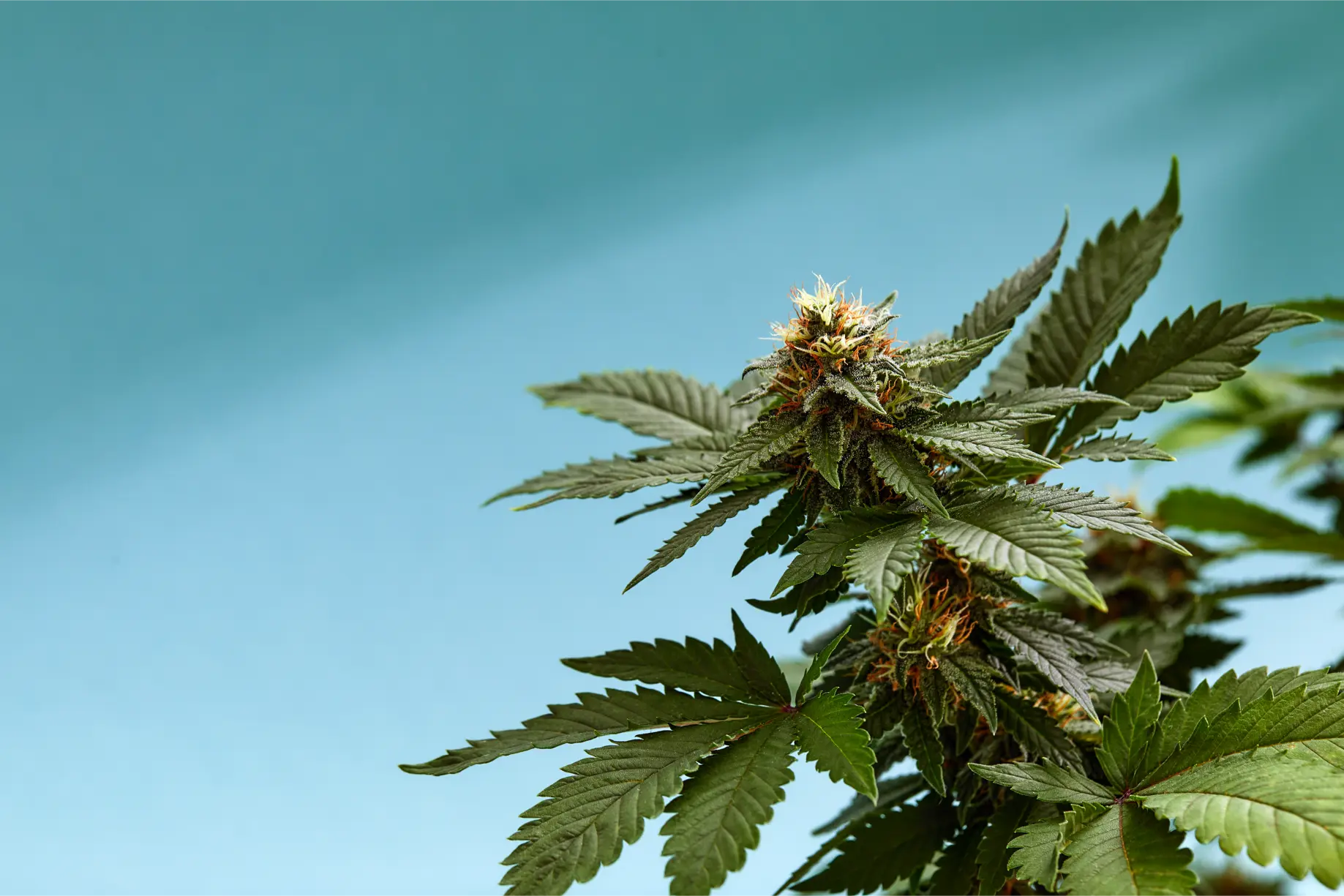
Fruit of the Gods, often shortened to F.O.G., combines the long-flowering mental character of Haze with the reliability and density associated with Northern Lights #5 and Skunk #1. The plant usually grows with a narrow upright profile, long but manageable branches, and spear-shaped flowers that gain much of their weight late. It is not as extreme as a pure Haze, yet it still requires more patience than a standard eight-week hybrid.
The cultivar is often described as uplifting, creative, energetic, and focused. The effect can be a creeper, meaning the first minutes feel lighter than the peak that follows. Flavor reports move through mango, orange, pineapple, sweet citrus, pine, flowers, and mild spice. Those tropical notes are the main quality target, but they are easily flattened by excessive canopy heat, premature harvest, or fast drying.
Fruit of the Gods also has a useful reputation for resilience and insect resistance. That strength should be used to reduce emergency interventions, not to justify neglect. The long flowering cycle still gives pests time to establish, and the final spears can develop humid interiors. The best grow keeps the narrow architecture open, allows the roots to work steadily for ten or more weeks, and waits for the late fruit aroma to become complete.
Legal note: Educational content only. Always follow the cultivation and cannabis laws that apply in your location.
Strain Features
| Feature | Details |
|---|---|
| Strain Type | Sativa-dominant hybrid, commonly around 60-70% sativa. |
| Commonly Reported Lineage | Northern Lights #5 Haze x Skunk #1, often summarized as NL5, Haze, and Skunk genetics. |
| THC and CBD | Usually THC-dominant with low CBD; exact ranges vary by selection and testing. |
| Flowering Time | Approximately 9.5-11 weeks indoors; some modern reports extend toward 11-12 weeks. |
| Indoor Height | Medium-tall with a narrow profile and meaningful stretch. |
| Outdoor Height | Tall and productive in warm climates with a long finish. |
| Yield Style | Satisfying indoor spear production; warmer outdoor climates can substantially increase per-plant yield. |
| Bud Structure | Long, dense-to-medium spears with strong trichome coverage and late swelling. |
| Aroma | Mango, orange, pineapple, sweet citrus, pine, flowers, and soft spice. |
| Flavor | Tropical fruit and orange peel over pine, herbs, and a lightly earthy finish. |
| Dominant Terpene Direction | Often associated with myrcene, limonene, caryophyllene, pinene, and tropical minor volatiles. |
| Grow Difficulty | Moderate indoors; moderate outdoors only in a warm, dry finishing climate. |
| Best Training | Early topping, open SCROG, branch spacing, and support for late-forming spears. |
| Main Risks | Premature harvest, heat-related terpene loss, long-cycle pest pressure, and late-flower humidity. |
| Medical Interest | Reported for mood, fatigue, focus, stress, and mild pain; high doses may cause dizziness or anxiety. |
| Best Time of Use | Daytime to early evening for users comfortable with energetic hybrids. |
The nickname F.O.G. is also associated with the dense visible exhale described by early accounts. It should not be confused with unrelated cultivars using Fog in the name.
Genetic Lineage
Northern Lights #5 influence
Northern Lights #5 contributes branch strength, resin, floral density, and a calmer physical foundation. It shortens and stabilizes the Haze side without removing the cerebral character. In the grow room, this influence appears as firmer stems and more substantial flowers than a pure tropical sativa.
Haze influence
Haze contributes the longer flowering time, narrow shape, extended stretch, citrus-incense complexity, and uplifting effect. It also explains why fruit quality continues developing after the plant already appears productive.
Skunk #1 influence
Skunk #1 adds vigor, adaptation, pest resilience, and a faster production rhythm. Aromatically, it can add sweet fermentation, earth, and a mild sharpness beneath the tropical fruit.
Why three-way hybrids still vary
Different plants can emphasize a different parent. A Haze-forward plant may be taller, slower, and more citrus-incense. A Northern Lights-forward plant may be denser and calmer. A Skunk-forward plant may be faster, louder, and easier to yield. Preserve labels and judge cured flower rather than forcing one description onto every plant.
Lineage guide: The best Fruit of the Gods keeper combines Haze fruit and clarity with Northern Lights flower quality and Skunk reliability.
Effect Breakdown
Opening phase: light, social, and deceptively gentle
The first stage often feels clear and pleasant. Mood rises, conversation becomes easier, and attention moves toward music, color, or activity. Because the onset can feel gentle, users may take more before the full effect has developed.
Peak phase: energetic creeper
The mental effect builds over time into stronger creativity, focus, laughter, and sensory engagement. Some users feel productive, while others become absorbed in one idea or activity. The body remains relatively light but not completely absent.
Late phase: relaxed without immediate sedation
As the peak settles, a mild body calm appears. The cultivar can remain social and functional, especially at moderate doses. Large doses may create dizziness, appetite, or a more pronounced physical slowdown.
Unwanted effects
Dry mouth, dry eyes, dizziness, and anxiety are possible. The delayed peak is the main risk factor. Users should wait before redosing and avoid combining a large amount with other intoxicants.
Effect advice: Treat Fruit of the Gods as a creeper. The first ten minutes are not the final dose assessment.
Flavor & Aroma Profile
Tropical top notes
Mango, orange, pineapple, and sweet citrus are the most attractive descriptions. The profile is not always candy-like. Better examples retain fruit skin, mild acidity, and a green tropical edge.
Pine, flowers, and spice underneath
Northern Lights and Haze influence can add pine, dry wood, incense, and flowers. Skunk contributes earth and a faint fermented sharpness. These layers prevent the cultivar from tasting like a one-dimensional fruit product.
Live plant versus cured flower
The live plant may smell brighter and more citrus-led. During drying, fruit can temporarily recede behind herbs and earth. A patient cure should restore separation between mango-orange top notes and the pine-spice base.
Heat sensitivity
Tropical monoterpenes are vulnerable to canopy heat and fast drying. A warm room may still produce potent flower, but the result can lose the reason the cultivar is called Fruit of the Gods.
Dominant Terpenes
Limonene
Limonene supports orange peel and bright fruit. It also contributes to the energetic aromatic impression, though effects cannot be predicted from limonene alone.
Myrcene
Myrcene adds ripe mango, herbs, and earth. It may support the mild body relaxation that appears after the cerebral peak.
Beta-caryophyllene
Caryophyllene creates pepper, dry spice, and a stable base beneath the fruit.
Pinene
Pinene provides fresh pine and may help preserve a clear green edge in the aroma.
Ocimene and tropical minor volatiles
Ocimene and other minor compounds can contribute sweet green fruit, flowers, and airy tropical character. These are easily lost through heat and oxygen exposure.
Chemotype note: Mango or orange aroma does not prove one exact terpene. Laboratory results and direct sensory evaluation should be used together.
Indoor vs. Outdoor Growing
| Aspect | Indoor Cultivation | Outdoor Cultivation |
|---|---|---|
| Height | Medium-tall; manageable with early training. | Tall and more productive in warm climates. |
| Flowering | About 9.5-11 weeks, sometimes longer. | Long autumn finish; timing depends strongly on latitude and climate. |
| Best System | Open SCROG, soil or coco, and strong uniform light. | Large container or ground with full sun, drainage, and support. |
| Main Risk | Late stretch, heat at top spears, pests during long cycle, and premature harvest. | Season ending early, rain, caterpillars, and wind damage. |
| Resistance | Often resilient and relatively bug-resistant, but not immune. | Useful resilience in warm sites; still requires preventive inspection. |
| Yield Pattern | Good spear production with late weight gain. | Can exceed indoor yield significantly in warm long seasons. |
| Flavor | Precise control protects citrus and mango. | Sun can deepen fruit and pine if heat and rain remain controlled. |
| Difficulty | Moderate. | Moderate in a suitable climate; advanced in short or wet regions. |
Indoor growers should avoid mixing Fruit of the Gods with short eight-week cultivars under one fixed light height. The final spears continue developing after faster plants are ready.
Outdoor growers gain the most from warmth and a long season. The cultivar may survive less suitable conditions, but survival is not the same as complete tropical flavor and mature flowers.
Strain-Specific Grow Guidance
Start with a narrow canopy plan
Fruit of the Gods does not need to become a dense bush. One early top and outward branch positioning are usually enough. Preserve the narrow lanes that allow light and air to travel along the spears.
Flip before the branches become woody and crowded
The Haze influence creates continued extension. Begin flowering while the branches are still flexible and the screen contains open space. Late bending of stiff flowering stems increases split risk.
Use moderate nitrogen and watch internode response
More feed is not automatically more quality
Excess nitrogen lengthens internodes, delays flower focus, and weakens the fruit profile. Feed for steady green growth rather than maximum leaf darkness. A plant that stretches faster after every feeding may already have enough nitrogen.
Keep roots active through a ten-week finish
The long reproductive cycle requires stable root oxygen. In soil, use aeration and avoid repeated saturation. In coco or hydro, monitor salt balance and ensure irrigation frequency matches actual root demand.
Treat pest resistance as time, not immunity
A resilient plant gives the grower a wider response window. It does not prevent mites, thrips, aphids, or caterpillars. Inspect weekly and avoid late-flower sprays that contaminate resin.
Protect the tallest spears from heat
The top flowers can enter a hotter microclimate than the rest of the canopy. Maintain safe fixture distance, measure canopy temperature, and avoid sudden late increases in intensity.
Support late weight gain
The spears may look light in mid-flower, then gain substantial mass. Install a second net or soft branch ties before the final swell changes the branch angle.
Open the lower interior after stretch
Remove shoots that remain beneath the productive zone. Keep healthy fan leaves that receive light, but eliminate small shaded flower clusters that increase humidity and trim labor.
Watch water-use slowdown near maturity
A plant can continue producing aroma while using less water. Reduce irrigation according to dryback and avoid keeping the root zone wet simply because several weeks remain on the calendar.
Wait for tropical aroma and calyx completion
The flower may be resinous before the mango-orange profile is fully developed. Harvest when calyxes are swollen, new pistil production has slowed, and most bract trichomes are cloudy. A measured amber percentage softens the energetic edge.
Master advice: Fruit of the Gods earns its name in the final stage. Do not remove the plant before the fruit becomes complete.
Warm-Climate Field Strategy
In a warm, dry region, Fruit of the Gods can use a long vegetative season to build a tall but relatively narrow frame. Top early enough that the new leaders become strong before flower initiation. Install a wide cage and keep the central interior accessible. The plant may not look bulky in midsummer, but long branches can carry substantial late flower.
Irrigation should wet the active root zone deeply, then allow oxygen to return. Shallow daily watering encourages surface roots and makes the plant more vulnerable to heat. Mulch can moderate soil temperature, but keep it away from the stem and avoid creating a permanently wet collar.
Morning sun is especially useful. It dries dew, starts photosynthesis early, and extends the daily period in which the plant can support late-season flower. Afternoon protection may be helpful only in extreme heat. Constant shade reduces both yield and tropical aroma.
Outdoor yield increases only when the season reaches full maturity. A large plant harvested early can produce more weight than an indoor plant but less premium flavor. Climate suitability should be judged by the finishing window, not by summer vegetative vigor.
Cool-Climate Greenhouse Strategy
A greenhouse can extend the season and exclude rain, but it also traps humidity. Roof vents, side vents, and active air exchange are necessary. The plant should not touch the walls or roof, where condensation can transfer directly onto flowers.
In regions with rapidly shortening autumn days, the greenhouse may encourage earlier flowering. In other locations, supplemental light control or light deprivation may be necessary to finish before cold weather. Any blackout system must be removed or ventilated so that heat and moisture do not accumulate around the canopy.
Night temperature should not fall so low that the air reaches saturation. A small amount of heat combined with dehumidification can protect the late spears more effectively than strong daytime fans.
A Ten-Week Feeding and Irrigation Framework
During the first two weeks of flowering, maintain enough nitrogen for stretch without pushing dark leaf color. Water demand often rises because the plant is creating new branch and leaf area. The canopy should remain flexible, and the root zone should complete a predictable dryback.
Weeks three and four mark the beginning of consistent flower formation. Shift the nutritional balance gradually rather than making an abrupt bloom change. Maintain calcium, magnesium, sulfur, and micronutrients according to the medium and water source. Sudden high phosphorus does not replace balanced plant nutrition.
Weeks five and six are often the strongest biomass period. The spears lengthen, resin becomes obvious, and the tropical aroma begins separating from the green plant smell. This is the period when the cultivar can use strong light and a steady root supply, provided leaf temperature and room humidity remain controlled.
Weeks seven and eight require observation rather than automatic escalation. Some plants continue active swelling and use substantial water. Others begin slowing. Compare container weight, runoff behavior where relevant, and the rate of new pistil production before changing irrigation or concentration.
Weeks nine and ten are usually maturation weeks. Nitrogen demand declines, and excessive feeding can keep the flowers leafy. Maintain enough mineral availability to prevent rapid collapse, but avoid chasing yield with late salt accumulation. The fruit aroma should become rounder and more distinct.
Plants extending beyond week ten need the same evidence-based approach. A long phenotype is not automatically hungry. If the roots remain healthy, the plant can finish on a tapering program. If the root zone is wet and the leaves are dark, adding more nutrient only delays the correction.
Using Pest Resilience Correctly
Resilience reduces the chance that a small pest exposure becomes immediate severe damage. It does not stop insects from feeding, reproducing, or moving to other plants. Fruit of the Gods should remain part of the same integrated pest management program as the rest of the garden.
Preventive work is most valuable in vegetative growth and the first flowering weeks. Keep the floor and tools clean, inspect new plants, use physical barriers outdoors, and preserve beneficial insects where appropriate. Avoid spraying oils or soaps onto resinous late flowers.
Outdoors, caterpillars deserve special attention because they can enter a long spear and create a hidden rot site. Look for damaged pistils, frass, or one dying sugar leaf. Remove affected material cleanly and inspect the surrounding flower.
A resistant phenotype that finishes cleanly can be a valuable keeper, but do not select only for pest response. Tropical flavor, finishing time, branch strength, and effect still matter.
Recognizing the Complete Fruit Harvest Window
The first clear tropical smell is not the final aroma. Early flower may smell like orange peel and green mango. Mature flower develops riper mango, pineapple, flowers, pine, and a sweeter base. The transition should occur alongside calyx expansion.
At mostly cloudy trichomes, the effect generally remains brighter and more energetic. A small amber percentage softens the peak and adds body comfort. Excessive lateness can reduce citrus and make the profile earthy.
Take a small labeled sample only when the plant is close to maturity, not as a substitute for finishing the crop. Comparing a slightly earlier and slightly later branch after cure can help define the preferred window for the keeper on the next run.
Weedth Bud Flavor Tips
Harvest before fruit becomes dull
There is a difference between complete maturity and over-ripeness. Once mango and orange begin disappearing beneath flat earth, waiting longer may reduce the cultivar’s best quality.
Use a cool dark dry
Warm fast air removes citrus and tropical notes. Dry with stable moderate humidity and indirect air movement.
Keep large spears separated
Long branches should hang with space between them. Divide unusually thick clusters if the core cannot dry safely.
Cure through the herbal stage
The first week may smell green or pine-heavy. Several weeks of cure allow mango, orange, flowers, and sweetness to return.
Store phenotypes separately
One plant may be orange-forward and another mango-pine. Mixing them prevents meaningful keeper evaluation.
Weedth Bud Boost Tips
Indoor: fill length, not vertical volume
Train branches horizontally so that several flower sites occupy the high-quality light zone. Tall unsupported stems produce less usable flower than long illuminated sections.
Indoor: extend productive light to the canopy edges
A narrow plant can tempt the grower to crowd several plants under one hotspot. Use uniform coverage and maintain separation between spears.
Indoor: maintain root-zone cleanliness over time
Long cycles magnify salt accumulation and biofilm problems. Track irrigation behavior, runoff where appropriate, and root-zone odor.
Outdoor: choose warmth with morning sun
Morning light dries dew and gives the plant a longer daily photosynthetic window. Avoid low wet hollows even when they appear discreet.
Outdoor: build wind support before flower
Tall narrow plants can twist in storms. Use a cage or multiple stakes while branches are still flexible.
Select for premium fruit retention
The keeper should retain tropical flavor after cure while finishing within the available season. Maximum raw yield is secondary if the jar loses the fruit identity.
Medical Uses & Benefits
Fruit of the Gods is most often discussed for mood, fatigue, focus, stress, and mild pain. These uses are based on reported experience, not strain-specific clinical trials.
| Reported Use | Potential Fit and Limitation |
|---|---|
| Low Mood | The uplifting creeper effect may improve engagement and pleasure. |
| Fatigue | Daytime energy can feel useful, but late use may disrupt sleep. |
| Focus | Some users feel absorbed and productive; others become overstimulated or distracted. |
| Stress | A moderate dose can create positive distance from stress. A high dose may increase anxiety. |
| Mild Pain | Mental engagement and light body relaxation may reduce discomfort. |
| Appetite | Hunger can appear during the late phase, though it is not guaranteed. |
Medical caution: The delayed peak makes dose control especially important for patients. Wait before increasing the amount.
Ideal User Profile
Fruit of the Gods suits users who enjoy tropical flavor, a creative daytime effect, and a gradual rather than immediate peak. It suits growers who can wait ten or more weeks and who understand that resilience does not remove the need for inspection.
- Best timing: morning to early evening.
- Best activities: creative work, music, conversation, walking, and light practical tasks.
- Grower fit: intermediate cultivators with warm, stable conditions.
- Poor fit: users sensitive to delayed energetic effects or growers with a short wet season.
- Special appeal: tropical fruit that remains connected to classic Haze, Northern Lights, and Skunk structure.
Mapping the Canopy for Uniform Tropical Flower
Divide the screen into zones before the flip. Each main branch should have a destination and enough lateral space for its final spear. This prevents several leaders from competing for the center while the edges remain empty.
During stretch, move the most vigorous tips outward and allow slower branches to remain nearer the center. This uses the plant’s natural hierarchy instead of repeatedly cutting the strongest shoots. The final canopy should be level enough for uniform light but not so flat that every flower touches the same air layer.
Mark the tallest Haze-forward plants early. They may need an outer position, stronger support, and a longer finish. Shorter Northern Lights-forward plants can remain nearer the center and may develop denser flowers.
After stretch, remove only sites that remain permanently below the productive zone. A long branch can carry valuable flowers along its length if light reaches it. Do not lollipop every plant according to the same fixed height.
Use the map during harvest. Plants or branches that finish earlier can be removed without losing labels, and the remaining canopy can be repositioned for safe light and air exposure.
Troubleshooting Flavor and Maturity
Strong orange aroma but weak mango: the phenotype may naturally lean citrus, or the plant may need more time for ripe fruit development. Compare calyx swelling before extending the cycle.
Pine dominates after drying: drying may have been too warm, or tropical top notes were lost through excessive handling. The phenotype can also lean Northern Lights or Haze. Cure before making the final judgment.
The plant keeps producing white pistils: inspect where the new pistils occur. Limited renewal on the brightest tips can be normal. Whole-plant fresh pistil production with narrow calyxes suggests continued maturation.
The effect is anxious and short: early harvest, high dose, and a Haze-forward phenotype are possible explanations. A later branch sample may reveal whether additional maturity softens the experience.
Flowers are large but the smell is generic: high temperature, excess nitrogen, root-zone stress, or an aroma-light phenotype may be responsible. Size and terpene quality are separate outcomes.
Postharvest Plan for Long Tropical Spears
Remove large fan leaves while keeping enough smaller leaf to slow the dry. Hang branches individually with clear space around each spear. Large outdoor branches may need to be divided at natural junctions.
The early drying aroma may shift toward grass, pine, or herbs. Do not respond by adding fruit peels or other organic material. Stable moisture redistribution and time are safer than introducing mold risk or foreign aroma.
Cure for at least several weeks before comparing phenotypes. Open containers only for moisture management, then allow them to remain closed. Mango and orange may become clearer after the green stage passes.
For long-term evaluation, retain a small sealed sample from each plant for two or three months. The best keeper should preserve tropical distinction rather than becoming generic pine-earth with storage.
Grower Notes and Feedback
Growers often describe the plant as more resilient than delicate pure Haze lines. That does not make it fast. The late weeks remain necessary for fruit, density, and effect completion.
Insect resistance is useful outdoors, yet caterpillar damage can still create rot inside a spear. Inspect flowers after moth activity and storms.
Hydroponic plants may appear to finish faster because growth is more rapid, but harvest should still be based on flower maturity. Fast root delivery cannot replace genetic time.
The narrow shape is easy to underestimate. Several narrow plants placed too close can create a solid wall once the side branches extend.
The best cured batches show fruit first and pine-spice second. Warm drying reverses that order and leaves a generic Haze-Skunk profile.
Field advice: Preserve one labeled sample from every plant. Fruit of the Gods is worth selecting by cured aroma, not only by flowering speed.
Final Fruit of the Gods Quality Review
The finished canopy should show long supported spears with air between them and little weak flower below the productive zone. Tropical aroma should be detectable without crushing the buds, and the root zone should be using water more slowly without remaining waterlogged.
A mature Haze-forward plant may still show limited fresh pistils. The decision should come from swollen middle calyxes, mostly cloudy trichomes, reduced whole-plant growth, and a rounded mango-orange aroma. One visual signal is not enough.
Outdoor growers should compare the forecast with the remaining maturity gap. A plant that needs another week in dry weather may improve substantially. The same week under continuous rain can destroy more quality than it adds. Harvest risk is part of cultivar-specific timing.
After cure, the best keeper should preserve fruit on both the intact-bud aroma and the exhale. A plant that smells tropical but tastes only earthy may have attractive volatile top notes without equivalent flavor persistence.
Record flowering duration honestly. If the best plant requires eleven and a half weeks, plan the next room around that fact rather than labeling it a ten-week cultivar for convenience.
Weedth Editor's Note
The point where this plant reveals itself
I would grow Fruit of the Gods with a wide, lightly filled screen and enough time on the schedule. The plant does not need constant cutting. It needs direction, support, and room to finish.
I would keep nitrogen conservative because the flavor is more valuable than extra green mass. A narrow sativa-dominant plant can look hungry when it is simply expressing its natural color and spacing.
The top spears would receive special temperature attention. Tropical fruit disappears quickly when the canopy remains hot. I would rather accept slightly less intensity than bleach the flowers and flatten the aroma.
At harvest, I would wait for the mango-orange layer to feel rounded. Then I would dry slowly and keep every phenotype separate. The most productive plant is not necessarily the one I would preserve.
This is a satisfying cultivar for growers who want classic genetic character without the full difficulty of a pure Haze. It still asks for patience, but the final combination of fruit, energy, and mild physical balance justifies the extra weeks.
Weedth Score
Growing Experience 8.0/10 – Resilient and manageable, but the long finish and heat sensitivity require discipline.
Bud Structure & Visual Appeal 8.7/10 – Attractive resinous spears with strong late swelling.
Aroma Complexity 9.0/10 – Mango, orange, pineapple, pine, flowers, spice, and light earth.
Flavor & Smoothness 8.8/10 – Excellent when fruit is preserved through a cool dry.
Effects & High Experience 8.8/10 – Uplifting, creative, and energetic with a useful late calm.
Overall Satisfaction & Recommendation 8.7/10 – A rewarding tropical classic for patient hybrid growers.
Editor closer: The effect builds slowly, the fruit arrives late, and both are better when the grower refuses to rush.
Records for a Long Tropical Hybrid
Write down the actual stretch ratio for every phenotype. This single value improves the next flip date and helps place tall Haze-forward plants at the correct screen position.
Record the first mango or orange aroma and the date when the calyxes reached full swelling. The difference shows how long the fruit profile needs to mature after it becomes noticeable.
Outdoor growers should record sunrise exposure, first autumn dew, and the final dry-weather window. These site details are more useful than a broad regional climate label.
Keep a small long-term cure sample. Tropical top notes that remain clear after several months identify a more valuable keeper than aroma that disappears soon after harvest.
Why Fruit of the Gods Should Not Be Forced Into an Eight-Week Schedule
An eight-week target can encourage excessive light, aggressive bloom feeding, or an early cut. None of these actions changes the genetic pace of Haze-influenced calyx development. They usually create stressed tops and unfinished flavor.
A more efficient plan accepts the longer cycle before planting. Reserve the room, estimate electricity and climate demand, and avoid mixing the crop with cultivars that must be harvested several weeks earlier.
When the schedule matches the genetics, the grower can taper nutrition and wait for fruit maturity without feeling that every additional day is a failure.
Fruit of the Gods is most efficient when the grower values the entire quality curve rather than turnover alone. The extra flowering time pays for tropical aroma, complete calyx formation, and a calmer late effect. Cutting the cycle short removes the traits that distinguish it from faster citrus hybrids.
A consistent diary should connect climate events with aroma. Note heat waves, irrigation changes, and the first appearance of mango or orange. These records reveal which environmental decisions preserved the fruit on the next run.
A grower who plans the long finish can also manage costs and space more accurately. The cultivar should not be blamed for occupying the room after the schedule was built around faster plants. Matching the production calendar to the genetics is part of strain-specific cultivation, just as important as feeding or training.
The finished jar should explain the extra weeks immediately: ripe tropical fruit, structured pine and spice, and an energetic effect that feels complete rather than thin.
Patience is not wasted time when the final weeks are still adding fruit, density, and balance.
Finish patiently.
FAQ
What is Fruit of the Gods crossed with?
It is commonly described as Northern Lights #5 Haze crossed with Skunk #1, combining Northern Lights, Haze, and Skunk genetics.
How long does Fruit of the Gods flower?
Most indoor plants need roughly nine and a half to eleven weeks. Some expressions may require longer.
Is Fruit of the Gods a creeper?
Many users report a gradual build. Wait before redosing because the initial effect may feel lighter than the peak.
What does it taste like?
Common notes include mango, orange, pineapple, sweet citrus, pine, flowers, and mild spice.
Is it resistant to pests?
It has a reputation for resilience and bug resistance, but it is not immune. Long flowering still requires regular inspection.
How much does it stretch?
Expect meaningful sativa-dominant stretch. Early topping and an open SCROG help convert vertical growth into illuminated flower length.
Can it grow outdoors?
Yes, especially in warm climates with a long, dry finish. Short or wet autumns may prevent complete maturity.
Why is my flower piney instead of fruity?
The phenotype may lean Haze or Northern Lights, or tropical top notes may have been lost to heat, early harvest, or fast drying.
When should it be harvested?
Wait for full calyx swelling, slowed pistil renewal, mostly cloudy bract trichomes, and a complete mango-orange aroma.
Is it beginner friendly?
It is more forgiving than a pure Haze but still better for an intermediate grower because of the longer cycle and harvest timing.
Similar Strains
- Super Silver Haze: More incense-led and longer-stretching, with a similarly uplifting classic-hybrid effect.
- Pineapple Express: Faster and easier, with tropical fruit and a balanced daytime profile.
- Mimosa: Brighter orange-citrus and stronger modern potency, with less old-school pine and Haze depth.
- Golden Goat: Tropical, sweet, and energetic with a social creative effect.
- Jack Herer: Pine, spice, and citrus with a clearer, more structured mental lift.
- Very Berry Haze: Longer and more flexible, with berry replacing much of the mango-orange profile.
Share this article
A quick overview of the topics covered in this article.
Follow us
Latest articles
September 9, 2026
September 9, 2026
September 9, 2026