
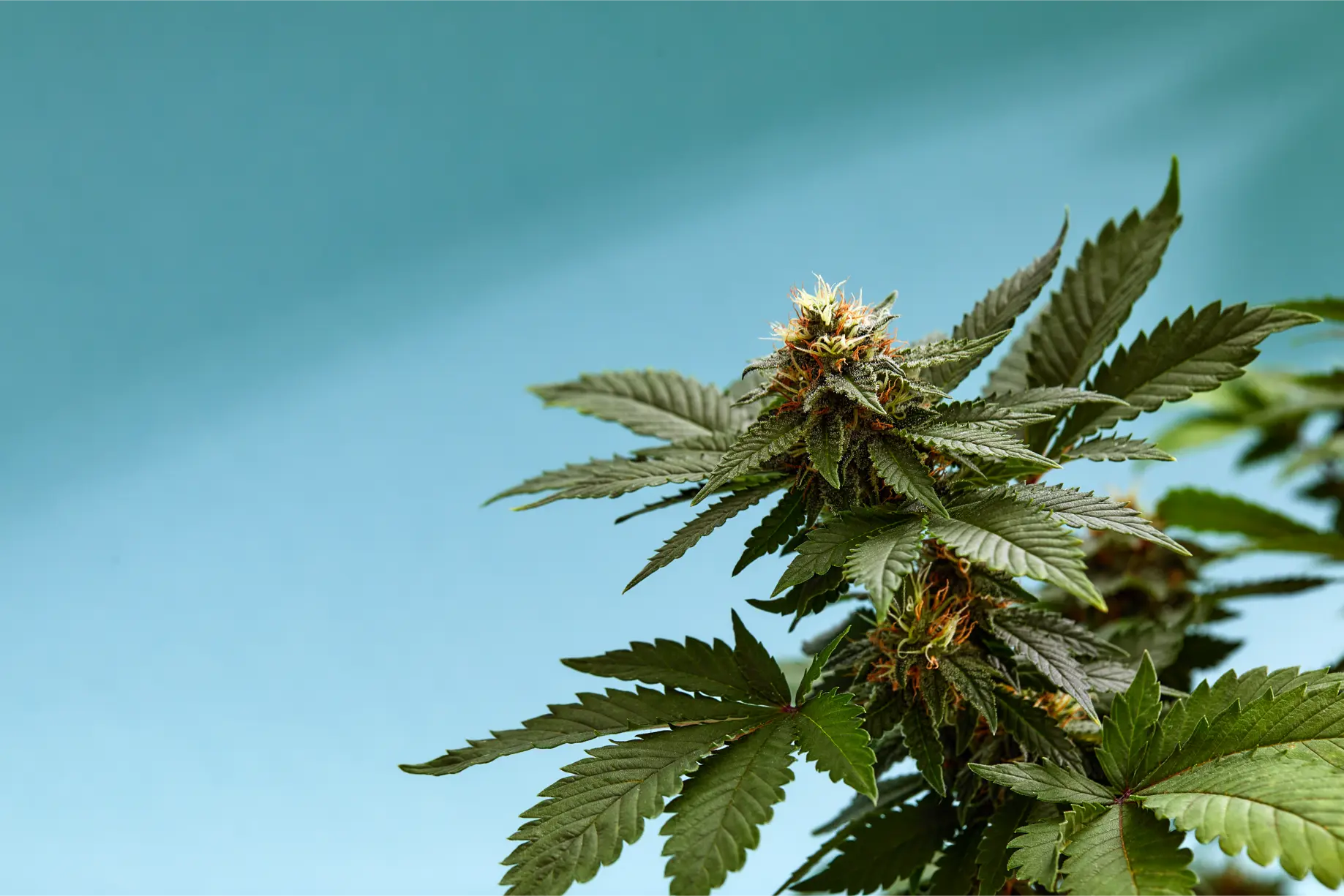
Gary Payton Strain: Complete Cultivar & Grow Guide
Gary Payton has established itself as one of the defining modern cannabis cultivars of the post-2020 era, commanding widespread respect across commercial operations, craft caregiver gardens, and boutique dispensary shelves. Engineered from a celebrated cross between The Y (often recognized as Y Life, an elite hybrid of Cookies and Cherry Pie) and Snowman (a famously frosty, resin-drenched Girl Scout Cookies phenotype), Gary Payton represents a meticulous balance of contrasting cannabis genetics. Rather than tilting heavily into pure dessert sweetness or raw fuel acridity, it merges both traditions into a multifaceted chemical profile that grower communities prize for its vigor, bag appeal, and multi-layered sensory experience.
For the serious cultivator, Gary Payton is a cultivar defined by physiological duality. During late vegetative growth, the plant presents a sturdy, cooperative broadleaf framework with strong apical dominance and manageable internodal spacing. However, the moment photoperiod lighting is shifted to twelve hours, the influence of The Y asserts itself through a sudden, aggressive vertical surge, often stretching between one hundred and fifty to two hundred percent during the first twenty-one days of bloom. Cultivators who fail to anticipate this transitional leap frequently find themselves dealing with overcrowded light footprints, uneven canopy penetration, and strained vertical headroom. Conversely, growers who implement early structural discipline, timely topping, and horizontal canopy guidance are rewarded with long, club-like floral spears that harden into dense, resin-crusted nuggets of exceptional commercial quality.
The cultivation objective with Gary Payton extends far beyond chasing simple biomass or headline cannabinoid numbers. While batch analytics routinely verify total cannabinoid contents between twenty-two and twenty-seven percent, the true benchmark of elite Gary Payton flower lies in aromatic complexity and trichome preservation. Its pungent bouquet bridges cracked black peppercorns, sharp diesel fumes, and earthy sourdough with subtle top notes of sweet citrus zest, roasted nuts, and faint wild berry. Protecting these volatile monoterpenes and delicate sesquiterpenes requires precise climatic management: moderate nutrient electrical conductivity, strict vapor pressure deficit targeting, active canopy airflow, and an unhurried, temperature-controlled curing cycle. This comprehensive guide delivers the horticultural science, nutritional blueprints, and practical management strategies necessary to master Gary Payton from rooting clone to final cure.
Strain Features
| Feature | Details |
|---|---|
| Strain Type | Balanced Hybrid (50% Indica / 50% Sativa) |
| Genetic Lineage | The Y (Y Life: Cookies x Cherry Pie) x Snowman (GSC Phenotype) |
| Average THC Level | 22% to 26% (Select elite batches reach up to 28%) |
| Average CBD Level | Less than 0.5% (Trace levels of CBG between 1.0% and 1.8%) |
| Dominant Terpenes | Beta-Caryophyllene, Limonene, Linalool, Myrcene, Alpha-Humulene |
| Aromatic Profile | Pungent diesel fuel, cracked black pepper, savory earth, citrus zest, nutty dough |
| Primary Effects | Fast cerebral euphoria, alert focus, sociability followed by steady somatic relaxation |
| Indoor Flowering Time | 58 to 65 days (8 to 9.5 weeks post-flip) |
| Flowering Stretch Ratio | Moderate to High (1.5x to 2.2x vertical expansion during transition) |
| Bud Morphology | Very dense, rounded conical bract clusters with heavy glandular trichome coverage |
| Cultivation Difficulty | Intermediate (Requires proactive canopy training and support planning) |
| Primary Grow Risks | Unplanned stretch height, dense interior microclimates, late-flower branch sagging |
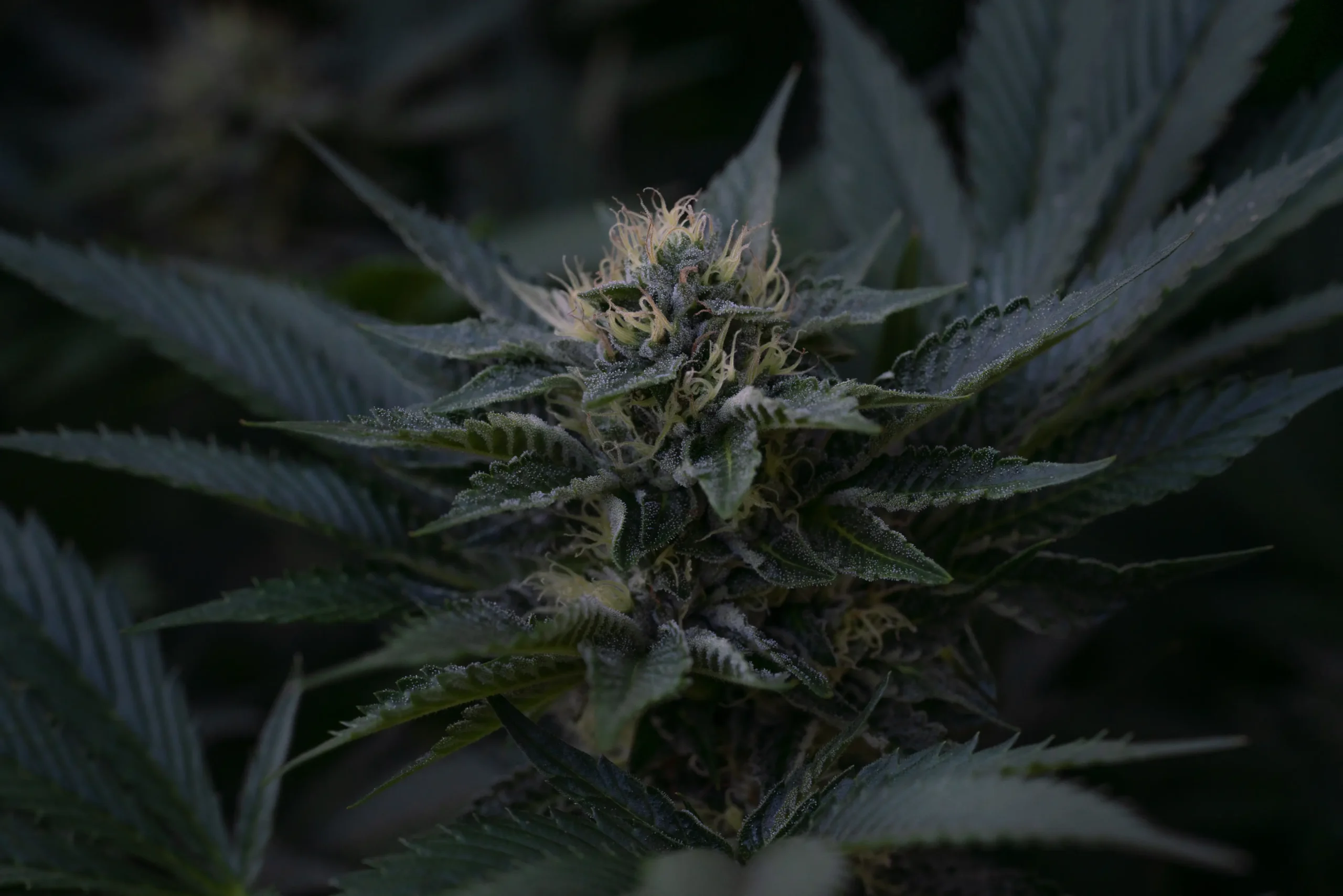
The morphological profile of Gary Payton reflects its elite breeding background. During early vegetative development, the root system expands aggressively, establishing thick, resilient taproot and secondary feeder networks when cultivated in aerated media such as coco coir or living organic soil. Stems develop substantial vascular thickness, supported by firm lignification that permits heavy structural loads. Foliage exhibits broad, serrated leaflets with dark forest-green pigmentation, displaying an abundance of chlorophyll that allows rapid photosynthetic conversion under moderate to high photosynthetic photon flux density (PPFD).
As the plant transitions into the fifth week of floral induction, the architecture transforms noticeably. Individual bract clusters stack tightly along each terminal branch, producing continuous floral columns that eliminate bare stem gaps. Glandular trichome development initiates early and accelerates through week seven, culminating in a dense carpet of capitate-stalked resin heads measuring between ninety and one hundred and twenty microns. The calyx-to-leaf ratio remains favorable, meaning manicuring after harvest is swift and clean, with minimal inner sugar leaf intrusion into the cured flower core.
Under balanced nutritional steering, late-season floral clusters display rich aesthetic depth. While bright lime and jade tones dominate the primary bract tissue, subtle exposure to cooler night cycles during the final ten days brings forth striking streaks of plum, violet, and charcoal across the outer sugar leaves. These dark pigments contrast sharply with vibrant tangerine and copper pistils that curl tightly against swollen calyx walls, creating remarkable visual appeal that commands attention in any premium flower assortment.
The physical density of the finished buds is exceptionally high. Cured nuggets feel firm, heavy, and crystalline, resisting compression without showing brittleness. When snapped open, the internal calyx structures reveal unbroken resin glands and an immediate release of volatile aroma that fills the immediate atmosphere within seconds.
Microscopic examination of the resin matrix highlights an extraordinarily uniform glandular head distribution. Capitate-stalked trichomes coat both the exterior perianth surfaces and the deeper interior calyx crevices. The trichome heads possess thick, protective cuticle membranes that resist mechanical rupture during gentle hand trimming, ensuring that delicate monoterpenes and volatile sulfur compounds remain hermetically sealed until the moment of consumption.
Genetic Lineage
The genealogical foundation of Gary Payton bridges two of California’s most influential modern breeding branches: The Y and Snowman. The maternal contributor, The Y (frequently designated across breeding circles as Y Life), is itself a potent cross between the seminal Girl Scout Cookies (GSC) and the flavorful Cherry Pie (Granddaddy Purple x Durban Poison). The Y contributed remarkable vegetative vigor, open internodal spacing, and an invigorating cerebral brightness that prevents the hybrid from collapsing into one-dimensional physical lethargy. It also introduced subtle tart berry and herbal notes that soften the heavy fuel and dough characteristics of its offspring.
The paternal contributor, Snowman, is an iconic phenotype of the original Girl Scout Cookies lineage, celebrated specifically for its outrageous resin output, thick powdery trichome layer, and heavy dessert dough aroma. Snowman brought immense floral density, compact calyx stacking, and deep somatic grounding to the pairing. When these two parent lines were combined, breeders selected the resulting phenotype for its rare ability to express the explosive vertical stretch of The Y while finishing with the diamond-hard floral solidity and frost coverage of Snowman.
In analytical garden surveys, phenotypic consistency in Gary Payton clone-only lines is remarkably stable, though slight variations emerge depending on cultivation variables. Two primary phenotypic expressions are observed by craft growers:
- The Fuel-Pepper Phenotype: Characterized by sharp beta-caryophyllene and humulene dominance, this expression stretches vigorously (up to 2.2x), features slightly more elongated conical colas, and produces a pungent diesel and savory earth aroma. It finishes around day sixty-three indoors and offers a razor-sharp, energetic cognitive opening.
- The Dough-Citrus Phenotype: Displaying heavier limonene and linalool concentrations, this cut presents slightly tighter internodes, rounded golf-ball style bud clusters, and rich undertones of lemon zest, vanilla dough, and sweet cream. It finishes slightly faster, often reaching peak trichome maturity between day fifty-eight and sixty.
Understanding this lineage is crucial for managing the cultivar. Gary Payton is not a squat, docile indica that stays confined to a neat corner of the garden. It inherits genuine hybrid vigor that demands proactive canopy architecture from week two of vegetative growth through the completion of flowering stretch.
Historical genetic mapping also reveals the deep Durban Poison ancestry coursing through Cherry Pie into The Y. This African landrace heritage explains Gary Payton’s rapid transpiration capacity, its hearty appetite for light energy, and the sustained mental focus reported by consumers. The Cookies ancestry, meanwhile, provides the structural foundation for its heavy calyx swelling and rich, doughy resin saturation.
Effect Breakdown
The physiological and mental progression of Gary Payton delivers an engaging, multi-phase experience that distinguishes it from pure sedative cultivars or racy sativas. Upon initial inhalation, the onset is swift, typically manifesting within two to five minutes as a warm, tingling wave centered behind the eyes, across the temples, and over the crown of the head. Visual perception brightens, sensory details become sharper, and a buoyant surge of mental clarity sweeps away daily cognitive friction. This opening phase is marked by effortless conversational ease, creative engagement, and a pleasant, buoyant optimism that makes social settings and collaborative tasks deeply enjoyable.
Unlike high-pinene landrace sativas that can sometimes provoke restless mental jitteriness or racing thoughts, Gary Payton maintains an anchored, collected center throughout its cerebral peak. Consumers report a steady state of focused presence: thoughts flow coherently, repetitive mental rumination is subdued, and mundane activities take on a novel, engaging quality. This cognitive lucidity persists for approximately forty to sixty minutes, during which motivation and functional sociability remain fully intact.
As the session crosses into the second hour, the influence of the Snowman lineage gradually makes its presence felt across the musculoskeletal system. The sensation travels downward from the base of the neck into the trapezius muscles, lower lumbar spine, and extremities. Tight, contracted muscle fibers experience gradual release, chronic somatic tension unwinds, and breathing deepens naturally. Crucially, this physical ease occurs without imposing immediate couchlock or heavy motor sluggishness, provided the dosage remains within moderate thresholds.
At elevated consumption levels, however, the pharmacological curve shifts noticeably. What began as an alert, conversational daytime companion evolves into a deeply sedating physical anchor. Eyelids grow heavy, mental focus dissolves into dreamy contemplation, and the appetite experiences strong stimulation. Novice consumers or those with low cannabinoid tolerance should approach Gary Payton with respect, as its rapid onset and high total cannabinoid volume can easily surprise individuals accustomed to milder commercial strains.
The total duration of active effects spans between two and a half to three and a half hours, tapering off smoothly without the harsh, disorienting crash often associated with unbalanced hybrids. The residual state is characterized by calm physical satisfaction and relaxed mental clarity, making Gary Payton exceptionally versatile across late afternoon and evening routines.
Pharmacokinetically, the rapid onset is facilitated by the synergy between elevated THC and high limonene concentrations, which increase cellular membrane fluidity and accelerate cannabinoid uptake. The subsequent grounding phase is supported by beta-caryophyllene and myrcene, providing a smooth biphasic arc that transitions predictably from cerebral stimulation to physical restoration.
Flavor & Aroma Profile
The olfactory presence of Gary Payton is immediate, commanding, and complex. Opening a properly cured glass storage container releases an initial wave of pungent diesel fuel, crushed black peppercorns, and damp forest floor. This savory, acrid opening is not fleeting; it hangs heavily in the room, announcing the cultivar’s presence before a single bud is handled. Upon closer inspection, breaking a cured flower apart between the fingers fractures thousands of delicate glandular heads, releasing an entirely new layer of aromatic top notes: sweet sourdough, grated citrus rind, roasted hazelnuts, and a faint whisper of tart blackberry.
When inhaled through a clean dry-herb convection vaporizer calibrated to 375 degrees Fahrenheit (190 degrees Celsius), the initial vapor delivery is remarkably smooth yet intensely flavorful. The front of the palate registers sharp cracked pepper and pungent kerosene, quickly followed by a rich, velvety mouthfeel reminiscent of savory buttered dough and citrus peel. The middle of the draw reveals subtle herbal nuances of sweet marjoram and damp cedar, grounding the brighter citrus tones in deep earthiness.
The exhale transitions into a long-lasting, complex finish. As the vapor departs, notes of sweet pastry dough, diesel exhaust, and subtle lemon candy coat the tongue, leaving a warm, spicy resonance that lingers across the taste buds for ten to fifteen minutes post-session. When rolled in unbleached rice paper, the flower burns cleanly with an even, continuous cherry, creating a pronounced resin ring just behind the ember and yielding a pristine light-gray ash that confirms comprehensive nutrient flushing and meticulous drying.
Preserving this intricate sensory profile requires disciplined post-harvest care. Because the delicate monoterpenes like limonene and linalool volatilize at lower temperatures than heavy sesquiterpenes like beta-caryophyllene, an excessively warm or rushed drying environment will strip away the sweet citrus and dough notes, leaving behind only flat, aggressive pepper and fuel. Growers who commit to an unhurried, sixty-degree drying protocol will unlock the full organoleptic richness that has made Gary Payton a staple among cannabis connoisseurs.
A dry flower pull before lighting reveals fascinating nuances that are easily overlooked during active combustion. Inhaling gently across an unlit joint delivers distinct sensations of sweet biscuit dough, lemon balm, and crushed coriander seeds. This dry-inhale complexity is a reliable indicator of properly cured flower, signaling that cellular chlorophyll has degraded completely while preserving delicate monoterpenes within the intact trichome glands.
Dominant Terpenes
| Terpene | Typical Concentration | Primary Sensory Contributions | Horticultural & Physiological Role |
|---|---|---|---|
| Beta-Caryophyllene | 0.60% to 1.10% | Cracked black pepper, warm spice, woody diesel | Acts as an atypical cannabinoid via CB2 receptor binding; enhances plant defense against piercing insects |
| Limonene | 0.45% to 0.85% | Lemon zest, sweet orange peel, tart citrus brightness | Assists in rapid blood-brain barrier permeability; provides essential plant resistance to fungal pathogens |
| Linalool | 0.20% to 0.40% | Sweet floral undertones, French lavender, soft citrus blossom | Modulates central nervous system neurotransmission; contributes to plant drought resilience and pest deterrence |
| Myrcene | 0.25% to 0.50% | Damp earth, musky spice, ripe tropical fruit foundation | Enhances somatic relaxation; deepens the rich earthy undertone of the floral bouquet |
| Alpha-Humulene | 0.15% to 0.35% | Earthy wood, fresh hops, dry herbal astringency | Acts synergistically with caryophyllene for anti-inflammatory support; natural plant insect repellant |
Analytical laboratory chromatography of Gary Payton floral extracts consistently demonstrates total terpene concentrations ranging between 1.8% and 3.2% by dry weight, placing it among the more aromatic modern cultivars when cultivated under optimized environmental steering. The profile is clearly anchored by the synergistic interplay between beta-caryophyllene and limonene, which together constitute over half of the total terpene fraction.
Beta-caryophyllene is unique among plant terpenes because its molecular structure allows it to bind directly to mammalian cannabinoid type 2 (CB2) receptors located throughout the peripheral immune system. This functional overlap provides genuine physiological anti-inflammatory and analgesic support without activating psychotropic pathways. In the living plant, elevated caryophyllene acts as an evolutionary defense mechanism, deterring herbivorous pests and protecting developing seed pods from fungal infiltration.
Limonene provides the uplifting, euphoric headspace that characterizes Gary Payton’s opening act. Beyond its psychological benefits, limonene acts as an organic penetration enhancer, facilitating the cellular absorption of companion cannabinoids and minor terpenes across mucosal membranes. Meanwhile, secondary terpenes such as linalool and alpha-humulene provide subtle biochemical modulation: linalool softens neuromuscular tension, while humulene suppresses excessive appetite spikes and contributes crisp, woody undertones that keep the overall bouquet sophisticated and dry.
Trace concentrations of beta-pinene, trans-ocimene, and alpha-bisabolol are also frequently documented in high-resolution lab screens. Alpha-bisabolol introduces delicate chamomile and floral notes while contributing mild skin-soothing and gastroprotective properties. Trans-ocimene, though present in smaller fractions (0.05% to 0.12%), provides sweet herbaceous top notes that brighten the heavy, earthy diesel foundation during early vapor release.
Indoor vs Outdoor Growing
| Cultivation Parameter | Indoor Cultivation | Outdoor Cultivation |
|---|---|---|
| Optimal Photoperiod / Season | 18/6 vegetative, 12/12 flowering (58-65 days) | Full sun exposure; harvest early to mid-October |
| Height Management | Requires topping, low-stress training, and double trellising | Can reach 7 to 9 feet tall; requires large cage or multi-tier netting |
| Average Yield Potential | 450 to 550 grams per square meter | 650 to 900 grams per plant in 100+ gallon living soil containers |
| Environmental Control Priority | Tight VPD management (1.2 to 1.5 kPa) and late-bloom RH below 45% | Protection from late-season precipitation and morning dew accumulation |
| Resin & Terpene Retention | Exceptional terpene clarity under climate-controlled LED or HPS setups | Broad, rich cannabinoid synthesis; requires shelter during October frost |
| Pest & Pathogen Vulnerability | Susceptible to powdery mildew if canopy airflow stagnates | Vulnerable to botrytis (bud rot) in dense colas during late autumn rains |
Choosing between indoor and outdoor environments for Gary Payton hinges on the grower’s ability to manage its defining strengths: vigor, stretch, and immense floral density. Indoors, Gary Payton performs with surgical precision under controlled artificial lighting. The cultivator can dial in photosynthetic active radiation between 800 and 1000 micromoles per square meter per second during peak bloom, supplying supplementary carbon dioxide at 1100 to 1200 parts per million to accelerate floral swelling. Because indoor environments allow relative humidity to be driven down to forty percent during weeks seven through nine, the risk of fungal pathogens like botrytis taking hold inside the diamond-hard colas is effectively eliminated.
Outdoors, Gary Payton develops into a massive, architectural specimen with immense production potential, particularly across Mediterranean, semi-arid, or warm temperate climates such as Northern California, Southern Oregon, and sunny Mediterranean valleys. When rooted in seventy-five to one hundred and fifty gallon fabric containers filled with well-aerated living organic soil, plants can easily surpass eight feet in height with a lateral spread of six feet. The natural full-spectrum solar radiation fuels astonishing resin production and deep purple pigmentation across the outer bracts as October night temperatures decline.
However, outdoor cultivation in humid, cool northern regions presents distinct biological challenges. Because Gary Payton stacks dense, fleshy colas that resist interior air penetration, prolonged late-season rain or dense morning fog during late September and early October can trap moisture inside the floral core, creating prime conditions for gray mold (Botrytis cinerea). Outdoor growers in temperate or coastal climates must build hoop houses, install clear poly-tunnels, or employ industrial oscillating fans to keep the canopy bone-dry during the final three weeks before harvest.
Light penetration considerations also diverge sharply between the two environments. Indoors, high-efficiency fixtures with secondary optical lenses ensure photon delivery to mid-canopy sites, but lower shoots still require aggressive lollipopping. Outdoors, natural solar movement illuminates lateral branch structures throughout the day, enabling heavy secondary branch development that can easily equal apical cola density when supported by sturdy galvanized wire cages.
Strain-Specific Grow Guidance
Mastering Gary Payton requires understanding that its vegetative cooperativeness is deceptive. A plant that appears compact, well-behaved, and sturdy under eighteen hours of vegetative light will aggressively claim vertical volume the moment it enters the flowering cycle. The following phase-by-phase cultivation strategies will ensure optimal structural integrity, canopy uniformity, and maximum top-grade flower return.
Do Not Flip Gary Payton Into Bloom With a Full Trellis Screen
Gary Payton exhibits a vigorous 1.5x to 2x stretch during weeks one through three of flower. If the vegetative canopy already covers eighty percent or more of the horizontal screen at the time of the light flip, the post-transition surge will create an unmanageable jungle of overlapping stems, suffocating lower airflow and driving top colas dangerously close to your light fixtures. Flip when the screen is only fifty to sixty percent occupied, and weave new growth horizontally through the mesh during the first fourteen days.
Vegetative Architecture and Canopy Training
To cultivate Gary Payton successfully indoors, initiate training early while stems retain juvenile flexibility. Top the main apical terminal once the seedling or cutting has established five to six true nodes, cutting back cleanly to the third or fourth node. This intervention breaks apical dominance, redirecting auxin hormones laterally to stimulate four to six vigorous primary side shoots.
Allow the new shoots to extend for seven to ten days, then apply gentle low-stress training (LST) by tying branches outward toward container rims using soft silicone-coated plant wire. Avoid aggressive late supercropping or heavy stem-snapping once the plant transitions into pre-flower, as Gary Payton’s fibrous branches lignify rapidly and can split cleanly at nodal junctions if subjected to excessive torsion. A double-layer horizontal trellis system is highly recommended: the first layer sits ten inches above the soil line for early lateral spacing, while the second layer sits twenty inches above to support heavy floral colas during late bloom.
Nutrient Steering and Electrical Conductivity (EC) Blueprints
Gary Payton is a moderate to heavy feeder that rewards disciplined nutritional steering. In coco coir or automated hydroponic setups, establish vegetative inputs at an EC of 1.4 to 1.6 mS/cm with a pH range of 5.8 to 6.0. Maintain balanced nitrogen levels to build thick, dark foliage, but avoid luxury nitrogen consumption as the flip approaches.
Why are the leaf tips of my Gary Payton clawing downward in early flower?
Question sent by: Marcus Vance, via email.
Downward leaf curling or clawing on Gary Payton during weeks two and three of flower is almost always caused by nitrogen toxicity. Because Gary Payton stretches vigorously, growers often assume it needs heavy vegetative nutrients during transition. In reality, Gary Payton’s root zone is sensitive to excessive nitrate accumulation once floral induction begins. Drop your base nitrogen input by twenty-five percent at day ten of bloom, elevate potassium and phosphorus ratios, and maintain root-zone runoff electrical conductivity within 0.2 mS/cm of your input solution.
During weeks three through six of flower, ramp up the feed EC to 2.0 to 2.2 mS/cm, shifting the nutritional ratio toward elevated phosphorus and bioavailable potassium to drive dense calyx proliferation. Gary Payton has a notable demand for magnesium and calcium throughout its mid-flowering window; supplement with soluble calcium nitrate and magnesium sulfate (Epsom salts) to prevent premature interveinal chlorosis across middle canopy leaves under high-intensity LED fixtures.
Canopy Defoliation and Airflow Strategy
Because Gary Payton produces large, fan-like broadleaf foliage, selective canopy management is essential to prevent microclimate moisture pockets. Implement a disciplined two-stage defoliation protocol:
- Day 21 Defoliation: At the conclusion of the flowering stretch (day 21 post-flip), strip away all weak, spindly growth and underdeveloped lower shoots from the bottom third of the plant (lollipop). Simultaneously, remove large inward-facing fan leaves that cast shadows across primary floral sites or impede horizontal air velocity through the center of the canopy.
- Day 42 Canopy Touch-Up: At day 42, inspect the canopy for secondary leaves that have formed dense clusters around swelling colas. Remove only leaves that directly touch or shade primary calyx spears. Avoid over-stripping, as Gary Payton requires adequate foliar carbohydrate reserves to fuel late-stage resin synthesis and calyx swelling during weeks seven and eight.
Root Zone Management and Dryback Control
Gary Payton thrives when subjected to consistent, predictable substrate dryback cycles. In substrate media like coco or peat-perlite blends, apply smaller, frequent irrigation shots during the peak photoperiod to achieve twenty to thirty percent daily volumetric water content (VWC) drybacks. Avoid waterlogging the root system during early vegetative growth, as stagnant moisture quickly stalls vegetative vigor and invites root pathogen colonization. Ensure runoff trays are free-draining and never allow containers to sit in standing nutrient runoff.
Target Daily Light Integral (DLI) and Vapor Pressure Deficit (VPD)
Precise climatic targeting maximizes Gary Payton’s photosynthetic efficiency while guarding against stress. During vegetative development, establish a Daily Light Integral of 30 to 35 mol/m2/day paired with a VPD target of 0.9 to 1.1 kPa (room temperature 78 to 80 degrees Fahrenheit, 65% RH). During weeks one through four of bloom, advance DLI to 40 to 45 mol/m2/day and VPD to 1.2 to 1.35 kPa (76 to 78 degrees F, 55% RH). During peak swelling (weeks five through eight), push DLI to 45 to 50 mol/m2/day under supplemental CO2 and tighten VPD to 1.4 to 1.5 kPa (74 to 76 degrees F, 45% RH) to promote robust transpiration and prevent foliar condensation.
Weedth Bud Flavor Tips
The distinction between ordinary commercial Gary Payton and exceptional top-shelf flower is determined almost entirely by the cultivator’s management of environmental temperature, late-stage feeding, and the post-harvest cure. Follow these proven horticultural techniques to maximize terpene intensity and palate smoothness:
Maintain Cool Canopy Temperatures During Late Bloom: During weeks seven through nine of flower, lower your daytime room temperature to 72 to 74 degrees Fahrenheit (22 to 23 degrees Celsius) and drop night temperatures to 64 to 66 degrees Fahrenheit (17 to 19 degrees Celsius). Excessive heat under high-intensity lighting volatilizes delicate monoterpenes like limonene and pinene directly from trichome gland heads. Cooler temperatures preserve these volatile fractions while encouraging the synthesis of dark anthocyanin pigments that elevate visual bag appeal.
Avoid Late-Stage Nitrogen Overloading: Nitrogen stored within plant tissues during late flower degrades into harsh nitrates and chlorophyll breakdown products during combustion, producing an acrid, throat-scratching smoke and dark charcoal ash. Taper nitrogen down significantly after week six, providing clean irrigation with gentle potassium silicate and humic acids during the final seven to ten days to allow the plant to metabolize residual salts from its foliage.
Execute a Whole-Plant 60/60 Hang Dry: Following harvest, resist the temptation to wet-trim or use mechanical trimming machines, which rupture resin glands and expose interior terpenes to ambient oxygen. Hang whole plants upside down in a completely dark drying environment maintained strictly at 60 degrees Fahrenheit (15.5 degrees Celsius) and 60% relative humidity with gentle, indirect air circulation. Allow the harvest to dry slowly over twelve to sixteen days until smaller stems snap cleanly rather than bending.
Commit to an Extended Glass Cure: Place manicured flowers into airtight borosilicate glass jars or food-grade stainless steel curing vaults, filling containers to seventy-five percent capacity. Store in total darkness at 62 to 65 degrees Fahrenheit. Burp jars daily for ten minutes during the first two weeks to exhaust metabolic gases and moisture plumes, then reduce burping to once per week for an additional three to four weeks. This allows aerobic microbes and residual plant enzymes to break down bitter starches and chlorophyll while allowing the cracked pepper, pungent gas, and sweet vanilla dough terpene layers to fully meld together.
Prevent Oxygen and Heat Degradation in Storage: Terpene volatility increases exponentially once storage temperatures surpass 68 degrees Fahrenheit. Keep cured jars in a dark, temperature-controlled environment and utilize non-liquid humidity stabilization packs (58% to 62% RH) to maintain ideal water activity without stripping delicate monoterpene volatiles from the outer bract heads.
Weedth Bud Boost Tips
For commercial cultivators and craft specialists aiming to maximize the yield potential of Gary Payton without sacrificing trichome coverage or bud density, implement the following yield-boosting interventions:
Optimize Photosynthetic Flux and CO2 Supplementation: Gary Payton has a high saturation threshold for light energy when supported by carbon dioxide enrichment. In sealed indoor gardens, supply 900 to 1050 micromoles per square meter per second of PPFD across weeks three through seven of bloom, paired with 1100 to 1200 parts per million of supplemental CO2. Ensure canopy vapor pressure deficit (VPD) is maintained between 1.3 and 1.5 kPa to sustain vigorous transpiration rates, allowing the plant to uptake massive volumes of calcium and potassium required for heavy calyx expansion.
Incorporate Soluble Monosilicic Acid: Throughout the vegetative phase and continuing through week five of bloom, incorporate bioavailable monosilicic acid (SiO4) at forty to fifty parts per million into your nutrient reservoir. Silicon deposits directly into plant cell walls, reinforcing stem diameter, strengthening vascular bundles, and creating rigid branches that support massive floral colas without kinking or bending under their own weight.
Implement Strategic UV-A and Far-Red Supplementation: Supplementing with UV-A radiation (365 to 385 nanometers) during mid-to-late flowering triggers an evolutionary photoprotective response within the plant, stimulating trichome gland enlargement and increasing total cannabinoid and secondary metabolite synthesis by ten to fifteen percent. Additionally, introducing ten to fifteen minutes of far-red (730 nm) radiation at lights-out accelerates the phytochrome transition from Pfr to Pr, gently speeding up floral initiation and internodal stacking.
Deploy Secondary Support Early: Gary Payton colas swell with surprising density during the final twenty days of bloom. Do not wait until branches begin to bow or lean against tent walls to install support. Install a second horizontal trellis layer or bamboo stakes at day twenty-eight of bloom so that developing floral columns have continuous physical reinforcement as they accumulate resin and calyx mass.
Calibrate Potassium-to-Nitrogen Ratios During Bulk Swelling: Between day 35 and day 50 of flowering, Gary Payton shifts heavily into carbohydrate and mineral deposition. Adjusting your elemental nutrient formulation to deliver a 2:1 or 2.5:1 potassium-to-nitrogen ratio stimulates maximum bract enlargement without inducing foliar tip burn, provided electrical conductivity remains stable and root zone runoff is carefully monitored.
Medical Uses & Benefits
Within medical cannabis patient populations and clinical consultation frameworks, Gary Payton is frequently evaluated for its balanced therapeutic window. Because it delivers robust mental elevation without inducing restless cognitive jitteriness, paired with soothing somatic calm that spares motor function, patients utilize this cultivar across a wide spectrum of functional applications.
Management of Chronic Stress and Mood Dysregulation: The rapid onset of cerebral euphoria and mental clarity mediated by limonene and elevated THC concentrations provides effective relief for patients navigating acute stress, situational anxiety, and depressive fatigue. The cognitive shift helps interrupt repetitive negative thought loops, promoting calm perspective and functional motivation.
Alleviation of Musculoskeletal Tension and Inflammatory Discomfort: The significant concentration of beta-caryophyllene interacts directly with peripheral CB2 receptors, providing systemic anti-inflammatory signaling that helps soothe chronic joint stiffness, lower back pain, tension headaches, and mild fibromyalgia discomfort. Patients report that somatic tightness in the shoulders, neck, and lumbar region softens within twenty minutes of administration.
Appetite Stimulation and Digestive Comfort: As the session progresses into its second and third hours, the cultivar reliably stimulates appetite while easing mild gastrointestinal cramping or nausea. Patients undergoing treatments that suppress appetite find it effective for encouraging meal consumption without overwhelming sedation.
Daytime Fatigue and Mental Exhaustion: For patients dealing with chronic midday fatigue or attention-deficit challenges, low to moderate microdosing provides a sustained burst of functional cognitive energy. The cultivar clears mental fog without triggering the tachycardia or agitation often associated with narrow-leaf sativa cultivars.
Medical Disclaimer: This information summarizes reported patient feedback and horticultural observations. It is intended for educational purposes only and does not constitute medical advice. Cannabis affects individuals differently based on physiological variables, dosage, and tolerance. Always consult with a licensed healthcare physician regarding cannabis-based symptom management.
Ideal User Profile
Gary Payton is ideally suited for seasoned cannabis consumers, creative professionals, and medical patients who demand potency paired with mental composure. The ideal user appreciates complex, savory terpene profiles and seeks a versatile hybrid capable of bridging daytime productivity with relaxed evening sociability.
The Active Creative or Collaborative Worker: Perfect for individuals engaged in writing, design, music production, or strategic problem-solving where mental clarity, focus, and open-minded perspective are paramount. It promotes sustained engagement without clouding analytical judgment.
The Savory Connoisseur: Enthusiasts who find modern candy-only cultivars overly one-dimensional will revel in Gary Payton’s pungent union of cracked pepper, diesel exhaust, earthy sourdough, and faint citrus cream. It represents a refined palate experience that rewards slow, appreciative consumption.
The High-Tolerance Consumer: Because laboratory test results consistently place total cannabinoids in the mid-twenties, experienced users who find milder strains insufficient for breakthrough relief will appreciate Gary Payton’s robust, long-lasting pharmacodynamic curve.
Who Should Exercise Caution: Novice consumers with low THC tolerance should approach Gary Payton with mindfulness. Its rapid onset and average twenty-four percent THC concentration can feel overwhelming if dosed aggressively. Individuals prone to THC-induced anxiety should start with a single inhalation and gauge their physiological response before continuing.
Grower Notes and Feedback
A comprehensive survey of commercial cultivators, caregiver collectives, and home growers reveals consistent operational feedback regarding Gary Payton’s garden behavior:
Phenotypic Uniformity and Cloning Vigor: Gary Payton cuttings root with remarkable speed, routinely establishing vigorous white root initials within eight to ten days under aeroponic misting or in sterile rockwool cubes. Vegetative growth is rapid and resilient, displaying high tolerance to environmental fluctuations during the early nursery cycle.
The Deceptive Stretch Factor: The most frequent observation shared among growers is the sheer velocity of the flowering stretch. Multiple cultivators note that plants appearing compact and tame at the light flip expanded to double their height by day twenty-one, catching unmonitored gardens off guard. Early training and timely vertical planning are universally emphasized.
Superior Bag Appeal and Commercial Finish: Commercial operators consistently rank Gary Payton among their highest-performing retail performers. The combination of dense calyx formation, brilliant resin frost, vibrant orange pistils, and dark plum foliage creates exceptional jar appeal that commands top-tier retail pricing across competitive dispensary markets.
Trim Efficiency: Due to its favorable calyx-to-leaf ratio, dry manicuring Gary Payton requires significantly fewer labor hours compared to leafier OG or Cookie hybrids. Trimmers report that outer fan leaves detach cleanly, leaving intact crystalline spears with minimal handling required.
Nutrient Responsiveness: Cultivators operating automated fertigation systems report that Gary Payton responds enthusiastically to high-frequency irrigation in coir substrates, provided electrical conductivity is dialed back slightly during early stretch. Plants drink aggressively during weeks three through six, demanding steady potassium replenishment.
Weedth Editor’s Note
When I brought the verified Gary Payton cut into my personal garden, I knew from the parentage that I was dealing with a high-vigor hybrid, but seeing it perform firsthand in a four-by-four tent under serious horticultural lighting gave me a whole new appreciation for its genetic engine. I began vegetative growth under a 600-watt Metal Halide lamp because I wanted that crisp, blue-heavy 6500K spectrum to keep the internodes stacked tightly together. The cut rooted into my living organic coco blend within nine days, and by week three of veg, it had built a thick, muscular central stalk with balanced lateral branches extending at clean forty-five-degree angles.
Here in our northern climate near the Great Lakes, the transition from late summer into autumn brings sudden environmental challenges that will test any dense cultivar. As my bloom cycle moved into weeks six through eight, outdoor night temperatures dipped sharply into the mid-forties Fahrenheit (around 7 degrees Celsius), bringing that heavy, moisture-laden lake air right against the foundation of the house. In a basement garden setup, cold concrete floors can quickly chill the root zone while creating localized humidity pockets around the lower canopy. To stay ahead of this, I set my fabric containers on elevated heavy-duty plastic drainage risers with heating mats regulated to 68 degrees Fahrenheit (20 degrees Celsius), ensuring root metabolic uptake never stalled.
The flowering stretch was where the plant showed its true nature. When I flipped to twelve-twelve under a 1000-watt High-Pressure Sodium fixture, the canopy had filled roughly sixty percent of my horizontal trellis screen. Over the next eighteen days, the plant surged with immense vertical force, easily doubling its height. Because I had guided the shoots horizontally beneath the mesh during the first two weeks, those stretching stems became eight uniform floral columns that bathed directly in the sweet spot of the HPS amber footprint. By day forty-five, the colas were so heavy and resin-dense that unsupported secondary branches began to bow under their own weight; having my second trellis net already installed at eighteen inches above the primary screen saved several colas from snapping.
I harvested at day sixty-three, when microscopic inspection showed ninety percent milky trichomes with roughly eight percent deep amber heads across the swollen bracts. I hung the entire plant whole in darkness at strictly 60 degrees Fahrenheit and 60% relative humidity for fifteen days. That slow, gentle dry is non-negotiable with this strain: if you rush Gary Payton at seventy degrees with too much draft, you will evaporate the delicate citrus peel and creamy dough notes, leaving behind only flat, aggressive diesel and pepper. After four weeks of glass jar curing, opening the vault released one of the most complete, layered bouquets I have ever achieved in a tent garden. If you manage the stretch early and keep your late-flower air moving, Gary Payton will reward you with some of the finest flower you will ever put in a jar.
On my second run with this cultivar, I made one critical adjustment: I stripped the bottom twenty-five percent of juvenile branching a full five days before the twelve-twelve flip rather than waiting until day twenty-one. This subtle timing change directed all transitional energy directly into my primary eight tops, resulting in baseball-bat colas with virtually zero secondary larf at harvest. If you run this plant in a small indoor footprint, treat early canopy pruning as an essential priority rather than an afterthought.
Weedth Score
Growing Experience: 8.8 / 10
Gary Payton is an exceptionally vigorous, cooperative, and responsive cultivar that roots rapidly from clone and thrives under both automated hydroponic systems and organic living soil. The only factor preventing a higher score is its aggressive transitional stretch, which demands early structural intervention, strict trellis discipline, and proactive height planning to keep canopies uniform.
Bud Structure & Visual Appeal: 9.6 / 10
The visual bag appeal of mature Gary Payton flowers is near perfection. The colas finish as rock-hard, crystalline spears layered in thick glandular trichomes that sparkle against deep forest green, violet bracts, and brilliant tangerine pistils. The calyx-to-leaf ratio is outstanding, making post-harvest dry manicuring swift, effortless, and rewarding.
Aroma Complexity: 9.4 / 10
A masterclass in modern hybrid chemistry. Gary Payton avoids predictable one-dimensional sweetness by balancing acrid diesel fumes, cracked black peppercorns, and savory earth against subtle top notes of lemon zest, vanilla dough, and faint berry preserves. The bouquet expands dramatically when flowers are ground, filling the surrounding room with pungent aromatics.
Flavor & Smoke Smoothness: 9.1 / 10
When dried slowly and cured in glass for four weeks or longer, Gary Payton provides an exquisite, velvety palate experience. The smoke is dense, flavorful, and remarkably smooth on the throat, coating the oral palate in savory dough, fuel, and citrus rind before finishing with a clean, light-gray ash and an oil ring that verifies heavy resin concentration.
Effects & High Experience: 9.2 / 10
The psychoactive progression delivers an engaging, functional balance. It opens with bright cerebral optimism, creative curiosity, and effortless social clarity, transitioning smoothly into restorative musculoskeletal comfort without heavy couchlock or mental cloudiness. It serves as one of the most versatile afternoon-to-evening hybrids on the modern market.
Overall Cultivar Score: 9.2 / 10
Gary Payton comfortably earns its standing as a modern elite benchmark. For intermediate and advanced cultivators who can provide adequate vertical headroom and disciplined canopy trellising, it delivers exceptional yields of connoisseur-grade flower with peerless bag appeal, captivating complexity, and dependable commercial value.
FAQ
How much does Gary Payton stretch during the transition to flower?
Gary Payton exhibits a moderate to strong flowering stretch, typically expanding between 1.5x and 2.2x its pre-flip height during the first three weeks of twelve-twelve photoperiod lighting. To prevent vertical clearance problems indoors, initiate the flowering flip when the canopy occupies no more than fifty to sixty percent of your available horizontal screen area, and continue weaving shoots through trellis netting during the first fourteen days.
What is the genetic parentage of Gary Payton?
Gary Payton was engineered by crossing The Y (also known as Y Life, a cross of Cookies and Cherry Pie) with Snowman (a famously frosty, resin-rich Girl Scout Cookies phenotype). This lineage unites the vigorous growth and cerebral clarity of The Y with the exceptional trichome density and savory dessert dough profile of Snowman.
Does Gary Payton require physical trellis support?
Yes. Physical support is strongly recommended for Gary Payton, particularly during the final four weeks of bloom. While vegetative stems appear thick and sturdy, the colas swell with substantial mass and density between weeks six and nine, causing unsupported branches to bow outward or split at nodal junctions. A double-layer trellis system or individual bamboo stakes provide vital support.
How long does Gary Payton take to finish flowering indoors?
Indoor flowering cycles for Gary Payton typically span 58 to 65 days (8 to 9.5 weeks) post-flip. The fuel-dominant phenotypes often finish near day 62 to 64, while the dough-dominant cuts can reach peak trichome maturity around day 58 to 60. Inspect glandular trichomes on calyxes rather than sugar leaves; harvest when roughly eighty to ninety percent of heads have transitioned from clear to cloudy, with five to ten percent displaying rich amber coloring.
Is Gary Payton suitable for outdoor cultivation in cooler climates?
Gary Payton can be grown outdoors successfully in warm, dry temperate and Mediterranean climates with harvest arriving in early to mid-October. However, in cooler northern climates prone to heavy late-season rainfall or morning fog, its exceptionally dense flower structure makes it susceptible to botrytis (gray mold). Outdoor cultivators in northern regions should utilize hoop houses or clear poly-tunnels to shield mature colas from direct autumn moisture.
What are the dominant terpenes found in Gary Payton?
The primary terpene profile of Gary Payton is anchored by beta-caryophyllene, limonene, and linalool, supported by secondary concentrations of myrcene and alpha-humulene. This biochemical combination creates the cultivar’s signature aroma of pungent diesel fuel, cracked black pepper, savory earth, citrus zest, and sweet nutty dough.
What electrical conductivity (EC) levels does Gary Payton prefer in flower?
During vegetative growth, Gary Payton thrives at an input EC of 1.4 to 1.6 mS/cm. After the transition stretch concludes at day 21, gradually increase the nutrient solution EC to 2.0 to 2.2 mS/cm during peak floral bulking (weeks 4 through 6). Reduce base nitrogen inputs by 25% to avoid leaf clawing, elevate potassium and phosphorus, and taper inputs down during the final ten days before harvest.
Similar Strains
Growers and consumers who appreciate the vigor, balanced potency, and savory gas complexity of Gary Payton will find comparable qualities across these closely related cultivars:
The Y (Y Life): As the direct maternal parent of Gary Payton, The Y delivers a comparable high-vigor vegetative growth habit and bright, socially engaging cerebral energy. While it carries similar tart berry and herbal notes, it finishes with a slightly leaner flower structure and lacks the heavy dessert dough density contributed by Snowman.
Snowman: The paternal ancestor of Gary Payton represents the pure resin-coated dessert extreme of the Girl Scout Cookies lineage. Snowman provides comparable diamond-hard calyx density, thick trichome frost, and savory dough aromatics, but its growth habit is slightly more compact with less vertical transitional stretch.
Gelato (Gelato #33): Sharing deep Cookies heritage through common ancestral lines, Gelato offers an equally balanced, functional hybrid high and dense, colorful bag appeal. However, Gelato tends toward sweet citrus sherbet, lavender, and creamy confection rather than the pungent cracked pepper and fuel-heavy finish of Gary Payton.
Permanent Marker: A contemporary powerhouse that shares Gary Payton’s bold, uncompromising fuel and chemical-gas intensity. Permanent Marker delivers similar rock-solid floral density and high THC concentrations, though its aromatic profile leans slightly darker, inkier, and more pungent on the palate.
Animal Mints: Built around an elite cross of Animal Cookies and SinMint Cookies, Animal Mints mirrors Gary Payton’s exceptional resin production, heavy bag appeal, and multi-stage hybrid high. Its flavor profile leans more heavily into cool mint, pine, and earthy cookie dough, offering slightly more evening physical sedation.
Educational content. Always adhere to local cultivation laws and compliance regulations.
Share this article
A quick overview of the topics covered in this article.
Follow us
Latest articles
November 9, 2026
November 9, 2026
November 9, 2026
November 9, 2026
