
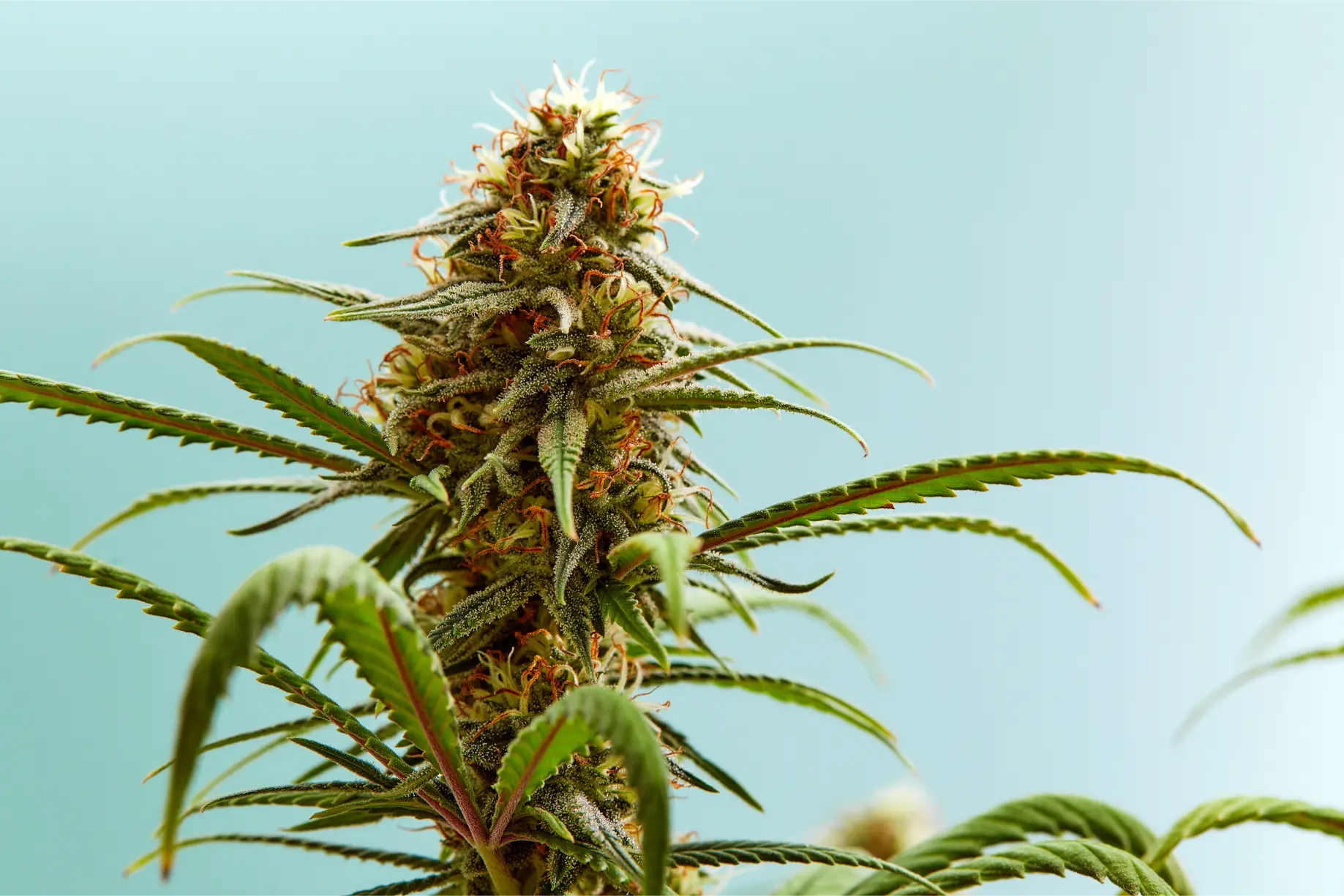
Gelonade Strain: Complete Cultivar & Grow Guide
In the evolving taxonomy of modern exotic cannabis cultivars, Gelonade stands as a triumphant masterclass in breeding, marrying the electrifying citrus zest of the legacy sativa lineage with the dense, resin-drenched decadence of modern dessert genetics. Created through the deliberate hybridization of the legendary Lemon Tree (a celebrated cross of Lemon Skunk and Sour Diesel) and the world-renowned Gelato #41 (the revered Bacio cut of Sunset Sherbet crossed with Thin Mint GSC), Gelonade represents a seamless bridge between two seemingly divergent flavor paradigms. Where historical citrus varieties frequently suffered from wispy, loose floral geometry and an astringent, one-dimensional herbal finish, Gelonade preserves the sharp, mouth-puckering essence of freshly grated Meyer lemon peel while underpinning it with a rich foundation of vanilla bean cream, cracked black pepper, and subtle hydrocarbon fuel.
From an agronomic perspective, Gelonade provides commercial cultivators and dedicated craft horticulturists with a vigorous, responsive plant architecture that rewards thoughtful canopy management. Morphologically expressing a 60/40 sativa-dominant inclination, the cultivar demonstrates strong apical dominance and enthusiastic lateral branching during the vegetative cycle, followed by a pronounced vertical expansion during the photoperiod transition. Rather than forming the squat, densely foliage-choked globes characteristic of pure Cookies descendants, Gelonade develops elongated, tapered, spear-shaped colas adorned with swollen calyx clusters that stack uniformly along every trellis run. This architectural structure promotes exceptional photon penetration and cross-canopy airflow, significantly mitigating the microclimate stagnation and inner-stem moisture entrapment that so often endanger high-yielding dessert cultivars in late bloom.
However, realizing the full genetic potential of Gelonade demands unyielding environmental discipline and an acute understanding of monoterpene preservation. The very compound responsible for the cultivar’s defining signature, d-limonene, alongside its supporting volatile terpene fractions, is notoriously susceptible to thermal volatilization under aggressive modern light fixtures. Cultivators who push late-flower canopy temperatures beyond physiological thresholds or rush the post-harvest cure risk stripping away the delicate top notes of sparkling lime and sweet cream, reducing an award-winning sensory bouquet to generic floral musk. This comprehensive master guide outlines the botanical lineage, phytochemical profile, canopy training strategies, precise fertigation targets, and curing protocols required to bring Gelonade from rooted cutting to connoisseur-grade flower.
Strain Features
| Feature | Details |
|---|---|
| Strain Type | Sativa-dominant hybrid (approximately 60% Sativa / 40% Indica) |
| Genetic Lineage | Lemon Tree (Lemon Skunk x Sour Diesel) x Gelato #41 (Sunset Sherbet x Thin Mint GSC) |
| THC Potency | 22% to 27% total cannabinoids under optimized horticultural protocols |
| CBD Content | Low (typically below 0.5% in commercial analyses) |
| Primary Terpenes | D-Limonene, Beta-Caryophyllene, Beta-Myrcene, Linalool, Alpha-Pinene |
| Flowering Time (Indoor) | 9 to 10 weeks (63 to 70 days from photoperiod induction) |
| Harvest Window (Outdoor) | Early to mid-October in Northern Hemisphere temperate zones |
| Plant Morphology | Medium to tall stature, strong branching, open internodes, elongated spear colas |
| Stretch Potential | Moderate to strong (approximately 1.7x to 2.2x vertical increase after 12/12 flip) |
| Bud Density & Structure | Medium-dense to dense elongated spear-shaped clusters with high calyx-to-leaf ratio |
| Aroma & Palate | Fresh lemon zest, key lime, vanilla bean pastry, crushed pepper, diesel fuel fumes |
| Yield Potential | 450 to 550 g/m² indoors; up to 750 g per plant outdoors under full sun |
| Difficulty Level | Moderate; requires disciplined canopy training, trellis support, and strict temperature control |
When assessing Gelonade on the cultivation floor, horticulturists will immediately note that its structural morphology presents a striking equilibrium between both sides of its genetic pedigree. While many dessert hybrids derived from the Cookie family lean toward squat, cabbage-like vegetative habits with dense, tight internodes, Gelonade exhibits an eager, open framework. The internodal gaps are spacious enough to permit generous illumination into the lower canopy, preventing the shaded yellowing and microclimate moisture traps commonly observed in broad-leaf cultivars. Vegetative foliage features long, moderately slender fan leaves with sharp serrations, displaying a vibrant emerald green that signals vigorous chlorophyll activity and swift nutrient uptake.
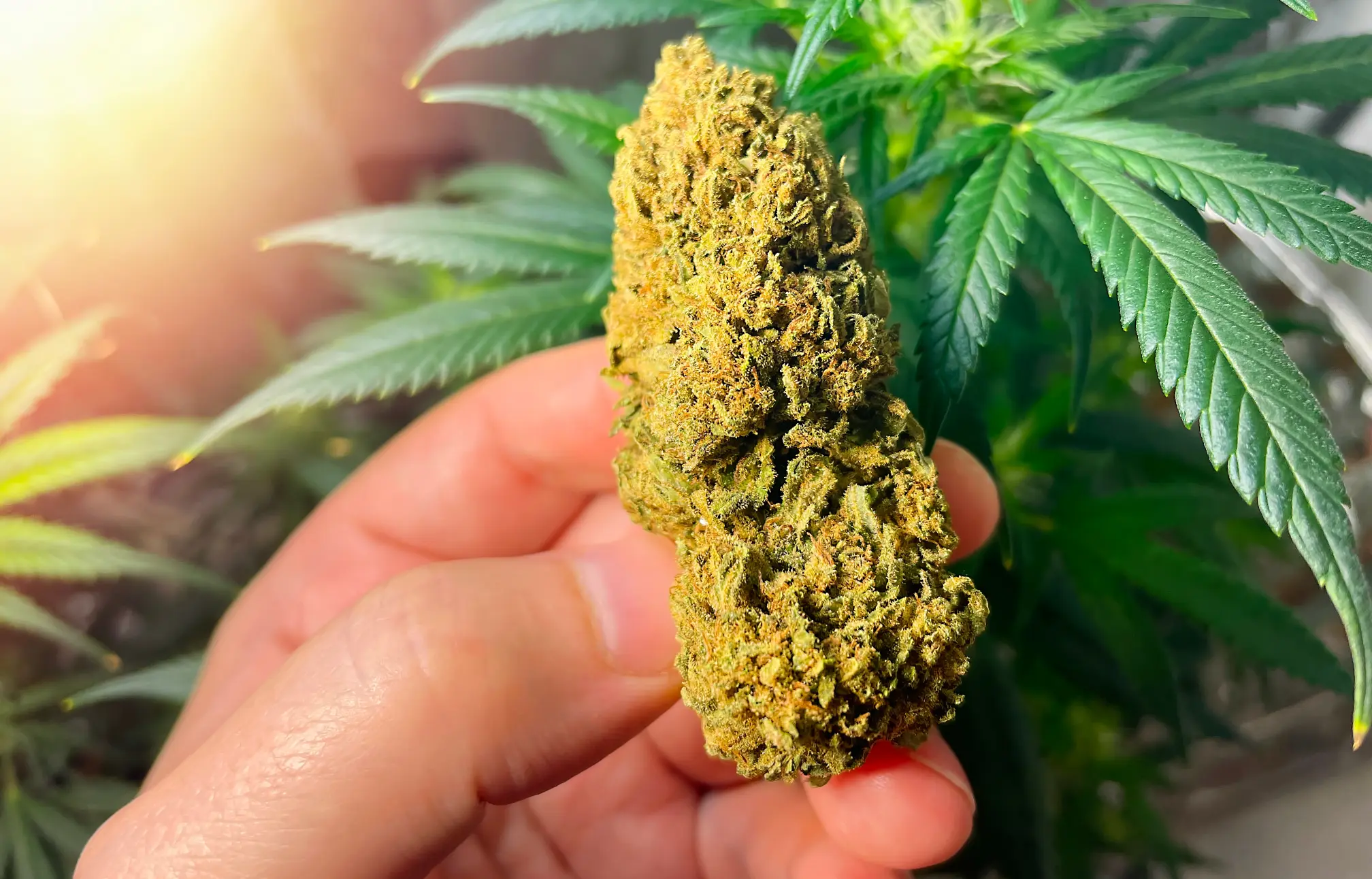
The calyx architecture of Gelonade is distinctly spear-shaped. As flowers mature through weeks five through nine of bloom, calyxes swell outward in rounded, spiraling formations along the floral bracts rather than fusing into impenetrable, blocky boulders. This elongated geometry produces a superior calyx-to-leaf ratio that commercial trimmers celebrate, as the buds possess minimal internal crow’s feet and small, easily removed sugar leaves. Furthermore, the resin coverage on a properly finished Gelonade cola is remarkable: capitate-stalked glandular trichomes form a dense, shimmering forest across every bract and sugar leaf, with clear, bulbous resin heads that remain resilient during careful hand trimming.
In terms of phenotypic stability, Gelonade cuts circulating throughout craft nurseries and licensed facilities demonstrate consistent vigor, provided they originate from verified mother stock. While minor phenotypic variations occur across seed populations, the dominant expressions invariably lean into the electric lemon-citrus top note. The primary axis of variation in the grow room centers on final flowering duration and pigmentation: certain phenotypes complete their resin maturation cleanly at day 63 with a bright lime-green palette and fiery orange pistils, whereas other phenotypes push comfortably to day 70, exhibiting faint streaks of violet and lavender along the bract margins inherited from the Gelato #41 grandfather line.
Genetic Lineage
To fully appreciate the agronomic resilience and complex sensory profile of Gelonade, one must deconstruct the two illustrious cultivars that comprise its foundation. The maternal contributor, Lemon Tree, is a historic California hybrid born from crossing Lemon Skunk with Sour Diesel. Lemon Skunk contributed an explosive concentration of d-limonene, terpinolene, and pinene, resulting in a penetrating, sharp lemon-cleaner aromatic profile and rapid vegetative vigor. Sour Diesel introduced an unmistakable chemical hydrocarbon pungency, a prolonged euphoric onset, and an open, stretchy internodal spacing that resists moisture stagnation. Lemon Tree gained legendary status along the West Coast by proving that intense, mouth-watering citrus terpenes could exist alongside substantial commercial yields and soaring psychoactive potency.
On the pollen-donor side, Gelato #41 (affectionately designated the Bacio cut) represents arguably the most potent and visually arresting expression within the renowned Gelato series bred by the Sherbinskis collective. A cross of Sunset Sherbet and Thin Mint GSC, Gelato #41 brought to the union a rich tapestry of heavy, sweet dessert aromas, combining baked dough, vanilla cream, earthy lavender, and dark forest berries. Beyond its aromatic prowess, Gelato #41 contributed structural bud density, an extraordinarily high trichome density characterized by broad trichome head diameters, and a distinct physiological tendency to produce deep anthocyanin pigmentation when exposed to modest diurnal temperature drops in late bloom.
The intentional crossing of Lemon Tree with Gelato #41 achieved something far greater than a mere blend of popular names: it resolved the primary weaknesses inherent to both parent lines. Sativa-dominant citrus varieties often suffer from loose bud density, excessive foliage, and an energetic head buzz that can border on nervous or jittery. Conversely, dense dessert cuts like Gelato #41 can be slow in vegetative development, prone to fungal vulnerabilities in thick canopies, and excessively heavy in their somatic comedown. Gelonade bridges this divide with exquisite harmony, maintaining the brisk growth rate and joyful cerebral lift of Lemon Tree while inheriting the resin encrustation, creamy flavor undertones, and smooth physical tranquility of Gelato #41.
Phenotypic exploration within Gelonade seed selections reveals three primary expressions. The first expression, frequently referred to as the Lemon-Forward cut, represents approximately 50% of seed lines. This phenotype displays pronounced vertical stretch (up to 2.2x), finishes flowering between days 63 and 65, and smells overwhelmingly of freshly squeezed tart lemons and crisp lime zest with minimal purple coloration. The second expression, the Gelato-Leaning phenotype, stretches less aggressively (1.5x), takes 68 to 70 days to mature, and presents darker, forest-green calyxes with striking purple accents and a rich, creamy vanilla-gas undertone that softens the citrus sharpness. The third and most sought-after expression, the Connoisseur Balanced phenotype, exhibits an ideal 50/50 synthesis: vigorous branching, long spear colas with lavender bract tips, and an intoxicating aromatic symphony that starts with sharp lemon peel before rolling effortlessly into sweet vanilla pastry and pungent fuel.
Effect Breakdown
The psychoactive and physiological onset of Gelonade is remarkably swift, typically making its presence felt within two to three minutes following inhalation. The experience begins with an unmistakable cerebral rush that manifests as a gentle lifting sensation behind the eyes and across the temples. Users frequently describe an immediate dissipation of mental fatigue, accompanied by a noticeable brightening of visual perception and ambient colors. Unlike aggressive, racy sativas that can induce a scattered train of thought, Gelonade instills a crisp, organized mental clarity. Thoughts flow with effortless coherence, sparking an enthusiastic desire for creative exploration, artistic work, or animated social conversation.
As the session progresses into the twenty- to forty-minute plateau, the cultivar’s Gelato ancestry begins to weave smoothly through the nervous system. While the cognitive faculties remain upbeat, focused, and alert, a gentle wave of warm somatic ease washes down the neck, across the shoulders, and into the lower extremities. Physical tension, muscular rigidity, and chronic stress melt away without dragging the user into physical lethargy. This unique duality makes Gelonade an exceptional daytime and afternoon companion: it provides the energetic motivation required to tackle complex professional tasks, household projects, or outdoor recreational activities, while simultaneously buffering the body against physical fatigue and everyday aches.
In the final phase of the experience, typically occurring between two and three hours post-consumption, Gelonade settles into a soothing, restorative baseline. The energetic cerebral drive gently recedes into a peaceful, reflective mental state, while the somatic relaxation deepens without inducing immobilizing couch-lock or sudden sedation. Users find themselves calm, content, and clear-headed, with an enhanced appreciation for culinary flavors, music, and quiet relaxation. The clean nature of the comedown is one of Gelonade’s most prized attributes: it rarely leaves users feeling groggy, physically drained, or mentally clouded, allowing for a seamless transition back into ordinary routines.
Dosage discipline remains an important consideration when enjoying Gelonade. At low to moderate consumption levels, the cultivar operates as an immaculate mood elevator and productivity enhancer, ideally suited for creative work and daytime social gatherings. However, because verified lab samples regularly test between 22% and 27% THC, overconsumption can push the experience past its functional sweet spot. Novice consumers or individuals with low THC tolerance who consume excessive amounts may find the rapid cerebral onset overwhelming, potentially inducing brief episodes of sensory overstimulation, rapid heart rate, or mild transient anxiety. When approached with appropriate respect, Gelonade delivers one of the most balanced, uplifting, and pleasurable high profiles in contemporary cannabis.
Flavor & Aroma Profile
The aromatic profile of Gelonade is an extraordinary testament to the power of monoterpene and sesquiterpene synergy. Upon opening an airtight curing container, the initial olfactory strike is electrifying: a brilliant, high-pitched wave of freshly grated Meyer lemon zest, sweet key lime blossoms, and citrus orchard blossoms leaps into the room. This is not the artificial, chemical-cleaner lemon scent found in lower-tier cultivars; rather, it possesses the vibrant, natural complexity of whole fruit, complete with bitter peel oils, sweet pulp, and sharp tartness. As the buds are handled and broken apart, deeper secondary notes emerge from the broken trichome heads, revealing a decadent layer of rich vanilla cream, sweet baked pastry dough, and subtle floral lavender inherited directly from the Gelato #41 lineage.
When the flower is ground for consumption, the aromatic bouquet expands further, releasing a distinct hydrocarbon undertone that anchors the bright citrus. This subtle petrol fume and faint cracked black pepper note provide a sophisticated, pungent counterweight that prevents the profile from drifting into simple sugary candy. Cultivators who properly monitor late-flower temperatures and cure their harvest under stable parameters will also detect an intriguing herbal freshness reminiscent of sweet pine needles and crushed mint leaves, adding a refreshing alpine crispness to the overall olfactory presentation.
On the palate, Gelonade delivers a remarkably faithful translation of its aromatic promise. Inhalation through a dry-herb vaporizer set to low temperatures (330°F to 360°F) coats the tongue in thick, velvety vapors that taste of lemon curd tart, sweet citrus meringue, and creamy vanilla custard. The vapor feels silky and cool on the throat, devoid of the harsh, scratchy astringency that can accompany less refined citrus varieties. As the temperature is increased toward 390°F, or when consuming flower via a meticulously rolled joint, the flavor profile transitions into a complex, savory dessert experience. Warm peppery spice, caramelized brown sugar, and rich diesel fumes interlace with the enduring lemon top note, leaving a sweet, lingering citrus-cream glaze on the palate that persists for minutes after exhalation.
The sensory evolution of Gelonade throughout the post-harvest timeline is profound. Freshly dried flower often exhibits an intense but narrow aromatic spectrum dominated almost exclusively by sharp lemon and raw gas, with the citrus occasionally presenting a slightly sharp vegetal edge. However, after four to six weeks of patient, climate-controlled curing in sealed glass jars, the volatile monoterpenes marry with the heavier sesquiterpenes. The sharp lemon edge rounds into sweet lemon pastry, the vanilla cream note deepens into rich gelato, and the combustion quality achieves that pristine, pearl-white ash that signifies complete chlorophyll breakdown and impeccable nutrient flushing.
Dominant Terpenes
| Terpene | Estimated Range | Aroma Profile | Physiological & Entourage Role |
|---|---|---|---|
| D-Limonene | 0.8% to 1.6% | Fresh lemon zest, sweet lime, citrus rind | Drives cerebral elevation, enhances mood, promotes dopamine release, facilitates cannabinoid uptake across cellular membranes |
| Beta-Caryophyllene | 0.4% to 0.9% | Cracked black pepper, warm spice, woody diesel | Functions as a dietary cannabinoid binding directly to peripheral CB2 receptors; delivers potent somatic anti-inflammatory relief |
| Beta-Myrcene | 0.2% to 0.6% | Earthy musk, sweet ripe fruit, herbal cloves | Enhances blood-brain barrier permeability; provides subtle physical relaxation and softens the sharper edges of cerebral stimulation |
| Linalool | 0.1% to 0.4% | Floral lavender, sweet French spice, citrus blossom | Modulates neurotransmitter activity; imparts calming anti-anxiety properties and contributes to the smooth vanilla-cream finish |
| Alpha-Pinene | 0.1% to 0.3% | Crisp pine needles, fresh resin, rosemary sprigs | Inhibits acetylcholinesterase, aiding short-term memory retention and mental alertness; acts as a natural bronchodilator for smooth inhalation |
The phytochemical profile of Gelonade is a textbook demonstration of the entourage effect, where minor aromatic compounds systematically steer and enrich the biological response to high concentrations of delta-9-tetrahydrocannabinol. Dominating the chromatographic profile is d-limonene, often accounting for more than 40% of the total terpene volume in verified dispensary batches. In human pharmacology, limonene is widely recognized for its fast-acting anxiolytic and antidepressant-like properties, mediated through the modulation of serotonin (5-HT1A) and dopamine neuroreceptors. In Gelonade, this massive concentration of limonene is the biological engine that drives the bright, joyful, energetic onset, instantly counteracting depressive mood states and providing a clear, motivated cognitive horizon.
Working in close harmony with limonene is beta-caryophyllene, an extraordinary sesquiterpene that possesses the unique ability to act as a full agonist at human CB2 cannabinoid receptors located primarily throughout the immune and peripheral nervous systems. Because CB2 activation occurs without triggering psychotropic effects at CB1 receptors in the brain, beta-caryophyllene delivers profound systemic anti-inflammatory and analgesic benefits while keeping the mind crystal clear. In Gelonade, caryophyllene provides the peppery, woody backbone that prevents the high from feeling detached or purely cerebral, grounding the user with gentle somatic comfort.
The secondary terpene ensemble, comprising beta-myrcene, linalool, and alpha-pinene, provides vital nuance to the overall physiological experience. Linalool, inherited in generous quantities from the Gelato line, provides a crucial neurochemical buffer: its natural GABAergic calming action smooths out any potential jitteriness that could otherwise arise from high concentrations of limonene combined with elevated THC. Meanwhile, alpha-pinene serves as an acetylcholinesterase inhibitor, which helps counteract the short-term memory impairment often associated with cannabis consumption, allowing Gelonade users to maintain conversational sharpness and creative focus throughout the duration of the high.
Indoor vs Outdoor Growing
| Cultivation Parameter | Indoor Environment | Outdoor Environment |
|---|---|---|
| Canopy Height Management | Mandatory multi-topping, LST, and dual-layer trellis netting to restrict 1.8x to 2.2x vertical stretch | Requires heavy apical pruning, radial bamboo staking, and open caging to manage massive 7- to 9-foot bush geometry |
| Terpene & Flavor Integrity | Superior control; late-flower temperatures can be chilled to 72°F to 75°F to preserve volatile monoterpenes | High sun exposure generates massive resin volume, but late-season heatwaves can thermally volatilize fragile lemon terpenes |
| Humidity & VPD Management | Precise environmental control allows progressive RH reduction from 60% down to 45% (VPD 1.3 to 1.5 kPa) | Vulnerable to late-season morning dew and autumnal rains; requires excellent site airflow and sun exposure |
| Flowering Duration & Finish | Predictable 9 to 10 weeks (63 to 70 days) from 12/12 photoperiod flip under artificial fixtures | Finishes early to mid-October; requires a dry, frost-free autumn to avoid late-season botrytis in dense spear colas |
| Structural Support Demands | High; flexible branches bend under the weight of stacking spear colas; double netting strongly advised | Critical; heavy radial caging and individual branch ties required to prevent wind damage and branch splitting |
| Averaged Harvest Yield | 450 to 550 grams per square meter under optimized LED or DE HPS fixtures | 600 to 800+ grams per plant in 100-gallon fabric beds under direct, unshaded sunlight |
When deciding whether to cultivate Gelonade within an indoor facility or under natural outdoor sunlight, horticulturists must weigh the ultimate goal of their harvest: maximum terpene clarity versus sheer floral biomass. Indoors, Gelonade truly shines as an elite connoisseur cultivar because the grower maintains absolute mastery over temperature, relative humidity, and vapor pressure deficit (VPD). The cultivar’s most valuable asset is its sparkling, multifaceted citrus-cream aromatic bouquet, which is driven by volatile monoterpenes with low boiling points. In an indoor setting, lowering late-bloom daytime temperatures to 74°F and night temperatures to 65°F allows the plant to lock in every fraction of limonene and linalool, producing cured buds that reek of luxury dessert confectionery.
However, indoor cultivation of Gelonade requires diligent canopy intervention from day one of vegetative growth. Because the cultivar carries active sativa heritage from Lemon Tree and Sour Diesel, it possesses an enthusiastic photoperiod stretch, routinely doubling in height during the first three weeks of twelve-twelve lighting. In rooms with standard eight-foot ceilings, letting Gelonade grow unchecked will result in colas stretching directly into lighting fixtures, leading to light bleaching, heat stress, and foxtailing. Growers must implement structural pruning, aggressive topping, and horizontal trellis weaving to establish a uniform, multi-top canopy that maximizes the fixture’s photon footprint without vertical crowding.
Outdoors, Gelonade transforms into an extraordinarily vigorous, high-yielding horticultural marvel when planted in regions featuring warm, Mediterranean-style climates with long, dry autumns. Given full solar exposure and living organic soil beds of 100 to 200 gallons, a single Gelonade plant can develop a broad, eight-foot diameter canopy that yields over 700 grams of dense, resin-encrusted flower. The natural ultraviolet spectrum from the sun stimulates robust glandular trichome development and deepens the anthocyanin expression in late September, yielding stunning flowers adorned with lavender hues and bright orange pistils.
The primary hazard for outdoor Gelonade cultivators lies in autumn weather patterns. Because the cultivar stacks dense, elongated spear colas that can reach fourteen to eighteen inches in length, excessive autumn rainfall, dense morning river fog, or prolonged periods of high humidity during early October can trap moisture deep within the internal stem crevices. Without diligent preventative IPM, wide radial branch spacing, and physical shelters or leaf-blowers to clear morning dew, outdoor crops become susceptible to botrytis cinerea (gray mold). Cultivators in northern, damp, or short-season climates will achieve far more consistent, pristine results by housing Gelonade within controlled greenhouses or indoor grow tents.
Strain-Specific Grow Guidance
Successfully cultivating Gelonade requires an agronomic strategy tailored specifically to its dynamic vegetative vigor, pronounced flowering stretch, and heat-sensitive terpene profile. From the moment roots emerge from clone cubes, the plant should be cultivated with an emphasis on creating a wide, open frame with numerous primary tops. Because apical dominance is strong in young Gelonade plants, allowing the central leader to grow unchecked will create a tall, tree-like structure that wastes perimeter canopy space. Instead, horticulturists should top the main shoot early, ideally when the plant has established five to six true vegetative nodes, cutting back cleanly to node four. This action immediately diverts auxin hormones into the lateral branches, prompting them to surge outward at a 45-degree angle.
During the vegetative phase, maintain an ambient day temperature of 78°F to 82°F (25°C to 28°C) paired with a relative humidity of 65% to 70%, which corresponds to a healthy vegetative VPD of 0.8 to 1.1 kPa. Gelonade thrives under generous light intensity during vegetative development; target a Photosynthetic Photon Flux Density (PPFD) of 450 to 600 µmol/m²/s. Train the expanding lateral branches using soft rubber garden ties or low-stress training clips, bending them horizontally away from the center of the root ball. By week four of vegetative growth, the plant should resemble an open, symmetrical candelabra with eight to twelve primary shooting tips positioned at an identical height.
The photoperiod transition represents the most critical phase for canopy management. Upon initiating the twelve-twelve lighting schedule, Gelonade undergoes a vigorous vertical surge that typically lasts for 21 to 24 days. Cultivators should install their first trellis net approximately eight to ten inches above the vegetative canopy just prior to the flip. As the shoots push upward through the netting during weeks one and two of bloom, weave and tuck each dominant branch outward into adjacent trellis squares. Continue this tucking process until the end of week two, at which point the plant should be allowed to rise vertically through a second trellis net installed twelve inches higher to provide structural support for the emerging spear colas.
Defoliation on Gelonade must be approached with strategic precision rather than aggressive, wholesale stripping. We recommend a focused defoliation session on Day 21 of flower (the end of the stretch phase) and a lighter touch-up on Day 42. On Day 21, remove the large interior fan leaves that cast direct shade over developing secondary floral clusters, as well as any weak, spindly under-growth located in the bottom 30% of the canopy (lollipopping). Avoid stripping every leaf from the plant; Gelonade relies on healthy foliage to synthesize carbohydrates for its massive terpene production. Removing too much leaf surface area will stunt calyx expansion and reduce the overall aromatic density of the finished product.
CULTIVATION ALERT: CANOPY HEAT STRESS AND TERPENE VOLATILIZATION
The defining commercial value of Gelonade lies in its exceptionally volatile monoterpene fraction, spearheaded by d-limonene, pinene, and linalool. These delicate aromatic compounds begin evaporating at temperatures above 78°F (25.5°C) and suffer accelerated degradation when exposed to intense direct infrared heat from high-intensity fixtures. During weeks six through nine of bloom, maintain canopy surface temperatures between 74°F and 76°F (23°C to 24.5°C) and ensure continuous, gentle horizontal air circulation across the tops of the spear colas. Allowing the canopy to exceed 82°F in late bloom will permanently strip away the bright lemon-lime top notes, resulting in a muted, generic floral aroma.
From a nutritional standpoint, Gelonade is a moderate-to-heavy consumer during vegetative growth and the early flowering stretch, but it demands careful tapering as flowers mature. In soilless media such as coco coir or rockwool, maintain a vegetative Electrical Conductivity (EC) of 1.4 to 1.8 mS/cm with a pH range of 5.8 to 6.2. Ensure generous availability of calcium and magnesium, as the rapid cell division during the stretch phase creates high demand for these essential secondary cations. If grown under high-efficiency full-spectrum LED fixtures, supplementing with an extra 100 to 150 ppm of chelated calcium and magnesium prevents the interveinal chlorosis and necrotic spotting that can otherwise appear on upper sun leaves.
Once floral initiation concludes at week four, transition nutrient delivery toward a bloom formulation characterized by elevated phosphorus and potassium while systematically reducing elemental nitrogen. Excess nitrogen in weeks six through nine of flower is particularly damaging to Gelonade: it causes calyxes to retain excessive dark green chlorophyll, leads to leafy, loose floral stacks, and imparts an unpleasant, harsh green taste to the smoke that resists correction during curing. Ramp bloom EC up to a peak of 2.0 to 2.2 mS/cm during weeks five and six, then gradually step down the nutrient concentration across weeks seven and eight. In the final ten to fourteen days, irrigate with clean, conditioned water with an EC below 0.4 mS/cm to encourage the plant to metabolize internal nutrient reserves, facilitating a gorgeous natural senescence and a clean, white ash burn.
GROWER DILEMMA: MANAGING ELONGATED SPEAR COLAS AGAINST INTERNAL BOTRYTIS
Unlike the isolated, rounded golf-ball nuggets produced by pure Cookies varieties, Gelonade stacks long, continuous spear colas that can measure twelve to sixteen inches in length. While these massive colas look magnificent in the garden, their dense calyx formation around the main vascular stem can trap stagnant humidity during the final three weeks of bloom. How should cultivators safeguard these substantial colas without sacrificing yield? The solution lies in proactive canopy thinning and precise microclimate control: ensure dedicated oscillating fans sweep gently just beneath the primary floral canopy, keep late-flower relative humidity locked strictly between 42% and 48% (VPD 1.35 to 1.50 kPa), and prune out any dead or dying interior sugar leaves immediately, as decomposing leaf tissue serves as the primary initiation site for gray mold spores.
Harvest timing on Gelonade must be dictated by glandular trichome morphology rather than pistil coloration alone. During week seven, Gelonade will emit an intoxicatingly loud lemon perfume that tempts inexperienced growers into an premature harvest. However, harvesting at this stage results in a thin, fleeting high and poorly developed flavor. By week eight and nine, the calyxes undergo a substantial final swelling phase, stacking on top of one another and crowding the floral bracts. Using a 60x jeweler’s loupe or digital microscope, inspect the capitate-stalked trichome heads across the middle calyxes of the primary colas. For the quintessential Gelonade experience (maximum citrus brightness, soaring cerebral euphoria, and functional somatic ease), harvest when 90% to 95% of trichome heads are milky opaque with approximately 5% displaying rich amber hues.
Weedth Bud Flavor Tips
Achieving connoisseur-grade flavor on Gelonade requires intentional horticultural practices that protect the plant’s delicate terpene synthesis pathways and prevent aromatic degradation during harvest. The primary rule of terpene preservation in Gelonade is thermal control. During the final three weeks of flowering, lower your daytime ambient room temperatures to 74°F (23°C) and drop your nighttime temperatures to 64°F to 66°F (18°C). This ten-degree diurnal differential mimics natural autumn shifts, stimulating secondary metabolite production while preventing the high vapor pressure that causes volatile monoterpenes like limonene and pinene to boil off into the exhaust stream.
Root zone biological activity also plays an indispensable role in enhancing the richness and complexity of the finished smoke. Incorporating organic carbohydrates, blackstrap molasses, and complex humic and fulvic acids into your fertigation schedule feeds beneficial mycorrhizal fungi and rhizosphere bacteria. In response, these soil microorganisms release organic enzymes, chelating agents, and bio-stimulants that trigger systemic acquired resistance (SAR) within the plant. This natural physiological response stimulates the glandular trichome cells to produce higher concentrations of beta-caryophyllene, linalool, and secondary esters, giving the finished flower its distinctive vanilla-cream and peppery dessert finish.
Post-harvest handling is where world-class Gelonade is either solidified or irrevocably ruined. Never wet-trim Gelonade. Chopping wet flowers and passing them through automated mechanical trimming machines ruptures the delicate glandular trichome heads, smears resin over green leaf matter, and releases harsh grassy chlorophyll enzymes into the buds. Instead, practice whole-plant hanging or hang large multi-branch sections with fan leaves intact. Maintain the drying environment strictly at 60°F (15.5°C) and 60% relative humidity (the gold-standard 60/60 protocol) in total darkness with continuous, indirect air circulation for 14 to 16 full days.
Once the smaller stems snap crisply rather than bending, perform a meticulous dry hand trim and place the manicured buds into airtight glass jars or stainless steel curing vessels, filling each vessel to approximately 75% capacity. During the first two weeks of curing, burp the containers once daily for ten minutes to release accumulated carbon dioxide and moisture plumes, allowing fresh oxygen to enter. Maintain the internal humidity within the vessels between 58% and 62% using miniature digital hygrometers. A minimum cure of four weeks is required for the sharp citrus and heavy dessert notes to fully harmonize into Gelonade’s signature lemon-vanilla cream profile.
Weedth Bud Boost Tips
For commercial operators and craft specialists seeking to maximize both the floral yield and cannabinoid potency of Gelonade without compromising terpene density, advanced canopy manipulation and environmental optimization are paramount. First, calibrate your artificial lighting to deliver an optimal Daily Light Integral (DLI). During weeks three through seven of bloom, Gelonade responds exceptionally well to a PPFD of 850 to 1000 µmol/m²/s when supplemented with atmospheric carbon dioxide. Maintain ambient CO2 concentrations between 1100 and 1200 ppm during lights-on periods to accelerate the Calvin cycle, allowing the plant to convert light energy into floral biomass with peak photosynthetic efficiency.
To support this high metabolic rate, irrigation strategy must transition toward high-frequency, precision pulse feeding. In inert media such as coco coir, deliver multiple small irrigation events throughout the light cycle rather than one or two heavy soakings. Allow approximately 15% to 20% runoff during the first irrigation pulse after lights-on to flush out accumulated fertilizer salts from the root zone. Ensure a dry-back of 25% to 35% substrate moisture content between the final feeding event and lights-off. This controlled dry-back creates ideal root zone oxygenation, prompting roots to branch vigorously and stimulating the production of defense-related terpenes and cannabinoids.
Structural support cannot be overstated when optimizing Gelonade yields. Because the cultivar inherits elongated, somewhat flexible lateral branches from its Lemon Tree parentage, the weight of expanding spear colas in weeks seven and eight will cause unsupported branches to sag, lean, and kink. When a branch bends under its own weight, the internal vascular xylem and phloem vessels become pinched, severely restricting the transport of water, carbohydrates, and mineral ions to the developing colas. Installing a rigid double-tier trellis system or supporting individual colas with bamboo stakes ensures vascular pathways remain fully open, allowing colas to swell to their maximum genetic potential.
Finally, implement a systematic late-bloom nutrient transition by week six. Shift your elemental ratio toward potassium silicate and soluble kelp meal extracts. Potassium acts as the primary osmotic regulator in plant cells, pumping water and carbohydrates directly into the expanding floral calyxes, while the natural cytokinins and auxins present in cold-water kelp extracts promote sustained floral cell division. Pair this with a gentle tapering of atmospheric day temperatures during the final two weeks, and you will produce rock-solid, heavily frosted spear colas that command top-shelf pricing in any dispensary showcase.
Medical Uses & Benefits
Beyond its celebrated standing among recreational connoisseurs, Gelonade offers significant therapeutic utility for medical cannabis patients seeking relief from an array of cognitive, emotional, and physical conditions. The cultivar’s most pronounced therapeutic application lies in the psychological domain, specifically in the clinical management of chronic stress, treatment-resistant depression, and persistent mental fatigue. The extraordinary concentration of d-limonene, working in synergy with elevated levels of delta-9-THC, exerts an immediate uplifting influence on neurological pathways associated with mood regulation and emotional resilience, helping patients break free from cycles of depressive rumination and lethargy.
For individuals dealing with attention deficit challenges, daytime brain fog, or lack of executive motivation, Gelonade’s crisp cerebral onset can provide functional focus. Unlike heavy, sedating indicas that diminish cognitive drive, this cultivar stimulates mental alertness and sensory engagement without introducing chaotic mental noise. Patients report enhanced ability to initiate and complete complex daily tasks, maintain conversational fluency, and engage in therapeutic creative pursuits. The presence of alpha-pinene assists in preserving short-term working memory, mitigating one of the most common cognitive side effects of medical cannabis therapy.
From a somatic standpoint, Gelonade provides effective, daytime-appropriate relief for mild to moderate musculoskeletal pain, tension headaches, and systemic inflammation. The beta-caryophyllene content selectively targets peripheral CB2 receptors, modulating the release of pro-inflammatory cytokines and easing muscular tension across the cervical spine, shoulders, and lower back. Because this anti-inflammatory action occurs without significant CB1-mediated sedation in the body, patients can manage chronic discomfort while remaining active, productive, and physically functional throughout their daytime hours.
Additionally, Gelonade displays therapeutic efficacy for patients experiencing mild social anxiety, situational stress, or stress-induced appetite suppression. The calming influence of linalool buffers the stimulating effects of limonene, fostering a state of social ease, emotional warmth, and reduced self-consciousness. Following the initial cerebral expansion, the gentle somatic relaxation frequently stimulates appetite, offering comfortable relief for patients struggling with nausea or reduced hunger due to prescription medications. However, patients with a known history of THC-induced panic attacks or acute cardiac sensitivity should begin with conservative microdoses, as the rapid cerebral onset can feel intense if consumed in large quantities.
Ideal User Profile
Gelonade is engineered for the discerning cannabis enthusiast who prioritizes exceptional flavor, vibrant mental clarity, and versatile daytime functionality. Creative professionals, including graphic designers, writers, software developers, and fine artists, will find Gelonade to be an inspiring companion during intensive brainstorming and execution phases. The cultivar cuts cleanly through cognitive lethargy, opening innovative mental pathways and fostering deep, sustained focus without the paralyzing physical heaviness that often accompanies dessert-forward strains.
Social butterflies and active adventurers also represent the quintessential Gelonade audience. Whether heading out for a scenic weekend hike, attending an outdoor music festival, hosting an intimate dinner party, or embarking on a coastal cycling tour, this cultivar elevates sensory enjoyment, enriches conversation, and keeps physical energy levels buoyed. The cheerful, talkative nature of the high breaks down social barriers and instills an infectious sense of shared humor and warmth, making it the premier choice for daytime gatherings with friends.
Connoisseur flavor chasers who judge cannabis by the complexity of its terpene profile and the smoothness of its burn will find Gelonade utterly captivating. If your palate craves bright citrus zest balanced by rich, creamy pastry and authentic hydrocarbon funk, Gelonade delivers an unforgettable, top-tier tasting experience. Its dense coating of pristine glandular trichomes and vibrant bag appeal also make it an essential centerpiece for craft collectors who take pride in showcasing world-class genetics to fellow aficionados.
Conversely, Gelonade is not recommended for users seeking an immediate, heavy nighttime sedative to combat severe clinical insomnia. While the later stages of the high provide delightful physical tranquility, the initial cerebral stimulation and upbeat mental energy can actively interfere with sleep onset if consumed immediately before bed. Furthermore, individuals who prefer mild, low-potency flower or those exceptionally sensitive to soaring sativa effects should approach Gelonade with caution, starting with a single measured puff to evaluate their physiological response before increasing consumption.
Grower Notes and Feedback
A comprehensive review of commercial cultivation forums, craft cultivator journals, and dispensary quality reports highlights several universal themes regarding Gelonade’s performance in the garden. Cultivators universally praise the strain for its remarkable hybrid vigor and rapid root development. Rooted cuttings transition into vegetative growth with exceptional speed, establishing vigorous taproots and fibrous root systems that eagerly absorb water and mineral nutrition. Growers operating in living soil beds note that Gelonade responds enthusiastically to microbial teas and organic amendments, displaying rapid stem thickening and vibrant, lush fan leaf expansion.
The most consistent feedback from experienced growers revolves around managing the cultivar’s vertical stretch during transition. In community logs, cultivators frequently note that Gelonade can easily outgrow smaller indoor tents if the photoperiod flip is delayed. Those who have mastered the cut recommend flipping plants when they have reached only 40% to 50% of their intended final height, relying on aggressive horizontal trellis training to spread the canopy evenly across the growing footprint. Trellis netting is widely considered mandatory; multiple commercial growers report that un-trellised Gelonade crops will inevitably collapse under their own weight during the final fourteen days of bloom, resulting in damaged colas and shaded bud sites.
Another recurring observation centers on the harvest window and sensory development. Several commercial growers emphasize that Gelonade’s iconic lemon aroma peaks in perceived volume around week seven, which can mislead novice growers into chopping prematurely. However, commercial operations that conduct lab analytics report that total cannabinoid content, bud density, and the deep vanilla-gas undertones expand dramatically during weeks eight and nine. Patient growers who allow their plants to reach a full 63 to 68 days are rewarded with significantly higher overall bag appeal, superior rosin extraction yields, and a smoother, more complex smoke that commands premium shelf placement.
Trimming feedback for Gelonade is overwhelmingly positive across commercial facilities. Thanks to its sativa-leaning calyx architecture and excellent calyx-to-leaf ratio, hand trimmers can process large volumes of Gelonade flower with minimal hand fatigue. The sugar leaves are sparse, narrow, and heavily encrusted with resin, allowing trimmers to quickly clean the perimeter of each spear cola while preserving the integrity of the swollen calyx clusters. Furthermore, the extracted trim from Gelonade runs yields phenomenal solventless bubble hash and live rosin, producing a bright golden extract that bursts with sparkling lemon curd and creamy fuel aromas.
Weedth Editor’s Note
When I ran this cut in my 4×4 tent during a brutal late autumn cycle, Gelonade taught me more about the delicate nature of volatile monoterpenes than almost any other variety I have ever brought to harvest. In my region, outdoor conditions shift violently as October arrives: cold lake-effect rains soak the earth, sub-freezing night winds sweep across the Great Lakes basin, and basement ambient temperatures drop into the low sixties. Down on my uninsulated concrete slab, the root zone can easily chill below 58°F if pots are left directly on the floor, stalling phosphorus uptake and stunting floral expansion. I elevated my fabric pots six inches off the cold slab on plastic pallets, wrapped the containers in thermal insulation, and ran a 600W metal halide fixture for early veg before firing up my 1000W double-ended high-pressure sodium lamp for bloom.
The vegetative response was explosive. The cut stretched its legs with an open, eager architecture that demanded immediate structural discipline. I topped the main stem at node four, tied down the primary laterals with plastic-coated plant wire, and wove the secondary shoots through a heavy nylon trellis net. When I flipped the timer to twelve-twelve, the vertical surge was breathtaking: over the next 22 days, the shoots nearly doubled in height, pushing through the squares with vigorous momentum. The aroma during vegetative growth had been a modest citrus grass, but by week five of bloom, rubbing a sugar leaf released a fragrance so sharp and mouth-watering it smelled like someone had sliced open fresh Meyer lemons inside the tent.
My greatest challenge came during weeks seven and eight. In an enclosed basement grow space, running a powerful 1000W HPS fixture creates significant radiant heat, and balancing canopy temperature against high autumn relative humidity requires non-stop vigilance. Outside, torrential autumn rains drove ambient basement humidity up to 75%, forcing my commercial dehumidifier to work around the clock to keep the tent at 45% RH. Meanwhile, I had to dial back the fixture’s output and increase exhaust ventilation to prevent the canopy temperature from creeping past 77°F. I knew that letting the top colas bake under radiant heat would vaporize the delicate d-limonene and pinene molecules that make Gelonade legendary.
By day 66, the results of that climate control battle were standing tall in my tent. The spear colas had stacked into magnificent, sixteen-inch spires of swollen calyxes, glowing with a bright lime-green radiance and accented by faint, royal lavender flushes along the sugar leaf edges where the cold nighttime air had kissed the canopy. The trichome heads were pristine: fully formed, bulbous globes that were 90% milky with just a dusting of golden amber. Harvesting the plant whole-hung at 60°F and 60% RH for fifteen days, followed by a month-long cure in sealed glass jars, yielded the purest expression of lemon-lime pastry and creamy peppery fuel I have ever burned. Gelonade is not a forgiving cultivar for an inattentive grower, but if you treat its environmental needs with respect, it will reward you with some of the finest daytime smoke on the planet.
Weedth Score
The Weedth Score evaluates cultivars across six comprehensive performance metrics, synthesizing commercial agronomic feasibility, visual bag appeal, phytochemical complexity, combustion quality, physiological impact, and overall cultivation satisfaction. Every metric is rigorously scored on a ten-point scale to provide growers and connoisseurs with an unvarnished assessment of genetic quality.
Growing Experience: 8.4 out of 10. Gelonade offers an engaging, highly responsive growing experience that rewards attentive horticultural technique. Its vigorous vegetative growth, swift root development, and eager lateral branching make it an absolute pleasure to shape and train using LST and trellising. The plant takes well to moderate nutrient regimens and displays good natural resilience against standard pests. However, its strong flowering stretch requires active canopy management, and its sensitivity to high late-bloom temperatures prevents it from achieving a higher score. It is an exceptional cultivar for growers who enjoy hands-on canopy architecture.
Bud Structure & Visual Appeal: 9.2 out of 10. The visual presentation of properly cultivated Gelonade is truly world-class. Its elongated spear-shaped colas boast swollen, spiraling calyx clusters that stack uniformly, avoiding the dense, leafy lumpiness seen in lower-grade commercial crops. The contrast between its bright lime-green calyxes, fiery mandarin pistils, and delicate lavender bract edges creates immediate shelf appeal. Coated from base to tip in a shimmering blanket of capitate-stalked glandular trichomes, cured Gelonade buds glisten under dispensary spotlights like frosted confectionery.
Aroma Complexity: 9.5 out of 10. Aroma is where Gelonade firmly establishes its legendary status. The initial burst of freshly grated Meyer lemon peel, sparkling key lime, and sweet citrus blossom is intoxicatingly bright, clean, and authentic. What elevates the profile into the upper echelon of cannabis genetics is the nuanced undercurrent of vanilla bean pastry, sweet whipped cream, and cracked black pepper diesel inherited from Gelato #41. It fills an entire room within seconds of opening a jar and maintains its aromatic integrity throughout prolonged storage.
Flavor & Smoothness: 9.3 out of 10. The flavor translation from unburned flower to inhaled vapor and smoke is virtually flawless. When consumed via a dry-herb vaporizer or a clean glass piece, the inhale delivers sweet lemon meringue tart, creamy custard, and crisp lime. The exhale introduces savory notes of cracked pepper, sweet oak, and refined hydrocarbon gas. The smoke is extraordinarily smooth on the throat and lungs, leaving a sweet citrus-cream glaze on the tongue that lingers for minutes without any bitter or harsh aftertaste.
Effects & High Experience: 9.1 out of 10. The effect profile of Gelonade represents the pinnacle of balanced, daytime hybrid perfection. The onset delivers an immediate, joyful cerebral lift that sparks creative motivation, conversational warmth, and enhanced sensory appreciation without inducing cognitive fog or jittery anxiety. As the experience matures, a soothing wave of somatic relaxation eases bodily tension without causing physical heaviness or sedation. It is an immaculate high for creative work, social gatherings, and active daytime adventures.
Overall Weedth Score: 9.1 out of 10. Gelonade is an undisputed triumph of modern cannabis breeding, seamlessly merging the sharp, mouth-watering citrus heritage of Lemon Tree with the decadent resin, bud density, and smooth physical tranquility of Gelato #41. For cultivators equipped to manage its flowering stretch and maintain cool canopy temperatures in late bloom, Gelonade stands as an essential, top-tier addition to any elite genetic library.
FAQ
What exact genetic lineage constitutes Gelonade?
Gelonade is a carefully bred hybrid resulting from the cross of Lemon Tree and Gelato #41 (the Bacio cut). Lemon Tree is a renowned West Coast cross of Lemon Skunk and Sour Diesel, contributing explosive limonene-driven citrus aromas, high vegetative vigor, and uplifting cerebral energy. Gelato #41 is a celebrated cross of Sunset Sherbet and Thin Mint GSC, contributing dense floral bracts, exceptional trichome density, creamy dessert undertones, and a soothing somatic foundation.
How significant is the flowering stretch and how should cultivators control it?
Gelonade undergoes a moderate to strong vertical stretch, typically increasing in height by 1.7x to 2.2x during the first three weeks of twelve-twelve photoperiod lighting. To effectively control this vertical expansion, cultivators should top the main stem early during vegetative growth (cutting back to node four), apply low-stress training to spread lateral branches horizontally, and weave expanding shoots through a rigid trellis net during the first two weeks after the photoperiod flip. Cultivators should initiate bloom when plants reach 40% to 50% of their desired final vertical height.
What is the optimal flowering duration for maximum terpene preservation?
Indoors, Gelonade typically requires 9 to 10 weeks (63 to 70 days) of twelve-twelve lighting to achieve full physiological maturity. While the citrus aroma becomes very intense around week seven, harvesting too early results in underdeveloped calyx density and a fleeting, racy high. Calyxes swell substantially in weeks eight and nine, allowing the creamy vanilla and diesel secondary terpenes to mature. Cultivators should harvest when 90% to 95% of glandular trichome heads on the calyxes have turned milky opaque, with roughly 5% showing amber pigmentation.
Does Gelonade perform well in Sea of Green (SOG) or Screen of Green (SCROG)?
Gelonade performs significantly better in a Screen of Green (SCROG) configuration than in a Sea of Green (SOG) setup. Because of its vigorous lateral branching and enthusiastic stretch, packing numerous single-stem plants into a tight SOG layout often leads to severe canopy overcrowding, uneven light penetration, and restricted airflow. Conversely, utilizing a SCROG system with fewer plants allows the cultivator to train multiple lateral branches horizontally across the net, producing a uniform sea of upright spear colas that receive optimal photon distribution.
Why does my Gelonade cut smell more like creamy fuel than lemon?
Aroma variation in Gelonade can result from genetic phenotype differences or environmental conditions. Certain phenotypes lean more heavily toward the Gelato #41 pollen donor, expressing higher levels of beta-caryophyllene, linalool, and myrcene, which produce sweet cream, gas, and floral dessert notes with muted citrus. Additionally, if canopy temperatures exceeded 80°F during late bloom, or if the crop was dried too warm or too fast, the highly volatile d-limonene and pinene monoterpenes may have evaporated, leaving behind only the heavier, less volatile dessert and fuel sesquiterpenes.
What are the key environmental vulnerability factors for Gelonade colas?
The primary vulnerability for Gelonade is internal botrytis cinerea (gray mold) in its long, stacking spear colas during the final three weeks of flowering. Because the calyxes form tight, continuous clusters along the central stem, trapped humidity combined with stagnant airflow can create an ideal environment for fungal development. Cultivators must maintain late-bloom relative humidity between 42% and 48% (VPD 1.35 to 1.50 kPa), ensure continuous oscillating airflow across the canopy, and prune away dying interior leaves.
What feeding regime produces the cleanest burn and white ash on Gelonade?
Producing a silky smooth smoke and pristine white ash with Gelonade requires strict nitrogen discipline in late bloom and a proper finishing flush. Nitrogen input should be tapered sharply after the third week of bloom, transitioning toward elevated potassium and phosphorus during weeks five and six. In the final ten to fourteen days prior to harvest, flush the root zone with clean, conditioned, low-EC water to force the plant to metabolize residual nitrates and excess chlorophyll stored in its tissues.
How does Gelonade differ physiologically and experientially from Super Lemon Haze?
While both cultivars deliver prominent lemon-forward aromas, their underlying genetics, morphology, and effects differ substantially. Super Lemon Haze is an older, sativa-dominant Haze cross (Lemon Skunk x Super Silver Haze) that produces longer, more foxtailed colas, carries strong spicy-incense and terpinolene undertones, and delivers a soaring, racy, almost purely cerebral buzz that can last for hours. Gelonade incorporates Gelato #41, which gives it much denser calyx stacking, a creamy vanilla-diesel dessert finish, and a significantly smoother somatic relaxation that prevents jitteriness and grounds the physical body.
Similar Strains
Lemon Tree: As the maternal parent of Gelonade, Lemon Tree provides the direct blueprint for explosive, mouth-watering lemon terpenes. A cross of Lemon Skunk and Sour Diesel, Lemon Tree delivers an intensely tart, sour citrus aroma accompanied by a heavy diesel fuel punch. In the garden, Lemon Tree grows with vigorous vertical stretch and produces large, moderately dense colas. While it shares Gelonade’s uplifting cerebral energy and bright flavor, Lemon Tree lacks the creamy vanilla dessert finish and somatic body calm contributed by Gelato #41, leaning more heavily into sharp, sour gasoline.
Gelato #41: The celebrated pollen parent of Gelonade, Gelato #41 (the Bacio cut) offers a fascinating sensory and physiological contrast. While Gelonade is bright, uplifting, and sativa-leaning, Gelato #41 is a deeply relaxing, indica-dominant hybrid renowned for its heavy physical tranquilization and rich dessert profile consisting of sweet berries, lavender cream, and earthy dough. Cultivators who appreciate Gelonade’s dense trichome coverage, purple bract potential, and creamy undertones will recognize Gelato #41 as the genetic origin of those luxurious characteristics.
Super Lemon Haze: For cultivators and consumers drawn to high-energy citrus cultivars, Super Lemon Haze represents a legendary legacy alternative. Combining Lemon Skunk with the iconic Super Silver Haze, this multi-time Cannabis Cup champion delivers an intense burst of tart lemon candy, sweet lime, and spicy herbal incense driven by terpinolene and limonene. Super Lemon Haze features a longer flowering window (10 to 11 weeks) and an even stronger vertical stretch than Gelonade, producing a more electric, psychedelic cerebral onset with minimal somatic grounding.
Lemon Cherry Gelato: Sharing a close genetic kinship through the Sunset Sherbet and Cookie lineages, Lemon Cherry Gelato provides an intriguing variation on the citrus-dessert theme. Rather than the high-pitched, tart Meyer lemon zest that defines Gelonade, Lemon Cherry Gelato delivers a darker, sweeter flavor profile that resembles candied lemon drops, ripe black cherries, and sweet berry pastry. Its growth habit is slightly more compact than Gelonade, and its psychoactive effects lean more heavily toward evening relaxation and physical sedation.
Mimosa: Bred from Clementine and Purple Punch, Mimosa is another premier daytime citrus cultivar that rivals Gelonade in sensory appeal. Mimosa’s aromatic profile features sparkling blood orange, sweet tangerine, and tart champagne rather than lemon, complemented by a light berry finish. In the garden, Mimosa finishes slightly faster (8 to 9 weeks) and exhibits vibrant purple coloration, delivering an upbeat, clear-headed daytime lift that appeals to the same demographic of creative professionals and social enthusiasts who cherish Gelonade.
Gary Payton: While Gary Payton leans more heavily into savory herbal spice, diesel fuel, and burnt rubber than bright citrus, it shares Gelonade’s rare ability to deliver high-potency THC alongside crystal-clear cognitive focus. Originating from The Y and Snowman, Gary Payton exhibits similar spear-shaped calyx structures and extraordinary trichome head density. Connoisseurs who enjoy Gelonade for its functional daytime euphoria and sophisticated terpene complexity frequently keep Gary Payton in their personal rotation as an afternoon counterpart.
Final Verdict
In the expansive landscape of modern cannabis breeding, where cookie-dominant crosses frequently blend into a monotonous sea of sweet dough and muted berries, Gelonade stands out as a genuine breath of fresh air. By capturing the electrifying, mouth-puckering brightness of Lemon Tree and anchoring it to the frosted density, creamy vanilla sweetness, and serene physical tranquility of Gelato #41, this cultivar achieves an extraordinary synthesis that satisfies both commercial cultivators and uncompromising connoisseurs.
For the cultivator, Gelonade represents a rewarding challenge that pays handsome dividends upon harvest. While its enthusiastic vertical stretch demands diligent trellising and its volatile monoterpenes require strict temperature discipline in late bloom, its rapid vegetative vigor, exceptional calyx-to-leaf ratio, and generous yields make it a standout performer in any controlled indoor or greenhouse facility. When brought to full maturity across nine to ten weeks, dried slowly under classic 60/60 parameters, and given a patient glass cure, Gelonade yields pristine, sparkling spear colas that command top-shelf reverence.
For the consumer, Gelonade delivers an unforgettable sensory journey and an immaculate, functional high. From the instant its pungent lemon-vanilla aroma fills the room to the final smooth, peppery diesel exhale, it invigorates the senses and lifts the spirit. Whether you are embarking on an intensive creative project, heading out for an active daytime adventure, or simply celebrating the art of fine cannabis with good friends, Gelonade provides an uplifting, crystal-clear, and deeply joyful experience that solidifies its place among the greatest modern cultivars of our era.
Share this article
A quick overview of the topics covered in this article.
Follow us
Latest articles
November 3, 2026
November 3, 2026
November 3, 2026
November 3, 2026
