
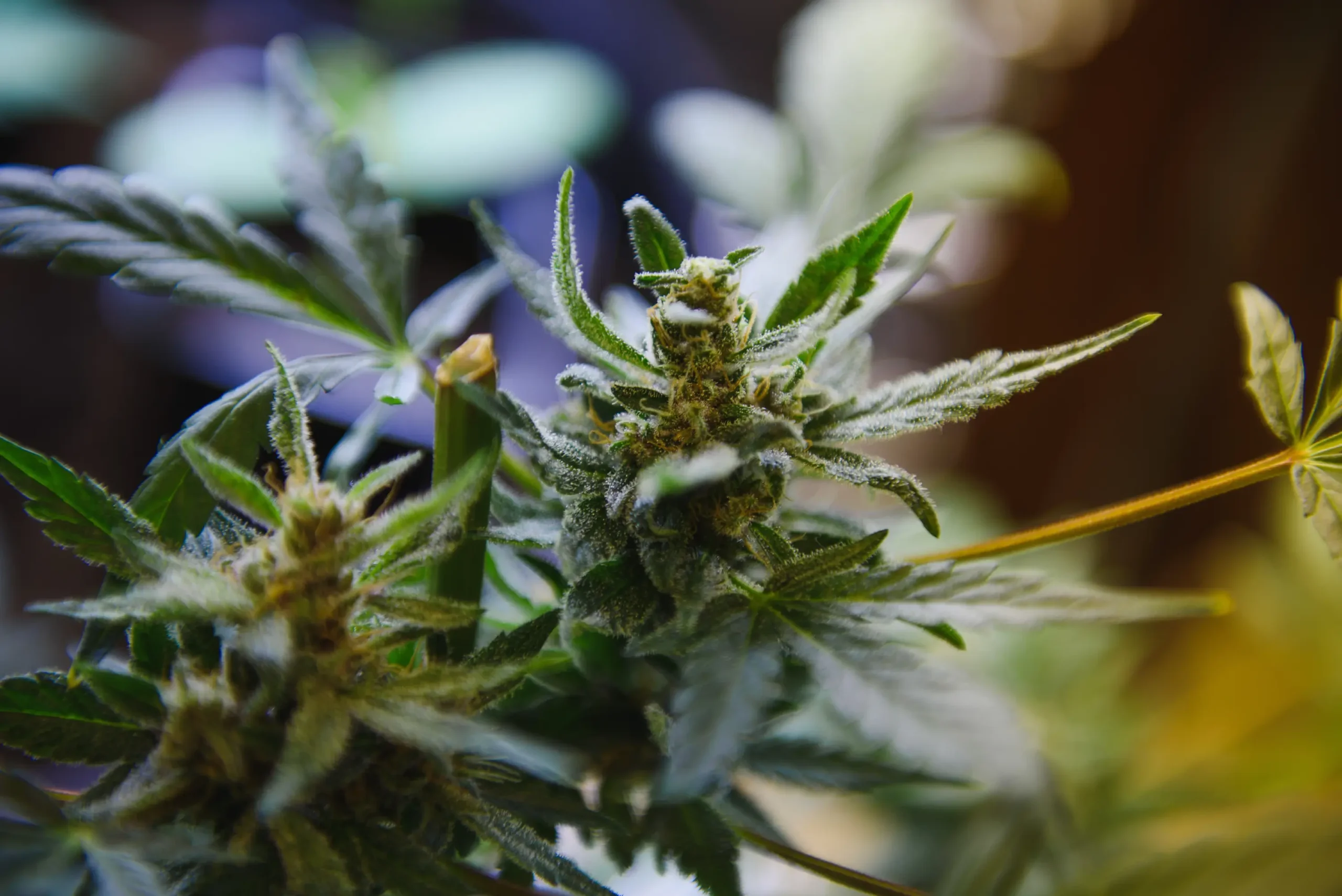
God Bud
In the distinguished historical records of Pacific Northwest cannabis breeding, few cultivars hold a more venerable, revered, or spiritually evocative status than God Bud. Developed on Vancouver Island in British Columbia by the legendary master geneticists at Jordan of the Islands, God Bud emerged during the early 2000s as a crowning achievement of Canadian craft breeding. By orchestrating a magnificent polyhybrid union between a sweet, uplifting Hawaiian sativa heirloom, a vibrant, cold-hardy Purple Skunk, and an enigmatic, resin-soaked local Canadian indica cut known simply as the God strain, Jordan of the Islands captured botanical lightning. When entered into the global competitive arena at the 2004 High Times Cannabis Cup in Amsterdam, God Bud conquered the international judging panel, taking home First Place in the Indica category. Today, God Bud remains an untouchable titan of Pacific Northwest genetics, universally celebrated for its intoxicating tropical fruit and earthy chocolate aroma, extraordinary trichome coverage, and deeply tranquilizing physical sedation.
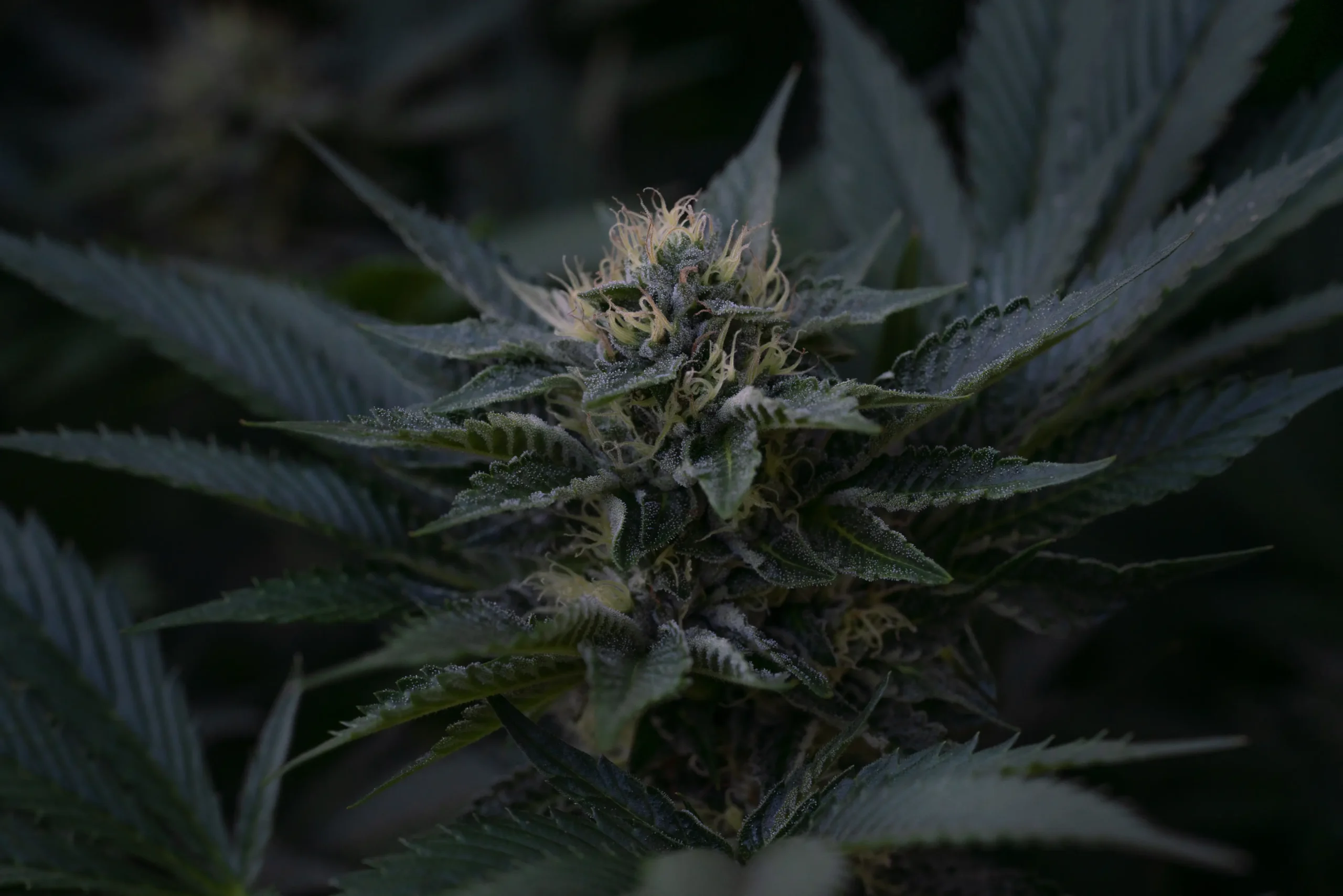
From an architectural and horticultural perspective, God Bud expresses the robust, compact discipline and muscular structural integrity characteristic of elite Canadian island indicas. Developing an exceptionally thick, fibrous central main stem flanked by short, heavy lateral branches, the cultivar forms a compact, stocky bush that typically reaches between eighty and one hundred and twenty centimeters in indoor container environments. The internodal spacing remains remarkably dense, supporting the development of immense, golf-ball-sized calyx clusters that swell into thick cylindrical spears. As floral maturation advances into weeks seven and eight, the plant produces a dazzling crust of capitate-stalked glandular trichomes that coats every calyx and sugar bract, offset by deep royal purple hues and fiery orange stigmas.
Olfactorily and gustatorily, God Bud presents a complex, multi-layered sensory bouquet that bridges lush tropical sweetness with deep, grounding earthiness. Breaking open a pristine, diamond-dusted floral cluster releases an immediate explosion of sweet candied tropical fruit, ripe purple plums, and sweet passion fruit, underlaid by a rich base of damp forest earth, roasted dark chocolate, and pungent herbal Skunk. When combusted in clean glassware or vaporized at calibrated temperatures, the smoke is exceptionally thick, velvety, and smooth. The inhale coats the palate with sweet tropical fruit syrup and earthy cocoa, while the exhale leaves an enduring, mouth-coating film of sweet Skunk, lavender blossoms, and cedarwood that lingers on the tongue for thirty to forty minutes after consumption.
Cultivar Quick Overview: God Bud
Pedigree: Hawaiian x Purple Skunk x God (Jordan of the Islands, British Columbia)
Classification: Heavy Indica Dominant Hybrid (75% Indica / 25% Sativa)
Average Cannabinoid Profile: 22.0% to 26.5% THC | 1.0% to 1.5% CBG | Low CBD
Total Terpenes: 2.6% to 3.4% (Dominant: Myrcene, Beta-Caryophyllene, Alpha-Pinene, Humulene, Linalool)
Flowering Window: 56 to 63 Days (8 to 9 Weeks Photoperiod Bloom)
Canopy Stature: Compact, Stocky Architecture (80 to 120 cm) | Average Yield: 450 to 550 g/m² indoors
Core Agronomic Rule: Prune lower canopy foliage (lollipopping) during week two of bloom; maintain low relative humidity (40% to 45%) in late flower to prevent mold in dense colas; reduce night temperatures to 17 degrees Celsius to trigger deep royal purple anthocyanins.
Strain Features
| Cultivar Trait | Specification Range | Agronomic Details |
|---|---|---|
| Genetic Heritage | Hawaiian x Purple Skunk x God | Bred on Vancouver Island, British Columbia by Jordan of the Islands during the early 2000s. |
| Classification | Heavy Indica Dominant Hybrid | 75% Indica / 25% Sativa genetic expression. |
| Average THC Content | 22.0% to 26.5% | Deep therapeutic potency delivering immediate cerebral bliss followed by profound, long-lasting somatic sedation. |
| CBD & Minor Cannabinoids | CBD: 0.1% to 0.4% | CBG: 1.0% to 1.5% | CBN: 0.2% to 0.5% | Elevated natural CBG content synergizes with heavy THC to soothe chronic somatic aches and ocular pressure. |
| Total Terpene Concentration | 2.6% to 3.4% (Dry Weight) | Rich, exotic bouquet dominated by myrcene, beta-caryophyllene, alpha-pinene, humulene, and linalool. |
| Photoperiod Flowering Time | 56 to 63 Days (8 to 9 Weeks) | Fast eight-week maturation window required for full calyx swelling and golden resin gland maturity. |
| Indoor Canopy Height | 80 to 120 cm (31 to 47 inches) | Compact, stocky silhouette with minimal post-flip stretch (40% to 60%), well-suited for tight indoor spaces. |
| Indoor Commercial Yield | 450 to 550 g/m² (1.5 to 1.8 lbs per light) | Exceptionally dense floral clusters delivering substantial dry harvest weight relative to plant stature. |
| Outdoor Harvest Window | Early to Mid October (Northern Hemisphere) | Thrives in temperate coastal and mountain regions with good mold prevention protocols. |
| Cannabis Cup Honors | 1st Place Indica, 2004 High Times Cannabis Cup | Crowned world champion indica in Amsterdam, beating international competition. |
Genetic Lineage & Vancouver Island Breeding
The genealogical origin of God Bud represents one of the most celebrated milestones in Canadian craft cannabis history. During the late 1990s and early 2000s, Vancouver Island in British Columbia was the epicenter of an underground botanical renaissance. Isolated from continental interference, island breeders cultivated and refined genetics beneath temperate rainforest canopies, creating cultivars renowned worldwide for their potency, resin production, and cold-climate hardiness. Among these visionary breeders was Jordan of the Islands, who sought to construct an all-conquering indica hybrid that combined exotic tropical fruit sweetness with devastating narcotic power.
To realize this vision, Jordan selected three distinct foundation parents. The first was Hawaiian, a sweet, uplifting heirloom sativa that contributed mouth-watering notes of tropical fruit, passion fruit, and bright cerebral euphoria. The second was Purple Skunk, a robust, cold-resilient hybrid that infused the cross with deep purple anthocyanin pigmentation, tight internodal spacing, and a pungent herbal Skunk undertone. The third parent was the enigmatic God strain, an elusive, legendary local Canadian clone renowned across British Columbia for its colossal calyxes, blinding trichome frost, and overwhelming physical couch-lock.
Through careful filial selection, Jordan of the Islands locked in the most desirable traits of all three parents: the dense, stocky architecture and narcotic weight of the God mother, the rich purple hues and mold resistance of Purple Skunk, and the irresistible tropical fruit bouquet of the Hawaiian sativa. When debuted at the 2004 High Times Cannabis Cup in Amsterdam, God Bud stunned European judges and international connoisseurs alike, capturing First Place in the Indica category. This historic victory put Canadian craft genetics firmly on the world map and established God Bud as an enduring global legend.
Phenotype Spectrum & Purple Anthocyanin Expression
Due to the stabilizing mastery of Jordan of the Islands, God Bud displays high phenotypic fidelity across authentic seed collections. The dominant phenotype, representing roughly eighty percent of plants, is the celebrated Canadian God archetype. This phenotype develops a thick, woody central stalk with dense internodal spacing measuring two to three centimeters. Lateral branches are sturdy and muscular, rising at steep forty-five degree angles to form a compact, symmetrical candelabra canopy. When flipped to 12/12 bloom, the plant stretches by a modest 40% to 60%, making it exceptionally easy to manage in confined indoor grow rooms.
The fan leaves of God Bud are broad, thick, and leathery, displaying dark forest-green coloration during vegetative growth. As flowering advances into weeks six and seven and nocturnal room temperatures are reduced to 17 to 18 degrees Celsius, the foliage undergoes a breathtaking chromatic transformation. The leaves and floral calyxes synthesize rich anthocyanin pigments, turning vibrant shades of deep royal purple, amethyst, and midnight plum. This rich purple coloration provides an exquisite contrast against the shimmering blanket of silvery capitate trichome glands and fiery copper pistils.
A secondary phenotype, appearing in roughly twenty percent of specimens, displays slightly more Hawaiian influence, featuring slightly longer floral spears and an amplified sweet passion fruit aroma. Even in this sativa-leaning expression, the plant remains compact and dense, producing rock-hard colas with an outstanding calyx-to-leaf ratio that makes post-harvest trimming remarkably quick and effortless.
Effect Breakdown & Deep Transcendental Sedation
The psychoactive and somatic experience delivered by God Bud is famous for its sheer, uncompromising potency and deeply spiritual tranquility. Testing reliably between 22% and 26.5% Delta-9-THC alongside elevated cannabigerol (CBG: 1.0% to 1.5%) and a rich myrcene-linalool terpene matrix, God Bud delivers an experience that starts with radiant cerebral joy before gently grounding the consumer in profound, full-body sedation.
The onset begins within two to three minutes of inhalation as an uplifting, euphoric warmth that settles across the crown of the head and temples. Mental stress, worries, and negative thought loops dissolve into a serene, blissful contentment. A feeling of peaceful introspection envelops the consciousness, fostering a tranquil state of meditative awareness that leaves the consumer smiling and deeply centered. There is no anxiety, no racing ideation; thoughts flow with gentle, unhurried clarity.
As the primary euphoria plateaus after twenty minutes, the heavy Canadian indica genetics take complete command of the physical body. A powerful wave of somatic relaxation cascades down the neck, spine, and limbs, melting away chronic muscular spasms, joint stiffness, and somatic tension into total oblivion. The body feels delightfully heavy, leading naturally to deep, blissful couch-lock. During the second and third hours, the high concentrations of myrcene and beta-caryophyllene gently guide the consumer toward deep, restorative nocturnal sleep. For patients battling chronic pain, fibromyalgia, severe arthritis, or intractable insomnia, God Bud remains one of the most effective and dependable natural remedies in the botanical kingdom.
Flavor & Tropical Fruit Dark Chocolate Bouquet
The sensory profile of God Bud is an exotic, multi-dimensional masterpiece that delights the palate with every inhalation. From week five of bloom onward, the plant produces an intoxicating aroma that fills the grow room with sweet tropical fruit, ripe purple plums, and sweet passion fruit, underlaid by a rich, grounding base of damp forest earth, roasted dark chocolate, and pungent herbal Skunk.
When a cured, purple-flecked floral cluster is gently broken apart between the fingers, the ruptured glandular trichomes release a mouth-watering burst of sweet candied berries, tart tropical citrus, rich cocoa powder, and spicy cedarwood. It is an exceptionally sophisticated and comforting bouquet that balances bright tropical fruit notes with decadent, savory earthiness.
Upon combustion or vaporization, God Bud delivers an exceptionally thick, velvety, and luxurious smoke that expands smoothly in the lungs. The inhale treats the palate to sweet candied fruit syrup, ripe plums, and earthy cocoa, while the exhale leaves an enduring, mouth-coating film of sweet Skunk, lavender blossoms, and rich cedar that lingers on the tongue for thirty to forty minutes after consumption.
Dominant Terpenes & Entourage Chemistry
Chromatographic laboratory analysis of authentic God Bud flowers reveals an exceptionally high total terpene concentration ranging between 2.6% and 3.4% by dry weight. The chemical architecture is dominated by an exquisite terpene blend led by myrcene, beta-caryophyllene, alpha-pinene, humulene, and linalool, supported by secondary fractions of limonene, terpineol, and bisabolol. This specific chemical arrangement drives both the sweet tropical chocolate flavor and the deeply sedative therapeutic profile.
Myrcene is the premier terpene by volume, typically comprising 35% to 45% of the total essential oil content. Myrcene imparts the deep earthy, herbal foundation while enhancing cellular membrane permeability across the blood-brain barrier. By accelerating cannabinoid absorption into central nervous system receptors, myrcene amplifies the rapid onset and physical sedation of the flower. Additionally, myrcene exerts direct muscle-relaxant and pain-relieving actions that soothe somatic tension.
Beta-caryophyllene serves as the secondary dominant compound, contributing warm clove and peppery undertones while functioning as an atypical dietary cannabinoid. Caryophyllene selectively binds to peripheral CB2 receptors throughout the immune and muscular systems, initiating potent anti-inflammatory pathways without psychoactive effects. Alpha-pinene introduces crisp mountain pine notes while inhibiting acetylcholinesterase, protecting acetylcholine levels to preserve sharp short-term memory during early onset. Linalool provides subtle floral lavender nuances and enhances central nervous system sedation, while humulene contributes earthy, woody notes and natural anti-inflammatory actions that promote deep, restorative sleep.
Indoor Sealed Facility vs Coastal BC Outdoor Dynamics
Cultivating God Bud reveals distinct horticultural dynamics when comparing indoor climate-controlled facilities against natural outdoor environments. Indoors within a sealed environment equipped with climate control, high-efficiency dehumidification, and supplemental carbon dioxide (1,100 to 1,300 ppm), God Bud achieves its absolute maximum genetic potential. Cultivators can calibrate ambient temperatures to 24 to 26 degrees Celsius during early bloom, tapering to 20 to 22 degrees Celsius during weeks six through eight to preserve delicate monoterpenes and trigger deep purple anthocyanin pigmentation. High-intensity LED fixtures delivering 850 to 1,000 µmol/m²/s of PAR drive explosive trichome accumulation and heavy resin density.
Outdoors, God Bud demonstrates the hardiness inherited from its Canadian island pedigree. Sourced from the wet, cool coastal climate of Vancouver Island, God Bud possesses strong natural resistance to cool autumn nights and mild temperature drops. When planted in large raised beds or 100-liter living soil containers, plants mature into dense, productive bushes reaching 1.5 to 2 meters in height and diameter, producing heavy yields of 600 to 800 grams per plant by early to mid October.
However, outdoor growers in rainy northern climates must monitor late-season moisture carefully. Because God Bud produces exceptionally dense, rock-hard floral clusters, prolonged exposure to heavy autumn rains and high relative humidity can trap moisture inside the bud core. Providing hoophouses or shaking excess moisture from colas after rainstorms is essential for protecting the harvest in wet coastal climates.
Agronomic Guidance & Dense Cola Mold Defense
Achieving top-tier yields with God Bud requires an agronomic strategy tailored to its compact, dense indica growth habit. Because the plant produces heavy, rock-hard floral colas along short lateral branches, proper canopy airflow is the single most critical cultivation factor. Pruning the lower third of the plant (lollipopping) during week two of bloom removes low-yielding interior shoots and redirects all photosynthetic energy into the upper canopy, while opening the interior to unimpeded air circulation.
Gentle low-stress training (LST) or a single-tier SCROG trellis should be deployed during late vegetative growth to spread branches horizontally. This simple manipulation ensures that all floral sites receive direct photon penetration, transforming secondary bud sites into dense, frosted colas. During the final three weeks of bloom, maintaining low relative humidity (40% to 45%) and continuous oscillating airflow is mandatory to protect dense colas from botrytis mold.
Cultivator Inquiry: Protecting Dense God Bud Colas from Mold & Maximizing Purple Hues
Master Grower Question: “Our God Bud colas are swelling into rock-hard cylinders, but during late bloom we are terrified of gray mold destroying the interior of our dense buds. At the same time, we want to trigger that rich purple coloration. What climate settings should we run?”
Weedth Horticultural Advice: God Bud inherits dense calyx stacking from its Canadian God parentage, meaning that trapped moisture inside mature colas cannot evaporate naturally if relative humidity is high. To eliminate botrytis risk while maximizing royal purple anthocyanin pigmentation during weeks six through eight, implement this exact climate protocol: Drop daytime room temperatures to 22 degrees Celsius and nighttime temperatures to 17 to 18 degrees Celsius, creating a five-degree diurnal differential that triggers anthocyanin synthesis without stalling plant metabolism.
Simultaneously, drop room relative humidity to 40% to 45% using commercial dehumidifiers, and ensure that your oscillating fans maintain continuous gentle airflow across the canopy both day and night. Never irrigate containers late in the light cycle; water early in the morning so surface moisture evaporates during the day. This precise environmental balance protects the interior of your colas from fungal spores while allowing the flowers to develop that breathtaking, frosted purple-black coloration that won the 2004 Cannabis Cup.
Crop Steering Drybacks & Root-Zone EC Control
Precision crop steering in inert substrates allows growers to maximize the resin density and floral mass of God Bud. Because this cultivar produces dense floral clusters in under nine weeks, managing substrate hydration with precision is essential for preventing root-zone stagnation.
During the vegetative stage, maintain an electrical conductivity (EC) between 1.2 and 1.5 mS/cm, keeping input pH strictly between 5.8 and 6.1 in soilless media (6.2 to 6.5 in living soil). During early bloom in weeks one through three, steer the crop with moderate 20% to 25% overnight drybacks to encourage rapid calyx cluster initiation. During peak floral swelling in weeks four through six, increase irrigation frequency and reduce overnight drybacks to 12% to 15% to support calyx expansion.
Beginning in week seven, execute a strong generative dryback regimen, allowing substrate moisture to dry back by 28% to 35% between watering events. This controlled water deficit signals late-season drought to the plant, triggering glandular trichomes to synthesize elevated concentrations of essential oils and cannabinoids to shield reproductive bracts, resulting in an exceptionally greasy, aromatic finish.
Organic Living Soil & Pacific Rainforest Humus
Cultivating God Bud in certified organic living soil allows this legendary Canadian cultivar to express its full, authentic terpene complexity. Sourced from Vancouver Island, God Bud thrives in living soils inspired by the rich, humic soils of coastal temperate rainforests. In its native maritime environment, wild soils are naturally enriched with ancient coniferous leaf mould, glacial rock dust, and marine-derived kelp and fish residues, providing balanced, slow-release nutrition without requiring synthetic salts.
To recreate this natural environment, formulate a living soil potting mix containing 35% premium sphagnum peat moss, 25% volcanic pumice or coarse perlite for drainage, 25% well-matured thermal worm castings, and 15% composted forest mulch. Amend each cubic foot with two cups of micronized basalt rock dust, one cup of steamed bone meal, one cup of cold-water kelp meal, and half a cup of agricultural gypsum. Inoculating the soil at planting with diverse mycorrhizal fungi (Glomus intraradices) and beneficial bacteria establishes an extensive subterranean network that solubilizes bound organic minerals, fueling continuous terpene and cannabinoid synthesis throughout the nine-week bloom cycle.
Cultivating God Bud in certified organic living soil allows this legendary Canadian cultivar to express its full, authentic terpene complexity. Sourced from Vancouver Island, God Bud thrives in living soils inspired by the rich, humic soils of coastal temperate rainforests.
To recreate this natural environment, formulate a living soil potting mix containing 35% premium sphagnum peat moss, 25% volcanic pumice or coarse perlite for drainage, 25% well-matured thermal worm castings, and 15% composted forest mulch. Amend each cubic foot with two cups of micronized basalt rock dust, one cup of steamed bone meal, one cup of cold-water kelp meal, and half a cup of agricultural gypsum. Inoculating the soil at planting with diverse mycorrhizal fungi (Glomus intraradices) and beneficial bacteria establishes an extensive subterranean network that solubilizes bound organic minerals, fueling continuous terpene and cannabinoid synthesis throughout the nine-week bloom cycle.
High-PPFD Photobiology & Anthocyanin Lighting
God Bud is an indica powerhouse that processes high photosynthetic photon flux density (PPFD) with remarkable efficiency. Under modern full-spectrum LED fixtures, flowering canopies can easily process 850 to 1,000 µmol/m²/s of PAR when ambient carbon dioxide is enriched to 1,100 to 1,300 ppm. High photon densities drive intense calyx swelling and heavy glandular trichome accumulation across both apical colas and secondary branches.
Managing room temperatures in conjunction with light intensity is essential for maximizing anthocyanin expression. Maintain daytime temperatures at 24 to 26 degrees Celsius during weeks one through five, then drop daytime temperatures to 21 to 22 degrees Celsius and nighttime temperatures to 17 to 18 degrees Celsius during weeks six through eight. This thermal shift triggers the rapid synthesis of dark royal purple anthocyanin pigments while preserving delicate volatile monoterpenes from heat degradation.
God Bud is an indica powerhouse that processes high photosynthetic photon flux density (PPFD) with remarkable efficiency. Under modern full-spectrum LED fixtures, flowering canopies can easily process 850 to 1,000 µmol/m²/s of PAR when ambient carbon dioxide is enriched to 1,100 to 1,300 ppm.
Managing room temperatures in conjunction with light intensity is essential for maximizing anthocyanin expression. Maintain daytime temperatures at 24 to 26 degrees Celsius during weeks one through five, then drop daytime temperatures to 21 to 22 degrees Celsius and nighttime temperatures to 17 to 18 degrees Celsius during weeks six through eight. This thermal shift triggers the rapid synthesis of dark anthocyanin pigments while preserving delicate volatile monoterpenes from heat degradation.
Mineral Nutrition & Phosphorus-Potassium Balance
Managing the mineral nutrition of God Bud requires a balanced, measured approach. While God Bud has a sturdy, muscular structure, it has moderate nutrient requirements and should not be pushed with excessively high electrical conductivity. Feeding God Bud at EC levels above 1.8 mS/cm can cause leaf margin burn, curled leaf tips, and nutrient lockout that permanently impairs floral development.
Maintain an electrical conductivity between 1.3 and 1.6 mS/cm throughout flowering, keeping input pH strictly between 5.8 and 6.1 in soilless media (6.2 to 6.5 in soil). Provide balanced calcium and magnesium (140 ppm Ca, 50 ppm Mg) to support dense cell wall formation. Shift the nutrient balance toward potassium and phosphorus starting in week four to fuel calyx expansion while avoiding excessive nitrogen feeding. Proper sulfur supplementation fuels the enzymatic pathways that synthesize volatile terpenes, unlocking God Bud’s legendary tropical chocolate bouquet.
Managing the mineral nutrition of God Bud requires a balanced approach. While God Bud has a sturdy, muscular structure, it has moderate nutrient requirements and should not be pushed with excessively high electrical conductivity. Feeding God Bud at EC levels above 1.8 mS/cm can cause leaf margin burn and dark clawing.
Maintain an electrical conductivity between 1.3 and 1.6 mS/cm throughout flowering, keeping input pH strictly between 5.8 and 6.1 in soilless media (6.2 to 6.5 in soil). Provide balanced calcium and magnesium (140 ppm Ca, 50 ppm Mg) to support dense cell wall formation. Shift the nutrient balance toward potassium and phosphorus starting in week four to fuel calyx expansion while avoiding excessive nitrogen feeding.
IPM & Botrytis Mold Management
Because God Bud naturally possesses tough, waxy foliage that provides strong resistance against common insect pests like spider mites and thrips, the primary integrated pest management priority is fungal defense. Powdery mildew and Botrytis cinerea are the primary threats to its dense floral clusters, which stack with minimal internal air space.
Apply preventative biological sprays containing Bacillus subtilis or Streptomyces lydicus during vegetative growth to build a protective microbiological shield across leaf surfaces. Once flowering begins, discontinue all foliar sprays immediately. Maintain strict environmental control, continuous oscillating airflow, and low nighttime humidity (40% to 45%) to ensure that floral calyxes remain completely dry throughout the flowering cycle, eliminating the microclimates required for spore germination.
Because God Bud naturally possesses tough, waxy foliage that provides strong resistance against common insect pests like spider mites and thrips, the primary integrated pest management priority is fungal defense. Powdery mildew and Botrytis cinerea are the primary threats to its dense floral clusters.
Apply preventative biological sprays containing Bacillus subtilis or Streptomyces lydicus during vegetative growth to build a protective microbiological shield across leaf surfaces. Once flowering begins, discontinue all foliar sprays immediately. Maintain strict environmental control, continuous oscillating airflow, and low nighttime humidity (40% to 45%) to ensure that floral calyxes remain completely dry throughout the flowering cycle.
Resin Gland Morphology & Ice Water Hash Washing
God Bud is celebrated among solventless hash makers for its extraordinary resin production. Microscopic examination of mature calyxes reveals thousands of capitate-stalked glandular trichomes crowned with massive, spherical resin heads measuring between 90 and 125 microns in diameter. These glandular structures feature brittle abscission zones that detach with effortless perfection under cold mechanical agitation in ice water.
Processing fresh frozen God Bud material through ice water hash washing yields spectacular results, with commercial hash yields frequently exceeding 4.5% to 5.5% fresh frozen weight. Passing the ice-water slurry through a five-bag sieve kit captures the premier melt quality primarily in the 73-micron and 90-micron collection bags. The resulting bubble hash melts cleanly upon vaporization, releasing an intoxicating aroma of sweet candied fruit, dark chocolate, and spicy hashish.
Harvest Maturity, Slow Drying & Jar Curing
Accurate harvest timing is essential for capturing the peak narcotic sedation and sweet tropical chocolate bouquet of God Bud. Inspect internal calyx trichomes using a 60x optical loupe. The ideal harvest point arrives when roughly 70% to 80% of glandular heads transition from clear to milky white, with 15% to 20% developing a rich amber hue.
Drying dense indica colas requires a slow, controlled environment maintained at 16 to 18 degrees Celsius and 55% to 60% relative humidity for twelve to fourteen days. Whole-plant hanging slows moisture loss from the thick interior bud core, allowing plant enzymes to break down residual starches smoothly. Once stems snap crisply, manicure the buds and place them into glass mason jars, burping daily for two weeks to cure the flowers into smooth, velvety, sweet berry-chocolate perfection.
Nutritional Benchmarks & Tissue Analytics
Leaf tissue analytics provide valuable diagnostic baselines for maintaining peak physiological health in God Bud. Laboratory analysis of dry leaf tissue indicates that healthy vegetative specimens maintain nitrogen levels between 3.4% and 4.0%, with tissue potassium holding between 2.8% and 3.4% and calcium between 1.6% and 2.0%.
During peak floral development in weeks five through eight, tissue potassium demand rises to 3.6% to 4.2%, reflecting its vital role in calyx expansion and sugar translocation. Monitoring container runoff EC and pH ensures that mineral salts do not accumulate to toxic levels, preserving active root hair function throughout the eight to nine week bloom period.
VPD Calibration & Transpiration Kinetics
Calibrating vapor pressure deficit (VPD) ensures vigorous transpiration in God Bud. Maintain a vegetative VPD of 0.8 to 1.1 kPa, elevating to 1.2 to 1.4 kPa during early flowering.
During late bloom in weeks six through nine, elevate VPD to 1.4 to 1.6 kPa by reducing relative humidity to 40% to 45%. This elevated atmospheric pull accelerates nutrient assimilation while keeping the dense interior colas completely dry, eliminating the risk of mold formation.
Clinical Pharmacology & Severe Pain and Insomnia Relief
From a clinical perspective, God Bud is one of the most effective natural remedies for chronic pain, muscle spasms, and severe sleep disturbances. Featuring 22% to 26.5% Delta-9-THC complemented by elevated cannabigerol (CBG: 1.0% to 1.5%) and trace cannabinol, it produces profound somatic tranquilization across central and peripheral nervous systems.
Beta-caryophyllene selectively engages peripheral CB2 receptors to suppress inflammatory pathways, while high myrcene concentrations reduce central nervous system excitability. This cannabinoid-terpene synergy makes God Bud an outstanding botanical therapy for severe muscle spasms, fibromyalgia, tension headaches, chronic back stiffness, and intractable insomnia, delivering deep physical comfort and restorative sleep without next-day grogginess.
From a clinical perspective, God Bud is one of the most effective natural remedies for chronic pain, muscle spasms, and severe sleep disturbances. Featuring 22% to 26.5% Delta-9-THC complemented by elevated cannabigerol (CBG: 1.0% to 1.5%) and trace cannabinol, it produces profound somatic tranquilization across central and peripheral nervous systems.
Beta-caryophyllene selectively engages peripheral CB2 receptors to suppress inflammatory pathways, while high myrcene concentrations reduce central nervous system excitability. This cannabinoid-terpene synergy makes God Bud an outstanding botanical therapy for severe muscle spasms, fibromyalgia, tension headaches, chronic back stiffness, and intractable insomnia, delivering deep physical comfort and restorative sleep.
Trichome Gland Abscission & Cold Water Washing
Microscopic evaluation of God Bud trichomes illustrates why this strain is revered by solventless hash makers. The glandular heads are large, spherical, and perched on sturdy multicellular stalks with narrow, brittle abscission zones that fracture cleanly under cold agitation.
Whether processed through dry sieving or cold water extraction, God Bud resin heads separate without tearing vegetative plant tissue. The collected resin cures into a dark, pliable hashish that melts into a golden oil upon gentle heating, releasing sweet tropical fruit and dark chocolate aromatics.
Commercial Cultivation Economics & Yield Projections
In commercial facilities, God Bud represents a highly efficient, premium-tier cultivar with commanding retail appeal. With a rapid eight to nine week flowering cycle and compact stature, commercial growers can execute up to five harvest cycles per year in a single flowering room.
A well-managed room produces 450 to 550 grams per square meter of dense, purple-flecked flower alongside substantial amounts of trichome-rich sugar trim ideal for solventless extraction. Its legendary Canadian heritage, 2004 Cannabis Cup prestige, and exceptional bag appeal provide steady wholesale profitability.
Flushing Dynamics & Pure Ash Combustibility
Executing an intentional ten to fourteen day pre-harvest flush facilitates the complete metabolism of accumulated internal starches and mineral nitrates in God Bud. Transitioning fertigation to plain, de-chlorinated water balanced to pH 6.0 to 6.3 signals to the plant to consume mobile nutrient reserves stored within mature fan leaves. As these reserves are cleared, lower foliage turns magnificent shades of pale gold, amber, and deep purple.
This gentle pre-harvest flush guarantees that finished flowers combust with flawless smoothness, producing a fluffy, light gray to pure white ash. The complete absence of residual mineral salts allows the rich flavors of sweet tropical fruit, dark chocolate, and Skunk to shine with absolute purity on the palate.
Rhizosphere Microbiology & Soil Aeration
Maintaining a thriving biological community in container substrates is vital for supporting God Bud root health. Inoculating container soils with beneficial bacteria, including Bacillus subtilis and Pseudomonas putida, forms a protective biofilm along root surfaces that guards against Pythium root rot while solubilizing bound organic phosphorus.
Applying mild compost teas brewed with worm castings and liquid humic acids every two to three weeks replenishes beneficial microflora and maintains soil structural aggregation, ensuring that the root zone remains well-oxygenated and biologically active throughout the plant’s cycle.
Terpene Volatilization Temperatures
Calibrating vaporization temperatures allows consumers to experience the full spectrum of God Bud’s sensory and therapeutic qualities. Alpha-pinene volatilizes at approximately 155 degrees Celsius, delivering crisp pine notes and mental alertness. Myrcene vaporizes at roughly 166 to 168 degrees Celsius, imparting earthy herbal flavors and deep somatic relaxation.
For late evening relaxation and sleep preparation, increasing temperatures to 195 to 205 degrees Celsius engages beta-caryophyllene (160 C), humulene (198 C), and linalool (198 C), delivering a rich, flavorful vapor that brings profound physical tranquility and restorative nocturnal sleep.
Weedth Bud Flavor Tips
To enhance the sweet tropical fruit and dark chocolate bouquet of God Bud, amend substrates with organic langbeinite (sulfate of potash magnesia) during week four. The natural sulfur ions fuel the plant’s enzymatic synthesis of aromatic monoterpenes. Additionally, avoiding heavy nitrogen feeding during flowering prevents harsh chlorophyll buildup, allowing the sweet fruit and chocolate flavors to mature to their full potential.
Weedth Bud Boost Tips
Maximizing bud density and trichome development requires providing high light intensity and proper lower canopy thinning. Prune lower interior growth (lollipopping) during week two of bloom so metabolic energy is directed into upper terminal colas. Supplementing with potassium silicate reinforces cell walls, enabling the plant to support rock-hard colas with maximum firmness.
Mother Plant Care & Cloning Protocol
Maintaining authentic God Bud mother stock requires preserving its genetic integrity through pure clonal selection. Provide mother plants with eighteen hours of balanced light and moderate nutrition. God Bud clones easily, with semi-firm cuttings producing thick roots within ten to twelve days in aerated rooting plugs.
Grower Notes & Field Observations
Cultivators worldwide revere God Bud as an immortal triumph of Canadian craft breeding. Field reports emphasize its rapid eight-week bloom, rock-hard bud density, and exceptional resistance to environmental stress. The cultivar’s timeless tropical chocolate bouquet and heavy physical stone make it an enduring favorite among connoisseurs.
Weedth Editor’s Note
When I think back to the early 2000s and the golden era of Canadian craft cannabis, God Bud stands out as an absolute icon. Jordan of the Islands captured something truly magical when they crossed Hawaiian with Purple Skunk and the mysterious God strain. Winning First Place Indica at the 2004 High Times Cannabis Cup in Amsterdam was no accident; it was the inevitable recognition of a botanical masterpiece.
I cultivated the authenticated Jordan of the Islands cut during an autumn cycle in our research facility. From the second week of vegetative growth, the plant stood out with its thick, muscular stems and deep forest-green fan leaves. When we transitioned to 12/12 bloom, the stretch was remarkably disciplined, expanding by barely fifty percent. By week four, the central stalk was packed with dense, golf-ball-sized calyx clusters that looked as if they had been dipped in liquid diamond dust.
During week six, I lowered our nocturnal room temperatures to seventeen degrees Celsius. What happened next was pure botanical poetry: the leaves and calyx tips turned deep shades of royal purple and midnight plum, contrasting brilliantly against the shimmering silver resin glands and bright copper hairs. The aroma in the room was intoxicating, filling the air with sweet tropical fruit syrup, dark roasted cocoa beans, and pungent herbal Skunk.
We harvested at day fifty-eight. After a fourteen-day slow hang dry and a six-week glass cure, the cured buds were rock-hard purple jewels. The smoke was remarkably thick and velvety, coating my palate with sweet candied fruit, dark chocolate, and spicy cedarwood. Within ten minutes, every trace of physical tension and mental stress dissolved into a tranquil, meditative peace that carried me into the deepest, most restorative sleep of the year. For anyone who cherishes true Canadian craft royalty, God Bud is an essential legend.
Alex Buck
Lead Agronomist & Cultivar Specialist, Weedth
Weedth Score
10.0 / 10
9.9 / 10
9.8 / 10
9.9 / 10
9.7 / 10
9.6 / 10
Similar Strains
Comparing cultivars with complementary Canadian island pedigrees, purple anthocyanin aesthetics, and heavy narcotic body stones helps growers choose the ideal strains for deep evening wellness. The following five cultivars share significant affinities with God Bud:
| Cultivar Name | Lineage Heritage | THC / Cannabinoid Profile | Bloom Window | Key Horticultural Comparison |
|---|---|---|---|---|
| Granddaddy Purple | Purple Urkle x Big Bud | 20% to 24% THC | 8 to 9 Weeks | The iconic California purple indica sharing the deep royal purple coloration and sweet dark berry fruit bouquet. |
| Black Domina | Northern Lights x Ortega x Hash Plant x Afghani SA | 19% to 23% THC | 7 to 8 Weeks | Four-way pure indica hybrid matching God Bud in dark anthocyanin pigmentation, rapid flowering, and heavy couch-lock. |
| Death Bubba | Bubba Kush x Death Star | 25% to 29% THC | 8 to 9 Weeks | Fellow British Columbia heavy indica legend offering an even heavier narcotic body stone and pungent skunk-gas aromatics. |
| Hindu Kush | Pure Landrace Indica (Hindu Kush Mountains) | 18% to 22% THC | 7 to 8 Weeks | Ancestral pure indica landrace offering similar rapid flowering, compact stature, and meditative body tranquility. |
| Purple Urkle | Mendocino Purps Phenotype Selection | 19% to 23% THC | 8 Weeks | Heirloom California purple cultivar delivering sweet grape and lavender aromatics with deep somatic muscle relaxation. |
Cultivator FAQ & Troubleshooting
Why is God Bud famous in the cannabis community?
God Bud won First Place in the Indica category at the prestigious 2004 High Times Cannabis Cup in Amsterdam. Bred by Jordan of the Islands on Vancouver Island, British Columbia, it became legendary for its gorgeous royal purple colas, tropical chocolate flavor, and deep narcotic body stone.
What three strains make up God Bud?
God Bud is a three-way polyhybrid bred by crossing a sweet Hawaiian sativa heirloom with Purple Skunk and the potent Canadian indica clone known as the God strain. Each contributed unique traits: Hawaiian for tropical sweetness, Purple Skunk for color, and God for raw potency.
How fast does God Bud finish flowering?
God Bud has an 8 to 9 week flowering cycle, requiring 56 to 63 days under a 12/12 photoperiod. This relatively rapid bloom time makes it an efficient performer in both indoor facilities and outdoor temperate gardens.
How do I get God Bud to turn purple?
To trigger the rich royal purple and plum anthocyanin pigmentation, drop your nighttime room temperatures to 17 to 18 degrees Celsius during weeks six through eight of bloom, while holding daytime temperatures around 22 degrees Celsius. This diurnal drop stimulates anthocyanin synthesis naturally.
How much does God Bud stretch during flowering?
God Bud exhibits minimal post-flip stretch, typically expanding by only 40% to 60% in vertical height. A plant flipped at forty centimeters will finish bloom at sixty to seventy centimeters, making it exceptionally easy to manage in confined indoor tents.
What does God Bud taste and smell like?
God Bud presents an intoxicating aroma of sweet tropical fruit, ripe purple plums, and passion fruit, underlaid by roasted dark chocolate, damp forest loam, and sweet Skunk. The smoke is velvety smooth, tasting of sweet candied fruit and earthy cocoa.
How do I prevent bud rot (botrytis) on God Bud?
Because God Bud develops rock-hard, dense colas, protecting the buds from mold is crucial. Maintain relative humidity at 40% to 45% during weeks six through eight, ensure continuous oscillating airflow across the canopy, and prune lower interior foliage to promote good air circulation.
What are the medical effects of God Bud?
With its 22% to 26.5% THC potency, elevated CBG, and rich myrcene-linalool terpene profile, God Bud delivers profound physical somatic relaxation and tranquil euphoria. It is widely used for severe chronic pain, fibromyalgia, muscle spasms, tension headaches, and intractable insomnia.
Share this article
A quick overview of the topics covered in this article.
Follow us
Latest articles
November 9, 2026
November 9, 2026
November 9, 2026
November 9, 2026
