
Guava Gas
In the expansive modern catalog of exotic hybrid genetics, few cultivars achieve the electric sensory collision, towering vigor, and pungent chemical intensity found in Guava Gas. Developed through the deliberate pairing of the intensely fruity, tropical Guava cutting (a coveted pink-fleshed Gelato phenotype selected for its pungent exotic fruit aromatics) and the aggressive, sharp petroleum powerhouse Sour Diesel (with Chemdawg lineage contributing raw solvent-grade chemical funk), Guava Gas represents an exhilarating union of modern dessert terps and timeless, industrial gas. By marrying the luscious passionfruit, ripe pink guava, and creamy sweetness of the Guava parent with the high-octane hydrocarbon fumes, sharp sulfurous thiols, and razor-sharp cerebral energy of Sour Diesel, this cultivar has established itself as an indispensable gem for discerning connoisseurs, boutique craft cultivators, and commercial hash extractors searching for unmistakable top-shelf jar appeal.
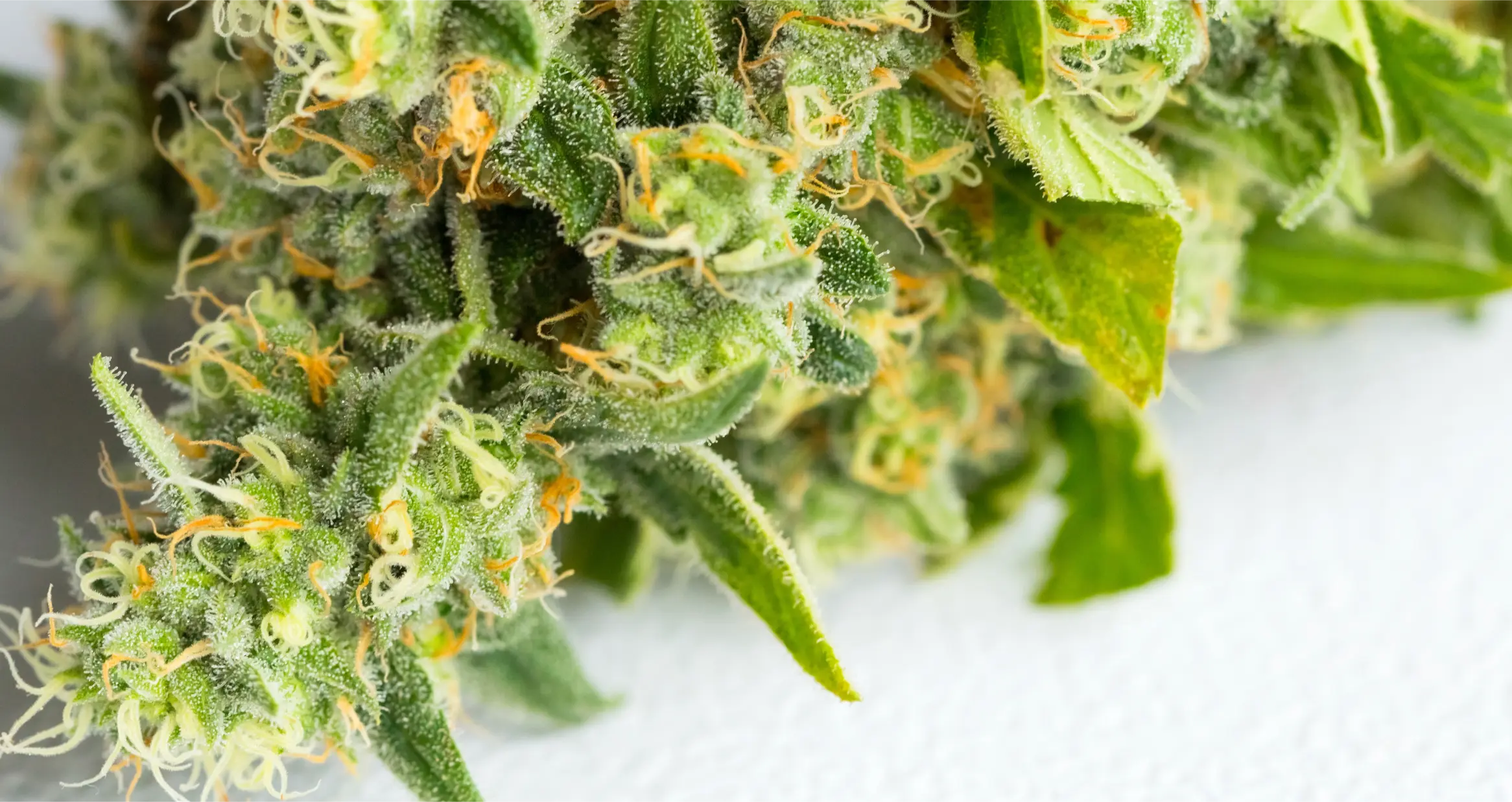
From an olfactory and gustatory perspective, Guava Gas delivers a dramatic, multi-layered organoleptic journey that immediately commands the room. The moment a cured, resin-encrusted bud is broken open, the surrounding atmosphere is inundated with a blinding blast of fermented pink guava, overripe tropical papaya, and tart candied grapefruit, quickly followed by a suffocating, eye-watering undercurrent of raw petroleum fuel, chemical skunk, and industrial turpentine. When combusted in pristine borosilicate glassware or rolled in an unbleached organic hemp paper, the smoke is dense, silky, and expansive. The initial inhale floods the tongue with sweet exotic guava puree and sour citrus zest, while the exhale reveals a heavy, lingering coating of pungent diesel fumes, spicy black pepper, and earthy cedar wood that persists on the palate long after the session concludes.
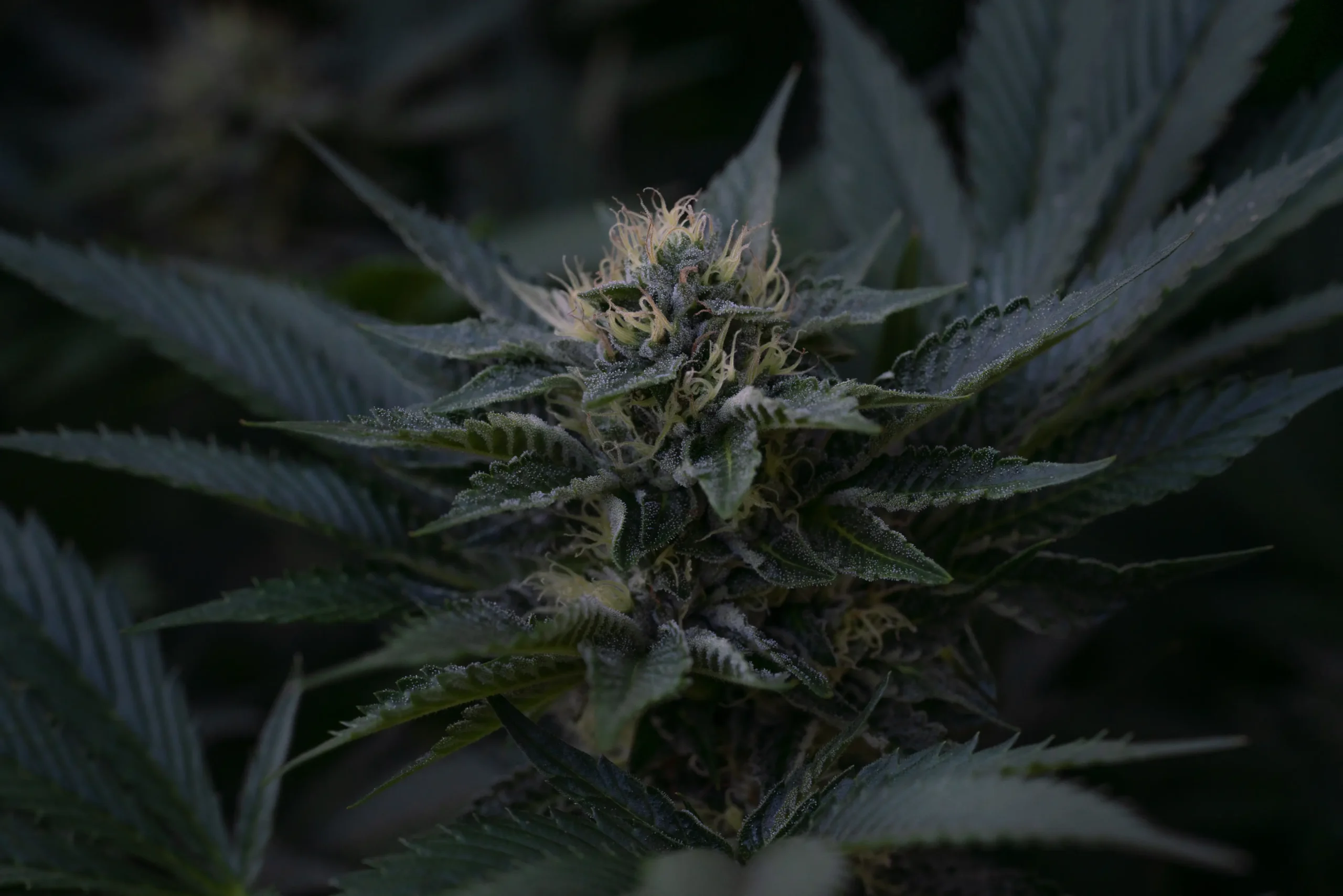
From an agronomic and horticultural perspective, Guava Gas exhibits the breathtaking vigor and structural dominance characteristic of high-performance sativa-leaning hybrids. Demonstrating rapid vegetative development, slender yet sturdy lateral branching, and sharp serrated fan foliage, Guava Gas responds with remarkable enthusiasm to high-intensity crop steering regimens, strategic topping, and precision trellising. During the initial three weeks of the photoperiod transition, plants exhibit a vigorous 130% to 160% vertical stretch, requiring proactive canopy management to establish a uniform, light-efficient tabletop structure. As the flowering phase matures through its nine-to-ten week cycle, calyxes swell into dense, elongated spears completely coated in greasy capitate-stalked glandular trichomes that offer exceptional wash yields and unmatched jar presence. This comprehensive technical cultivation guide details the complete agronomic blueprint for mastering Guava Gas across commercial and craft facilities.
Cultivar Quick Overview: Guava Gas
Pedigree: Guava (Gelato Phenotype) x Sour Diesel / Chemdawg
Classification: Sativa-Dominant Exotic Hybrid (70% Sativa / 30% Indica) | Average THC: 26% to 30%
Total Terpenes: 2.8% to 4.2% | Bloom Duration: 63 to 70 Days (9 to 10 Weeks)
Sensory Bouquet: Candied pink guava, sour tropical papaya, pungent petroleum kerosene, chemical solvent, tart grapefruit, skunk musk.
Cultivation Strategy: Top early at the fifth vegetative node, implement double-tier modular SCROG netting before flower flip, maintain elevated calcium-magnesium ratios under intense LED lighting, and push generative steering drybacks during peak bloom to maximize volatile sulfur compounds and terpene production.
Strain Features
| Agronomic Metric | Baseline Specification | Commercial Target Range |
|---|---|---|
| Genetic Heritage | Guava (Gelato Phenotype) x Sour Diesel / Chemdawg | Stabilized Sativa-Dominant Elite Cut |
| Photoperiod Type | Obligate Short-Day Photoperiod | 18/6 Vegetative / 12/12 Bloom Cycle |
| Flower Maturation Window | 63 to 70 Days (9 to 10 Weeks) | Optimal Trichome Harvest at Day 66 to 68 |
| Indoor Canopy Yield | 500 to 625 grams per square meter | Up to 675 g/m2 with Supplemental CO2 |
| Outdoor Plant Yield | 750 to 1100 grams per plant | Deep Root Living Soil in Sunny Arid Climates |
| Vertical Stretch Factor | 130% to 160% Post-Photoperiod Flip | Manageable with Pre-Flip Super Cropping & Netting |
| Cannabinoid Content | 26% to 30% Total THC | 0.1% to 0.4% CBD | Total Cannabinoids: 30% to 34% |
| Total Terpene Concentration | 2.8% to 4.2% Dry Weight | Dominated by Myrcene, Limonene, Caryophyllene |
| Optimal Bloom Temperature | 24C to 26C (Day) | 18C to 20C (Night) | Day/Night Differential Enhances Terpene Output |
| Optimal Bloom Relative Humidity | 45% to 52% (Weeks 1 to 6) | 38% to 44% (Late) | VPD 1.25 kPa tapering to 1.55 kPa |
| Substrate EC Range | 2.0 to 2.4 mS/cm (Peak Vegetative) | 2.6 to 3.2 mS/cm (Generative Bloom Peak) |
| Optimal Substrate pH | 5.8 to 6.2 (Inert Hydro/Coco) | 6.3 to 6.8 (Living Soil & Peat Blends) |
Guava Gas displays exceptional commercial agronomic characteristics that satisfy the stringent demands of modern craft cultivators and commercial facilities alike. The cultivar demonstrates tremendous vigor from the rooted cutting stage, quickly establishing a fibrous root system that rapidly fills media containers. In vegetative growth, internodes remain relatively tight under intense lighting, developing sturdy secondary and tertiary shoots that support heavy floral masses later in bloom. Its distinct calyx morphology features pronounced spear-shaped bract clusters that stack symmetrically along dominant vertical stems, creating long, continuous colas that dry evenly without internal hollow voids.
Commercial growers particularly appreciate the predictable response of Guava Gas to environmental steering. When subjected to moderate electrical conductivity and controlled dryback regimens, the cultivar redirects vegetative vigor into dense calyx swelling and heavy glandular trichome production rather than excessive foliage accumulation. Furthermore, its resin heads possess thick cuticular membranes and sturdy multicellular stalks, making the cultivar highly resilient to rough handling during automated bucking and manicuring processes.
In addition, Guava Gas maintains a favorable calyx-to-leaf ratio that significantly reduces post-harvest labor overhead. Hand trimmers can rapidly process cured branches with minimal snip counts, while automated dry-trim tumblers produce clean, pristine finished buds without shattering delicate swollen calyxes. This combination of heavy yield potential, visual allure, and processing efficiency establishes Guava Gas as an elite production cultivar.
Genetic Lineage & Breeding History
The genetic pedigree of Guava Gas represents a masterclass in modern horticultural selection, uniting two distinct eras of elite cannabis breeding. On the maternal side stands Guava, an exceptional, highly coveted phenotype selected from the legendary Gelato line (Sunset Sherbet x Thin Mint GSC). Originally isolated for its uncanny tropical profile, the Guava cutting departs from the typical bakery-and-dough dominance of the Cookies family by expressing an intense concentration of sweet, exotic fruit monoterpenes, reminiscent of freshly sliced pink guava, ripe mangoes, and candied papaya. This maternal donor provides Guava Gas with its exotic bag appeal, dense resin head development, and rich, syrupy flavor foundation.
Balancing this tropical dessert sweetness is the paternal powerhouse Sour Diesel, with ancestral contributions traced back through the immortal Chemdawg genetic continuum. Celebrated globally since the early 1990s, Sour Diesel is renowned for its intense cerebral euphoria, rapid vegetative growth, and pungent chemical fuel aroma driven by volatile organic sulfur compounds. By crossing the fruit-forward Guava selection with an elite Sour Diesel male, breeders successfully infused heavy diesel fuel, chemical kerosene, and sharp astringency into the tropical fruit matrix, creating a complex terpene profile that captivates both contemporary exotic lovers and old-school gas enthusiasts.
Throughout the multi-generation stabilization process, breeders meticulously screened offspring for high resin production, structural rigidity, and resistance to environmental stress. The resulting Guava Gas selections preserved the unmistakable tropical sweetness of the mother while gaining the aggressive vegetative stamina and razor-sharp chemical pungency of the father, setting a gold standard for modern sativa-leaning exotic cultivars.
Historical lineage records confirm that the infusion of Chemdawg genetics contributed substantial genetic plasticity to Guava Gas. This plasticity enables the plant to thrive across diverse substrate types, from inert rockwool matrices to microbial living soils, while consistently projecting its unmistakable aromatic signature regardless of environmental variances.
Core Phenotypes & Selection Criteria
Phenotypic selection in Guava Gas requires careful observation of vegetative vigor, stretch behavior, calyx-to-leaf ratios, and terpene complexity. Commercial operations looking to establish a mother plant library should focus on identifying individuals that successfully merge the high flower density of the Guava parent with the loud, persistent gasoline aromatics of the Sour Diesel lineage. Cultivators should carefully benchmark candidate clones against standardized agronomic metrics.
| Phenotype Expression | Morphology & Stretch | Aroma & Palate | Flowering Time | Extractor Recommendation |
|---|---|---|---|---|
| Pheno #1 (Tropical Guava Lean) | Moderate stretch (120% to 135%), dense rounded calyxes, dark green fan leaves | Sweet pink guava, passionfruit, creamy berry dough, light fuel undertones | 63 to 65 Days | Excellent for solventless live rosin, high 73u to 120u collection |
| Pheno #2 (Gasoline Dominant Lean) | Aggressive stretch (150% to 175%), elongated foxtailing spears, narrow sativa leaflets | Industrial kerosene, pungent turpentine, sour lemon rind, faint rotting fruit | 67 to 70 Days | Phenomenal hydrocarbon extraction, massive volatile terpene retention |
| Pheno #3 (The Balanced Holy Grail) | Balanced stretch (135% to 145%), high calyx density, excellent branching stamina | Intense sweet guava puree wrapped in high-octane diesel fumes and black pepper | 65 to 67 Days | Elite commercial cut, exceptional bag appeal and whole-plant fresh frozen yield |
When conducting a phenotypic hunt across a large population of Guava Gas seedlings or seed-run selections, master growers prioritize structural stability alongside chemical output. Phenotype #1 tends to remain stockier and finishes slightly earlier, making it attractive for multi-tier vertical farming where vertical ceiling clearance is constrained. However, Phenotype #3 represents the true commercial ideal, as it strikes an exceptional balance between flower mass, structural resilience, and an explosive terpene profile that commands top wholesale market prices.
Growers should take detailed vegetative tissue samples during early clone propagation, checking for root vigor, vascular caliper thickness, and resistance to powdery mildew. By standardizing these phenotypic benchmarks, cultivation directors can reliably maintain genetic fidelity across continuous commercial harvest cycles.
In analytical screenings, Phenotype #3 consistently produces superior glandular trichome density across both the inner and outer bract surfaces. The stalks are uniformly short and thick, supporting swollen gland heads that resist premature detachment until cold-water agitation or harvest manicuring takes place.
Effect Breakdown & Pharmacodynamics
Guava Gas delivers a fast-acting, intellectually stimulating, and profoundly euphoric psychoactive experience that reflects its sativa-dominant genetic architecture. Upon initial consumption, users experience a rapid onset within three to five minutes, marked by a noticeable surge of cerebral clarity, optic brightening, and a tingling sensation across the temples and crown of the skull. The high concentration of limonene paired with beta-caryophyllene promotes an uplifting, mood-elevating state that enhances creative focus, social engagement, and motivated daytime productivity without inducing jittery paranoia.
As the session progresses past the sixty-minute mark, the calming, analgesic properties of beta-myrcene and linalool gently emerge, soothing physical muscle tension and releasing stress from the neck and shoulders. Unlike heavy indica cultivars that induce sudden couch-lock and lethargy, Guava Gas maintains a buoyant mental altitude while delivering comforting physical equilibrium. This versatile pharmacodynamic profile makes Guava Gas exceptionally well-suited for daytime artistic endeavors, outdoor recreation, focused workflow sessions, and afternoon stress mitigation.
From a clinical and therapeutic perspective, patients seeking relief from chronic mental fatigue, depressive moods, and executive dysfunction find Guava Gas to be an exceptionally functional remedy. The cultivar effectively clears brain fog, fosters divergent cognitive associations, and inspires motivation. Concurrently, its secondary concentration of cannabigerol (CBG) provides mild gastrointestinal relief and ocular pressure reduction, rounding out an exceptionally clean, uplifting therapeutic experience.
Pharmacokinetic data suggests that the bioavailability of THC in Guava Gas is substantially amplified by its high monoterpene fraction. Myrcene facilitates rapid passage across the blood-brain barrier, resulting in a rapid peak plasma concentration followed by a prolonged, smooth plateau that gently tapers over three to four hours without sudden lethargy or post-consumption mental grogginess.
Flavor & Aroma Bouquet
The flavor and aroma profile of Guava Gas is one of the most distinctive in the contemporary cannabis market. Cultivators and consumers alike praise this variety for its ability to preserve its intricate bouquet through all stages of handling, from the live canopy down to the final draw of a cured joint. The primary aromatic layer is dominated by an overwhelming burst of sweet, tropical fruitiness reminiscent of freshly sliced guava, tart kiwi, and candied papaya. This tropical sweetness is immediately counterbalanced by a pungent, sharp hydrocarbon aroma that evokes raw kerosene, clean motor oil, and pungent skunk spray.
On the palate, the combustion of Guava Gas delivers an expansive and silky smoke that coats the mucous membranes with a rich, resinous film. The front of the palate registers intense sweet-and-sour notes of tropical guava syrup, pink grapefruit flesh, and creamy passionfruit puree. On the exhale, the profile transforms into a sharp, acrid display of petroleum fuel, pine sap, and crushed black peppercorns. This juxtaposition of sugary fruit confectionery and raw chemical astringency creates an addictive flavor loop that lingers on the tongue for upwards of forty-five minutes after consumption.
When evaluated via dry vaporizers at low temperatures (175C to 185C), the initial draws highlight ethereal monoterpenes including linalool, beta-myrcene, and ocimene, presenting delicate floral jasmine, sweet guava paste, and candy notes. As operating temperatures increase toward 205C, heavier sesquiterpenes and volatile sulfur compounds volatilize, unleashing the intense diesel, burnt rubber, and peppery resin finish that defines the cultivar’s Chemdawg and Sour Diesel roots.
During extended glass jar curing, the sensory bouquet undergoes a fascinating evolution. The sharpest citrus high notes mellow into a rich, fermented guava jam, while the background diesel fumes take on a heavier, grease-like musk that deepens with each passing week, demonstrating remarkable post-harvest stability.
Dominant Terpenes & Entourage Chemistry
Laboratory analytical testing reveals that Guava Gas routinely synthesizes a total terpene concentration ranging from 2.8% to 4.2% dry weight when cultivated under optimized environmental parameters. The cultivar exhibits a chemotype dominated by monoterpenes and sesquiterpenes that work in synergistic harmony with cannabinoids to produce its characteristic entourage effect.
- Beta-Myrcene (0.9% to 1.4%): As the most abundant monoterpene in Guava Gas, myrcene provides the deep earthy musk and ripe tropical fruit base note. Beyond aroma, myrcene enhances blood-brain barrier permeability, facilitating faster cannabinoid assimilation and modulating the cultivar’s full-body soothing properties.
- Limonene (0.7% to 1.1%): Providing the crisp, citrusy high notes of pink grapefruit and tart lemon peel, limonene plays a vital role in elevating mood, relieving mental fatigue, and stimulating serotonin receptor pathways.
- Beta-Caryophyllene (0.6% to 0.9%): Acting as both a dietary cannabinoid and a sesquiterpene, caryophyllene binds selectively to peripheral CB2 receptors, providing robust anti-inflammatory relief and delivering a sharp peppery bite on the finish.
- Alpha-Humulene (0.2% to 0.4%): Working in concert with caryophyllene, humulene contributes woody, earthy undertones while offering mild appetite-regulating and anti-inflammatory properties.
- Alpha-Pinene (0.15% to 0.30%): Adding fresh pine needle notes and sharpening mental alertness, alpha-pinene works as an acetylcholinesterase inhibitor, preserving short-term memory during consumption.
- Volatile Sulfur Compounds (VSCs): Beyond traditional terpenes, trace prenylated thiols contribute heavily to the cultivar’s pungent, skunky diesel funk, ensuring intense olfactory projection even at parts-per-billion concentrations.
The intricate entourage interaction between these primary terpenes, minor thiols, and high concentrations of delta-9-THC creates a highly bioavailable pharmacological matrix. The presence of caryophyllene and humulene attenuates potential tachycardia, while limonene and pinene ensure clear, sustained cognitive function throughout the duration of effects.
Analytical chromatography also reveals notable concentrations of ocimene and terpinolene in select cuts, adding subtle woodsy, floral, and herbaceous complexity that further differentiates Guava Gas from one-dimensional diesel cultivars.
Indoor vs Outdoor Cultivation Dynamics
Guava Gas exhibits tremendous versatility, thriving in high-precision indoor controlled environments, commercial light-deprivation greenhouses, and full-sun outdoor farm installations. However, due to its vigorous vegetative stretch and dense cola formation during late bloom, cultivators must tailor their management strategies based on their specific cultivation venue.
Indoors, Guava Gas shines under high-performance LED lighting where cultivators can maintain strict environmental control over temperature, humidity, and airflow. Because indoor canopy height is often limited, cultivators must deploy aggressive training techniques, such as early apical topping, low-stress bending, and dual-layer trellis netting, to control vertical expansion during the first three weeks of 12/12. Indoor setups also benefit from supplemental carbon dioxide enrichment (1,100 to 1,300 ppm), which enables the cultivar to process elevated photosynthetic photon flux densities exceeding 1,000 umol/m2/s without experiencing photo-oxidative stress.
Outdoors, Guava Gas demonstrates remarkable hybrid vigor, frequently reaching heights of eight to ten feet and developing massive, shrub-like branch frameworks when grown in large 100-to-300-gallon living soil containers. The cultivar performs best in Mediterranean, arid, or semi-arid climates with long, sunny autumns. Outdoor harvest typically lands between the second and third week of October in the Northern Hemisphere. Because the dense sativa-dominant spears can trap morning dew and ambient moisture, outdoor growers in humid regions must ensure excellent plant spacing, aggressive lower canopy clearing, and preventative biological fungicides to prevent late-season botrytis and powdery mildew.
In commercial greenhouse environments equipped with automated blackout curtains, Guava Gas produces outstanding yields during mid-summer light deprivation cycles. Natural solar radiation enhances broad-spectrum cannabinoid synthesis, while automated dehumidification systems prevent the humidity spikes that often compromise flower quality in traditional outdoor fields.
Outdoor cultivators should construct sturdy exterior trellises with bamboo stakes or galvanized wire fencing to support the lateral branches during late August and September when heavy calyx development rapidly increases top-heavy branch weight.
Strain-Specific Grow Guidance
Cultivating Guava Gas to its maximum genetic potential requires an understanding of its unique nutritional and environmental preferences. Unlike slow-growing, broad-leaf indica varieties that prefer conservative feeding, Guava Gas possesses a rapid metabolic rate that demands consistent nutrient availability, high transpiration rates, and robust structural support throughout its developmental life cycle.
During the vegetative phase, provide a balanced nutrient formulation rich in nitrate nitrogen, readily available calcium, and chelated micronutrients. The rapid vegetative growth rate requires weekly scouting and pruning of lower shoots to redirect energy toward dominant apical branches. When initiating flower induction, transition nutrient ratios toward higher phosphorus and potassium levels while maintaining steady magnesium inputs to support intense chlorophyll synthesis under high-intensity bloom lighting. Cultivators should monitor runoff electrical conductivity closely, maintaining a consistent 15% to 20% runoff volume in drain-to-waste systems to prevent toxic salt accumulations in the root zone.
Another crucial agronomic factor is managing vegetative node development. Because Guava Gas branches eagerly, failing to thin out inner shading leaves early can lead to weak, spindly lower shoots that rob energy from main terminal spears. Weekly pruning of secondary shoots located on the lower third of each branch ensures that only thick, lignified stems reach the upper canopy light zone.
Furthermore, maintaining root-zone temperatures between 20C and 22C prevents rhizosphere stagnation, ensuring steady water and ion transport during peak transpiration windows under commercial lighting setups.
Crop Steering & Irrigation Matrix
Precision crop steering utilizing substrate water content sensors and electrical conductivity monitoring is the definitive method for maximizing both flower yield and secondary metabolite concentrations in Guava Gas. By manipulating irrigation volume, shot frequency, and dryback percentages, cultivators can systematically guide plant morphology and terpene biosynthesis.
Organic Technical Grower Question: Managing Substrate Dryback During Stretch
Question: “How aggressively can I push vegetative drybacks on Guava Gas during the first two weeks of 12/12 bloom without stunting calyx stacking or causing calcium tip-burn?”
Technical Response: “During the initial two weeks of stretch, Guava Gas demands a moderately aggressive generative steering strategy to prevent excessive internodal stretching. Target an overnight substrate dryback between 30% and 35% in coco coir. Begin your first irrigation shot (P1) approximately two hours after lights-on, delivering 3% to 4% substrate volume pulses spaced twenty minutes apart until reaching runoff. Once container capacity is achieved, cut off irrigation four hours before lights-out. If you push drybacks past 42%, you risk inducing localized calcium deficiency at rapidly expanding calyx tips due to restricted xylem mass flow. Maintain your input EC at 2.6 to 2.8 mS/cm to maintain strong osmotic potential without causing salt stress.”
| Growth Phase | Target Substrate Dryback | Shot Volume (% Substrate) | Input EC (mS/cm) | Runoff EC Target |
|---|---|---|---|---|
| Late Vegetative Stage | 18% to 22% (Vegetative Steering) | 4% to 6% per shot | 1.8 to 2.2 mS/cm | 2.0 to 2.5 mS/cm |
| Flower Weeks 1 to 3 (Stretch) | 30% to 35% (Generative Steering) | 3% to 4% per shot | 2.4 to 2.8 mS/cm | 3.2 to 3.8 mS/cm |
| Flower Weeks 4 to 6 (Bulking) | 20% to 25% (Vegetative Bulking) | 5% to 6% per shot | 2.6 to 3.0 mS/cm | 3.0 to 3.6 mS/cm |
| Flower Weeks 7 to 8 (Ripening) | 35% to 40% (Generative Stress) | 3% to 4% per shot | 2.2 to 2.6 mS/cm | 3.5 to 4.2 mS/cm |
| Flower Week 9 (Late Flush/Finish) | 25% to 30% (Moisture Balance) | 3% to 4% per shot | 1.0 to 1.4 mS/cm | 1.6 to 2.2 mS/cm |
Implementing the irrigation matrix outlined above ensures that the root zone receives adequate oxygenation while preventing osmotic shock. During the bulking phase in weeks four through six, maintaining smaller, more frequent irrigation events (vegetative steering) promotes cell division and rapid calyx expansion, creating massive flower clusters. Conversely, transitioning to wide overnight drybacks during weeks seven and eight creates mild osmotic stress that triggers a defensive upregulation of secondary terpene synthesis, noticeably boosting the sharp diesel and tropical fruit aromatics.
During the P1 irrigation phase, monitor the volumetric water content (VWC) rise carefully. If substrate VWC fails to reach field capacity within four to five shots, increase shot volume incrementally by 0.5% rather than shortening intervals. This prevents channelization through the media and ensures even salt flushing across the entire container volume.
The P2 maintenance phase should be deployed conservatively. In high-transpiration environments, administer one to two small maintenance shots (1% to 2% substrate volume) only if VWC declines by more than 8% prior to the planned irrigation cutoff window.
Living Soil, Organics & Secondary Metabolites
While mineral-based hydroponic systems deliver blistering growth rates and high commercial yields, cultivating Guava Gas in biologically active living soil unlocks an unparalleled complexity in its volatile terpene and thiol profiles. Living soil networks rich in mycorrhizal fungi, beneficial bacteria, actinomycetes, and red wiggler worms synthesize bio-available minerals and organic acids that directly stimulate plant secondary metabolism.
To build an optimal living soil matrix for Guava Gas, start with a base of high-grade Canadian sphagnum peat moss, aeration pumice, and aged thermal compost. Amend the blend with organic inputs including steamed bone meal, crustacean meal for bio-available chitin, basalt rock dust for paramagnetic mineral diversity, gypsum for sulfur and calcium, and kelp meal for natural cytokinins and auxins. Top-dressing with malted barley flour during week three of bloom provides natural phosphatase and chitinase enzymes that accelerate nutrient cycling, while fermented plant juices made from nettles and comfrey provide rich enzymatic teas that heighten resin production without burning sensitive feeder roots.
Furthermore, inoculating the rhizosphere with beneficial fungi such as Rhizophagus irregularis early in vegetative growth establishes extensive subterranean hyphal networks. These symbiotic mycorrhizae dramatically expand the plant’s effective root surface area, allowing Guava Gas to draw in micro-nutrients like zinc, iron, and manganese that are essential co-factors for terpene synthase enzymes.
Maintaining a healthy cover crop of crimson clover and hairy vetch in outdoor raised beds fixes atmospheric nitrogen naturally, while a top dressing of shredded straw mulch protects beneficial soil microbes from direct thermal radiation and dehydration.
Lighting Spectrum, DLI & Photobiology
Guava Gas exhibits high photosynthetic capacity and responds exceptionally well to modern full-spectrum LED fixtures equipped with deep red (660nm) and far-red (730nm) supplemental diodes. During the vegetative stage, maintain a Daily Light Integral (DLI) of 35 to 40 mol/m2/day at a Photosynthetic Photon Flux Density (PPFD) of 500 to 650 umol/m2/s. This spectrum encourages compact internodes and vigorous branching without causing light stress.
| Developmental Phase | Photoperiod Schedule | Target PPFD Range | Supplemental CO2 Level | Target Daily Light Integral (DLI) |
|---|---|---|---|---|
| Early Vegetative (Rooted Clones) | 18 Hours Light / 6 Hours Dark | 350 to 450 umol/m2/s | Ambient (400 to 450 ppm) | 22.7 to 29.2 mol/m2/day |
| Late Vegetative Canopy Fill | 18 Hours Light / 6 Hours Dark | 550 to 700 umol/m2/s | 700 to 900 ppm | 35.6 to 45.4 mol/m2/day |
| Early Bloom Stretch (Weeks 1 to 3) | 12 Hours Light / 12 Hours Dark | 850 to 950 umol/m2/s | 1,000 to 1,200 ppm | 36.7 to 41.0 mol/m2/day |
| Peak Bloom Bulking (Weeks 4 to 7) | 12 Hours Light / 12 Hours Dark | 1,050 to 1,150 umol/m2/s | 1,200 to 1,350 ppm | 45.4 to 49.7 mol/m2/day |
| Late Bloom Ripening (Weeks 8 to 10) | 12 Hours Light / 12 Hours Dark | 750 to 850 umol/m2/s | Ambient (400 to 500 ppm) | 32.4 to 36.7 mol/m2/day |
Upon entering the flowering phase, scale PPFD incrementally to 900 umol/m2/s during stretch, peaking at 1,050 to 1,150 umol/m2/s during weeks four through seven with supplemental carbon dioxide enrichment at 1,200 to 1,300 ppm. Cultivators should monitor canopy leaf temperature using infrared thermal guns to ensure leaf surface temperatures remain between 26C and 27C under LED arrays, balancing radiative heat transfer with transpiration efficiency. Incorporating gentle UVA/UVB supplementation (285nm to 385nm) for two hours during mid-day lighting cycles in weeks six and seven stimulates trichome head expansion and elevates protective monoterpene concentrations.
Far-red radiation (730nm) administered for ten minutes at the end of the photoperiod triggers the Emerson enhancement effect, accelerating phytochrome transition from Pfr to Pr state and encouraging rapid bud site initiation without unnecessarily elongating internodal spacing.
Mineral Nutrition & Deficiency Management
Mineral nutrition in Guava Gas requires precise balancing across both macro and micro nutrients. The cultivar’s rapid cellular division during early flowering creates substantial demand for divalent cations, specifically calcium and magnesium. Cultivators utilizing reverse osmosis filtration must provide baseline calcium supplementation at 120 to 150 ppm and magnesium at 50 to 65 ppm to support cell wall structural integrity and maintain high chlorophyll concentrations.
| Essential Element | Veg Target (PPM) | Early Bloom (PPM) | Peak Bulking (PPM) | Deficiency Symptoms & Corrective Protocol |
|---|---|---|---|---|
| Nitrogen (N) | 160 to 180 ppm | 140 to 160 ppm | 80 to 100 ppm | Lower leaf general chlorosis. Correct with calcium nitrate root drench. |
| Phosphorus (P) | 50 to 60 ppm | 70 to 90 ppm | 90 to 110 ppm | Purple petioles, dark bronze spotting. Supplement monopotassium phosphate. |
| Potassium (K) | 180 to 200 ppm | 220 to 250 ppm | 260 to 300 ppm | Marginal leaf scorch, curling tips. Boost soluble potassium sulfate. |
| Calcium (Ca) | 120 to 140 ppm | 140 to 160 ppm | 130 to 150 ppm | Upper leaf necrotic margins, weak stems. Apply chelated calcium foliar spray. |
| Magnesium (Mg) | 55 to 65 ppm | 65 to 75 ppm | 70 to 80 ppm | Interveinal chlorosis on mid-canopy. Drench with Epsom salts at 2g/gal. |
| Sulfur (S) | 60 to 75 ppm | 80 to 95 ppm | 100 to 120 ppm | Pale yellow young leaves, diminished terpene aroma. Add magnesium sulfate. |
Calcium deficiency typically appears first on young, rapidly expanding leaves in the upper canopy as localized chlorotic mottling followed by distinct necrotic spotting along the leaf margins. If uncorrected, this can weaken floral stems, resulting in drooping colas later in bloom. Magnesium deficiency manifests as classic interveinal chlorosis on lower mature foliage, where leaf veins remain dark green while the intervening tissue turns pale yellow. Regular foliar applications of chelated magnesium sulfate (Epsom salt) at 2 grams per liter during late vegetative growth provide rapid remediation without disrupting root-zone nutrient balance.
During the generative bulking stage (weeks four through seven), potassium demand surges dramatically to support carbohydrate transport and osmotic pressure inside expanding calyxes. Ensure potassium-to-nitrogen ratios are adjusted to approximately 2.5:1 during peak bloom. However, growers must avoid excessive potassium inputs that can competitively inhibit magnesium and calcium uptake, a condition known as cation antagonism.
Integrated Pest & Pathogen Management
A proactive, multi-tiered Integrated Pest Management strategy is indispensable when cultivating Guava Gas. The cultivar possesses moderate natural resistance to environmental stressors, but its dense floral clusters and thin sativa-leaning foliage can attract two-spotted spider mites, thrips, and powdery mildew if canopy sanitation is neglected.
Throughout the vegetative cycle, establish an alternating foliar bio-fungicide and insecticidal soap schedule. Rotate cold-pressed horticultural oils, neem derivatives, and bio-insecticides containing Beauveria bassiana every five to seven days. Release beneficial predatory insects into the canopy early in vegetative development: Amblyseius swirskii to eliminate thrips larvae, Phytoseiulus persimilis to intercept spider mite hotspots, and Hypoaspis miles in the substrate to suppress fungus gnat larvae. Discontinue all foliar sprays prior to the emergence of pistils at day fourteen of 12/12 to ensure pure, residue-free flower development.
Botrytis cinerea (gray mold) represents the primary biological threat during late bloom, particularly in setups where relative humidity spikes above 55% during night cycles. Cultivators must ensure continuous, oscillating airflow beneath and through the upper canopy, maintaining a minimum air velocity of 0.5 to 0.8 meters per second across all flower colas to eliminate static boundary layers of moisture.
Implementing strict quarantine protocols for incoming plant genetics prevents latent pathogen introduction, such as Hop Latent Viroid (HLVd). Screen mother stock bi-annually via quantitative PCR testing to verify pathogen-free status before cutting production clones.
Solventless Hash & Live Rosin Extraction
Guava Gas has garnered widespread acclaim within the solventless processing community due to its unique resin head morphology and intense volatile terpene retention. The cultivar features abundant capitate-stalked glandular trichomes with head diameters ranging between 73 and 120 microns, which detach cleanly from their multicellular stalks during ice water agitation.
| Extraction Parameter | Recommended Setting | Operational Rationale |
|---|---|---|
| Harvest Fresh Frozen Prep | Whole plant de-leafed, frozen at -20C within 30 min | Locks volatile monoterpenes and prevents thermal oxidation |
| Water Wash Temperature | 0.5C to 1.5C slurry with low ice-to-water ratio | Prevents mechanical shear while maintaining trichome brittleness |
| Agitation Time & Cycles | 4 to 5 washes at 8 to 12 minutes gentle pulse | Isolates clean heads before leaf tissue macerates |
| Key Sieve Micron Range | 73u to 119u (Prime Grade) | 45u to 72u (Food/Secondary) | Concentrates highest purity capitate-stalked glandular heads |
| Freeze Dryer Shelf Temp | 35F to 42F (1.6C to 5.5C) under 100 mTorr vacuum | Preserves pale color and prevents terpene boil-off during sublimation |
| Rosin Press Temp & Mesh | 160F to 175F (71C to 79C) through 25u inside 160u sleeve | Produces ultra-clean cold-cure batter with intense tropical gas aroma |
When preparing whole-plant fresh frozen material, harvest plants directly into food-grade harvest bags and place them into commercial blast freezers at -20C to -40C within thirty minutes of cutting to preserve delicate monoterpenes and volatile thiols. In the wash vessel, maintain ice water temperatures between 0C and 1.5C. Use gentle agitation cycles (ten to twelve minutes per wash) to isolate resin heads without pulverizing vegetative leaf material. The 73u to 119u collection bag yields an exquisite, pale golden bubble hash that melts completely at room temperature.
Freeze-drying parameters must be dialed in with precision to avoid terpene oxidation. Shelf temperatures during freeze-drying should not exceed 45 degrees Fahrenheit (7.2C), and the vacuum cycle should be carefully managed to prevent sublimation turbulence. When pressing dried hash into live rosin, utilize 25u stainless steel mesh sleeves inside 160u nylon bags. Press at low temperatures (160F to 175F or 71C to 79C) under gradual hydraulic pressure, achieving a smooth, creamy cold-cure batter with unrivaled tropical fuel aroma.
Harvest Timing, Drying & Curing Science
Determining the precise harvest window for Guava Gas requires microscopic inspection of glandular trichome head development rather than relying solely on pistil coloration. Because this cultivar carries sativa-dominant genetics with heavy resin production, harvesting prematurely results in an overly racy, brief cerebral buzz and diminished terpene depth.
Begin daily trichome monitoring across upper and mid-canopy bracts starting at day sixty of 12/12 using a lighted 40x to 60x loupe or digital microscope. When resin heads transition from translucent clear to fully clouded, milky white, cannabinoid synthesis reaches its physiological peak. For an ideal balance of soaring creative euphoria, rich tropical gas flavor, and relaxing physical comfort, harvest when approximately 85% of trichome heads are milky opaque, 10% to 15% have turned deep amber, and clear heads represent less than 5%. Under typical indoor conditions, this maturation window opens between day sixty-five and day sixty-eight.
The post-harvest phase determines whether Guava Gas retains its electrifying tropical diesel bouquet or loses its volatile nuances to rapid evaporation. The delicate monoterpenes and volatile sulfur compounds that give this cultivar its distinct personality are highly sensitive to elevated temperatures, excessive airflow, and low humidity. Harvest whole plants or large manicured branches and hang them in an environmentally regulated drying room held at an uncompromising 60 degrees Fahrenheit (15.5C) and 60% relative humidity. This slow, fourteen-day drying curve allows internal moisture to migrate steadily from the stem core through the floral bracts without drying out outer calyx leaves prematurely.
Once stem snapping confirms target equilibrium moisture content (10% to 12%), manicured flowers are packed into airtight curing vessels at a target water activity (aW) between 0.58 and 0.62. In this controlled state, endogenous aerobic enzymes break down bitter chlorophyll and harsh starches while converting monoterpenes into smooth, complex aromatic esters.
Weedth Bud Flavor Tips
To extract the richest possible sensory expression from Guava Gas, cultivators should apply specialized flavor-enhancing techniques throughout late bloom and post-harvest handling. The cultivar’s volatile flavor compounds are easily compromised by excessive environmental heat and aggressive nutrient salts.
First, reduce nitrogen delivery to near-zero levels starting at week seven of bloom. Residual nitrate nitrogen stored within leaf and calyx tissue can cause harsh smoke and impart an acrid, grassy flavor that masks the delicate guava monoterpenes. Second, introduce organic fulvic acid and natural carbohydrate sources, such as unsulfured blackstrap molasses or pure cane sugar, at 1 to 2 ml per liter during mid-bloom to nourish root-zone microbial life and enhance enzymatic activity. Third, maintain low drying room temperatures strictly at 15.5 degrees Celsius (60F) to prevent the evaporation of volatile terpenes such as myrcene and ocimene, which have boiling points vulnerable to degradation above 20 degrees Celsius.
Fourth, maintain gentle, filtered negative pressure ventilation inside curing storage rooms. Avoid ozone generators or direct ultraviolet air purifiers within flower curing spaces, as free ozone radicals rapidly oxidize delicate monoterpene bonds, dulling the vibrant pink guava top notes into bland pine resin.
Weedth Bud Boost Tips
Maximizing flower density and final harvest mass in Guava Gas requires targeted agronomic interventions during peak floral development. By stimulating cell division during the critical window between weeks four and six, growers can significantly enhance both overall yield and bud compactness.
First, implement a targeted phosphorus and potassium spike during weeks four through six, elevating input EC to 2.8 to 3.0 mS/cm. This provides the energy currency (ATP) necessary to drive dense calyx stacking along primary stems. Second, enrich atmospheric carbon dioxide to 1,200 to 1,300 ppm while maintaining canopy PPFD at 1,000 to 1,100 umol/m2/s. This elevates photosynthetic carbon fixation and promotes thick, chunky spear development. Third, perform a calculated second-round defoliation at day forty-two of flower, selectively removing large fan leaves that cast shade over secondary cola sites. This allows deep light penetration, swelling lower flowers into solid, harvestable tops.
Fourth, supplement bio-available potassium silicate (20 to 30 ppm elemental Si) throughout early and mid-bloom. Silica fortifies epidermal cell walls, creating rigid stalks capable of supporting towering top colas without mechanical branch collapse under high-intensity lighting.
Fifth, maintain strict daytime-to-nighttime temperature differentials of 6C to 8C during late bloom. Cooler nighttime conditions signal reproductive urgency to the plant, encouraging rapid calyx expansion and secondary metabolite accumulation during the final fourteen days before flush.
Grower Notes and Feedback
Master cultivators across craft and commercial sectors praise Guava Gas for its unrivaled jar appeal, vigorous growth rate, and pungent aroma that cuts through even the most saturated carbon filtration systems. Experienced growers emphasize that while Guava Gas is straightforward in vegetative growth, mastering its canopy architecture and drying parameters is what separates commercial grade from true connoisseur quality.
Feedback from commercial cultivators highlights its exceptional performance in hydrocarbon and live resin extraction setups, where the high terpene fraction yields golden, terpene-soaked saucy extracts that retain the full tropical fuel bouquet of the living plant. Growers consistently advise installing heavy-duty double trellises early, as the heavy sativa-leaning spears can easily bend under their own weight during the final three weeks of flower if unsupported. Maintaining disciplined sanitation and defoliation protocols ensures consistent, mold-free yields across every harvest cycle.
Furthermore, cultivators note that Guava Gas exhibits moderate drought sensitivity during the peak bulking phase. Allowing containers to dry out past 45% during week five or six can trigger premature pistil browning and slow down calyx stacking. Adhering strictly to measured, sensor-driven drybacks keeps the root zone actively transpiring and promotes continuous floral swell.
Growers running multi-tier LED facilities report that Guava Gas tolerates light intensity up to 1,100 umol/m2/s without showing signs of bleaching or leaf canoeing, provided that carbon dioxide levels remain above 1,200 ppm and canopy leaf temperatures are maintained at 26C.
Weedth Editor’s Note
Weedth Editor’s Note: Alex Buck’s Cultivation Logbook
When I first introduced the authentic clone-only cut of Guava Gas into my commercial research facility, my goal was to harness its electrifying tropical diesel profile while developing a bulletproof canopy training protocol to control its aggressive sativa stretch. In my trial run, I transplanted rooted rockwool plugs into five-gallon fabric containers packed with a premium 70/30 coco coir and perlite matrix, automated via pressure-compensating drip emitters. During the vegetative stage under high-efficiency full-spectrum LED fixtures delivering 550 umol/m2/s, I established rapid root colonization by maintaining an input electrical conductivity of 1.9 mS/cm at a strict 5.9 pH. I topped the primary apical meristem precisely at node five, systematically bending and pinning the eight resulting lateral branches outward using heavy-gauge horticultural wire to form a broad, low-profile vegetative foundation before initiating the flowering cycle.
Upon flipping my canopy to the twelve-twelve photoperiod, Guava Gas exhibited an explosive 145% vertical stretch over the initial twenty-two days. I immediately installed a dual-layer modular trellis system, tucking vigorous shoots horizontally across the lower screen every forty-eight hours until stretch completely halted at day twenty-four. To curb unwanted internodal elongation, I initiated aggressive generative steering drybacks, waiting until container water content declined by 38% before administering the morning P1 irrigation shot. I boosted root-zone EC to 2.9 mS/cm, raised supplemental carbon dioxide to 1,250 parts per million, and scaled canopy photosynthetic photon flux density to 1,050 umol/m2/s. The plants responded with immense vigor, stacking dense, golf-ball-sized calyx clusters along every major node while exuding an unmistakable stench of sweet pink guava and high-test gasoline.
During the final ripening weeks, Guava Gas proved to be one of the most visually stunning and aromatically pungent cultivars I have ever brought through bloom. From day forty-nine through harvest, I systematically lowered ambient night temperatures down to 18 degrees Celsius and dropped relative humidity to 40%, generating a target vapor pressure deficit of 1.48 kPa to prevent microclimate moisture pockets inside the swelling colas. The heavy calyxes transformed into vibrant lime-green and pale violet clusters completely smothered in glistening, bulbous glandular trichomes. When inspecting the resin heads under my forty-power jeweler loupe at day sixty-seven, I observed precisely 85% milky-white glandular heads with roughly 12% deep amber heads, signaling the ideal physiological harvest window before any degradation of its delicate monoterpenes could occur.
Post-harvest handling demanded absolute precision to preserve the fragile volatile sulfur compounds that give Guava Gas its signature petroleum punch. I hung whole manicured branches in a dedicated dark curing room maintained at an uncompromising 60 degrees Fahrenheit and 60% relative humidity for fourteen full days. Once the stems snapped cleanly, I hand-trimmed the colas and transferred them into airtight glass curing vessels with gentle daily burping over four weeks. The cured buds combust with extraordinary smoothness, releasing an initial wave of sweet tropical papaya and sour guava candy before settling into an intense, brain-tingling diesel fuel finish. While its vigorous stretch and moderate botrytis susceptibility in high humidity require disciplined canopy pruning, Guava Gas is an absolute triumph of modern breeding that belongs in the garden of every cultivator who treasures elite tropical sativa power.
Similar Strains
For cultivators and consumers evaluating alternatives to Guava Gas, examining cultivars with overlapping terpene profiles, genetic ancestry, and agronomic characteristics provides valuable context. The following comparison highlights key differences across four related elite varieties.
| Cultivar Name | Lineage Breakdown | Dominant Terpenes | Flowering Duration | Key Agronomic Distinction |
|---|---|---|---|---|
| Sour Diesel | Chemdawg x Super Skunk | Myrcene, Limonene, Caryophyllene | 70 to 77 Days | Pure gas profile with minimal fruit, longer flowering window and wilder stretch |
| Gelato 33 | Sunset Sherbet x Thin Mint GSC | Caryophyllene, Limonene, Humulene | 58 to 63 Days | Denser indica structure, creamy dessert terps without intense petroleum notes |
| Guava Kush | Guava x OG Kush | Myrcene, Pinene, Caryophyllene | 60 to 65 Days | More sedative physical stone, earthy kush undertones rather than chemical gas |
| Chemdawg | Unknown Nepalese x Thai landrace ancestry | Caryophyllene, Myrcene, Pinene | 65 to 70 Days | Raw industrial solvent and diesel power without tropical fruit sweetness |
When selecting among these related cultivars, growers should consider their operational goals and market demands. Sour Diesel remains an ageless classic that delivers authentic, eye-watering diesel fumes, but requires up to eleven weeks of bloom and extensive canopy management. Gelato 33 offers tighter, denser flowers with dessert appeal and shorter flowering times, but lacks the soaring cerebral kick and high-octane hydrocarbon punch of Guava Gas. Guava Kush offers a heavier, more physically relaxing indica stone suited for evening consumption, whereas Guava Gas maintains bright daytime clarity and creative motivation. Finally, Chemdawg provides raw, unadulterated chemical fuel potency, making it an essential genetic pillar for breeding programs targeting heavy solvent-like aromatics.
For operations with limited ceiling clearance, Guava Kush or Gelato 33 may prove easier to manage in single-tier tents, whereas commercial facilities with multi-tier rolling benches and high-intensity LED systems will achieve maximum revenue potential by cultivating Guava Gas under dialed crop steering regimens.
Cultivator FAQ & Troubleshooting
What is the average indoor flowering duration of Guava Gas?
Guava Gas typically reaches peak physiological maturity within sixty-three to seventy days (nine to ten weeks) of 12/12 photoperiod induction. Tropical-leaning phenotypes finish comfortably around day sixty-five, while aggressive diesel-dominant phenotypes reward growers with maximum resin swelling and petroleum pungency when taken to day sixty-eight or seventy.
How significantly does Guava Gas stretch after the 12/12 photoperiod flip?
Cultivators should anticipate a 130% to 160% vertical stretch during the first three weeks of flower. Installing a double-tier modular trellis system, topping early in vegetative growth, and applying generative crop steering drybacks during stretch are essential steps to keep canopy height uniform and manageable.
What are the ideal temperature and humidity parameters during late bloom?
During weeks seven through ten, maintain daytime temperatures between 23C and 25C and drop night temperatures down to 17C to 19C. Lower relative humidity to 40% to 45% (targeting a VPD of 1.45 to 1.55 kPa) to preserve volatile monoterpenes and protect dense colas against mold and botrytis.
Is Guava Gas a suitable candidate for commercial solventless extraction?
Yes, particularly the Guava-leaning phenotypes that produce brittle, capitate-stalked glandular trichome heads in the 73u to 120u micron range. While its terpene-rich resin can be sticky, washing fresh frozen whole-plant material produces aromatic, golden live rosin bursting with tropical fruit and pungent diesel fumes.
What is the best substrate and feeding strategy for optimizing Guava Gas flavor?
Cultivating Guava Gas in biologically diverse living soil amended with organic compost, basalt rock dust, and kelp meal yields unmatched terpene complexity. In hydroponic or coco setups, provide balanced calcium and magnesium inputs, elevate sulfur during flower bulking, and implement a gentle, low-EC finish during the final seven to ten days.
Share this article
A quick overview of the topics covered in this article.
Follow us
Latest articles
November 9, 2026
November 9, 2026
November 9, 2026
November 9, 2026
