
Hash Heaven
A tall, long-flowering sativa hybrid built around G13 Haze, Hash Plant, Lavender, intense resin, tropical structure, sweet herbal perfume, and extraction-grade trichome maturity.
Hash Heaven is a long-flowering, sativa-dominant cultivar created from Hash Plant 13, G13 Haze, and Lavender. The classic version is very different from the compact modern hybrids that dominate strain libraries. It grows tall, carries long branches, requires a patient twelve-to-thirteen-week flowering cycle, and produces enough resin to attract growers interested in both premium flower and hash-making material. Its name is not merely promotional language. The cultivar's strongest practical identity is the amount and character of resin it develops when allowed to finish fully.
The plant needs space and time. Indoors, it should be flowered early, trained horizontally, and supported in layers. Outdoors, it makes the most sense in tropical, subtropical, Mediterranean, or protected long-season environments. A short autumn cannot be solved with stronger feeding. The genetics continue building flower and resin long after many hybrids would be harvested. Growers who cut early receive fragrant but incomplete flowers with less mature resin and a thinner effect.
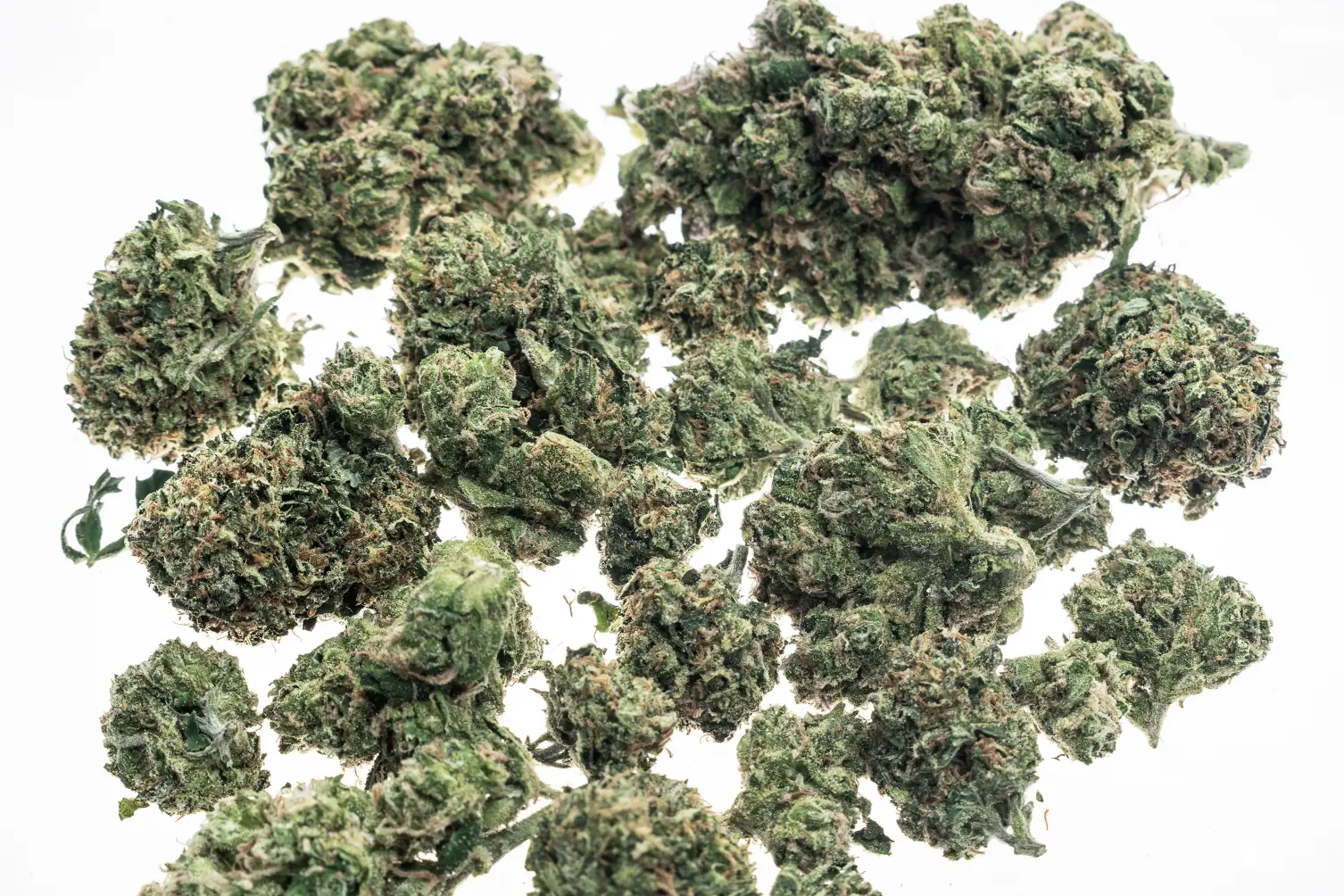
The lineage creates a distinctive balance. G13 Haze contributes height, cerebral lift, incense, and an extended finish. Hash Plant 13 adds resin density, earthy spice, and a stronger physical foundation. Lavender contributes floral sweetness, herbal perfume, and a softer purple-fruit tone in some phenotypes. The final aroma can include sweet herbs, lavender flowers, incense, hash spice, pine, earth, and pungent resin. It is less about sugary fruit than aromatic depth.
Hash Heaven should be approached as two harvests in one. The flower must be grown and dried for taste, while the resin must mature enough to justify the cultivar's extraction reputation. Those goals overlap but are not identical. Excessive late heat protects neither. Early harvest preserves brightness but reduces gland maturity. Very late harvest may increase body weight while flattening floral notes. The best window is a fully swollen plant with predominantly cloudy calyx trichomes, mature resin heads, and enough remaining floral lift to keep the hash profile complex.
Legal note: Educational content only. Always follow the cultivation and cannabis laws that apply in your location.
Strain Features
| Feature | Details |
|---|---|
| Type | Strongly sativa-dominant hybrid, commonly described near 80% sativa and 20% indica. |
| Classic Lineage | Hash Plant 13 x G13 Haze x Lavender. |
| Flowering Time | Usually 12-13 weeks indoors, often around 84-91 days. |
| Outdoor Harvest | Late October into November in warm long-season regions. |
| Indoor Height | Tall to very tall unless flowered early and trained aggressively. |
| Outdoor Height | Very tall and broad in open ground; best suited to private, legal, long-season sites. |
| Stretch | High and persistent, with long branches and continued movement through much of flower. |
| Bud Structure | Long resinous sativa flowers with enough density to carry substantial trichome coverage. |
| Yield Potential | Medium to high depending on canopy control and whether the full cycle is completed. |
| Aroma | Sweet herbs, lavender, incense, hash spice, earth, pine, floral perfume, and pungent resin. |
| Likely Terpene Direction | Terpinolene, myrcene, beta-caryophyllene, linalool, pinene, and limonene may shape different phenotypes; exact batch data is limited. |
| Effects | Uplifting, cerebral, strong, meditative, and increasingly physical with dose and maturity. |
| Difficulty | Advanced because of height, long cycle, support, phenotype variation, and post-harvest resin handling. |
| Best Training | Early topping, low-stress training, wide SCROG, staged trellis support, and selective lower cleanup. |
| Feeding Tendency | Moderate and steady. Long-cycle salt accumulation is a greater risk than short-term hunger. |
| Climate Preference | Warm, sunny, tropical or semi-tropical, with a protected dry finish. |
| Main Grow Risks | Late-season failure, excessive nitrogen, root-zone fatigue, branch collapse, warm resin loss, and harvesting before gland maturity. |
| Best Use Time | Daytime or early evening for experienced users; higher doses can become physically heavy. |
The name Hash Heaven has also appeared in modern marketing attached to different genetic descriptions. This profile covers the classic sativa-dominant line documented as Hash Plant 13, G13 Haze, and Lavender with a twelve-to-thirteen-week flowering period. Growers should verify the lineage of any plant labeled Hash Heaven before applying this guide.
Grower priority: Finish the correct plant. Long flowering and mature resin are central to the classic Hash Heaven identity, so a compact eight-week plant under the same name should be treated as a different selection.
Genetic Lineage
Hash Plant 13
Hash Plant 13 contributes dense resin, earthy spice, hash aroma, and a stronger physical foundation. It helps the long sativa flowers carry thicker gland coverage and gives the finished effect more body than a pure Haze. Phenotypes leaning this direction may remain slightly shorter, smell more resinous and earthy, and produce the best dry-sift or water-hash return.
The Hash Plant influence also affects harvest decisions. Resin may appear early, but mature gland heads develop later. A heavily frosted week-nine plant can still be chemically and physically unfinished. The grower should observe head size, opacity, stalk condition, and calyx maturity together.
G13 Haze
G13 Haze contributes height, long internodes, extended flowering, cerebral intensity, incense, pine, and an expansive mental effect. It is the main reason Hash Heaven requires early indoor training and a long outdoor season. The plant continues producing new calyxes and resin after faster hybrids have stopped.
A G13 Haze-forward phenotype may show more vertical movement, narrower leaves, lighter flowers, and a clearer energetic high. Its resin quality can still be excellent, but total extraction yield may be lower than the compact hash-forward plant. Flavor can be more incense-led and less floral.
Lavender
Lavender adds sweet herbs, floral perfume, soft fruit, color potential, and a calming emotional layer. A Lavender-forward phenotype may smell like dried flowers, sweet spice, and dark fruit. It can also produce a rounder effect that feels meditative rather than purely electric.
The floral contribution is sensitive to heat. Late canopy temperature and fast drying can remove the lavender note and leave only earth and hash spice. This makes temperature control especially important for selecting the most aromatic plant.
The Three-Way Balance
The best classic expression combines the height and mental lift of G13 Haze, the resin maturity of Hash Plant 13, and the perfume of Lavender. Too much Haze can make the plant difficult and the resin less dense. Too much Hash Plant can reduce the unique floral-cerebral identity. Too much Lavender can produce beautiful aroma but slower branch support and less consistent yield.
Phenotype Selection
Label clones and evaluate the complete cycle. Record stretch, flowering duration, support requirements, trichome density on calyxes, dry-sift quality, cured flower aroma, and effect. A keeper should be selected after flower and resin testing, not during week six when every plant appears promising.
Lineage note: Classic Hash Heaven is a long-cycle sativa resin project. The best phenotype balances finished flower quality with mature gland production rather than maximizing only one trait.
Effect Breakdown
Opening: Cerebral Elevation
Hash Heaven usually begins in the mind. Mood lifts, attention expands, and the user may feel more interested in music, nature, conversation, or reflective thought. The opening is often strong but not immediately chaotic. A moderate dose can feel clear, optimistic, and slightly meditative.
The G13 Haze side can produce a broad, almost panoramic awareness. The user notices connections, textures, and sounds rather than focusing on one narrow task. This is useful for creative exploration but less reliable for precision work.
Middle: Uplifting and Meditative
As the effect develops, the floral-hash profile often creates a calmer mental state than a sharp citrus Haze. Thoughts remain active, but the emotional tone becomes warm and inward. Some users describe a spiritual or contemplative quality. The effect can suit music, art, stretching, or quiet conversation.
Body Layer
The Hash Plant and Lavender sides add physical relaxation. At a moderate dose, the body layer supports calm without immediate couch-lock. At a high dose or with amber-heavy flower, limbs feel heavier and movement slows. This makes Hash Heaven more balanced than its eighty-percent-sativa description suggests.
Late Phase
The late effect can remain mentally spacious while the body becomes tired. Appetite may increase, and the user may prefer to sit or lie down. Sleepiness is possible, but it usually arrives later than with a compact indica. A very late harvest produces more body weight and less mental brightness.
Potency and Dose
Hash Heaven can become potent because the effect is long and the resin concentration is high. Low doses emphasize uplift and perfume. Medium doses create the full cerebral-body balance. High doses can become disorienting, dreamy, or physically immobilizing. New users should avoid assuming that a floral flavor means a gentle experience.
Potential Negative Effects
Dry mouth, dry eyes, dizziness, anxiety, and short-term memory disruption are possible. Haze-sensitive users may feel restless during the first phase. Heavy extraction products can be far stronger than the flower and require especially cautious dosing.
| Dose | Mental Effect | Physical Effect |
|---|---|---|
| Low | Uplifted, clear, curious, aromatic sensory focus. | Light relaxation with normal mobility. |
| Medium | Expansive, meditative, creative, socially warm. | Noticeable body ease and reduced urgency. |
| High | Dreamy, psychedelic, time-distorted, potentially anxious. | Heavy limbs, appetite, and possible couch-lock. |
| Late-harvest flower | Less bright and more inward. | Stronger body weight and longer sedation. |
Effect caution: Hash Heaven flower can feel balanced, but concentrated resin from the same plant is a different dose category. Start substantially lower with extracts.
Flavor & Aroma Profile
Aroma During Flowering
The plant begins with green herbs, pine, and light floral sweetness. By mid-flower, incense and pungent resin emerge. Late in the cycle, the best phenotypes develop lavender perfume, sweet spice, earth, and a warm hash-like aroma. Odor intensity increases for many weeks, so filtration capacity should be planned for a long finish.
Resin Aroma Versus Flower Aroma
Freshly rubbed resin may smell sharper and more herbal than the intact flower. The gland heads carry concentrated spice, pine, floral compounds, and earth. When the flower is dried, plant moisture and green volatiles decline, allowing the resin profile to dominate. This is why the post-harvest aroma can feel more hash-like than the growing room.
Jar Aroma
A well-cured jar may suggest dried lavender, sweet herbs, incense smoke, pine resin, earth, dark flowers, and pepper. Some phenotypes add citrus or soft fruit. The aroma is perfumed but not delicate. It should retain a deep resinous base that distinguishes it from a light floral sativa.
Flavor on Inhale
Lower-temperature vapor opens with sweet herbs, flowers, and a faint citrus-pine note. The inhale can feel smooth when the flower is fully mature and slowly dried. Early-harvest material tastes greener and more peppery.
Flavor on Exhale
Incense, earth, hash spice, wood, and pepper appear on exhale. Lavender can remain as a floral aftertaste. Combustion emphasizes the resin and earth, while vapor shows more perfume. Hash made from a strong phenotype can intensify the floral-spice profile if processed and stored cold.
Harvest Timing and Resin Flavor
Mostly cloudy trichomes preserve aromatic lift and a cerebral effect. A small amber percentage rounds the hash flavor and strengthens body relaxation. Excessive amber and warm late conditions flatten the lavender and can make the resin taste dull or overripe.
Cure Development
The flower often needs six to eight weeks for the incense and lavender layers to integrate. At two weeks, it may smell like herbs and pine. Over time, the perfume becomes clearer and the smoke softens. Long-term containers should be opened rarely because the floral monoterpenes are volatile.
Flavor target: Classic Hash Heaven should combine lavender and sweet herbs with incense, pine, earth, pepper, and mature resin rather than smelling like generic hash plant alone.
Dominant Terpenes
Published laboratory data for the classic Hash Heaven line is limited, and the name has been used for more than one genetic description. The following terpene discussion is based on the classic lineage and reported sensory profile. Exact dominance must be confirmed by batch testing.
Terpinolene
Terpinolene can explain the fresh herbal, floral, pine, and Haze-like aromatic lift. It is often associated with mentally active cultivars. When present, it makes the perfume feel bright and complex. It is highly vulnerable to warm flowering and drying conditions.
Myrcene
Myrcene contributes earth, musk, ripe herbs, and the stronger body layer. Hash Plant-forward phenotypes may contain more myrcene and feel heavier. A moderate amount gives the cerebral high a softer landing.
Beta-Caryophyllene
Beta-caryophyllene adds black pepper, dry spice, wood, and the traditional hash edge. It interacts with CB2 receptors, although this does not establish clinical efficacy. It is central to the resinous exhale.
Linalool
Linalool is the most obvious candidate behind lavender and soft floral perfume. A linalool-rich phenotype may feel calmer and more emotionally soothing. The compound can be difficult to preserve through hot drying and repeated storage exposure.
Pinene
Pinene reinforces fresh resin, pine, and mental clarity. It balances the floral sweetness and supports the conifer-like aroma of some G13 Haze expressions.
Limonene and Humulene
Limonene can add citrus brightness and mood lift, while humulene contributes dry wood and hops. These secondary compounds may separate a bright incense phenotype from a darker earthy hash plant.
Chemotype note: Use the actual cured flower and resin return to identify the keeper. A floral aroma does not guarantee linalool dominance, and a frosty plant does not guarantee the best extraction quality.
Indoor vs. Outdoor Growing
| Aspect | Indoor Cultivation | Outdoor Cultivation |
|---|---|---|
| Height | Tall to very tall without early training. | Very tall and broad in open ground. |
| Flowering | 12-13 weeks in the classic line. | Late October to November in warm long-season regions. |
| Best Training | Early topping, wide SCROG, repeated LST, and two-stage support. | Early topping, large cage or trellis, wide branch spacing, and selective interior pruning. |
| Yield | Medium-high when the canopy is controlled and fully matured. | Potentially high, but season length is the deciding factor. |
| Feeding | Moderate and steady; long-cycle salt accumulation must be watched. | Rich well-drained soil with gradual nutrition and deep roots. |
| Humidity | Long resinous flowers need airflow and late RH control. | Best in warm dry autumns; tropical humidity still requires spacing and inspection. |
| Main Advantage | Precise light, temperature, and harvest control for resin quality. | Full plant expression, strong branch development, and solar terpene depth. |
| Main Limitation | Long room occupancy, height, support, and changing irrigation demand. | Late finish, weather risk, size, privacy, and storm support. |
| Best Climate | Stable indoor room with enough ceiling and long-term root health. | Tropical, subtropical, Mediterranean, or protected greenhouse conditions. |
| Extraction Value | High when resin heads mature and harvest material is handled gently. | Large biomass can support hash production if flowers finish cleanly. |
Indoor Strategy
Indoor growing is the best way to guarantee a complete classic cycle outside tropical regions. The plant should be flowered early and spread horizontally. A tall room is helpful, but horizontal planning remains more important than ceiling height. A second net supports the mature flowers and keeps branches from collapsing into the center.
The long cycle increases equipment, electricity, and labor costs. Keeper selection should include flowering duration and premium yield per week, not only final weight. A plant that needs ninety-five days for a small improvement may be less efficient than an eighty-four-day sibling with better resin quality.
Outdoor and Greenhouse Strategy
Outdoor Hash Heaven requires a genuinely long season. A warm site that becomes wet and cold in October may still fail. The grower should examine historical night temperatures, rain, sunrise exposure, and first frost rather than relying on summer weather.
A greenhouse extends the season but can trap humidity around a giant plant. Train branches below the roof, maintain sidewall openings, and use active fans. Light deprivation can initiate flower earlier, but the blackout system must remain dry and fully ventilated.
Environment choice: Indoor control is safer for most growers. Outdoor cultivation is appropriate only when the site can carry a large sativa through a late, clean finish.
Strain-Specific Grow Guidance
Verify the Genetic Version First
Before planning the grow, confirm that the plant matches the classic Hash Plant 13, G13 Haze, and Lavender description. A compact plant advertised with a much shorter cycle may be a different line. Growth planning, harvest timing, and phenotype expectations depend on this distinction.
Flower Early Indoors
Do not let the stretch make the decisions
The plant can be switched to flower while relatively small because the stretch is substantial. Seedlings and clones should be healthy and rooted, but they do not need a long vertical vegetative phase. Most vegetative time should be spent spreading the frame horizontally.
Early Topping and Branch Selection
Top once, allow several leaders to develop, and select the strongest outward branches. A second top can help fill a large screen, but repeated topping creates too many thin shoots and delays a long cycle further. Every retained branch should have a support lane.
SCROG and Continued Stretch
Use a wide screen and continue tucking through the early weeks of flower. Hash Heaven may keep extending after a normal hybrid would stop. Once flower spears form, stop forcing hard horizontal bends and guide each branch through an opening.
Two-Stage Support
The first net creates the canopy. The second net catches long resinous flowers and prevents them from leaning together. In a tall room, vertical stakes can supplement the nets. Support should allow inspection and airflow, not bind the plant into a dense bundle.
Root Zone for a Thirteen-Week Flower
The medium must maintain structure through months of irrigation. Use a porous mix and avoid organic material that collapses into a dense wet mass. The final container should be fully rooted before the heavy stretch. In hydro, maintain dissolved oxygen and stable solution temperature.
A long cycle exposes small pH, salinity, and drainage errors. Monitor trends rather than waiting for severe symptoms. Root-zone problems in week nine are difficult to correct without affecting the final resin phase.
Moderate Long-Term Feeding
Hash Heaven usually needs steady nutrition rather than extreme concentration. Excess nitrogen keeps branches stretching and delays floral maturity. A medium green plant with clean tips is preferable to a dark glossy canopy.
Because the cycle is long, salts accumulate even from moderate feed. In inert media, monitor runoff EC and provide appropriate runoff. In soil, avoid repeated top-dressing without evidence of need. Taper nitrogen as flower formation becomes dominant.
Irrigation Changes Through the Cycle
Water use rises during stretch and can remain high through mid-flower. Later, individual phenotypes may slow at different times. Track container weight or moisture and adjust each plant when possible. A uniform schedule across a variable seed population creates wet late plants and thirsty slow-finishing plants.
Canopy Temperature and Resin Preservation
The upper branches can reach the hottest air and strongest radiation. Maintain distance and move air through the top layer. Late heat reduces floral monoterpenes and can make gland heads brittle. Resin quantity is not useful if aroma quality is lost.
Defoliation and Lower Cleanup
Remove weak lower shoots before the flip and again after the main stretch. Keep enough leaves to support the long cycle. Selective interior thinning improves light and inspection. Heavy stripping can trigger stress and slow flower building.
Pest Management Over a Long Cycle
A small mite or thrips population has three months to expand. Begin with clean plants, quarantine clones, inspect weekly, and use preventive biological controls early. Avoid oils and persistent sprays once resinous flowers form.
Humidity and Flower Inspection
The flowers are more open than a dense indica, but the long spears and mature resin can still trap moisture. Keep humidity controlled during the dark cycle and inspect any section where branches touch. Outdoor growers should watch for caterpillar damage and rain entering floral stacks.
Reading Resin Maturity
Examine trichomes on calyxes and on representative resin-rich trim. Mature heads become full, cloudy, and easily separated when properly chilled for processing. Clear small heads indicate that the plant may need more time. Amber should be interpreted according to the desired effect and extraction flavor.
Flower Harvest Versus Hash Harvest
For aromatic flower, harvest when most calyx heads are cloudy with limited amber and the lavender-incense profile is strongest. For a heavier hash effect, allow slightly more amber. Do not sacrifice flower health to chase maximum amber during bad weather. Clean mature material produces better resin than overripe damaged material.
Staged Harvest
Upper branches may mature before shaded lowers. A staged harvest can improve both flower and resin quality. Remove finished tops, reduce light intensity, and allow healthy lowers additional time. Keep lots separated because trichome maturity and flavor differ.
Drying and Resin Handling
Handle branches by stems and avoid compressing flowers. A cool dark dry protects volatile perfume and keeps gland heads intact. Whole-plant drying may be too slow for a large dense specimen. Divide into large branches with consistent spacing. Collect dry sift only after the flower reaches stable moisture.
| Grow Stage | Hash Heaven Objective | Failure Pattern |
|---|---|---|
| Early veg | Establish roots and select a manageable branch count. | Growing vertically before horizontal space is assigned. |
| Transition | Continue tucking and reduce excess nitrogen. | Assuming stretch ends after three weeks. |
| Mid-flower | Maintain root health, support, and moderate feed. | Salt accumulation during the long cycle. |
| Late flower | Protect floral aroma and mature resin heads. | High canopy heat or harvesting because the room schedule is inconvenient. |
| Harvest | Separate lots by trichome maturity and use goal. | Mixing early lower flower with mature top material. |
| Post-harvest | Dry evenly and handle resin gently. | Direct fan air, warm drying, or rough compression. |
Master grow advice: Hash Heaven is a patience cultivar. The long cycle must be supported by root health, organized branches, and a harvest decision based on mature resin rather than calendar fatigue.
Weedth Bud Flavor Tips
Keep Late Flower Cooler Than Mid-Flower
Floral and herbal monoterpenes are vulnerable to heat. As resin matures, maintain a moderate canopy temperature and avoid pushing lights closer for a final density increase. The plant already has a long period to build weight.
Reduce Nitrogen Gradually
Excess nitrogen delays maturation and leaves a green herbal taste. Taper after the main stretch and maintain balanced minerals. A controlled natural fade supports cleaner incense and lavender notes.
Harvest at Peak Perfume
Smell undamaged flowers at the same time each day. The preferred window usually occurs when fresh pistil production has slowed, calyxes are full, and the aroma changes from green herb to lavender, incense, and warm resin.
Choose the Drying Method by Flower Mass
A small open plant can hang whole. A large tropical plant should be divided into major branches. Equal spacing and gentle room air are more important than the symbolic value of whole-plant drying.
Separate Flower and Extraction Lots
Reserve the best intact tops for flower and keep resinous lowers and trim in a separate clean lot. Do not mix contaminated, immature, or damaged material into extraction simply because processing hides appearance. Quality input determines quality hash.
Cure Flower Before Final Selection
Six to eight weeks allows lavender and incense to integrate. Judge resin return separately, but do not choose a mother only from fresh-frozen extraction. The best all-purpose keeper should also produce smooth cured flower.
Store Resin and Flower Differently
Flower should remain whole, cool, dark, and airtight. Finished resin often benefits from colder stable storage with minimal oxygen and physical movement. Avoid repeated freeze-thaw cycles and moisture condensation.
Use Lower Vapor Temperatures First
Begin low to capture floral herbs and sweet perfume, then increase for hash spice, pine, and earth. Combustion emphasizes the heavier resin base and can hide the Lavender contribution.
Flavor checklist: Cool late flowers, mature cloudy glands, clean separated lots, gentle drying, long cure, and appropriate storage preserve both perfume and hash depth.
Weedth Bud Boost Tips
Indoor: Use Fewer Plants With More Horizontal Space
Hash Heaven does not need a high plant count. One or two plants can fill a large screen. Fewer root zones simplify long-cycle irrigation and allow phenotype-specific support.
Indoor: Assign Every Leader a Trellis Lane
Yield improves when branches remain separated and upright. Random overlap creates shaded lowers and difficult harvest access. Train with the final support pattern in mind.
Indoor: Keep Productive Lower Length, Remove Weak Interior Tips
Long sativa branches can produce quality flower below the top when light reaches them. Do not lollipop to an arbitrary height. Remove only sites that remain shaded or thin, preserving productive illuminated length.
Indoor: Optimize Cycle Efficiency Through Selection
Compare dry premium grams per flowering week, not only grams per plant. A slightly faster phenotype with equal resin quality may increase annual production significantly.
Outdoor: Build Infrastructure Before Size
Install a strong trellis, anchors, and access paths while the plant is small. A mature tropical hybrid cannot be safely supported after a storm warning. Infrastructure is part of yield.
Outdoor: Use Light Deprivation Carefully
In borderline climates, an early blackout schedule can shift harvest forward. The structure must provide complete darkness and active ventilation. Wet plastic touching flowers creates more risk than the earlier finish solves.
Extraction: Select for Head Quality, Not Frost Photography
The best hash phenotype has mature gland heads that separate cleanly, strong aroma, and a desirable melt or sift texture. Dense visible stalks without developed heads may photograph well but return poorly.
| Production Goal | Best Strategy | Trade-Off |
|---|---|---|
| Premium flower | Mostly cloudy harvest, cool dry, long cure. | May produce a lighter body effect than a later resin harvest. |
| Dry sift | Allow full gland maturity and dry material evenly. | Overdry flower becomes brittle and loses aroma. |
| Water hash | Use clean mature material and cold controlled handling. | Immature or contaminated biomass cannot be corrected by washing. |
| Annual indoor yield | Select a faster phenotype with efficient canopy fill. | The most aromatic plant may occupy the room longer. |
| Outdoor biomass | Long warm season, huge support, and deep healthy roots. | Weather risk rises with every late week. |
Yield principle: Hash Heaven production should be measured in clean mature flower and high-quality resin, not only total biomass.
Medical Uses & Benefits
Hash Heaven is reported as uplifting, cerebral, strong, and physically relaxing at higher doses. Users may choose it for low mood, stress, fatigue, pain distraction, and evening reflection. Evidence is anecdotal and batch chemistry varies. Concentrated resin creates a much higher dose than flower and should be treated separately.
| Reported Use | Possible Benefit Pattern | Caution |
|---|---|---|
| Low mood | Cerebral uplift and aromatic engagement may improve interest and perspective. | High doses can become disorienting or anxious. |
| Stress | The meditative middle phase may reduce repetitive thought. | Haze-sensitive users may feel stimulated before calm develops. |
| Fatigue | Low doses can feel mentally bright and active. | The later body phase may reduce physical energy. |
| Pain | Mental absorption and hash-plant body relaxation may reduce pain salience. | Not a substitute for medical evaluation. |
| Sleep | Late-harvest flower or higher doses can become physically heavy. | The cerebral opening may delay sleep if used too late. |
| Appetite | Hunger may increase during the later phase. | Concentrates can cause strong impairment and nausea when overused. |
Medical note: Flower and hash from the same cultivar are not equivalent doses. Medical users should begin much lower with concentrated resin and consult a qualified clinician.
Ideal User Profile
Hash Heaven suits experienced growers who enjoy long-cycle sativas and resin evaluation. It also suits consumers who want an uplifting, perfumed, contemplative effect that develops physical depth without becoming a simple sedative.
- Best suited to: music, art, meditation, quiet social use, daytime reflection, and carefully dosed evening relaxation.
- Grower profile: advanced indoor cultivator or legal outdoor grower with a long warm season and strong support infrastructure.
- Flavor preference: lavender, sweet herbs, incense, pine, earth, pepper, and traditional hash resin.
- Less suitable for: small low tents, short outdoor seasons, impatient harvest schedules, novice concentrate users, or growers seeking an eight-week turnover.
The cultivar is most rewarding when the grower values process. Training, long-term root health, gland inspection, lot separation, and cure all matter. It is not a shortcut to hash; it is a plant selected to reward correct hash-oriented cultivation.
Planning a Long Flowering Cycle as a Production System
Classic Hash Heaven occupies the flowering room far longer than a compact eight-week hybrid. The correct comparison is not simply grams per plant. Track premium dry flower, resin return, electricity, labor, support space, and flowering weeks. A phenotype that produces slightly less biomass but finishes earlier with equal gland quality may be the better long-term keeper.
Schedule maintenance before the run begins. Filters, irrigation equipment, environmental sensors, and support systems must remain reliable through the entire cycle. Replacing a failed component around a tall resinous canopy is far more difficult than servicing it during vegetative growth. Leave access lanes instead of filling every square centimeter with branches.
Protecting Root-Zone Oxygen Through Twelve or More Weeks
Long-cycle plants can begin flowering in an excellent medium and finish in a compacted, salt-loaded root zone. Use an aerated substrate that maintains structure, avoid oversized irrigation events, and observe the trend in dryback time. Roots that take progressively longer to use the same water volume may be losing oxygen or accumulating mineral stress.
In recirculating systems, maintain solution temperature, dissolved oxygen, and stable concentration. In soil, avoid repeated heavy top-dressings that continue releasing nutrients after demand has declined. Hash Heaven needs sustained availability, not a constantly rising reserve. A moderate program that remains balanced for thirteen weeks is more useful than a strong program that creates correction work in week nine.
Evaluating Resin as a Three-Part Trait
A hash-oriented keeper should be evaluated for gland coverage, head maturity, and separation behavior. Coverage describes how much resin is visible. Maturity describes whether the heads are full, cloudy, aromatic, and chemically developed. Separation describes how cleanly the heads release from plant material under controlled processing. One trait without the others can produce disappointing results.
Test small labeled samples from each phenotype and harvest window. Keep flower quality in the evaluation as well. A plant with excellent wash return but weak cured aroma may suit one production goal, while a lower-return plant with exceptional lavender-incense flower may be the better library cultivar. The selection decision should match the intended final product.
Preventing Late-Flower Canopy Collapse
Hash Heaven’s long branches may remain flexible until resinous flowers add enough weight to pull them sideways. A first screen shapes the canopy, while a second support layer carries the mature spears. Anchor both to the room or container system rather than relying on neighboring branches. When one unsupported leader falls, it can drag several others together and create a humid mass.
Inspect ties and net pressure as stems expand. A loop that was loose in early flower can constrict a branch weeks later. Use broad soft supports and leave room for growth. Outdoors, add independent anchors before seasonal storms. The mature plant should survive a broken support line without the entire structure collapsing.
Separating Harvest Lots by Intended Use
Upper flowers, lower flowers, trim, and different harvest dates should remain separate until testing. The most mature tops may become premium flower, while resinous lowers may be excellent for sift or water separation. Mixing all material erases useful information and allows immature or damaged tissue to lower the quality of the entire extraction lot.
Dry-sift material needs even dryness and intact brittle gland heads, while fresh-frozen processing requires immediate clean freezing and stable cold handling. The same plant can serve both goals, but the harvest workflow must be planned before cutting. Do not leave wet branches waiting while equipment and storage are organized.
Preserving Lavender and Incense Above the Hash Base
The heavy resin, pine, earth, and spice are relatively persistent. Lavender, sweet herbs, and delicate incense are easier to lose. Reduce canopy heat late in flower, harvest during a cool period, handle branches by the stems, and dry in darkness. Warm drying can leave impressive resin with a much simpler odor.
Cure flower for at least six to eight weeks before final selection. Open containers briefly and only as needed. Store extraction separately under conditions appropriate to the finished product and avoid repeated temperature cycling. The cultivar’s full identity depends on preserving both volatile perfume and traditional hash depth.
Grower Notes and Feedback
The Name Can Refer to Different Genetics
Growers should verify the lineage before comparing results. A compact eight-to-ten-week plant may carry the same label but is not the classic line described here. Document the source and growth behavior without placing commercial names in the final publication.
Long Flowering Tests Root Health More Than Early Vigor
Many plants look excellent at week six. The meaningful test is whether the root zone remains active at week eleven. Stable irrigation, moderate salinity, and media structure determine whether the last resin swell completes.
Frost Does Not Equal Hash Return
Visible trichome coverage is only one factor. Head size, maturity, separation, aroma, and contamination determine processing quality. Test small labeled samples before choosing a mother for extraction.
Outdoor Size Can Become a Liability
The plant may outgrow support, greenhouse height, or privacy boundaries. Early width and height planning is essential. Cutting large mature branches to fit a structure creates stress and wasted production.
Floral Aroma Is Easy to Lose
Growers often preserve the earthy hash base but lose lavender during hot drying. The final jar then seems ordinary. Cool post-harvest handling and limited oxygen are especially important for the unique top notes.
The Effect Varies Strongly With Harvest Maturity
An earlier cloudy harvest can be clear and uplifting. A later amber harvest can feel much heavier. Growers should keep separate lots or harvest dates when testing the cultivar for different users.
Grower feedback summary: Hash Heaven rewards growers who follow resin maturity through the entire cycle. The last weeks and the first weeks after harvest decide whether it becomes exceptional or merely frosty.
Weedth Editor's Note
What this cultivar asks from the room
I would confirm the lineage before committing a room. The classic Hash Heaven profile requires a long flowering schedule and significant support. If the plant behaved like a compact eight-week hybrid, I would treat it as a different version rather than forcing the old guide onto it.
My indoor plan would use few plants, a wide screen, and two support layers. I would flower early, keep the feed moderate, and make root-zone records through the full cycle. A long sativa gives small mistakes enough time to become large ones.
I would select the keeper from both flower and resin. The plant should cure into lavender, incense, sweet herbs, and hash spice, and its gland heads should separate cleanly with strong aroma. Frost alone would not be enough.
Late in flower, I would protect temperature more than chase density. The cultivar already has time to build weight. The fragile value is the floral perfume. Once that is lost to heat, additional grams do not recreate it.
I recommend Hash Heaven to an advanced grower who wants a true long-cycle resin project. It is demanding, but the work is connected to clear traits: mature glands, complex perfume, and an effect that remains cerebral even as the body becomes calm.
Weedth Score
Growing Experience 7.8/10 – Deeply rewarding but demanding in height, cycle length, root-zone stability, and support.
Bud Structure & Visual Appeal 8.7/10 – Long resinous flowers with strong calyx and trichome presence.
Aroma Complexity 9.3/10 – Lavender, sweet herbs, incense, pine, earth, pepper, and mature hash resin.
Flavor & Smoothness 9.0/10 – Perfumed and deep after a cool dry and long cure; heat removes its strongest identity.
Effects & High Experience 9.0/10 – Uplifting and meditative with a meaningful physical layer and strong dose range.
Overall Satisfaction & Recommendation 8.8/10 – A specialist cultivar for growers who value resin maturity and old-school sativa depth.
Editor closer: Lavender above incense, resin beneath both, and a long cerebral effect that slowly settles into the body instead of dropping all at once.
FAQ
What is classic Hash Heaven crossed with?
The classic version is documented as Hash Plant 13, G13 Haze, and Lavender. The name has also appeared on different modern products, so lineage verification is important.
How long does Hash Heaven flower?
The classic line usually needs twelve to thirteen weeks indoors. Outdoor harvest can extend from late October into November in warm climates.
Is Hash Heaven an indica or sativa?
The classic version is strongly sativa-dominant, commonly described near eighty percent sativa, despite the strong Hash Plant resin and body influence.
Is it suitable for beginners?
It is better suited to advanced growers. Height, long flowering, root-zone management, support, and resin evaluation require experience and patience.
What is the best indoor training method?
Flower early, top once, spread branches into a wide SCROG, and use a second net for support. Keep a limited number of strong leaders.
Can it grow outdoors?
Yes in tropical, subtropical, Mediterranean, or protected long-season environments. Short wet autumns are unsuitable unless a well-ventilated light-deprivation system brings flowering forward.
What does Hash Heaven taste like?
Common notes include lavender, sweet herbs, incense, pine, earth, pepper, wood, and pungent hash resin. Some phenotypes add citrus or dark fruit.
Is Hash Heaven good for making hash?
The classic cultivar is selected for heavy resin and can produce excellent sift or water hash. Quality depends on mature gland heads, clean input, correct moisture, and cold gentle processing.
Why is my plant very tall?
High stretch is part of the G13 Haze influence. Flower smaller plants, train horizontally, and reserve headroom. Late topping is not an effective height plan.
Does it need heavy feeding?
No. A moderate steady program is safer during the long cycle. Excess nitrogen delays maturity, and repeated salts can accumulate by the final weeks.
When should it be harvested for flower?
Harvest after full calyx swelling when most calyx trichomes are cloudy and the lavender-incense aroma is strongest. More amber creates a heavier effect.
How long should it cure?
Six to eight weeks is a useful minimum for the floral, herbal, and hash layers to integrate. Store cool, dark, whole, and with limited air exposure.
Should flower and extraction material be mixed?
Keep premium tops, resinous lowers, trim, and different harvest dates in separate clean lots. This allows accurate selection and prevents immature or damaged material from reducing extraction quality.
Similar Strains
- Lavender: Shares floral perfume, sweet herbs, and a calm mental-body balance with a shorter and more indica-leaning structure.
- G13 Haze: Taller, more cerebral, and more incense-pine driven, with less floral hash weight.
- Hash Plant: Shorter, faster, and more physically sedating, with simpler traditional hash spice.
- Neville’s Haze: A longer, more electric Haze experience with less body and greater height difficulty.
- Haze Mist: Similar long-cycle tropical growth and soaring effect, but lighter resin emphasis and sharper spice.
- Super Silver Haze: More practical indoors, with citrus-incense flavor and strong resin, though less extraction-focused than Hash Heaven.
Share this article
A quick overview of the topics covered in this article.
Follow us
Latest articles
September 9, 2026
September 9, 2026
September 9, 2026