
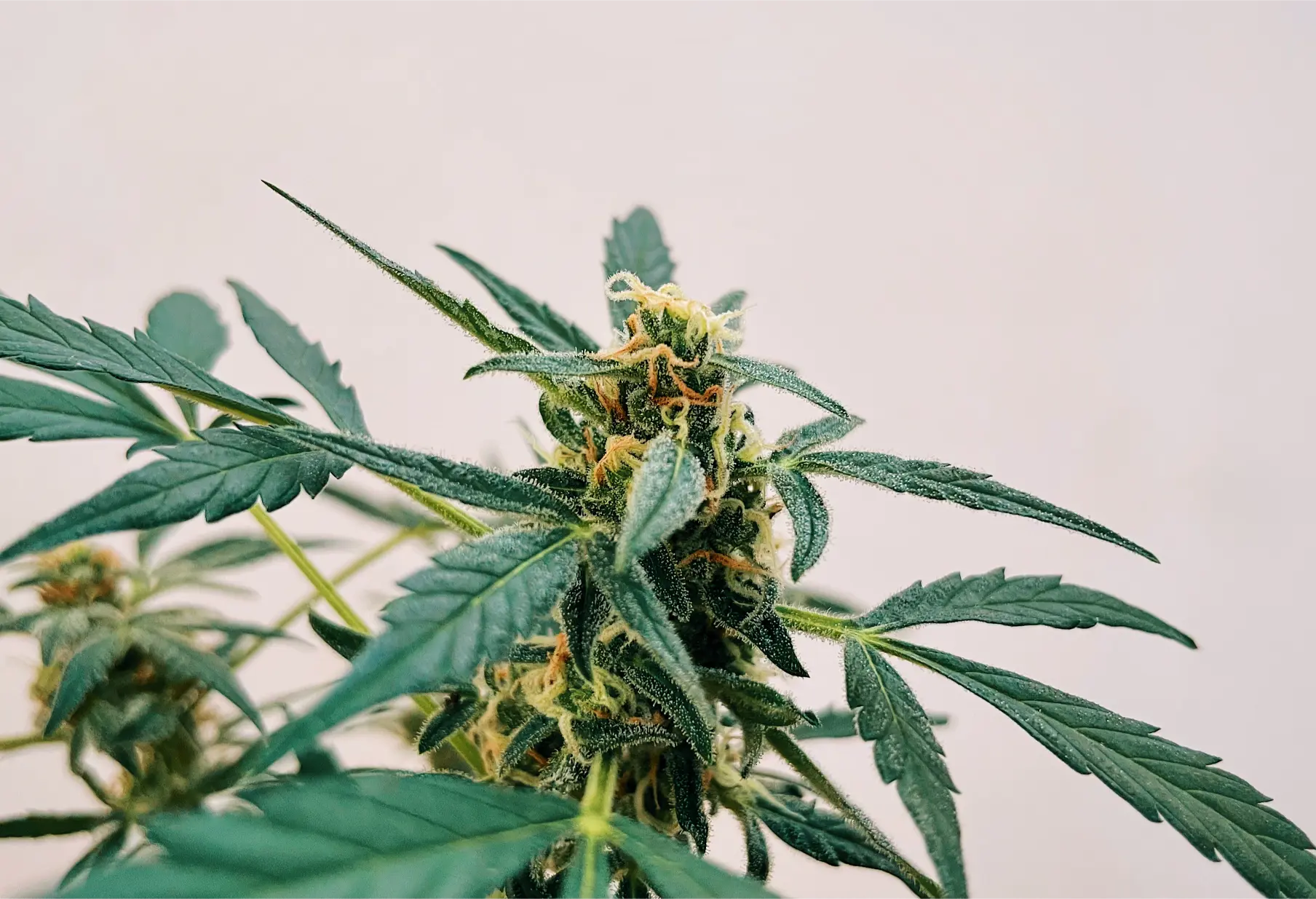
Hawaiian Snow
Hawaiian Snow is best understood through its extreme Haze architecture and long-flower flavor preservation. It is a very tall, long-flowering Haze-family sativa whose tropical fruit, incense, pine and eucalyptus-like profile can be exceptional, but only when the grower treats height, season length and late harvest patience as the central design problem. That identity matters because a grower who treats it like a generic hybrid can still harvest respectable flower, yet miss the traits that make the cultivar worth preserving.
The central cultivation question is straightforward: How can an indoor grower make Hawaiian Snow fit a finite room without shortening veg and harvesting so aggressively that the plant never expresses its full long-flower Haze quality? The answer influences nearly every later decision, from veg duration and branch selection to late-flower humidity, harvest timing and drying speed. The plant is not asking for exotic tricks. It is asking the grower to notice what kind of structure is actually in the room and to make fewer, better-timed interventions.
This profile treats reported potency, terpene data and yield as ranges rather than fixed promises. Cannabis names can circulate through clones, seed reproductions and mislabeled commercial material, so morphology and finished flower quality deserve as much attention as the name on a tag. The goal here is to explain how the cultivar behaves, where quality is commonly lost, and what separates an average run from a genuinely memorable one. That caution is particularly important because of the three-way Haze pedigree with Pure-versus-Purple Haze disagreement.
Strain Features
| Feature | Details |
|---|---|
| Strain Type | Strongly sativa-dominant, often described as near-pure sativa in expression |
| Genetic Profile | Hawaiian Snow is consistently described as a three-way Haze-family sativa, but sources differ on one branch of the pedigree |
| THC | commonly reported from the mid-teens into the low 20s, with stronger selections possible |
| CBD | generally very low |
| Dominant Terpenes | myrcene, beta-caryophyllene, pinene |
| Flavor / Aroma | tropical fruit, pineapple, citrus peel, pine, incense, spicy herbs and a cool eucalyptus-like note |
| Effect Character | highly stimulating, creative, social and giggly at first, with a long cerebral arc that can eventually soften into dreamy physical relaxation |
| Flowering Time | about 12-14 weeks, with some phenotypes needing the full long end of that range |
| Outdoor Harvest | late October into early November in climates with enough warm autumn weather to finish safely |
| Grow Difficulty | Difficult |
| Stretch | very strong, commonly 2-3x and potentially more when mature plants are flipped late |
| Yield | high when the long cycle, large frame and productive spear sites are controlled rather than allowed to shade each other |
| Bud Density | medium and sativa-open, with elongated flowers that can become substantial without the rock-hard structure of compact indicas |
| Training Compatibility | top early, begin low-stress horizontal training well before flower, use a wide SCROG, and avoid major high-stress work once the long transition is underway |
Genetic Lineage
Hawaiian Snow is consistently described as a three-way Haze-family sativa, but sources differ on one branch of the pedigree. The most repeated versions combine Neville's Haze, Hawaiian Haze and either Pure Haze or Purple Haze. The disagreement matters less to cultivation than the shared conclusion: this is a strongly Haze-influenced, tropical sativa line with long internodes, major stretch and a long flowering cycle.
The genetic story becomes useful only when it predicts the plant. In Hawaiian Snow, the recurring grow traits are three-way Haze family lineage, extreme stretch, 12-14 week flowering, tropical-pine-incense aroma, long flexible branches. These are more valuable than a decorative family tree because they help the grower anticipate transition stretch, branch spacing, flower placement and the kind of post-harvest handling the aroma needs.
Phenotype variation should not be treated as a problem to eliminate. The safest expectation is a family of tall Haze-like plants rather than one perfectly uniform architecture. Some plants may show stronger Hawaiian tropical fruit, others more incense and pine. Stretch, flowering speed and branch spacing should be recorded plant by plant. A keeper that finishes a week earlier without losing the tropical-incense profile can be far more useful than the tallest or most vigorous plant. That means keeper selection should record structure, flowering speed, aroma at several stages, finished bud density, trimming quality and the effect after cure. A plant that wins only on raw yield may not be the plant that best represents the cultivar.
Remember: Use lineage as a map, not a guarantee. With Hawaiian Snow, the plant in front of you should overrule a rigid expectation when morphology or aroma clearly points in another direction.
Effect Breakdown
Dose changes the shape of the high
At a light dose, Hawaiian Snow tends to emphasize the more functional part of its profile: highly stimulating, creative, social and giggly at first, with a long cerebral arc that can eventually soften into dreamy physical relaxation. At a moderate dose, mental uplift and physical calm overlap. At a heavy dose, the cultivar can become less social, slower and more inward. This is why one person's 'daytime strain' can become another person's evening strain without either report being necessarily wrong.
The comedown matters
The late phase is often where strain classification becomes misleading. A plant that begins bright can end physically heavy, and a cultivar labeled indica can still produce a surprisingly clear first hour. Tolerance, dose, harvest maturity and individual sensitivity all influence the balance. Users prone to anxiety should still start low, especially with high-THC examples.
Dry mouth, dry eyes, dizziness and temporary anxiety are among the common unwanted effects reported across THC-rich cannabis. They are not unique signatures of this cultivar. What is more useful is to watch how quickly the effect arrives, whether clarity survives the peak, and whether the body phase interferes with the intended activity. For this cultivar, the more distinctive observation is long creative stimulation that can eventually soften into dreaminess.
Harvest timing can subtly change the experience. Earlier flowers may feel brighter but less complete, while fully mature flowers generally present more of the cultivar's body and base aroma. That does not mean amber trichomes mechanically 'create sedation'. It means maturity changes the chemical and sensory composition of the flower, and users can perceive that change as a different balance. In this cultivar, maturity should be judged alongside its characteristic progression of long creative stimulation that can eventually soften into dreaminess.
Flavor & Aroma Profile
Aroma architecture
The cured profile is built around tropical fruit, pineapple, citrus peel, pine, incense, spicy herbs and a cool eucalyptus-like note. The top of the aroma should be clear enough that the strain is recognizable before the bud is broken. Grinding usually intensifies the brighter notes first, then exposes the earthy, spicy or resinous base. A flat jar that smells mostly of hay, generic earth or dry plant matter is usually a post-harvest failure, not the true aromatic ceiling of the cultivar.
What the palate should do
On inhalation, the most volatile top notes tend to appear quickly. The middle of the smoke or vapor carries the sweeter, woody or herbal body, while the exhale reveals more spice and resin. Smoothness matters because harsh flower hides flavor even when terpene concentration is respectable. A well-cured sample should remain identifiable through the aftertaste rather than disappearing after the first aromatic hit.
Sample-to-sample variation is real. Terpene composition changes with genotype, plant maturity, environment, harvest timing, drying conditions and storage. A strain name predicts a family of sensory tendencies, not an immutable recipe. The most credible description is therefore the set of notes that recur across well-grown, properly cured examples. That variability is especially relevant because of the three-way Haze pedigree with Pure-versus-Purple Haze disagreement.
Weedth Grower Note: For Hawaiian Snow, do not judge flavor from a warm room or from flowers that have been jarred before moisture is stable. Give the sample enough time to show whether its aroma is genuinely cultivar-specific or only temporarily loud.
Dominant Terpenes
Recurring profiles place myrcene, beta-caryophyllene, pinene among the important aromatic compounds in Hawaiian Snow. Terpene data should be read as a pattern, not a guarantee. Two plants with the same cultivar name can test differently, and the dominant terpene in one batch may become secondary in another.
| Terpene | Likely Sensory Role |
|---|---|
| myrcene | Earthy, herbal and musky base note that can make the profile feel rounder and deeper. |
| beta-caryophyllene | Pepper, dry spice and woody depth. Reliable aroma contribution; biological effects remain an active research area. |
| pinene | Pine needle, resin and fresh woody character that sharpens the aromatic top or middle notes. |
The scientifically safest interpretation is sensory first. Terpenes clearly shape aroma and flavor. Their contribution to subjective cannabis effects is plausible and actively studied, but simple claims such as 'one terpene causes one mood' overstate the evidence. The cannabinoid profile, dose, individual physiology and the complete volatile mixture all matter. The recurring aromatic reference is myrcene, beta-caryophyllene and pinene, but the finished sensory identity is broader: tropical fruit, pineapple, incense, pine and cool herbal notes.
Indoor vs. Outdoor Growing
| Decision | Indoor | Outdoor |
|---|---|---|
| Plant shape | very tall unless trained aggressively from early veg; long, flexible sativa branches with wide internode spacing and strong horizontal potential under training | Greater root volume expands the same basic architecture; support and spacing matter more than trying to keep the plant artificially small. |
| Transition stretch | very strong, commonly 2-3x and potentially more when mature plants are flipped late | Seasonal stretch is easier to absorb outdoors, but branch spacing should be planned before flower initiation. |
| Flowering window | about 12-14 weeks, with some phenotypes needing the full long end of that range | late October into early November in climates with enough warm autumn weather to finish safely |
| Yield strategy | high when the long cycle, large frame and productive spear sites are controlled rather than allowed to shade each other | Use sunlight and root volume to increase branch count, but protect premium flower zones from shade and late-season weather. |
| Humidity risk | extreme height and stretch, a 12-14 week flower period, late-season weather outdoors, and growers losing patience before the terpene and calyx profile is truly mature | Rain, dew and cool nights make inspection of inner flowers essential during the last part of the season. |
| Training emphasis | top early, begin low-stress horizontal training well before flower, use a wide SCROG, and avoid major high-stress work once the long transition is underway | Early structural shaping and support are more useful than late pruning once outdoor branches have hardened. |
| Flavor priority | tropical fruit, citrus and the cool eucalyptus-like high notes are especially vulnerable to hot canopy temperatures, premature harvest and rushed drying; the heavier incense and spice remain after those bright notes are lost | Harvest dry flowers, protect them from direct sun after cutting, and avoid letting weather force a rushed dry. |
Indoor cultivation is most valuable when the grower needs to control the strain's main weakness: extreme height and stretch, a 12-14 week flower period, late-season weather outdoors, and growers losing patience before the terpene and calyx profile is truly mature. The room makes it possible to control spacing, airflow, root-zone rhythm and the exact day the plant is harvested. The tradeoff is that mistakes are concentrated. A crowded indoor canopy can become humid even when the room average looks acceptable, and excessive light or feeding can quickly flatten quality.
Outdoors, Hawaiian Snow gains root volume and branch freedom, but the season becomes the limiting factor. The target harvest is late October into early November in climates with enough warm autumn weather to finish safely. The best outdoor site is not simply the sunniest location. It is a site with morning drying, moving air, enough root depth and a realistic plan for rain, wind and support during the last weeks.
The better environment therefore depends on the cultivar and the grower's climate. Indoor growers gain repeatability. Outdoor growers gain scale and a wider root system. Weedth's decision rule is to place the strain where its strongest trait is amplified and its main failure mode can still be controlled. The outdoor decision must also respect a late-October to early-November finish and the main risk of height, a 12-14 week cycle and late-season weather.
Strain-Specific Grow Guidance
Read the plant before choosing the training system
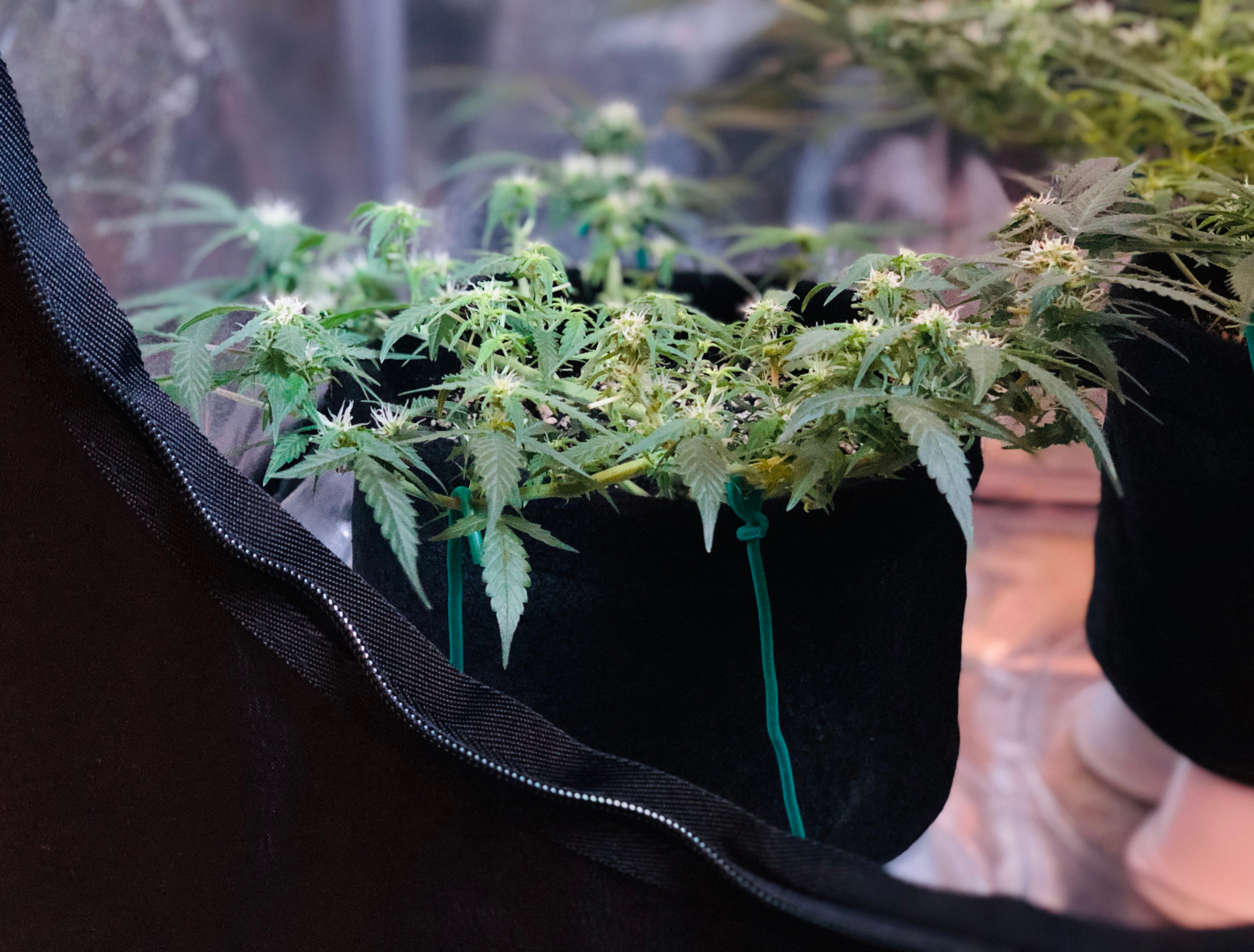
Hawaiian Snow should not be trained by habit. Its typical structure is very tall unless trained aggressively from early veg, with long, flexible sativa branches with wide internode spacing and strong horizontal potential under training. Expected stretch is very strong, commonly 2-3x and potentially more when mature plants are flipped late. Those three facts determine the practical canopy plan. A plant that naturally builds useful laterals should not be stripped into one spear simply because a grower prefers SOG, while a plant with strong apical dominance should not be forced into an unnecessarily complicated manifold if one early top and horizontal spread already solve the problem.
The most reliable starting strategy is top early, begin low-stress horizontal training well before flower, use a wide SCROG, and avoid major high-stress work once the long transition is underway. The purpose of training is to create a productive light plane, not to collect techniques. Every cut costs recovery time. Every bend changes hormone distribution. Every removed branch also removes future leaf area. Use the minimum intervention that produces an even canopy with clear airflow.
Vegetative establishment and root-zone behavior
Root-zone management should match the cultivar's pace. Large Hawaiian Snow plants can drink heavily, but the root zone must remain aerated through the unusually long flowering cycle. The mistake to avoid is using irrigation frequency as a fixed schedule. Container size, medium, leaf area, vapor pressure and root density change daily water use. Watch pot weight, leaf posture and dryback speed. A plant that remains wet too long is asking for more oxygen or less irrigation, not automatically more nutrients.
Nutrition is similarly specific. Hawaiian Snow generally prefers light to moderate feeding compared with heavy indica cultivars, and steady nutrition is safer than high EC, especially early and late in the cycle. A useful grower target is steady color and uninterrupted new growth rather than the darkest possible leaf. Excess nitrogen can hold the plant in a vegetative posture, increase leaf mass inside the canopy and delay the visual fade that helps a grower read maturity later.
Transition: the weeks that decide canopy quality
During the first two to three weeks after the photoperiod change, expect very strong, commonly 2-3x and potentially more when mature plants are flipped late. This is the moment to distribute tops, finish the last low-stress bends and decide which lower sites are realistically capable of reaching the productive zone. Waiting until flowers are already stacking forces the grower to choose between shading and late pruning stress.
Do not chase a perfectly flat canopy at the cost of damaged stems. A small difference in top height is less harmful than repeatedly supercropping branches that are already forming flowers. Once the main stretch slows, stop redesigning the plant and let it convert energy into flower. That restraint matters because the plant commonly shows a very strong 2-3x or greater transition.
Flower placement, lower growth and premium-bud percentage
Bud density is typically medium and sativa-open, with elongated flowers that can become substantial without the rock-hard structure of compact indicas, and the cultivar's premium yield is high when the long cycle, large frame and productive spear sites are controlled rather than allowed to shade each other. The important number is not wet weight or the total count of flower sites. It is the proportion of flowers that finish dense, resinous, clean and easy to dry. Remove clearly shaded lower shoots before they become sinks. Keep lower sites only when they have enough light and airflow to become legitimate flower rather than larf.
Resin production is high on mature flowers. Resin is not an excuse to run extreme light. Trichome-rich flowers can still bleach, foxtail or lose aromatic clarity when canopy temperature rises beyond what the rest of the environment can support. Increase light only when irrigation, root health, air exchange and leaf temperature are already stable.
Humidity and disease pressure
The main environmental risk is extreme height and stretch, a 12-14 week flower period, late-season weather outdoors, and growers losing patience before the terpene and calyx profile is truly mature. Room RH alone cannot describe the microclimate inside a flower cluster. As buds thicken, humid air can remain trapped next to the stem or under overlapping sugar leaves. Air should move through the plant, not only across the canopy surface. The later the flower becomes, the more important inspection is.
Avoid turning defoliation into a ritual. Remove leaves that block multiple productive sites, remain wet against flowers or prevent air from entering the interior. Keep healthy leaves that are contributing light capture without causing a real problem. A plant stripped too aggressively can lose photosynthetic capacity, increase stress and finish with smaller flowers even though the canopy looks neat. For this cultivar, leaf removal should respond to height, a 12-14 week cycle and late-season weather, not to a fixed defoliation calendar.
Feeding through bulking and the late-flower handoff
Hawaiian Snow does best when feeding follows demand instead of a calendar. Its long flowering cycle generally responds better to light-to-moderate, steady nutrition than to aggressive EC, especially early and late. During the middle bulk phase, increase only when the canopy is clearly using what it receives. As vertical growth stops and calyx expansion becomes the dominant sink, nitrogen demand usually falls. Continue to watch leaf color and runoff behavior rather than forcing a dramatic late-season starvation.
The cleanest finish is not achieved by deliberately starving a healthy plant. It is achieved by avoiding excess salts and excess nitrogen while the roots remain functional. If the medium is accumulating fertilizer, correct that problem because the root zone is unbalanced, not because a fixed 'flush week' is supposed to create flavor. For this cultivar, the practical target is light-to-moderate steady nutrition across a very long cycle.
Branch support and physical load
Build support before the flowers demand it
Branch behavior is described as long, flexible sativa branches with wide internode spacing and strong horizontal potential under training. Even strong stems can lean when flowers gain water and mass late. Install support before branches are heavy. A soft trellis, stakes or a cage is more effective when the branch can grow into it naturally than when a heavy cola is tied back after it has already folded.
Harvest signals that matter for this cultivar
The practical harvest target is when the long sativa calyxes have fully swollen, new white pistil production has clearly slowed, resin on mature calyxes is mostly cloudy and the tropical-incense profile is complete rather than merely sharp and green. Do not use pistil color alone. Look at calyx swelling, resin development, aroma change, overall water use and trichomes on mature calyxes rather than on sugar leaves. The calendar gives a range, but the plant decides the day.
Early harvest usually protects a brighter effect but sacrifices density and flavor depth. Late harvest can add body and deeper base notes, but excessive delay may reduce fresh volatile character and increase risk inside mature flowers. The best window is where the cultivar's aroma is complete and the flower has stopped making meaningful structural gains. The sensory tradeoff is particularly clear because the target jar should preserve tropical fruit, pineapple, incense, pine and cool herbal notes.
What I would change on the second run
I would design the room around Hawaiian Snow before I ever flip it. I would rather flower a smaller, wider plant with clean horizontal branches than spend twelve weeks fighting a ceiling problem. The hardest part would be patience near the end. If the flowers are still building calyxes and the tropical-incense aroma is gaining depth, I would not let a calendar rush the harvest.
Keep notes on stretch ratio, the week the branches stopped elongating, which flower sites became premium, how quickly containers dried, and how aroma changed between harvest and week four of cure. Those records turn the second run into a real experiment instead of another attempt based on memory. For the next run, prioritize records of flip height, weekly calyx progress and how long tropical aroma keeps developing.
Important: A good Hawaiian Snow run is not the one with the most interventions. It is the one where structure, root-zone rhythm and post-harvest handling all reinforce the cultivar's information fingerprint: three-way Haze family lineage, extreme stretch, 12-14 week flowering, tropical-pine-incense aroma, long flexible branches, open sativa flowers.
Weedth Bud Flavor Tips
The objective is to preserve what is fragile in Hawaiian Snow: tropical fruit, citrus and the cool eucalyptus-like high notes are especially vulnerable to hot canopy temperatures, premature harvest and rushed drying; the heavier incense and spice remain after those bright notes are lost. That starts before harvest. Aroma can be diluted by immature flower, excessive late nitrogen, heat stress and a canopy that stays wet enough to force emergency harvesting. The last two weeks should therefore be calm and predictable rather than a period for new experiments.
The flavor window begins before the cut
Keep flower temperature controlled, avoid unnecessary handling and do not intentionally stress a healthy plant to 'force terpenes'. A calm finish preserves intact trichomes and reduces the chance that weather or root-zone problems dictate harvest timing.
Dry slowly enough to preserve identity
Recent post-harvest research supports a cultivar-specific approach to drying. Different chemovars preserve volatile compounds differently, and monoterpenes can be particularly sensitive. For a home or small controlled room, the practical translation is simple: avoid heat, avoid direct air blasting the flowers, keep the space clean and allow moisture to leave evenly rather than racing the outside of the bud dry while the center stays wet. The most vulnerable part of this cultivar is pineapple, citrus and eucalyptus-like top notes.
Dense flowers need special patience. Air should move around hanging material, not hit one side continuously. If the outer surface becomes crisp while inner stems and calyxes remain wet, the jar phase becomes difficult to control and microbial risk increases. Separate oversized branches when necessary instead of insisting on one drying method for every plant. The drying plan should reflect that the plant forms open elongated sativa flowers, not an imaginary universal bud structure.
Cure evolution and storage
A mature cure should make tropical fruit, pineapple, citrus peel, pine, incense, spicy herbs and a cool eucalyptus-like note easier to identify, not less. Early jars often show sharp green edges and disconnected aroma notes. Over the next several weeks, moisture equalizes and the profile becomes more coherent. The exact time varies, but flavor-focused evaluation should happen more than once: after initial stabilization, again around week three or four, and later if the flower continues to improve.
Store finished flower cool, dark and with stable moisture. Light, heat and repeated oxygen exposure gradually reduce quality. Monoterpenes are generally more vulnerable than heavier sesquiterpenes, so the first notes to disappear are often the bright citrus, pine or fruit components that made the cultivar distinct in the first place. If storage is careless, pineapple, citrus and eucalyptus-like top notes will usually fade before the heavier base notes.
Master Tip: If a cured jar of Hawaiian Snow smells loud but tastes generic, do not automatically blame genetics. Review harvest maturity, dry speed, flower temperature and how often the jar was opened. Flavor is the entire chain, not a single terpene number.
Weedth Bud Boost Tips
The most valuable yield strategy is geometric. Give the plant a wide horizontal path early, keep the canopy shallow, and allow each long branch to carry a limited number of well-lit flower sites. More height does not equal more usable yield in a room with a fixed light footprint.
Indoor quality-yield strategy
Indoors, begin with the architecture: long, flexible sativa branches with wide internode spacing and strong horizontal potential under training. Combine that with the expected stretch of very strong, commonly 2-3x and potentially more when mature plants are flipped late. The goal is to finish transition with a canopy that has enough individual tops to use the light efficiently but enough open space that leaves are not plastered together. A screen is useful only if branches can be spread without turning the interior into a mat.
Veg duration should be set by final canopy area, not by age. A plant that fills its footprint early can be flipped sooner. A slower or narrower plant may need longer. Longer veg is not automatically more yield because extra time can create woody, shaded lower structure that later has to be removed. For this cultivar, veg length should be planned around a very strong 2-3x or greater transition and long flexible Haze branches built for horizontal training.
Where to spend the plant's resources
Premium flower comes from productive zones. Before the bulk phase, identify branches that receive direct light and can be supported. Remove weak interior shoots that will never reach that zone. This redirects labor as much as plant resources: fewer low-quality flowers mean easier inspection, cleaner trimming and more uniform drying. This principle fits its structure because it develops long flexible Haze branches built for horizontal training.
Hawaiian Snow generally prefers light-to-moderate, steady nutrition compared with heavier indica cultivars. Its long cycle makes accumulated excess more costly than a slightly conservative feed. Yield declines when deficiency actually limits photosynthesis, but quality also declines when a grower responds to every pale leaf with more fertilizer. Use trend, not one leaf. Compare new growth, mature leaf color, runoff behavior and water use before changing the program.
Outdoor yield without creating an autumn problem
Outdoors, the target harvest is late October into early November in climates with enough warm autumn weather to finish safely. Large root volume can dramatically increase branch count, but bigger is only better if the site can finish the plant. Train early for a wide frame, leave channels between primary branches and install support before flowering. In wet climates, sacrificing some interior flower sites can increase usable yield by improving drying after rain.
Avoid the common mistake of maximizing flower count while ignoring post-harvest capacity. A huge outdoor plant can produce more wet material than a small drying room can safely process. Plan hanging space, air movement and inspection labor before harvest. Usable, aromatic flower is the real yield. Post-harvest planning is especially relevant here because high potential only when long branches remain inside the light footprint.
CO2, extreme light and other high-input tools
High-input techniques only make sense when the rest of the system is already stable. Extra carbon dioxide, very high photon density or aggressive bloom formulas cannot compensate for weak roots, uneven canopy temperature or poor air exchange. For most growers, the larger improvement comes from uniform light distribution, healthy roots, accurate irrigation and an uncluttered canopy. That is especially true here because the baseline feeding pattern is light-to-moderate steady nutrition across a very long cycle.
The quality-yield compromise is strain-specific. Some cultivars tolerate a crowded screen, others lose aroma and disease resistance when flowers touch. Use the cultivar's actual density and branch behavior to determine plant count and spacing. A slightly lower gross yield can be the better result if a much larger percentage grades as premium flower. Here the tradeoff centers on open elongated sativa flowers and high potential only when long branches remain inside the light footprint.
Medical Uses & Benefits
Users often report Hawaiian Snow for mood, creativity, fatigue and social energy. Because the effect can be intensely cerebral and long-lasting, people who are anxiety-prone or sensitive to stimulating THC-rich sativas should use conservative doses. These are user-reported patterns, not clinical claims.
Cannabis responses vary with dose, tolerance, cannabinoid profile, terpene profile, individual physiology and context. A strain name is not a prescription. High-THC flower can also worsen anxiety, impair coordination and produce unwanted sedation in some users. Anyone using cannabis for a medical condition should discuss it with a qualified healthcare professional, especially when other medications are involved. With this cultivar, the reported effect arc is long creative stimulation that can eventually soften into dreaminess, so dose can materially change whether it feels functional or heavy.
The most responsible way to interpret strain reports is as pattern recognition. If many users independently describe a similar mood or body effect, that pattern is useful for setting expectations, but it does not prove treatment efficacy. Laboratory cannabinoid data from the actual batch is more informative than a famous strain name when dose predictability matters. The recurring consumer pattern is long creative stimulation that can eventually soften into dreaminess, but the actual batch still needs to be judged on its own cannabinoid data.
Ideal User Profile
Hawaiian Snow is best suited to experienced growers with enough time, height-control skill and environmental stability for a long sativa cycle, plus consumers seeking an energetic tropical-Haze experience rather than heavy sedation. It is less suitable for a grower who wants to ignore plant structure, run one rigid feeding recipe and harvest every cultivar on the same day. The strain's value appears when the grower is willing to observe how it responds and make a few targeted adjustments.
For consumers, the main appeal is highly stimulating, creative, social and giggly at first, with a long cerebral arc that can eventually soften into dreamy physical relaxation. People with very low THC tolerance should still start cautiously, particularly with strong batches. Flavor-focused users should look for flower that still clearly expresses tropical fruit, pineapple, citrus peel, pine, incense, spicy herbs and a cool eucalyptus-like note after cure rather than choosing only by potency percentage.
Grower Notes and Feedback
Patterns that are worth watching
Grower feedback around Hawaiian Snow becomes most useful when it is translated into observable behavior. Reports repeatedly point toward three-way Haze family lineage, extreme stretch, 12-14 week flowering, tropical-pine-incense aroma, long flexible branches, open sativa flowers, energetic creative effect, late outdoor finish. Those are traits a grower can verify in the room. Claims such as 'easy' or 'heavy feeder' mean little without the stage, medium and environment that produced them.
The phenotype question is especially important: The safest expectation is a family of tall Haze-like plants rather than one perfectly uniform architecture. Some plants may show stronger Hawaiian tropical fruit, others more incense and pine. Stretch, flowering speed and branch spacing should be recorded plant by plant. A keeper that finishes a week earlier without losing the tropical-incense profile can be far more useful than the tallest or most vigorous plant. Keep individual labels through harvest and cure. If plants are mixed before sensory evaluation, it becomes impossible to learn which structure produced which flavor, yield or effect.
Common first-run mistakes
– Waiting until the long transition is underway before trying to control height. Hawaiian Snow should be topped and spread horizontally well before flower, with a wide SCROG or similar support system in place before major stretch begins.
– Assuming that a long-flowering sativa needs heavy feeding to keep moving. Hawaiian Snow generally responds better to light-to-moderate, steady nutrition than to high EC, especially early and late in the cycle.
– Ignoring the main environmental risk: extreme height and stretch, a 12-14 week flower period, late-season weather outdoors, and growers losing patience before the terpene and calyx profile is truly mature.
– Harvesting by calendar while the cultivar-specific signal is actually when the long sativa calyxes have fully swollen, new white pistil production has clearly slowed, resin on mature calyxes is mostly cloudy and the tropical-incense profile is complete rather than merely sharp and green.
– Drying too quickly and losing the part of the profile most at risk: tropical fruit, citrus and the cool eucalyptus-like high notes are especially vulnerable to hot canopy temperatures, premature harvest and rushed drying; the heavier incense and spice remain after those bright notes are lost.
How to make the second run measurable
Record stretch as a ratio, not a vague impression. Photograph canopy density at the flip and at the end of stretch. Note irrigation interval in peak flower. Record the day aroma changes character, the day major branches need support and the day water demand begins to fall. After drying, weigh premium tops separately from small flower. Those simple records reveal whether the next change should target veg time, training, environment or harvest rather than adding random inputs. The highest-value measurements for this plant are flip height, weekly calyx progress and how long tropical aroma keeps developing.
The room should be designed around the stretch before the flip
Hawaiian Snow is not a cultivar to flower first and solve later. Measure available vertical distance from the container surface to the safe light zone, then subtract space needed for the fixture and a margin for final flower. The remaining height determines the maximum flip height. If the plant is already too tall, the solution is horizontal training before transition, not repeated emergency supercropping after flowers begin forming. A wide screen can turn the cultivar's greatest liability into an advantage because each long branch becomes a horizontal fruiting line. Keep the canopy shallow enough that lower sites receive useful light. The aim is not to suppress sativa architecture completely. It is to redirect it into the dimensions the room can support for fourteen weeks.
Long flowering changes irrigation and nutrient planning
A twelve-to-fourteen-week flowering period exposes root-zone mistakes that a short cultivar may finish before they become serious. Salt accumulation, compaction and chronically wet lower media can build slowly until the plant is deep into flower and difficult to transplant or repair. Use a medium with long-term structural stability and monitor drainage from the beginning. Hawaiian Snow does not need heavy feeding simply because it is large. In fact, long-running Haze plants often reward moderate, consistent nutrition more than high EC. Keep nitrogen sufficient through transition without driving dark clawed leaves. As the plant moves into sustained flower building, support demand gradually. The objective is a root system that remains active through the final month rather than one exhausted by months of overwatering and excess fertilizer.
Do not confuse a long finish with stalled flowering
Growers accustomed to eight-week hybrids can become nervous when Hawaiian Snow appears to move slowly in the middle of bloom. The flowers may remain narrow and continue building fresh pistils long after a compact indica would be nearing harvest. Look for progress over a week, not over a day. Are calyxes gradually stacking? Is resin coverage increasing? Is the aroma moving from green herb toward tropical fruit, incense and pine? If those trends continue, the plant is not stalled. A true problem is accompanied by loss of vigor, root-zone dysfunction, heat damage or no structural progress over time. Patience is a cultivation skill here. Premature harvest can remove several weeks of calyx development and leave the finished flower thin in both flavor and effect.
The last month is an aroma-preservation project
Hawaiian Snow's final weeks can be the most rewarding and the most dangerous. Large plants create substantial humidity, while mature flowers carry volatile tropical and cooling herbal notes that suffer under excess heat. Keep night humidity controlled without turning the room cold and damp. Maintain gentle air movement through the screen. Avoid late heavy defoliation that exposes mature flowers to sudden light stress. When harvest finally arrives, move the plant into darkness and cool air promptly. Do not use a hot fast dry to reclaim time after a long grow. After fourteen weeks of flowering, losing the pineapple, citrus and incense layer in four days of drying is one of the most expensive mistakes a grower can make.
Weedth Editor's Note
What this cultivar asks from the room
I would design the room around Hawaiian Snow before I ever flip it. I would rather flower a smaller, wider plant with clean horizontal branches than spend twelve weeks fighting a ceiling problem. The hardest part would be patience near the end. If the flowers are still building calyxes and the tropical-incense aroma is gaining depth, I would not let a calendar rush the harvest.
What I would protect most is the strain's identity: tropical fruit, pineapple, citrus peel, pine, incense, spicy herbs and a cool eucalyptus-like note. I would rather accept a slightly smaller harvest that keeps that profile intact than push the room so hard that every cultivar comes out smelling like the same warm, overfed flower. A strain library becomes useful only when the plants remain different from one another in the jar.
I also would not overreact to every visual imperfection. Hawaiian Snow has its own pace, leaf posture, branching and maturity cues. The experienced grower learns which changes are genuine stress and which are simply genetics. That is usually the point where cultivation gets easier: fewer emergency corrections, better timing, and more attention to the specific trait that actually limits quality.
Weedth Score
Growing Experience 8.0/10
Bud Structure & Visual Appeal 8.7/10
Aroma Complexity 9.5/10
Flavor & Smoothness 9.3/10
Effects & High Experience 9.2/10
Overall Satisfaction & Recommendation 9.0/10
The overall impression is approximately 9.0/10. The score is not meant to turn a complex cultivar into a contest number. It simply summarizes where the strain is strongest. For Hawaiian Snow, the highest value comes from the combination of cultivation identity, finished-flower character and the degree to which careful post-harvest work is rewarded.
My short recommendation: grow Hawaiian Snow when its specific fingerprint matches your room and your goals, not merely because the name is famous. It is most convincing when the final flower still shows extreme stretch, 12-14 week flowering and tropical-pine-incense aroma together rather than only potency.
FAQ
What training method works best?
The strongest starting option is top early, begin low-stress horizontal training well before flower, use a wide SCROG, and avoid major high-stress work once the long transition is underway. The objective is an even productive zone with open airflow. Do not stack techniques simply because they are popular.
How long should Hawaiian Snow flower?
Plan around about 12-14 weeks, with some phenotypes needing the full long end of that range, then harvest by the plant. The more useful signal is when the long sativa calyxes have fully swollen, new white pistil production has clearly slowed, resin on mature calyxes is mostly cloudy and the tropical-incense profile is complete rather than merely sharp and green. Plants outside the common phenotype may finish a little earlier or later.
What is the biggest quality risk?
The main risk is extreme height and stretch, a 12-14 week flower period, late-season weather outdoors, and growers losing patience before the terpene and calyx profile is truly mature. The second is post-harvest handling, because tropical fruit, citrus and the cool eucalyptus-like high notes are especially vulnerable to hot canopy temperatures, premature harvest and rushed drying; the heavier incense and spice remain after those bright notes are lost. Preventing those two losses usually matters more than adding another yield product.
Is it better indoors or outdoors?
Indoors gives better control of humidity, height and harvest timing. Outdoors can increase scale and root freedom if the plant can finish by late October into early November in climates with enough warm autumn weather to finish safely. The better choice is the environment that controls the cultivar's main weakness without suppressing its natural structure.
How should Hawaiian Snow be fed?
Hawaiian Snow usually prefers light-to-moderate, steady feeding rather than high EC. The long cycle rewards consistency and makes overfeeding especially costly early and late. Use leaf trend, water use and root-zone behavior to decide changes rather than feeding heavily simply because flowering lasts many weeks.
When does the flavor become fully recognizable?
Some aroma is obvious on the plant, but finished flavor is judged after drying and cure. The target profile is tropical fruit, pineapple, citrus peel, pine, incense, spicy herbs and a cool eucalyptus-like note. Evaluate the same plant more than once during cure before rejecting a phenotype for weak flavor.
Does Hawaiian Snow need branch support?
Branch behavior is long, flexible sativa branches with wide internode spacing and strong horizontal potential under training. If flowers are gaining enough mass to pull tops outward, support should already be in place. Early trellising or staking is less stressful than tying heavy branches back late.
What would improve a second run the most?
I would design the room around Hawaiian Snow before I ever flip it. I would rather flower a smaller, wider plant with clean horizontal branches than spend twelve weeks fighting a ceiling problem. The hardest part would be patience near the end. If the flowers are still building calyxes and the tropical-incense aroma is gaining depth, I would not let a calendar rush the harvest.
Is Hawaiian Snow difficult to grow?
The practical difficulty is high. Hawaiian Snow becomes much easier when the grower plans for its extreme height, very strong transition stretch, 12-14 week flowering window and late-season outdoor weather before flowering begins. Patience is part of the technique: the plant can still be building calyxes and aromatic depth when shorter hybrids would already be finished. It does not require exotic inputs, but it punishes late height control and calendar-based harvesting.
How much does Hawaiian Snow stretch?
A useful expectation is very strong, commonly 2-3x and potentially more when mature plants are flipped late. Treat that as a planning range, not a promise. Veg maturity, root volume, light level and phenotype can move the number in either direction. Finish most major training before stretch is complete.
Similar Strains
Neville's Haze
Why it is similar: shares the long flowering Haze intensity and incense character but often runs even more uncompromisingly narrow-leaf and cerebral. Why it is different: treat the comparison as a reference point rather than a substitute. Even close relatives can diverge in stretch, flower density, harvest timing and the way aroma survives curing.
Super Silver Haze
Why it is similar: offers classic Haze energy and spice with somewhat more hybrid structure and a generally easier indoor footprint. Why it is different: treat the comparison as a reference point rather than a substitute. Even close relatives can diverge in stretch, flower density, harvest timing and the way aroma survives curing.
Malawi Gold
Why it is similar: shares long tropical-sativa architecture and soaring effects while leaning more toward African spice and resin. Why it is different: treat the comparison as a reference point rather than a substitute. Even close relatives can diverge in stretch, flower density, harvest timing and the way aroma survives curing.
Dr. Grinspoon
Why it is similar: is comparable in patience, open sativa morphology and cerebral intensity, though its bead-like flowers can be even less conventional. Why it is different: treat the comparison as a reference point rather than a substitute. Even close relatives can diverge in stretch, flower density, harvest timing and the way aroma survives curing.
Kali Mist
Why it is similar: shares clear creative effects and long branching but usually finishes with a more floral-spicy profile. Why it is different: treat the comparison as a reference point rather than a substitute. Even close relatives can diverge in stretch, flower density, harvest timing and the way aroma survives curing.
Share this article
A quick overview of the topics covered in this article.
Follow us
Latest articles
September 29, 2026
September 29, 2026
September 29, 2026
September 29, 2026