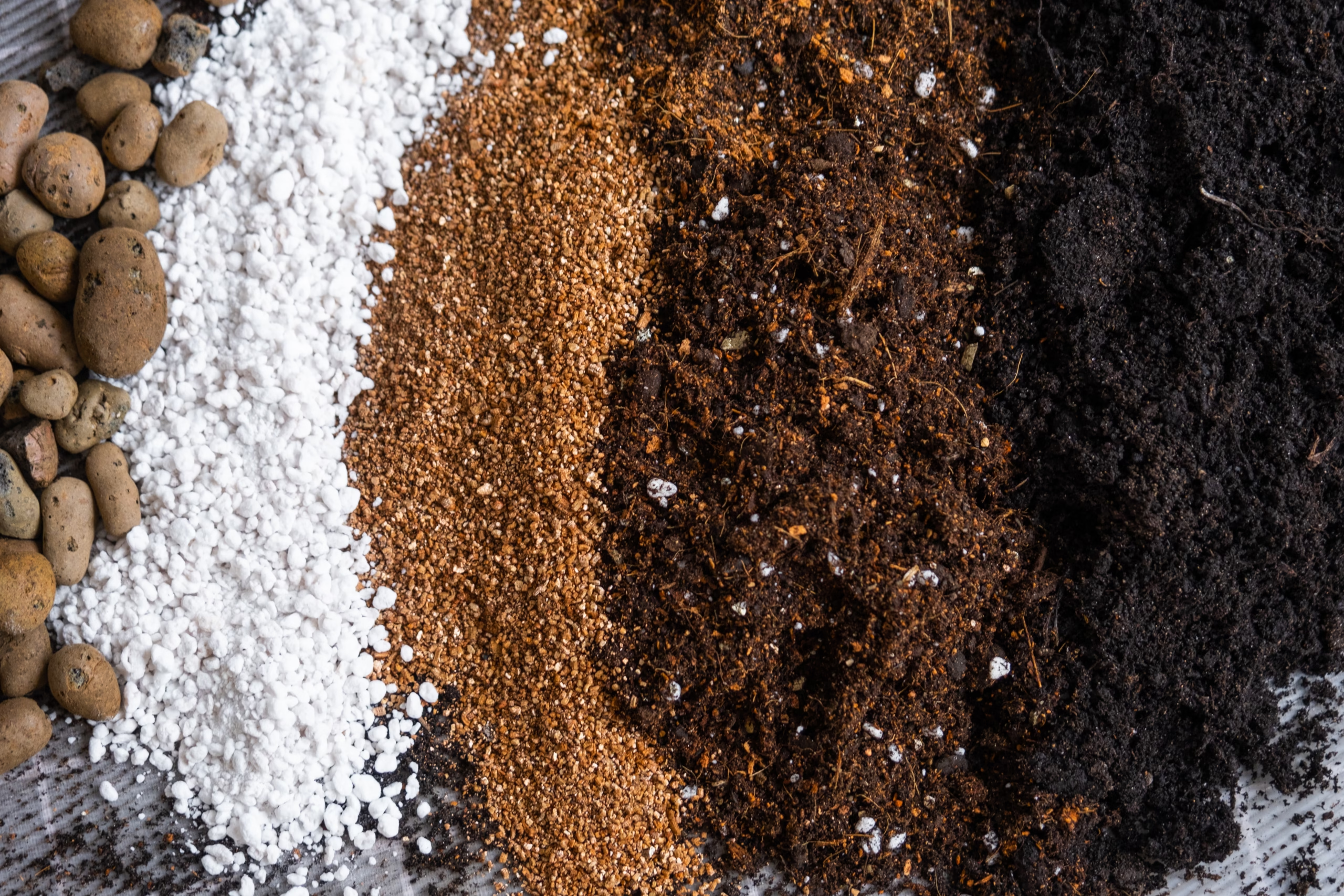
How to Rewet Hydrophobic Cannabis Soil and Peat Without Water Channeling: Physics, Surfactants, and Protocols
Every experienced cannabis cultivator has encountered the maddening phenomenon of a container that appears completely soaked on the outside yet remains bone-dry on the inside. You pour a liter of water onto the dry surface of a 3-gallon peat or living soil pot; instead of soaking in smoothly, the water beads up into shiny spherical droplets, pools on the crust, and rapidly rushes down the perimeter gap between the root ball and the container wall, pouring out of the drainage holes within ten seconds. Inexperienced growers see immediate runoff, assume the medium is fully saturated, and walk away, while eighty percent of the internal root ball remains in a state of severe desiccation. Within hours, the plant wilts, lower leaves yellow, and fine root hairs die. This condition is known in soil physics as soil hydrophobicity and preferential flow (water channeling). Sphagnum peat moss, aged bark, and dry organic living soils are composed of decomposed plant tissues containing long-chain non-polar organic compounds (waxes, suberin, cutins, and fungal hyphal lipids). When the substrate moisture drops below a critical threshold (typically 25% to 35% volumetric water content), these hydrophobic molecules orient outward, repelling polar water molecules. Pouring more water on a hydrophobic pot does not fix it: water will simply carve deeper bypass channels. Overcoming hydrophobicity requires understanding contact angle thermodynamics, applying organic surfactants (yucca saponins), and executing a disciplined multi-pass or sub-irrigation re-wetting protocol.
The Physics and Chemistry of Soil Hydrophobicity: Contact Angles and Non-Polar Organic Lipids
To understand why dried peat and organic soil aggressively repel water, cultivators must examine interfacial surface chemistry. Water is a polar solvent with exceptionally high surface tension (approximately 72.8 mN/m at 20 °C), driven by powerful intermolecular hydrogen bonding. In a healthy, moist substrate, polar water molecules adhere readily to hydrophilic mineral and organic surfaces:
- The Young-Dupré Equation and Contact Angle (θ): The wettability of a solid particle is quantified by the liquid-solid contact angle (θ) at the interface where water, air, and the substrate meet. In hydrophilic media, the contact angle is small (θ < 90°), meaning adhesive capillary forces exceed cohesive water tension, allowing water to spread spontaneously and penetrate micropores. When an organic medium dries below its critical moisture threshold, the contact angle surges past 90° (often exceeding 110° to 130° in dry peat moss). At contact angles greater than 90°, capillary suction inverts into capillary repulsion. The substrate physically pushes water away, forcing liquid to bead up into tight droplets.
- The Molecular Inversion of Organic Colloids: Sphagnum peat moss, decomposing humic fractions, and fungal mycelium are rich in amphiphilic molecules: compounds possessing both polar (hydrophilic) and non-polar (hydrophobic) ends. When soil moisture is abundant, polar hydroxyl (-OH) and carboxyl (-COOH) groups face outward into the water films. However, during severe desiccation, these molecules reorient: polar groups bond internally with adjacent soil colloids, leaving non-polar, water-repellent aliphatic hydrocarbon chains (waxes, cutins, and lipids) exposed to the pore air space. The particle surfaces become functionally coated in a microscopic layer of paraffin-like wax.
- Root Membrane Desiccation in Dry Micro-Zones: When water channels around a hydrophobic root ball, roots trapped inside dry interior zones experience acute hydraulic failure. Root hairs shrivel as their cellular water potential collapses. Simultaneously, residual fertilizer salts in the un-wetted core precipitate into sharp crystalline crusts. When water eventually touches these salty dry zones, the sudden redissolution creates an extreme local EC spike, scorching root epidermal cells.
Because the physical contact angle exceeds 90 degrees, applying pure water with standard watering wands cannot break the energetic barrier. The surface tension of the water must be chemically reduced, or the water must be forced into the medium through positive pressure or prolonged wicking.
The Critical Moisture Threshold and Thermodynamic Hysteresis
In soil physics, moisture sorption does not follow a single linear path: it exhibits pronounced thermodynamic hysteresis. The soil water characteristic curve during drying (desorption) is fundamentally different from the curve during wetting (adsorption). In Sphagnum peat moss and living organic soils, the moisture tension required to rehydrate dried organic colloids is substantially higher than the tension at which water was released during transpirational drying.
Agronomic researchers identify this transition as the Critical Moisture Threshold (CMT). For horticultural peat, this threshold typically sits between 28% and 32% volumetric water content. Above the CMT, polar water molecules maintain continuous capillary water films, keeping aliphatic waxes safely sequestered within colloidal folds. Once substrate moisture drops below the CMT, the molecular conformational shift occurs almost instantaneously, exposing non-polar alkyl chains and locking the substrate into severe water repellency. Preventing your medium from crossing below its critical moisture floor is the fundamental rule of substrate moisture management.
The Diagnostic Benchmark: The Water Drop Penetration Time (WDPT) Test
In soil science, hydrophobicity is objectively measured using the Water Drop Penetration Time (WDPT) test. Smooth a small, level patch of the substrate surface. Using a clean medicine dropper, place five distinct droplets of distilled water across the medium and time how long they take to infiltrate completely: Less than 5 seconds: Completely hydrophilic (healthy wettability). 5 to 60 seconds: Slightly hydrophobic (requires slow watering passes). 60 to 600 seconds (1 to 10 minutes): Moderately hydrophobic (requires organic surfactant). Greater than 600 seconds (>10 minutes): Severely hydrophobic. If water droplets sit as rounded spheres for over a minute, standard top-watering will fail: execute surfactant drenching immediately.
Water and Oxygen Behavior: Preferential Flow, Macropore Bypass, and False Runoff
When water is poured onto a hydrophobic substrate, fluid mechanics dictate that water will strictly follow the path of least mechanical resistance. This physical behavior is known as preferential flow or water channeling:
- Fingered Flow Through Macropore Voids: Rather than advancing as a uniform, horizontal wetting front, water selects narrow structural fissures, old root channels, or large voids adjacent to perlite chunks. Liquid streams rapidly through these isolated “fingers,” leaving adjacent blocks of fine peat completely untouched and bone-dry.
- Perimeter Wall Channeling: As organic soils and peat moss dry, volumetric shrinkage occurs. The root ball shrinks inward, separating from the container wall and creating a continuous 2 to 5 mm vertical gap. When water is delivered from above, 90% of the stream immediately falls into this perimeter crevice, cascading straight down the smooth plastic or fabric pot wall and discharging out of the bottom drainage holes within seconds.
- The False Runoff Optical Illusion: Novice growers observe water pouring into drainage saucers and conclude that the container has reached full saturation. In reality, the runoff is merely bypass water that touched less than 10% of the substrate surface area. Testing the pot weight reveals the truth: the container remains remarkably featherlight, proving that the internal root core absorbed zero moisture.
Preferential flow creates a catastrophic environment for roots: roots in the narrow channel zones suffer from chronic saturation and hypoxia, while roots in the un-wetted core desiccate and die from localized drought. Breaking preferential flow requires altering the surface tension of water before it enters the container.
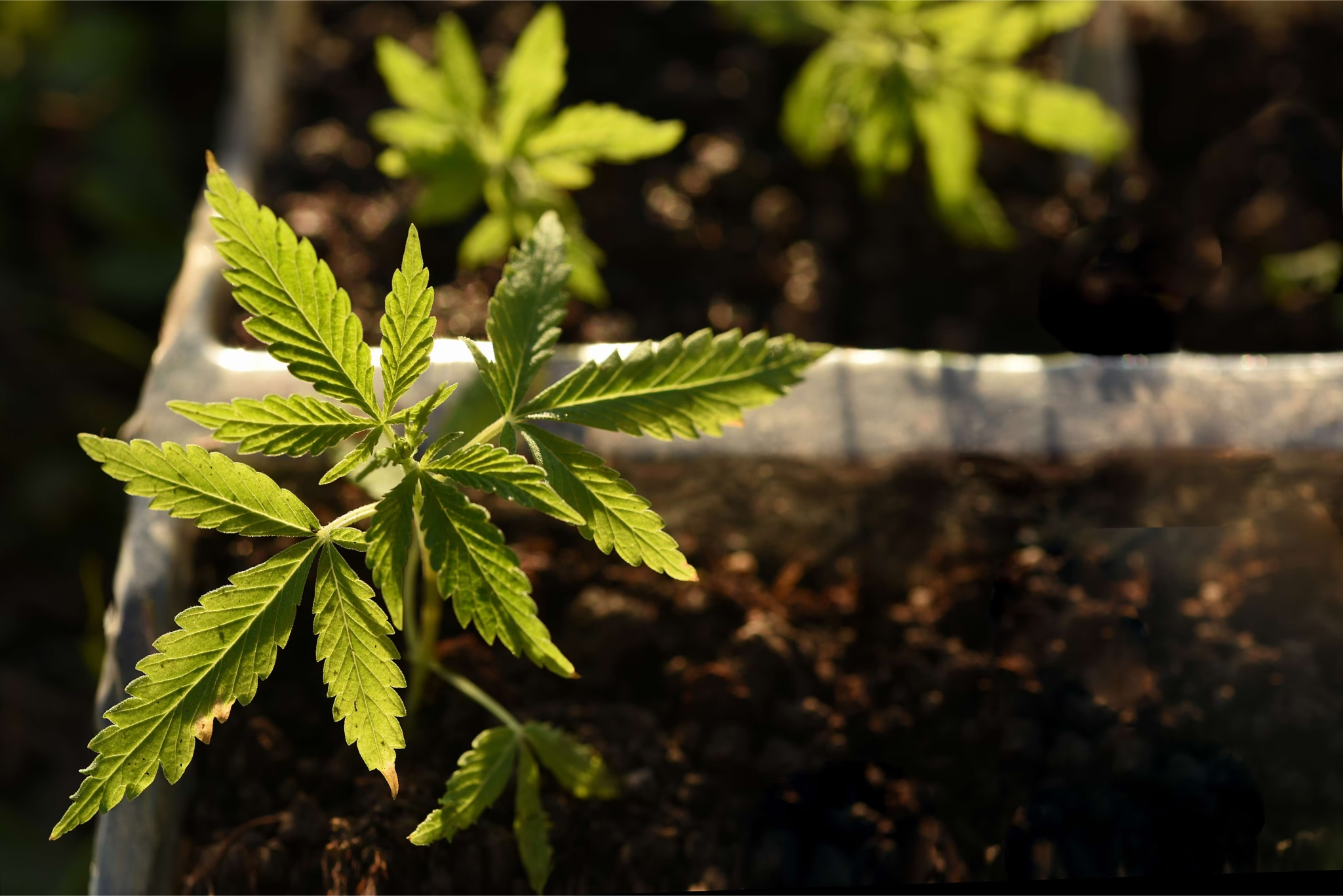
Potted cannabis exhibiting localized substrate shrinkage and perimeter pull-back characteristic of hydrophobic drying.
Substrate Vulnerabilities: Peat Moss vs. Coco Coir vs. Living Soil vs. Biochar
Not all growing media are equally susceptible to water repellency. Understanding the chemical composition of your substrate allows you to anticipate and prevent hydrophobic channeling before it occurs:
1. Sphagnum Peat Moss (Extreme Hydrophobic Risk)
Commercial peat moss harvested from ombrotrophic bogs is composed primarily of dead Sphagnum moss fibers. Peat contains high concentrations of cutin, suberin, and humic acids. Once peat moss dries below 30% volumetric water content, it becomes intensely water-repellent. Commercial potting soil manufacturers add synthetic chemical wetting agents to peat during bagging, but these factory surfactants biodegrade and rinse out within 4 to 8 weeks of intensive indoor fertigation, leaving the peat vulnerable to severe hydrophobicity during mid-to-late flower.
2. Coconut Coir (Naturally Hydrophilic and Forgiving)
Horticultural coco coir, manufactured from the mesocarp of coconut husks, possesses a fundamentally different biochemical structure than peat. Coco coir is composed predominantly of lignin and cellulose with virtually zero waxy cutins. Consequently, coco coir is naturally hydrophilic. Even when coco dries out completely until it turns pale light brown, it absorbs water rapidly without beading or channeling. Cultivators who struggle with chronic soil hydrophobicity frequently blend 30% to 50% coco coir into their peat mixes to create natural capillary wicking pathways that prevent water repellency.
3. Living Organic Soil and No-Till Beds (Fungal Hydrophobicity)
Living soils present a unique biological form of water repellency. Beneficial mycorrhizal and saprophytic fungi produce a specialized, hydrophobic glycoprotein called glomalin and water-repellent hyphal coatings (hydrophobins). When a living soil bed is allowed to dry excessively, fungal hyphae form an impenetrable, water-resistant biological crust across the top 2 inches of soil. Maintaining continuous straw or clover mulch and ensuring the surface never bakes dry is essential in living soil agronomy.
| Substrate Medium | Critical Dry-Back Threshold (VWC %) | Hydrophobic Susceptibility | Dominant Channeling Pattern | Recommended Remediation Method |
|---|---|---|---|---|
| Sphagnum Peat Moss (70/30 Perlite) | Below 28% – 32% VWC | Extremely High (waxy aliphatic lipids) | Perimeter wall gap and deep vertical cracks | Yucca saponin drench + bottom-wicking tub |
| Living Organic Super Soil | Below 35% – 40% VWC | Moderate to High (fungal hydrophobins) | Surface crust beading and root channel bypass | Multi-pass low-volume misting + aloe vera / yucca |
| Coco Coir / Perlite (70/30) | Below 15% – 20% VWC | Very Low (naturally hydrophilic lignin) | Occasional compaction channeling if root-bound | Slow circular top-watering (no surfactants needed) |
| Horticultural Rockwool Slabs | Below 35% – 40% VWC | Low to Moderate (mineral binder loss) | Horizontal bottom channeling beneath dry top | Extended drip pulse ramping (P1 micro-shots) |
The comparative matrix above clearly demonstrates that substrate composition dictates water repellency risks. When peat or living soil dries into severe hydrophobicity, cultivators frequently seek quick fixes from household supplies. However, using improper surfactants can destroy delicate root membranes and sterilize beneficial biology.
Can I use commercial household dish soap to re-wet my dry hydrophobic soil?
Question sent by: Jordan Price, via email.
“My 5-gallon soil pots have gone completely hydrophobic and water is running straight out the sides. A friend told me to put a few drops of blue Dawn dish soap in my watering can to break the surface tension. Is dish soap safe for cannabis roots, or will it hurt my plants?”
Using commercial household dish detergents (such as Dawn, Palmolive, or Ajax) in cannabis root zones is a dangerous practice that can cause severe, irreversible phytotoxicity.
Commercial dish soaps are not formulated for plants; they are industrial degreasers designed to dissolve animal fats on ceramic cookware. They contain aggressive synthetic anionic surfactants (such as sodium lauryl sulfate / SLS, and sodium laureth sulfate / SLES), petroleum-based solvents, artificial dyes, synthetic fragrances, and high concentrations of sodium salts. When applied to a cannabis root zone, synthetic detergents dissolve the delicate lipid bilayer of root hair cell membranes, causing rapid cell leakage, root browning, and vascular shock. Furthermore, chemical surfactants act as broad-spectrum bactericides, decimating beneficial soil bacteria and stripping mycorrhizal fungal networks.
Instead of toxic dish soap, use certified organic horticultural wetting agents containing natural saponins. The gold standard in cannabis agronomy is pure cold-pressed Yucca extract (Yucca schidigera) or Quillaja saponins. Saponins are natural plant-derived steroids that dramatically lower the surface tension of water (cleaving the contact angle from 110° down to <45°) without harming root membranes. Alternatively, pure food-grade Aloe vera extract (inner fillet) contains natural saponins and polysaccharides that break surface tension while nourishing beneficial rhizosphere biology. A tiny pinch (1/8 teaspoon per gallon) of pure yucca extract powder will re-wet hydrophobic soil instantly and safely.
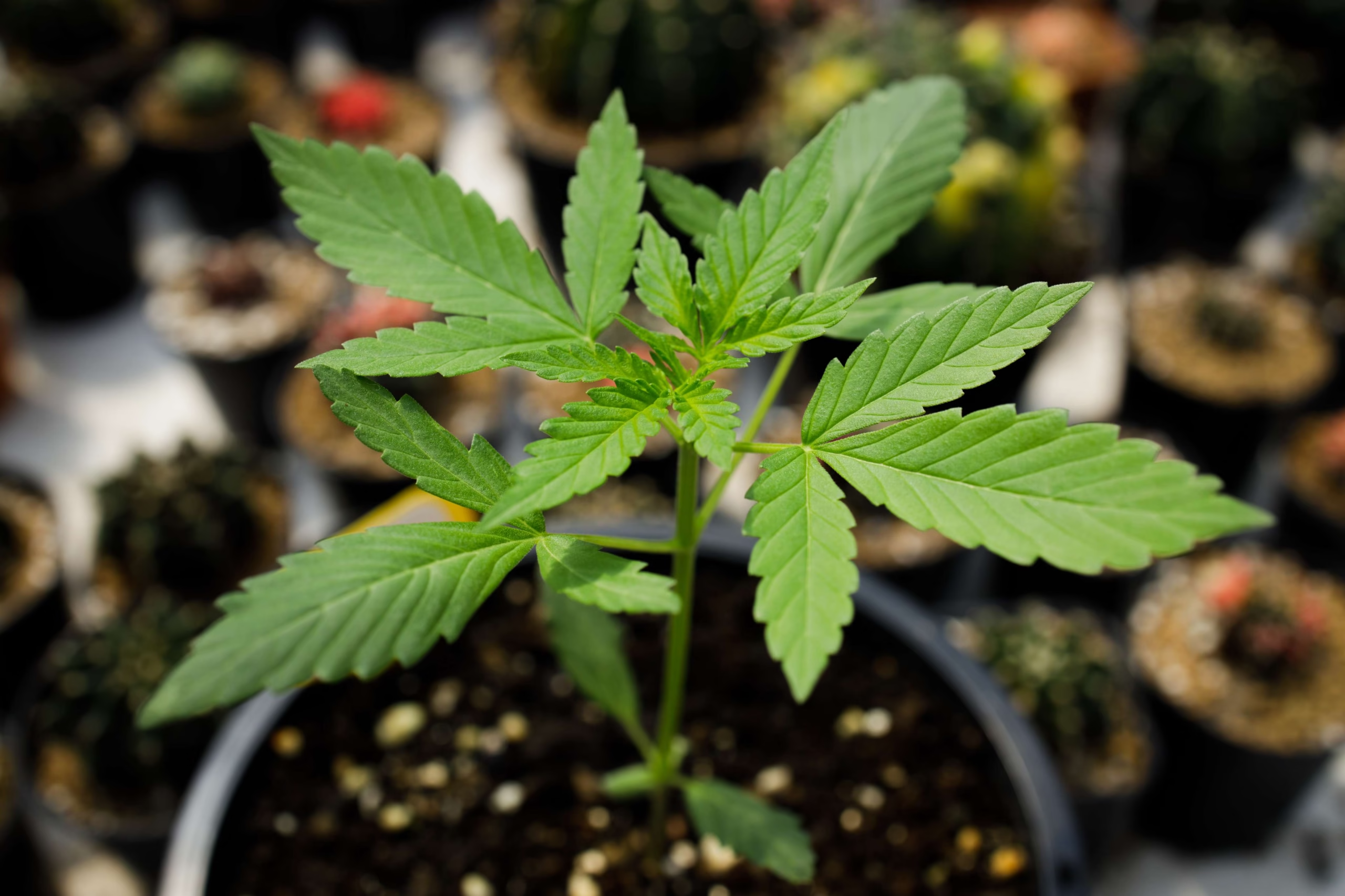
Cannabis canopy successfully recovered from water channeling following surfactant-assisted re-wetting.
The Multi-Stage Re-Wetting Protocols: Three Repeatable Agronomic Methods
When a containerized root ball has developed hydrophobic bypass channels, cultivators must execute a structured mechanical and chemical protocol to restore uniform capillary hydration:
Protocol A: The Three-Pass Concentric Saponin Drench (Top-Down Method)
If plants are trellised into a Scrog net and cannot be moved from their trays, execute the Three-Pass Concentric Drench:
- Pass 1 (Surface Tension Cleaving): Formulate room-temperature water (20 °C to 22 °C) containing certified organic yucca extract (1/8 tsp per gallon) or Quillaja saponins. Deliver approximately 15% of your total target volume (e.g., 300 mL for a 5-gallon pot) using a fine rose-head watering wand or pressure sprayer. The fine droplet mist coats the waxy surface crust evenly. Walk away and allow the pot to rest undisturbed for 15 to 20 minutes. Saponins bond to hydrophobic alkyl chains, lowering the contact angle and initiating capillary softening.
- Pass 2 (Perimeter and Core Infiltration): Deliver 45% of the target volume in a slow, widening spiral starting 3 cm away from the stalk and working outward to within 2 cm of the rim. Avoid dumping water directly against the container edge where bypass gaps form. The pre-softened surface now absorbs liquid downward through capillary percolation rather than deflecting it. Allow another 15 minutes of rest.
- Pass 3 (Full Saturation to Container Capacity): Apply the final 40% of the volume slowly. Water now percolates homogeneously through every cubic centimeter of the substrate, achieving 100% container capacity with gentle, uniform drainage across the base. Verify success by lifting the container: it should feel heavy and securely anchored.
Protocol B: The Bottom Sub-Irrigation “Wicking Tub” Method (The Gold Standard)
For untrellised containers suffering from severe, intractable hydrophobicity where top-watering continues to channel, the bottom-wicking tub method is 100% effective:
- Fill a large, clean plastic tote, wash basin, or deep saucer with 3 to 4 inches (7 to 10 cm) of warm water (22 °C) mixed with organic yucca extract and a quarter-strength nutrient solution.
- Gently lower the entire potted plant into the tub so the container sits submerged in the water pool.
- Allow the pot to rest in the tub for 30 to 45 minutes. Fluid mechanics dictate that capillary action pulls water upward from the bottom against gravity. As moisture wicks upward through micropores, it physically pushes trapped air out through the top surface without creating bypass channels.
- Once the top surface of the substrate feels cool, dark, and damp to the touch, lift the container out of the tub and allow it to drain freely on an elevated wire grate for 15 minutes. The root ball is now 100% saturated from core to perimeter.
Protocol C: The Mechanical Tine Aeration and Capillary Bridge Method
When surface crusting is so extreme that liquid pools indefinitely, combining gentle mechanical aeration with surfactant application breaks the crust without harming root networks:
- Take a clean, sanitized bamboo skewer, wooden chopstick, or stainless steel aeration probe (3 to 4 mm diameter).
- Carefully insert the probe vertically into the upper substrate layer to a depth of 5 to 8 cm (2 to 3 inches), working in a concentric grid spaced approximately 4 to 5 cm apart across the container surface. Avoid probing within 5 cm of the main stem to protect primary taproot vascular structures.
- Gently twist the probe as you extract it, creating microscopic vertical infiltration funnels.
- Immediately apply your organic yucca saponin drench solution. The liquid flows directly into the vertical channels, bypassing the waxy surface crust and introducing surfactant deep into the hydrophobic core. Capillary action expands laterally from each channel, re-establishing continuous moisture bridges throughout the root profile.
The Agronomic Advantage: Why Bottom-Wicking Eliminates Bypass Channels
Top-down watering works with gravity; when surface tension repels water, gravity pulls liquid downward into the nearest vertical crack, forming a high-velocity channel. By contrast, bottom sub-irrigation works against gravity: water ascends exclusively through capillary suction within connected micropores. Capillary tension cannot jump across wide open cracks or perimeter gaps; it can only advance through cohesive substrate contact. Consequently, bottom wicking guarantees 100% homogeneous saturation of the core root mass, completely bypassing surface crusts and eliminating water channeling.
Surfactant Chemistry: Comparing Natural Saponins, Polyols, and Synthetic Detergents
To make an informed decision when treating hydrophobic soil, cultivators must understand the molecular classification of horticultural wetting agents. Surfactants function by possessing both hydrophilic heads and lipophilic tails, positioning themselves at the water-air-lipid interface to dramatically depress surface tension. However, the chemical origin of the surfactant dictates its safety for plant root tissue and mycorrhizal fungal symbionts. The following detailed matrix compares commercial surfactant classes across agronomic parameters:
| Wetting Agent / Surfactant | Chemical Classification | Source / Derivation | Recommended Dosage | Impact on Soil Biology & Roots |
|---|---|---|---|---|
| Yucca Extract (Yucca schidigera) | Steroidal Saponins (Natural Non-Ionic) | Cold-pressed desert yucca plant | 1/8 tsp per gal (powder) or 1 mL/gal (liquid) | Completely non-toxic; feeds beneficial rhizosphere microbes. |
| Quillaja Saponins (Soapbark) | Triterpenoid Saponins (Natural Non-Ionic) | Bark of Quillaja saponaria tree | 1/16 tsp per gal (highly concentrated) | Excellent surface tension reduction; biostimulant properties. |
| Inner Fillet Aloe Vera Powder | Polysaccharides & Saponins (Organic) | Dehydrated Aloe barbadensis gel | 1/4 tsp per gal (200x concentration) | Supplies salicylic acid and acemannan; stimulates root immunity. |
| Horticultural Polyols (Wetty / ThermX) | Alkyl Polyglucosides (Agricultural Non-Ionic) | Plant sugars and fatty alcohols | 1 to 2 mL per gallon of feed | Biodegradable; highly stable in automated drip fertigation skids. |
| Household Dish Detergents (Dawn/Palmolive) | Synthetic Anionic Surfactants (SLS / SLES) | Petrochemicals & Industrial Sulfates | NEVER USE (0 mL) | Destroys root membranes; causes phytotoxicity and sodium burn. |
The comparative evaluation above demonstrates that plant-derived saponins are overwhelmingly superior to chemical detergents. While knowing how to remediate an emergency hydrophobic dry-out is essential, elite cultivators design their daily agronomic practices to prevent hydrophobicity from developing in the first place.
How do I prevent my peat soil from becoming hydrophobic in the first place?
Question sent by: Megan Campbell, via email.
“Every time my plants enter week 5 of flowering, my peat pots dry out so fast that they turn rock-hard and hydrophobic between waterings. I spend hours re-wetting them every week. What standard operating procedures can I implement to prevent hydrophobicity from happening entirely?”
Preventing soil hydrophobicity is vastly easier than fixing it. You can completely eliminate hydrophobic episodes by implementing four proactive cultural practices:
First, raise your dry-back floor. Hydrophobicity is not triggered by normal transpirational drying; it is triggered when peat moisture drops below its critical moisture threshold (roughly 25% to 30% VWC). Never allow flowering containers to become featherlight or pull away from the pot wall. Irrigate when the pot drops to 45% of container capacity, maintaining a baseline of residual capillary moisture.
Second, apply a 2-inch organic mulch layer. Surface hydrophobicity is driven by radiant heat from high-intensity LED fixtures baking the top layer of peat. Covering the surface with clean barley straw, shredded leaves, or commercial cedar mulch blocks direct light, reduces surface evaporation by 50%, and keeps the upper root zone cool and receptive to water.
Third, blend 30% coco coir into your peat recipes. Coir fibers do not contain waxy cutins and act as permanent capillary wicking highways. Even if the peat around the coir dries out, the coconut coir absorbs water instantly, channeling moisture into the peat colloids and preventing bypass channels.
Finally, add maintenance doses of yucca saponins (1/16 tsp/gal) to your irrigation reservoir once every two weeks. Routine low-dose saponin applications prevent the build-up of waxy fungal lipids on peat fibers, ensuring that water infiltrates smoothly throughout the entire flowering cycle.
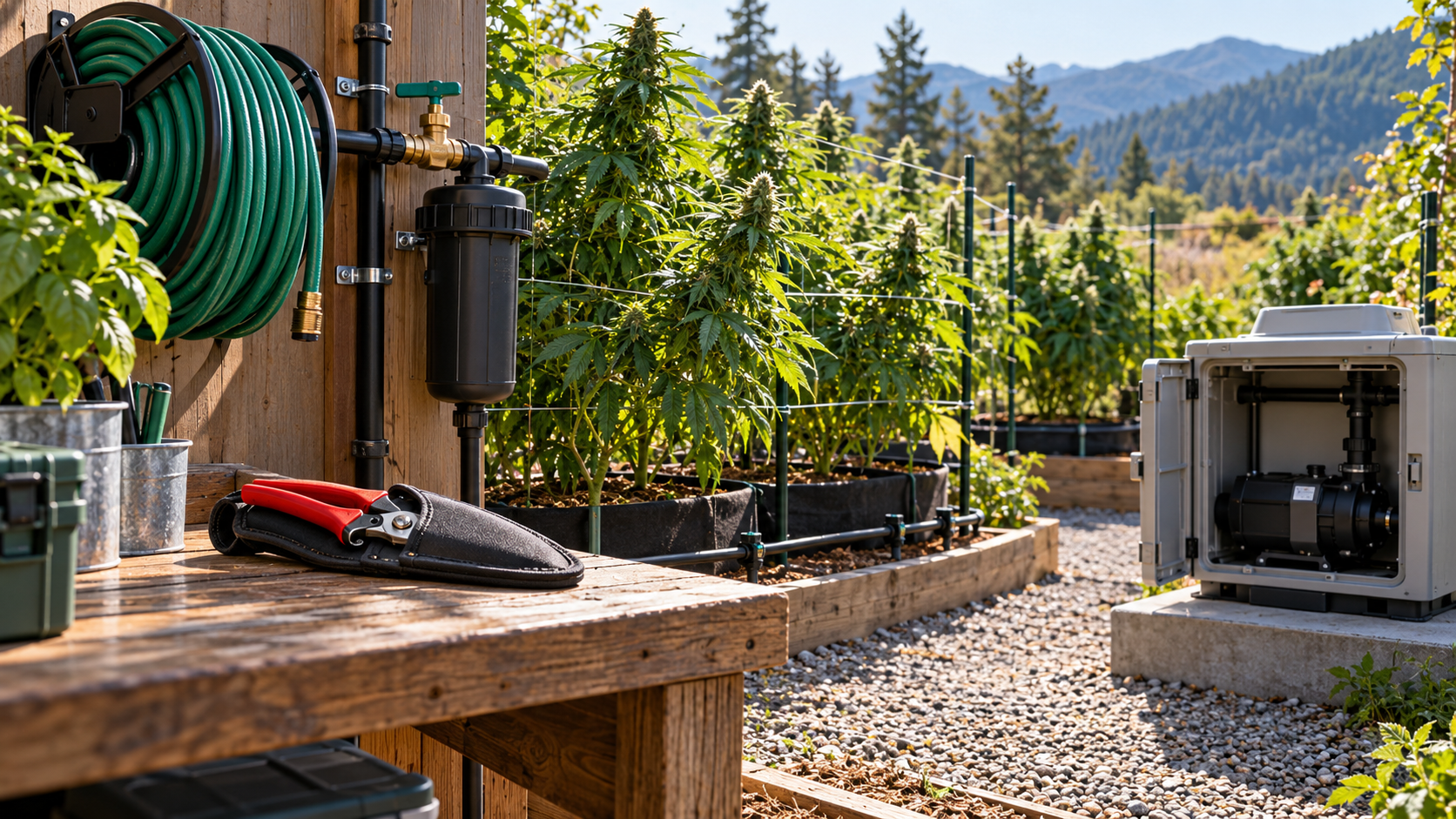
Irrigation application tools and natural saponin wetting agents used to break surface tension in hydrophobic peat.
Diagnostic Look-Alikes: Substrate Compaction, Salt Crusts, and Perched Water Tables
When substrate drainage behaves abnormally, cultivators must distinguish true hydrophobicity from physical compaction, salt crusting, and poor container drainage:
- Substrate Compaction vs. Hydrophobicity: Over a long 10-to-12-week flowering cycle, decomposed peat particles naturally break down, settling into a dense, solid mass with low air-filled porosity. Compacted soil drains slowly and ponds water on the surface, but unlike hydrophobic soil, the water does not run off rapidly: it pools for hours and keeps the pot heavy. Test with a finger or wooden skewer: if the medium feels dense and impenetrable like clay, it is compacted; if it feels loose, dusty, and resists water infiltration while discharging fast runoff, it is hydrophobic.
- Osmotic Salt Crusts vs. Non-Polar Wax Repellency: High concentrations of synthetic fertilizer salts evaporating at the surface form a white, powdery crystalline crust. This salt crust can physically impede water penetration. Test the surface with a small scrape: if white crystals dissolve instantly in water but leave a dry layer beneath, execute a low-EC buffered drench to dissolve the mineral barrier.
- Post-Remediation Waterlogging Risks: After executing a full bottom-wicking tub soak or heavy surfactant drench, the pot will be at 100% container capacity. Cultivators must ensure the container drains on an elevated grate for at least 15 to 20 minutes before returning to saucers. Never water again until the plant has fully transpired that heavy water volume and the container returns to normal medium weight, preventing opportunistic Pythium root rot.
Core Coverage Synthesis: Absorbed Raw Questions and Essential Directives
To consolidate comprehensive technical guidance into a single authoritative URL without opening duplicate pages, this section directly synthesizes the two absorbed raw intents:
How to Fix Hydrophobic Soil and Water Channeling
To permanently fix hydrophobic soil and stop water from channeling down the container walls, immediately apply a natural non-ionic surfactant: cold-pressed Yucca extract (Yucca schidigera at 1/8 tsp per gallon of water) or Quillaja saponins. Deliver the solution across three distinct passes spaced 15 minutes apart, or submerge the lower third of the container in a warm surfactant bath for 30 minutes to allow upward capillary wicking. Saponins cleave the liquid-solid contact angle from over 110 degrees down to under 45 degrees, breaking surface tension and forcing water to penetrate the desiccated core rather than bypassing through perimeter cracks.
How to Rewet Hydrophobic Soil and Peat
Rewetting severely hydrophobic peat requires gentle, patient hydration. Never dump large volumes of cold water on dry peat; rapid torrents accelerate bypass channeling. Use warm water conditioned to 20 °C to 22 °C (68 °F to 72 °F), as warm water exhibits lower viscosity and surface tension than cold water. Apply a fine mist or slow trickle in a widening concentric spiral. If the root ball has pulled away from the pot edge, gently press the top perimeter inward with your fingers to seal the perimeter gap before irrigating. Following rewetting, maintain substrate moisture above 35% VWC and apply straw mulch to prevent re-desiccation.
Substrate Hydrophobicity Prevention and Re-Wetting Checklist
Audit these critical operational checkpoints to prevent water channeling and maintain uniform root-zone hydration:
- Substrate moisture is never allowed to drop below the critical dry-back threshold (28% to 32% VWC in peat).
- Organic living soil and peat surfaces are protected with clean straw or clover mulch to block radiant LED drying.
- Natural yucca extract saponins (1/8 tsp/gal) are utilized to break surface tension; household dish soaps are strictly banned.
- Severe hydrophobicity is remediated via bottom sub-irrigation tubs to force upward capillary saturation without channeling.
- Top-watering on dry media is executed via the Three-Pass Concentric Drench with 15-minute intervals between passes.
- Irrigation water is conditioned to 20 °C to 22 °C; warm water accelerates contact angle reduction and percolation.
- Perimeter wall gaps are inspected and gently compacted before watering to prevent edge bypass channeling.
- Water Drop Penetration Time (WDPT) tests are conducted monthly to audit substrate wettability throughout flower.
- Sphagnum peat blends incorporate 20% to 30% hydrophilic coco coir to provide permanent capillary wicking pathways.
- Containers are elevated on wire grates following re-wetting to ensure full drainage and restore air-filled porosity.
Scientific References
- Doerr, S. H., Shakesby, R. A., & Walsh, R. P. D. (2000). Soil water repellency: its causes, characteristics and hydro-geomorphological significance. Earth-Science Reviews, 51(1-4), 33-65.
- Handreck, K. A., & Black, N. D. (2002). Growing Media for Ornamental Plants and Turf (3rd ed.). UNSW Press, Sydney.
- Marschner, H. (2012). Marschner’s Mineral Nutrition of Higher Plants (3rd ed.). Academic Press, London.
- Taiz, L., Zeiger, E., Møller, I. M., & Murphy, A. (2015). Plant Physiology and Development (6th ed.). Sinauer Associates, Sunderland, MA.
- Zheng, Y. (2021). Handbook of Cannabis Production in Controlled Environments. CRC Press, Boca Raton, FL.
Share this article
A quick overview of the topics covered in this article.