
Jacky White
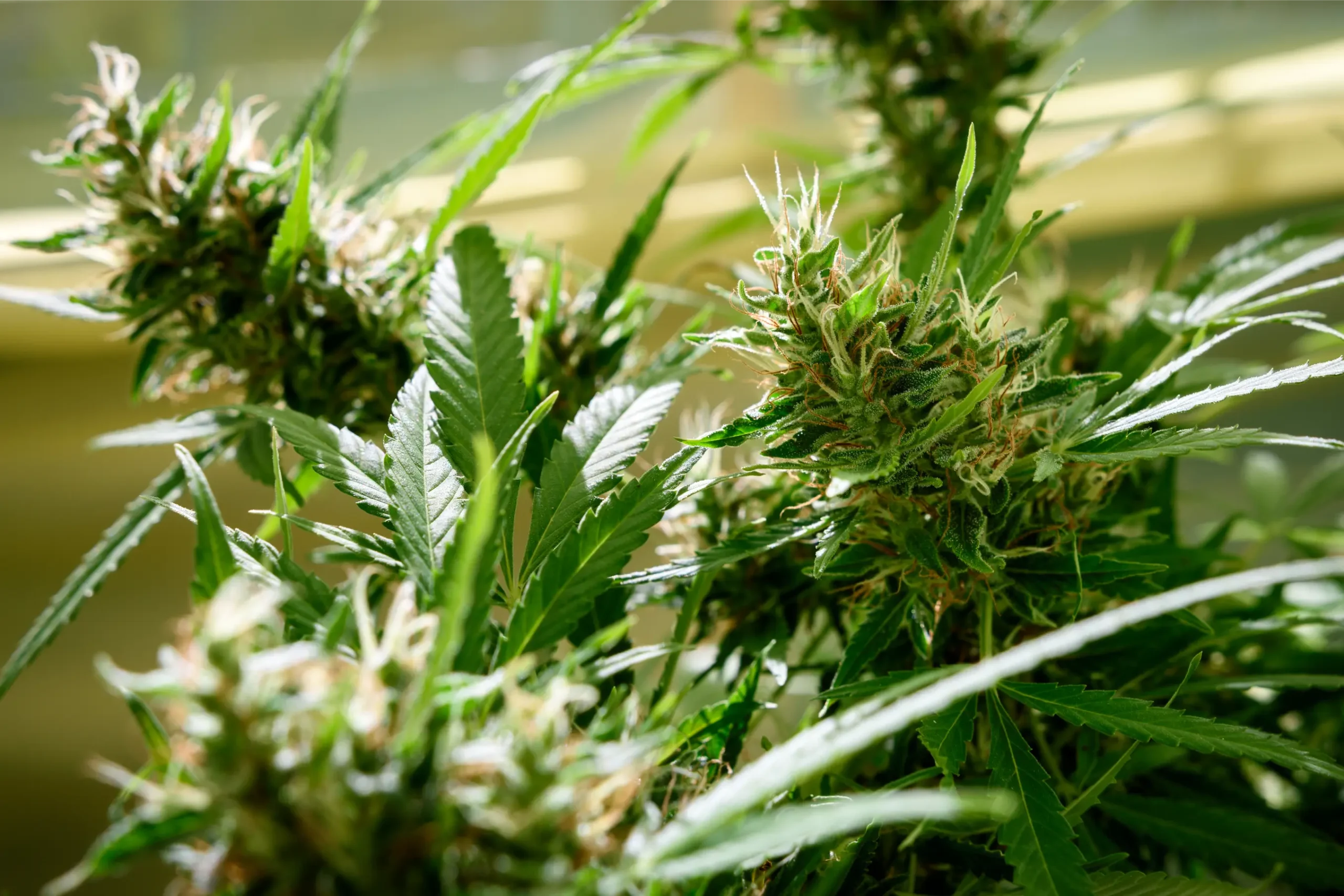
Jacky White is a sativa-dominant hybrid built around two very different strengths: the upward energy, citrus-herbal character and branching drive of Jack Herer, and the resin production, sturdiness and physical calm associated with White Widow. The finished cultivar is usually recognized by a sharp grapefruit aroma, long lateral branches and a clear euphoric effect that settles into a comfortable body buzz without immediately removing motivation. Its strongest results come from matching the open branch structure to a wide canopy and protecting grapefruit aroma through a slow finish.
Its biggest cultivation advantage is also its main management problem. Jacky White can turn open space into productive canopy quickly, but a grower who flowers an already full room may end up with crowded tops, uneven light and branches that need emergency support. The strain performs best when the stretch is planned before the flip, the canopy is given horizontal space and the citrus profile is protected from excessive heat and fast drying.
Strain Features
| Feature | Details |
|---|---|
| Strain Type | Sativa-dominant hybrid |
| Commonly Reported Lineage | Jack Herer x White Widow hybrid |
| Typical THC | Commonly high, with considerable sample variation |
| CBD | Usually very low |
| Effect Direction | Euphoric, focused and energetic at first, followed by a smooth body calm |
| Aroma | Grapefruit, sweet citrus, flowers, herbs, menthol, pine and light spice |
| Flavor | Tangy grapefruit, lemon peel, floral sweetness and woody-herbal finish |
| Flowering Time | Usually about 8 to 10 weeks, with some expressions finishing near 60 days |
| Outdoor Harvest | Commonly early to mid-autumn in a warm, bright climate |
| Height | Medium to tall |
| Stretch | Moderate to strong; some phenotypes can stretch aggressively |
| Branching | Strong lateral branching with long productive arms |
| Yield | High when the canopy is spread and supported |
| Bud Structure | Chunky spear-shaped colas with strong resin coverage |
| Feeding | Light to moderate feeder despite vigorous growth |
| Training | Topping, LST, bending and SCROG all work well |
| Heat Tolerance | Better than average, but high heat can reduce citrus quality |
| Mold Resistance | Often good in open canopies, though dense colas still need airflow |
| Grow Difficulty | Moderate; beginner-friendly only when height is planned |
| Best Use Time | Morning through early evening, depending on dose |
The flowering range is deliberately broad. Historical descriptions emphasize a fast finish, while individual grow reports include slower plants and very large stretch. This is not a contradiction so much as a reminder that phenotype, root volume, light intensity and veg duration can change the final timetable.
Genetic Lineage
Jack Herer contributes the sativa-facing side of Jacky White. That influence appears in the narrow-to-medium leaf shape, vigorous branching, grapefruit and herbal notes, and the ability to produce an elevated, mentally active effect. It also explains why some plants expand much more than expected after flowering begins.
White Widow contributes a different set of traits: dense resin, stronger branch structure, a faster finish than many sativa-dominant cultivars and a later physical calm. The cross does not simply average the parents. Some expressions look and behave more like a compact resinous hybrid. Others lean strongly toward the tall, open Jack Herer side.
Common Structural Expressions
The compact resin-forward expression stays closer to medium height, stretches moderately and forms thick flower clusters with a high trichome load. It is easier to manage in a tent and may finish closer to the shorter end of the range.
The tall grapefruit expression grows longer lateral branches, stretches strongly and produces more open spear-shaped flowers. It often carries the clearest grapefruit and floral aroma, but it requires earlier flowering and more vertical planning.
The balanced production expression sits between the two. It branches heavily, responds well to topping and can create a wide, even canopy with high yield. This is often the most practical keeper for growers who want both flavor and predictable room use.
The lineage also explains why aroma can move between grapefruit, menthol, flowers, pine and sweet herbs. Jack Herer-type chemistry often carries bright terpinolene, citrus and pine qualities, while White Widow-type chemistry contributes earth, resin and body. Tested products sold under the Jacky White name have also shown myrcene, limonene and linalool prominence, which fits the calmer fruit-and-floral expressions.
Effect Breakdown
Phase One: A Smooth Lift
The onset is usually positive and mentally expansive without the sharp jolt found in more aggressive sativas. Mood rises, conversation becomes easier and ordinary tasks feel less repetitive. Some users report a brief delay before the full effect becomes obvious, especially with vaporized flower.
The early stage can support writing, music, design work, walking and social settings. Focus is often present, but it is a creative form of focus. The mind may become interested in details and associations rather than following a strict linear plan.
Phase Two: Clear Euphoria and Sensory Brightness
At the peak, Jacky White tends to feel elevated and open. The effect can be talkative, humorous and visually engaging. Music may sound wider and food can taste more vivid. This is the phase that makes the strain attractive for daytime use.
A moderate dose often avoids the nervous edge of a pure Haze. The White Widow influence appears as physical steadiness. The body feels comfortable while the mind remains active. This balance can make the cultivar seem easier than its potency actually is.
Phase Three: Body Calm Without Immediate Shutdown
After the brightest cerebral period, the effect usually settles into the shoulders, neck and limbs. The user may feel relaxed but not immobilized. At a moderate dose, activity can continue. At a high dose, the same body calm can become heavy and the mental energy may turn hazy.
Phase Four: Long, Gentle Exit
Jacky White often fades slowly. The comedown is less abrupt than the opening phase of many sativas. Some users experience appetite stimulation and mild tiredness near the end. Others remain awake but emotionally settled.
Risks and Dose Control
Dry mouth, dry eyes and dizziness are common. High doses can cause anxiety, especially in a tall, highly cerebral phenotype. The smooth entry can encourage redosing before the peak. New users should take one small amount and wait.
Flavor & Aroma Profile
Jacky White's defining note is grapefruit, but the best examples are more botanical than candy-like. The profile resembles fresh grapefruit peel, crushed leaves, flowers and resin rather than sugary citrus syrup.
In the Grow Room
The aroma can appear early in flower as green citrus and herbs. By mid bloom, the room may smell like a grapefruit tree after rain. Resin adds floral sweetness, menthol and a faint earthy base. The scent is strong enough to require odor control indoors.
Freshly Dried Flower
Immediately after drying, the flower may smell sharp and herbal. Grapefruit rind, fresh-cut stem and pine can dominate. The sweeter floral layer often needs time in cure.
Mature Jar Aroma
After several weeks, the profile becomes more rounded. Grapefruit remains central, but lemon, orange blossom, menthol and mild incense can emerge. Resinous expressions may show more earth and pepper. Tall sativa-leaning plants may be brighter and more perfumed.
Inhale and Exhale
The inhale is usually tart, sweet and citrus-led. Grapefruit and lemon peel arrive first. The exhale adds flowers, wood, herbs and a cooling menthol quality. A clean cure leaves a long sweet-sour aftertaste rather than a dry grassy finish.
Why Citrus Disappears
Citrus-heavy aroma is vulnerable to heat, air and fast drying. Monoterpenes such as limonene and terpinolene are more volatile than heavier woody compounds. A hot flower room or aggressive drying fan may leave the finished flower smelling mostly earthy even when the living plant was extremely citrus-rich.
Dominant Terpenes
Jacky White is associated with multiple terpene patterns. Tested samples have commonly highlighted myrcene, limonene and linalool, while the Jack Herer side suggests that terpinolene and pinene may also become important in certain expressions. The exact order should be confirmed by laboratory analysis rather than assumed from the name.
Myrcene
Myrcene provides a soft herbal and fruity base. It can make grapefruit feel ripe rather than sharp and supports the later body relaxation. Myrcene-rich plants may feel calmer and less electrically sativa-like.
Limonene
Limonene is central to the grapefruit and lemon identity. It adds bright peel, sweet citrus and an uplifting aromatic impression. Preserving limonene requires cooler late-flower and post-harvest conditions.
Linalool
Linalool contributes floral softness and may explain lavender-like or perfumed notes. It rounds the tart citrus and can make the aroma feel smoother. Linalool-rich expressions may also feel more physically calming.
Terpinolene
Terpinolene can create a complex mixture of citrus, herbs, flowers and light wood. It is common in many Jack Herer-family profiles and may support the more energetic, creative expressions of Jacky White.
Pinene
Pinene adds fresh evergreen, sharp herbs and a cleaner finish. It may help the mental effect feel more awake and can keep the aroma from becoming too sweet.
Beta-Caryophyllene
Beta-caryophyllene adds pepper and dry spice. It is more noticeable on the exhale and in resin-heavy plants. It also contributes to the strain's grounded physical side.
Indoor vs. Outdoor Growing
| Aspect | Indoor | Outdoor |
|---|---|---|
| Main Opportunity | High yield from a trained, level canopy | Large branch development and full citrus expression under sun |
| Main Risk | Stretch into the light and canopy overcrowding | Wind damage, odor travel and late-season rain |
| Height | Medium to tall, depending on flip size | Tall and wide with a long vegetative period |
| Best Training | Early topping, radial LST and SCROG | Topping, branch spreading and a support cage |
| Flowering Time | About 8 to 10 weeks | Early to mid-autumn |
| Feeding | Light to moderate | Moderate, adjusted to soil fertility and plant size |
| Support | Trellis strongly recommended | Stakes or layered netting before flower swell |
| Humidity | Open structure helps, but chunky colas need late-flower control | Works best where autumn remains bright and relatively dry |
| Flavor Potential | Excellent when temperatures and dry are controlled | Rich grapefruit and herbal complexity with greater weather risk |
| Difficulty | Moderate | Moderate to difficult if season length is short |
Indoor Character
Indoors, Jacky White behaves like a plant that wants horizontal territory. If several plants are packed closely, the lower branches compete and the center becomes inefficient. Fewer plants with more room can produce a cleaner canopy.
The best flip height depends on phenotype. Compact plants may double. Tall expressions can exceed that. A grower should use internodal spacing and branch speed during late veg as indicators. Long internodes and rapidly rising side branches suggest an early flip.
Outdoor Character
Outdoors, the plant can build a broad frame with many flowering arms. Full sun supports resin and citrus, but the branch system must be prepared for wind. A single central stake is rarely enough for a large specimen. A cage or multiple anchors distribute the load more safely.
In cool or wet regions, the finishing window can become difficult. The plant may be hardy, but grapefruit quality and flower health decline when late bloom is dominated by rain and low temperatures.
Strain-Specific Grow Guidance
Start With a Stretch Forecast
Before flowering, measure the plant and note internodal spacing. A compact expression with tight nodes can be flipped later. A tall expression with fast branch extension should enter flower earlier.
Do not let the stretch make the decisions
Do not wait until the screen is full. Jacky White can fill remaining space during the first three weeks of bloom. A canopy that looks slightly underfilled at flip often becomes ideal by the end of stretch.
Build a Radial Canopy
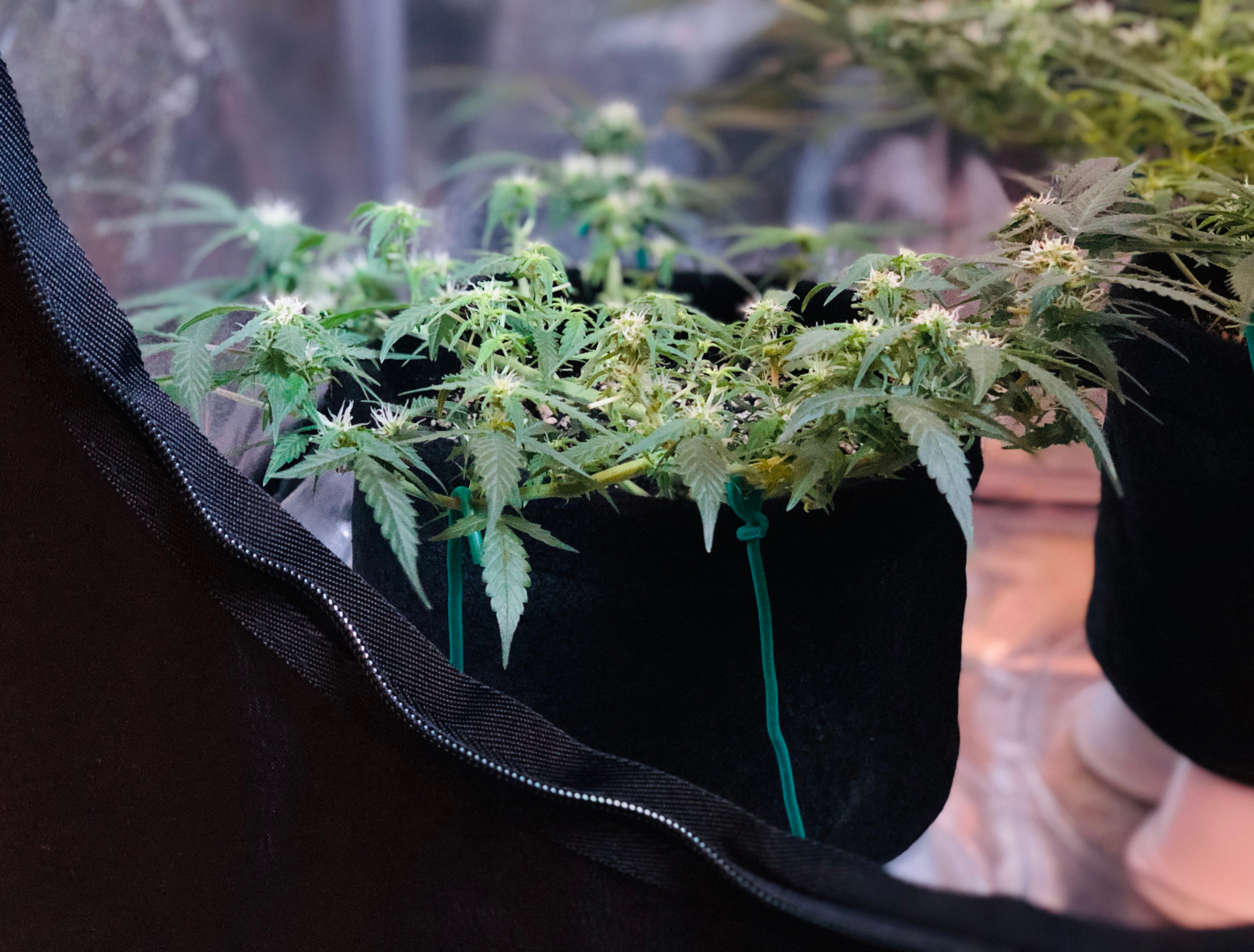
One early topping usually produces the best balance between recovery time and branch count. Allow four to eight main branches to develop. Pull them outward from the center like spokes. This shape gives each branch its own light lane and prevents the inner canopy from becoming a knot.
A second topping can be used on vigorous plants in a wide room. It is less useful in a short cycle or small pot. The objective is not maximum branch number. It is maximum number of branches that can receive strong light and airflow.
The First Three Weeks of Flower
Week 1: Continue tucking and bending. Remove weak shoots below the future canopy. Keep nitrogen moderate so the stretch remains strong but not soft.
Week 2: Branches accelerate. Tie or tuck the tallest tops. Install final support before stems harden. Check the distance to the light every day.
Week 3: Stretch begins to slow. Complete the lower cleanup and stop major training. Open the center with selective leaf removal.
Feeding Strategy
Vigor does not mean heavy appetite. Some Jacky White plants react poorly to aggressive nutrient concentration. Dark leaves, clawing and brittle tips indicate excess, not strength.
Use a moderate vegetative feed and increase only when growth rate, leaf tone and irrigation frequency justify it. In coco or hydro, stable EC is more useful than repeated high peaks. In soil, avoid stacking multiple rich amendments.
During bloom, taper nitrogen gradually. Citrus aroma develops better on a plant that matures naturally rather than remaining dark green and leafy until harvest.
Watering and Root Volume
A large branching plant can drink quickly, but the medium still needs oxygen. Use an aerated substrate and allow appropriate dryback. The plant should not swing between saturation and severe wilt.
Container size should match veg time. A small pot can restrict the stretch and increase irrigation frequency. An oversized pot may stay wet too long during early growth. The goal is a root system that fills the container near the transition without becoming severely rootbound.
Light and Heat
Jacky White can tolerate strong light, but top colas may grow into an intense zone. A level canopy is the best defense. Bleaching and hot foxtailing reduce visual quality and can flatten grapefruit aroma.
Keep the room warm enough for vigorous growth but avoid chronic high canopy temperature. Heat tolerance is not the same as flavor preservation. The plant may survive 30 C while the most volatile aroma compounds decline.
Defoliation
The plant's side branching creates leaf layers. Remove fans that completely block important tops or prevent air movement through the center. Do not perform repeated full stripping. Sativa-leaning leaves are efficient and support the rapid flower transition.
A useful schedule is light cleanup before flip, lower-zone removal at the end of stretch and occasional single-leaf removal after that.
Support
Heavy spear colas can bend long branches. Install a trellis early enough that branches grow through it naturally. If stakes are used, tie loosely and allow stem expansion.
Support is not only about preventing breakage. It also keeps flower clusters separated, improves light distribution and reduces contact points where moisture can remain.
Pest and Mold Management
An open Jacky White canopy often resists fungal pressure better than a compact indica, but no dense flower is immune. Keep humidity controlled during the final weeks and inspect the inside of the largest colas.
Strong odor and sticky foliage can attract attention from pests already present in the room. Integrated pest management must be established in veg. Spraying mature flowers should be avoided.
Harvest Timing
Citrus flavor peaks when flowers are fully swollen but not over-aged. Look for predominantly cloudy trichomes on the calyxes, reduced new pistil production and a stable grapefruit aroma.
A slightly earlier harvest emphasizes clarity and citrus. Additional amber development increases body weight and may soften the energetic edge. Avoid harvesting solely by the advertised day.
Phenotype-Based Management Routes
Jacky White becomes much easier when the grower stops treating every plant as if it will finish at the same height. A simple phenotype map can be made during late veg and the first ten days after the flip.
Route A: Compact, resin-heavy plants. These plants show shorter internodes, broader leaflets and slower vertical movement. They can remain in veg slightly longer and respond well to a denser SCROG. Their flower clusters often harden early, so humidity management should begin sooner. The grower can leave more lateral sites because the canopy depth remains limited.
The strongest compact plants can also be useful in mixed rooms because they hold a predictable height and finish with dense resin coverage. Their disadvantage is a tighter flower microclimate, so the apparent ease of height control should not lead to relaxed humidity monitoring.
Their lower stretch also means the screen must be filled more completely before flowering. A compact plant flipped too early can leave empty canopy space that no amount of late feeding will recover.
Route B: Tall grapefruit plants. These plants show longer internodes, narrower leaves and rapid upward movement. Flip them earlier, reserve the outer edge of the room for their branches and keep the screen less full before transition. Their open structure gives good airflow, but the tallest flowers can suffer light stress. They often reward the effort with the sharpest citrus profile.
Route C: Broad production plants. These plants combine strong side branching with medium stretch. They are ideal for a radial canopy with six to eight main arms. Yield depends on keeping each branch in its own lane. If the arms cross and overlap, the plant creates more small flower than premium tops.
A mixed room should not be managed by average height. Place taller plants where their branches can be bent outward and use risers under compact plants. This prevents the common mistake of raising the light for one tall phenotype and under-lighting every shorter plant.
A Detailed Flowering Checkpoint Plan
Days 1 to 7: The plant is still behaving partly like a vegetative plant. Continue gentle training, but do not remove a large amount of leaf area. Confirm that irrigation frequency is increasing as the canopy expands. If the plant remains dark and clawed, reduce nitrogen before flower formation becomes heavy.
Days 8 to 14: Vertical movement is usually strongest. Check light distance daily and reposition ties before stems harden. The first clear grapefruit aroma may appear when the stem and petiole are rubbed, although rubbing flowers should be avoided. Install additional support now, even if branches look strong.
Days 15 to 21: The final canopy shape becomes visible. Remove weak lower shoots and small inward-facing branches. This is the best point for the last meaningful structural cleanup. After this stage, pruning should become increasingly conservative.
Days 22 to 35: Resin and flower mass begin to separate the better tops from the rest. Keep the root zone evenly active and avoid severe drybacks. Watch the tallest flowers for upward leaf edges, bleaching or a loss of fresh citrus. Those signs can indicate excessive canopy heat even when room temperature appears acceptable.
Days 36 to 49: Colas become heavier and the sweet-floral layer strengthens. Relative humidity should be reduced gradually rather than dropped in one abrupt step. Inspect ties and netting because branches may lean into one another as weight increases.
Days 50 to harvest: New pistil production slows and calyxes expand. Nutrient demand usually decreases. Do not chase fading leaves with late nitrogen. Use trichomes on the flowers, aroma maturity and reduced fresh growth to select the harvest date.
Common Jacky White Mistakes
Flipping too late: The plant looks manageable in veg, then doubles or triples into the lighting zone. The correction is an earlier flip and more horizontal training, not repeated late-flower bending.
Packing plants too closely: Side branches lose their value when they collide with neighboring plants. High plant count can work only when each plant is kept narrow. For full branching, reduce density.
Feeding for the advertised yield: High yield descriptions can encourage high EC. The plant may produce excellent weight on moderate nutrition. Feed the actual leaf and root response, not the reputation.
Using heat tolerance as a target: A plant that survives warm conditions is not necessarily preserving maximum grapefruit aroma. Survival, yield and flavor have different environmental ceilings.
Removing too many leaves at once: The open sativa-facing canopy may look leafy from above, but much of that leaf area is productive. Staged removal protects growth and reduces recovery time.
Waiting for every pistil to turn dark: Healthy foxtailing or continued calyx development can produce new pale pistils near maturity. Use trichome condition and overall flower swelling instead of pistil color alone.
Post-Harvest Sorting for Better Consistency
Jacky White often produces several flower grades on the same plant. Top spears receive stronger light and may dry more slowly because of their mass. Mid-canopy flowers can carry excellent grapefruit aroma even when they are smaller. Lower flower may be airy and more herbal.
Sort branches by density before drying. Do not place large top colas and thin side branches in the same tightly controlled row and assume they will finish together. Check moisture by category. Smaller branches may be ready for curing earlier, while thick spears need additional time.
After curing, keep the most aromatic flowers in a jar that is opened infrequently. Use a separate working jar for regular access. This simple division reduces oxygen exposure and helps the grapefruit profile last longer.
Weedth Bud Flavor Tips
Protect Grapefruit Before Harvest
The final two weeks should be stable and not excessively hot. Avoid severe drought stress, late heavy feeding and unnecessary handling. The fruit aroma should become more distinct as the flowers finish.
Harvest after surface moisture has evaporated. Move branches into darkness quickly. Outdoor plants should not remain in direct sun after cutting.
Drying Strategy
A slow dry at moderate temperature and humidity gives the best chance of preserving limonene, terpinolene and floral notes. Use gentle air exchange across the room, not direct fan pressure on the flowers.
Long spears may dry unevenly. The tip can feel dry while the stem-side interior remains wet. Space branches so air reaches every side. Very large colas can be divided at natural branch joints without breaking them into small buds.
Curing Strategy
The grapefruit profile often becomes sweeter after three to six weeks. Early cure may emphasize herbs and resin. As the moisture equalizes, citrus and flowers become clearer.
Store whole flowers in cool, dark, airtight containers. Use several smaller containers rather than one large jar that is opened every day. Grind only what will be used.
Consumption for Flavor
Lower-temperature vaporization emphasizes grapefruit, flowers and menthol. Higher temperatures reveal wood, pepper and resin. A clean glass device prevents old residue from masking the citrus.
Weedth Bud Boost Tips
Indoor Production Plan
The yield ceiling comes from lateral branch use. Top early, spread the plant and allow the stretch to fill a net. A narrow single-cola setup wastes the cultivar's strongest structural trait unless the plants are run at high density.
Remove lower shoots that remain below the productive zone. Jacky White can create many small side sites. Keeping all of them increases trimming labor and reduces airflow without guaranteeing useful weight.
Strong light is valuable only when the canopy is even. Raising intensity to improve lower buds often damages the tallest tops. Canopy architecture should be corrected before light intensity is increased.
Outdoor Production Plan
Give the plant full sun and enough lateral spacing. Build support during veg, not after branches begin leaning. A large root zone and steady irrigation can produce substantial yield, but excess nitrogen can delay maturity.
Prune the interior before flowering. Keep major branches separated and remove shoots growing inward. During late summer, confirm that every large branch has support for wind and rain.
Quality Over Raw Weight
A high-yield cultivar can still produce average flower if dried too fast. Reserve enough drying space before harvest. Large crops require more airflow management, more containers and more time. Yield planning must include post-harvest capacity.
Medical Uses & Benefits
Adults commonly report using Jacky White for stress, low mood, fatigue and mild-to-moderate pain. The energetic onset may help users feel engaged, while the later body calm can reduce physical tension.
The strain may appeal to people who need daytime relief without immediate sedation. However, high THC and a sativa-dominant effect can worsen anxiety in sensitive users. Lower doses are generally more functional.
Reported use for depression and stress reflects consumer experience rather than clinical proof. The cultivar is not a substitute for professional treatment. People using cannabis for medical reasons should consider dose, medication interactions and local law.
Ideal User Profile
Jacky White is well suited to creative users, social settings and adults who want a positive daytime effect with a physical safety net. It can pair well with art, music, walking, light exercise, conversation and household projects.
It is also attractive to flavor-focused users who prefer real citrus peel and flowers over candy sweetness. The grapefruit profile is sharp enough to feel distinctive but usually balanced by herbs and resin.
The strain is less suitable for people seeking immediate sleep, deep couch-lock or a completely quiet mind. High doses may feel too mentally active.
For growers, it fits someone comfortable with topping, branch training and stretch planning. A beginner with adequate vertical space can succeed, but a beginner who leaves the plant untrained in a short tent may struggle.
Grower Notes and Feedback
Growers repeatedly praise the cultivar's hardiness, stability and yield. Many plants show only modest differences, which helps maintain an even canopy. The major exception is stretch. Some examples remain manageable, while others rise dramatically after the flip.
The grapefruit smell is one of the most consistent observations. It often appears before the flowers look mature and becomes strongest during late bloom. Carbon filtration should be active early.
Another common note is that side branches deserve space. Dense plant spacing reduces the advantage of the cultivar. Growers who allow lateral development and use a net generally report better uniformity and easier support.
Feeding reports are mixed because environmental demand differs. The safest conclusion is that the plant grows vigorously on moderate nutrition and does not need to be forced. High-yield potential should not be confused with unlimited nutrient tolerance.
The finished flower often has strong visual appeal. Resin can make the colas look pale or luminous under light. Trimming is manageable when the lower canopy has been cleaned before flower.
Weedth Editor's Note
Where Jacky White earns its space
I would treat Jacky White as a space-planning strain before I treated it as a feeding strain. The first question would be how much room the branches have to travel. I would top once, pull the plant outward and flip before the canopy looked complete.
I would also watch the tallest grapefruit-forward expression carefully. Those plants can be the most aromatic, but they can also reach the light first. A net installed early is much easier than trying to bend woody branches in week four.
For flavor, I would keep the finish cooler than the plant's basic heat tolerance might suggest. The plant can survive a warm room, but the grapefruit is what makes it special. A slow dry and a month of cure would be part of the grow plan from the beginning.
I would recommend it to a grower who wants high yield without giving up a clear, characterful aroma. It is friendly when trained early and unforgiving only when its stretch is ignored.
Weedth Score
Growing Experience 8.6/10 Vigorous, stable and rewarding, with stretch as the main challenge.
Bud Structure & Visual Appeal 8.8/10 Chunky resinous spears with strong bag appeal.
Aroma Complexity 9.2/10 Grapefruit, flowers, menthol, herbs and resin create a vivid profile.
Flavor & Smoothness 8.9/10 Excellent after a cool dry, but citrus can be lost through heat.
Effects & High Experience 8.8/10 Uplifting and clear with a useful physical calm.
Overall Satisfaction & Recommendation 8.9/10 A high-yielding citrus hybrid that remains interesting to experienced growers.
The grapefruit is memorable, but the real success comes from turning its stretch into an even wall of flower.
FAQ
Is Jacky White related to White Widow?
Yes. White Widow genetics form one side of the commonly reported lineage, while Jack Herer forms the other.
How much does Jacky White stretch?
Stretch varies. Compact expressions may roughly double, while tall sativa-leaning plants can expand much more. Plan from internodal spacing and late-veg branch speed.
Is it suitable for a short grow tent?
It can be grown in a short tent only with early topping, LST and an early flip. Untouched plants may become too tall.
Does Jacky White need heavy feeding?
No. It is better approached as a light-to-moderate feeder. Vigorous growth can occur without high nutrient concentration.
What training method works best?
One early topping followed by radial LST and a SCROG is highly effective. The goal is to give the lateral branches separate light lanes.
Why does my plant smell herbal instead of grapefruit?
Phenotype, maturity, heat and post-harvest handling all matter. Grapefruit may become clearer late in flower or after several weeks of cure.
How long does it flower?
Many plants finish in about eight to ten weeks. Some fast examples mature near 60 days, while slower expressions need more time.
Is Jacky White mold resistant?
The open structure can help, but dense colas still require low late-flower humidity and good airflow. No cultivar is mold-proof.
Should I defoliate heavily?
No. Selective removal is enough. Clean the lower zone and remove fans that completely block important flower sites.
When should it be harvested for a daytime effect?
Harvest after full calyx swelling when trichomes are mostly cloudy and amber is limited. More amber development increases body weight.
How can grapefruit flavor be preserved?
Avoid high late-flower and drying temperatures, use gentle airflow, cure whole flowers and minimize repeated air exposure.
Is it good for beginners?
A beginner with enough height and a willingness to train can succeed. It is less suitable for an untouched first grow in a small tent.
Similar Strains
Jack Herer: Shares citrus, pine, mental lift and creative energy, but often shows greater phenotype variation and a sharper cerebral edge.
White Widow: Provides the resinous, balanced and physically calming side of the lineage with a more compact structure.
Super Lemon Haze: Offers brighter lemon and a more extended Haze effect. It usually flowers longer and stretches more.
Chernobyl: Similar citrus-forward energy and resin, with lime and tropical notes and a strong creative effect.
Lemon Tree: A more direct lemon-and-diesel option with comparable stretch and daytime functionality.
Cannalope Haze: Suits users who enjoy Jacky White's clear sativa side but want melon, tropical fruit and a more openly Haze-like structure.
Share this article
A quick overview of the topics covered in this article.
Follow us
Latest articles
September 29, 2026
September 29, 2026
September 29, 2026
September 29, 2026