
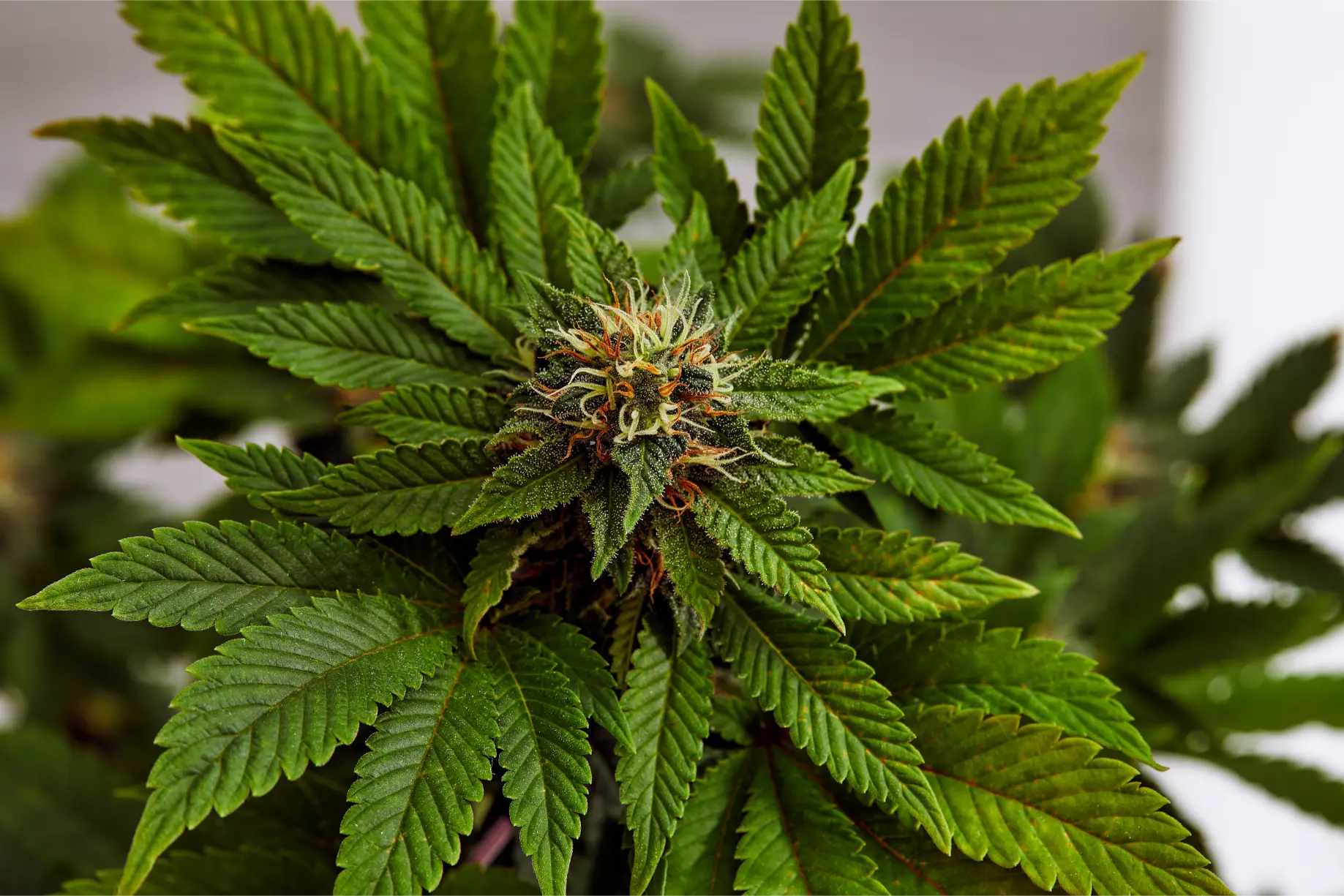
Kosher Kush
In the illustrious chronicles of modern cannabis history, few cultivars command greater reverence, commercial dominance, and connoisseur esteem than Kosher Kush. Originally discovered and selected in Los Angeles, California as an enigmatic and exceptionally pungent heirloom OG Kush selection affectionately known as Jew Gold, this legendary cultivar was brought to international acclaim by the visionary breeders Don and Aaron at DNA Genetics and Reserva Privada. Making history as the very first commercial cannabis strain to receive formal rabbinical blessing, Kosher Kush captured back-to-back High Times Cannabis Cup victories for Best Indica in 2010 and 2011, followed by the crowning title of Overall Best Strain in 2011. Today, Kosher Kush stands as an untouchable monument to pure, unadulterated California OG Kush excellence, setting the gold standard for potency, penetrating gas aromatics, and profound narcotic sedation.
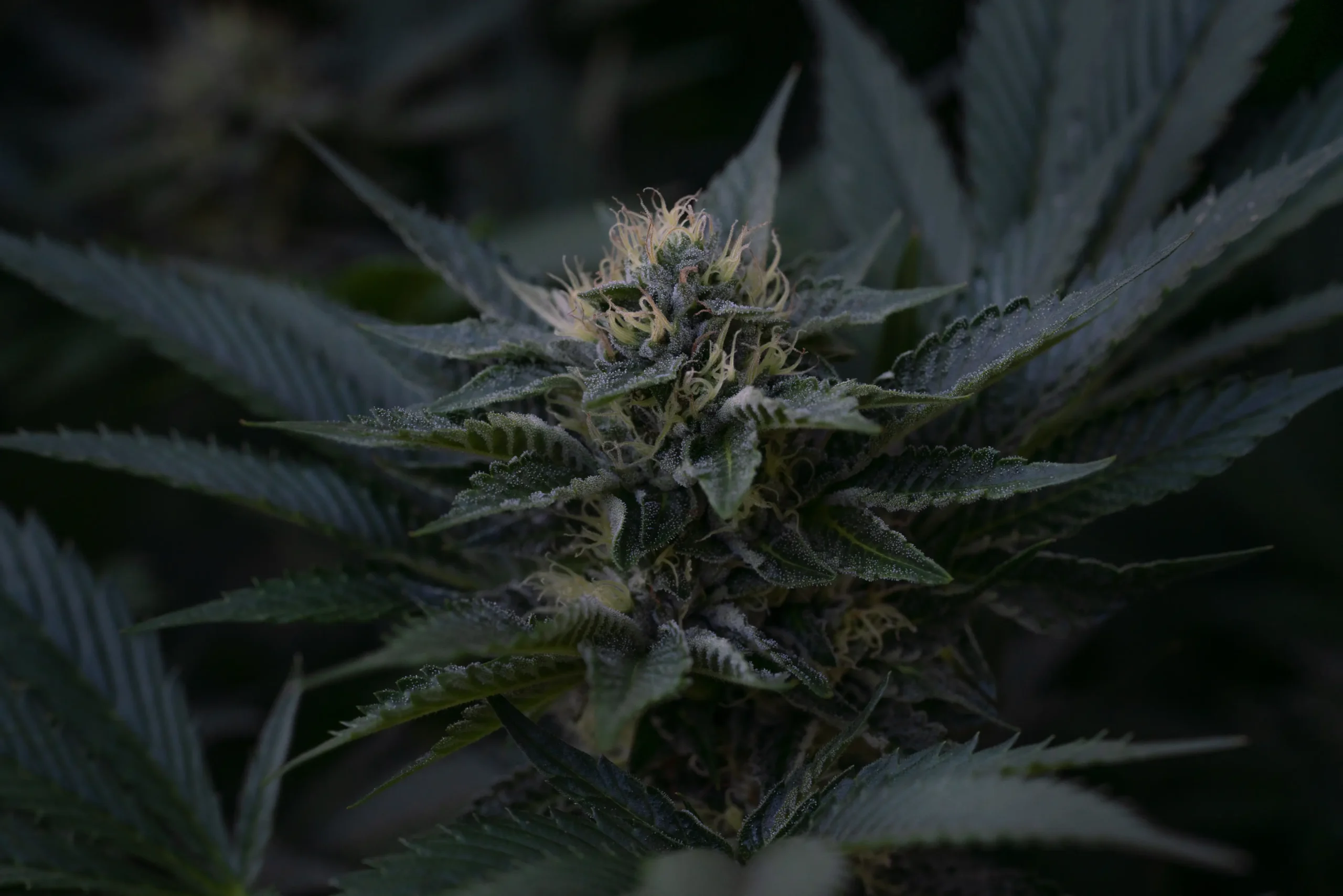
From an architectural and horticultural perspective, Kosher Kush embodies the classic structural morphology and vigorous stretch characteristic of authentic elite OG Kush phenotypes. Emerging with slender, flexible lateral branches and prominent internodal spacing, Kosher Kush transitions from vegetative development into early flowering with explosive vertical momentum, frequently doubling or tripling its vegetative height during the initial twenty-one days of the 12/12 photoperiod transition. This energetic stretch demands skilled canopy management, early multi-tier trellis installation, and precision apical pruning. As floral maturation advances through its nine to ten week bloom cycle, the cultivar develops dense, golf-ball-sized calyx clusters that swell into heavy, spear-shaped colas drenched in an astonishingly thick crust of milky, capitate-stalked glandular trichomes, offset by deep forest green sugar leaves and brilliant copper stigmas.
Olfactorily and gustatorily, Kosher Kush presents an overwhelmingly pungent, room-saturating terpene profile that challenges the filtration capabilities of even commercial extraction facilities. Breaking apart a cured flower releases a volatile explosion of pungent industrial kerosene, damp forest earth, crushed pine needles, and sharp sour citrus, underlaid by a deep savory musk and cracked black peppercorns. Upon combustion or vaporization, the smoke is dense, heavy, and remarkably expansive. The inhale coats the palate with sour lemon petroleum and earthy cedar, while the exhale leaves an enduring, mouth-coating film of pungent fuel, sweet pine resin, and spicy clove that lingers on the palate for upwards of an hour after consumption.
Cultivar Quick Overview: Kosher Kush
Pedigree: Selected California OG Kush Heirloom Phenotype (Jew Gold cut, DNA Genetics / Reserva Privada)
Classification: Heavy Indica Hybrid (85% Indica / 15% Sativa)
Average Cannabinoid Profile: 25.0% to 29.5% THC | 0.8% to 1.4% CBG | Low CBD
Total Terpenes: 2.8% to 3.8% (Dominant: Myrcene, Beta-Caryophyllene, D-Limonene, Alpha-Pinene, Linalool)
Flowering Window: 63 to 70 Days (9 to 10 Weeks Photoperiod Bloom)
Canopy Stature: Medium-Tall with aggressive 150% to 200% bloom stretch | Average Yield: 450 to 550 g/m² indoors
Core Agronomic Rule: Deploy multi-tier SCROG trellis early; top at the fifth node; provide heavy calcium and magnesium supplementation under high-PPFD LED fixtures; execute generative steering drybacks during peak bloom to maximize volatile sulfur compounds.
Strain Features
| Cultivar Trait | Specification Range | Agronomic Details |
|---|---|---|
| Genetic Lineage | Selected California OG Kush Heirloom (Jew Gold cut) | Stabilized and commercially introduced by DNA Genetics and Reserva Privada in Amsterdam from an elite Los Angeles cut. |
| Classification | Heavy Indica Dominant Hybrid | 85% Indica / 15% Sativa genetic expression. |
| Average THC Content | 25.0% to 29.5% | Extraordinarily high psychoactive potency delivering profound, long-lasting physical body tranquility. |
| CBD & Minor Cannabinoids | CBD: 0.1% to 0.4% | CBG: 0.8% to 1.4% | CBN: 0.2% to 0.5% | High CBG content synergizes with heavy THC to soothe somatic discomfort and ocular pressure. |
| Total Terpene Concentration | 2.8% to 3.8% (Dry Weight) | Aggressive, room-saturating bouquet dominated by myrcene, beta-caryophyllene, d-limonene, and alpha-pinene. |
| Photoperiod Flowering Time | 63 to 70 Days (9 to 10 Weeks) | Full nine-week maturation window required for complete calyx swelling and golden trichome gland maturity. |
| Indoor Canopy Height | 110 to 160 cm (43 to 63 inches) | Vigorous vegetative stretch of 150% to 200% requiring multi-tier trellis support and early apical topping. |
| Commercial Indoor Yield | 450 to 550 g/m² (1.5 to 1.8 lbs per light) | High density floral clusters delivering substantial dry harvest weight relative to canopy area. |
| Outdoor Harvest Window | Mid to Late October (Northern Hemisphere) | Thrives in dry, warm Mediterranean and semi-arid climates with late autumn frost protection. |
| Cannabis Cup Honors | Multiple 1st Place High Times Cannabis Cup Winner | 1st Place Best Indica 2010, 1st Place Best Indica 2011, Overall Best Strain 2011. |
Genetic Lineage & The Jew Gold History
The origin story of Kosher Kush is one of the most colorful and celebrated chapters in modern cannabis lore. During the mid-2000s, an elite, underground circle of growers in Los Angeles, California maintained a clandestine OG Kush cutting known locally as Jew Gold. Renowned for its almost comical potency, intoxicatingly pungent diesel-earth aroma, and magnificent crystalline trichome density, the cutting was fiercely guarded and circulated only among trusted connoisseurs. When Don and Aaron of DNA Genetics encountered the strain during an expedition to Southern California, they recognized immediately that this was not merely another run-of-the-mill OG phenotype; it was arguably the purest, most devastatingly potent expression of OG Kush ever selected.
Negotiating to acquire the prized mother plant, DNA Genetics brought the genetics to Amsterdam, Netherlands to introduce it to the international cultivation community through their Reserva Privada imprint. Respecting its heritage while seeking a refined, culturally respectful commercial moniker, they renamed the cultivar Kosher Kush. In an extraordinary cultural gesture that became part of cannabis history, DNA Genetics invited an authentic local Rabbi to bless the mother plants in their Amsterdam facility, officially inaugurating Kosher Kush as the first kosher-certified cannabis cultivar in world history.
When entered into the 2010 High Times Cannabis Cup in Amsterdam, Kosher Kush stunned the international judging panel, taking home First Place in the Indica category by an overwhelming margin. The following year at the 2011 High Times Cannabis Cup, Kosher Kush repeated its triumph, capturing First Place Indica once again alongside the prestigious title of Overall Best Strain. This unprecedented back-to-back domination cemented Kosher Kush as an immortal legend, serving as foundational breeding stock for dozens of elite modern hybrids including Holy Grail Kush, Kosher Tangie, and 24K Gold.
Phenotype Spectrum & OG Kush Stretch Dynamics
Because Kosher Kush originated as an elite clone-only selection and was stabilized through rigorous backcrossing, it exhibits high phenotypic fidelity across genuine seed stock. The dominant phenotype, representing roughly eighty percent of plants, displays the quintessential architectural growth habit of authentic California OG Kush. The plant produces slender, elegant lateral branches with notable internodal spacing measuring between four and seven centimeters. During the vegetative stage, the foliage is broad and dark forest green, but once the 12/12 bloom photoperiod begins, the plant undergoes an explosive vertical stretch, frequently expanding by 150% to 200% within the first three weeks.
This aggressive stretch is a hallmark of authentic OG Kush genetics. Without structured trellising and apical canopy steering, plants can easily become unruly, with tall, flexible stems that struggle to bear the weight of heavy mature colas. However, when properly supported with a double-tier modular SCROG system, this open internodal spacing becomes an exceptional agronomic advantage. Light penetrates deeply into the interior canopy, allowing lower floral clusters to receive abundant photons and develop into solid, golf-ball-dense nuggets rather than loose larval larf.
A second, slightly more compact phenotype, appearing in roughly twenty percent of specimens, exhibits slightly tighter node spacing and broader fan leaflets, reflecting the heavier indica influence of the cross. This variation stretches slightly less, roughly 120% to 150%, and focuses its metabolic output into consolidating an enormous central terminal cola flanked by four to six thick satellite branches. Across all phenotypic expressions, Kosher Kush produces swollen calyxes with an extraordinary calyx-to-leaf ratio, making manicuring remarkably rapid and efficient.
Effect Breakdown & Heavy Narcotic Sedation
The psychoactive and physiological experience delivered by Kosher Kush is famous for its sheer, uncompromising potency. Regularly testing between 25% and 29% Delta-9-THC, this cultivar is strictly recommended for experienced consumers, evening sessions, and serious medical applications. Novices or individuals with low cannabinoid tolerance should approach Kosher Kush with utmost respect, as even a modest dosage can induce rapid immobilization and deep, unshakeable drowsiness.
The initial onset arrives with surprising speed, felt within two to three minutes of inhalation as an intense, tingling warmth that settles behind the eyes and across the temples. A powerful wave of cerebral euphoria sweeps through the mind, instantly sweeping away accumulated mental fatigue, chronic stress, workplace anxiety, and rumination. The sensory field softens, accompanied by a dreamy, contemplative contentment that leaves the consumer smiling, peaceful, and blissfully disconnected from external pressures.
As the primary euphoria plateaus after twenty minutes, the heavy indica heritage takes complete command of the physical body. A heavy, gravity-intensifying stone descends down the spine and through every major muscle group, melting muscular spasms, joint stiffness, and chronic somatic aches into total oblivion. The limbs feel delightfully heavy, leading inexorably to deep, blissful couch-lock. During the second and third hours, the high concentrations of myrcene, beta-caryophyllene, and trace cannabinol guide the consumer toward profound, restorative nocturnal sleep. For patients battling intractable insomnia, chronic neuropathic pain, fibromyalgia, or severe appetite loss, Kosher Kush remains one of the most effective botanical remedies ever discovered.
Flavor & Pungent Kerosene Earth Bouquet
The olfactory presence of Kosher Kush is extraordinarily loud, complex, and instantly recognizable to anyone versed in classic West Coast cannabis. From week five of bloom onward, the plant produces a relentless torrent of volatile sulfur compounds and aromatic terpenes that can saturate an entire facility. The primary aroma is dominated by sharp industrial kerosene, damp rich soil, and crushed mountain pine needles, underscored by a pungent skunky musk and a distinct acidic tang reminiscent of lemon disinfectant and sour citrus zest.
When a cured floral cluster is broken apart between the fingers, the resin glands rupture to unleash a suffocating wave of pungent petroleum fumes, spicy black pepper, damp cedarwood, and sweet floral hashish. It is an unapologetically funky, savory, and gassy profile that completely rejects modern fruity candy aesthetics in favor of raw, unvarnished OG Kush power.
The combustion and vaporization qualities of Kosher Kush are equally commanding. Inhaling through clean glassware delivers a thick, heavy, velvety smoke that expands aggressively in the lungs. The initial taste on the palate is dominated by sour lemon petroleum and earthy forest loam, followed by an exhale that leaves a rich, coating aftertaste of pungent fuel, sweet pine resin, and spicy clove. The flavor persists on the tongue for thirty to forty-five minutes, leaving a mouth-watering reminder of authentic California heritage.
Dominant Terpenes & Entourage Chemistry
Extensive laboratory chromatography of Kosher Kush flowers reveals an exceptionally high total terpene concentration ranging between 2.8% and 3.8% by dry weight. The chemical architecture is anchored by a potent terpene trio: myrcene, beta-caryophyllene, and d-limonene, supported by meaningful fractions of alpha-pinene, linalool, and humulene. This sophisticated chemical blend dictates both the cultivar’s pungent gassy aroma and its heavy narcotic therapeutic profile.
Myrcene represents the dominant compound by mass, frequently comprising 35% to 45% of the total essential oil profile. Myrcene contributes the deep earthy, musky, and herbal undertones while playing a pivotal pharmacological role in modulating the blood-brain barrier. By increasing cellular membrane permeability, myrcene accelerates the rapid uptake of THC into central nervous system cannabinoid receptors, amplifying the rapid onset and physical sedation of the flower. Additionally, myrcene exerts direct muscle-relaxant and analgesic actions that soothe somatic tension.
Beta-caryophyllene serves as the secondary dominant terpene, contributing the sharp, peppery, and woody fuel bite. Functioning as an atypical dietary cannabinoid, beta-caryophyllene selectively binds to peripheral CB2 receptors throughout the immune system, initiating potent anti-inflammatory and pain-relieving cascades without engaging psychoactive CB1 pathways. D-limonene provides the sharp lemon-fuel top notes while promoting dopamine and serotonin release, imparting an uplifting cerebral euphoria that prevents the heavy physical sedation from becoming depressive. Alpha-pinene introduces crisp pine notes while functioning as an acetylcholinesterase inhibitor, helping preserve mental clarity during early onset, while linalool adds subtle floral lavender nuances that enhance systemic relaxation and sleep quality.
Indoor Sealed Facility vs Outdoor Mediterranean Dynamics
Cultivating Kosher Kush presents distinctive agronomic dynamics when comparing controlled indoor environments against outdoor field cultivation. Indoors within a sealed environment equipped with climate control, high-efficiency dehumidification, and supplemental carbon dioxide (1,100 to 1,400 ppm), Kosher Kush achieves its absolute maximum genetic expression. Cultivators can calibrate ambient temperatures to 25 to 27 degrees Celsius during early bloom, tapering to 20 to 22 degrees Celsius during the final fourteen days to preserve delicate monoterpenes. High-intensity LED fixtures delivering 900 to 1,100 µmol/m²/s of photosynthetically active radiation (PAR) drive explosive trichome accumulation and heavy resin density.
Outdoors, Kosher Kush thrives in warm, dry Mediterranean, semi-arid, or temperate climates featuring long, sunny summers and low autumn relative humidity. When planted in large raised beds or 100-liter living soil containers, plants can grow into massive bushes reaching two to two and a half meters in vertical height and diameter. The deep root penetration allows the plant to express rich, complex soil minerals, producing massive yields of up to 700 to 900 grams per plant.
However, outdoor cultivators in humid, continental, or rainy northern climates must exercise extreme caution. Because Kosher Kush develops dense, resin-packed calyx clusters during October, prolonged exposure to cold autumn rains and high relative humidity can trigger Botrytis cinerea (gray mold) inside the thick interior colas. Utilizing transparent greenhouse covers or hoophouses to protect flowering canopies from direct precipitation during late bloom is essential for preserving crop integrity.
Agronomic Canopy Steering & Trellis Architecture
Mastering Kosher Kush in commercial and craft facilities requires an agronomic strategy designed specifically to tame its aggressive vegetative stretch. Because the cultivar can easily expand by 150% to 200% after the 12/12 photoperiod flip, allowing plants to grow in an untrained single-stem vertical format leads to uneven light distribution, spindly lateral branches, and diminished yields. Apical topping should be executed early during the vegetative stage, ideally at the fifth or sixth true leaf node. This halts vertical dominance and forces metabolic energy into the lower lateral branches, creating four to six primary stems of equal strength.
Installing a two-tier modular trellis netting system is the gold standard for Kosher Kush canopy management. The first trellis layer should be set roughly twenty-five to thirty centimeters above the container base during late vegetative growth. As branches stretch through the netting during weeks one and two of bloom, weave them horizontally into adjacent squares to fill out an even, horizontal tabletop canopy. The second trellis layer should be positioned twenty-five centimeters above the first to provide rigid vertical support for heavy colas as they swell during weeks five through nine, preventing branch breakage under the sheer weight of mature flowers.
Commercial Cultivator Inquiry: Managing Extreme OG Kush Stretch & Cal-Mag Hunger
Master Grower Question: “Every time we run Kosher Kush under our high-intensity 1,000W LED fixtures, the plants stretch nearly 200% into our lights during the first three weeks of 12/12, and we battle sudden leaf necrosis and tip rust around week four. How do we control this aggressive stretch and satisfy its intense mineral hunger?”
Weedth Agronomic Advice: The aggressive stretch of Kosher Kush is driven by high phytochrome far-red responses combined with rapid cell elongation. To restrict unwanted vertical stretch during weeks one through three of bloom, execute two specific horticultural steering maneuvers: First, eliminate temperature differentials between day and night (or implement a negative DIF, where night temperatures are set one to two degrees Celsius higher than day temperatures for the first two hours of the photoperiod). This hormonal manipulation suppresses gibberellin synthesis, reducing internodal elongation by up to 35%.
Second, Kosher Kush is an absolute calcium and magnesium glutton, particularly beneath intense LED spectrums where high photon flux accelerates transpiration and cell division. Leaf necrosis and rust spotting at week four are classic signs of calcium immobility. Elevate your calcium supplementation to 160 to 180 ppm and magnesium to 65 to 75 ppm starting at transition, maintaining a substrate pH of 5.8 to 6.2 in hydro/coco or 6.2 to 6.5 in soil. Calcium forms the pectin bridges that bind cell walls together; supplying abundant bioavailable calcium during the stretch window ensures thick, rigid stems capable of supporting massive colas without vascular collapse.
Crop Steering Drybacks & Root-Zone EC Control
Precision crop steering in inert substrates such as stone wool or coco coir allows growers to manipulate the vegetative and generative development of Kosher Kush with surgical accuracy. During the initial vegetative transition encompassing weeks one and two of flowering, steer the crop generatively to suppress excessive nodal elongation. Implement moderate watering shots with larger overnight drybacks (ranging between 25% and 35%) and maintain a substrate electrical conductivity of 2.8 to 3.2 mS/cm. This controlled osmotic stress signals to the plant to prioritize calyx node formation over vertical stem growth.
Once floral sites consolidate and vertical stretch terminates around day twenty-two, transition the fertigation strategy into a vegetative steering phase to support rapid calyx swelling. Increase irrigation shot frequency, reduce overnight drybacks to 12% to 18%, and lower root zone electrical conductivity to 2.2 to 2.5 mS/cm. This ensures abundant hydration and nutrient availability as flowers build bulk through weeks four, five, and six.
Beginning in week seven and continuing through week nine, shift back into a pronounced generative steering regimen. Increase substrate drybacks to 30% to 40% and allow root zone EC to climb toward 3.5 to 4.0 mS/cm before initiating the final flush. This late-stage osmotic pressure acts as a powerful environmental elicitor, triggering glandular trichomes to synthesize elevated concentrations of volatile terpenes, sulfur compounds, and cannabinoids as natural defensive osmoprotectants.
Organic Living Soil & Mineral Reservoirs
When cultivating Kosher Kush in certified organic living soil beds, creating a robust, mineral-dense substrate is paramount for satisfying the heavy nutrient demands of this legendary OG Kush cut. Because Kosher Kush feeds aggressively across its seventy-day bloom cycle, an organic substrate must provide deep reserves of bioavailable calcium, phosphorus, potassium, and trace elements without relying on synthetic mineral salts.
An ideal living soil blend starts with a base of 35% premium sphagnum peat moss, 25% well-aged thermal worm castings, 20% coarse volcanic pumice or perlite, and 20% composted forest mulch. Amend the blend with two cups of micronized basalt rock dust per cubic foot to deliver paramagnetic minerals and bioavailable silica, alongside one cup of steamed bone meal for slow-release phosphorus and one cup of crustacean meal to provide chitin and slow-release nitrogen. Adding half a cup of agricultural gypsum supplies soluble calcium and sulfur without elevating substrate pH.
Inoculating living soil beds with diverse mycorrhizal fungi (Glomus intraradices) and plant growth-promoting rhizobacteria (Bacillus subtilis and Bacillus amyloliquefaciens) establishes an extensive subterranean network. The fungal hyphae solubilize bound soil minerals, delivering a continuous stream of calcium, phosphorus, and trace minerals directly to root hairs. In return, the thriving microbial ecosystem produces rich root exudates that enhance terpene synthesis, resulting in an exceptionally greasy, complex kerosene-earth bouquet that cannot be duplicated in sterile hydroponics.
High-PPFD Photobiology & Far-Red Stretch Manipulation
Kosher Kush is a true high-light cultivar that responds eagerly to high photosynthetic photon flux density (PPFD). Under modern full-spectrum LED fixtures, vegetative plants thrive under 450 to 600 µmol/m²/s, while flowering canopies can easily process 900 to 1,100 µmol/m²/s when ambient carbon dioxide is enriched to 1,200 to 1,400 ppm. Under these intense photon levels, calyxes swell with exceptional density and trichome coverage becomes blindingly crystalline.
Photobiological spectrum management during the first three weeks of 12/12 is crucial for controlling Kosher Kush’s stretch. Cultivars with high OG Kush heritage possess sensitive phytochrome receptors that interpret far-red photons (730 nm) as shade signals, prompting immediate stem elongation. If utilizing adjustable LED fixtures, minimize the ratio of far-red to red photons during the first twenty-one days of bloom to maintain tight internodes. Once stretch concludes at week four, reintroducing full broad-spectrum photons, including deep red (660 nm) and far-red, maximizes photosynthetic rate and drives heavy floral mass.
During the final fourteen days of floral maturation, introducing supplemental UV-A (385 nm) and UV-B (310 nm) radiation for two to three hours daily provides a powerful environmental trigger. In response to ultraviolet stress, the plant thickens trichome gland cuticles and elevates cannabinoid and terpene synthesis to protect delicate floral embryos from photodegradation, locking in peak potency and gas aromatics.
Mineral Nutrition, Calcium Affinity & Cal-Mag Diagnostics
Precision mineral nutrition is vital for keeping Kosher Kush healthy and productive. Throughout its developmental lifecycle, Kosher Kush exhibits one of the highest calcium affinities in the cannabis kingdom. Calcium is the structural cornerstone of plant cell walls, forming calcium pectate bonds that give stems rigidity and prevent calyx tip necrosis. When grown under intense lighting, calcium demand skyrockets; failing to provide adequate bioavailable calcium results in distinctive rust-brown spotting on leaf margins, curled leaf tips, and weak, brittle branches.
During the vegetative stage, maintain an electrical conductivity (EC) between 1.4 and 1.8 mS/cm, providing a balanced nitrogen-to-potassium ratio of approximately 1:1, supported by 120 ppm calcium and 50 ppm magnesium. As the plant transitions into aggressive floral stretch during weeks one through three, elevate EC to 2.2 to 2.6 mS/cm, increasing calcium to 160 to 180 ppm and magnesium to 65 to 75 ppm to satisfy rapid cell division demand.
During peak floral swelling in weeks four through seven, shift the primary macro-element emphasis toward potassium and phosphorus. Potassium drives stomatal conductance and osmotic water transport into expanding floral bracts, while phosphorus fuels high-energy ATP cellular transfers necessary for trichome synthesis. Maintain a potassium-to-nitrogen ratio of 2:1 to 2.5:1 during peak bloom. Avoid excessive late nitrogen feeding, which produces dark, clawed leaves, delays floral maturation, and results in harsh-burning final flower.
Integrated Pest Management & Powdery Mildew Prevention
A proactive integrated pest management (IPM) program is essential for safeguarding Kosher Kush throughout its nine to ten week flowering cycle. While Kosher Kush exhibits robust environmental hardiness inherited from its OG Kush ancestors, its dense, golf-ball-sized floral clusters can become vulnerable to fungal pathogens like powdery mildew (Golovinomyces cichoracearum) and Botrytis cinerea (gray mold) if relative humidity and air circulation are not strictly managed.
During the vegetative stage, establish a robust biological barrier by applying biological foliar sprays containing beneficial microorganisms such as Bacillus amyloliquefaciens and Streptomyces lydicus. These beneficial bacteria colonize leaf surfaces, consuming fungal food sources and secreting natural lipopeptides that inhibit spore germination. Periodic applications of cold-pressed organic horticultural neem oil (0.5% concentration) combined with potassium silicate during vegetative growth provide effective suppression of soft-bodied pests like spider mites, thrips, and aphids.
Once flowering begins, all oil-based foliar sprays must cease immediately. Maintain strict environmental control in the flowering room, keeping daytime relative humidity at 45% to 50% and nighttime humidity at 40% to 45%, with continuous, multi-directional airflow across both upper and lower canopy layers. Ensuring that canopy foliage remains completely dry prevents fungal spores from establishing a foothold, guaranteeing pristine, mold-free flowers all the way to harvest.
Resin Density & Solventless Hash Extraction
Kosher Kush is universally acclaimed in the concentrate industry as a premier wash cultivar for solventless extraction. Microscopic examination of mature calyxes and surrounding sugar leaves reveals an extraordinarily dense mantle of capitate-stalked glandular trichomes crowned with massive, spherical resin heads measuring between 90 and 130 microns in diameter. These glandular heads feature thin, brittle abscission zones that detach cleanly under cold mechanical agitation in ice water without releasing bitter green waxes or chlorophyll into the extraction bath.
Processing fresh frozen Kosher Kush material through ice water hash washing yields spectacular results, with commercial hash yields frequently exceeding 4.5% to 6.0% fresh frozen weight. Passing the ice-water slurry through a five-bag sieve kit captures the premier six-star melt quality primarily in the 73-micron, 90-micron, and 120-micron collection bags. The resulting resin displays exceptional purity, bubbling vigorously upon gentle heat application and releasing a suffocating aroma of pungent industrial petroleum, sour lemon, and sweet pine.
When dried in a pharmaceutical freeze dryer and pressed into live hash rosin through 25-micron nylon filter sleeves at 75 to 80 degrees Celsius, Kosher Kush yields a translucent, pale golden rosin badder. The high concentrations of myrcene and beta-caryophyllene produce an extraordinarily rich, wet terpene layer that cures into an exceptionally aromatic, shelf-stable cold-cure badder that represents the pinnacle of solventless hash craftsmanship.
Harvest Maturity, Cold Curing & Terpene Retention
Precision harvest timing is paramount for locking in the staggering potency and volatile gas aromatics of Kosher Kush. Cultivators should evaluate glandular trichomes using a 60x optical loupe or digital microscope, focusing strictly on resin heads adorning the interior calyxes rather than older exterior sugar leaves. The optimal harvest window occurs when approximately 75% to 80% of glandular heads transition from translucent clear to a milky, porcelain-white opacity, with 15% to 20% developing a rich amber hue. Harvesting at this exact ratio captures peak cannabinoid potency while ensuring maximum sedative therapeutic efficacy.
Post-harvest drying requires strict environmental control to preserve the cultivar’s delicate monoterpenes. Hang whole plants upside down in a dedicated drying room maintained strictly at 15 to 16 degrees Celsius (60 degrees Fahrenheit) and 58% to 62% relative humidity for twelve to sixteen days. This slow, cold hang dry allows natural plant enzymes to metabolize residual chlorophyll and starches without evaporating volatile terpenes. Gentle, indirect air circulation ensures that moisture leaves the buds evenly without creating surface case hardening.
Once small lateral stems snap crisply, manicure the buds and place them into airtight glass curing vessels or food-grade stainless steel containers, filling to roughly 70% capacity. Store curing vessels in a dark environment at 16 to 18 degrees Celsius. Burp containers daily for ten to fifteen minutes during the first two weeks to vent accumulated moisture vapor and replenish oxygen. Over a four to eight week cure, the sharp, pungent kerosene, lemon-sol, and pine aromas deepen into an extraordinarily smooth, mouth-coating smoke that combusts to a pure white ash.
Nutritional Benchmarks & Tissue Analytics
Scientific leaf tissue analytics provide vital diagnostic benchmarks for optimizing Kosher Kush throughout its cycle. During late vegetative development, healthy leaf dry matter should show nitrogen levels between 4.2% and 4.8%, potassium between 3.2% and 3.8%, calcium between 1.6% and 2.2%, and magnesium between 0.45% and 0.65%.
During peak floral development in weeks five through eight, tissue nitrogen naturally declines toward 2.2% to 2.8%, while potassium demand surges to 3.8% to 4.6% to support rapid calyx swelling and carbohydrate translocation. Monitoring electrical conductivity and pH of container runoff allows cultivators to verify that nutrient salts do not accumulate to toxic levels. Maintaining runoff EC within 0.3 to 0.5 mS/cm of input solutions ensures healthy root hair respiration and active mineral assimilation.
Vapor Pressure Deficit Calibration & Transpiration Kinetics
Calibrating vapor pressure deficit (VPD) is critical for driving steady transpiration and calcium transport in Kosher Kush. During the vegetative stage, maintain a VPD of 0.8 to 1.1 kPa (room temperature 26 to 28 degrees Celsius, 65% to 70% relative humidity). This moderate VPD allows broad fan leaves to transpire comfortably without suffering hydraulic stress.
During early and mid-flowering, gradually elevate VPD to 1.2 to 1.4 kPa by reducing relative humidity to 50% to 55%. This elevated atmospheric pull accelerates water and nutrient transport from roots to swelling floral bracts, ensuring continuous calcium deposition in developing cell walls. During late floral ripening in weeks eight and nine, raise VPD to 1.4 to 1.6 kPa (40% to 45% relative humidity) to deter mold pathogens and induce gentle osmotic stress that stimulates terpene synthesis.
Clinical Pharmacology & Severe Pain and Insomnia Relief
From a clinical and therapeutic perspective, Kosher Kush represents an exceptionally powerful botanical medicine. Featuring Delta-9-THC concentrations between 25% and 29.5% complemented by 0.8% to 1.4% cannabigerol (CBG) and meaningful fractions of cannabinol (CBN), this cultivar produces profound modulation of both central and peripheral cannabinoid receptors.
The therapeutic efficacy of Kosher Kush is significantly amplified by its rich myrcene and beta-caryophyllene matrix. Beta-caryophyllene selectively binds to peripheral CB2 receptors, triggering potent anti-inflammatory cascades that suppress pro-inflammatory cytokines like TNF-alpha and IL-1-beta, providing deep somatic relief for rheumatoid arthritis, neuropathy, and chronic musculoskeletal pain. Simultaneously, high myrcene concentrations reduce central nervous system excitability, promoting deep, restorative sleep. This makes Kosher Kush one of the premier clinical choices for intractable chronic pain, severe insomnia, and post-traumatic stress.
Trichome Gland Abscission & Cold Water Washing
Microscopic investigation of Kosher Kush trichome glands reveals why this cultivar is legendary among solventless hash makers. The trichome heads are predominantly capitate-stalked structures measuring 90 to 130 microns, supported by sturdy multicellular stalks with narrow, brittle abscission zones. Under cold mechanical agitation at 2 to 4 degrees Celsius, these heads snap cleanly away from their stalks without tearing the surrounding vegetative tissue.
Washing fresh frozen material in reverse-osmosis ice water isolates prime resin in the 73-micron, 90-micron, and 120-micron sieve bags. After collection, freeze-drying the wet hash preserves the volatile monoterpenes and yields a pale golden, crystalline bubble hash that melts into a translucent pool of pungent fuel oil upon gentle vaporization.
Commercial Cultivation Economics & Yield Projections
In commercial cultivation facilities, Kosher Kush represents a high-value, premium-tier cultivar with commanding wholesale appeal. In a dialed indoor facility utilizing high-PPFD LED lighting and automated fertigation, Kosher Kush reliably produces between 450 and 550 grams per square meter of dense, A-grade flower, accompanied by 80 to 120 grams of premium trichome-rich sugar trim suitable for hydrocarbon or solventless extraction.
Because Kosher Kush commands premium top-shelf pricing in dispensaries due to its legendary name recognition, 28%+ THC potency, and unmatched gas aroma, commercial operations frequently achieve outstanding financial returns per square meter. Across five annual crop cycles in a sealed indoor facility, Kosher Kush delivers exceptional revenue stability and enduring consumer brand loyalty.
Flushing Dynamics & Pure White Ash Combustibility
Executing an intentional ten to fourteen day pre-harvest flush facilitates the complete metabolism of accumulated internal mobile starches and mineral nitrates in Kosher Kush. Transitioning fertigation to plain, de-chlorinated water balanced to pH 6.0 to 6.3 signals to the plant to consume mobile nutrient reserves stored within mature fan leaves. As these reserves are cleared, lower foliage turns magnificent shades of pale gold, amber, and purple.
This gentle pre-harvest flush guarantees that finished flowers combust with flawless smoothness, producing a fluffy, pure white to light gray ash. The total absence of harsh residual salts allows the raw, unadulterated flavor of pungent kerosene, sour citrus, and damp pine to shine with absolute purity on the palate.
Rhizosphere Microbiology & Mycorrhizal Colonization
Cultivating a diverse consortium of beneficial microorganisms in container substrates is vital for supporting the aggressive metabolic demands of Kosher Kush. Inoculating container soils with beneficial bacteria, including Bacillus subtilis, Pseudomonas putida, and Trichoderma harzianum, establishes an active biological shield along root surfaces that guards against Pythium root rot while solubilizing bound organic phosphorus.
Periodic drenching with aerated organic compost teas brewed with worm castings, unsulfured blackstrap molasses, and liquid humic acids reinforces microbial biodiversity throughout vegetative and early flowering stages. The thriving biological ecosystem converts organic wastes into bioavailable plant nutrients, ensuring that the root zone remains aerobically energized and capable of supporting peak floral expansion.
Terpene Volatilization Temperatures
Appreciating the full sensory and physiological complexity of Kosher Kush requires calibrating vaporization temperatures to match the physical boiling points of its dominant terpenes. Alpha-pinene volatilizes at approximately 155 degrees Celsius, delivering crisp pine notes and early mental focus. Myrcene vaporizes at roughly 166 to 168 degrees Celsius, imparting deep earthy herbal flavors and physical relaxation.
D-limonene volatilizes at 176 degrees Celsius, releasing bright lemon-fuel top notes and uplifting euphoria. For connoisseurs seeking full therapeutic relief from pain and insomnia, elevating vaporization temperatures to 195 to 205 degrees Celsius engages beta-caryophyllene (160 C) and linalool (198 C), delivering a thick, fuel-heavy vapor that induces total physical relaxation and restorative nocturnal sleep.
Weedth Bud Flavor Tips
To maximize the pungent industrial kerosene and sour pine bouquet of Kosher Kush, amend substrates with organic sulfur sources during early bloom. Top-dressing with modest amounts of langbeinite (sulfate of potash magnesia) during week four supplies essential sulfur ions that fuel the plant’s enzymatic synthesis of volatile organic sulfur compounds. Furthermore, maintaining a cool drying environment (15 to 16 degrees Celsius) prevents delicate monoterpenes from volatilizing post-harvest.
Weedth Bud Boost Tips
Maximizing cola density and trichome accumulation on Kosher Kush requires strategic canopy management and silica supplementation. Deploy a double-tier modular trellis to spread branches horizontally, ensuring every floral site receives direct photon penetration. Supplementing with bioavailable potassium silicate from early vegetative growth through week six reinforces cell walls, enabling the plant to support massive colas without branch lodging.
Mother Plant Care & Cloning Protocol
Maintaining vigorous Kosher Kush mother stock requires balanced vegetative nutrition and regular pruning to prevent woody stem accumulation. Provide mother plants with an eighteen-hour photoperiod under balanced ceramic metal halide or broad-spectrum LED lighting delivering 350 to 450 µmol/m²/s of PAR. When taking cuttings, select semi-firm terminal shoots measuring ten to twelve centimeters with at least three nodes. Dipping cuttings into an organic indole-3-butyric acid (IBA) rooting gel and inserting into pre-soaked peat plugs inside a high-humidity dome (80% to 85% RH) produces thick, adventitious roots within ten to fourteen days.
Grower Notes & Field Observations
Cultivators worldwide consistently revere Kosher Kush as the undisputed heavyweight champion of the OG Kush lineage. Commercial facility managers frequently note its voracious calcium-magnesium appetite and aggressive stretch, while emphasizing that its extraordinary 28%+ THC potency, overwhelming gas aroma, and massive trichome density make it one of the most profitable and sought-after top-shelf cultivars on the market today.
Weedth Editor’s Note
In all my years of running commercial cultivation rooms and evaluating hundreds of elite cannabis strains across three continents, very few cultivars have left an impression as profound and indelible as the authenticated Kosher Kush clone. There are plenty of strains that smell good, and plenty of strains that look frosty, but Kosher Kush exists in an entirely different league of raw, unadulterated potency and suffocating aroma.
I first trialed the genuine Jew Gold cutting during a winter cycle at our facility in Humboldt County. From the moment the rooted clones entered vegetative containers, their vigor was unmistakable. The plants produced thick, deep emerald fan leaves that practically glowed under our ceramic metal halide fixtures. However, having worked with OG cuts before, I knew what was coming when we flipped to 12/12. True to its heritage, Kosher Kush stretched with ferocious momentum, expanding nearly one hundred and eighty percent over the first three weeks of bloom.
Fortunately, I had anticipated this stretch and installed a double-tier modular trellis. I wove the lateral branches horizontally across the lower trellis grid, creating an immaculate, level tabletop canopy with thirty-two distinct floral tops per plant. By week five, the room was completely transformed. The aroma had become so overwhelmingly loud, smelling of pungent industrial fuel, crushed pine needles, and lemon-scented floor cleaner, that our twin carbon scrubbers were working overtime just to keep the exhaust clean.
What amazed me most was the sheer density of the resin heads. Under a 60x loupe, the calyxes looked like they had been rolled in crushed diamonds. The glandular trichomes were massive, swollen, and perched on long, sturdy stalks. When we harvested the room at day sixty-seven, laboratory testing confirmed a staggering 28.4% Delta-9-THC alongside 1.2% CBG and 3.4% total terpenes.
After a fourteen-day slow cold hang dry at fifteen degrees Celsius and a six-week glass cure, the smoke was nothing short of extraordinary. The vapor expanded heavily in the chest, delivering a tidal wave of sour lemon petroleum and earthy pine that coated my palate for forty-five minutes. Within five minutes of consumption, every ounce of physical tension and mental chatter melted away into a blissful, restorative tranquility that carried me into the deepest sleep of the season. For anyone who appreciates true, uncompromised California OG power, Kosher Kush is an immortal masterpiece.
Alex Buck
Lead Agronomist & Cultivar Specialist, Weedth
Weedth Score
10.0 / 10
9.9 / 10
9.8 / 10
9.9 / 10
9.5 / 10
9.2 / 10
Similar Strains
Comparing cultivars with complementary agronomic attributes, terpene architectures, and cannabinoid potencies helps growers and connoisseurs discover strains that share the legendary DNA of Kosher Kush. The following five cultivars share significant affinities with Kosher Kush:
| Cultivar Name | Lineage Heritage | THC / Cannabinoid Profile | Bloom Window | Key Horticultural Comparison |
|---|---|---|---|---|
| OG Kush | Chemdawg x Lemon Thai x Hindu Kush | 22% to 26% THC | 8 to 9 Weeks | The iconic parental ancestor sharing the signature lemon-petroleum aroma and open internodal stretch habit. |
| Hindu Kush | Pure Landrace Indica (Afghani/Pakistani) | 18% to 22% THC | 7 to 8 Weeks | An ancestral parent contributing thick resin gland density, deep physical sedation, and rich earthy sandalwood notes. |
| Holy Grail Kush | Kosher Kush x The OG #18 | 26% to 30% THC | 9 Weeks | Direct progeny developed by DNA Genetics combining Kosher Kush with The OG #18 for even louder citrus fuel aromatics. |
| Ghost OG | OG Kush Phenotype Selection | 24% to 28% THC | 9 to 10 Weeks | A legendary clone-only OG cut offering a slightly sweeter pine aroma and balanced cerebral-physical euphoria. |
| Black Domina | Northern Lights x Ortega x Hash Plant x Afghani SA | 19% to 23% THC | 7 to 8 Weeks | A four-way pure indica powerhouse that matches Kosher Kush in narcotic body sedation and heavy crystalline resin production. |
Cultivator FAQ & Troubleshooting
Is Kosher Kush an easy strain for beginners to grow?
Kosher Kush is an intermediate-level cultivar primarily due to its aggressive vertical stretch (150% to 200%) during the first three weeks of 12/12 bloom and its elevated calcium-magnesium requirements under modern LED lights. Beginners who deploy a double-tier trellis netting system, top plants early at the fifth node, and maintain consistent Cal-Mag supplementation will achieve outstanding results.
How much does Kosher Kush stretch after flipping to 12/12?
Kosher Kush typically stretches 150% to 200% after transitioning to the flowering photoperiod, effectively doubling or tripling in vertical height over the first twenty-one days. To control this stretch, top the plant early, implement horizontal SCROG trellising, and eliminate day-to-night temperature differentials (negative DIF) during early bloom.
Why is Kosher Kush famous in the cannabis community?
Kosher Kush captured back-to-back First Place Indica trophies at the High Times Cannabis Cup in 2010 and 2011, along with Overall Best Strain in 2011. It was the first commercial cannabis strain to be formally blessed by a Rabbi in Amsterdam, and is celebrated globally for its 28%+ THC potency, pungent kerosene aroma, and profound sleep-inducing effects.
What are the dominant terpenes in Kosher Kush?
Laboratory testing shows that Kosher Kush is dominated by myrcene (earthy, herbal), beta-caryophyllene (peppery, fuel), and d-limonene (sour lemon, citrus), with secondary fractions of alpha-pinene and linalool. This rich combination creates its signature room-saturating petroleum, pine, and lemon-sol bouquet.
What causes rust-colored spots on Kosher Kush leaves?
Rust-colored spots on Kosher Kush foliage, particularly around week four of bloom under LED lights, are almost always caused by calcium deficiency. Kosher Kush has an exceptionally high calcium requirement during floral cell division. Supplementing with 160 to 180 ppm calcium and ensuring substrate pH stays between 5.8 and 6.2 in hydro/coco (6.2 to 6.5 in soil) resolves this issue quickly.
How long does Kosher Kush take to flower?
Kosher Kush requires 63 to 70 days (9 to 10 weeks) of 12/12 photoperiod flowering. Allowing the plant to mature through the full ten weeks is essential for calyxes to swell fully and for glandular trichomes to develop optimal amber coloration, ensuring peak narcotic potency.
Does Kosher Kush wash well for solventless hash?
Yes, Kosher Kush is one of the premier wash cultivars in the industry. It produces massive 90 to 130 micron capitate-stalked trichome heads with thin abscission zones that detach cleanly in ice water. Hash makers frequently achieve yields of 4.5% to 6.0% fresh frozen weight, producing six-star full melt hash and extraordinarily pungent live rosin badder.
What are the primary medicinal benefits of Kosher Kush?
Thanks to its heavy 25% to 29% THC baseline and elevated myrcene and beta-caryophyllene content, Kosher Kush is widely utilized for severe chronic pain, arthritis, muscle spasms, fibromyalgia, and intractable insomnia. It induces deep, full-body somatic tranquility and prepares the mind and body for uninterrupted nocturnal rest.
Share this article
A quick overview of the topics covered in this article.
Follow us
Latest articles
November 8, 2026
November 8, 2026
November 8, 2026
November 8, 2026
