LA Confidential
LA Confidential looks simple until the canopy closes. The plant is usually short to medium in height, broad-leaved, dark green, and heavily indica-influenced, so it is easy to assume that vertical control will be the main cultivation problem. In practice, the more important problem is often horizontal density. Short internodes, large fan leaves, thick lateral shoots, and compact flower development can create a shaded interior long before height becomes difficult.
Its reputation was built on a cross between OG LA Affie and Afghani material. That pairing explains much of the cultivar's recognizable identity: compact architecture, resin-heavy flowers, pine and skunk over dry earth and wood, and an effect that can arrive with a surprisingly psychedelic or euphoric edge before settling into deep physical calm. The lineage also explains why LA Confidential can finish faster than many modern hybrids while still producing dense, visually mature flowers.
The grower's challenge is not to make the plant as flat or as branch-heavy as possible. The real goal is to create enough productive surface area without destroying the natural efficiency of a short-internode indica. Too little vegetative development leaves a small plant that cannot recover yield through stretch. Too much repeated topping can produce a thicket of short shoots that compete for the same light. Too much defoliation can slow a compact plant whose flowering cycle is already relatively short. The best structure usually comes from observation first and training second.
That point matters because LA Confidential does not appear to express one perfectly uniform training response. Some grow reports show excellent results after topping, repeated shaping, and screen training. Others describe old clone expressions that retained strong apical dominance or reacted poorly to aggressive bending. The cultivar therefore rewards a phenotype-aware approach. A grower should learn whether the plant naturally releases its side branches after one topping before assuming that five more interventions will improve it.
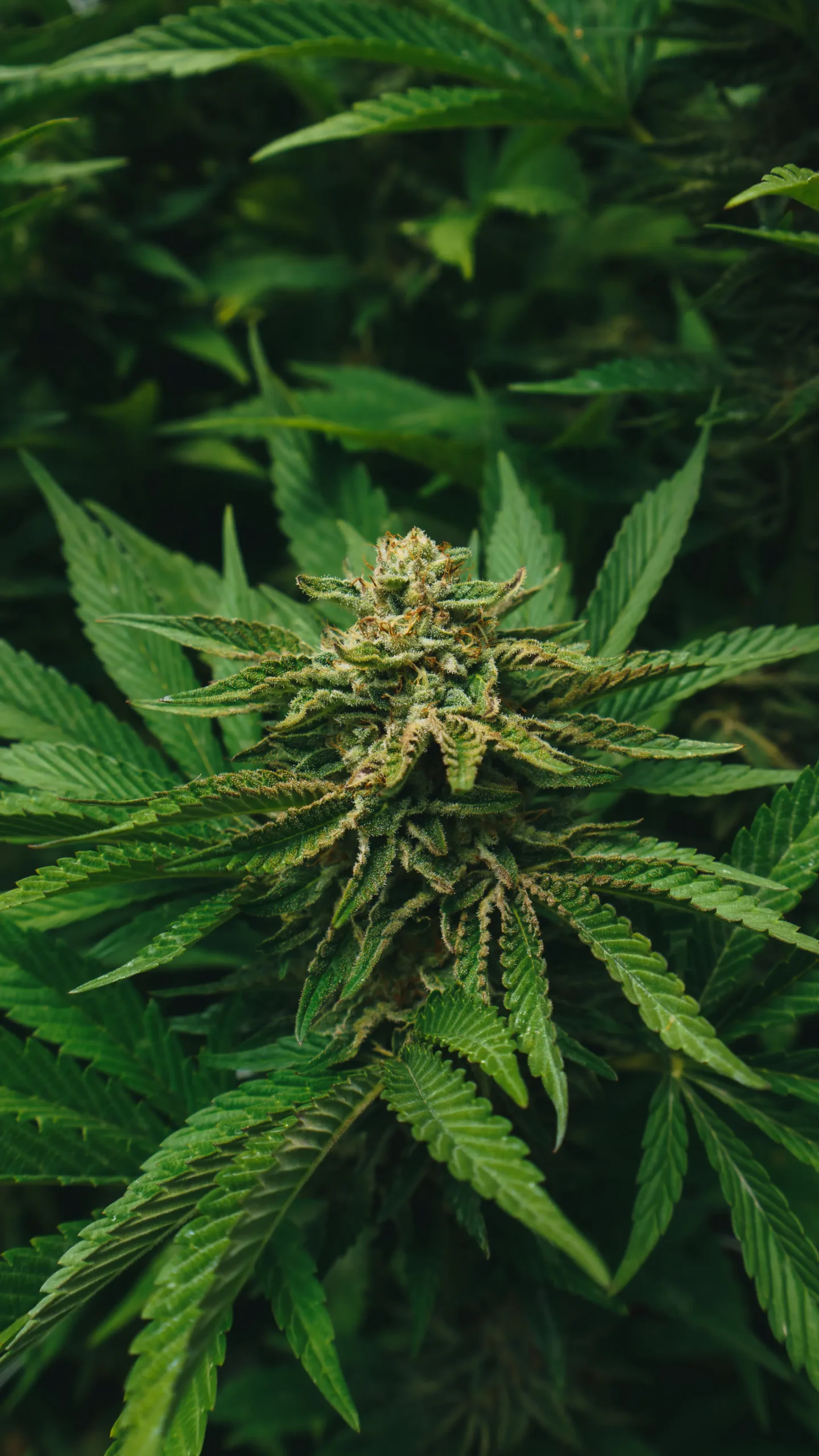
Flower quality is where LA Confidential justifies the effort. Good examples produce dense, resinous buds with strong calyx packing, frosty sugar leaves, and a deep pine-skunk aroma supported by earth, wood, pepper, herbs, and occasional citrus or floral brightness. Average flower can still be potent, but if the canopy is overcrowded or the dry is rushed, the finished bud becomes flatter, greener, and harsher. LA Confidential is therefore a useful test of a broader grower skill: knowing when not to add more plant, more feed, more training, or more flower sites.
Strain Features
| Feature | Details |
|---|---|
| Strain Type | Strongly indica-dominant hybrid; some modern expressions show more visible sativa influence |
| Genetic Profile | OG LA Affie × Afghani |
| THC | Commonly reported from the high teens into the mid-20% range; batch and phenotype dependent |
| CBD | Usually low |
| Dominant Terpenes | Pinene, beta-caryophyllene, and myrcene recur often; exact order varies by sample |
| Flavor / Aroma | Pine, skunk, earth, dry wood, herbal spice, pepper, with occasional citrus, floral, or light sweet notes |
| Effect Character | Fast mental shift with euphoria or psychedelic depth followed by strong physical relaxation and possible sedation |
| Flowering Time | Commonly about 7 to 9 weeks; older descriptions frequently place selected expressions near 45 to 56 days |
| Outdoor Harvest | Often late September to early October in suitable Northern Hemisphere climates |
| Grow Difficulty | Easy to moderate. Compact height is forgiving, but canopy density, phenotype-specific training response, and dense flower humidity require attention |
| Stretch | Usually low to moderate, but some seed-derived phenotypes can stretch more noticeably |
| Plant Architecture | Short to medium height, broad leaves, short internodes, strong central growth, and productive laterals |
| Bud Density | Dense to very dense in well-lit tops |
| Resin Production | High, with visible trichome coverage extending onto sugar leaves |
| Canopy Risk | Interior shading and leaf overlap can become a larger issue than height |
| Training Response | Generally compatible with topping, LST, SOG, and SCROG, but individual phenotypes can remain strongly apical or slow after aggressive bending |
| Mold Risk | Moderate in humid late flower because dense buds can trap internal moisture |
| Feeding Behavior | Often described as moderate-to-strong feeding when vigorous, but excessive nitrogen can worsen canopy density |
| Odor Intensity | Moderate to strong, especially after flowers are broken apart |
| Best Time of Use | Late afternoon, evening, or nighttime for most users |
Genetic Lineage
LA Confidential is most consistently documented as OG LA Affie crossed with Afghani. The value of that lineage is not the percentage printed beside the word indica. It is the way the two sides combine structurally. The LA Affie side contributes a Southern California indica character with pine, skunk, earth, and a strong psychoactive onset, while the Afghan influence reinforces short internodes, broad leaves, dense flower formation, resin production, and physical weight.
The result is commonly much more compact than the modern hybrids that carry OG ancestry but stretch aggressively in early flower. LA Confidential usually enters bloom with much of its future framework already visible. The main stem remains influential, lateral branches can be productive, and the plant does not always create enough extra vertical space during stretch to rescue a canopy that was flipped too small.
Historical descriptions are not completely consistent about phenotype count. Some records describe two main expressions, with one simply appearing broader or girthier. Other modern databases describe several expressions, including plants with more obvious sativa-influenced height or structure. These differences are a good reason not to overstate uniformity. The important recurring traits are dense resinous flower, strong indica influence, a relatively fast finish, dark foliage, and pine-skunk-earth aroma.
The Afghan side also helps explain the cultivar's late-flower appearance. Flowers often become firm rather than merely large. Calyxes pack tightly, sugar leaves collect resin, and the bud can feel heavier than its visual size suggests. That density is a quality advantage in dry conditions and a humidity liability in wet ones.
Genetically, LA Confidential is also a reminder that compact plants are not necessarily low-yielding and tall plants are not automatically productive. The cultivar tends to convert a modest frame into concentrated flower mass. A good phenotype does not need a jungle of branches to perform. It needs enough illuminated branch positions to exploit that inherited flower density.
Effect Breakdown
LA Confidential often announces itself faster than its sleepy reputation suggests. The first phase can feel mentally vivid, euphoric, and slightly psychedelic. Colors or music may become more absorbing, thoughts can narrow into a single track, and the user may feel a brief increase in curiosity or mood before the heavier body component arrives.
At a restrained dose, that opening can remain usable. Some experienced users describe a calm focus or a quiet creative period rather than immediate sedation. The strain is not a conventional daytime cultivar, but small amounts can feel mentally engaging before physical relaxation becomes dominant.
As the dose increases, the mental effect becomes less practical. Attention may turn inward, conversation can slow, and short-term memory may become less reliable. This is where reports of a psychedelic quality make more sense. The experience is usually not fast or racy like a strong Haze. It is more immersive, with the outside environment becoming less important as the body starts to feel heavier.
The physical phase is the defining one. Shoulders and facial tension soften, sitting still becomes attractive, and the body can feel warm, weighted, or almost numb. Appetite often increases. For some users the effect stops at deep relaxation; for others it continues into couch-lock and sleepiness, especially at higher doses or late at night.
The transition is one reason LA Confidential can feel stronger than a simple THC number implies. The user may initially think the dose is manageable during the brighter cerebral phase, then discover twenty or thirty minutes later that the body effect is still increasing. This makes redosing too quickly a common way to overshoot the desired experience.
Negative effects are usually dose related. Dry mouth and dry eyes are common. Dizziness, anxiety, or uncomfortable introspection can occur when the cerebral onset is stronger than expected. New users should begin with a small amount and wait for the full body phase before deciding whether to consume more.
The late phase usually favors food, music, films, quiet conversation, and sleep rather than work. Users who want sustained energy may find the strain too heavy. Users who want a sedating indica without losing all mental character may appreciate the fact that LA Confidential has a real head phase before it settles.
Flavor & Aroma Profile
LA Confidential is most convincing when the aroma feels dry, resinous, and green rather than sugary. Pine usually forms the upper edge, sometimes fresh and needle-like, sometimes darker and closer to sap or forest resin. Underneath it sits skunk, earth, old wood, and a warm herbal spice that can become peppery when the bud is broken apart.
The jar aroma can be more restrained than the grinder aroma. Dense flowers hold a surprising amount of scent internally, so crushing or pulling apart a nug often releases a stronger skunky and pine-heavy wave than smelling the unbroken flower. Some phenotypes add lemon peel, faint floral notes, or a mild sweetness. Others remain almost entirely woody and hash-like.
The flavor usually follows the same architecture but feels smoother than the smell. Pine and dry herbs arrive first, then earth and spice fill the middle of the palate. The exhale can carry a skunky, hash-like finish with a mild sweet edge. Well-cured flower may reveal citrus or floral detail that is difficult to detect in freshly dried buds.
A high-quality phenotype should not taste like raw vegetation even though the aroma is naturally earthy. That distinction matters. Green chlorophyll bitterness is flat and mouth-drying. Mature earth and wood have shape. They sit beneath the pine rather than covering it. If every inhalation tastes like dry leaves, the problem is more likely harvest or post-harvest quality than the cultivar itself.
The best LA Confidential flower also shows a useful separation between aroma strength and flavor clarity. A jar can smell extremely skunky but still smoke harshly if it was dried too fast. Conversely, a moderately loud jar can taste excellent when the cure preserves the pine, wood, spice, and soft citrus in distinct layers.
Average flower tends to lose the top notes first. Once the pine and faint citrus are stripped by heat or over-drying, the remaining profile becomes generic earth, skunk, and smoke. That is why post-harvest control matters so much. The target is not maximum odor. It is a clean pine-skunk core with enough woody, spicy, and citrus detail to keep the flavor dimensional.
Dominant Terpenes
| Terpene | Aroma Role | Fit With LA Confidential | Scientific Caution |
|---|---|---|---|
| Alpha-pinene | Pine needles, resin, fresh herbs | Matches the cultivar's most recognizable pine-forward top note and appears as a dominant terpene in some tested samples | Pinene does not guarantee alertness or cancel THC-related memory effects |
| Beta-caryophyllene | Pepper, dry spice, wood | Reinforces the warm peppery and woody base and is capable of interacting with CB2 receptors | That receptor activity does not prove a strain-specific medical outcome |
| Myrcene | Earth, musk, herbs | Fits the dense earthy background and is common in many relaxing cannabis chemotypes | Its presence alone cannot predict couch-lock or sedation |
| Limonene | Citrus peel, light sweetness | Can explain lemony or brighter phenotypes and the fresh edge sometimes noticed after grinding | Often secondary and highly batch dependent |
| Linalool / secondary floral terpenes | Floral, soft spice | May contribute to occasional floral or perfume-like notes reported in some expressions | Minor terpene profiles vary and should not be assumed from the cultivar name |
Laboratory profiles do not establish one universal terpene hierarchy for LA Confidential. Pinene, beta-caryophyllene, and myrcene recur often enough to describe the aromatic center, but their order can change, and minor compounds can alter the sensory result substantially. Terpenes explain aroma more reliably than subjective effects, so effect claims should remain cautious.
Indoor vs. Outdoor Growing
| Decision Point | Indoor | Outdoor |
|---|---|---|
| Primary challenge | Opening the compact canopy without overtraining a short-flowering plant | Keeping dense late flowers dry while supporting a broader, heavier plant |
| Stretch | Usually modest enough for low ceilings, but some phenotypes are taller | More vertical freedom allows taller expressions to show themselves |
| Training | SOG is naturally efficient; SCROG can work if the phenotype branches willingly | Early topping and broad spacing are often more useful than forcing a perfectly flat plant |
| Canopy depth | Should stay relatively shallow because short internodes create rapid interior shading | Sunlight from multiple angles can keep more lower laterals productive |
| Flower density | Easy to exploit under even light, but interior buds can become humid | Large dense tops benefit from dry autumn weather and good plant spacing |
| Feeding | Repeatable irrigation and nutrition make it easier to avoid late nitrogen excess | Large root volume can support vigorous feeding, but native soil and weather add variability |
| Flavor control | Strong advantage because late-flower heat and drying conditions can be controlled | Sun can deepen resinous character, but hot harvest weather can strip pine and citrus quickly |
| Best use case | Growers wanting compact, fast, repeatable indica production | Growers with a warm, dry finish and enough room for an open, well-supported plant |
LA Confidential is naturally well suited to indoor cultivation because its height is rarely the limiting factor. The real question is whether the grower can keep enough separation between broad leaves, short internodes, and developing tops. A small tent can handle the plant, but the plant still needs horizontal discipline.
Indoor growers also gain control over the factor that matters most once the buds become dense: moisture. A room with consistent air exchange and a canopy that can be inspected from multiple angles is safer than an overfilled screen where the center becomes inaccessible after week five.
Outdoor cultivation can produce larger plants and more total flower, but it does not automatically produce better LA Confidential. The dense bud structure that looks ideal in dry weather becomes a liability after repeated dew or rain. A warm, dry autumn is therefore more important than the cultivar's general ability to tolerate cool nights.
The outdoor plant should be given more lateral space than its indoor silhouette suggests. Sunlight can make lower branches worthwhile, but only if neighboring branches and leaves are not pressed together. A crowded outdoor bush may have excellent outer buds and a humid, low-quality interior.
For pure flower quality and repeatability, indoors has the advantage. For growers with a genuinely dry climate, outdoor LA Confidential can produce impressive density and resin on a much larger frame. The deciding factor is not size. It is whether the environment can keep those dense flowers clean through the final weeks.
Strain-Specific Grow Guidance
Read the Phenotype Before Choosing the Training Method
LA Confidential is one of those cultivars where generic training advice can hide meaningful plant-to-plant differences. Some expressions release side branches aggressively after one topping and are easy to spread under a screen. Other clone reports describe strong apical dominance that simply transfers to a new top after cutting, with little improvement in lateral balance.
That means the first topping should also be treated as a diagnostic event. After recovery, watch whether two or more lateral branches accelerate and begin competing with the new leaders. If they do, the plant is a good candidate for further shaping. If the plant immediately chooses one dominant shoot again and slows after bending, repeated high-stress training may cost more time than it returns in canopy efficiency.
The mistake is deciding on seven toppings, a full mainline, or an extremely flat SCROG before the plant has shown how it branches. Training should follow the phenotype, not the other way around.
Do Not Flip a Small Plant and Expect Stretch to Save the Yield
Do not let the stretch make the decisions
LA Confidential's compact habit is useful in low rooms, but it changes the timing of the flip. A plant that enters flower too small may remain small because the transition stretch is often modest. The cultivar does not reliably create the dramatic internodal expansion that turns an undersized Haze into a full canopy.
Build the desired width during vegetative growth. The plant should already have its main productive branches in place before the light cycle changes. A grower using one or two plants per square meter may need a longer vegetative period than someone using a dense SOG with many smaller plants.
This is also why SOG makes structural sense. LA Confidential can convert a compact single-leader or lightly branched plant into a dense flowering column without requiring a long vegetative period. In a SOG, the grower uses plant count to fill the canopy instead of trying to force one plant into an oversized horizontal frame.
SCROG Works Best as Organization, Not a Density Contest
A screen can be very effective with a cooperative phenotype because LA Confidential's dense buds benefit from even light and later support. The problem begins when every opening is filled simply because the net exists. Short internodes and large leaves can make a full screen much denser than it looks from above.
Use the screen to separate tops and maintain access lanes. If the plant naturally releases many laterals, guide the strongest ones outward and remove weak shoots that never reach the productive light zone. If the plant remains strongly apical, do not keep breaking or bending it in an attempt to imitate a more flexible hybrid.
By the time flower stacking becomes obvious, the screen should already be performing two jobs: holding branch positions and supporting future bud weight. Training should then decrease. Constantly tucking hardened branches late into bloom can create damaged tissue and compressed flowers.
Defoliation Should Solve a Specific Shading Problem
Large dark fan leaves are part of LA Confidential's identity, and they can create real shade. That makes selective defoliation useful. It does not make aggressive leaf stripping automatically beneficial.
Start with leaves that are buried inside the plant, permanently resting against another leaf, blocking multiple flower sites, or preventing air from moving through the center. Remove them gradually. The goal is to create windows through the canopy, not expose every bud directly to light.
Over-defoliation can be especially expensive because the cultivar's flowering cycle is relatively short. A plant that spends a week rebuilding leaf area has surrendered a meaningful percentage of its active bloom period. The ideal canopy still looks leafy from the side but no longer looks sealed.
Late flower is the wrong time for a dramatic cleanup. Once the buds are dense, remove only leaves that are damaged, dying, buried, or creating a clear moisture problem. Healthy leaves still contribute to photosynthesis and help regulate the plant's water balance.
Use a Shallow Productive Flower Zone
LA Confidential can produce dense buds, but density does not compensate for deep shade. Lower flower sites trapped beneath a thick canopy tend to remain small and leafy, increasing trim time without contributing much premium flower.
After stretch has settled, inspect each lower branch honestly. If a shoot cannot see light from above or from the side and is still several nodes below the canopy, remove it. If a lateral reaches the edge of the canopy and carries strong flowers, keep it. This branch-by-branch decision is more useful than cutting everything below an arbitrary line.
A shallow productive zone also improves maturity consistency. When top and lower flowers develop at a similar rate, the grower can harvest the plant in one window rather than choosing between overripe tops and underdeveloped lowers.
Feeding: Vigorous Plants Can Eat, Dense Plants Can Also Hide Excess
Several traditional descriptions call LA Confidential a heavy feeder, and vigorous plants with a large active root system can indeed use substantial nutrition. The problem is turning that reputation into a fixed aggressive schedule.
The cultivar's dark foliage can make nitrogen excess look normal at first. Leaves that remain unusually glossy, claw downward, or stay intensely dark well into flowering should not be treated as proof that the plant is thriving. Extra nitrogen inside a compact canopy also means more leaf mass, slower interior drying, and a greener finish.
Increase feed only when water use, new growth, and flower development support the decision. If the plant is drinking slowly, the root zone remains wet, or leaf tips are burning, adding more mineral concentration will not create denser buds. LA Confidential's density is genetic. Nutrition supports that trait but does not manufacture it.
Late flower should move toward maintaining healthy function rather than preserving vegetative darkness. A clean senescence pattern is more desirable than forcing the plant to stay deep green until harvest. There is no good evidence that an extreme flush automatically improves flavor, so the practical objective is simply to avoid excessive residual feeding and root-zone stress.
Do Not Keep the Root Zone Wet Just Because the Plant Looks Sturdy
Compact indica plants can create a false sense of durability. LA Confidential may look thick and strong above ground while the root zone remains too wet for its rate of transpiration. Cooler conditions make this more likely because a short, broad plant may drink less than expected.
Water thoroughly, then allow enough dryback for oxygen to return to the medium. The correct interval depends on container volume, medium, plant size, and climate. What matters is a repeatable rhythm in which the container becomes lighter and the plant continues drinking actively.
When growth slows after transplant or irrigation, do not immediately diagnose a nutrient deficiency. Saturated media can reduce oxygen and nutrient uptake at the same time, creating pale or unhappy growth even when enough fertilizer is present. Correcting the watering rhythm often makes more sense than adding another nutrient product.
Light Penetration Matters More Than Extreme Light Intensity
LA Confidential's compact canopy creates a light distribution problem rather than a simple intensity problem. The upper fan leaves can be well lit while the lower buds sit in permanent shade. Increasing lamp power does not necessarily fix that because the top absorbs more energy before the interior receives useful light.
A better solution is structural: space the tops, create small canopy windows, and keep the productive zone shallow. This lets the same light reach more flower without driving the upper leaves toward heat stress or bleaching.
If a phenotype shows more sativa influence and stretches farther, the same principle still applies. The grower should preserve an even canopy rather than trying to compensate for one tall branch with excessive light on the entire room.
Dense Flowers Change the Humidity Strategy
The visible room humidity is only part of the risk once LA Confidential buds harden. A dense cola contains small spaces between calyxes, sugar leaves, and the central stem where moisture can remain even when the room feels dry.
Air should move through the canopy, not merely over it. The most important zones are the interior branch junctions and the back side of heavy tops. Rotate or inspect plants when possible. Look for a sugar leaf that suddenly wilts, turns brown at the base, or pulls out unusually easily. That can be an early warning of internal tissue damage.
Avoid allowing two large tops to rest against each other. Contact points reduce airflow and can hold condensation after lights-out. A support net or soft ties should separate flowers as well as hold them upright.
Outdoor plants need the same logic after rain or dew. Shake off standing water gently when appropriate, inspect dense flowers after wet weather, and prioritize a clean harvest over squeezing out a few extra days of ripening when disease pressure rises.
Harvest the Flower, Not the Calendar
Older LA Confidential descriptions often emphasize a very short 45 to 56 day flowering window. Modern grow reports can extend beyond that, and phenotype variation makes a fixed day count unreliable. The grower should use the historical range as an expectation, not as a harvest command.
A mature plant should show swollen calyxes, reduced production of fresh white pistils, strong resin coverage, and an aroma that has moved from raw plant matter toward pine, skunk, earth, and wood. Trichomes on the actual flower should be examined rather than relying on sugar-leaf trichomes, which often mature earlier.
An early harvest can keep the effect brighter and preserve sharper pine or citrus, but it may leave flower weight and body effect underdeveloped. A later harvest can deepen hash, earth, and sedation, yet waiting too long can flatten the fresh top notes and increase mold risk in dense flowers.
The best window is the point where calyx swelling has largely finished and the aroma feels complete but the plant has not begun losing flower quality. For LA Confidential, that balance is often more important than chasing a specific percentage of amber trichomes.
Trim Quality Starts Before Harvest
LA Confidential often carries resin onto its sugar leaves, which makes the plant visually frosty but can increase trim work. The easiest way to improve final trim quality is not to cut more aggressively after harvest. It is to prevent weak leafy lower flowers from forming in the first place.
Well-lit tops usually have a better calyx-to-leaf balance. Shaded flowers remain smaller and leafier. By removing those low-value sites after stretch, the grower increases the proportion of flowers that can be trimmed cleanly without sacrificing large amounts of resinous material.
During harvest, handle the buds gently. Dense, resinous flower can lose brittle trichome heads when very dry, and crushing the buds together in bins or bags damages the surface that gives LA Confidential much of its bag appeal.
Weedth Bud Flavor Tips
LA Confidential's flavor target is straightforward to describe and surprisingly easy to damage: preserve the sharp pine and light citrus or floral edge while allowing the deeper skunk, earth, wood, pepper, and hash notes to mature. The darker notes are relatively robust. The brighter top notes are not.
The first flavor decision happens before harvest. A plant that still smells green and leafy will not become magically piney in the jar. Let the flowers reach full aromatic maturity, but do not keep a dense plant standing in humid conditions simply to increase amber trichomes. Disease-free mature flower tastes better than overripe flower rescued from a risky canopy.
After harvest, avoid high heat. Controlled drying research in cannabis and hemp shows that drying conditions change terpene retention and cannabinoid chemistry, with hotter conditions producing greater terpene losses. LA Confidential's pine and citrus components are exactly the kind of volatile detail that can disappear when drying is treated as a race.
Dense tops should be dried according to their internal moisture, not their outer surface. A nug can feel dry at the edge while the center near the stem remains wet. If the drying room is humid or the colas are very large, separate them into sensible branch sections rather than preserving an oversized cola for appearance.
Direct fan air is another common quality loss. Air exchange is necessary, but a fan pointed continuously at one row of buds dries the surface too quickly. The result can be a crisp exterior and a wetter center, followed by uneven curing and a muted aroma.
The cure should make LA Confidential cleaner, not sweeter. During the first weeks, chlorophyll-like bitterness should recede and the dry wood, pepper, skunk, and pine should separate. Citrus and floral notes may become easier to notice once the green edge disappears. A good cure can reveal complexity, but it cannot restore volatile compounds lost during a hot dry.
Outdoor flowers often carry more debris and environmental moisture, so flavor preservation begins with sanitation. Remove damaged tissue and inspect the center of dense tops before they enter the drying room. Never slow-dry questionable material in the hope that curing will fix it.
Storage should minimize heat, light, oxygen, and repeated opening. Very dry LA Confidential can become dusty and harsh, while overly moist flower risks microbial growth. The best finished bud keeps the pine alive without sacrificing the heavier resinous base.
Weedth Bud Boost Tips
The easiest way to increase LA Confidential's premium yield is to stop wasting plant energy on flower sites that the canopy cannot support. This cultivar does not need a maximum number of tops. It needs a maximum number of well-lit, well-spaced tops that can finish dense without touching one another.
Indoors, decide whether the phenotype wants SOG or a wider trained form. A strongly apical plant can be highly efficient in SOG because the grower uses many compact plants and short vegetative time. A phenotype that releases side branches readily can justify a longer veg and a light SCROG. The architecture should decide the production model.
If using one or two larger plants, build enough vegetative width before flowering. The modest stretch means late canopy expansion is limited. One early topping, followed by selective branch positioning, is often more efficient than repeated cutting that turns the plant into a dense ball.
Keep the canopy shallow. The goal is not to expose bare stems for appearance. It is to remove weak interior sites that will never reach mature density. Every shaded popcorn bud adds trim labor and humidity without contributing much premium flower.
Branch support can preserve yield even when the stems look strong. Dense buds become heavy late, and a branch that falls sideways receives less light and may press against neighboring flowers. A loose support net, stake, or soft tie protects both structure and airflow.
Outdoors, spacing and early plant shape matter more than extreme size. A large LA Confidential can produce an impressive harvest, but the interior should remain open enough for sun and wind to reach the branches. A plant that is slightly smaller but clean through the center often produces a higher percentage of usable top-grade flower.
Feeding should support active growth rather than chase weight. If a vigorous plant is drinking quickly and staying healthy, it may accept strong nutrition. If leaves become overly dark, tips burn, or water use slows, more fertilizer is unlikely to improve density. Excess nitrogen can also preserve too much leaf mass around already compact buds.
Avoid automatic yield tricks. Repeated topping, extreme defoliation, heavy PK, UV stress, and prolonged darkness are not universal LA Confidential advantages. Some may be useful in a specific system, but none replaces a correct canopy, healthy roots, stable climate, and mature harvest.
The defining tradeoff is simple: more flower sites can raise total wet weight while lowering the percentage of dense, clean, flavorful flower. LA Confidential performs best when the grower optimizes quality yield rather than plant complexity.
Medical Uses & Benefits
LA Confidential is commonly chosen by users seeking strong evening relaxation. Reported use most often centers on pain, physical tension, stress, appetite, and sleep. These patterns come from user experience and should not be interpreted as strain-specific clinical evidence.
Pain is one of the most common reasons people report using the cultivar. The heavy physical phase can make discomfort feel less intrusive, especially when pain is accompanied by muscle tension or difficulty settling down. Cannabis research supports potential analgesic roles for cannabinoids in some contexts, but individual strain names have not been clinically validated as precise pain treatments.
Sleep is another practical use. At moderate to high doses, LA Confidential can become strongly sedating for many users. The mental onset may remain active for a short period before the body effect deepens, so users who want sleep sometimes find it better to consume before getting into bed rather than expecting an instant switch-off effect.
Stress and anxiety responses are more complicated. Many users report calm and reduced rumination, but the early cerebral phase can feel intense or introspective. A high dose can therefore worsen anxiety in a sensitive person even though the later body effect is relaxing.
Appetite stimulation is also commonly reported. That may be useful for some medical users, but the cultivar should not be presented as a treatment for appetite disorders. The response varies with dose, tolerance, individual biology, and the actual cannabinoid profile of the flower.
LA Confidential is usually THC-dominant with little CBD, so it is not the best option for someone seeking a low-intoxication medical profile. Users taking medications or using cannabis for a diagnosed condition should discuss cannabinoid use with a qualified healthcare professional. Driving and safety-sensitive work remain unsafe while impaired.
Ideal User Profile
LA Confidential suits the user who wants an evening strain with a real mental beginning and a heavy physical finish. It is especially attractive to people who find pure couch-lock strains boring but still want the session to end in deep relaxation.
The ideal user is comfortable with THC and does not need to remain highly productive. Low doses may be manageable for experienced users, but the strain's delayed physical weight can make planning important. A task that feels easy ten minutes after consumption may feel far less appealing half an hour later.
Flavor preference is equally specific. Users who enjoy pine, skunk, dry wood, earth, hash, and pepper are more likely to appreciate LA Confidential than people chasing candy, cream, tropical fruit, or intense fuel.
New users can enjoy the cultivar, but a small starting amount is appropriate. The rapid cerebral onset can be misleading because the heavier body effect often develops afterward. Redosing before the full transition appears is an easy way to end up more sedated than intended.
The strain is a natural fit for films, music, dinner, quiet conversation, stretching, and sleep preparation. It is a poor fit for driving, demanding work, crowded environments, or any activity where short-term memory and precise coordination matter.
For growers choosing flower for their own use, LA Confidential makes the most sense when the desired outcome is a classic resinous indica experience rather than maximum daytime functionality.
Grower Notes and Feedback
One recurring pattern in cultivation reports is disagreement about training. Some growers describe LA Confidential as an easy plant to top, defoliate, and spread. Others report old clone expressions that continue to favor one dominant branch or temporarily stall after bending. This is exactly the kind of disagreement that points toward phenotype and clone-line differences rather than one universal rule.
Growers also disagree about flowering duration. Older descriptions frequently emphasize a 45 to 56 day finish, while modern diaries often run the plant longer. Part of the difference may be phenotype, environment, and the grower's maturity standard. A dense flower that looks finished from a distance can still be swelling internally.
A common surprise is how small plants can carry disproportionately dense flower. LA Confidential does not always look like a yield monster in vegetative growth. The productive potential appears when well-lit tops begin packing calyxes rather than when the plant becomes tall.
Another repeated observation is the plant's dark foliage and broad leaves. This makes the canopy look healthy and full very early, but fullness is not the same as efficiency. Growers who thin only after the flowers are already buried often discover that the inner sites have been weak for weeks.
Feeding reports tend to support the idea that healthy plants can accept substantial nutrition, but real-world diaries also show overwatering and root-zone problems slowing growth. This reinforces a useful point: a strain's feeding reputation cannot override the basic relationship between water use, root oxygen, and nutrient uptake.
Aroma reports are relatively consistent at the center and variable at the edges. Pine, skunk, earth, and wood recur often. Lemon, floral sweetness, gas, berry, or perfume-like details appear more sporadically. Growers hunting a keeper should therefore evaluate the cured flower rather than choosing solely by plant shape.
The finished effect is similarly recognizable even when potency varies. Many users report an initial uplift or mental shift followed by body relaxation and sleepiness. Growers who harvest a little earlier sometimes describe a brighter result, while later mature flowers are often heavier. That remains anecdotal, but it aligns with the cultivar's broader effect identity.
Weedth Editor's Note
What this cultivar asks from the room
I think the biggest mistake with LA Confidential is trying to improve it before understanding what it already does well. A compact plant with short internodes can look like it needs more topping simply because there is unused horizontal space. Sometimes it does. Sometimes the plant is already designed to turn a small number of branches into very dense flower and extra training only makes the interior harder to manage.
If I were choosing a strategy for an unfamiliar phenotype, I would make the first topping early and then watch. If the side branches accelerate cleanly, I would spread them. If the plant immediately rebuilds one dominant leader and slows after bending, I would stop fighting it and move toward a simpler SOG-like structure.
The second place I would be conservative is defoliation. LA Confidential genuinely benefits from opening the middle, but I would remove leaves for a reason rather than according to a calendar. The short flowering cycle makes recovery time more expensive than it is on a ten- or eleven-week hybrid.
What I value most is the density-to-size ratio. A well-run plant does not need to look enormous to produce flowers that feel substantial in the hand. The resin, compact calyx structure, and pine-skunk aroma give the cultivar a finished quality that is easy to recognize.
Its weakness is that poor canopy management can produce a plant that looks impressive from above while hiding weak lowers and humid interior flowers underneath. It is also not the most aromatic modern strain. If someone wants candy, gas, or tropical intensity, there are better choices.
I would grow LA Confidential for classic indica quality, fast flower, and the way good curing turns a simple pine-skunk profile into something deeper and more resinous. I would not grow it to see how many training techniques I could fit into one cycle.
Weedth Score
Growing Experience 8.3/10 Compact height, fast flowering, and good resin production make the cultivar satisfying to grow. Points are deducted because some phenotypes respond differently to topping and bending, and canopy density needs active management.
Bud Structure & Visual Appeal 8.7/10 Dense, frosty, lime-to-dark green flowers with occasional purple detail have strong classic bag appeal. Shaded lowers can become leafy if the interior is not managed.
Aroma Complexity 8.2/10 Pine, skunk, earth, wood, pepper, and occasional citrus or floral notes create real depth, though the profile is less explosive than many modern hybrids.
Flavor & Smoothness 8.4/10 Well-cured flower can be smooth, resinous, piney, and hash-like. Fast drying exposes harsh green notes quickly, so post-harvest execution matters.
Effects & High Experience 8.7/10 The cerebral-to-physical progression is distinctive, with enough mental character to avoid feeling one-dimensional. High doses can become very sedating or dizzying.
Overall Satisfaction & Recommendation 8.5/10 A strong choice for growers who want a compact classic indica with dense resinous flower and a relatively fast finish. Less suitable for people seeking extreme yield, dessert flavor, or guaranteed uniform training response.
Personal closer: I would keep the LA Confidential plant that finishes with open structure, dense resinous tops, and a pine note that survives the cure, not simply the one that makes the most branches.
FAQ
Is LA Confidential an indica or a hybrid?
LA Confidential is generally treated as strongly indica-dominant. Some modern seed-derived phenotypes can show more height or sativa-like branching, but the cultivar's core identity remains compact, dense-flowering, resinous, and physically relaxing.
What is the lineage of LA Confidential?
The most consistently documented lineage is OG LA Affie crossed with Afghani material. That combination explains the short internodes, broad leaves, dense buds, pine-skunk-earth aroma, and heavy physical effects.
How long does LA Confidential flower indoors?
Many older descriptions place selected expressions around 45 to 56 days, while modern grow reports commonly extend into roughly 7 to 9 weeks. Harvest by flower maturity and aroma rather than treating a historical day count as a deadline.
How much does LA Confidential stretch after the flip?
Most expressions show low-to-moderate stretch. This is why growers should build most of the desired canopy width before flowering. Some seed-derived plants can stretch more, so the first two weeks should still be watched closely.
Does LA Confidential respond well to topping?
Often yes, but not every phenotype responds identically. Some plants release side branches strongly after one topping, while others maintain apical dominance. Use the first topping to evaluate the plant before committing to repeated high-stress training.
Is LA Confidential good for SCROG?
Yes when the phenotype branches willingly. The screen is most useful for separating tops, evening light exposure, and supporting dense late flowers. Avoid filling every square because the short internodes and broad leaves can make the canopy too dense.
Is SOG better than SCROG for LA Confidential?
SOG is especially logical for compact, strongly apical expressions because the grower can flower more small plants with minimal training. SCROG is better when a phenotype produces strong laterals and the grower wants fewer larger plants. Neither method is automatically superior.
How much should I defoliate LA Confidential?
Use selective defoliation rather than heavy stripping. Remove buried leaves, leaves blocking several flower sites, and damaged material, but keep enough healthy leaf area for the short flowering cycle. The goal is windows through the canopy, not a bare plant.
Is LA Confidential a heavy feeder?
Vigorous plants are often described as capable of strong feeding, but nutrient demand depends on root health, water use, medium, and environment. Dark leaves, burned tips, slow dryback, or clawing indicate that pushing harder is not helping.
Why is my LA Confidential staying very short?
Compact height is normal, especially in strongly indica-leaning expressions. The plant often has limited stretch, so a small canopy at flip can remain small. Give it enough vegetative time to establish the width you want before flowering.
Is LA Confidential prone to bud rot?
It has a moderate risk under humid conditions because the flowers can become very dense. Air movement through the canopy, separation between tops, and inspection of internal flower tissue are more important than simply reading room humidity.
Does LA Confidential need branch support?
Many plants benefit from a net, stakes, or soft ties late in flower. Dense buds can weigh down even thick branches. Support also helps prevent large tops from touching one another and creating humid contact points.
Why does my LA Confidential smell earthy but not piney?
Phenotype variation is one possibility. Immature harvest, hot drying, direct airflow, or over-dry storage can also flatten the sharper pine and citrus notes, leaving mainly earth, wood, and skunk.
When should LA Confidential be harvested for the best flavor?
Look for swollen calyxes, reduced fresh pistil production, mature flower trichomes, and a complete pine-skunk-earth aroma. Earlier flowers can taste greener and feel brighter; very late harvest can deepen earth and sedation while sacrificing some fresh top notes.
Is LA Confidential good for outdoor growing?
Yes in a warm, dry environment with a relatively dry finish to the season. The main limitation is not cold tolerance but dense flowers exposed to repeated rain, dew, or stagnant humidity.
Is LA Confidential suitable for beginners?
A beginner can succeed with it because height is manageable and flowering is relatively fast. The learning curve comes from watering compact plants correctly, avoiding canopy overgrowth, and managing humidity around dense buds.
Why are the lower buds on my LA Confidential leafy and small?
The likely cause is canopy depth. Short internodes and broad fan leaves create deep shade quickly. Remove weak interior shoots after stretch and retain only lower laterals that can reach useful light from above or the side.
Does a longer cure improve LA Confidential?
A controlled cure often improves smoothness and allows the pine, wood, pepper, and hash-like base to separate from green plant flavors. A long cure cannot restore terpenes lost during a hot or overly fast dry.
Similar Strains
Afghan Kush: The closest structural comparison is Afghan Kush. Both favor compact growth, dense resinous flowers, earthy-hash flavor, and strong physical relaxation. Afghan Kush is usually more purely earthy and traditional, while LA Confidential tends to add a brighter pine-skunk mental opening.
OG Kush: OG Kush shares part of the Southern California resinous, pine, earth, and fuel family. It usually stretches more and has a more obvious fuel-citrus edge, making it less naturally compact than LA Confidential.
Bubba Kush: Bubba Kush suits growers who like short internodes, broad leaves, slow evening effects, and dense buds. It often grows more slowly in veg and leans toward coffee, earth, and hash, while LA Confidential usually finishes brighter and pine-forward.
Northern Lights: Northern Lights is another efficient indoor indica with limited stretch and a fast finish. It is generally more predictable and beginner-friendly, while LA Confidential can offer more psychoactive head character and stronger pine-skunk complexity.
Kosher Kush: Kosher Kush provides similarly heavy nighttime effects and dense resinous flowers but usually carries more fuel, earth, and pungent kush character. It can also stretch more than LA Confidential and may need stronger height control.
Romulan: Romulan is a useful flavor-and-effect comparison because both can combine pine, earth, resin, and heavy body relaxation. Romulan often develops more irregular lateral branching, while LA Confidential is usually more compact and naturally suited to dense indoor production.
Share this article
A quick overview of the topics covered in this article.
Follow us
Latest articles
September 9, 2026
September 9, 2026
September 9, 2026