
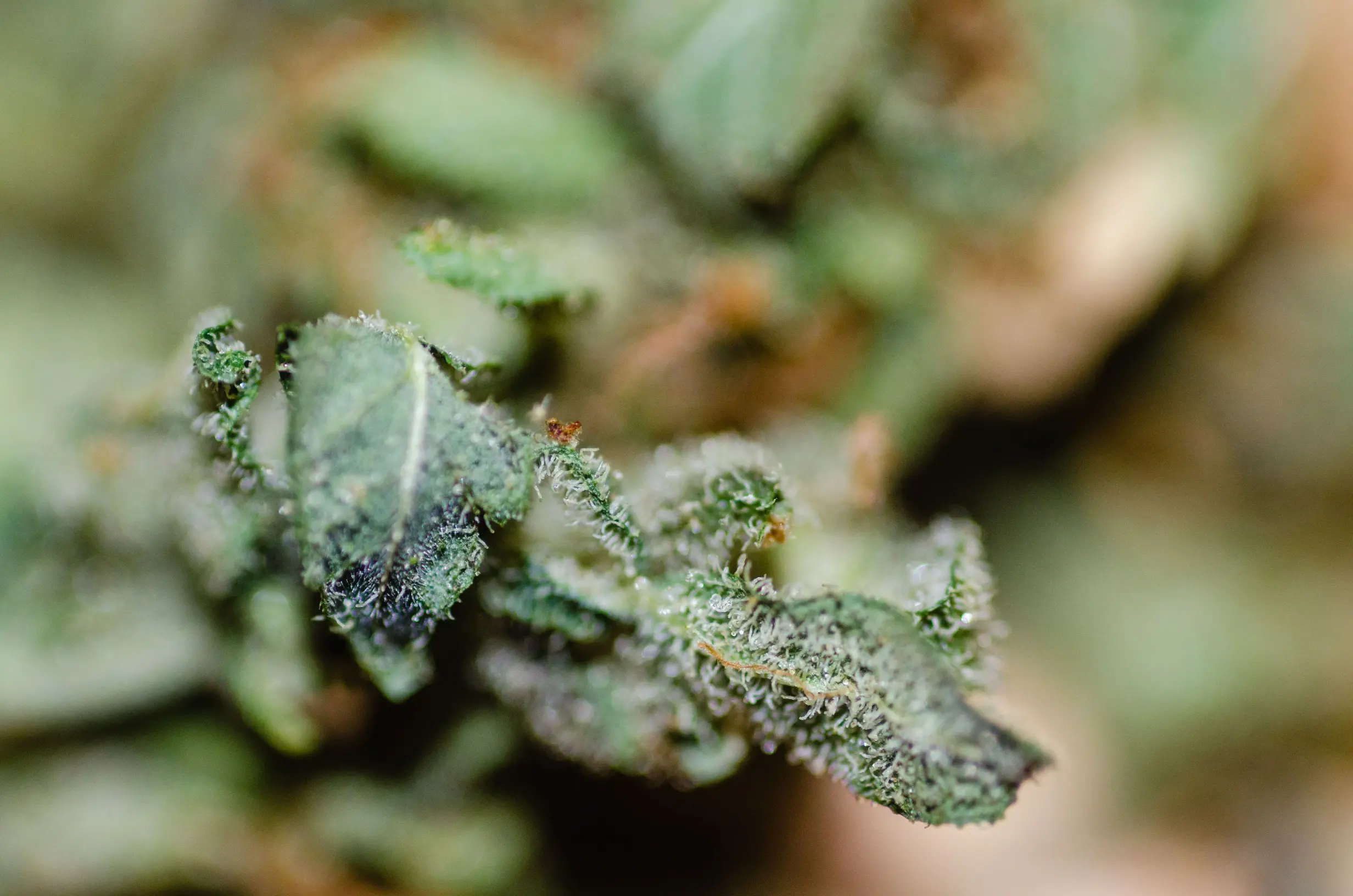
Lamb’s Bread
Lamb's Bread, also called Lamb's Breath, is a Jamaican sativa whose biggest cultivation challenge is not simply height. The deeper issue is that the plant performs best when it is allowed to behave like a large, open, long-rooted tropical cultivar. Confining it too tightly, forcing it into a dense screen, or judging its flowers by modern indica density can reduce the traits that make it worth growing.
Historical lineage is uncertain. The cultivar is best treated as a Jamaican landrace or landrace-derived population rather than a perfectly documented modern cross. Contemporary material can show several phenotypes, including mostly sativa expressions and occasional plants with more indica-like behavior. This makes exact flowering time and architecture less standardized than the name suggests.
The central cultivation question is therefore: how can a grower control a tall Jamaican sativa without suppressing its natural root volume, open branch structure, and productive lower canopy? The answer is to use early structural training, generous horizontal spacing, enough root capacity, and selective rather than aggressive pruning. Lamb's Bread benefits more from being organized than from being miniaturized.
The effect profile is one of the cultivar's strongest reasons to grow it. Users commonly describe energy, focus, uplift, creativity, and a clear social headspace rather than physical heaviness. The flavor tends to be woody, earthy, spicy, herbal, sweet, and sometimes slightly cheesy or pungent. These are not loud modern candy notes, which means clean maturity and post-harvest handling matter.
For Weedth, Lamb's Bread is a quality-yield strain rather than a raw-yield strain. A successful harvest is not the tallest plant or the most biomass. It is mature, aromatic, clean Jamaican-style flower distributed through a light-efficient open canopy, with enough post-harvest care that the spice, wood, herbs, and gentle sweetness remain distinct.
Strain Features
| Feature | Details |
|---|---|
| Strain Type | Jamaican sativa or landrace-derived sativa; modern material can show phenotype variation |
| Origin | Jamaica |
| Genetic Profile | Historical parentage is unknown; best treated as a Jamaican landrace or preservation population |
| THC | Modern samples commonly fall in a moderate-to-strong range rather than one fixed value |
| CBD | Usually low in THC-oriented modern flower |
| Dominant Terpenes | Myrcene, beta-caryophyllene, and limonene recur in current data; exact ranking varies |
| Flavor / Aroma | Woody, earthy, spicy, herbal, sweet, pungent, sometimes lightly cheesy or citrusy |
| Effect Character | Energetic, focused, uplifted, creative, social, clear-headed |
| Flowering Time | Often around 9 to 12 weeks in modern preserved lines; more landrace-like plants may run longer |
| Outdoor Climate | Best suited to warm, long-season, relatively dry finishing conditions |
| Grow Difficulty | Moderate to advanced indoors |
| Stretch | Strong in sativa-dominant expressions |
| Plant Architecture | Tall, open, long-branched, relatively airy |
| Root Preference | Performs best with generous root volume rather than severe pot restriction |
| Bud Density | Airy-to-medium, phenotype dependent |
| Training Compatibility | Early topping, LST, wide open SCROG, branch tying |
| Lower Flower Potential | Good when the canopy remains open and side light reaches the branch |
| Best Time of Use | Daytime to early evening |
Genetic Lineage
Lamb's Bread is historically tied to Jamaica, but there is no reliable modern pedigree that should be presented as fact. The cultivar predates the documentation standards of contemporary hybrid breeding, and the name has been used for preserved Jamaican material as well as later reproductions.
This matters because landrace-derived populations contain more variation than a clone-only modern strain. Current grow information describes several phenotypes, most of them strongly sativa in structure and one sometimes showing more indica influence. That spread should be expected rather than treated as instability in the ordinary sense.
The recurring Jamaican traits are more useful than an invented family tree. Tall growth, open branching, warm-climate preference, a long flowering rhythm, spicy-earthy aroma, and an alert cerebral effect appear repeatedly enough to define the information fingerprint.
The cultivar is sometimes linked culturally to classic Jamaican ganja traditions, but cultural association should not be confused with genetic proof. The plant should be evaluated by its actual morphology and cured flower rather than by folklore.
For keeper selection, the most useful phenotype is the one that preserves the energetic effect and woody-spicy-sweet aroma while fitting the grower's available season or indoor height. A slightly shorter plant may be more practical if it keeps the same essential character.
Effect Breakdown
At a restrained dose, Lamb's Bread is usually described as mentally bright. The user may feel more willing to move, talk, work, organize, or engage with music and creative tasks. The body remains relatively light.
Focus is a recurring theme. Rather than producing a dreamy haze immediately, the cultivar can make attention feel narrower and more purposeful. That can be useful for experienced users, although no strain guarantees improved concentration.
The emotional tone is commonly upbeat and social. Laughter, conversation, and a general increase in interest can appear before any physical relaxation becomes noticeable.
At higher doses, the same energetic mental character can become more intense. Thoughts may move quickly, sensory detail can become more vivid, and sensitive users may feel overstimulated rather than comfortably focused.
Physical heaviness is usually secondary. The body can relax later in the session, but Lamb's Bread is not primarily a sleep or couch-lock strain. Dry mouth, dry eyes, and occasional anxiety remain possible.
The late phase tends to fade gradually. Many users value the cultivar because the comedown does not automatically become a strong sedating crash, making it more compatible with daytime use than heavy indica-dominant flower.
Tolerance changes the apparent clarity. A frequent user may describe Lamb's Bread as focused and functional, while a low-tolerance user can experience the same energetic mental activity as distracting or overwhelming. Both reports can be accurate at different dose levels.
The strain's daytime reputation should therefore be treated as a tendency rather than a permission slip for demanding tasks. Clear-headed intoxication is still intoxication.
Flavor & Aroma Profile
Lamb's Bread is best understood as an old-school aromatic profile rather than a modern dessert profile. Dry wood, earth, pepper, green herbs, mild sweetness, and pungent plant resin form the center.
Some modern flower adds citrus or a faint cheese-like pungency. Those notes should be treated as phenotype expressions rather than universal requirements. The common thread is a dry spicy-earthy character with enough sweetness to keep it from tasting harsh.
Grinding usually releases more spice and pungency than smelling the intact bud. The open flower structure can make the jar seem less explosive than dense gas cultivars, yet the aroma can remain persistent and complex.
On inhale, herbs and mild sweetness often lead. The mid-palate becomes woody and earthy. Pepper, dry spice, and pungent resin tend to remain on the exhale.
The flavor is vulnerable to immature harvest. A long sativa cut before full calyx maturity can taste grassy and thin even when the visible trichomes look developed. Cure can refine a mature profile, but it cannot fully compensate for flower harvested before its aromatics are complete.
A warm or overly fast dry removes the lighter sweet and herbal top notes first. The result may still taste earthy and spicy, but the profile becomes flatter. Exceptional Lamb's Bread should feel dry and herbal without becoming rough.
Dominant Terpenes
| Terpene | Aroma Role | Cultivar Relevance | Scientific Caution |
|---|---|---|---|
| Myrcene | Earth, herbs, musk | Fits the earthy herbal base found in many current samples | Does not independently make the strain sedating |
| Beta-caryophyllene | Pepper, spice, wood | Supports the peppery woody profile and pungent finish | CB2 activity does not prove strain-specific medical efficacy |
| Limonene | Citrus peel, fresh brightness | Can explain brighter citrus accents in some phenotypes | Does not guarantee energy or mood elevation |
| Pinene / minor fresh terpenes | Pine, dry herbs | May sharpen the green woody side in some plants | Presence is phenotype and batch dependent |
A Jamaican landrace-derived cultivar should not be reduced to one terpene ranking. Modern preserved material can vary considerably, and minor volatiles may contribute strongly to the pungent woody-spicy impression.
Terpenes are most useful for explaining aroma. The energetic effect should be treated as a whole-flower response shaped by cannabinoids, dose, tolerance, and the complete volatile profile.
Indoor vs. Outdoor Growing
| Decision Point | Indoor | Outdoor |
|---|---|---|
| Primary Challenge | Controlling height without destroying the open lower-light architecture | Providing enough season length while avoiding prolonged wet finishing weather |
| Root Volume | Container size can become a real limitation on large plants | Ground or very large containers better match the cultivar's natural scale |
| Stretch | Strong and requires early planning | Vertical freedom is easier to absorb |
| Training | Early topping, LST, and wide open screens work well | Early topping and broad branch spacing are usually enough |
| Lower Branches | Can remain productive when light reaches through the canopy | Often valuable because sunlight reaches from multiple angles |
| Bud Density | Open-to-medium structure reduces some internal humidity risk | Still vulnerable to long wet seasons and branch contact |
| Flowering Duration | Longer room occupancy than many hybrids | Requires a warm enough late season |
| Best Fit | Growers who value classic sativa effect and can give root and vertical space | Warm, dry, long-season climates |
Indoor Lamb's Bread is a space-planning project. The plant should not be forced into a tiny root zone and then expected to behave like a naturally compact cultivar. Root volume, branch reach, and final height should be considered together before flowering begins.
A wide open screen can be useful, but it should not be filled densely. The natural architecture already allows light to travel downward. A packed screen removes that advantage and creates a modern canopy the cultivar was never selected to build.
Outdoors, the plant can express its natural scale more easily. The main question becomes climate. Warm tropical or subtropical conditions suit the cultivar better than a short cool autumn where the last part of flowering overlaps persistent rain.
If outdoor season length is marginal, the grower should prioritize an earlier phenotype or use a protected environment with strong ventilation rather than pushing a very late plant into deteriorating weather.
Greenhouse cultivation can bridge the indoor and outdoor approaches, but it should not be treated as simple rain protection. A tall Lamb's Bread plant under cover can keep producing moisture for months. Side ventilation and enough spacing for branches to dry after cool nights remain essential.
Indoor growers also need to account for access. A wide landrace-style plant can become difficult to reach after a screen is fixed in place. Leaving a service lane or keeping the screen narrower than the room can protect more flower than using every last centimeter of floor area.
Strain-Specific Grow Guidance
Give the Roots Enough Capacity for the Plant You Want
Current grow information specifically warns against severe pot confinement for Lamb's Bread. A tall sativa with long branches can become difficult when the root zone is too small because irrigation swings become extreme and late-flower stability suffers.
Choose container volume according to final canopy size. A plant trained across a large indoor footprint needs enough root mass to support months of water and nutrient demand.
Top Early Enough to Redirect Height Before It Becomes a Rescue
One early topping is useful for turning a single tall axis into several leaders that can be spread horizontally. The cut should happen while the plant has enough vegetative time to build strong new branches.
Repeated topping is not mandatory. Once the main leaders exist, LST is usually a gentler way to control height while preserving growth momentum.
Use a Wide Screen With Visible Empty Space
Lamb's Bread benefits from a screen when the net guides branches into separate light lanes. It does not need every square filled.
Open spaces become light channels and service access. They allow productive lower branches to remain useful instead of forcing the entire crop into one flat layer.
Keep More Lower Growth Than a Dense Hybrid Would Need
A generic lollipopping rule can remove good flower on an open sativa. Evaluate each branch by actual light exposure rather than by how low it sits on the stem.
Remove weak interior shoots that remain shaded or tangled. Keep outer and mid-level branches that receive direct or strong side light.
Treat Long Internodes as Architecture, Not Automatically as a Problem
Sativa-dominant Lamb's Bread may show wider node spacing than an indica. That spacing can improve airflow and light penetration along the branch.
The real problem is excessive vertical distance that pushes tops outside the effective light zone. Manage final height without trying to compress the plant into an unnatural tight-node shape.
Feed for a Long Stable Cycle
There is not enough reliable evidence to call Lamb's Bread universally heavy-feeding. Long flowering does mean the plant needs stable nutrition for longer than a short hybrid.
Avoid excessive nitrogen that exaggerates stretch. Later, do not starve a still-active plant simply because a faster cultivar would already be near harvest.
Watch Irrigation Because Large Sativas Can Change Demand Quickly
A large open plant can transpire heavily under strong light and then slow when weather, temperature, or flowering stage changes. Fixed irrigation intervals are less useful than observing container weight and plant demand.
The root zone should regain oxygen between irrigations. Chronic saturation in a large container can be just as damaging as allowing a small container to become repeatedly bone dry.
Use Moderate Light Distribution Across the Whole Plant
The highest top is only one part of the crop. Lamb's Bread can carry useful flowers well down long branches when light reaches them.
A broad even light field and branch spacing are usually more productive than extreme intensity concentrated on a few apices.
Support Long Laterals Before They Begin Leaning
Open sativa flowers may not be rock hard, but long branches still create leverage. The branch can sag under distributed flower weight even when no single cola is enormous.
Soft ties or a loose support net should keep those branches separated rather than pull them inward.
Continue Pest and Disease Inspection Through the Long Finish
Dense flowers change the airflow plan
Open structure reduces some humidity pressure but does not eliminate late-cycle risk. A long-flowering plant spends more weeks exposed to pests, dead leaves, root drift, and environmental changes.
Continue checking leaf undersides, branch junctions, and any flower touching another surface even when the overall canopy looks airy.
Harvest the Flower, Not the Calendar
Modern Lamb's Bread descriptions range around nine to twelve weeks, while more landrace-like expressions may take longer. The actual plant should decide the finish.
Look for calyx maturity, mature trichomes on the flower, reduced fresh pistil production, and a developed woody-spicy-sweet aroma. An earlier cut can feel sharper; a full mature cut usually produces a rounder flavor without becoming truly sedating.
Use Vegetative Time to Build a Few Strong Routes Through the Room
Lamb's Bread can create more branch length than an indoor room can use. The productive goal is not to maximize the number of laterals but to establish a handful of strong routes that travel through open parts of the light footprint. Each retained branch should have a future position before flowering begins.
A branch that crosses through the middle of another leader is more likely to become a shade and access problem than a yield advantage. Redirect it early or remove it before the flowering stretch turns a flexible plant into a tangled one.
Do Not Confuse Tropical Vigor With Unlimited Feeding Capacity
A large Jamaican-style sativa can grow quickly under strong light, but rapid extension does not automatically mean the plant wants high nutrient concentration. Excess nitrogen can exaggerate internode length, delay the clean transition into flowering, and make height control harder.
The best feeding rhythm is one that keeps new growth healthy while allowing the plant to shift from stem expansion into flower production. If leaves become overly dark or clawed while the plant remains wet for long periods, adding more fertilizer is the wrong response.
A Long Cycle Makes Root Temperature More Important
Long-flowering plants spend more time exposed to seasonal or room-temperature changes. A root zone that stays comfortable in early flower may become colder later in the year or hotter as equipment load changes.
Sudden changes in water use should therefore be interpreted alongside root-zone temperature and environmental conditions. Lamb's Bread benefits from consistency more than from aggressive correction.
Branch Angles Can Be More Useful Than a Perfectly Flat Canopy
A classic sativa does not need to be forced into one exact horizontal plane. Slight differences in height can help light reach several layers of open flowering sites as long as no leader dominates the fixture.
This can be more natural and productive than repeatedly bending every branch to the same level. The useful target is an even light field with visible air between leaders, not geometric perfection.
Outdoor Plants Need a Drying Plan Before They Need a Harvest Date
A large Lamb's Bread plant can produce a physically large harvest even when individual buds are not extremely dense. The drying room must be able to handle the moisture load without stacking branches together.
Planning hanging space, air exchange, and access before harvest prevents a long successful outdoor season from ending with overcrowded wet branches in post-harvest.
Use the Final Weeks to Judge Whether the Phenotype Is Worth the Time
A very long phenotype should earn its room time by adding real aromatic complexity, resin maturity, or useful lower-flower development. If extra weeks add little quality, a faster sister may be the more practical keeper.
Record the point when stretch stops, the week when aroma becomes clearly Jamaican-style, and the day when flower development truly slows. Those observations turn a variable landrace-derived plant into a much more predictable second run.
Weedth Bud Flavor Tips
The lighter parts of Lamb's Bread are easiest to lose: mild sweetness, fresh herbs, and any citrus edge. Earth and pepper survive rough handling more easily.
Let the plant reach aromatic maturity. A grassy Jamaican sativa cut early rarely becomes richly herbal simply because it spends longer in a jar.
Airier flowers may dry faster than dense indica colas. Judge the actual branches and flower feel rather than using a fixed drying duration copied from another strain.
Use gentle air exchange rather than direct fan air. Open flowers can lose surface moisture and volatile aroma quickly.
During cure, the raw green edge should decline and the wood, spice, herbs, and sweetness should become easier to separate. If the flower turns into dry hay, the dry was too fast or the harvest too immature.
Keep phenotypes separate. A more citrus-herbal plant and a darker earthy-spice plant may both be valid but should not be mixed before keeper evaluation.
Cool, dark, airtight storage matters because Lamb's Bread is often grown for nuance rather than brute aroma intensity. The subtle top layer is worth protecting.
The woody and spicy base can remain noticeable even when the flower has been overdried, which can hide a post-harvest quality loss. Compare the cured flower with the live late-flower aroma and look for the lighter herbal and sweet layers that disappear first.
If one phenotype carries an unusual citrus or cheese-like accent, keep it separate through cure. Those secondary traits can be useful keeper markers only when they are not blended with a more typical earthy-spice plant.
A clean low-temperature consumption method can reveal more of Lamb's Bread's tea-like herbs and mild sweetness than heavy combustion. This can be useful when evaluating phenotypes for flavor rather than simply potency.
Weedth Bud Boost Tips
Lamb's Bread yield should come from using its open branch architecture, not from forcing maximum flower density. Preserve light channels and allow productive lower sites to remain useful.
A larger root zone can support more mature branch mass than a severely confined pot. Root capacity is one of the most strain-specific ways to improve usable yield here.
One early topping plus LST is often enough. Repeated cuts can create more leaders than the room can spread effectively.
Do not remove every low branch. Retain those with a real path to light and judge their performance after harvest. The cultivar can reward a deeper productive zone than many modern hybrids.
Support long laterals before they sag. Maintaining branch orientation keeps flowers in light and prevents humid contact.
Outdoor yield depends on season fit. A giant plant that cannot finish cleanly before prolonged rain is not a successful high-yield plant.
The quality-yield target is mature, aromatic, light-efficient flower distributed through an open Jamaican-style plant, not maximum compressed biomass.
A productive lower branch should be documented rather than assumed. If mid-level flowers consistently mature well because the canopy remains open, keep that depth on the next run. If they stay soft, raise the effective productive floor selectively.
For indoor efficiency, compare premium dry flower against total room time. A phenotype that finishes two weeks earlier with nearly the same quality can be a better long-term keeper even if the slower plant becomes slightly larger.
A useful yield comparison is branch efficiency rather than branch count. If one long lateral produces several mature aromatic sites while another creates mostly leafy lower flower, the next run should preserve the first branch pattern and eliminate the second.
The cultivar can reward a slightly deeper productive zone than compact hybrids, but only while light remains meaningful. Once flowers become pale, loose, or weakly aromatic, that depth has stopped being productive and should be reduced on the next cycle.
Medical Uses & Benefits
Lamb's Bread is commonly chosen by users seeking daytime mood support, stress relief, energy, focus, and functional pain distraction. These are user-reported patterns rather than clinical proof that the cultivar treats a condition.
The clear energetic profile may appeal to people who dislike the heaviness of nighttime strains. Some users report feeling calmer mentally while remaining physically active.
The same stimulation can become uncomfortable at larger doses. People sensitive to racing thoughts or THC-related anxiety should begin cautiously.
Because modern flower is usually THC-dominant with little CBD, Lamb's Bread should not be described as a low-intoxication medical option.
Driving and safety-sensitive tasks remain unsafe while impaired, even when the subjective effect feels clear-headed.
Anyone using cannabis for a diagnosed condition or alongside prescription medication should discuss use with a qualified healthcare professional.
Ideal User Profile
Lamb's Bread suits users who want an old-school energetic sativa rather than a body-heavy hybrid. It fits daytime creative work, music, conversation, walking, and social settings.
Flavor preference should lean toward wood, herbs, earth, spice, mild sweetness, and pungent resin rather than dessert cream or strong fuel.
Experienced users may appreciate the clear effect at moderate doses. Beginners should still start low because energetic THC can become intense before it becomes relaxing.
For growers, the ideal profile is someone with enough vertical and root space to preserve natural sativa behavior rather than someone trying to force every cultivar into a small compact template.
It is a poor fit for a short wet outdoor season or a tiny root-restricted indoor setup.
Grower Notes and Feedback
Modern grow information consistently describes Lamb's Bread as tall and better when given real root space. That is an unusually specific cultivation clue and should influence container planning from the beginning.
Phenotype variation is meaningful. Current descriptions mention several expressions, mostly sativa with occasional more indica-like plants. Growers should not assume one height or flowering time from the name alone.
Open architecture is a defining advantage. Lower branches can remain more useful than on a dense broad-leaf hybrid because light reaches farther through the plant.
The strain's moderate yield reputation should not be interpreted as weakness. Landrace-style flowers often carry less compact mass than modern production hybrids while preserving a distinctive effect and flavor.
Outdoor finishing climate matters strongly. A dry warm late season is a better match than a cool wet autumn, even when the plant itself appears vigorous.
The most useful keeper combines manageable finish time with clear energetic effects and a woody-spicy-sweet profile that survives cure.
Another useful pattern in Jamaican-style material is that flower density can vary along the same plant. High exposed sites may become firmer while lower illuminated branches remain more open but still resinous and flavorful. Uniform hardness is not the only sign of maturity.
Growers transitioning from modern indica hybrids often need one cycle to become comfortable with this appearance. The plant should be judged by complete flower development and post-harvest quality rather than by whether every bud feels rock hard.
Weedth Editor's Note
The point where this plant reveals itself
I would grow Lamb's Bread with more empty space than my eye initially wants. The plant's natural openness is not wasted canopy. It is part of how light reaches the lower branches.
I would also avoid a small container if I expected a large plant. Restricting the roots and then fighting rapid dryback for a long flowering cycle makes the grow harder without improving the flower.
My first structural move would be one early topping followed by branch spreading. After that, I would remove only growth that proves it cannot reach useful light.
I would be patient at harvest. A classic sativa can look finished because it is resinous while the flavor is still green. I would wait for the woody-spicy aroma to feel complete unless outdoor weather made delay unsafe.
The keeper for me would be the phenotype that finishes with an alert clear effect and a dry herbal-spicy flavor while still fitting the room or season without constant rescue work.
I would use the first run as a mapping exercise. I would note which lower branches actually became worth trimming and smoking, then keep only that productive depth on the second run.
I would also compare root volume against irrigation stability. If the container spends the last month swinging between very wet and very dry, I would increase root space before trying to solve the problem with more frequent feeding.
Lamb's Bread interests me most when it remains recognizably different from a modern hybrid. I would rather preserve the open plant, clear effect, and dry herbal spice than chase a denser appearance that removes its identity.
Weedth Score
Growing Experience 7.5/10 Fascinating and naturally open, but root-space needs, stretch, and long-season behavior raise indoor difficulty.
Bud Structure & Visual Appeal 7.8/10 Classic open sativa flowers are distinctive, though less dense than modern boutique hybrids.
Aroma Complexity 8.4/10 Wood, herbs, earth, spice, sweetness, and pungency create an elegant old-school profile.
Flavor & Smoothness 8.5/10 Excellent when fully mature and gently dried; subtle top notes disappear quickly under rough post-harvest handling.
Effects & High Experience 9.0/10 Clear energetic focus and uplift are the main reason the cultivar remains memorable.
Overall Satisfaction & Recommendation 8.3/10 Highly rewarding for classic-sativa enthusiasts with enough space and patience.
Personal closer: I would keep the Lamb's Bread that stays open, finishes cleanly, and delivers clear woody-spicy flower without needing to be forced into a modern compact shape.
FAQ
Is Lamb's Bread the same as Lamb's Breath?
The names are widely used as aliases, although historical and commercial usage can be inconsistent. Treat the exact modern plant by its documented source and phenotype.
What is Lamb's Bread's lineage?
Its exact historical parentage is unknown. It is best treated as a Jamaican landrace or landrace-derived sativa population.
How long does Lamb's Bread flower?
Modern lines often fall around nine to twelve weeks, while more landrace-like expressions may take longer.
How much does Lamb's Bread stretch?
Sativa-dominant phenotypes can stretch strongly and should be trained before the height becomes a problem.
Does Lamb's Bread need a large pot?
Current grow information specifically favors large plants with generous root space. Severe pot restriction can make a long cycle harder to manage.
Is SCROG good for Lamb's Bread?
Yes when the screen stays open. It should guide long branches rather than create a dense flat wall.
Should I lollipop Lamb's Bread?
Only selectively. Lower branches can remain productive when the open canopy allows light to reach them.
Does Lamb's Bread respond well to topping?
Yes. One early topping followed by LST is a practical way to redirect height into width.
Is Lamb's Bread a heavy feeder?
There is not enough consistent evidence to call it universally heavy-feeding. Long flowering requires stable nutrition, not automatic high concentration.
Why are my Lamb's Bread buds airy?
Open-to-medium flower density is normal for Jamaican sativa expressions. Mature resin and flavor matter more than indica-style hardness.
Is Lamb's Bread mold resistant?
Open structure can reduce internal humidity, but a long wet outdoor season still creates disease risk.
When should Lamb's Bread be harvested?
Use calyx maturity, flower trichomes, slowing fresh pistils, and a complete woody-spicy-sweet aroma rather than a fixed day count.
Can Lamb's Bread grow outdoors in a cool climate?
It is risky where autumn becomes cold and wet early. A protected or indoor finish may be more reliable.
Is Lamb's Bread suitable for a small tent?
Only with careful root-volume choices, early topping, and strong height planning. It is not naturally a small-tent cultivar.
Is Lamb's Bread good for daytime use?
Many users describe it as energetic, focused, uplifted, and creative at moderate doses.
Similar Strains
Colombian Gold: Another classic landrace-style sativa with long-season growth and a clear energetic effect, but with stronger citrus-skunk character.
Durban Poison: A more standardized energetic landrace-derived sativa with anise-spice flavor and generally easier indoor timing.
Kali Mist: Shares open architecture and clear daytime effects, with a more floral-incense profile and similarly long flowering.
Maui Wowie: A tropical sativa comparison with fruitier aroma and a lighter island-style effect.
Jack Herer: A more manageable modern hybrid alternative with pine-spice flavor and strong daytime functionality.
Super Silver Haze: A longer modern sativa option with denser Haze-style flower and more incense-citrus.
Share this article
A quick overview of the topics covered in this article.
Follow us
Latest articles
September 9, 2026
September 9, 2026
September 9, 2026