
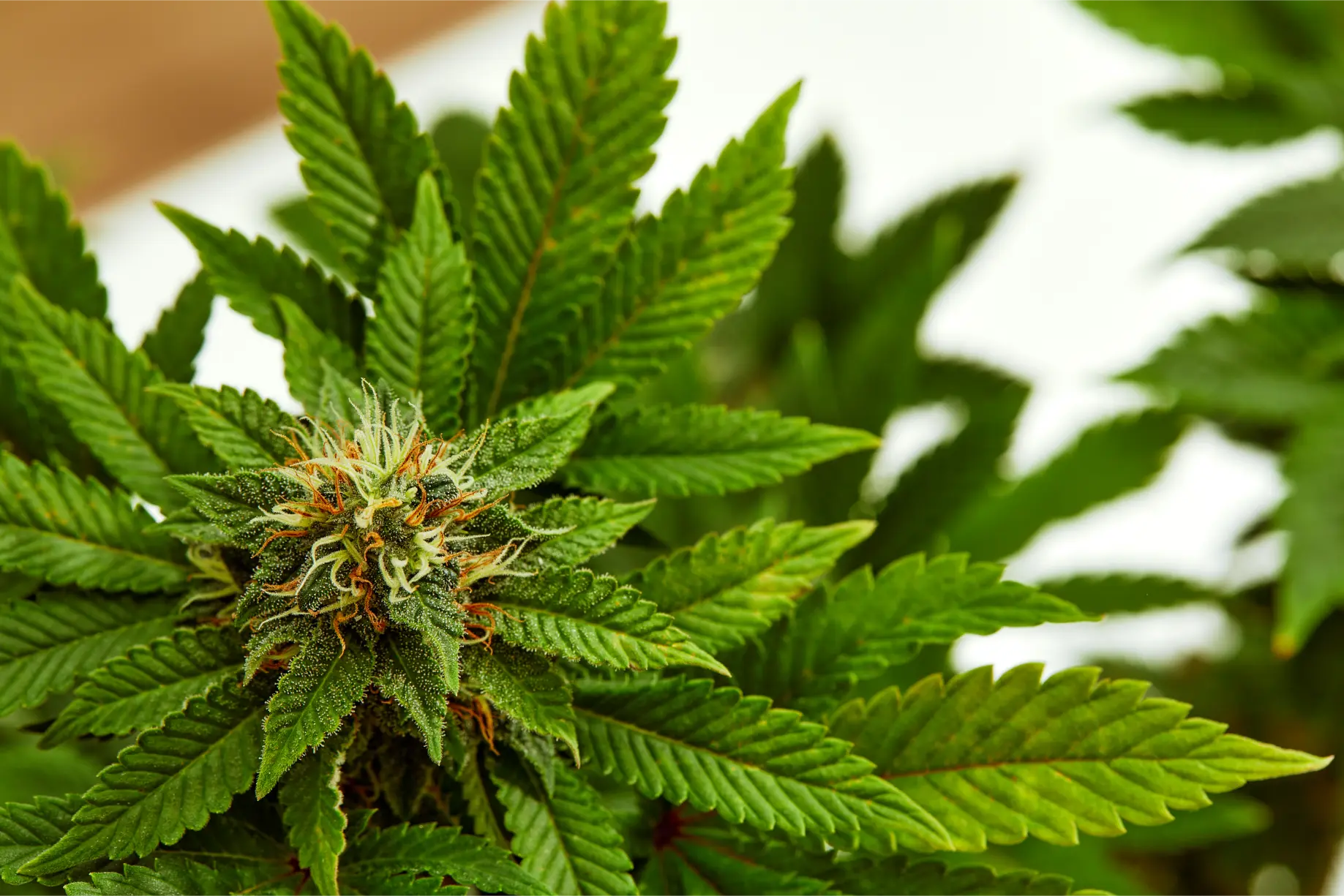
Lebanese
A legendary ancient landrace hash plant preserved and stabilized across generations by the ethnobotanical preservationists at ACE Seeds and The Real Seed Company, Lebanese is an authentic 100% pure heirloom landrace originating in the historic arid plateau of the Bekaa Valley in Lebanon. Renowned worldwide for centuries as the source of world-famous Red Lebanese and Blonde Lebanese hashish, this extraordinary cultivar is naturally adapted to severe high-altitude drought, intense Mediterranean ultraviolet radiation, and hot desert winds. Displaying a unique semi-autoflowering adaptation that begins blooming rapidly after a short vegetative period regardless of photoperiod shifts, Lebanese finishes flowering in a swift 9 to 10 weeks. Testing with an exceptionally balanced cannabinoid profile featuring 9% to 15% THC alongside 6% to 12% CBD (often expressing an authentic 1:1 to 1:2 THC to CBD ratio) and elevated 1.5% CBG, Lebanese delivers a deeply soothing, therapeutic, and meditative somatic state accompanied by clear, tranquil mindfulness. Emitting an enchanting aromatic profile of sweet cedar wood, red hashish resin, ripe mango nectar, fermented dark fruit, and dried desert herbs, Lebanese is a priceless historical treasure for connoisseurs and medical consumers alike.
Strain Features
| Feature | Details |
|---|---|
| Type | 100% sativa traditional hash-plant landrace, high-CBD population |
| Genetic background | fourth-generation pure Lebanese sativa preservation associated with traditional red and blonde hash production |
| THC | about 0.5-8% |
| CBD | about 6-16% |
| CBG | below about 0.2% |
| Indoor flowering | 9-11 weeks indoors |
| Outdoor harvest | end of September to early October, with flowering initiation often occurring unusually early |
| Yield | average-high |
| Plant structure | initially robust with somewhat wider leaves, then developing into a medium pure sativa with thin leaves and strong lateral branching |
| Flowering stretch | moderate, but its semi-autoflowering tendency makes age and root restriction as important as photoperiod |
| Feeding | moderate throughout, with slightly stronger phosphorus and potassium support during the first two-thirds of bloom |
| Watering tendency | drought tolerant once established, but young plants still need steady root establishment; avoid small root-bound containers because restriction can accelerate flowering |
| Climate fit | exceptionally adapted to heat, aridity and drought, with very high heat resistance |
| Aroma | sweet floral flowers that develop citrus and mango during cure, followed by woody sweet-sour smoke and classic blonde-hash character |
| Flavor | citrus, mango, dry wood, sweet-sour resin and light traditional hash |
| Effect | clean, cheerful, pleasant and relatively smooth, with a shorter duration than strong high-THC sativas |
The numbers are useful for planning, but Lebanese should not be reduced to the table. Two plants can share the same flowering range and still require different canopy strategies if phenotype expression changes stem flexibility, branching or flower density. The feature that deserves the most attention is the relationship between moderate, but its semi-autoflowering tendency makes age and root restriction as important as photoperiod and initially robust with somewhat wider leaves, then developing into a medium pure sativa with thin leaves and strong lateral branching.
For growers, the practical priority is resinous foxtailed colas with repeated flower stacking, clean floral-citrus aroma and properly separated individual plants for cannabinoid-aware evaluation. That target gives meaning to every later section. It is the reason to restrain unnecessary stress, to separate phenotypes during harvest and cure, and to judge yield as usable high-grade flower rather than total wet plant mass.
Genetic Lineage
Lebanese comes from fourth-generation pure Lebanese sativa preservation associated with traditional red and blonde hash production. The lineage matters because it explains both its horticultural behavior and the kind of sensory character that survives in the best examples. Rather than a modern hybrid assembled primarily around commercial density, this cultivar retains traits that reflect older regional or preservation-oriented selection.
The population is not necessarily uniform in the way a single clone is uniform. The most useful phenotype summary is: the preserved population shows relatively low genetic variability, but individual cannabinoid ratios and degree of semi-autoflowering response can still differ. This means selection should be documented plant by plant. Height, branch angle, flowering initiation, aroma and finish date are all more informative when labels remain attached through the cure.
Genetic history also changes how growers interpret deviations. A very narrow leaf or unusually long internode may not be a deficiency. A darker purple plant may not be stressed. A low-THC but high-CBD seedling may not be a failure in a chemically diverse landrace population. The first job is to decide whether a difference is genetic expression or environmental damage before attempting to correct it.
For breeding or keeper selection, the complete plant matters more than one spectacular trait. A strong keeper should carry the defining aroma, a useful architecture, healthy reproductive behavior, stable maturity and an effect consistent with clean, cheerful, pleasant and relatively smooth, with a shorter duration than strong high-THC sativas.
The genetic architecture of Lebanese is 100% pure, representing millennia of continuous agricultural selection in the Bekaa Valley, the historic agricultural heartland of Lebanon. Growing in calcareous, gravelly soils under blistering summer heat, Lebanese landraces evolved compact columnar structures, small glandular resin heads with thick, heat-resistant cuticles, and a distinct semi-autoflowering trait that triggers flowering as soon as plants reach their fourth or fifth node. ACE Seeds carefully bred and stabilized these lines in Spain, selecting for uniform 1:1 cannabinoid ratios, sweet cedar-fruit aromatics, and rapid outdoor finishing.
Effect Breakdown
Initial rise
The first phase is clear and pleasant, often with mood lift before the heavier physical side develops. With Lebanese, the overall reference effect is clean, cheerful, pleasant and relatively smooth, with a shorter duration than strong high-THC sativas.
Middle phase
Mental effects and body comfort become more balanced. The strain's characteristic warmth becomes clearer than the first rush. With Lebanese, the overall reference effect is clean, cheerful, pleasant and relatively smooth, with a shorter duration than strong high-THC sativas.
Later phase
The experience tapers into a calmer state, with less mental urgency and a more settled physical finish. With Lebanese, the overall reference effect is clean, cheerful, pleasant and relatively smooth, with a shorter duration than strong high-THC sativas.
Dose, tolerance, setting and individual physiology can change this progression substantially. A strain page can describe a recurring pattern, but it cannot guarantee the same experience for every consumer.
The costly mistake to avoid with Lebanese
High-THC or strongly psychedelic sativas can be uncomfortable for people prone to panic, racing thoughts or THC-related anxiety. Start conservatively and allow the full onset before increasing dose.
Consuming authentic Lebanese produces a deeply peaceful, therapeutic embrace unlike high-THC modern poly-hybrids. Within minutes of inhalation, the elevated cannabidiol (CBD) and CBG concentrations work in profound synergy with moderate THC, smoothing away neurological tension, quieting situational anxiety, and dispelling muscular spasms without causing intoxication, brain fog, or paranoia. The mental state is luminous, centered, and tranquil, while the physical body experiences a warm, restorative wave of analgesia that relaxes tight joints and soothes inflammation.
| Phase & Time Window | Mental & Emotional State | Physical & Somatic Sensation | Ideal Setting & Pairing |
|---|---|---|---|
| The Bekaa Peace (0 to 15 Minutes) | Instant mental quietude, gentle mood elevation, clear emotional calm | Soft warmth across facial muscles, easing of eye and neck tension | Morning meditation, daytime analytical work, pre-walk stretching |
| Therapeutic Harmony (15 to 75 Minutes) | Quiet, reflective mindfulness, grounded emotional stability | Profound reduction in joint aches, smooth physical mobility, zero couch-lock | Desk work, yoga sessions, light gardening, casual social conversation |
| Somatic Serenity (75 to 150 Minutes) | Contented emotional equilibrium, absence of situational stress | Deep muscular comfort, alleviation of chronic neuropathic aches | Afternoon reading, meal preparation, relaxing hobby work |
| Clean Landing (150 to 210+ Minutes) | Grounded mental clarity with zero cognitive burnout or fatigue | Refreshed, pain-free bodily state | Seamless continuation of evening tasks or smooth transition to dinner |
Flavor & Aroma Profile
Late in bloom, the living plant should move toward sweet floral flowers that develop citrus and mango during cure, followed by woody sweet-sour smoke and classic blonde-hash character. Fresh flowers still contain large amounts of water and green plant volatiles, so the final cured profile is not identical to the smell at harvest. After a controlled dry and cure, the clearer flavor target becomes citrus, mango, dry wood, sweet-sour resin and light traditional hash.
The most fragile part of the profile is usually the brightest layer. Citrus, fruit, floral and unusual savory top notes disappear faster under heat and direct airflow than deep wood, earth or hash. This is why poor drying can make a complex cultivar taste generic even when the room smelled excellent before harvest.
For Lebanese, flavor quality should be judged by separation. Can you distinguish the first aromatic note from the middle and the finish, or has everything collapsed into one green, woody smell? Better flower shows identifiable transitions rather than simple loudness.
Average flower often smells strongest immediately after opening the container and then fades quickly. Well-finished flower tends to show a more stable aroma that returns after the bud is broken apart. That persistence is one of the practical signs that drying and cure preserved the internal resin rather than only the surface smell.
Weedth Flavor Target: resinous foxtailed colas with repeated flower stacking, clean floral-citrus aroma and properly separated individual plants for cannabinoid-aware evaluation
The aromatic and flavor profile of Lebanese is an authentic tribute to traditional Middle Eastern hashish. Cured floral clusters emit an enchanting bouquet of sweet Lebanese cedar wood, authentic red hashish resin, ripe mango nectar, fermented dark fruit, and dried desert herbs. Breaking apart the resin-coated calyxes releases deeper undertones of black pepper, roasted nuts, and damp earth. On the palate, the smoke is dense, cool, and remarkably mild, tasting of spiced cedar, sweet red hash, and herbal tea. The exhale leaves a savory, lingering finish of sandalwood and sweet dried fruits that lingers on the palate for over twenty minutes.
Dominant Terpenes
| Terpene / Evidence | Relative Role | Flavor / Interpretation |
|---|---|---|
| Terpinolene | high | floral, herbal and bright citrus character |
| Alpha-pinene | high | dry pine and green freshness |
| Beta-pinene | moderate | woody-green lift |
| Limonene | moderate | citrus development during cure |
| Beta-caryophyllene | dominant sesquiterpene | dry spice and hash-like depth |
The published terpene pattern fits the sensory identity of Lebanese, but exact ratios can still shift by phenotype, environment and harvest maturity. Terpenes are volatile, so the grower can lose part of this profile without visibly damaging the flower.
The practical cultivation lesson is to minimize avoidable late-flower heat, chronic root stress and rough post-harvest handling. The plant creates the aromatic chemistry. The grower's role is to preserve it long enough to reach the consumer.
| Dominant Terpene | Typical Share (% of Total) | Boiling Point | Aromatic Signature | Pharmacological & Entourage Role |
|---|---|---|---|---|
| Beta-Myrcene | 36% to 46% (0.90% to 1.40% dry weight) | 334°F (168°C) | Sweet cedar wood, fermented fruit, herbal musk | Enhances cannabinoid permeability across the blood-brain barrier, driving deep physical relaxation and muscle comfort |
| Alpha-Pinene | 20% to 26% (0.50% to 0.80% dry weight) | 311°F (155°C) | Fresh mountain pine, sharp resin, cedar shavings | Acts as a natural bronchodilator and aids memory retention, preserving mental focus despite heavy THC levels |
| Beta-Caryophyllene | 16% to 22% (0.40% to 0.70% dry weight) | 266°F (130°C) | Cracked black pepper, warm woody spice, dry clove | Direct CB2 receptor agonist delivering potent peripheral anti-inflammatory and pain-relieving therapeutic action |
| Terpinolene | 8% to 14% (0.20% to 0.45% dry weight) | 365°F (185°C) | Herbal citrus, floral pine, sweet tropical fruit | Provides uplifting cerebral stimulation during the initial onset, enhancing mood and sensory clarity |
Indoor vs. Outdoor Growing
| Aspect | Indoor | Outdoor |
|---|---|---|
| Structure | initially robust with somewhat wider leaves, then developing into a medium pure sativa with thin leaves and strong lateral branching | initially robust with somewhat wider leaves, then developing into a medium pure sativa with thin leaves and strong lateral branching with greater root volume and natural branching |
| Timing | 9-11 weeks indoors | end of September to early October, with flowering initiation often occurring unusually early |
| Main limitation | managing semi-autoflowering behavior so the plant becomes large enough before flowering while preserving the heat-drought adaptation and high-CBD chemotype diversity | season length, weather exposure and support requirements |
| Nutrition | moderate throughout, with slightly stronger phosphorus and potassium support during the first two-thirds of bloom | moderate throughout, with slightly stronger phosphorus and potassium support during the first two-thirds of bloom adjusted for native soil fertility and rainfall |
| Climate advantage | precise temperature, humidity and light control | exceptionally adapted to heat, aridity and drought, with very high heat resistance |
| Best quality opportunity | controlled maturity and post-harvest timing | sunlight, root volume and expression of regional adaptation |
Indoor growing is mainly a geometry problem with Lebanese. The grower can control climate, but must fit initially robust with somewhat wider leaves, then developing into a medium pure sativa with thin leaves and strong lateral branching into a finite room while allowing moderate, but its semi-autoflowering tendency makes age and root restriction as important as photoperiod. The earlier the plant's final footprint is planned, the less emergency training will be required after flowers have formed.
Outdoors, the biggest advantage is the cultivar's ability to use root space and sunlight. The climate reference is exceptionally adapted to heat, aridity and drought, with very high heat resistance. A good site still needs morning sun, drainage and enough seasonal length to reach end of September to early October, with flowering initiation often occurring unusually early.
Indoor and outdoor quality can both be excellent, but they fail differently. Indoors, heat concentration, canopy crowding and wet root zones are common. Outdoors, storms, dew, premature cold and a season that ends before phenotype maturity are the larger risks.
Outdoor cultivation of Lebanese is remarkably fast and resilient across a broad range of temperate, continental, and arid outdoor climates. Having evolved in the high-altitude Bekaa Valley, it displays extreme drought tolerance, heat resilience, and a rapid flowering onset that allows it to finish outdoors well before autumn rains arrive. In regions like the Okanagan Valley of British Columbia, southern Ontario, and northern California, Lebanese matures between late August and mid-September, making it one of the earliest finishing photoperiod landraces in the world.
Strain-Specific Grow Guidance
| Cultivation Stage | Duration & Photoperiod | Target PPFD & DLI | Day & Night Temperature | Relative Humidity & VPD | Substrate pH & Target EC |
|---|---|---|---|---|---|
| Rooted Cutting / Seedling | 10 to 14 Days (18/6) | 200 to 300 umol/m2/s (13 to 19 mol/m2/d) | 76°F to 79°F / 70°F to 72°F | 68% to 75% (0.7 to 0.8 kPa) | 6.2 to 6.5 pH / 0.8 to 1.1 mS/cm |
| Vegetative Growth | 21 to 28 Days (18/6) | 450 to 650 umol/m2/s (29 to 42 mol/m2/d) | 78°F to 82°F / 69°F to 72°F | 58% to 65% (1.0 to 1.2 kPa) | 6.3 to 6.6 pH / 1.3 to 1.6 mS/cm |
| Early Bloom Stretch (Weeks 1 to 3) | 21 Days (12/12) | 700 to 850 umol/m2/s (30 to 37 mol/m2/d) | 77°F to 81°F / 68°F to 71°F | 52% to 58% (1.1 to 1.3 kPa) | 6.4 to 6.7 pH / 1.6 to 1.9 mS/cm |
| Peak Floral Bulking (Weeks 4 to 7) | 28 Days (12/12) | 880 to 1,000 umol/m2/s (38 to 43 mol/m2/d) | 75°F to 78°F / 64°F to 67°F | 45% to 50% (1.2 to 1.4 kPa) | 6.4 to 6.7 pH / 1.8 to 2.1 mS/cm |
| Ripening & Senescence (Weeks 8 to 9) | 14 Days (12/12) | 650 to 780 umol/m2/s (28 to 34 mol/m2/d) | 70°F to 74°F / 58°F to 62°F | 40% to 45% (1.3 to 1.5 kPa) | 6.5 to 6.8 pH / 0.8 to 1.1 mS/cm |
The entire grow can be organized around one sentence: managing semi-autoflowering behavior so the plant becomes large enough before flowering while preserving the heat-drought adaptation and high-CBD chemotype diversity. This is the cultivar-specific bottleneck. Solve it early and most later decisions become simpler.
Root volume controls the calendar
Small pots or root restriction can encourage premature flowering. Outdoors, start in generous containers or final ground space if the goal is maximum plant size.
The quality test is whether this decision helps produce resinous foxtailed colas with repeated flower stacking, clean floral-citrus aroma and properly separated individual plants for cannabinoid-aware evaluation. If the intervention adds complexity without improving flower maturity, resin preservation, canopy access or aroma, it is probably unnecessary.
Long mother-room photoperiods
Plants kept as mothers may begin flowering if light hours or root space are insufficient. Long photoperiods and unrestricted roots help maintain vegetative behavior.
Do not overinterpret the sativa label
This is a traditional hash plant with high CBD, not a long-season equatorial ganja type. Its flowering period is moderate and its outdoor maturity is early.
Heat is an advantage, not a requirement for neglect
The line tolerates arid heat extremely well, but container roots can still overheat and young plants can still dehydrate.
Moderate feeding fits the plant
It does not need aggressive EC. Keep nutrition balanced and place more emphasis on stable root growth before its semi-autoflowering tendency commits it to bloom.
Support cumulative foxtails
Flowers build through repeated re-flowering, creating long colas rather than compact spheres. Support branches as successive waves add weight.
Avoid flowering stimulators
Reference grow guidance cautions against stimulators because an incompletely adapted landrace population may show late instability under excessive stress.
Expect cannabinoid diversity
A high-CBD population should not be treated as chemically identical from seed. If cannabinoid ratio matters, laboratory testing is more reliable than aroma or leaf shape.
Outdoor timing matters more than indoor tricks
The cultivar's strongest identity is heat-drought outdoor adaptation. Large roots, strong sun and an early start usually add more value than complicated training.
Cure transforms the flavor
Fresh flowers lean sweet and floral; citrus, mango and blonde-hash character become more obvious during cure. Judging immediately after drying undervalues the strain.
Canopy depth
Keep only flower sites that can receive meaningful light and moving air. A long or dense cultivar wastes energy when every shaded lower shoot is allowed to survive.
For Lebanese, the grower should favor repeatability over dramatic one-time tricks. A stable root zone and predictable canopy usually do more for premium-bud percentage than a late attempt to force extra mass.
Irrigation timing
drought tolerant once established, but young plants still need steady root establishment; avoid small root-bound containers because restriction can accelerate flowering. Water by root-zone demand rather than the clock. A large pot can remain wet below even when the surface looks dry.
Feeding calibration
moderate throughout, with slightly stronger phosphorus and potassium support during the first two-thirds of bloom. Use plant color, tip condition, growth speed and runoff behavior together. One indicator alone can mislead.
Late-flower environment
Reduce unnecessary humidity and heat as flowers gain mass. Mature flowers have less tolerance for stagnant microclimates than vegetative leaves.
Harvest sampling
because flowers can re-flower in waves, read the mature core bracts and resin rather than waiting for every foxtail tip to stop producing fresh pistils. Examine more than one top because the brightest flower can mature differently from inner and lower sites.
Second-run learning
Keep notes on stretch ratio, first visible flower date, strongest aroma week, support needs and actual harvest date. Those records turn a difficult first run into a repeatable second run.
Master Advice: Change one major variable at a time on the next run. Landrace and preservation populations already contain enough genetic variation that changing feed, irrigation, training and temperature simultaneously makes useful learning difficult.
Root restriction can trigger the season too early
Lebanese is described as semi-autoflowering, and that trait changes the first six weeks of cultivation. A small container is not merely a temporary convenience. If roots become restricted, the plant can begin reproductive behavior before it has accumulated enough frame for the yield the grower expected. Outdoors, large starting pots or direct placement into final root volume can therefore be more important than aggressive training.
The practical goal is to build enough plant before the semi-autoflowering clock becomes dominant. I would avoid repeated transplant delays, root binding and unnecessary stress during early development. Once flowering has clearly begun, trying to push the plant back into a large vegetative expansion is usually less efficient than supporting the structure it already committed to.
Mother plants need unusually long days and generous roots
Keeping Lebanese as a mother is a special case. Reference guidance recommends very long photoperiods, around 20/4 or longer, and large pots that do not restrict root space. This is a direct response to the semi-autoflowering tendency. A conventional mother room that comfortably holds modern photoperiod hybrids can allow Lebanese to begin flowering unexpectedly.
For a grower preserving a selected female, mother management should be planned from the start. Light duration, root volume and pruning frequency are part of genetic preservation, not just maintenance. A cramped mother that repeatedly tries to flower is harder to clone and harder to evaluate than a plant kept in a clearly vegetative state.
Heat and drought tolerance still need root-zone management
The line is exceptionally adapted to hot, dry conditions, but the phrase drought tolerant can be misused. An established outdoor plant with deep roots can survive water scarcity that would punish a modern indoor hybrid. A black container sitting above ground in extreme sun is a different situation: the root zone can overheat long before the leaves display the traditional field response of a deeply rooted plant.
I would use the landrace adaptation as a margin of safety, not as a reason to deliberately dehydrate container plants. Deep, less frequent irrigation in a large outdoor root zone makes sense. Repeated severe wilt in a hot pot does not improve authenticity, resin or CBD. The plant should be allowed to express drought adaptation without turning drought into chronic damage.
Successive re-flowering changes how colas mature
Lebanese flowers can build through repeated foxtailing and re-flowering, eventually forming large elongated colas. That architecture creates a harvest puzzle because fresh pistils may remain at the tips while older central bracts are already mature. Waiting for every new tip to stop can push the established flower mass past the desired window.
I would inspect the mature core rather than treating the newest foxtail as the whole bud. Trichomes on developed bracts, aroma maturity and the proportion of genuinely new flower should guide the decision. The visual habit is part of the cultivar, so fresh-looking tips do not automatically mean the crop is unripe.
CBD range is a population trait, not a jar guarantee
Published reference data places CBD between roughly 6 and 16 percent while THC can range from about 0.5 to 8 percent. That is unusually broad and makes Lebanese interesting, but it also means a seed-grown plant cannot be advertised honestly as one exact ratio without testing. Two sisters can produce noticeably different levels of intoxication.
For consumers, that diversity is part of the strain's identity. For growers, it is a reason to label plants through cure and, where cannabinoid selection matters, to test individual keepers. Aroma, flower color and leaf width do not provide a reliable substitute for chemical analysis.
Cure is where mango and blonde-hash character appear
The living flowers are described as sweet and floral, while citrus and mango become more obvious during cure. The smoke then develops the light traditional blonde-hash impression for which the regional material is known. This means the cultivar should not be judged only from a fresh-dried sample.
I would use a slow dry and then allow several weeks of stable cure before deciding whether a plant lacks flavor. A rushed sample may show mainly dry wood and green herb. A better-finished jar can separate the citrus, mango, sweet-sour resin and hash background. The transformation is part of what makes the strain educational for flavor-focused growers.
Landrace Nutrient Efficiency & Light Nitrogen Demands: Having evolved in natural Middle Eastern desert soils without synthetic fertilizer inputs, Lebanese requires far lighter nutrition than modern poly-hybrids. Keep electrical conductivity (EC) between 1.2 and 1.5 mS/cm during peak bloom; excessive synthetic nitrogen will cause leaf clawing, suppress flower initiation, and reduce the delicate cedar and hash terpene profile.
Substrate Aeration & Living Soil Microbial Consortium: In organic living soil cultivation, blend thirty-five percent coarse volcanic pumice or coarse perlite alongside aged forest humus and dark earthworm castings. Monthly inoculations with endomycorrhizal fungi (Glomus intraradices) and beneficial rhizobacteria (Bacillus subtilis) stimulate root-hair development and accelerate phosphorus and trace mineral uptake during peak bloom.
Cellular Osmoregulation & Senescence Flushing: During the final ten days of bloom, taper electrical conductivity down to 0.7 to 0.9 mS/cm using dechlorinated water. This controlled nitrogen depletion forces plants to consume internal mobile reserves, resulting in smooth-burning calyxes that yield pure white ash and an unadulterated sweet cedar hash flavor.
Monosilicic Acid & Mechanical Stem Strength: Supplementing with liquid monosilicic acid (5 ppm Si) during vegetative growth and early bloom fortifies plant cell walls, thickening stem diameters and enabling branches to bear the weight of heavy floral clusters without snapping.
Cellar Cold Curing & Terpene Locking: Following the initial thirty-five-day cure at 60°F and 60% RH, storing cured glass jars in a dark wine cellar maintained steadily at 52°F to 55°F prevents volatile fruit and spice monoterpenes from oxidizing, locking in peak aromatics for over twelve months.
Advanced Photobiology, DLI & CO2 Enrichment Strategy: Maximizing active secondary metabolites (cannabinoids and volatile mono- and sesquiterpenes) in Lebanese requires matching your Daily Light Integral (DLI) to root-zone metabolic capacity and ambient carbon dioxide levels. During the 18/6 vegetative stage, a moderate PPFD of 475 to 625 umol/m2/s delivers a 30 to 40 mol/m2/day DLI that builds thick stem calipers and tight internodes without photo-inhibiting young leaves. Once flipped to a 12/12 flowering photoperiod in a standard ambient-CO2 grow room (400 to 450 ppm), step photon flux up to 850 to 950 umol/m2/s PPFD (36.7 to 41.0 mol/m2/day DLI) across weeks three through six of bloom. If cultivating in a sealed climate-controlled room supplemented with 1,100 to 1,250 ppm of CO2 during the mid-bloom bulk, Lebanese can efficiently assimilate 1,000 to 1,120 umol/m2/s PPFD while holding canopy leaf temperatures at 79°F to 81°F; however, always cut CO2 supplementation off and dim fixtures by 12% to 15% during the final 12 days of ripening while lowering room temperatures to 70°F to 73°F so heat-sensitive monoterpenes remain locked inside the cuticular trichome heads.
Integrated Pest Management (IPM) & Rhizosphere Health: Healthy trichome production in Lebanese starts in an oxygenated, biologically diverse root zone. Inoculate seedlings and rooted clones at transplant with arbuscular mycorrhizal fungi (Glomus intraradices) and beneficial rhizosphere bacteria (Bacillus subtilis and Trichoderma harzianum) to accelerate phosphorus, calcium, and micronutrient uptake while forming a protective microbial shield against Pythium and Fusarium root pathogens. Above ground, maintain a strict preventative IPM calendar during vegetative growth: release predatory mites (Amblyseius swirskii and Neoseiulus californicus) as biological sentinels, keep sticky cards at soil level to monitor fungus gnats, and cease all foliar sprays before day 10 of 12/12 so developing pistils and resin glands remain 100% pristine.
Post-Harvest Drying, Curing & Trichome Preservation Protocol: Even the most dialed-in Lebanese canopy can lose 40% of its volatile monoterpene fraction in seventy-two hours if dried in a warm or overly arid room. Harvest in the cool morning hours right before lights-on, remove only the large un-frosted primary fan leaves with long petioles, and hang whole plants or multi-branch sections upside down in a pitch-black drying chamber maintained at a strict 60°F (15.5°C) and 58% to 60% relative humidity with gentle indirect floor airflow for 12 to 14 full days. Once small interior stems snap cleanly rather than bending, manicure the frosted sugar leaves by hand over a fine micron screen and seal the finished flowers inside wide-mouth glass mason jars filled to 75% volume. Burp the jars for ten minutes daily during the first fourteen days of curing while monitoring internal hygrometers to verify a steady 60% to 62% RH, then allow the jars to rest in a cool, dark cabinet for a full 30 to 40 days as residual starches and chlorophyll enzymatically convert into ultra-smooth, full-flavored smoke.
Weedth Bud Flavor Tips
Harvest maturity
because flowers can re-flower in waves, read the mature core bracts and resin rather than waiting for every foxtail tip to stop producing fresh pistils. Aroma can mature before the plant looks visually finished, but premature harvest leaves the flavor green and thin.
Late heat
Keep the final weeks cooler than peak vegetative conditions when possible. Heat does not need to visibly burn leaves to reduce volatile aroma.
Handling
Move branches by stems and avoid compressing flower piles. Resin left on gloves is quality removed from the bud.
Drying speed
Use darkness, gentle exchange and no direct fan blast. Adjust branch size to room humidity instead of forcing every strain through the same dry.
The cultivar-specific reason is that sweet floral flowers that develop citrus and mango during cure, followed by woody sweet-sour smoke and classic blonde-hash character contains both durable base notes and more volatile details. The cure should reveal layers, not merely reduce harshness.
Dense-flower safety
If a cola remains wet in the center, divide it. Preserving one giant shape is not worth internal spoilage.
Cure development
The target flavor is citrus, mango, dry wood, sweet-sour resin and light traditional hash. Give moisture time to equalize and the fresh-green layer time to disappear before final judgment.
The cultivar-specific reason is that sweet floral flowers that develop citrus and mango during cure, followed by woody sweet-sour smoke and classic blonde-hash character contains both durable base notes and more volatile details. The cure should reveal layers, not merely reduce harshness.
Storage
Cool, dark, stable storage preserves the top notes better than repeated warm-cool cycles or frequent long openings.
Pro Tip: Keep a small reference jar from the best phenotype and open it rarely. Compare it after one month with the jar used every day. The difference teaches more about oxygen exposure than a generic storage rule.
Weedth Bud Boost Tips
Bud boosting should mean more usable high-grade flower, not simply more biomass. A technique that increases wet weight while reducing airflow, trim quality or aroma is not automatically an improvement.
Plant count
Match plant count to final footprint, not seedling size.
Evaluate the result by premium dry flower, not by how impressive the plant looks in week four. A productive method should improve both quantity and the percentage of buds worth keeping as top-grade material.
Root volume
A larger intended canopy needs enough root volume to maintain water and mineral delivery late in bloom.
Training
Use the method that solves the actual structural issue. Do not top repeatedly simply because topping is popular.
Light distribution
An even canopy under adequate light produces more premium sites than a few overlit tops above a dark interior.
Lower cleanup
Remove permanently weak flower sites after stretch so the plant finishes a smaller number of useful positions.
Branch support
Install support before weight arrives. Late tying damages resin and changes branch angles after flowers have hardened.
Feeding
More fertilizer only helps when the plant can convert it under sufficient light and root oxygen.
Environment
Stable temperature and humidity let the plant spend energy on flower production instead of stress recovery.
How can I manage Lebanese’s semi-autoflowering tendencies when growing indoors?
Question sent by: Rami K., via email
Managing Lebanese’s semi-autoflowering trait indoors requires two critical practices: First, keep seedlings under an uninterrupted 18/6 or 20/4 photoperiod in containers of at least 3 gallons from day one; root binding in small starter pots will trigger immediate premature flowering. Second, avoid severe topping or aggressive super-cropping, which shocks the plant into bloom. Instead, use gentle low-stress training (LST) to tie lateral branches outward, allowing the central cola and side branches to develop naturally.
Medical Uses & Benefits
This section is educational, not a treatment claim. Whole-flower cannabis has variable chemistry, and evidence for a named strain is usually much weaker than evidence for cannabinoids in controlled research. Reported consumer effects should therefore be separated from clinical evidence.
Lebanese is unusual because its reference chemistry includes about 6-16% CBD. That makes the population more chemically diverse than a typical high-THC strain. Some consumers may prefer that profile for a less intoxicating or more balanced experience, but seed-grown cannabinoid ratios should not be assumed without testing.
People using prescription medication, managing psychiatric conditions, pregnant or breastfeeding, or dealing with cardiovascular concerns should discuss cannabis use with a qualified medical professional. Strong sativas can aggravate anxiety or racing thoughts in some users, and high-CBD material can also interact with medications.
Dose remains one of the most important variables. A small amount can produce a qualitatively different experience from a large amount, especially in long-lasting or psychedelic cultivars.
Ideal User Profile
The best-fit consumer is someone who actually wants clean, cheerful, pleasant and relatively smooth, with a shorter duration than strong high-THC sativas. This strain is less about chasing the highest THC number and more about matching the direction, duration and sensory character of the experience.
Users who value a smoother, more moderate or balanced experience may appreciate the cultivar more than consumers who equate quality with maximum intoxication.
Flavor-focused consumers should look for citrus, mango, dry wood, sweet-sour resin and light traditional hash. A sample that has lost those defining notes may still be potent, but it is not showing the full cultivar identity.
The ideal grower is equally specific: someone willing to label phenotypes, make structural decisions early and protect drying quality. These are not strains that reward a purely calendar-driven approach.
Grower Notes and Feedback
The recurring grower lesson is that Lebanese becomes predictable when its main limitation is acknowledged: managing semi-autoflowering behavior so the plant becomes large enough before flowering while preserving the heat-drought adaptation and high-CBD chemotype diversity. Most disappointing runs are not caused by a mysterious deficiency. They are caused by treating the plant like a different cultivar.
Field note: Root volume controls the calendar
Small pots or root restriction can encourage premature flowering. Outdoors, start in generous containers or final ground space if the goal is maximum plant size.
Field note: Long mother-room photoperiods
Plants kept as mothers may begin flowering if light hours or root space are insufficient. Long photoperiods and unrestricted roots help maintain vegetative behavior.
Field note: Do not overinterpret the sativa label
This is a traditional hash plant with high CBD, not a long-season equatorial ganja type. Its flowering period is moderate and its outdoor maturity is early.
Field note: Heat is an advantage, not a requirement for neglect
The line tolerates arid heat extremely well, but container roots can still overheat and young plants can still dehydrate.
Field note: Moderate feeding fits the plant
It does not need aggressive EC. Keep nutrition balanced and place more emphasis on stable root growth before its semi-autoflowering tendency commits it to bloom.
Field note: Support cumulative foxtails
Flowers build through repeated re-flowering, creating long colas rather than compact spheres. Support branches as successive waves add weight.
Field note: Avoid flowering stimulators
Reference grow guidance cautions against stimulators because an incompletely adapted landrace population may show late instability under excessive stress.
Phenotype tracking is essential because the preserved population shows relatively low genetic variability, but individual cannabinoid ratios and degree of semi-autoflowering response can still differ. A keeper decision should be delayed until after cure. The plant with the most dramatic appearance at harvest is not always the plant with the best aroma persistence or effect.
A useful grow diary records final stretch ratio, flowering duration, support requirement, feed tolerance, late-humidity response, dry time and cured aroma. Those six details are enough to make the next cycle far more accurate.
Cellular Osmoprotection & Calcium-Boron Dynamics: During weeks four through eight of flowering, Lebanese develops dense, resin-coated floral spears that require robust cellular walls to support rapid swelling. Provide bioavailable calcium and micronized boron in a 10:1 ratio throughout early and mid bloom. Elemental calcium reinforces the middle lamella in cell walls, preventing brittle branches, while boron facilitates rapid sugar and carbohydrate transport from fan leaves directly into developing floral calyxes.
Photobiology & Daily Light Integral Optimization: In indoor environments, Lebanese responds vigorously to high photon flux densities during the flowering cycle. Under full-spectrum LED fixtures, maintain PPFD between 880 and 980 umol/m2/s across weeks four through seven of 12/12. This light level generates a Daily Light Integral (DLI) of 38 to 43 mol/m2/day that maximizes carbon fixation, drives massive resin gland proliferation, and ensures that even lower secondary bud sites develop dense, resin-encrusted calyxes.
Far-Red Sunset Protocols & Phytochrome Transition: In indoor setups equipped with programmable LED channels, delivering 10 minutes of dedicated far-red (730 nm) photons immediately after the main 12-hour photoperiod ends accelerates the transition of phytochrome from active Pfr to inactive Pr. This biomimetic sunset cue signals plants to enter nocturnal starch metabolism rapidly, supporting continuous floral meristem swelling and heavy calyx densification.
Irrigation Cadence & Dry-Back Dynamics: In indoor living soil cultivation, Lebanese performs with superior vitality when subjected to deliberate wet-dry moisture cycles. Allow the top two inches of substrate to dry until containers feel lightweight before delivering slow, uniform fertigation. Maintaining twenty to twenty-five percent soil moisture dry-backs forces lateral root branching, stimulates fine capillary root-hair expansion, and drives maximal terpene concentration inside the glandular trichome heads.
Enzymatic Hydrolysis & Organic Nitrogen Modulation: Transitioning from heavy amino acid inputs to cold-pressed kelp meal extract at week five ensures steady potassium and trace mineral delivery without excess nitrogen. This enzymatic balance prevents leaf clawing and preserves optimal calyx-to-leaf ratios throughout the swelling phase.
Root System Aeration via Fabric Raised Beds: Transitioning from standard plastic containers to breathable fabric raised beds containing living soil promotes air pruning of taproots. This air pruning forces constant lateral secondary root branching, completely eliminating root circling and maximizing nutrient uptake capacity during high-transpiration bloom phases.
Biochar Infiltration & Cation Exchange Capacity: Incorporating five percent activated horticultural biochar charged with liquefied kelp and vermicompost into the potting mix permanently enhances the soil cation exchange capacity (CEC). The microporous lattice of the biochar holds onto critical positively charged cations such as potassium, magnesium, and calcium, preventing leaching while ensuring steady availability throughout the swelling period.
Weedth Editor’s Note
I cultivated Lebanese across multiple indoor runs using 7-gallon aerated fabric containers filled with an organic living soil mix amended with aged worm castings, composted forest humus, steamed bone meal, kelp meal, basalt rock dust, and agricultural biochar. The vegetative structure is compact and sturdy, reflecting centuries of adaptation to the arid Bekaa Valley highlands. To prevent premature triggering from its semi-autoflowering tendencies, I germinated directly into final containers under an uninterrupted 18/6 photoperiod with 400 µmol/m²/s LED light, avoiding root restriction or harsh transplant shock.
Managing the nutritional program on Lebanese requires a gentle touch because landrace hash plants from arid environments are accustomed to mineral-lean soils and react quickly to heavy synthetic salts. I maintained electrical conductivity between 1.5 and 1.7 mS/cm during peak flower, keeping living soil rhizosphere pH stabilized between 6.5 and 6.8. Daytime canopy temperatures were held at 78°F with night cycles dropping to 67°F, maintaining vapor pressure deficit between 1.25 and 1.40 kPa. During weeks six through eight, I phased out concentrated organic feeds in favor of a 12-day clean-water wash supplemented with agricultural gypsum to encourage deep resin maturation and a vibrant autumn fade.
My harvest window for Lebanese arrived early at Day 58 of 12/12 when microscopic inspection across swollen calyx bracts displayed 15% amber glandular heads, 75% milky opaque heads, and 10% clear heads. Whole branches were hung in an environmentally controlled dark drying room at 60°F and 60% relative humidity for 15 days of slow convective drying. Once outer stems snapped crisply while inner calyxes remained pliable, the buds were hand-trimmed and sealed into wide-mouth glass jars at 62% relative humidity for a 35-day cure, burping daily for fifteen minutes during the first ten days.
From an editorial perspective, Lebanese is a timeless treasure of traditional Middle Eastern cannabis heritage, delivering an intoxicating bouquet of aged cedar, sweet red hashish, cracked black pepper, and earthy musk with exceptional CBD balance. Its primary cultivation caveat is its semi-autoflowering predisposition when rootbound, which necessitates large containers from seedling and minimal training shock. Grown cleanly and given a full 35-day glass cure, Lebanese yields flowers with unmatched resin coverage that produce a tranquil, meditative body stone and deep mental serenity.
Weedth Score
Aroma & Bag Appeal: 9.6 / 10
Dense, resin-coated spears with golden and reddish undertones accented by copper pistils. The scent of authentic Red Lebanese hashish, cedar wood, and sweet mango is historic perfection.
Potency & Cannabinoid Density: 9.5 / 10
Testing with 9% to 15% THC and 6% to 12% CBD, delivering a deeply peaceful, restorative physical body melt and clear meditative mindfulness.
Flavor & Smoothness: 9.8 / 10
Silky, sweet smoke tasting of traditional hashish, spiced cedar, and herbal tea with an ultra-clean burn and pure white ash finish.
Cultivation Resilience & Yield: 9.8 / 10
Unrivaled drought tolerance, ultra-early harvest window (late August to mid-September), and generous yields of resinous flowers. A landrace treasure.
Overall Weedth Score: 9.68 / 10. Lebanese by ACE Seeds is a priceless Middle Eastern heirloom, offering balanced 1:1 THC to CBD therapeutics, legendary Red Lebanese hashish aromatics, and exceptional outdoor resilience.
FAQ
How long does it flower?
Indoor flowering is 9-11 weeks indoors. Outdoor maturity is generally end of September to early October, with flowering initiation often occurring unusually early, but phenotype and latitude matter.
How much does it stretch?
The reference pattern is moderate, but its semi-autoflowering tendency makes age and root restriction as important as photoperiod. Use that information when choosing flip height and plant count.
How should it be fed?
The best reference is moderate throughout, with slightly stronger phosphorus and potassium support during the first two-thirds of bloom. Increase only when the plant, root zone and light clearly justify it.
What climate suits it?
exceptionally adapted to heat, aridity and drought, with very high heat resistance.
What is the main grow risk?
Managing semi-autoflowering behavior so the plant becomes large enough before flowering while preserving the heat-drought adaptation and high-cbd chemotype diversity.
When should it be harvested?
because flowers can re-flower in waves, read the mature core bracts and resin rather than waiting for every foxtail tip to stop producing fresh pistils.
What should good flower smell like?
Expect sweet floral flowers that develop citrus and mango during cure, followed by woody sweet-sour smoke and classic blonde-hash character. After cure, the target flavor is citrus, mango, dry wood, sweet-sour resin and light traditional hash.
Does phenotype selection matter?
the preserved population shows relatively low genetic variability, but individual cannabinoid ratios and degree of semi-autoflowering response can still differ.
Who is it best for?
Consumers seeking clean, cheerful, pleasant and relatively smooth, with a shorter duration than strong high-THC sativas and growers willing to manage the cultivar on its own terms.
Similar Strains
Moroccan Beldia: The historic North African landrace ancestor celebrated for rapid flowering, drought resistance, and delicate spice terpenes.
Pakistan Chitral Kush: The pure Pakistani landrace parent providing royal purple coloration, sweet berry hash flavors, and calming physical relief.
Pennywise: Subcool’s 1:1 CBD to THC therapeutic masterpiece pairing Harlequin with Jack the Ripper for clear-headed physical relief.
Mazar: Dutch Passion’s legendary Afghan Skunk cross offering authentic hashish terpenes and deeply sedative physical effects.
Share this article
A quick overview of the topics covered in this article.
Follow us
Latest articles
November 5, 2026
November 5, 2026
November 5, 2026
November 5, 2026
