
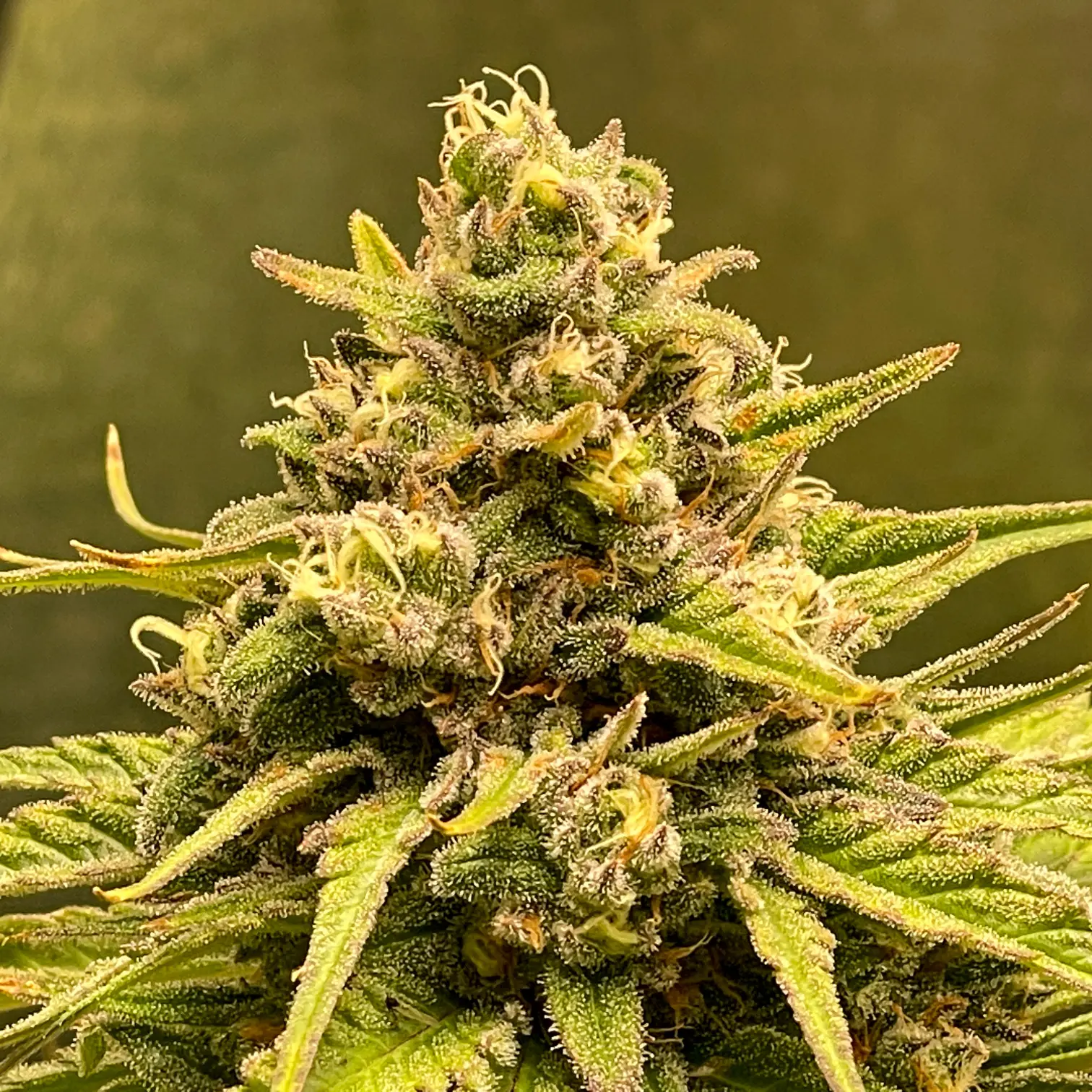
Lemon Tree Strain: Complete Cultivar & Grow Guide
In the expansive catalog of modern citrus-forward cannabis cultivars, Lemon Tree stands as an undisputed modern benchmark of aromatic intensity and genetic synergy. Originating in the celebrated craft growing regions of Santa Cruz and Northern California, this award-winning polyhybrid fulfilled an ambitious botanical mission: uniting the pungent, skunky lemon peel intensity of classic Lemon Skunk with the raw industrial fuel, piercing cerebral rush, and structural vigor of elite Sour Diesel. Rather than presenting a simplistic, artificial lemon candy aroma, authentic Lemon Tree delivers a pungent, multi-dimensional sensory explosion characterized by grated lemon rind, tart acidic juice, pungent sulfurous skunk, chemical petroleum diesel, and fresh mountain pine.
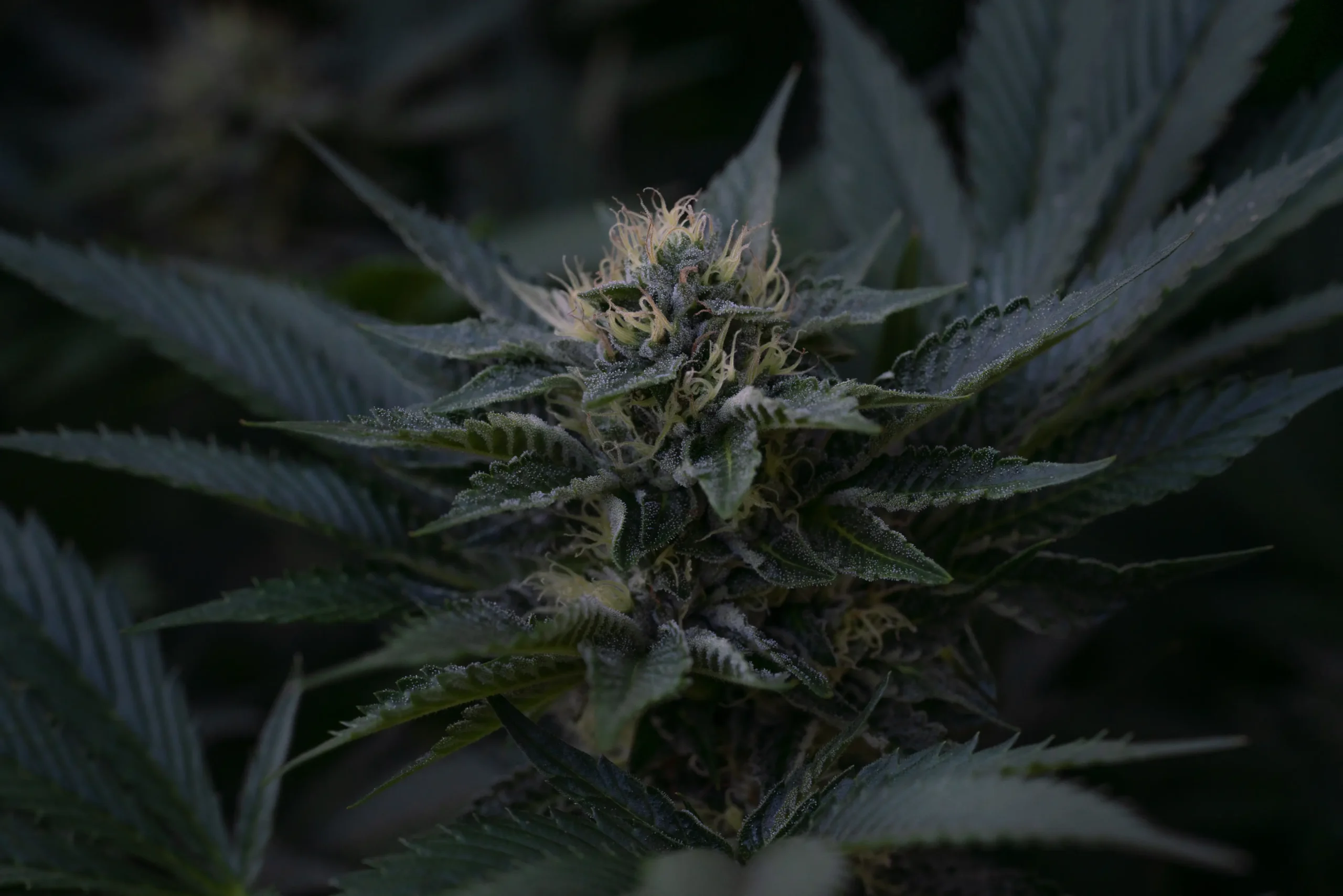
From an agronomic perspective, Lemon Tree exemplifies the pinnacle of vigorous hybrid architecture. The cultivar inherits the prolific lateral branching and dense calyx stacking of its Skunk lineage while expressing the explosive vertical stretch, elongated internodes, and heavy resin output of Sour Diesel. In vegetative cultivation, Lemon Tree builds an expansive, broad framework supported by thick woody stalks and rich emerald foliage. Upon the initiation of flowering, plants surge upward, demanding decisive canopy management to prevent dominant shoots from crowding indoor light bars. In bloom, the cultivar produces dense, golf-ball to spear-shaped floral clusters completely frosted in bulbous, capitate-stalked glandular trichomes with fiery orange stigmas and vibrant lime-green calyx bracts.
However, unlocking the full commercial and connoisseur potential of Lemon Tree requires disciplined horticultural intervention and strict microclimate control. Because its defining volatile monoterpenes and citrus thiols have exceptionally low boiling thresholds, allowing late-flower room temperatures to climb above 25°C (77°F) will rapidly volatilize the prized lemon oil top notes, leaving behind a muted, generic fuel profile. Furthermore, the intense vegetative vigor of the plant requires strategic canopy defoliation and horizontal trellising to prevent shaded lower growth and stagnant microclimate pockets. This comprehensive agronomic manual provides commercial facility managers, greenhouse operators, and dedicated home growers with an exhaustive technical guide covering genetic lineage, secondary metabolite dynamics, precision crop steering, and specialized post-harvest curing protocols.
Strain Features
| Feature | Details |
|---|---|
| Strain Type | Balanced hybrid (approximately 50% Indica / 50% Sativa) |
| Genetic Lineage | Lemon Skunk crossed with Sour Diesel (Santa Cruz legacy breeding) |
| THC Potency Range | 20% to 26% total THC under optimized commercial CEA environments |
| CBD & Secondary Cannabinoids | CBD: 0.05% to 0.2%, CBG: 0.9% to 1.7%, CBC: 0.2% to 0.5%, THCV: 0.1% to 0.3% |
| Dominant Terpenes | D-Limonene, Beta-Myrcene, Alpha-Pinene, Beta-Caryophyllene, Terpinolene, Linalool |
| Aromatic Profile | Fresh-grated lemon zest, tart citrus juice, pungent petroleum diesel, acrid skunk, spicy pine, and damp loam |
| Flavor Profile | Sour citrus rind and chemical fuel on inhale, transitioning into spicy pine, woody earth, and bitter lemon oil on exhale |
| Onset & Effect Character | Fast-acting, uplifting cerebral euphoria and mental clarity accompanied by gentle somatic relaxation and physical ease |
| Flowering Time | 63 to 70 days (9 to 10 weeks) indoors; mid-October outdoors in Northern temperate zones |
| Flowering Stretch Multiplier | 1.8x to 2.2x pre-flip height; substantial vertical elongation with vigorous lateral branching |
| Canopy Architecture | Medium-to-tall stature with strong lateral branch extension, open node spacing, and heavy foliage development |
| Bud Morphology | Dense, rounded to spade-shaped calyx clusters exhibiting bright lime-green bracts, pale golden trichomes, and fiery orange pistils |
| Yield Potential | Indoor: 500 to 600 g/m² under high-efficiency LED arrays; Outdoor: 700 to 1,000+ grams per plant in full sun |
| Cultivation Difficulty | Intermediate; demands active canopy height management, trellis support, and disciplined temperature control |
Canopy Temperature Control
Because Lemon Tree synthesizes high concentrations of volatile monoterpenes and citrus thiols, never allow canopy temperatures to exceed 25°C (77°F) during the final three weeks of flowering. Maintain daytime temperatures at 22°C to 23°C to lock in authentic lemon oil and pungent petroleum notes.
Genetic Lineage
Lemon Tree represents one of the most successful hybrid syntheses in modern California cannabis history, uniting two legendary flavor powerhouses: Lemon Skunk and Sour Diesel.
The maternal contributor, Lemon Skunk (selected from DNA Genetics stock and legacy Las Vegas Skunk lines), brings decades of stabilized Dutch and American breeding excellence. Lemon Skunk contributes intense limonene-driven citrus aromas, bright yellow-green pigmentation, compact calyx clustering, and rapid resin gland initiation. It also infuses the cross with hybrid vigor, making vegetative growth rapid and forgiving across diverse substrates.
The paternal contributor, Sour Diesel (Chemdog 91 x Super Skunk), introduces legendary East Coast potency, sharp industrial fuel aromatics, and soaring cerebral stimulation. Sour Diesel imparts extended vertical stretch, elongated lateral branching, and a complex chemical undertone powered by high beta-caryophyllene and sulfurous volatile organic compounds (VSCs). When fused in the craft gardens of Santa Cruz, the resulting progeny captured the prestigious High Times Cannabis Cup for Best Hybrid, cementing Lemon Tree as an eternal staple of connoisseur citrus genetics.
Core Phenotypes & Selection Criteria
Phenohunting across seed populations of Lemon Tree reveals a spectrum of chemotypes that lean between its Skunk and Diesel ancestors. Commercial operations and craft cultivators generally identify four primary phenotypic expressions:
1. The Sour Lemon Fuel Phenotype (The Cup Winner Cut)
This is the definitive, award-winning expression of Lemon Tree. The plant develops a medium-tall frame with vigorous lateral shoots. In flower, the buds form chunky, spade-shaped colas that exude an intense aroma of freshly grated lemon peel, acidic Meyer lemon juice, and pungent petroleum kerosene. It stretches approximately 2.0x pre-flip height and finishes by day 65. The flavor translation is extraordinary, leaving a mouth-coating bitter citrus and diesel finish that lingers for ten minutes after consumption.
2. The Sweet Candied Skunk Phenotype
Displaying stronger Skunk #1 heritage, this phenotype is more compact and bushy, stretching only 1.6x to 1.8x. The floral clusters are rock-hard, rounded golf balls with brilliant lime-green calyxes and vibrant orange pistils. Its aroma is sweeter, resembling lemon drop hard candy, lemon meringue pie, and sweet skunky musk. It finishes slightly faster, around day 60 to 63, and delivers the heaviest commercial dry yield per square meter.
3. The Industrial Sour Diesel Leaning Phenotype
A tall, lanky expression that reflects Sour Diesel dominance. Stems are longer and more flexible, demanding double trellising to prevent canopy collapse. The buds are elongated and spear-shaped with foxtailing calyx spires. Aromatic testing reveals intense diesel fuel, sharp ammonia, and pine turpentine, with lemon playing a secondary, acidic role. It requires 68 to 70 days to reach peak maturity and delivers an electric, high-intensity cerebral experience.
4. The Pine & Earth Terpinolene Cut
A minority phenotype that expresses elevated levels of alpha-pinene and terpinolene alongside limonene. The cured flowers smell of crushed pine needles, spicy cedar, lemon oil, and damp woodland earth. This cut provides exceptional mental focus and daytime clarity, making it particularly favored by medical patients managing ADHD and mental fatigue.
Effect Breakdown
Lemon Tree delivers a dynamic, uplifting psychoactive experience that combines bright cerebral stimulation with soothing somatic relaxation.
The Energetic Cerebral Ascent: Minutes 1 to 25
Upon initial inhalation, Lemon Tree acts swiftly, delivering an immediate cerebral lift that centers behind the eyes and temples. Mental fog dissipates, replaced by an expansive, cheerful euphoria and heightened cognitive clarity. Colors appear brighter, conversation flows effortlessly, and creative curiosity is ignited. Unlike racy sativas that can induce nervousness, the mental stimulation delivered by Lemon Tree feels structured, focused, and joyful. It serves as an exceptional companion for morning chores, outdoor hikes, creative projects, or social daytime gatherings.
The Functional Somatic Ease: Minutes 25 to 80
As the initial cerebral surge stabilizes, the Skunk heritage provides a comforting, grounding physical undercurrent. Muscular tension in the neck and shoulders gently melts away, and breathing deepens into an easy rhythm. The body feels relaxed, light, and comfortable without any intrusive heaviness or lethargy. Consumers remain completely functional and motivated to pursue activities while enjoying a tranquil, stress-free emotional state.
The Gentle, Clear Comedown: Beyond 80 Minutes
In the final stages of the experience, Lemon Tree resolves with pristine cleanliness. Cognitive stimulation gradually softens into peaceful contentment without inducing sudden drowsiness or mental exhaustion. When consumed during late afternoon hours, it smoothly prepares the mind for a relaxing evening without disrupting natural sleep patterns.
Dosing Guidance
Because Lemon Tree carries high THC concentrations (up to 26%) paired with stimulating limonene and pinene, consuming excessive doses rapidly can induce transient anxiety or cognitive racing in sensitive individuals. Start with moderate consumption and allow twenty minutes to evaluate the full entourage effect.
Flavor & Aroma Profile
The sensory profile of Lemon Tree is among the most celebrated in modern cannabis culture, offering a masterclass in aromatic contrast and mouth-coating flavor fidelity.
Aroma: The Orchard and The Refinery
Opening a jar of properly cured Lemon Tree releases an aggressive, room-filling burst of freshly grated lemon peel, tart citrus juice, and pungent chemical diesel. This opening citrus punch is instantly backed by savory undertones of acrid skunk, fresh mountain pine, and damp earth. Grinding the dense buds intensifies the petroleum vapor and introduces a complex spicy clove note that tickles the nasal passages, creating an addictive, unforgettable bouquet.
Flavor: Sharp Citrus Inhale, Gassy Pine Exhale
On the palate, Lemon Tree translates its aromatic promise with total precision. The inhale delivers an acidic burst of sour lemon oil, tangy lime zest, and chemical kerosene. As the vapor rolls over the tongue, rich skunky fuel and pine resin emerge, creating an expansive, full-bodied smoke. The exhale leaves a distinctive bitter lemon rind and petroleum aftertaste that coats the tongue for several minutes, providing the hallmark sensory signature of top-tier California flower.
Vaporization Temperature Stepping
To experience the layered complexity of Lemon Tree, precision dry herb vaporization is highly recommended. Low temperatures between 170°C and 180°C (338°F to 356°F) highlight delicate limonene and pinene, producing sweet, tangy lemon vapor. Stepping temperatures up to 190°C to 200°C (374°F to 392°F) activates the heavier myrcene and caryophyllene fractions, unleashing the full force of its pungent diesel, skunk, and grounding physical comfort.
Dominant Terpenes
Gas chromatography analysis reveals that Lemon Tree produces a rich, terpene-dense profile typically registering between 2.2% and 3.6% total terpene content in high-grade CEA flower.
| Terpene Compound | Typical Concentration | Sensory Profile | Physiological and Entourage Dynamics |
|---|---|---|---|
| D-Limonene | 0.75% to 1.35% | Fresh lemon zest, sour citrus rind, bitter orange | Elevates mood, stimulates dopamine pathways, reduces stress, and enhances cellular cannabinoid permeability |
| Beta-Myrcene | 0.50% to 0.95% | Damp forest earth, herbal musk, ripe dark fruit | Provides smooth somatic relaxation, softens physical tension, and facilitates rapid cannabinoid uptake across cell membranes |
| Alpha-Pinene | 0.25% to 0.50% | Crisp pine needles, rosemary, fresh balsamic | Acts as a natural bronchodilator, aids mental focus, and mitigates short-term memory impairment associated with high THC |
| Beta-Caryophyllene | 0.20% to 0.45% | Cracked black pepper, warm spice, woody fuel | Binds directly to peripheral CB2 receptors, providing potent anti-inflammatory, analgesic, and gastroprotective benefits |
| Terpinolene | 0.10% to 0.25% | Pine-citrus solvent, sweet floral herbs, apples | Contributes the sharp, sparkling top notes in the aroma; adds energetic creative synergy to the mental state |
| Linalool | 0.08% to 0.20% | Soft lavender blossoms, sweet citrus cream | Modulates central GABA receptor pathways, promoting emotional calm, stress relief, and gentle physical ease |
Indoor vs Outdoor Growing
Cultivating Lemon Tree successfully requires evaluating facility environmental controls against the natural climate demands of a vigorous citrus-diesel polyhybrid.
| Agronomic Dimension | Indoor Controlled Facility | Outdoor Open-Air Cultivation |
|---|---|---|
| Photoperiod & Speed | 63 to 70-day bloom cycle; requires disciplined vertical canopy training to manage 2.0x stretch | Flowering initiates mid-August; matures between October 5 and October 18 in Northern temperate climates |
| Canopy Management | Responds eagerly to early topping, SCROG netting, and selective defoliation; easily trained into an even horizontal canopy | Develops massive, multi-branched trees 2.2 to 3.0 meters tall; requires heavy wooden or wire cage support |
| Humidity & Mold Risk | Fully manageable with commercial dehumidification; drop RH to 40% to 45% in late bloom to protect dense colas | Good natural mold resistance due to open Diesel branch spacing, but dense terminal tops need protection from late rain |
| Temperature & Color | Keep late canopy temperatures at 22°C to 23°C to lock in volatile limonene; avoid thermal stress | Thrives in warm, sunny Mediterranean climates; autumn night drops bring out pale lime and golden calyx tones |
| Yield Potential | Consistent 500 to 600 g/m² under high-efficiency LED arrays with automated fertigation | 700 to 1,000+ grams per plant when rooted in large living soil smart pots in full sun |
| Terpene Retention | Strict environmental thermal control locks in volatile lemon oil, pinene, and diesel monoterpenes | Deep, complex citrus-fuel and earthy skunk sun-grown profile; requires cool drying rooms to preserve top notes |
Strain-Specific Grow Guidance
Lemon Tree is vigorous and resilient, but maximizing its yield and bag appeal demands proactive canopy training, thoughtful nutrition, and microclimate discipline.
Vegetative Architecture and Early Topping
In vegetative propagation, Lemon Tree establishes rapid vertical and lateral momentum supported by thick stems. To prevent apical dominance from producing an excessively tall center cola, top the main apical shoot once at the fourth or fifth node when plants reach approximately 30 cm in height. Apply low-stress training (LST) to bend primary lateral branches outward into an even horizontal plane. This encourages secondary shoots to rise uniformly, creating a broad, multi-topped canopy that captures light efficiently across the entire footprint.
Flowering Stretch and Double Trellis Installation
Upon flipping the photoperiod to 12/12, Lemon Tree exhibits a significant stretch multiplier of 1.8x to 2.2x pre-flip height over the first 21 days. Install a primary horizontal trellis net at the flip, weaving emerging shoots into individual grid squares to spread the canopy evenly. A second trellis layer should be positioned 30 cm above the first during week 3 to provide structural support for the heavy floral colas that swell rapidly during weeks 5 through 9.
Defoliation and Airflow Optimization
Because Lemon Tree produces dense foliage with broad fan leaves, disciplined pruning is essential. Execute a thorough lower canopy strip (lollipopping) on day 21 of flower, removing the bottom 30% of shaded interior shoots and non-viable sucker branches. On day 42 (week 6), perform a selective second defoliation, removing large inward-facing fan leaves that cast shadows over swollen secondary colas. This maximizes photon penetration and ensures continuous horizontal air movement through the center of the canopy.
Week-by-Week Environmental and Crop Steering Schedule
| Flowering Stage | Target Day Range | Day / Night Temp | Relative Humidity (RH) | VPD Target | Target PPFD | Nutrient EC & Steering Focus |
|---|---|---|---|---|---|---|
| Stage 1: Stretch & Flower Onset | Days 1 to 21 (Weeks 1 to 3) | 26°C / 21°C (79°F / 70°F) | 65% to 70% | 1.0 to 1.2 kPa | 650 to 750 μmol/m²/s | EC 1.8 to 2.1 mS/cm; balanced N-P-K, support rapid cell division and stem development |
| Stage 2: Calyx Stacking | Days 22 to 35 (Weeks 4 to 5) | 25°C / 20°C (77°F / 68°F) | 55% to 60% | 1.2 to 1.4 kPa | 800 to 950 μmol/m²/s | EC 2.0 to 2.4 mS/cm; elevate phosphorus and potassium, initiate second defoliation |
| Stage 3: Floral Bulking & Resin Surge | Days 36 to 49 (Weeks 6 to 7) | 24°C / 19°C (75°F / 66°F) | 45% to 50% | 1.4 to 1.6 kPa | 900 to 1,000 μmol/m²/s | EC 2.2 to 2.5 mS/cm; peak PK boost, maintain adequate calcium for cell wall rigidity |
| Stage 4: Trichome Ripening | Days 50 to 60 (Weeks 8 to 9) | 22°C / 17°C (72°F / 63°F) | 40% to 45% | 1.5 to 1.7 kPa | 750 to 850 μmol/m²/s | EC 1.2 to 1.5 mS/cm; keep room cool to protect limonene, taper fertilizer inputs |
| Stage 5: Final Leaching | Days 61 to 68 (Week 10) | 21°C / 16°C (70°F / 61°F) | 38% to 42% | 1.6 to 1.8 kPa | 500 to 600 μmol/m²/s | EC 0.2 to 0.4 mS/cm; clean reverse osmosis flush, harvest when trichomes reach 90% cloudiness |
Nutrition and Nitrogen Discipline
Lemon Tree is a vigorous feeder that handles robust nutrient concentrations during vegetative growth and early bloom. However, it requires strict nitrogen tapering starting at week 5. Continuing high nitrogen feedings into late flowering causes excessive leafiness within calyx clusters, delays floral maturity, and leaves an acrid, green aftertaste in the smoke. Elevate potassium, phosphorus, and sulfur during weeks 5 through 8 to support heavy trichome gland swelling and intense terpene synthesis.
Optimal Harvest Window
Inspect trichome heads on calyx bracts rather than outer sugar leaves. For the ideal balance of bright cerebral euphoria and soothing somatic comfort, harvest when 90% of trichome heads are milky white and approximately 10% display warm amber tones. Harvesting past 20% amber degrades delicate limonene and pine top notes in favor of heavier sedation.
SCROG & High-Stress Canopy Steering
Because Lemon Tree carries the explosive vertical energy of Sour Diesel, deploying a Screen of Green (SCROG) combined with targeted super cropping is the most effective commercial technique for taming vertical runaway growth.
Trellis Installation & Shoot Weaving Mechanics
Install a horizontal trellis net with 10 cm square grids approximately 25 to 30 cm above the container rim. As primary branches stretch toward the lights during weeks 1 through 3, gently tuck and weave emerging tips horizontally beneath the netting into open grid positions. Once the stretch halts at day 21, allow terminal tops to grow vertically through the squares, creating an exceptionally level plane of productive calyx spires that all share equal access to light.
Super Cropping and Callus Knuckle Formation
For dominant shoots that attempt to outgrow the screen, execute super cropping during week 2 of flowering. Gently pinch and roll the interior vascular fibers between thumb and index finger until the branch softens, then bend it at a 90-degree angle horizontally. Within 72 hours, the plant forms a thick, reinforced woody knuckle at the bend site, accelerating vascular nutrient transport and permanently keeping the canopy level without snapping the branch.
Crop Steering & Irrigation Matrix
Commercial cultivators utilizing precision substrates such as rockwool or high-porosity coco coir achieve the greatest consistency with Lemon Tree by executing disciplined crop steering routines based on volumetric water content (VWC) and pore water electrical conductivity (EC).
Generative Steering During the Stretch (Weeks 1 to 3)
During the first three weeks of flowering, apply generative irrigation steering to restrict excessive internodal elongation and promote rapid flower initiation. Cultivators allow larger overnight drybacks (typically 45% to 55% reduction from maximum substrate saturation) and apply smaller, concentrated irrigation shots (2% to 3% of substrate volume) beginning two hours after lights-on. This elevates root-zone electrical conductivity to between 4.0 and 5.5 mS/cm, signaling the plant to divert resources toward tight floral formation rather than vertical stem stretching.
Vegetative Steering During Bulking (Weeks 4 to 7)
From week 4 through week 7, pivot into vegetative steering to maximize calyx swelling and floral biomass accumulation. Deliver larger irrigation shots (4% to 6% of media volume) every 45 to 60 minutes until achieving 15% to 20% daily runoff. Maintain substrate moisture at 55% to 65% VWC with shallower overnight drybacks of only 25% to 35%. Root zone EC should be stabilized between 2.6 and 3.2 mS/cm. This steady hydration and nutrient availability allows calyxes to swell rapidly into dense, chunky clusters.
Late Generative Ripening Shift (Week 8 to Harvest)
Starting in week 8, irrigation steering returns to a generative posture. Overnight drybacks are intentionally pushed back to 40% to 50%, and total irrigation events are reduced. This mild, controlled water stress stimulates secondary metabolite production, triggering a surge in trichome gland head development, terpene synthesis, and cannabinoid density before final leaching.
Volatile Sulfur Compounds & Skunk Chemistry
Recent analytical advances in two-dimensional gas chromatography have revolutionized our understanding of the skunky, chemical fuel aroma in cannabis cultivars like Lemon Tree. While terpenes such as myrcene and caryophyllene provide structural aromatic depth, the authentic, pungent skunk smell is driven by volatile sulfur compounds (VSCs).
Prenylated Thiols and Olfactory Thresholds
Specifically, prenylated thiols such as 3-methyl-2-butene-1-thiol (321-MBT) possess extraordinarily low human olfactory detection thresholds, detectable at concentrations below one part per billion. Lemon Tree synthesizes high concentrations of these prenylated thiols in tandem with limonene, producing its iconic bitter citrus peel and pungent skunky kerosene aroma. Cultivators who ensure adequate sulfur nutrition during generative flower initiation stimulate the enzymatic pathways responsible for thiol production, resulting in noticeably louder, more pungent cured flower.
Because these sulfur-based volatile molecules decompose rapidly when exposed to high temperatures and ultraviolet light post-harvest, strict cold-curing protocols are non-negotiable. Drying flowers in darkness at 15°C protects these delicate sulfur bonds, ensuring that the distinctive fuel and skunk punch that defines authentic Santa Cruz Lemon Tree remains pungent through months of jar storage.
Living Soil & Sulfur Volatile Amplification
While mineral hydroponics provides absolute control over nutrient EC, cultivating Lemon Tree in mineral-rich living organic soil beds unlocks an extraordinary, deeply pungent sulfurous fuel and citrus profile that synthetic salts struggle to match.
Organic Sulfur Amending & Volatile Thiol Synthesis
The unmistakable skunk and diesel pungency of Lemon Tree is driven in part by volatile sulfur compounds (VSCs) and organic thiols. Amending living soil beds with organic gypsum (calcium sulfate), crustacean meal, and potassium sulfate ensures an abundant pool of bioavailable sulfur throughout the generative phase. Sulfur acts as an essential precursor in the enzymatic synthesis of cysteine and methionine, which fuel the biochemical pathways producing Lemon Tree’s signature skunky fuel undertones.
Mycorrhizal Networks & Micronutrient Availability
Inoculating living soil beds with diverse endomycorrhizal fungi (Glomus intraradices) creates an expansive subterranean fungal hyphae network. This symbiotic association enhances phosphorus uptake by up to 300% during flower initiation and dramatically improves calcium absorption, strengthening plant cell walls against fungal pathogens while supporting dense calyx formation.
Lighting Spectrum & Photobiology
Managing photosynthetic photon flux density (PPFD) and spectral quality is essential to unlocking the resin density and lemon cleaner terpenes of Lemon Tree while preventing light bleaching.
Photosynthetic Photon Flux Density (PPFD) & Daily Light Integral (DLI)
Lemon Tree performs exceptionally well under high photon irradiance when supported by balanced nutrition and proper VPD. In vegetative growth, provide 400 to 500 μmol/m²/s under an 18-hour photoperiod (DLI 26 to 32 mol/m²/day). In early bloom, ramp PPFD progressively from 700 μmol/m²/s to peak levels of 900 to 1,000 μmol/m²/s during weeks 4 through 7 (DLI 39 to 43 mol/m²/day in non-CO2 setups). In sealed facilities enriched with 1,200 to 1,350 ppm CO2, Lemon Tree can comfortably process up to 1,100 μmol/m²/s, resulting in significantly bulkier calyx towers.
Targeted UV and Blue Light Supplementation
Because limonene and volatile monoterpenes are highly responsive to spectral cues, maintaining high blue photon fractions (450 nm) during late bloom helps prevent excessive stretching. Furthermore, introducing supplementary ultraviolet light (UVA at 385 nm and modest UVB at 310 nm for 2 hours daily during weeks 5 through 7) stimulates the plant’s natural photoprotective response, prompting trichomes to synthesize higher concentrations of cannabinoids, flavonoids, and protective terpenes without causing leaf margin necrosis.
Mineral Nutrition & Deficiency Guide
Maintaining precise nutritional balance ensures Lemon Tree develops dense, resinous floral spears without encountering lockouts or leaf tip burn.
| Nutrient Element | Optimal Range | Deficiency Symptoms | Toxicity Symptoms & Management |
|---|---|---|---|
| Nitrogen (N) | 130 to 160 ppm (veg); 50 to 70 ppm (bloom) | Premature chlorosis of bottom foliage, pale stems, slow development | Dark emerald clawed leaves, brittle foliage, delayed ripening; reduce nitrate inputs immediately after week 4 |
| Phosphorus (P) | 50 to 75 ppm (veg); 90 to 120 ppm (bloom) | Red or purple petiole striping accompanied by dark bronze necrotic spotting on mature leaves | Rarely toxic directly, but high phosphorus locks out iron, zinc, and calcium; maintain balanced bloom formulations |
| Potassium (K) | 160 to 190 ppm (veg); 230 to 290 ppm (mid bloom) | Marginal chlorosis turning into crisp brown necrotic edges on fan leaves | Excess potassium interferes with calcium and magnesium absorption; monitor runoff EC and keep K balanced |
| Calcium (Ca) | 140 to 180 ppm throughout cycle | Localized brown necrotic flecking on new leaves, distorted shoot tips, weak branches | Extremely rare; ensure steady transpiration through proper VPD to maintain continuous calcium transport to colas |
| Magnesium (Mg) | 60 to 80 ppm throughout cycle | Distinct interveinal chlorosis on middle canopy leaves while veins remain dark green | High magnesium restricts calcium uptake; supplement with balanced magnesium sulfate (Epsom salts) |
| Sulfur (S) | 70 to 100 ppm during bloom | General yellowing of new upper leaves resembling nitrogen deficiency, muted aroma | Virtually non-toxic in hydroponics; essential for the enzymatic synthesis of pungent thiols and terpenes |
Pathogen Management & Microclimate Control
Thanks to its balanced hybrid architecture and open branch structure, Lemon Tree possesses solid natural resistance to powdery mildew and botrytis. However, proactive integrated pest management (IPM) remains vital.
Environmental Mold Resistance & Airflow
While Lemon Tree flowers are less prone to internal moisture entrapment than dense pure indica cultivars, maintaining proper environmental parameters is still essential. Maintain VPD between 1.3 and 1.6 kPa during mid-to-late flower, and keep relative humidity below 45% during the final three weeks. Ensure continuous horizontal airflow through the canopy using oscillating wall fans to prevent stagnant microclimates.
Pest Scouting and Biological Agents
The tender foliage of Lemon Tree can attract two-spotted spider mites and thrips. Implement weekly scouting with hand lenses and yellow sticky traps. Introduce predatory mites, such as Neoseiulus californicus and Amblyseius swirskii, during early vegetative growth to establish an active biological shield that prevents pest outbreaks throughout the flowering cycle.
Solventless Hash & Live Rosin Extraction
Lemon Tree has established a distinguished reputation among solventless extractors and live rosin makers for its electric, room-filling terpene expression and clean resin head detachment.
Resin Gland Morphology & Sieve Fractions
Under microscopic evaluation, Lemon Tree displays spherical capitate-stalked trichome heads averaging 90 to 125 micrometers in diameter, featuring narrow, brittle abscission zones that detach cleanly during cold water agitation. When washing fresh frozen whole-plant material in ice water, the premier connoisseur melt collects predominantly in the 73-micron and 90-micron sieve bags. The 120-micron collection yields a flavorful full-spectrum hash rich in sour lemon zest and sweet pine notes, while the 45-micron fraction provides deeper chemical diesel undertones.
Cold Processing & Freeze Drying Parameters
Because limonene and volatile citrus monoterpenes have low boiling thresholds, extraction must occur in a dedicated cold room held between 2°C and 4°C (35°F to 39°F) using water chilled to 1°C. Wet hash patties are gently collected and transferred directly to a pharmaceutical freeze dryer running a sub-zero freeze cycle followed by a 24-hour sublimation curve with shelf temperatures capped at 7°C (45°F). This yields pale, sand-like trichome heads free from oxidation.
Live Rosin Pressing & Cold Curing
Pressing freeze-dried hash through dual 25-micron nylon filter pouches at gentle hydraulic pressures between 68°C and 74°C (155°F to 165°F) produces a luminous, pale golden live rosin oil. When sealed in airtight glass jars and subjected to a 10 to 14-day cold cure at 10°C to 12°C (50°F to 54°F), the rosin nucleates into an opaque, wet badder bursting with pungent terpene puddles that deliver an authentic, mouth-coating sour lemon and diesel vapor.
Water Activity & Terpene Retention
The post-harvest drying and curing phase determines whether Lemon Tree delivers an unforgettable sensory masterpiece or loses its delicate lemon cleaner top notes to thermal evaporation.
Thermodynamic Equilibrium & Water Activity Targets
Whole plants should be harvested and hung to dry in a dark room maintained strictly at 15°C to 16°C (59°F to 61°F) and 60% relative humidity for 12 to 16 days. The target is an equilibrium water activity (aw) between 0.58 and 0.62 aw at 18°C. Dropping below 0.55 aw damages delicate trichome gland membranes and accelerates volatile limonene loss, while moisture levels above 0.65 aw create an active hazard zone for fungal spore germination during storage.
Slow Glass Curing & Chlorophyll Degradation
Once the smaller stems snap cleanly, manicured buds should be transferred into glass curing vessels filled to 70% capacity. Burp the vessels daily for 15 minutes during the initial two weeks to release trapped moisture and ethylene. Over a 3 to 5-week cure, residual chlorophyll and starches break down enzymatically, allowing the piercing lemon cleaner, sweet tropical mango, and fresh pine notes to harmonize, delivering an extraordinarily smooth, clean smoke that burns to fluffy white ash.
Maintaining equilibrium relative humidity inside curing containers between 60% and 62% allows these critical enzymatic reactions to proceed without stall. This slow biochemical transformation converts harsh, throat-irritating pigments into neutral metabolites, unlocking an exceptionally velvety, citrus-drenched smoke that coats the palate with pure lemon oil essence.
Weedth Bud Flavor Tips
Preserving the intense lemon cleaner profile of Lemon Tree requires meticulous attention to plant nutrition, harvest timing, and post-harvest environmental parameters.
Protect the Limonene Top Notes
Limonene is highly volatile and easily lost under ambient heat stress. Never allow late-flowering canopy temperatures to exceed 25°C (77°F). Running cool day temperatures (22°C to 23°C / 72°F to 74°F) and chilly nights (16°C to 17°C / 61°F to 63°F) during weeks 8 and 9 locks these fragile aromatic compounds deep within the capitate resin heads.
Clean Mineral Leaching
Execute a disciplined 7 to 10-day clean water leach using reverse osmosis water prior to harvest. Forcing the plant to metabolize stored nitrates within its vegetative tissues prevents an acrid, grassy aftertaste and ensures the finished smoke burns to a clean, white ash with thick, sweet lemon vapor.
Monitoring electrical conductivity in the runoff during leaching confirms that substrate salt concentrations drop below 0.3 mS/cm. As fan leaves naturally senesce into shades of pale lime and butter-yellow, harsh nutrient salts are fully purged from plant vacuoles, allowing the authentic bitter lemon oil, pine resin, and sweet petroleum diesel to shine across the entire palate.
Gentle Hand Manicuring
Avoid automated tumble trimmers that fracture fragile capitate trichome heads. Careful hand manicuring preserves outer resin gland structures and prevents premature terpene oxidation, extending the shelf life and aroma of cured flowers.
Weedth Bud Boost Tips
Commercial growers seeking to maximize marketable yields toward the 600 g/m² benchmark without compromising density or terpene content should implement targeted cultivation optimizations.
Dual-Tier Trellis Training
Deploy a dual-tier trellis netting system and weave branches beneath the mesh through day 14 of flowering. This creates an expansive, flat canopy where every floral top receives identical light intensity, converting potential lower larf into dense, high-grade spears.
Carbon Dioxide Supplementation
Enriching the sealed indoor atmosphere with 1,200 to 1,350 ppm of carbon dioxide (CO2) during weeks 2 through 6 of bloom stimulates photosynthetic activity. Paired with elevated PPFD (900 to 1,000 μmol/m²/s), CO2 supplementation substantially accelerates calyx swelling and overall bud mass.
Mid-Bloom Phosphorus and Potassium Boost
Provide targeted, bioavailable PK supplementation between days 28 and 45 of flowering. This supplies the essential elemental building blocks required for rapid floral cell expansion and heavy trichome gland formation.
Medical Uses & Benefits
Beyond its legendary status among daytime connoisseurs, Lemon Tree offers profound therapeutic value for medical cannabis patients managing specific chronic conditions.
Chronic Stress, Generalized Anxiety, and Depression
The high-terpene combination of D-limonene, beta-myrcene, and linalool creates an uplifting, comforting psychological cushion. Patients report significant reductions in acute emotional tension, racing thoughts, and depressive mood patterns, experiencing a serene mental clarity without debilitating paranoia.
Chronic Musculoskeletal Pain and Inflammation
Thanks to potent CB2 receptor binding facilitated by beta-caryophyllene and high THC concentrations, Lemon Tree effectively attenuates systemic inflammation, arthritis discomfort, chronic lower back pain, and neuropathic distress, providing long-lasting somatic relief.
Fatigue and Daytime Lethargy
The invigorating citrus and pinene synergy acts as a natural mental stimulant, clearing daytime brain fog and increasing motivation without inducing physical jitters or restlessness.
Appetite Stimulation and Nausea Relief
Lemon Tree reliably stimulates appetite during the latter half of the experience, assisting patients dealing with chemotherapy-induced nausea, appetite loss, or digestive discomfort.
Ideal User Profile
Lemon Tree is an exquisite cultivar tailored for specific lifestyle contexts and consumer preferences.
The Citrus and Diesel Connoisseur
Consumers who prize bold, authentic lemon peel and pungent petroleum diesel over generic fruit candy will celebrate Lemon Tree as one of the finest aromatic achievements in contemporary cannabis breeding.
The Active Daytime Social Consumer
For individuals looking to enjoy creative hobbies, outdoor sports, social gatherings, or productive daytime tasks with cheerful euphoria and physical comfort, Lemon Tree delivers an ideal balanced effect curve.
Who Should Exercise Caution
Individuals seeking heavy nighttime sedation, sleep induction, or intense couch-lock should avoid Lemon Tree during late evening hours. Its stimulating, bright cerebral high is inherently counterproductive for sleep.
Grower Notes and Feedback
Grower journals and commercial cultivation logs consistently praise Lemon Tree for its vigorous vegetative growth, heavy yield potential, and mouth-watering bag appeal.
Cultivators note that the strain is exceptionally cooperative during vegetative growth, building sturdy lateral branches that respond eagerly to low-stress training. The most universal cautionary feedback centers on vertical stretch management; because the plant stretches up to 2.2x pre-flip height, failing to top and trellis early can result in colas crowding the lighting grid. Outdoor growers celebrate its strong natural resilience to pests and mold, producing massive yields of sticky, golden-trichome buds in sunny Mediterranean climates.
Weedth Editor’s Note
Lemon Tree is one of those rare cultivars that genuinely captures the best qualities of both parent lines. It takes the mouth-watering, zesty citrus of Lemon Skunk and fuses it seamlessly with the pungent, greasy diesel of Sour Diesel, creating a flavor that stays on your tongue for hours.
For growers taking on this strain, my strongest recommendation is to master canopy temperature management. Keep your room temperatures strictly in the low-70s during late flowering, give the plants a gentle 14-day cold dry, and you will produce some of the most fragrant, frost-covered lemon flower in your entire collection.
Weedth Score
| Assessment Category | Score (1 to 10) | Editorial Assessment & Cultivation Notes |
|---|---|---|
| Growing Experience | 9.0 / 10 | Vigorous vegetative growth, highly responsive to SCROG trellising, manageable 9 to 10-week finish |
| Bud Density & Bag Appeal | 9.5 / 10 | Dense lime-green calyxes completely encrusted in thick crystalline frost with bright orange hairs |
| Aroma Complexity | 9.7 / 10 | Unrivaled bouquet of freshly grated lemon peel, tart citrus juice, petroleum diesel, and skunk |
| Flavor Smoothness & Translation | 9.6 / 10 | Extraordinary flavor translation; delivers thick, mouth-coating sour lemon and diesel smoke that burns to white ash |
| Effects & Cognitive Balance | 9.4 / 10 | Uplifting cerebral euphoria paired with gentle somatic comfort; ideal for daytime productivity and social events |
| Overall Connoisseur Rating | 9.4 / 10 | A modern California classic that sets the gold standard for citrus-diesel hybrids and connoisseur bag appeal |
FAQ
Is Lemon Tree an indica or a sativa?
Lemon Tree is a balanced hybrid, typically testing at approximately 50% indica and 50% sativa. It combines the dense calyx structure and physical ease of its Skunk heritage with the energetic cerebral euphoria and vertical stretch of Sour Diesel.
What are the genetics of Lemon Tree?
Lemon Tree was created in Santa Cruz, California by crossing Lemon Skunk with Sour Diesel. This pedigree unites classic Dutch citrus skunk breeding with legendary East Coast fuel potency.
How long does Lemon Tree take to flower?
Indoors under 12/12 lighting, Lemon Tree finishes flowering in 63 to 70 days (9 to 10 weeks). Outdoors in Northern temperate climates, plants mature between early and mid-October.
What does Lemon Tree smell and taste like?
Lemon Tree exhibits an iconic aroma of fresh-grated lemon zest, tart citrus juice, chemical petroleum diesel, acrid skunk, and crisp pine. On the palate, it delivers sour lemon rind and gassy fuel on the inhale, finishing with bitter citrus oil and woody spice on the exhale.
Is Lemon Tree suitable for beginner growers?
Lemon Tree is best suited for intermediate growers. While it exhibits robust vegetative vigor and good pest resistance, managing its 2.0x stretch and controlling late-flower canopy temperatures requires attentive horticultural experience.
How much does Lemon Tree stretch during bloom?
Lemon Tree exhibits a moderate-to-strong stretch, typically expanding by 1.8x to 2.2x its vegetative height during the first three weeks of 12/12. Early topping and dual-tier trellis netting are recommended to manage canopy height.
How does Lemon Tree perform for solventless hash and live rosin?
Lemon Tree is an exceptional cultivar for solventless extraction. It develops abundant capitate-stalked trichomes with large 90 to 125-micron resin gland heads that separate easily in cold water, producing luminous live rosin rich in sour lemon and pungent diesel terpenes.
What are the medical benefits of Lemon Tree?
Medical patients frequently utilize Lemon Tree to manage chronic stress, depression, generalized anxiety, chronic fatigue, and mild inflammation. Its uplifting, functional high provides effective symptom relief without causing daytime sluggishness.
How should I dry and cure Lemon Tree to preserve its citrus terpenes?
Dry whole plants slowly in a dark room maintained strictly at 15°C to 16°C (59°F to 61°F) and 60% relative humidity for 12 to 16 days. Cure in airtight glass jars filled to 70% capacity at 60% to 62% RH for 3 to 5 weeks to preserve volatile limonene and delicate diesel esters.
How do volatile sulfur compounds contribute to the skunky diesel aroma of Lemon Tree?
While terpenes like myrcene and caryophyllene provide the earthy and peppery background, prenylated thiols such as 3-methyl-2-butene-1-thiol (321-MBT) are responsible for the pungent, authentic skunk and diesel bite in Lemon Tree. These volatile sulfur compounds have extremely low odor thresholds, giving the strain its aggressive, room-filling pungency even at trace concentrations.
What substrate and irrigation strategy produces the loudest citrus profile in Lemon Tree?
While automated coco coir setups achieve massive commercial yields through precision crop steering and generative drybacks, living organic soil amended with volcanic minerals, gypsum, and worm castings unlocks the most intricate, full-spectrum bitter lemon rind and petroleum diesel terpene profile, resulting in exceptionally smooth, white-burning luxury ash.
Similar Strains
| Cultivar Name | Genetic Relationship | Aromatic & Flavor Overlap | Agronomic & Growth Similarities |
|---|---|---|---|
| Lemon Skunk | Direct genetic parent (Las Vegas Skunk selection) | Pungent sweet citrus, lemon drop candy, and skunky musk | Compact calyx structure, rapid vegetative growth, and cheerful uplifting high |
| Sour Diesel | Direct genetic parent (Chemdog 91 x Super Skunk) | Pungent petroleum fuel, sharp chemical kerosene, and earthy spice | Aggressive vertical stretch, elongated spear colas, and intense cerebral stimulation |
| Super Lemon Haze | Lemon Skunk x Super Silver Haze hybrid | Tart candied lemon peel, sweet haze, and crisp pine | Tall sativa stature, terpinolene dominance, and daytime functional clarity |
| Lemon OG | Lemon Skunk x OG Kush hybrid | Zesty lemon, earthy pine, and pungent Kush fuel | Dense frosty calyxes, heavy resin production, and balanced somatic calm |
| Chem Sour | Chemdog x Sour Diesel hybrid | Aggressive chemical solvent, sharp fuel, and acrid skunk | Elongated floral spires, high cannabinoid potency, and strong odor management requirements |
Share this article
A quick overview of the topics covered in this article.
Follow us
Latest articles
November 8, 2026
November 8, 2026
November 8, 2026
November 8, 2026
