
Mandarin Cookies
Mandarin Cookies – Strain Profile & Grow Guide
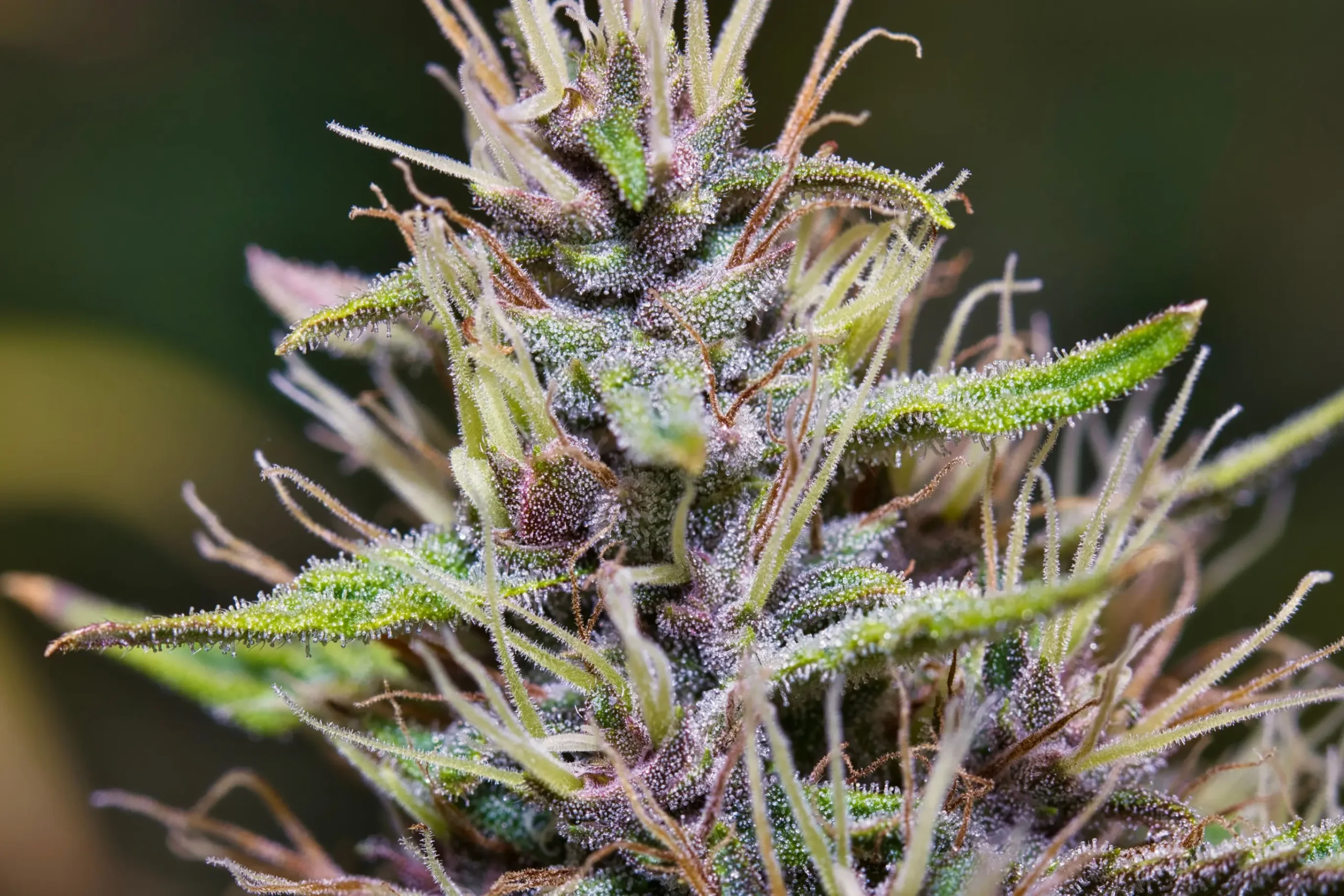
Mandarin Cookies is a citrus-forward hybrid whose real identity lies in the contrast between fresh orange peel and a darker cookie-gas base. The commonly documented original line combines Forum Cut Cookies with Mandarin Sunset. That pairing produces a plant with more reach and vigor than a compact dessert name suggests. Healthy expressions can build medium-long internodes, strong apical growth, and chunky high-calyx flowers that become increasingly dense during the final third of bloom.
The cultivar is often described through flavor first, but its grow behavior deserves equal attention. It can look controlled in vegetative growth, then use the transition to spread vertically and laterally at the same time. The strongest main shoot may pull ahead while secondary branches fill the center underneath it. If the plant is flipped into a completely occupied screen, the canopy can become uneven and congested before the orange aroma has fully developed.
Mandarin Cookies also exists in several later refinements, reversals, and numbered selections. Those versions do not always behave identically. This profile follows the original Forum Cut Cookies x Mandarin Sunset identity and treats later R1, V2, and R3 descriptions only as evidence that the family contains meaningful height, color, and flower-structure variation. Growers should verify which version they actually have before using a fixed flowering time or training plan.
The central cultivation question is how to use its vigor without letting the dominant tops shade the orange-rich lower branches. Mandarin Cookies responds well to early topping, branch leveling, and a screen that still has open space at the flip. It can produce a high proportion of premium flower when the calyx-heavy tops are evenly exposed. It becomes less efficient when the main apex is allowed to dominate or when late defoliation is used to correct a canopy that should have been shaped earlier.
Post-harvest handling decides whether the finished flower tastes like orange oil or only sweet gas. Grapefruit, mandarin peel, and floral citrus are more fragile than fuel, earth, and cookie dough. A batch can remain loud after a quick dry while losing the exact character that makes the cultivar distinctive. The best results preserve bitter peel, juicy citrus, and a dry gasoline finish in the same flower.
Strain Features
| Feature | Details |
|---|---|
| Strain Type | Sativa-leaning to balanced hybrid, depending on the selected expression |
| Genetic Profile | Forum Cut Cookies x Mandarin Sunset |
| Version Note | Original Mandarin Cookies should not be confused with later R1 V2, R3, or other refined family versions |
| THC | Commonly reported from the low 20% range into the upper 20s; laboratory results vary by batch |
| CBD | Usually very low |
| Dominant Terpenes | Limonene and beta-caryophyllene are frequent; myrcene, pinene, and linalool vary |
| Aroma | Mandarin peel, grapefruit, sweet orange, gasoline, pine, earth, cookie dough, and spice |
| Flavor | Orange oil, citrus rind, vanilla dough, herbs, pepper, and dry fuel |
| Effect Character | Fast mood lift and mental energy followed by steady physical ease without immediate couch-lock |
| Flowering Time | Commonly 8 to 9 weeks; some expressions benefit from additional finishing time |
| Stretch | Moderate to strong, often with apex-heavy growth |
| Plant Architecture | Vigorous, medium-tall, medium-long internodes, strong central drive, and useful lateral branching |
| Bud Structure | Chunky, dense, high-calyx flowers with a favorable calyx-to-leaf ratio |
| Color Potential | Green to deep purple expressions occur; color is genetic and environment-dependent |
| Grow Difficulty | Intermediate |
| Yield Potential | High when the canopy is leveled and flower sites remain exposed |
| Primary Quality Risk | Apex dominance, shaded lower branches, late canopy crowding, and loss of orange peel during warm drying |
Genetic Lineage
Mandarin Cookies combines Forum Cut Cookies with Mandarin Sunset. Forum Cut Cookies contributes dense flower formation, cookie dough, pepper, fuel, resin, and the tendency to produce compact high-quality buds on well-lit sites. Mandarin Sunset contributes vigorous growth, orange and grapefruit aromatics, a more open hybrid frame, and an uplifting mental character.
The plant often expresses both parents in sequence. Early vegetative growth may show broad leaves and a strong central shoot. As the branches lengthen, the silhouette becomes more open. During flowering, the internodes allow individual tops to form, but the main apex can still dominate unless it is topped or bent. Late in bloom, the flowers become denser and more cookie-like while the citrus aroma grows sharper.
Available records disagree about whether Mandarin Cookies should be described as strongly sativa-dominant, balanced, or slightly indica-leaning. The disagreement is not surprising because several family versions circulate. The original cross usually behaves like a vigorous hybrid with noticeable mental energy, but the final effect can become physically relaxing. Growers should rely on the exact cut rather than a percentage label.
The citrus-forward lane
Citrus-forward plants usually smell of orange peel, grapefruit, and lemon-lime soda before the gas becomes obvious. They may remain greener, show a brighter effect, and need the full flowering window for the orange to become deep rather than thin. These expressions can lose flavor rapidly if dried too warm.
The gas-and-cookie lane
Gas-forward expressions present heavier fuel, earth, pine, and dough. The flowers may be denser and darker. They often feel physically stronger and can finish with a more traditional cookie structure. They remain aromatic after rough handling, but the mandarin character may be less pronounced.
The short colorful lane
Some family reports describe shorter plants that produce exceptionally colorful and flavorful flowers. These expressions can be hidden beneath taller plants if every phenotype is forced into one screen. Their lower height does not necessarily mean lower quality. In a mixed seed run, they should be raised, trained separately, or given a distinct canopy zone.
Keeper selection should include growth compatibility. A beautiful short plant may be ideal for a compact room, while a taller citrus-rich expression may be better for a wide screen. The best genetic selection is not an abstract winner. It is the plant whose structure, finish time, flavor, and effect fit the intended garden.
Effect Breakdown
Mandarin Cookies often feels more linear than a heavy indica hybrid. The mental lift arrives first, physical relaxation develops behind it, and the user usually remains aware of both rather than experiencing a sudden switch.
A bright opening rather than a rush
The first phase commonly feels upbeat, alert, and socially comfortable. It may increase interest in music, conversation, exercise, or creative work. Some users describe a clear head rush, while others feel a gradual improvement in mood. The citrus aroma can create an expectation of lightness, but potent batches may feel stronger than the flavor suggests.
The cultivar can become mentally busy in sensitive users. A small dose may improve focus. A larger dose may create scattered attention, rapid associations, or temporary anxiety. The risk is greater when the user consumes again before the first amount has fully developed.
Physical relaxation without immediate shutdown
The body effect tends to appear as warmth and reduced tension rather than abrupt heaviness. Shoulders loosen, sitting becomes more comfortable, and the energetic edge softens. At moderate doses, many experienced users remain functional. This is why Mandarin Cookies is often placed between a daytime citrus strain and an evening dessert hybrid.
The late direction depends on phenotype and dose
Citrus-forward plants may remain relatively active. Gas-forward and fully mature expressions can end with stronger body relaxation, appetite, and drowsiness. Dry mouth and dry eyes are common. Some users report headache or dizziness after excessive intake.
Activity changes the experience
When the user begins an activity during the early phase, the cultivar may support engagement for a considerable period. When the user remains still, the physical calm becomes more obvious. This does not mean the strain is objectively energizing or sedating for everyone. It means the balance can be influenced by dose, setting, and phenotype.
Flavor & Aroma Profile
Mandarin Cookies is most convincing when the citrus feels botanical rather than artificial. The aroma should suggest oil released from the skin of a mandarin, the bitter white pith beneath grapefruit peel, and sweet juice drying on the fingers. Gasoline, cookie dough, pine, and pepper keep the profile from becoming simple orange candy.
Fresh flower and late bloom
During late flower, some plants smell almost floral before the peel sharpens. Orange, grapefruit, and sweet herbs may float above a green background. Gas develops later and becomes more obvious after the flowers are disturbed. A plant that smells strongly of citrus in week six may still need time for the aroma to gain weight and for the calyxes to finish.
Jar aroma
The first jar impression is usually orange peel and gasoline. As the container remains open for a few seconds, cookie dough, earth, pine, and spice become clearer. Purple expressions may carry berry or floral notes, but those are secondary rather than defining.
Broken flower
Breaking the bud releases the heavier base. Pepper, pine, fuel, herbs, and dough rise sharply. The interior can smell more sour than the surface. A well-cured flower keeps orange present after the gas appears. An average batch smells citrus-forward only until it is ground.
Inhale and exhale
The inhale may feel sweet, creamy, and citrus-bright. Mandarin juice and grapefruit arrive before a soft vanilla-cookie middle. The exhale becomes drier and more adult, with bitter peel, pepper, earth, and gasoline. The best aftertaste resembles orange oil on the tongue with a faint baked-dough finish.
Where quality is lost
The orange layer is vulnerable to heat at three stages. High canopy temperature near harvest reduces aromatic clarity. Warm drying strips the peel while leaving fuel. Hot storage accelerates the decline further. Because the gas remains strong, the grower may not realize how much citrus has been lost until comparing it with a cooler-processed branch.
Cure evolution
The early cure can smell like sweet orange and green herbs. Gasoline becomes clearer after moisture equalizes. Dough, pepper, and pine may take several weeks to integrate. Overcuring is less of a risk than poor storage, but repeated oxygen exposure gradually removes the citrus top layer.
Dominant Terpenes
Terpene reports vary between Mandarin Cookies versions and batches. Limonene frequently appears among the leading compounds, which matches the obvious citrus identity. Beta-caryophyllene commonly supports pepper and fuel. Myrcene, pinene, and linalool alter the depth and physical character of individual samples.
| Terpene | Likely Contribution |
|---|---|
| Limonene | Mandarin peel, grapefruit brightness, and part of the upbeat sensory opening |
| Beta-Caryophyllene | Black pepper, cookie spice, warmth, and a dry gasoline structure |
| Myrcene | Earth, ripe fruit depth, herbs, and the later physical calm |
| Alpha-Pinene | Pine, fresh resin, and a sharper green edge |
| Linalool | Floral softness, vanilla-like sweetness, and a smoother aromatic middle in some batches |
| Humulene | Dry wood, hops, and a faint bitter quality that reinforces citrus pith |
A standard terpene panel cannot fully explain the difference between juicy orange, bitter peel, and artificial candy. Minor esters, aldehydes, sulfur compounds, and curing chemistry contribute to those impressions. Flavor preservation should therefore focus on the complete flower rather than attempting to maximize one named terpene.
Indoor vs. Outdoor Growing
| Aspect | Indoor Growing | Outdoor Growing |
|---|---|---|
| Canopy Shape | Topping and a screen control apex-heavy growth and keep the citrus-rich side branches exposed | Early topping creates a wide plant, but long vegetative growth can produce substantial height and width |
| Stretch | Vertical growth can be directed through open screen space | Unrestricted roots may amplify the stretch and branch length |
| Flower Density | Controlled humidity protects chunky high-calyx flowers | Repeated rain can remain inside dense late-season tops |
| Flavor Control | Stable temperature helps preserve orange peel and grapefruit | Strong sun can deepen citrus, while hot autumn weather may flatten it |
| Phenotype Management | Different heights can be raised or assigned separate canopy zones | Mixed plants need generous spacing so shorter phenotypes are not shaded |
| Support | One shaping net and a higher support layer usually work well | Stakes or cages prevent heavy tops from leaning after storms |
| Harvest Flexibility | Individual phenotypes and canopy zones can finish separately | Weather may force a compromise before slower citrus expressions reach peak flavor |
| Best Fit | Growers who can control height and drying temperature | Warm, sunny climates with a dry finish and enough space |
Indoors, the cultivar's vigor can be converted directly into canopy efficiency. The main requirement is to make the decision early. A topped plant with balanced branches is easier to manage than an untopped plant corrected after the main apex has already established dominance. The strong calyx-to-leaf ratio makes well-lit flowers pleasant to trim and capable of excellent visual quality.
Outdoors, Mandarin Cookies can use sunlight and root volume to become broad and productive. The risk is not only size. A large plant may carry different microclimates between the sunny exterior and the shaded center. Opening the plant before flowering allows air and light to reach the lower fruiting branches. In humid climates, the dense flowers need more protection than the medium-long internodes initially suggest.
Outdoor flavor can be exceptional when the final weeks are bright and moderate. Prolonged heat can push the profile toward gasoline and dry herbs. Cool wet weather creates the opposite problem by threatening the dense tops before the citrus reaches full depth.
Strain-Specific Grow Guidance
Decide which Mandarin Cookies you are growing
The name covers original and refined versions. Before planning the room, confirm the stated lineage and observe the plant. Medium-long internodes, strong central drive, and orange-gas aroma fit the original identity. Later versions may be shorter, chunkier, or more uniform. Do not combine flowering times from different releases into one precise promise.
Start structure before the apex becomes dominant
Top the plant early enough that the two new leaders and the strongest side branches can recover before the flip. If topping is not desired, bend the main stem and keep it below the secondary shoots until the canopy becomes level. Waiting until transition makes the main branch harder to control and increases the chance of a split.
Mandarin Cookies can tolerate multiple toppings, but frequency should follow vigor. A strong plant in a long vegetative period may benefit from a second round. A slower or short phenotype may lose too much time. The goal is not symmetry for its own sake. It is equal exposure for the future flower sites.
Use an open screen
A screen suits the cultivar because the branches are long enough to place deliberately. Fill most, not all, of the area before the flip. Continue guiding the tallest shoots during the first part of transition. Stop when the future colas have clear vertical lanes.
Apex-heavy expressions can continue rising after the side branches seem finished. Reserve headroom above the center and avoid placing the light at its lowest final height too early.
Protect the short phenotype
In a seed run, one or more plants may remain significantly shorter. Do not assume they are weak. Short Mandarin Cookies expressions can be colorful and intensely aromatic. Raise the container, give the plant a separate edge lane, or train the taller neighbors away from it. A mixed canopy should be managed by final flower height, not by equal pot position.
Clean the lower plant after the stretch reveals itself
Early pruning should remove obvious weak shoots. A second assessment near the end of transition is more accurate because the plant has shown which branches reached the canopy. Remove lower sites that remain shaded and inward-growing branches that close the center.
The favorable calyx-to-leaf ratio on the main tops does not guarantee useful lower flower. Small shaded buds can remain resinous but lack the citrus intensity and density of the exposed colas.
Feeding and nitrogen timing
The cultivar is generally vigorous and can support productive feeding when the roots and light are strong. Excess nitrogen, however, extends leafy growth and can delay the clean formation of the calyx-heavy flowers. Dark clawed leaves and slow water use are better indicators than a generic heavy-feeder label.
Do not let the stretch make the decisions
Reduce vegetative nitrogen as the stretch slows. Avoid trying to preserve deep green color until harvest. A natural late fade is not a failure when the calyxes are swelling and the plant continues drinking normally.
Irrigation strategy
Medium-long internodes and active growth can produce strong water use. The plant may dry faster during transition than it did in late vegetative growth. Increase irrigation frequency only when the root zone and canopy demand it. Do not compensate for a small container by keeping it constantly saturated.
In late flower, water use may decline before the plant looks finished. This is where fixed schedules create trouble. Watch container weight and the speed of recovery after irrigation. A root zone that stays wet for too long increases canopy humidity and can reduce aroma clarity.
Light distribution
Mandarin Cookies responds well to strong, even light. The upper calyxes can become dense and resinous, but the exposed tops may lose citrus if canopy heat remains high. The solution is not to shade the entire plant. It is to level the canopy and remove hot spots.
Citrus-rich short phenotypes sometimes perform better at slightly lower intensity than tall gas-forward plants. Mixed seed runs benefit from adjustable plant height rather than one compromise distance for every plant.
Defoliation with a purpose
Remove large leaves where they block several tops, close the center, or press against developing flowers. Avoid turning defoliation into a weekly routine without a visible reason. The medium-long internodes already provide some air space. Overstripping can expose flower surfaces to excessive light and accelerate drying after harvest.
Flower support
The branches may feel sturdy until the dense flowers gain weight. Install support before the calyxes become fully developed. A second layer should catch the colas without forcing them together. Outdoors, check ties after wind because branch movement can create contact and abrasion.
Harvest timing for orange depth
A loud orange smell does not prove the plant is ready. Wait for full calyx swelling, slowing fresh pistils, and mostly cloudy trichomes on calyx tissue. Some growers find that an additional week deepens the orange and color. The tradeoff is that the effect may become more physically calm and the gasoline base may strengthen.
The best flavor window is usually when the peel smells deep and oily rather than thin and floral. If the citrus begins fading while the calyxes are mature, delaying further may not improve the result.
Weedth Bud Flavor Tips
Harvest citrus phenotypes by aroma maturity
Two plants can show similar trichomes and different flavor readiness. The gas-forward plant may be complete while the orange-forward plant still smells bright but shallow. Use calyx development and the evolution from floral citrus to oily peel as part of the decision.
Keep the upper canopy from becoming the hottest zone
The most productive tops are often the closest to the light. If they consistently run warmer, they may lose more citrus than lower branches. Even canopy height, good air exchange, and sensible light distance protect both yield and flavor.
Dry by branch size, not by habit
Large dense tops and smaller citrus-rich branches should not necessarily remain on the same hanging unit. Separate unusually large flowers so their core does not stay wet. Keep smaller branches together long enough that they do not dry in a few days.
Use darkness and indirect air
Light and direct airflow damage the volatile orange layer. The room should exchange air gently without making the flowers move constantly. A loud gasoline smell is not evidence that the citrus has survived.
Allow the cure to connect peel and dough
The first week may smell brighter and greener than the final result. Over several weeks, orange peel, gasoline, dough, and pepper become more coherent. Repeatedly opening containers removes the very top notes the grower is waiting to preserve.
Store phenotypes separately
Short colorful plants, tall gas-forward plants, and bright citrus plants should remain separated until their cured identity is clear. Combining them produces an attractive mixed jar but destroys the grower's ability to select the best plant.
Weedth Bud Boost Tips
Mandarin Cookies produces high yield through exposed calyx-heavy flower sites, not through maximum branch count. The most productive strategy is to distribute vigor before flowering and then allow the main sites to finish without competition.
Top or bend early, fill an open screen, and remove lower branches after the stretch shows which sites reached useful light. Do not continue tucking after the flowers have established their lanes. Late horizontal growth produces shaded sections and awkward support.
Raise short phenotypes instead of forcing taller plants downward after the screen is fixed. This simple adjustment can preserve an entire layer of premium flower that would otherwise remain below the light plane.
Keep the root zone large enough for the intended vegetative period. A vigorous plant in an undersized container may require frequent irrigation and accumulate salts. More root volume is useful only when drainage and oxygen remain strong.
Support the main colas before they lean. A branch that falls toward the edge loses light and may rest against another flower. Early support protects density, airflow, and uniform maturity at the same time.
Do not harvest the entire room because the first plant is ready. Mandarin Cookies versions and phenotypes can differ. Staged harvest protects both yield and flavor when the short citrus plant needs longer or the tall gas plant finishes first.
Medical Uses & Benefits
Mandarin Cookies is commonly reported as a functional, mood-forward cultivar at moderate doses. Users often choose it for stress, low mood, fatigue, and mild physical discomfort when immediate sedation is not desired. These are subjective reports and do not demonstrate treatment of any disease.
The uplifting opening may temporarily increase motivation or make social interaction feel easier. For users with anxiety, that can be helpful or counterproductive. A low dose may feel positive and clear, while a larger dose can create racing thoughts or dizziness.
The physical phase can reduce the sense of tension without fully immobilizing the user. Some people report choosing the strain for daytime discomfort because they remain engaged. Others find that stronger batches become too relaxing for work.
Appetite may increase as the body effect develops. Sleepiness is possible later, but the bright opening means the cultivar is not a predictable immediate sleep aid.
High THC and very low CBD require careful dosing. Dry eyes, dry mouth, headache, dizziness, and anxiety are possible. Medical decisions should be discussed with a qualified professional, particularly when cannabis may interact with existing treatment.
Ideal User Profile
Mandarin Cookies suits the user who wants genuine citrus peel rather than simple sweet orange. It appeals to people who enjoy a bright mental beginning but still want a grounded body finish. The cultivar fits creative afternoons, relaxed social settings, music, outdoor walks, and early evening use.
Experienced users are the best match because potency and phenotype can change the balance. A bright plant may feel active, while a dense gas-forward expression may become much heavier. New users should begin with a small amount and wait before increasing the dose.
For growers, it suits someone who enjoys shaping vigorous plants. The cultivar responds visibly to topping, screen work, height adjustment, and selective cleanup. It is less appropriate for a grower who wants identical seed plants with one fixed finishing date.
Indoor growers need enough vertical room for moderate-to-strong stretch. Outdoor growers need sun, space, and a dry finish. Flavor-focused cultivators should have a drying environment capable of protecting citrus.
Users seeking immediate sedation, subtle odor, or a low-intensity experience may prefer another strain. Mandarin Cookies is bright, pungent, and capable of becoming stronger than its friendly orange aroma implies.
Grower Notes and Feedback
Growers repeatedly describe vigorous growth and strong flower quality. The plant can fill space quickly, and the main flowers often have a low leaf burden relative to calyx mass. This makes the cultivar attractive for growers who value both yield and trim efficiency.
Stretch reports vary. Some original expressions are medium-tall and controllable. Later family versions can show a larger split between tall plants and short colorful plants. The practical lesson is to leave room and observe, not to choose one universal height multiplier.
Apex-heavy growth appears often enough to shape training. Untopped plants can produce a dominant central cola with useful side branches, but the lower canopy may remain behind. Topping or early bending improves uniformity and makes later support easier.
Color receives attention, yet the best orange flavor is not always attached to the darkest plant. Some green expressions retain stronger citrus. Growers selecting by appearance alone may discard the more aromatic keeper.
The cultivar can be productive outdoors, but dense late flowers require weather awareness. Reports of strong outdoor performance usually come from climates with enough autumn sun and airflow. Repeated rain changes the risk profile.
Post-harvest results are strongly divided by drying speed. Slow-dried branches keep orange peel and grapefruit. Fast-dried samples retain fuel but lose the juicy middle. This difference is often more obvious in flavor than in jar aroma.
Weedth Editor's Note
How I would judge the finished flower
The most useful Mandarin Cookies room contains three plants that look nearly identical at the flip. Their tops reach the same screen, their leaves have similar color, and all three smell faintly citrus when the stems are rubbed. By the end of the second flowering week, the room has separated into different plants.
The first plant stretches above the screen and carries gasoline before the flowers are fully formed. The second stops lower, begins turning purple, and smells like sweet orange. The third remains in the middle but keeps one dominant apex that shades its own side branches. Treating them as a uniform crop creates three different losses: the tall plant reaches the hot zone, the short plant loses light, and the apex-heavy plant wastes the center.
I would not solve that room with one aggressive defoliation. The better response is physical. Raise the short container. Move the tall branches outward while they are still flexible. Bend the dominant apex below its strongest laterals. The plants need different geometry more than they need the same amount of leaf removed.
Harvest creates a second separation. The tall gas-forward plant reaches full calyx swelling first. The short purple plant looks finished because of its color, but the pistils are still active and the orange remains floral rather than oily. Cutting both together would simplify the schedule and weaken the best flavor. Leaving the short plant longer allows the orange to deepen and the flowers to gain weight without forcing the entire room to wait.
The final comparison happens after cure. The tallest plant is powerful and fuel-heavy. The middle plant is balanced. The short plant, which looked least productive during stretch, opens with mandarin oil and finishes with dough and pepper. That is the keeper for a flavor library, even if it was not the easiest plant to place under one screen.
Mandarin Cookies teaches that uniform height at the flip is not uniform behavior. I would run the selected clone differently on the second cycle, but the first cycle should remain flexible enough to reveal the plant rather than forcing every expression into the same plan.
Weedth Score
Growing Experience 8.6/10 Vigorous, responsive, and productive, though apex dominance and phenotype height require active canopy management.
Bud Structure & Visual Appeal 9.1/10 Chunky high-calyx flowers, strong resin, and possible purple color create excellent bag appeal.
Aroma Complexity 9.2/10 Mandarin peel, grapefruit, gasoline, pine, dough, and pepper remain clearly layered in a strong expression.
Flavor & Smoothness 8.9/10 Outstanding when citrus survives drying; warm processing can leave a simpler fuel profile.
Effects & High Experience 8.6/10 Bright and engaging at first, then physically comfortable without immediate shutdown.
Overall Satisfaction & Recommendation 8.9/10 A premium citrus hybrid for growers who can manage height variation and protect volatile flavor.
The cultivar scores especially well for flavor and flower structure. It loses a small amount for version confusion and the need to manage different phenotypes carefully. A verified original cut is easier to plan than a mixed or mislabeled family version.
FAQ
What is the correct lineage of Mandarin Cookies?
The original line is commonly documented as Forum Cut Cookies crossed with Mandarin Sunset. Later R1, V2, R3, and numbered selections exist, and their lineage or refinement may differ. Verify the version before relying on one grow description.
How much does Mandarin Cookies stretch?
Moderate to strong stretch is common, particularly in apex-heavy expressions. Some family phenotypes remain much shorter. Leave screen space and vertical headroom on the first run, then adapt the next cycle to the selected cut.
Does Mandarin Cookies respond well to topping?
Yes. Early topping helps reduce central dominance and exposes strong side branches. A second topping can work on vigorous plants with enough vegetative time, but short phenotypes may need a simpler plan.
Is Mandarin Cookies suitable for SCROG?
Yes. Medium-long branches are easy to place across a screen. Keep part of the screen open for transition growth, stop tucking once flower lanes are established, and raise shorter phenotypes rather than burying them beneath tall neighbors.
Why does my Mandarin Cookies smell like gas instead of orange?
The plant may be a gas-forward phenotype or a different family version. High late-flower temperature, rapid drying, and repeated oxygen exposure can also remove mandarin and grapefruit while leaving gasoline, earth, and pepper.
Should purple Mandarin Cookies be harvested earlier?
No. Color is not a reliable maturity signal. Check calyx swelling, fresh pistil production, aroma development, and trichomes on calyx tissue. A purple plant may still need additional time.
Is Mandarin Cookies a heavy feeder?
It is vigorous and can use a productive nutrient program, but excess nitrogen creates leafy growth and delays clean flower formation. Use root-zone response, leaf posture, tip condition, and water use instead of assuming unlimited appetite.
How long should Mandarin Cookies be cured?
Several weeks usually improve the relationship between orange peel, gasoline, dough, and spice. Citrus is vulnerable to heat and repeated air exposure, so a longer cure only helps when storage remains cool, dark, and stable.
Can Mandarin Cookies be grown outdoors in a short season?
The 8-to-9-week flowering window is possible in many regions, but dense flowers and phenotype variation make a wet autumn risky. A sunny site, early structure, airflow, and weather protection improve the decision.
Is Mandarin Cookies good for daytime use?
Many users find moderate doses uplifting and functional. Strong gas-forward batches or larger doses can become more relaxing and distracting. Individual response, tolerance, and setting matter.
Similar Strains
Tangie: Shares fresh tangerine oil, mental energy, and vigorous growth. Tangie is usually taller, more sativa-like, and less dense, while Mandarin Cookies adds cookie dough and stronger body relaxation.
Clementine: Offers sharp citrus and an active daytime effect with less cookie gas. It is a good alternative for users who want brighter orange and less physical weight.
Forum Cut Cookies: Provides the dense flower, dough, pepper, and resin foundation. It is more compact and less citrus-forward, with a heavier dessert effect.
Crescendo: Carries Mandarin Cookies influence into a taller, sourer, heavier gas profile. It usually needs more flowering time and support, with less pure orange sweetness.
Agent Orange: Matches social uplift and orange aroma but often shows a more open plant and a skunkier finish. It may suit growers who prefer classic citrus structure over cookie density.
Orange Push Pop: Shares orange and cream with a calmer, denser plant. It is generally shorter and more dessert-like, while Mandarin Cookies has more grapefruit, gasoline, and mental energy.
Share this article
A quick overview of the topics covered in this article.
Follow us
Latest articles
September 9, 2026
September 9, 2026
September 9, 2026