
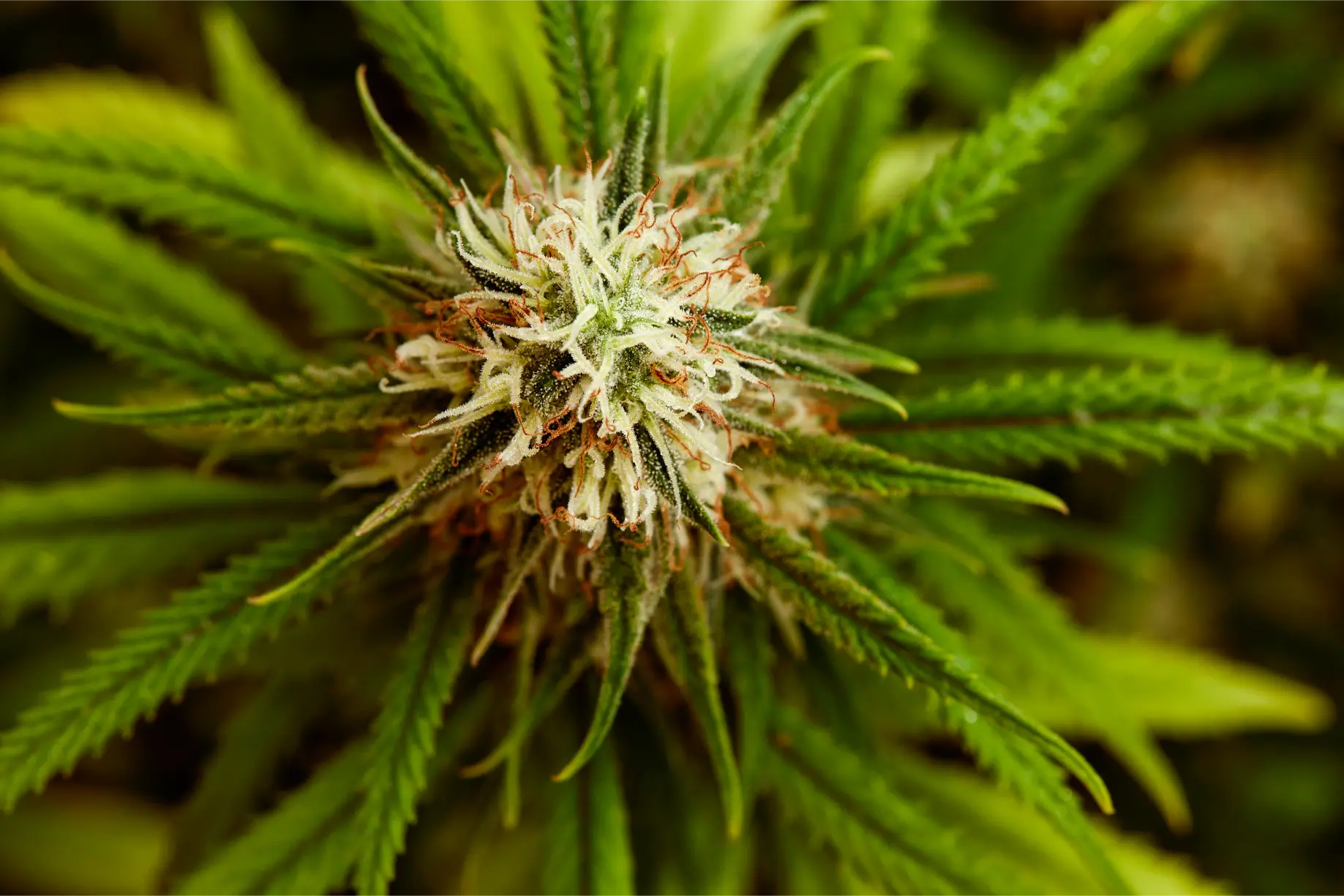
Maui Wowie
Maui Wowie (also spelled Maui Waui) is the quintessential tropical sativa, a legendary cultivar originating from the Hawaiian island of Maui. Known for its sun-bright aroma and towering growth, this strain embodies “pure liquid sunshine” in cannabis form. Its flavor and effect carry a permanent vacation vibe – think pineapple and citrus aroma with a clean, uplifting high. But Maui Wowie’s true identity is revealed in cultivation: it’s an extremely stretchy, tall plant that needs generous space and careful training to flourish. Famous among ’60s counterculture and still prized today, Maui Wowie is defined by its Hawaiian heritage, lanky island growth, and vibrant tropical character.
Strain Features
| Feature | Detail |
|---|---|
| Genetic Profile | Sativa-dominant heritage hybrid, often represented near 80% sativa |
| Lineage | Hawaiian landrace sativa × unknown, with possible Thai or Mexican sativa influence |
| THC Direction | Typically around 15–22%; CBD is low or trace |
| Flowering Time | About 9–11 weeks indoors |
| Outdoor Window | Often late October in the Northern Hemisphere where the season remains warm |
| Plant Size | Tall and long-branched; can exceed 5–7 ft indoors if left uncontrolled |
| Yield Potential | Moderate to high, especially outdoors with space, sun and root volume |
| Grow Difficulty | Moderate; vigorous and forgiving in health but demanding in stretch management |
| Aroma Direction | Pineapple, mango, citrus zest, pine and herbal spice |
| Dominant Terpenes | Myrcene, pinene, limonene and caryophyllene |
| Best Use | Daytime, creative and active settings at sensible doses |
Genetic Lineage
Maui Wowie traces back to native Hawaiian sativa landraces. Its exact parentage isn’t documented like modern hybrids – older strains often predate formal breeding records – but it’s universally attributed to Maui’s volcanic soils. In fact, its genetic notation is simply “Hawaiian Sativa × Unknown”. Over time, some growers have suggested that Maui Wowie may incorporate other sativa genetics (for example, Thai or Mexican landraces) alongside the core Hawaiian lineage. However, it is essentially treated as a self-sustaining island variety rather than a deliberate cross. In practical terms, Maui Wowie inherits the classic island traits of pure sativas: extremely tall, lanky growth with long internodes, vigorous branching, and an unmistakably tropical terpene profile. The Hawaiian heritage shows up in its bright fruit-forward aroma and daylight-friendly buzz. Unlike modern polyhybrids with known parents, Maui Wowie’s lineage is defined more by its stable expression of island sativa character over decades. In strain databases and grower lore you’ll often see Maui Wowie listed alongside other Hawaiian or tropical strains, reflecting that shared descent, but no specific “mother” or “father” plant.
Its influence has given rise to selections like “Cherry Maui” (which adds berry notes to the profile) or other Maui Wowie phenotypes, but all remain a variation on the Hawaiian sativa theme.
Effect Breakdown
Maui Wowie delivers a classic clean sativa high that builds in phases without heavy sedation.
Onset (first minutes)
The high is typically rapid and uplifting. Many users describe a “bubbleup” of mental energy and focus within minutes of inhalation. The initial sensation is clear-headed and lively, with mood-lifting euphoria that feels bright rather than hazy. There’s an immediate sense of motivation and creativity – a functional buzz ideal for starting tasks or socializing.
Peak
Around 15–30 minutes in, the cerebral effects reach full strength. The mind feels energized and even bubbly. Thought patterns often become more creative or optimistic. Because Maui Wowie’s effects stay primarily mental, many people find they remain entirely functional. There is little to no heavy body sedation at this stage; muscles may feel slightly relaxed, but you won’t feel couch-locked. This makes Maui Wowie good for daytime use.
Late Phase
As the high continues into the 1–3 hour range, it gradually tapers off but generally stays uplifting. Some users note a gentle mellowing, where the initial intensity fades into a calmer, steady buzz. For example, a late harvest (more amber trichomes) might introduce a touch of body warmth or drowsiness, but under typical harvest timing the effect remains mostly energetic. Throughout the experience, Maui Wowie tends to maintain a clear, positive mental state. According to user surveys, the top reported effects are Energetic, Uplifted, and Happy. Anxiety and paranoia are less common than with some ultra-potent sativas, as Maui’s energy is more “smooth”. Many compare it to a sunny, tropical buzz: eyes might water a bit (dry eyes/ mouth are the main negatives), but you stay engaging rather than zoned out. The overall functional clarity makes it suitable for creative work, outdoor activities, or social tasks. In short, Maui Wowie’s effect profile is clearly sativa: a cerebral uplift that lasts 2–4 hours, with minimal drag at the end, leaving you uplifted and content.
Flavor & Aroma Profile
Maui Wowie’s aroma and flavor are distinctly tropical. The jar aroma is often a wall of sweet fruit: imagine fresh, ripe pineapple with hints of mango, citrus, and a touch of sugary tropical punch. There is also a lightly herbal, piney undertone – a clean “island breezes” spiciness in the nose. When you break open the bud, the smell intensifies: broken buds release a sweet candy-like pineapple scent, overlaid with lemon-citrus zest and a hint of fresh pine or sandalwood. During smoking or vaping, the inhale continues the trend: the taste hits you with bright tropical fruit and citrus on the front end, especially pineapple and orange. Some phenos offer a mild mango or even berry note in the upper palette. On the exhale, earthier and spicier notes emerge. A smooth pine and light herbal earthiness balances the sweetness from the inhale. There can be a subtle peppery finish (from caryophyllene) or clean cedar-like note. The smoke is generally smooth; any initial harshness quickly yields to sweetness. Even in the aftertaste, the tropical character lingers.
You might notice a gentle pineapple or lime flavor in the back of the mouth after finishing a hit. Good-quality Maui Wowie will maintain a persistent aroma through drying and curing, though improper drying can mute the zip. In well-cured batches, many users still report distinct pineapple and citrus standing out in the cured flower. In summary, this strain lives up to its name – it smells and tastes like a Hawaiian vacation, with pineapple and tropical fruit at the top, followed by lighter pine/earth at the base.
Dominant Terpenes
Maui Wowie’s aromatic profile is shaped by several key terpenes. The most abundant is typically myrcene (often around 1–1.5%), which contributes an earthy, mango-like fruitiness. Next is pinene (roughly 0.5–0.8%), giving clean pine notes that brighten the aroma. Limonene (around 0.4–0.7%) adds a citrusy zing, accentuating the lemon and orange facets. Caryophyllene also appears, adding a subtle spicy-wood finish on the exhale. In practice:
| Compound | Contribution |
|---|---|
| Myrcene | Earthy, sweet-fruit aroma. Anchors the tropical musk of Maui Wowie. |
| Pinene | Pine scent. Gives a crisp freshness, reminiscent of pine needles or a citrusy pine. |
| Limonene | Lemon-citrus. Enhances the sharp citrus top notes, especially on the inhale. |
| Caryophyllene | Herbal/spice. Imparts a faint peppery or clove-like backing, mostly perceptible on the exhale. |
Each of these terpenes may subtly influence effects (e.g. pinene’s alertness or myrcene’s relaxation), but importantly they explain Maui Wowie’s flavor. For example, the dominant fruity pineapple aroma fits myrcene’s profile, while the crisp aftertaste comes from limonene and pinene. Note that terpene levels can vary by phenotype and grow conditions, but well-grown Maui Wowie consistently shows this pineapple-citrus-pine combination.
Indoor vs. Outdoor Growing
| Aspect | Indoor Growing | Outdoor Growing |
|---|---|---|
| Plant Shape | Tall, long-internoded and branchy; early topping and SCROG are highly useful. | Large, sun-seeking frame that benefits from wide spacing and structural support. |
| Stretch | Very high and capable of doubling in early flower. | High, especially with a long vegetative season. |
| Flowering | About 9–11 weeks under controlled light. | Often late October in the Northern Hemisphere. |
| Climate | Warm canopy, strong light and good air exchange; avoid humid late flower. | Best in tropical, Mediterranean or similarly warm and dry finishing climates. |
| Flavor Potential | Climate control protects pineapple and citrus top notes. | Full sun can deepen tropical expression if heat and rain do not damage the finish. |
Factor Indoor Cultivation Outdoor Cultivation Best in warm/tropical or Controlled environment. Warm (68– Mediterranean climates. 80°F) temperatures ideal; can maintain Outdoors it thrives under full sun and Climate steady warm, low stress conditions. Airheat but can struggle in cool or damp conditioning may be needed to seasons. Heavy rains late in season simulate Maui’s tropics. can risk bud rot. Given room, plants grow very large Limited by height. Expect extreme (often 8–10′). Spacing should be stretch – even with training, Maui generous (3′+ apart). Outdoors, Space & Size Wowie can easily reach 5–7′ indoors, so vertical growth is less constrained; plan high ceilings or top early. You may supports (stakes or cages) help need only 1–2 plants in a large tent. manage heavy colas. Relies on natural seasons. In warm 18/6 veg and 12/12 bloom schedule. zones it can be started outside mid- Consistent strong lighting (e.g. HPS/ spring; flower finishes in early-to-mid Light & LED) encourages vigorous stretch. autumn (late Oct in N. Hemisphere) Season Flowering indoors can be triggered at.
A full long season will, typically 9–11 weeks from flip allows maximum yield, but short. summers risk under-ripe buds. Good yields under optimal conditions Potentially very high yield if given (SCROG can help expose many tops). space. Outdoor plants often produce Generally less than outdoor yield per Yield 1 lb+ due to enormous size. However, plant due to size limits. Typical indoor dense canopy requires monitoring for yield might be 8–12 oz per 4×4 with pests or mold in humid climates. expert care. Less control: must monitor for rain/ Full control: can keep humidity cold. Maui’s airy buds help resist Climate moderate (40–50% veg, 30–40% bloom) mold, but if humid, provide good Control to protect terpenes. No risk of airflow or remove extra foliage. Drier unexpected weather. buds also means a risk of over-drying in hot, dry weather. Factor Indoor Cultivation Outdoor Cultivation Topping, LST, or a SCROG net are often needed indoors to limit height and Training is optional if space allows. spread growth horizontally. Removing some lower minimal training. Pruning excess Management branches early can focus energy on suckers can improve airflow.
Tie up main colas. High-stress training (superheavy branches to support weight. cropping) is also possible thanks to its toughness. Sunlight maximizes trichomes and Predictable climate, protected from size; one plant can outyield any pests/weather. Convenient multiple indoor setup. Easier to grow Pros harvests/year in controlled extremely large. Outdoors it can environment. reach genetic potential for flavor and yield. Limited height; requires constant Seasonal limits; risk of storms, pests, Cons training and pruning. Artificial lights mold on big buds. Requires a very and AC are costly. long warm season to fully mature. Indoor growers must tame Maui Wowie’s vertical ambitions. Early topping (even a double-top or multiple main colas) and low-stress training are nearly mandatory indoors, along with super-cropping if needed, to avoid hitting ceilings. A SCROG (screen of green) set at about 3′ high can cap the canopy and ensure even bud distribution. Indoors, one advantage is full environmental control: Maui Wowie does best warm and bright, so keep day/temperatures in the mid-70s°F, slightly higher humidity in veg (50–60%) then lower in flower (35–45%). This helps preserve its delicate tropical terpenes.
Outdoors, Maui Wowie’s main limitation is climate. It loves heat and sun, so it excels in truly tropical or summer-long climates. In such conditions, its annual growth can be enormous. However, in any region with a shorter season or cool, damp late autumn, the grower must watch carefully: too much rain or cold can hurt the final buds even if size is great. That said, Maui Wowie’s naturally airy, open bud structure is a moderate defense against mold. In summary, indoor growers get precision but must spend effort on training, while outdoor growers get yield and bold flavors but must accommodate the plant’s size and season needs. A seasoned grower might say: Maui Wowie is worth the effort if you can handle the stretch. It will reward you with plentiful, aromatic flowers as long as you give it space and plan for a long bloom.
Strain-Specific Grow Guidance
Maui Wowie demands respect in the grow room. Its key challenge is height; its key reward is long colas. Here are crucial cultivation strategies for this strain:
Pre-Flower Training
Start training early in veg. Top the plant once (after 3–4 nodes) or even twice to create multiple colas and moderate height. Immediately begin LST (low-stress training) on the new shoots to spread them horizontally. Maui Wowie responds vigorously, so bend gently and tie branches outward as they grow. Using a SCROG net at about 3–4′ height is highly effective: it caps the canopy and turns more branches upward for light exposure, significantly controlling vertical stretch.
Vegetative Care
Give Maui Wowie room to put on foliage without rushing to bloom. A 6–8 week veg period is common if space allows – this builds a sturdy root system and bushy base. Use a balanced, high-nitrogen feed during veg, but avoid overdoing N in late flower. As a vigorous grower, it eats well, but excess nutrients late in bloom can delay flowering and dull flavor. Many cultivators opt for organic or gentle fertilizers in flowering to preserve the delicate tropical terpenes.
Flowering Transition
Flip to 12/12 when the plant is shaped as you want it. At that point, internodal stretch will resume hard for a few weeks. Continue tie-downs or supercrop any shoots pushing up quickly. Remove some of the very lowest branches in early bloom – Maui’s main buds form on the upper branches, and cutting off underperforming lower bud sites shifts energy upward. This also improves airflow in the dense canopy.
Nutrient & Water Management
Switch to a bloom formula (higher phosphorus/potassium) once bud sites appear. Keep feeding moderate – Maui doesn’t need extreme push to bulk up. In fact, heavy late feeding can build lots of foliage and risk nutrient burn. Watch nitrogen carefully in mid/late bloom; excess N can slow resin development. Watering should be regular but allow slight dry-down between waterings – with such a large leaf mass, the plant uses water quickly but doesn’t like being constantly soaked. Large pots (at least 10+ gallons) or root-bombing outdoors are recommended to fuel full growth.
Environmental Settings
Maui Wowie thrives in the warmth and bright light. Indoors, maintain daytime temps around 75–80°F and keep night temps not more than ~10°F cooler. Relative humidity should drop to ~35–45% during flowering – excessive humidity can dull resin and potentially invite mold. Good air circulation is vital, especially because the center of its tall colas can become humid if air only flows at canopy top. Aim fans through the plant interior, not just across the top. Outdoors, try to plant early enough to avoid bud growth coinciding with the rainy season.
Height & Support
Expect to need branch support by mid-to-late flowering. Stakes or trellises can hold up the heavy, elongated colas. Without support, long spear-like buds may bend the stems. Consider adding silicon or calcium supplements around week 4–6 of flower to strengthen cell walls (many sativa growers do this to help tall stems).
Monitoring Flower Development
Maui Wowie’s buds can look gradually filling for a long time. Watch trichomes as your best indicator of readiness – many experienced growers target milky (cloudy) trichomes to preserve the strain’s heady sativa buzz. Waiting too long (high amber) often dulls the vibrant pineapple notes into an earthy haze. The strain’s sweet top notes and energetic high both tend to peak slightly before final amber-tinged maturity. In essence: train proactively and feed reasonably. Treat Maui Wowie more like an outdoor landrace rather than a neat indoor hybrid. Give it space to stretch (or rein it in with training), and manage it with a little more attention to airflow and harvest timing than you might for a compact indica. If you do, the payoff is copious frosty buds packed with character.
My Maui Wowie keeps growing into the light even after I topped it. What should I change before the next run?
Question sent by: Nathan Brooks, via e-mail
One topping creates extra leaders but does not remove the cultivar’s stretch. Start with a lower flip height, spread every leader horizontally in late veg, use a screen through the first part of stretch and keep reserve space above the canopy. Once flower clusters are established, support rather than repeatedly bend hardened stems.
Weedth Bud Flavor Tips
Preserving Maui Wowie’s tropical scent and taste through harvest and cure is a special focus. Its dominant fruity terpenes (pineapple-citrus) can be surprisingly fragile. Here’s how to keep your buds tasting like Maui:
Harvest Timing
To capture peak flavor, plan harvest when trichomes are mostly milky and only a few amber – this often coincides with the full expression of those top terpenes. Harvesting even a bit late (heavy amber) can mute the citrus brightness. Some breeders even use a 24–48 hour dark period before harvest to boost resin (anecdotal “dark shock” method), though evidence is mixed.
Drying
Dry slowly at a cool temperature. Rapid drying or heat above 75°F will cause volatile oils to evaporate, leaving you with plain hay aroma. The ideal drying environment is around 60–65°F and 50–55% humidity. Maintaining good (but gentle) airflow is important – circulate air around the buds, not directly blasting them. Because Maui Wowie buds are fairly dense on the outside but hollow inside, check stems for dryness to avoid overdrying. A quality dry might take 10–14 days at these conditions.
Curing
Cure well in jars for several weeks before use. During curing, focus on stabilizing the pineapple/citrus terpenes. Open the jars (“burp” them) daily for the first week to let excess moisture escape, then less often. Keep jars in darkness at ~60% RH. Avoid shaking or crushing buds too much, as that bruises trichomes. Over several weeks, you’ll notice the aroma deepen: the initially sharp pineapple mellows into a sweet tropical-citrus blend with a clean finish. Proper cure will dramatically improve smoothness and terpene richness.
Flavour Pitfalls
Overheating in bloom
High temperatures (>85°F) during flower can degrade sweet terpenes and make the aroma earthier. Keep it warm but not hot.
Overhandling flowers
Excessive trimming or rough handling can knock off trichomes. Be gentle when manicuring.
Rushed cure
Putting buds into bags or jars too early (while still too wet) can cause root-n-bud odors and flatten bright notes. Conversely, leaving them out too long (overdrying) will make them harsh and static.
Light exposure
Storage: keep your cured buds in dark, airtight containers. UV light bleaches terpenes; so use opaque jars or store in a dark cupboard. A well-cured Maui Wowie should pop open with a bold fruit aroma, and taste sweet on inhale with subtle pine on the exhale. The difference between an average and excellent cure is night and day here. When cured right, even a dry joint will smell like the tropics; when cured poorly, it can taste flat and haylike. So, patience matters – a three-week minimum cure (and more if possible) will reward you with the clean, sweet signature flavor this strain is known for.
Weedth Bud Boost Tips
Maximizing yield and quality with Maui Wowie means balancing vigorous growth with careful canopy management. These tactics can help get the biggest, fullest buds without sacrificing the tropical resin:
Optimize Light Penetration
Maui Wowie has long, tall branches, so light can easily miss lower sites. Use horizontal training (LST/SCROG) to fill the canopy and expose each bud site to strong light. Indoors, a screen can increase even bud development across many colas instead of one central cola. Outdoors, be prepared to prune some upper growth to let light reach lower branches.
Focus the Canopy
Remove smaller, shaded lower branches about a third into flowering. Maui Wowie doesn’t produce much on tiny lower branches, and by cutting them away you send resources to the main buds. This increases the bud-to-leaf ratio and means more energy goes into fewer, bigger colas.
Nutrient Balance for Bulking
In mid-flower, when buds start to swell, consider giving a slight boost of phosphorus and potassium (a bloom booster), but stay within moderate levels. Maui Wowie can bulk up nicely with a bit more “PK” in weeks 4–6 of bloom. However, avoid overfeeding, which can force extra leaf growth or burn trichomes. Many growers use a lighter organic feeding regimen during flower to enrich buds without excess salts (which can dull flavor).
CO₂ & Air Flow
Because Maui Wowie thrives on big light and warmth, adequate CO₂ (1,000+ ppm) can push yields if the setup is sealed and well-lit. This is an advanced tip – most small grows won’t use CO₂. More simply, ensure strong fans keep fresh air moving through the canopy. A well-oxygenated root zone (good drainage, aerated soil or hydro) will also let the roots keep up with the plant’s thirst.
Support Structures
Heavy colas may need physical support late in bloom. Use bamboo stakes or cages around week 6–7 to catch bending branches. This prevents broken stems and also ensures the buds remain upright, where they can continue receiving light and airflow.
Harvest Trade-off
If you try to maximize fresh weight by letting every bud swell, remember that extremely dense canopy can invite humidity issues. Sometimes a light defoliation in late flower (removing a few interior fan leaves) can improve air circulation, which helps ripen buds fully and keeps trichomes abundant. In short, Maui Wowie can reward a grower with generous yields if the training is done right. It really shines when given space to form many large colas rather than a single tower. But boosting yield should never mean cramming the plant into a box; leave enough space and support for its long branches, and let a little light filter through. With these techniques, you’ll grow a canopy that is long on flavor and weight.
Long sativa branches magnify late mistakes
Maui Wowie can look manageable in veg and then double during transition. Plan height, screen area and support before the flip. Strong light is useful only when irrigation, root health and temperature can support it; moving an over-stretched canopy closer to the fixture is not a substitute for early structure.
Medical Uses & Benefits
Maui Wowie is not typically viewed as a medicinal powerhouse due to its low CBD, but users do report benefits consistent with its uplifting character. According to user surveys, the most common reasons people use Maui Wowie are stress relief (34%), anxiety reduction (30%), and mood enhancement/ depression relief (28%). Its energetic, clear-headed high seems to help create a positive mindset.
Stress/Anxiety
The strain’s cheerful euphoria can ease tension. Many find it helps distract from worries and uplifts mood. Because the high stays mostly cerebral and not sedating, it can relieve mental stress without causing sedation. However, sensitive users should start low on dosage: high-THC sativas can occasionally trigger anxiety or a racing mind if overconsumed.
Depression and Mood
By boosting motivation and happiness, Maui Wowie often appeals to those facing mild depression or low motivation. Its stimulant effect can break depressive thought loops for a few hours.
Pain/Pain-Related Fatigue
Maui Wowie is not especially sedative or analgesic, so it’s not usually chosen for chronic pain. However, its mood lift might provide incidental relief from minor aches or the fatigue that comes with chronic conditions.
Appetite and Fatigue
It may slightly increase appetite (sativa cough effect) and provides energy, so it could help with fatigue or mild nausea by improving mood and energy.
Sleep
Unlikely to be helpful for sleep issues on its own. Because the high is stimulating, taking Maui Wowie late at night could keep some users awake. Most advice is to use it during the day or early evening. In summary, Maui Wowie’s benefits center on mental and emotional uplift. It’s often recommended for daytime use to relieve stress or boost a creative/dynamic mood. It should be approached with caution by those prone to anxiety or who need strong physical sedation, since its THC potency could be overpowering if not dosed carefully. As with any strain, individuals’ medical responses vary, so these are reported tendencies rather than guarantees.
Ideal User Profile
Maui Wowie is tailor-made for the energetic and adventurous. It suits daytime users who want a clear mind and social vibe, not a couch-lock buzz. Ideal users include:
Creative Professionals/Artists
People needing a mental spark. Writers, musicians, designers – Maui Wowie can unblock creative thinking and enhance focus without sedation. (For example, a musician might find it helps jam creatively on a beat, as one user reported).
Outdoor Enthusiasts
Anyone enjoying nature, hikes, or social gatherings. The uplifting head high complements physical activity or group fun. A farmer flipping through sun-bleached plants might prefer Maui over heavy indicas.
Experienced Sativa Lovers
Those who already handle strong THC and crave a classic sativa flavor/feel. If you love strains like Jack Herer or Green Crack, Maui Wowie might resonate (with its own pineapple twist).
Not for Short on Space or Time
Avoid if you have limited headspace (it will outgrow most apartments without topping) or need a quick sedative. Also avoid if you seek mild effects — Maui can be a bit intense for THC novices.
Not for Sleep or Severe Anxiety
Its energetic character makes it a poor choice for relaxing before bed or for highly anxious individuals. The lack of significant CBD means sensitive users should dose carefully or skip it if prone to paranoia.
Best Time of Day
Morning through mid-afternoon. It’s a “get things done” strain, so use it like a cup of coffee – brightening and motivational. In other words, choose Maui Wowie if you’re looking for a tropical daytime pick-me-up and have the tolerance to handle up to 20% THC. If you prefer deep relaxation, night-time sedation, or have a small grow space, another strain might be more suitable. This strain rewards an active lifestyle and a willingness to chase that signature pineapple buzz – it’s for people who want energy and flavor, not for those who need calm and comfort.
Grower Notes and Feedback
Over years of grower reports, certain patterns emerge with Maui Wowie. One recurring note is phenotype variability. Different seed runs or cuts can emphasize slightly different aromas – some lean more pineapple/citrus, while others have hints of berry or a spicy note (often sold as “Cherry Maui”). However, the growth traits are very consistent: nearly all phenos grow extremely tall, with long internodes and a pronounced “Christmas tree” sativa shape. Many growers are surprised by the explosive stretch after flip. It’s common to see plants double in height during the first 3–5 weeks of flower if unchecked. So one piece of feedback is to train earlier and monitor the ceiling. Another point: bud structure. Maui Wowie buds often start out fairly sparse. Expect them to remain somewhat airy even at finish. Some growers first worry their flowers will be “light” or loose, but quickly learn that this is normal for a Hawaiian sativa – heavy weight comes more from length than compactness. With good light and nutrients, the buds do eventually bulk up in weeks 7–10, and the trichome coating is generous.
Many growers mention that a proper long dry and cure transforms those semi-fluffy green buds into sparkling candy. On the cultivation side, growers frequently comment on hardiness and recoverability. Despite the stretch, Maui Wowie handles stress quite well. Supercropping, topping, or even high heat won’t usually shock it badly. Its open foliage also means it rarely has pest/mold troubles that some dense indicas get – that airy spacing lets air through. However, a common surprise is feeding: this strain doesn’t need extreme nutrients. A few gardeners note that trying to overfeed led to yellowing leaves or slowed bud ripening. Harvest timing is another note: some mention that buds seem mature relatively early (when the scent is at peak pineapple intensity) yet leave a few weeks more for trichomes to fully develop. Many experts suggest that leaving Maui Wowie too long into amber buds can dull its flavor. In forum threads, growers often advise “sniff and look,” rather than rely on a calendar. In summary, actual grow reports say: “Maui Wowie is a beast of a sativa.
Manage its size, give it full light, and be patient on harvest. Those breezy tropical nugs are worth it.” Experienced growers tend to adore its flavor when treated carefully, but warn beginners not to underestimate its size. The consensus: stay on top of training, and you’ll be rewarded with classic Maui aroma and a solid yield.
Weedth Editor’s Note
This is one of those strains where planning matters more than raw power. I’ve always admired Maui Wowie for one thing: that unmistakable pineapple-and-citrus aroma that carries all the way through harvest and cure. But to get there, you really need to tame the plant first. In my experience, the single biggest mistake is flipping to flower too soon. This plant wants at least a month of proper veg and training. If I have a grow tent with a 6-foot ceiling, I’d top Maui Wowie once around 4 nodes and then hit the new shoots with some early LST so it spreads out instead of shooting straight up. This “two-tier” approach means you’ll have a dense canopy of 6–8 decent-sized tops rather than one skyscraper and a lot of tiny side-shoots. I also pay special attention in late bloom. Maui’s loose buds can hide moisture pockets, so I do minimal defoliation (only ragged outer leaves) and use oscillating fans for steady airflow.
Personally I’d avoid a heavy flush of nutrients in the final weeks, because I noticed that too much feed late can actually choke off aroma. Instead, a mild finish with extra potassium and silica seems to help coat the flowers in trichomes without tasting like nutes. When it comes to flavor, my priority is speed in the dry room: I’ll dry at a cooler 60°F so those volatile pineapple esters stick around. Even on the first cure jar pop, you can smell the tropical sweetness. For me, that’s the reward that makes the whole lengthy process worth it. Would I recommend Maui Wowie for every grower? Not really. For beginners or those with a small grow space, it can be a frustrating effort compared to a compact hybrid. But for veteran sativa fans who crave flavor, its challenges are part of the fun. The trade-off is yield – if you’re willing to let it get tall and maybe take a bit longer to finish, it will reward you with very flavorful buds. Just remember: the pineapple does not come for free.
It takes a little extra work.
Weedth Score
Growing Experience – 8.0/10: Vigor and warm-climate resilience are excellent, but extreme stretch, long branches, light demand and a nine-to-eleven-week finish require space and early structure.
Bud Structure & Visual Appeal – 8.5/10: Long spear-shaped flowers carry bright pistils and a glistening resin coat. They are less compact than modern indica flowers but suit the tropical sativa architecture.
Aroma Complexity – 9.2/10: Pineapple, mango, citrus, pine and herbal spice create a sunny profile with enough green structure to avoid one-note sweetness.
Flavor & Smoothness – 8.9/10: The best cure keeps the juicy fruit opening and clean pine finish intact. Warm drying quickly reduces the top-end tropical clarity.
Effects & High Experience – 9.0/10: The high is energetic, creative and clear, with only a gradual physical softening. Sensitive users should respect the speed and mental brightness.
Overall Satisfaction – 8.9/10: Maui Wowie is most rewarding when treated as a long-limbed heritage sativa rather than forced into compact-hybrid habits.
FAQ
Why is my Maui Wowie stretching so much
Maui Wowie is an extremely sativa-dominant plant by nature. It has long internodes and vigorous apical growth, so once it hits 12/12 light it tends to double in height during the first few weeks of bloom. This is normal for this strain. The answer is to train early (topping, LST, SCROG) to spread out that height.
Does Maui Wowie need a trellis or topping
Yes. Because of its explosive stretch, most growers find Maui Wowie very hard to control without training. Topping even once and using trellises or support nets can keep the plant bushier and prevent it from overgrowing your space. In tight spaces, some growers even flip to flower later than usual (at 4–6 nodes) to limit final height.
Why are my Maui Wowie buds so airy/light
This is normal. Maui Wowie’s calyxes tend to elongate rather than densely stack. The buds form long “spear” shapes that look a bit fluffy. They will fill in and get heavier in the final weeks of flower, but don’t expect the dense, rock-hard buds of an indica. In fact, the airy structure helps prevent mold on this tropical strain. To ensure quality, just let them mature fully (often 10–11 weeks) and cure slowly.
When should I harvest Maui Wowie for the best flavor
For Maui Wowie’s signature pineapple/citrus flavor, harvest when most trichomes are cloudy (milky) and pistils have turned orange-brown. Many growers pull it a bit earlier than extreme amber for maximum tropical aroma. If you wait too long (lots of amber trichomes), you risk the sweet top notes flattening into an earthier taste. In practice, start checking at ~week 9 and sample frequently.
Can Maui Wowie finish outdoors in a short season
It’s challenging. Maui Wowie really prefers a long warm season (think tropical). If you’re in a northern or short-season area, you may have to rush veg or use light deprivation outdoors. Ideally, plant it as early as safely possible in spring and hope to harvest by mid-Autumn. In climates with early frosts or heavy rains by fall, plants may underdevelop, so many growers say this strain is better for long-season zones. Indoors, you can guarantee the full 9–11 week flower.
Why does my cured Maui Wowie smell bland compared to others
Often this is due to drying too quickly or at high temperature. Maui’s tropical terpenes (especially limonene) are volatile. If buds are dried over 70°F or very fast, much of the citrus aroma can evaporate. Make sure your drying room is cool (around 60°F) and humid (50%) with gentle airflow. Also, a proper cure (slow burping of jars) is essential. Without it, even top-shelf Maui can lose its punch and end up smelling like generic dried grass.
Similar Strains
Hawaiian (Landrace Hawaiian Sativa): Very similar genetics and aroma profile (tropical, fruity), since Maui Wowie is essentially an heir of Hawaiian landraces. Hawaiian strains often have the same daytime clarity and tropical scent. The difference is that some Hawaiian phenotypes are more lightly covered in trichomes or skew towards pineapple vs. sour fruit. Hawaiian can be slightly easier to grow (less stretch), but Maui Wowie typically has stickier buds.
Silver Haze: Shares Maui’s tall, sativa-dominant structure and uplifting high. Like Maui, Silver Haze demands training and a long flower (~11 weeks). Silver Haze’s flavor leans more toward earthy pine/citrus (from classic Haze genetics), whereas Maui’s is explicitly tropical/pineapple. If you like the energetic buzz of Maui but want a more resin-heavy, piney scent, Silver Haze is a close relative.
Pineapple Express: Named for its pineapple-citrus notes, this hybrid parallels Maui’s flavor profile. Pineapple Express yields a sweet pineapple aroma and uplifting buzz. However, Pineapple Express plants are much shorter and bulkier (more indica influence) and finish faster. The trade-off: you lose the sheer size and stretch of Maui Wowie, but gain a more forgiving grow and faster harvest.
Green Crack: Though not tropical, Green Crack offers a similarly intense daytime euphoria and clear focus. Its effects are comparable in energy and motivation. Flavors differ (Green Crack is more sharp-citrus/dank), and Green Crack is far easier to manage (far less stretch, denser buds). Growers who like Maui Wowie’s cerebral punch might choose Green Crack for a simpler grow and slightly higher yields.
Jack Herer: A classic sativa-leaner, Jack Herer delivers a creative, uplifting high akin to Maui Wowie’s energy. Its terpene profile is more pine-and-herbal rather than tropical fruit. Morphologically, Jack is tall but typically not as lanky as Maui. Some growers alternate between these for similar effects: Jack Herer for clarity and classic pine aroma, Maui Wowie when craving that exotic pineapple twist. Each recommended strain shares some core aspect with Maui Wowie (sativa height, uplifting effects, tropical flavors, or Hawaiian lineage) but they differ in others (bud density, growing speed, or precise aroma). Together these choices give alternatives for growers who want Maui’s positive traits (like energetic buzz or tropical notes) while offering a different balance of growth habits and flavors.
Share this article
A quick overview of the topics covered in this article.
Follow us
Latest articles
September 27, 2026
September 27, 2026
September 27, 2026
September 27, 2026
