

Mochi Strain: Complete Cultivar & Grow Guide
In the illustrious lineage of modern dessert cannabis cultivars originating from the San Francisco Bay Area, Mochi holds an esteemed, almost mythical reputation among flavor connoisseurs. Also recognized across elite dispensary menus as Mochilato or Gelato #47, this indica-dominant polyhybrid represents one of the most refined selections ever produced by the Cookie Fam and Sherbinskis. Developed through a direct cross between Sunset Sherbet and Thin Mint Girl Scout Cookies, Mochi was crafted to deliver a sensory profile inspired by its namesake Japanese confection: blending smooth vanilla cream, sweet rice dough, wild blackberry compote, and subtle floral lavender with the crisp, cooling herbal spearmint and earthy diesel fuel inherited from its Cookies ancestry.
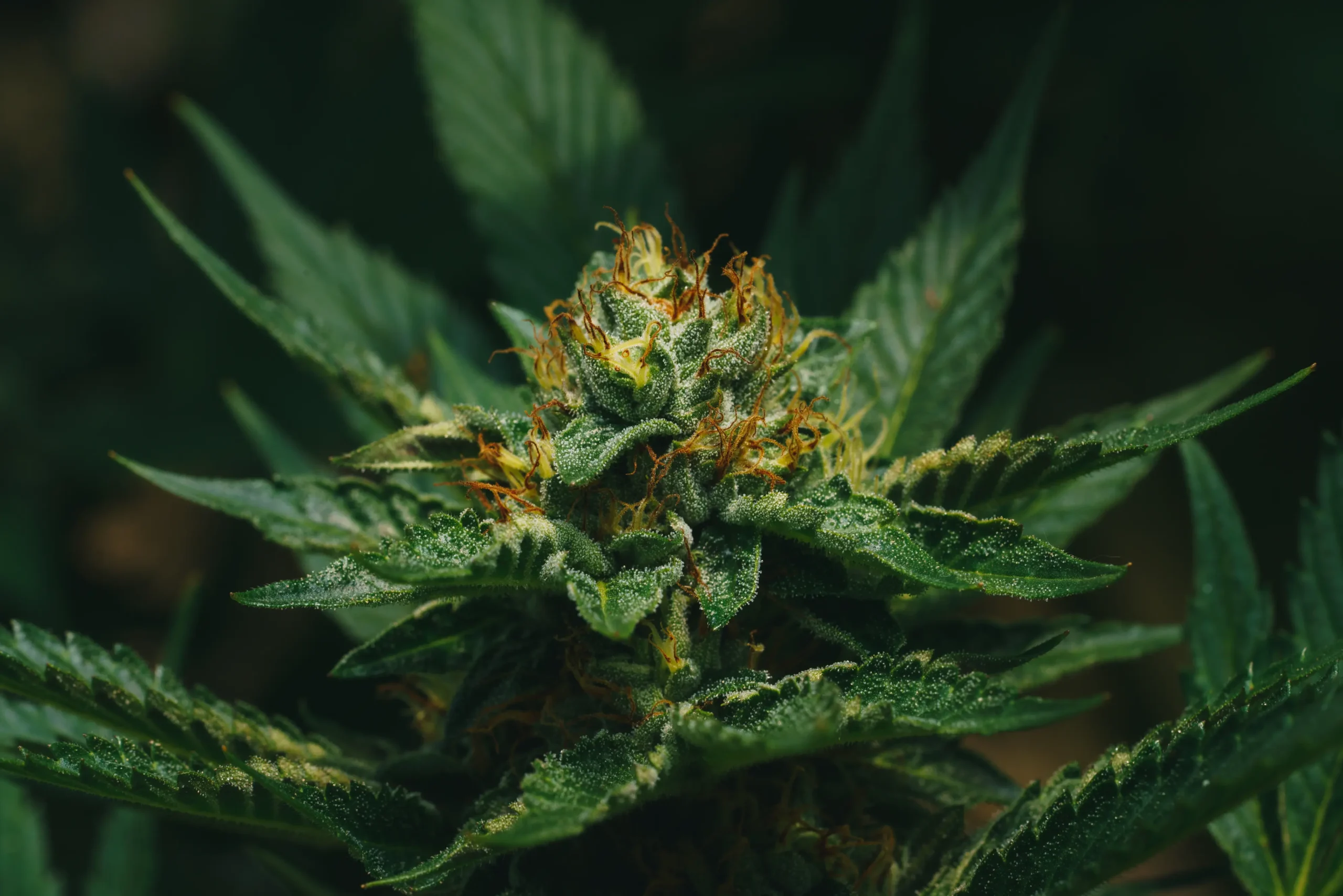
From an agronomic perspective, Mochi is celebrated for its extraordinary visual appeal and dense glandular trichome coverage. The cultivar expresses the classic, compact morphological traits of elite California dessert lines, producing stout, fibrous main stems, strong lateral branches, and dark, leathery emerald fan leaves that readily accumulate deep anthocyanin pigments. During generative bloom, calyx bracts and surrounding sugar leaves transform into a dramatic, high-contrast mosaic of royal purple, lavender, deep plum, and jade green. When brought to full physiological maturity, Mochi develops dense, golf-ball to spade-shaped floral clusters encrusted with thick sheets of silver capitate-stalked trichomes and accented by fiery coral-orange stigmas, offering immense bag appeal and exceptional yields for solventless live rosin extraction.
However, commanding peak genetic expression from Mochi demands attentive canopy architecture management, precise irrigation steering, and strict post-harvest microclimate vigilance. Because the cultivar inherits tight calyx packing and dense floral clustering from Thin Mint GSC, swollen terminal colas can become susceptible to localized moisture entrapment if late-flower relative humidity is not carefully controlled below 45%. Furthermore, its delicate monoterpene matrix, characterized by creamy linalool, crisp fenchol, and volatile fruit esters, is exceptionally sensitive to ambient heat stress; allowing canopy temperatures to exceed 25°C (77°F) during late bloom will rapidly evaporate these prized compounds, flattening its complex confectionary profile into generic sweet earth. This comprehensive technical guide provides commercial facility operators and passionate craft growers with an exhaustive agronomic blueprint covering genetic heritage, phenotype selection, precision crop steering, and specialized post-harvest curing protocols.
Strain Features
| Feature | Details |
|---|---|
| Strain Type | Indica-dominant hybrid (approximately 60% Indica / 40% Sativa) |
| Genetic Lineage | Sunset Sherbet crossed with Thin Mint Girl Scout Cookies (Gelato #47) |
| THC Potency Range | 22% to 27% total delta-9-THC under optimized indoor CEA conditions |
| CBD & Secondary Cannabinoids | CBD: 0.05% to 0.2%, CBG: 0.9% to 1.6%, CBC: 0.2% to 0.5%, THCV: 0.1% to 0.3% |
| Dominant Terpenes | Beta-Caryophyllene, D-Limonene, Beta-Myrcene, Linalool, Fenchol, Alpha-Humulene |
| Aromatic Profile | Sweet vanilla cream, sweet rice dough, wild blackberry compote, cooling spearmint, floral lavender, Meyer citrus, and faint diesel |
| Flavor Profile | Creamy fruit and mint on inhale, expanding into sweet vanilla dough, roasted nuts, and earthy gas on exhale |
| Onset & Effect Character | Warm creative euphoria and mental ease quickly transitioning into weighted somatic relaxation, peaceful stillness, and restorative calm |
| Flowering Time | 63 to 70 days (9 to 10 weeks) indoors; early to mid-October outdoors in Northern temperate zones |
| Flowering Stretch Multiplier | 1.5x to 1.9x pre-flip height; moderate, manageable vertical elongation with steady lateral development |
| Canopy Architecture | Medium-height, stocky indica frame with thick stems, tight internodes, and dark green to obsidian foliage |
| Bud Morphology | Dense, rounded to spade-shaped calyx clusters exhibiting vivid royal purple, magenta, and jade marbling encrusted in frost |
| Yield Potential | Indoor: 450 to 550 g/m² under high-efficiency LED arrays; Outdoor: 600 to 850+ grams per plant in full sun |
| Cultivation Difficulty | Intermediate; demands late-flower humidity control, canopy thinning, and cool finishing temperatures |
Anthocyanin & Terpene Preservation
Because Mochi develops ultra-dense, resinous floral clusters with high anthocyanin potential, drop late-flowering night temperatures to 16°C to 18°C (61°F to 64°F) during weeks 8 and 9. Keep relative humidity strictly between 40% and 45% to prevent Botrytis rot while locking in volatile mint and vanilla monoterpenes.
Genetic Lineage
The creation of Mochi represents a defining chapter in the history of California dessert cannabis breeding. Engineered by the legendary breeders of the Cookie Fam and Sherbinskis in San Francisco, Mochi was born from the exact same parental cross that birthed the world-famous Gelato family: Sunset Sherbet crossed with Thin Mint Girl Scout Cookies.
While sibling selections such as Gelato #33 (Larry Bird) and Gelato #41 (Bacio) lean heavily toward creamy hazelnut gas and physical sedation, Gelato #47 was singled out and christened Mochi due to its unique, confectionary aromatic divergence. The maternal contributor, Sunset Sherbet (Girl Scout Cookies x Pink Panties), brings luscious dark berry compote, candied citrus, vibrant magenta and purple hues, and an emotionally uplifting mental euphoria. Sunset Sherbet softens the sharp edges of classic Cookies, infusing the cross with mouth-watering sweetness and hybrid vigor.
The paternal contributor, Thin Mint Girl Scout Cookies (Durban Poison x OG Kush x F1 hybrid), contributes rock-solid calyx density, explosive glandular trichome coverage, and its signature cooling spearmint and warm cookie dough foundation. Thin Mint reinforces stem thickness and adds a grounding, full-body somatic relaxation powered by high beta-caryophyllene and humulene. The resulting polyhybrid achieves a harmonious balance of beauty, flavor, and potency that commands top-tier placement in dispensaries worldwide.
Core Phenotypes & Selection Criteria
Phenohunting across seed lines and verified clone cuts of Mochi reveals a nuanced spectrum of morphological and aromatic variations. Commercial cultivators and connoisseur growers generally encounter four distinct phenotypic expressions:
1. The Sweet Rice Cake & Mint Phenotype (The Authentic Mochi Cut)
This is the definitive, highly coveted expression that inspired the cultivar’s name. Plants develop a compact, symmetrical frame with close internodal spacing. In late flower, the calyxes turn an intense royal purple and jade green, smothered in shimmering white resin. The aroma is uncanny: sweet vanilla cream, steamed rice dough, fresh spearmint, and ripe blackberries. It finishes in 63 to 65 days and produces the smoothest, most confectionary vapor profile on the palate.
2. The Sherbet-Dominant Fruit & Citrus Phenotype
Displaying stronger Sunset Sherbet influence, this phenotype stretches slightly more (up to 1.9x) and produces slightly looser, elongated floral spires with vivid magenta and pink pistils. Its aroma is bright and fruit-forward, featuring candied orange peel, sweet passionfruit, and tart blackberry syrup with a subtle herbal background. It finishes around day 60 to 63, yields heavily, and delivers a cheerful, socially uplifting creative high.
3. The Thin Mint Gas & Dough Phenotype
A phenotype that leans decisively toward Thin Mint GSC, producing thick, fibrous main stems and rock-hard golf-ball calyx clusters. The buds take on dark plum to obsidian shades. Aromatic testing reveals rich cocoa dough, sharp peppermint, roasted nuts, and pungent petroleum kerosene. This expression tests highest in total cannabinoids (often clearing 27% THC) and delivers the heaviest somatic body stone of the group.
4. The Floral Lavender & Fenchol Cut
A rare and exquisite expression characterized by high concentrations of linalool and fenchol. The cured flowers smell of fresh lavender blossoms, sweet basil, cold dessert cream, and clean cedar wood. This cut provides profound anxiety relief and mental decompression, making it particularly favored by medical patients managing stress and chronic insomnia.
Effect Breakdown
Mochi delivers a sophisticated, two-phase psychoactive progression that smoothly combines creative mental expansion with weighted somatic tranquility.
The Warm Creative Opening: Minutes 1 to 25
Upon initial inhalation, Mochi initiates with a warm, comforting wave across the forehead and temples. Users report an immediate lifting of mental stress, accompanied by sensory enhancement, visual richness, and a serene emotional tone. Thoughts flow with creative looseness, making music, conversation, and visual art feel deeply engaging. Unlike abrasive sativas that can trigger racing thoughts, Mochi’s mental stimulation is soft, tranquil, and optimistic, creating an ideal setting for relaxed social evenings or creative hobbies.
The Weighted Somatic Tranquility: Minutes 25 to 75
As the session progresses into its second phase, the physical component of Thin Mint GSC takes center stage. A soothing, weighted heaviness descends from the base of the skull through the shoulders, spine, and lower extremities. Muscles that have carried chronic tension through the day noticeably soften and unclench. The user remains mentally lucid and capable of conversation, but physical ambition naturally wanes, encouraging comfortable relaxation on a couch or recliner.
The Sedative Finish: Beyond 75 Minutes
At higher doses or during late evening consumption, Mochi transitions decisively into deep, restorative physical sedation. Cognitive activity slows into a peaceful, dreamy contemplation, eyelids grow heavy, and the body prepares naturally for deep, restorative sleep. Appetite stimulation becomes prominent during this stage, making food taste remarkably rich and satisfying before a peaceful night of rest.
Evening Timing Recommendation
Reserve Mochi for late afternoon, evening, or nighttime consumption. Consuming this strain during morning hours can induce premature physical sluggishness, heavy eyes, and an unwanted desire for midday rest.
Flavor & Aroma Profile
The sensory experience of Mochi is among the most sophisticated in modern cannabis, faithfully reproducing the rich, comforting confectionery dessert profile from which it takes its name.
Aroma: Confectionery Cream Meets Herbal Mint
Opening a container of cured Mochi immediately fills the surrounding room with an intoxicating wave of sweet cream, vanilla bean dough, and wild blackberry compote. Beneath this initial sweetness lies an intricate herbal layer of cooling spearmint, fresh lavender blossoms, and subtle citrus rind. Breaking open a dense calyx unleashes deeper savory undertones of churned butter, earthy pine, and faint diesel fuel, creating a multidimensional bouquet that rewards patient sensory appreciation.
Flavor: Sweet Inhale, Minty Cookie Exhale
On the palate, Mochi translates its aroma with remarkable fidelity. Inhaling through a clean glass piece or low-temperature dry herb vaporizer floods the mouth with tart berry syrup, sweet vanilla cream, and soft rice dough. As the vapor expands across the tongue, crisp herbal mint and roasted nuts emerge to balance the sweetness. The exhale is velvety, smooth, and sweet, leaving a lingering aftertaste of mint chocolate dough, lavender cream, and subtle spicy cedar that coats the palate for several minutes.
Vaporization Dynamics
To experience the full aromatic spectrum of Mochi, temperature control during consumption is paramount. Vaporizing at low temperatures between 170°C and 180°C (338°F to 356°F) highlights the delicate linalool florals, crisp fenchol, and sweet berry monoterpenes. Stepping temperatures up to 192°C to 202°C (378°F to 396°F) activates the heavier caryophyllene and humulene sesquiterpenes, unleashing rich roasted dough, spicy fuel, and grounding physical relaxation.
Dominant Terpenes
The complex confectionery bouquet of Mochi is driven by a balanced synergy of primary sesquiterpenes and cooling monoterpenes, typically registering between 2.2% and 3.5% total terpene content in properly cultivated flower.
| Terpene Compound | Typical Concentration | Sensory Profile | Physiological and Entourage Dynamics |
|---|---|---|---|
| Beta-Caryophyllene | 0.65% to 1.15% | Cracked black pepper, warm baking spice, woody dough | Selectively binds to peripheral CB2 receptors, providing potent anti-inflammatory, analgesic, and gastroprotective benefits |
| D-Limonene | 0.45% to 0.85% | Sweet citrus zest, candied lemon rind, fruit glaze | Elevates mood, stimulates dopamine pathways, and promotes gastric comfort without causing anxiety |
| Beta-Myrcene | 0.40% to 0.75% | Ripe dark berries, herbal musk, damp woodland loam | Increases cellular membrane permeability to accelerate cannabinoid uptake; delivers signature full-body physical sedation |
| Linalool | 0.15% to 0.35% | Soft floral lavender, sweet confectionery cream | Modulates GABA-A receptor pathways to provide profound anxiety relief, muscle relaxation, and sedative sleep support |
| Fenchol | 0.10% to 0.25% | Cooling herbal pine, sweet camphor, fresh basil | Contributes the distinctive refreshing minty finish; exhibits natural antimicrobial and antioxidant properties |
| Alpha-Humulene | 0.10% to 0.22% | Dry woody hops, earthy spice, subtle bitterness | Works synergistically with caryophyllene to suppress inflammation; helps balance appetite stimulation |
Indoor vs Outdoor Growing
Cultivating Mochi successfully depends on tailoring your environmental setup to the physical realities of dense, indica-dominant floral clusters.
| Agronomic Dimension | Indoor Controlled Facility | Outdoor Open-Air Cultivation |
|---|---|---|
| Photoperiod & Speed | 63 to 70-day generative cycle; enables predictable perpetual harvest scheduling throughout the annual calendar | Flowering initiates mid-August; matures between October 5 and October 18 in Northern temperate zones |
| Canopy Management | Highly cooperative; stocky frame responds exceptionally well to single topping, LST, and single-layer trellising | Builds broad, sturdy bushes 1.8 to 2.4 meters tall with thick woody trunks capable of supporting heavy colas |
| Humidity & Mold Risk | Precise dehumidification required during weeks 5 to 10 to prevent internal Botrytis rot inside dense colas | High vulnerability to late-season rain and heavy morning dew; requires overhead shelter or greenhouse hoops in wet climates |
| Temperature & Color | Easy to drop nocturnal temperatures to 16°C to 18°C (61°F to 64°F) during late bloom to trigger magnificent purple flushes | Natural autumn temperature drops induce breathtaking dark violet and obsidian coloration across calyxes and leaves |
| Yield Potential | Consistent 450 to 550 g/m² under high-efficiency full-spectrum LED fixtures with supplemental CO2 | 600 to 850+ grams per plant when rooted in rich, organically amended living soil beds in full sun |
| Terpene Retention | Strict environmental thermal control locks in volatile berry cream, mint, and vanilla dough monoterpenes | Deep, complex earthy-berry sun-grown profile; requires shaded drying facilities to avoid heat degradation |
Strain-Specific Grow Guidance
While Mochi is relatively forgiving during vegetative growth, bringing its dense flowers to peak bag appeal and aromatic perfection requires meticulous canopy shaping, nutrient balance, and microclimate control.
Vegetative Structure and Canopy Architecture
In vegetative propagation, Mochi develops a stocky, symmetrical frame with close internodal spacing. Stems are thick and fibrous, and fan leaves are broad and dark green. To open up the interior canopy and establish multiple primary colas, top the main apical shoot once at the fourth or fifth node. Gently bend lateral branches outward using low-stress training (LST) ties. This encourages secondary shoots to rise evenly, forming an expansive, flat canopy that maximizes photon capture under horizontal lighting grids.
Flowering Transition and Moderate Stretch
Upon flipping the photoperiod to 12/12, Mochi exhibits a moderate, well-behaved stretch, typically expanding by 1.5x to 1.9x its vegetative height over the first 21 days. Unlike wild sativas that run wild through upper trellises, Mochi remains compact and orderly. Install a single layer of horizontal trellis netting at the start of flower to spread dominant branches into individual grid squares, ensuring each floral top receives unshaded light.
Defoliation and Airflow Optimization
Because this cultivar develops broad, overlapping indica fan leaves, proactive defoliation is essential to prevent microclimate moisture traps. Perform a thorough lower canopy cleanout (lollipopping) on day 21, removing the bottom 30% of all small interior shoots and shaded foliage. On day 42 (week 6), execute a selective upper leaf pluck, stripping only large inward-facing fan leaves that cast shadows over swollen secondary colas. This surgical defoliation dramatically increases light penetration and ensures unimpeded horizontal air movement through the center of the canopy.
Week-by-Week Environmental and Crop Steering Schedule
| Flowering Stage | Target Day Range | Day / Night Temp | Relative Humidity (RH) | VPD Target | Target PPFD | Nutrient EC & Steering Focus |
|---|---|---|---|---|---|---|
| Stage 1: Transition & Stretch | Days 1 to 21 (Weeks 1 to 3) | 26°C / 21°C (79°F / 70°F) | 65% to 70% | 1.0 to 1.2 kPa | 650 to 750 μmol/m²/s | EC 1.8 to 2.1 mS/cm; balanced N-P-K, support rapid root and stem expansion |
| Stage 2: Calyx Stacking | Days 22 to 35 (Weeks 4 to 5) | 25°C / 20°C (77°F / 68°F) | 55% to 60% | 1.2 to 1.4 kPa | 750 to 900 μmol/m²/s | EC 2.0 to 2.3 mS/cm; ramp phosphorus and potassium, initiate secondary defoliation |
| Stage 3: Floral Bulking & Resin Surge | Days 36 to 49 (Weeks 6 to 7) | 24°C / 18°C (75°F / 64°F) | 45% to 50% | 1.4 to 1.6 kPa | 850 to 1,000 μmol/m²/s | EC 2.2 to 2.5 mS/cm; peak PK delivery, maintain calcium for cell wall strength |
| Stage 4: Anthocyanin Flush & Ripening | Days 50 to 60 (Weeks 8 to 9) | 22°C / 16°C (72°F / 61°F) | 40% to 45% | 1.5 to 1.7 kPa | 750 to 850 μmol/m²/s | EC 1.2 to 1.5 mS/cm; drop nocturnal temp to trigger purple flush, taper fertilizer inputs |
| Stage 5: Final Leaching | Days 61 to 68 (Week 10) | 21°C / 15°C (70°F / 59°F) | 38% to 42% | 1.6 to 1.8 kPa | 500 to 600 μmol/m²/s | EC 0.2 to 0.4 mS/cm; clean reverse osmosis flush, maximum trichome cloudiness and calyx swell |
Nutrition and Nitrogen Discipline
Mochi is a moderate feeder that thrives on balanced mineral or organic nutrition. It is particularly important to taper synthetic nitrogen inputs starting at week 5. Continuing high nitrogen into late flowering causes flowers to remain overly leafy, hinders natural calyx swelling, delays anthocyanin purple coloration, and leaves a harsh, green taste in the cured smoke. Elevate phosphorus, potassium, and sulfur during weeks 5 through 7 to fuel explosive resin synthesis and dense calyx stacking.
Harvest Indicator
Watch for the complete cessation of white pistil growth and noticeable swelling of individual calyx bracts. For maximum confectionery cream and mint terpene expression, harvest when trichomes show 90% cloudy heads and approximately 10% amber. Delaying harvest until 30%+ amber diminishes bright berry and mint notes in favor of heavier earthy sedation.
Crop Steering & Irrigation Matrix
To achieve commercial excellence with Mochi in soilless substrates such as rockwool or coco coir, professional growers employ precision irrigation steering. Manipulating substrate water content (VWC) and electrical conductivity (EC) allows cultivators to steer plant energy dynamically between vegetative biomass production and dense generative floral bulking.
Generative vs. Vegetative Steering Dynamics
During the first three weeks of flowering (the stretch period), generative steering is applied to restrict excessive internodal elongation and promote rapid flower initiation. Cultivators allow larger drybacks overnight (typically 45% to 55% reduction from maximum substrate saturation) and apply smaller, concentrated irrigation shots (2% to 3% of substrate volume) beginning two hours after lights-on. This elevates root zone electrical conductivity to between 4.0 and 5.5 mS/cm, signaling the plant to divert resources toward tight floral formation rather than vertical stem stretching.
From week 4 to week 7 (the bulking phase), irrigation strategy flips decisively toward vegetative steering. The goal is to maximize cell division and floral volume. Irrigation shots are delivered more frequently and in larger volumes (4% to 6% of substrate volume), maintaining substrate moisture between 55% and 65% VWC with shallower overnight drybacks of only 25% to 35%. Root zone EC is moderated between 2.8 and 3.5 mS/cm. This steady hydration and nutrient availability allows calyxes to swell rapidly into dense, chunky clusters.
Late Flower Generative Drydown
Starting in week 8, irrigation steering returns to a generative posture. Overnight drybacks are intentionally pushed back to 40% to 50%, and total irrigation events are reduced. This mild, controlled water stress stimulates secondary metabolite production, triggering a surge in trichome gland head development, terpene synthesis, and intense anthocyanin pigmentation across the floral calyxes.
Living Soil & Cream Terpene Amplification
While mineral hydro systems deliver pinpoint control over EC stacking, cultivating Mochi in organically amended living soil beds unlocks an extraordinary, deeply nuanced confectionery and cream bouquet that hydroponics struggles to emulate.
Mycorrhizal Inoculation & Root Architecture
Inoculating root zones with endomycorrhizal fungi (specifically Glomus intraradices) during vegetative potting creates a vast secondary hyphal network. This fungal web dramatically improves phosphorus assimilation during flower initiation and enhances calcium mobilization into dense floral spires, reinforcing calyx cell walls against fungal penetration.
Beneficial Bacterial Consortia & Terpene Amplification
Supplementing living beds with rhizobacteria, including Bacillus subtilis and Pseudomonas putida, stimulates systemic acquired resistance (SAR) within plant tissues. These beneficial microorganisms solubilize locked micronutrients such as iron and zinc while producing natural plant growth promoting hormones. Cultivators utilizing diverse living soil biology report an unmistakable intensification of the cultivar’s sweet vanilla cream and wild blackberry aromas, yielding a remarkably smooth smoke that burns to pure white ash.
Lighting Spectrum & Photobiology
Optimizing photon delivery and spectral quality is critical to unlocking the intense purple pigmentation and confectionery terpenes of Mochi while maintaining tight internodal spacing.
Target Daily Light Integral (DLI) and Photosynthetic Photon Flux Density (PPFD)
In modern CEA facilities utilizing solid-state LED arrays, Mochi performs best under a progressive PPFD ramp. During vegetative growth, maintain PPFD between 400 and 550 μmol/m²/s under an 18-hour photoperiod, delivering a Daily Light Integral (DLI) of 26 to 35 mol/m²/day. Following the flip to a 12-hour photoperiod, increase PPFD progressively to 700 μmol/m²/s in week 1, reaching peak intensity of 900 to 1,000 μmol/m²/s during weeks 4 through 7, representing a flowering DLI of 39 to 43 mol/m²/day without supplemental carbon dioxide, or up to 1,150 μmol/m²/s (DLI 50 mol/m²/day) when enriched with 1,200 ppm CO2.
Far-Red and UV Radiation Dynamics
Deploying targeted supplemental spectra produces tangible agronomic advantages with this cultivar. Delivering a 15-minute end-of-day pulse of far-red radiation (730 nm) activates phytochrome photo-equilibrium shifts, signaling rapid floral initiation and accelerating transition into active bloom by up to three days. During weeks 6 through 8, introducing supplementary ultraviolet light (UVA at 385 nm and modest UVB at 310 nm for 2 hours during peak photoperiod) induces mild photoprotective stress. This triggers trichome head expansion and elevates total cannabinoid and terpene synthesis by up to 15% without scorching delicate leaf margins.
Mineral Nutrition & Deficiency Guide
Mochi displays specific nutritional preferences and sensitivities across its lifecycle that must be managed carefully to avoid leaf tip burn or nutrient lockouts.
| Nutrient Element | Optimal Range | Deficiency Symptoms | Toxicity Symptoms & Management |
|---|---|---|---|
| Nitrogen (N) | 120 to 160 ppm (veg); 50 to 70 ppm (late flower) | Premature chlorosis of lower fan leaves in early bloom, pale foliage, reduced vigor | Excessively dark emerald leaves, downward clawing leaf tips, loose airy buds, suppressed anthocyanin coloration; reduce nitrate inputs immediately |
| Phosphorus (P) | 50 to 75 ppm (veg); 90 to 120 ppm (bloom) | Purpling of petioles accompanied by dark bronze necrotic spotting on older leaves | Rarely toxic directly, but high phosphorus locks out iron, zinc, and calcium; maintain balanced bloom formulation |
| Potassium (K) | 150 to 180 ppm (veg); 220 to 280 ppm (mid bloom) | Marginal leaf scorch, yellowing leaf edges that turn brown and crisp, weak calyx swelling | Excess potassium induces magnesium and calcium lockouts; monitor runoff EC and keep K within target ratios |
| Calcium (Ca) | 140 to 180 ppm throughout bloom | Localized brown necrotic spotting on young upper leaves, curled margins, weak stem rigidity | Extremely rare; ensure consistent transpiration to maintain continuous xylem flow into dense floral tips |
| Magnesium (Mg) | 60 to 80 ppm throughout bloom | Distinct interveinal chlorosis on middle and lower foliage while veins stay green | High magnesium restricts calcium absorption; supplement with balanced Epsom salt (MgSO4) |
| Sulfur (S) | 70 to 95 ppm in bloom | General yellowing of upper young leaves similar to nitrogen deficiency, muted terpene aroma | Toxicity is exceedingly rare; sulfur is essential for the enzymatic synthesis of volatile thiols and terpenes |
Pathogen Management & Microclimate Control
The extraordinary floral density of Mochi presents distinct physiological vulnerabilities that demand proactive integrated pest management (IPM) and strict environmental control.
Botrytis Cinerea (Bud Rot) Prevention
Because Mochi flowers form thick, tightly packed calyx clusters with minimal internal air exchange, the cultivar carries elevated susceptibility to Botrytis cinerea (gray mold). Spores germinate when free moisture remains on floral surfaces for more than four hours in stagnant air. Prevention relies entirely on environmental discipline:
- Maintain vapor pressure deficit (VPD) between 1.3 and 1.6 kPa during mid to late flowering.
- Deploy oscillating wall-mounted fans both above and directly beneath the trellis canopy to ensure zero dead air spots.
- Never allow relative humidity to spike when grow lights turn off; run commercial dehumidifiers continuously to prevent condensation on cooling plant surfaces.
- Avoid foliar sprays of any kind after week 2 of flowering; introduce biological preventative inoculants such as Bacillus subtilis exclusively via substrate root drenches.
Pest Monitoring and Biological Controls
Mochi broad, dark green foliage can be attractive to two-spotted spider mites and thrips. Maintain a clean growing environment through regular sticky trap inspections and proactive beneficial predator introductions. Releasing predatory mites such as Neoseiulus californicus and Phytoseiulus persimilis during early vegetative growth creates a living biological defense shield that keeps pest populations below economic injury levels without requiring chemical pesticides.
Solventless Hash & Live Rosin Extraction
Mochi has established itself as an elite cultivar for premium solventless hash production and fresh frozen live rosin extraction. The genetics inherited from Thin Mint GSC and Sunset Sherbet produce abundant, large-diameter capitate-stalked glandular trichomes with brittle, easily detached abscission zones.
Trichome Morphology & Wash Micron Selection
Under microscopic analysis, Mochi trichome gland heads average between 90 and 125 micrometers in diameter, featuring robust cellular membranes that resist premature rupture during ice water agitation. When washing fresh frozen whole-plant material, the highest quality resin consistently collects in the 73-micron and 90-micron sieve bags. The 120-micron fraction yields exceptional full-spectrum melting hash with intense sweet cream and berry aromatic expression, while the 45-micron fraction provides heavy vanilla dough and mint notes.
Cold Room Processing & Freeze Drying Parameters
Because the volatile monoterpenes responsible for Mochi’s confectionery bouquet have low boiling thresholds, extraction must occur in a dedicated cold room maintained between 2°C and 4°C (35°F to 39°F) with wash water chilled to near-freezing (0.5°C to 1.5°C). Wet hash patties should be immediately transferred into a pharmaceutical freeze dryer running a gentle sub-zero freeze cycle followed by a 24-hour sublimation ramp with shelf temperatures never exceeding 7°C (45°F). This protects the delicate berry cream profile from oxidation and thermal degradation.
Live Rosin Pressing & Cold Curing
Pressing freeze-dried water hash through dual 25-micron filtration sleeves at low platen temperatures between 68°C and 74°C (155°F to 165°F) with gentle hydraulic pressure produces a luminous, pale golden live rosin oil. When sealed in airtight glass jars and subjected to a 14-day cold cure at 10°C to 12°C (50°F to 54°F), the rosin naturally nucleates into a creamy, wet badder consistency dripping with clear terpene fractions that taste identical to sweet Japanese rice cakes and mint cream.
Water Activity & Terpene Retention
Post-harvest handling represents the make-or-break phase for Mochi. Even flawlessly grown crops will lose their distinctive vanilla dough and berry cream bouquet if cured without understanding the thermodynamic principles of water activity (aw) and equilibrium relative humidity (eRH).
Thermodynamic Equilibrium & Water Activity Targets
Water activity measures the energy status of water in a botanical matrix, determining microbial growth thresholds and chemical stability. For long-term preservation of Mochi, cultivators must target an equilibrium water activity between 0.58 and 0.62 aw at 18°C (64°F). Water activity above 0.65 aw creates an active risk zone for Aspergillus and Botrytis spore germination inside jarred flowers. Conversely, over-drying below 0.55 aw irrevocably damages glandular trichome membranes, accelerating monoterpene evaporation and oxidizing vibrant purple anthocyanins into dull brownish-grey tones.
Enzymatic Breakdown of Harsh Chlorophyll
During the slow 14 to 21-day cure, native proteolytic enzymes slowly break down bitter chlorophyll, starches, and residual nitrates within the calyx tissue. As these harsh, green compounds degrade into neutral metabolites, the delicate confectionery top notes of vanilla, sweet dough, and wild berry compote emerge unobstructed, delivering an exceptionally velvety, dessert-like smoke that burns cleanly to soft white ash.
Weedth Bud Flavor Tips
The difference between average dessert-scented weed and an unforgettable jar of Mochi lies entirely in temperature preservation, gentle handling, and disciplined post-harvest curing.
Protect the Delicate Monoterpenes
The sweet berry, spearmint, and vanilla dough monoterpenes are highly volatile compounds with low boiling thresholds. Never allow canopy temperatures to exceed 25°C (77°F) during the final three weeks of bloom. Running cool day temperatures (22°C to 23°C / 72°F to 73°F) and chilly nights (16°C / 61°F) locks these fragile volatile compounds deep within the capitate trichome resin glands.
Clean Leaching for True Confection
To allow the authentic sweet rice dough and vanilla cream nuances to emerge without acrid interference, execute a thorough 7 to 10-day clean water leach before harvest. Irrigating with reverse osmosis water encourages the plant to consume stored nitrates and excess mineral salts within its foliage, ensuring the finished joint burns to pure white ash and leaves a sweet, clean syrup aftertaste on the lips.
Whole-Plant Cold Drying Protocol
Dry your harvested Mochi plants whole in a dedicated dark drying room maintained strictly at 15°C to 17°C (60°F) and 60% relative humidity for 12 to 16 days. Rushing the drying process with warm air or high ventilation strips volatile monoterpenes and locks in green chlorophyll. Whole-plant hanging ensures a slow, uniform drydown that preserves the delicate confectionery profile.
Slow Glass Curing
Once smaller stems snap cleanly, trim the flowers carefully by hand and place them into glass curing jars filled to 70% capacity. Burp the jars daily for 15 minutes during the first two weeks, maintaining internal humidity at 60% to 62% RH. Over three to four weeks of slow curing, harsh plant waxes break down, allowing the distinct layers of wild blackberry, vanilla cream, and cooling spearmint to fully harmonize.
Weedth Bud Boost Tips
To push commercial harvest weights toward the 550 g/m² threshold while preserving A-grade bag appeal, experienced Mochi cultivators apply targeted horticultural optimization strategies.
Maximize Canopy Uniformity
Because Mochi produces dense, rounded floral clusters, light distribution is everything. Maintain a level, even canopy through early topping and horizontal branch training under a trellis net. Ensuring that all dominant tops sit at the exact same distance from LED light bars guarantees uniform photon absorption and eliminates weak, underdeveloped undergrowth.
Supplement with Carbon Dioxide
In sealed indoor grow rooms, supplement with 1,150 to 1,250 ppm of carbon dioxide (CO2) during weeks 2 through 6 of flowering. When paired with high PPFD (850 to 950 μmol/m²/s), elevated CO2 accelerates photosynthetic assimilation, dramatically increasing calyx proliferation and producing noticeably heftier, denser colas.
Support Heavy Floral Stems Early
Although Mochi stems are thick, individual floral spears become remarkably heavy as calyxes swell and resin builds during weeks 7 and 8. Trellis support prevents branches from leaning outward or snapping under their own weight, ensuring unbroken vascular transport of water and nutrients through the final day of flowering.
Medical Uses & Benefits
Medical cannabis patients frequently turn to Mochi for its soothing somatic relaxation, potent mood elevation, and effective evening symptom management.
Chronic Stress, Anxiety, and PTSD
The rich combination of high THC, beta-caryophyllene, and linalool provides rapid, reliable relief for patients dealing with chronic emotional stress, generalized anxiety, and trauma-related hypervigilance. The strain induces a peaceful, tranquil mental state that silences intrusive worries and allows patients to decompress emotionally without paranoia.
Insomnia and Sleep Architecture
Thanks to its heavy myrcene and caryophyllene content, Mochi is an exceptional natural sleep aid. Taken an hour before bed, it quiets restless mental ideation, eases physical tension, and promotes a smooth, natural transition into deep, restorative slow-wave sleep without morning grogginess.
Musculoskeletal Pain and Muscle Spasms
Patients suffering from fibromyalgia, arthritis, chronic lower back pain, and muscle spasticity report significant relief with Mochi. The direct interaction of beta-caryophyllene with CB2 receptors suppresses peripheral inflammation, while central cannabinoid pathways soften somatic pain signals throughout the body.
Appetite Stimulation and Nausea Relief
During the second hour of the experience, Mochi reliably stimulates appetite, making it a valuable option for patients undergoing chemotherapy, taking appetite-suppressing medications, or struggling with eating disorders. It also calms gastric distress and nausea, allowing patients to enjoy meals comfortably.
Ideal User Profile
Mochi is an exquisite cultivar tailored for specific lifestyle contexts and consumer preferences.
The Dessert & Confectionery Connoisseur
Consumers who prize authentic, mouth-coating bakery and gelato profiles will find Mochi to be an absolute triumph. The intricate interplay of vanilla dough, blackberry compote, and cooling spearmint delivers a sensory experience that completely eclipses generic fruit hybrids.
The Evening Relaxation Seeker
This user wants to melt away workday stress, enjoy a luxurious meal, laugh with friends, and transition smoothly into a restful night of deep sleep. It is the ultimate strain for relaxing on the couch with a good book, film, or album.
Who Should Exercise Caution
Individuals needing sharp, analytical focus, intense physical stamina, or rapid daytime task completion should avoid Mochi during morning hours. Its weighted physical comfort and gentle mental haze are counterproductive for high-stress business meetings, complex technical operations, or rigorous athletic workouts.
Grower Notes and Feedback
Grower journals and commercial cultivation logs consistently praise Mochi for its ease of growth, manageable stretch, and breathtaking bag appeal.
Cultivators report that the cultivar is exceptionally well-behaved in veg, building strong lateral branches that respond eagerly to low-stress training. Stretch is moderate and predictable, making it an ideal choice for small grow tents or vertical farming racks with limited headroom. The most common caution from experienced growers centers on late-flower humidity control; due to the extreme density of the buds, failure to maintain low relative humidity during the final three weeks can result in devastating internal Botrytis rot. Outdoor growers celebrate its stunning dark purple calyxes and heavy resin coat under cool autumn nights.
Weedth Editor’s Note
Mochi is one of those rare cultivars that genuinely captures the magic of the San Francisco Gelato era. So many dessert strains smell sweet in the jar but burn down to generic, peppery ash. Authentic Mochi tastes like sweet vanilla rice dough and mint cream from the first draw to the very last puff.
My top recommendation for growing this cultivar is to treat late-flowering temperatures as your primary priority. If you want those gorgeous royal purple calyxes and that creamy mint-dough flavor, you must drop your nighttime temperatures into the mid-60s during weeks 8 and 9. Keep your humidity strictly dialed below 45%, give the plants a gentle 14-day dry, and you will have one of the sweetest, most satisfying jars in your personal collection.
Weedth Score
| Assessment Category | Score (1 to 10) | Editorial Assessment & Cultivation Notes |
|---|---|---|
| Growing Experience | 8.9 / 10 | Sturdy, compact indica frame with manageable stretch, predictable 9 to 10-week finish, and high resilience to vegetative training |
| Bud Density & Bag Appeal | 9.7 / 10 | Spectacular royal purple and jade calyxes completely encrusted in dazzling trichomes with fiery orange pistils |
| Aroma Complexity | 9.6 / 10 | Unrivaled bouquet of sweet vanilla dough, blackberry compote, cooling spearmint, and sweet cream |
| Flavor Smoothness & Translation | 9.5 / 10 | Incredible flavor translation; smooth, creamy, and minty on both inhale and exhale when properly leached and cured |
| Effects & Physical Comfort | 9.3 / 10 | Deeply relaxing, comforting somatic high paired with cheerful euphoria; ideal for evening decompression and restful sleep |
| Overall Connoisseur Rating | 9.4 / 10 | A modern dessert classic that combines breathtaking bag appeal, mouth-watering flavor, and dependable horticultural vigor |
FAQ
Is Mochi an indica or a sativa?
Mochi is an indica-dominant hybrid, typically testing around 60% indica and 40% sativa. It features a compact plant structure, dense purple floral clusters, and a soothing, physically relaxing effect profile ideal for evening use.
What are the genetics of Mochi?
Mochi (Gelato #47) was developed by the Cookie Fam and Sherbinskis in San Francisco by crossing Sunset Sherbet (Girl Scout Cookies x Pink Panties) with Thin Mint Girl Scout Cookies.
How long does Mochi take to flower?
Indoors under 12/12 lighting, Mochi finishes flowering in 63 to 70 days (9 to 10 weeks). Outdoors in Northern temperate climates, plants mature between early and mid-October.
What does Mochi taste and smell like?
Mochi exhibits an iconic aroma and flavor of sweet vanilla rice dough, wild blackberry compote, cooling spearmint, floral lavender, and sweet cream, underpinned by subtle notes of earthy pine and Kush gas.
Is Mochi good for beginner growers?
Mochi is best suited for intermediate growers. While it exhibits manageable stretch and sturdy branches, controlling late-flower humidity to prevent bud rot inside its dense, rock-hard calyxes requires careful environmental management.
Does Mochi turn purple naturally?
Yes. The cultivar carries strong genetic anthocyanin potential inherited from Sunset Sherbet and Thin Mint GSC. Dropping nighttime temperatures to 16°C to 18°C (61°F to 64°F) during the final two weeks of bloom will trigger breathtaking royal purple and violet pigmentation across the calyxes.
How should I train Mochi indoors?
Apply a single topping at the fourth or fifth node during vegetative growth, followed by low-stress training (LST) to spread lateral branches into an even horizontal canopy. A single layer of trellis netting helps support its heavy floral colas during late generative bloom.
How does Mochi perform for hash washing and solventless rosin?
Mochi is an exceptional cultivar for solventless extraction. It develops abundant capitate-stalked trichomes with large 90 to 125-micron resin gland heads that easily separate from stalks in ice water, yielding sticky, aromatic live rosin rich in berry cream and mint dough terpenes.
What substrate and irrigation strategy yields the finest terpene expression in Mochi?
While commercial automated coco coir and rockwool setups deliver heavy yields through precision generative drybacks, living organic soil rich in mycorrhizal fungi, worm castings, and composted humates produces the most intricate confectionery terpene spectrum, ensuring a clean, sweet white ash.
How does Mochi differ from Gelato 33 or Gelato 41?
While all belong to the Gelato family, Gelato 33 leans into sweet citrus and earth with moderate density, and Gelato 41 features heavy hazelnut gas and intense physical sedation. Mochi (Gelato 47) is distinguished by its unique sweet rice cake dough, cooling spearmint, and wild blackberry cream profile, paired with stunning royal purple visual contrast.
What is the optimal vaporization temperature for Mochi?
To fully experience the delicate sweet rice dough and creamy mint bouquet without burning volatile monoterpenes, set your vaporizer between 175°C and 185°C (347°F to 365°F). This temperature range releases linalool, fenchol, and limonene cleanly. Stepping up to 195°C to 205°C (383°F to 401°F) activates the heavier sesquiterpenes like beta-caryophyllene and humulene, unlocking deeper physical sedation and warm body relief.
What root zone electrical conductivity (EC) is recommended during bloom?
In hydroponic or inert coco coir systems, start bloom at an inflow EC of 1.8 to 2.0 mS/cm during stretch, ramping up to a peak of 2.2 to 2.4 mS/cm during bulk flower in weeks 4 through 6. Maintain substrate run-off EC within 0.3 mS/cm of input. As flowers swell in weeks 7 and 8, taper back down to 1.4 mS/cm, finishing with a balanced low-EC leach around 0.4 to 0.6 mS/cm during the final 10 days to encourage clean mineral clearing.
How do you prevent light bleaching on upper colas under high-output LEDs?
Mochi buds develop dense, rounded calyx formations that sit close together at terminal tips. When running high-intensity LEDs at PPFD levels above 900 μmol/m²/s, ensure fixtures maintain at least 45 to 55 cm (18 to 22 inches) of clearance from top colas. In addition, keep supplemental CO2 between 1,100 and 1,200 ppm and leaf surface temperatures around 24°C to prevent photochemical degradation of chlorophyll and calyx bleaching.
How does Mochi respond to foliar sprays during vegetative growth?
Mochi responds enthusiastically to mild foliar nutrition during vegetative growth, particularly organic kelp extract, fulvic acid, and micronized silica. These foliar applications strengthen cuticle thickness, enhance leaf turgor pressure, and build robust natural resistance against environmental stress. Always halt all foliar spraying by the end of flower week 2 to ensure absolute purity across developing resin heads.
What companion plants thrive alongside outdoor Mochi crops?
When planting Mochi in outdoor organic beds, companion plantings of sweet basil, French marigolds, and white clover deliver exceptional biological benefits. Basil enhances local predatory insect activity and shares aromatic volatile synergies, marigolds deter soil nematodes and thrips, and white clover establishes a living mulch cover that fixes atmospheric nitrogen while conserving root moisture.
Similar Strains
| Cultivar Name | Genetic Relationship | Aromatic & Flavor Overlap | Agronomic & Growth Similarities |
|---|---|---|---|
| Sunset Sherbet | Direct genetic parent (GSC x Pink Panties) | Sweet berry compote, candied citrus, and creamy earth | Dense rounded calyxes, rich anthocyanin coloration, and soothing evening calm |
| Thin Mint GSC | Direct genetic parent (Durban x OG Kush hybrid) | Cooling spearmint, sweet cookie dough, and dark chocolate | Rock-hard bud density, heavy trichome crust, and potent physical relaxation |
| Gelato 33 | Sister phenotype (Sunset Sherbet x Thin Mint GSC) | Sweet citrus, creamy earth, and subtle fuel | Compact indica architecture, purple calyx marbling, and balanced euphoria |
| Biscotti | Gelato #25 x South Florida OG hybrid | Pungent gas, cracked black pepper, and sweet almond dough | Sturdy upright stems, high cannabinoid potency, and deep somatic sedation |
| Runtz | Zkittlez x Gelato hybrid | Sweet candy glaze, tropical fruit punch, and vanilla cream | Resinous calyx towers, vivid purple hues, and long-lasting joyful euphoria |
Share this article
A quick overview of the topics covered in this article.
Follow us
Latest articles

November 8, 2026
November 8, 2026

November 8, 2026
November 8, 2026
