
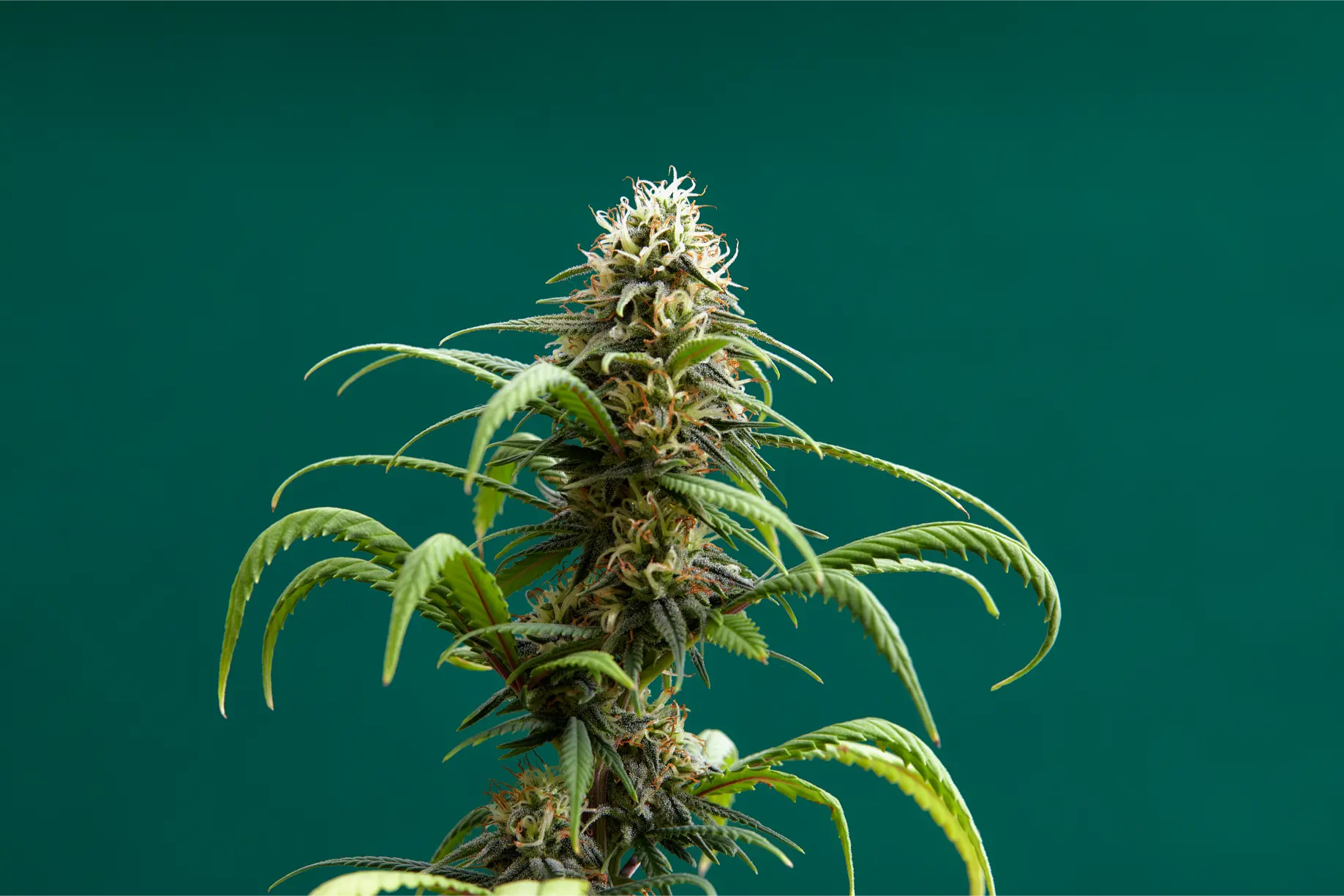
What “Mold Resistant” Should Mean on a Cannabis Seed Listing
“Mold resistant” is one of the most persuasive phrases on a cannabis seed listing. For an outdoor grower facing humid nights, late-season rain, greenhouse condensation, or dense flowers that take too long to dry, the claim can sound like protection before the seed is even planted.
That protection is real only when the phrase is used honestly. Mold resistance can help a grower choose better genetics for a risky climate, but it should never be read as a guarantee. A cultivar may resist one disease better than another and still develop mold when humidity, poor airflow, wet flowers, infected plant material, or weak drying conditions create enough pressure.
Mold resistant should mean reduced risk under specific conditions, not immunity. The listing should tell the grower what kind of mold pressure the cultivar may handle better, why it may perform better, and what still needs to be managed.
For seed buyers, this is not a small wording issue. It can change which genetics make sense for indoor, outdoor, greenhouse, coastal, humid, or rainy-season growing. It can also prevent one of the most expensive mistakes in cannabis cultivation: trusting a marketing phrase while ignoring the conditions that allow mold to spread.
What “Mold Resistant” Should Mean
A mold-resistant cannabis cultivar should show lower susceptibility to mold-related problems than more vulnerable cultivars under similar conditions. This resistance may come from genetics, open flower structure, shorter flowering time, canopy shape, observed field performance, or specific resistance to a disease such as powdery mildew. It does not mean the plant cannot get mold.
Why the Phrase Needs Context
A seed listing may use “mold resistant” to describe several different things. It may refer to powdery mildew, bud rot, general humidity tolerance, outdoor hardiness, greenhouse performance, or simply a plant that has been reported to handle damp conditions better than average.
Those meanings are not interchangeable. Powdery mildew and bud rot are different problems. Field resistance and post-harvest mold prevention are different stages. A plant that performs well in a dry indoor room may not behave the same way in a wet outdoor garden during late flower.
A good seed listing should not make the reader guess which mold problem is being discussed. If the claim is real, the listing should explain the disease, the growing context, or the trait behind the resistance.
Remember: Mold resistance should reduce risk, not replace airflow, spacing, canopy management, inspection, harvest timing, drying, or curing discipline.
The more humid the grow environment is, the more important this distinction becomes. In a dry climate, mold resistance may be a useful bonus. In a wet climate, it may decide whether the harvest survives the final weeks.
Mold Resistant, Mold Tolerant, and Mold Proof Are Different Claims
Seed listings often use plant health language loosely. Growers need to separate resistance, tolerance, and immunity before trusting the wording.
| Term | What It Should Mean for Cannabis Seed Buyers |
|---|---|
| Resistant | The cultivar may limit infection, reduce disease severity, or show lower disease development than a more susceptible cultivar under similar pressure. |
| Tolerant | The plant may continue growing or producing with less performance loss even when some disease pressure is present. Tolerance does not always mean the pathogen is strongly limited. |
| Mold proof | This is not a responsible claim. Cannabis flowers can still mold when pathogen presence, moisture, humidity, flower density, and poor airflow create favorable conditions. |
| Good for humid climates | This should mean the cultivar has traits that may fit damp growing regions, such as earlier finishing, open flower structure, better canopy airflow, or observed performance in humid conditions. |
Resistance is usually relative. A resistant cultivar can still develop disease when pressure becomes strong enough. A tolerant cultivar may show less damage but still carry infection. A mold-proof cultivar should not be promised because the grow environment can overwhelm genetic advantage.
The phrase “mold resistant” should make growers more careful, not more careless. It should help them ask better questions before buying seeds.
Which Mold Problem Does the Listing Mean?
The first question is simple: resistant to what?
“Mold” is a broad word. In cannabis cultivation, the grower may be worried about bud rot in dense flowers, powdery mildew on plant surfaces, or mold that appears during drying and curing. A seed listing that uses one phrase for all of these risks is not giving enough information.
Bud Rot
Bud rot is often linked with Botrytis and dense cannabis flowers that hold moisture inside the inflorescence. The outside of a cola may look acceptable while internal tissue begins to soften, brown, or rot. This is why bud rot can be so destructive near harvest.
A bud rot resistance claim should ideally connect to flower structure, canopy airflow, outdoor finishing time, or observed performance under wet late-flower conditions.
Powdery Mildew
Powdery mildew usually appears as white or grayish powdery growth on leaves, petioles, stems, and sometimes flower tissues. It does not behave exactly like bud rot and should not be hidden under a vague “mold resistant” phrase.
If a cultivar is known for powdery mildew resistance, the listing should say powdery mildew, PM resistance, mildew resistance, or lower PM susceptibility. Specific language is more useful than broad disease wording.
Post-Harvest Mold
Post-harvest mold can appear after the plant is cut. A plant may finish clean in the garden and still become unsafe or unusable if drying is too humid, airflow is weak, flowers are stacked too tightly, or buds are sealed before they are ready.
Genetics do not protect harvested flowers from a poor drying process.
“Does mold resistant mean bud rot resistant or powdery mildew resistant?”
Question sent by: Maya Collins, via email.
Not automatically. The listing should name the disease or explain the context. Bud rot, powdery mildew, and post-harvest mold are different risks. A general mold-resistance claim is incomplete unless the listing explains what kind of mold pressure the cultivar may handle better.
The Traits That Can Support Mold Resistance
Mold resistance is not always one single trait. Sometimes it may involve specific genetic resistance to a pathogen. In other cases, it may come from plant architecture, flowering behavior, flower density, or how quickly the plant finishes before the wettest part of the season.
This is why the practical traits behind the claim matter as much as the claim itself.
Open Flower Structure
Airier flowers often carry less bud rot risk in damp outdoor conditions because they trap less moisture inside the flower mass. They may dry faster after rain, dew, fog, or greenhouse condensation.
This does not mean airy flowers are always better. Dense flowers can be excellent in a dry, controlled indoor room. The same density becomes riskier when outdoor weather stays wet during late flower.
Open Branching and Canopy Airflow
A plant with open branching allows air to move through the canopy. This reduces stagnant humidity pockets around leaves and flowers.
Canopy shape matters more as plants get larger. A big outdoor plant with dense inner growth can create its own humid microclimate, even if the surrounding air feels dry at certain times of day.
Earlier Finishing Time
Finishing time is one of the most useful mold-risk traits for outdoor growers. A cultivar that finishes before the worst rainy or humid period may avoid pressure that a late cultivar must survive.
In wet climates, an earlier harvest window can be as valuable as a resistance claim. A slow cultivar with dense flowers may look impressive on paper but still be a poor match for a region where rain, fog, or cool nights arrive before harvest.
Stronger Vigor and Stress Recovery
Healthy plants usually handle stress better than weak plants. Strong roots, balanced nutrition, and steady growth can help a plant recover after wet weather, pruning, pest pressure, or environmental swings.
Vigor is not the same as disease resistance, but weak plants often become more vulnerable. If roots are stressed, nutrition is imbalanced, airflow is poor, or the canopy is overcrowded, even a resistant cultivar can lose its advantage.
Specific Genetic Resistance
Some cannabis disease resistance is connected to identifiable genetic mechanisms, especially in powdery mildew research. This matters because resistance can be more than grower reputation or breeder language.
Still, a seed listing should not imply scientific certainty unless it can support the claim. “Selected for mildew resistance” is more useful than “mold resistant” only when the listing gives enough context to understand what was selected and under what pressure.
Advice: Read the reason behind the claim. A useful listing explains whether mold resistance comes from disease selection, open flowers, earlier finishing, canopy airflow, humid-climate performance, or repeated grower reports.
Bud Structure Is One of the Biggest Clues
Bud density is often presented as a quality trait. Dense flowers can look heavy, feel firm, and photograph well. They may also be exactly what a grower wants in a controlled environment.
But density changes moisture behavior. A dense cola can hold humidity inside the flower mass after rain, dew, or high humidity. The outer surface may dry while the interior remains damp. This creates a hidden zone where bud rot can develop before damage becomes obvious.
Dense flowers are not bad, but they require better environmental control. In a wet outdoor climate, density should be read as both a quality trait and a risk factor.
| Flower or Plant Trait | What It Means for Mold Risk |
|---|---|
| Very dense top colas | May trap moisture inside the flower mass, especially during rain, dew, high humidity, or weak airflow. |
| Airier flower structure | Usually allows better drying on the plant and may reduce bud rot pressure in humid outdoor climates. |
| Open branching | Helps air move through the canopy and reduces stagnant humidity around flowers. |
| Shorter flowering time | Can help outdoor growers harvest before the wettest part of the season arrives. |
| Heavy inner leaf cover | Can hold humidity inside the canopy and may require careful pruning, spacing, or airflow management. |
If a listing says the plant produces very dense buds and is mold resistant, look for supporting detail. Does it finish early? Does it have open branching? Was it selected in humid conditions? Is the resistance specific to powdery mildew rather than bud rot?
Without that context, “dense and mold resistant” may be more attractive than useful.
Climate Fit Changes the Meaning of Mold Resistance
A cultivar’s mold resistance has little value without climate context. A plant that performs well in a dry indoor room may struggle in a cool coastal greenhouse. A cultivar that finishes clean in a warm dry region may rot in a rainy outdoor garden during late flower.
The most relevant climate window is not the whole year. It is the flowering period. Bud rot risk usually rises when flowers are largest and weather becomes cooler, wetter, or more humid.
Before trusting a mold-resistance claim, compare the cultivar against your actual flowering conditions:
- Rain during late flower
- Morning dew
- Fog or coastal humidity
- Cool nights with slow drying
- Greenhouse condensation
- Poor natural wind movement
- Short outdoor harvest windows
- Limited drying-room control after harvest
A cultivar does not need to be mold proof to be useful. It needs to fit the disease pressure of your grow environment.
Late flower can overwhelm weak climate matching
A cultivar with useful resistance can still develop bud rot if dense flowers stay wet through repeated rain, fog, dew, or greenhouse condensation. Match genetics to the flowering season, not only to the seed listing description.
Indoor, Outdoor, and Greenhouse Claims Should Be Read Differently
The same phrase can mean different things depending on where the cultivar was tested or commonly grown. A listing that says “mold resistant” should ideally explain whether that observation applies indoors, outdoors, or in greenhouse conditions.
Indoor Growing
Indoor growers have the most control. Humidity, airflow, temperature, plant spacing, pruning, irrigation, sanitation, and drying conditions can all be managed more directly.
In this setting, genetic resistance still helps, but grow-room management often decides whether mold pressure appears. Powdery mildew can still spread when infected material enters the room, air movement is weak, humidity remains high, or plants are packed too tightly.
Outdoor Growing
Outdoor growers cannot control rain, fog, dew, or regional humidity. This makes cultivar choice more important.
For outdoor growers, useful mold resistance often comes from a combination of traits: earlier finishing, open structure, practical flower density, canopy airflow, and performance under humid weather.
Greenhouse Growing
Greenhouses protect plants from some weather, but they can trap humidity. Condensation, poor ventilation, and crowded plant spacing can create strong disease pressure.
A greenhouse-friendly cultivar still needs airflow and ventilation. Protection from rain is not the same as protection from mold.
| Aspect | Indoor Grow | Outdoor Grow |
|---|---|---|
| Control | Humidity, airflow, temperature, spacing, and drying can be managed more directly. | Rain, dew, fog, and seasonal humidity cannot be controlled, so cultivar choice carries more weight. |
| Main mold concern | Powdery mildew, overcrowded canopies, high humidity, weak airflow, and drying-room mistakes. | Bud rot during late flower, wet colas, dense flowers, delayed harvest windows, and humid nights. |
| How to read seed claims | Look for PM resistance, canopy behavior, and suitability for controlled environments. | Look for earlier finish, open flower structure, humid-climate performance, and outdoor harvest timing. |
Greenhouse growers should read both columns. A greenhouse may allow more control than outdoor growing, but it can also create indoor-style humidity traps around large canopies.
What a Responsible Seed Listing Should Say
A strong listing does not need to be overly scientific, but it should give enough information for the grower to make a realistic decision.
A useful mold-resistance claim should explain:
- Whether the claim refers to bud rot, powdery mildew, or general humidity tolerance
- Whether the observation comes from indoor, outdoor, or greenhouse growing
- How dense the flowers usually become
- Whether the plant has open branching or a crowded canopy
- Flowering time and outdoor harvest window
- Whether the cultivar was selected under disease pressure
- Whether grower reports support the claim in humid climates
- What the grower still needs to manage
The most useful listings connect the claim to a reason. They do not simply place “mold resistant” beside yield, potency, and aroma.
Red Flags in a Mold-Resistance Claim
Some seed listings sound confident but give very little usable information. That does not automatically mean the cultivar is poor, but it means the grower should be more careful before buying.
Watch for these red flags:
- “Mold proof” or “never molds” language
- No mention of bud rot or powdery mildew specifically
- No climate or grow-setting context
- No flowering time or outdoor harvest window
- Very dense buds combined with vague mold resistance
- No description of canopy structure or airflow
- No explanation of whether the claim is based on testing, selection, or grower reports
- No mention of weaknesses or management needs
- Any claim suggesting the grower does not need to manage humidity
A listing that never admits limitations should be read with more caution, not more trust.
Green Flags in a Mold-Resistance Claim
Better listings usually sound more specific and less magical. They help growers understand where the cultivar fits and what kind of pressure it may reduce.
Look for green flags such as:
- Specific mention of powdery mildew resistance
- Specific mention of bud rot resistance or reduced bud rot risk
- Humid-climate performance notes
- Outdoor harvest timing
- Open flower structure
- Open branching or better canopy airflow
- Greenhouse suitability notes
- Selection or testing language
- Grower reports from similar climates
- Clear warnings about airflow and late-flower humidity
Specificity does not guarantee success, but it gives the grower something useful to evaluate.
Do
Trust context more than adjectives
A useful listing tells you why the cultivar may handle mold pressure better. Look for disease type, climate fit, bud structure, finish time, and grow-setting notes.
Avoid
Do not buy based on one trait word
“Mold resistant” without disease context should not outweigh your climate, grow setup, flower-density risk, harvest window, or drying-room conditions.
Does High Resin Mean Better Mold Resistance?
High resin is often associated with flower quality, aroma, and visual appeal. Some growers also assume that very resinous flowers are automatically protected from mold.
That assumption is too simple. Resin and plant chemistry may be part of a cultivar’s defense profile, but they do not erase the physical risk created by dense, wet flowers. A sticky and compact cola can still hold moisture. If humidity stays high and airflow is weak, mold pressure can rise even on resinous flowers.
Resin can support flower quality, but airflow still protects the harvest.
Does Strong Aroma Mean Mold Resistance?
Strong aroma does not prove mold resistance. Terpenes and other aromatic compounds may contribute to plant defense interactions, but a seed listing should not use aroma as a replacement for disease-resistance information.
A cultivar can smell intense and still be vulnerable to bud rot if it flowers late, forms dense colas, or grows through wet conditions. Aroma belongs in the quality conversation. Mold resistance belongs in the plant-health and climate-fit conversation.
Important: High THC, strong aroma, and heavy resin do not automatically mean a cultivar can handle humid flowering conditions. Mold risk still depends on disease pressure, flower structure, airflow, moisture, and grower management.
What Growers Still Need to Do With Mold-Resistant Genetics
Good genetics can help, but they work best when the grower protects the environment around the plant. Mold resistance should be treated as the first layer of risk reduction, not the final layer.
Space Plants Properly
Crowded plants trap humidity between leaves and flowers. Outdoors and in greenhouses, spacing allows wind or ventilation to move moisture away from the canopy. Indoors, spacing helps fans and exhaust systems work more effectively.
Manage Canopy Density
A plant can have mold-resistant traits and still become risky if the canopy becomes a dense wall of leaves. Pruning and selective leaf removal should improve airflow without stripping the plant unnecessarily.
Watch Late Flower Closely
Late flower is when buds are larger, denser, and slower to dry. Inspect plants after rain, fog, dew, or greenhouse condensation. Look for browning sugar leaves, soft spots, gray growth, unusual odor, or flowers that feel wet inside.
Harvest With Weather in Mind
Outdoor growers sometimes have to balance ripeness against incoming weather. Waiting through several days of heavy rain can cost more quality than harvesting slightly earlier, especially on dense cultivars that are already close to maturity.
Dry With Control
Drying mistakes can ruin a clean harvest. Mold-resistant genetics do not protect cut flowers from poor airflow, high humidity, crowded hanging, wet piles of branches, or sealing buds too early.
Mold-resistant genetics can help protect the harvest only if the grower keeps the rest of the system clean, dry, and breathable.
The safest-looking claim was the one that needed the most questioning
While preparing this guide, I noticed a pattern that growers can easily miss: the shortest and cleanest mold-resistance claims often gave the least useful information. A listing would say “mold resistant,” but it would not explain whether that meant powdery mildew resistance, reduced bud rot risk, better greenhouse behavior, earlier outdoor finishing, or simply a general reputation for hardiness.
That changed how I read these claims. I no longer treat “mold resistant” as an answer by itself. I treat it as the start of a second question: resistant to what, under which conditions, and because of which plant trait?
My advice: when a listing sounds safe but gives no detail, slow down. The phrase may still point to a useful cultivar, but the grower has to confirm the climate fit, flower structure, harvest window, and disease context before trusting it.
“Should I always choose mold-resistant seeds for outdoor growing?”
Question sent by: Logan Harris, via email.
If your flowering season is humid, rainy, foggy, or coastal, mold resistance should be one of your main filters. It should not be the only filter. Also check flowering time, bud density, canopy shape, harvest window, drying conditions, and whether the listing names the actual disease risk.
The Special Risk of Dense Buds in Humid Outdoor Climates
Dense buds are often treated as a universal quality sign. In the right environment, they can be valuable. In humid outdoor conditions, they can become one of the main reasons a plant fails near harvest.
This does not mean growers in humid climates must avoid every dense cultivar. It means they need to read density as both a quality trait and a risk trait.
If you grow dense-flowering plants in a humid climate, reduce risk by giving the plant more space, improving canopy airflow, avoiding unnecessary inner congestion, inspecting late flower more often, and preparing a clean drying environment before harvest.
The wetter your flowering season is, the more careful you should be with very dense late-finishing cultivars.
Can Mold-Resistant Genetics Save a Poor Drying Process?
No. Drying is a separate mold-risk stage.
A plant can finish clean in the garden and still develop mold after harvest if flowers are hung too tightly, humidity stays too high, airflow is poor, or buds are sealed before internal moisture has equalized. This is especially risky with dense flowers that feel dry outside while still holding moisture deeper inside.
After harvest, mold prevention depends on a clean drying space, enough air movement around hanging material, controlled humidity, reasonable spacing, and careful curing. Genetics may help the plant reach harvest cleanly, but drying conditions decide what happens next.
Do not try to salvage moldy flowers for use
Visible mold, internal bud rot, or gray fungal growth should be treated as a serious safety and quality failure. Cutting away the obvious area does not guarantee the rest of the flower is clean.
How to Evaluate a Seed Listing Before Buying
A seed listing is not only a product description. It is a risk document. It tells you what the plant might do in your environment, but you have to read beyond the most attractive claims.
Before trusting a mold-resistant claim, ask:
- Does the listing say bud rot, powdery mildew, or only mold?
- Is the claim connected to indoor, outdoor, or greenhouse growing?
- Does the cultivar finish early enough for my climate?
- Are the flowers described as dense, open, compact, airy, or large?
- Does the plant have an open or crowded canopy?
- Is the claim based on breeder selection, testing, or grower reports?
- Do reports from similar climates support the claim?
- Does the listing mention weaknesses?
- Does my drying room reduce or increase post-harvest mold risk?
If the listing does not answer these questions, treat the claim as incomplete rather than false. It may still be a good cultivar, but the grower has more research to do.
Before You Trust a Mold-Resistant Claim
- Check whether the claim refers to bud rot, powdery mildew, or general humidity tolerance.
- Compare flowering time with your local wet season or late-flower humidity window.
- Look for flower structure notes, especially dense versus open bud formation.
- Check whether the plant is recommended for indoor, outdoor, greenhouse, or humid-climate growing.
- Look for honest limitations rather than absolute disease-proof language.
- Plan airflow, spacing, pruning, inspection, harvest timing, drying, and curing before relying on genetics.
How a Better Mold-Resistance Claim Should Be Written
A better seed listing should help the grower understand the realistic advantage and the remaining responsibility. It should not turn a useful trait into a false promise. The difference is not only tone. It changes how the grower plans the season.
A weak version might say:
“This cultivar is mold resistant and produces dense, high-yielding flowers outdoors.”
That sentence sounds attractive, but it leaves too many open questions. It does not explain which mold problem is being discussed. It does not say whether the claim refers to bud rot, powdery mildew, or general humidity tolerance. It also combines dense flowers and outdoor performance without telling the grower how that density behaves during wet late flower.
A stronger version would give the grower the reason behind the claim:
“This cultivar may be a stronger outdoor option in humid regions because it finishes earlier and develops a more open flower structure than very dense late-season cultivars. It may reduce bud rot risk under moderate pressure, but it still needs spacing, airflow, careful late-flower inspection, weather-aware harvest timing, and controlled drying after harvest.”
The better version is not weaker. It is more useful. It gives the grower a reason, a condition, and a limit. It tells the reader why the cultivar may be safer, where that advantage matters, and what can still go wrong if the grower stops managing the environment.
This is the standard seed listings should aim for. A real mold-resistance claim should not simply decorate the product description. It should help the grower decide whether the genetics fit a specific climate, setup, and harvest window.
Important: Good seed information should make growers more prepared, not more careless.
FAQ: Mold Resistant Cannabis Seed Listings
Does mold resistant mean the plant cannot get mold?
No. Mold resistant means the plant may show lower susceptibility than more vulnerable cultivars under similar conditions. It does not mean the plant is immune. High humidity, wet flowers, poor airflow, crowded canopies, and bad drying conditions can still cause mold.
Is mold resistance the same as powdery mildew resistance?
Not always. Powdery mildew resistance is more specific. A listing that means powdery mildew should say powdery mildew, PM resistance, mildew resistance, or lower PM susceptibility. A general “mold resistant” claim is less useful unless it explains the disease type.
Is bud rot resistance mostly about genetics or bud structure?
Both can matter. Genetics influence susceptibility, but flower structure affects how moisture behaves inside the bud. Dense flowers can trap humidity, while more open flowers may dry more easily. Finishing time, airflow, and weather exposure also change the risk.
Are dense buds bad for humid climates?
Dense buds are not bad by themselves, but they carry more risk in humid outdoor climates because they can hold moisture inside the flower. Growers in wet regions should consider earlier finishing cultivars, open branching, better airflow, and careful late-flower inspection.
Can mold-resistant genetics save a poor drying process?
No. Drying is a separate mold-risk stage. A plant can finish clean in the garden and still develop mold after harvest if flowers are hung too tightly, humidity stays too high, airflow is poor, or buds are sealed before they are ready.
Should beginners choose mold-resistant seeds?
Beginners in humid or rainy climates should strongly consider mold-resistant or humidity-tolerant cultivars, but they should still learn airflow, spacing, watering, pruning, harvest timing, and drying control. Genetics can reduce risk, but beginner mistakes can still create mold conditions.
What is the biggest red flag in a mold-resistance claim?
The biggest red flag is absolute language, such as “mold proof” or “never molds.” A responsible listing explains what kind of resistance is being discussed and what conditions the grower still needs to manage.
Reading Mold Resistance With Better Judgment
“Mold resistant” can be a useful phrase when it is explained properly. It can help growers choose cultivars that fit humid climates, wet flowering seasons, greenhouse conditions, or high-risk outdoor gardens.
But the phrase should never be treated as a guarantee. It should not replace climate matching. It should not make dense flowers feel safe in weeks of rain. It should not blur the difference between powdery mildew and bud rot. It should not excuse poor airflow or careless drying.
The best growers read mold resistance as part of a larger decision. They look at the disease being discussed, the flower structure, the flowering time, the canopy shape, the climate, the grow setup, and the post-harvest process.
A mold-resistant seed can improve your odds. A well-managed environment protects those odds until harvest.
Educational content. Cannabis laws vary by location. Grow only where cultivation is legal and permitted.
Share this article
A quick overview of the topics covered in this article.
Follow us
Latest articles
August 16, 2026
August 16, 2026
August 16, 2026
August 16, 2026