
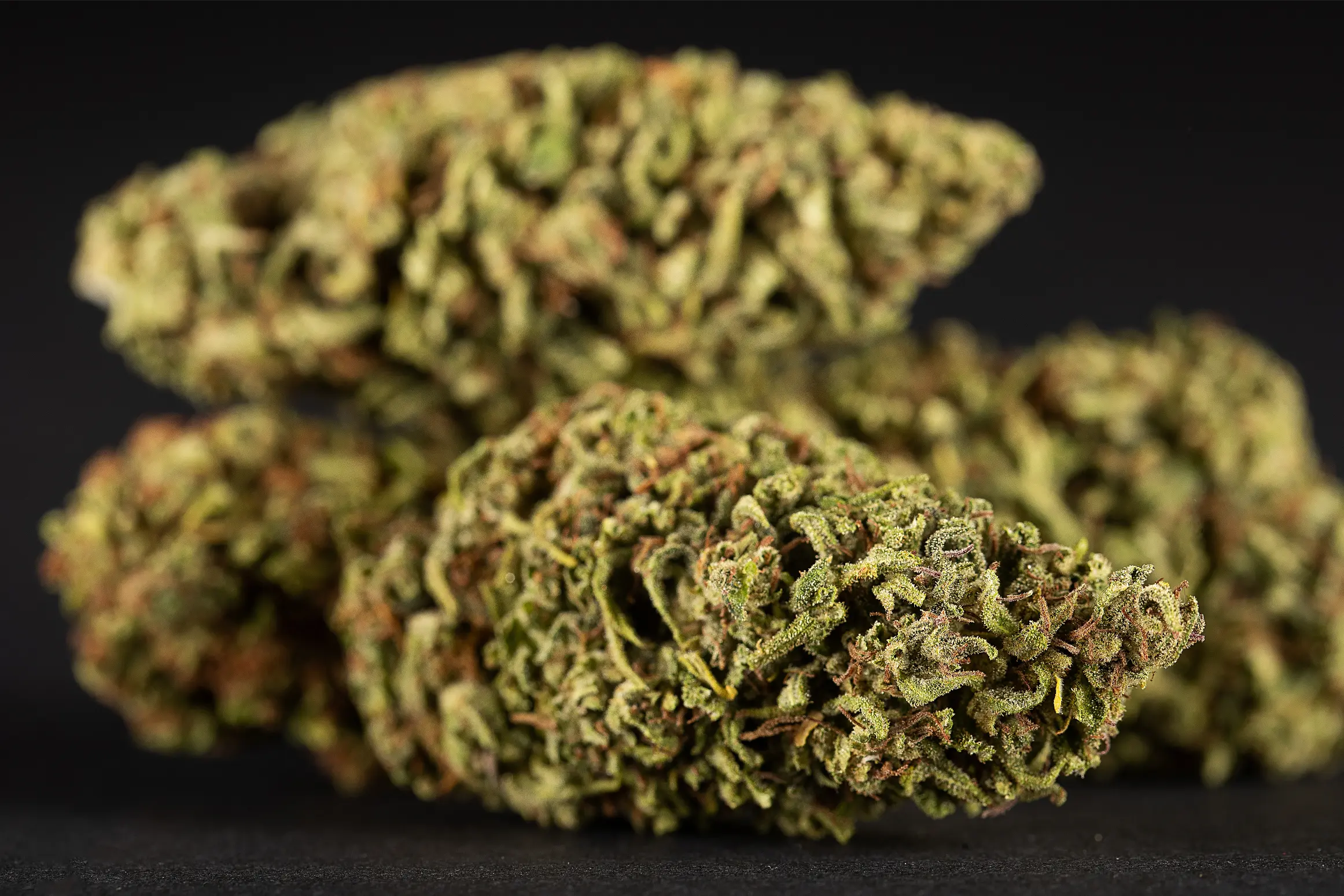
Moonbow Strain: Complete Cultivar & Grow Guide
In the upper echelon of modern connoisseur cannabis breeding, Moonbow represents one of the most celebrated achievements of Archive Seed Bank, the legendary craft seed house based in Portland, Oregon. Conceived by master breeder Fletcher Watson, Moonbow was created by crossing the epochal fruit-candy champion Zkittlez with Archive flagship powerhouse male, Do-Si-Dos (NorCal cut). The goal was audacious: to take the unmatched, mouth-coating tropical confectionery terpene profile of Zkittlez, which historically suffered from slow vegetative growth, finicky rooting, and loose calyx stacking, and anchor it to the vigorous, rock-solid, resin-drenched framework of Do-Si-Dos. The result is a genetic triumph that delivers intoxicating aromas of candied pear, concord grape skins, wild blackberry compote, and floral lavender sherbet, layered over a muscular backbone of damp earth, spicy pepper, and high-octane OG Kush fuel.
From an agronomic perspective, Moonbow presents a substantial departure from fragile candy cultivars. While standard Zkittlez crosses often produce delicate lateral branches prone to lodging, Moonbow develops thick, fibrous, candelabra-like stalks capable of carrying heavy terminal spears. Plants demonstrate robust vegetative vigor, forming dense, multi-branched canopies that respond eagerly to topping, super cropping, and horizontal trellis weaving. During the photoperiod flowering transition, Moonbow stretches between 140% and 180%, filling out expansive vertical spaces with tightly stacked, golf-ball to pinecone-shaped calyx clusters. By week 6 of bloom, calyxes become completely blanketed in a dazzling crust of large-headed capitate-stalked glandular trichomes, set against a stunning visual backdrop of royal violet, jade green, and fiery tangerine pistils.
However, commanding maximum terpene expression and bag appeal from Moonbow requires thoughtful microclimate orchestration and disciplined post-harvest handling. The delicate monoterpenes that define its pear, grape, and floral sherbet bouquet are exceptionally sensitive to ambient heat stress; allowing canopy temperatures to exceed 25°C (77°F) during late generative bloom will rapidly evaporate these volatile compounds, reducing the profile to simple earth and gas. Furthermore, its dense floral colas require strict relative humidity control below 45% during the final three weeks of flowering to prevent internal Botrytis moisture entrapment. This definitive master cultivation guide provides commercial operators and passionate home cultivators with an exhaustive agronomic blueprint covering Moonbow genetic history, phenotype selection, precision crop steering, and post-harvest preservation science.
Strain Features
| Feature | Details |
|---|---|
| Strain Type | Balanced hybrid (approximately 50% Indica / 50% Sativa) with cut-dependent leanings |
| Genetic Lineage | Zkittlez crossed with Do-Si-Dos (Archive Seed Bank) |
| THC Potency Range | 23% to 29% total delta-9-THC under optimized indoor commercial CEA protocols |
| CBD & Secondary Cannabinoids | CBD: 0.05% to 0.2%, CBG: 0.9% to 1.8%, CBC: 0.2% to 0.5%, THCV: 0.1% to 0.3% |
| Dominant Terpenes | Beta-Caryophyllene, D-Limonene, Beta-Myrcene, Linalool, Alpha-Pinene, Alpha-Humulene |
| Aromatic Profile | Candied pear skin, concord grape, wild blackberry compote, floral incense, citrus sherbet, fresh pine needles, and sweet OG fuel |
| Flavor Profile | Tropical fruit candy, pear syrup, and sweet lavender on inhale, resolving into peppery Kush dough, pine sap, and earthy diesel on exhale |
| Flowering Time (Indoor) | 63 to 70 days (9 to 10 weeks) under 12/12 photoperiod |
| Harvest Window (Outdoor) | Early to mid-October in Northern hemisphere; early to mid-April in Southern hemisphere |
| Indoor Yield Potential | 450 to 550 g/m² (1.4 to 1.8 oz/ft²) under high-intensity commercial LED arrays |
| Outdoor Yield Potential | 600 to 850 grams (1.3 to 1.9 lbs) per plant in amended living organic soil beds |
| Optimal Canopy Temperature | Vegetative: 25°C to 28°C (77°F to 82°F); Early Bloom: 24°C to 26°C (75°F to 79°F); Late Bloom: 20°C to 23°C (68°F to 73°F) |
| Optimal Relative Humidity | Vegetative: 65% to 75%; Stretch (Weeks 1 to 3): 60% to 65%; Bulk (Weeks 4 to 6): 50% to 55%; Finish (Weeks 7 to 10): 40% to 45% |
| Optimal Substrate pH | Hydroponics / Inert Media: 5.8 to 6.2; Organic Living Soil: 6.3 to 6.8 |
| Optimal Electrical Conductivity (EC) | Vegetative: 1.3 to 1.6 mS/cm; Peak Bloom: 2.1 to 2.5 mS/cm; Final Ripening: 0.8 to 1.2 mS/cm |
| Transition Stretch Multiplier | 140% to 180% vertical expansion during initial 21 days of 12/12 photoperiod |
| Bud Density & Morphology | Dense, spear-shaped to elongated pinecone colas with heavy violet pigmentation and brilliant glandular frosting |
| Trichome Coverage & Gland Head Size | Copious capitate-stalked trichomes with large 90 to 120-micron resin gland heads ideal for ice water hash washing |
| Primary Cultivation Challenges | Managing stretch in taller phenotypes, preventing late-flower microclimate humidity pockets, avoiding heat-induced terpene loss |
| Difficulty Level | Intermediate; requires canopy training, precise environmental control, and gentle post-harvest curing |
Genetic Lineage
The creation of Moonbow represents a pivotal moment in contemporary cannabis breeding, orchestrating a deliberate union between two of the most influential genetic families of the modern era. Conceived by Fletcher Watson of Archive Seed Bank, Moonbow resolved the longstanding horticultural shortcomings of pure Zkittlez by infusing the vigor, resin density, and structural fortitude of Do-Si-Dos.
The Maternal Contributor: Zkittlez (Original Z)
The maternal parent of Moonbow is the fabled Zkittlez cut, originally developed in Northern California by Terp Hogz and 3rd Gen Family through crossing Grape Ape with Grapefruit and an undisclosed third cultivar. Zkittlez transformed global cannabis culture by introducing an unprecedented candy-fruit sensory spectrum: mouth-watering notes of rainbow hard candies, candied tropical fruits, tart citrus rind, and sweet red berries. However, from a commercial cultivator perspective, pure Zkittlez has always been notoriously difficult to run. The clone-only mother possesses weak vegetative vigor, roots slowly, produces delicate lateral branches that easily snap under light stress, and yields loose, airy floral clusters with a low calyx-to-leaf ratio. Commercial operators loved its aroma but dreaded its production economics.
The Paternal Contributor: Do-Si-Dos (NorCal Cut)
To correct the physical weaknesses of Zkittlez without diluting its intoxicating fruit essence, Archive Seed Bank utilized their legendary Do-Si-Dos male. Do-Si-Dos was created by crossing the classic OGKB (OG Kush Breath cut of Girl Scout Cookies) with Archive own Face Off OG bx1. The Do-Si-Dos male represents an agronomic powerhouse: it introduces thick, woody branching, tight internodal spacing, dark purple anthocyanin pigmentation, immense glandular trichome density, and a crushing cannabinoid baseline regularly surpassing 28% THC. Furthermore, Do-Si-Dos contributes deep aromatic base notes of sweet cookie dough, earthy pine forest, cracked black pepper, and sharp industrial kerosene.
The Hybrid Triumph: Moonbow and the Famed #112 Selection
When Zkittlez was pollinated by Do-Si-Dos, Archive Seed Bank conducted an exhaustive multi-hundred-plant hunt that yielded legendary numbered selections, most notably Moonbow #112. The hybrid progeny successfully resolved the structural fragility of Zkittlez. Moonbow produces vigorous, muscular branches capable of holding heavy, resinous spears. The floral architecture transforms from loose, leafy nugs into dense, crystalline pinecone formations. Most triumphantly, the terpene profile remains fiercely fruit-forward: sweet candied pear, grape skins, and floral lavender sherbet burst from the jar, anchored by a rich foundation of OG fuel and peppery cookie dough.
Core Phenotypes & Selection Criteria
Growers popping Moonbow seed packs or selecting nursery clones will observe distinct phenotypic variations across the hybrid spectrum. Understanding these variations allows cultivators to tailor their trellising and nutritional strategies accordingly.
Phenotype 1: The Rainbow Sherbet Cut (Balanced Archive #112 Expression)
This is the quintessential commercial expression that has made Moonbow world-famous. Phenotype 1 displays balanced hybrid morphology, stretching approximately 150% to 170% during the initial three weeks of bloom. It forms a symmetrical, candelabra-shaped frame with sturdy lateral arms that stack dense, spear-shaped colas. The floral bracts turn a vivid tapestry of royal purple, amethyst, and forest green, heavily dusted in silver resin gland heads. The aroma is a symphony of candied pear, concord grape juice, floral lavender, and sweet citrus sherbet, underpinned by subtle notes of damp pine earth and Kush gas. Yields are excellent (500 g/m²), and THC consistently tests between 26% and 29%.
Phenotype 2: The Face-Off Gas Dominant (Do-Si-Dos Leaning)
Phenotype 2 leans heavily toward the paternal Do-Si-Dos and Face Off OG ancestry. This expression is more compact and stocky in vegetative growth, stretching only 130% to 140% after the 12/12 flip. Foliage is very dark, leathery green with wide indica fan leaves. The flowers are round, golf-ball-shaped, and rock-hard, possessing extreme trichome density that covers even the primary petioles. While subtle grape skin and dark berry notes linger in the background, the aroma is dominated by pungent fuel, damp forest loam, sweet dough, and cracked black pepper. This phenotype finishes slightly faster (60 to 63 days) and delivers deeply narcotic, couch-locking physical sedation.
Phenotype 3: The Pear Candy Sativa Leaning (Zkittlez Dominant)
Phenotype 3 expresses strong maternal Zkittlez dominance. This cut grows significantly taller and more expansively, stretching up to 180% to 200% during the transition and requiring aggressive trellising and early topping to prevent vertical crowding. The flowers develop into elongated, tapering spears with an exceptional calyx-to-leaf ratio. The olfactory profile is overwhelmingly candied fruit: sweet Asian pear, strawberry hard candy, tart lime peel, and floral potpourri, with virtually no visible gas or earth. While breathtaking in aroma and offering a clear, euphoric, highly functional high, Phenotype 3 requires a full 70 days of flowering and demands careful humidity control to prevent moisture entrapment.
Effect Breakdown
Moonbow delivers a sophisticated, two-stage experience that seamlessly marries the sparkling cerebral euphoria of Zkittlez with the deep somatic tranquility of Do-Si-Dos. It is an exceptionally versatile hybrid that adapts to the consumer mindset and dosage.
Phase 1: Cerebral Brilliance and Euphoric Lift (0 to 30 Minutes)
Within seconds of the first draw, Moonbow initiates a sparkling rush of mental clarity and euphoric warmth centered behind the forehead and temples. This rapid cerebral onset is driven by high concentrations of D-limonene and alpha-pinene acting in synergy with delta-9-THC. Everyday mental stress, anxiety, and depressive rumination evaporate, replaced by a radiant sense of optimism, heightened sensory appreciation, and creative inspiration. Music sounds richer, colors appear more vivid, and social conversation flows effortlessly. Consumers feel stimulated, engaged, and mentally agile without the jittery, raciness often associated with pure sativas.
Phase 2: Somatic Ease and Tension Release (30 to 90 Minutes)
As the initial euphoric crescendo plateaus, the soothing Do-Si-Dos influence descends smoothly down the spinal column and into peripheral muscle groups. Beta-caryophyllene binds with peripheral CB2 receptors, reducing physical tension, easing muscle spasms, and soothing joint aches. A pleasant, velvety heaviness settles into the limbs, encouraging relaxed posture and physical comfort. Crucially, at moderate doses, this physical relaxation remains functional and non-sedating, making Moonbow ideal for creative studio sessions, listening to music, cooking a gourmet dinner, or unwinding with friends.
Phase 3: Deep Tranquility and Restorative Calm (90 to 180+ Minutes)
In its later stages, or following higher consumption levels, Moonbow reveals its formidable 27%+ THC potency. The mental sparkle softens into a dreamy, introspective haze, while physical heaviness encourages horizontal lounging. The eyelids grow pleasantly weighted, and the nervous system settles into a state of profound peace. While it does not deliver the instant, blunt-force knockout of a pure Afghan indica, Moonbow gently guides users toward restful, restorative sleep as the session concludes.
Flavor & Aroma Profile
The sensory fingerprint of Moonbow is celebrated worldwide for its extraordinary multi-layered complexity. It moves gracefully from bright, confectionery fruit sweetness into complex floral herbs, finishing on a foundation of sharp, resinous gas.
The Olfactory Symphony: Pear, Grape, and Sherbet
Opening a container of properly cured Moonbow releases an immediate burst of candied Asian pear, grape skins, and wild blackberry compote. Beneath the primary fruit sits a delicate layer of floral lavender, citrus blossom potpourri, and sweet orange sherbet. When the dense floral clusters are broken apart or run through an herb grinder, the paternal Do-Si-Dos heritage announces itself: sharp notes of fresh pine resin, cracked black pepper, sweet cookie dough, and damp forest earth rise up to provide dramatic contrast to the initial fruit explosion.
The Inhale and Exhale Palate Journey
On inhalation, the smoke is remarkably velvety, coating the tongue and palate with sweet pear syrup, concord grape candy, and creamy citrus sherbet. As the smoke expands within the oral cavity, the mid-palate transitions into sweet floral herbs, lavender, and subtle mint. The exhale becomes drier and distinctly gaseous; pungent notes of fuel, earthy pine, and peppery Kush linger on the taste buds for several minutes, providing an authentic, mouth-coating connoisseur finish that begs for another draw.
Dominant Terpenes
Analytical testing of Moonbow consistently reveals total terpene concentrations ranging between 2.4% and 3.6% by dry weight under precision indoor CEA conditions. The cultivar complex chemical profile is driven by a unique harmony of monoterpenes and sesquiterpenes.
| Terpene Compound | Typical Concentration | Sensory Aroma & Flavor Role | Pharmacological & Agronomic Role |
|---|---|---|---|
| Beta-Caryophyllene | 0.7% to 1.3% | Cracked black pepper, woody clove, warm spice, earthy fuel | Selective CB2 receptor agonist; delivers potent peripheral anti-inflammatory and pain-relieving effects without psychotropic binding |
| D-Limonene | 0.6% to 1.1% | Zesty lemon peel, sweet orange sherbet, candied pear brightness | Facilitates blood-brain barrier transport, elevates mood, and stimulates dopamine pathways to provide clean euphoric motivation |
| Beta-Myrcene | 0.4% to 0.8% | Ripe mango, sweet concord grape, damp earth, herbal musk | Enhances cell membrane permeability, synergistic cannabinoid absorption, and physical muscle relaxation |
| Linalool | 0.2% to 0.5% | Floral lavender, sweet berry cream, citrus blossom potpourri | Modulates GABAergic neurotransmission, silencing mental anxiety, soothing stress, and promoting emotional peace |
| Alpha-Pinene | 0.1% to 0.4% | Crisp fresh pine needles, rosemary resin, sharp herbal freshness | Acts as an acetylcholinesterase inhibitor, preserving mental alertness and focus while serving as a natural bronchodilator |
| Alpha-Humulene | 0.1% to 0.3% | Earthy hops, dry wood, subtle herbal bitterness | Works synergistically with caryophyllene to suppress systemic inflammation and modulate appetite |
Indoor vs Outdoor Growing
Moonbow performs admirably across diverse cultivation environments, but its delicate monoterpene matrix and dense colas demand environment-specific management strategies.
| Cultivation Factor | Indoor CEA (Controlled Environment) | Outdoor Sun-Grown (Beds & Greenhouses) |
|---|---|---|
| Canopy Height Control | Requires early topping at node 4 or 5 and trellis netting to manage a 140% to 180% stretch under artificial lights | Demands aggressive early season pruning and sturdy multi-tiered wire caging to support massive 2.5-meter bush canopies |
| Flowering Cycle Duration | 63 to 70 days under strict 12/12 photoperiod; uniform ripening across top colas | Matures between early and mid-October in Northern hemisphere; requires frost and late autumn rain protection |
| Yield Potential | 450 to 550 g/m² (1.4 to 1.8 oz/ft²) with high-efficiency LED arrays and supplemental CO2 | 600 to 850 grams (1.3 to 1.9 lbs) per plant in full sun amended living soil mounds |
| Terpene & Flavor Integrity | Maintains pristine candied pear and floral sherbet volatiles through precise late-flower temperature control below 23°C | Develops deeper, richer notes of damp earth, spicy pine, and sweet grape skin driven by full solar UV spectrum |
| Pathogen & Moisture Vulnerability | High risk of internal Botrytis in dense terminal spears if late bloom relative humidity exceeds 45% | Dense, frosty pinecone colas require morning dew mitigation, excellent airflow, and protection from cold fall rain |
| Ideal Cultivator Profile | Commercial craft operators and home growers seeking maximum bag appeal, elite terpene retention, and high rosin yields | Experienced outdoor cultivators in Mediterranean, arid temperate, or Pacific coastal climates with dry autumns |
Strain-Specific Grow Guidance
Achieving top-tier commercial yields and preserving Moonbow world-renowned confectionery bouquet requires adhering to several essential horticultural guidelines.
Anticipate Cut-Dependent Stretch
Because Moonbow exhibits phenotypic variation in stretch depending on whether a selection leans toward Do-Si-Dos (140% stretch) or Zkittlez (up to 180% stretch), cultivators should never let vegetative plants get overly tall before the flip. Flip plants to 12/12 when they have occupied approximately 50% of your vertical clearance. Maintain active branch training through your trellis net throughout the first 21 days of flower.
Prune and Lollipop for Airflow
Moonbow produces dense lateral growth and wide fan leaves that can choke air movement through the core of the plant. Perform a comprehensive bottom strip around day 18 to 21 of flower, removing the lower 30% of spindly undergrowth and small interior bud sites that will never develop into top-grade flower. Selectively defoliate upper fan leaves that cast deep shadows over primary developing colas. This selective pruning channels the plant full photosynthetic energy into terminal spears while maximizing airflow to prevent mold.
Install Sturdy Two-Tier Support
While Moonbow stems are considerably stronger than those of pure Zkittlez, the weight of its swollen, resin-encrusted colas during weeks 7, 8, and 9 can cause lateral arms to splay outward or snap. Install a first trellis layer 25 cm above the substrate to establish canopy spacing, and deploy a second support net 30 cm higher to keep heavy floral spears standing perfectly upright under your lighting array.
Cold Finishing for Anthocyanin and Terpene Preservation
The delicate monoterpenes responsible for Moonbow pear candy, grape, and floral sherbet bouquet are highly volatile. If indoor canopy temperatures exceed 25°C (77°F) during the final three weeks of flowering, these prized aromatics will evaporate into the room air, leaving only basic earth and gas behind. Lower daytime canopy temperatures to 21°C to 23°C (70°F to 73°F) and nighttime temperatures to 16°C to 18°C (61°F to 64°F) during weeks 8, 9, and 10. This temperature drop preserves the volatile terpene matrix while triggering spectacular royal purple and amethyst coloration across every calyx.
Disciplined Nitrogen Tapering
Excess elemental nitrogen during generative flowering is the enemy of craft flavor. Heavy nitrogen late in flower produces dark, chlorophyll-heavy calyxes that burn with harsh, dark ash and obscure the subtle fruit nuances of Moonbow. Begin tapering nitrogen inputs down at flower week 4, transitioning plant nutrition toward potassium, phosphorus, calcium, and sulfur to support resin expansion and calyx density.
Crop Steering & Irrigation Matrix
Commercial indoor cultivators utilize precision crop steering to govern Moonbow transition stretch, stimulate dense calyx stacking, and pack maximum resin onto floral bracts. The following matrix details irrigation shot sizing, volumetric water content (VWC) drybacks, and substrate electrical conductivity (EC) targets across the 10-week bloom cycle in coco coir or stonewool media.
| Flowering Phase | Timeline | Steering Mode | Inflow EC | Substrate EC Target | Daily Dryback % | Irrigation Strategy & Agronomic Goal |
|---|---|---|---|---|---|---|
| Vegetative Growth | Weeks 1 to 4 (Veg) | Vegetative Steering | 1.3 to 1.6 mS/cm | 1.8 to 2.2 mS/cm | 10% to 15% | Frequent small irrigation pulses maintaining high substrate hydration to stimulate rapid cell division, root expansion, and robust lateral branching. |
| Transition & Stretch | Days 1 to 21 (Bloom) | Generative Steering | 2.0 to 2.4 mS/cm | 3.0 to 3.8 mS/cm | 25% to 35% | Large morning drybacks and elevated substrate EC restrict excessive internodal stretching, forcing tight node spacing and early floral cluster formation. |
| Calyx Stacking & Bulk | Days 22 to 49 (Bloom) | Vegetative Steering | 2.2 to 2.5 mS/cm | 2.6 to 3.2 mS/cm | 15% to 20% | Deliver frequent irrigation pulses starting 2 hours after lights-on to sustain high hydration, fueling rapid calyx expansion and maximum floral biomass. |
| Resin & Terpene Swell | Days 50 to 63 (Bloom) | Generative Steering | 1.6 to 2.0 mS/cm | 2.8 to 3.5 mS/cm | 25% to 30% | Wider drybacks create mild osmotic stress that stimulates heavy secondary metabolite synthesis, swelling trichome resin heads and expanding terpene volume. |
| Final Ripening & Leach | Days 64 to 70 (Bloom) | Balanced Leach | 0.4 to 0.8 mS/cm | 1.0 to 1.4 mS/cm | 15% to 20% | Gentle low-EC water feeds leach accumulated mineral salts from the media, ensuring clean combustion, white ash, and an untainted confectionery fruit flavor. |
Living Soil & Candy Terpene Amplification
While automated commercial coco coir facilities achieve impressive yields through precision crop steering, organic living soil cultivation produces an undeniably richer, more nuanced expression of Moonbow confectionery bouquet. When grown in biologically active living soil beds, the interaction between root exudates and beneficial soil microorganisms unlocks deep layers of pear candy, sweet lavender, and wild honey that synthetic mineral salts simply cannot replicate.
Building the Living Soil Foundation
Moonbow thrives in well-aerated living soil matrices built upon a base of sphagnum peat moss, aged forest compost, premium worm castings, and pumice or lava rock aeration. Amend the soil with slow-release organic inputs including steamed bone meal, soft rock phosphate, kelp meal, alfalfa meal, gypsum, and basalt rock dust. The inclusion of basalt rock dust is especially beneficial for Moonbow; its rich volcanic mineral composition provides iron, magnesium, and silicon, which strengthen plant vascular walls and enhance the structural integrity of glandular trichome stalks.
Chitinase Stimulation and Secondary Metabolites
Amending the topsoil with crustacean meal (crab and shrimp shells) provides an abundant supply of organic chitin. As beneficial soil bacteria and actinomycetes break down this chitin, they secrete the enzyme chitinase. This microbial enzyme not only deters root-zone nematodes and fungus gnat larvae by breaking down their exoskeletons, but also triggers a systemic acquired resistance (SAR) response within the plant. Sensing chitin breakdown products, Moonbow perceives a simulated pest presence and responds by dramatically increasing its glandular trichome density and terpene synthesis.
Mycorrhizal Inoculation and Phosphorus Mobilization
Inoculating the root zone with diverse endomycorrhizal fungi (such as Rhizophagus irregularis) during transplanting forms an expansive symbiotic fungal network that extends the effective reach of the root system by up to 1,000%. Mycorrhizal hyphae produce organic acids and enzymes that solubilize locked organic phosphorus and calcium, delivering them directly to the plant during peak flower swelling. This organic phosphorus mobilization ensures rock-hard bud density and sweet calyx formation without risking the salt toxicity associated with synthetic PK boosters.
Lighting Spectrum & Photobiology
Optimizing photon intensity and spectral distribution allows cultivators to exploit the full genetic potential of Moonbow, balancing maximum floral biomass with heavy resin production.
Photosynthetic Photon Flux Density (PPFD) Targets
During vegetative growth, maintain canopy PPFD between 450 and 600 μmol/m²/s. Once flowering is initiated, gradually ramp photon intensity up to 750 to 900 μmol/m²/s during weeks 1 through 3. During peak bulk flowering (weeks 4 through 7), robust Moonbow canopies thrive under 900 to 1,150 μmol/m²/s. In sealed grow rooms equipped with supplemental carbon dioxide maintained between 1,150 and 1,300 ppm, plants can efficiently process up to 1,250 μmol/m²/s without experiencing photochemical saturation.
Managing Far-Red Photons During Transition
Because taller Moonbow phenotypes inherit stretch tendencies from Zkittlez, growers should avoid heavy far-red (730 nm) photon exposure during the initial 21 days of 12/12 bloom. Far-red light stimulates the shade-avoidance response, which can cause internodes to elongate excessively. Save far-red supplementation for a brief 10 to 15-minute end-of-day pulse to accelerate the phytochrome dark reaction (Pfr to Pr conversion), or reintroduce it during late flower to assist with senescence.
UVA and UVB Radiation for Resin Expansion
Supplementing the canopy with ultraviolet radiation (UVA 365 nm to 395 nm and UVB 280 nm to 315 nm) during weeks 5 through 8 provides profound qualitative benefits. Ultraviolet photons trigger defensive secondary metabolic pathways within the plant. In response, Moonbow produces thicker protective layers of capitate-stalked trichomes encrusted with cannabinoids and aromatic terpenes, which serve as natural solar shields protecting delicate calyx tissue from UV damage.
Mineral Nutrition & Deficiency Guide
Moonbow is a vigorous feeder that requires precise nutritional balancing throughout each distinct developmental phase. Recognizing early visual indicators of nutrient imbalances is critical to avoiding permanent damage to flower quality.
Calcium and Magnesium Requirements
The vigorous cell division during the initial three-week stretch creates an immense demand for elemental calcium and magnesium. Calcium is essential for synthesizing calcium pectate, the cementing agent in plant cell walls that gives branches their strength, while magnesium sits at the center of every chlorophyll molecule. Under high-intensity LED lighting, cultivators should maintain an inflow calcium-to-magnesium ratio of approximately 3:1 (140 to 160 ppm Ca, 50 to 60 ppm Mg). A calcium deficiency will manifest as necrotic, rusty brown spots across upper fan leaves, while magnesium deficiency appears as distinct interveinal chlorosis on mid-canopy foliage.
Phosphorus and Potassium in Bulk Bloom
Starting in flower week 4, calyxes begin to multiply and swell into dense clusters. During this phase, demand for potassium (K) and phosphorus (P) rises sharply. Potassium regulates stomatal conductance, water pressure, and carbohydrate translocation into developing floral bracts. Ensure an inflow potassium level between 220 and 260 ppm during weeks 4 through 6. Insufficient potassium leads to marginal leaf necrosis, weak bud density, and delayed resin development. Avoid excessive phosphorus spikes; keeping elemental phosphorus around 60 to 75 ppm provides optimal energy transfer without causing zinc or iron lockouts.
Sulfur for Volatile Terpene Complexity
Because Moonbow possesses an intricate bouquet spanning sweet pear to pungent Kush gas, elemental sulfur plays an essential nutritional role. Sulfur is an indispensable building block for methionine and cysteine, amino acids that drive secondary terpene and thiol synthesis. Maintaining sulfur levels between 60 and 80 ppm during bloom ensures that the cultivar can synthesize its full spectrum of candy and fuel aromas without restriction.
Pathogen Management & Microclimate Control
The extraordinary density of Moonbow floral spears, combined with its tight calyx clustering inherited from Do-Si-Dos, makes microclimate vigilance the primary defense against devastating commercial crop loss.
Vapor Pressure Deficit (VPD) Calibration
Maintaining precise canopy Vapor Pressure Deficit ensures active transpiration, healthy nutrient uptake, and minimal boundary layer moisture accumulation. Maintain VPD between 1.1 and 1.3 kPa during vegetative growth and transition stretch. As floral colas bulk during weeks 4 through 6, raise VPD to 1.3 to 1.5 kPa. During the final three weeks of ripening, elevate VPD to 1.4 to 1.6 kPa by strictly pulling relative humidity down to 40% to 45%. This dry atmosphere prevents water vapor from condensing inside the dense, moisture-trapping interior of heavy colas.
Botrytis Cinerea (Grey Mold) Prevention
Botrytis is the primary pathogen threat facing Moonbow cultivators. The dense calyxes can trap humid microclimates around internal stems, creating an ideal incubation environment for fungal spores. To safeguard the crop, ensure continuous horizontal and vertical airflow through the canopy using oscillating fans positioned above and below the trellis grid. Avoid temperature swings greater than 5°C (9°F) when lights turn off, as rapid cooling drops the air temperature past its dew point, depositing liquid condensation onto flowers. Proactively apply biological biofungicides containing beneficial bacteria like Bacillus subtilis or Bacillus amyloliquefaciens during vegetative growth and early stretch to colonize leaf surfaces before calyx development.
Powdery Mildew Vigilance
While Moonbow demonstrates intermediate natural resistance to powdery mildew (Golovinomyces cichoracearum), crowded canopies with poor air exchange remain vulnerable. Implement strict biosecurity protocols, including HEPA intake filtration, protective cleanroom garments for facility workers, and regular preventative foliar applications of biofungicides or horticultural potassium bicarbonate during the vegetative phase. Never apply foliar sprays after flower week 2.
Solventless Hash & Live Rosin Extraction
Moonbow is widely celebrated across the concentrate industry as an elite cultivar for solventless ice water hash and live rosin production. It inherits the exceptional trichome density and brittle resin stalks of Do-Si-Dos combined with the legendary candy flavor of Zkittlez.
Trichome Morphology and Sieve Collection
Microscopic inspection of mature Moonbow bracts reveals an overwhelming carpet of capitate-stalked glandular trichomes with head diameters averaging between 90 and 125 microns. The trichome abscission zone is exceptionally thin and brittle when chilled. In ice water wash vessels, these resin heads cleanly shear away from their stalks with minimal mechanical agitation, leaving behind intact, pure resin gland heads without plant matter contamination. The prime collection occurs within the 90-micron and 120-micron sieve bags, yielding shimmering, ivory-to-golden full-melt bubble hash.
Solventless Yield Metrics and Live Rosin Terpene Capture
In commercial fresh-frozen extraction operations, verified cuts of Moonbow regularly achieve fresh-frozen hash returns between 4.0% and 5.5% by weight. When the collected ice water hash is freeze-dried and pressed into live rosin through 25-micron or 37-micron stainless steel mesh bags at temperatures between 75°C and 85°C (167°F to 185°F), it yields a luscious, glistening rosin badder. The resulting extract offers an intoxicating bouquet of candied pear, concord grape syrup, and floral sherbet gas, testing over 80% total cannabinoids with 7% to 10% terpene content.
Water Activity & Terpene Retention
Harvesting spectacular Moonbow flowers is only half the battle; preserving its volatile pear and candy monoterpenes while allowing its Kush gas to harmonize requires adherence to strict post-harvest drying and curing protocols.
The Cold 60/60 Whole-Plant Dry
Upon harvest, hang whole plants or large primary branches upside down in a dedicated drying chamber maintained strictly at 15.5°C to 16.5°C (60°F) and 58% to 62% relative humidity. Ensure indirect, gentle air circulation that keeps air moving without blowing directly onto hanging branches. Drying under these cool, humid parameters prolongs the drying cycle to a slow 12 to 16 days. This deliberate pace allows plant enzymes to metabolize residual chlorophyll and starches into simple sugars while preventing the premature evaporation of volatile monoterpenes like myrcene, limonene, and pinene.
Target Water Activity and Moisture Content
Dry flowers are ready for bucking and trimming when smaller stems snap cleanly rather than bending, and flower moisture content reaches 10.5% to 12.0%. Commercial cultivators should utilize a calibrated water activity meter, targeting a finished water activity (Aw) between 0.58 and 0.62 Aw. This precise window inhibits microbial and fungal proliferation while preserving the elasticity and integrity of the resin heads.
The Curing Evolution: Unlocking Confectionery Brilliance
Seal trimmed buds in airtight glass jars, stainless steel curing containers, or specialized terpene-preserving bags, storing them in total darkness at 15°C to 18°C (59°F to 64°F). During the initial 10 to 14 days of curing, burp containers daily to exhaust accumulated humidity. Over 3 to 5 weeks of patient curing, complex biochemical esterification occurs. The harsh plant chlorophyll edges mellow, allowing the candied pear, concord grape syrup, and floral sherbet undertones to fuse into the signature unified flavor profile that defines world-class Moonbow.
Weedth Bud Flavor Tips
To fully experience the decadent pear candy and floral sherbet complexity of Moonbow, implement these proven flavor-maximizing techniques.
Prioritize Late-Bloom Canopy Cooling
The monoterpenes responsible for pear, grape, and floral sherbet aromas evaporate rapidly at temperatures above 25°C. Lower your daytime canopy temperature to 21°C to 23°C (70°F to 73°F) and nighttime temperature to 16°C to 18°C (61°F to 64°F) during the final 14 days of flowering. This locks in the sweet fruit volatiles while triggering deep purple pigmentation across every calyx.
Taper Nitrogen Early to Prevent Bitter Mineral Notes
Excess residual nitrogen in flower tissue burns with an acrid, harsh, black-ash smoke that masks sweet flavors. Stop high-nitrogen inputs by flower week 4 and perform a clean, gradual low-EC water leach during the final 10 days of bloom to purge accumulated mineral salts from the vascular system.
Vaporize at Lower Temperatures First
When consuming cured flower in a dry herb vaporizer, begin your session between 175°C and 185°C (347°F to 365°F). This lower heat setting volatilizes D-limonene, linalool, and light fruit esters without combustion, delivering pure candied pear and floral sweetness. Step up to 195°C to 205°C (383°F to 401°F) later in the session to unleash the peppery caryophyllene, earthy pine, and soothing Kush finish.
Weedth Bud Boost Tips
Maximize yield, bud density, and overall commercial efficiency with these focused crop management strategies.
Anticipate and Contain the 140% to 180% Stretch
Do not allow the hybrid label to fool you into letting vegetative plants get too tall. Flip plants to 12/12 bloom when they reach only 45% to 50% of your vertical clearance, and aggressively weave developing branches horizontally through your first trellis net during the initial three weeks.
Implement Generative Irrigation Drybacks During Stretch
Enforce large daily root zone drybacks (25% to 35% VWC) during the first 21 days of flower. This controlled water stress signals the plant to restrict stem elongation and rapidly initiate tight, stacked floral sites at every node.
Enrich Sealed Rooms with 1,200 ppm CO2
Pair high photon levels (900 to 1,150 μmol/m²/s PPFD) with 1,150 to 1,250 ppm of supplemental carbon dioxide during peak bulking (weeks 4 through 7). Elevated CO2 supercharges photosynthetic carbon fixation, packing noticeable weight, density, and extra calyx swelling onto terminal colas.
Medical Uses & Benefits
Moonbow is highly valued among medical cannabis patients seeking comprehensive relief from emotional turbulence, physical tension, and sleep disturbance without total incapacitation.
Chronic Stress, Anxiety, and Mood Elevation
With its uplifting limonene and linalool profile combined with moderate-to-high THC, Moonbow provides immediate relief for patients dealing with clinical depression, chronic work-related stress, and social anxiety. The initial cerebral euphoria melts away persistent worries and negative mental loops, fostering a cheerful, relaxed mindset.
Musculoskeletal Pain, Arthritis, and Inflammation
The substantial beta-caryophyllene content interacts directly with peripheral CB2 receptors to reduce systemic inflammation. Patients suffering from arthritis, joint stiffness, fibromyalgia, and chronic muscle spasms report significant easing of physical discomfort and improved mobility.
Insomnia and Sleep Architecture Support
Taken in higher doses in the evening, Moonbow provides reliable support for patients struggling with insomnia or restless sleep. The smooth transition from mental ease to somatic heaviness quiets an overactive mind and promotes deep, uninterrupted slow-wave sleep without morning grogginess.
Appetite Stimulation and Mild Nausea
During the second hour of the experience, Moonbow reliably stimulates appetite, making it a valuable option for patients experiencing appetite loss due to stress, chemotherapy, or prescription medications, while gently soothing gastric distress.
Ideal User Profile
Moonbow is tailored for discerning cannabis consumers who seek an elevated sensory and psychoactive journey.
The Flavor Connoisseur & Rosin Enthusiast
Consumers who prize authentic, complex confectionery fruit profiles will find Moonbow to be an absolute masterpiece. The seamless transition from candied pear to floral sherbet and peppery gas delivers an unmatched tasting experience, while its exceptional resin yield makes it a staple for solventless dabbers.
The Creative Evening Socializer
This cultivar is ideal for late afternoons and early evenings spent pursuing creative projects, listening to music, cooking elaborate meals, or engaging in deep, laughing conversations with friends before transitioning into a peaceful night.
Who Should Exercise Caution
Novice consumers with low tolerance should dose Moonbow conservatively, as its 27%+ THC potency can trigger sensory overwhelm or mild dizziness if consumed carelessly. Those needing rapid early-morning athletic stamina or intense technical concentration may find its relaxed somatic finish overly calming for daytime duties.
Grower Notes and Feedback
Cultivation journals and commercial grower forums consistently praise Moonbow for resolving the structural frustrations of Zkittlez while delivering five-star bag appeal.
Growers highlight that Moonbow roots vigorously and builds strong, upright branches that easily support heavy colas compared to flimsy mother cuts of Zkittlez. Phenotype selection is frequently noted as a rewarding process, with growers loving both the candy-pear dominant cuts and the gas-heavy Do-Si-Dos expressions. The most common advice centers on late-flower humidity control; due to the extreme density of the terminal colas, maintaining low humidity and strong internal airflow during weeks 8 through 10 is essential to preventing Botrytis.
Weedth Editor’s Note
Moonbow is one of the crowning achievements of modern craft breeding. Archive Seed Bank accomplished something truly extraordinary here: taking the world-class, undeniable candy flavor of Zkittlez and giving it the muscular frame, yield, and potency of Do-Si-Dos.
My top recommendation for growing Moonbow is to pay extreme attention to your drying environment. That candied pear and lavender sherbet bouquet is incredibly delicate. If you dry too fast or let your drying room warm up above 17°C, you will lose those top notes and be left with basic pine and gas. Treat the dry with the same reverence you treat the bloom room, keep it cold and slow, and you will be rewarded with the best jar on your shelf.
Weedth Score
| Assessment Category | Score (1 to 10) | Editorial Assessment & Cultivation Notes |
|---|---|---|
| Growing Experience | 9.1 / 10 | Vigorous hybrid with strong branches, excellent response to topping and trellising; resolves the fragile rooting and growth issues of pure Zkittlez |
| Bud Density & Bag Appeal | 9.8 / 10 | Spectacular spear-shaped colas drenched in thick glandular resin blankets with vibrant royal purple and fiery amber contrast |
| Aroma Complexity | 9.9 / 10 | Unrivaled bouquet of candied pear, grape skins, floral lavender sherbet, damp pine earth, and sweet peppery OG gas |
| Flavor Smoothness & Translation | 9.6 / 10 | Incredible flavor translation; smooth, sweet, and mouth-coating from the first puff to the last draw when properly leached and cured |
| Effects & Physical Comfort | 9.4 / 10 | Sparkling euphoric mental lift paired with deeply relaxing somatic comfort; highly versatile for afternoon decompression or evening enjoyment |
| Overall Connoisseur Rating | 9.6 / 10 | An absolute modern classic from Archive Seed Bank that sets the benchmark for fruit-gas hybrids and elite solventless extraction |
FAQ
Is Moonbow an indica or a sativa?
Moonbow is a balanced hybrid, typically expressing approximately 50% indica and 50% sativa characteristics. It delivers a fast, uplifting cerebral euphoria followed by calming somatic physical relaxation.
What are the genetics of Moonbow?
Moonbow was bred by Archive Seed Bank in Portland, Oregon, by crossing the legendary fruit champion Zkittlez with Archive flagship Do-Si-Dos male (OGKB x Face Off OG bx1).
How long does Moonbow take to flower indoors?
Indoors under a 12/12 photoperiod, Moonbow finishes flowering in 63 to 70 days (9 to 10 weeks). Do-Si-Dos leaning phenotypes can finish around day 63, while Zkittlez dominant cuts benefit from the full 70 days.
How much does Moonbow stretch after the flip?
Moonbow typically stretches between 140% and 180% during the initial three weeks of 12/12 flowering. Taller phenotypes can approach 200% stretch, making early topping and trellis netting essential.
What does Moonbow taste and smell like?
Moonbow exhibits an extraordinary aroma and flavor of candied Asian pear, grape skins, wild blackberry, floral lavender sherbet, fresh pine needles, and sweet peppery OG Kush fuel.
What is Moonbow #112?
Moonbow #112 is the most famous, award-winning phenotype selected by Archive Seed Bank from their original breeding run. It is celebrated for possessing the exact confectionery fruit candy of Zkittlez with the resin density, yield, and potency of Do-Si-Dos.
What is the average THC potency of Moonbow?
Under optimized commercial indoor conditions, Moonbow routinely tests between 23% and 29% total delta-9-THC, with selected elite batches approaching 30%.
How does Moonbow perform for ice water hash and live rosin?
Moonbow is a premier five-star extraction cultivar. It produces massive 90 to 120-micron capitate-stalked trichomes with brittle necks that wash cleanly in ice water, yielding 4.0% to 5.5% fresh-frozen returns of intensely aromatic live rosin.
Is Moonbow easy to grow for beginners?
Moonbow is best suited for intermediate growers. While it is much easier to grow than pure Zkittlez, managing its stretch, controlling late-flower humidity to prevent bud rot, and curing slowly to protect delicate fruit monoterpenes requires experience.
Does Moonbow turn purple naturally?
Yes. Moonbow inherits strong genetic anthocyanin accumulation from Do-Si-Dos. Dropping nighttime canopy temperatures to 16°C to 18°C (61°F to 64°F) during the final two weeks triggers breathtaking royal purple and violet pigmentation across the calyxes.
What substrate electrical conductivity (EC) works best for Moonbow?
In coco coir or rockwool, start bloom at an inflow EC of 2.0 to 2.4 mS/cm during stretch, peaking at 2.2 to 2.5 mS/cm during bulk bloom (weeks 4 to 7). Taper down to 1.6 mS/cm during late bloom, and finish with a gentle 0.4 to 0.8 mS/cm leach during the final 7 to 10 days.
What are the primary medical benefits of Moonbow?
Medical patients turn to Moonbow for relief from chronic emotional stress, anxiety, depression, musculoskeletal aches, arthritis, appetite loss, and nighttime sleep disruption.
Similar Strains
| Cultivar Name | Genetic Relationship | Aromatic & Flavor Overlap | Agronomic & Growth Similarities |
|---|---|---|---|
| Zkittlez (Original Z) | Direct maternal parent (Grape Ape x Grapefruit x Unknown) | Sweet rainbow candy, tart tropical fruit, and citrus rind | Fragile branches, slower vegetative growth, and lighter floral density |
| Do-Si-Dos | Direct paternal parent (OGKB x Face Off OG bx1) | Sweet cookie dough, earthy pine, cracked black pepper, and Kush gas | Rock-hard bud density, heavy resin coverage, and deep somatic sedation |
| Rainbow Belts | Sister Archive hybrid (Zkittlez x Moonbow #75) | Intense candy fruit syrup, sweet citrus sherbet, and subtle Kush gas | Vigorous branching, high resin wash returns, and balanced daytime euphoria |
| Runtz | Zkittlez x Gelato hybrid | Sweet sugary fruit candy, creamy vanilla dough, and light diesel | Dense purple calyxes, heavy trichome crust, and uplifting creative effects |
| Gelato 41 (Bacio Gelato) | Sunset Sherbet x Thin Mint GSC | Sweet hazelnut dough, creamy citrus, and earthy chemical diesel | Sturdy frame, deep purple anthocyanin coloration, and heavy evening relaxation |
Share this article
A quick overview of the topics covered in this article.
Follow us
Latest articles
November 8, 2026
November 8, 2026

November 8, 2026
November 8, 2026
