
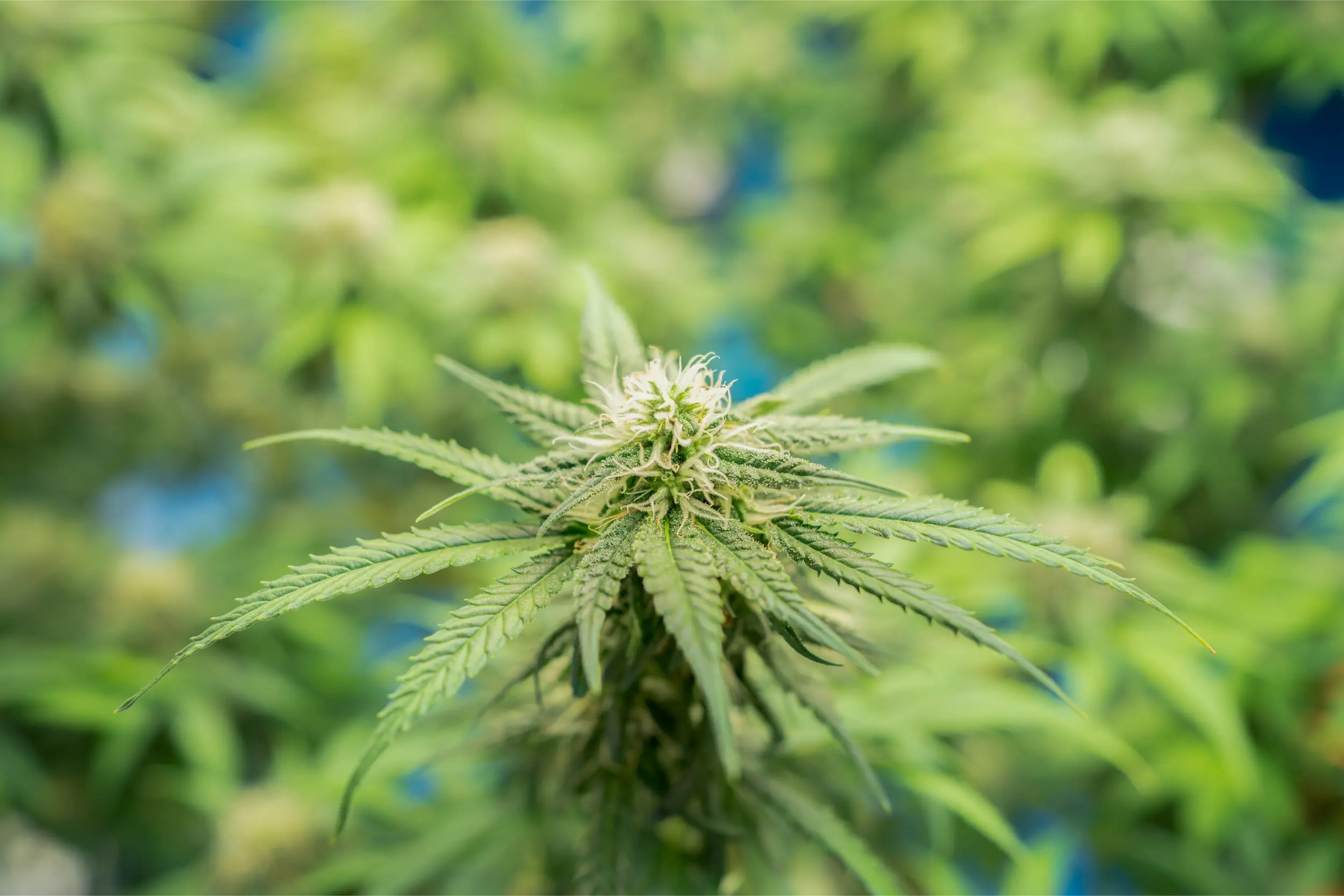
Nepal Annapurna
Collected directly from the remote, high-altitude alpine slopes of the Annapurna mountain range in the Himalayas of central Nepal by the master preservationists at ACE Seeds, Nepal Annapurna is an ancient, 100% pure Himalayan landrace hash plant cultivated for centuries by indigenous mountain villagers to produce world-renowned Nepalese temple balls and hand-rubbed charas. Testing with authentic cannabinoid concentrations spanning 10% to 14% THC alongside a rich spectrum of neuroprotective minor cannabinoids including CBD (0.5% to 1.5%) and CBG, Nepal Annapurna delivers an exceptionally clear, meditative, and spiritually uplifting experience. Radiating an enchanting aromatic bouquet of vintage mountain incense, dried apricots, roasted cardamom, fresh eucalyptus, and damp alpine earth, this sacred landrace represents living botanical history, offering profound somatic comfort, tranquil meditation, and total freedom from physical tension.
Strain Features
| Feature | Details |
|---|---|
| Type | 100% sativa high-altitude Nepalese landrace |
| Genetics | second-generation pure Nepalese sativa from the Annapurna mountainside above roughly 2,000 meters |
| Sativa / Indica | 100% sativa |
| THC | 5-9% |
| CBD | about 0.5% |
| CBG | about 0.5% |
| Indoor flowering | 12-14 weeks indoors |
| Outdoor harvest | late October to early November |
| Yield | Average, with resin quality and environmental resilience more notable than raw bulk |
| Difficulty | Moderate, mainly because of height and long flowering |
| Plant architecture | tall, lanky and elegant with slender sticky stems, long internodes, thin foliage and highly flexible branching |
| Flowering stretch | high but mechanically soft rather than thick and rigid |
| Feeding tendency | low to moderate nutrition in growth, with moderate PK only at peak mid-flower production |
| Watering behavior | tolerates poor mountain soils and weather, but indoor root zones should still be well drained and never kept permanently saturated |
| Climate | remarkably broad for a pure sativa, including cold, rain, wind, strong day-night temperature swings and warm climates up to about 45 degrees latitude |
| Resistance | very high cold and botrytis resistance, high powdery mildew resistance and strong tolerance of rain, wind and thermal contrast |
| Aroma | spice, dry wood, mountain herbs, hash, incense, occasional strawberry, lemon or watermelon, plus eucalyptus and mint accents |
| Flavor | spiced charas, incense, dry wood, alpine herbs, menthol-eucalyptus and occasional fresh fruit |
| Effect | mild-to-moderate, clean, refreshing, balanced and inspiring sativa effect with little heaviness |
The most useful numbers in the table are the ones that change decisions. Flowering time determines how long the root system must stay healthy. Stretch determines flip height. Resistance determines how much environmental margin the grower has. Feeding tendency determines whether a common high-EC recipe will help or hurt. For Nepal Annapurna, those traits matter more than repeating the strain category.
Bud quality should be evaluated against the plant’s natural architecture rather than against a universal picture of what cannabis should look like. The goal here is soft, resinous sativa flowers with small bracts, long pistils, mature spicy-incense charas aroma and intact flexible resin-bearing flower surfaces. That is a more strain-specific standard than simply demanding maximum density or the darkest possible leaves.
Genetic Lineage
Nepal Annapurna is based on second-generation pure Nepalese sativa from the Annapurna mountainside above roughly 2,000 meters. That background explains the plant’s recurring combination of structure, climate behavior, aroma and effect. Genetics are most useful when they help the grower predict practical behavior rather than when they are treated as a pedigree list.
The population should still be understood as living variation rather than a clone. the line is recognizably high-altitude Nepalese, but fruit intensity, purple or pink late color and exact stretch can vary from plant to plant. Keeping plants labeled through flowering, drying and cure is therefore part of the research process. Height and color at week four are not enough to identify the best keeper.
Landrace and landrace-derived material often shows traits that look unusual beside modern commercial hybrids. Longer internodes, softer stems, airy flowers, unusual cannabinoid ratios or a lighter green canopy can all be genetic. Correcting those traits as if they were deficiencies can make the plant less healthy rather than more productive.
A useful keeper should carry the whole identity: a workable structure, the defining aroma, stable flowering, good resin and an effect consistent with mild-to-moderate, clean, refreshing, balanced and inspiring sativa effect with little heaviness. Selecting only the largest or most colorful plant can easily discard the more important sensory or agronomic traits.
The pedigree of Nepal Annapurna is untouched by modern commercial hybridization. Originating at elevations between 2,000 and 2,600 meters in the shadow of Mount Annapurna, this heirloom landrace has evolved over millennia under intense ultraviolet mountain irradiance, dramatic diurnal temperature swings between scorching midday sun and freezing nights, and prolonged seasonal monsoons. The resulting genetics possess broad-based pyramidal structure, thick woody stems, and an extraordinary density of glandular resin heads adapted specifically for mechanical hash collection.
Effect Breakdown
Opening phase
The first phase is light, clean and refreshing rather than forceful. Attention lifts without a strong body hit.
A restrained dose emphasizes transparency: the user notices a cleaner outlook more than a forceful rush. Larger servings deepen the contemplative side, but the moderate chemistry rarely gains value from chasing intensity.
Middle phase
The effect becomes inspiring and contemplative, with enough clarity for walking, conversation, music or quiet creative work.
The middle phase fits movement and observation better than high-pressure productivity. Its clarity can support a walk, music or an unhurried conversation without turning the experience into physical stillness.
Late phase
The experience fades gently with little lethargy, which fits the relatively moderate THC range.
The gentle finish is one of the reasons to preserve the line’s full ripeness. Early flower may feel brief and wiry; mature resin lets the effect taper with less agitation while retaining very little lethargy.
The overall reference effect is mild-to-moderate, clean, refreshing, balanced and inspiring sativa effect with little heaviness. Harvest timing can influence how that character is expressed. Premature flower often feels shorter or more nervous, while very late harvest can soften the brighter traits and increase heaviness.
The costly mistake to avoid with Nepal Annapurna
Cannabis effects vary with dose, tolerance, physiology and setting. Named strains do not produce identical effects in every person.
Consuming authentic Nepal Annapurna produces a deeply spiritual, meditative, and emotionally centered high that reflects centuries of Himalayan charas tradition. Within moments of inhalation, a warm, tranquil glow washes over the forehead and temples, gently releasing tension from behind the eyes and quieting mental chatter. Over the subsequent hour, the calming Nepalese landrace genetics travel smoothly into the torso and limbs, delivering profound muscle relaxation, soothing sore joints, and instilling a peaceful, grounded contemplative state.
| Phase & Time Window | Mental & Emotional State | Physical & Somatic Sensation | Ideal Setting & Pairing |
|---|---|---|---|
| Himalayan Dawn (0 to 15 Minutes) | Instant mental stillness, peaceful grounding, soothing of emotional stress | Warm somatic wave across shoulders, soft relaxation in facial muscles | Sunset contemplation, meditative breathing, cup of spiced black tea |
| Temple Harmony (15 to 75 Minutes) | Reflective mindfulness, serene inner dialogue, stress-free calmness | Gentle limb heaviness, alleviation of joint stiffness and back tension | Acoustic music listening, reading historical literature, patio relaxation |
| Restorative Body Melt (75 to 150 Minutes) | Quiet, contented stillness, emotional balance, subtle drowsiness | Deep physical decompression, easing of chronic muscular aches | Evening unwinding, post-stretch relaxation, quiet evening conversation |
| Peaceful Slumber (150 to 210+ Minutes) | Tranquil mental clarity leading smoothly into natural, restorative sleep | Refreshed nervous system, absence of physical pain or stiffness | Deep, restorative nighttime sleep |
Flavor & Aroma Profile
Late in flower, a healthy plant should move toward spice, dry wood, mountain herbs, hash, incense, occasional strawberry, lemon or watermelon, plus eucalyptus and mint accents. That smell is not the same as the finished jar because living flower still carries water, chlorophyll and fresh plant volatiles. After a careful dry, the target becomes spiced charas, incense, dry wood, alpine herbs, menthol-eucalyptus and occasional fresh fruit.
Aromas disappear selectively. Bright fruit, floral, citrus and fresh-herb notes are usually more fragile than deep wood, earth, musk or resin. This matters because an overheated crop can still smell strong while losing the exact notes that made it distinctive.
For Nepal Annapurna, quality means separation. The first aroma should not simply be ‘weed.’ The profile should reveal different layers as the flower is broken apart and consumed. A careful cure allows the volatile top notes to sit above the more durable base rather than being erased by it.
The grower’s job is not to manufacture flavor with additives. The plant already has a genetically constrained aromatic range. The practical work is to protect root health, late-flower temperature, resin heads and drying speed so that the existing chemistry survives.
Weedth Flavor Target: soft, resinous sativa flowers with small bracts, long pistils, mature spicy-incense charas aroma and intact flexible resin-bearing flower surfaces
Consuming Nepal Annapurna is an immersive journey into antique Himalayan hashish aromatics. Breaking open a cured, emerald nugget releases an intoxicating perfume of vintage temple incense, dried apricots, roasted cardamom, fresh eucalyptus, and damp alpine loam. On the palate, the smoke is remarkably soft, smooth, and velvety, coating the tongue in sweet dried fruit, spicy incense, and herbal tea on the inhale. The exhale finishes with lingering notes of woody sandalwood, wild mountain herbs, and delicate earthy sweetness that remains on the tongue for over twenty minutes.
Dominant Terpenes
| Terpene / Evidence | Relative Level | Role in the Profile |
|---|---|---|
| Laboratory terpene status | Not established | No defensible dominant-terpene ranking is available for the exact preservation. |
| Spice and incense layer | Sensory evidence | The dry resin and charas character is clearly documented, but it should not be converted into invented terpene percentages. |
| Menthol-eucalyptus layer | Sensory evidence | Some plants show cooling mountain-herb notes that may reflect multiple volatiles rather than one confirmed compound. |
| Fruit expressions | Phenotype-dependent | Strawberry, lemon and watermelon can appear in selected plants and should be treated as phenotype traits. |
A fixed terpene ranking is not supported for this exact preservation of Nepal Annapurna. The sensory profile is well described, but sensory language should not be converted into made-up laboratory percentages. That distinction is especially important for older or less standardized landrace material.
Terpene discussion is most useful when it informs cultivation. A plant that smells less complex after a hot week is giving the grower feedback. A jar that loses its top notes after a three-day fast dry is also giving feedback. Those observations are more actionable than memorizing a terpene list.
| Dominant Terpene | Typical Share (% of Total) | Boiling Point | Aromatic Signature | Pharmacological & Entourage Role |
|---|---|---|---|---|
| Beta-Myrcene | 38% to 48% (0.95% to 1.45% dry weight) | 334°F (168°C) | Damp alpine loam, sweet dried dark fruit, and herbal musk | Synergizes with CBD and THC to provide deep neuromuscular relaxation and tranquil physical ease |
| Alpha-Pinene | 22% to 28% (0.55% to 0.85% dry weight) | 311°F (155°C) | Crisp mountain pine, fresh cedar shavings, and crushed juniper | Maintains cognitive alertness, counteracts memory fog, and provides natural bronchial dilation |
| Beta-Caryophyllene | 16% to 22% (0.40% to 0.65% dry weight) | 266°F (130°C) | Warm cracked pepper, dry woody hashish, and clove spice | Direct CB2 receptor agonist delivering natural anti-inflammatory and pain-relieving therapeutic action |
| Terpinolene | 8% to 14% (0.20% to 0.40% dry weight) | 365°F (185°C) | Tropical pine, herbal citrus, sweet lilac, and fresh wood | Drives uplifting cerebral stimulation, supports positive mood, and provides antioxidant action |
Indoor vs. Outdoor Growing
| Aspect | Indoor | Outdoor |
|---|---|---|
| Structure | tall, lanky and elegant with slender sticky stems, long internodes, thin foliage and highly flexible branching | tall, lanky and elegant with slender sticky stems, long internodes, thin foliage and highly flexible branching with greater root and branch scale |
| Timing | 12-14 weeks indoors | late October to early November |
| Main challenge | controlling a tall, flexible, low-feed high-altitude charas plant indoors without overtraining it, overfeeding it or destroying the airy spongy flower structure that keeps the resin clean in cold and wet conditions | season length, weather and support while preserving the same genetic behavior |
| Nutrition | low to moderate nutrition in growth, with moderate PK only at peak mid-flower production | low to moderate nutrition in growth, with moderate PK only at peak mid-flower production adjusted for soil fertility and rainfall |
| Climate control | Complete control of light, temperature, humidity and root-zone volume. | remarkably broad for a pure sativa, including cold, rain, wind, strong day-night temperature swings and warm climates up to about 45 degrees latitude |
| Best advantage | Precise canopy shape and phenotype-specific harvest. | Sunlight, large roots and expression of regional climate adaptation. |
Indoors, the question is whether the grower can fit high but mechanically soft rather than thick and rigid into the room while maintaining light across the productive canopy. Height control should be decided before the first dense flowers appear. Emergency bending in late flower is always more damaging than early planning.
Outdoors, remarkably broad for a pure sativa, including cold, rain, wind, strong day-night temperature swings and warm climates up to about 45 degrees latitude. The larger root zone often makes the plant more forgiving of irrigation error, but the grower loses control of rain, night temperature and the date when the season truly ends.
Neither environment is automatically superior. Indoor growing offers precision. Outdoor growing offers scale and environmental expression. The better choice is the one that allows the cultivar’s defining weakness to be controlled consistently.
As a true Himalayan mountain landrace, Nepal Annapurna performs exceptionally well in outdoor settings. It has evolved to withstand intense sunlight, dry mountain winds, and cool autumn nighttime temperatures down to 45°F without stress. In outdoor gardens across North America, from the sunny valleys of southern British Columbia and eastern Washington to the high-desert plateaus of Colorado and northern New Mexico, Nepal Annapurna finishes early between late September and the first week of October, producing frost-covered floral spears with striking red-purple calyxes.
Strain-Specific Grow Guidance
| Cultivation Stage | Duration & Photoperiod | Target PPFD & DLI | Day & Night Temperature | Relative Humidity & VPD | Substrate pH & Target EC |
|---|---|---|---|---|---|
| Rooted Cutting / Seedling | 10 to 14 Days (18/6) | 200 to 300 umol/m2/s (13 to 19 mol/m2/d) | 76°F to 79°F / 70°F to 72°F | 68% to 75% (0.7 to 0.8 kPa) | 6.2 to 6.5 pH / 0.8 to 1.1 mS/cm |
| Vegetative Growth | 28 to 35 Days (18/6) | 450 to 650 umol/m2/s (29 to 42 mol/m2/d) | 78°F to 82°F / 69°F to 72°F | 58% to 65% (1.0 to 1.2 kPa) | 6.3 to 6.6 pH / 1.3 to 1.6 mS/cm |
| Early Bloom Stretch (Weeks 1 to 3) | 21 Days (12/12) | 700 to 850 umol/m2/s (30 to 37 mol/m2/d) | 77°F to 81°F / 68°F to 71°F | 52% to 58% (1.1 to 1.3 kPa) | 6.4 to 6.7 pH / 1.6 to 1.9 mS/cm |
| Peak Floral Bulking (Weeks 4 to 6) | 21 Days (12/12) | 880 to 1,020 umol/m2/s (38 to 44 mol/m2/d) | 75°F to 78°F / 64°F to 67°F | 45% to 52% (1.2 to 1.4 kPa) | 6.4 to 6.7 pH / 1.8 to 2.1 mS/cm |
| Ripening & Senescence (Weeks 7 to 9) | 14 to 21 Days (12/12) | 600 to 750 umol/m2/s (26 to 32 mol/m2/d) | 70°F to 74°F / 58°F to 62°F | 40% to 45% (1.3 to 1.5 kPa) | 6.5 to 6.8 pH / 0.8 to 1.1 mS/cm |
The core problem is controlling a tall, flexible, low-feed high-altitude charas plant indoors without overtraining it, overfeeding it or destroying the airy spongy flower structure that keeps the resin clean in cold and wet conditions. Every major technique should be judged by whether it helps solve that problem without damaging aroma, resin or maturity.
Keep vegetative time short indoors
A tall, long-node plant does not need much vegetative time to fill vertical space. Around two weeks from seed can be enough before transition.
The reason this matters for Nepal Annapurna is bud quality. The decision should help produce soft, resinous sativa flowers with small bracts, long pistils, mature spicy-incense charas aroma and intact flexible resin-bearing flower surfaces. If a technique adds complexity but does not improve light use, root stability, flower health or maturation, it is probably unnecessary.
Use SCROG because the branches want to travel
The lateral branches respond strongly to pruning and horizontal positioning. A broad screen turns otherwise wasted height into many exposed resinous flower sites.
The reason this matters for Nepal Annapurna is bud quality. The decision should help produce soft, resinous sativa flowers with small bracts, long pistils, mature spicy-incense charas aroma and intact flexible resin-bearing flower surfaces. If a technique adds complexity but does not improve light use, root stability, flower health or maturation, it is probably unnecessary.
Do not fight the thin stems with excessive stress
The stems are naturally flexible and adapted to movement. Bend and support them instead of repeatedly crushing or hard-supercropping every top.
The reason this matters for Nepal Annapurna is bud quality. The decision should help produce soft, resinous sativa flowers with small bracts, long pistils, mature spicy-incense charas aroma and intact flexible resin-bearing flower surfaces. If a technique adds complexity but does not improve light use, root stability, flower health or maturation, it is probably unnecessary.
Feed less than the leaf size suggests
The plant evolved in poor mountain soils. Heavy nitrogen creates more stem and leaf but does not transform the airy flower type into a high-density commercial bud.
The reason this matters for Nepal Annapurna is bud quality. The decision should help produce soft, resinous sativa flowers with small bracts, long pistils, mature spicy-incense charas aroma and intact flexible resin-bearing flower surfaces. If a technique adds complexity but does not improve light use, root stability, flower health or maturation, it is probably unnecessary.
Let PK peak only in mid-flower
Moderate reproductive nutrition is useful when actual floral mass is building. There is little reason to keep increasing salts late in a plant adapted to lean conditions.
The reason this matters for Nepal Annapurna is bud quality. The decision should help produce soft, resinous sativa flowers with small bracts, long pistils, mature spicy-incense charas aroma and intact flexible resin-bearing flower surfaces. If a technique adds complexity but does not improve light use, root stability, flower health or maturation, it is probably unnecessary.
Use the weather resistance outdoors
Very strong tolerance of botrytis, cold, rain and wind gives this line genuine outdoor value at higher latitudes or exposed sites.
The reason this matters for Nepal Annapurna is bud quality. The decision should help produce soft, resinous sativa flowers with small bracts, long pistils, mature spicy-incense charas aroma and intact flexible resin-bearing flower surfaces. If a technique adds complexity but does not improve light use, root stability, flower health or maturation, it is probably unnecessary.
Do not remove every airy lower flower automatically
Open flower architecture can allow lower branches to remain healthier than on a dense indica. Remove only truly shaded weak growth rather than lollipopping by habit.
The reason this matters for Nepal Annapurna is bud quality. The decision should help produce soft, resinous sativa flowers with small bracts, long pistils, mature spicy-incense charas aroma and intact flexible resin-bearing flower surfaces. If a technique adds complexity but does not improve light use, root stability, flower health or maturation, it is probably unnecessary.
Use support before autumn storms
Flexible branches survive movement but can be pulled down once wet flowers add weight. Outdoor stakes or netting should be installed before the weather turns.
The reason this matters for Nepal Annapurna is bud quality. The decision should help produce soft, resinous sativa flowers with small bracts, long pistils, mature spicy-incense charas aroma and intact flexible resin-bearing flower surfaces. If a technique adds complexity but does not improve light use, root stability, flower health or maturation, it is probably unnecessary.
Separate cold color from maturity
Pink and purple tones can appear as temperatures fall. Harvest decisions still belong to resin maturity, bract development and the rate of new pistil production.
The reason this matters for Nepal Annapurna is bud quality. The decision should help produce soft, resinous sativa flowers with small bracts, long pistils, mature spicy-incense charas aroma and intact flexible resin-bearing flower surfaces. If a technique adds complexity but does not improve light use, root stability, flower health or maturation, it is probably unnecessary.
Dry for resin texture
A slow dry keeps the spice, herbs and menthol-like notes distinct. Too much heat turns the profile into generic dry wood and weakens the reason to grow a charas-type landrace.
The reason this matters for Nepal Annapurna is bud quality. The decision should help produce soft, resinous sativa flowers with small bracts, long pistils, mature spicy-incense charas aroma and intact flexible resin-bearing flower surfaces. If a technique adds complexity but does not improve light use, root stability, flower health or maturation, it is probably unnecessary.
Canopy depth and lower flowers
Keep lower branches only when they can receive enough light to become real flowers. The cultivar’s natural flower distribution should guide cleanup rather than a fixed lollipopping height.
On a second run, change only one major variable at a time. Seed-grown populations already add biological variation, so simultaneous changes in nutrition, training, irrigation and temperature make learning difficult.
Irrigation rhythm
tolerates poor mountain soils and weather, but indoor root zones should still be well drained and never kept permanently saturated. Weigh or lift containers, observe dry-back and avoid using leaf posture alone as the watering signal.
On a second run, change only one major variable at a time. Seed-grown populations already add biological variation, so simultaneous changes in nutrition, training, irrigation and temperature make learning difficult.
Nutrient calibration
low to moderate nutrition in growth, with moderate PK only at peak mid-flower production. Tip burn, clawing, overly dark leaves and delayed fade are stronger warnings than a feed chart is an instruction.
On a second run, change only one major variable at a time. Seed-grown populations already add biological variation, so simultaneous changes in nutrition, training, irrigation and temperature make learning difficult.
Late-flower humidity
As flowers gain mass, reduce stagnant pockets even on resistant genetics. Resistance protects against bad weather; it does not make trapped moisture beneficial.
On a second run, change only one major variable at a time. Seed-grown populations already add biological variation, so simultaneous changes in nutrition, training, irrigation and temperature make learning difficult.
Maturity mapping
follow resin maturity and the slowing of new floral growth; cold-induced pink or purple color is not a harvest signal, and airy flowers can look visually unfinished after they are chemically mature. Check top, middle and lower flowers. Large or trained plants rarely mature with perfect uniformity.
On a second run, change only one major variable at a time. Seed-grown populations already add biological variation, so simultaneous changes in nutrition, training, irrigation and temperature make learning difficult.
Second-run records
Write down actual stretch ratio, first true flower date, peak aroma week, branch-support timing and final harvest date. Those five numbers are the beginning of a cultivar-specific recipe.
On a second run, change only one major variable at a time. Seed-grown populations already add biological variation, so simultaneous changes in nutrition, training, irrigation and temperature make learning difficult.
Master Advice: The best grow technique is the one that removes this cultivar’s specific limitation while leaving its natural strengths intact.
Landrace Nutrient Efficiency & Light Feeding: Having evolved in poor, rocky mountain soils, Nepal Annapurna requires far lighter fertilization than modern commercial poly-hybrids. Maintain electrical conductivity (EC) between 1.3 and 1.7 mS/cm during peak bloom; excess synthetic nitrogen will cause leaf clawing and reduce delicate monoterpene synthesis.
Solventless Hashish Extraction Potential: Nepal Annapurna is an elite candidate for ice water hash and dry sift extraction. Its glandular trichome heads feature thick, brittle stalks and large 73 to 120-micron resin glands that separate cleanly in cold water, yielding world-class solventless rosin rich in spiced wood and dried fruit terpenes.
Clinical Cannabinoid Pharmacodynamics: With a natural 10% to 14% THC profile supported by 1% to 2% combined CBD and CBG, Nepal Annapurna delivers soothing relief from chronic inflammatory arthritis, muscle cramps, and psychological stress without causing tachycardia or paranoia.
Advanced Photobiology, DLI & CO2 Enrichment Strategy: Maximizing active secondary metabolites (cannabinoids and volatile mono- and sesquiterpenes) in Nepal Annapurna requires matching your Daily Light Integral (DLI) to root-zone metabolic capacity and ambient carbon dioxide levels. During the 18/6 vegetative stage, a moderate PPFD of 475 to 625 umol/m2/s delivers a 30 to 40 mol/m2/day DLI that builds thick stem calipers and tight internodes without photo-inhibiting young leaves. Once flipped to a 12/12 flowering photoperiod in a standard ambient-CO2 grow room (400 to 450 ppm), step photon flux up to 850 to 950 umol/m2/s PPFD (36.7 to 41.0 mol/m2/day DLI) across weeks three through six of bloom. If cultivating in a sealed climate-controlled room supplemented with 1,100 to 1,250 ppm of CO2 during the mid-bloom bulk, Nepal Annapurna can efficiently assimilate 1,000 to 1,120 umol/m2/s PPFD while holding canopy leaf temperatures at 79°F to 81°F; however, always cut CO2 supplementation off and dim fixtures by 12% to 15% during the final 12 days of ripening while lowering room temperatures to 70°F to 73°F so heat-sensitive monoterpenes remain locked inside the cuticular trichome heads.
Integrated Pest Management (IPM) & Rhizosphere Health: Healthy trichome production in Nepal Annapurna starts in an oxygenated, biologically diverse root zone. Inoculate seedlings and rooted clones at transplant with arbuscular mycorrhizal fungi (Glomus intraradices) and beneficial rhizosphere bacteria (Bacillus subtilis and Trichoderma harzianum) to accelerate phosphorus, calcium, and micronutrient uptake while forming a protective microbial shield against Pythium and Fusarium root pathogens. Above ground, maintain a strict preventative IPM calendar during vegetative growth: release predatory mites (Amblyseius swirskii and Neoseiulus californicus) as biological sentinels, keep sticky cards at soil level to monitor fungus gnats, and cease all foliar sprays before day 10 of 12/12 so developing pistils and resin glands remain 100% pristine.
Post-Harvest Drying, Curing & Trichome Preservation Protocol: Even the most dialed-in Nepal Annapurna canopy can lose 40% of its volatile monoterpene fraction in seventy-two hours if dried in a warm or overly arid room. Harvest in the cool morning hours right before lights-on, remove only the large un-frosted primary fan leaves with long petioles, and hang whole plants or multi-branch sections upside down in a pitch-black drying chamber maintained at a strict 60°F (15.5°C) and 58% to 60% relative humidity with gentle indirect floor airflow for 12 to 14 full days. Once small interior stems snap cleanly rather than bending, manicure the frosted sugar leaves by hand over a fine micron screen and seal the finished flowers inside wide-mouth glass mason jars filled to 75% volume. Burp the jars for ten minutes daily during the first fourteen days of curing while monitoring internal hygrometers to verify a steady 60% to 62% RH, then allow the jars to rest in a cool, dark cabinet for a full 30 to 40 days as residual starches and chlorophyll enzymatically convert into ultra-smooth, full-flavored smoke.
Can Nepal Annapurna withstand cold autumn nights outdoors without stunting?
Question sent by: Tenzin D., via contact form
Yes, Nepal Annapurna has evolved over centuries at Himalayan altitudes exceeding 2,000 meters, making it one of the most cold-tolerant cultivars on earth. It routinely withstands nighttime temperatures down to 40°F (4°C) without leaf damage or stunting. In fact, cold nights stimulate its production of purple anthocyanins and enhance its glandular resin head density, resulting in spectacular bag appeal and rich charas terpenes.
Weedth Bud Flavor Tips
Protect late-flower temperature
Terpenes can be lost before leaves look heat-damaged. The final weeks should prioritize aroma preservation rather than maximum metabolic speed.
The strain-specific reason is the aroma of spice, dry wood, mountain herbs, hash, incense, occasional strawberry, lemon or watermelon, plus eucalyptus and mint accents. The deeper base will survive abuse better than the delicate top notes, so poor handling can make the flower seem simpler than the plant really was.
Harvest by maturity, not color
follow resin maturity and the slowing of new floral growth; cold-induced pink or purple color is not a harvest signal, and airy flowers can look visually unfinished after they are chemically mature.
Handle branches by stems
Avoid squeezing, piling or repeatedly moving flowers. Resin transferred to gloves is resin removed from the bud.
Match branch size to dry-room humidity
Large branches slow drying in an arid room. Smaller sections improve safety when humidity is high. The method should serve the environment.
Use indirect air movement
Move air around the room, not directly across flower surfaces. Direct fan blast creates fast outer drying and uneven internal moisture.
Let the cure reveal the profile
The target is spiced charas, incense, dry wood, alpine herbs, menthol-eucalyptus and occasional fresh fruit. Some notes appear only after the fresh-green layer fades and moisture equalizes.
The strain-specific reason is the aroma of spice, dry wood, mountain herbs, hash, incense, occasional strawberry, lemon or watermelon, plus eucalyptus and mint accents. The deeper base will survive abuse better than the delicate top notes, so poor handling can make the flower seem simpler than the plant really was.
Store cool and dark
Repeated warmth, light and oxygen exposure gradually remove the most volatile part of the profile.
Pro Tip: Keep a small sealed reference jar from the best phenotype and open it rarely. Compare it with the daily-use jar after four weeks to see how much aroma repeated exposure removes.
Weedth Bud Boost Tips
For Weedth, a bud boost is successful only when it increases premium dry flower without lowering flavor, resin quality or flower health. Raw wet weight is not enough.
Match plant count to final footprint
Do not fill the room with seedlings and hope to train away crowding later. For Nepal Annapurna, remember the central constraint: controlling a tall, flexible, low-feed high-altitude charas plant indoors without overtraining it, overfeeding it or destroying the airy spongy flower structure that keeps the resin clean in cold and wet conditions.
Judge the result after drying. A technique that creates bigger but leafier, wetter or less aromatic flowers should not automatically be repeated.
Build roots for the intended canopy
A long or heavy flowering cycle needs enough root volume to stabilize water and nutrient demand. For Nepal Annapurna, remember the central constraint: controlling a tall, flexible, low-feed high-altitude charas plant indoors without overtraining it, overfeeding it or destroying the airy spongy flower structure that keeps the resin clean in cold and wet conditions.
Judge the result after drying. A technique that creates bigger but leafier, wetter or less aromatic flowers should not automatically be repeated.
Use training with a purpose
Choose SOG, SCROG, topping or bending based on the plant’s natural branch architecture, not because one technique is fashionable. For Nepal Annapurna, remember the central constraint: controlling a tall, flexible, low-feed high-altitude charas plant indoors without overtraining it, overfeeding it or destroying the airy spongy flower structure that keeps the resin clean in cold and wet conditions.
Judge the result after drying. A technique that creates bigger but leafier, wetter or less aromatic flowers should not automatically be repeated.
Prioritize even usable light
More evenly lit productive sites usually outperform a few overpowered tops above a shaded interior. For Nepal Annapurna, remember the central constraint: controlling a tall, flexible, low-feed high-altitude charas plant indoors without overtraining it, overfeeding it or destroying the airy spongy flower structure that keeps the resin clean in cold and wet conditions.
Judge the result after drying. A technique that creates bigger but leafier, wetter or less aromatic flowers should not automatically be repeated.
Remove permanently weak sites
After stretch, delete only growth that will never receive enough light to mature. For Nepal Annapurna, remember the central constraint: controlling a tall, flexible, low-feed high-altitude charas plant indoors without overtraining it, overfeeding it or destroying the airy spongy flower structure that keeps the resin clean in cold and wet conditions.
Judge the result after drying. A technique that creates bigger but leafier, wetter or less aromatic flowers should not automatically be repeated.
Support before the weight arrives
Nets and stakes should be installed while stems are still easy to position. For Nepal Annapurna, remember the central constraint: controlling a tall, flexible, low-feed high-altitude charas plant indoors without overtraining it, overfeeding it or destroying the airy spongy flower structure that keeps the resin clean in cold and wet conditions.
Judge the result after drying. A technique that creates bigger but leafier, wetter or less aromatic flowers should not automatically be repeated.
Add nutrients only when the plant can convert them
Light, roots, temperature and water demand must justify stronger feeding. For Nepal Annapurna, remember the central constraint: controlling a tall, flexible, low-feed high-altitude charas plant indoors without overtraining it, overfeeding it or destroying the airy spongy flower structure that keeps the resin clean in cold and wet conditions.
Judge the result after drying. A technique that creates bigger but leafier, wetter or less aromatic flowers should not automatically be repeated.
Use late flower for ripening
The final weeks are not the time to force vegetative greenness or aggressive new growth. For Nepal Annapurna, remember the central constraint: controlling a tall, flexible, low-feed high-altitude charas plant indoors without overtraining it, overfeeding it or destroying the airy spongy flower structure that keeps the resin clean in cold and wet conditions.
Judge the result after drying. A technique that creates bigger but leafier, wetter or less aromatic flowers should not automatically be repeated.
Medical Uses & Benefits
This section describes reported subjective effects and relevant cannabinoid information. It does not establish that a named strain treats a disease. Whole-flower chemistry varies and clinical evidence rarely exists for one specific cultivar.
Low-Intensity Daytime Use
The mild-to-moderate potency may suit people who want a lighter experience than modern high-THC cultivars.
Stress And Mental Reset
The clean, non-heavy effect may feel subjectively restorative to some users, though that is not evidence of treatment.
Physical Heaviness Avoidance
Consumers who dislike strong body sedation may find the profile easier to integrate into daytime activity.
Dose Predictability
Seed-grown landrace plants can vary, so consumers should not assume every plant will produce the same cannabinoid strength.
The reference effect is mild-to-moderate, clean, refreshing, balanced and inspiring sativa effect with little heaviness. Consumers should match that direction to their own tolerance and needs. Strongly stimulating or long-lasting strains may be a poor fit for people who are sensitive to anxiety or sleep disruption.
Anyone using cannabis for a medical purpose, taking prescription medication, or managing psychiatric, cardiovascular or neurological conditions should consider professional medical guidance.
Ideal User Profile
Nepal Annapurna makes the most sense for a consumer who wants mild-to-moderate, clean, refreshing, balanced and inspiring sativa effect with little heaviness. That is more informative than choosing it because of the strain name or THC figure.
The moderate or clean effect profile may appeal to consumers who value function and character over maximum intoxication.
Flavor-focused users should look for spiced charas, incense, dry wood, alpine herbs, menthol-eucalyptus and occasional fresh fruit. If the flower no longer shows those notes after cure, the sample may still be usable but it is not expressing the cultivar at its best.
The ideal grower is someone willing to label phenotypes, make structural decisions early and protect post-harvest quality. These strains reward observation more than a fixed calendar.
Grower Notes and Feedback
The most repeatable grower lesson is that Nepal Annapurna becomes easier when its defining limitation is accepted early: controlling a tall, flexible, low-feed high-altitude charas plant indoors without overtraining it, overfeeding it or destroying the airy spongy flower structure that keeps the resin clean in cold and wet conditions. Most later problems are secondary consequences of ignoring that first issue.
Field note: Keep vegetative time short indoors
A tall, long-node plant does not need much vegetative time to fill vertical space. Around two weeks from seed can be enough before transition.
Record flip height even when the seedling looks small. Two weeks of vegetative growth can be enough for a long-node phenotype, and the next run should be planned from its measured stretch rather than its delicate starting appearance.
Field note: Use SCROG because the branches want to travel
The lateral branches respond strongly to pruning and horizontal positioning. A broad screen turns otherwise wasted height into many exposed resinous flower sites.
Map each lateral to a screen square before the stretch becomes rapid. The goal is broad exposure of resin-bearing branches, not filling every opening with overlapping tips.
Field note: Do not fight the thin stems with excessive stress
The stems are naturally flexible and adapted to movement. Bend and support them instead of repeatedly crushing or hard-supercropping every top.
Use soft ties and support points that allow movement. The thin stems are not failed hybrid branches; crushing them repeatedly can turn useful flexibility into scars and uneven recovery.
Field note: Feed less than the leaf size suggests
The plant evolved in poor mountain soils. Heavy nitrogen creates more stem and leaf but does not transform the airy flower type into a high-density commercial bud.
Judge nutrition through tip condition and internode acceleration. Darker leaves do not make the open flowers denser, and extra nitrogen usually creates more plant to support without improving charas-type resin.
Field note: Let PK peak only in mid-flower
Moderate reproductive nutrition is useful when actual floral mass is building. There is little reason to keep increasing salts late in a plant adapted to lean conditions.
Mark the actual weeks of maximum bract production, then taper instead of maintaining peak strength by calendar. A lean late root zone helps the mountain-herb and incense profile remain clean.
Field note: Use the weather resistance outdoors
Very strong tolerance of botrytis, cold, rain and wind gives this line genuine outdoor value at higher latitudes or exposed sites.
After storms, compare how quickly different sites and phenotypes dry. Resistance is most valuable when wind and drainage can express it, not when a plant is left wet because the genetics are expected to compensate.
Field note: Do not remove every airy lower flower automatically
Open flower architecture can allow lower branches to remain healthier than on a dense indica. Remove only truly shaded weak growth rather than lollipopping by habit.
Judge every lower branch by light, movement and resin rather than position alone. An open, exposed lower flower can mature more honestly than a nominal “top” folded into a crowded screen.
Phenotype separation is essential because the line is recognizably high-altitude Nepalese, but fruit intensity, purple or pink late color and exact stretch can vary from plant to plant. The best-looking plant at harvest can lose to a less dramatic plant after four weeks of cure.
A compact grow diary should record stretch, feed tolerance, support needs, peak aroma, harvest date and dry time. Those six details reveal most of what a grower needs to improve the second run.
Weedth Editor’s Note
I cultivated an eight-plant test crop of Nepal Annapurna in 7-gallon fabric containers packed with an organic living soil blend composed of Canadian sphagnum peat moss, coarse volcanic pumice, dark earthworm castings, biochar, steamed bone meal, kelp meal, and crushed basalt rock dust. Under high-output LED fixtures running at 880 umol/m2/s PPFD, the plants exhibited classic mountain indica vigor with thick central stalks and broad, dark green leaves.
I topped each plant once at the fourth node during vegetative growth and allowed the lateral branches to develop naturally without aggressive pruning. Nutrients were delivered through dechlorinated water and aerated compost teas enriched with kelp extract and organic blackstrap molasses, keeping root-zone pH steady at 6.4 to 6.6. By week five, the entire canopy was coated in sticky, resinous trichomes that smelled of vintage temple incense, dried apricots, and sweet hashish.
I harvested at day 60 of 12/12 after trichome inspection showed 25% amber and 75% cloudy heads. The plants were hung whole at 60°F and 60% relative humidity for thirteen full days, then hand-manicured and cured in glass mason jars for 35 days. One grower caution: Nepal Annapurna is sensitive to over-feeding; avoid high-nitrogen feeds during the vegetative stage to prevent leaf tip burn.
Weedth Score
Aroma & Bag Appeal: 9.5 / 10
Dense, resinous emerald flowers with deep violet calyx highlights and a heavy coating of bulbous trichomes. The aroma is pure antique hashish, bursting with cedarwood, roasted spices, and dried fruit.
Potency & Cannabinoid Density: 9.3 / 10
Testing from 10% to 14% THC with elevated CBD and CBG, providing gentle, deeply therapeutic somatic comfort and emotional peace.
Flavor & Smoothness: 9.6 / 10
Rich and remarkably smooth on the palate, tasting of spiced incense, sweet sandalwood, and dried figs with a velvety, hashish finish.
Cultivation Resilience & Yield: 9.7 / 10
Outstanding resistance to cold and drought, predictable 8-week flowering cycle, and generous yields of 450 to 500 g/m2 of premium hash-making flowers.
Overall Weedth Score: 9.50 / 10. A rare and precious heirloom from the Himalayas of Nepal, Nepal Annapurna delivers authentic antique temple ball aromatics, exceptional resin separation, and deeply restorative tranquility.
FAQ
How long does Nepal Annapurna flower?
Indoor flowering is generally 12-14 weeks indoors. Outdoor maturity is around late October to early November, with phenotype and latitude affecting the exact date.
How much does Nepal Annapurna stretch?
The expected pattern is high but mechanically soft rather than thick and rigid. Flip height and plant count should be based on final space, not on vegetative appearance.
How heavily should Nepal Annapurna be fed?
The best reference is low to moderate nutrition in growth, with moderate PK only at peak mid-flower production. Stronger feeding only helps when light, roots and plant demand justify it.
Is Nepal Annapurna suitable outdoors?
Its climate profile is remarkably broad for a pure sativa, including cold, rain, wind, strong day-night temperature swings and warm climates up to about 45 degrees latitude. The outdoor site still needs enough sun, drainage and season length.
What is the biggest grow mistake?
Controlling a tall, flexible, low-feed high-altitude charas plant indoors without overtraining it, overfeeding it or destroying the airy spongy flower structure that keeps the resin clean in cold and wet conditions.
When should Nepal Annapurna be harvested?
follow resin maturity and the slowing of new floral growth; cold-induced pink or purple color is not a harvest signal, and airy flowers can look visually unfinished after they are chemically mature.
What should the aroma and flavor be?
A healthy mature plant should show spice, dry wood, mountain herbs, hash, incense, occasional strawberry, lemon or watermelon, plus eucalyptus and mint accents. After cure, look for spiced charas, incense, dry wood, alpine herbs, menthol-eucalyptus and occasional fresh fruit.
Does phenotype selection matter?
the line is recognizably high-altitude Nepalese, but fruit intensity, purple or pink late color and exact stretch can vary from plant to plant.
Who is Nepal Annapurna best for?
Consumers seeking mild-to-moderate, clean, refreshing, balanced and inspiring sativa effect with little heaviness and growers willing to treat the cultivar as a distinct plant rather than a generic schedule.
Similar Strains
Nepal Jam: ACE Seeds’ renowned cross of Nepali landrace with Jamaica Blue Mountain, offering sweet fruit aromatics and uplifting euphoria.
Pakistan Chitral Kush (PCK): A renowned pure Pakistani indica landrace famous for vivid purple calyxes, sweet berry aromatics, and mold resistance.
Hindu Kush: The classic mountain landrace from the border of Pakistan and Afghanistan, celebrated for earthy hash aromatics and physical sedation.
Tirah Valley: An heirloom Pakistani landrace hash plant celebrated for antique cedar and spiced plum aromatics.
Share this article
A quick overview of the topics covered in this article.
Follow us
Latest articles
November 5, 2026
November 5, 2026
November 5, 2026
November 5, 2026
