How Much Time Does an Outdoor Grow Require Each Week?
For a small home garden, outdoor cannabis does not automatically require hours of work every day. A nearby plant in a well-chosen site with dependable water may need only short inspections during calm parts of the season. The same plant can demand much more attention during a heatwave, after heavy rain, when branches become heavy, or once dense flowers make moisture and disease checks more important.
That is why the most useful answer is not a single number. Weekly time is the sum of routine labor, irrigation labor, access or travel time, plant-stage work, and whatever extra time the weather creates. If you separate those pieces, you can estimate the workload before planting and check whether your original estimate still makes sense as the season changes.
For planning purposes, a very small nearby garden may sometimes fit inside roughly one to two hours of routine work in an uneventful week, especially when irrigation is simple and the site is easy to inspect. Hand-watered containers, larger plants, more training, or a remote site can easily push the weekly total higher. Late flowering and bad-weather periods can add repeated short checks that matter more than the average number. These are planning ranges rather than biological requirements; the point of this resource is to help you measure your own garden instead of copying somebody else’s schedule.
This article stays focused on the time commitment. It will not repeat the full outdoor cultivation process. If you need the broader workflow from site selection through harvest, use the complete outdoor cannabis growing guide as the parent reference.
Resource Navigation
In This Resource
- Define the outdoor decision in terms of site, season, climate, legal access, and plant risk
- Measure the site: sun path, shade, temperature, humidity, wind, drainage, water access, cold pockets, or contamination as relevant
- Seasonal timing: latitude, photoperiod, weather windows, and cultivar behavior
- Practical setup/response plan with materials, placement, inspection points, and a backup option
- Failure modes: stagnant air, trapped moisture, heat load, frost, wind damage, water shortage, security, or neighbor impact
- Legal/safety boundary without guessing local rules or recommending dangerous traps
- Pre-season and weekly checklist that turns the article into a repeatable field procedure
Define the outdoor decision in terms of site, season, climate, legal access, and plant risk
The fastest way to underestimate an outdoor grow is to count only the time spent touching the plant. Watering, pruning, tying branches, and checking leaves are visible jobs, so they are the first things most growers think about. But the garden also consumes time through access, preparation, weather response, cleanup, recordkeeping, and the little inspections that prevent a fifteen-minute problem from becoming a two-hour rescue later.
Start by asking what kind of outdoor grow you are actually committing to. One plant beside the back door is a different workload from four large containers at the far end of a property. A legal remote garden is different again because every inspection may include driving, carrying supplies, unlocking access, checking water storage, and packing up before you even count plant care.
There is no universal hours-per-week number
Cannabis work patterns vary widely between farms and production systems. Occupational research in the legal cannabis industry has noted that operations differ substantially in how work is organized and in how much time is spent on jobs such as watering, moving plants, hanging plants, and trimming. That variation is exactly what a home grower should expect on a smaller scale. The workload is a property of the system, not simply the species.
A practical way to estimate the week is to break it into five buckets:
Weekly grow time
For this resource, weekly grow time means the total time needed for routine inspection, irrigation, planned plant work, access or travel, and weather or problem response. Harvest and post-harvest processing should be budgeted separately because they create unusually large labor spikes.
Routine inspection is the time you spend looking closely enough to catch changes early. Irrigation labor includes filling containers, dragging hoses, mixing inputs when used, checking emitters, and confirming the root zone was wetted properly. Planned plant work covers support, selective pruning, tying, cleanup, and other intentional jobs. Access time includes the walk or drive to the site and the setup required before work begins. Event labor is the extra time created by heat, storms, heavy rain, frost risk, pests, or any failure that interrupts the normal routine.
Once you think in those buckets, the answer becomes measurable. You can time each part for one week, then adjust the estimate as the plant grows.
A nearby plant is usually easier because observation is cheap
If the garden is ten steps from your door, a five-minute check is genuinely five minutes. You can look at the plant while making coffee, notice that a tie is getting tight, and correct it before the branch grows around the support. You can see a container drying faster than usual before severe wilt appears. You can walk outside after rain and check whether the inner canopy is drying.
That easy access changes the labor profile. You may spend more total minutes looking at the plant because it is convenient, but those minutes often replace emergency work. The garden is easier to keep within a normal range because problems are seen earlier.
A remote site reverses that equation. A ten-minute inspection may require forty minutes of travel. If you skip a visit because the trip is inconvenient, the labor saved today may become a bigger repair later. Travel time belongs in the grow budget because it changes how often you can realistically observe the crop.
I only have two outdoor plants. Is checking them every day overkill?
Question sent by: Cameron Reed, via email.
Not if the check is short. A daily walk-by can take a minute or two and does not need to become a full maintenance session. Look for sudden wilt, broken branches, obvious pest damage, standing water, or anything changed by the weather. Then do one slower structured inspection each week. Frequent quick observation is useful precisely because it keeps the longer weekly session focused.
Plant count matters, but not in a perfectly linear way
Two plants do not always take exactly twice as long as one. You only walk to the site once. You only open the tool box once. If the plants share the same irrigation system, checking the main line takes roughly the same amount of time. This creates an efficiency of scale.
But some jobs do scale almost directly. Every plant has leaves to inspect, branches to support, a root zone to check, and eventually flowers to examine. As plants become larger, the number of inspection surfaces expands too. A single large photoperiod plant can take longer to examine than several compact plants.
For time planning, count plants and plant size. A plant count by itself does not describe labor very well.
Choose a workload you can sustain during the busiest month
The calmest week of vegetative growth is the wrong week to use when deciding whether you have enough time for an outdoor grow. Instead, picture a late-season week with large plants, a few days of rain in the forecast, branches carrying weight, and a root zone that still needs regular attention.
Can you inspect the crop often enough then? Can you reach the garden before work or after work? If the forecast changes quickly, can you make an extra visit? If you need to hand water three evenings in a row, does the routine still fit your life?
The answer does not have to be yes to every possible emergency. It should be yes to the problems that are normal for your climate.
Plan around your busiest realistic week
Use late-season irrigation, weather checks, plant support, and flower inspection as the workload test. If that week is manageable, the quieter weeks usually are too.
Budgeting time from a small spring plant
A young plant can make the garden feel almost maintenance-free. That does not describe the labor once the canopy and root demand expand.
A useful first estimate
If you need a starting number before you have any records, use a range and write down the assumptions beside it. For one or two nearby plants in a simple, well-designed site, roughly one to two hours of routine weekly attention can be a reasonable planning allowance during quiet periods. That assumes watering is not unusually laborious, access is immediate, and no major weather event is occurring.
Hand-watered containers, more plants, more training, or repeated hot-weather irrigation can move the total into several hours. Late flower can do the same because inspections become slower and more frequent. A remote site can add hours without adding any horticultural work at all because travel is part of every visit.
These ranges are not research standards and they are not promises. They are placeholders until you collect your own time data. The method below will replace the estimate with real numbers from your garden.
Field Advice: Do not ask only, “How many hours does cannabis need?” Ask, “Which jobs will my site force me to repeat, and how often will I have to repeat them?” That is the number that matters.
Measure the site: sun path, shade, temperature, humidity, wind, drainage, water access, cold pockets, or contamination as relevant
Site quality and labor are tightly connected. A good outdoor location does more than help the plant. It reduces the number of corrections you have to make every week.
A sunny site with reliable water, sensible drainage, and moderate airflow may need only observation during normal weather. A shaded, wet, wind-exposed location can turn into a list of recurring jobs: moving containers, adding support, checking saturated soil, clearing vegetation, carrying water, and responding to damage.
Measure distance before measuring plant work
Start with the clock. Walk from the place where you keep tools and water to the garden. If the site is remote, time the full round trip from your door to the plant and back.
Write that number down.
If the round trip is twenty minutes and you need four visits in a hot week, the garden has already consumed eighty minutes before watering, inspection, or plant work begins. This is why a remote plant can demand more weekly time than several nearby plants.
Do the same with water. How long does it take to pull the hose out, reach the garden, water properly, return the hose, and clean up? If you carry water, time one complete trip with the actual volume you expect to move.
These measurements are mundane, but they are honest.
Sun and shade change the labor through water demand and plant structure
More usable sun can increase photosynthetic opportunity, but it can also increase water demand and heat exposure. A container in strong sun may need more frequent moisture checks than an in-ground plant with a larger buffered root zone. A partially shaded site may use less water while creating different work, such as managing stretched growth, damp foliage, or an uneven canopy.
Map the sun through the day and then connect that observation to your schedule. If the site receives strong afternoon sun, you may find that evening root-zone checks become more valuable during hot weather. If the site is shaded until midday, morning irrigation timing may be less urgent but post-rain drying could be slower.
We are not trying to optimize the whole grow here. We are asking what the site makes you check repeatedly.
Temperature and humidity create inspection frequency
A mild, dry week may require one deliberate canopy inspection. A humid late-flower week may justify several short inspections because the consequence of missing trapped moisture becomes much larger.
Use local weather information together with the microclimate around the plant. A sheltered corner can remain damp after the general garden has dried. A wall can increase afternoon heat. A low area can run colder at night than the regional forecast suggests.
Once you know the pattern, you can schedule the labor around risk instead of checking everything at the same intensity all season.
A difficult site creates recurring labor
If you repeatedly have to move a container for light, rescue a saturated root zone, carry water an inconvenient distance, repair wind damage, or open an enclosed area to dry the canopy, the problem is no longer a one-time setup issue. It is a weekly labor cost. Consider redesigning the site instead of accepting the same correction all season.
Drainage can save or consume hours
Good drainage is mostly invisible when it works. Water enters the root zone, excess moves away, and you spend no extra time thinking about it.
Poor drainage behaves differently. After heavy rain you may inspect repeatedly, move containers, clear outlets, support stressed plants, or wait for the root zone to regain oxygen. Those are hours created by site design.
If you plan to use native ground, test drainage before planting. If you use containers, make sure outlets remain open and the pot is not sitting where runoff collects around it. A simple pre-season correction can remove a repeating task from the entire calendar.
Water access is often the largest recurring labor variable
Hand watering is not automatically inefficient. For one or two plants, it can be fast, flexible, and useful because you see the root zone every time you irrigate. The labor rises when plant count increases, containers dry rapidly, or the water source is inconvenient.
If you are carrying water, time how long it takes to deliver one complete irrigation. Then multiply by the expected number of irrigations in a hot week. Do not use the spring frequency. Use the frequency you might reasonably face once the plant is large.
If that calculation already looks uncomfortable, improve the water system before planting. Even a simple hose connection or properly designed drip system can change the weekly workload dramatically.
The cannabis watering basics guide explains how to judge irrigation need from the plant and root zone instead of following a fixed calendar.
Wind and weather access determine your emergency labor
Some sites need almost no wind management until a storm arrives. Others need frequent tie checks because the plant is continuously moving against a support.
Look at the prevailing wind, the container stability, and the future canopy size. If support needs to be adjusted every week, count that in routine labor. If support only needs occasional inspection, place it in the event-reserve category.
The same idea applies to frost or intense heat. The risk may occur only a few times, but you need enough schedule flexibility to respond when it does.
My grow site is only fifteen minutes away. Does that really add much time?
Question sent by: QuietCanopy, via email.
Count the round trip, not the one-way drive. Fifteen minutes each way becomes thirty minutes per visit. Three visits in one hot week adds ninety minutes before you touch a plant. If parking, unlocking access, loading water, or carrying tools adds another ten minutes each visit, the access cost becomes two hours. Remote sites are workable, but travel belongs in the labor estimate.
Build a site labor map
After you measure the site, create a short list of recurring jobs that exist only because of that location. Maybe the hose takes five minutes to set up. Maybe the gate takes one minute. Maybe the site needs a three-minute wind check after every storm. Maybe nothing unusual is required.
Keep those numbers. They will become part of your weekly formula later.
Seasonal timing: latitude, photoperiod, weather windows, and cultivar behavior
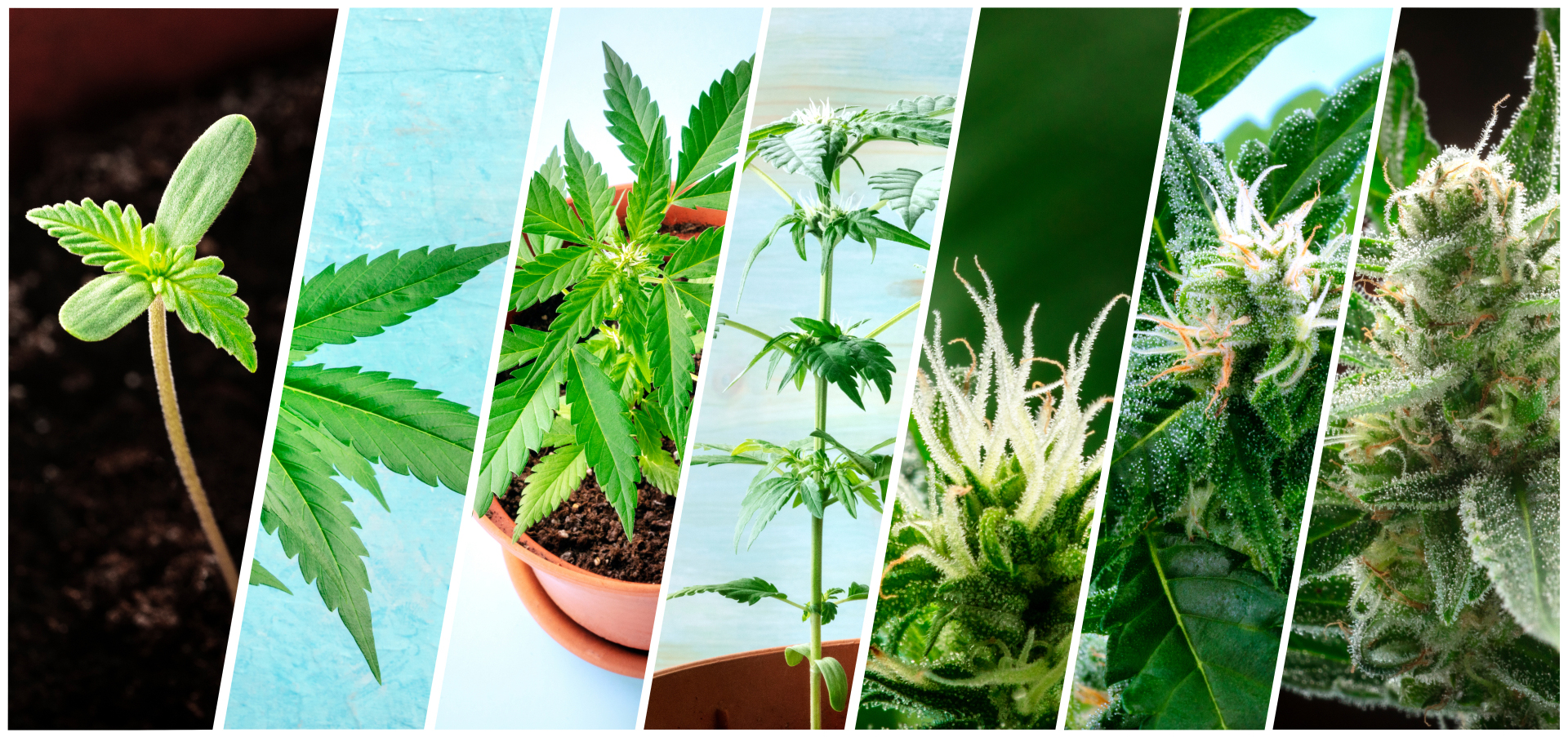
The workload of an outdoor grow changes through the season because the plant changes and the weather changes with it. A useful weekly estimate therefore needs at least three phases: establishment, vegetative expansion, and flowering. Harvest should be treated as a separate project because it can dwarf the routine weekly labor.
Early season is usually light on plant work but high on observation
When a plant is newly established outdoors, the physical jobs are small. There are fewer branches to support, less canopy to inspect, and lower total water demand. But the first weeks deserve attention because you are still checking whether the site assumptions were correct.
You may spend time watching acclimation, confirming irrigation coverage, checking that wind is not damaging soft growth, and making sure the root zone is not staying too wet.
This is a good example of why time should be categorized. Early-season work may be mostly verification labor rather than pruning or watering labor.
Midseason often shifts labor toward water and structure
As the canopy expands, water use can rise quickly. Container plants make this especially obvious because the root volume is limited and the leaves can become a large evaporative surface relative to the pot.
At the same time, branches are longer and wind leverage increases. Support systems that were barely noticeable early in the season begin to matter. Training, if you use it, can also add repeated small jobs rather than one large session.
If you hand water, this is often when irrigation becomes the largest weekly task. If you use drip, the time may shift from carrying water to checking emitters, filters, pressure, and wetting uniformity.
Research in outdoor cannabis production has used drip irrigation specifically to reduce labor and time constraints at field scale. That does not mean every home grow needs automation. It shows why irrigation method becomes a labor decision as scale increases.
Flowering changes the value of inspection time
Once flowers begin developing, the consequences of missed moisture or structural damage increase. Dense flowers can hold water. Heavy branches can split. Odor may become more noticeable. Some pests and diseases become easier to miss inside a larger canopy.
This does not mean you should spend hours staring at the plant every day. It means the inspection should become more deliberate.
A five-minute late-flower check after rain may be more valuable than an hour of unnecessary tinkering during a calm vegetative week.
Remember: The busiest stage is not always the one with the most scheduled tasks. It is often the stage where short inspections must happen more frequently because the cost of missing a problem is higher.
Photoperiod affects the labor calendar indirectly
Outdoor photoperiod-sensitive cannabis does not begin flowering on one universal date. Critical photoperiod varies with genetics, latitude changes the seasonal day-length pattern, and twilight can influence the effective light environment.
For time planning, the practical lesson is simple: do not schedule your heavier flowering inspections only from a calendar. Start increasing attention when the plant actually begins reproductive development and when your local weather starts becoming less forgiving.
If flowering begins later than expected, the high-attention part of the season may overlap more closely with autumn rain or frost risk. That can increase weekly labor even when the plant itself is healthy.
Cultivar architecture changes the minutes per inspection
A compact, open plant is faster to inspect than a huge dense canopy. A cultivar that develops many branches and thick interior growth may take longer because you need to look inside, below, and around the plant rather than only at the outer leaves.
Large plants also take longer to support and longer to water by hand. The labor difference can become dramatic late in the season.
This is one reason a first-time grower with limited weekly time may be happier with a manageable plant size than with the largest cultivar the site could theoretically support.
Does an autoflower always take less weekly work because the season is shorter?
Question sent by: Olivia Carter, via contact form.
Not necessarily. The total season is shorter, but the plant has less time to recover from early stress, so missed irrigation or a rough establishment week can matter more. A compact autoflower may reduce support and canopy-management time, but you should still plan regular observation. Shorter calendar time does not automatically mean lower attention per week.
Harvest week should not be hidden inside the weekly average
Harvest, leaf removal, moving plant material, hanging, cleaning, and trimming can take far longer than a normal maintenance week. Occupational work on outdoor cannabis farms has documented harvesting, bud stripping, hanging, and trimming as distinct labor activities, and worker exposure research also shows that post-harvest handling is a real work environment rather than a quick final step.
If you average those hours across the whole season, the final number may look reasonable while still leaving you completely unprepared for the actual harvest workload.
Budget harvest separately. Ask who will help, where the work will happen, how much can be processed safely in one session, and what happens if several plants become ready close together.
Practical setup/response plan with materials, placement, inspection points, and a backup option
Now we can turn the time estimate into a repeatable system. The aim is not to schedule every minute of the garden. It is to create a small routine that catches problems early and keeps routine jobs from expanding unnecessarily.
Use a two-level weekly routine
The simplest structure is a combination of quick checks and one full weekly inspection.
A quick check is short. You look for sudden changes: wilt, broken branches, standing water, obvious pest damage, a failed emitter, a fallen container, or anything the weather changed. If the garden is nearby, this may take only a few minutes.
The full inspection is slower. You look at the upper canopy, inner canopy, lower leaves, leaf undersides, branch junctions, ties, stem base, root-zone surface, drainage, irrigation equipment, and the site boundary. You also review the coming weather and write down any change you made.
This division helps because you do not have to perform a full diagnostic every day. You stay connected to the garden without turning it into a constant obligation.
Time the routine instead of estimating it
For one week, use the timer on your phone. Start when the grow task begins and stop when it actually ends.
Track the following separately:
| Time Category | What to Include |
|---|---|
| Access | Walking or driving to the site, unlocking access, carrying tools, setup and pack-down. |
| Inspection | Canopy, leaf undersides, stems, ties, root zone, pests, disease signs, weather damage, boundary checks. |
| Irrigation | Preparing water, moving hoses or cans, mixing approved inputs when used, actual watering, emitter checks, cleanup. |
| Plant work | Tying, support, selective pruning, sanitation, removing damaged material, other planned maintenance. |
| Records | Weather note, irrigation note, observations, photographs, changes made and follow-up plan. |
| Event response | Storm preparation, frost protection, heat response, drainage problems, broken branches, urgent pest or disease work. |
At the end of the week, add the categories. That number is more useful than any generic estimate because it describes your actual garden.
Build the weekly time equation
You can keep the calculation simple:
Weekly time = access + inspection + irrigation + planned plant work + records + event response.
For a calm week, event response may be zero. During bad weather it may become the largest category.
If you want a more conservative planning number, add an event reserve. For example, if the garden normally uses ninety minutes but your climate regularly creates one extra storm or heat response, reserve another thirty to sixty minutes in your schedule. You are not committing to use that time. You are keeping the week flexible enough that the plant can receive attention when conditions change.
Use task batching carefully
Some jobs are faster when combined. If you are already at the plant for irrigation, you can inspect the stem base and root-zone surface at the same time. If you are adjusting one support tie, walk around and check the others before putting the tools away.
Batching becomes a problem when it delays urgent observation. Waiting until Saturday to check a plant that experienced a severe storm on Tuesday is not efficient. It is deferred risk.
Batch routine jobs. Do not batch weather response.
Decide whether irrigation automation really saves time
A drip system can reduce repetitive hand-watering labor, especially when several plants require frequent irrigation. But the system still needs inspection. Filters can clog. Emitters can stop. Lines can leak. A timer can run at the wrong time or fail completely.
The labor changes form. Instead of standing with a hose for twenty minutes, you may spend five minutes confirming that the wetting pattern and emitter flow are correct.
For a small garden, hand watering may remain faster because setup is minimal and you receive direct feedback from every container. For a larger or more distant garden, drip can be a major time saver if it is installed and checked properly.
Keep the tool kit close to the work
If every five-minute tie adjustment requires ten minutes looking for scissors, soft ties, gloves, or a spare stake, tool organization becomes part of the labor problem.
Keep a small legal and weather-safe kit near the garden when appropriate, or use one portable container that always holds the same essentials. Clean cutting tools after use and store nutrients, pesticides, and other chemicals securely away from children and animals.
This is not glamorous efficiency. It is simply removing friction from jobs you will repeat.
Set three inspection points so you do not wander around aimlessly
A structured inspection is faster than an unfocused one. Use the same order every week.
Start with the plant: canopy, leaf undersides, stems, branch junctions, and flowers when present. Move to the root zone: moisture, drainage, container stability, soil surface, irrigation coverage. Finish with the site: wind damage, shade changes, weeds, access, security, neighbor impact, and weather forecast.
This sequence gives the weekly inspection a beginning and an end. You are less likely to forget the lower stem because the top of the plant looked interesting.
Create a backup person or backup system before you need one
Outdoor plants do not pause because you are traveling, sick, or working late. If the garden requires frequent watering, decide what happens when you cannot be there.
The backup may be a tested irrigation system, a legally authorized household member who knows exactly what to check, or enough root-zone buffering that one missed evening is not an emergency.
Write simple instructions. “Water if needed” is not very useful. “Check moisture at this depth, use this amount only if the root zone has reached this condition, and call me if the emitter is not flowing” is much better.
Pro Tip: The best time-saving system is the one that removes repeated friction without removing observation. Automation should reduce carrying and repetition, not make you stop looking at the plant.
Would I save more time with drip irrigation if I only grow two plants?
Question sent by: MapleGrower, via Facebook page.
Maybe, but calculate the whole system. If a hose is already beside the plants and hand watering takes ten minutes, a drip system may save very little after you include setup, flushing, emitter checks, and winter storage. If the plants dry quickly, the site is remote, or you already spend a large part of the week carrying water, drip can save much more. Time the current watering routine first, then decide.
Failure modes: stagnant air, trapped moisture, heat load, frost, wind damage, water shortage, security, or neighbor impact
Most weeks are not ruined by routine work. They are ruined by one problem that expands because it was discovered late. This is why the best labor strategy is not simply doing less. It is spending a small amount of time at the point where that time prevents a larger job.
Stagnant air and trapped moisture create late-flower inspection labor
In vegetative growth, a damp inner canopy may seem like a minor site issue. In flowering, the same condition deserves more attention because moisture can remain inside dense flowers where damage is difficult to see early.
After rain or heavy dew, spend a few minutes checking the interior. If the outer canopy has dried but the inside remains wet, note how long the drying takes. This small inspection is much cheaper than removing extensive diseased material later.
Field disease guidance for hemp consistently emphasizes weather monitoring, airflow, drainage, and reduction of prolonged leaf wetness. The labor lesson is straightforward: during risky weather, short targeted inspections should become more frequent.
Heat load increases watering frequency and therefore time
A container on a hot patio can turn a normally simple irrigation schedule into several checks per week. Add wind and a large canopy, and the change can happen quickly.
If watering starts consuming too much time, do not immediately assume the plant is simply “thirsty.” Check whether the container is undersized for the plant, whether the surface is heating the root zone, whether wind exposure is excessive, and whether the medium is wetting evenly.
A design correction can remove hours from the rest of the season.
Frost and storm response belongs in the event budget
You may spend nothing on frost protection for months and then need an hour on one evening to prepare the plant safely. The same is true of storms. Support, moving a legal movable container, clearing drainage, or checking branches afterward can create a short labor spike.
Do not average those events away. Keep an event reserve in your schedule during the part of the season when the risk is realistic.
Wind damage is faster to prevent than repair
A loose tie can take thirty seconds to fix. A split branch can require cleaning, support, repeated rechecks, and potentially removing damaged tissue.
During your weekly inspection, look for branch junctions beginning to flex, ties rubbing stems, stakes loosening, and containers shifting. The larger the plant becomes, the more value those few minutes have.
Deferred maintenance is not saved time
Skipping a small correction can convert a fast job into emergency work. A clogged emitter, loose support, blocked drainage hole, or early pest problem is usually cheaper in time when found during routine inspection than after the plant shows widespread stress.
Water shortage can turn every irrigation into logistics
If the normal water source fails, the plant still needs a solution. Carrying emergency water, repairing hoses, finding containers, or arranging access can consume far more time than routine irrigation.
Test the backup before summer. Know where additional water comes from and how it reaches the plant. If your system uses a pump or timer, know how you will irrigate manually if the system fails.
A backup that has never been tested is only an idea.
Security can create labor when the site is poorly planned
Repeatedly moving plants to hide them, rebuilding improvised screening, or checking a vulnerable gate every evening is a sign that security was not integrated into the site design.
Use legal, passive measures suited to the property. Fences, ordinary locks, appropriate privacy screening, and normal cameras where lawful can reduce recurring worry without creating hazardous traps.
If security requires constant physical intervention, reconsider the location or the system rather than adding more improvised barriers.
Neighbor impact often appears late in the season
A small vegetative plant may be almost irrelevant to nearby households. A large flowering plant can become visible, aromatic, and physically close to a boundary. Water runoff and nighttime security lighting can also create problems that were not obvious earlier.
Add a boundary check to the weekly routine as the plant gets larger. Stand outside the immediate garden and look back. Has the plant crossed a property line? Is runoff leaving the site? Is odor noticeably stronger from a neighboring direction? Is a security light shining directly across the boundary or onto the plant at night?
These checks take minutes and can prevent a much larger time and relationship problem later.
Pests and disease are where inspection time earns its keep
Outdoor crops live among insects, fungi, bacteria, and wildlife. The goal is not to create a sterile plant. It is to recognize when normal outdoor life becomes damaging pressure.
A quick weekly look under leaves and inside the canopy is more efficient than waiting until symptoms cover the plant. When conditions are favorable for disease or when you have already found a problem, increase inspection frequency temporarily.
Do not treat every spotted leaf as an emergency. Identification comes first. Unnecessary treatment can consume time, money, and plant health without solving the real cause.
Should I count pest scouting as separate work if I already look at the plant while watering?
Question sent by: Emma, via X.
You can combine them, but make the scouting deliberate. Watering naturally draws your eyes to the root zone and outer leaves. A real scout also checks leaf undersides, inner growth, stems, flowers when present, and a few representative points around the plant. If you can add that structure to irrigation without rushing, it does not need a separate visit.
Use an event log so recurring problems become visible
When a problem adds extra work, record both the cause and the minutes. If wind support consumes forty minutes three weeks in a row, that is not random bad luck anymore. It is evidence that the support system or site exposure needs redesign.
The same applies to watering, drainage, shade management, or repeated pest treatment. Time records reveal which part of the grow is inefficient.
Legal/safety boundary without guessing local rules or recommending dangerous traps
Time planning does not override the legal or safety boundary. A shortcut that creates unlawful cultivation, unsafe access, hazardous electricity, chemical exposure, or dangerous security is not an efficient grow method.
Confirm legal access before counting the weekly schedule
Home cultivation rules vary between countries, states, provinces, territories, municipalities, rental agreements, and property associations. Some places prohibit home cultivation entirely. Others regulate plant count, visibility, locked areas, age, outdoor placement, or possession after harvest.
Verify the rules that apply to your actual address using current official sources. Do not assume that a rule from another jurisdiction or an old forum thread applies to you.
Also confirm that you have legal permission to use the land. A remote field, forest clearing, or unused-looking property is not a substitute for permission.
Do not save time with dangerous security
Ordinary legal fencing, locks, privacy screening, and cameras where lawful can be reasonable. Concealed tripwires, sharp obstacles, improvised electrification, traps, or devices intended to injure a person or animal are not appropriate garden security.
They create legal and safety risks and can harm children, pets, wildlife, visitors, or emergency responders.
If the garden cannot be made secure without dangerous measures, the correct solution is a different security design or a different site.
Outdoor electricity should reduce work without creating risk
Timers, irrigation pumps, cameras, and other equipment can reduce repetitive labor. Use outdoor-rated equipment installed according to applicable electrical requirements. Do not run improvised indoor connections through wet garden areas or leave plugs where irrigation and rain can reach them.
A failed or unsafe electrical shortcut can turn a time-saving device into the most serious problem in the garden.
Store chemicals and tools so the labor system remains safe
If you use nutrients, pesticides, cleaning products, or concentrates, store them in suitable labeled containers away from children and animals. Keep cutting tools secure. Do not leave concentrated solutions sitting in open buckets simply because you plan to use them later.
Safety adds a few seconds to each work session: close the container, clean the tool, put the product away. Those seconds belong in the routine.
Safety Note: Efficiency means removing unnecessary repetition. It does not mean skipping legal checks, electrical safety, chemical storage, or safe access. Those controls are part of the grow, not optional overhead.
Do not work exhausted during high-risk jobs
Harvest, ladder use, heavy water carrying, moving large containers, and storm preparation can be physically demanding. If the workload exceeds what you can do safely in one session, split the work or get lawful help.
The garden should fit your physical capacity as well as your calendar.
Pre-season and weekly checklist that turns the article into a repeatable field procedure
We can now reduce the whole article to a procedure you can run every week. The purpose is to answer the original question with your own data.
After two or three weeks of tracking, you should be able to say not just, “My grow takes about two hours,” but, “My normal week takes ninety minutes, hand watering adds forty minutes during hot weather, and a storm-response week needs another hour.” That is a useful time budget.
Pre-season: calculate your theoretical week
Before planting, estimate the recurring work using the real site.
Time the access route. Time one complete watering cycle using the intended equipment. Estimate how long a structured inspection will take based on plant count and access. Add any repeated site jobs such as opening a locked area, moving a hose, checking a tank, or walking a property boundary.
Then add a modest event reserve during the part of the season when heat, storms, heavy rain, or frost are common.
| Weekly Category | Planning Question |
|---|---|
| Access | How many visits are realistic, and how many minutes does each round trip require? |
| Inspection | How long does it take to inspect every plant from canopy to root zone without rushing? |
| Irrigation | How long does a complete irrigation take during high-demand weather? |
| Plant work | Will training, support, pruning, or sanitation create a recurring task? |
| Records | Can you reserve five to ten minutes for notes and photos? |
| Event reserve | How much unscheduled time can you make available when weather changes? |
Week 1: measure instead of guessing
During the first full week, use a timer. Do not try to work faster because you are timing yourself. Record the real duration.
Note each visit separately. A simple record might say:
Monday: five-minute quick check.
Wednesday: twenty-five minutes watering and root-zone inspection.
Friday: five-minute weather check after wind.
Sunday: forty-minute full inspection, support adjustment, cleanup, and notes.
Total: seventy-five minutes.
Now you have a baseline.
Week 2: identify the largest time category
Look at the baseline and ask where the minutes went. If irrigation used most of the time, the next efficiency question is water delivery. If access used most of the time, the grow is travel-heavy. If plant work used most of the time, ask whether you chose an intentionally high-maintenance training style.
Do not optimize everything at once. Pick the largest recurring category first.
Week 3: change one part of the system and remeasure
If you add a longer hose, change irrigation layout, reorganize tools, or alter the support system, repeat the timer for another week.
Did the change reduce time without making observation worse?
If yes, keep it.
If the new system creates more checking or new failure points than it removes, the apparent efficiency may not be real.
Recalculate when the plant enters a new stage
Your spring baseline will become outdated. Recalculate when the plant becomes much larger, when watering frequency changes, and again when clear flowering begins.
During flowering, include post-rain checks and slower inspection of dense growth. As harvest approaches, make a separate harvest labor plan rather than increasing the weekly average.
How Much Time Does Your Outdoor Grow Actually Need?
- Record how many minutes a complete round trip to the garden takes.
- Count the number of visits made during the week.
- Time one complete irrigation instead of estimating it.
- Record whether irrigation frequency increased because of heat, wind, container size, or plant growth.
- Perform one structured canopy-to-root-zone inspection each week.
- Use short extra checks after storms, heavy rain, extreme heat, or other meaningful weather events.
- Check support ties and branch junctions before damage appears.
- Inspect the inner canopy more carefully once flowers become dense.
- Record time spent on pest or disease diagnosis separately from normal scouting.
- Count tool setup, cleanup, and recordkeeping as real labor.
- Record any repeated emergency job that appears more than once.
- If the same job keeps consuming time, ask whether the site or system can be redesigned.
- Recalculate the weekly baseline when plant size or developmental stage changes.
- Keep harvest and post-harvest work outside the normal weekly average.
- Maintain a realistic event reserve during the risky part of your local season.
Use three workload bands instead of chasing one perfect number
Once you have real records, classify the week.
Light week: Routine observation and irrigation fit comfortably into the baseline. No major weather or plant problem adds work.
Normal active week: Water demand, support, training, or flowering inspection adds noticeable time, but the work still fits your planned schedule.
Event week: Heat, storms, heavy rain, pest or disease response, equipment failure, or another unusual condition creates significant extra labor.
This system is more useful than pretending every week should match the same number.
Example time profiles
The following are editorial planning examples, not scientific standards. They show how the same crop can produce different workloads depending on the system.
| Example Setup | Possible Weekly Pattern |
|---|---|
| One or two nearby plants with simple irrigation | Short daily or near-daily walk-bys plus one structured weekly inspection. A calm week may fit around one to two hours total, while late flower or weather events can add more. |
| Two to four large hand-watered containers | Irrigation may become the dominant task during hot weather. Several hours per week can be realistic once watering, inspection, support, and cleanup are counted. |
| Small garden on reliable drip | Less time standing with a hose, but scheduled emitter, filter, timer, and wetting-pattern checks remain necessary. Labor shifts from delivery to verification. |
| Legal remote site | Plant work may be modest, but travel can dominate the weekly total. Three short visits can consume hours if each includes a long round trip. |
| Late-flower wet-weather week | Repeated moisture and disease checks, support work, and weather response can push the total well above the normal baseline even if irrigation demand falls. |
When the workload is too high, change the system before reducing observation
If the garden takes more time than you can sustain, do not solve the problem by simply looking at the plants less often.
Find the labor source.
If watering is the problem, improve water delivery or root-zone buffering. If travel is the problem, reconsider site logistics. If the canopy is too large to inspect safely, manage plant size differently next season. If repeated storm repair is the problem, strengthen support or choose a more sheltered position.
The workload is giving you design feedback.
The most useful weekly number is the one you can repeat
For many small home gardens, the normal weekly commitment is measured in hours rather than in entire days. But the exact total depends less on cannabis as a species than on the choices around it: plant count, size, containers, irrigation, site access, weather, training style, and how close the crop is to flowering or harvest.
A good garden routine should feel predictable most of the time. You know which quick checks matter, you know when the full inspection happens, and you have enough flexibility to respond when weather changes the plan.
If you find yourself spending large amounts of time repeatedly correcting the same problem, that is not simply “what outdoor growing requires.” It is a signal that some part of the setup deserves redesign.
Measure one real week. Recalculate when the plant changes. Keep harvest separate. And build enough spare time into the season that an unusual weather event does not turn a hobby garden into an emergency.