
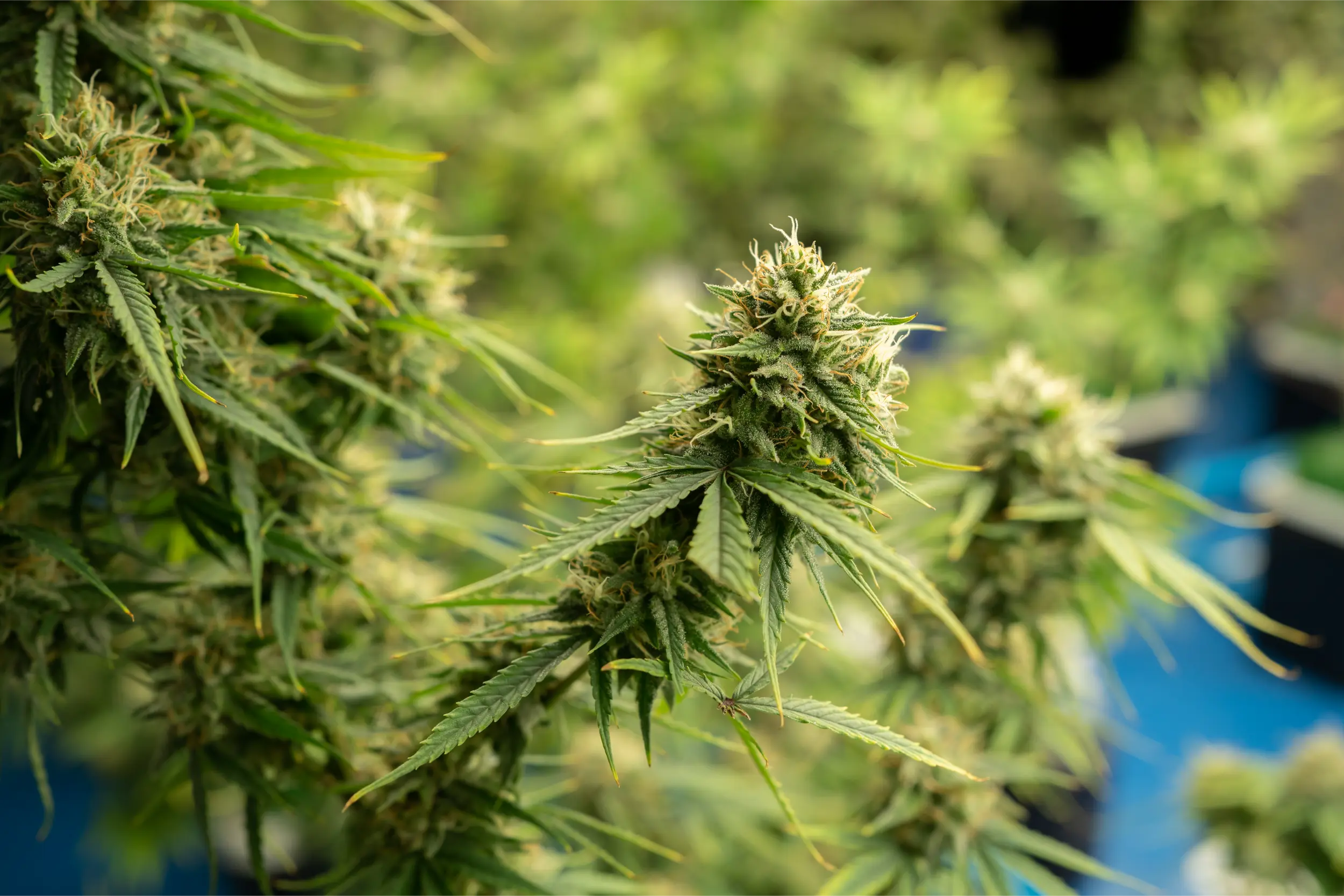
Papaya
Papaya – Strain Profile & Grow Guide
Papaya is a compact, resin-forward cannabis cultivar recognized for ripe tropical fruit, peppery earth, and a calm body effect that can remain surprisingly functional at lighter doses. The name has been used for more than one genetic release, which makes this strain less uniform on paper than its reputation suggests. The classic Papaya profile most growers seek is an indica-leaning plant with a short flowering cycle, sturdy branching, chunky flowers, and an aroma that sits somewhere between ripe papaya, mango flesh, fermented fruit peel, and warm spice.
The main cultivation question is not whether Papaya can produce resin. It usually can. The harder question is how to preserve a vivid tropical aroma instead of finishing with dense but generic earthy flower. Harvest timing, nitrogen restraint, drying speed, and phenotype selection matter more than aggressive yield techniques.
Strain Features
| Feature | Details |
|---|---|
| Strain Type | Indica-dominant hybrid; exact ratio varies because different Papaya releases exist |
| Genetic Profile | Disputed. Older records describe Mango-type and Citral-derived ancestry, while other records list Citral #13 x Ice #2. Later releases may use different genetics. |
| THC | Commonly reported from the mid-teens into the mid-20% range, depending on phenotype and source |
| CBD | Usually very low |
| Effect Character | Calm mental lift, reduced tension, gradual body relaxation, and stronger sedation at higher doses |
| Flavor and Aroma | Ripe papaya, mango, tropical peel, sweet musk, pepper, earth, and occasional floral or citrus notes |
| Common Terpenes | Myrcene, beta-caryophyllene, limonene, with ocimene, humulene, or linalool appearing in some samples |
| Flowering Time | Usually about 8 to 9 weeks indoors for classic compact expressions |
| Outdoor Harvest | Often late September to early October in suitable Northern Hemisphere climates |
| Plant Structure | Short to medium height, sturdy frame, close internodes, broad leaves, strong central and lateral flower formation |
| Stretch | Low to moderate, commonly around 1.2x to 1.6x |
| Bud Structure | Chunky, resinous, and compact with a favorable calyx-to-leaf ratio in selected phenotypes |
| Climate Tolerance | Generally resilient to heat and moderate stress; dense flowers still require dry late-season conditions |
| Training Compatibility | One topping, low-stress training, SOG, a low open screen, and selective lower pruning |
| Grow Difficulty | Easy to moderate, with phenotype selection and flavor preservation as the advanced challenges |
| Main Quality Risk | Overripe harvest and fast drying can turn tropical fruit into dull musk, earth, or hay |
Genetic Lineage
Papaya’s lineage requires careful wording because the name does not represent one universally stable genetic identity. Older descriptions connect the classic cultivar to Mango-like tropical genetics and Citral-derived stock. Other records describe a cross involving Citral #13 and Ice #2. More recent releases under the same name have used different parentage altogether.
This uncertainty explains why grow reports can appear contradictory. One plant may be squat, fast, and intensely fruity. Another may stretch more, smell sharper, or produce less obvious papaya aroma. The most recognizable classic phenotype usually combines compact indica morphology, heavy resin, fast flower development, and a ripe tropical-funk profile.
For growers, the practical lesson is more valuable than forcing one pedigree into a definitive statement. Select for the traits that define the desired Papaya experience: sturdy branching, manageable stretch, dense but not excessively leafy flowers, early resin development, and a clear tropical aroma by mid-to-late flower. A plant that stays compact but never develops fruit may still be healthy, yet it may not represent the flavor-focused phenotype most people expect.
Effect Breakdown
Light Dose: Calm Without Immediate Heaviness
At a light dose, Papaya can feel mentally smooth and socially comfortable. Users often report a gentle mood lift, reduced irritability, and less internal noise. The effect is usually less sharp than a citrus-heavy sativa and less instantly sedating than a heavy Kush. This makes a small amount suitable for music, cooking, quiet conversation, or unwinding after work.
Moderate Dose: Body Comfort Becomes Central
As the dose rises, physical relaxation becomes more obvious. Muscles loosen, movement slows slightly, and appetite may increase. The mind often remains pleasant rather than foggy, but sustained concentration becomes less appealing. This middle range is where Papaya earns its reputation as a relaxing hybrid rather than a purely narcotic indica.
Heavy Dose: Sedation and Sensory Softening
At higher doses, Papaya can become deeply calming and sleepy. The tropical aroma may encourage repeated use before the full body effect has arrived, so inexperienced users should wait before consuming more. Dry mouth, dry eyes, appetite, and reduced coordination are common possibilities. Sensitive users may still experience anxiety from high THC, even when the strain is usually described as calming.
Flavor & Aroma Profile
Ripe Fruit Rather Than Candy
Papaya’s best aroma is not simply sweet. It resembles ripe tropical fruit that has reached the point where the flesh is soft and the peel carries a faint fermented edge. Mango, papaya, guava, and overripe melon comparisons are common. The sweetness is supported by musk, pepper, and earth, which give the flower depth.
Phenotype Variation
Fruit-forward phenotypes can smell bright and juicy when broken apart. Funkier phenotypes may lean toward fermented peel, black pepper, hash, and damp earth. Some plants show a floral or citrus top note. Others remain more neutral until curing reveals the fruit beneath the spice.
Inhale and Exhale
The inhale often brings mango-like sweetness, soft tropical fruit, and a creamy texture. The exhale is drier and more savory, with pepper, earth, and herbal musk. A properly cured sample leaves a lingering fruit-peel aftertaste rather than sugary candy.
Poorly finished Papaya can become disappointing because the same compounds that create ripe fruit can read as generic musk when the flower is harvested too late or dried too warm. The desired target is ripe fruit with definition, not maximum overripeness.
Dominant Terpenes
| Terpene | Likely Role in Papaya |
|---|---|
| Myrcene | Commonly associated with the cultivar’s ripe fruit, musk, and herbal base. It may help explain why some samples feel physically heavy, although effects remain dose- and sample-dependent. |
| Beta-Caryophyllene | Adds pepper, dry spice, and warmth. It gives structure to the tropical sweetness and becomes more obvious on the exhale. |
| Limonene | Supports brighter fruit, citrus peel, and a cleaner top note. Fruit-forward phenotypes often feel more vivid when limonene is prominent. |
| Ocimene | May contribute sweet, green, tropical, and lightly floral notes in some samples. It is not consistent enough to call universal. |
| Humulene or Linalool | Humulene can deepen the earthy-herbal base, while linalool can soften the profile with floral sweetness. Their presence varies between phenotypes. |
The name Papaya does not guarantee one terpene order. Cannabis chemovars with the same name can differ chemically, so the actual flower’s aroma and laboratory profile should be treated as more reliable than a generic strain chart.
Indoor vs. Outdoor Growing
| Decision Factor | Indoor Growing | Outdoor Growing |
|---|---|---|
| Plant Shape | Compact growth is easy to fit in tents and low rooms | Can form a broad, sturdy shrub with many short-to-medium branches |
| Flowering Speed | Usually fast enough for efficient indoor turnover | Early finish can help avoid the worst autumn weather |
| Flavor Control | Stable temperature and a cool dry protect tropical notes | Sun can deepen fruit and spice, but hot harvest weather can strip top notes |
| Humidity | Easier to manage around dense flowers | Morning dew and late rain can remain inside compact colas |
| Training | Works with SOG, one topping, or a lightly filled screen | Early topping and branch spacing improve light and storm resistance |
| Root Volume | Moderate containers can support a productive indoor plant | Larger root zones can create very heavy branching and increased water demand |
| Primary Limitation | Overfeeding a naturally compact plant and creating excess leaf mass | Heat near harvest, rain, and hidden moisture in dense flowers |
| Best Fit | Growers seeking a short, resinous, flavor-focused cultivar | Warm, sunny climates with a dry finish and a controlled drying space ready |
Papaya is often easier indoors because the grower can protect the volatile fruit character during late flower and drying. Outdoors, its resilience and manageable finishing time are advantages, but hot dry winds can flatten the aroma before harvest, while wet weather creates the opposite problem inside the buds.
Strain-Specific Grow Guidance
Vegetative Growth
Build support before the flowers demand it
Classic Papaya expressions usually establish a compact frame with broad leaves and close internodes. They do not need a long vegetative period to become dense. One early topping can create several strong mains. Repeated topping may produce too many short branches and a crowded interior, especially in small spaces.
Low-stress training works well because the branches are usually sturdy enough to hold a horizontal shape. Spread the plant early, then allow the selected tops to rise. A low screen can organize the canopy, but the plant does not need an aggressive SCROG to yield well.
Canopy Density and Pruning
Papaya’s compact growth can hide weak interior shoots. Remove thin branches that remain below the productive zone. The goal is to concentrate development into fewer, better-lit flowers rather than preserve every small site.
Broad fan leaves may overlap heavily during the transition. Remove only leaves that block several sites or trap humidity. A completely stripped plant may recover, but the stress offers little advantage. Papaya’s best flowers often come from stable, uninterrupted development.
Feeding Behavior
Papaya generally performs well on moderate feed. Excess nitrogen is the more common quality problem. Dark, clawed leaves and slow flower transition suggest the plant is being pushed too hard. High nitrogen can also increase leafiness around the buds, making both trimming and drying more difficult.
During mid-flower, maintain steady nutrition while the calyxes stack. Do not assume that a resinous strain needs a heavy bloom booster. Sudden nutrient spikes can burn leaf tips and reduce aroma quality without adding meaningful flower mass.
Watering and Root Health
The compact canopy can make the plant look smaller than its root demand. Water by container weight and plant response rather than height alone. Papaya tolerates short drybacks better than prolonged saturation, but repeated severe wilting can reduce growth and terpene expression.
A well-aerated medium helps the plant maintain steady water uptake during flower bulking. Outdoor plants in hot climates may drink heavily even though their structure remains relatively short.
Flower Formation and Resin
Resin often appears early and continues building across the flower surface. Buds may become firm before the aroma reaches full maturity. This is where growers sometimes harvest too soon for effect or too late for flavor. Watch the relationship between calyx swelling, pistil recession, and aroma development.
Harvest Window
For a brighter tropical profile, harvest when the flowers are fully swollen, most calyx trichomes are cloudy, and the aroma still reads as fresh ripe fruit. A later harvest can increase body heaviness and hashy depth, but the papaya-mango top note may become less defined.
Weedth Bud Flavor Tips
Protect the Fruit During Late Flower
High canopy temperatures can shift Papaya toward dull musk. Keep late-flower heat under control and avoid placing the most aromatic tops in hot stagnant corners. Outdoors, harvest planning matters if a heat wave is expected. A slightly earlier harvest at full maturity may preserve more fruit than leaving the plant through several days of extreme heat.
Dry Evenly
Papaya’s chunky buds can dry unevenly. The outside may feel ready while the inner stem area remains moist. Whole branches work well for medium-sized indoor flowers. Split oversized outdoor colas into sections if airflow cannot reach the center safely.
Research supports the idea that drying conditions can alter volatile retention and that cultivars may respond differently. Papaya should be dried cool, dark, and without direct fan contact. Rapid drying removes the high tropical notes first.
Cure for Integration, Not Reinvention
Curing can merge the fruit, pepper, and earthy base, but it cannot recreate terpenes lost during hot drying. Early cure may smell musky or sharp. After several weeks, the tropical character often becomes rounder and the smoke smoother.
Do not add fruit peel or other organic material to the container. It does not create Papaya flavor and can introduce moisture, mold, and foreign aromas.
Weedth Bud Boost Tips
Indoor
Use a short-to-moderate veg period, one topping, and a clean productive zone. Papaya’s compact architecture makes SOG a reasonable option when plant count and local laws allow, but uniformity depends on having a stable cut. Seed-grown plants may vary too much for a perfectly even SOG.
For fewer plants, a lightly filled screen works well. Keep the canopy shallow and remove weak lower shoots before the buds harden. The plant’s resin and density are genetic strengths, so environmental stability produces more benefit than extreme feeding.
Outdoor
Top once early and use a broad support cage. Papaya’s branches are often sturdy, but heavy late-season flowers can pull outer branches downward. Interior thinning before flowering improves sun penetration and reduces hidden humidity.
In very hot climates, mulch and a deep root zone help stabilize water availability. In humid climates, prioritize spacing and rain protection rather than maximum plant size. A smaller, open plant can produce more clean flower than a crowded giant.
Medical Uses & Benefits
Papaya is commonly selected by users seeking evening relaxation, temporary relief from tension, appetite support, and a calmer mood. Light doses may remain functional, while larger amounts are more likely to produce sedation.
These are reported experiences, not proof that Papaya treats pain, anxiety, insomnia, appetite disorders, or other conditions. THC-dominant flower can cause anxiety, dizziness, impaired judgment, and increased heart rate. The very low CBD content means the experience is primarily THC-driven. Medical users should seek qualified guidance, especially when combining cannabis with medications.
Ideal User Profile
Papaya suits users who enjoy tropical fruit but do not want a bright, racy sativa. It works best for late afternoon and evening, when mild mental ease can develop into body relaxation without conflicting with demanding tasks.
Flavor-focused consumers should look for flower that smells like ripe fruit plus pepper and earth, not simple sweetness. Users seeking immediate sleep may need a heavier phenotype or a larger dose, but increasing dose also raises the risk of unpleasant THC effects.
Growers who want a short, fast, resinous plant will appreciate Papaya. The cultivar is less suitable for someone who wants extreme stretch, huge outdoor tree structure, or a uniform experience from unverified seed stock. Phenotype selection is part of the project.
Grower Notes and Feedback
One recurring pattern is that Papaya often looks finished before the fruit aroma reaches its best point. Resin and density can develop early, while the tropical character continues evolving. Harvesting solely by frost may leave the flavor underdeveloped.
Growers also report that compact phenotypes are forgiving, but excess nitrogen quickly makes them too leafy. The strongest fruit usually comes from plants that remain healthy green rather than dark green and glossy through late flower.
Another common observation is that curing changes the balance more than the basic identity. Peppery or musky flower may become rounder and sweeter, but a non-fruity phenotype rarely transforms into a loud tropical one. Selection matters.
Weedth Editor's Note
What matters after the headline numbers
Papaya is a strain I would choose for flavor before potency. Its best quality is the contrast between ripe tropical fruit and a dry peppery base. That contrast disappears when the plant is overfed or the flowers are dried too fast.
I would keep the plant simple: one topping, a broad open shape, moderate nutrition, and very little late stress. I would also pay close attention to the moment when the aroma shifts from green fruit to fully ripe fruit. Waiting past that point may add weight and body heaviness, but it can reduce the freshness that makes Papaya distinctive.
The lineage uncertainty is not a weakness if the grower treats it honestly. It means the name should begin the evaluation, not end it. I would keep the phenotype that combines compact structure, early resin, and a clear mango-papaya aroma before considering yield alone.
Weedth Score
Growing Experience – 8.5/10: Compact growth, fast flowering, and general resilience make Papaya approachable. Phenotype inconsistency and dense-flower moisture management prevent a higher score.
Bud Structure & Visual Appeal – 8.6/10: Chunky, frosted flowers and a favorable bud-to-leaf ratio are common in good selections. Some plants become leafier or less dense.
Aroma Complexity – 8.9/10: Ripe tropical fruit, musk, pepper, and earth create a distinctive profile when the phenotype is right.
Flavor & Smoothness – 8.8/10: Properly dried Papaya can be creamy, fruity, and gently spicy. Poor post-harvest handling removes the tropical top notes quickly.
Effects & High Experience – 8.4/10: Calm, pleasant, and physically relaxing with useful dose flexibility. It is not the best choice for sharp daytime focus.
Overall Satisfaction & Recommendation – 8.7/10: Recommended for flavor-focused growers who want compact resinous plants and are willing to select phenotypes carefully.
The keeper is the plant that smells ripe before it smells heavy.
FAQ
What is the real lineage of Papaya?
The lineage is disputed because more than one release has used the name. Classic records connect Papaya to Mango-type and Citral-derived genetics, while other records list Citral #13 x Ice #2. Later versions may use different parentage. The specific source matters.
Is Papaya easy to grow?
Many compact expressions are forgiving and fast. The main advanced issues are controlling leaf density, selecting the right phenotype, preventing moisture inside chunky buds, and preserving fruit aroma after harvest.
How much does Papaya stretch?
Classic indica-leaning plants usually stretch modestly, often around 1.2 to 1.6 times their height at the flip. Some later or different releases may stretch more.
Does Papaya work in SOG?
Yes, especially from a uniform clone. Seed-grown plants may vary in height and flowering time, which makes an even SOG more difficult.
Why does my Papaya smell earthy instead of fruity?
The plant may be an earthy phenotype, or the fruit may have been lost through excess heat, overripe harvest, rapid drying, or poor storage. Curing can integrate existing aroma but cannot create missing tropical terpenes.
Is Papaya mold-resistant?
Some descriptions call it resilient, but no dense-flowered cultivar should be considered immune. Compact colas can trap moisture, especially outdoors or in crowded indoor canopies.
When should Papaya be harvested for the best flavor?
Look for fully swollen calyxes, mostly cloudy trichomes on the calyxes, receding pistils, and a ripe but still clear tropical aroma. Very late harvest may increase body heaviness while reducing fruit definition.
Similar Strains
Mango: The closest flavor comparison for ripe tropical sweetness and relaxing effects. Mango can feel softer and muskier, while Papaya often carries more pepper and fermented fruit peel.
Maui Wowie: Shares tropical fruit appeal but grows taller and produces a brighter, more energetic effect. It suits growers who want fruit without heavy indica structure.
Strawberry Banana: Similar resin production and creamy fruit character. It is often sweeter and denser, with more banana candy and less peppery funk.
Forbidden Fruit: Offers dark tropical and citrus-rind complexity with stronger color potential. Its effect and plant behavior can be heavier and more phenotype-dependent.
Pineapple Express: A more vigorous, daytime-friendly alternative with pineapple, citrus, and cedar rather than ripe papaya and musk.
Hash Plant: Similar compact structure, fast flowering, and resin focus, but with hash, earth, and spice replacing the tropical fruit identity.
Share this article
A quick overview of the topics covered in this article.
Follow us
Latest articles
August 15, 2026
August 15, 2026
August 15, 2026
August 15, 2026