
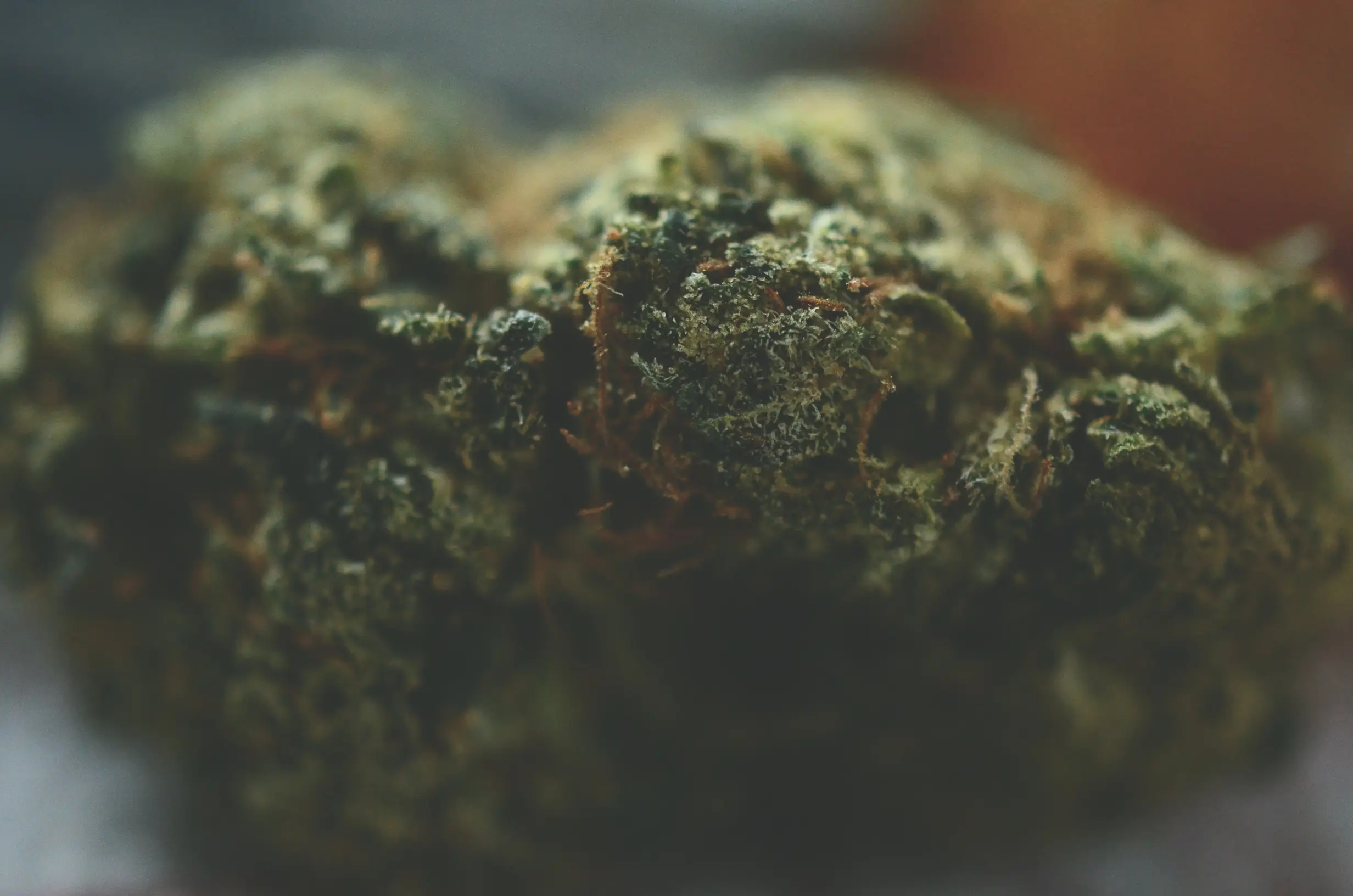
Peanut Butter Breath
Peanut Butter Breath – Strain Profile & Grow Guide
Peanut Butter Breath is a modern hybrid with one of the more unusual flavor identities in cannabis. Its name suggests sweetness, but the finished flower is usually more savory than sugary. The strongest examples combine roasted nuts, dry earth, herbs, wood, pepper, and a faint creamy or cocoa-like finish. The plant can be equally contradictory. It often stretches on long, flexible branches like a sativa-leaning hybrid, then fills those branches with dense, trichome-heavy flowers that behave more like compact indica buds during late flower and drying.
The central grow challenge is managing a leggy frame that later carries dense, moisture-sensitive flowers. Peanut Butter Breath needs early structural planning, moderate rather than excessive canopy density, and support before the flowers become heavy. Flavor also depends on restraint. Too much nitrogen, a late harvest, or a warm dry can turn the savory profile into plain earth and harsh spice.
Strain Features
| Feature | Details |
|---|---|
| Strain Type | Balanced hybrid to slightly indica-leaning, depending on phenotype |
| Genetic Profile | Do-Si-Dos x Mendo Breath F2 |
| THC | Commonly reported from the low 20s into the upper 20% range; results vary significantly by cut and cultivation |
| CBD | Usually very low |
| Effect Character | Cerebral easing and mild euphoria followed by increasing body relaxation and appetite |
| Flavor and Aroma | Roasted nuts, dry earth, herbs, wood, pepper, mild gas, and occasional cocoa or creamy sweetness |
| Common Terpenes | Limonene, beta-caryophyllene, humulene, myrcene, with linalool or pinene in some samples |
| Flowering Time | Usually about 9 to 10 weeks indoors, with some phenotypes finishing earlier or later |
| Outdoor Harvest | Commonly early to mid-October in suitable Northern Hemisphere climates |
| Plant Structure | Medium to tall, long lateral branches, moderate internodal spacing, dense flower clusters |
| Stretch | Moderate to strong, often around 1.5x to 2x |
| Branch Strength | Flexible and sometimes unable to hold late flower weight without support |
| Bud Density | High in selected phenotypes; compact centers increase humidity risk |
| Training Compatibility | Early topping, LST, open SCROG, selective supercropping before flower, and lower pruning |
| Grow Difficulty | Moderate; better suited to growers comfortable with stretch, branch support, and humidity control |
| Main Quality Risk | Crowded branches, late-flower moisture, and post-harvest loss of the subtle nutty-cream profile |
Genetic Lineage
Peanut Butter Breath combines Do-Si-Dos with Mendo Breath F2. The Do-Si-Dos side contributes dense resinous flowers, cookie-like earth, pepper, and strong visual frost. The Mendo Breath side adds softer sweetness, hashy funk, broader body relaxation, and the unusual savory character that helped define the cultivar.
The cross does not always produce a short plant. Many expressions develop long, somewhat sativa-like branches with dense indica-like flowers. This structure is one of the most useful identifying traits for growers. A plant may appear open and manageable early in flowering, then become difficult to support once each branch begins stacking heavy buds.
Phenotypes vary in flavor. Some lean toward roasted peanut, dry herbs, and wood. Others show more sweet dough, gas, cocoa, or hash. A few are visually excellent but aromatically quiet. Because the name is memorable, growers sometimes expect a literal peanut butter aroma from every plant. The best interpretation is broader: savory nuttiness created by a combination of terpenes and other volatile compounds rather than one compound that smells exactly like peanut butter.
Effect Breakdown
Mental Easing Before Physical Weight
Peanut Butter Breath often begins with a soft cerebral change rather than a sharp rush. Mood can lift, repetitive thoughts may slow, and sensory details become more noticeable. At a light dose, the effect may feel calm, creative, and conversational without obvious sedation.
The Middle Phase
As the high develops, the body begins to feel heavier. Tension in the jaw, shoulders, and back may soften. Appetite commonly increases. The mental effect remains present, but motivation shifts toward relaxed activities rather than demanding work. Films, music, gaming, and quiet social settings generally fit the strain better than complex tasks.
Dose Matters
A larger dose can produce substantial body heaviness, drowsiness, and reduced coordination. Some users also report a brief mentally active or racey period before relaxation settles in. This is especially possible in high-THC examples or in users with low tolerance. Dry mouth, dry eyes, dizziness, and anxiety remain possible.
The strain is best approached as an afternoon-to-evening hybrid. A small amount may remain functional, but the late phase often becomes heavier than the opening suggests.
Flavor & Aroma Profile
Savory First
Peanut Butter Breath does not usually smell like sweet peanut butter from a jar. The core aroma is closer to roasted nuts, dry peanut skin, wood, earth, and herbs. Pepper and faint gas add sharpness. Some phenotypes carry a creamy cookie or cocoa note that makes the nut comparison more obvious.
Broken Flower
Grinding releases the strongest contrast. Dry earth and pepper rise first, followed by oily nut, hash, and occasional citrus. Resin-rich examples can leave a sticky, savory scent on the fingers. If the flower has been overdried, the delicate creamy layer disappears and only wood and spice remain.
Palate Development
The inhale is often smoother and slightly sweeter than the aroma suggests. A mild dough or cream note can appear behind the earth. The exhale brings roasted nut, pepper, wood, and herbal bitterness. The aftertaste is usually dry and savory rather than candy-like.
A long cure can improve integration, but it should not be expected to turn a weak phenotype into a loud one. Peanut Butter Breath is a selection-sensitive strain. Some plants are intensely distinctive, while others are mostly earthy and visually impressive.
Dominant Terpenes
| Terpene | Likely Role in Peanut Butter Breath |
|---|---|
| Limonene | Often appears among the leading terpenes and can add a light citrus lift that keeps the savory profile from becoming flat. It may also support the brighter opening of the effect, although subjective responses vary. |
| Beta-Caryophyllene | Supplies pepper, dry spice, wood, and warmth. It is central to the cultivar’s roasted and savory impression. |
| Humulene | Can contribute dry hops, wood, earth, and herbal bitterness. It helps explain why the flavor often feels less sweet than the name suggests. |
| Myrcene | Adds musk, earth, and occasional ripe sweetness. Samples with more myrcene may feel heavier, but terpene dominance does not predict effect with certainty. |
| Linalool or Pinene | Linalool may soften the profile with floral cream, while pinene can add a fresh herbal edge. Their presence varies by sample. |
Laboratory examples show that terpene order can change significantly between batches. This reinforces the need to describe the finished flower in front of you rather than treat a strain name as a fixed chemical formula.
Indoor vs. Outdoor Growing
| Decision Factor | Indoor Growing | Outdoor Growing |
|---|---|---|
| Height Management | Training can control the stretch before branches reach lights | Long branches can expand widely and require early structural support |
| Climate Control | Easier to reduce late-flower humidity around dense buds | Best in warm, dry climates with low autumn rainfall |
| Flavor | Controlled temperatures help retain nutty, creamy, and herbal layers | Sun can deepen earth and hash notes, but heat may reduce subtle cream and citrus |
| Training | Open SCROG and branch spacing work well | Topping and wide caging create a stronger storm-resistant frame |
| Mold Risk | Moderate to high when colas overlap or air is stagnant | High in wet autumn conditions because dense buds can hold rain and dew |
| Harvest Timing | Multiple phenotypes can be monitored and harvested separately | Uneven outdoor exposure can make top and lower branches mature at different rates |
| Primary Limitation | Stretch plus heavy buds in a limited vertical space | Long season, branch breakage, and autumn moisture |
| Best Fit | Intermediate growers with trellis space and reliable humidity control | Dry, sunny climates where plants can finish into October without prolonged rain |
Indoor cultivation is generally safer for premium flower because it allows the grower to control both stretch and humidity. Outdoors, the plant can become productive and impressive, but the combination of long branches, dense buds, and a later finish demands preparation.
Strain-Specific Grow Guidance
Plan for the Transition Stretch
Do not judge final height from the vegetative plant. Peanut Butter Breath often opens its internodes after the flip and can produce long leaders. Top early enough for the new branches to strengthen before flowering. One or two toppings are usually sufficient.
Low-stress training should begin while stems are flexible. Spread the major branches and avoid letting several leaders rise from one crowded center. An open screen is useful, but the cultivar is not ideal for a tightly packed SOG because individual plants can vary in stretch and branch length.
Use Supercropping Carefully
The flexible stems can respond well to supercropping in late veg or very early transition. This can control height and strengthen bent sections. Stop major high-stress work once flower clusters are established. Late folds can create shaded, humid contact points and increase the chance of breakage.
Remove Weak Interior Growth
Long branches often produce small inner shoots that never reach the productive canopy. Remove them after the stretch pattern becomes clear. This improves the premium-bud ratio and gives air a path through the plant.
Do not remove every lower branch automatically. Some lower laterals can produce useful flowers if they reach the canopy edge. Judge by light exposure and branch strength rather than position alone.
Feeding Response
Peanut Butter Breath generally prefers steady moderate feeding. It can look hungry during the stretch because growth accelerates, but overcorrecting with nitrogen can keep stems soft and flowers leafy. Watch new growth color, leaf angle, and tip condition before increasing concentration.
In mid-flower, consistent calcium and overall mineral availability support the expanding frame and dense calyxes. Avoid unsupported claims that one additive creates the nutty flavor. Aroma comes from genetics, plant health, maturity, and post-harvest preservation.
Humidity and Airflow
Build support before the flowers demand it
The plant’s open branches can create a false sense of security. Once the buds harden, moisture risk increases inside each flower even when branches are not crowded. Keep air moving through and below the canopy. Support branches so colas do not lean against one another.
Late in flower, inspect the base of dense buds and any area where leaves enter the flower. A dead sugar leaf can be an early warning of hidden decay. Remove suspicious material and check adjacent buds immediately.
Branch Support
Install a trellis or support system before the plant needs it. Individual ties are useful for long outer branches. A second upper net can prevent mature tops from falling inward and closing the canopy.
Harvest Window
For a clearer nutty, herbal, and creamy profile, harvest when calyxes are fully swollen and trichomes are mostly cloudy with limited amber. A later harvest can deepen the body effect and hashy earth, but it may reduce citrus and cream.
Weedth Bud Flavor Tips
Do Not Overdry the Exterior
Dense Peanut Butter Breath flowers can retain internal moisture after the surface feels dry. A harsh fast dry removes the soft cream and leaves peppery wood. Dry whole branches when size and room conditions allow, but separate extremely dense colas if the center cannot release moisture safely.
Preserve the Savory Layers
The nutty impression is subtle and depends on contrast between spice, earth, citrus, and cream. High heat strips the brighter components and makes the flower taste one-dimensional. Use a dark, cool drying space with indirect air exchange.
Give the Cure Time to Round the Edges
Early cure may taste sharply peppery. Several weeks of stable curing can soften the spice and reveal dough, cocoa, or creamy notes. The flower should not be sealed while the center remains wet. Moisture equalization is especially important with rock-hard buds.
Outdoor flower often carries stronger earth and hash. Indoor flower may show cleaner cream and citrus. Neither is automatically better. The grower should preserve the expression created by the environment rather than force both toward the same flavor.
Weedth Bud Boost Tips
Indoor
Build fewer strong branches instead of many thin ones. One or two toppings, wide LST, and an open screen usually produce better support and airflow than repeated topping. Remove weak interior shoots after stretch.
Use a second support layer if needed. Better support does more than prevent snapping. It holds buds apart, improves light distribution, and reduces humid contact between colas.
Maintain a productive canopy depth. Long branches below the light may produce attractive but small flowers. Removing them early can redirect resources toward larger top and edge buds.
Outdoor
Begin with a broad cage and tie major branches outward while they are still flexible. Wind can strengthen the plant, but mature flowers add leverage that can split branch unions during storms.
Choose a site with morning sun so dew dries quickly. In wet climates, a temporary rain cover should remain open on the sides. Enclosing the plant can create more humidity than the rain itself.
Medical Uses & Benefits
Users commonly report choosing Peanut Butter Breath for evening stress, physical tension, appetite, and sleep preparation. Its gradual body relaxation may feel useful when the goal is to unwind without an immediate knockout effect.
These reports do not establish that the strain treats anxiety, pain, insomnia, appetite disorders, or other medical conditions. Evidence for cultivar-specific medical effects is limited. THC can impair memory, coordination, judgment, and driving ability, and high doses may increase anxiety. The low CBD content means the profile is mainly THC-driven.
Ideal User Profile
Peanut Butter Breath suits experienced or intermediate users who enjoy savory strains and prefer a slow transition from mental ease into body relaxation. It is best for late afternoon, evening meals, music, films, or low-pressure social settings.
It is less suitable for users seeking bright fruit, strong daytime motivation, or a gentle first cannabis experience. The potency and delayed heaviness can surprise someone who redoses too quickly.
For growers, it fits someone who enjoys shaping plants and can provide support. It is not difficult because it is fragile. It is demanding because the architecture changes during flowering, and the dense final buds require more care than the open early frame suggests.
Grower Notes and Feedback
Growers frequently mention phenotype variation in both structure and aroma. Some plants produce rock-hard, loud savory buds. Others are fluffy, quiet, or more generic. This makes selection especially valuable.
A common surprise is the stretch. The cross is often described as balanced or indica-leaning, yet many plants grow long branches after the flip. Growers who expect a short cookie plant can run out of headroom.
Another recurring point is support. Branches may look capable through mid-flower, then begin folding as the last weeks add density. Installing support late is possible, but it is harder to preserve spacing once the canopy has already collapsed inward.
Weedth Editor's Note
The point where this plant reveals itself
I would not grow Peanut Butter Breath without planning the support system first. The plant’s early openness is misleading. Those long branches eventually carry dense flowers, and the entire canopy can close in on itself if the tops are allowed to lean together.
The flavor is the reason I would select carefully. A good phenotype has a real roasted, herbal, nut-skin character with enough cream and citrus to keep it interesting. A weak phenotype can be little more than earth and frost. I would keep the plant that smells distinctive before harvest, not the one that merely looks the whitest.
I also think this strain benefits from moderation. Moderate feed, moderate defoliation, and moderate canopy density produce better flower than trying to push every variable. The finished buds already have genetic density. The grower’s job is to protect airflow, branch strength, and flavor.
Weedth Score
Growing Experience – 7.8/10: Responsive and vigorous, but stretch, branch support, and humidity demand planning.
Bud Structure & Visual Appeal – 9.0/10: Selected phenotypes produce dense, chunky, heavily frosted flowers. Variation can be significant.
Aroma Complexity – 8.8/10: Roasted nuts, herbs, earth, pepper, gas, and cream create a profile that stands apart from fruit-heavy hybrids.
Flavor & Smoothness – 8.6/10: Excellent after a careful cure. Overdrying quickly removes the cream and leaves a harsh woody finish.
Effects & High Experience – 8.5/10: A pleasant gradual shift from mental ease to body relaxation. High doses can become heavy and less functional.
Overall Satisfaction & Recommendation – 8.5/10: Strong recommendation for savory-flavor fans and growers comfortable managing structure. Phenotype selection is essential.
The best plant is not the one that smells sweetest. It is the one that makes earth, spice, and cream feel complete.
FAQ
Does Peanut Butter Breath really taste like peanut butter?
Not literally in every sample. The name describes a broader savory impression created by roasted nut, earth, herbs, pepper, and cream. Some phenotypes are strongly nutty, while others are mainly earthy or gassy.
How much does Peanut Butter Breath stretch?
Many expressions stretch around 1.5 to 2 times after the flip, although phenotype and veg conditions matter. Long lateral branches are common.
Is it suitable for SCROG?
Yes. An open SCROG helps control stretch and support branches. Avoid overfilling the screen because dense mature flowers need space and airflow.
Does Peanut Butter Breath need support?
Usually yes. Long flexible branches can bend when the buds harden. A trellis, upper support net, or individual ties should be installed before late flower.
Is Peanut Butter Breath prone to mold?
Dense flowers can be vulnerable, particularly in humid rooms or wet outdoor climates. The plant’s open frame does not eliminate moisture inside the buds.
Why is my phenotype not nutty?
Aroma varies genetically. Heat, overfeeding, late harvest, rapid drying, and excessive storage exposure can also reduce the creamy and citrus components that make the nutty impression more obvious.
When should it be harvested for the best flavor?
Harvest after full calyx swelling when most trichomes are cloudy and the aroma still contains cream, nut, and citrus. A later harvest can deepen earth and sedation but mute the lighter notes.
Similar Strains
Do-Si-Dos: Shares a parent and offers dense frost, pepper, earth, and strong evening effects. It is often sweeter and more cookie-like, with a more compact frame.
Mendo Breath: Contributes the soft hash, sweetness, and body relaxation. It is usually less peppery and may feel heavier.
GMO: Similar savory appeal and strong potency, but with garlic, onion, fuel, and a much longer, more aggressive flowering structure.
Biscotti: Offers nutty dough, spice, and dense modern flowers. Biscotti is sweeter and more dessert-like, while Peanut Butter Breath is drier and more herbal.
Animal Mints: Similar resin density and potent hybrid effects with more mint, cookie dough, and gas. It may require equally careful humidity control.
Hash Plant: A useful old-school comparison for resin, earth, spice, and physical relaxation. It grows more compactly and lacks the modern nutty-cream profile.
Share this article
A quick overview of the topics covered in this article.
Follow us
Latest articles
August 15, 2026
August 15, 2026
August 15, 2026
August 15, 2026