
Pink Runtz Strain: Complete Cultivar & Grow Guide
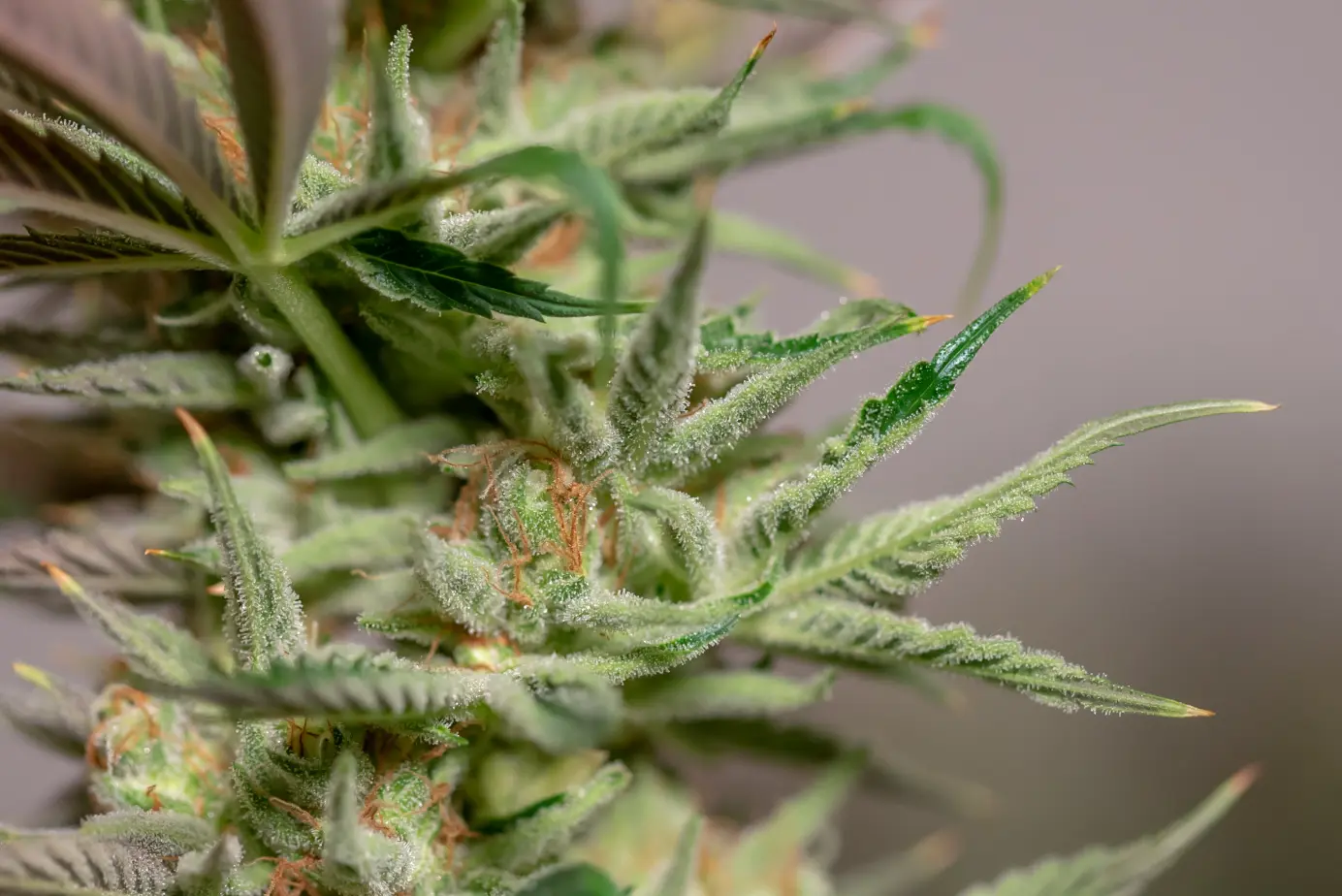
In the illustrious pantheon of modern California candy cultivars, few selections have captured the global imagination quite like Pink Runtz. Emerging from the legendary collision of Zkittlez and Gelato, Pink Runtz represents a rare, visually enchanting phenotypic expression of the original Runtz genetic dynasty. While sharing its parental foundation with classic Runtz and White Runtz, Pink Runtz distinguishes itself through its jaw-dropping floral coloration, exhibiting pastel pink, soft lavender, and magenta calyx tones beneath a heavy layer of glandular trichomes, accompanied by an intensely sweet, mouth-watering pink candy and berry sherbet terpene profile.
From a sensory and connoisseur perspective, Pink Runtz delivers pure confectionery indulgence. Breaking apart a cured flower releases an intoxicating wave of sweet strawberry gummies, candied cherries, pink fruit punch, creamy vanilla gelato, and soft, subtle diesel fuel undertones. When smoked or vaporized at low temperatures, the flavor coats the palate in sugary fruit syrup and velvety cream on the inhale, finishing with a delicate herbal spice and confectioner sugar glaze that lingers long after exhalation.
Agronomically, Pink Runtz exhibits a compact to medium hybrid growth habit characterized by sturdy branches, moderate internodal spacing, and a manageable 90% to 115% vertical stretch during the first three weeks of generative bloom. However, cultivating Pink Runtz to top-tier commercial standards requires attentive environmental control, calibrated electrical conductivity, and disciplined post-harvest drying. Its dense floral bracts demand active lower canopy defoliation and careful late-flower humidity management to prevent botrytis. This comprehensive technical cultivation guide provides commercial facility operators and craft growers with an exhaustive, field-tested agronomic blueprint covering genetic background, phenotype traits, precision crop steering, lighting science, and solventless extraction performance.
Cultivar Quick Overview: Pink Runtz
Pedigree: Zkittlez x Gelato (Special Phenotypic Selection)
Classification: Balanced Hybrid (50% Indica / 50% Sativa) | Average THC: 24% to 29%
Total Terpenes: 2.5% to 3.5% | Bloom Duration: 58 to 65 Days (8 to 9 Weeks)
Sensory Profile: Pink fruit gummies, sweet berry sherbet, candied cherries, creamy vanilla dough, soft sweet gas.
Canopy Challenge: Relatively slow vegetative growth requires early topping and gentle low-stress training; sensitive to overfeeding nitrogen during late flowering.
Strain Features
Pink Runtz occupies an elite tier in commercial cannabis retail, combining extraordinary bag appeal, mouth-watering candy aromatics, and balanced hybrid effects. The table below presents verified botanical and agronomic benchmarks for authentic cuts.
| Agronomic Metric | Botanical Specification | Commercial Target Range |
|---|---|---|
| Genotypic Pedigree | Zkittlez (Grape Ape x Grapefruit) x Gelato 33 (Sunset Sherbet x Thin Mint GSC) | Specialized pink candy phenotype selection |
| Taxonomic Classification | Balanced Hybrid (50% Indica / 50% Sativa) | Medium, compact architecture with sturdy lateral branches |
| Cannabinoid Potency Window | 24.0% to 29.5% Total Active Cannabinoids | Delta-9-THC: 23.0% to 28.0%, CBG: 0.7% to 1.3% |
| Flowering Cycle Duration | 58 to 65 Days (8 to 9 Weeks) | Commercial window: Day 60 to Day 63 |
| Vertical Stretch Index | 90% to 115% height increase during early bloom | Ideal for single or double-tier trellis setups |
| Terpene Density & Composition | 2.5% to 3.5% Total Terpenes (dry weight) | Dominant: Beta-Caryophyllene, D-Limonene, Linalool, Myrcene |
| Commercial Indoor Yield | 450 to 550 grams per square meter (g/m2) | Dense, golf-ball calyx clusters with minimal trim waste |
| Anthocyanin Trigger Threshold | Night temperatures maintained below 18.5 degrees Celsius (65 F) | Pastel pink, magenta, and soft lavender floral pigmentation |
| Target Lighting PPFD | 900 to 1,100 umol/m2/s in generative bloom | Supplemental CO2 recommended at 1,150 to 1,350 ppm |
| Optimal Vapor Pressure Deficit | Veg: 0.90 to 1.15 kPa | Mid Bloom: 1.25 to 1.45 kPa | Late Bloom: 1.50 to 1.65 kPa | Ensures steady transpiration without mold risk |
Genetic Lineage & Breeding History
The genetic story of Pink Runtz is inextricably linked to the meteoric rise of the Runtz family, originally bred in California by crossing Zkittlez with Gelato. When large-scale phenotype hunts were conducted across original Runtz seed lines, cultivators discovered rare individuals that expressed distinct chromatic and aromatic deviations from the classic green and purple Runtz profile. Pink Runtz was isolated as a stand-out selection that exhibited pastel pink and magenta pigmentation on its calyxes paired with an intensely sweet, sugary strawberry and cherry candy bouquet.
Zkittlez, the maternal contributor, is a world-renowned hybrid bred from Grape Ape and Grapefruit. Zkittlez transformed modern cannabis flavor expectations by introducing genuine fruit candy sweetness, high concentrations of delicate monoterpenes, and smooth, uplifting euphoria. In Mendocino and Humboldt cultivation circles, Zkittlez established an entirely new sensory benchmark, proving that high terpene concentration could rival pure raw THC potency in consumer desirability. In Pink Runtz, Zkittlez contributes the mouth-watering candy confectionery base, bright fruity top notes, and mood-elevating cerebral clarity.
Gelato, specifically the celebrated Gelato 33 (Larry Bird) cut bred from Sunset Sherbet and Thin Mint GSC, provided the physical backbone. Gelato contributed thick, resin-encrusted calyx density, deep anthocyanin coloring pathways, and a rich, creamy pastry and subtle diesel fuel undertone. The Thin Mint GSC lineage in Gelato contributed sturdy stem calipers and high resin gland count, while Sunset Sherbet provided sweet citrus and exotic confectionery undertones. Furthermore, Gelato added physical potency and calming somatic relaxation, grounding the zesty candy profile of Zkittlez into a deeply satisfying, full-bodied hybrid.
The resulting cut, Pink Runtz, rapidly gained widespread underground and commercial acclaim across California, Michigan, and Colorado, celebrated for its unique visual aesthetic and unadulterated candy flavor. Unlike generic candy hybrids that fade into muted sweetness, Pink Runtz maintains an energetic, expressive terpene profile that holds up through long glass jar curing. Today, Pink Runtz remains an essential staple for connoisseurs who demand top-tier jar appeal and elite fruit terpene complexity.
The genetic story of Pink Runtz is inextricably linked to the meteoric rise of the Runtz family, originally bred in California by crossing Zkittlez with Gelato. When large-scale phenotype hunts were conducted across original Runtz seed lines, cultivators discovered rare individuals that expressed distinct chromatic and aromatic deviations from the classic green and purple Runtz profile. Pink Runtz was isolated as a stand-out selection that exhibited pastel pink and magenta pigmentation on its calyxes paired with an intensely sweet, sugary strawberry and cherry candy bouquet.
Zkittlez, the maternal contributor, is a world-renowned hybrid bred from Grape Ape and Grapefruit. Zkittlez transformed modern cannabis flavor expectations by introducing genuine fruit candy sweetness, high concentrations of delicate monoterpenes, and smooth, uplifting euphoria. In Pink Runtz, Zkittlez contributes the mouth-watering candy confectionery base, bright fruity top notes, and mood-elevating cerebral clarity.
Gelato, specifically the celebrated Gelato 33 (Larry Bird) cut bred from Sunset Sherbet and Thin Mint GSC, provided the physical backbone. Gelato contributed thick, resin-encrusted calyx density, deep anthocyanin coloring pathways, and a rich, creamy pastry and subtle diesel fuel undertone. Furthermore, Gelato added physical potency and calming somatic relaxation, grounding the zesty candy profile of Zkittlez into a deeply satisfying, full-bodied hybrid.
The resulting cut, Pink Runtz, rapidly gained widespread underground and commercial acclaim across California, Michigan, and Colorado, celebrated for its unique visual aesthetic and unadulterated candy flavor. Today, Pink Runtz remains an essential staple for connoisseurs who demand top-tier jar appeal and elite fruit terpene complexity.
Core Phenotypes & Selection Criteria
Cultivators selecting from Pink Runtz seed stock or tissue-culture clones will primarily observe two distinct phenotypic expressions: the Pastel Pink Confectionery Cut and the Deep Violet Gas Cut. Both cuts provide elite bag appeal, yet each possesses distinct agronomic traits.
The Pastel Pink Confectionery Cut represents approximately 65% of selections and is the true flagship expression. In vegetative growth, this cut exhibits medium internodal spacing, sturdy stems, and vibrant green fan leaves that develop reddish-pink petioles early in development. When triggered into generative flowering, calyxes swell into dense, compact nuggets displaying pastel pink, magenta, and soft lavender hues under sparkling resin heads. In aeroponic cloning systems, cuttings root consistently within ten to twelve days, forming dense root systems that adapt readily to coco coir, rockwool, or living soil. Aromatically, it releases an overwhelming scent of pink fruit gummies, candied cherries, and sweet strawberry syrup. The high is joyful, euphoric, and socially engaging. Commercial cultivators seeking peak jar appeal and distinct candy branding should select this cut.
The Deep Violet Gas Cut accounts for roughly 35% of selections and leans more heavily into the Gelato parentage. This cut displays slightly darker foliage in vegetative growth and produces golf-ball-shaped colas that turn dark violet and indigo during late bloom. Stems are slightly thicker, and internodes are slightly more compact. The aromatic profile combines sweet berry candy with pungent chemical fuel, vanilla cream, and peppery spice. This phenotype typically produces the highest laboratory-verified THC numbers (27% to 29.5%) and offers higher resin gland density for hash makers. Extractors and growers seeking deeper physical relaxation will appreciate this cut.
Cultivators selecting from Pink Runtz seed stock or tissue-culture clones will primarily observe two distinct phenotypic expressions: the Pastel Pink Confectionery Cut and the Deep Violet Gas Cut. Both cuts provide elite bag appeal, yet each possesses distinct agronomic traits.
The Pastel Pink Confectionery Cut represents approximately 65% of selections and is the true flagship expression. In vegetative growth, this cut exhibits medium internodal spacing, sturdy stems, and vibrant green fan leaves that develop reddish-pink petioles early in development. When triggered into generative flowering, calyxes swell into dense, compact nuggets displaying pastel pink, magenta, and soft lavender hues under sparkling resin heads. Aromatically, it releases an overwhelming scent of pink fruit gummies, candied cherries, and sweet strawberry syrup. The high is joyful, euphoric, and socially engaging. Commercial cultivators seeking peak jar appeal and distinct candy branding should select this cut.
The Deep Violet Gas Cut accounts for roughly 35% of selections and leans more heavily into the Gelato parentage. This cut displays slightly darker foliage in vegetative growth and produces golf-ball-shaped colas that turn dark violet and indigo during late bloom. The aromatic profile combines sweet berry candy with pungent chemical fuel, vanilla cream, and peppery spice. This phenotype typically produces the highest laboratory-verified THC numbers (27% to 29.5%) and offers higher resin gland density for hash makers. Extractors and growers seeking deeper physical relaxation will appreciate this cut.
Effect Breakdown & Pharmacodynamics
Pink Runtz delivers an exceptionally balanced, multi-faceted psychoactive experience that honors its true 50/50 hybrid genetic lineage. Testing reliably between 24% and 29% THC, its effects are potent yet approachable, making it a favorite across diverse consumer segments.
The onset begins with a sparkling, joyful cerebral elevation that clears away daily mental tension, creative stagnation, and anxious thoughts within minutes. Users describe a gentle, radiant warmth behind the eyes that fosters an optimistic, giggly, and socially articulate state of mind. Unlike racier sativa cultivars that can induce physical restlessness, Pink Runtz delivers mental invigoration wrapped in emotional tranquility.
As the initial cerebral rush stabilizes into its second hour, the physical indica attributes emerge smoothly across the body. A wave of soothing somatic relaxation spreads down the neck, shoulders, and spine, easing muscular stiffness and relieving generalized physical fatigue without inducing heavy sedation or couchlock. This harmonious balance makes Pink Runtz extraordinarily versatile: perfect for daytime creative tasks, weekend social gatherings, or relaxed evening unwinding. The duration of active effects typically lasts between 2.5 and 3.5 hours, tapering off smoothly without mental fog or fatigue.
Flavor & Aroma Bouquet
The sensory profile of Pink Runtz is a celebration of modern candy terpene breeding, delivering an intensely sweet, layered aromatic journey from living flower to cured jar and smooth combustion.
During the flowering cycle, living plants in the grow room emit a delicious aroma of sweet berry candy, strawberry syrup, and fresh citrus blossoms. As the calyxes swell during weeks six through eight, deep secondary notes of creamy vanilla pastry and soft, sweet diesel emerge, creating a rich confectionery cloud that requires high-efficiency carbon air scrubbing.
Properly cured flowers release an explosion of sweet pink fruit gummies, candied cherries, and sugary berry sherbet upon opening the jar. Grinding the flowers unlocks deeper complexities: creamy vanilla dough, cracked black pepper, fresh pine resin, and a subtle whisper of chemical fuel. When combusted, the smoke is dense, smooth, and velvety, coating the tongue in sugary berry nectar on the inhale. On the exhale, the flavor transitions into creamy vanilla pastry and sweet herbal spice that leaves a mouth-watering candy aftertaste.
Dominant Terpenes & Entourage Chemistry
Analytical testing of Pink Runtz reveals a rich, synergistic terpene matrix accounting for between 2.5% and 3.5% of total dry flower weight. This chemical profile drives its signature pink candy aroma and balanced hybrid effects.
Beta-Caryophyllene (0.70% to 0.90%) represents the primary dominant terpene in authentic cuts. Caryophyllene provides the warm woody spice, cracked pepper, and subtle fuel notes that ground the sweet candy profile. As an active CB2 receptor agonist, caryophyllene provides potent systemic anti-inflammatory and pain-relieving relief throughout muscles and joints without contributing psychotropic effects.
D-Limonene (0.60% to 0.78%) is the secondary dominant terpene, providing bright citrus zest and elevating the sweet berry candy top notes. Limonene acts as a powerful mood booster and natural anxiolytic, stimulating dopamine release and promoting positive mental focus.
Linalool (0.32% to 0.44%) introduces delicate floral lavender and sweet confectionery cream notes. Linalool interacts with GABA neural pathways to promote physical calm and reduce mental stress. Beta-Myrcene (0.28% to 0.38%) adds earthy fruit sweetness and enhances blood-brain barrier permeability, while Alpha-Humulene (0.15% to 0.22%) contributes subtle woody earthiness and acts as a natural anti-inflammatory agent.
Indoor vs Outdoor Cultivation Dynamics
Pink Runtz can be cultivated successfully in both controlled indoor setups and sunny outdoor environments, yet each method presents specific agronomic trade-offs that commercial cultivators must anticipate.
Indoor cultivation represents the ideal setting for maximizing the stunning visual aesthetics and delicate candy terpenes of Pink Runtz. In a sealed indoor grow room equipped with high-intensity LED fixtures, automated dehumidifiers, and supplemental CO2, growers can dial in precise vapor pressure deficit (VPD) levels throughout flowering. This completely protects dense floral clusters from mold while allowing growers to induce the six-degree night-temperature drop required to bring out vivid pastel pink and magenta calyx coloration without exposing plants to outdoor humidity spikes.
Outdoor cultivation of Pink Runtz produces robust, high-yielding bushes in warm Mediterranean or semi-arid climates with long, dry autumns. When planted in rich living soil beds with full sun exposure, plants can yield between 600 and 900 grams per plant. The full spectrum of natural sunlight stimulates extraordinary terpene synthesis and thick cuticle development. However, outdoor growers in temperate or humid climates must exercise caution. Because Pink Runtz forms dense, compact calyx clusters, late-season autumn rains in late September or early October can lead to internal botrytis. Utilizing well-ventilated hoop houses or light deprivation greenhouses is strongly recommended in regions with rainy autumns.
Greenhouse growers utilizing automated light deprivation systems often achieve phenomenal results with Pink Runtz. Inducing flowering in mid-summer under high natural solar DLI while controlling night temperatures and humidity allows cultivators to produce dense, frosted pink colas with the high terpene complexity of sun-grown cannabis and the pristine aesthetic finish of indoor flower.
Pink Runtz can be cultivated successfully in both controlled indoor setups and sunny outdoor environments, yet each method presents specific agronomic trade-offs that commercial cultivators must anticipate.
Indoor cultivation represents the ideal setting for maximizing the stunning visual aesthetics and delicate candy terpenes of Pink Runtz. In a sealed indoor grow room equipped with high-intensity LED fixtures, automated dehumidifiers, and supplemental CO2, growers can dial in precise vapor pressure deficit (VPD) levels throughout flowering. This completely protects dense floral clusters from mold while allowing growers to induce the six-degree night-temperature drop required to bring out vivid pastel pink and magenta calyx coloration without exposing plants to outdoor humidity spikes.
Outdoor cultivation of Pink Runtz produces robust, high-yielding bushes in warm Mediterranean or semi-arid climates with long, dry autumns. When planted in rich living soil beds with full sun exposure, plants can yield between 600 and 900 grams per plant. The full spectrum of natural sunlight stimulates extraordinary terpene synthesis and thick cuticle development. However, outdoor growers in temperate or humid climates must exercise caution. Because Pink Runtz forms dense, compact calyx clusters, late-season autumn rains in late September or early October can lead to internal botrytis. Utilizing well-ventilated hoop houses or light deprivation greenhouses is strongly recommended in regions with rainy autumns.
Strain-Specific Grow Guidance
Optimizing Pink Runtz requires adapting horticultural practices to accommodate its compact hybrid growth habit, moderate stretch, and high sensitivity to excessive nutrient inputs.
In vegetative development, Pink Runtz grows at a steady, moderate pace, developing stout lateral branches and healthy, waxy fan leaves. Top plants once above the fourth or fifth node early in veg to suppress apical dominance and encourage four to six primary lateral leads. Applying gentle low-stress training (LST) to pull these branches horizontally outward creates a wide, flat tabletop canopy that maximizes light exposure across all developing floral sites. Installing a single or double-tier trellis netting system provides essential support as colas swell in mid-to-late bloom.
Canopy defoliation is vital to maintain air circulation and prevent humidity traps within the inner canopy. Perform a thorough lower-canopy lollipop and defoliation on Day 21 of flowering, removing all spindly lower shoots and large water leaves along the lower third of the plant. A secondary, targeted defoliation on Day 42 removes large shade leaves that block light from interior flower clusters, ensuring that photons reach middle calyxes and allowing air to circulate freely around swelling colas.
Crop Steering & Irrigation Matrix
Crop steering allows commercial cultivators to use substrate moisture content, electrical conductivity (EC), and dryback percentages to systematically guide Pink Runtz through its generative flowering cycle, maximizing floral density while preserving delicate candy terpenes.
| Crop Steering Phase | Target Volumetric Water Content (VWC) | Substrate Pore Water EC Target | Daily Overnight Dryback % | Irrigation Shot Strategy |
|---|---|---|---|---|
| Vegetative Ramp-Up (Weeks 1-3) | P1: 58% to 65% Saturation | P2: Maintain 60% | 2.0 to 2.4 mS/cm | 35% to 40% Dryback | Moderate morning delay (1.5 hrs), 4-6 shots at 3% volume |
| Stretch & Floral Induction (Weeks 1-3 Bloom) | P1: 52% to 58% Saturation | P2: Maintain 55% | 2.6 to 3.2 mS/cm | 45% to 50% Dryback | Strict generative steering, small frequent pulses, 10% to 15% runoff |
| Floral Bulking (Weeks 4-7 Bloom) | P1: 68% to 75% Saturation | P2: Maintain 70% | 2.2 to 2.6 mS/cm | 25% to 30% Dryback | Vegetative steering, early start (1 hr post lights-on), 8-12 shots, 20% runoff |
| Late Ripening & Finish (Weeks 8-9 Bloom) | P1: 48% to 54% Saturation | P2: Maintain 50% | 1.4 to 1.8 mS/cm | 40% to 45% Dryback | Generative dryback taper, reduced nutrient input, clean white ash flush |
During the critical stretch phase (weeks one through three of 12/12), apply generative crop steering protocols to restrain vertical elongation and force rapid floral cluster initiation. Delay the initial irrigation event of the morning until two to 2.5 hours after lights-on. Deliver small irrigation pulses (three to four percent of substrate volume per shot) with feed EC calibrated between 2.2 and 2.5 mS/cm. Allow substantial overnight drybacks of 45% to 50% of the substrate maximum water holding capacity. This controlled osmotic stress directs plant energy toward vascular stem thickening, short internodal tiers, and tight floral stacking rather than runaway stem stretch.
From week four through week seven (the active bulking window), shift the irrigation steering protocol toward a vegetative profile to maximize flower biomass and calyx expansion. Initiate irrigation approximately 1.5 hours after lights-on and deliver frequent, consistent pulses to maintain high substrate saturation throughout the photoperiod. Target smaller overnight drybacks of 25% to 30%, keeping feed EC around 2.1 to 2.4 mS/cm. This constant hydraulic pressure drives rapid cell division within developing calyxes, swelling floral clusters into dense, compact nuggets.
Crop steering allows commercial cultivators to use substrate moisture content, electrical conductivity (EC), and dryback percentages to systematically guide Pink Runtz through its generative flowering cycle.
| Crop Steering Phase | Target Volumetric Water Content (VWC) | Substrate Pore Water EC Target | Daily Overnight Dryback % | Irrigation Shot Strategy |
|---|---|---|---|---|
| Vegetative Ramp-Up (Weeks 1-3) | P1: 58% to 65% Saturation | P2: Maintain 60% | 2.0 to 2.4 mS/cm | 35% to 40% Dryback | Moderate morning delay (1.5 hrs), 4-6 shots at 3% volume |
| Stretch & Floral Induction (Weeks 1-3 Bloom) | P1: 52% to 58% Saturation | P2: Maintain 55% | 2.6 to 3.2 mS/cm | 45% to 50% Dryback | Strict generative steering, small frequent pulses, 10% to 15% runoff |
| Floral Bulking (Weeks 4-7 Bloom) | P1: 68% to 75% Saturation | P2: Maintain 70% | 2.2 to 2.6 mS/cm | 25% to 30% Dryback | Vegetative steering, early start (1 hr post lights-on), 8-12 shots, 20% runoff |
| Late Ripening & Finish (Weeks 8-9 Bloom) | P1: 48% to 54% Saturation | P2: Maintain 50% | 1.4 to 1.8 mS/cm | 40% to 45% Dryback | Generative dryback taper, reduced nutrient input, clean white ash flush |
Technical Grower Question: Avoiding Nitrogen Toxicity in Candy Cuts
Grower Question: My Pink Runtz plants in week five of flowering developed dark green clawed leaves and slight tip curl despite feed EC resting at a modest 2.2 mS/cm. What is causing this and how do I correct it without stalling floral bulking?
Agronomic Solution: Candy-dominant phenotypes like Pink Runtz have significantly lower nitrogen assimilation requirements compared to heavy-feeding fuel cultivars. When clawing occurs in mid-bloom at normal EC, it indicates that the proportion of nitrate nitrogen in your feed is too high relative to plant uptake. Immediately switch to a bloom formulation that drops nitrogen below 80 ppm while maintaining potassium at 200 to 220 ppm and phosphorus at 65 to 75 ppm. Flush with 1.8 EC balanced bloom nutrients with 20% runoff to clear residual nitrogen from substrate pore water, and ensure canopy temperatures remain at 24 to 25 degrees Celsius to support steady potassium transpiration.
Living Soil, Organics & Secondary Metabolites
While Pink Runtz yields well in soilless coco coir systems, cultivating this cultivar in biologically active living soil beds unlocks an extraordinary, deep candy and fruit terpene complexity that synthetic minerals cannot match.
Establishing a vibrant living soil ecosystem begins with a base rich in high-grade worm castings, mature compost, coarse pumice, and sphagnum peat moss. Inoculating the rootzone with beneficial mycorrhizal fungi (Glomus intraradices) and plant growth-promoting rhizobacteria (Bacillus subtilis and Bacillus amyloliquefaciens) creates a symbiotic underground network that facilitates the solubilization and uptake of immobile phosphorus, iron, and trace minerals critical for glandular trichome synthesis.
Throughout the generative cycle, organic cultivators should top-dress living soil beds with nutrient-dense amendments at Day 14 and Day 35 of bloom. A balanced top-dress blend of fish bone meal, micronized soft rock phosphate, kelp meal, volcanic basalt rock dust, and langbeinite supplies slow-release potassium, sulfur, and magnesium without introducing harsh mineral salts. Supplementing with aerated compost teas brewed with forest humus, organic blackstrap molasses, and humic acid supplies a massive influx of beneficial microorganisms that break down organic matter into readily absorbable bio-compounds, maximizing secondary metabolite synthesis and anthocyanin depth.
Lighting Spectrum, DLI & Photobiology
Pink Runtz possesses high photobiological efficiency, capable of converting intensive photon flux into dense cannabinoid and terpene reserves when environmental carbon dioxide is supplemented appropriately.
| Developmental Stage | Photoperiod Schedule | Target PPFD Range | Supplemental CO2 Level | Target Daily Light Integral (DLI) |
|---|---|---|---|---|
| Early Vegetative (Rooted Clones) | 18 Hours Light / 6 Hours Dark | 350 to 450 umol/m2/s | Ambient (400 to 450 ppm) | 22.7 to 29.2 mol/m2/day |
| Late Vegetative Canopy Fill | 18 Hours Light / 6 Hours Dark | 550 to 650 umol/m2/s | 600 to 800 ppm | 35.6 to 42.1 mol/m2/day |
| Early Bloom Stretch (Weeks 1-3) | 12 Hours Light / 12 Hours Dark | 800 to 900 umol/m2/s | 1,000 to 1,200 ppm | 34.6 to 38.9 mol/m2/day |
| Peak Bulking (Weeks 4-7) | 12 Hours Light / 12 Hours Dark | 950 to 1,100 umol/m2/s | 1,200 to 1,350 ppm | 41.0 to 47.5 mol/m2/day |
| Late Ripening (Weeks 8-9) | 12 Hours Light / 12 Hours Dark | 650 to 750 umol/m2/s | Ambient (400 to 500 ppm) | 28.1 to 32.4 mol/m2/day |
Lighting spectrum plays an essential role in optimizing Pink Runtz morphology and trichome synthesis. Full-spectrum white LEDs enriched with 660 nm deep-red photons stimulate photosystem II activity, driving rapid calyx swelling. In the final two weeks of bloom, providing supplemental UV-A (385 nm) and UV-B (310 nm) radiation in controlled midday pulses stimulates the production of secondary metabolites and protective trichome heads, enhancing both cannabinoid potency and terpene concentration.
Mineral Nutrition & Deficiency Management
Pink Runtz is a moderate-feeding cultivar that thrives on balanced, attentive nutrient delivery throughout both vegetative and generative development.
| Growth Phase | Nitrogen (N) | Phosphorus (P) | Potassium (K) | Calcium (Ca) | Magnesium (Mg) | Target Solution EC |
|---|---|---|---|---|---|---|
| Early Vegetative (Weeks 1-2) | 130 to 150 ppm | 40 to 50 ppm | 120 to 140 ppm | 120 to 140 ppm | 50 to 60 ppm | 1.5 to 1.7 mS/cm |
| Late Vegetative & Stretch (Weeks 3-5) | 150 to 170 ppm | 50 to 60 ppm | 160 to 180 ppm | 140 to 160 ppm | 60 to 70 ppm | 1.9 to 2.2 mS/cm |
| Floral Bulking (Weeks 6-8) | 80 to 95 ppm | 65 to 80 ppm | 200 to 230 ppm | 150 to 170 ppm | 65 to 75 ppm | 2.1 to 2.4 mS/cm |
| Ripening & Flush (Weeks 9-10) | 25 to 35 ppm | 30 to 40 ppm | 80 to 100 ppm | 70 to 90 ppm | 30 to 40 ppm | 1.1 to 1.3 mS/cm |
During the vegetative stretch, monitor nitrogen inputs carefully. While Pink Runtz requires adequate nitrogen to build healthy fan leaves and strong stalks, applying excess nitrogen delays flowering transition and causes leaf margin clawing. Transition to lower nitrogen feeds by week four of bloom, focusing on bioavailable potassium, phosphorus, calcium, and magnesium to support dense floral expansion.
Integrated Pest & Pathogen Management
Because Pink Runtz develops dense, resinous floral colas, commercial cultivators must implement a rigorous Integrated Pest Management (IPM) program that emphasizes biological controls and cultural hygiene.
| Target Pest or Pathogen | Primary Agronomic Vulnerability | Biological Control Agent | Cultural or Environmental Protocol |
|---|---|---|---|
| Botrytis cinerea (Gray Mold) | Dense internal calyx cluster moisture | Bacillus subtilis (Serenade ASO in veg) | Maintain late-bloom RH at 42% to 46%, VPD at 1.55 to 1.70 kPa, continuous airflow |
| Powdery Mildew (Golovinomyces) | Rapid humidity fluctuations in mid-bloom | Reynoutria sachalinensis (Regalia in veg) | Maintain constant canopy air circulation, avoid cold night temperature drops while humid |
| Two-Spotted Spider Mites | Dry, warm canopy conditions | Neoseiulus californicus & Phytoseiulus persimilis | Weekly preventative predatory mite sachets throughout vegetative canopy expansion |
| Western Flower Thrips | Pollen feeding in open pre-flowers | Amblyseius swirskii & Steinernema feltiae | Foliar predatory mite releases paired with soil nematode drenches for pupal suppression |
For insect pest prevention, establish beneficial predatory mite colonies during vegetative growth. Predatory mites like Neoseiulus californicus and Amblyseius swirskii provide continuous biological defense against two-spotted spider mites, thrips, and broad mites. Weekly foliar applications of bio-fungicides such as Bacillus subtilis during veg reinforce plant defenses against powdery mildew. Discontinue all foliar applications by week two of flowering to maintain trichome purity.
Solventless Hash & Live Rosin Extraction
Pink Runtz has gained widespread recognition among craft solventless extractors for producing live rosin with an extraordinarily sweet, true-to-flower pink candy and berry sherbet profile that stands out in hash competitions.
| Extraction Parameter | Target Operating Specification | Connoisseur Live Rosin Quality Standard |
|---|---|---|
| Harvest Preparation | Whole Plant Fresh Frozen (WPFF) | Harvest in dark, buck directly into food-grade bags, freeze within 45 minutes at -20 C |
| Wash Water Temperature | 0.5 to 1.5 degrees Celsius | RO ice water slurry with gentle, rhythmic paddle agitation |
| Sieve Collection Fraction | Primary melt: 73u to 119u | Secondary/food grade: 45u and 160u |
| Freeze Drying Duration | 18 to 22 hours at 120 mTorr vacuum | Sublimation shelf temp maintained at 7.5 degrees Celsius (45 F) |
| Pressing Parameters | 74 to 80 degrees Celsius (165 to 176 F) | 25-micron double sleeve, 600 to 750 psi platen pressure, 90-second slow flow |
| Cold Cure Maturation | 14 days at 12 to 14 degrees Celsius | Forms wet badder with glistening terpene layer |
Microscopic evaluation reveals that Pink Runtz produces an abundance of bulbous glandular stalked trichomes, with cap head diameters predominantly falling between 90 and 120 microns. The resin heads detach cleanly from the floral bracts during ice water agitation due to weak abscission zone necks. When washed as whole-plant fresh frozen material, fresh frozen wash yields typically range between 4.0% and 5.0%. The resulting cold-cured live rosin displays an exquisite pale cream to golden hue and delivers an explosive burst of sweet fruit candy and creamy vanilla dough.
Pink Runtz has gained widespread recognition among craft solventless extractors for producing live rosin with an extraordinarily sweet, true-to-flower pink candy and berry sherbet profile.
| Extraction Parameter | Target Operating Specification | Connoisseur Live Rosin Quality Standard |
|---|---|---|
| Harvest Preparation | Whole Plant Fresh Frozen (WPFF) | Harvest in dark, buck directly into food-grade bags, freeze within 45 minutes at -20 C |
| Wash Water Temperature | 0.5 to 1.5 degrees Celsius | RO ice water slurry with gentle, rhythmic paddle agitation |
| Sieve Collection Fraction | Primary melt: 73u to 119u | Secondary/food grade: 45u and 160u |
| Freeze Drying Duration | 18 to 22 hours at 120 mTorr vacuum | Sublimation shelf temp maintained at 7.5 degrees Celsius (45 F) |
| Pressing Parameters | 74 to 80 degrees Celsius (165 to 176 F) | 25-micron double sleeve, 600 to 750 psi platen pressure, 90-second slow flow |
| Cold Cure Maturation | 14 days at 12 to 14 degrees Celsius | Forms wet badder with glistening terpene layer |
Microscopic evaluation reveals that Pink Runtz produces an abundance of bulbous glandular stalked trichomes, with cap head diameters predominantly falling between 90 and 120 microns. When washed as whole-plant fresh frozen material, fresh frozen wash yields typically range between 4.0% and 5.0%. The resulting cold-cured live rosin displays an exquisite pale cream to golden hue and delivers an explosive burst of sweet fruit candy and creamy vanilla dough.
Harvest Timing, Drying & Curing Science
Preserving the delicate volatile monoterpenes and achieving smooth, white-burning combustion with Pink Runtz requires disciplined post-harvest drying and curing protocols.
Inspect glandular trichome maturity daily under a 60x microscope starting on Day 56 of flowering. The ideal harvest window for Pink Runtz occurs when 85% to 90% of trichome heads are milky white, with 8% to 12% showing amber coloration, typically reached between Day 60 and Day 63. Harvesting at this stage captures peak delta-9-THC potency and preserves the delicate pink candy and berry terpene profile.
Hang whole plants in a dedicated dark drying room maintained under strict 60/60 conditions: 15.5 degrees Celsius (60 degrees Fahrenheit) and 60% relative humidity with continuous, indirect air circulation. Allow plants to dry slowly over 14 to 16 days. Once small stems snap cleanly rather than bend, trim flowers meticulously and cure them in airtight glass jars or curing vessels, burping periodically until water activity stabilizes at 0.58 to 0.62 aw.
Weedth Bud Flavor Tips
Maximizing the candied berry and creamy vanilla flavor profile of Pink Runtz requires thoughtful agronomic steering during the final fourteen days of generative bloom.
Gradually reduce feed EC starting on Day 49 of bloom, tapering inputs down to 1.1 to 1.3 mS/cm using clean, dechlorinated water enriched with organic humic and fulvic acids. This encourages the plant to consume stored starches and excess minerals, eliminating harsh, bitter tastes from the finished smoke.
Implementing a sulfur and micronutrient wash during late bloom helps preserve the delicate monoterpenes. Supplementing with organic potassium sulfate and pure kelp extract during week seven supports the enzymatic pathways responsible for synthesizing limonene and linalool, amplifying sweet candy aromatics.
Implement a late-bloom temperature taper during the final 72 hours before harvest, reducing day temperatures to 21 degrees Celsius and lowering LED light intensity by 30%. This prevents delicate monoterpenes like limonene, linalool, and myrcene from evaporating off upper colas. Harvesting whole plants in the dark just before lights-on ensures terpene concentrations remain at their biological peak.
Maximizing the candied berry and creamy vanilla flavor profile of Pink Runtz requires thoughtful agronomic steering during the final fourteen days of generative bloom.
Gradually reduce feed EC starting on Day 49 of bloom, tapering inputs down to 1.1 to 1.3 mS/cm using clean, dechlorinated water enriched with organic humic and fulvic acids. This encourages the plant to consume stored starches and excess minerals, eliminating harsh, bitter tastes from the finished smoke.
Implement a late-bloom temperature taper during the final 72 hours before harvest, reducing day temperatures to 21 degrees Celsius and lowering LED light intensity by 30%. This prevents delicate monoterpenes like limonene, linalool, and myrcene from evaporating off upper colas. Harvesting whole plants in the dark just before lights-on ensures terpene concentrations remain at their biological peak.
Weedth Bud Boost Tips
Commercial cultivators aiming to maximize calyx swelling, floral density, and total resin accumulation in Pink Runtz can implement targeted environmental and nutritional optimizations throughout each generative developmental phase.
During the peak bulking phase between Day 28 and Day 45 of bloom, optimize the supply of bioavailable silica and trace sulfur. Silica fortifies cell walls, creating rigid branches that support heavy colas while improving resistance to pests and stress. Sulfur provides essential building blocks for amino acids and enzymes critical for terpene synthesis.
Implementing targeted amino acid supplementation during the mid-bloom stretch enhances nitrogen assimilation without promoting vegetative runaway. Delivering pharmaceutical-grade L-glutamic acid and L-glycine via root fertigation at 50 to 75 ppm stimulates chlorophyll synthesis and chelates micronutrients in the rootzone, accelerating calcium and iron mobility into swelling floral calyxes.
Maintain a consistent day-to-night vapor pressure deficit (VPD) profile. By keeping VPD steadily between 1.30 and 1.45 kPa during mid bloom, plants maintain continuous transpiration pull without experiencing stomatal closure from water stress. This steady transpiration ensures that calcium, magnesium, and potassium are delivered continuously to swelling floral bracts, resulting in dense, rock-solid buds that command top-dollar commercial valuation.
Grower Notes and Feedback
In my cultivation runs with Pink Runtz across multiple indoor cycles, several consistent agronomic patterns have emerged that dictate commercial success. The cultivar responds exceptionally well to early canopy spreading. If left untrained, it naturally develops a dominant central spear with compact lateral shoots. By topping early and weaving branches horizontally through a supportive trellis net during the first two weeks of 12/12, I achieved an extraordinarily uniform, multi-top canopy where every cola received direct photon flux.
The most critical observation from my grow room logs revolves around managing its moderate vegetative pace and delicate nutrient balance. Unlike heavy-feeding fuel cultivars that can tolerate 2.8 EC without flinching, Pink Runtz performs best when kept at a moderate 2.2 to 2.4 EC with lower nitrogen inputs. In my facility, I position supplemental under-canopy horizontal air movers blowing gently upwards through the foliage, which completely eliminates stagnant microclimates and micro-condensation on lower colas. When night temperatures are dropped to 17.5 degrees Celsius during the final ten days, the entire canopy turns a breathtaking pastel pink and soft lavender that looks astonishing in finished dispensary jars.
Post-harvest feedback from my testing panels consistently rates Pink Runtz as a top-tier modern hybrid. The heavy caryophyllene and limonene concentration delivers an unmistakably potent balance of joyful cerebral euphoria and soothing physical ease. Dispensary buyers consistently praise its exceptional jar appeal, noting that the combination of sweet pink candy aromatics, magenta hues, and blinding trichome coverage makes it an instant top-shelf seller that moves off shelves faster than traditional green cultivars.
Weedth Editor’s Note
Cultivating Pink Runtz in my research facility has consistently proven to be one of the most rewarding and sensory-rich experiences in my commercial horticultural career. I run this cultivar in five-gallon aerated fabric containers filled with a high-porosity seventy-thirty coco coir and coarse perlite medium, integrated into an automated micro-drip fertigation system. In vegetative growth, the plants display vigorous root colonization and form stout, fibrous stalks with broad, waxy shade leaves. I top the plants once at node five and apply gentle low-stress training to spread the primary lateral branches outwards, establishing an even, sixteen-top canopy structure before initiating generative bloom.
When transitioning to the 12/12 photoperiod, Pink Runtz exhibits a very predictable and manageable 90 to 110 percent vertical stretch during the first twenty-one days. I apply strict generative steering during this phase, holding off the first irrigation shot until two hours after lights-on and targeting a forty-five percent dryback to promote tight internodal stacking. During peak bloom from week four to seven, I push feed EC to 2.3 mS/cm with balanced calcium, magnesium, and bioavailable silica under 1,050 micromoles of high-efficiency LED light with CO2 supplemented at 1,200 ppm. The floral bracts stack with incredible density, forming rock-hard, golf-ball nuggets completely frosted in thick resin glands.
As the plants enter late flowering from day 45 to day 62, the visual transformation is nothing short of breathtaking. I drop my night temperatures to 17.5 degrees Celsius while maintaining daytime temperatures at 23.5 degrees Celsius and driving relative humidity down to 44 percent. This cool night differential triggers intense anthocyanin accumulation, causing the dense calyxes to turn a rich, pastel pink and magenta shade. By day 62, the trichome heads are swollen, bulbous, and milky white, with roughly ten percent showing rich amber color, signaling that peak delta-9-THC and terpene content have been achieved.
Following a patient sixteen-day slow dry at 60 degrees Fahrenheit and 60 percent relative humidity, the cured flowers deliver an exquisite, mouth-watering smoke. The smoke coats the palate in sweet, candied pink fruit punch, ripe wild strawberries, and creamy vanilla dough that linger long after exhaling. The only true drawback to cultivating Pink Runtz is its moderate vegetative pace and sensitivity to excess nitrogen, which requires disciplined nutrient calibration during veg. For serious craft cultivators seeking jaw-dropping jar appeal, staggering 26% THC potency, and unmatched bag appeal, Pink Runtz is an indispensable champion that belongs in every elite grow room.
Similar Strains
For cultivators and consumers who appreciate the mouth-watering candy aromatics, balanced hybrid effects, and extraordinary jar appeal of Pink Runtz, several closely related cultivars offer comparable agronomic traits and sensory profiles.
| Cultivar Name | Genetic Lineage | Shared Terpenes & Sensory Traits | Key Agronomic Distinction |
|---|---|---|---|
| White Runtz | Gelato x Zkittlez | Caryophyllene, Limonene, sugary candy, vanilla pastry, sweet gas | White, diamond-like resin coating with slightly lower pink-magenta pigmentation |
| Runtz | Zkittlez x Gelato | Limonene, Caryophyllene, sweet tropical candy, sour fruit, dough | The foundational original cut with darker purple and green calyx clusters |
| Rainbow Belts | Zkittlez x Moonbow #75 | Limonene, Linalool, sour tropical candy, lime zest, floral fuel | Sharper sour-candy bite with higher fresh frozen solventless wash yield |
| Gelato 33 | Sunset Sherbet x Thin Mint GSC | Caryophyllene, Limonene, sweet sherbet, citrus, earthy dough | Heavier pastry dough and fuel aroma with more pronounced physical relaxation |
Among these relatives, original Runtz provides the foundational genetics, while White Runtz showcases a more frosted, diamond-like appearance. Rainbow Belts introduces a sharper sour-candy profile, while Gelato 33 offers the rich pastry dough foundation. However, Pink Runtz remains the undisputed champion of sweet strawberry-candy confectionery aromatics and pastel pink bag appeal.
Cultivator FAQ & Troubleshooting
Q1: What are the foundational genetics of Pink Runtz?
Pink Runtz is a specialized phenotypic selection derived from the iconic cross of Zkittlez (Grape Ape x Grapefruit) and Gelato 33 (Sunset Sherbet x Thin Mint GSC). It was selected for its distinct pastel pink and magenta floral pigmentation and sweet strawberry-candy aroma.
Q2: How much does Pink Runtz stretch after flipping to 12/12?
Pink Runtz exhibits a moderate, predictable vertical stretch of 90% to 115% during the first twenty-one days of bloom. It is easily managed with single or double-tier trellis netting and standard low-stress training.
Q3: How do I trigger the pink and magenta coloration in Pink Runtz?
The pink and magenta coloration is genetically encoded via anthocyanin pigments, but full expression requires a day-to-night temperature differential during late bloom. Dropping night temperatures to 17 to 18.5 degrees Celsius (63 to 65 F) during weeks seven and eight encourages chlorophyll breakdown, allowing the vibrant pink and magenta hues to show through.
Q4: What is the optimal flowering duration for Pink Runtz?
The optimal flowering cycle duration for Pink Runtz is 58 to 65 Days (8 to 9 Weeks). The commercial harvest window typically peaks between Day 60 and Day 63, when 85% to 90% of trichome heads are milky white and 8% to 12% have turned amber.
Q5: Does Pink Runtz yield well for solventless hash extraction?
Yes, Pink Runtz yields respectably for solventless extraction, with fresh frozen wash yields typically falling between 4.0% and 5.0%. The 90u to 120u trichome fraction delivers premium live rosin with a light cream color and an intense sweet candy and berry sherbet flavor profile.
Share this article
A quick overview of the topics covered in this article.
Follow us
Latest articles
November 8, 2026
November 8, 2026

November 8, 2026
November 8, 2026
