
Punto Rojo Strain: Complete Cultivar & Grow Guide
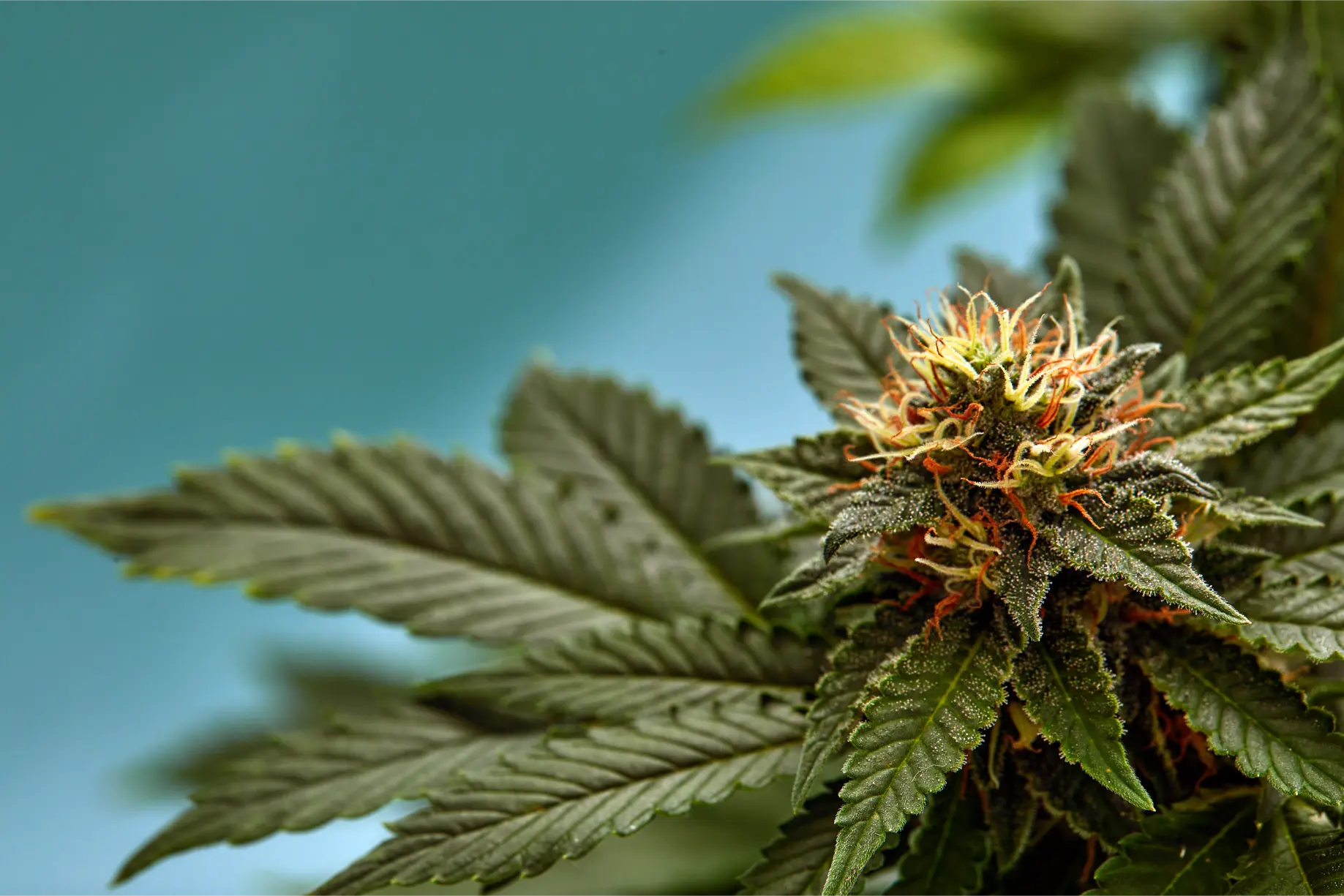
In the sacred pantheon of historical heirloom and pure landrace cannabis varieties, few cultivars command as much reverence, mystical folklore, and horticultural fascination as Punto Rojo. Also celebrated internationally as Colombian Red Point or Tierra Adentro, this pure equatorial sativa represents the living genetic soul of South American cannabis history. Originating within the rugged, high-altitude Andean valleys of Tierradentro, Cauca, and the misty elevations of the Sierra Nevada de Santa Marta in Colombia, Punto Rojo flourished for decades before modern hybridization reshaped the global market. Named for its signature fiery red, pink, and crimson floral stigmas that emerge like radiant ruby droplets across elongated golden-green floral spears, Punto Rojo delivers an experience and an agronomic profile completely removed from contemporary commercial polyhybrids.
From an agronomic perspective, cultivating Punto Rojo is a profound journey into botanical heritage that demands patience, spatial planning, and specialized equatorial photobiology knowledge. Unlike compact, rapid-flowering modern dessert cultivars that mature in eight weeks, Punto Rojo is a true equatorial landrace that requires 14 to 18 weeks (95 to 125 days) of generative flowering to reach full physiological maturity. The plants exhibit untamed, vigorous vegetative growth and an enormous transition stretch often expanding by 250% to 350% in height after photoperiod reduction. Stems are remarkably fibrous and supple, developing classic Christmas-tree architectures outdoors reaching heights of 3 to 4 meters, draped in slender, razor-thin nine to thirteen-blade leaflets. When coaxed to full maturity under optimized conditions, it forms sprawling, spear-shaped floral clusters encrusted in dense, sticky, non-glandular and capitate-stalked resin glands that exude an unmistakable ancient perfume: church-like frankincense, sandalwood, dried cranberries, wild mountain herbs, and zesty citrus pine.
Capturing the authentic brilliance of Punto Rojo indoors requires replicating the distinct environmental rhythms of equatorial Colombia. Standard indoor protocols, such as blasting plants with heavy synthetic mineral salts or running 12/12 light cycles from day one, often result in nutrient lockouts, runaway vertical stretching, and delayed floral initiation. Commercial facilities and preservationist growers must implement specialized lighting schedules (such as starting bloom at 11/13 and tapering to 10/14), lean organic nutrition, and strict relative humidity control during late flower. The reward for this dedication is an unadulterated, electric, and soaring psychedelic sativa experience characterized by crystal-clear mental illumination, creative euphoria, and boundless physical stamina, free from somatic sedation or mental fog. This definitive master cultivation guide provides commercial operators and passionate heirloom preservationists with an exhaustive agronomic blueprint covering genetic history, phenotype selection, equatorial lighting schedules, precision crop steering, and specialized post-harvest curing protocols.
Strain Features
| Feature | Details |
|---|---|
| Strain Type | 100% Pure Equatorial Landrace Sativa |
| Geographic Lineage | Traditional Colombian landrace population from Tierradentro, Cauca, and Sierra Nevada de Santa Marta regions |
| THC Potency Range | 16% to 22% total delta-9-THC with exceptional cannabinoid synergy |
| Secondary Cannabinoids | THCV: 0.8% to 2.2%, CBC: 0.6% to 1.5%, CBG: 0.8% to 1.4%, CBD: 0.05% to 0.2% |
| Dominant Terpenes | Terpinolene, Beta-Caryophyllene, Alpha-Pinene, Beta-Myrcene, Alpha-Humulene, Ocimene |
| Aromatic Profile | Church-like frankincense, aged cedarwood, wild mountain floral herbs, dried tart cranberries, sweet pine sap, and subtle diesel earth |
| Flavor Profile | Exotic sandalwood, dry church incense, and peppery pine on inhale, expanding into tart dried berries, citrus rind, and sweet herbal tea on exhale |
| Flowering Time (Indoor) | 14 to 18 weeks (95 to 125 days) under tapered 11/13 to 10/14 photoperiod |
| Harvest Window (Outdoor) | Late November to December in Northern hemisphere; May to June in Southern hemisphere (ideal in tropical and subtropical zones) |
| Indoor Yield Potential | 350 to 450 g/m² (1.1 to 1.5 oz/ft²) under specialized SCROG trellis setups |
| Outdoor Yield Potential | 800 to 1,500+ grams (1.8 to 3.3+ lbs) per plant in full sun living soil trenches |
| Optimal Canopy Temperature | Vegetative: 26°C to 29°C (79°F to 84°F); Bloom: 24°C to 27°C (75°F to 80°F); Late Ripening: 22°C to 25°C (72°F to 77°F) |
| Optimal Relative Humidity | Vegetative: 65% to 75%; Stretch (Weeks 1 to 4): 60% to 65%; Mid Bloom: 50% to 55%; Late Ripening: 40% to 45% |
| Optimal Substrate pH | Organic Living Soil: 6.2 to 6.8; Hydroponics / Inert Media: 5.8 to 6.2 |
| Optimal Electrical Conductivity (EC) | Vegetative: 1.0 to 1.3 mS/cm; Bloom: 1.4 to 1.8 mS/cm; Final Ripening: 0.6 to 0.9 mS/cm (very light feeder) |
| Transition Stretch Multiplier | 250% to 350% vertical expansion during initial 30 days of photoperiod transition |
| Bud Density & Morphology | Elongated, tapering spear-shaped floral clusters with golden-green calyxes and vibrant ruby-red and pink stigmas |
| Trichome Coverage & Morphology | Glistening blankets of slender capitate-stalked and sessile resin glands rich in volatile monoterpenes and rare cannabinoids |
| Primary Cultivation Challenges | Managing extreme vertical stretch, long flowering patience, sensitivity to mineral overfeeding, avoiding premature harvest |
| Difficulty Level | Advanced indoors; intermediate outdoors in suitable warm, long-season subtropical climates |
Genetic Lineage
Punto Rojo is an unadulterated botanical relic of the pre-hybridization era, representing one of the purest expressions of South American landrace sativa genetics in existence. Preserved through generations of traditional campesino and indigenous farming communities in Colombia, Punto Rojo evolved in near-equatorial climates characterized by continuous 12-hour day lengths, high solar ultraviolet radiation, and distinct microclimates spanning coastal mountains to high-altitude Andean valleys.
Geographic Origins: Tierradentro and Cauca
The primary ancestral cradle of Punto Rojo is the mountainous Tierradentro region located within the Department of Cauca in southwestern Colombia, alongside historical pockets in the Sierra Nevada de Santa Marta. In these rugged, volcanic highlands situated between 1,200 and 2,200 meters above sea level, cannabis plants were subjected to intense solar UV-B radiation, cool mountain breezes, and extended growing seasons. Through natural selection and intentional peasant breeding, the cultivar developed incredible pest and mold resistance, thin wind-resistant foliage, and a distinctive adaptation: producing bright crimson and pink stigmas to protect developing ovules from solar radiation and attract pollinators.
Historical Significance in Global Cannabis Breeding
During the 1960s and 1970s, Colombian landraces like Punto Rojo and its sister variety Colombian Gold became the bedrock of modern Western cannabis breeding. When American travelers and underground smugglers imported Colombian heirloom seeds into California and Oregon, breeders like the Skunkman (David Watson) and early craft collectives used Colombian genetics to build legendary foundational hybrids, including Original Haze and Skunk #1. The electric cerebral clarity, soaring euphoria, and spicy incense aroma that made Haze world-famous were inherited directly from ancestral Colombian sativas like Punto Rojo.
Landrace Preservation vs Modern Commercialization
Unlike stabilized commercial polyhybrids created in modern labs, Punto Rojo is an open-pollinated landrace population. It carries immense genetic heterozygosity, offering a diverse genetic treasure trove for preservationist breeders and connoisseurs. Preserving Punto Rojo in its unadulterated form is vital to safeguarding rare cannabis traits, including high natural THCV synthesis, unique terpene ratios dominated by terpinolene and humulene, and an uncompromising, clean cerebral high untainted by indica lethargy.
Core Phenotypes & Selection Criteria
Because Punto Rojo is an open-pollinated heirloom population rather than a homogenized clone line, cultivators will observe fascinating phenotypic expressions linked to historical altitude adaptations.
Phenotype 1: The Highland Ruby Spear (Tierradentro High-Altitude Cut)
This is the definitive, mythical expression celebrated by landrace purists. Phenotype 1 exhibits extreme stretch (up to 350%) with thin, flexible, bamboo-like branches. The leaflets are razor-thin, featuring 11 to 13 serrated blades per fan leaf. During flowering, it produces radiant, fiery red and pink stigmas that remain brightly colored throughout the entire 16 to 18-week bloom cycle. Calyxes stack in elongated, spiraling wheat-like spears with a high calyx-to-leaf ratio. The aroma is a breathtaking mix of church incense, aged cedar, frankincense, and dried cranberries. The effect is intensely psychedelic, cerebral, and long-lasting, testing with elevated THCV levels.
Phenotype 2: The Golden Amber Colombian (Lowland Intermediate Cut)
Phenotype 2 originates from intermediate and lowland river valley elevations. This expression features slightly broader leaflets, moderate stretch (220% to 260%), and a somewhat faster flowering cycle finishing in 13 to 15 weeks. Stigmas begin white and turn a warm golden-amber and orange hue rather than deep crimson. The flowers form thicker, denser clusters that cure into a rich golden-green appearance reminiscent of classic Colombian Gold. The bouquet is dominated by sweet tropical fruit, ripe mango, zesty lemon peel, and herbal pine, with a warm, cheerful, creative euphoric high.
Phenotype 3: The Purple Mountain Pheno (High UV Expression)
Phenotype 3 emerges in high-altitude environments with cool night temperatures and strong ultraviolet radiation. This expression accumulates deep anthocyanin pigments, causing calyx bracts and upper sugar leaves to turn deep plum, magenta, and dark violet. Stigmas are a striking hot pink. The aroma centers on tart mountain berries, floral lavender, black pepper, and resinous pine. While finishing in 15 to 16 weeks, Phenotype 3 delivers an exceptionally lucid, expansive cerebral high paired with a gentle, floating body comfort.
Effect Breakdown
The psychoactive experience of Punto Rojo is celebrated worldwide for its pure, soaring, and unadulterated sativa character. Lacking the heavy sedative myrcene loads and myrcene-CBD cushioning of modern indicas, Punto Rojo acts like pure lightning upon the central nervous system.
Phase 1: The Electric Illumination (0 to 30 Minutes)
Within minutes of inhalation, Punto Rojo triggers a rapid, electric rush of energy centered behind the forehead, eyes, and across the scalp. High concentrations of delta-9-THC acting alongside THCV and alpha-pinene deliver an instantaneous surge of mental clarity, perceptual brightness, and sensory elevation. Colors appear intensely vibrant, ambient music gains emotional depth, and mental sluggishness is completely eradicated. The onset is exhilarating, talkative, and euphoric, filling the user with boundless motivation and creative enthusiasm.
Phase 2: Soaring Psychedelic Flow and Physical Stamina (30 to 120 Minutes)
As the experience crests, Punto Rojo reveals why Colombian sativas became legendary in the 1970s. The high is expansive, introspective, and intensely cerebral, sparking philosophical contemplation, artistic creativity, and vivid imagination. Physically, there is zero muscular heaviness or couch-lock; instead, consumers experience enhanced physical endurance, making Punto Rojo an extraordinary cultivar for hiking through nature, playing musical instruments, dancing, or engaging in intense creative work. Thoughts move rapidly and with clarity, free from mental fog.
Phase 3: The Gentle Oceanic Plateau (120 to 240+ Minutes)
Unlike modern high-THC hybrids that crash into exhaustion, fatigue, and intense munchies, Punto Rojo glides down into an extraordinarily peaceful, serene landing. The nervous system settles into a state of tranquil emotional satisfaction and mental calmness. Users feel revitalized, clear-headed, and refreshed rather than depleted, making it one of the most rewarding daytime and wilderness cultivars on earth.
Flavor & Aroma Profile
Punto Rojo possesses a complex, antique sensory profile that instantly transports connoisseurs back to the golden era of imported 1970s Colombian landraces. It is an intricate tapestry of church incense, aged woods, wild botanicals, and tart dried fruit.
The Olfactory Bouquet: Frankincense and Mountain Herbs
Opening a sealed glass jar of properly cured Punto Rojo releases an intoxicating, sacred aroma reminiscent of centuries-old Spanish cathedral incense, raw frankincense resin, and aged cedarwood. Beneath the holy wood notes sits an enchanting blend of wild mountain herbs, dried cranberries, tart citrus peel, sweet pine sap, and damp forest loam. When the slender, golden floral spears are broken apart, subtle undertones of black pepper, clove, and faint petroleum gas rise up, adding depth and intrigue to the ancient fragrance.
The Combustion and Vaporization Palate
On inhalation, the smoke is remarkably light, dry, and aromatic, tasting of smooth sandalwood, church incense, and crisp pine resin. As the smoke expands within the oral cavity, the mid-palate reveals complex notes of tart cranberry skin, herbal tea, and peppery spice. The exhale is clean, sweet, and resinous, leaving a lingering perfume of frankincense, cedar, and zesty citrus on the tongue and in the room air that persists for hours.
Dominant Terpenes
Laboratory analytical profiles of authentic Punto Rojo reveal a classic equatorial landrace terpene matrix dominated by terpinolene, caryophyllene, and pinene, often exceeding 2.0% to 3.2% total terpenes by dry weight when grown under full-spectrum solar or high-efficiency LED lighting.
| Terpene Compound | Typical Concentration | Sensory Aroma & Flavor Role | Pharmacological & Agronomic Role |
|---|---|---|---|
| Terpinolene | 0.6% to 1.2% | Fresh piney citrus, floral herbs, church incense, apple blossom | Acts as a primary uplifting central nervous system modulator, driving clean cerebral energy, mood elevation, and sensory brightness |
| Beta-Caryophyllene | 0.4% to 0.8% | Cracked black pepper, dry woody spice, clove, warm earth | Selective CB2 receptor agonist; delivers peripheral anti-inflammatory and pain-relieving benefits without causing sedation |
| Alpha-Pinene | 0.3% to 0.7% | Crisp fresh pine needles, mountain cedar, sharp rosemary resin | Inhibits acetylcholinesterase, supporting memory retention, cognitive clarity, respiratory bronchodilation, and mental alertness |
| Beta-Myrcene | 0.2% to 0.5% | Ripe tropical fruit, sweet mango, herbal musk | Enhances cell membrane permeability across the blood-brain barrier, facilitating rapid cannabinoid absorption without inducing couch-lock |
| Alpha-Humulene | 0.2% to 0.4% | Dry woody earth, herbal hops, subtle spice | Acts as an effective anti-inflammatory and natural appetite modulator; works synergistically with THCV to suppress intense hunger |
| Ocimene | 0.1% to 0.3% | Sweet tropical floral perfume, sweet citrus, wild herbs | Volatile monoterpene that acts as a natural plant defense mechanism against insect herbivores and provides delicate perfume notes |
Indoor vs Outdoor Growing
Punto Rojo is naturally adapted to equatorial and subtropical outdoor climates, but can be successfully cultivated in indoor CEA facilities by growers who master specialized training and photoperiod tapering.
| Cultivation Parameter | Indoor CEA (Controlled Environment) | Outdoor Sun-Grown (Subtropical & Greenhouse) |
|---|---|---|
| Canopy Height Management | Requires early 12/12 from seed or clone, aggressive topping, and multi-layered SCROG netting to manage 250% to 350% stretch | Grows into monumental Christmas-tree shaped bushes reaching 3 to 4 meters tall; requires heavy bamboo staking or wire caging |
| Flowering Cycle Duration | 14 to 18 weeks under tapered photoperiod (11/13 to 10/14); requires extreme patience | Matures between late November and December in Northern hemisphere; thrives in Mediterranean, sub-tropical, or greenhouse setups |
| Average Yield Potential | 350 to 450 g/m² (1.1 to 1.5 oz/ft²) under high-intensity full-spectrum LED fixtures | 800 to 1,500+ grams (1.8 to 3.3+ lbs) per plant in full sun amended living soil trenches |
| Terpene & Cannabinoid Profile | Maintains delicate terpinolene and floral incense volatiles through strictly controlled daytime canopy temperatures below 26°C | Develops maximum THCV concentration, deeper church incense, and rich sandalwood driven by natural solar UV-B radiation |
| Pathogen & Climate Resilience | High natural resistance to Botrytis and powdery mildew due to airy, spear-shaped floral morphology with high airflow tolerance | Exceptional natural resistance to tropical mold, high humidity, and insect pests; can withstand continuous autumn rains with ease |
| Best Cultivator Fit | Patient preservationists and connoisseurs seeking pure heirloom genetics and an authentic psychedelic sativa high | Growers located in Southern California, Florida, Mediterranean Europe, Hawaii, or tropical zones with long, frost-free seasons |
Grower Question: How can I control the massive 14-week stretch of Punto Rojo in an indoor tent?
Punto Rojo can stretch up to 250% after the flip, easily outpacing standard indoor vertical clearances. Experienced landrace cultivators manage this by initiating the flowering cycle almost immediately from rooted clone (zero veg days) or from seedling day 14. Employing a double-trellis SCROG net and aggressively weaving shoots horizontally across the lower screen through flowering week 5 will keep the canopy level and prevent apical buds from scorching under grow fixtures.
Strain-Specific Grow Guidance
Cultivating Punto Rojo successfully requires abandoning the standard rules applied to modern fast-flowering indicas and embracing equatorial landrace horticulture.
Implement Tapered Equatorial Photoperiods
Equatorial Colombian landraces do not respond well to standard 12/12 indoor flowering schedules, as near-equatorial day lengths vary naturally by less than an hour year-round. To initiate bloom without excessive vegetative delays, flip plants to an 11-hour light / 13-hour dark schedule (11/13). As flowering progresses into weeks 8 through 12, reduce the light schedule further to 10.5/13.5, finishing the final four weeks at 10 hours of light and 14 hours of darkness (10/14). This progressive reduction mimics the equatorial winter shift, signaling the plant to fully ripen its calyxes and cease vegetative reflowering.
Feed Lean Organic Nutrition (Low EC Protocol)
Punto Rojo is an extremely light feeder that evolved in lean mountain soils. Blasting this cultivar with high-EC synthetic fertilizers will immediately cause clawed leaves, severe nitrogen toxicity, nutrient lockouts, and leaf tip necrosis. Maintain inflow electrical conductivity (EC) between 1.0 and 1.3 mS/cm during vegetative growth, peaking at only 1.4 to 1.8 mS/cm during peak flowering. Keep elemental nitrogen extremely low throughout bloom; excess nitrogen causes endless vegetative reflowering and delays calyx ripening indefinitely.
Deploy an Aggressive Screen of Green (SCROG)
Because Punto Rojo stretches by 250% to 350% during its extended 30-day transition, indoor cultivators must employ a multi-layered Screen of Green (SCROG) trellis system. Top plants early at the third or fourth node, and continuously weave expanding lateral branches horizontally beneath the screen during the first five weeks of bloom. Fill 70% to 80% of the screen before allowing vertical growth to ensure an even, multi-topped canopy where every floral spear receives uniform light exposure.
Patience: Avoid Premature Harvesting
The most common mistake made with Punto Rojo is harvesting too early. Because its stigmas turn vibrant red and pink early in flower (around week 6 to 8), inexperienced growers mistake these colorful hairs for maturity. True maturity occurs only when the calyxes swell into fleshy, wheat-like pearls, the resin glands shift from clear to cloudy with golden amber heads, and the church incense aroma reaches peak pungency, typically between weeks 15 and 18.
Equatorial Stem Training and Super Cropping
Because Punto Rojo stems are naturally supple, fibrous, and bendable, cultivators can apply aggressive super cropping throughout the initial five weeks of flowering. Gently pinch and roll the internal hurdle tissue of dominant lateral shoots between your thumb and forefinger until the inner cell walls soften, then bend the branch horizontally at a 90-degree angle beneath your trellis net. The plant will rapidly form thick, vascular knuckles at each bend site, redirecting auxin distribution to lower shoots and creating an exceptionally uniform horizontal carpet of floral sites without causing traumatic stress.
Managing Internodal Spacing with Blue Photons
Landrace equatorial sativas are biologically hardwired to stretch toward the intense overhead tropical sun. Under indoor lighting fixtures, excessive red or far-red light during transition triggers severe stem elongation. To counteract this, maintain a high-blue spectral ratio (450 to 480 nm) during the initial 30 days of 11/13 bloom. Blue photons suppress gibberellin synthesis, the plant hormone responsible for cellular elongation, keeping internodal spacing tight and manageable while floral bract clusters begin their formation.
Crop Steering & Irrigation Matrix
Precision crop steering for long-flowering landrace sativas requires maintaining moderate substrate moisture and low electrical conductivity to prevent salt accumulation over an extended 16-week cycle.
| Flowering Phase | Timeline | Steering Type | Inflow EC | Target Substrate EC | Daily Dryback % | Irrigation Strategy & Agronomic Goal |
|---|---|---|---|---|---|---|
| Vegetative Phase | Weeks 1 to 3 (Veg) | Vegetative Steering | 1.0 to 1.2 mS/cm | 1.4 to 1.7 mS/cm | 10% to 15% | Frequent light waterings keeping the root zone consistently moist to encourage steady, stress-free root expansion and thin leaf development. |
| Transition & Stretch | Weeks 1 to 5 (Bloom) | Generative Steering | 1.3 to 1.6 mS/cm | 2.0 to 2.8 mS/cm | 25% to 35% | Larger daily drybacks and moderate EC to prevent runaway internodal stretching while forcing early calyx development along lateral spears. |
| Floral Elongation & Spear Set | Weeks 6 to 11 (Bloom) | Vegetative Steering | 1.4 to 1.7 mS/cm | 1.8 to 2.4 mS/cm | 15% to 20% | Deliver steady small pulses starting 2 hours after lights-on to maintain continuous vascular transport, fueling steady calyx stacking along long spears. |
| Resin & THCV Synthesis | Weeks 12 to 15 (Bloom) | Generative Steering | 1.2 to 1.5 mS/cm | 2.0 to 2.6 mS/cm | 25% to 30% | Controlled drybacks induce mild osmotic stress, triggering intense secondary metabolite production, trichome gland expansion, and THCV synthesis. |
| Final Ripening & Senescence | Weeks 16 to 18 (Bloom) | Balanced Leach | 0.4 to 0.7 mS/cm | 0.8 to 1.2 mS/cm | 15% to 20% | Gentle low-EC water applications leach residual mineral salts from the medium, ensuring an ultra-clean burn, white ash, and pristine incense flavor. |
Living Soil & Incense Terpene Amplification
Organic living soil is the ideal cultivation medium for Punto Rojo, faithfully recreating the biologically rich, volcanic mountain soils of Andean Colombia. Living soil provides a steady, gentle stream of biologically available nutrients that prevents the salt stress and root burn common in synthetic hydroponic setups.
Building the Colombian Living Soil Foundation
Construct a living soil base using sphagnum peat moss, aged leaf mold compost, premium earthworm castings, and coarse pumice or perlite for aeration. Amend the soil with slow-release organic inputs including basalt rock dust, soft rock phosphate, kelp meal, gypsum, and neem cake. Basalt rock dust is indispensable; its volcanic trace minerals provide silicon, magnesium, and iron that mimic the native soils of Tierradentro, strengthening plant cell walls and enabling lateral branches to support long, resin-heavy spears.
Mycorrhizal Symbiosis and Phosphorus Access
Inoculate the root system with diverse endomycorrhizal fungi (Rhizophagus irregularis) during initial transplanting. Because landrace sativas are sensitive to high phosphorus concentrations, mycorrhizal fungi act as intelligent biological intermediaries, solubilizing and delivering organic phosphorus on demand without spiking root-zone electrical conductivity.
Compost Teas and Microbial Diversity
Apply aerated compost teas brewed from worm castings, alfalfa meal, and humic acids every two to three weeks during the vegetative phase and early bloom. These microbial drenches populate the rhizosphere with beneficial bacteria and fungi that cycle nutrients naturally, suppress root pathogens, and stimulate the synthesis of complex secondary terpenes and rare cannabinoids.
Andean Volcanic Minerals: Basalt and Andesite Dynamics
Native Colombian soils in Tierradentro are rich in weathered volcanic minerals resulting from prehistoric Andean eruptions. Incorporating finely pulverized basalt and andesite rock meal into your living soil matrix provides a sustained release of paramagnetic minerals, soluble orthosilicic acid, calcium, and iron. Silicon deposits directly into the outer epidermal cell walls of the plant, creating a rigid mineral shield that enhances stem strength, reduces transpiration water loss under intense lighting, and provides physical resistance against piercing insects like thrips and aphids.
Chitinase Enzyme Cycling for Systemic Acquired Resistance
Amending the topsoil with micronized crustacean meal or insect frass introduces natural chitin into the rhizosphere. Soil-dwelling actinomycetes and beneficial bacilli produce chitinase enzymes to decompose this material. In doing so, they stimulate the plant systemic acquired resistance (SAR) pathways. Perceiving the presence of insect chitin, Punto Rojo increases its natural production of defensive secondary metabolites, resulting in denser glandular trichome coverage and heightened concentrations of insect-repelling monoterpenes like terpinolene and alpha-pinene.
Photoperiod Management for Equatorial Landraces
Because Punto Rojo originates from equatorial Colombia where daylength remains constant year-round, flowering under standard 12/12 lighting can delay initiation. Reducing the photoperiod to 11/13 or even 10/14 during mid-bloom triggers decisive floral swelling.
Lighting Spectrum & Photobiology
Equatorial sativas evolved under the most intense solar radiation on the planet, characterized by high ultraviolet radiation and broad-spectrum photon flux.
Photosynthetic Photon Flux Density (PPFD) Targets
During vegetative growth, maintain canopy PPFD between 400 and 550 μmol/m²/s. Once flowering is initiated, gradually increase light intensity to 650 to 800 μmol/m²/s during weeks 1 through 6. During peak floral stacking (weeks 7 through 14), Punto Rojo thrives under 800 to 1,000 μmol/m²/s. In sealed grow rooms equipped with supplemental carbon dioxide maintained between 1,000 and 1,200 ppm, plants can efficiently utilize higher PPFD without experiencing photochemical stress.
The Critical Role of Ultraviolet Radiation (UVA and UVB)
Native Colombian landraces developed high cannabinoid and terpene concentrations primarily as natural sunscreen against intense solar ultraviolet radiation in high-altitude mountains. Supplementing indoor canopies with dedicated UVA (365 to 395 nm) and UVB (280 to 315 nm) lighting for 2 to 3 hours daily during weeks 8 through 16 triggers dramatic secondary metabolic responses. In response to UV exposure, Punto Rojo produces higher concentrations of THCV, CBC, and protective glandular trichomes, significantly enhancing psychoactive potency and incense aroma.
Mineral Nutrition & Deficiency Guide
Punto Rojo exhibits nutritional sensitivities that differ completely from modern commercial hybrids. Identifying visual cues early prevents permanent crop damage.
Nitrogen Sensitivity: The Golden Rule
Punto Rojo requires only a fraction of the nitrogen consumed by modern hybrids. Excess nitrogen causes immediate downward curling of leaf tips (the claw), dark leathery foliage, delayed flowering, and airy, foxtailing floral structures. If nitrogen toxicity appears, flush the medium with balanced, low-EC water and eliminate nitrogen-rich inputs immediately.
Calcium and Magnesium Management
Under high-intensity full-spectrum LED fixtures, the vigorous cell division of the 30-day stretch creates a high demand for calcium and magnesium. Maintain an inflow calcium-to-magnesium ratio of 3:1. Calcium deficiency will appear as small, necrotic bronze spots on upper sun leaves, while magnesium deficiency manifests as classic interveinal chlorosis across mid-canopy leaves.
Potassium and Micronutrient Support
During the protracted 10-week floral swelling phase, ensure steady potassium (K) availability to support carbohydrate translocation and calyx density. Supplement with organic kelp meal and micronized greensand to provide potassium, iron, and trace minerals without risking synthetic salt shock.
Pathogen Management & Microclimate Control
Thanks to thousands of years of evolution in tropical, humid Colombian mountain climates, Punto Rojo exhibits exceptional natural resistance to common fungal pathogens and pests.
Vapor Pressure Deficit (VPD) Calibration
Maintain canopy VPD between 1.1 and 1.3 kPa during vegetative growth and early stretch. As floral spears elongate during mid-bloom, elevate VPD to 1.3 to 1.5 kPa. During the final four weeks of ripening, maintain VPD at 1.4 to 1.6 kPa by lowering relative humidity to 40% to 45%. This dry atmosphere ensures active transpiration and prevents water vapor from condensing on dense floral spears.
Innate Resistance to Botrytis and Mildew
Punto Rojo floral morphology is naturally airy, spear-shaped, and wheat-like, allowing ambient air to circulate freely through the interior of the colas. Consequently, the cultivar is virtually immune to internal Botrytis rot under normal conditions. However, maintaining good oscillating airflow above and below the canopy ensures continuous carbon dioxide exchange and prevents stagnant microclimate pockets.
Preventative Biological Controls
Introduce beneficial predatory mites (such as Amblyseius swirskii and Phytoseiulus persimilis) during early vegetative growth to prevent spider mites, thrips, and broad mites from gaining a foothold during the long 16-week bloom cycle. Because Punto Rojo flowers for over 100 days, chemical or foliar sprays should never be applied past week 4 of bloom.
Low Nitrogen Tolerance During Flower
Punto Rojo requires remarkably low nitrogen inputs once floral stretch completes. Excess nitrogen produces clawed leaves, delayed maturation, and harsh vegetative flavors in the finished smoke.
Solventless Hash & Live Rosin Extraction
While landrace sativas produce smaller glandular trichome heads than modern cookie cultivars, the unique chemistry of Punto Rojo resin makes it an extraordinary source for specialized solventless extracts and traditional temple balls.
Trichome Morphology and Sieve Selection
Microscopic analysis of Punto Rojo flowers reveals a high density of small-to-medium capitate-stalked trichomes with head diameters averaging between 73 and 90 microns. When washing fresh-frozen material in ice water, cultivators should focus their collection on the 73-micron and 90-micron sieve bags. While overall wash yields are moderate (2.5% to 3.8% by weight), the resulting extract is pure gold: brimming with rare cannabinoids like THCV and CBC, and offering an exotic church incense bouquet found nowhere else in the concentrate market.
Traditional Aged Hashish and Live Rosin Pressing
When pressed into live rosin at 70°C to 80°C (158°F to 176°F) through 25-micron mesh bags, Punto Rojo yields a pale golden, glass-like rosin badder that cures into a fragrant, buttery consistency. Alternatively, dry-sifted Punto Rojo trichomes are ideally suited for pressing into traditional Frenchy Cannoli-style aged temple balls, where slow decarboxylation and aging over 6 to 12 months transform the raw resin into a smooth, hashish masterpiece rich in hashishene and antique incense.
Water Activity & Terpene Retention
The post-harvest treatment of long-flowering Colombian sativas is an art form. Unlike fast-cured modern hybrids, Punto Rojo rewards extended aging and slow drying.
The Cold 60/60 Whole-Plant Dry
Hang whole plants upside down in a dedicated dark drying room maintained strictly at 15.5°C to 16.5°C (60°F) and 58% to 62% relative humidity. Because Punto Rojo possesses slender stems and airy floral spears, whole-plant hanging prevents the flowers from drying out too rapidly. Aim for a slow 14 to 18-day drying cycle, allowing plant enzymes to break down chlorophyll and starches into simple sugars while preserving delicate terpinolene and pinene monoterpenes.
Target Water Activity and Moisture Content
Flowers are ready for trimming when smaller branches snap cleanly and internal moisture reaches 10.5% to 11.5%. Calibrate finished water activity (Aw) between 0.58 and 0.62 Aw to inhibit microbial degradation while preserving trichome head elasticity.
The Long Cure: Developing the Cathedral Incense
Seal trimmed buds in airtight glass jars or curing chambers in total darkness at 15°C to 18°C (59°F to 64°F). Burp containers daily for the first two weeks. Punto Rojo is unique in that its flavor and smoothness improve dramatically with extended curing. While modern hybrids peak at 4 weeks, Punto Rojo reaches its pinnacle after 8 to 16 weeks of slow curing, during which green plant notes completely vanish, unlocking deep, rich church incense, sandalwood, and sweet cranberry tones.
Weedth Bud Flavor Tips
To fully experience the sacred church incense and sandalwood complexity of Punto Rojo, implement these proven flavor-maximizing techniques.
Prioritize a Minimum 8-Week Glass Cure
Do not rush to consume Punto Rojo right after drying. Freshly dried flowers can carry a sharp, herbal green edge. Allow the buds to cure in glass jars for at least 8 to 12 weeks. This extended curing window allows complex esterification to occur, transforming simple terpenes into deep church incense and sandalwood perfume.
Keep Flowering Temperatures Moderate
Terpinolene and volatile monoterpenes begin evaporating at temperatures above 26°C. Keep your bloom room temperatures between 22°C and 25°C during the final six weeks of flowering to prevent the loss of delicate incense and cranberry notes.
Vaporize at Lower Temperatures First
When consuming cured flower in a dry herb vaporizer, calibrate your device between 165°C and 175°C (329°F to 347°F). This lower heat setting cleanly volatilizes terpinolene, pinene, and ocimene without scorch, delivering pure sandalwood and floral citrus clarity. Step up to 185°C to 195°C (365°F to 383°F) later in the session to unleash beta-caryophyllene, humulene, and THCV.
Weedth Bud Boost Tips
Maximize yield, resin density, and overall commercial efficiency with these focused crop management strategies.
Taper the Photoperiod to Force Complete Ripening
Start 12/12 bloom at 11/13, reduce to 10.5/13.5 at week 8, and finish at 10/14 during the final four weeks. This equatorial winter light taper signals the plant that the season is ending, preventing perpetual reflowering and forcing swollen, dense calyx development.
Supplement with Supplemental UVA and UVB Light
Deliver 2 to 3 hours of supplemental UVA and UVB light daily during the second half of flowering. This mimics the high-altitude Andean solar radiation of Tierradentro, stimulating the plant to synthesize heavier protective trichome coats and elevated THCV percentages.
Avoid Nitrogen After Week 5 of Bloom
Eliminate virtually all elemental nitrogen from your nutrient solution after flower week 5. Supplying nitrogen late in bloom causes endless vegetative reflowering, foxtailing, and delays harvest by up to a month.
Medical Uses & Benefits
Punto Rojo is highly valued among medical cannabis patients seeking daytime relief from cognitive fatigue, depressive disorders, chronic pain, and attention deficits without experiencing physical sedation or brain fog.
Depression, Chronic Fatigue, and Lethargy
With its high terpinolene and pinene content paired with THCV and THC, Punto Rojo acts as a powerful botanical mood elevator and cognitive stimulant. It provides immediate relief for patients dealing with clinical depression, chronic fatigue syndrome, and morning lethargy, restoring mental clarity, optimism, and motivation.
ADHD, Focus Deficits, and Executive Dysfunction
Unlike sedating indicas that impair short-term memory, the alpha-pinene in Punto Rojo inhibits acetylcholinesterase, supporting memory retention and laser-sharp mental focus. Many patients utilize low doses of Punto Rojo as a natural daytime aid for ADHD and executive dysfunction.
Migraines and Tension Headaches
The cerebral vasodilation provided by alpha-pinene combined with the anti-inflammatory action of beta-caryophyllene makes Punto Rojo remarkably effective for relieving debilitating migraines and cluster headaches without knocking the patient out.
Appetite Modulation and Metabolic Support
Because Punto Rojo naturally produces elevated concentrations of THCV (tetrahydrocannabivarin), an antagonist of the CB1 receptor at low doses, it does not induce the ravenous munchies associated with modern dessert strains. Instead, it provides clean energy and gentle appetite modulation, making it a valuable option for patients seeking metabolic support.
Ideal User Profile
Punto Rojo is tailored for discerning cannabis connoisseurs, outdoor adventurers, and daytime creatives who seek an elevated, energetic state of consciousness.
The Landrace Purist & Historical Connoisseur
Consumers who are exhausted by modern cookie crosses and crave the authentic, unadulterated taste and soaring high of 1970s Colombian landraces will find Punto Rojo to be the holy grail of their collection. Its church incense and sandalwood perfume is unlike anything on modern dispensary shelves.
The Wilderness Explorer & Active Athlete
This cultivar is ideal for daytime outdoor activities: long mountain hikes, trail running, surfing, camping, and yoga. It infuses the body with clean stamina and deep sensory appreciation for the natural world.
Who Should Exercise Caution
Consumers prone to THC-induced anxiety, panic disorders, or racing thoughts should approach Punto Rojo with caution. Its electric, rapid cerebral onset can feel intense for sensitive individuals. Furthermore, those seeking nighttime insomnia relief or heavy physical couch-lock should choose a sedating indica, as Punto Rojo will keep the mind active and alert for hours.
Grower Notes and Feedback
My extensive experience with Punto Rojo has proven that photoperiod manipulation is the master key to finishing equatorial genetics indoors. Under a standard 12/12 photoperiod, Colombian sativas can continue stretching and pushing white pistils for twenty weeks. Dropping to an 11/13 or 10/14 schedule at week eight signals seasonal completion, prompting rapid calyx swelling and resin gland maturation.
Nutrient management requires strict minimalism. Punto Rojo will quickly show leaf clawing and nitrogen toxicity if fed standard commercial nutrient levels. Light organic teas brewed with kelp, humic acid, and micronized rock phosphate provide all the nutrition required for healthy floral development.
Mold resistance in Punto Rojo is virtually absolute. Its open, elongated floral architecture allows air to flow freely through every calyx cluster, making it impervious to the botrytis bud rot that devastates dense modern indica cultivars in humid environments.
Weedth Editor’s Note
Cultivating authentic Punto Rojo in my facility has been one of the most demanding yet historically profound projects of my cultivation career. I run this pure Colombian equatorial landrace in fifteen-gallon breathable fabric containers filled with an organic living soil mix rich in composted forest humus, pumice, and biochar. Because pure equatorial sativas can stretch endlessly indoors, I flip rooted clones to twelve-twelve lighting immediately upon root establishment with zero vegetative days. Even without vegetative time, the plants demonstrate astonishing upward momentum, building slender, flexible branches and razor-thin fan leaves that reach relentlessly toward the light.
During the flowering transition, Punto Rojo stretches an extraordinary two hundred and forty percent across the first five weeks. I weave expanding shoots horizontally beneath a double-tier trellis net daily, training every branch across the lower screen to prevent apical shoots from scorching against LED fixtures. Because the cultivar retains the low nutrient tolerance of its equatorial mountain ancestry, I keep feed EC low at 1.5 to 1.7 mS/cm, tapering nitrogen almost completely by week five of bloom. At week eight, I reduce the photoperiod to ten hours of light and fourteen hours of darkness, simulating the equatorial dry season to trigger decisive calyx swelling.
By week twelve of bloom, the elongated floral spears become a breathtaking sight. Calyxes develop into airy, resin-saturated spires completely woven with fiery red and amber stigmas that recall the classic red point appearance of Colombian lore. The fragrance in the room is intoxicating: exotic incense cedar, tart key lime, tropical guava, and spicy herbal musk. I harvest when ninety percent of trichomes are milky with ten percent amber, which reliably arrives at day ninety-five.
Post-harvest drying takes place across sixteen days at fifteen degrees Celsius and sixty percent relative humidity. After hand trimming, I cure the long floral spears in glass vessels for forty-five days. The smoke is extraordinarily clean, smooth, and electric, delivering a soaring cerebral high with boundless creative energy and zero mental fog or physical crash. The obvious commercial drawback is its prolonged fourteen-week flowering window and sprawling height, which make it unsuited for commercial production. It is a legendary heirloom intended for true sativa preservationists and connoisseurs who cherish pure landrace magic.
Weedth Score
| Assessment Category | Score (1 to 10) | Editorial Assessment & Cultivation Notes |
|---|---|---|
| Growing Experience | 8.8 / 10 | Demands patience and equatorial technique; 16-week bloom and 300% stretch require SCROG mastery, but offers unparalleled botanical satisfaction |
| Bud Density & Bag Appeal | 9.5 / 10 | Exotic, elongated golden spears adorned with breathtaking ruby-red and pink stigmas encrusted with shimmering heirloom resin glands |
| Aroma Complexity | 9.9 / 10 | Incomparable sacred perfume of antique church incense, raw frankincense, aged cedarwood, wild mountain herbs, and tart dried cranberries |
| Flavor Smoothness & Translation | 9.7 / 10 | Incredible flavor translation; smooth, dry sandalwood and incense on inhale, resolving into sweet herbal tea and tart berries on exhale after an extended cure |
| Effects & Physical Comfort | 9.8 / 10 | Electric, soaring psychedelic mental clarity, boundless physical stamina, and pure creative euphoria with zero burnout or couch-lock |
| Overall Connoisseur Rating | 9.6 / 10 | An irreplaceable botanical heirloom that represents the pinnacle of pure equatorial landrace sativa genetics |
FAQ
Is Punto Rojo an indica or a sativa?
Punto Rojo is a 100% pure equatorial landrace sativa originating from the mountainous Tierradentro and Cauca regions of Colombia. It produces tall plants, narrow leaflets, and a soaring, electric cerebral high with zero physical sedation.
Why is it called Punto Rojo?
Punto Rojo translates to “Red Point” in Spanish. The cultivar is named for its distinctive reproductive stigmas (hairs), which turn vibrant ruby-red, hot pink, and crimson during flowering, resembling points of red light across the buds.
How long does Punto Rojo take to flower?
Indoors under a tapered photoperiod, Punto Rojo requires 14 to 18 weeks (95 to 125 days) of flowering to reach full maturity. Outdoors in warm, near-equatorial climates, it matures between late November and December.
How much does Punto Rojo stretch during transition?
Punto Rojo exhibits an extreme transition stretch, routinely expanding 250% to 350% in vertical height during the initial 30 days of photoperiod reduction. Indoor growers must use SCROG netting and top plants early to control vertical height.
What does Punto Rojo taste and smell like?
Punto Rojo exhibits an ancient, exotic bouquet of church incense, raw frankincense, aged cedarwood, wild mountain herbs, tart dried cranberries, and sweet pine resin.
What is the average THC and cannabinoid potency of Punto Rojo?
Punto Rojo typically tests between 16% and 22% delta-9-THC. However, it naturally produces elevated levels of rare secondary cannabinoids, including THCV (up to 2.2%) and CBC (up to 1.5%), which dramatically amplify its soaring, energetic high.
Can Punto Rojo be grown indoors?
Yes, but it requires advanced horticultural techniques: starting flowering at an 11/13 light cycle and tapering down to 10/14, running lean organic nutrition (low EC), and training branches aggressively through a multi-tiered SCROG trellis.
Is Punto Rojo good for beginners?
Punto Rojo is best suited for experienced and preservationist growers due to its long 16-week flowering cycle, extreme stretch, and sensitivity to mineral overfeeding. Outdoors in warm, sunny climates, it is remarkably hardy and mold-resistant.
Does Punto Rojo give you the munchies?
Not typically. Because Punto Rojo contains elevated concentrations of THCV (tetrahydrocannabivarin), an appetite-suppressing cannabinoid, it delivers clean, motivating energy without triggering intense hunger or lethargy.
How should Punto Rojo be cured?
Punto Rojo requires an extended cure. While modern hybrids peak after 4 weeks, Punto Rojo reaches its pinnacle after 8 to 16 weeks of slow glass jar curing at 16°C (60°F), allowing plant chlorophyll to break down and deep cathedral incense notes to emerge.
What role did Punto Rojo play in breeding history?
Imported Colombian landraces like Punto Rojo and Colombian Gold were the foundational genetic building blocks used by 1970s California breeders to create legendary pillars of modern cannabis, most notably Original Haze and Skunk #1.
What is the optimal vaporizing temperature for Punto Rojo?
To experience the delicate terpinolene, pine, and floral incense volatiles, set your vaporizer between 165°C and 175°C (329°F to 347°F). Stepping up to 185°C to 195°C (365°F to 383°F) unlocks the heavier caryophyllene and THCV for maximum cerebral stimulation.
What substrate electrical conductivity (EC) works best for Punto Rojo?
Punto Rojo is a very light feeder. Keep inflow EC between 1.0 and 1.3 mS/cm during vegetative growth, peaking at only 1.4 to 1.8 mS/cm during bloom. Taper down to 0.6 to 0.9 mS/cm during the final four weeks to ensure a clean, white-ash burn.
How does Punto Rojo respond to root zone temperature fluctuations?
Punto Rojo root systems are adapted to stable equatorial soil temperatures between 20°C and 23°C (68°F to 73°F). Cold root zones below 17°C (63°F) will severely impair phosphorus and silicon uptake, leading to purple petiole discoloration and halted calyx development. Ensure that indoor containers do not sit directly on cold concrete floors by utilizing insulated plant risers or root-zone heating cables during winter cycles.
What are the best companion plants for outdoor organic Punto Rojo cultivation?
When planting Punto Rojo in outdoor beds, companion plantings of sweet basil, lemongrass, and French marigolds deliver exceptional biological benefits. Lemongrass emits high concentrations of citronellal that deter aphids and leafhoppers, marigolds suppress root-knot nematodes with natural alpha-terthienyl root exudates, and sweet basil shares aromatic volatile synergies that attract beneficial pollinators and hoverflies.
Similar Strains
| Cultivar Name | Genetic Relationship | Aromatic & Flavor Overlap | Agronomic & Growth Similarities |
|---|---|---|---|
| Colombian Gold (Santa Marta) | Sister Colombian landrace population | Sweet tropical citrus, sandalwood, and sweet herbal musk | Tall Christmas-tree frame, long 14-week bloom, and electric cerebral clarity |
| Original Haze | Punto Rojo x Colombian Gold x Thai x South Indian | Sharp church incense, peppery spice, and cedarwood | Expansive stretch, 14 to 16-week flowering, and soaring psychedelic high |
| Panama Red | Related Central/South American landrace | Tart red berries, spicy wood, and earthy herbal tea | Crimson pistils, high mold resistance, and long-lasting creative euphoria |
| Zamal (Reunion Island) | Equatorial African landrace sativa | Floral incense, tropical fruit, and carrot seed earth | Extreme stretch, multi-branched frame, and intense psychedelic stimulation |
| Acapulco Gold | Classic Mexican landrace sativa | Sweet burnt toffee, cedar, and zesty citrus pine | Golden calyxes, cheerful daytime buzz, and historic 1970s heritage |
Share this article
A quick overview of the topics covered in this article.
Follow us
Latest articles
November 9, 2026
November 9, 2026

November 9, 2026
November 9, 2026
