

Quick One
In the revolutionary history of autoflowering cannabis genetics, few cultivars hold a more venerable and groundbreaking position than Quick One. Developed by the visionary breeders at Royal Queen Seeds, Quick One was engineered with a singularly ambitious horticultural objective: to construct one of the fastest, most compact, and discreet outdoor balcony cultivars on the planet. Originating from an elite cross between the legendary autoflowering pioneer Lowryder #1 and a selected Old School Indica heritage featuring Williams Wonder and Northern Lights, Quick One established a brand new benchmark for rapid domestic self-sufficiency. By synthesizing the rapid photoperiod-independent flowering clock of Cannabis ruderalis with the resin-dense floral structure, sweet herbal bouquet, and profoundly soothing physical profile of classic heritage indicas, Quick One provides urban cultivators with an exceptionally stealthy, high-efficiency botanical asset designed specifically for confined residential spaces.
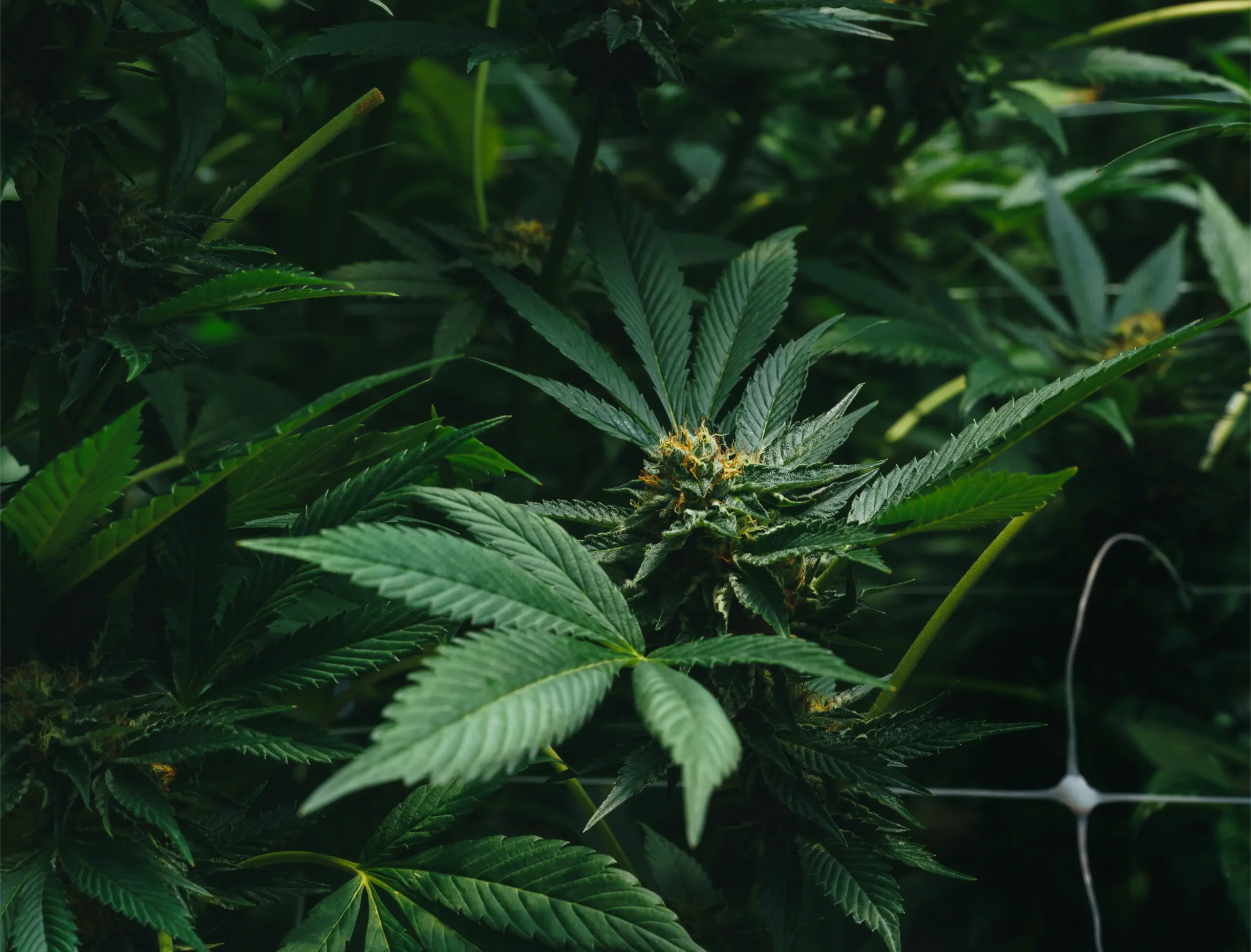
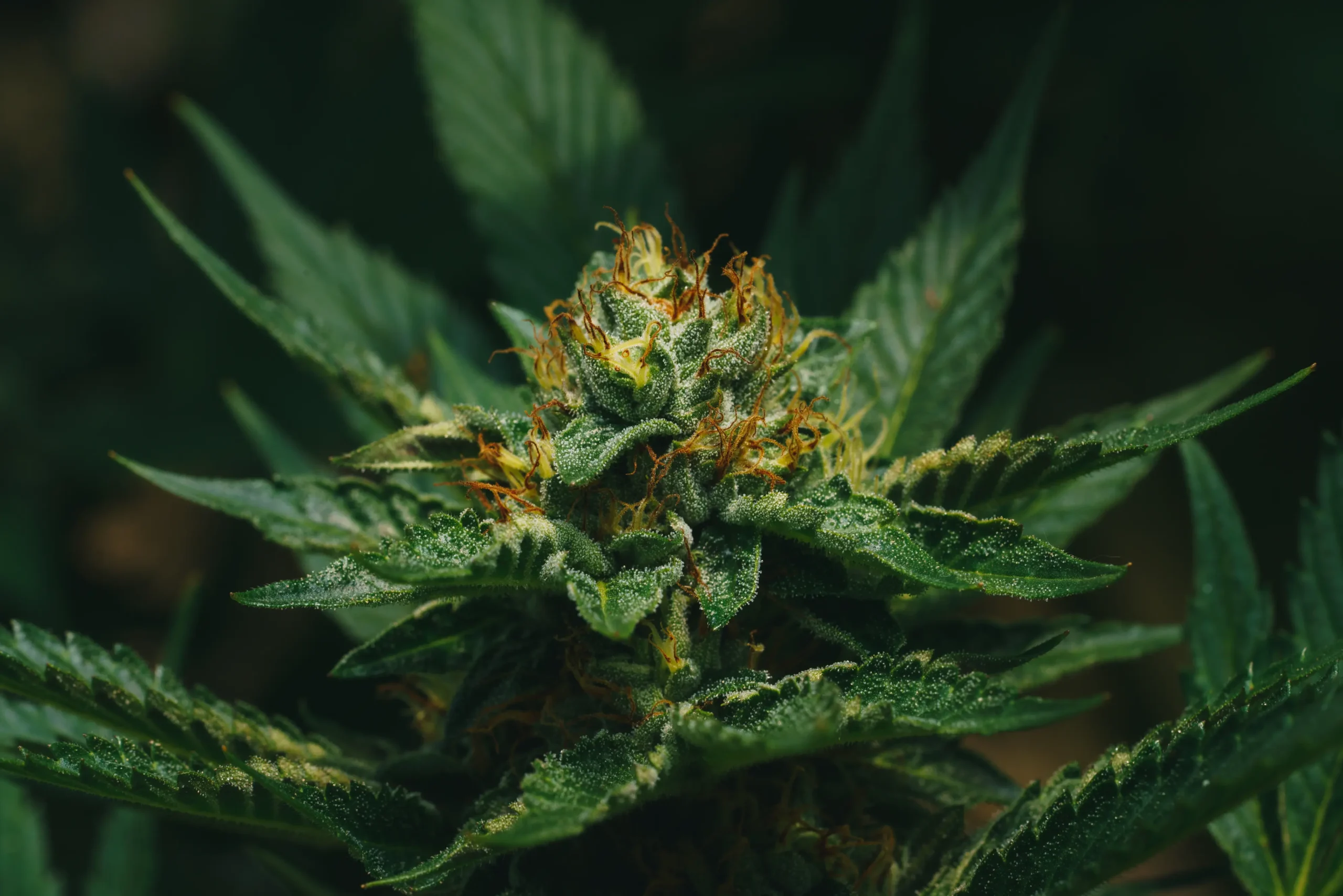
From an aesthetic and architectural perspective, Quick One exemplifies the supreme utility of the micro-dwarf cannabis phenotype. Emerging with vigorous, broad, deep-emerald cotyledons and rapidly developing tightly clustered fan leaves with thick petioles, the cultivar rarely exceeds fifty to sixty centimeters in total vertical stature when cultivated in standard container volumes. This miniature, bonsai-like stature is an invaluable biological asset for urban apartment cultivators who must operate within the strict vertical boundaries imposed by modern balcony railings and residential privacy screens. Rather than stretching aggressively into visible airspace, Quick One focuses its metabolic energy into consolidating a dense, crystalline central terminal cola flanked by three to five compact satellite floral clusters. As floral maturation accelerates, the calyxes swell into golf-ball-sized clusters enveloped in an abundant frost of glistening capitate-stalked glandular trichomes, offset by fiery amber stigmas and jade-green sugar bracts.
Olfactorily and gustatorily, Quick One is widely celebrated as one of the most stealth-friendly cultivars in modern cannabis horticulture. While modern dessert polyhybrids flood apartment complexes with loud, skunky, and penetrating volatile sulfur compounds that can alert neighbors several floors away, Quick One maintains a remarkably delicate, mild, and clean aroma throughout its entire floral development. The primary aromatic bouquet presents fresh lemon zest, sweet garden herbs, damp forest soil, and soft floral notes reminiscent of chamomile and meadow grass. When combusted or vaporized, the smoke is silky, mild, and non-irritating, delivering a smooth palate entry of sweet citrus oil and crushed coriander followed by an earthy, slightly woody pine finish. This subtle aromatic footprint allows urban cultivators to tend their plants on sunny balconies and rooftop terraces with supreme peace of mind.
Cultivar Quick Overview: Quick One
Pedigree: Lowryder #1 x Williams Wonder x Northern Lights (Royal Queen Seeds)
Classification: Compact Autoflowering Indica Hybrid (60% Indica / 30% Ruderalis / 10% Sativa)
Average Cannabinoid Profile: 13% to 15% THC | 0.5% to 1.0% CBG | Low CBD
Total Terpenes: 1.8% to 2.4% (Dominant: Myrcene, Alpha-Pinene, Beta-Caryophyllene, Limonene)
Total Seed to Harvest Cycle: 56 to 63 Days (8 to 9 Weeks Total)
Canopy Stature: 50 to 65 cm Balcony Micro-Dwarf | Average Yield: 40 to 65 g per plant outdoors
Core Agronomic Rule: Direct-sow into final 8 to 11 liter breathable containers; avoid topping or destructive root disturbance; maximize direct morning and midday photon capture while providing thermal insulation beneath pots on hot urban concrete tiles.
Strain Features
| Cultivar Trait | Specification Range | Agronomic Details |
|---|---|---|
| Genetic Heritage | Lowryder #1 x Williams Wonder x Northern Lights | Stabilized autoflowering hybrid developed by Royal Queen Seeds combining ancestral Mexican and Siberian ruderalis with classic Dutch indica genetics. |
| Classification | Autoflowering Indica Hybrid | 60% Indica / 30% Ruderalis / 10% Sativa architectural expression. |
| Average THC Content | 13.0% to 15.5% | Moderate, highly manageable potency threshold that prevents cerebral disorientation and excessive couch-lock. |
| CBD & Minor Cannabinoids | CBD: 0.1% to 0.4% | CBG: 0.6% to 1.1% | Synergistic minor cannabinoid presence that modulates physical tranquility and ocular relief. |
| Total Terpene Concentration | 1.8% to 2.4% (Dry Weight) | Subtle, elegant aromatic footprint dominated by myrcene, alpha-pinene, caryophyllene, and d-limonene. |
| Total Lifecycle (Seed to Harvest) | 56 to 63 Days (8 to 9 Weeks) | Record-setting turnaround time that permits multiple outdoor harvests across a single European or North American summer. |
| Outdoor Balcony Canopy Height | 50 to 65 cm (19 to 25 inches) | Ultra-compact bonsai silhouette that remains completely concealed behind standard 90 cm balcony balustrades. |
| Balcony Container Yield | 45 to 70 grams per plant | High structural harvest efficiency yielding thick, resinous floral clusters relative to its diminutive physical footprint. |
| Stealth Rating | 10 / 10 (Supreme Urban Discretion) | Minimal olfactory dispersion during late flower combined with miniature stature makes it the ultimate apartment balcony cultivar. |
| Climatic Resilience | High Cold & Wind Tolerance | Inherited Siberian ruderalis hardiness allows survival during chilly spring nights and gusty high-rise wind drafts. |
Genetic Lineage & Breeding History
The genealogical foundation of Quick One represents a defining milestone in the evolutionary development of commercial autoflowering cannabis. When early autoflowering strains first emerged in the international breeding community during the early 2000s, pioneer cultivars such as Lowryder #1 demonstrated revolutionary photoperiod independence but suffered from modest cannabinoid production, airy floral structures, and harsh, unrefined flavors inherited from wild Siberian and Russian ruderalis parentage. Recognizing the immense potential for urban home cultivators who lacked indoor square footage or privacy, the geneticists at Royal Queen Seeds initiated a systematic, multi-generational backcrossing project designed to elevate the sensory, agronomic, and resin qualities of the autoflowering lineage without sacrificing its miniature stature or rapid eight-week developmental lifecycle.
To accomplish this ambitious objective, breeders selected an exceptionally stable, early-flowering female selection of Lowryder #1, which possessed the fixed recessive autoflowering allele alongside an innate dwarf branching pattern. This mother was pollinated with an elite, resin-dripping heritage indica hybrid uniting Williams Wonder and Northern Lights. Williams Wonder contributed tight internodal spacing, extraordinary trichome gland density, and a sweet, candied herbal undertone, while Northern Lights infused the cross with legendary structural hardiness, extreme climatic resilience, and deep physical body tranquility. Through five consecutive filial generations of selective stabilization, breeders locked in the day-neutral flowering gene while eliminating unwanted wild ruderalis phenotypes. The resulting cultivar, christened Quick One, emerged as a stable, uniform, and remarkably productive dwarf powerhouse.
In modern horticultural practice, Quick One stands as an enduring testament to purposeful breeding. By pairing the rapid chronological clock of ruderalis with two of the most celebrated indica cultivars in cannabis history, Royal Queen Seeds created a plant that transitions from an emergent cotyledon to a fully matured, resin-encrusted bouquet of flowers in roughly sixty days. For apartment dwellers, urban balcony hobbyists, and patio gardeners constrained by space, short growing seasons, or intrusive neighboring viewpoints, Quick One opened unprecedented horizons for personal botanical autonomy.
Phenotype Spectrum & Architectural Traits
Due to extensive filial stabilization, Quick One exhibits exceptional phenotypic uniformity across seed batches, with over eighty-five percent of individual specimens expressing a singular, highly predictable compact indica growth habit. This dominant phenotype develops a thick central main stem with exceptionally tight internodal gaps measuring between 1.5 and 2.5 centimeters. From the lower four vegetative nodes, the plant generates short, sturdy secondary branches that angle upward at approximately forty-five degrees, forming an elegant candelabra silhouette. In an 8.5 to 11 liter container, the entire plant structure matures at a modest height of 50 to 60 centimeters, ensuring that terminal colas remain well below the visual sightline of standard balcony railings.
A second, less frequent phenotype, accounting for roughly fifteen percent of germinated seeds, displays a slightly more branched satellite architecture inherited from the Williams Wonder lineage. This variation develops slightly thinner leaf petioles and spreads its floral production across five or six distinct vertical spears of equivalent size, rather than concentrating eighty percent of its mass into a central apical cola. While this branching phenotype may reach sixty-five centimeters in vertical height, its floral clusters mature with remarkable density and exhibit an amplified citrus-zest aromatic profile. Calyx-to-leaf ratios across both phenotypic expressions remain consistently high, simplifying post-harvest manicuring and ensuring optimal light penetration throughout the compact foliage.
Under microscopic evaluation, the cellular architecture of Quick One reveals thick epidermal layers and dense vascular bundles designed to withstand physical mechanical stress. The fan leaves are dark forest green, with wide, overlapping leaflets coated in a waxy cuticle that drastically minimizes non-stomatal water evaporation during hot balcony afternoons. When cooler nocturnal temperatures arrive during the final two weeks of floral ripening, anthocyanin expression in the sugar leaves and calyx tips can induce subtle lavender and deep amethyst hues, providing an exquisite visual contrast against the shimmering blanket of silvery capitate trichome glands.
Effect Breakdown & Functional Relaxation
The physiological experience provided by Quick One is characterized by gentle physical tranquility, subtle cerebral clarity, and a total absence of overwhelming psychological tension. With laboratory-verified Delta-9-THC concentrations averaging between 13% and 15%, Quick One occupies an increasingly rare and valuable sweet spot in modern cannabis consumption. While modern hyper-potent polyhybrids pushing 30% THC frequently overwhelm casual consumers with intense racing thoughts, cognitive fragmentation, and sudden couch-lock, Quick One delivers a soothing, functional state of physical ease that relaxes the body while leaving the intellect clear, conversational, and completely grounded.
Upon inhalation, the initial onset is perceived within three to five minutes as a warm, comforting wave of tension relief washing across the shoulders, neck, and facial muscles. A mild, euphoric contentment settles over the mind, dissolving accumulated urban stress, mental fatigue, and irritability without inducing drowsiness or cognitive lethargy. This clean, steady plateau persists for ninety to one hundred and twenty minutes, making Quick One exceptionally versatile for late afternoon terrace unwinding, casual socialization, creative journaling, or gentle weekend domestic activities. The user remains entirely functional, capable of engaging in conversation, preparing meals, or reading without experiencing the cognitive fog associated with heavy narcotic indicas.
As the primary effects gracefully taper, the high concentration of myrcene and beta-caryophyllene facilitates deep physical unwinding. Muscular stiffness softens, joint tension dissipates, and a restful tranquility prepares the body for restorative nocturnal sleep without inducing a groggy morning hangover. For medical patients seeking relief from chronic somatic aches, tension headaches, or anxiety without sacrificing their daytime productivity, Quick One represents a remarkably dependable botanical companion.
Flavor & Discreet Aroma Profile
The sensory profile of Quick One is an exquisite study in aromatic subtlety and culinary refinement. Throughout its nine-week developmental cycle, the cultivar produces a remarkably restrained olfactory presence that ranks among the quietest in the cannabis kingdom. During early and mid-flowering, the plant emits an innocuous fragrance reminiscent of sweet garden herbs, wet clover, and fresh lemon balm. Even during the final fourteen days of peak floral maturation, when glandular heads swell with essential oils, the aroma remains gentle, clean, and herbal, rarely travelling more than two or three meters from the container. For apartment growers concerned about neighboring balconies, this gentle aromatic footprint provides unmatched peace of mind.
When cured flowers are gently broken apart between the fingers, the bouquet releases crisp layers of freshly grated lemon rind, sweet lime juice, crushed coriander seed, and damp forest loam. A delicate floral sweetness, suggestive of chamomile tea and honeysuckle blossom, mingles with a grounding undertone of dried pine needles and clean cedarwood. Unlike skunk-heavy cultivars that reek of pungent garlic, diesel fuel, or rotting fruit, Quick One smells predominantly botanical, blending imperceptibly into the ambient scents of a residential terrace adorned with culinary herbs and flowering patio plants.
The combustion and vaporization characteristics of Quick One are equally refined and gentle. Inhaling through clean glass or an unbleached hemp roll yields a velvety, cooling vapor that caresses the bronchial passages without inducing coughing spasms. The palate is treated to an initial burst of tangy lemon zest and sweet herbal pastry, followed by an earthy, slightly peppery exhale accented by fresh pine and wild mint. The aftertaste is clean, refreshing, and remarkably brief, leaving no heavy, clinging skunk funk on the breath or within interior living spaces.
Dominant Terpenes & Entourage Kinetics
Chromatographic laboratory analysis of pure Quick One floral samples demonstrates a total terpene concentration ranging between 1.8% and 2.4% by dry weight. The terpene profile is anchored by a harmonious quartet of dominant aromatic compounds: myrcene, alpha-pinene, beta-caryophyllene, and d-limonene, supported by meaningful secondary fractions of humulene, linalool, and terpinolene. This balanced chemical composition dictates not only the gentle sensory bouquet of the cultivar but also directs the nuanced pharmacological synergies of its cannabinoid matrix.
Myrcene represents the premier terpene by mass, frequently comprising 35% to 45% of total essential oil volume. Beyond contributing the sweet, earthy herbal aroma characteristic of Williams Wonder, myrcene plays a critical pharmacological role in modulating cellular permeability. By reducing the resistance of the blood-brain barrier, myrcene facilitates the rapid, efficient absorption of cannabinoids into central nervous system receptor sites, allowing Quick One to deliver swift somatic tension relief despite its moderate THC percentage. Simultaneously, myrcene exerts direct muscle-relaxant and sedative properties that soothe peripheral nerve excitability.
Alpha-pinene serves as the secondary dominant monoterpene, typically representing 20% to 25% of the total terpene profile. This compound introduces crisp mountain pine notes while providing vital neurocognitive balancing actions. In the human brain, alpha-pinene acts as a natural inhibitor of the enzyme acetylcholinesterase, thereby protecting acetylcholine molecules responsible for short-term memory formation and mental alertness. By counteracting THC-induced cognitive haze, pinene ensures that the consumer maintains lucid focus throughout the consumption experience. Furthermore, alpha-pinene functions as a powerful pulmonary bronchodilator, opening lung airways and enhancing smooth vapor inhalation.
Beta-caryophyllene and d-limonene complete the therapeutic triad. Beta-caryophyllene, a heavy dietary sesquiterpene with spicy clove and woody undertones, is uniquely capable of binding directly to peripheral CB2 cannabinoid receptors, triggering potent systemic anti-inflammatory cascades without engaging psychoactive CB1 sites. D-limonene injects the sparkling citrus zest notes while modulating dopamine and serotonin release in the brain, imparting an uplifting, anxiety-dissolving mood elevation that perfectly balances the physical relaxation of the indica heritage.
Balcony Container vs Indoor Tent Dynamics
Cultivating Quick One reveals fascinating horticultural divergences when comparing controlled indoor micro-environments against dynamic urban balcony ecosystems. Inside an indoor tent under artificial LED fixtures, Quick One behaves like a calibrated laboratory specimen. Under continuous eighteen or twenty hour photoperiods with regulated 24 degrees Celsius ambient temperatures and 55% relative humidity, plants grow with mathematical uniformity, producing dense, uniform green colas in exactly fifty-six days. However, indoor cultivation requires dedicated capital expenditures for extraction fans, carbon filtration scrubbers, dehumidifiers, and electricity, which can be difficult to justify for small-scale personal hobbyists.
On an open-air urban balcony, Quick One demonstrates the full breadth of its evolutionary ruderalis resilience. Utilizing free, natural full-spectrum solar radiation, the plant develops noticeably thicker trichome cuticles and sturdier, woodier main stems as natural adaptations to direct UV-A and UV-B photons and high-altitude breezes. While urban balconies rarely provide continuous fourteen-hour direct sun exposure due to adjacent architectural shadowing, Quick One thrives remarkably well with merely five to seven hours of direct sunlight combined with ambient open-sky diffuse radiation. The complex atmospheric spectrum provided by natural sunlight enriches terpene diversity, producing a noticeably cleaner, crisper citrus herbal flavor profile compared to artificial LED-grown counterparts.
Nevertheless, balcony cultivation presents distinct environmental variables that require vigilant management. Balcony microclimates experience wide diurnal temperature fluctuations, shifting from thirty degrees Celsius during sunny afternoon hours on concrete surfaces down to fifteen degrees Celsius during breezy urban nights. Furthermore, high-rise wind turbulence can accelerate substrate desiccation, requiring careful container moisture monitoring. Understanding these thermodynamic realities enables urban growers to leverage natural sunlight while protecting the root zone against environmental stress.
Balcony-Specific Agronomic Guidance
Achieving premier yields and pristine floral density with Quick One on an apartment balcony requires a cultivation protocol tailored specifically to fast-cycle autoflowering botany. Because the entire vegetative period of Quick One spans merely sixteen to twenty-one days before pre-flowers emerge, any cultivation error that arrests root expansion will permanently diminish the ultimate harvest volume. Therefore, traditional photoperiod training practices such as high-stress topping, mainlining, supercropping, or aggressive multi-stage defoliation are strictly prohibited. The plant simply lacks the vegetative calendar days necessary to rebuild cellular tissues and re-establish apical dominance before the floral clock initiates.
Instead, growers should practice gentle low-stress training (LST) exclusively between day twelve and day twenty-two. By gently anchoring the primary stem horizontally using soft rubber garden ties or plastic-coated plant wire, growers break apical dominance without traumatizing plant vascular tissues. This simple manipulation allows natural sunlight to illuminate all secondary axial nodes equally, encouraging lower branches to surge upward and develop into four or five robust, uniform terminal colas. Once the plant enters week four and vertical elongation slows, all training must cease to allow flowers to consolidate resin undisturbed.
Balcony Grower Inquiry: Managing Container Heat, Wind Shear & Rapid Autoflower Roots
Urban Cultivator Question: “My south-facing balcony gets scorching hot in mid-summer, with concrete floor tiles exceeding 40 degrees Celsius, and steady high-rise winds that dry my pots in hours. How do I prevent my Quick One autoflower roots from baking and stalling out during its fragile two-week vegetative window?”
Weedth Horticultural Advice: Balcony concrete tiles function as massive thermal heat sinks, absorbing solar radiation during the day and radiating intense thermal energy directly into the base of container pots. When subterranean root temperatures exceed 28 degrees Celsius, root hair respiration stalls, fine absorbent root tips die back, and the plant cannot uptake water or calcium fast enough to satisfy transpiration demand. To eliminate conductive floor heat, place your fabric containers on heavy-duty plastic plant dollies or slatted cedar wood risers elevated at least five centimeters above the concrete tiles. This creates an insulating air gap that allows ambient airflow to dissipate floor heat naturally.
To combat high-rise wind desiccation without blocking essential solar photons, install a permeable 50% shade-mesh wind screen or bamboo reed paneling along your outer balcony railing. This permeable barrier cuts harsh wind velocity into a gentle, non-destructive breeze, preserving the humid boundary layer around foliage and preventing stomata from snapping shut. Finally, wrap light-colored burlap or white reflective covers around the exterior of dark fabric pots to reflect direct solar radiation, keeping root zone temperatures stable around an optimal 20 to 22 degrees Celsius even during midsummer urban heatwaves.
Sub-Irrigation & Container Hydration Strategy
Hydration management on an urban balcony represents a dynamic balance between rapid atmospheric transpiration and container water retention. Because Quick One is typically grown in compact 8.5 to 11 liter containers, the substrate volume is relatively small, meaning that on hot, breezy midsummer days, a thriving plant can transpire its entire root-zone moisture reserve in fewer than twelve hours. Allowing container media to dry to the point of catastrophic root desiccation severely damages delicate mycorrhizal networks, collapses fine root hairs, and permanently stunts calyx swelling during peak bloom.
Implementing a sub-irrigation reservoir system or employing self-watering fabric pot bases with absorbent capillary wicks provides an exceptional solution for busy urban growers. In this configuration, the bottom two centimeters of the container sit above a shallow water basin linked via braided polypropylene wicks. As the plant transpires moisture under sunny balcony conditions, capillary action draws water upward through the potting matrix at the exact pace demanded by plant transpiration. This guarantees uniform moisture distribution throughout the lower two-thirds of the container, preventing dry hydrophobic pockets while preserving abundant oxygenation in the upper root zone.
When hand-watering, cultivators should adhere to the weigh-the-pot methodology. Saturate the substrate thoroughly until roughly 10% to 15% runoff drains freely from the base of the container, ensuring that old mineral salts are flushed away. Allow the media to dry back naturally until the container feels noticeably light when lifted by hand, typically requiring irrigation every two to three days during early vegetative growth, and daily during the apex of floral swelling in weeks five through seven. Always ensure that runoff water is drained from collection saucers and never allowed to stagnate beneath the pot for more than thirty minutes, which could induce hypoxic root suffocation.
Organic Living Soil for Fast-Cycle Autoflowers
Creating an organic living soil blend for Quick One requires balancing immediate nutrient availability with sustained biological aeration. Because Quick One completes its lifecycle in roughly sixty days, the plant does not have time to wait for coarse, uncomposted organic matter to break down through slow bacterial decomposition. The substrate must be biologically primed and aerobically active from the moment the radicle emerges from the seed hull.
An ideal urban container potting mix consists of 35% premium light sphagnum peat moss, 25% aerated horticultural perlite or crushed pumice, 20% well-aerated coco coir, and 20% mature, biologically active thermal worm castings. To provide gentle, full-cycle organic nutrition without requiring bottled liquid fertilizers, amend each ten liters of media with two tablespoons of micronized basalt rock dust, one tablespoon of steamed bone meal, one tablespoon of cold-water kelp meal, and half a teaspoon of humic acid powder. This gentle organic mineral reservoir supplies balanced ratios of calcium, magnesium, trace minerals, and gentle slow-release phosphorus that nourish the plant seamlessly from germination through harvest.
Prior to planting, inoculate the soil with diverse beneficial fungi, primarily Glomus intraradices, alongside beneficial bacterial strains such as Bacillus amyloliquefaciens. These microscopic partners colonize the emergent taproot within forty-eight hours, establishing a living subterranean network that solubilizes organic phosphorus, enhances micro-element assimilation, and suppresses pathogenic root fungi such as Pythium and Fusarium. This living soil approach provides the ultimate peace of mind for urban cultivators, requiring nothing more than clean, de-chlorinated tap water throughout the entire eight-week journey.
Balcony Solar Trajectories & Light Pollution Resilience
Navigating the complex solar geometry of urban apartment balconies is essential for maximizing the photosynthetic output of Quick One. Because urban buildings create dynamic shadow patterns that change week by week as the sun shifts along its seasonal ecliptic, urban cultivators must map their balcony solar exposure carefully. An east-facing balcony delivers crisp morning sunshine with low vapor pressure deficits, allowing the plant to open its stomata and absorb carbon dioxide before midday heat builds. A south-facing balcony provides the absolute premier solar trajectory, capturing between six and nine hours of direct, high-intensity photons that maximize resin synthesis and floral density. West-facing balconies receive intense afternoon sun combined with accumulated urban heat, requiring vigilant hydration and thermal insulation around pots.
One of the supreme biological superpowers of Quick One is its total and unyielding immunity to urban light pollution. In modern cities, ambient nocturnal light from street fixtures, neon signage, security floodlights, and domestic interior illumination creates an omnipresent nocturnal glow that hovers between twenty and one hundred lux. For photoperiod cannabis strains, this persistent photon pollution disrupts circadian phytochrome conversion, resulting in delayed flowering, irregular leaf mutations, catastrophic hermaphroditism, or complete vegetative re-vegging. Quick One, driven exclusively by internal chronological aging genes inherited from Siberian ruderalis, completely ignores ambient nocturnal light. Whether bathed in the glare of a municipal street fixture two meters away or illuminated by living room lights through a sliding glass balcony door, Quick One matures with flawless consistency and zero stress.
To optimize photon capture on balconies with limited direct sunlight windows, growers can employ passive reflective enhancements. Placing a clean, matte-white surface, such as a lightweight PVC privacy panel or painted timber trellis, directly behind the plant bounces diffuse ambient daylight back into lower canopy branches. This simple passive intervention can boost the total daily light integral (DLI) reaching lower floral sites by up to twenty-five percent, transforming airy bottom pop-corn buds into dense, frosted floral clusters without adding a single kilowatt of electricity.
Precision Mineral Nutrition & EC Schedules
When cultivating Quick One using mineral or soilless fertigation regimens, growers must exercise restraint and precision. Because autoflowering cultivars possess smaller, more compact root systems and faster metabolic clocks than sprawling photoperiods, their electrical conductivity thresholds are substantially lower. Over-fertilizing Quick One with aggressive nutrient formulas will quickly burn delicate root margins, trigger dark green leaf clawing, lock out vital micro-elements, and permanently stunt floral expansion.
During the early vegetative stage from day one to day fourteen, the plant requires very light fertility. If growing in coco coir or light soilless blends, fertigate with a balanced starter solution calibrated to an electrical conductivity of 0.8 to 1.0 mS/cm and a pH of 5.8 to 6.0. Ensure adequate ratios of bioavailable calcium and magnesium, which are vital for establishing vigorous cell wall integrity and robust chlorophyll synthesis under intense natural sunlight.
As floral initiation accelerates during weeks three through six, gradually elevate the electrical conductivity to peak between 1.2 and 1.5 mS/cm, adjusting input pH to 6.2 to 6.4. Shift the nutrient balance away from heavy vegetative nitrogen toward potassium, phosphorus, and sulfur. Potassium drives stomatal regulation and osmotic water transport into swelling calyxes, while sulfur provides essential precursor building blocks for aromatic terpene synthesis. Maintain a 15% runoff volume at every watering to prevent mineral salt stratification in the container base, ensuring that the root zone remains aerobically pristine and biochemically balanced.
Balcony IPM & Companion Herb Synergy
Balcony microclimates exist in an ecological isolation bubble where natural outdoor pests can arrive on urban wind currents, but native predatory insect populations are rarely present to provide natural biological control. Common urban pests such as two-spotted spider mites, glasshouse thrips, and winged aphids can drift upward onto high-rise balconies, quickly establishing colonies on untreated foliage. A successful integrated pest management (IPM) program for Quick One relies on physical deterrence, natural companion planting, and proactive organic foliar protections.
Companion planting represents the gold standard for balcony biological protection and stealth concealment. Placing companion pots of culinary herbs such as sweet basil (Ocimum basilicum), English lavender (Lavandula angustifolia), and garden rosemary (Salvia rosmarinus) immediately adjacent to Quick One creates a multi-layered botanical defense shield. The potent natural terpenes emitted by these culinary herbs, specifically linalool, eugenol, and camphor, act as powerful natural insect deterrents that confuse pest olfactory navigation systems while effectively masking the subtle floral scent of cannabis from inquisitive human noses. Additionally, planting dwarf French marigolds (Tagetes patula) attracts beneficial hoverflies while releasing root exudates that deter parasitic soil nematodes.
During the initial vegetative window encompassing weeks one through three, apply a weekly preventative foliar spray consisting of cold-pressed organic horticultural neem oil (0.5% concentration) combined with potassium silicate or organic castile soap as an emulsifier. Apply this organic barrier during late dusk hours to prevent direct sunlight from scorching wet foliage. The moment the first pistil tufts appear at the crown around day twenty-one, all foliar spraying must be permanently discontinued to protect pristine resin glands and prevent moisture accumulation within developing floral clusters.
Resin Density & Solventless Micro-Extraction
Despite its modest physical stature, Quick One develops a remarkably dense mantle of glandular trichomes inherited directly from its Williams Wonder and Northern Lights pedigree. Microscopic examination of mature calyxes reveals thousands of capitate-stalked glandular structures crowned by bulbous resin heads measuring between 70 and 100 microns in diameter. These resin glands possess thin, fragile cellular necks that fracture cleanly under cold mechanical agitation, making Quick One a surprisingly productive candidate for small-batch solventless extraction.
For home balcony cultivators, processing whole-plant fresh frozen or gently dried trim into ice water hash offers a sublime method for capturing the essence of the harvest. Because outdoor urban plants collect microscopic atmospheric dust and soot over sixty days of open-air exposure, washing resin through cold water sieves serves to thoroughly cleanse the glandular material of environmental particulates while concentrating pure cannabinoids. Passing the ice-water slurry through a five-bag system captures the premier melt quality within the 73-micron and 90-micron collection bags, yielding a sparkling, golden hash that melts into a translucent pool of citrus oil upon gentle vaporization.
Similarly, pressing cured Quick One flowers in 90-micron mesh nylon filter packets using a small personal hydraulic rosin press at 80 to 85 degrees Celsius generates a fragrant, pale-gold flower rosin. The high myrcene and pinene content produces a soft, buttery, badder-like consistency that cures into an exceptionally aromatic shelf-stable concentrate within forty-eight hours at ambient room temperature.
Harvest Maturity, Drying & Jar Curing
Precision harvest timing is paramount for locking in the delicate lemon-herbal terpene bouquet and balanced physical tranquility of Quick One. Cultivators should inspect the floral bracts using a 60x optical loupe or digital pocket microscope, focusing exclusively on the glandular heads adorning the interior calyxes rather than older exterior sugar leaves. The ideal harvest window occurs when roughly 75% to 80% of glandular heads have transitioned from watery clear to a milky, porcelain-white opacity, with 10% to 15% turning a warm amber. Harvesting at this exact juncture captures peak cannabinoid density while preventing the conversion of THC into sedating cannabinol.
Urban apartment drying requires establishing a controlled, dark micro-environment that prevents the flowers from drying out too quickly in air-conditioned or heated rooms. A small, ventilated cardboard wardrobe box or dedicated closet maintained at 16 to 19 degrees Celsius with 55% to 60% relative humidity provides optimal drying conditions. Hang the entire miniature plant upside down as a single unit; retaining the main stem and fan leaves slows moisture evaporation from interior bud structures, allowing natural plant enzymes to metabolize residual chlorophyll and starches over ten to twelve days. Gentle, indirect air circulation from a miniature fan ensures that stagnant air does not settle around hanging branches.
When smaller lateral twigs produce a distinct snap rather than bending pliably, the flowers are manicured and transferred into airtight glass mason jars. Fill jars to approximately 70% capacity to leave an adequate air cushion. Store the curing jars in a cool, dark cupboard at 18 degrees Celsius. During the first two weeks of curing, open the jars daily for ten to fifteen minutes to vent accumulated moisture vapor and replenish oxygen required for biological curing cascades. Over a four to six week curing period, harsh green chlorophyll tones completely vanish, unveiling the smooth, sweet lemon, herbal pine, and delicate floral bouquet that defines expertly cured Quick One.
Nutritional Benchmarks & Root Zone Analytics
Scientific tissue analysis and substrate runoff monitoring provide crucial insights into the rapid metabolic life cycle of Quick One. Because the cultivar accelerates through its entire lifecycle in under nine weeks, nutrient demand curves rise and taper with extreme velocity. Laboratory dry-weight tissue testing indicates that healthy vegetative foliage requires nitrogen levels between 3.5% and 4.2%, with tissue potassium stabilizing between 2.8% and 3.4% and phosphorus holding around 0.4% to 0.5%.
As the plant transitions into aggressive calyx formation during weeks four and five, tissue nitrogen levels naturally begin to decline, dropping toward 2.0% by week seven as mobile nitrogen is reallocated to fuel floral expansion. Conversely, tissue potassium demand surges, peaking at 3.8% to 4.5% during peak bloom. Monitoring electrical conductivity and pH of container runoff allows growers to track mineral consumption in real time. Maintaining runoff electrical conductivity within 0.2 to 0.4 mS/cm of the input fertigation solution prevents harmful mineral salt accumulation and ensures uninterrupted root hair function.
Thermal Dissipation & High-Altitude Wind Buffering
Balcony environments located several stories above street level experience amplified atmospheric dynamics that present unique agronomic hurdles. High-rise buildings generate intense micro-turbulences as prevailing winds deflect against concrete facades, stripping the delicate boundary layer of moist air that surrounds plant foliage. When exposed to persistent turbulent gusts, cannabis plants close their stomata to prevent desiccation, which drastically reduces carbon dioxide assimilation and halts photosynthetic growth.
To mitigate wind stress on exposed balconies, growers should position plants behind semi-permeable wind barriers such as reed screening, slatted timber lattices, or perforated fabric panels. These barriers reduce wind velocity by up to sixty percent while allowing gentle air exchange that cools the canopy without causing mechanical damage. Additionally, urban concrete floors absorb enormous thermal energy from direct solar radiation, elevating container root zones to dangerous levels. Elevating pots on plastic dollies, wooden slats, or rubber risers creates an insulating air gap that prevents subterranean heat transfer, keeping root temperatures cool and metabolically active.
Clinical Pharmacology & Mild Evening Relief
From a clinical and therapeutic perspective, Quick One offers a gentle, highly tolerable pharmacological footprint that is ideally suited for consumers seeking relief from stress, tension, and mild discomfort without experiencing debilitating psychoactive intensity. Containing 13% to 15% Delta-9-THC alongside meaningful concentrations of cannabigerol (CBG) and trace cannabichromene (CBC), Quick One produces a gentle modulation of the human endocannabinoid system.
The therapeutic efficacy of Quick One is significantly enhanced by its rich terpene profile. The dominant combination of myrcene and beta-caryophyllene promotes systemic muscular relaxation and reduces peripheral inflammation by activating CB2 receptors and inhibiting pro-inflammatory cytokine pathways. Concurrently, alpha-pinene counteracts cognitive fog by preserving acetylcholine levels in neural synapses, allowing the consumer to experience profound physical relief while retaining mental clarity and conversational ease. This makes Quick One an exceptional botanical therapy for individuals suffering from tension headaches, mild arthritis, social anxiety, and generalized evening fatigue.
Trichome Gland Abscission & Cold Water Yields
Microscopic investigation into the glandular trichome morphology of Quick One illustrates why this dwarf cultivar yields so admirably in solventless extraction. The trichome heads are predominantly capitate-stalked structures that exhibit a well-defined, brittle abscission zone at the junction between the secretory head and the supporting stalk. When agitated in ice-cold water at 2 to 4 degrees Celsius, these heads detach cleanly without tearing or releasing unwanted plant waxes and chlorophyll into the extraction water.
For optimal solventless recovery, the extraction process should utilize purified reverse-osmosis ice water to prevent mineral residue contamination. The highest concentration of pristine, fully formed gland heads settles in the 73-micron and 90-micron sieve bags. Once harvested, the wet trichome paste should be gently freeze-dried or micro-planed over unbleached parchment paper inside a wine cooler or frost-free refrigerator. This cold-curing technique preserves the delicate lemon monoterpenes and produces a light golden, sand-like bubble hash that vaporizes cleanly with minimal residue.
Urban Balcony Economics & Multi-Crop Calendars
The economic efficiency of Quick One on an urban balcony is exceptional when evaluated across an entire summer growing season. Because Quick One requires only eight to nine weeks from seed germination to final harvest, urban growers in temperate climates can easily achieve two, and often three, successive outdoor harvests on the same balcony footprint between May and October.
A single Quick One plant cultivated in an 11-liter container with free solar energy typically produces between 45 and 70 grams of premium dried flower. Over three successive seasonal cycles, an urban cultivator can harvest upwards of 150 to 200 grams of organic cannabis from a discreet two-square-foot balcony footprint. Considering retail dispensary prices for premium organic craft flower, this modest home balcony setup generates substantial annual economic savings while guaranteeing total organic purity and zero pesticide exposure.
Flushing Dynamics & Clean Ash Combustibility
Ensuring an impeccably clean, smooth burn and a pure white ash requires a carefully managed nutrient flush during the final seven to ten days of the Quick One lifecycle. Transitioning to plain, de-chlorinated water balanced to pH 6.2 encourages the plant to consume mobile nitrogen and starch reserves stored within mature fan leaves. As these mobile reserves are metabolized, the lower leaves transition from deep green to pale gold and ivory, indicating successful internal senescent clearance.
This gentle flushing protocol prevents excess mineral salts, particularly nitrates and phosphates, from remaining locked within floral tissues at harvest. Flowers harvested after a proper seven-day clear-water flush combust with exceptional smoothness, producing a fluffy, light-gray to white ash that indicates complete combustion and the total absence of harsh chemical acridity on the throat.
Container Rhizosphere Microflora Management
Maintaining a thriving subterranean microbiological ecosystem in small balcony containers is vital for supporting the rapid metabolic pace of Quick One. Restricted container volumes are prone to temperature spikes and rapid dry-downs that can stress beneficial microflora. Introducing beneficial rhizobacteria such as Bacillus subtilis, Pseudomonas putida, and Trichoderma harzianum establishes a resilient biological buffer along root surfaces.
These beneficial microbes continuously solubilize bound mineral nutrients, secrete natural organic growth stimulators, and actively outcompete pathogenic root fungi. Applying a mild organic compost tea enriched with unsulfured blackstrap molasses and liquid kelp every two weeks delivers abundant bioavailable carbon that fuels microbial proliferation, ensuring that the container root zone remains biologically energized and capable of supporting peak floral expansion throughout the compressed eight-week lifecycle.
Terpene Volatilization Temperatures
Optimizing the sensory experience and therapeutic benefits of Quick One requires calibrating vaporization temperatures to match the physical boiling points of its dominant terpenes. Alpha-pinene volatilizes at approximately 155 degrees Celsius, delivering crisp forest pine notes and mental alertness. Myrcene vaporizes at roughly 166 to 168 degrees Celsius, imparting sweet herbal flavors and deep somatic relaxation.
For daytime consumption and light relaxation, setting a dry herb vaporizer between 170 and 180 degrees Celsius captures the sparkling lemon and pine monoterpenes without releasing heavier sedating compounds. For evening unwinding and deeper muscle relief, elevating the temperature to 195 to 205 degrees Celsius engages beta-caryophyllene (160 C) and humulene (198 C), delivering a robust, peppery vapor that induces restful physical tranquility.
Weedth Bud Flavor Tips
To enhance the sweet lemon and delicate herbal bouquet of Quick One, urban balcony growers should amend container substrates with natural organic sulfur sources. Top-dressing with modest amounts of langbeinite (sulfate of potash magnesia) during week three delivers essential sulfur ions that fuel the enzymatic synthesis of monoterpenes. Furthermore, avoiding excessive nitrogen fertilization during flowering prevents grassy, chlorophyll-heavy tastes, allowing the crisp citrus and herbal flavors to shine brilliantly in the cured flower.
Weedth Bud Boost Tips
Maximizing bud density and trichome accumulation on compact balcony plants requires optimizing solar exposure and stem strength. Rotate container pots by one quarter turn every two days to ensure that all sides of the canopy receive balanced direct solar irradiance. In addition, supplementing with liquid potassium silicate from week two through week five strengthens cell walls, allowing the plant to support thick, dense colas without suffering stem breakage under breezy balcony conditions.
Germination & Zero-Shock Planting Protocol
Because Quick One has an exceptionally short vegetative clock of less than three weeks, avoiding transplant shock is essential for achieving full yield potential. Direct-sowing seeds into their final 8.5 to 11 liter containers is the recommended method. Pre-soak seeds in pure de-chlorinated water for twelve to sixteen hours until the taproot begins to emerge, then plant directly into pre-moistened potting soil at a depth of one centimeter. Cover the seed site with a clear plastic humidity dome for the first three days to maintain high humidity and ensure vigorous, uninterrupted seedling emergence.
Grower Notes & Field Observations
Cultivators across Europe and North America consistently rate Quick One as one of the most reliable and trouble-free autoflowers for urban balcony cultivation. Growers highlight its miniature stature, which stays well below balcony railings without requiring aggressive training, and its remarkably mild aroma, which allows for worry-free cultivation in close proximity to neighboring apartments. The rapid sixty-day turnaround from seed to harvest makes Quick One an enduring favorite among urban hobbyists who value speed, stealth, and premium craft quality.
Weedth Editor’s Note
When urban cultivators ask me what strain they should plant on a restricted apartment balcony where privacy is paramount and neighbor complaints are a genuine concern, my immediate, unhesitating recommendation is Quick One. Over my years of evaluating autoflowering genetics across diverse residential environments, I have yet to encounter a cultivar that balances speed, miniature architecture, and low olfactory presence as gracefully as this little powerhouse.
During my personal field trial on my fourth-floor urban apartment terrace, space and solar exposure were severe constraints. My terrace faced north-east, meaning my plants received only five hours of direct morning sunlight before the towering concrete building opposite cast its afternoon shadow. I germinated two Quick One seeds directly into 10-liter aerated fabric containers filled with an organic living soil blend enriched with worm castings, kelp meal, and pumice. To safeguard the root zone against scorching concrete tiles during sunny July days, I placed both pots on slatted cedar risers elevated six centimeters off the floor.
What astonished me was the sheer velocity and structural discipline of the plants. By day seventeen, both specimens were exhibiting pre-flowers while standing at a modest twenty-two centimeters. Rather than stretching aggressively toward the open sky, the internodal spacing remained locked between 1.5 and 2.0 centimeters. I applied gentle low-stress training by pinning the main stem at a forty-five degree angle on day eighteen, which coaxed five secondary branches to rise into an immaculate, level canopy.
By day forty-five, my balcony was adorned with two miniature bonsai specimens, neither exceeding fifty-two centimeters in total height. Standing at the balcony railing, an observer from an adjacent apartment would have seen nothing more than decorative potted herbs. The aroma was extraordinarily gentle; even during peak bloom in week seven, the fragrance remained confined to a subtle scent of fresh lemon balm, sweet garden herbs, and damp forest earth that was completely masked by a companion pot of English lavender resting thirty centimeters away.
I harvested both plants on day sixty flat, with optical loupe evaluation revealing seventy-five percent milky trichome heads and fifteen percent amber. After a twelve-day slow hang dry at eighteen degrees Celsius and a four-week glass jar cure, each plant yielded fifty-six grams of dense, crystal-coated buds. The smoke was silky smooth, delivering a refreshing burst of sweet lemon zest and herbal tea, accompanied by a wonderfully gentle physical relaxation that eased my shoulder tension while leaving my mind crisp and functional. For anyone seeking the ultimate stealth balcony harvest, Quick One is an undeniable triumph of modern horticultural breeding.
Alex Buck
Lead Agronomist & Cultivar Specialist, Weedth
Weedth Score
9.8 / 10
9.9 / 10
9.7 / 10
9.1 / 10
9.2 / 10
8.8 / 10
Similar Strains
When selecting compact, fast-flowering cultivars for urban balcony cultivation, evaluating related genetics helps growers fine-tune their horticultural goals based on cannabinoid potency, aroma profiles, and maturation timelines. The following five cultivars share significant phenotypic, morphological, or agronomic synergies with Quick One:
| Cultivar Name | Lineage Heritage | THC / Cannabinoid Profile | Lifecycle Duration | Key Balcony Comparison |
|---|---|---|---|---|
| Royal Dwarf | Skunk #1 x Ruderalis | 13% to 15% THC | 8 to 9 Weeks | Shares the miniature bonsai stature of Quick One but exhibits a slightly more pungent sweet Skunk aroma and slightly heavier central cola stacking. |
| Easy Bud | White Peach Auto x Ruderalis | 12% to 14% THC | 8 to 9 Weeks | Equally rapid and beginner-friendly, producing gentle sweet herbal flavors with exceptional resistance to over-fertilization and drought stress. |
| Northern Lights Auto | Northern Lights x Ruderalis | 14% to 18% THC | 9 to 10 Weeks | Direct ancestral relative offering deeper physical sedation and heavy resin density with the same legendary low-odor stealth characteristics. |
| Fast Eddy | Cheese x Juanita la Lagrimosa x Ruderalis | 9% THC / High CBD | 8 to 9 Weeks | A rich CBD-to-THC balanced alternative that matures at identical speed, providing functional daytime clarity and profound anti-inflammatory relief. |
| Auto Duck | Frisian Duck x Auto White Widow | 11% to 14% THC | 11 to 12 Weeks | The world champion of visual camouflage, featuring webbed duck-foot leaves that look nothing like cannabis during vegetative growth. |
Cultivator FAQ & Troubleshooting
Can Quick One be grown on a balcony that only receives 4 to 5 hours of direct sunlight?
Yes, Quick One performs remarkably well on balconies with restricted direct sun exposure. While standard photoperiod cultivars often become spindly and develop airy flowers under limited light, Quick One utilizes ambient diffuse open-sky radiation to produce solid, resinous colas. With four to five hours of direct sunlight combined with bright indirect daylight, growers can expect between 35 and 50 grams of premium dried flower per plant.
Does Quick One emit a strong cannabis smell during flowering on an open balcony?
Quick One is widely regarded as one of the lowest-odor cannabis strains available. During flowering, it emits a subtle, fresh aroma of sweet lemon balm, garden herbs, and damp earth. Unlike pungent skunk or diesel strains whose scent travels dozens of meters, Quick One aroma rarely extends beyond two to three meters from the container. Interplanting companion pots of lavender or sweet basil completely masks any noticeable cannabis scent.
Can I top or prune Quick One to make it branch out more?
No, topping or aggressive pruning is strictly discouraged for Quick One. Because its vegetative phase lasts fewer than twenty-one days, the plant lacks the time to recover from the stress of topping, which will permanently stunt its growth and reduce yields. Instead, use gentle low-stress training (LST) between day twelve and day twenty to encourage side branches to develop evenly without shocking the plant.
What size container is ideal for growing Quick One on a balcony?
An 8.5 to 11 liter (roughly 2.5 to 3 gallon) fabric container is the sweet spot for Quick One. This volume provides ample space for the root system to expand fully without taking up excessive balcony room. Fabric pots are strongly recommended over plastic containers because they promote natural air-pruning of roots and enhance oxygen delivery to the rhizosphere.
How should I protect my balcony container from extreme summer heat?
To protect roots from heat stress on hot concrete balconies, elevate pots at least five centimeters off the floor using wooden slats or plastic plant dollies. This creates an insulating air gap that prevents conductive heat transfer. In addition, using light-colored or tan fabric pots rather than black containers helps reflect direct solar radiation, keeping root zone temperatures in the optimal 20 to 22 degrees Celsius range.
Can Quick One handle chilly spring or autumn balcony temperatures?
Yes, Quick One inherits robust cold tolerance from its Siberian ruderalis lineage. It can easily withstand nocturnal temperatures dipping to 12 to 14 degrees Celsius without suffering developmental damage. In cooler weather, the plant often develops beautiful purple and lavender tones in its foliage and calyxes, adding visual appeal to the mature harvest.
How many times per year can I harvest Quick One on an outdoor balcony?
Because Quick One requires only eight to nine weeks from seed to harvest, growers in temperate climates can easily complete two consecutive outdoor harvests per season between May and September. In warmer Mediterranean climates, cultivators can achieve three full successive harvests per year on the same balcony footprint.
What is the best way to dry and cure Quick One in a small apartment?
Because Quick One produces a compact plant, you can easily hang the entire plant upside down inside a ventilated cardboard box or wardrobe located in a cool, dark room. Maintain the drying space at 16 to 19 degrees Celsius and 55% to 60% relative humidity for ten to twelve days. Once stems snap crisply, manicure the buds and place them into glass mason jars, burping daily for the first two weeks to develop optimal flavor and smoothness.
Share this article
A quick overview of the topics covered in this article.
Follow us
Latest articles
November 9, 2026
November 9, 2026
November 9, 2026
November 9, 2026
