
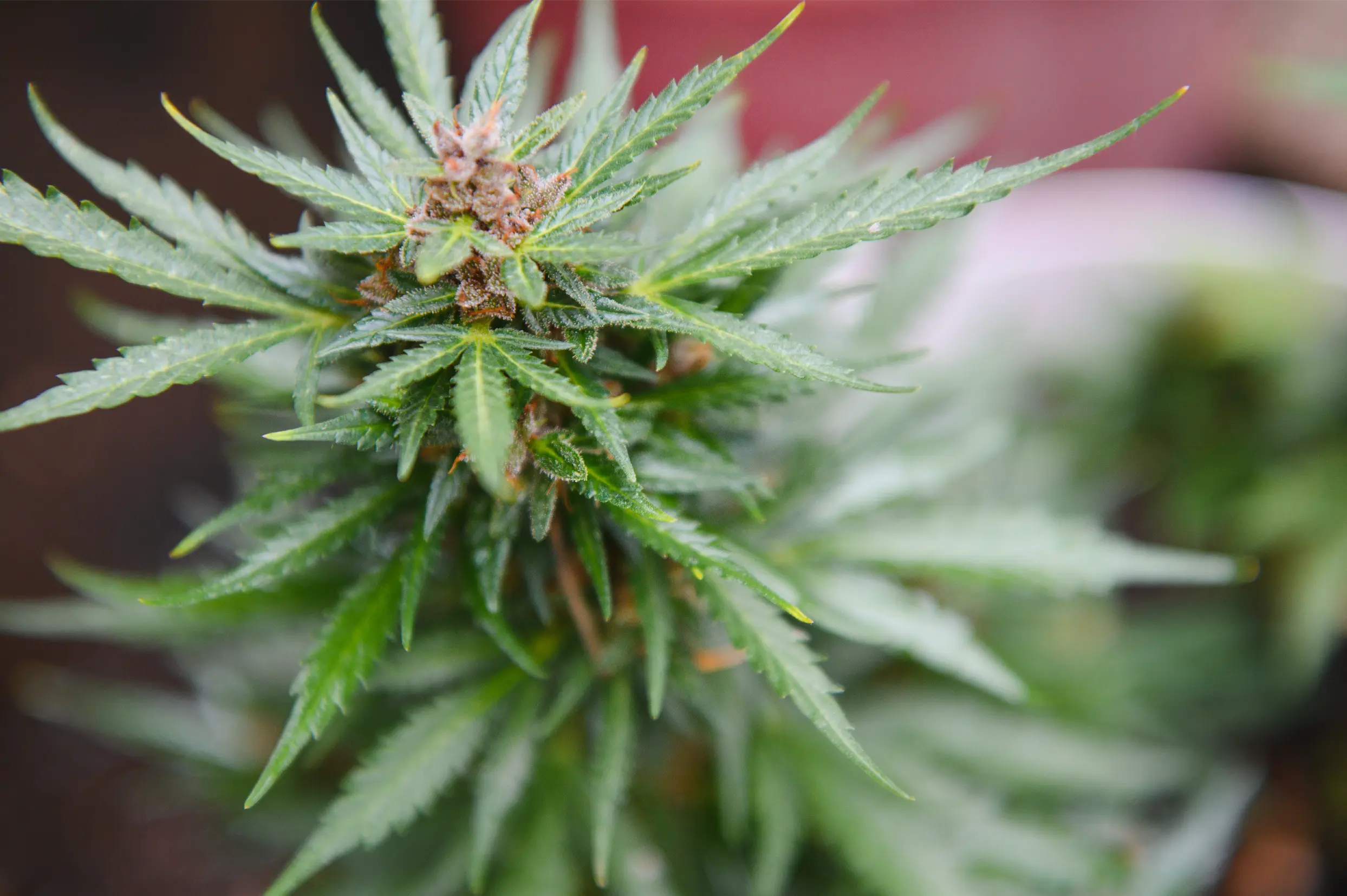
Romulan Strain: Complete Cultivar & Grow Guide
In the venerable chronicle of North American craft cannabis, few cultivars possess as profound a legendary legacy, mysterious history, and unwavering medical reputation as Romulan. Originating in the misty, emerald mountains of British Columbia and Vancouver Island during the late 1960s and 1970s, Romulan stands as a monumental cornerstone of Pacific Northwest cannabis culture. Named affectionately after the fictional alien species from Star Trek because its immense, skull-gripping cerebral potency was reputed to dent your forehead and alter your mental physiology, Romulan remains the gold standard for heavy, pine-drenched medicinal indicas. Eschewing the trendy candy and dessert terpene profiles of the modern market, Romulan delivers an unapologetic, old-school sensory onslaught of crushed conifer needles, sticky pine tree resin, damp forest earth, aged cedarwood, spicy hashish, and pungent skunk spray.
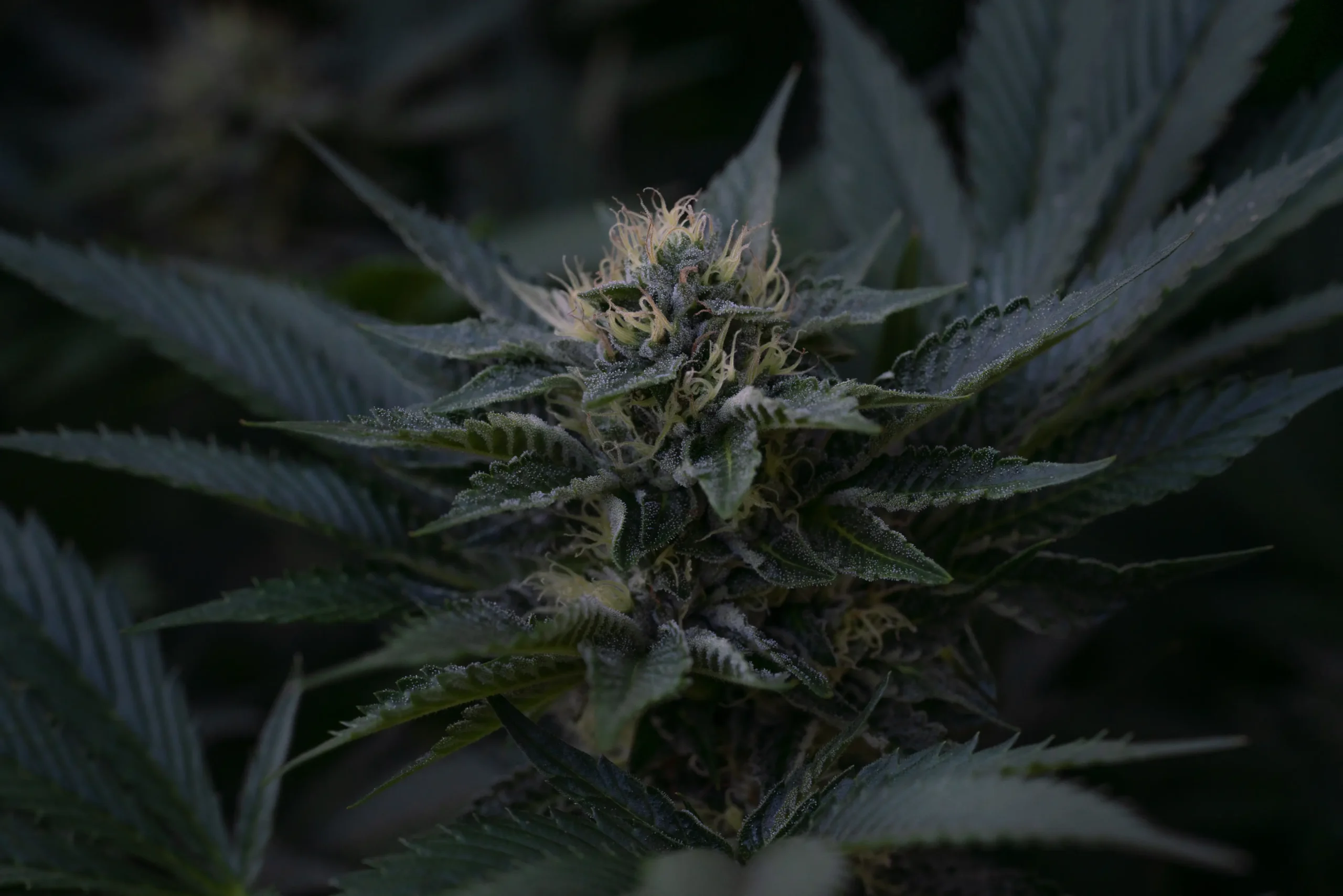
From an agronomic perspective, Romulan presents an intriguing, non-standard growth habit that demands experienced canopy management. Unlike uniform, columnar modern hybrids, Romulan develops a stout, thick-stemmed frame characterized by vigorous, sometimes asymmetrical lateral branching. Vegetative plants produce thick, leathery, dark emerald fan leaves with heavy serrations. When transitioned into a 12/12 photoperiod, Romulan displays low to moderate vertical stretch (120% to 150%), focusing its energy instead on swelling thick lateral spears that pack immense floral biomass along secondary branches. As flowering progresses through weeks 6, 7, and 8, the floral clusters become exceptionally dense, diamond-hard, and completely blanketed in a frosted mantle of glandular trichomes, set against pale jade calyxes and deep copper-amber pistils.
However, commanding maximum medicinal potency and bag appeal from Romulan requires thoughtful structural support and strict microclimate vigilance. Because the cultivar forms thick, weighty floral spears on lateral branches that push outward in irregular directions, secondary trellis netting or bamboo staking is essential to prevent heavy colas from collapsing or splitting main stem knuckles under their own mass. Furthermore, its diamond-dense bud clusters and tight calyx stacking make the plant susceptible to localized moisture entrapment; late-flower relative humidity must be strictly maintained below 45% alongside active canopy airflow to prevent internal Botrytis rot. This comprehensive technical guide provides commercial facility operators and passionate craft growers with an exhaustive agronomic blueprint covering genetic heritage, phenotype selection, precision crop steering, and specialized post-harvest curing protocols.
Strain Features
| Feature | Details |
|---|---|
| Strain Type | Indica-dominant hybrid (approximately 75% Indica / 25% Sativa) |
| Genetic Lineage | Historic Pacific Northwest heirloom indica; common modern accounts link North American Indica with White Rhino |
| THC Potency Range | 20% to 26% total delta-9-THC under optimized indoor commercial CEA protocols |
| CBD & Secondary Cannabinoids | CBD: 0.1% to 0.4%, CBG: 0.8% to 1.5%, CBC: 0.3% to 0.6%, THCV: 0.1% to 0.3% |
| Dominant Terpenes | Alpha-Pinene, Beta-Myrcene, Beta-Caryophyllene, Linalool, Alpha-Humulene, Terpinolene |
| Aromatic Profile | Pungent conifer pine needles, fresh tree resin, damp forest earth, aged cedarwood, spicy hash, and sharp skunk musk |
| Flavor Profile | Cooling pine sap, woodsy cedar, and peppery hash on inhale, resolving into rich forest loam, pungent earth, and herbal skunk on exhale |
| Flowering Time (Indoor) | 56 to 63 days (8 to 9 weeks) under 12/12 photoperiod |
| Harvest Window (Outdoor) | Late September to early October in Northern hemisphere; late March to early April in Southern hemisphere |
| Indoor Yield Potential | 450 to 550 g/m² (1.4 to 1.8 oz/ft²) under high-intensity commercial LED arrays |
| Outdoor Yield Potential | 650 to 900 grams (1.4 to 2.0 lbs) per plant in full sun amended living soil beds |
| Optimal Canopy Temperature | Vegetative: 24°C to 27°C (75°F to 80°F); Early Bloom: 23°C to 25°C (73°F to 77°F); Late Bloom: 19°C to 22°C (66°F to 72°F) |
| Optimal Relative Humidity | Vegetative: 60% to 70%; Stretch (Weeks 1 to 3): 55% to 60%; Bulk (Weeks 4 to 6): 45% to 50%; Finish (Weeks 7 to 9): 38% to 42% |
| Optimal Substrate pH | Hydroponics / Inert Media: 5.8 to 6.2; Organic Living Soil: 6.3 to 6.8 |
| Optimal Electrical Conductivity (EC) | Vegetative: 1.3 to 1.6 mS/cm; Peak Bloom: 2.0 to 2.4 mS/cm; Final Ripening: 0.8 to 1.2 mS/cm |
| Transition Stretch Multiplier | 120% to 150% vertical expansion during initial 21 days of 12/12 photoperiod |
| Bud Density & Morphology | Exceptionally dense, rock-hard pinecone to spear-shaped calyx clusters heavily frosted in silver trichomes with copper-amber hairs |
| Trichome Coverage & Gland Head Size | Enormous density of capitate-stalked glandular trichomes, yielding heavily in 90 to 120-micron wash screens |
| Primary Cultivation Challenges | Managing irregular lateral growth, providing branch support for heavy colas, strict late-flower humidity control against mold |
| Difficulty Level | Intermediate; requires attentive canopy thinning, structural trellising, and slow post-harvest drying |
Genetic Lineage
Romulan occupies a sacred place in Pacific Northwest cannabis lore, tracing its origins to the legendary underground growing communities of British Columbia and Vancouver Island during the 1970s. Understanding the genetic architecture of Romulan requires separating romantic folklore from documented botanical history.
The Pacific Northwest Heritage: Romulan Joe and the BC Underground
The foundational story of Romulan begins with a passionate Canadian breeder known as Romulan Joe (Joe Pretzel), who selected and stabilized an exceptional Afghan-derived indica clone circulating across Vancouver Island. Historical accounts suggest the original mother line was brought back by returning veterans and draft resisters, incorporating robust Korean and North American indica landrace genetics crossed with Colombian sativa elements. The resulting clone possessed an extraordinary combination of pine-rich essential oils, thick woody stems, and a crushing, medicinal high that quickly earned a legendary reputation across the Pacific Northwest medical cannabis underground.
The White Rhino Infusion and Commercial Stabilization
As prohibition forced growers to preserve genetics through seed lines rather than clone-only distribution, Canadian breeders crossed the original Romulan clone with Green House Seeds White Rhino (White Widow x North American Indica). This deliberate outcross reinforced the cultivar diamond-hard floral density, injected heavy trichome gland production, and stabilized the seed line without diluting its signature pine and hash character. In recent decades, dedicated preservationists at Romulan Genetics have backcrossed and locked down the line, ensuring that authentic Romulan remains available in its purest, most potent form.
The Enduring Legacy of Pine and Hash
Unlike modern commercial crosses bred primarily for bag appeal and candy flavor, Romulan was selected purely for efficacy, resin production, and raw botanical strength. It represents the quintessential conifer-rich indica: durable in cool northern climates, heavy-yielding along lateral branches, and providing therapeutic relief that has comforted medical patients for more than five decades.
Core Phenotypes & Selection Criteria
When hunting through Romulan seed populations or evaluating verified heirloom clones, cultivators typically observe three distinct phenotypic expressions across the hybrid spectrum.
Phenotype 1: The Conifer Pine Monolith (The Classic BC Heritage Cut)
This is the definitive, award-winning expression celebrated by old-school medical growers. Phenotype 1 displays a compact, stout architecture, stretching approximately 130% during the initial three weeks of bloom. It forms thick, woody lateral branches that stack dense, pinecone-shaped colas along every node. Bracts are pale jade green, completely coated in a thick, sticky blanket of glandular resin and accented by fiery copper-orange hairs. The aroma is pure conifer forest: crushed pine needles, fresh sap, damp earth, aged cedar, and spicy hash. Yields are very heavy (500 to 550 g/m²), and THC consistently tests between 22% and 25% with profound physical sedation.
Phenotype 2: The Skunky Earth Heavyweight (White Rhino Leaning)
Phenotype 2 leans toward the White Rhino ancestry. This expression is slightly stockier, with broader dark green fan leaves and rounder, golf-ball-shaped floral clusters. Trichome coverage is blindingly white, completely encrusting the sugar leaves. The olfactory profile is dominated by pungent skunk spray, damp peat loam, cracked black pepper, and hashish, with pine operating as a subtle undertone. This phenotype finishes rapidly in 56 to 58 days, delivering immense physical heaviness and powerful pain relief.
Phenotype 3: The Colombian Sativa Leaning (The Tall Pine Spear)
Phenotype 3 expresses subtle ancestral Colombian sativa traits. This cut grows slightly taller and more open, stretching up to 150% to 160% during transition. The floral clusters develop into elongated, tapering spears that can reach 35 cm in length. The bouquet is centered on bright eucalyptus, fresh pine resin, zesty lemon rind, and sweet herbal tea. While offering a somewhat more cerebral and euphoric opening high, Phenotype 3 requires 62 to 65 days of flowering and requires careful branch staking.
Effect Breakdown
Romulan delivers an iconic, heavy-caliber psychoactive and physiological experience that mirrors its legendary medical status. It is a cultivar built for evening decompression, somatic pain relief, and deep restorative sleep.
Phase 1: The Headband Pressure and Cerebral Euphoria (0 to 25 Minutes)
Despite being predominantly indica, Romulan begins with a distinct and memorable cerebral sensation. Users frequently describe an immediate, concentrated pressure behind the eyes, temples, and across the crown of the skull, akin to a warm headband. This initial impact is driven by high concentrations of alpha-pinene acting in synergy with delta-9-THC. Everyday mental chatter, work-related stress, and anxiety are abruptly pushed aside by a wave of quiet euphoria, dreamy introspection, and heightened sensory appreciation.
Phase 2: The Somatic Descent and Muscular Melting (25 to 75 Minutes)
Within thirty minutes, the mental pressure softens, giving way to the crushing physical presence of Romulan heavy indica heritage. Beta-myrcene and beta-caryophyllene flood peripheral cannabinoid pathways, causing tense muscle fibers to release and limbs to feel as heavy as lead. Facial tension melts away, lower back tightness dissolves, and an immovable couch-lock effect takes hold. During this stage, appetite stimulation becomes pronounced, making food look and taste extraordinary.
Phase 3: Deep Narcotic Slumber (75 to 180+ Minutes)
In its final phase, Romulan demonstrates why it has been revered as a premier natural sleep aid for half a century. Eyelids grow impossibly heavy, mental ideation slows to a peaceful crawl, and the user is enveloped in a cozy, weighted blanket of physical tranquility. When taken in moderate to high doses, Romulan effortlessly transitions consumers into deep, restorative, uninterrupted slow-wave sleep, silencing insomnia and nocturnal restlessness.
Flavor & Aroma Profile
Romulan possesses one of the most recognizable, classic pine-and-earth bouquets in all of cannabis horticulture. It is an unadulterated sensory trip through a Pacific Northwest conifer forest after an autumn rain.
The Olfactory Bouquet: Pine Resin and Forest Loam
Opening a sealed glass jar of properly cured Romulan releases an immediate, room-filling fragrance of crushed pine needles, fresh conifer sap, and aged cedarwood. Beneath the pungent pine top notes sits a rich, grounding foundation of damp forest earth, spicy hashish, and sharp skunk musk. When the rock-hard floral clusters are broken apart, an eruption of cracked black pepper, dry herbs, and subtle citrus rind emerges, providing depth and authentic old-school character.
The Combustion and Vaporization Palate
On inhalation, the smoke is dense, rich, and woodsy, coating the palate with cooling pine sap, cedar, and peppery hash. As the smoke expands within the oral cavity, the mid-palate introduces hints of earthy peat and spicy clove. The exhale is smooth and pungent, leaving an enduring aftertaste of conifer resin, peppery earth, and herbal skunk that lingers on the tongue and in the room air long after the session concludes.
Dominant Terpenes
Laboratory analytical profiles of authentic Romulan consistently document total terpene concentrations ranging between 2.2% and 3.5% by dry weight under precision indoor cultivation. The cultivar power is driven by high concentrations of alpha-pinene, myrcene, and caryophyllene.
| Terpene Compound | Typical Concentration | Sensory Aroma & Flavor Role | Pharmacological & Agronomic Role |
|---|---|---|---|
| Alpha-Pinene | 0.7% to 1.3% | Crisp fresh pine needles, conifer sap, mountain cedar | Acts as an acetylcholinesterase inhibitor, preserving mental alertness while serving as a natural bronchodilator and anti-inflammatory |
| Beta-Myrcene | 0.6% to 1.2% | Damp forest earth, herbal musk, ripe fruit | Enhances cell membrane permeability across the blood-brain barrier, induces powerful muscular relaxation, and drives heavy sedation |
| Beta-Caryophyllene | 0.5% to 1.0% | Cracked black pepper, woody clove, warm spice, diesel | Selective CB2 receptor agonist; delivers potent peripheral anti-inflammatory and analgesic effects without psychotropic binding |
| Linalool | 0.2% to 0.4% | Floral lavender, sweet wood, gentle citrus lily | Modulates GABA receptors to reduce stress, silence nervous anxiety, and promote calm, restful slow-wave sleep |
| Alpha-Humulene | 0.2% to 0.4% | Earthy hops, dry wood, subtle herbal bitterness | Works synergistically with caryophyllene to suppress systemic inflammation and modulate appetite |
| Terpinolene | 0.1% to 0.3% | Fresh piney citrus, herbal spice, subtle floral | Modulates the central nervous system, contributing to initial cerebral pressure before giving way to sedation |
Indoor vs Outdoor Growing
Romulan is a resilient, heavy-yielding cultivar that can thrive in both indoor CEA facilities and outdoor sun-grown environments, provided cultivators manage its irregular lateral branching and dense floral architecture.
| Cultivation Factor | Indoor CEA (Controlled Environment) | Outdoor Sun-Grown (Beds & Greenhouses) |
|---|---|---|
| Canopy Height Management | Requires early topping at node 4 or 5 and trellis netting to organize irregular lateral branches and maintain canopy symmetry | Forms wide, dense bushes reaching 1.8 to 2.5 meters tall; requires heavy bamboo staking or wire caging to support heavy arms |
| Flowering Cycle Duration | 56 to 63 days under strict 12/12 photoperiod; rapid and uniform ripening | Matures by late September to early October in Northern hemisphere; reliable early finish beats cold autumn rains |
| Average Yield Potential | 450 to 550 g/m² (1.4 to 1.8 oz/ft²) with supplemental CO2 and high PPFD | 650 to 900 grams (1.4 to 2.0 lbs) per plant in amended living soil mounds or 100-gallon fabric pots |
| Terpene & Flavor Integrity | Maintains pristine conifer pine and cedar top notes through strict climate and temperature control during weeks 7 to 9 | Develops deeper, more complex earthy peat and spicy hash notes driven by natural solar UV spectrum and living soil microbes |
| Microclimate & Mold Risks | High risk of internal Botrytis inside dense terminal colas if late-flower relative humidity exceeds 45% | Dense, rock-hard flowers require proactive morning dew shaking, excellent airflow, and protection from cold autumn rains |
| Best Cultivator Fit | Medical growers and commercial indoor operators seeking heavy medicinal pain relief, dense nugs, and classic pine flavor | Growers in temperate, northern, or mountain microclimates seeking a reliable, high-potency, early-finishing heritage indica |
Grower Question: Can Romulan handle aggressive high-stress training or topping?
Because of its dense indica heritage and stout, rigid stem structure, Romulan recovers slightly slower from aggressive topping than vigorous sativa hybrids. Growers achieve the best canopy uniformity by topping once above the 5th node in early veg and using low-stress training (LST) and soft ties to spread branches outward. Avoid supercropping thick mature stems in late veg as the woody vascular tissue can splinter easily.
Strain-Specific Grow Guidance
Successfully finishing Romulan with maximum density, blinding resin coverage, and an unadulterated pine-hash flavor requires adhering to several cultivar-specific horticultural principles.
Organize Irregular Lateral Growth Early
Romulan develops thick, vigorous side branches that push outward in irregular directions. If left untrained, the canopy will quickly lose symmetry, creating shaded flower sites and uneven light distribution. Apply early topping at the fourth or fifth node during vegetative growth, and use low-stress training (LST) or a horizontal trellis net to space branches evenly across the canopy.
Deploy Sturdy Two-Tier Support
Install your first trellis net approximately 20 to 25 cm (8 to 10 inches) above the substrate surface to weave lateral branches horizontally during late vegetative growth and early transition stretch. As flowers swell during weeks 6, 7, and 8, install a second support net 30 to 40 cm above the first. While Romulan stems are thick, individual lateral arms become remarkably heavy as calyxes pack on biomass, causing unsupported branches to bend or split at main stem knuckles.
Bottom Lollipoping and Interior Airflow Pruning
Romulan develops thick foliage with wide fan leaves that can choke air movement through the core of the plant. Perform a comprehensive bottom strip around day 18 to 21 of flower, removing the lower third of weak undergrowth, spindly shoots, and non-productive foliage. Remove select interior fan leaves that block photon penetration to primary lateral tops. Preserving healthy solar panels ensures rapid photosynthetic carbohydrate synthesis during the critical bulk phase while maximizing airflow to prevent mold.
Disciplined Nitrogen Management and Tapering
Romulan is sensitive to excess nitrogen during generative bloom. Excessive nitrogen beyond week 4 leads to curled leaf tips, delayed calyx swelling, foxtailing, and most detrimentally, a harsh mineral burn that overwhelms the sweet pine and cedar profile. Taper elemental nitrogen down aggressively starting at week 4, transitioning plant nutrition toward phosphorus, potassium, calcium, and sulfur.
Cold Finishing for Terpene Preservation
The delicate monoterpenes responsible for Romulan crisp conifer pine and cedar notes are highly volatile. Lower daytime canopy temperatures to 20°C to 22°C (68°F to 72°F) and nighttime temperatures to 16°C to 18°C (61°F to 64°F) during weeks 7, 8, and 9. This temperature drop preserves the volatile terpene matrix while triggering rich resin accumulation across every calyx.
Crop Steering & Irrigation Matrix
Commercial indoor CEA cultivators utilize precision crop steering to control Romulan canopy development, drive dense calyx stacking, and maximize trichome resin gland expansion. The following matrix outlines irrigation shot sizing, volumetric water content (VWC) drybacks, and substrate electrical conductivity (EC) targets across the 9-week flowering cycle in high-porosity coco coir or stonewool media.
| Flowering Phase | Timeline | Steering Type | Inflow EC | Target Substrate EC | Daily Dryback % | Irrigation Strategy & Horticultural Goal |
|---|---|---|---|---|---|---|
| Vegetative Phase | Weeks 1 to 4 (Veg) | Vegetative Steering | 1.3 to 1.6 mS/cm | 1.8 to 2.2 mS/cm | 10% to 15% | Frequent, smaller irrigation events maintaining high substrate moisture to promote rapid cell division, root expansion, and lush lateral shoot development. |
| Transition & Stretch | Days 1 to 21 (Bloom) | Generative Steering | 2.0 to 2.4 mS/cm | 3.0 to 3.8 mS/cm | 25% to 35% | Large morning drybacks and higher EC restrict excessive internodal elongation, forcing tight node spacing and early floral initiation. |
| Calyx Stacking & Bulk | Days 22 to 45 (Bloom) | Vegetative Steering | 2.0 to 2.4 mS/cm | 2.5 to 3.0 mS/cm | 15% to 20% | Deliver frequent small pulses starting 2 hours after lights-on to maintain high root zone hydration, fueling massive calyx swelling and rapid floral biomass accumulation. |
| Trichome Maturation | Days 46 to 54 (Bloom) | Generative Steering | 1.6 to 1.9 mS/cm | 2.6 to 3.2 mS/cm | 25% to 30% | Wider drybacks create mild osmotic root stress, triggering heavy defensive secondary metabolite production, trichome resin head swelling, and terpene synthesis. |
| Final Ripening & Leach | Days 55 to 63 (Bloom) | Balanced Leach | 0.4 to 0.8 mS/cm | 1.0 to 1.4 mS/cm | 15% to 20% | Gradual low-EC water applications leach accumulated mineral fertilizer salts from media, ensuring clean combustion, white ash, and an untainted pine-hash flavor profile. |
Living Soil & Pine Resin Terpene Amplification
While automated commercial coco coir facilities achieve impressive yields through precision crop steering, organic living soil cultivation produces an undeniably richer, more nuanced expression of Romulan complex aromatic bouquet. When grown in biologically active living soil beds, the interaction between root exudates and beneficial soil microorganisms unlocks deep layers of pine resin, cedarwood, and rich hash spice that synthetic mineral salts simply cannot replicate.
Building the Living Soil Foundation
Romulan thrives in well-aerated living soil matrices built upon a base of sphagnum peat moss, aged forest compost, premium worm castings, and pumice or lava rock aeration. Amend the soil with slow-release organic inputs including steamed bone meal, soft rock phosphate, kelp meal, alfalfa meal, gypsum, and basalt rock dust. The inclusion of basalt rock dust is especially beneficial; its rich volcanic mineral composition provides iron, magnesium, and silicon, which strengthen plant vascular walls and enhance the structural integrity of glandular trichome stalks.
Chitinase Stimulation and Pest Defense
Amending the topsoil with crustacean meal (crab and shrimp shells) provides an abundant supply of organic chitin. As beneficial soil bacteria and actinomycetes break down this chitin, they secrete the enzyme chitinase. This microbial enzyme not only deters root-zone nematodes and fungus gnat larvae by breaking down their exoskeletons, but also triggers a systemic acquired resistance (SAR) response within the plant. Sensing chitin breakdown products, Romulan perceives a simulated pest presence and responds by dramatically increasing its glandular trichome density and terpene synthesis.
Mycorrhizal Inoculation and Phosphorus Mobilization
Inoculating the root zone with diverse endomycorrhizal fungi (such as Rhizophagus irregularis) during transplanting forms an expansive symbiotic fungal network that extends the effective reach of the root system by up to 1,000%. Mycorrhizal hyphae produce organic acids and enzymes that solubilize locked organic phosphorus and calcium, delivering them directly to the plant during peak flower swelling. This organic phosphorus mobilization ensures rock-hard bud density and dense calyx formation without risking the salt toxicity associated with synthetic PK boosters.
Sturdy Trellising for Dense Lateral Stems
Romulan exhibits thick, woody stems and heavy apical clusters that gain substantial mass late in flower. Install heavy-duty support netting early in veg and reinforce lateral shoots during week 5 of bloom to prevent branches from bending or snapping under their own weight.
Lighting Spectrum & Photobiology
Optimizing photon intensity and spectral distribution allows cultivators to exploit the full genetic potential of Romulan, balancing maximum floral biomass with heavy resin production.
Photosynthetic Photon Flux Density (PPFD) Targets
During vegetative growth, maintain canopy PPFD between 450 and 600 μmol/m²/s. Once flowering is initiated, gradually ramp photon intensity up to 750 to 900 μmol/m²/s during weeks 1 through 3. During peak bulk flowering (weeks 4 through 7), robust Romulan canopies thrive under 900 to 1,150 μmol/m²/s. In sealed grow rooms equipped with supplemental carbon dioxide maintained between 1,150 and 1,300 ppm, plants can efficiently process up to 1,250 μmol/m²/s without experiencing photochemical saturation.
Managing Far-Red Photons During Transition
Because Romulan exhibits moderate, compact stretch, growers can utilize a modest far-red (730 nm) photon pulse during early transition to encourage healthy branch extension, followed by high-blue spectrum during late bloom to keep internodes tight and compact.
UVA and UVB Radiation for Resin Expansion
Supplementing the canopy with ultraviolet radiation (UVA 365 nm to 395 nm and UVB 280 nm to 315 nm) during weeks 5 through 8 provides profound qualitative benefits. Ultraviolet photons trigger defensive secondary metabolic pathways within the plant. In response, Romulan produces thicker protective layers of capitate-stalked trichomes encrusted with cannabinoids and aromatic terpenes, which serve as natural solar shields protecting delicate calyx tissue from UV damage.
Mineral Nutrition & Deficiency Guide
Romulan is a moderate-to-heavy feeder that requires precise nutritional balancing throughout each distinct developmental phase. Recognizing early visual indicators of nutrient imbalances is critical to avoiding permanent damage to flower quality.
Calcium and Magnesium Requirements
The vigorous cell division during the initial three-week stretch creates an immense demand for elemental calcium and magnesium. Calcium is essential for synthesizing calcium pectate, the cementing agent in plant cell walls that gives branches their strength, while magnesium sits at the center of every chlorophyll molecule. Under high-intensity LED lighting, cultivators should maintain an inflow calcium-to-magnesium ratio of approximately 3:1 (140 to 160 ppm Ca, 50 to 60 ppm Mg). A calcium deficiency will manifest as necrotic, rusty brown spots across upper fan leaves, while magnesium deficiency appears as distinct interveinal chlorosis on mid-canopy foliage.
Phosphorus and Potassium in Bulk Bloom
Starting in flower week 4, calyxes begin to multiply and swell into dense clusters. During this phase, demand for potassium (K) and phosphorus (P) rises sharply. Potassium regulates stomatal conductance, water pressure, and carbohydrate translocation into developing floral bracts. Ensure an inflow potassium level between 200 and 240 ppm during weeks 4 through 6. Insufficient potassium leads to marginal leaf necrosis, weak bud density, and delayed resin development. Avoid excessive phosphorus spikes; keeping elemental phosphorus around 60 to 75 ppm provides optimal energy transfer without causing zinc or iron lockouts.
Sulfur for Volatile Terpene Complexity
Because Romulan possesses an intricate bouquet spanning conifer pine to pungent skunk gas, elemental sulfur plays an essential nutritional role. Sulfur is an indispensable building block for methionine and cysteine, amino acids that drive secondary terpene and volatile synthesis. Maintaining sulfur levels between 60 and 80 ppm during bloom ensures that the cultivar can synthesize its full spectrum of pine and hash aromas without restriction.
Pathogen Management & Microclimate Control
The extraordinary density of Romulan floral clusters makes microclimate vigilance the primary defense against devastating commercial crop loss.
Vapor Pressure Deficit (VPD) Calibration
Maintaining precise canopy Vapor Pressure Deficit ensures active transpiration, healthy nutrient uptake, and minimal boundary layer moisture accumulation. Maintain VPD between 1.1 and 1.3 kPa during vegetative growth and transition stretch. As floral colas bulk during weeks 4 through 6, raise VPD to 1.3 to 1.5 kPa. During the final three weeks of ripening, elevate VPD to 1.4 to 1.6 kPa by strictly pulling relative humidity down to 40% to 45%. This dry atmosphere prevents water vapor from condensing inside the dense, moisture-trapping interior of heavy colas.
Botrytis Cinerea (Grey Mold) Prevention
Botrytis is the number one pathogen threat facing Romulan cultivators. The dense calyxes can trap humid microclimates around internal stems, creating an ideal incubation environment for fungal spores. To safeguard the crop, ensure continuous horizontal and vertical airflow through the canopy using oscillating fans positioned above and below the trellis grid. Avoid temperature swings greater than 5°C (9°F) when lights turn off, as rapid cooling drops the air temperature past its dew point, depositing liquid condensation onto flowers. Proactively apply biological biofungicides containing beneficial bacteria like Bacillus subtilis or Bacillus amyloliquefaciens during vegetative growth and early stretch to colonize leaf surfaces before calyx development.
Powdery Mildew Vigilance
While Romulan demonstrates intermediate natural resistance to powdery mildew (Golovinomyces cichoracearum), crowded canopies with poor air exchange remain vulnerable. Implement strict biosecurity protocols, including HEPA intake filtration, protective cleanroom garments for facility workers, and regular preventative foliar applications of biofungicides or horticultural potassium bicarbonate during the vegetative phase. Never apply foliar sprays after flower week 2.
Sulfur and Micronutrient Feeding Tolerance
Romulan thrives on moderate sulfur supplementation (60 to 75 ppm S) during weeks 2 to 6 of bloom. This enhances the production of pungent volatile thiols and spicy pine terpenes characteristic of authentic heritage cuts.
Solventless Hash & Live Rosin Extraction
Romulan is widely recognized across the concentrate industry as an elite, five-star cultivar for solventless ice water hash and live rosin production. It inherits the exceptional trichome density and brittle resin stalks of its Afghan ancestry.
Trichome Morphology and Sieve Collection
Microscopic inspection of mature Romulan bracts reveals an overwhelming carpet of capitate-stalked glandular trichomes with head diameters averaging between 90 and 125 microns. The trichome abscission zone is exceptionally thin and brittle when chilled. In ice water wash vessels, these resin heads cleanly shear away from their stalks with minimal mechanical agitation, leaving behind intact, pure resin gland heads without plant matter contamination. The prime collection occurs within the 90-micron and 120-micron sieve bags, yielding shimmering, golden-to-ivory full-melt bubble hash.
Solventless Yield Metrics and Live Rosin Terpene Capture
In commercial fresh-frozen extraction operations, verified cuts of Romulan regularly achieve fresh-frozen hash returns between 4.5% and 6.0% by weight. When the collected ice water hash is freeze-dried and pressed into live rosin through 25-micron or 37-micron stainless steel mesh bags at temperatures between 75°C and 85°C (167°F to 185°F), it yields a luscious, glistening rosin badder. The resulting extract offers an intoxicating bouquet of fresh pine sap, spicy hashish, and earthy cedar, testing over 80% total cannabinoids with 6% to 9% terpene content.
Water Activity & Terpene Retention
Harvesting spectacular Romulan flowers is only half the battle; preserving its volatile conifer monoterpenes while allowing its hash spice to harmonize requires adherence to strict post-harvest drying and curing protocols.
The Cold 60/60 Whole-Plant Dry
Upon harvest, hang whole plants or large primary branches upside down in a dedicated drying chamber maintained strictly at 15.5°C to 16.5°C (60°F) and 58% to 62% relative humidity. Ensure indirect, gentle air circulation that keeps air moving without blowing directly onto hanging branches. Drying under these cool, humid parameters prolongs the drying cycle to a slow 12 to 16 days. This deliberate pace allows plant enzymes to metabolize residual chlorophyll and starches into simple sugars while preventing the premature evaporation of volatile monoterpenes like pinene and myrcene.
Target Water Activity and Moisture Content
Dry flowers are ready for bucking and trimming when smaller stems snap cleanly rather than bending, and flower moisture content reaches 10.5% to 12.0%. Commercial cultivators should utilize a calibrated water activity meter, targeting a finished water activity (Aw) between 0.58 and 0.62 Aw. This precise window inhibits microbial and fungal proliferation while preserving the elasticity and integrity of the resin heads.
The Curing Evolution: Softening Pepper into Rich Pine Cedar
Seal trimmed buds in airtight glass jars, stainless steel curing containers, or specialized terpene-preserving bags, storing them in total darkness at 15°C to 18°C (59°F to 64°F). During the initial 10 to 14 days of curing, burp containers daily to exhaust accumulated humidity. Over 3 to 5 weeks of patient curing, complex biochemical esterification occurs. The sharp herbal edges mellow, allowing the crisp conifer pine, aged cedarwood, and peppery hash undertones to fuse into the signature unified flavor profile that defines world-class Romulan.
Weedth Bud Flavor Tips
To fully experience the decadent pine, cedar, and hash complexity of Romulan, implement these proven flavor-maximizing techniques.
Prioritize Late-Bloom Canopy Cooling
Lower your daytime canopy temperature to 20°C to 22°C (68°F to 72°F) and nighttime temperature to 16°C to 18°C (61°F to 64°F) during the final 14 days of flowering. This locks in the complex volatile monoterpenes while triggering deep resin accumulation across every calyx.
Taper Nitrogen Early to Prevent Bitter Mineral Notes
Excess residual nitrogen in flower tissue burns with an acrid, harsh, black-ash smoke that masks sweet flavors. Stop high-nitrogen inputs by flower week 4 and perform a clean, gradual low-EC water leach during the final 10 days of bloom to purge accumulated mineral salts from the vascular system.
Vaporize at Lower Temperatures First
When consuming cured flower in a dry herb vaporizer, begin your session between 175°C and 185°C (347°F to 365°F). This lower heat setting volatilizes alpha-pinene, terpinolene, and light fruit esters without combustion, delivering pure conifer pine and cedar clarity. Step up to 195°C to 205°C (383°F to 401°F) later in the session to unleash the peppery caryophyllene, spicy hashish, and soothing indica finish.
Weedth Bud Boost Tips
Maximize yield, bud density, and overall commercial efficiency with these focused crop management strategies.
Anticipate and Support Heavy Lateral Branches
Deploy two tiers of trellis netting early in veg and early bloom to provide structural support for heavy lateral spears before flower mass builds.
Implement Generative Irrigation Drybacks During Stretch
Enforce large daily root zone drybacks (25% to 35% VWC) during the first 21 days of flower. This controlled water stress signals the plant to restrict stem elongation and rapidly initiate tight, stacked floral sites at every node.
Enrich Sealed Rooms with 1,200 ppm CO2
Pair high photon levels (900 to 1,150 μmol/m²/s PPFD) with 1,150 to 1,250 ppm of supplemental carbon dioxide during peak bulking (weeks 4 through 7). Elevated CO2 supercharges photosynthetic carbon fixation, packing noticeable weight, density, and extra calyx swelling onto terminal colas.
Medical Uses & Benefits
Romulan is globally celebrated among medical cannabis patients seeking powerful, long-lasting relief from severe somatic symptoms, chronic pain, and sleep architecture disruption.
Chronic Pain and Neuromuscular Spasticity
With THC concentrations reaching up to 26% and abundant beta-caryophyllene, Romulan provides potent analgesic and anti-inflammatory relief. Patients suffering from fibromyalgia, arthritis, chronic lower back pain, sciatica, and neuromuscular spasms report profound physical comfort and easing of muscle tension within minutes of use.
Severe Insomnia and Sleep Initiation
The heavy synergy of beta-myrcene, linalool, and high cannabinoids makes Romulan an exceptional natural aid for intractable insomnia. Consumed one to two hours before bed, it quietens racing thoughts, eases physical restlessness, and facilitates a smooth transition into deep, restorative slow-wave sleep without morning grogginess.
Chronic Stress, Anxiety, and PTSD
The uplifting, euphoric opening phase helps patients manage clinical depression, acute emotional stress, generalized anxiety, and PTSD-related hypervigilance. The strain silences persistent negative mental loops, allowing patients to decompress in a state of tranquil mental safety.
Appetite Stimulation and Nausea Mitigation
Romulan provides intense, reliable appetite stimulation during the second hour of the experience. This makes it a premier therapeutic option for oncology patients undergoing chemotherapy, individuals suffering from medication-induced anorexia, or patients recovering from wasting syndromes, while also quelling gastric nausea.
Ideal User Profile
Romulan is tailored for specific consumer preferences, physiological tolerances, and lifestyle contexts.
The Old-School Connoisseur & Pine Lover
Consumers who are exhausted by dessert and candy cultivars and crave authentic, nostril-stinging conifer pine, cedarwood, and hashish will find Romulan to be an absolute revelation. Its raw botanical complexity delivers an old-school sensory punch that few modern strains can match.
The Late-Night Pain and Sleep Seeker
This cultivar is ideal for evening use after a strenuous day of physical labor or intense athletic training. It pairs perfectly with lounging on the sofa, devouring a late-night meal, and drifting off into deep, restorative sleep.
Who Should Exercise Caution
Beginners with low cannabinoid tolerance should avoid Romulan or dose with extreme caution. Its soaring THC potency and heavy myrcene load can easily overwhelm uninitiated users, causing sudden dizziness, couch-lock, or couch-bound disorientation. It should never be consumed before driving, operating machinery, or conducting analytical work.
Grower Notes and Feedback
Through multiple production cycles with Romulan, I have found that gentle low-stress training is far superior to aggressive supercropping. Because of its dense indica heritage, the vascular stems are thick and fibrous, making them prone to snapping if bent too forcefully in late veg. Using soft rubber ties to guide branches early creates a sturdy, multi-topped canopy without risking structural damage.
Nutrient uptake dynamics show that Romulan thrives on moderate sulfur supplementation (sixty to seventy-five parts per million) during weeks two through six of bloom. This enhances the synthesis of volatile thiols and spicy pine terpenes characteristic of authentic heritage cuts.
Airflow and humidity management during late bloom cannot be compromised. Due to the extreme density of its finished floral clusters, maintaining low relative humidity (below forty-five percent) and continuous air circulation during the final three weeks of flower is essential to prevent internal botrytis.
Weedth Editor’s Note
Cultivating authentic Romulan in my research facility has always been an exercise in appreciating legendary Pacific Northwest heritage indica breeding. I cultivate this historic North American indica in seven-gallon fabric pots utilizing an amended living organic soil mix rich in composted forest humus, volcanic basalt dust, and worm castings. In vegetative growth, Romulan displays exceptionally thick, woody stalks, stout lateral branches, and broad, dark-green fan leaves. I top the plants once at node four and employ low-stress training with soft rubber ties to spread the rigid lateral branches outward horizontally.
When transitioned to twelve-twelve lighting, Romulan displays a compact, highly predictable stretch of one hundred and twenty to one hundred and forty percent over the first three weeks. This stout growth habit makes it an exceptional choice for low-clearance grow spaces and vertical farming racks. I provide a balanced organic feeding program supplemented with generous sulfur and magnesium inputs, delivering 950 umol/m2/s PPFD under broad-spectrum LED fixtures with CO2 maintained at 1150 ppm.
By day forty-five of bloom, Romulan transforms into a dense, resin-saturated powerhouse. The calyxes swell into rock-hard, golf-ball-sized apical clusters completely crusted in glandular trichomes and fiery orange pistils. The aroma produced in the room is pungent, sharp, and unmistakable: fresh conifer pine needles, spicy peppery hashish, damp forest floor, and skunky earth. To protect these volatile monoterpenes and prevent moisture condensation within the dense flower cores, I maintain relative humidity strictly between forty and forty-three percent. I harvest when eighty-five percent of trichomes are milky with fifteen percent amber, which reliably arrives at day fifty-eight.
Post-harvest handling demands patient attention to detail. Because the buds are exceptionally compact, I dry whole plants at fifteen degrees Celsius and sixty percent relative humidity for sixteen days to ensure slow, even internal moisture migration. Following careful hand trimming, I cure the dense flowers in glass vessels for forty days. The resulting smoke is extraordinarily thick, rich, and smooth, delivering an immediate, crushing wave of physical sedation and medicinal pain relief. The primary drawback to consider is that its woody, rigid stems recover slowly from aggressive supercropping; low-stress training is strongly preferred. It is a legendary heritage medicine best suited for growers and patients seeking deep somatic calm and authentic pine-hash potency.
Weedth Score
| Assessment Category | Score (1 to 10) | Editorial Assessment & Cultivation Notes |
|---|---|---|
| Growing Experience | 8.9 / 10 | Sturdy heritage indica with thick lateral branches, manageable stretch, and high resilience; requires branch support for heavy colas |
| Bud Density & Bag Appeal | 9.7 / 10 | Spectacular visual presentation; rock-hard pale jade calyxes encrusted with thick resin blankets, vibrant copper-amber hairs, and an outstanding calyx-to-leaf ratio |
| Aroma Complexity | 9.8 / 10 | Unrivaled conifer pine bouquet; fresh conifer resin, crushed pine needles, damp forest earth, aged cedarwood, and spicy hashish |
| Flavor Smoothness & Translation | 9.5 / 10 | Delivers rich pine sap and cedar on inhale that transition smoothly into peppery hash and skunk on exhale when leached and cured properly |
| Effects & Physical Comfort | 9.8 / 10 | Potent, long-lasting relief featuring an uplifting cerebral headband opening followed by deep muscular comfort, intense appetite induction, and restorative sedation |
| Overall Connoisseur Rating | 9.6 / 10 | An exceptional modern preservation of Pacific Northwest cannabis history that sets the benchmark for pine-forward medicinal indicas |
FAQ
Is Romulan an indica or a sativa?
Romulan is an indica-dominant hybrid, typically testing around 75% indica and 25% sativa. It produces dense, rock-hard pinecone flowers, an uplifting initial cerebral headband sensation, and deep, lasting somatic body relaxation ideal for evening and nighttime use.
Why is it called Romulan?
Romulan was named by Pacific Northwest cannabis growers after the fictional alien species from Star Trek because its intense, skull-gripping cerebral potency was reputed to dent your forehead and alter your mental physiology.
What are the genetics behind Romulan?
Romulan originated as an heirloom Pacific Northwest indica clone from British Columbia in the 1970s. Modern stabilized seed lines typically incorporate a cross between North American Indica and White Rhino (White Widow x North American Indica).
How long does Romulan take to flower indoors?
Under a standard 12/12 photoperiod, Romulan finishes flowering in 56 to 63 days (approximately 8 to 9 weeks). Phenotypes leaning toward White Rhino finish around day 56 to 58, while Colombian-influenced expressions benefit from 60 to 63 days.
How much does Romulan stretch during transition?
Romulan typically stretches between 120% and 150% in height during the first three weeks of 12/12 bloom. Its compact, manageable stretch makes it easy to control, though lateral branches push outward vigorously.
What does Romulan taste and smell like?
Romulan features an iconic conifer profile. It combines crushed pine needles, fresh tree resin, damp forest earth, aged cedarwood, spicy hashish, and sharp skunk musk.
What is the average THC potency of Romulan?
Under optimized commercial indoor conditions, Romulan routinely tests between 20% and 26% total delta-9-THC, delivering profound medicinal pain relief and heavy somatic relaxation.
How does Romulan perform for ice water hash and live rosin?
Romulan is an elite solventless extraction cultivar. It produces abundant 90 to 120-micron capitate-stalked trichomes that detach cleanly in ice water, delivering fresh-frozen wash returns between 4.5% and 6.0% of premium, aromatic full-melt rosin rich in pine and hash terpenes.
Is Romulan suitable for beginner growers?
Romulan is beginner-friendly to intermediate. It features manageable vertical height, sturdy branches, high nutrient tolerance, and excellent natural resilience to cool temperatures, though growers must provide branch support for its heavy colas and control late-flower humidity.
What substrate electrical conductivity (EC) works best for Romulan?
In coco coir or rockwool, feed at an inflow EC of 2.0 to 2.4 mS/cm during stretch, peaking at 2.2 to 2.4 mS/cm during bulk bloom (weeks 4 to 6). Taper down to 1.6 mS/cm during late bloom, and finish with a gentle 0.4 to 0.8 mS/cm leach during the final 7 to 10 days.
What are the primary medical uses of Romulan?
Medical patients utilize Romulan for severe chronic pain, arthritis, fibromyalgia, muscle spasms, treatment-induced appetite loss, intractable insomnia, and PTSD.
What is the optimal vaporizing temperature for Romulan?
To fully experience the crisp conifer pine and cedarwood monoterpenes without combustion scorch, calibrate your vaporizer between 175°C and 185°C (347°F to 365°F). Stepping up to 195°C to 205°C (383°F to 401°F) releases heavier sesquiterpenes like beta-caryophyllene and humulene, activating deep somatic physical comfort.
How should I train Romulan canopies under commercial LED fixtures?
Apply early topping at the fourth or fifth node during late vegetative growth, followed by horizontal branch bending into an open trellis grid. Spreading lateral arms across a wide Screen of Green (SCROG) ensures that each developing floral spear receives uniform PPFD photon exposure, preventing shaded popcorn buds while keeping colas at a safe distance from intense light diodes.
Similar Strains
| Cultivar Name | Genetic Relationship | Aromatic & Flavor Overlap | Agronomic & Growth Similarities |
|---|---|---|---|
| White Rhino | Direct modern breeding parent (White Widow x North American Indica) | Pungent skunk, damp earth, and peppery hash | Rock-hard bud density, heavy trichome crust, and deep somatic sedation |
| Northern Lights #5 | Foundational Pacific Northwest indica | Pine resin, sweet earth, and spicy hashish | Compact frame, dense floral clusters, and powerful nighttime sleep aid |
| Bubba Kush | Classic pre-98 indica heritage | Roasted coffee, dark cocoa, damp soil, and sweet pine | Stout broad-leaf structure, dense golf-ball nugs, and total physical comfort |
| OG Kush | Legendary West Coast cornerstone | Pungent fuel, sharp lemon, pine needles, and earthy skunk | Vigorous branching, high cannabinoid potency, and balanced cerebral-body effects |
| Hindu Kush | Pure Central Asian landrace indica | Spicy sandalwood, dry hashish, and sweet conifer sap | Compact morphology, heavy resin production, and profound physical tranquility |
Share this article
A quick overview of the topics covered in this article.
Follow us
Latest articles
November 9, 2026
November 9, 2026
November 9, 2026
November 9, 2026
