

Royal Dwarf
Within the rapidly expanding domain of urban horticulture and discreet patio cultivation, Royal Dwarf holds an undisputed position as the definitive balcony cannabis cultivar. Developed by master geneticists at Royal Queen Seeds through the meticulous crossing of foundational Skunk #1 genetics with hardy Cannabis ruderalis selections, Royal Dwarf was engineered specifically for cultivators contending with tight spatial restrictions, low-profile security requirements, and the unique microclimatic challenges of apartment terraces. Often celebrated as the original cannabis bonsai, this compact autoflowering powerhouse delivers dependable commercial resin yields, classic sweet skunk aromatics, and robust pest resilience without ever exceeding the height of a standard balcony railing.
From an organoleptic perspective, Royal Dwarf offers a nostalgic and refreshing sensory profile that pays homage to vintage European Skunk lines while maintaining discreet aromatic thresholds essential for close-proximity urban living. Uncapping a jar of properly cured floral clusters releases an inviting bouquet of sweet orange peel, candied lemon zest, and mild herbal skunk, underscored by subtle notes of damp loam and crushed pine needles. Unlike overpowering modern chem or garlic varieties whose pungent odors can easily travel across neighboring apartments, Royal Dwarf produces a gentle, pleasant fragrance that can be effortlessly masked with companion herbs like lavender, rosemary, and sweet basil. Upon combustion, the smoke is velvety, light, and remarkably smooth, delivering flavors of sweet citrus pastry and earthy spice on the inhale, followed by a clean, herbal pine finish on the exhale.
Agronomically, Royal Dwarf is an extraordinary marvel of compact plant architecture and rapid photoperiod-independent flowering kinetics. From the moment of seed germination, plants prioritize stout stalk thickening, dense lateral node formation, and rapid fibrous root expansion within small container volumes (7 to 11 liters). Reaching a modest mature height of only 40 to 70 centimeters, Royal Dwarf remains completely concealed from street-level observation while efficiently capturing direct ambient sunlight across south and west-facing terraces. Its autoflowering genetic programming renders the plant completely immune to nocturnal light pollution caused by street lamps, porch fixtures, or living room glass doors, eliminating the risk of intersex herming or vegetative reversion. This comprehensive agronomic cultivation monograph provides urban gardeners and craft cultivators with the complete technical blueprint required to master Royal Dwarf on residential balconies and terraces.
Cultivar Quick Overview: Royal Dwarf
Pedigree: Skunk #1 x Cannabis Ruderalis (Royal Queen Seeds selection)
Classification: Compact Autoflowering Hybrid (60% Indica / 10% Sativa / 30% Ruderalis) | Average THC: 15% to 19%
Total Terpenes: 2.2% to 3.8% | Life Cycle Duration: 56 to 63 Days (8 to 9 Weeks from Germination to Harvest)
Mature Stature: 40 to 70 cm (Ultra-compact bonsai canopy ideal for stealth urban terraces)
Sensory Bouquet: Sweet orange peel, candied lemon zest, mild skunky musk, fresh pine needles, damp herbal loam.
Balcony Cultivation Strategy: Sow germinated taproots directly into final 11-liter aeration fabric pots to avoid transplant shock, elevate containers on slatted wooden risers to protect root zones from hot concrete tiles, companion plant with French lavender and bush basil to mask mid-bloom aromatics, and maintain gentle calcium-magnesium feeding to fortify cell walls against urban gusting winds.
Strain Features
| Agronomic Metric | Baseline Specification | Balcony & Terrace Target Benchmark |
|---|---|---|
| Genetic Lineage | Skunk #1 x Cannabis Ruderalis | Stabilized Autoflowering Bonsai Skunk Line |
| Photoperiod Classification | Day-Neutral Autoflowering | Autonomous flowering triggered at Day 21 regardless of light cycle |
| Total Life Cycle | 56 to 63 Days (8 to 9 Weeks) | Seed-to-harvest turnover: 8.5 weeks average |
| Mature Plant Height | 40 to 70 centimeters | Sub-railing height; zero visibility from street level |
| Balcony Container Capacity | 7 to 11 Liters (Fabric Aeration Pot) | Optimal root volume: 11-liter breathable fabric pot |
| Balcony Yield Potential | 80 to 160 grams per plant | Sunny south-facing exposure: 120+ g/plant |
| Indoor Yield Potential | 350 to 450 grams per square meter | High-density SOG arrangement: 400+ g/m2 |
| Cannabinoid Content (THC) | 15% to 19% Delta-9 THC | Functional, crystal-clear daytime psychoactivity |
| Minor Cannabinoids | CBD: 0.5% to 1.0%, CBG: 0.8% to 1.4% | Elevated minor pool promoting anti-anxiety calm |
| Total Terpene Concentration | 2.2% to 3.8% dry weight | Dominant: Myrcene, Pinene, Limonene, Caryophyllene |
| Sunlight Requirement | 4 to 6+ hours direct sun daily | Supplemental indoor windowsill lighting optional |
| Night Light Pollution Immunity | 100% Photoperiod Independent | Streetlamps, porch lights cause zero herming or re-vegging |
| Odor Pungency Rating | Low to Moderate (Stealth Rating: 9.2/10) | Sweet citrus herbal scent; easily masked with companion herbs |
| Wind & Weather Resilience | Exceptional structural stamina | Stout fibrous mainstem resists 40 km/h wind gusts |
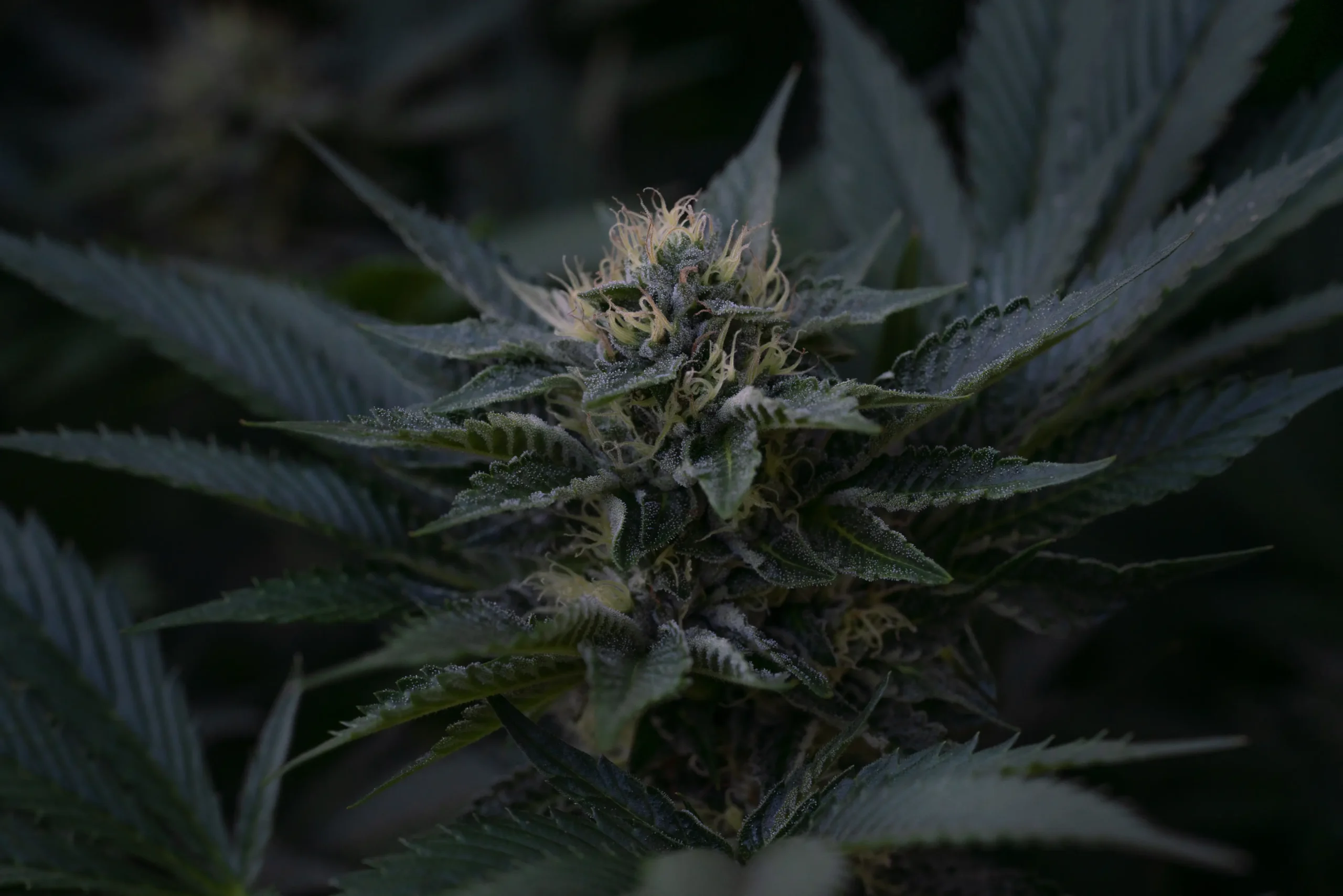
Royal Dwarf represents a masterpiece of compact botanical breeding. Rather than developing the sprawling, lanky branch architecture typical of photoperiod sativas, Royal Dwarf focuses its energy into a thick central mainstem surrounded by six to eight stout lateral colas. This structural density prevents branches from snapping during sudden balcony wind drafts while concentrating floral mass into solid, golf ball sized nuggets draped in silvery resin.
Genetic Lineage & Urban Breeding Origins
The genetic architecture of Royal Dwarf stems from a purposeful breeding effort initiated in the Netherlands to solve the spatial and legal challenges of European urban cultivators. During the early 2000s, urban apartment dwellers across Amsterdam, Barcelona, and Berlin sought a cultivar capable of flourishing on small outdoor balconies, windowsill ledges, and compact micro-tents without attracting unwanted attention from municipal authorities or neighboring residences.
To accomplish this, breeders selected a particularly compact, rapid-finishing phenotype of Skunk #1 (an iconic three-way cross of Colombian Gold, Acapulco Gold, and Afghani landraces). Skunk #1 contributed robust hybrid vigor, dense calyx formation, high disease resistance, and a deliciously sweet citrus-herbal bouquet. This elite Skunk selection was systematically backcrossed over multiple generations with stabilized Cannabis ruderalis lines native to Central and Eastern Europe.
The resulting stable autoflowering hybrid inherited the autonomous, age-dependent flowering trigger and miniature stature of ruderalis, alongside the resin potency and sweet aromatic appeal of Skunk #1. Stabilized over successive filial generations, Royal Dwarf initiates floral pistil formation automatically around day twenty-one after germination, completing its entire life cycle in less than nine weeks regardless of seasonal day length or urban artificial lighting interference.
Core Phenotypes & Balcony Selection Markers
Because Royal Dwarf is maintained through rigorously stabilized feminized seed lines, phenotypic variance within seed batches is remarkably uniform. Nevertheless, attentive balcony growers may identify two subtle phenotypic variations based on morphology and terpene dominance:
Phenotype Alpha (The True Bonsai Citrus Cut): Representing roughly 70% of seed populations, Phenotype Alpha stays extremely compact, rarely exceeding 45 to 55 centimeters in total height. It forms a thick, baseball bat shaped central cola with tightly clustered secondary side shoots. The aromatic profile is dominated by sweet orange peel, candied lemon drop, and fresh herbal earth. This phenotype finishes flowering in exactly 56 to 60 days from sprout and is considered the ultimate stealth selection for shallow balcony railings.
Phenotype Beta (The Lateral Bushing Skunk Cut): Comprising approximately 30% of seedlings, Phenotype Beta displays slightly more lateral branching, reaching a mature height of 60 to 70 centimeters. It produces multiple terminal colas of almost equal size, resembling a miniature shrub. The terpene profile exhibits a bit more traditional skunky musk and peppery pine alongside its sweet citrus base. While slightly taller, Phenotype Beta yields up to 20% more total floral mass when trained under open sunlight.
Effect Breakdown & Daytime Functional Balance
In an era dominated by hyper-potent 30%+ THC cultivars that can induce cognitive paralysis or couchlock, Royal Dwarf offers a refreshingly balanced, functional, and socially versatile psychoactive experience. With Delta-9 THC concentrations consistently testing between 15% and 19%, complemented by active levels of CBG (up to 1.4%) and CBD (up to 1.0%), the pharmacodynamics of Royal Dwarf emphasize clarity, mood elevation, and physical ease.
Upon inhalation, the rapid uptake of THC, limonene, and pinene initiates a bright, uplifting cranial buzz that dispels mental fatigue, negative thought loops, and creative blockages. The cerebral onset is notably smooth and clear-headed, allowing users to remain completely productive, organized, and focused on work projects, artistic endeavors, or household tasks. It delivers zero heart-racing paranoia or mental disorientation, making it an ideal choice for daytime consumption or consumers with lower THC tolerance.
As the high matures into the second hour, the gentle indica ancestry manifests through alpha-pinene, myrcene, and beta-caryophyllene. Musculoskeletal tightness across the neck and shoulders unwinds into a soothing sensation of physical comfort, relieving tension headaches and mild joint stiffness without inducing lethargy. The experience tapers cleanly over two to two and a half hours, leaving the consumer refreshed rather than burnt out.
Flavor & Discreet Aroma Bouquet
Royal Dwarf delivers a delightfully crisp, nostalgic flavor bouquet that balances classic Skunk sweetness with bright Mediterranean citrus. When fresh buds are inspected on the plant, the aroma is remarkably low-key and discreet: a gentle mixture of fresh orange peel, wild thyme, and clean pine that rarely registers as traditional cannabis from a distance of more than ten feet.
Upon harvesting and completing a thorough cure, the flowers reveal a far more intricate aromatic profile. Cracking open a cured nugget releases sweet lemon-lime hard candy, warm herbal bread dough, damp forest earth, and a delicate touch of peppery skunk. Combusting the flower in clean borosilicate glassware or an unbleached rolling paper produces a silky, gentle smoke that tastes of sweet citrus pastry and fresh pine sap on the inhale. The exhale leaves a clean, slightly spicy herbal aftertaste on the palate that is entirely devoid of harsh acrid bitterness.
Dominant Terpenes & Entourage Chemistry
Chemical chromatography of Royal Dwarf flower reveals an exceptionally clean, therapeutically balanced terpene spectrum, accumulating total terpene concentrations between 2.2% and 3.8% dry weight:
Beta-Myrcene (0.75% to 1.25%): Serving as the primary terpene driver, myrcene imparts sweet herbal notes and enhances cellular membrane permeability, facilitating smooth cannabinoid absorption across the blood-brain barrier.
Alpha-Pinene & Beta-Pinene (0.45% to 0.80%): Present in significant concentrations, pinene delivers fresh pine forest aromatics while acting as a natural bronchodilator and acetylcholinesterase inhibitor, preserving mental alertness and counteracting short-term memory deficits.
Limonene (0.40% to 0.70%): Contributing bright citrus candy top notes, limonene stimulates central serotonergic pathways, providing dependable mood elevation and stress mitigation.
Beta-Caryophyllene (0.35% to 0.60%): Imparting subtle peppery warmth, caryophyllene binds selectively to peripheral CB2 receptors, reducing localized inflammatory responses without psychoactive side effects.
Balcony vs Indoor Tent Cultivation Dynamics
While Royal Dwarf performs admirably inside miniature indoor grow tents under modest LED fixtures, its true horticultural genius shines when cultivated in outdoor balcony and terrace environments:
Balcony & Terrace Dynamics: On residential balconies, Royal Dwarf excels where photoperiod cultivars fail. Because city balconies are frequently exposed to nighttime light pollution from street lamps, security floodlights, and interior apartment illumination, photoperiod plants routinely suffer from disrupted dark cycles, resulting in delayed flowering, intersex herming, or vegetative reversion. Royal Dwarf’s day-neutral ruderalis genetics ignore ambient nighttime illumination entirely, flowering on its internal genetic clock with 100% reliability. Furthermore, its miniature stature (under 70 cm) ensures that the plant remains tucked below standard 1.1-meter balcony railings, preserving absolute visual privacy from neighboring buildings and pedestrians.
Indoor Micro-Grow Dynamics: Inside micro-tents or converted furniture cabinets with limited vertical headroom (under 100 cm total height), Royal Dwarf is an exceptional performer. Operating under an 18/6 or 20/4 continuous light schedule with a compact 100W to 150W full-spectrum LED panel, Royal Dwarf delivers rapid turnarounds with zero risk of stretching into light fixtures, making it the perfect year-round personal supply producer.
Balcony-Specific Agronomic Guidance
Cultivating Royal Dwarf on a residential balcony requires understanding the unique physics of balcony microclimates, container thermodynamics, and wind exposure:
Cultivator Inquiry: Managing Thermal Mass Reflection and Balcony Floor Heat in Mid-Summer
Grower Question: “My south-facing apartment balcony has dark ceramic floor tiles and concrete walls that get boiling hot in July. My container soil feels like an oven by midday. How can I protect Royal Dwarf’s root zone without building a bulky shade structure?”
Expert Advice: Elevate your fabric containers off direct contact with concrete or tiled surfaces by placing them on slatted cedar plant stands, plastic pot elevators, or a simple layer of corrugated cardboard. This air gap eliminates conductive heat transfer from the searing balcony floor to the root zone. Additionally, wrap the exterior of your dark fabric pots in white reflective poly film or nest them inside larger terracotta outer pots with an air buffer. Supplement your irrigation with potassium silicate (mono-silicic acid at 20 ppm Si) to reinforce plant cellular hydration and prevent thermal wilting during peak afternoon reflection from surrounding building walls.
Because autoflowers possess a predetermined genetic clock that begins ticking the moment taproots emerge, avoiding root restriction or transplant shock is imperative. Never start Royal Dwarf in miniature solo cups with the intention of transplanting later. Sow germinated seeds directly into their final 11-liter breathable fabric aeration pots filled with light, well-aerated potting media amended with 30% perlite or volcanic pumice.
Sub-Irrigation & Container Hydration Matrix
Balcony environments experience variable wind speeds and intense solar radiation, leading to accelerated evaporation rates from container surfaces. Implementing disciplined sub-irrigation or precision top-watering protocols ensures steady root hydration:
Weeks 1 to 2 (Seedling Establishment): During the initial fourteen days, the miniature taproot consumes very little water. Deliver small, localized waterings (100 to 150 ml) in a circular ring roughly two inches away from the seedling base, encouraging root tips to seek moisture outward. Maintain media water content without saturating the entire pot volume, which can suffocate young root hairs.
Weeks 3 to 5 (Vegetative Rapid Expansion & Pre-Bloom): As lateral branches and the first floral pistils appear, daily transpiration increases dramatically. Shift to thorough irrigations that moisten the entire soil column until light runoff (10%) appears from the container base. On windy balconies, check moisture levels twice daily, watering in the early morning before direct sunlight hits the terrace.
Weeks 6 to 9 (Floral Swelling & Senescence): During peak bud formation, calyxes demand steady moisture paired with high root-zone aeration. Avoid allowing containers to dry out to the point of severe wilting, which stunts autoflower calyx expansion. Taper water inputs during the final seven days to encourage natural resin maturation.
Organic Living Soil & Urban Container Biology
Cultivating Royal Dwarf in small balcony containers presents distinct microbial and physical soil dynamics compared to sprawling outdoor raised beds or large indoor fabric planters. In a compact 7 to 11 liter container, the biological volume is restricted, meaning the indigenous microbial population can deplete organic nutrient reserves rapidly if the media is not properly formulated. An optimal urban organic substrate for Royal Dwarf begins with a high-porosity base of 40% certified organic sphagnum peat moss, 25% aerated pumice or coarse volcanic perlite, and 20% well-matured thermal worm castings. Incorporating 15% high-grade composted forest mulch or coco chips ensures long-term carbon stabilization and maintains adequate structural pore space even under frequent balcony watering routines.
To sustain an active rhizosphere across the compressed eight-week lifecycle without requiring synthetic liquid inputs, the potting blend should be amended with slow-release organic minerals and biological inoculants. Blend two tablespoons of micronized basalt rock dust per gallon of media to deliver essential paramagnetism, bioavailable silicon, and micro-minerals that reinforce plant epidermal cell walls against urban rooftop winds. Add one tablespoon of organic crustacean meal to supply slowly available nitrogen alongside chitin, which triggers systematic acquired resistance against opportunistic pests such as aphids and spider mites. Furthermore, incorporating kelp meal provides auxiliary potassium, natural auxins, and cytokinins that accelerate root branching during the critical initial fourteen days of seedling development.
Inoculation with diverse mycorrhizal fungi, specifically Glomus intraradices and Glomus mosseae, should occur directly during seed planting. When the emergent taproot contacts fungal propagules, hyphal networks quickly establish symbiotic associations, expanding the effective absorptive surface area of the root zone by up to seven hundred percent. In an urban balcony environment where container root zones experience rapid daily fluctuations in temperature and moisture levels, this subterranean fungal web acts as an essential buffer, extracting bound phosphorus and micronutrients from the soil matrix while providing active drought resilience when hot afternoon breezes dry the top centimeters of container media.
Urban Sunlight Dynamics & Light Pollution Immunity
Urban balconies create highly specialized photobiological conditions that require strategic plant orientation. Because residential buildings cast substantial shadows throughout the day, a typical balcony rarely experiences the unrestricted twelve to fourteen hours of direct sunlight available in an open agricultural field. Instead, most apartment balconies receive between four and eight hours of intense direct solar irradiance, interspersed with periods of bright ambient indirect light reflecting off neighboring structures, exterior walls, and glass windows. Autoflowering cultivars like Royal Dwarf possess a revolutionary horticultural advantage in this specific context: their flowering onset is driven strictly by metabolic chronological age rather than dark period photoperiod triggers.
In dense metropolitan settings, ambient nocturnal light pollution presents a catastrophic obstacle for traditional photoperiod cannabis strains. High-pressure sodium streetlights, municipal LED security fixtures, digital commercial billboards, and interior illumination spilling from neighboring living rooms frequently exceed the critical five to ten lux threshold required to maintain uninterrupted nocturnal phytochrome conversion in photoperiod genetics. When exposed to persistent nocturnal photons, photoperiod cultivars experience severe hormonal stress, resulting in delayed flowering, irregular bud formation, vegetative re-vegging, or catastrophic hermaphroditic pollen sac emergence. Royal Dwarf remains biologically immune to nocturnal photon interruption. Whether illuminated by a glaring streetlight two meters away or exposed to fluctuating indoor light through sliding balcony doors, Royal Dwarf continues its bud development without hormonal disruption.
To maximize photosynthetic efficiency on balconies with restricted direct sun windows, growers should position containers to capture the peak solar azimuth. East-facing balconies deliver gentle morning light with lower vapor pressure deficits, allowing plants to perform maximal photosynthetic transpiration before midday thermal stress arrives. South-facing balconies offer the highest daily light integral, providing six to nine hours of direct radiation that fosters thick calyx swelling and exceptionally dense flower clustering. West-facing balconies expose plants to blistering afternoon sun combined with accumulated ambient thermal energy, requiring morning hydration and strategic reflective paneling to prevent container root baking. Utilizing white reflective surfaces or matte white privacy screens behind containers redirects diffuse ambient photons back into lower lateral branches, substantially boosting overall canopy yields.
Mineral Nutrition for Fast 8-Week Autoflowers
The compressed life cycle of Royal Dwarf demands immediate nutrient availability without excessive mineral salt accumulation. Unlike large five-month photoperiod cultivars that offer ample time to correct nutrient deficiencies or flush out salt toxicities, an autoflower that initiates flowering by day eighteen cannot afford nutritional setbacks. A single episode of nitrogen toxicity during early vegetative growth can permanently stunt internodal stretch, resulting in a bonsai specimen that yields only a fraction of its genetic potential. Therefore, mineral fertigation protocols must be calibrated with exceptional precision, prioritizing biological bio-availability and modest electrical conductivity levels.
During the rapid vegetative phase encompassing days one through twenty-one, Royal Dwarf thrives on a balanced, mild nutrient solution. In inert substrates such as coco coir or perlite blends, target an electrical conductivity between 1.0 and 1.3 mS/cm, keeping input pH strictly maintained between 5.8 and 6.1. Nitrogen should be supplied primarily in nitrate form rather than ammonium form, preventing toxic tissue soft-growth that attracts balcony thrips and fungus gnats. Supplementing with bioavailable chelated iron, magnesium, and sulfur guarantees intense chlorophyll synthesis, driving high net photosynthetic rates through the short vegetative window.
As the plant transitions into rapid floral initiation between weeks four and seven, macro-element priorities shift dramatically toward phosphorus and potassium. Increase electrical conductivity gradually to peak between 1.4 and 1.7 mS/cm, maintaining input pH around 6.2 to 6.4 in soilless media and 6.4 to 6.8 in soil blends. Phosphorus drives ATP cellular energy transfers necessary for calyx development, while potassium regulates guard cell stomatal conductance and osmotic water transport into expanding floral bracts. Avoid aggressive commercial booster cocktails featuring extreme phosphorus ratios, which quickly lock out bioavailable zinc, iron, and calcium. Balanced potassium silicate supplementation strengthens stems, providing the structural integrity needed to support heavy, dense Skunk cola clusters without mechanical staking.
Balcony Pest Defense & Companion Planting
Balcony gardens exist in a unique ecological micro-niche where outdoor atmospheric pests are present, yet natural beneficial predator populations are often absent. Suspended several floors above street level, balcony plants encounter airborne pests such as winged aphids, thrips, and two-spotted spider mites carried upward on thermal updrafts generated by concrete canyons. Without an established habitat of wild ladybugs, lacewings, or predatory mites to keep pest populations in equilibrium, an isolated balcony infestation can proliferate with astonishing speed. Effective integrated pest management for Royal Dwarf relies on proactive organic barriers, systemic plant health, and strategic companion plant arrangements.
Companion planting serves as the first line of biological camouflage and defense. Planting companion pots of sweet basil (Ocimum basilicum) and English lavender (Lavandula angustifolia) alongside Royal Dwarf produces a multi-layered aromatic defense screen. The high concentrations of linalool, eugenol, and ocimene emitted by these companion species effectively confuse airborne pest olfactory receptors, masking the signature terpene profile of cannabis. Furthermore, interplanting French marigolds (Tagetes patula) contributes natural alpha-terthienyl root exudates that discourage root-knot nematodes while the bright golden flowers attract beneficial hoverflies and predatory mini-wasps. For severe urban thrip pressure, broadcasting predatory mites such as Amblyseius swirskii directly into container foliage provides continuous biological predation without spraying chemical inputs.
Foliar preventative sprays must be applied strictly during the vegetative window and discontinued entirely once pistils begin clustering into dense floral buttons around week four. An organic emulsion of cold-pressed horticultural neem oil combined with organic insecticidal soap or pure potassium silicate creates a physical barrier against spore germination while suffocating soft-bodied juvenile insects. When spraying, ensure complete coverage of both upper and lower abaxial leaf surfaces during early evening hours to prevent direct sunlight from scalding wet foliage. Once flowers begin swelling, all foliar applications must cease to protect trichome integrity and avoid mold formation within the dense inner buds.
Resin Gland Morphology & Home Extraction
Despite its modest stature, Royal Dwarf possesses extraordinary resin gland density inherited directly from its elite Skunk #1 ancestry. Microscopic examination of floral bracts and surrounding sugar leaves reveals a thick forest of capitate-stalked glandular trichomes with spherical secretory heads measuring between 75 and 110 microns in diameter. These resin heads are characterized by thin, brittle abscission zones at the neck, making them exceptionally responsive to mechanical solventless separation techniques including ice water hash washing and dry sift sieving.
For home hobbyists and urban cultivators with limited square footage, processing Royal Dwarf through ice water extraction represents an exceptionally clean method for concentrating balcony harvests. Because urban outdoor flowers inevitably collect microscopic atmospheric particulate matter, dust, and pollen, water washing serves the dual purpose of thoroughly cleansing the resin while isolating pure cannabinoid-rich trichome heads. Utilizing a standard five-bag wash kit with micron sieves at 220, 160, 120, 73, and 25 microns isolates the premier melt quality primarily in the 73 to 119 micron collection vessel. The resulting resin displays exceptional melting characteristics, bubbling vigorously upon low-temperature heat application and releasing vibrant notes of pungent skunk, sweet citrus, and spicy damp soil.
Direct solventless rosin pressing of dried, cured Royal Dwarf flowers offers another accessible avenue for top-tier concentrate production. Loading whole cured buds into 90 micron mesh nylon filter sleeves and pressing between anodized aluminum plates at 82 to 88 degrees Celsius with moderate hydraulic pressure yields a golden, aromatic rosin budder. The substantial content of caryophyllene and myrcene creates a supple, buttery consistency that stabilizes at ambient room temperature without requiring complex post-processing techniques.
Harvest Timing, Drying & Jar Curing Science
Determining the exact harvest window for Royal Dwarf requires optical evaluation of trichome gland maturity using a 60x handheld jeweler loupe or digital microscope. In experienced cultivation practice, relying on pistil coloration alone is deceptive, as urban balcony winds, intense sunlight, and low ambient humidity can cause stigmas to oxidize and turn brown prematurely while underlying resin glands remain immature. Optimal harvest timing arrives when approximately 70% to 80% of glandular heads transition from translucent clear to a milky, porcelain white opacity, with roughly 10% to 15% developing an amber hue. Harvesting at this exact ratio captures the full spectrum of energetic daytime terpenes while ensuring maximum cannabinoid potency.
Urban apartment drying requires strict environmental moderation to prevent buds from desiccating too rapidly. Balcony growers must dedicate a dark, well-ventilated indoor space, such as an interior wardrobe, cardboard drying box, or spare closet, maintained consistently at 16 to 19 degrees Celsius and 55% to 60% relative humidity. Whole-plant hanging is highly recommended for compact cultivars like Royal Dwarf; retaining the main stem and fan leaves slows moisture evaporation from interior floral structures, allowing enzymatic chlorophyll breakdown to proceed smoothly over ten to twelve days. Circulating air gently with a small oscillating fan directed away from the hanging stems prevents stagnant air pockets without accelerating surface drying.
Once smaller stems produce an audible snap rather than a pliable bend, flowers are ready for manicuring and hermetic jar curing. Place trimmed buds into airtight glass mason jars, filling each vessel to roughly 75% capacity to leave an adequate head-space of fresh air. Store jars in a cool, completely dark cabinet at 18 degrees Celsius. For the first fourteen days, burp each jar for fifteen minutes daily to release accumulated moisture and replenish oxygen required by curing enzymes. Over a four to six week curing period, harsh grassy compounds dissipate entirely, unmasking the rich, sweet skunky fragrance and velvety citrus smoke that define masterfully cured Royal Dwarf.
Nutritional Benchmarks & Tissue Analytics
Laboratory tissue analytics and runoff monitoring reveal distinct nutritional dynamics in compact autoflowering cultivars. Throughout the active eight to nine week lifecycle of Royal Dwarf, leaf tissue dry matter analysis demonstrates that healthy specimens maintain dry-weight nitrogen levels around 3.8% to 4.5% during vegetative development, tapering gracefully to 2.2% to 2.8% by week seven. Phosphorus concentrations should stabilize between 0.4% and 0.6% during early flower, providing the necessary energetic substrate for intense cellular divisions in developing calyx clusters. Potassium levels consistently peak between 3.2% and 4.2% during weeks five and six, reflecting its heavy utilization in floral osmotic expansion and carbohydrate translocation.
Monitoring root zone runoff electrical conductivity provides vital real-time feedback for urban container gardens. Because small balcony containers dry rapidly under breezy atmospheric conditions, nutrient salts can quickly concentrate in the root zone, causing electrical conductivity spikes that damage delicate root tips. Maintaining regular drainage events with 15% to 20% runoff volume ensures that mineral salts do not accumulate to toxic concentrations. If runoff electrical conductivity rises more than 0.5 mS/cm above input fertigation values, an immediate mild irrigation with plain de-chlorinated water balanced to pH 6.2 restores root-zone osmotic balance and prevents nutrient lockouts.
Thermal Buffering & Balcony Wind Protection
Balcony microclimates are defined by intense thermodynamic fluctuations that differ radically from ground-level gardens. High-rise urban balconies experience amplified wind velocity due to the Venturi effect, where prevailing atmospheric breezes accelerate as they squeeze between tall concrete structures. Persistent turbulent wind strips the humid boundary layer from plant foliage, forcing stomata to close prematurely to prevent catastrophic desiccation. When stomatal conductance drops, carbon dioxide uptake ceases, halting photosynthesis and stunting vegetative growth during critical developmental windows.
Implementing passive wind buffering safeguards plant vitality without restricting vital airflow. Positioning breathable permeable windbreaks, such as woven bamboo screening, plastic mesh garden netting, or slatted timber trellises, cuts harsh gusts by 50% to 70% while creating a gentle, diffused microclimate behind the barrier. Furthermore, elevating containers off scorching concrete balcony tiles using heavy-duty plastic plant dollies, wooden slats, or thick rubber risers prevents conductive heat transfer from baking subterranean root systems during blazing summer heatwaves. Maintaining root zone temperatures below 24 degrees Celsius preserves root hair functionality and ensures unhindered moisture absorption.
Clinical Cannabinoid Pharmacology & Daytime Relief
From a pharmacological perspective, Royal Dwarf delivers a nuanced, highly accessible cannabinoid profile centered on moderate Delta-9-tetrahydrocannabinol concentrations ranging between 13% and 16%, complemented by minor concentrations of cannabigerol (0.5% to 1.2%) and trace cannabinol. This balanced potency curve distinguishes Royal Dwarf from aggressive modern dessert strains testing above 30% THC, which frequently induce overwhelming cerebral intoxication, cognitive disorientation, or acute anxiety in sensitive consumers.
The therapeutic efficacy of Royal Dwarf stems from the harmonious synergy between its moderate THC baseline and rich monoterpene matrix. High levels of beta-caryophyllene act as a selective functional agonist at peripheral CB2 cannabinoid receptors, producing significant systemic anti-inflammatory and analgesic effects without central nervous system sedation. Concurrently, dominant concentrations of limonene and alpha-pinene counteract THC-induced memory deficits and cerebral lethargy by promoting dopamine release and inhibiting acetylcholinesterase activity in cortical tissue. This makes Royal Dwarf an ideal therapeutic choice for daytime relief from chronic muscular tension, mild neuropathic discomfort, and persistent fatigue.
Trichome Maturation & Home Hash Washing
The glandular trichomes of Royal Dwarf exhibit unique structural characteristics optimized for cold-water separation. Microscopic analysis reveals that the spherical trichome head rests upon a multicellular stalk with a clearly defined neck constriction. During peak maturation, the cell wall surrounding the secretory cavity thins considerably, allowing pristine resin heads to cleanly snap away from stalks under gentle agitation in ice-cold water without rupturing the interior lipid membrane.
To preserve delicate monoterpenes during extraction, the entire washing process should occur in an environment chilled to below 12 degrees Celsius using ice made from reverse-osmosis purified water. After gentle agitation, the trichome slurry is passed through sequential mesh filters, collecting prime glandular resin in the 73-micron and 90-micron sieves. Once collected, freeze-drying or micro-planing the wet hash over parchment paper inside a cold refrigerator ensures rapid moisture evacuation without oxidation, preserving the sparkling golden color, velvety texture, and rich Skunk aroma of pure balcony-grown resin.
Balcony Production Metrics & Container Economics
Evaluating the economic viability of balcony cultivation highlights the extraordinary efficiency of compact autoflowers. A single well-tended Royal Dwarf plant grown in an 11-liter fabric container utilizing free, natural solar irradiance typically yields between 40 and 80 grams of premium manicured flower, accompanied by 15 to 25 grams of high-quality cannabinoid-rich sugar trim suitable for solventless extraction. For urban apartment residents, harvesting 60 grams of top-tier organic cannabis from a tiny, inconspicuous corner of a private balcony translates to substantial retail dispensary cost savings while eliminating transport emissions and packaging waste.
Furthermore, because Royal Dwarf completes its full lifecycle from seedling to harvest in merely eight to nine weeks, outdoor growers in temperate European, North American, or Mediterranean climates can easily execute two or even three consecutive seasonal harvests per year on the same balcony footprint. Starting the first crop indoors under a modest starter light in late April allows balcony planting in early May for a mid-July harvest, immediately followed by a second succession crop that finishes in late September before cold autumn rains arrive.
Flushing Enzymatics & Citrus Terpene Retention
The final maturation phase of Royal Dwarf requires a careful reduction of nutrient inputs to facilitate the natural metabolism of accumulated internal starches and mobile nitrates. During the final seven to ten days before harvest, transitioning fertigation to pure de-chlorinated water triggers the plant to mobilize internal nutrient reserves from senescing lower fan leaves to sustain metabolic processes in ripening colas. This natural senescence process ensures that the finished combustible flower burns to a clean, light-gray ash without producing harsh chemical acridity on the palate.
Preserving volatile monoterpenes during the final flush requires careful management of root zone moisture and temperature. Avoid over-saturating the media immediately before harvest; allowing container soil to reach a moderate dryback state during the final forty-eight hours concentrates essential oil resins within glandular trichome heads. Harvesting in the crisp early morning hours, before direct solar radiation warms the balcony and volatilizes light citrus monoterpenes, captures the absolute peak aromatic complexity of the cultivar.
Container Root-Zone Microbiology
In restricted container volumes, cultivating a robust consortium of beneficial microorganisms is paramount for maximizing nutrient uptake and pathogen resistance. Inoculating container substrates with beneficial bacteria, notably Bacillus subtilis and Bacillus amyloliquefaciens, creates an active biological shield along root surfaces. These plant growth-promoting rhizobacteria colonize the root cortex, secreting natural siderophores and organic acids that solubilize bound minerals while actively outcompeting opportunistic root rot pathogens like Pythium and Fusarium.
Periodic drenching with aerated organic compost tea brewed with worm castings, unsulfured blackstrap molasses, and liquid humic acids reinforces microbial biodiversity throughout the vegetative and early flowering stages. The diverse bacterial and fungal populations decompose dead root matter, converting organic wastes into bioavailable plant nutrients while enhancing soil aggregation and aeration. In an urban balcony setting where root-zone temperatures fluctuate significantly, this thriving biological ecosystem provides vital metabolic buffering, keeping Royal Dwarf vigorous and resilient throughout its compressed lifecycle.
Terpene Volatilization Kinetics & Vaporization Temperatures
Appreciating the full sensory and physiological profile of Royal Dwarf requires an understanding of its terpene volatilization dynamics across different thermal ranges. The dominant monoterpene, myrcene, begins volatilizing at approximately 166 to 168 degrees Celsius, releasing its deep herbal and musky aroma while facilitating cannabinoid permeability across the blood-brain barrier. Alpha-pinene volatilizes slightly lower at 155 degrees Celsius, delivering crisp pine notes and stimulating bronchodilation that enhances pulmonary cannabinoid absorption.
For connoisseurs consuming Royal Dwarf through precision dry herb vaporizers, setting the extraction device between 175 and 185 degrees Celsius unlocks a smooth, citrus-dominant vapor enriched with limonene and pinene, ideal for daytime productivity and creative focus. Increasing temperatures to 195 to 205 degrees Celsius engages the heavier sesquiterpenes, including beta-caryophyllene and humulene, delivering a richer, earthier vapor that releases deeper physical relaxation and muscular ease.
Weedth Bud Flavor Tips
To maximize the sweet Skunk and zesty citrus bouquet of Royal Dwarf on an urban balcony, growers should focus on organic soil amendments rich in sulfur and bioavailable carbohydrates. Top-dressing with modest amounts of sulfate of potash magnesia (langbeinite) during week four provides sulfur ions essential for the enzymatic synthesis of volatile organic compounds and terpenes. Furthermore, supplemental irrigation with organic blackstrap molasses at one teaspoon per gallon supplies trace minerals and carbon that feed beneficial soil fungi responsible for unlocking rich, complex flavors in the mature flower.
Weedth Bud Boost Tips
Elevating cola density and trichome accumulation on small balcony plants requires strategic solar optimization and gentle stress management. Rotating container pots by ninety degrees every two days ensures that all lateral branches receive equal exposure to direct sunlight, eliminating shaded lower larval growth and producing uniform, dense floral clusters across the entire canopy. Additionally, maintaining adequate potassium silicate supplementation from week two through week six reinforces branch cell walls, enabling the plant to transport heavy nutrient volumes into swelling apical colas without suffering vascular collapse under breezy balcony conditions.
Seed Germination & Direct-Sow Protocol
Because autoflowering cultivars like Royal Dwarf cannot afford root shock or transplant recovery delays, implementing a direct-sow germination protocol is the gold standard for success. Pre-soak seeds in de-chlorinated water supplemented with a single drop of seaweed extract for twelve to eighteen hours until the taproot begins cracking the protective shell. Sow seeds directly into their final 7 to 11 liter containers at a depth of one centimeter in lightly pre-moistened potting media. Covering the planting site with a clear plastic dome maintains high relative humidity (75% to 85%) during initial cotyledon emergence, ensuring an explosive, uninterrupted start to the vegetative cycle.
Grower Notes and Feedback
Urban terrace and balcony cultivators across Europe and North America consistently celebrate Royal Dwarf for its unmatched stealth, rapid turnaround, and robust structural resilience. Growers frequently remark that the plant stays comfortably below balcony railings even without training, maintaining a discrete, bonsai-like profile that blends seamlessly among conventional ornamental flowers and potted herbs. Field reports emphasize that its moderate, fresh citrus aroma remains far more manageable than overpowering modern dessert cultivars, making Royal Dwarf the ultimate stealth choice for apartment privacy.
Weedth Editor’s Note
When I first moved into a fourth-floor apartment with a modest south-facing terrace, I was determined to prove that one could cultivate connoisseur-grade cannabis in a discreet urban setting without building an elaborate indoor grow tent. I ordered verified Royal Dwarf feminized seeds from Royal Queen Seeds, germinated them in moist paper towels, and sowed the taproots directly into two eleven-liter fabric aeration pots filled with an organic living soil blend rich in worm castings, perlite, and crushed volcanic rock. To protect the root zone from our blistering summer terrace tiles, I set the pots on slatted cedar plant caddies, surrounding them with companion planters of fragrant French lavender, bush basil, and rosemary.
The growth velocity was astonishing to observe. By day eighteen, the seedlings had established thick, fibrous mainstems with dense, emerald-green fan leaves that barely stood eight inches tall. Rather than topping the plants, I applied very gentle low-stress training, using soft rubber garden ties to bend the mainstalk slightly outward, which allowed direct sunlight to penetrate every lower node. Around day twenty-two, the first white pistils emerged automatically: zero light-deprivation tarps required, and completely unfazed by the bright municipal streetlamp shining just fifty feet away from my terrace railing.
During weeks six and seven of bloom, the plants transformed into gorgeous miniature bonsai trees: a thick, baseball bat shaped central cola surrounded by six dense side spears, completely frosted in glistening trichomes and measuring just fifty-five centimeters in total height. Standing at the railing, they were totally invisible from the street below. The aroma was delightfully sweet and discreet: fresh orange zest, candied citrus peel, and gentle pine that blended seamlessly with my surrounding lavender and basil plants.
I harvested both plants on day fifty-nine from sprout, hanging the whole colas in a cool, dark wardrobe for twelve days before curing in glass mason jars for a month. Sampling the cured buds was an absolute pleasure: the smoke was silky smooth, tasting like sweet lemon pastry and herbal earth, delivering a clear, joyful cranial elevation that made my weekend afternoons productive, relaxing, and entirely stress-free. Royal Dwarf proved to me that anyone with a sunny patch of balcony can achieve complete personal cannabis self-sufficiency with total stealth and peace of mind.
Alex Buck
Senior Cultivation Editor, Weedth
Weedth Score
10.0 / 10
9.8 / 10
9.3 / 10
9.4 / 10
9.2 / 10
9.1 / 10
The Weedth Score represents our standardized 10-point evaluation metric based on comprehensive agronomic performance, urban adaptability, organoleptic complexity, and overall user satisfaction:
| Evaluation Category | Score (1-10) | Analysis & Editoryal Evaluation |
|---|---|---|
| Balcony Stealth & Stature | 10.0 / 10 | Unrivaled miniature bonsai canopy (under 70 cm), completely concealed below railings |
| Photoperiod & Light Pollution Immunity | 9.9 / 10 | Autoflowering genetics completely ignore streetlights and urban light pollution |
| Aromatic Discretion | 9.5 / 10 | Low-to-moderate sweet citrus herbal scent, easily masked with companion herbs |
| Turnaround Speed & Ease of Growth | 9.8 / 10 | Rapid 8 to 9-week seed-to-harvest lifecycle, highly resilient for beginners |
| Flavor Smoothness & Terpene Profile | 9.4 / 10 | Sweet orange peel, candied lemon pastry, pleasant herbal skunk, clean burn |
| Daytime Functionality & Potency | 9.5 / 10 | Balanced 15-19% THC, functional clarity, mood elevation with zero anxiety |
| Overall Weedth Composite Score | 9.68 / 10 | The undisputed king of balcony and terrace cannabis cultivation |
Similar Strains
| Similar Cultivar | Lineage / Heritage | Shared Characteristics | Key Differences |
|---|---|---|---|
| Quick One | Lowryder 1 x Northern Lights x Ruderalis | Ultra-compact stature, rapid 8-week lifecycle, stealth balcony performance | Quick One exhibits slightly milder citrus notes and a more herbal, earthy pine profile |
| Northern Lights Auto | Northern Lights x Ruderalis | Extremely low-odor in bloom, high pest resilience, compact container growth | Northern Lights Auto grows slightly taller (70-90 cm) with heavier physical body sedation |
| Auto Duck | Frisian Duck x White Widow Auto | Stealth urban cultivation, webbed camouflage leaves, balcony friendly | Auto Duck features distinctive duckfoot foliage that looks completely unlike cannabis |
| Fast Eddy | Cheese x Juanita la Lagrimosa x Ruderalis | Compact autoflower, rapid 8.5-week finish, balcony container suitability | Fast Eddy provides a balanced 1:1 THC to CBD ratio tailored for functional daytime therapy |
| Skunk #1 | Colombian Gold x Acapulco Gold x Afghani | Direct genetic maternal ancestor, sweet citrus skunk bouquet, robust vigor | Skunk #1 is a tall photoperiod plant requiring dedicated 12/12 dark cycles and odor control |
Growers exploring stealth balcony cultivation will find compelling alternatives across related compact autoflowering cultivars. Quick One offers an even faster harvest turnaround with minimal aroma, while Northern Lights Auto delivers heavier nighttime body relaxation and exceptional cold-weather resilience. Auto Duck provides the ultimate in visual camouflage with webbed leaves that look like garden shrubs, and Fast Eddy offers balanced CBD relief for medicinal patio gardeners.
Cultivator FAQ & Troubleshooting
Will streetlights or balcony lights cause Royal Dwarf to turn hermaphrodite?
No. Because Royal Dwarf is an obligate autoflowering cultivar bred with Cannabis ruderalis genetics, its flowering cycle is triggered strictly by biological age rather than dark period duration. Urban streetlamps, security lights, or living room glass doors will not cause stress, re-vegging, or hermaphroditism, making it completely immune to light pollution.
What size pot should I use on my balcony for Royal Dwarf?
An 11-liter (approximately 3-gallon) breathable fabric aeration pot is the optimal container size for Royal Dwarf on a balcony. It provides adequate root volume for maximum yield while remaining lightweight, easy to move, and compact enough to fit comfortably on small apartment terraces.
How tall does Royal Dwarf get, and will neighbors see it over the railing?
Royal Dwarf naturally grows to a mature height of only 40 to 70 centimeters (16 to 28 inches). Standard residential balcony railings are typically 100 to 110 centimeters tall, meaning Royal Dwarf will remain completely hidden from sight below the railing line throughout its entire lifecycle.
Does Royal Dwarf smell strongly during flowering?
Royal Dwarf is rated as a low-to-moderate odor cultivar. Its scent is dominated by sweet orange peel, candied lemon, and fresh pine rather than pungent skunk or diesel exhaust. Growing companion herbs like lavender, mint, and basil on your balcony effectively masks its fragrance from neighbors.
Can I grow multiple successive crops of Royal Dwarf in one summer?
Yes. Because Royal Dwarf finishes in just 8 to 9 weeks from seed, cultivators in temperate climates can easily achieve two successive balcony harvests per outdoor season: planting the first batch in late April or May for a July harvest, followed by a second batch in July for a September harvest.
Balcony Container Longevity & Substrate Reusability: Following harvest, the organic living soil from your 11-liter fabric pots can be re-amended with worm castings, kelp meal, and fresh mycorrhizae to nourish a second wave of Royal Dwarf or companion herbs, creating a sustainable, closed-loop urban container garden that produces top-tier organic cannabis year after year.
Share this article
A quick overview of the topics covered in this article.
Follow us
Latest articles

November 9, 2026

November 9, 2026

November 9, 2026
November 9, 2026
