
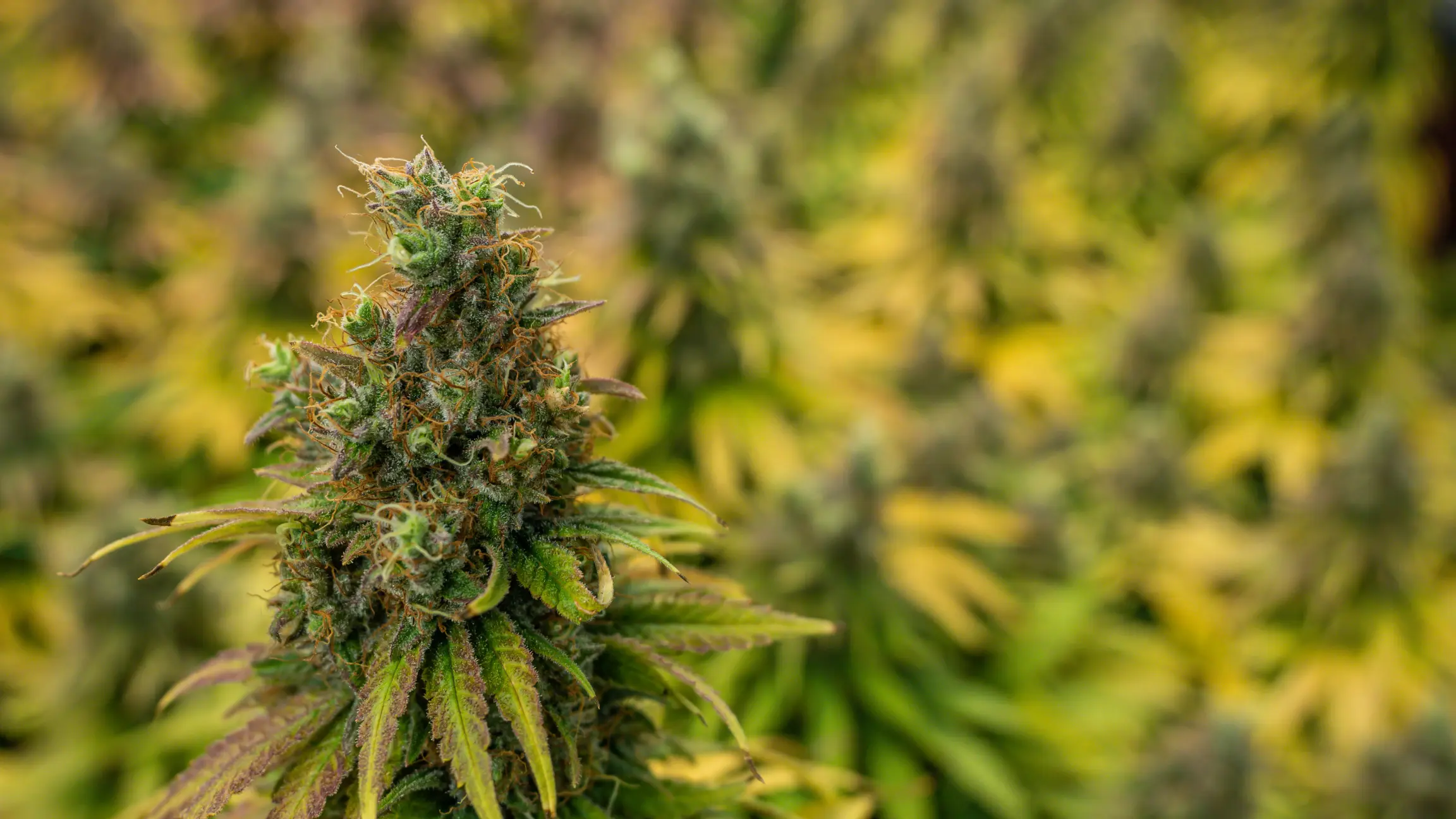
Sour Chem
Within the pantheon of iconic cannabis genetics, few lineages command the raw respect and horticultural reverence of Sour Chem. Born from the monumental cross of two undisputed titans of pungent fuel, Chemdawg and Sour Diesel, Sour Chem represents the absolute pinnacle of high-octane petroleum funk, soaring cerebral euphoria, and relentless agronomic vigor. Originating in the legendary underground breeding networks of the East Coast and Northern California, this cultivar bridges the gap between classic ninety-four Chem funk and the electric sour citrus bite of authentic Sour Diesel. Modern craft cultivators and commercial facilities regard Sour Chem as a cornerstone genetic library asset that produces massive cannabinoid concentrations, intense volatile sulfur compounds, and unmatched consumer loyalty.
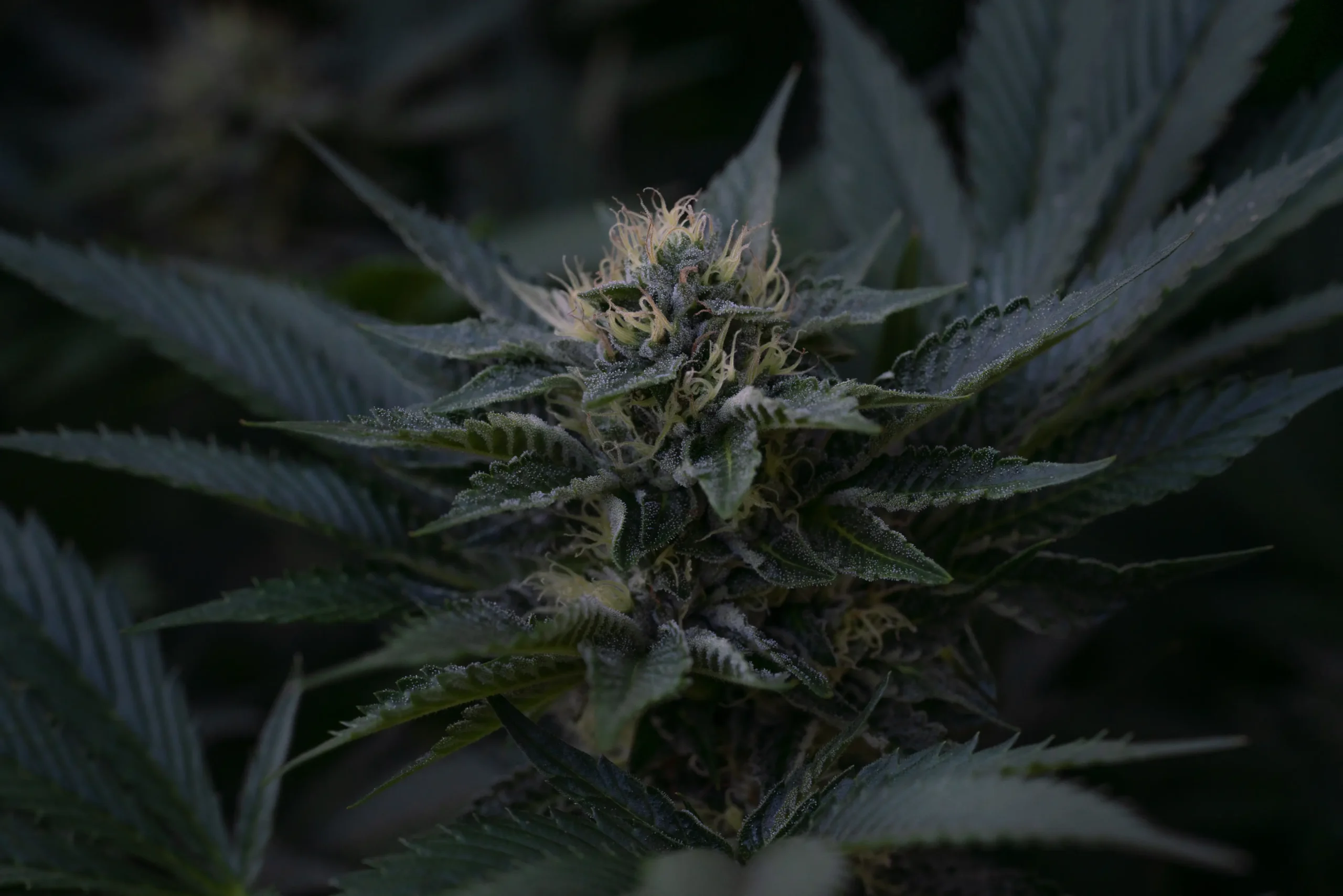
From an organoleptic perspective, Sour Chem offers an unyielding sensory experience that announces itself long before the jar is opened. Uncapping a container of properly cured flowers fills the curing facility with an overpowering wave of raw kerosene, pungent industrial chemical solvent, skunky roadkill funk, and tart, fermented lemon rind. Beneath the heavy petroleum mantle lies a complex aromatic foundation of damp earthy loam, cracked black pepper, and subtle notes of crushed pine needles. Upon combustion, the smoke is remarkably thick, velvety, and expansive, coating the entire palate in an undeniable lacquer of caustic diesel, tart citric sourness, and spicy fuel that lingers on the tongue for hours after the session concludes.
Agronomically, Sour Chem delivers exceptional hybrid vigor, rapid vegetative biomass accumulation, and an assertive response to precision horticultural crop steering. Plants demonstrate the characteristic slender foliage and elongated internodal spacing of their equatorial sativa heritage, requiring disciplined canopy management, apical topping, and multi-tier structural trellising to control vertical elongation. When flipped to a twelve-twelve photoperiod, Sour Chem exhibits a vigorous 140% to 170% vertical stretch, rapidly establishing contiguous floral sites along primary stems. Across its nine to ten week bloom window, individual calyxes swell into golf ball sized clusters encrusted in a dense, silvery blizzard of glandular trichomes. This comprehensive agronomic cultivation monograph provides professional growers and craft horticulturists with the complete technical blueprint required to cultivate, steer, and harvest championship-grade Sour Chem.
Cultivar Quick Overview: Sour Chem
Pedigree: Chemdawg (Chem 91 / Chem D) x Sour Diesel (AJ Cut / East Coast Sour Diesel)
Classification: Sativa-Dominant Exotic Hybrid (65% Sativa / 35% Indica) | Average THC: 28% to 32%
Total Terpenes: 2.9% to 4.5% | Bloom Duration: 65 to 70 Days (9.5 to 10 Weeks)
Sensory Bouquet: Uncut diesel fuel, raw kerosene, caustic chemical solvent, tart fermented lemon peel, pungent skunk, damp pine loam.
Cultivation Strategy: Top twice during early veg, deploy dual-tier horizontal SCROG netting to restrain vigorous vertical stretch, maintain elevated calcium and magnesium levels under high-intensity LEDs, enforce generative crop steering drybacks during weeks one through three of flower, and supply balanced sulfur amendments to maximize volatile sulfur compound synthesis.
Strain Features
| Agronomic Metric | Baseline Specification | Commercial Target Range |
|---|---|---|
| Genetic Lineage | Chemdawg x Sour Diesel | Stabilized Sativa-Dominant Elite Fuel Hybrid |
| Photoperiod Classification | Obligate Short-Day Photoperiod | 18/6 Veg transition to 12/12 Bloom |
| Vegetative Growth Rate | Rapid vertical acceleration, fibrous branching | Daily node expansion rate: 1.8 to 2.4 cm |
| Flowering Window | 65 to 70 Days (9.5 to 10 Weeks) | Commercial harvest optimum: Day 67 |
| Stretch Ratio | 140% to 170% vertical elongation | Trellis containment imperative during weeks 1-3 |
| Indoor Yield Potential | 500 to 650 grams per square meter | Optimized LED cultivation: 600+ g/m2 |
| Outdoor Yield Potential | 750 to 950 grams per plant | Full-sun ground plantings: 850+ g/plant |
| Cannabinoid Content (THC) | 27% to 32% Delta-9 THC | Total active cannabinoids: 31% to 35% |
| Minor Cannabinoids | CBG: 0.9% to 1.7%, CBC: 0.4% to 0.8% | THCV traces detected up to 0.5% |
| Total Terpene Concentration | 2.8% to 4.5% dry weight | Dominant: Beta-Caryophyllene, Myrcene, Limonene |
| Optimal Canopy PPFD | Veg: 400-600 umol/m2/s | Bloom: 850-1100 umol/m2/s | CO2 enriched indoor arrays: 1150 umol/m2/s |
| Recommended Substrate EC | Veg: 1.4 to 1.8 mS/cm | Bloom: 2.0 to 2.5 mS/cm | Late-flower taper to 1.2 mS/cm |
| Substrate pH Thresholds | Coco/Hydro: 5.8 to 6.1 | Living Soil: 6.3 to 6.7 | Precision root zone target: 5.95 |
| Calyx-to-Leaf Ratio | High floral density, low foliage interference | Trimming efficiency rating: 9.2/10 |
Sour Chem demonstrates the unmistakable architectural traits of a modern production thoroughbred. The plant forms an extensive network of secondary lateral branches capable of bearing substantial floral weight when supported by proper trellising. Calyx morphology features tight, conical bract formations that resist excess moisture retention better than broadleaf indica varietals, while maintaining the crystalline resin coverage demanded by premier retail shelves.
Genetic Lineage & Breeding History
The historical genesis of Sour Chem unites two of the most influential chemotypes in modern cannabis history. The maternal parent, Chemdawg (originating from the seminal 1991 Deer Creek concert lot bagseed discovery by master breeder Chemdog), contributed the foundational chem family traits: overwhelming skunky diesel aromatics, razor-sharp potency, and an expansive cerebral stone that permanently altered the global breeding landscape. Chemdawg itself gave rise to cornerstone cultivars including OG Kush, Sour Diesel, and modern crosses such as GMO and Motorbreath.
The pollinating contributor, Sour Diesel (specifically the revered AJ cut originating in New York City during the mid-1990s), introduced its signature electric sour lime candy finish, vigorous upward stretch, and bright, clear-headed sativa elevation. When master breeders united these two related yet distinct chem-fuel powerhouses, the resulting hybrid captured the ultimate expression of both parents. The excessive stretch and prolonged eleven-week flowering time of pure Sour Diesel were tempered by the denser calyx clustering and accelerated resin maturation of Chemdawg, yielding a balanced, commercially viable cultivar that finishes within ten weeks while retaining pure, unadulterated petroleum intensity.
Throughout successive filial generations and dedicated clone selections, cultivators have stabilized Sour Chem into a dependable, disease-resistant plant that thrives under modern high-performance commercial protocols. Today, Sour Chem remains an essential breeding tool used by craft geneticists to infuse modern dessert hybrids with authentic raw gas, high tensile branch strength, and towering cannabinoid production.
Core Phenotypes & Selection Criteria
When popping regular or feminized Sour Chem seed lines, phenotypic diversity generally segregates into three distinct agronomic and organoleptic expressions. Phenotype hunting teams evaluating seedling populations should screen for the following specific agronomic markers:
Phenotype Alpha (The Chem-Dominant Skunk Expression): Accounting for approximately 45% of seed populations, Phenotype Alpha displays slightly wider fan leaf leaflets, shorter internodal spacing, and an earlier flowering finish (maturing reliably by day 63 to 65). The aromatic profile of Phenotype Alpha is overwhelmingly dominated by pungent kerosene, skunky roadkill funk, and damp earth, with only faint sour citrus undertones. The calyxes are exceptionally dense and rounded, producing heavy commercial yields and demonstrating remarkable resistance to powdery mildew. This phenotype is favored by commercial indoor cultivators prioritizing rapid turnarounds and classic diesel bag appeal.
Phenotype Beta (The Electric Sour Diesel Leaning Cut): Representing roughly 35% of the population, Phenotype Beta exhibits the aggressive vertical vigor, slender lanceolate foliage, and elongated floral spires characteristic of East Coast Sour Diesel. This expression requires a full 68 to 72 days of bloom, stretching up to 175% after the flip. The bouquet is intensely sour, smelling of tart lime solvent, fermented citrus candy, and raw jet fuel. While vegetative training demands greater vigilance, Phenotype Beta commands premium pricing in boutique markets due to its soaring, energetic cerebral high and intoxicating flavor profile.
Phenotype Gamma (The Balanced Confectionery Chem): Occurring in roughly 20% of selections, Phenotype Gamma represents the harmonious synthesis of both ancestral lines. It forms perfectly proportioned, spear-shaped colas with a balanced 130% stretch and a flowering finish on day 66. The terpene profile combines sour lemon curd, pungent chemical marker ink, and heavy kerosene. Extraction testing reveals that Phenotype Gamma produces the highest concentration of capitate-stalked trichomes with thin abscission necks, making it the preferred cut for solventless washing operations.
Effect Breakdown & Pharmacodynamics
The physiological and psychological effects of Sour Chem are characterized by an immediate, electrifying onset followed by profound physical equilibrium. Within minutes of the first inhalation, consumers experience an intense rush of cranial warmth and synaptic stimulation. Thought patterns become vibrant, creative, and expansive, making the initial phase of the experience highly suitable for creative brainstorming, physical outdoor activities, or engaging social conversation. This initial cerebral elevation is mediated by rapid blood-brain barrier transport of Delta-9 THC in synergy with high concentrations of limonene and alpha-pinene.
As the session progresses past the forty-five-minute mark, the initial cerebral intensity transitions gracefully into a deeply soothing, somatic body relaxation. Beta-caryophyllene interacts with peripheral cannabinoid type 2 (CB2) receptors, downregulating inflammatory signaling pathways and melting away musculoskeletal tension without inducing lethargy or premature sedation. The physical calm allows the user to remain mentally alert and engaged while experiencing full-body comfort.
Consumers report exceptional mood enhancement, enhanced sensory perception, and a long-lasting duration that typically spans three to four hours. Due to its high THC concentrations (routinely testing between 28% and 32%), novice consumers should approach Sour Chem with mindful moderation, as excessive consumption can induce transient sensory overwhelm or mild tachycardia in individuals sensitive to stimulating sativa-dominant cultivars.
Flavor & Aroma Bouquet
Sour Chem delivers an assertive, multi-layered aromatic bouquet that serves as a benchmark for fuel-dominant cannabis varieties. When whole dried buds are held to the nose, the initial impression is dominated by pungent petroleum hydrocarbons, resembling unrefined crude oil, raw kerosene, and caustic industrial solvent. As the floral material is broken apart or fed through a grinder, volatile secondary aromas erupt into the surrounding airspace: sharp, fermented lemon rind, chemical permanent marker, skunk spray, and crushed pine loam.
Upon inhalation, the flavor profile is remarkably intense and true to its aromatic promise. Borosilicate glassware captures a burst of mouth-watering sour diesel and sharp lemon tartness, followed immediately by heavy undertones of earthy garlic, black pepper, and petroleum fuel. On the exhale, the smoke coats the palate in a velvety, resinous film that leaves a persistent lingering aftertaste of sweet sour gas, diesel exhaust, and herbal pine for ten to fifteen minutes post-session.
Cultivators employing low-temperature vaporization (360 deg F to 380 deg F / 182 deg C to 193 deg C) will discover nuanced floral top notes and delicate citrus esters that are otherwise masked during combustion, highlighting the intricate genetic craftsmanship underlying this legendary cross.
Dominant Terpenes & Entourage Chemistry
Comprehensive gas chromatography and mass spectrometry analyses reveal that Sour Chem synthesizes an exceptionally rich terpene matrix, routinely accumulating total terpene concentrations between 2.9% and 4.5% by dry weight. The primary terpene drivers responsible for its distinctive organoleptic profile and therapeutic synergy include:
Beta-Caryophyllene (0.95% to 1.45%): Serving as the dominant terpene constituent, beta-caryophyllene provides the cultivar with its pungent, peppery backbone and sharp, woody bite. Uniquely among dietary terpenes, beta-caryophyllene acts as a selective full agonist of CB2 receptors, providing potent systemic anti-inflammatory and analgesic efficacy without psychoactive side effects.
Myrcene (0.75% to 1.15%): The second most abundant terpene, myrcene imparts deep earthy notes and subtle musky undertones. Biologically, myrcene enhances blood-brain barrier permeability, facilitating rapid cellular uptake of cannabinoids and modulating the intensity and duration of the cerebral onset.
Limonene (0.65% to 0.95%): Limonene contributes the electric sour lemon citrus top notes that define the Sour Diesel half of its lineage. In human clinical models, limonene exhibits significant anxiolytic and mood-elevating properties, counteracting potential stress responses and brightening mental clarity.
Alpha-Humulene (0.35% to 0.55%): Working in structural synergy with beta-caryophyllene, alpha-humulene introduces dry, earthy, hoppy aromatics and contributes to natural appetite regulation and peripheral tissue decongestion.
Volatile Sulfur Compounds (VSCs): Beyond standard terpenes, advanced chemical profiling indicates that Sour Chem owes its characteristic skunky, rubbery stench to trace prenylated mercaptans (specifically 3-methyl-2-butene-1-thiol). Even at parts-per-billion concentrations, these organic sulfur molecules create the unmistakable, room-filling funk that sets authentic Chem lines apart from modern commercial candy profiles.
Indoor vs Outdoor Cultivation Dynamics
Sour Chem adapts with remarkable versatility across both indoor controlled environment agriculture (CEA) facilities and outdoor sun-grown operations, though each setting requires specific agronomic management strategies:
Indoor CEA Environment: Indoors under high-efficiency full-spectrum LED fixtures, Sour Chem delivers unmatched resin gland density and precise terpene retention. Cultivators must account for its vigorous 140% to 170% vertical stretch by topping plants at least twice during the vegetative cycle and deploying dual-tier modular trellis netting. Indoor canopies require robust environmental air exchange and dedicated dehumidification capacity, as the dense, trichome-coated colas can trap moisture during late bloom. Maintaining canopy leaf vapor pressure deficit (VPD) between 1.2 and 1.5 kPa ensures continuous transpiration without subjecting floral tissue to thermal or osmotic stress.
Outdoor Sun-Grown Cultivation: In full-sun outdoor environments, Sour Chem develops into a towering botanical shrub reaching heights of eight to ten feet when planted in native amended soil beds or large 100-gallon smart containers. The plant’s open, sativa-influenced branch architecture allows generous sunlight penetration through the interior canopy. In temperate and Mediterranean climates, outdoor plants finish between mid to late October. Growers in northern or high-humidity regions should ensure plants are shielded from late-season rainfall or grown within well-ventilated hoop houses to safeguard swelling colas against botrytis.
Strain-Specific Grow Guidance
Mastering Sour Chem requires precise environmental control, proactive canopy architecture training, and disciplined irrigation steering. Cultivators should follow these specific vegetative and flowering protocols:
Cultivator Inquiry: Taming Vigorous Sativa Stretch Under High-Efficiency LEDs
Grower Question: “My Sour Chem cuttings stretch aggressively during the first three weeks of 12/12, causing top colas to bleach beneath modern LED fixtures. How can I restrain internodal spacing without stunting floral development?”
Expert Advice: Implement generative crop steering during the initial 21 days of flower. Allow media water content to dry back by 25% to 30% between irrigation pulses, increase feed electrical conductivity (EC) by 0.4 to 0.6 mS/cm, and maintain a tight day-to-night temperature differential (a zero or slightly negative DIF of 1 to 2 deg F). Pairing these generative cues with early horizontal canopy weaving beneath a rigid trellis net restrains internodal elongation, creating a uniform, flat canopy that absorbs intense PPFD without vertical foxtailing or photo-bleaching.
During the vegetative phase, Sour Chem produces rapid root mass and fibrous stalks. Top plants above the fifth node once seven true nodes have formed. Allow the resulting primary shoots to extend horizontally beneath the lower trellis layer before executing a second selective topping on secondary terminals. This technique creates sixteen to twenty-four uniform cola sites per plant, completely eliminating apical dominance and maximizing light interception across the entire canopy footprint.
Transitioning into generative bloom requires gradual light intensity increases. Ramp canopy illumination from 650 umol/m2/s during week one to a peak of 950 to 1100 umol/m2/s by week five. In facilities utilizing supplemental carbon dioxide enrichment (1100 to 1300 ppm CO2), Sour Chem efficiently assimilates high photosynthetic photon flux density, accelerating calyx swelling and gland head development.
Crop Steering & Irrigation Matrix
Modern precision irrigation steering dramatically influences the final morphology, yield, and secondary metabolite expression of Sour Chem. Cultivators managing soilless substrates such as rockwool or 70/30 coco-perlite blends should employ the following phased irrigation schedule:
Weeks 1 to 3 (Generative Floral Induction): Enforce generative steering to restrict excessive vegetative stem elongation. Initiate the first irrigation pulse two to three hours after lights-on, allowing the root zone water content to decrease by 25% to 30% overnight. Deliver short, precise irrigation shots (100 to 150 ml per plant) with a feed EC of 2.2 to 2.6 mS/cm, targeting a substrate EC buildup of 3.2 to 3.8 mS/cm. This osmotic tension signals the plant to cease structural stretching and focus metabolic resources on rapid floral cluster initiation.
Weeks 4 to 7 (Vegetative Bulking Phase): Once floral clusters are fully established and calyxes begin rapid expansion, shift irrigation steering to vegetative mode. Begin irrigation pulses sixty to ninety minutes after lights-on, delivering larger, more frequent pulses (200 to 300 ml) that achieve 15% to 20% runoff by mid-day. Restrict overnight water content drybacks to 12% to 15%, lowering substrate EC to a stable 2.4 to 2.8 mS/cm. This high-moisture, lower-osmotic-pressure environment maximizes cellular expansion within swelling floral bracts.
Weeks 8 to 10 (Late Generative Maturation & Ripening): During the final two to three weeks of the cycle, reintroduce generative drybacks (20% to 25% overnight depletion) and taper feed EC down to 1.2 to 1.4 mS/cm using clean reverse-osmosis water. This mild drought stress signals natural monocarpic senescence, accelerating chlorophyll breakdown, triggering anthocyanin expression, and stimulating glandular trichome lipid maturation.
Living Soil, Organics & Secondary Metabolites
While synthetic hydroponic systems produce exceptional bulk yields with Sour Chem, organic living soil cultivation unlocks the deepest, most complex expression of its volatile sulfur compounds and aromatic terpenes. A living soil matrix rich in beneficial microorganisms, mycorrhizal fungi, and organic mineral amendments provides balanced, plant-regulated nutrition that maximizes secondary metabolite synthesis.
Inoculating the root zone with Glomus intraradices mycorrhizal fungi during transplanting establishes a dense hyphal network that dramatically enhances phosphorus and trace micronutrient bioavailability. Incorporating composted crustacean meal and insect frass provides a natural source of chitin, triggering the plant’s systemic acquired resistance (SAR) pathways and elevating glandular trichome density as a natural photoprotective response.
Supplying organic living soil top-dressings of micronized soft rock phosphate, kelp meal (Ascophyllum nodosum), and mined sulfate of potash (langbeinite) during week three of flower ensures continuous mineral availability throughout floral bulking. Feeding the soil microbiome with unrefined organic blackstrap molasses and humic acids supports soil microbial populations, resulting in finished flowers with profound organoleptic depth and smooth, white ash combustion.
Lighting Spectrum, DLI & Photobiology
Sour Chem exhibits high photosynthetic efficiency under modern broad-spectrum horticultural lighting systems. To achieve optimal biomass accumulation and resin production, commercial facilities should target the following daily light integral (DLI) and spectrum parameters:
Vegetative Photoperiod: Deliver a daily light integral of 35 to 42 mol/m2/day under an 18/6 photoperiod, targeting canopy PPFD levels of 500 to 650 umol/m2/s. Broad-spectrum white light with an elevated blue component (450 nm) promotes compact internodal spacing and stout structural branching, counteracting the natural tendency of sativa-dominant lines to stretch excessively.
Generative Bloom Photoperiod: Under a 12/12 photoperiod, escalate canopy PPFD to 900 to 1100 umol/m2/s, producing a targeted DLI of 40 to 48 mol/m2/day. In sealed cultivation environments enriched with 1200 ppm carbon dioxide, PPFD can be pushed to 1150 umol/m2/s without inducing photo-bleaching or leaf tip necrosis. Supplemental deep red (660 nm) and far-red (730 nm) wavelengths accelerate phytochrome-mediated flowering responses, enhancing calyx expansion across lower branch tiers.
UV Supplementation in Late Bloom: Introducing low-dose supplemental UV-A (365 nm to 385 nm) and UV-B (290 nm to 315 nm) radiation for two hours daily during the final three weeks of flowering stimulates capitate-stalked glandular trichome development as an adaptive defense mechanism against ultraviolet stress, significantly boosting cannabinoid and terpene concentrations.
Mineral Nutrition & Deficiency Management
Sour Chem is a vigorous, heavy-feeding cultivar that demonstrates specific mineral demands during different physiological phases. Cultivators must maintain careful oversight of the following critical nutritional elements:
Calcium and Magnesium Demands: Due to its high transpiration rates under high-intensity LED illumination, Sour Chem requires sustained calcium and magnesium inputs. Deficiencies manifest early in bloom as rust-colored necrotic spotting along the margins of upper fan leaves and interveinal chlorosis on mid-canopy foliage. Maintain an elemental calcium-to-magnesium ratio of 3:1 in fertigation solutions, providing 160 to 180 ppm calcium and 55 to 65 ppm magnesium throughout the vegetative and mid-bloom cycles.
Nitrogen Sensitivity in Mid-Bloom: While Sour Chem demands robust nitrogen levels during vegetative growth and early floral stretch, excess nitrogen post-week four of bloom can delay calyx maturation, induce leaf tip clawing, and produce dark green, leafy buds that compromise trimming efficiency and flavor smoothness. Taper nitrate-nitrogen inputs substantially starting at day 28, transitioning fertility toward phosphorus and potassium dominance.
Potassium and Sulfur for Calyx Bulking: During weeks five through eight, metabolic demand for potassium peaks as calyxes swell into contiguous clusters. Elevate potassium concentrations to 220 to 260 ppm alongside 80 to 100 ppm elemental sulfur. Sulfur serves as the vital building block for the synthesis of volatile sulfur compounds and cysteine amino acids, directly fueling the development of the cultivar’s pungent diesel aromatics.
Integrated Pest & Pathogen Management
Deploying a proactive, multi-layered integrated pest management (IPM) program is essential to maintaining pristine crop health and preventing infestation in high-density canopies:
Biological Pest Control: Establish predatory biological agents during the early vegetative stage. Introduce Neoseiulus californicus and Amblyseius swirskii to establish continuous biological defense against two-spotted spider mites, thrips, and broad mites. Complement predatory mites with soil-dwelling Stratiolaelaps scimitus (hypoaspis miles) to eradicate fungus gnat larvae in the root zone.
Foliar Bio-Fungicides: In vegetative growth, apply preventative foliar bio-fungicides utilizing beneficial microbial antagonists such as Bacillus amyloliquefaciens and Bacillus subtilis. These beneficial bacteria colonize leaf surfaces, outcompeting airborne fungal spores and preventing powdery mildew (Podosphaera macularis) from establishing systemic infection.
Environmental Canopy Hygiene: Maintain strict airflow hygiene throughout the entire cycle. Deploy oscillating canopy fans to produce a gentle, continuous breeze (0.4 to 0.6 m/s) across both upper colas and beneath the lower trellis tier. Ensure night-time relative humidity does not spike above 55% during late bloom, maintaining a minimum VPD of 1.3 kPa to prevent condensation droplets from forming inside dense floral clusters.
Solventless Hash & Live Rosin Extraction
Sour Chem holds exceptional esteem in the craft solventless extraction community. While traditional sativa varieties often produce small, brittle trichome heads that wash poorly, Sour Chem inherits the dense, bulbous capitate-stalked glandular trichome morphology of Chemdawg, making it a reliable performer in ice water hash and live rosin processing.
Trichome heads feature fully developed 90-micron to 120-micron resin glands supported by thin, easily fractured abscission necks. When fresh frozen whole-plant material is washed in chilled reverse-osmosis ice water (32 deg F to 34 deg F / 0 deg C to 1 deg C), resin heads cleanly detach from floral bracts without contaminating the wash slurry with cellular plant debris. Commercial washing facilities report fresh frozen hash yields ranging between 3.5% and 5.0%, with premier 90u to 120u fractions pressing into light golden, translucent live rosin.
The resulting live rosin maintains the pungent petroleum gas, sour chemical solvent, and tart lemon characteristics of the raw flower, providing dab enthusiasts with an intensely aromatic and long-lasting sensory experience that commands top-tier retail market value.
Harvest Timing, Drying & Curing Science
Harvest timing directly governs the potency, aromatic complexity, and psychoactive balance of Sour Chem. Cultivators should evaluate glandular trichome development across mid-tier floral bracts using a 60x illuminated jeweler’s loupe or digital microscope:
Peak Harvest Window: Target harvest when approximately 85% to 90% of trichome heads display an opaque, milky white coloration, with 5% to 10% transitioning to golden amber and zero clear heads remaining. Harvesting earlier (with predominantly clear heads) results in a racey, short-lived high and subdued flavor, while harvesting past 20% amber leads to excessive degradation of Delta-9 THC into cannabinol (CBN), reducing its energetic cerebral signature.
Whole-Plant Hang Drying Protocols: Cut whole plants at the base and hang them inverted in a dedicated dark drying room maintained under strict sixty-sixty environmental conditions: 60 deg F (15.5 deg C) temperature and 60% relative humidity. Provide indirect, gentle air circulation without allowing air currents to blow directly onto hanging flowers. This slow, fourteen-day hang dry enables internal enzymes to metabolize residual chlorophyll and starches, preventing harsh hay odors and locking in volatile monoterpenes.
Vault Curing & Terpene Stabilization: Once small stems snap cleanly rather than bend (typically between days twelve and fourteen), execute a careful dry trim and seal floral colas into airtight glass or stainless steel curing vessels. Maintain internal vessel humidity between 60% and 62% at 58 deg F to 62 deg F. Burp vessels briefly once daily for the initial two weeks, followed by once weekly for an additional three to four weeks. This cold-curing protocol allows volatile sesquiterpenes and sulfur compounds to harmonize, resulting in an exceptionally smooth, room-filling smoke.
Commercial Fertigation & Leaf Tissue Analytics
To achieve commercial yields exceeding 600 grams per square meter while preserving peak terpene fidelity, licensed cultivators must implement rigorous leaf tissue sampling and mineral diagnostic benchmarks throughout the Sour Chem lifecycle. Routine dry matter tissue testing reveals that Sour Chem requires distinct mineral absorption profiles compared to modern low-transpiration dessert varieties.
| Macronutrient / Micronutrient | Vegetative Target (Dry Matter %) | Peak Bloom Target (Weeks 4-6) | Deficiency / Toxicity Indicators |
|---|---|---|---|
| Total Nitrogen (N) | 4.2% to 5.0% | 2.8% to 3.4% | Low N causes lower canopy yellowing; excess N delays flower maturation and induces severe leaf tip clawing. |
| Phosphorus (P) | 0.45% to 0.65% | 0.60% to 0.85% | Low P manifests as purple petioles, dark slate leaves, and stalled calyx expansion; excess P locks out zinc and iron. |
| Potassium (K) | 3.5% to 4.5% | 4.8% to 6.2% | Low K results in marginal leaf necrosis, weak branches, and light, airy colas; excess K restricts calcium and magnesium uptake. |
| Calcium (Ca) | 1.8% to 2.4% | 2.2% to 3.1% | Low Ca triggers localized necrotic spotting on upper foliage and weak cell walls; excess Ca induces potassium deficiency. |
| Magnesium (Mg) | 0.55% to 0.80% | 0.70% to 0.95% | Low Mg displays prominent interveinal chlorosis on mid-tier leaves; excess Mg leads to salt stress and root tip burn. |
| Sulfur (S) | 0.35% to 0.50% | 0.55% to 0.75% | Low S results in pale new growth and drastically reduced volatile sulfur compound (VSC) diesel aromatics. |
| Iron (Fe) | 80 to 140 ppm | 100 to 160 ppm | Interveinal chlorosis of the newest emerging apical shoots indicates iron lockout, typically caused by root zone pH exceeding 6.3. |
| Zinc (Zn) | 35 to 65 ppm | 40 to 75 ppm | Low Zn leads to miniature, rosette-like leaf formations and delayed trichome stalk elongation. |
Monitoring substrate runoff electrical conductivity (EC) and pH twice daily provides commercial growers with immediate feedback on nutrient consumption. In soilless coco coir cultivation, maintain a leachate runoff volume of 15% to 20% to prevent unabsorbed mineral salts from crystallizing in the rhizosphere. If runoff EC exceeds input EC by more than 1.0 mS/cm, increase irrigation pulse volumes or shorten dryback duration to refresh the root zone solution before osmotic shock impairs floral expansion.
Weedth Bud Flavor Tips
Maximizing the mouth-coating sour diesel and raw kerosene flavor profile of Sour Chem requires targeted agronomic interventions during the final weeks of cultivation:
Sulfur Precursor Supplementation: Introduce bio-available elemental sulfur and potassium sulfate during weeks four through seven of bloom. Sulfur serves as the direct enzymatic catalyst required for the synthesis of volatile sulfur compounds (VSCs), enhancing the intense chemical skunk aroma that defines championship-grade Chem selections.
Carbohydrate Feeding & Rhizosphere Priming: Supply unrefined organic blackstrap molasses or horticultural-grade complex carbohydrates alongside humic and fulvic acids during mid-to-late bloom. These simple and complex sugars nourish beneficial rhizosphere bacteria and fungi, stimulating the enzymatic pathways responsible for terpene synthesis.
Low-Temperature Late-Bloom Flush: During the final ten days of the cycle, flush the root zone with pristine reverse-osmosis water while lowering night temperatures to 64 deg F to 66 deg F (18 deg C). The cold night temperatures suppress monoterpene volatilization, trapping volatile lemon and pine fractions inside resin heads before harvest.
Weedth Bud Boost Tips
To maximize total floral mass, calyx swelling, and trichome coverage, apply these advanced crop optimization techniques:
Apical Decapitation and Dual-Tier SCROG Weaving: Execute two rounds of topping during the vegetative cycle, followed by weaving primary branches horizontally beneath a rigid nylon trellis net. Spreading the canopy evenly across the illuminated footprint ensures equal photon distribution to all bud sites, eliminating small larf buds and converting lower branches into dense, premium colas.
Mid-Bloom Strategic Defoliation (Day 21 and Day 42): Perform a thorough defoliation pass on day 21 of flower (the conclusion of the stretch phase), stripping away large inward-facing fan leaves that cast shade over emerging bud sites. Repeat a lighter clean-up pass on day 42 to enhance interior canopy airflow and photon penetration to lower calyxes.
Late-Stage Silica and Osmotic Priming: Supplement with bio-available mono-silicic acid (20 to 30 ppm elemental silicon) from early vegetative growth through week six of bloom. Silicon strengthens plant cell walls, thickening stem diameter, enhancing thermal stress tolerance, and providing physical structural support for heavy, resin-weighted floral branches.
Grower Notes and Feedback
Commercial cultivators and craft growers consistently praise Sour Chem for its outstanding vigor, explosive resin production, and unmistakable market appeal. Experienced production managers note that Sour Chem ranks among the most reliable fuel cultivars in modern production, rarely displaying genetic herming or instability under intense LED photon loads.
Growers emphasize that odor control infrastructure must be maintained at peak capacity when cultivating Sour Chem. The cultivar’s volatile sulfur compounds and high terpene density can overwhelm standard carbon filtration systems during weeks six through nine of bloom. Facilities operating in urban or semi-residential zones should double-check filter seals, replace carbon beds prior to flowering, or install secondary inline ozone generators outside the exhaust ducting to neutralize exhaust odors.
In retail dispensary environments, Sour Chem commands immediate consumer attention. The combination of classic nineties diesel nostalgia, eye-catching trichome crust, and intense lingering flavor makes it a perennial top-shelf seller that retains strong commercial demand across all medical and adult-use legal markets.
Weedth Editor’s Note
When I first introduced authentic Sour Chem cuttings into my licensed research garden, I knew I was working with true cannabis royalty, but nothing prepared me for the sheer velocity and aromatic ferocity this plant unleashed. I planted rooted cuttings into five-gallon fabric aeration containers filled with a bespoke 70/30 coco-perlite blend, placing them under an 720W commercial full-spectrum LED fixture. Within the first eighteen days of vegetative growth, the plants displayed astonishing vigor: thick fibrous stems shot upward with vibrant, lime-green fan leaves that expanded daily. Recognizing its aggressive sativa heritage, I topped each plant twice above the fifth and seventh nodes, weaving the lateral shoots horizontally beneath a modular nylon trellis to tame what I anticipated would be a monumental stretch.
When I initiated the twelve-twelve photoperiod flip, Sour Chem responded with explosive vertical energy, surging nearly 160% in height over the first twenty-one days. The decision to enforce strict generative irrigation steering (allowing 28% overnight drybacks and bumping feed EC to 2.4 mS/cm) proved to be my most rewarding tactical choice. The generative cues restrained internodal elongation, locking in tight, contiguous bud clusters along every trained terminal. By week four, the grow room was completely dominated by an intoxicating aroma: a piercing mixture of raw jet fuel, caustic chemical permanent marker, and sharp fermented lemon peel that actually forced me to install a secondary carbon filter outside my exhaust plenum.
As flowering progressed into weeks seven and eight, the colas stacked into colossal, rock-hard spear formations completely blanketed in a frosted crystalline glaze of capitate-stalked trichomes. I kept night temperatures cool (around 65 deg F) during the final ten days and flushed with pure reverse-osmosis water, watching the foliage transition into stunning golden-lime hues with subtle amethyst calyx edges. Following a fourteen-day whole-plant hang dry at 60 deg F and 60% relative humidity, I transferred the hand-trimmed buds into airtight stainless curing vaults for a thirty-day cure.
Opening the curing vault after four weeks was a religious experience for any true fuel lover: a room-shattering stench of raw kerosene, skunky ammonia, and sour citrus that instantly took me back to the legendary concert lots of the mid-nineties. Loading a clean glass pipe, the first inhale delivered thick, velvety smoke that coated my entire tongue with caustic diesel and tart lemon candy, lingering for ten minutes after exhalation. The high was immediate and exhilarating: an electric rush of cerebral euphoria and creative focus that seamlessly transitioned into profound physical serenity without a trace of fatigue. Sour Chem represents everything I cherish about authentic cannabis genetics: unapologetic raw power, timeless organoleptic mastery, and pure horticultural joy.
Alex Buck
Senior Cultivation Editor, Weedth
Commercial Phenotype Selection & Mother Stock Maintenance
Maintaining high genetic fidelity and vigor across commercial Sour Chem production runs requires disciplined mother plant management and strict tissue culture protocols. Because sativa-dominant chem lines naturally transpire at high rates and produce abundant lateral shoots, mother plants require specific nutritional and pruning regimens to prevent early woody stem lignification.
Mother plants should be maintained under an eighteen-hour photoperiod with canopy PPFD held strictly between 350 and 450 umol/m2/s. Illumination exceeding 500 umol/m2/s in the vegetative mother room accelerates carbohydrate consumption, leading to hollow, fibrous stems that take significantly longer to root in aeroponic or rockwool cloning systems. Supplying a continuous vegetative fertigation solution with an electrical conductivity (EC) of 1.4 to 1.6 mS/cm and a 3:1 nitrate-to-ammonium nitrogen ratio ensures pliable, succulent cutting stock that roots vigorously within eight to ten days.
Execute bi-weekly apical pruning passes across mother canopies, removing upright apical tips to stimulate lateral sub-branching. Discard any cutting stock showing signs of internodal elongation greater than two inches. When taking cuttings, use sterile scalpel blades dipped in 70% isopropyl alcohol between each cut, dipping the 45-degree angled base immediately into a natural auxin rooting gel (0.3% to 0.5% indole-3-butyric acid / IBA). Maintain rooting dome humidity at 85% to 90% with substrate root-zone temperatures stabilized at 74 deg F to 76 deg F (23.3 deg C to 24.4 deg C) to achieve 98% commercial rooting success.
Weedth Score
The Weedth Score represents our rigorous, standardized 10-point evaluation metric based on comprehensive agronomic performance, chemical composition, organoleptic complexity, and overall user satisfaction:
| Evaluation Category | Score (1-10) | Analysis & Editoryal Evaluation |
|---|---|---|
| Genetic Stability & Vigor | 9.6 / 10 | Remarkable vegetative acceleration, rapid rooting, robust disease resilience |
| Floral Density & Bag Appeal | 9.4 / 10 | Spear-shaped colas draped in heavy crystalline frost, vibrant lime calyxes |
| Aromatic Pungency & Depth | 9.9 / 10 | Overwhelming raw kerosene, sour diesel gas, skunky ammonia, citrus peel |
| Flavor Retention & Smoothness | 9.7 / 10 | Velvety thick smoke, lasting diesel fuel lacquer, clean white ash burn |
| Potency & Entourage Efficacy | 9.8 / 10 | Towering 28-32% THC, rapid cerebral euphoria paired with somatic calm |
| Commercial Extraction Suitability | 9.5 / 10 | Abundant capitate-stalked trichomes, exceptional live rosin terpene yield |
| Overall Weedth Composite Score | 9.65 / 10 | Championship-grade fuel cultivar; an undisputed modern classic |
Similar Strains
| Similar Cultivar | Lineage / Heritage | Shared Characteristics | Key Differences |
|---|---|---|---|
| Sour Diesel | Chemdawg x Super Skunk (AJ Cut) | Direct parent, electric sour citrus gas, soaring cerebral daytime euphoria | Sour Diesel exhibits looser calyx density and a longer 10 to 11 week bloom time |
| Chemdawg | Unknown Nepalese x Thai landrace descent | Direct maternal parent, raw kerosene petroleum stench, heavy body relaxation | Chemdawg lacks the bright sour lemon candy kick found in Sour Chem |
| Headbanger | Sour Diesel x Biker Kush | Intense sour fuel profile, high THC potency, vigorous sativa stretch | Headbanger displays heavier Kush earth and spice rather than pure chemical skunk |
| Motorbreath | Chemdawg (Chem D) x SFV OG | Shared Chemdawg heritage, pungent petroleum gas, high trichome crust | Motorbreath leans heavily into sedative indica couchlock with deep pine fuel |
| Chem de la Chem | Chemdawg x I95 | Pungent chemical marker funk, industrial solvent aromatics, high potency | Chem de la Chem has a more savory, metallic chemical bite without sour citrus |
Growers and consumers who appreciate Sour Chem will discover compelling parallels across several related gas and fuel powerhouses in the modern cannabis genetic library. Sour Diesel provides the direct maternal foundation for its bright, electric citrus top notes and uplifting cerebral onset, while pure Chemdawg delivers the dense floral structure, skunky roadkill funk, and heavy therapeutic body calm. Headbanger and Motorbreath offer darker, heavier kush-infused alternatives for evening relaxation, while Chem de la Chem emphasizes caustic industrial marker solvent and intense potency for experienced connoisseurs.
Cultivator FAQ & Troubleshooting
What is the exact flowering duration for Sour Chem?
Sour Chem reliably reaches peak cannabinoid potency and glandular trichome maturity within 65 to 70 days (9.5 to 10 weeks) of 12/12 photoperiod bloom. While some Chem-dominant phenotypes may appear visually ripe by day 63, allowing plants to mature through day 67 to 68 enables full calyx swelling, complete milky trichome head development, and optimal volatile sulfur compound accumulation.
How much does Sour Chem stretch during the photoperiod flip?
Sour Chem typically exhibits a 140% to 170% vertical stretch during the initial three weeks of 12/12 flowering. Cultivators should top plants at least twice during the vegetative cycle and install horizontal SCROG trellis netting to weave branches outward, maintaining an even, flat canopy that prevents top colas from stretching into lighting fixtures.
What are the optimal temperature and humidity targets for Sour Chem?
During vegetative growth, maintain daytime temperatures of 78 deg F to 82 deg F (25.5 deg C to 28 deg C) with 65% to 70% relative humidity (VPD 0.8 to 1.1 kPa). During early to mid-flower, lower humidity to 50% to 55% while maintaining day temperatures of 76 deg F to 80 deg F (VPD 1.2 to 1.4 kPa). In late bloom (weeks 8 to 10), drop night temperatures to 64 deg F to 66 deg F and relative humidity to 45% (VPD 1.4 to 1.6 kPa) to protect dense colas against mold and preserve volatile terpenes.
Is Sour Chem suitable for solventless ice water hash extraction?
Yes, Sour Chem is a proven, highly rewarding solventless extraction performer. Unlike many pure sativas that produce brittle, microscopic trichomes, Sour Chem inherits the large, bulbous capitate-stalked glandular trichome morphology of Chemdawg. Fresh frozen whole-plant material routinely washes between 3.5% and 5.0% in ice water hash, yielding high-grade 90u to 120u live rosin rich in pungent diesel terpenes.
How should I manage odor control when growing Sour Chem?
Sour Chem produces extreme levels of volatile sulfur compounds and pungent petroleum terpenes that can easily saturate older carbon filters. Cultivators should ensure high-grade virgin activated carbon filters are installed, maintain negative room pressure, and inspect duct seals regularly. In large commercial setups, adding secondary inline carbon filters or exhaust air treatment systems is strongly recommended during the final four weeks of bloom.
Commercial Packaging & Nitrogen Flushed Preservation: In retail commercial distribution networks, the volatile monoterpenes and volatile sulfur compounds that give Sour Chem its signature fuel stench are highly susceptible to ambient oxidation. Packaging trimmed colas into opaque, food-grade glass jars or mylar pouches with an active nitrogen flush (displacing oxygen below 1.5%) preserves volatile lemon and diesel top notes for up to nine months of commercial retail shelf life without terpene degradation.
Share this article
A quick overview of the topics covered in this article.
Follow us
Latest articles
November 9, 2026
November 9, 2026
November 9, 2026
November 9, 2026
