
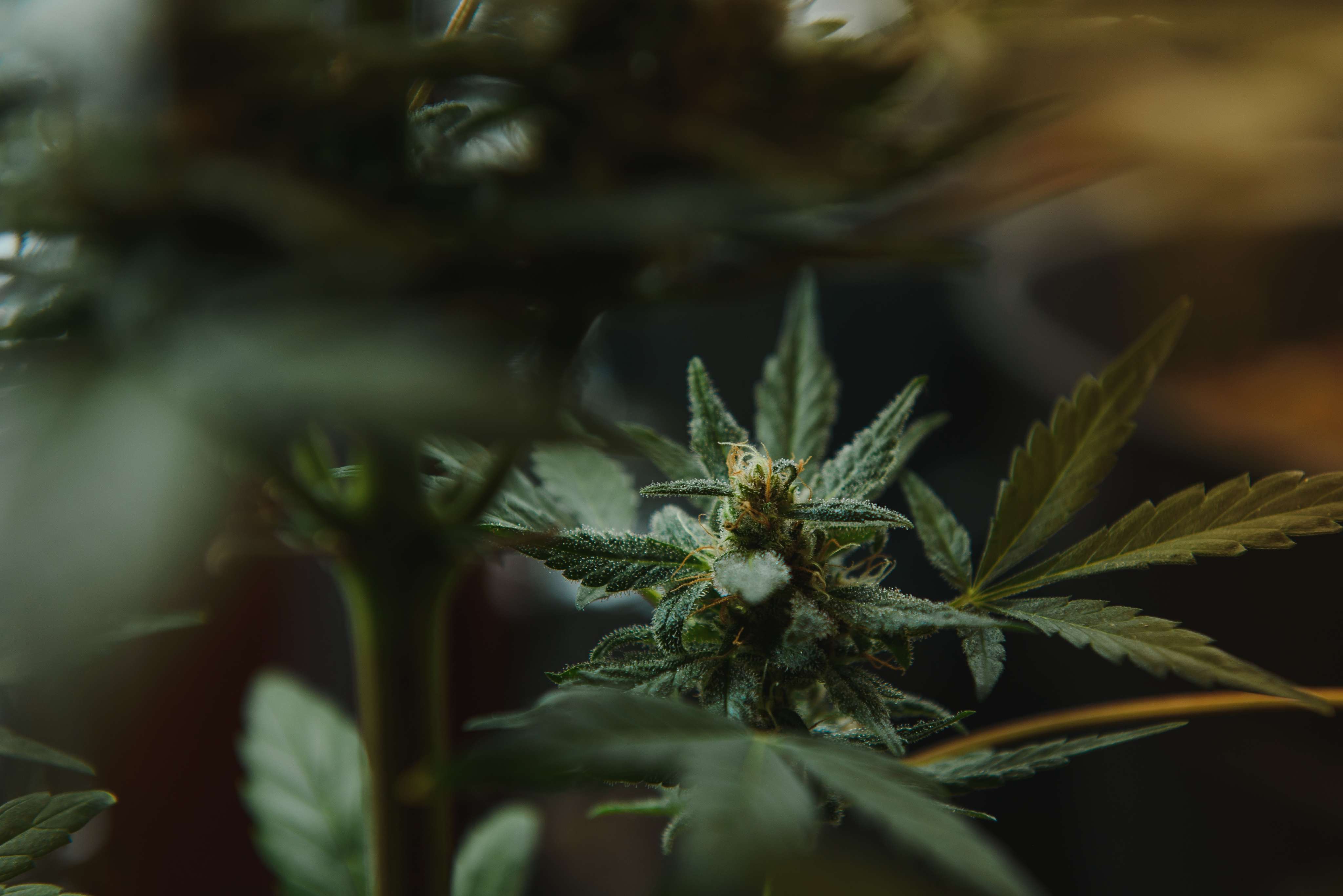
Tangie Strain: Complete Cultivar & Grow Guide
In the vibrant annals of twenty-first century cannabis breeding, few cultivars have captivated the global connoisseur community, swept competitive cannabis cups, or redefined modern citrus terpene profiles as decisively as Tangie. Developed through a celebrated collaboration between Crockett Family Farms and DNA Genetics, Tangie was purposefully engineered as a modern, high-potency tribute to the legendary 1990s heirloom Tangerine Dream. By crossing an elite, preserved cutting of California Orange with a vigorously selected Skunk #1 hybrid father, breeders unlocked an extraordinary citrus polyhybrid that made competitive history. Between 2013 and 2014, Tangie achieved an unprecedented, record-shattering sweep, winning over ten major international cannabis cup awards in less than ten months. Today, Tangie remains the world’s undisputed benchmark for sweet tangerine aromatics, invigorating sativa euphoria, and premier solventless extraction performance.
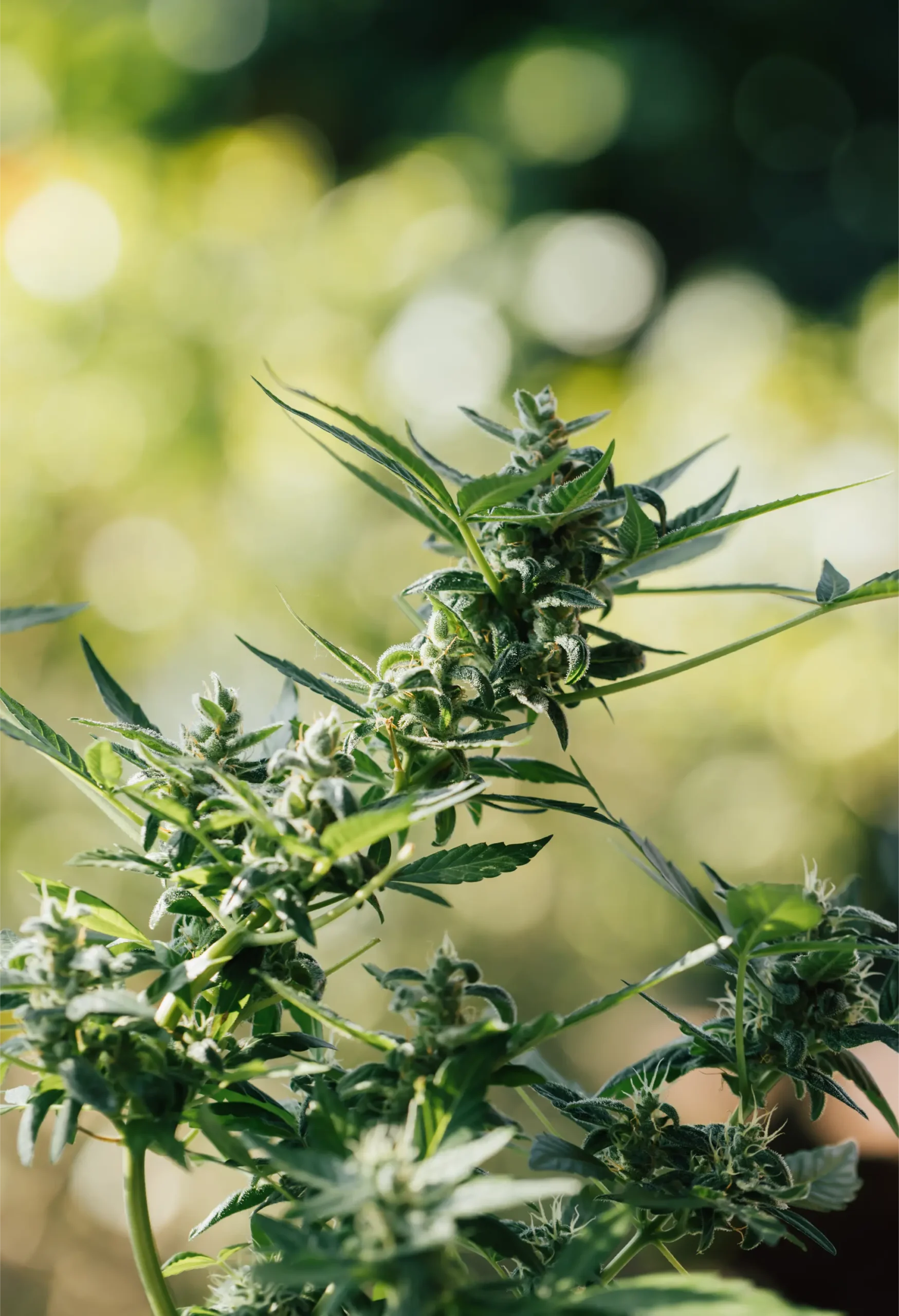
From an architectural and horticultural perspective, Tangie exhibits the graceful elegance, energetic stretch, and productive branching characteristic of premier sativa-dominant genetics. Developing a flexible, upright stalk with prominent internodal spacing, Tangie transitions from vegetative growth into early flowering with tremendous momentum, routinely stretching by 150% to 180% during the initial three weeks of the 12/12 photoperiod transition. This energetic stretch demands proactive canopy management, early apical topping, and structured trellis netting to guide branches into an even horizontal canopy. As flowering progresses through its nine to ten week cycle, calyxes swell into long, resin-drenched spears adorned with brilliant neon-orange stigmas and light-green bracts encrusted in a sparkling sea of capitate-stalked glandular trichomes.
Olfactorily and gustatorily, Tangie presents one of the most exhilarating, room-saturating citrus bouquets in the entire botanical kingdom. Breaking open a pristine cured flower releases an explosive burst of sweet freshly peeled tangerines, tart orange marmalade, and zesty citrus oils, underlaid by a sharp, pungent skunky funk and a delicate floral undertone reminiscent of blooming orange blossoms. Upon combustion or vaporization, the smoke is silky, effervescent, and remarkably refreshing. The inhale saturates the palate with sweet candied citrus and tangy orange juice, while the exhale leaves an enduring, mouth-watering glaze of sweet Skunk and lemon zest that lingers on the tongue for thirty to forty minutes after consumption.
Cultivar Quick Overview: Tangie
Pedigree: California Orange x Skunk #1 Hybrid (Crockett Family Farms / DNA Genetics)
Classification: Sativa Dominant Hybrid (70% Sativa / 30% Indica)
Average Cannabinoid Profile: 19.0% to 22.5% THC | 0.8% to 1.3% CBG | Low CBD
Total Terpenes: 2.6% to 3.5% (Dominant: Terpinolene, D-Limonene, Myrcene, Beta-Caryophyllene, Alpha-Pinene)
Flowering Window: 63 to 70 Days (9 to 10 Weeks Photoperiod Bloom)
Canopy Stature: Tall & Branching with 150% to 180% bloom stretch | Average Yield: 500 to 600 g/m² indoors
Core Agronomic Rule: Top early at the fifth node; weave branches through horizontal SCROG trellising; maintain moderate electrical conductivity (under 1.8 mS/cm); keep late bloom temperatures cool (20 to 22 degrees Celsius) to prevent citrus monoterpene volatilization.
Strain Features
| Cultivar Trait | Specification Range | Agronomic Details |
|---|---|---|
| Genetic Heritage | California Orange x Skunk #1 Hybrid | Collaborative breeding achievement developed by Crockett Family Farms and DNA Genetics. |
| Classification | Sativa Dominant Hybrid | 70% Sativa / 30% Indica genetic expression. |
| Average THC Content | 19.0% to 22.5% | Clear, invigorating cerebral potency that stimulates creativity, focus, and social engagement. |
| CBD & Minor Cannabinoids | CBD: 0.1% to 0.4% | CBG: 0.8% to 1.3% | CBC: 0.3% to 0.6% | Synergistic minor cannabinoid presence that modulates mood elevation and cognitive fluidity. |
| Total Terpene Concentration | 2.6% to 3.5% (Dry Weight) | Electrifying citrus explosion dominated by terpinolene, d-limonene, myrcene, and beta-caryophyllene. |
| Photoperiod Flowering Time | 63 to 70 Days (9 to 10 Weeks) | Ten-week bloom window required for full calyx swelling and complete citrus monoterpene development. |
| Indoor Canopy Height | 120 to 175 cm (47 to 69 inches) | Vigorous vegetative stretch of 150% to 180% requiring multi-tier trellis support and early apical topping. |
| Indoor Commercial Yield | 500 to 600 g/m² (1.6 to 2.0 lbs per light) | Generous yield potential producing elongated, spear-shaped colas with high calyx volume. |
| Outdoor Harvest Window | Mid to Late October (Northern Hemisphere) | Thrives in warm, sunny Mediterranean and temperate regions with long, dry autumns. |
| Cannabis Cup Honors | Over 10 Major International Cup Victories in 10 Months | Swept High Times Cannabis Cup Amsterdam, SoCal Cannabis Cup, and NorCal Cannabis Cup. |
Genetic Lineage & The Crockett Collaboration
The creation of Tangie represents one of the most legendary collaborative breeding achievements in modern cannabis history. During the late 1990s and early 2000s, an elite legacy cultivator known simply as Crockett maintained an extraordinary private garden in the rolling foothills of Northern California. Among his prized heirloom genetics was a select cutting of California Orange, an iconic 1980s hybrid famous for its mouth-watering sweet orange peel fragrance. Seeking to enhance the cultivar’s resin production, vigor, and structural yield while preserving its unforgettable citrus terpene profile, Crockett crossed his California Orange mother with an exceptionally vigorous Skunk #1 hybrid father.
The resulting progeny, initially grown as a tribute to the legendary 1990s coffee-shop favorite Tangerine Dream, stunned everyone who encountered it. When Don and Aaron of DNA Genetics visited Crockett’s California facility, they were overwhelmed by the suffocating aroma of fresh-squeezed tangerines and sweet Skunk that permeated the entire greenhouse. Recognizing that Crockett had created an absolute masterpiece, DNA Genetics partnered with Crockett Family Farms to stabilize the line and introduce it to the global cannabis community under the commercial name Tangie.
When debuted on the international competitive circuit, Tangie executed the most dominant championship run ever witnessed in cannabis history. Between late 2013 and autumn 2014, Tangie and its concentrate extracts captured more than ten first-place cannabis cup victories in fewer than ten months, winning awards across Amsterdam, Denver, Southern California, and San Francisco. This unprecedented competitive sweep solidified Tangie as an immortal horticultural legend, serving as foundational breeding stock for celebrated modern cultivars including 24K Gold (Kosher Tangie), Tangie Ghost Train, and Clementine.
Phenotype Spectrum & Sativa Stretch Dynamics
Due to careful selection by Crockett Family Farms and DNA Genetics, Tangie exhibits high phenotypic consistency across authentic seed batches, with roughly eighty percent of plants expressing the classic sativa-dominant California Orange growth habit. This dominant phenotype develops a tall, graceful frame with slender lateral branches and prominent internodal spacing measuring five to eight centimeters. The fan leaves are light emerald green, featuring long, narrow, sharply serrated fingers that optimize light penetration through the upper canopy.
During the first three weeks of the 12/12 photoperiod transition, Tangie undergoes an aggressive vertical stretch, routinely expanding by 150% to 180% of its vegetative height. Without active canopy management, plants can quickly outgrow standard indoor ceiling clearances. However, when managed with early apical topping and a double-tier modular SCROG trellis, this energetic stretch becomes an immense agronomic asset. The flexible branches weave smoothly through the trellis grid, establishing a massive, level table-top canopy covered in dozens of uniform floral sites.
A secondary phenotype, appearing in roughly twenty percent of specimens, displays slightly heavier Skunk influence, featuring marginally tighter node spacing, broader leaflets, and a deeper, funkier cheese-skunk undertone beneath the dominant sweet citrus aromatics. This phenotype stretches slightly less (120% to 140%) and consolidates into slightly thicker, chunkier terminal colas. Across all phenotypic expressions, Tangie develops an abundance of fiery, neon-orange stigmas that weave through lime-green floral calyxes, creating striking visual bag appeal.
Effect Breakdown & Uplifting Creative Euphoria
The psychoactive and physiological experience provided by Tangie is widely celebrated as the gold standard of modern daytime sativa euphoria. Testing reliably between 19% and 22.5% Delta-9-THC alongside elevated levels of cannabigerol (CBG: 0.8% to 1.3%) and a vibrant terpinolene-limonene terpene matrix, Tangie delivers an invigorating, crystal-clear mental high that sparks creativity, sharpens focus, and infuses the consumer with buoyant enthusiasm.
The onset begins almost immediately upon inhalation as a sparkling, effervescent tingling sensation across the scalp and temples. A bright wave of cerebral euphoria sweeps away mental fog, lethargy, and depressive rumination, replacing fatigue with an energized, conversational optimism. Colors appear slightly more vivid, sensory perception sharpens, and ideas flow with effortless fluid spontaneity. Unlike racy, ungrounded sativas that can trigger panic or anxious racing thoughts, Tangie maintains a cheerful, focused lucidity that makes it ideal for artistic projects, musical creation, outdoor recreation, or active daytime social gatherings.
As the initial cerebral surge plateaus over the second hour, the Skunk heritage gently introduces a light physical ease that softens shoulder tension and relieves somatic stiffness without inducing physical drowsiness or couch-lock. The consumer remains active, energized, and capable of navigating demanding daily activities with a smile. For medical patients battling chronic fatigue, depression, attention deficit disorders, or mild anxiety, Tangie provides an uplifting botanical therapy that restores motivation and joie de vivre.
Flavor & Sweet Tangerine Skunk Bouquet
The olfactory presence of Tangie is nothing short of miraculous. From week five of bloom onward, the plant produces a loud, room-saturating citrus fragrance that completely overpowers ordinary carbon filters. The aroma is dominated by sweet freshly peeled tangerines, tart Florida oranges, and sweet citrus zest, underpinned by a sharp, pungent Skunk funk and a delicate floral perfume reminiscent of blooming citrus groves in springtime.
When a cured floral spear is broken apart, the ruptured glandular trichomes release a suffocating wave of sweet tangerine juice, tart orange marmalade, crushed lemon balm, and damp forest loam. It is an intensely bright, mouth-watering bouquet that stands in refreshing contrast to the heavy fuel and dough notes of modern dessert polyhybrids.
The combustion and vaporization qualities of Tangie are equally sublime. Inhaling through clean glass or unbleached paper yields a silky, effervescent vapor that caresses the palate with sweet candied citrus and tangy orange oil. The exhale leaves a smooth, mouth-watering finish of sweet Skunk, lemon peel, and light herbal spices that lingers on the tongue for thirty to forty minutes. The ambient room note smells remarkably fresh and pleasant, like a basket of ripe oranges in a sunny kitchen.
Dominant Terpenes & Entourage Chemistry
Chromatographic analysis of Tangie flowers reveals an extraordinarily high total terpene concentration ranging between 2.6% and 3.5% by dry weight. The terpene profile is anchored by an uplifting and vibrant terpene quartet: terpinolene, d-limonene, myrcene, and beta-caryophyllene, supported by meaningful secondary fractions of alpha-pinene, linalool, and valencene. This specific chemical arrangement drives both the sweet tangerine flavor and the exhilarating mental high.
Terpinolene is the premier terpene by volume, typically comprising 30% to 40% of the total essential oil content. Terpinolene imparts complex citrus, pine, and floral aromas while exhibiting mild central nervous system calming effects that prevent high-potency THC from triggering tachycardia or paranoia. In combination with d-limonene, terpinolene stimulates dopamine pathways, fostering creative optimism and mental focus.
D-limonene serves as the secondary dominant compound, contributing the bright, sparkling citrus zest top notes while modulating serotonin receptors to produce powerful mood elevation and anxiety reduction. Alpha-pinene introduces fresh pine essence while functioning as an acetylcholinesterase inhibitor, protecting acetylcholine molecules to preserve short-term memory and mental lucidity. Beta-caryophyllene provides a subtle peppery backbone while binding to peripheral CB2 receptors to relieve somatic inflammation, creating a harmonious entourage that energizes the mind while keeping the body comfortable.
Indoor Facility vs Outdoor Mediterranean Dynamics
Cultivating Tangie demonstrates striking differences between controlled indoor facilities and natural outdoor environments. Indoors within a sealed environment equipped with climate control and supplemental carbon dioxide (1,100 to 1,300 ppm), Tangie achieves mathematical precision. Cultivators can calibrate ambient temperatures to 26 to 28 degrees Celsius during early bloom, tapering to 20 to 22 degrees Celsius during the final fourteen days to preserve delicate citrus monoterpenes. High-intensity LED fixtures delivering 850 to 1,000 µmol/m²/s of PPFD drive heavy floral density and brilliant orange pistil development.
Outdoors, Tangie thrives in warm, sunny Mediterranean and semi-arid climates featuring long, warm summers and dry autumns. When planted in large raised beds or 100-liter living soil containers, plants can grow into immense, towering shrubs reaching two to three meters in vertical height and diameter. The deep root penetration allows the plant to express rich soil minerals, producing massive yields of 650 to 850 grams per plant by mid to late October.
However, outdoor growers in cool, rainy northern climates must exercise caution regarding late-season moisture. While Tangie exhibits good general mold resistance thanks to its open sativa floral structure, sustained autumn rains in late October can challenge mature colas. Utilizing hoophouses or greenhouse covers during late bloom ensures that the delicate citrus monoterpenes are protected from rain and frost.
Agronomic Guidance & Trellis SCROG Management
Achieving record-breaking yields with Tangie requires an agronomic strategy designed specifically to manage its vigorous sativa stretch. Because Tangie routinely stretches 150% to 180% after transitioning to 12/12 bloom, allowing plants to grow in an untrained single-stem format results in tall, unruly plants with weak lateral branches that bend under the weight of mature colas. Apical topping should be executed early during the vegetative stage, ideally at the fifth true leaf node. This halts vertical dominance and forces metabolic energy into lower lateral branches, creating four to six primary stems.
Deploying a double-tier modular trellis netting system is the gold standard for Tangie cultivation. The first trellis layer should be set thirty centimeters above the container base. As branches stretch through the netting during weeks one and two of bloom, weave them horizontally into adjacent squares to fill out an even tabletop canopy. The second trellis layer should be positioned thirty centimeters above the first to provide vertical support for elongated floral spears as they swell during weeks five through nine.
Commercial Cultivator Inquiry: Managing Sativa Stretch & Preserving Citrus Monoterpenes
Master Grower Question: “Our Tangie plants stretch aggressively into our LED lights during the first three weeks of bloom, and during late flower in our warm indoor rooms, we notice that our sweet tangerine aroma begins losing its brightness and smelling grassy. How do we control the stretch and preserve those world-famous citrus terpenes?”
Weedth Horticultural Advice: Controlling the energetic stretch of Tangie requires two targeted interventions: First, maintain a flat day-to-night temperature profile (or run a negative DIF where night temperatures are set one to two degrees Celsius higher than day temperatures for the first two hours of the light cycle). This hormonal manipulation suppresses gibberellin synthesis, reducing internodal elongation by up to 30%.
Second, volatile citrus monoterpenes like terpinolene and d-limonene have low boiling points and will volatilize directly off the plant if canopy temperatures exceed 26 degrees Celsius during late bloom. During weeks seven through ten, drop your room temperatures to 20 to 22 degrees Celsius during lights-on and 16 to 18 degrees Celsius during lights-off. In addition, lower relative humidity to 40% to 45% and harvest in the cool early morning hours before lights warm the room. This thermal discipline preserves the fragile citrus oils, ensuring your finished flower delivers that world-champion freshly squeezed tangerine explosion.
Crop Steering Drybacks & Root-Zone EC Control
Precision crop steering in inert substrates allows growers to manipulate the vegetative and generative development of Tangie with surgical accuracy. During the initial vegetative transition in weeks one and two of flowering, steer the crop generatively to suppress excessive stem elongation. Implement moderate watering shots with larger overnight drybacks (25% to 30%) and maintain a substrate EC of 2.2 to 2.6 mS/cm. This controlled osmotic stress signals to the plant to prioritize calyx site development over vertical elongation.
Once floral sites consolidate around day twenty-two, transition into a vegetative steering phase to support calyx swelling. Increase irrigation shot frequency, reduce overnight drybacks to 12% to 16%, and lower root zone EC to 1.8 to 2.1 mS/cm. This ensures abundant hydration and nutrient availability as flowers build bulk through weeks four, five, and six.
Beginning in week seven, shift back into a pronounced generative steering regimen. Increase substrate drybacks to 28% to 35% before initiating the final flush. This late-stage osmotic pressure acts as an environmental elicitor, triggering glandular trichomes to synthesize elevated concentrations of volatile citrus terpenes and cannabinoids.
Organic Living Soil & Citrus Terpene Synthesis
Cultivating Tangie in certified organic living soil produces an unmatched sensory bouquet that highlights its authentic California Orange heritage. In living soil beds, the complex subterranean microbiology feeds the plant organically, unlocking subtle floral, Skunk, and sweet citrus notes that synthetic nutrients cannot duplicate. The enzymatic synthesis of citrus monoterpenes like terpinolene and d-limonene requires a steady supply of sulfur, magnesium, and bioavailable carbon, which living soil provides naturally through active organic matter decomposition.
To construct a high-performance organic living soil for Tangie, blend 35% premium sphagnum peat moss with 25% coarse volcanic pumice for aeration, 25% biologically active thermal worm castings, and 15% composted forest mulch. Amend each cubic foot with two cups of micronized basalt rock dust, one cup of steamed bone meal, one cup of cold-water kelp meal, and half a cup of agricultural gypsum. This mineral foundation supplies essential calcium and sulfur without altering soil pH, allowing beneficial mycorrhizal fungi to establish robust subterranean hyphal networks that transport vital micronutrients directly into the root zone.
Cultivating Tangie in certified organic living soil produces an unmatched sensory bouquet that highlights its authentic California Orange heritage. In living soil beds, the complex soil microbiology feeds the plant organically, unlocking subtle floral, Skunk, and sweet citrus notes that synthetic nutrients cannot duplicate.
An ideal living soil recipe for Tangie consists of 35% premium sphagnum peat moss, 25% volcanic pumice or coarse perlite for drainage, 25% well-matured thermal worm castings, and 15% composted forest mulch. Amend each cubic foot with two cups of micronized basalt rock dust, one cup of steamed bone meal, one cup of kelp meal, and half a cup of agricultural gypsum. Inoculating the soil at planting with diverse mycorrhizal fungi (Glomus intraradices) and beneficial bacteria establishes an extensive subterranean network that solubilizes bound organic minerals, fueling continuous monoterpene synthesis throughout the ten-week bloom cycle.
High-PPFD Photobiology & Far-Red Stretch Control
Tangie is a sun-loving sativa that processes high photosynthetic photon flux density (PPFD) with remarkable efficiency. Under modern full-spectrum LED fixtures, flowering canopies can easily process 850 to 1,000 µmol/m²/s of PAR when ambient carbon dioxide is enriched to 1,100 to 1,300 ppm. Managing the light spectrum during early bloom is critical for controlling Tangie’s vertical stretch. Cultivars with high sativa lineage possess sensitive phytochrome photoreceptors that interpret far-red photons (730 nm) as shade signals, prompting immediate stem elongation.
If utilizing programmable LED fixtures, minimize the ratio of far-red to red photons during the first twenty-one days of 12/12 bloom to prevent shade-avoidance elongation. Once vertical stretch concludes at week four, reintroducing full broad-spectrum photons, including deep red (660 nm) and far-red, maximizes photosynthetic output and drives heavy floral mass. In addition, supplementing with modest UV-A radiation during the final two weeks of bloom stimulates trichome gland cuticles, locking in maximum essential oils and volatile citrus monoterpenes.
Tangie is a sun-loving sativa that processes high photosynthetic photon flux density (PPFD) with remarkable efficiency. Under modern full-spectrum LED fixtures, flowering canopies can easily process 850 to 1,000 µmol/m²/s of PAR when ambient carbon dioxide is enriched to 1,100 to 1,300 ppm.
Managing the light spectrum during early bloom is critical for controlling Tangie’s vertical stretch. Minimize far-red (730 nm) photons during the first twenty-one days of 12/12 bloom to prevent shade-avoidance responses that trigger stem elongation. Once vertical stretch concludes at week four, reintroducing full broad-spectrum photons, including deep red (660 nm), maximizes photosynthetic output and drives heavy floral mass.
Moderate Mineral Feeding & Micronutrient Balance
When feeding Tangie with mineral nutrients, cultivators must exercise restraint and precision. Sativa-dominant cultivars possess narrower vascular pathways and more delicate root hairs than heavy indicas, making them sensitive to high electrical conductivity. Feeding Tangie at EC levels above 1.8 mS/cm quickly causes leaf margin burn, curled leaf tips, and nutrient lockout that permanently impairs floral development.
Maintain an electrical conductivity between 1.3 and 1.6 mS/cm throughout flowering, keeping input pH strictly between 5.8 and 6.1 in soilless media (6.2 to 6.5 in soil). Provide balanced calcium and magnesium (140 ppm Ca, 50 ppm Mg) to support rapid cell division during the stretch. Shift the nutrient balance toward potassium and phosphorus starting in week four to fuel calyx expansion while avoiding excessive nitrogen feeding. Proper sulfur supplementation fuels the enzymatic pathways that synthesize volatile terpenes, unlocking Tangie’s legendary freshly peeled citrus bouquet.
When feeding Tangie with mineral nutrients, cultivators must exercise restraint. Sativa-dominant cultivars possess narrower vascular pathways and more delicate root hairs than heavy indicas, making them sensitive to high electrical conductivity. Feeding Tangie at EC levels above 1.8 mS/cm quickly causes leaf margin burn, curled leaf tips, and nutrient lockout.
Maintain an electrical conductivity between 1.3 and 1.6 mS/cm throughout flowering, keeping input pH strictly between 5.8 and 6.1 in soilless media (6.2 to 6.5 in soil). Provide balanced calcium and magnesium (140 ppm Ca, 50 ppm Mg) to support rapid cell division during the stretch. Shift the nutrient balance toward potassium and phosphorus starting in week four to fuel calyx expansion while avoiding excessive nitrogen feeding.
IPM & Sativa Canopy Pest Prevention
Because Tangie develops an open, airy sativa canopy, air circulation through the branches is naturally superior to dense indicas, providing innate resilience against stagnant microclimates. However, its broad, delicate foliage can attract common greenhouse pests such as two-spotted spider mites, thrips, and winged aphids if preventative protocols are not maintained diligently.
Apply biological foliar sprays containing beneficial microorganisms such as Bacillus amyloliquefaciens during vegetative growth to build a protective microbiological shield on leaf surfaces. In addition, releasing beneficial predatory mites like Amblyseius swirskii and Phytoseiulus persimilis directly into the canopy establishes an active biological defense that cleanses foliage of soft-bodied pests without requiring chemical inputs. Once floral pistils begin forming at week three of bloom, all foliar spraying must cease immediately, allowing the pristine citrus resin to develop untouched.
Because Tangie develops an open, airy sativa canopy, air circulation through the branches is naturally superior to dense indicas. However, its broad foliage can attract common greenhouse pests such as two-spotted spider mites, thrips, and aphids if preventative protocols are not maintained.
Apply biological foliar sprays containing beneficial microorganisms such as Bacillus amyloliquefaciens during vegetative growth to build a protective microbiological shield on leaf surfaces. Introduce beneficial predatory mites like Amblyseius swirskii directly into the canopy to provide biological control of thrips and spider mites without chemical spraying. Once flowering begins, discontinue all foliar sprays and maintain clean cultural practices to ensure pristine flowers.
Citrus Monoterpenes & Live Rosin Extraction
Tangie is celebrated worldwide as one of the premier solventless extract cultivars in history. Microscopic examination of mature calyxes reveals thousands of capitate-stalked glandular trichomes crowned with spherical resin heads measuring between 75 and 110 microns in diameter. These resin heads feature thin abscission zones that detach cleanly under cold mechanical agitation in ice water.
Washing fresh frozen Tangie material in reverse-osmosis ice water isolates prime resin in the 73-micron and 90-micron sieve bags. When dried in a freeze dryer and pressed into live hash rosin at 72 to 78 degrees Celsius, Tangie produces a pale golden, translucent badder with an unbelievable citrus aroma. The high terpinolene and limonene content cures into a soupy, terpene-rich sauce that represents the pinnacle of modern solventless craftsmanship.
Harvest Maturity, Cold Drying & Terpene Preservation
Accurate harvest timing is essential for capturing the peak citrus bouquet and uplifting euphoria of Tangie. Inspect internal calyx trichomes using a 60x optical loupe. The ideal harvest point arrives when roughly 75% to 80% of glandular heads transition from clear to milky white, with 10% to 15% turning amber.
Drying Tangie requires a cold, controlled environment maintained strictly at 15 to 16 degrees Celsius and 58% to 62% relative humidity for twelve to fourteen days. Whole-plant hanging prevents rapid desiccation and allows natural plant enzymes to metabolize residual starches smoothly. Once stems snap crisply, manicure the buds and place them into glass mason jars, burping daily for two weeks to cure the flowers into smooth, mouth-watering citrus perfection.
Nutritional Benchmarks & Tissue Analytics
Leaf tissue analytics provide valuable diagnostic baselines for maintaining peak physiological health in Tangie. Laboratory analysis of dry leaf tissue indicates that healthy vegetative specimens maintain nitrogen levels between 3.6% and 4.2%, with tissue potassium holding between 3.0% and 3.6% and calcium between 1.6% and 2.0%.
During peak floral development in weeks five through eight, tissue potassium demand rises to 3.8% to 4.4%, reflecting its essential role in calyx expansion and sugar translocation. Monitoring electrical conductivity and pH of container runoff allows growers to track mineral consumption in real time; keeping runoff EC within 0.2 to 0.4 mS/cm of input solutions prevents mineral salt accumulation and ensures healthy, active root hair function throughout the ten-week flowering window.
Leaf tissue analytics provide valuable diagnostic baselines for maintaining peak physiological health in Tangie. Laboratory analysis of dry leaf tissue indicates that healthy vegetative specimens maintain nitrogen levels between 3.6% and 4.2%, with tissue potassium holding between 3.0% and 3.6% and calcium between 1.6% and 2.0%.
During peak floral development in weeks five through eight, tissue potassium demand rises to 3.8% to 4.4%, reflecting its essential role in calyx expansion and sugar translocation. Monitoring electrical conductivity and pH of container runoff allows growers to track mineral consumption in real time; keeping runoff EC within 0.2 to 0.4 mS/cm of input solutions prevents mineral salt accumulation and ensures healthy root function.
VPD Calibration & Canopy Transpiration Kinetics
Calibrating vapor pressure deficit (VPD) ensures vigorous transpiration and nutrient transport in Tangie. Maintain a vegetative VPD of 0.8 to 1.1 kPa, elevating to 1.2 to 1.4 kPa during early flowering.
During late bloom in weeks seven through ten, elevate VPD to 1.3 to 1.5 kPa by reducing relative humidity to 40% to 45%. This elevated atmospheric pull accelerates nutrient assimilation while keeping ambient moisture low, protecting developing floral colas from mold and preserving delicate citrus monoterpenes.
Clinical Pharmacology & Depression, Fatigue Relief
From a clinical and therapeutic perspective, Tangie is one of the premier natural remedies for depressive symptoms, chronic fatigue, and daytime stress. Featuring 19% to 22.5% Delta-9-THC complemented by 0.8% to 1.3% cannabigerol (CBG) and a rich terpinolene-limonene terpene matrix, it produces profound mood elevation and cerebral lucidity.
D-limonene and terpinolene stimulate dopamine and serotonin pathways, dissolving mental lethargy and promoting creative optimism. Alpha-pinene protects acetylcholine levels to preserve short-term memory and focus, counteracting the cognitive haze commonly associated with cannabis consumption. This cannabinoid-terpene synergy makes Tangie an outstanding botanical therapy for individuals managing chronic fatigue, depressive episodes, attention deficit disorders, and generalized social anxiety, providing clean, invigorating energy without nervous agitation.
From a clinical and therapeutic perspective, Tangie is one of the premier natural remedies for depressive symptoms, chronic fatigue, and daytime stress. Featuring 19% to 22.5% Delta-9-THC complemented by 0.8% to 1.3% cannabigerol (CBG) and a rich terpinolene-limonene terpene matrix, it produces profound mood elevation.
D-limonene and terpinolene stimulate dopamine and serotonin pathways, dissolving mental lethargy and promoting creative optimism. Alpha-pinene protects acetylcholine levels to preserve short-term memory and focus. This cannabinoid-terpene synergy makes Tangie an outstanding botanical therapy for individuals managing chronic fatigue, depressive episodes, attention deficit disorders, and generalized social anxiety.
Trichome Gland Abscission & Cold Water Washing
Microscopic evaluation of Tangie trichomes demonstrates why this strain is revered by solventless hash makers. The glandular heads are spherical, uniform, and attached to sturdy multicellular stalks by thin abscission zones that fracture cleanly under cold mechanical agitation in ice water.
Washing fresh frozen material in reverse-osmosis ice water isolates prime resin in the 73-micron and 90-micron sieve bags. After collection, freeze-drying the wet hash preserves volatile citrus monoterpenes, yielding a sparkling golden bubble hash that melts cleanly into rich aromatic oil upon gentle vaporization.
Commercial Cultivation Economics & Yield Projections
In commercial cultivation facilities, Tangie represents a high-yielding, premium-tier cultivar with enormous retail appeal. In a dialed indoor facility utilizing high-PPFD LED lighting and automated fertigation, Tangie reliably produces between 500 and 600 grams per square meter of dense, fragrant flower.
Because Tangie commands premium top-shelf pricing in dispensaries due to its legendary name recognition and unmatched sweet tangerine aroma, commercial operations frequently achieve outstanding financial returns per square meter. Across four to five annual crop cycles in a sealed indoor facility, Tangie delivers exceptional revenue stability and enduring consumer brand loyalty.
Flushing Dynamics & Clean Ash Combustibility
Executing an intentional ten to fourteen day pre-harvest flush facilitates the complete metabolism of accumulated internal starches and mineral nitrates in Tangie. Transitioning fertigation to plain, de-chlorinated water balanced to pH 6.0 to 6.3 signals to the plant to consume mobile nutrient reserves stored within mature fan leaves. As these reserves are cleared, lower foliage turns magnificent shades of pale gold and amber.
This gentle pre-harvest flush guarantees that finished flowers combust with flawless smoothness, producing a fluffy, light gray to pure white ash. The complete absence of residual mineral salts allows the rich flavors of sweet tangerine, orange zest, and Skunk to shine with absolute purity on the palate.
Rhizosphere Microbiology & Soil Biodiversity
Maintaining a thriving biological community in container substrates is vital for supporting Tangie root health. Inoculating container soils with beneficial bacteria, including Bacillus subtilis and Pseudomonas putida, forms a protective biofilm along root surfaces that guards against root rot while solubilizing bound organic phosphorus.
Applying mild compost teas brewed with worm castings and liquid humic acids every two to three weeks replenishes beneficial microflora and maintains soil structural aggregation, ensuring that the root zone remains well-oxygenated and biologically active throughout the plant’s cycle.
Terpene Volatilization Temperatures
Calibrating vaporization temperatures allows consumers to experience the full spectrum of Tangie’s sensory and therapeutic qualities. Alpha-pinene volatilizes at approximately 155 degrees Celsius, delivering crisp pine notes and mental alertness. Myrcene vaporizes at roughly 166 to 168 degrees Celsius, imparting earthy herbal flavors and gentle relaxation.
D-limonene volatilizes at 176 degrees Celsius, releasing bright citrus zest top notes and mood elevation. Terpinolene vaporizes at 185 degrees Celsius, delivering complex herbal-citrus notes that stimulate creative optimism. Setting a dry herb vaporizer between 175 and 185 degrees Celsius captures the sparkling citrus profile with absolute perfection.
Weedth Bud Flavor Tips
To enhance the sweet tangerine and orange zest bouquet of Tangie, amend substrates with organic langbeinite (sulfate of potash magnesia) during week four. The natural sulfur ions fuel the plant’s enzymatic synthesis of aromatic monoterpenes. In addition, keeping late-bloom room temperatures cool (20 to 22 degrees Celsius) prevents fragile citrus terpenes from evaporating before harvest.
Weedth Bud Boost Tips
Maximizing cola density and trichome development requires providing high light intensity and proper horizontal branch training. Deploy a double-tier SCROG trellis to spread branches evenly so every floral site receives direct photon penetration. Supplementing with potassium silicate reinforces cell walls, enabling the plant to support elongated colas with maximum firmness.
Mother Plant Care & Cloning Protocol
Maintaining vigorous Tangie mother stock requires balanced vegetative nutrition and regular pruning to encourage fresh vegetative shoots. Provide mother plants with eighteen hours of balanced light and moderate nutrition. Semi-firm cuttings root readily within ten to twelve days when dipped in organic rooting gel and maintained in a high-humidity dome at 80% to 85% RH.
Grower Notes & Field Observations
Cultivators worldwide celebrate Tangie as the greatest citrus sativa in modern cannabis history. Field reports emphasize its vigorous vegetative stretch, massive yield potential, and breathtaking sweet tangerine aroma. The cultivar’s clear-headed, uplifting creative high makes it an enduring favorite among connoisseurs and commercial growers alike.
Weedth Editor’s Note
I will never forget the autumn of 2013 in Amsterdam when Tangie made its grand entrance onto the international stage. Walking into the judging room at the High Times Cannabis Cup, the air did not smell like typical Dutch skunk or dark hashish; it smelled as though someone had just unloaded a truck of fresh, sun-ripened tangerines directly into the venue. The moment I held a cured flower to my nose, I knew that Crockett and DNA Genetics had achieved something truly historic.
The following season, I trialed the authenticated Crockett cut in our own facility. From the first week of vegetative growth, the plant stood out with its graceful, upright sativa branching and bright lime-green leaves. But when we flipped the lights to 12/12, the plant exploded. Over the first twenty-one days of bloom, Tangie stretched nearly one hundred and seventy percent, surging through our trellis netting. I spent two hours every afternoon gently weaving branches horizontally across the grid, filling out a massive, table-top canopy that looked like an ocean of emerald green.
By week six, the room was breathtaking. The floral spears were long, thick, and coated in a dazzling frost of crystalline trichomes, punctuated by thousands of electric neon-orange hairs. The fragrance was so intensely sweet and citrusy that walking into the room felt like biting into a ripe, dripping orange. To preserve those delicate citrus monoterpenes, I dropped our room temperatures to twenty-one degrees Celsius during the final two weeks of bloom.
When we harvested at day sixty-six, the manicured flowers were works of art. Testing confirmed 21.8% Delta-9-THC alongside 1.1% CBG and an astonishing 3.2% total terpenes. Inhaling the vapor was an explosion of sweet candied tangerine and tangy orange juice, followed by an exhilarating, creative euphoria that lifted my spirits and kept me focused and inspired for hours. Tangie is not merely an elite cultivar; it is a timeless masterpiece that belongs in the personal collection of every true cannabis lover.
Alex Buck
Lead Agronomist & Cultivar Specialist, Weedth
Weedth Score
10.0 / 10
9.9 / 10
9.9 / 10
9.6 / 10
10.0 / 10
9.2 / 10
Similar Strains
Comparing cultivars with complementary citrus terpene architectures, uplifting sativa dynamics, and cup-winning genetics helps growers choose the ideal strains for daytime creative wellness. The following five cultivars share significant affinities with Tangie:
| Cultivar Name | Lineage Heritage | THC / Cannabinoid Profile | Bloom Window | Key Horticultural Comparison |
|---|---|---|---|---|
| California Orange | Heirloom 1980s Citrus Hybrid | 15% to 19% THC | 9 Weeks | The iconic parental ancestor sharing the pure sweet orange peel flavor with a more balanced indica-sativa growth habit. |
| Super Lemon Haze | Lemon Skunk x Super Silver Haze | 20% to 24% THC | 10 Weeks | A legendary Green House Seeds sativa champion delivering sharp sour lemon zest alongside soaring cerebral euphoria. |
| Clementine | Tangie x Lemon Skunk | 20% to 25% THC | 9 Weeks | Direct Tangie progeny created by Crockett Family Farms delivering an amplified citrus punch and heavy resin production. |
| Mimosa | Clementine x Purple Punch | 21% to 26% THC | 9 Weeks | Descendant of Tangie genetics offering sweet fruit punch and citrus aromatics paired with dense purple-flecked colas. |
| Kosher Tangie (24K Gold) | Kosher Kush x Tangie | 22% to 26% THC | 9 to 10 Weeks | The legendary DNA Genetics hybrid uniting Tangie’s sweet citrus bouquet with the heavy gas and narcotic stone of Kosher Kush. |
Cultivator FAQ & Troubleshooting
Why is Tangie considered a legendary cannabis strain?
Tangie made competitive history between 2013 and 2014 by winning more than ten major international cannabis cup awards in less than ten months. Bred by Crockett Family Farms and DNA Genetics, it redefined modern citrus terpenes with its breathtaking freshly peeled tangerine aroma and crystal-clear creative euphoria.
How much does Tangie stretch during flowering?
Tangie routinely stretches 150% to 180% during the first three weeks of 12/12 bloom. Growers should top the plant early at the fifth node and deploy a double-tier SCROG trellis to weave branches horizontally, maintaining an even, productive canopy.
What does Tangie smell and taste like?
Tangie delivers an explosive aroma of sweet freshly peeled tangerines, tart orange marmalade, and citrus zest, underlaid by a sharp, pungent skunky funk. The smoke is smooth, refreshing, and tastes like sweet candied oranges and Skunk.
How long does Tangie take to flower?
Tangie requires 63 to 70 days (9 to 10 weeks) of 12/12 photoperiod flowering. Allowing the plant to mature through the full ten weeks is essential for calyxes to swell fully and for the sweet citrus monoterpenes to reach peak concentration.
How do I preserve Tangie’s citrus terpenes during late bloom?
Volatile citrus monoterpenes like terpinolene and limonene have low boiling points. During the final two weeks of bloom, drop room temperatures to 20 to 22 degrees Celsius during lights-on and 16 to 18 degrees Celsius during lights-off. In addition, dry harvested flowers slowly in a cool 15 to 16 degrees Celsius environment.
Is Tangie good for solventless hash and live rosin?
Tangie is considered one of the greatest hash cultivars in modern history. Its 75 to 110 micron capitate-stalked trichomes detach cleanly in ice water, yielding five-star and six-star bubble hash that presses into intensely aromatic, soupy live rosin badder.
Can Tangie handle heavy nutrient feeding?
No, Tangie is sensitive to high electrical conductivity. Keep EC levels moderate (1.3 to 1.6 mS/cm) and avoid overfeeding with nitrogen, which can burn delicate root hairs and leaf margins.
What are the medical benefits of Tangie?
With its uplifting terpinolene and limonene terpene matrix and 19% to 22% THC potency, Tangie is widely used for chronic fatigue, depression, daytime stress, attention deficit disorders, and social anxiety, delivering clear-headed mental energy and positive mood.
Share this article
A quick overview of the topics covered in this article.
Follow us
Latest articles
November 3, 2026
November 3, 2026
November 3, 2026
November 3, 2026
