
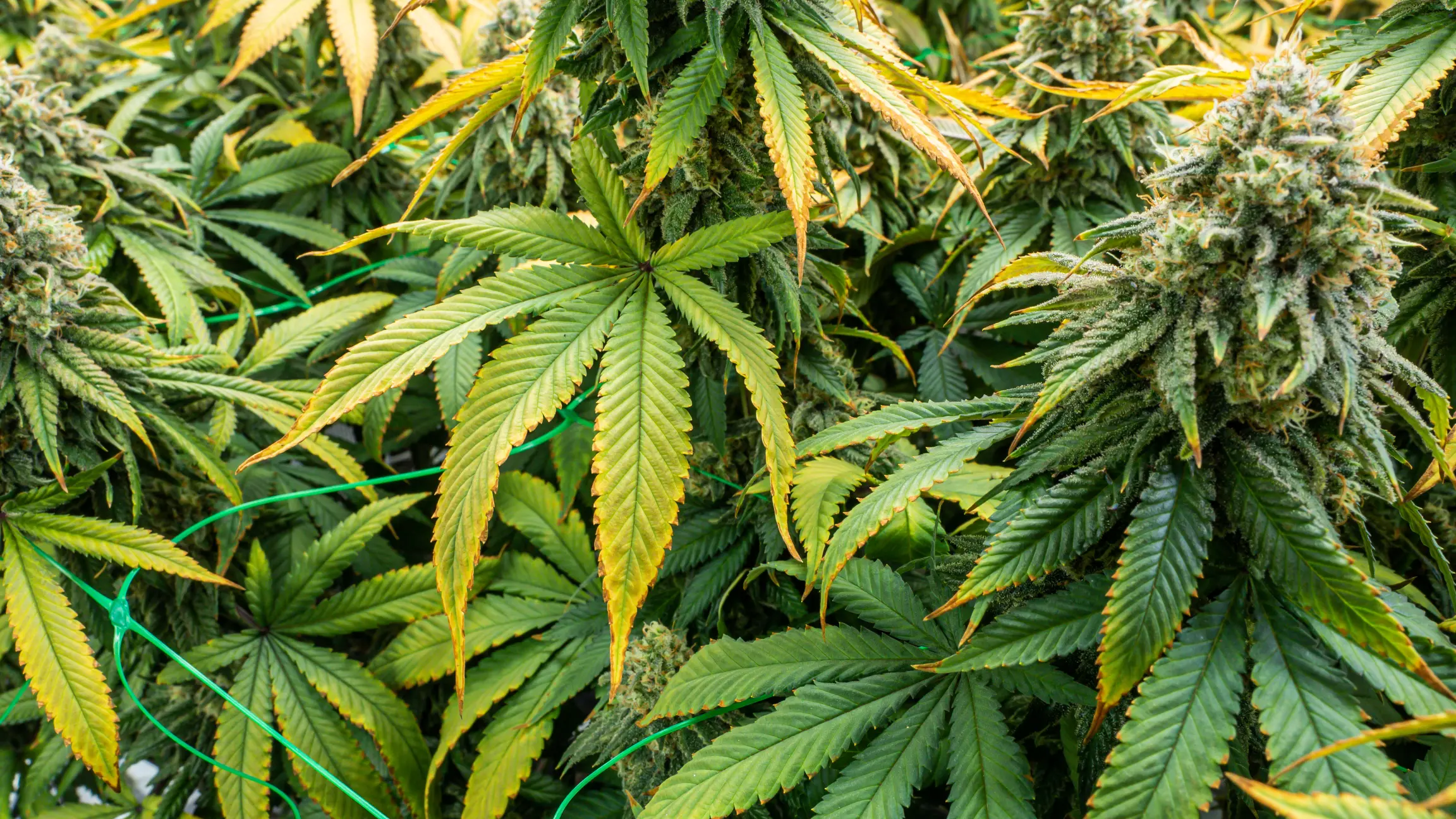
Texada Timewarp
WEEDTH STRAIN LIBRARY | CULTIVATION | BUD QUALITY | FLAVOR
Texada Timewarp makes the most sense when it is viewed as an outdoor problem-solver rather than as another nostalgia strain. Its identity was shaped around the practical question of whether a vigorous cannabis plant could build meaningful flower mass and still finish before a northern coastal autumn became destructive. That selection pressure matters. The useful traits are not only potency or yield. They are seasonal timing, branch architecture, weather tolerance and the ability to produce respectable resin before cold rain becomes a permanent part of the forecast. Modern material sold under the name is not perfectly uniform, so growers should expect some variation, but the underlying cultivation logic remains recognizable. A good plant is vigorous, pine-forward, early enough to be useful outdoors and open enough to remain manageable when trained. The grower who treats it like a compact indoor hybrid misses the point. The grower who gives it space without structure can create a huge plant with too much shaded interior growth. The best results sit between those extremes: a deliberately opened outdoor frame, supported branches, moderate feeding and a harvest based on actual flower maturity rather than the reputation for finishing early.
Strain Features
| Feature | Details |
|---|---|
| Strain Type | Sativa-leaning outdoor-selected hybrid; modern examples vary by preserved line |
| Genetic Profile | Historic British Columbia outdoor line associated with Texada Island; exact original parentage is not consistently documented |
| THC | Common modern reports fall in the mid-teens to low-20% range; batch dependent |
| CBD | Usually low |
| Flowering Time | About 8-9 weeks indoors in many modern selections; outdoor lines are valued for an early autumn finish |
| Outdoor Harvest | Often late September to early October in northern outdoor gardens, depending on latitude and phenotype |
| Dominant Terpene Pattern | Pinene-forward profiles are common, with myrcene and beta-caryophyllene recurring |
| Flavor / Aroma | Pine, dry wood, earthy spice, faint sweetness, occasional diesel or floral fruit |
| Effect Character | Fast, bright cerebral lift followed by a steadier physical calm; dose can shift it from functional to heavier |
| Grow Difficulty | Moderate; easier outdoors than its old-school reputation suggests if height and weather exposure are planned |
| Plant Height / Shape | Vigorous and potentially tall outdoors, commonly topping out around large shrub or small-tree proportions |
| Primary Grow Question | How do you use its fast outdoor finish and climate toughness without letting the plant become an oversized, shaded bush that sacrifices premium flower quality? |
Genetic Lineage
Texada Timewarp is historically associated with outdoor cannabis culture on Texada Island in coastal British Columbia. The exact original parentage is not documented with the same confidence as a modern named cross, and present-day reproductions can reflect different preservation choices. That uncertainty should be kept visible. The stable part of the story is not a neat family tree but a selection environment: growers valued plants that could become large, tolerate outdoor variability and finish early enough to avoid losing the crop to the season.
That history explains why the cultivar can feel sativa-leaning in structure and effect while behaving more practically outdoors than many long tropical lines. Early finish is a breeding trait of enormous value at northern latitude. It gives the plant time to complete resin and bract development while the weather is still workable. It also means a grower should resist the temptation to push late nitrogen or repeated stress in an effort to create more growth. The genetic advantage is finishing ability, so cultivation should preserve that advantage.
Because modern examples are not genetically identical, phenotype observation belongs in the profile. Some plants may be more pine-and-wood dominant, some more floral or diesel-tinged, and stretch can vary. What should remain consistent in a worthwhile selection is a combination of vigor, outdoor usefulness and a finish that does not require tropical patience.
Effect Breakdown
Bright Entry
Texada Timewarp generally starts with fast, bright cerebral lift followed by a steadier physical calm. The onset is noticeable enough that low-tolerance consumers should not stack doses too quickly. A small amount tends to preserve the cultivar's brighter side, while larger sessions reveal more of its physical weight.
The Balanced Middle
During the middle phase, the mental and physical effects overlap. Mood lift remains present, but the body becomes less tense and the need to stay active can decrease. This is the point where setting matters: an engaged user may remain functional, while a seated user may notice relaxation more strongly.
Dose Changes the Finish
Later, the effect becomes steadier and less sparkling. Appetite, physical calm or sleepiness may increase depending on phenotype and dose. This progression is more informative than calling the cultivar simply indica or hybrid because it explains why different users can report apparently contradictory experiences.
Tolerance and Setting
Negative effects are dose dependent. Dry mouth and dry eyes are common possibilities with THC-rich flower, and very high doses can produce dizziness or anxiety even when the strain is normally considered relaxing.
Flavor & Aroma Profile
The Pine-First Identity
The recognizable sensory target for Texada Timewarp is pine, dry wood, earthy spice, faint sweetness, occasional diesel or floral fruit. The important point is separation between layers. Good flower should not smell like a generic mixture of earth and chlorophyll. It should present at least one clear top note before the heavier base aroma arrives.
What Opens When the Flower Breaks
When a cured flower is opened, the first volatile impression should still show the cultivar's defining aromatic identity. Preserve the high, fresh pine and faint sweet-floral top notes. A hot or very fast dry can leave only generic earth and wood. Breaking or grinding the flower increases the resin surface and usually exposes deeper spice, wood or fuel. A phenotype that smells expressive only when crushed may still be good, but the strongest aromatic keepers announce themselves before that step.
Smoke and Vapor
Texada Timewarp is easiest to recognize on the exhale rather than the first touch of smoke. The opening can feel dry and resinous, then fresh pine rises through a woody base with a faint sweet or floral edge. A clean cure keeps those layers separate. If the smoke tastes only earthy, either the phenotype is less expressive or the flower lost its brighter terpenes before the jar had time to settle.
How Cure Changes the Wood and Sweetness
Texada Timewarp usually becomes more coherent during cure. The first week can exaggerate green wood and sharp resin, while later weeks allow the pine to sit above a smoother dry-wood base. I would judge the cure by whether that pine becomes clearer without the flower turning flat. The cultivar does not need a perfumed finish; it needs enough time for its outdoor roughness to resolve into a defined, clean profile.
Dominant Terpenes
| Terpene | Flavor / Aroma Role | Interpretation |
|---|---|---|
| Pinene | pine needle, rosemary and fresh wood | strongly relevant to pine and herbal aroma; biological effects in cannabis remain less predictable than aroma |
| Myrcene | earthy herb, musk and ripe plant material | can deepen the earthy base; subjective sedation should not be assigned to myrcene alone |
| Beta-Caryophyllene | black pepper, dry spice and wood | binds CB2 receptors in laboratory research, but a strain-specific therapeutic effect cannot be assumed |
The recurring terpene picture for Texada Timewarp is best treated as a pattern rather than a fixed chemical recipe. Pinene-forward profiles are common, with myrcene and beta-caryophyllene recurring. Cannabis terpene ratios move with genotype, environment, harvest timing and post-harvest handling, so one laboratory sample should not be used to promise that every flower carrying the name will smell or feel the same.
For Texada Timewarp, terpene data are most useful as an explanation for its recurring pine-led aroma, not as a promise of a particular mood. Pinene-rich samples fit the fresh-wood identity well, while myrcene and beta-caryophyllene can help explain the heavier earthy and spicy background. Human effects remain dose- and person-dependent, so aroma chemistry should not be used as a shortcut for medical certainty.
The practical terpene goal with Texada Timewarp is simple: preserve the pine before coastal harvest conditions and drying turn it into anonymous wood. Late heat, wet flowers held too long and aggressive post-harvest airflow all work against that goal. A plant that reaches harvest with a vivid pine nose but loses it in three days was grown successfully and finished poorly.
Indoor vs. Outdoor Growing
| Aspect | Indoor Grow | Outdoor Grow |
|---|---|---|
| Plant architecture | Indoors it needs early height planning. Topping and horizontal branch placement work better than waiting for the flip and trying to correct stretch afterward. | Outdoors is where the cultivar makes the most sense. Its reputation comes from plants selected under coastal British Columbia conditions where finishing reliably matters as much as raw flower size. |
| Transition and stretch | Indoors, flip while substantial headroom remains. The transition can lengthen already-tall leaders enough that late supercropping becomes the only rescue. | Outdoors, the same stretch is easier to use because long arms can spread into open sun. Early topping keeps the expansion lateral and makes the autumn canopy easier to inspect. |
| Flower character | Long flower runs benefit from an even horizontal light plane; overly deep indoor branches usually finish softer below the top zone. | Sun-grown branches can carry long resinous flower lines with useful spacing. The priority is keeping those arms separated through rain, dew and wind. |
| Root-zone demand | In containers, let root-zone dryback follow plant demand rather than the calendar. Oversized wet pots can slow a cultivar that otherwise grows quickly. | Large outdoor roots can support impressive water use in midsummer, but cool coastal conditions later in the season require less frequent irrigation and better oxygen after rain. |
| Primary risk | The indoor risk is allowing an outdoor-sized branch count to occupy a finite room, creating shade and difficult access before the stretch is finished. | The outdoor risk is late moisture inside an oversized, unsupported bush. The genetics may be ready to finish while the canopy itself creates avoidable wet pockets. |
| Best quality strategy | Top early if size control is needed, then spread the main arms. A broad, open framework gives the cultivar more usable sun exposure than repeated late topping. | Quality yield comes from exposing long productive branches, not from carrying every interior shoot. Remove weak shaded growth before flower mass hardens and support the branches that receive direct sun. |
The indoor-versus-outdoor decision for Texada Timewarp is not simply control versus free sunlight. The better environment depends on which trait the grower wants to exploit. Indoors it needs early height planning. Topping and horizontal branch placement work better than waiting for the flip and trying to correct stretch afterward. Outdoors is where the cultivar makes the most sense. Its reputation comes from plants selected under coastal British Columbia conditions where finishing reliably matters as much as raw flower size.
Indoors, Texada Timewarp should be treated as an outdoor-shaped plant being translated into a finite footprint. The long arms need destinations early. I would top before the canopy is crowded, spread the main branches wide and flip with unused vertical room still available. Removing weak center shoots matters more than removing many fan leaves. The retained branches should be easy to see, support and illuminate from top to lower productive nodes.
Outdoors, the cultivar's vigor is an asset only while the plant remains inspectable. A large Timewarp can exploit sun and root volume exceptionally well, but every extra interior branch becomes harder to dry after rain and harder to check during cool autumn mornings. I would rather finish a slightly smaller, open plant than carry a massive green center into the period when dew and showers begin to dominate the schedule.
Strain-Specific Grow Guidance
The cultivation question that should guide the entire run is simple: How do you use its fast outdoor finish and climate toughness without letting the plant become an oversized, shaded bush that sacrifices premium flower quality?
Read the plant before you train it
Vegetative growth is usually assertive rather than delicate. Once roots occupy the container or native soil, side branches accelerate quickly and can turn a single plant into a broad framework. The first useful decision is not which fashionable technique to apply. It is whether the plant is expressing strong apical dominance, strong laterals or a mixed frame. That observation determines how much topping is actually necessary. Top early if size control is needed, then spread the main arms. A broad, open framework gives the cultivar more usable sun exposure than repeated late topping.
Plan the flowering transition early
Expect a meaningful transition stretch. It is not necessarily a 3x tropical sativa, but plants that enter flower tall can still become difficult to service and support. The correct flip point therefore depends on available height, branch count and how much horizontal space has already been filled. A crowded plant that enters flower with no empty canopy area has no place to put its transition growth.
Build a productive flower zone
Flowers tend to build along longer branches rather than only forming one compact central spear. Better expressions keep enough internal spacing to reduce trapped humidity. The goal is a layer of branches that remain illuminated and accessible from the beginning of flower to harvest. Small inward shoots that never reach that layer should be removed before they become a permanent humidity and labor cost.
Root zone and irrigation
Large outdoor plants can drink aggressively in warm weather, but saturated root zones during cool coastal nights are a bigger quality risk than a modest dryback. Watering should follow plant demand, container mass, weather and root oxygen rather than a memorized calendar. Large leaves and fast transpiration do not justify keeping the medium permanently wet.
Nutrition without forcing the plant
Use moderate feeding and read the leaf color. This is not a cultivar that needs to be pushed simply because it can become large. Excess nitrogen late can leave a leafy finish and blur the pine-sweet aroma. Strong growth can tempt the grower to raise concentration repeatedly, but the best signal is balanced leaf color and uninterrupted flower development. If leaves become excessively dark, tips burn or clawing appears, adding more fertilizer is not a bud-boosting strategy.
Air movement must reach the vulnerable zone
Build support before the flowers demand it
The main late-season risk is not that the genetics cannot finish. It is that an overgrown, unsupported canopy holds moisture after rain and creates pockets where otherwise resilient flowers can still rot. Fans or outdoor wind moving only above the canopy do not guarantee that flower interiors are dry. Inspect the actual zone where large flowers touch leaves, support netting or neighboring branches.
Support before the plant asks for it
Quality yield comes from exposing long productive branches, not from carrying every interior shoot. Remove weak shaded growth before flower mass hardens and support the branches that receive direct sun. Install support while branches are still easy to position. Late ties placed after a branch has already folded can damage resinous flowers and force neighboring tops into shade.
Harvest by maturity, not reputation
Judge the plant by swollen bracts, receding pistils, resin maturity and the shift from sharp green-pine to deeper sweet wood. Do not harvest only because an early-finish reputation says the calendar date has arrived. Calendar estimates are planning tools, not harvest commands. Compare several flowers across the canopy and, when phenotype differences are obvious, be willing to harvest in stages.
What to change on the second run
A second Texada Timewarp season should begin with a map of the first plant. Keep the branch angles that received full late-summer sun, remove the zones that produced soft interior flower and install support where wind actually moved the canopy. Also record the day when pine aroma peaked. That date can be more useful than copying the previous harvest day, especially when autumn weather changes from year to year.
Use the early-finish advantage
Do not turn an early outdoor cultivar into a late one through excess nitrogen, repeated late pruning or a shaded interior that stays vegetative. The seasonal advantage is part of the genetics. Preserve it by completing structural work before flower and allowing the plant to move decisively into reproduction.
Directing the Transition Stretch
During the first part of flowering, Texada Timewarp should be judged by structure before flower size. Expect a meaningful transition stretch. It is not necessarily a 3x tropical sativa, but plants that enter flower tall can still become difficult to service and support. The grower should keep positioning stems only while they remain flexible, then allow the selected tips to establish their final flower lanes. Remove weak interior shoots that have no realistic route to productive light. Heavy defoliation is unnecessary unless large leaves are physically sealing the center. The goal is to enter true flower formation with every retained branch assigned useful space.
Building Weight Before Coastal Autumn
Mid-flower is when irrigation and support begin to matter more than additional training. Flowers tend to build along longer branches rather than only forming one compact central spear. Better expressions keep enough internal spacing to reduce trapped humidity. Watch the relationship between branch angle and flower weight. If branches are already leaning before final swelling, add support now rather than waiting. Nutrition should remain consistent, with attention to tip burn, clawing and premature pale leaves. A healthy mid-cycle Texada Timewarp should be building resin and bract mass without producing a large amount of new leafy interior growth.
Reading the Early-Finish Window
In the final weeks, the question changes from making the plant larger to finishing the flower already present. Judge the plant by swollen bracts, receding pistils, resin maturity and the shift from sharp green-pine to deeper sweet wood. Do not harvest only because an early-finish reputation says the calendar date has arrived. Reduce unnecessary handling because mature resin heads are fragile. Keep airflow moving through the canopy rather than directly blasting the flowers. Irrigation may change as transpiration slows, so do not keep applying the same volume only because it was correct in mid-flower. Stable finishing conditions usually preserve more aroma than a last-minute stress experiment.
When a Huge Bush Reduces Premium Yield
A vigorous Texada Timewarp can look impressive while producing too much shaded interior flower. The plant's outdoor strength makes this easy to miss: every branch remains alive and green, so the grower keeps it. The real quality test is how much of that branch reaches direct sun and finishes with firm, aromatic flower before autumn moisture becomes persistent. If the center stays soft, the next run needs fewer interior shoots, wider branch angles and easier inspection lanes rather than more feeding.
If the Pine Note Disappears
If Texada Timewarp smells excellent at chop but generic after a week of drying, suspect post-harvest environment before blaming genetics. Preserve the high, fresh pine and faint sweet-floral top notes. A hot or very fast dry can leave only generic earth and wood. Warm rooms, strong direct air and very low humidity strip volatile compounds fastest from the outside of the flower. Once that upper aromatic layer is gone, the remaining profile usually feels heavier and less distinctive. Slower drying in darkness and careful moisture equalization during cure protect the cultivar's identity more reliably than trying to alter finished flower.
Selecting an Outdoor Keeper
For Texada Timewarp, I would choose a keeper after comparing outdoor finish reliability with cured flavor. The winning plant should finish before prolonged autumn deterioration, hold its branches, and preserve clear pine after cure. A faster plant that tastes dull is not automatically better, and a louder plant that requires an extra wet week may not be practical. The keeper is the one that turns a northern season into the highest percentage of clean, recognizable flower.
Planning a Cleaner Second Season
On the second Timewarp run, I would simplify the framework before changing nutrition. Shorten veg if the first plant outgrew the site, retain fewer center branches if rain inspection was difficult, and test harvest timing on one branch if pine aroma faded late. Those changes target the cultivar's actual weaknesses. A new additive cannot solve a canopy that is too deep for September weather.
Coastal Autumn Management
Texada Timewarp earns its reputation outdoors only when the final month is treated as a weather-management problem rather than a normal summer grow. A plant that spent August in dry, moving air can suddenly face cool nights, dew, showers and slower root-zone drying as autumn arrives. I would open walking and inspection lanes through a large plant before those conditions become routine. The point is not aggressive defoliation. It is being able to see and touch the inner branch junctions, remove damaged leaves and find a wet flower before it becomes a hidden infection point. After rain, the most useful inspection is not a quick look at the top colas. Check flowers near branch forks, the shaded side of the plant and any cluster that is pressed against another branch. Texada Timewarp often retains enough spacing to cope better than very compact modern flowers, but an oversized unpruned bush can cancel that advantage. Irrigation should also respond to the season. A root zone that dried rapidly in midsummer may stay wet much longer under cooler nights. Keeping the old watering schedule can leave the plant saturated exactly when finish quality depends on healthy roots and clean flowers. The cultivar's outdoor advantage is an early, practical finish. The grower should protect that advantage instead of forcing the plant to behave as if September were still July.
Weedth Bud Flavor Tips
Harvest the aroma, not just the trichomes
Judge the plant by swollen bracts, receding pistils, resin maturity and the shift from sharp green-pine to deeper sweet wood. Do not harvest only because an early-finish reputation says the calendar date has arrived. Resin maturity remains important, but flavor quality also depends on when the plant's volatile profile is most complete. If the defining aroma is already fading while the plant is being held solely for more amber trichomes, the grower is trading flavor for a heavier finish.
Indoor flavor preservation
Preserve the high, fresh pine and faint sweet-floral top notes. A hot or very fast dry can leave only generic earth and wood. Keep late-flower heat under control and avoid blasting flowers with direct fan airflow. The goal is healthy air exchange around flowers, not dehydration on the plant.
Outdoor flavor preservation
Texada Timewarp is an outdoor cultivar, so perfect harvest weather cannot be assumed. If possible, cut after surface moisture has cleared and before a new rain period arrives. When a branch must be harvested damp, move it immediately into a clean drying space with gentle exchange around it and inspect the densest flower junctions. Do not use a powerful fan to compensate for the weather; that can save surface dryness while stripping the pine note.
Drying speed matters more than a magic number
For Texada Timewarp, a gradual dry is especially valuable because its defining top notes are easier to lose than to recreate. Preserve the high, fresh pine and faint sweet-floral top notes. A hot or very fast dry can leave only generic earth and wood. A dry that races through the first days can make the exterior crisp while stems and dense flower interiors still hold moisture. That mismatch creates both flavor loss and uneven cure.
Cure for separation and smoothness
During cure, Texada Timewarp should move from rough green wood toward pine, dry resin and a slightly sweeter base. I would keep batches separated if they were harvested on different days because the aromatic balance can show which maturity window was best. Moisture equalization is successful when the flower becomes smoother without losing the crisp upper note that made the plant distinctive at harvest.
Storage after the cure
For longer storage, divide Texada Timewarp into smaller containers rather than repeatedly opening one large harvest. The pine-led top note is the first quality I would expect to dull with heat and repeated air exchange. Cool darkness will not improve mediocre flower, but it can keep a well-cured outdoor batch tasting like Timewarp months later instead of gradually becoming generic woody cannabis.
Keeping the Pine Note Distinct
The best Texada Timewarp flower has more definition than a generic woody outdoor profile. Pine should sit clearly above dry wood, earth and faint sweetness. That distinction is easy to lose because the brighter part of the aroma is the part most exposed to heat and moving air after harvest. I would not place freshly cut branches directly in front of a fan, even if autumn flowers arrive with more surface moisture than an indoor crop. Air should exchange around the hanging material while the flower itself dries gradually. If large outdoor branches contain mixed flower sizes, separating the heaviest sections can make the dry more uniform without forcing the smaller pieces to finish too quickly. Aroma should be checked during the first weeks of cure as a diagnostic tool. If the flower moves from green plant smell into sharp pine and then deeper sweet wood, the cure is progressing in the right direction. If the pine disappears immediately and the jar smells only dry or dusty, the flower likely lost moisture too quickly. Texada Timewarp does not need an exotic post-harvest trick. It needs the volatile upper layer protected long enough for the resinous, woody base to settle underneath it. That is what separates recognizable Timewarp character from ordinary sun-grown cannabis.
Weedth Bud Boost Tips
Choose premium flower percentage over raw branch count
Quality yield comes from exposing long productive branches, not from carrying every interior shoot. Remove weak shaded growth before flower mass hardens and support the branches that receive direct sun. A crowded canopy can increase the number of flower sites while decreasing the percentage that finish as dense, aromatic and easy-to-dry buds. Weedth's preferred metric is quality yield: usable premium flower per unit of space, not the largest possible wet number.
Use training that matches the architecture
Top early if size control is needed, then spread the main arms. A broad, open framework gives the cultivar more usable sun exposure than repeated late topping. If a technique creates more branch tips than the light or sun footprint can support, it has reduced efficiency rather than increased yield.
Keep the root system ahead of the canopy
Large outdoor plants can drink aggressively in warm weather, but saturated root zones during cool coastal nights are a bigger quality risk than a modest dryback. Root volume, drainage and oxygen determine how much canopy the plant can support without repeated wilt or saturation. Container size should be chosen from expected final plant size, not from a generic strain chart.
Feed for uninterrupted flower building
Use moderate feeding and read the leaf color. This is not a cultivar that needs to be pushed simply because it can become large. Excess nitrogen late can leave a leafy finish and blur the pine-sweet aroma. A stable moderate program usually beats cycles of deficiency followed by heavy correction. Avoid treating PK products, carbohydrates or any single additive as a genetic yield switch. Flower mass comes primarily from healthy photosynthesis, root function, light capture and time.
Support final swelling
Late branch support on Texada Timewarp is less about producing denser buds than about keeping long outdoor arms separated. Once heavy branches cross and rest against each other, shaded contact zones dry slowly after dew and become difficult to inspect. A loose stake or trellis that preserves spacing can protect more usable flower than an extra week of feeding.
Second-run optimization
After a Timewarp harvest, sort flower by canopy position before making next-season decisions. If outer sun-facing branches dominate the premium jars, reduce the interior next time. If upper branches finish earlier than lower ones, plan a staged harvest. The second run should convert those observations into a simpler outdoor plant rather than merely aiming for more total branch mass.
Medical Uses & Benefits
Reported users commonly choose it for mood, fatigue and stress, but those experiences are subjective and not clinical proof. Higher doses can become physically heavier than the bright onset suggests. These patterns come primarily from user reports and from the overall cannabinoid-terpene profile, not from controlled clinical trials on Texada Timewarp itself.
Texada Timewarp is sometimes chosen for stress, low mood or fatigue because its reported onset is bright and functional, but those reports are not a clinical indication. THC can also increase anxiety, dizziness or impairment, especially as dose rises. Any medical use should therefore be treated as an individual response to cannabis rather than a property guaranteed by the cultivar name.
Pinene, myrcene and beta-caryophyllene are useful for explaining Texada Timewarp's aroma, but they should not be turned into a treatment claim. These molecules have been studied biologically, yet a cured flower contains a complex mixture and human outcomes depend on dose, route, tolerance and health context. The strongest evidence in this profile remains the reported experience, not a terpene-based prescription.
Ideal User Profile
Best for growers with outdoor space or a tall indoor room, and for consumers who like classic pine-forward cannabis with a functional beginning rather than dessert-heavy flavor. It is a better match for someone who values the cultivar's characteristic progression and flavor than for a shopper selecting only by THC percentage.
Texada Timewarp is most often a daytime or early-evening choice when the dose is modest. Its bright beginning can support conversation or activity, but larger amounts can reveal more physical weight later. Consumers who want the functional side should stop before that heavier phase becomes the main experience. Personal tolerance matters more than the old sativa label.
A grower should choose Texada Timewarp for a real reason: access to outdoor sun and a season where an earlier finish has value. Indoors it can be grown well, but the plant's historical advantage is less meaningful there. Outdoors, the right site is one that offers enough space to open the canopy and enough access to inspect it when weather deteriorates.
Grower Notes and Feedback
Grower reports around Texada Timewarp are most useful when they describe behavior instead of just yield. Repeated observations include northern outdoor selection, early seasonal finish, vigorous vertical and lateral growth, strong pine-dominant aroma. Those traits explain why two gardens can report different weights while agreeing on the overall personality of the plant.
The most common first-run mistake is to react too late to structure. Expect a meaningful transition stretch. It is not necessarily a 3x tropical sativa, but plants that enter flower tall can still become difficult to service and support. By the time a canopy looks obviously crowded, the plant may already have committed energy to branches that will remain shaded. Early simplification is less stressful than late correction.
Another recurring lesson is that finish quality matters more than early visual excitement. Judge the plant by swollen bracts, receding pistils, resin maturity and the shift from sharp green-pine to deeper sweet wood. Do not harvest only because an early-finish reputation says the calendar date has arrived. Flowers can look large before they have completed resin and aroma development, and an early harvest often exaggerates green or sharp flavors.
Modern Timewarp material can vary, so label plants and record finish date, pine intensity, stretch and rain response. Variation is especially important here because the name has been preserved through multiple lines over time. The phenotype worth repeating is the one that combines early finish with cured identity, not simply the plant that looks most vigorous in July.
Timewarp trim tells you how well the canopy was edited. A large pile of pale interior sugar leaf and small flower usually means too much shaded structure was carried to harvest. Resinous trim can still be useful, but the cultivation goal should be fewer hours trimming low-grade material and more intact, sun-developed flowers with recognizable pine aroma.
What a Second Outdoor Run Should Change
A first Texada Timewarp plant teaches the grower how much structure the site can actually support. On a second run, I would use the previous canopy as a map. Mark which branches received direct sun through late summer, which ones needed support, where moisture lingered after rain and which sections produced flower worth trimming carefully. If the center created a large amount of soft material, the answer is not stronger light or heavier feeding next year. It is fewer retained interior branches and earlier spacing. If one side consistently ripened earlier because of sun angle, rotate container plants when practical or build the structure so the strongest productive arms face that exposure from the beginning. I would also compare aroma from different harvest dates. An early-finishing cultivar creates a temptation to cut the entire plant as soon as it looks safe. A small staged harvest can show whether the sharper pine expression peaks before the heaviest bract swelling or whether another few days improve both resin and flavor. Those observations are more useful than a generic calendar. Texada Timewarp is valuable because it converts a northern season into finished flower. The second run should make that conversion more efficient: less shaded biomass, easier inspection, stronger branch placement and a harvest window chosen by the plant rather than by reputation.
Weedth Editor's Note
The point where this plant reveals itself
I would approach Texada Timewarp as an outdoor problem-solving cultivar rather than a nostalgia piece. My priority would be a low-complexity branch structure that I can inspect after rain and harvest in stages if necessary. I would not push it late just to add weight. If the pine is vivid, the bracts are mature and the weather window is closing, preserving clean flower matters more to me than proving the plant can stand another week.
For flavor, I would protect the cultivar's defining aromatic layers rather than chase the last possible grams. Preserve the high, fresh pine and faint sweet-floral top notes. A hot or very fast dry can leave only generic earth and wood. I would rather give up a small amount of theoretical late weight than hold the plant in a hot room after the aroma has peaked. The same logic applies to drying. A slow, controlled finish is part of cultivation, not an afterthought.
What interests me most about a second Timewarp season is how much easier the plant can become once its site is understood. I would know where the wind hits, where morning shade lingers and which arms actually produced premium flower. That knowledge lets me remove unnecessary growth earlier and choose the harvest window with more confidence. The improvement is practical, not cosmetic.
Weedth Score
Growing Experience 8.7/10 The score reflects how naturally the plant's main challenge can be managed. How do you use its fast outdoor finish and climate toughness without letting the plant become an oversized, shaded bush that sacrifices premium flower quality? It is rewarding, but the rating leaves room for the real work required by its architecture and finish.
Bud Structure & Visual Appeal 8.2/10 Well-grown flower should express the cultivar's natural architecture rather than an artificial density target. Flowers tend to build along longer branches rather than only forming one compact central spear. Better expressions keep enough internal spacing to reduce trapped humidity. The deduction, where present, reflects phenotype variation or the fact that visual density is not always the cultivar's strongest quality metric.
Aroma Complexity 8.4/10 The aromatic ceiling is high when harvest and drying protect the cultivar's defining layers. Preserve the high, fresh pine and faint sweet-floral top notes. A hot or very fast dry can leave only generic earth and wood. Poor drying can flatten the profile, so this rating assumes careful post-harvest work rather than rushed finishing.
Flavor & Smoothness 8.3/10 The palate can show pine, dry wood, earthy spice, faint sweetness, occasional diesel or floral fruit. Smoothness depends strongly on harvest maturity and moisture management, which is why the cultivar is not scored on genetics alone.
Effects & High Experience 8.6/10 The effect has a recognizable progression. Fast, bright cerebral lift followed by a steadier physical calm; dose can shift it from functional to heavier The score rewards that distinct character while recognizing that dose sensitivity can make the experience less universal.
Overall Satisfaction & Recommendation 8.6/10 Overall satisfaction balances cultivation usefulness, flower quality, flavor identity and the likelihood that a grower would want to run a selected keeper again. It is intentionally not inflated to a perfect score simply because the cultivar has history or strong fans.
I like it most when the grow stays simple: open branches, a clean early finish and pine-forward flower that still tastes alive after cure.
FAQ
Is Texada Timewarp actually easy to grow?
The answer is environment-dependent. Moderate; easier outdoors than its old-school reputation suggests if height and weather exposure are planned. The plant can be vigorous and healthy while still creating management work through height, branch count, flowering duration or late flower density. A beginner with the right space may do well, while an experienced grower in the wrong room can still struggle.
How much does Texada Timewarp stretch after flowering begins?
Expect a meaningful transition stretch. It is not necessarily a 3x tropical sativa, but plants that enter flower tall can still become difficult to service and support. Treat that as a planning description rather than a guaranteed multiplier. Phenotype, light intensity, container size, veg duration and temperature all influence final stretch.
What flowering time should I plan for with Texada Timewarp?
A practical planning range is About 8-9 weeks indoors in many modern selections; outdoor lines are valued for an early autumn finish. Do not use the first day of the estimate as an automatic harvest date. The plant is ready when flower structure, resin and aroma agree.
What is the biggest quality risk with Texada Timewarp?
The main late-season risk is not that the genetics cannot finish. It is that an overgrown, unsupported canopy holds moisture after rain and creates pockets where otherwise resilient flowers can still rot. That risk is more relevant than chasing a universal EC, PPFD or humidity number because it follows the cultivar's actual architecture.
Which training method suits Texada Timewarp best?
Top early if size control is needed, then spread the main arms. A broad, open framework gives the cultivar more usable sun exposure than repeated late topping. A screen is useful only when it improves light distribution or branch support. It should not be filled so densely that the cultivar's weak point becomes worse.
How should I feed Texada Timewarp?
Use moderate feeding and read the leaf color. This is not a cultivar that needs to be pushed simply because it can become large. Excess nitrogen late can leave a leafy finish and blur the pine-sweet aroma. Exact nutrient concentration should be adjusted to water quality, medium, light level and plant response. There is no strain-specific bottle dose that remains correct in every garden.
How do I get the best flavor from Texada Timewarp?
Preserve the high, fresh pine and faint sweet-floral top notes. A hot or very fast dry can leave only generic earth and wood. Harvest mature flower, avoid late heat, dry gradually in darkness and cure only after internal moisture has equalized. The defining top notes are easier to lose than to recreate.
Is Texada Timewarp better indoors or outdoors?
Indoors it needs early height planning. Topping and horizontal branch placement work better than waiting for the flip and trying to correct stretch afterward. Outdoors is where the cultivar makes the most sense. Its reputation comes from plants selected under coastal British Columbia conditions where finishing reliably matters as much as raw flower size. The best choice is the environment that controls the cultivar's main limitation while still giving its strongest trait room to express.
Should I harvest Texada Timewarp in stages?
Staged harvest can be useful when upper flowers mature noticeably ahead of lower or interior sites. Judge the plant by swollen bracts, receding pistils, resin maturity and the shift from sharp green-pine to deeper sweet wood. Do not harvest only because an early-finish reputation says the calendar date has arrived. If the canopy is uniform, one harvest is simpler; if maturity is clearly uneven, forcing everything onto one date can reduce either top quality or lower-flower maturity.
What should I change on a second run of Texada Timewarp?
For Texada Timewarp, start the second run with weather and canopy records. Compare finish date, post-rain moisture, branch failures and cured pine intensity. If the first plant was too large, reduce veg or branch count. If aroma peaked before the chop, test a slightly earlier branch. The strongest improvement is usually structural and seasonal, not nutritional.
Similar Strains
Texada Timewarp is best compared with cultivars that solve a similar outdoor problem or share its pine-forward, functional character. The strains below overlap in climate usefulness, old-school effect or branch architecture, but each differs in finish speed, density or physical weight. Those differences matter more than whether the names belong to the same historical family.
Trainwreck
Both can feel bright and outdoorsy, but Trainwreck is usually more aggressively stimulating and often less seasonally compact.
Romulan
Shares old British Columbia cultural context and pine character, but Romulan leans heavier and more sedating.
Durban Poison
Both offer energetic, old-school sativa character; Durban is usually more anise-sweet and more clearly sativa in effect.
Northern Lights
Both can be reliable in practical gardens, but Northern Lights is shorter, denser and more body-heavy.
Texada-related Pinewarp types
These selections emphasize the same outdoor-season logic, although aroma and plant form can vary significantly.
Share this article
A quick overview of the topics covered in this article.
Follow us
Latest articles
August 21, 2026
August 21, 2026
August 21, 2026
August 21, 2026