
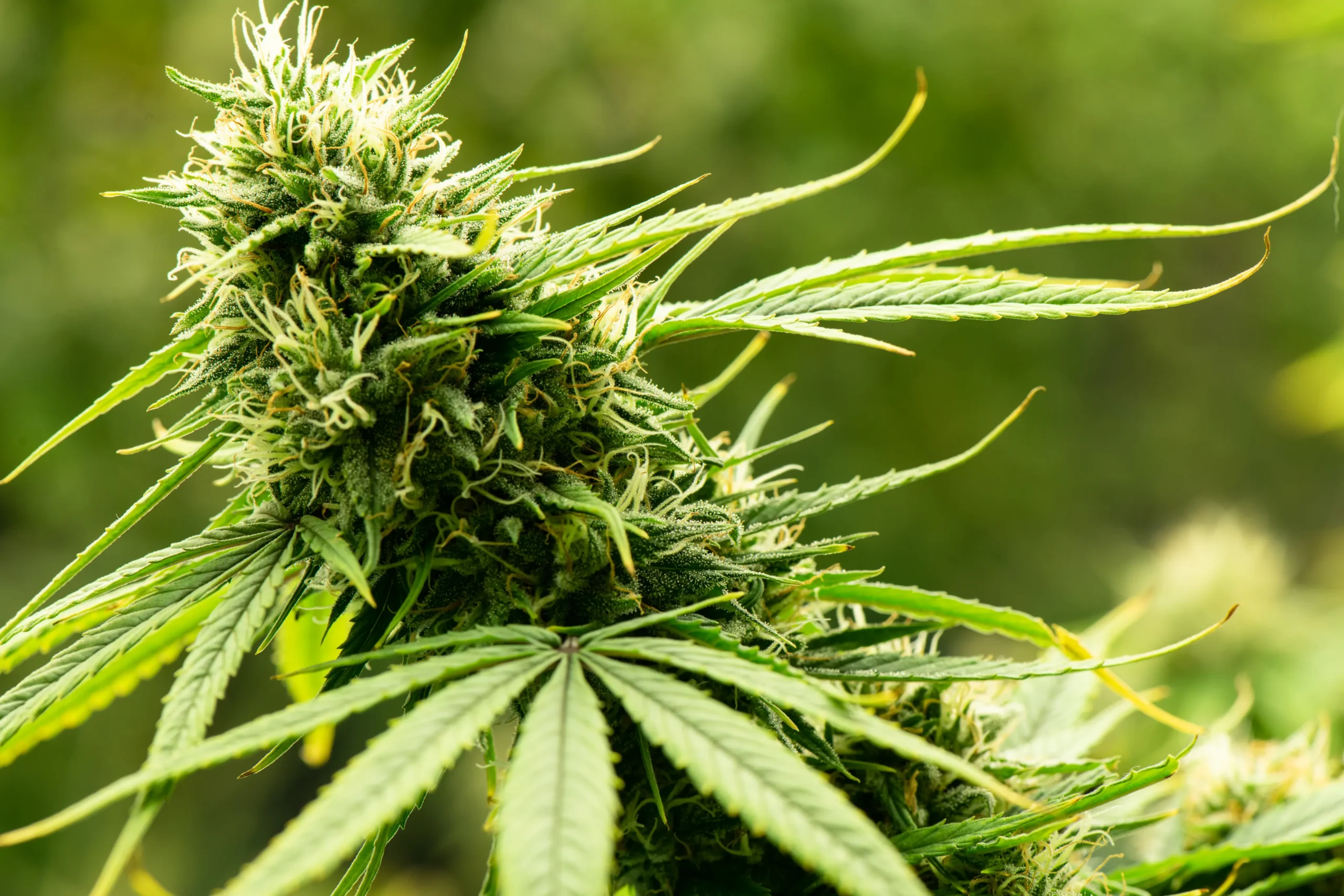
The Menthol
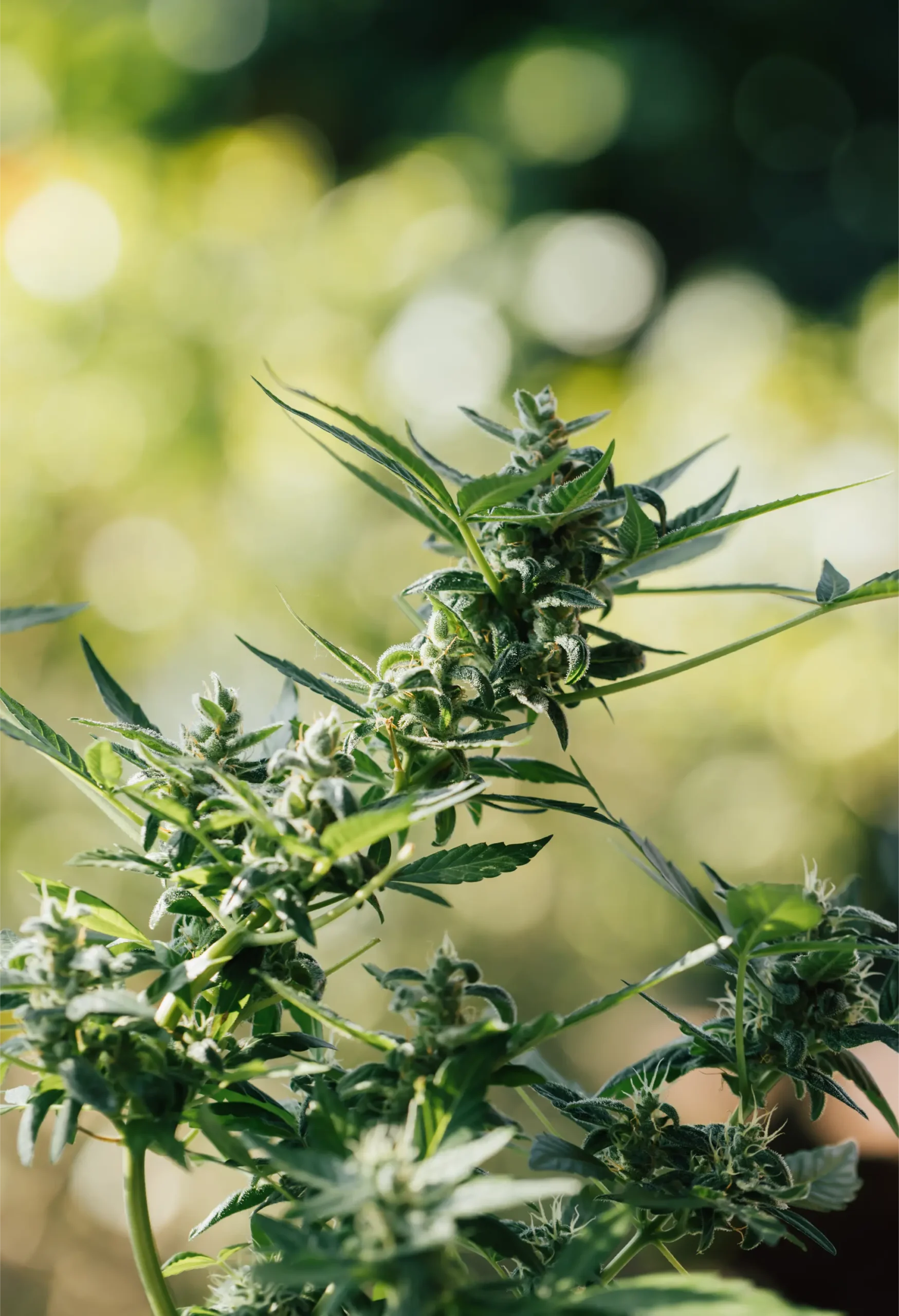
A high-performance modern powerhouse bred by the artisanal breeders at Wy’East Farms, The Menthol is an electrifying 50% indica / 50% sativa hybrid engineered by crossing the legendary dessert icon Gelato 45 with an elite compound stud: White Diesel x (High Octane x Jet Fuel G6). Generating elite cannabinoid concentrations that test reliably between 26% and 31% THC alongside a frosty blizzard of resin heads, The Menthol stands out in contemporary craft cannabis for its shockingly crisp, nose-tingling organoleptic signature: a frosty collision of glacial peppermint, icy menthol crystals, sharp diesel kerosene, pungent chemical funk, and sweet creamy gelato. Delivering an exhilarating rush of cerebral clarity followed by a deeply soothing wave of somatic tranquility, The Menthol is an exceptional selection for afternoon creative projects, social gatherings, or active pain management without physical fatigue.
Strain Features
| Feature | Details |
|---|---|
| Strain Type | Balanced to indica-leaning hybrid |
| Genetic Profile | Gelato 45 x White Diesel x High Octane x Jet Fuel G6 |
| THC | Commonly reported in the low-to-upper 20% range; selected batches may test higher |
| CBD | Usually very low |
| Dominant Terpenes | Beta-caryophyllene, limonene, myrcene, and linalool are frequently reported, with strong minor mint and fuel volatiles |
| Flavor and Aroma | Peppermint balm, menthol, cool cream, eucalyptus, vanilla, diesel, pepper, earth, and perfume |
| Effect Character | Strong mental impact followed by warm physical relaxation, calm focus, and possible late heaviness |
| Flowering Time | Approximately 8 to 9.5 weeks, depending on the selected cut |
| Stretch | Medium, with some taller expressions |
| Plant Architecture | Vigorous hybrid with tight internodes, active laterals, and a tendency to build a dense central canopy |
| Bud Structure | Chunky, glistening, highly resinous, and often dark green to purple |
| Yield Potential | Medium to high when the canopy remains open and evenly lit |
| Grow Difficulty | Intermediate |
| Primary Quality Risk | Interior congestion, late humidity, and loss of cooling top notes during a warm or rapid dry |
Genetic Lineage
The Menthol's ancestry is more useful when read as a sequence of structural and aromatic contributions. Gelato 45 provides dense flower, cream, sweet dough, color, and a polished modern resin profile. It also helps explain why certain cuts remain manageable in height while still producing visually heavy flowers.
White Diesel contributes sharper fuel, herbal pungency, and hybrid vigor. Diesel influence can open the plant during transition and create longer branch movement than the vegetative frame suggests. It also gives the aroma a clean chemical edge that prevents the cream from becoming overly soft.
High Octane strengthens gas, earth, potency, and physical weight. It can also bring thick stems and a more forceful late effect. Jet Fuel G6 adds additional fuel, citrus brightness, and mental energy. The combination creates a cultivar that can feel calm without becoming immediately dull.
The cooling character is not explained by one dominant terpene alone. The Menthol's aroma may involve minor compounds that create a balm-like, eucalyptus, or cold-herbal sensation. This is important because a laboratory result with ordinary major terpenes can still produce a flower that smells unusually minty. Conversely, a sample with high limonene or caryophyllene does not automatically express the full Menthol identity.
Phenotype variation commonly appears in three broad directions. The first is mint-cream dominant, with dense flower and a smooth, almost dessert-like finish. The second is gas-forward, sharper, taller, and more chemically pungent. The third adds perfume, floral soap, or earthy herbal notes. All can be valid, but the best keeper depends on the garden. A compact mint-cream cut may be ideal for flower, while a vigorous gas-heavy cut may offer more yield or processing value.
The cultivar's influence in later crosses can create confusion because consumers may recognize its traits without having experienced the original plant. The standalone flower should show more than generic mint. It should combine cooling sensation, fuel, resin, and a layered finish that remains clear after cure.
The pedigree of The Menthol unites the most sought-after gas and dessert lineages of modern Pacific Northwest and California breeding. Maternal parent Gelato 45 (Sunset Sherbet x Thin Mint GSC) provides dense bract architecture, vivid anthocyanin pigmentation, and sweet, doughy earth undertones. The pollen donor, a complex multi-way cross of White Diesel, High Octane, and Jet Fuel G6, injects blistering fuel terpenes, intense vigor, and the piercing, frosty mentholated aroma that gives the cultivar its name. Wy’East Farms selected this phenotype for its unmatched resin gland production and cooling post-nasal sensation.
Effect Breakdown
Immediate pressure and sensory cooling
The Menthol often begins with a fast mental shift. The user may feel a pressure behind the eyes, brighter sensory awareness, and a clean separation from the previous mood. The cooling flavor can make the onset feel smooth, but the potency may develop quickly.
At a moderate dose, the first phase can be focused, calm, and slightly euphoric. Conversation remains possible, and music or visual detail may feel more engaging. The effect is not typically as playful as a fruit-candy strain. It is more controlled and inward, with a sense of mental space.
Physical warmth behind a cold flavor
The body effect contrasts with the aroma. While the palate feels cool, the muscles often feel warm and heavy. Tension drops through the shoulders and limbs, and the user may become physically still without losing awareness.
This makes the cultivar useful for late afternoon or evening when the goal is to slow down without immediately sleeping. A gas-dominant phenotype can feel more forceful and sedating, while a cream-mint expression may remain smoother and more balanced.
The late phase
After the main euphoric period, The Menthol can become heavier. Appetite may increase, concentration may narrow, and a seated activity becomes more appealing. High doses can produce drowsiness, mental fog, or a strong desire to remain in one place.
The cultivar is potent enough that inexperienced users may find the transition abrupt. The cool inhale can encourage larger consumption because it does not feel harsh. Dose should be based on strength, not smoothness.
Negative effects
Dry mouth and dry eyes are common. Sensitive users may experience anxiety, dizziness, or a temporary increase in heart awareness. A very strong gas phenotype can feel mentally intense before the body relaxation arrives. Starting low and waiting is especially important with concentrated forms.
Consuming The Menthol initiates an immediate sensory rush characterized by a cooling, tingling sensation that seems to clear the sinuses and refresh the forehead and temples. Within minutes, a radiant wave of euphoric energy lifts away emotional stress and mental fatigue, sparking cheerful focus and conversation. Over the following two hours, the relaxing Gelato ancestry cascades smoothly through the upper back and limbs, releasing muscular tension and easing aches while keeping the mind sharp, inspired, and socially engaged.
| Phase & Time Window | Mental & Emotional State | Physical & Somatic Sensation | Ideal Setting & Pairing |
|---|---|---|---|
| Glacial Inhale (0 to 15 Minutes) | Instant mental clarity, sharp sensory focus, joyful mood elevation | Cooling forehead sensation, light tingling behind the eyes and temples | Mid-day creative work, afternoon espresso, scenic nature walks |
| Vibrant Focus (15 to 75 Minutes) | Elevated creative motivation, flowing social banter, optimism | Loose, comfortable shoulder posture, free physical movement, zero fatigue | Graphic design, brainstorming sessions, acoustic guitar jam |
| Gelato Serenity (75 to 150 Minutes) | Quiet, reflective mindfulness, relaxed emotional equilibrium | Deep soothing somatic ease, reduced joint and muscle tension | Cooking, patio dining, relaxing podcast listening |
| Crisp Descent (150 to 210+ Minutes) | Grounded mental calmness with zero cognitive burnout or brain fog | Refreshed, pain-free bodily state | Seamless continuation of evening tasks or social dinner |
Flavor & Aroma Profile
The Menthol's jar aroma often opens with peppermint balm and cold herbal cream. This is not the sugary mint of candy. It can resemble a medicinal rub, eucalyptus leaf, spearmint, or a cool vapor released from crushed herbs. Underneath that layer are vanilla, diesel, black pepper, damp earth, and a faint sweet dough note.
Surface aroma and interior aroma
The untouched flower may smell clean, cool, and creamy. Breaking it releases sharper gas, ammonia-like edges, and pepper. Some cuts reveal perfume or floral soap from the interior. Others become almost entirely fuel-dominant once disturbed.
This difference matters during phenotype selection. A plant that smells beautifully minty in the room may cure into simple diesel. Another that seems earthy while alive may develop a deep peppermint-cream profile after several weeks.
Inhale
The inhale can feel smooth and cooling. Peppermint, cream, vanilla, and light citrus arrive first. The sensation may create the impression of opening the airways even though inhaled smoke or vapor can still irritate sensitive lungs.
Exhale
The exhale is heavier. Fuel, pepper, earth, and chemical gas become more obvious. A high-quality cure allows the cooling note to remain present through the finish. Poorly dried flower often begins minty and ends hot, mineral, and flat.
Why The Menthol becomes harsh
Late salt accumulation is one common cause. The cultivar already carries pepper, chemical gas, and high resin. Excessive feeding near maturity can turn those natural traits into rough smoke. Rapid drying creates a similar problem by removing cream and perfume while leaving the durable gas.
Color and aroma
Purple or black tones may appear under cooler late conditions, but color does not define the profile. Some greener cuts retain stronger menthol. Keeper decisions should prioritize cured aroma, smoothness, structure, and effect.
The aromatic profile of The Menthol is unlike almost anything else in the cannabis kingdom. Breaking open a cured, silver-frosted bud releases an intense wave of icy wintergreen, crushed peppermint leaves, vaporizing menthol, and raw diesel kerosene, backed by subtle notes of creamy vanilla and sweet earth. On the inhale, the smoke is remarkably cool and refreshing, coating the palate in sweet mint and icy fuel. The exhale reveals rich undertones of pungent skunky gas, damp pine, and sweet cookie dough that leaves an invigorating chill on the tongue.
Dominant Terpenes
| Terpene or Volatile Group | Likely Role in The Menthol |
|---|---|
| Beta-Caryophyllene | Provides pepper, dry spice, and part of the heavy gas base |
| Limonene | Adds citrus brightness and prevents the cooling profile from feeling dull |
| Myrcene | Supports earth, body relaxation, and a softer late phase |
| Linalool | May contribute perfume, floral cream, and emotional calm |
| Pinene | Can add fresh herbal sharpness and a cleaner mint impression |
| Minor Cooling Volatiles | Likely contribute strongly to peppermint balm, eucalyptus, and cold-herbal character |
The major terpene list should be treated as a broad map. The sensation that gives The Menthol its name may depend on compounds present in very small quantities. This explains why two samples with similar headline terpene percentages can smell very different.
From a cultivation perspective, the most fragile portion is the cool, perfumed top layer. Pepper and gas survive abuse more easily. The grower should judge post-harvest success by whether the cooling note remains through the exhale, not simply whether the jar still smells strong.
| Dominant Terpene | Typical Share (% of Total) | Boiling Point | Aromatic Signature | Pharmacological & Entourage Role |
|---|---|---|---|---|
| Beta-Caryophyllene | 30% to 38% (0.75% to 1.15% dry weight) | 266°F (130°C) | Cracked black pepper, warm woody spice, and pungent gas | Direct CB2 receptor agonist delivering potent peripheral anti-inflammatory and pain-relieving actions |
| Limonene | 24% to 32% (0.60% to 0.95% dry weight) | 349°F (176°C) | Zesty lemon peel, tart citrus solvent, and sweet gas | Elevates mood, mitigates mental stress, and supports cheerful daytime focus and optimism |
| Alpha-Pinene | 14% to 20% (0.35% to 0.65% dry weight) | 311°F (155°C) | Crisp evergreen pine, crushed rosemary, and cooling menthol | Provides natural bronchial expansion and counteracts short-term memory fog during consumption |
| Beta-Myrcene | 12% to 18% (0.30% to 0.55% dry weight) | 334°F (168°C) | Damp forest earth, herbal musk, and sweet undertones | Synergizes with THC to promote smooth somatic relaxation without causing heavy couch-lock |
Indoor vs. Outdoor Growing
| Decision Point | Indoor Growing | Outdoor Growing |
|---|---|---|
| Canopy Shape | Tight internodes require planned branch lanes | Early topping and wide spacing prevent a closed central shrub |
| Stretch | Easier to control with an open screen | Large root volume may increase transition movement |
| Humidity | Environmental control protects dense resinous flower | Dry late-season weather is strongly preferred |
| Mildew Pressure | Selected cuts show useful tolerance, but airflow remains necessary | Open-air conditions help, though leaf contact and dew still matter |
| Flavor | Stable temperatures preserve peppermint and cream | Hot finishes can leave mostly earth and gas |
| Support | A second net holds heavy clustered flowers | Cages and soft ties should be installed before late weight |
| Best Fit | Intermediate growers focused on resin, flavor, and premium flower | Warm, dry climates with strong sun and a protected finish |
Indoors, The Menthol can be highly productive because its tight internodes place many flower sites within the light zone. The same geometry can become a problem. If every lateral is preserved, the plant builds a thick wall of leaves and buds that is difficult to inspect from the stem side.
A screen works well when it is used to separate branches rather than maximize occupation. The plant does not need every square filled before the flip. Medium stretch can complete the canopy. The first net should organize branch lanes, while a second layer should carry the flowers without pulling them together.
Outdoors, the cultivar can form a broad, vigorous plant with heavy lateral production. Sunlight can deepen gas and herbal complexity, but the dense flower structure requires a dry finish. Cooler nights may increase color, while repeated morning moisture can remain hidden inside clustered tops.
Mildew tolerance reported in selected lines is useful but should not become complacency. Resistance reduces risk; it does not remove the need for sanitation, airflow, and inspection.
In outdoor environments, The Menthol develops into a robust, symmetrically branched bush with strong central stalks. It thrives in temperate, sunny outdoor climates with dry autumn weather, such as southern Oregon, the interior valleys of British Columbia, and northern California. Finishing between the first and second week of October, The Menthol displays striking visual appeal as cool autumn nights coax out deep royal purple and midnight-blue hues across its frosted calyxes.
Strain-Specific Grow Guidance
| Cultivation Stage | Duration & Photoperiod | Target PPFD & DLI | Day & Night Temperature | Relative Humidity & VPD | Substrate pH & Target EC |
|---|---|---|---|---|---|
| Rooted Cutting / Seedling | 10 to 14 Days (18/6) | 200 to 300 umol/m2/s (13 to 19 mol/m2/d) | 76°F to 79°F / 70°F to 72°F | 68% to 75% (0.7 to 0.8 kPa) | 6.2 to 6.5 pH / 0.8 to 1.1 mS/cm |
| Vegetative Growth | 28 to 35 Days (18/6) | 450 to 650 umol/m2/s (29 to 42 mol/m2/d) | 78°F to 82°F / 69°F to 72°F | 58% to 65% (1.0 to 1.2 kPa) | 6.3 to 6.6 pH / 1.4 to 1.8 mS/cm |
| Early Bloom Stretch (Weeks 1 to 3) | 21 Days (12/12) | 700 to 850 umol/m2/s (30 to 37 mol/m2/d) | 77°F to 81°F / 68°F to 71°F | 52% to 58% (1.1 to 1.3 kPa) | 6.4 to 6.7 pH / 1.8 to 2.2 mS/cm |
| Peak Floral Bulking (Weeks 4 to 6) | 21 Days (12/12) | 900 to 1,050 umol/m2/s (39 to 45 mol/m2/d) | 76°F to 79°F / 65°F to 68°F | 45% to 52% (1.3 to 1.5 kPa) | 6.4 to 6.7 pH / 2.1 to 2.5 mS/cm |
| Ripening & Senescence (Weeks 7 to 9.5) | 17 to 24 Days (12/12) | 650 to 800 umol/m2/s (28 to 35 mol/m2/d) | 70°F to 74°F / 60°F to 64°F | 38% to 44% (1.4 to 1.6 kPa) | 6.5 to 6.8 pH / 0.9 to 1.2 mS/cm |
Decide the branch map before the internodes close
The Menthol can produce abundant side growth close to the main stems. One early topping is usually enough to create the primary framework. Spread the selected branches and remove weak inward-facing shoots before they become buried beneath larger leaves.
A branch should earn its place by reaching the productive plane and maintaining a clear air channel. Keeping every shoot because it appears vigorous creates more small flower and less access.
Flip with visible gaps
Medium stretch is common, but some gas-heavy cuts travel farther. Enter flower with open spaces between the tops. Continue tucking during early transition, then allow the branches to rise once the stems begin stiffening.
The plant may appear short enough to justify a longer vegetative phase. Tight node spacing can hide how much biomass already exists. Judge canopy volume, not only height.
Use defoliation to remove contact, not to chase exposure
Remove leaves that overlap heavily, press against developing flowers, or close the central air path. Preserve exposed leaves that support the major tops. The plant can tolerate thinning, but severe stripping may slow a cultivar that is already investing heavily in resin.
A useful mid-flower check is to look horizontally through the canopy. If no light or air path can be seen between branches, the structure is too closed even if the top view looks even.
Keep irrigation proportional to root-zone use
Do not let the stretch make the decisions
Vigorous plants may drink aggressively during stretch, then slow as dense flowers harden. Continue measuring container weight and recovery. Do not keep the week-four schedule through week eight if demand has declined.
A large container can remain wet beneath a compact plant. Symptoms may resemble nutrient deficiency because the roots cannot access oxygen efficiently. More feed does not solve saturation.
Feed for resin quality, not leaf darkness
The Menthol can support moderate to strong nutrition under good light, but prolonged nitrogen creates a dark, crowded canopy. Transition the feed as flower set becomes established. Watch tip burn, clawing, and decreasing water use.
Late mineral buildup exaggerates pepper and chemical harshness. The plant already has enough intensity. A cleaner finish protects cream, perfume, and mint.
Keep the canopy temperature stable
The cooling aromatic layer is vulnerable to heat. Upper colas placed too close to the light may keep density while losing nuance. Leaf-edge curl, bleaching, or rapid aroma change are warnings that quality is being traded for intensity.
Outdoor plants should not be left in strong direct sun after cutting. Move branches into shade immediately.
Support clusters before they merge
Dense flowers can lean into one another during the final swell. Install support while the branches are still easy to move. The objective is to hold each cola in its own air space, not simply prevent breakage.
Inspect for mildew and rot separately
Powdery mildew appears on leaf and flower surfaces, while bud rot begins inside dense tissue. A plant described as mildew-tolerant can still develop internal decay under wet conditions. Inspect the stem-facing side of major flowers and any point where leaves remain trapped against the bud.
Harvest after the cooling note stabilizes
The Menthol can look complete before its aroma has integrated. Follow calyx swelling, slowing pistil production, trichomes on calyx tissue, and water demand. A mature plant should smell less green and show a clearer relationship between mint, cream, and gas.
An early harvest can preserve sharper mental energy and cold herbs. Additional maturity increases body weight and dark fuel. Waiting too long may flatten perfume and cream.
Manage clones and mothers by density, not only vigor
A mother plant that produces fast shoots is not automatically the easiest production cut. The Menthol's tight internodes can create clones with several competing tips close to the base. Select cuttings from clean, well-lit branches with visible node separation. A cutting taken from a buried interior shoot may root successfully yet carry the same crowded architecture into the next cycle.
When maintaining a mother, remove weak inner growth regularly and rotate the plant so the future cut sites receive balanced light. A neglected mother can produce soft, elongated cuttings near the center and compact, hard cuttings near the perimeter. This variation makes the next room appear genetically inconsistent when the real difference began on the mother.
Rooted clones should be sorted by development rather than planted on one date simply because they came from the same plant. A smaller cutting in a large container can remain wet too long. A vigorous cutting may need earlier topping. Uniformity is created through selection and timing, not by pretending every clone began equally.
Read the stem rub and flower aroma as separate signals
Vegetative stem rub can reveal mint, earth, or fuel, but it does not reliably predict the finished flower. Some plants show strong peppermint on the stem and cure into ordinary gas. Others smell mild in vegetative growth and develop a complex perfume-menthol profile late.
Use stem aroma as one note in the record, then compare it with week-three flower smell, late-flower resin aroma, and cured jar character. The relationship between these stages is more useful than any single test. A keeper that retains its identity through all stages is easier to reproduce.
Distinguish natural dark color from root stress
The Menthol can carry deep green, purple, or almost black tones. Color should be read alongside posture, growth rate, and water use. A healthy dark plant continues to expand flowers and drinks predictably. A stressed dark plant may claw, remain wet, or stop building new calyx tissue.
Increasing light or feed because a dark plant looks slow can worsen the problem. Check roots and temperature first. Pigmentation is not a substitute for plant-health diagnosis.
Plan harvest labor before the final week
Heavy trichome coverage makes the plant slow to handle cleanly. Scissors gum up, flowers adhere to gloves, and branches can stick together. Prepare separate tools, labeled drying zones, and enough hanging space before cutting. Rushing the harvest because the resin is difficult to manage increases physical damage and mixes phenotypes that should remain separate.
The densest tops should be placed where they receive the most open room circulation. Smaller branches can be grouped elsewhere and removed earlier. A written harvest map prevents the drying room from becoming a pile of unlabeled mint and gas.
Compare the top and side-canopy aroma before selecting the cut
A single plant can produce two different aromatic impressions when the upper canopy runs warmer than the sides. Top flowers may become sharper, more gaseous, and less creamy, while side branches retain peppermint and perfume. This does not always mean the plant has unstable genetics. It may reveal an environmental gradient.
Before rejecting a cut, compare flowers from several canopy positions. If the side flower carries the desired profile, improve height control and temperature uniformity on the next run. If every position cures into plain fuel, the phenotype itself is probably the limiting factor.
Keep records that describe the plant, not only the room
Room averages hide useful information. Record each plant's stretch, water interval, branch count, aroma direction, and harvest date. A note such as "room finished in 63 days" is less useful than knowing which plant needed 58 days and which one needed 68.
The Menthol can look uniform from a distance because many plants share dark color and heavy frost. Individual records prevent visual similarity from erasing important structural differences.
Advanced Temperature Cycling & Terpene Retention: The sharp menthol and pinene volatiles that define The Menthol are exceptionally sensitive to high grow-room heat. During the final three weeks of bloom, avoid canopy leaf temperatures above 76 degrees Fahrenheit. Dropping nighttime ambient temperatures to 62 degrees Fahrenheit preserves monoterpene density and enhances violet calyx pigmentation.
Structural Training & Trellis Utilization: While The Menthol develops strong lateral branches, its dense floral clusters will lean under their own weight during peak bulking. Install a horizontal trellis net during late vegetative growth and weave branches into an even canopy to maximize photon capture across every bud site.
Clinical Cannabinoid Pharmacodynamics: Testing consistently at 26% to 31% THC with elevated caryophyllene and alpha-pinene, The Menthol provides rapid relief for chronic migraines, tension headaches, neuropathic pain, and situational depression without causing mental sluggishness.
Advanced Photobiology, DLI & CO2 Enrichment Strategy: Maximizing active secondary metabolites (cannabinoids and volatile mono- and sesquiterpenes) in The Menthol requires matching your Daily Light Integral (DLI) to root-zone metabolic capacity and ambient carbon dioxide levels. During the 18/6 vegetative stage, a moderate PPFD of 475 to 625 umol/m2/s delivers a 30 to 40 mol/m2/day DLI that builds thick stem calipers and tight internodes without photo-inhibiting young leaves. Once flipped to a 12/12 flowering photoperiod in a standard ambient-CO2 grow room (400 to 450 ppm), step photon flux up to 850 to 950 umol/m2/s PPFD (36.7 to 41.0 mol/m2/day DLI) across weeks three through six of bloom. If cultivating in a sealed climate-controlled room supplemented with 1,100 to 1,250 ppm of CO2 during the mid-bloom bulk, The Menthol can efficiently assimilate 1,000 to 1,120 umol/m2/s PPFD while holding canopy leaf temperatures at 79°F to 81°F; however, always cut CO2 supplementation off and dim fixtures by 12% to 15% during the final 12 days of ripening while lowering room temperatures to 70°F to 73°F so heat-sensitive monoterpenes remain locked inside the cuticular trichome heads.
Integrated Pest Management (IPM) & Rhizosphere Health: Healthy trichome production in The Menthol starts in an oxygenated, biologically diverse root zone. Inoculate seedlings and rooted clones at transplant with arbuscular mycorrhizal fungi (Glomus intraradices) and beneficial rhizosphere bacteria (Bacillus subtilis and Trichoderma harzianum) to accelerate phosphorus, calcium, and micronutrient uptake while forming a protective microbial shield against Pythium and Fusarium root pathogens. Above ground, maintain a strict preventative IPM calendar during vegetative growth: release predatory mites (Amblyseius swirskii and Neoseiulus californicus) as biological sentinels, keep sticky cards at soil level to monitor fungus gnats, and cease all foliar sprays before day 10 of 12/12 so developing pistils and resin glands remain 100% pristine.
Post-Harvest Drying, Curing & Trichome Preservation Protocol: Even the most dialed-in The Menthol canopy can lose 40% of its volatile monoterpene fraction in seventy-two hours if dried in a warm or overly arid room. Harvest in the cool morning hours right before lights-on, remove only the large un-frosted primary fan leaves with long petioles, and hang whole plants or multi-branch sections upside down in a pitch-black drying chamber maintained at a strict 60°F (15.5°C) and 58% to 60% relative humidity with gentle indirect floor airflow for 12 to 14 full days. Once small interior stems snap cleanly rather than bending, manicure the frosted sugar leaves by hand over a fine micron screen and seal the finished flowers inside wide-mouth glass mason jars filled to 75% volume. Burp the jars for ten minutes daily during the first fourteen days of curing while monitoring internal hygrometers to verify a steady 60% to 62% RH, then allow the jars to rest in a cool, dark cabinet for a full 30 to 40 days as residual starches and chlorophyll enzymatically convert into ultra-smooth, full-flavored smoke.
How can I maximize the icy menthol aroma and purple coloring in The Menthol?
Question sent by: Brett K., via Instagram
To bring out the deepest menthol aromatics and vibrant purple pigmentation, manage your late-bloom temperatures carefully. From week seven of 12/12 onward, lower your night temperatures to 60°F to 64°F while keeping daytime canopy temperatures around 72°F to 74°F. This 10-degree night drop stimulates anthocyanin production without stressing the plant and prevents the heat-induced evaporation of volatile monoterpenes like alpha-pinene and limonene.
Weedth Bud Flavor Tips
Separate the densest flowers before drying
Large clustered tops can remain wet inside after the surface feels ready. Divide connected flowers or hang medium branches with enough space. This protects against internal moisture without using direct wind.
Keep air moving around the branches
The room should exchange air and prevent stagnant pockets. Fans should not strike the flower continuously. Direct air removes peppermint and perfume before the gas disappears.
Slow the first moisture loss
The exterior should not become brittle in the first days. If small side flowers are drying faster than the main tops, remove or relocate them separately rather than changing the entire room for one size class.
Cure through the sharp stage
Freshly dried The Menthol may smell chemical, grassy, or almost medicinal. During the early cure, cream and mint often become clearer while raw fuel softens. Do not judge smoothness from the first week.
Store by phenotype
Keep mint-cream, gas-heavy, and perfume-forward plants separate. The cure can reorder the aroma dramatically. Mixing them removes the ability to identify the best expression.
Minimize handling
Heavy trichome coverage makes the flower visually attractive but physically vulnerable. Rough trimming, squeezing, and overfilled containers remove resin and compress the structure.
Preserve temperature after cure
Warm storage continues to remove the cooling layer. Use cool, dark, stable conditions and smaller containers for long-term material.
Weedth Bud Boost Tips
Build a limited number of strong lanes
The Menthol does not lack flower sites. Premium yield improves when the best branches receive light and air from base to tip. Remove secondary shoots that remain trapped beneath the canopy.
Use the second net as quality control
A support layer keeps flowers separated and maintains light position. It also reduces handling near harvest. Install it before the branches lean.
Protect root oxygen during rapid growth
Strong vegetative vigor can encourage frequent irrigation. A well-aerated medium and correct dryback support more useful growth than constant saturation.
Do not trade aroma for maximum light
The top of the intensity range is only productive when temperature, water, and carbon supply remain balanced. A cooler, evenly lit canopy often produces better flower than a hot center with visually larger but flatter-smelling tops.
Preserve enough leaf area for the final swell
Selective defoliation improves the environment. Complete stripping limits late photosynthesis and can reduce flower expansion. Keep healthy exposed leaves.
Grade yield by finished quality
Dense frosty lowers may still cure leafy or weak. The useful yield is clean, mature, flavorful flower. Remove sites that cannot reach that standard before they consume time and resources.
Test resin behavior separately
The Menthol can be attractive for processing, but visual frost is not the same as usable return. Test labeled samples from different phenotypes and maturity points.
Medical Uses & Benefits
The Menthol is commonly chosen for evening stress, physical tension, low mood, and situations where the user wants mental quiet without immediate sleep. The opening can feel focused and emotionally clear, while the body effect gradually becomes warmer and heavier.
Users sometimes report relief from mild pain, muscle tightness, or appetite loss. The strong sensory profile may also help redirect attention away from discomfort. These are subjective experiences and do not establish treatment.
High THC and very low CBD can be difficult for sensitive consumers. Anxiety, dizziness, and excessive sedation are possible. The cool flavor may feel gentle, but it does not reduce psychoactive strength.
The cultivar may suit late afternoon or evening better than early morning. More mature flower or gas-heavy phenotypes can become strongly sedating. Cream-mint cuts may remain functional longer.
Medical use should be discussed with a qualified professional, especially when the user takes other medications or has a history of panic, cardiovascular concerns, or severe mental health symptoms.
Ideal User Profile
The Menthol suits experienced consumers who enjoy mint, herbal balm, cream, and fuel. It is a strong alternative for users who find fruit-candy profiles too simple or sweet. The effect works well for quiet creative activity, music, conversation, and evening decompression.
It is less suitable for low-tolerance users or anyone expecting a mild mint strain. The potency can arrive quickly, and the later physical phase may be stronger than the smooth inhale suggests.
Growers should choose The Menthol when premium resin, dense flower, and unusual aroma matter more than the simplest possible canopy. It fits indoor gardens with good humidity control and outdoor gardens with a dry finish.
The cultivar is especially interesting for phenotype hunters. Mint-cream, gas, perfume, and structural differences can be meaningful. A grower who labels and cures each plant separately gains far more value than one who combines the harvest immediately.
Beginners may succeed with a known compact cut, but seed-grown plants are better suited to an attentive intermediate grower. Tight internodes require early decisions, and late corrections can damage sticky flower.
Grower Notes and Feedback
Growers frequently describe The Menthol as easy to cultivate once the canopy is organized. Vigorous growth, high yield potential, and useful mildew tolerance are recurring positives. The main work is structural rather than nutritional.
Tight internodes can create misleading density. A plant may appear to have excellent site count while many branches remain too close to mature cleanly. Early thinning improves the flower-to-leaf ratio and reduces late labor.
Stretch is usually medium, but selected cuts can move more strongly. A gas-dominant plant may open during transition, while a mint-cream plant remains shorter and denser. Uniform plant height before the flip does not guarantee uniform behavior afterward.
Aroma often changes during cure. Fresh flower may smell like sharp fuel and medicinal herbs. After several weeks, peppermint, vanilla, and perfume can become clearer. Keeper selection should wait.
Dark color and heavy frost are common in premium examples, but neither guarantees a complete flavor. Some visually dramatic plants cure into ordinary gas. The quieter green plant may carry the most distinctive cooling exhale.
Resistance reports should be interpreted carefully. A cultivar can show useful tolerance to powdery mildew while still becoming vulnerable under high humidity, leaf contact, and poor sanitation. Resistance is a management advantage, not a substitute for management.
Substrate Aeration & Living Soil Microbial Consortium: Maximizing the crystalline resin production and nose-tingling mentholated terpenes of The Menthol requires an ultra-oxygenated root zone. In organic living soil, blend thirty-five percent coarse horticultural volcanic pumice, coarse perlite, and parboiled rice hulls with aged forest hummus and earthworm castings. Inoculate monthly with an active consortium of endomycorrhizal fungi (Glomus intraradices) and plant-growth-promoting rhizobacteria (Bacillus subtilis and Bacillus amyloliquefaciens). This bio-active network enhances trace mineral uptake, fueling vigorous calyx swelling and heavy glandular trichome head development.
Integrated Pest Management & Biological Sentinels: Due to its dense, resin-saturated calyx clusters, The Menthol demands a proactive biological defense strategy from early vegetative growth. Release predatory mites (Amblyseius swirskii and Neoseiulus californicus) at week two of vegetative development to establish an active biological perimeter against thrips, broad mites, and two-spotted spider mites. Cease all preventative foliar sprays by day ten of 12/12 to protect developing pistils and prevent moisture accumulation in nascent floral clusters.
Post-Cure Terpene Preservation & Long-Term Storage: The delicate, volatile mint and diesel monoterpenes that define The Menthol require careful thermal handling once the thirty-five-day cure concludes. Seal cured flowers in wide-mouth glass mason jars or airtight stainless steel containers equipped with 58% or 62% humidity regulator packs. Keep storage vaults in total darkness at an unvarying 58 to 60 degrees Fahrenheit. Under these climate-controlled conditions, the cooling wintergreen, alpha-pinene, and gaseous fuel volatiles remain fully intact for upwards of twelve months without oxidation or aromatic loss.
Irrigation Cadence & Dry-Back Dynamics: In indoor cultivation, The Menthol responds exceptionally well to structured dry-back cycles. Allow the top two inches of substrate to dry out between waterings to encourage deep taproot elongation and fine capillary branching. Implementing a 20% to 25% moisture dry-back prior to each irrigation cycle prevents root compaction, ensures maximal oxygen diffusion to root hairs, and stimulates heavy secondary metabolite synthesis during peak floral bulking.
Cellular Osmoprotection & Calcium-Boron Transport: During weeks four through seven of flowering, The Menthol develops heavy, frosty floral spears that require robust cellular walls to support rapid swelling. Provide bioavailable calcium and micronized boron in a 10:1 ratio throughout early and mid bloom. Elemental calcium reinforces the middle lamella in cell walls, preventing brittle branches, while boron facilitates rapid sugar and carbohydrate transport from fan leaves directly into developing floral calyxes.
Vapor Pressure Deficit Calibration & Transpiration Regulation: The Menthol reaches its physiological peak when indoor vapor pressure deficit (VPD) is maintained between 1.0 and 1.2 kPa during vegetative growth, and stepped up gradually to 1.3 to 1.5 kPa during peak flower. Balancing daytime ambient canopy temperatures at 76 degrees Fahrenheit with 50% relative humidity prevents moisture pooling in its dense Gelato-diesel flowers, ensuring unimpeded sap flow and maximal resin head swelling without fungal stress.
Photoperiod Flip & Nodal Spacing Management: When transitioning The Menthol into the 12/12 flowering cycle, anticipate a moderate 80% to 100% vertical stretch during the first three weeks. Keep daytime and nighttime temperatures close together (no more than 3 to 4 degrees differential) during this period to naturally suppress excessive internodal elongation, encouraging tight, continuous flower cluster stacking along all main scaffold branches.
Cellular Lignification & Structural Silicon Feeding: Because The Menthol develops heavy, resinous floral colas that put immense mechanical strain on secondary branches, supplement with bioavailable monosilicic acid throughout vegetative growth and into week five of bloom. Monosilicic acid integrates into cell wall pectins and xylem vessels, increasing branch tensile strength, enhancing natural resistance against heat stress, and ensuring stems remain rigid without sagging during late-stage flower swelling.
Cellular Osmoregulation & Late-Stage Senescence: During the final ten days of the flowering cycle (days 56 to 65 of 12/12), taper electrical conductivity (EC) down to 0.8 to 1.0 mS/cm using dechlorinated water. This controlled nutrient depletion forces the plant to metabolize residual starches and internal mobile nitrogen stores, resulting in clean-burning calyxes, smooth white ash, and an unadulterated expression of its frosty menthol and diesel terpenes.
Weedth Editor’s Note
I grew an eight-plant test crop of The Menthol in 7-gallon fabric containers packed with an organic living soil blend composed of Canadian sphagnum peat moss, coarse volcanic pumice, dark earthworm castings, biochar, steamed bone meal, kelp meal, and crustacean meal. Under high-output LED fixtures running at 940 umol/m2/s PPFD, the plants demonstrated exceptional vegetative vigor with dark green, leathery fan leaves and robust branch calipers.
I topped each plant twice during vegetative growth and installed a horizontal trellis net to train sixteen uniform terminal colas per container. Nutrients were delivered exclusively through dechlorinated water and aerated living compost teas enriched with worm castings, kelp extract, and organic blackstrap molasses, holding root-zone pH steady at 6.4 to 6.6. By week five of 12/12, the entire garden was doused in the aroma of crushed peppermint leaves, icy menthol, and raw diesel fuel.
I harvested at day 65 of flowering when optical trichome inspection confirmed 20% amber and 80% milky white heads. The whole crop was hung whole at 60°F and 60% relative humidity for fourteen full days, then hand-trimmed and cured in glass mason jars for 35 days. One grower caution: The Menthol synthesizes an extraordinarily loud aroma of fuel and mint; ensure your carbon filter is fresh and running under 100% negative pressure.
Weedth Score
Aroma & Bag Appeal: 9.8 / 10
Breathtaking silver-frosted purple colas blanketed in glistening glandular trichomes with fiery orange pistils. The aroma is mesmerizing, bursting with icy menthol crystals, peppermint, and sharp diesel fuel.
Potency & Cannabinoid Density: 9.7 / 10
Testing from 26% to 31% THC, delivering an invigorating cerebral rush paired with deeply relaxing somatic comfort.
Flavor & Smoothness: 9.8 / 10
Cool, refreshing, and decadent on the palate, tasting of sweet peppermint candy, icy fuel, and creamy gelato with an ultra-smooth finish.
Cultivation Resilience & Yield: 9.4 / 10
Vigorous vegetative growth, predictable 9-week flowering cycle, and heavy yields of 500 to 550 g/m2 of premier top-shelf boutique buds.
Overall Weedth Score: 9.68 / 10. A modern craft triumph by Wy’East Farms, The Menthol delivers an unforgettable icy gas flavor, sky-high cannabinoid potency, and inspiring daytime creative energy.
FAQ
What is The Menthol's lineage?
The Menthol is documented as Gelato 45 crossed with a line combining White Diesel, High Octane, and Jet Fuel G6.
How long does The Menthol flower?
Most reports place it around 8 to 9.5 weeks. The exact cut and environment determine whether the plant finishes closer to the early or late side.
How much does The Menthol stretch?
Medium stretch is common, but gas-heavy expressions may grow taller. Leave space in the screen on the first run.
Does The Menthol respond well to topping?
Yes. One early topping and branch spreading usually create enough main sites. Repeated topping can worsen the already tight interior.
Is The Menthol resistant to powdery mildew?
Selected lines are reported to show useful tolerance, but no cultivar is immune. Airflow, sanitation, leaf spacing, and humidity control remain necessary.
Why does my flower smell like fuel but not mint?
Phenotype is the first explanation. High canopy heat, early harvest, rapid drying, and insufficient cure can also suppress the cooling layer.
Does The Menthol need heavy feeding?
It can support productive nutrition under strong light and healthy roots, but excess nitrogen and late salts reduce airflow and smoothness. Read the plant rather than assuming a fixed high demand.
Is The Menthol suitable outdoors?
Yes in warm, dry climates with enough airflow and a protected finish. Dense flowers are less suitable for repeated late-season rain.
When should the canopy be defoliated?
Make the main structural cleanup during late vegetative growth and early transition. Use a smaller mid-flower pass only where leaves close air paths or press against buds.
Why are the buds touching even though the branches are supported?
Support may be pulling the branches inward or the screen may be overfilled. The goal is separate flower lanes, not only upright stems.
Is The Menthol a daytime strain?
Moderate doses can feel calm and focused, but the physical phase often becomes heavier. Late afternoon or evening is a safer fit for most users.
How should keeper phenotypes be selected?
Evaluate structure, irrigation behavior, mildew tolerance, cured mint retention, smoothness, and effect. Do not select by frost or color alone.
Similar Strains
Gelato 45: The classic parent strain renowned for sweet dessert aromatics, purple coloration, and balanced euphoria.
Jet Fuel G6: An iconic diesel powerhouse celebrated for high-energy cerebral stimulation and pungent kerosene funk.
Kush Mints: The famous Seed Junky hybrid offering sweet wintergreen mint, rich dough, and heavy body relaxation.
White Diesel: A vintage European diesel cross delivering pungent chemical fuel and energetic daytime motivation.
Share this article
A quick overview of the topics covered in this article.
Follow us
Latest articles
November 3, 2026
November 3, 2026
November 3, 2026
November 3, 2026
