
The Soap
The Soap – Strain Profile & Grow Guide
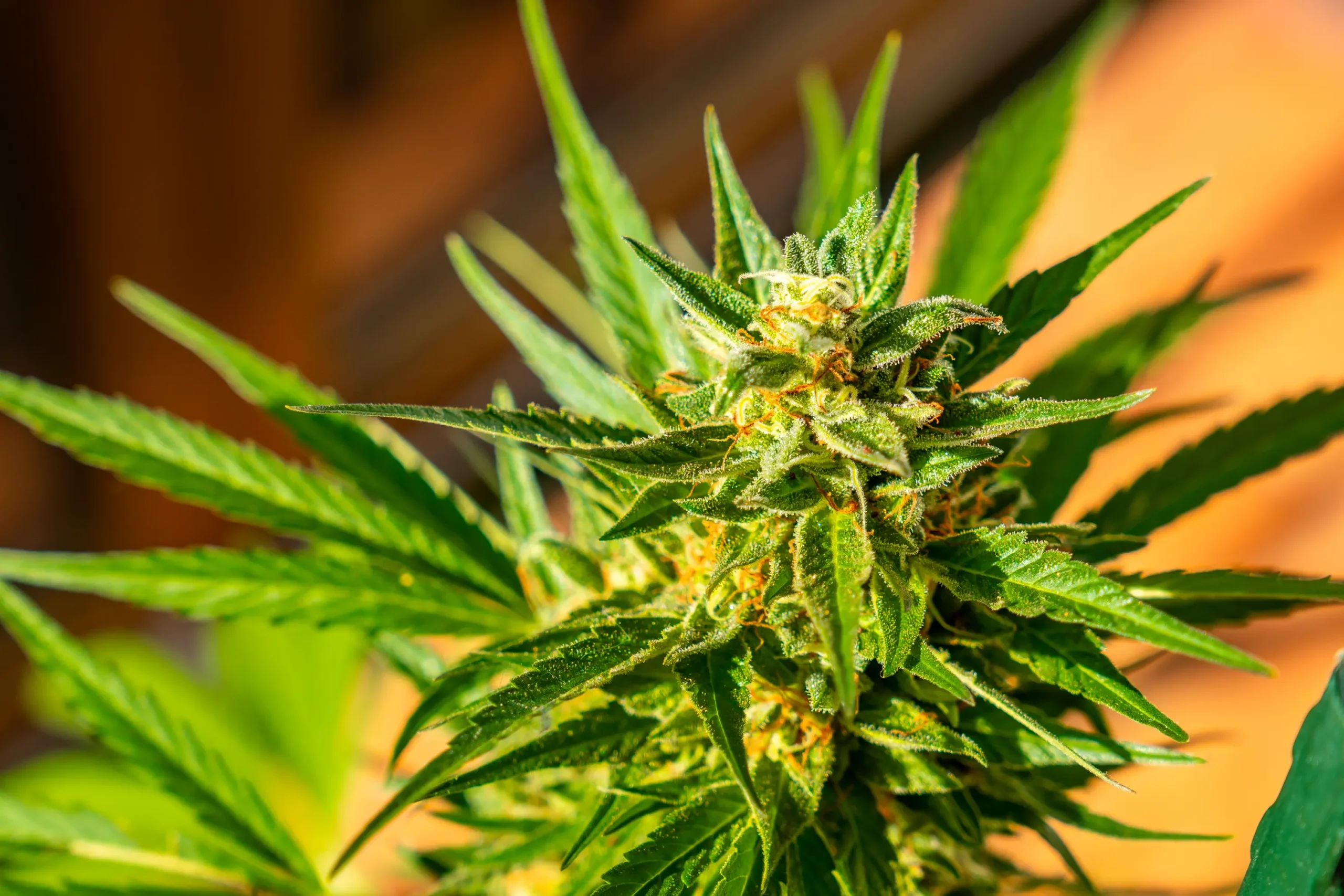
The Soap does not earn its name through a simple mint flavor. Its identity comes from a strange sequence of sensations that can move from rosewater and hand soap to fresh tea leaves, vanilla cream, pine resin, sharp cheese and diesel. The flower can smell clean and almost cosmetic from a distance, then become earthy and aggressively pungent after it is broken apart. That contrast is the reason people remember the cultivar, and it is also the reason average cultivation often fails to show what makes it special. A warm canopy, excessive late nitrogen or a fast dry can leave a loud but incomplete result that smells mostly of gas, pine and generic sweetness.
The plant itself creates another contrast. The Soap is often described as a lively, sativa-leaning hybrid, yet its flowers can become extremely dense and heavy. Many cuts grow with moderately spaced nodes and enough vertical movement to finish an open screen without behaving like a long-flowering Haze. The first three weeks after the flip matter more than the final plant height alone. The branches continue moving sideways while the tops rise, and a canopy that looked comfortably open at the beginning of transition can close from both directions. The grower who only watches height may miss the real problem: long, resinous flower columns gradually leaning toward one another and reducing airflow inside an apparently level screen.
The Soap therefore deserves to be treated as a canopy and aroma-management cultivar rather than a simple high-potency hybrid. The most useful questions are not whether it can be topped or whether it yields well. They are how much space each branch needs after stretch, when to stop tucking, which leaves actually block air rather than merely look large, and how to dry the flowers without erasing rose, tea and clean mint. The best examples feel precise. Their aroma has distinct layers, their smoke remains cool and floral instead of harshly chemical, and the effect rises quickly without becoming one-dimensional.
Strain Features
| Feature | Details |
|---|---|
| Strain Type | Sativa-leaning hybrid, although the finished body effect can become heavy at higher doses |
| Genetic Profile | Animal Mints #9 x Kush Mints #11 is the most consistently documented lineage |
| THC | Commonly reported in the mid-20% range, with considerable batch variation and some higher laboratory results |
| CBD | Usually very low |
| Dominant Terpenes | Limonene, beta-caryophyllene and linalool are frequently reported; humulene, pinene and myrcene may support the profile |
| Signature Aroma | Rosewater, clean soap, mint, black tea, vanilla cream, pine, cheese and diesel |
| Effect Character | Immediate focus and mood lift, followed by tingling physical stimulation and a calmer late phase |
| Flowering Time | Commonly around 8 to 9 weeks; some cuts benefit from several additional days |
| Stretch | Moderate, with meaningful lateral movement during the first part of flowering |
| Plant Shape | Medium-sized hybrid frame with strong side branches and moderately spaced nodes |
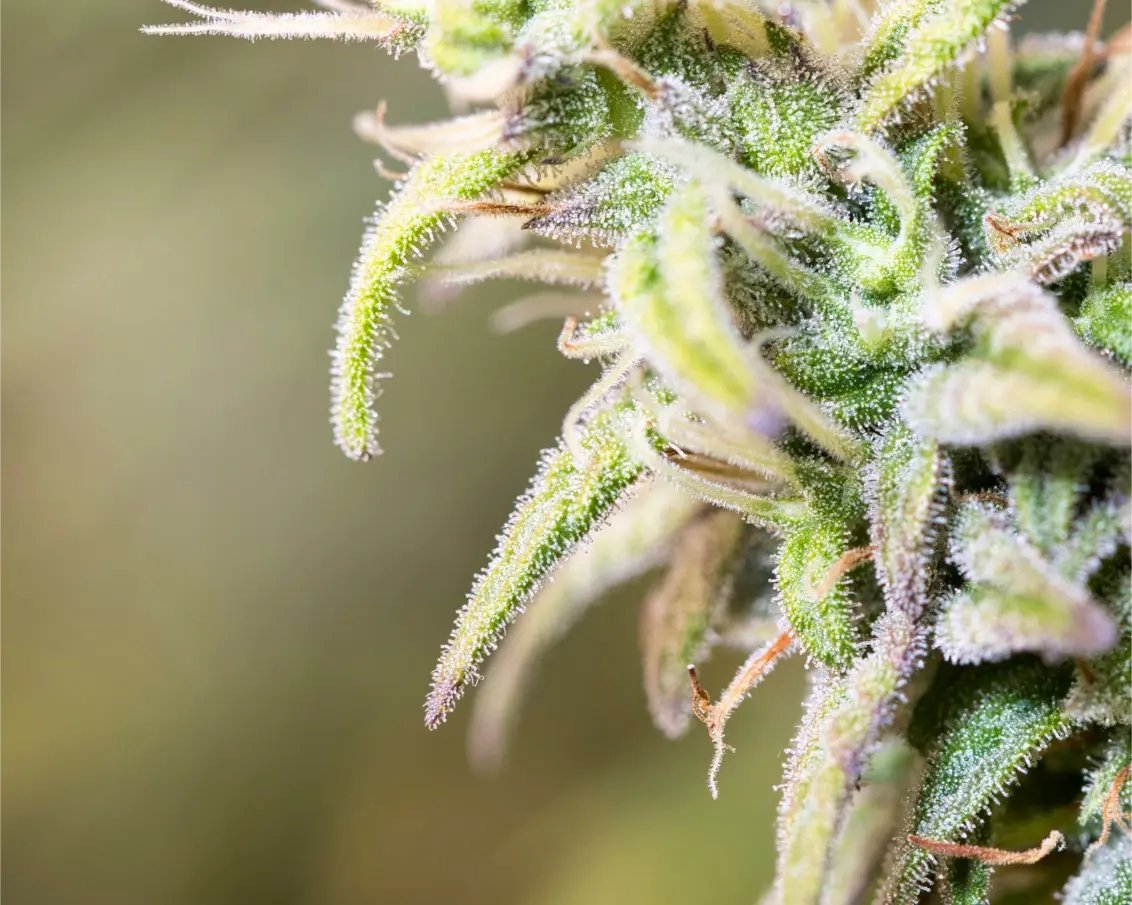
| Flower Structure | Long, thick, dense colas that can darken from bright green to deep purple |
| Training Compatibility | Responds well to topping, low-stress training and an open SCROG |
| Main Grow Risk | A canopy that closes sideways, creating hidden humidity between long dense flowers |
| Flavor Risk | Direct airflow and warm drying remove rose, tea and mint before pine and gas |
| Grow Difficulty | Intermediate |
| Best Environment | Controlled indoor rooms or warm, dry outdoor sites with a reliable finishing period |
Genetic Lineage
The Soap is most consistently documented as a cross between Animal Mints #9 and Kush Mints #11. That description is more useful when the parental traits are translated into plant behavior. Animal Mints contributes dense modern flower, pungent gas, cookie dough, mint, a strong resin layer and a forceful body effect. It also carries enough lateral energy to prevent the offspring from behaving like a purely compact Kush. Kush Mints reinforces mint, cream, earth and potency while adding a branch structure that can support several substantial tops instead of relying on one central cola.
Morphologically, the lineage produces a plant that is easy to underestimate. The leaves are usually neither extremely narrow nor extremely broad. Internodes are moderate. Vegetative growth can look orderly, and the plant accepts early topping without a long recovery. Once flowering begins, however, the side branches remain active while the leading tops stretch. This produces a candelabra-like canopy with long flower columns rather than isolated round buds. A grower expecting a compact Kush structure may leave too many inner branches because the plant does not look crowded in vegetative growth.
Phenotype variation appears in three practical areas. The first is aroma. Some cuts are rose, tea and soap-forward, while others lean toward cheese, diesel and pine. The second is stretch. A more Animal Mints-influenced expression may remain tighter and build thicker flowers early. A Kush Mints-leaning expression can show longer internodes and a little more transition movement. The third is color. Deep purple or nearly black flowers are possible, but green expressions can carry the clearest aroma. Color should never replace cured flavor as the keeper criterion.
The lineage also explains the effect. Both parents can produce a cerebral lift before the body becomes heavier. The Soap intensifies that pattern. It often feels alert and socially bright during the first part of the experience, then gradually adds tingling pressure through the body. At a high dose, the later phase may become zoned-out and physically still. The hybrid label therefore describes the progression more accurately than a fixed percentage.
Effect Breakdown
A quick, clean mental rise
The Soap often becomes noticeable within minutes. The first change is usually mental rather than muscular. Attention sharpens, external detail feels more interesting and mood can lift rapidly. People commonly describe focus, energy, sociability and a mild sense of arousal. The effect may suit music, conversation, design work or a task that benefits from novelty. It is less reliably useful for work requiring precise short-term memory because the same intensity that makes the strain engaging can also make the mind jump between ideas.
The opening is not always calm. Low-tolerance users may feel an immediate increase in heart rate, sensory pressure or racing thoughts. The clean, minty flavor can make the inhalation feel gentler than the dose actually is. This is one reason The Soap is easier to overconsume than a rougher, more obviously heavy cultivar.
The body does not stay in the background
Ten to thirty minutes later, tingling often develops through the shoulders, face and limbs. The body sensation can feel stimulating rather than sedating at first. Movement, touch and music may become more pronounced. The mental state remains bright, but physical tension begins to loosen.
At a moderate dose, this middle phase is the cultivar’s most balanced point. The user can remain active while feeling less physically guarded. The experience may still be social, yet it loses some of the hurried edge of the opening. Appetite can begin to rise, especially when the user sits down and allows the body effect to become more obvious.
The late phase depends heavily on dose and setting
A smaller session may fade into a relaxed but functional afterglow. A larger one can become much heavier. The same strain that felt focused at the beginning may leave the user quiet, hungry and absorbed in one activity. Some people experience a pleasant zoned-out state. Others find the transition disorienting because the mental stimulation remains active while the body becomes slow.
Dry mouth and dry eyes are common. Anxiety and paranoia are possible, particularly when the dose is increased before the first inhalation has fully developed. The Soap is therefore better described as high-intensity and dose-responsive than simply energizing. Experienced users may enjoy it from late morning through early evening. New users should approach it as a potent cultivar with a fast onset, not as a light daytime strain.
Flavor & Aroma Profile
The Soap is best understood as a top, middle and base-note profile rather than a simple list of flavors. The top notes are the most fragile. They include rosewater, white flowers, clean linen, fresh soap and sometimes bergamot-like tea. These notes are easiest to detect in a cool jar opened briefly after several weeks of cure. They are also the first to disappear when the flower is overheated, over-dried or repeatedly exposed to air.
The middle layer carries mint, vanilla cream, sweet cake and pine. This is where the parental family becomes most obvious. The mint can feel cooling without tasting like artificial menthol. Vanilla and cream soften the profile, while pine keeps it from becoming sugary. A well-selected phenotype may add a light black-tea bitterness that connects the floral top to the earthy base.
The base is heavier and more durable. Diesel, pepper, damp soil, cheese and skunk appear when the bud is broken apart. Some batches smell almost metallic or chemical. These notes are not defects when they remain integrated. They become a problem when they dominate because the floral and creamy components have been lost.
On inhalation, the first impression is often smooth, sweet and clean. Mint and vanilla arrive before the pungent side. The exhale is more complicated. Pine, pepper, tea and diesel can expand through the mouth and nose, while a floral soap note remains on the palate. A carefully cured sample leaves a dry, perfumed aftertaste rather than a hot chemical burn.
Fresh flower may smell louder than cured flower but less coherent. During early drying, the plant can alternate between sweet mint and green vegetal odor. After the outer moisture is gone, diesel and cheese may dominate temporarily. The floral character often becomes clearer after moisture has equalized and the flower has rested. Growers who judge the cultivar immediately after trimming may select the loudest gas phenotype rather than the most complete one.
Dominant Terpenes
The Soap’s signature cannot be explained by one terpene. Laboratory profiles commonly place limonene, beta-caryophyllene and linalool among the leading compounds, while humulene, pinene and myrcene contribute in smaller or batch-dependent amounts. The soap-like identity likely depends on the proportions of these terpenes together with minor volatile compounds that ordinary terpene panels do not always capture.
Limonene supports bright citrus, clean sweetness and part of the rapid mood lift. In The Soap, it rarely presents as obvious lemon candy. It acts more like a high aromatic edge that sharpens rose, mint and pine.
Beta-caryophyllene supplies pepper, dry spice and the warmer diesel base. It prevents the floral profile from becoming thin. Caryophyllene may also contribute to the physically calming phase, although individual effects cannot be predicted from a single terpene percentage.
Linalool is important to the flower, rose and soft-soap impression. It can add a lavender-like smoothness to the inhale and help explain why some batches feel calmer than their energetic reputation suggests.
Humulene reinforces tea, herbs, wood and a faint bitter quality. When humulene is noticeable, the aftertaste can resemble dry black tea or hops rather than sweet mint.
Pinene adds forest freshness and can make the exhale feel cleaner. It also gives structure to the otherwise soft vanilla and floral notes.
Myrcene varies. In samples where it is more prominent, the earth and late body relaxation may become heavier. Lower-myrcene expressions can feel brighter and more perfumed.
The practical lesson is that the cultivar should not be judged by a single laboratory number. Two batches with similar THC can feel and taste very different if one retains linalool and minor floral compounds while the other is dominated by caryophyllene and pine.
Indoor vs. Outdoor Growing
| Decision Point | Indoor Growing | Outdoor Growing |
|---|---|---|
| Height Management | Easier to control with an early flip and a partially open screen | Root freedom can increase both height and lateral spread |
| Canopy Development | Side branches can be guided precisely, but the screen may close sideways | Wide spacing is essential because the plant can become broader than expected |
| Flower Density | Climate control supports long dense colas | Dense flowers need a dry autumn and strong natural airflow |
| Aroma Preservation | Stable temperatures protect rose, tea and mint | Hot finishing weather can reduce the clean floral layer |
| Support | A two-level trellis is useful for shape and later weight | Cages or individual ties should be installed before stems become rigid |
| Odor | Strong filtration is necessary during late bloom and drying | The perfume, cheese and diesel can travel well beyond the plant |
| Harvest Control | Individual tops can be monitored and harvested at full maturity | Weather may force compromise when the floral aroma is at its peak |
| Best Use Case | Growers seeking repeatable premium flower and precise post-harvest control | Warm, dry regions with space, privacy and a stable finishing season |
Indoor cultivation gives The Soap the best chance to preserve its complete aromatic profile. The plant does not require extreme height, but it benefits from enough horizontal area that the lateral branches can remain separate after stretch. A tent with limited floor space can still work if the flip occurs before the screen is full. A low ceiling is more problematic when the grower waits too long, because the branches may need late bending after the flower columns have begun forming.
Outdoor plants can become impressive shrubs. The natural sun supports strong branching and can deepen the pine, tea and earthy parts of the profile. The challenge is the finish. Long dense flowers are not ideal for repeated rain, heavy dew or still humid nights. Outdoor success depends less on maximum summer vigor than on whether the site remains dry enough when the buds tighten.
The cultivar’s odor also changes outside. Floral sweetness may be noticeable close to the plant, but diesel and cheese travel farther. Privacy planning should consider wind direction, not just distance from a property line. Outdoor growers should also prepare support before the flowers become sticky because tying branches late can damage resin and create contact points between colas.
Strain-Specific Grow Guidance
Vegetative growth: build a framework, not a flat carpet
The Soap responds well to topping, but repeated topping is not automatically beneficial. One early cut above a healthy node usually creates enough dominant branches. Those branches should be spread gradually so each has its own lane. The plant’s later lateral movement means the grower does not need to fill every gap before flowering.
A useful vegetative target is a canopy with visible empty space between branch tips. The temptation is to continue training until the screen looks complete. With The Soap, that visual target is often too late. The plant can fill the final space during transition and then continue thickening as the flowers lengthen.
Transition: watch width as closely as height
During the first two to three weeks after the flip, the leading tops rise, but the side branches also rotate outward and upward. This is the cultivar’s most important structural period. Continue tucking while stems are soft, then stop before small flower clusters become easy to bruise.
A screen that is seventy percent full at the flip is usually safer than one that is already packed. The exact number should not be treated as universal. The principle is what matters: enough open area must remain for both vertical and horizontal movement.
Pruning: remove branches that will create contact, not leaves that merely look large
The Soap can carry moderately sized leaves that do not always block much light. Aggressive defoliation based only on leaf size can expose the flowers to excess heat and remove useful photosynthetic area. The more important targets are inward-facing shoots, weak laterals under the main branch junctions and leaves that press directly against developing colas.
A lower cleanup near the end of stretch should create a clear zone beneath the productive canopy. This makes irrigation, inspection and airflow easier. A second light pass may be useful in mid-flower if long colas begin touching. The objective is not a bare plant. It is separation.
Root-zone behavior and irrigation
Do not let the stretch make the decisions
The plant can grow vigorously and use water quickly during transition. After stretch slows, demand may level off even though flower mass continues increasing. Irrigation should follow actual container weight and plant response rather than the earlier schedule. Repeated saturation after the plant’s vertical growth has stopped can increase canopy humidity and reduce root oxygen.
The Soap benefits from a well-aerated medium. In soil or soilless mixes, drainage and pore space matter more than an oversized container. A container that remains wet for too long can make the plant look heavy and dark while slowing flower development. In faster systems, the grower should watch accumulated salts because the cultivar can continue appearing healthy until leaf tips and drinking behavior change.
Feeding: strong growth does not mean unlimited nitrogen
Early vigor can support a moderate-to-productive feed program, but the transition from vegetative nutrition should happen on time. Too much nitrogen maintains thick green leaves, delays clean stacking and increases the amount of foliage between long colas. The most common warning signs are dark color, downward clawing and a canopy that remains excessively lush after the flowers should be defining themselves.
Late bloom feeding should prioritize stable plant function rather than forcing density. The flowers are already genetically capable of becoming hard. Excess salts can create a sharper chemical taste and slow the natural fade. A gradual reduction is usually preferable to abrupt starvation.
Light and temperature
The Soap can produce excellent density under strong light, but the floral profile does not benefit from an overheated top layer. Tops closest to the fixture may look whiter and harder while losing rose and tea. The grower should evaluate canopy temperature, leaf posture and aroma together. More light is not automatically better if the cooling system cannot keep the flower surface stable.
A moderate difference between day and night can support color without forcing the plant. Deep purple is genetic and should not be chased with harmful cold. Sudden temperature drops can slow root activity and create moisture problems at the exact moment the flowers are densest.
Airflow: indirect and three-dimensional
The main fan should not blast one side of the canopy. A branch in constant direct air may develop smaller leaves and dry flower surfaces while the protected interior remains humid. Air should circulate above, below and through the canopy with no one branch continuously vibrating.
Flowering finish and harvest
The Soap commonly finishes around eight to nine weeks, but the date should be treated as a range. Some cuts look ready early because resin and color develop before full calyx expansion. The most reliable signs are swollen bracts, slowing production of fresh white pistils, a mature integrated aroma and mostly cloudy trichomes on calyx tissue rather than sugar leaves.
Earlier harvest emphasizes focus, floral sharpness and an active body sensation. Additional maturity strengthens cream, earth and the heavier late effect. Waiting too long can reduce the clean high notes and increase the sleepy finish. The best window is usually the point where rose, mint and gas are all distinct, not the point with the highest amber percentage.
Common grow mistakes with The Soap
The first mistake is filling the screen too completely before the flip. The second is removing too many leaves because the cultivar is expected to be dense. The third is allowing direct fan pressure on the flowers. The fourth is judging maturity by color and frost. The fifth is drying the entire harvest as if every cola has the same diameter.
None of these mistakes necessarily destroys the crop. They reduce the difference between average mint-gas flower and a complete Soap expression. The cultivar’s value lives in details, so small management choices have an unusually visible effect on flavor.
Weedth Bud Flavor Tips
The most fragile notes are rose, tea, clean mint and vanilla. These should guide every late-flower and post-harvest decision. Pine, cheese and diesel are more durable. A batch can remain loud while losing the part that makes it unmistakably The Soap.
Harvested branches should move into darkness promptly. Outdoor flowers need to be cut after surface moisture has evaporated but before direct sun warms the resin. Indoor plants should not sit under room lights while trimming decisions are made. Light and heat exposure begin changing the aroma before the flowers reach the drying space.
Sort branches by flower thickness. Long dense tops should not be crowded beside small side branches because they will not reach the same moisture state at the same time. Whole-branch drying works well for medium colas in a stable room. Exceptionally thick flowers may need to be separated into shorter branch sections so the core does not remain wet after the exterior has firmed.
Air movement should be indirect. The room needs circulation, but no fan should point at the flowers. Direct airflow strips the floral top layer and creates uneven moisture. The outside can feel dry while the inner stem area remains soft. This is especially risky with The Soap because the long flower columns may appear narrow from the side while containing dense connected calyxes near the stem.
During early cure, the aroma may move through stages. Fresh mint and grass can give way to cheese and diesel, followed later by rose, tea and vanilla. The grower should not panic when the first sealed aroma feels less floral than the live plant. Moisture equalization and time can reveal the softer notes, provided they were not lost to heat.
Use smaller storage containers after cure. Repeatedly opening one large container exposes the entire harvest to oxygen. The clean floral fraction fades before gas and pine. Gentle handling also matters because the resin layer carries both aroma and visual quality. Overly aggressive dry trimming can remove the small sugar-leaf surfaces that hold part of the perfumed oil.
Weedth flavor priority: preserve specificity. A strong smell is not enough. The finished flower should still move from clean floral mint to cream, tea, pine and gas. When every note collapses into generic sweetness, the plant has lost its identity even if potency remains high.
Weedth Bud Boost Tips
The best yield strategy for The Soap is not maximum top count. It is maximum productive separation. Each main branch should have enough light and air to build a long flower without merging into its neighbor. A canopy with fewer strong lanes often produces more premium weight than a crowded screen full of small resinous sites.
Indoors, one early topping followed by gradual branch spreading is usually sufficient. Use the first trellis to organize transition growth. A second layer can hold flower weight and maintain distance between colas. The second net should not be pulled tight against the tops. Its purpose is support, not compression.
Lower growth removal should happen before the plant invests heavily in resin. The Soap can make visually attractive lower buds, but attractive does not mean fully developed. A shallow productive zone improves density, trim efficiency and dry uniformity. It also directs more of the plant’s late energy into flowers that will actually be kept as premium buds.
Strong light can improve weight, but the intensity should be distributed evenly. A few overpowered tops are less valuable than a broad canopy where every main flower receives stable conditions. Watch for upward leaf curl, bleaching, stalled aroma or persistent dryness at the top of the plant. These signs suggest the environment has reached its useful limit.
Outdoor plants benefit from early widening and support. Root volume can create a large shrub, but a massive center is not the goal. Remove crossing branches and preserve open pathways for wind. Support individual arms before bloom so ties do not need to be added around sticky mature flowers.
Nutrition should follow the plant’s changing demand. The strong transition phase may justify productive feeding, but late flower should not be pushed simply because the leaves remain green. The cultivar’s dense genetics do the final work when roots and climate are stable. Excess late nutrients increase leaf mass and reduce smoothness without guaranteeing more dry weight.
Harvest timing is also a yield tool. Cutting when the first trichomes turn cloudy leaves calyx volume unfinished. Waiting for complete swelling can add meaningful weight. The grower must balance this against aroma. The ideal harvest captures the final expansion before rose and tea begin fading into heavier earth and gas.
Medical Uses & Benefits
Consumers commonly report using The Soap for low mood, stress, mental fatigue and situations where they want a brighter emotional state without immediate sedation. The early focus and social energy may feel useful during daytime or late-afternoon activities for experienced users. The later body relaxation can reduce the sense of physical tension.
The cultivar is also associated with appetite, tingling and a gradual calming phase. Some users describe temporary relief from discomfort because attention shifts away from the body while muscular pressure decreases. These experiences are subjective and cannot establish that the strain treats pain, anxiety, depression or any other condition.
The main limitation is THC intensity. Research on THC shows dose-dependent and often anxiogenic effects, especially in sensitive users. The Soap’s rapid onset can create anxiety, racing thoughts or paranoia before the relaxing phase arrives. Low CBD provides little buffering. People using cannabis for medical reasons should consider product chemistry, dose, personal history and professional guidance rather than relying on a cultivar name.
The strain may be unsuitable before sleep for users who find the opening stimulating. It may also be unsuitable for severe anxiety when high-THC products have previously caused panic. A cautious dose and a familiar environment are more important than the reported indica or sativa label.
Ideal User Profile
The Soap suits experienced consumers who enjoy energetic hybrids but want more body presence than a pure daytime cultivar. It works well for music, conversation, visual work, relaxed exercise or a social afternoon where the user can move into a quieter evening as the effect changes.
Flavor-focused users are the clearest audience. Someone seeking obvious fruit candy may find the profile strange. Someone who appreciates rose, tea, mint, pine, cheese and diesel as separate layers may consider it exceptional.
Growers should choose The Soap when they can manage a screen proactively and control post-harvest conditions. It is not unusually fragile, but it punishes late crowding and careless airflow. A beginner with a stable room and willingness to observe can succeed. A grower who prefers to fill the tent completely before flipping will find it less forgiving.
Grower Notes and Feedback
Grower reports repeatedly describe The Soap as a vigorous, impressive plant rather than a slow boutique cut. The plant can fill space quickly after the light change and produces long, dense, resin-coated flowers. It responds well to low-stress training and a screen, but the successful diaries show active canopy management during transition rather than a set-and-forget net.
The odor is often described in contradictory terms: soap, rose, tea, mint, cheese, skunk, pine and diesel. This is not necessarily inconsistent data. The cultivar genuinely changes depending on the stage of flower, the way the bud is handled and the phenotype. A flower smelled intact may present clean mint and rose. The same flower broken open can release cheese and diesel.
Resistance appears average rather than exceptional. The plant is vigorous enough to recover from training, but dense flowers still create ordinary mold risk. It should not be called resistant simply because one successful run finished cleanly. Canopy separation and humidity control remain the reason it finishes well.
The plant’s final color receives a great deal of attention, yet aroma-focused growers often prefer a greener expression with stronger rose and tea. Deep purple can be beautiful, but it does not guarantee flavor, potency or a better effect. Selection should happen after cure and should include how the flower behaves during drying.
Weedth Editor's Note
Where The Soap earns its space
The moment that defines The Soap for me is not the flip or the harvest day. It is the fourth day on the drying rack, when two branches from the same plant can begin telling different stories.
Imagine a room that looks correct on paper. Temperature is stable. Average humidity is controlled. Air is moving. One branch hangs near the outer path of a circulation fan, not directly in front of it, but close enough that the leaves move slightly all day. Another branch of similar size hangs farther toward the center. After four days, the first branch feels ready on the surface. Its small leaves are crisp and the outer calyxes are firm. The second branch still bends and smells heavier.
The first reaction is usually to praise the faster branch for drying cleanly. With The Soap, that can be the wrong conclusion. When both branches are sampled later, the faster one may retain pine, pepper and diesel but lose the rose-tea note. The slower branch may need more careful inspection and more time, yet it often keeps the perfume that justifies the cultivar.
My decision in that room would be to change the air pattern, not to chase a single room-humidity number. I would move the outer branch away from the fan path, increase general circulation around the room and allow the flowers to equalize. I would also separate thick top sections from thin side branches instead of expecting the whole plant to finish together.
That scenario captures the larger lesson of The Soap. The plant is not difficult because it refuses to grow. It is difficult because it can produce respectable flower under average conditions while hiding how much character has been lost. A loud jar of mint and gas can seem successful until it is compared with a branch that kept rose, tea and vanilla.
In the grow room, I would apply the same logic to the canopy. I would not remove leaves merely because the plant looks busy. I would remove the specific leaf or shoot creating contact between flowers. I would stop tucking before the colas begin lengthening, then use the net to maintain space instead of forcing a perfectly flat surface. The plant should look organized from the side, not only from above.
For keeper selection, I would ignore color until after the aroma test. The nearly black phenotype might win the photograph. The greener plant might win the jar. My keeper would be the one that stays floral after a full cure and remains smooth when the fuel appears on the exhale.
The Soap is a cultivar that teaches precision. It does not ask for constant intervention. It asks for the correct intervention at the correct moment. That is why I would run it again. Not because it is the easiest mint hybrid, but because the gap between average and excellent is clear enough to learn from.
Weedth Score
Growing Experience – 8.4/10: The plant is vigorous, responsive to topping and suitable for a screen. The deduction comes from sideways canopy closure and the need to protect long dense colas from contact and local humidity.
Bud Structure & Visual Appeal – 9.3/10: The Soap can produce long, thick, heavily frosted flowers with impressive green-to-purple color. It loses a small amount because extreme density can complicate drying and mold management.
Aroma Complexity – 9.5/10: Rose, tea, mint, vanilla, pine, cheese and diesel create one of the more unusual modern profiles. Not every phenotype preserves the complete range, so selection matters.
Flavor & Smoothness – 8.8/10: A careful dry produces a cool floral inhale and layered gaseous exhale. Direct airflow or excessive heat makes the flavor sharper and simpler.
Effects & High Experience – 8.7/10: The fast focus, social lift and later physical calm are versatile for experienced users. The rapid onset can become anxious or disorienting at high doses.
Overall Satisfaction & Recommendation – 9.0/10: The Soap earns a strong recommendation for aroma-focused growers who can leave room in the canopy and treat drying as part of cultivation.
I would keep it for the rare moment when rosewater, black tea and diesel remain separate in the same finished flower.
FAQ
Is The Soap the same strain as Zoap?
No. The names are easy to confuse, but they refer to different cultivars. The Soap is most consistently documented as Animal Mints #9 x Kush Mints #11. Zoap is associated with a Rainbow Sherbet line crossed with Pink Guava. Their aromatic profiles can overlap in floral cleanliness, but their lineage and grow behavior are different.
How much does The Soap stretch after the flip?
Most reports suggest moderate stretch rather than extreme height. The more important behavior is combined vertical and lateral movement. The plant may fill a screen sideways while the tops rise, so growers should leave open area at the flip.
Does The Soap respond well to topping?
Yes. One early topping and gradual branch spreading usually produce a strong frame. Repeated topping is not always useful because the plant already creates active side branches and can become crowded later.
Why does my The Soap smell like cheese or diesel instead of soap?
Phenotype, flower maturity and post-harvest conditions all matter. Cheese, pine and diesel are legitimate parts of the profile. Rose, tea and clean mint may disappear when the canopy is hot, the flowers are dried too quickly or storage containers are opened repeatedly.
How long should The Soap flower?
Eight to nine weeks is a common range, but the exact cut should be judged by calyx swelling, slowing fresh pistils, mature aroma and mostly cloudy trichomes on calyx tissue. Some plants benefit from several extra days.
Is The Soap suitable for a small tent?
Yes, provided the plant is flipped before the canopy is full. A low ceiling can work with early topping and a net. The grower must preserve horizontal separation between the long flowers.
Is The Soap prone to bud rot?
The cultivar is not automatically weak, but its dense elongated flowers can trap moisture where colas touch. Interior airflow, branch spacing and late humidity control are essential.
Does The Soap need heavy feeding?
It can support productive nutrition during strong growth, but prolonged high nitrogen makes the canopy too leafy. The plant should not remain dark and glossy throughout late flower.
When is the best harvest window for flavor?
Harvest when the calyxes are fully swollen and the rose, mint, tea and gas are all distinct. Waiting too long may deepen the body effect but reduce the clean floral top notes.
How should The Soap be dried?
Sort branches by thickness, use indirect circulation and avoid placing flowers in a fan path. Long dense tops may need to be separated into shorter branch sections. The goal is even internal moisture loss rather than the fastest possible dry.
Similar Strains
Animal Mints: Shares dense resinous flowers, mint, cookie gas and a strong body phase. It is generally heavier and less rose-or-tea focused than The Soap.
Kush Mints: Provides the cool mint, cream, branch strength and balanced progression found in The Soap. It usually feels earthier and less perfumed.
Zoap: Offers floral cleanliness, fruit and gas, but replaces much of the mint-cookie foundation with guava and sherbet. Its aroma is brighter and more tropical.
Permanent Marker: Matches the unusual perfumed chemical edge and premium dense flower. It tends to be darker, heavier and less tea-like.
Pink Certz: Combines mint, grape, citrus and fuel in a similarly modern profile, while carrying less rosewater and cheese.
Share this article
A quick overview of the topics covered in this article.
Follow us
Latest articles
August 21, 2026
August 21, 2026
August 21, 2026
August 21, 2026