
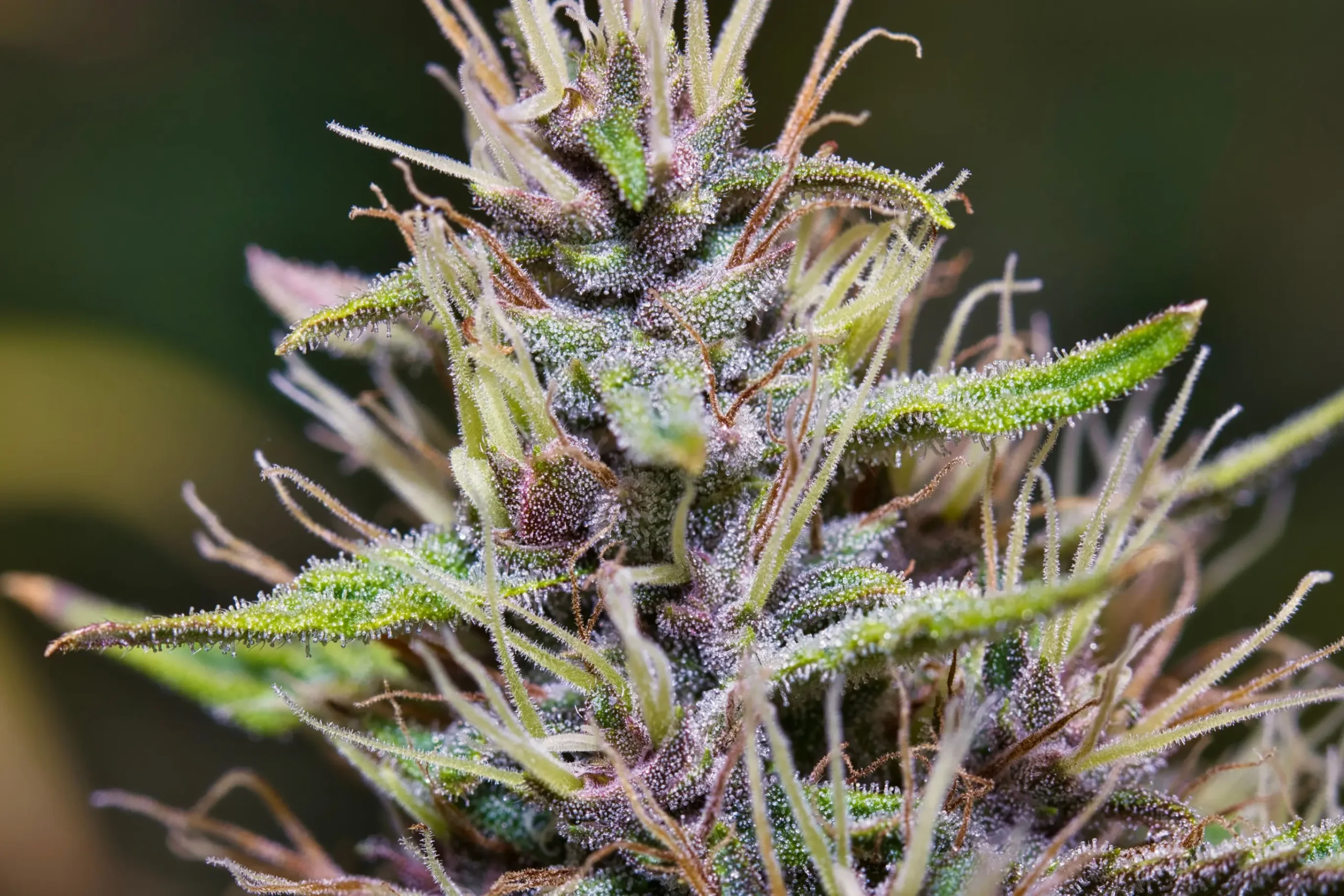
The Third Dimension
The Third Dimension, often shortened to 3D, is a fast-flowering, sativa-dominant hybrid with a tropical fruit profile and a reputation for producing more potency than its soft flavor suggests. Its commonly reported lineage combines Apollo 13 with Jack the Ripper, whose own background includes Jack's Cleaner and Space Queen. The result is a cultivar that can smell like sour overripe fruit in the room, then cure into mango, pineapple, coconut and lemon. The decisive skill is identifying the phenotype early enough to choose the correct canopy plan before flowering commits the plant to its final shape.
The cultivar is especially interesting to growers because it regularly separates into two practical expressions. One stays shorter, stretches very little and finishes quickly. The other grows taller, takes longer and carries more obvious sativa behavior. Both can produce sharp-pointed, resinous flowers, but they need different canopy plans. The best results come from identifying the phenotype early, feeding lightly and preserving the plant's tropical top notes through a controlled dry.
Strain Features
| Feature | Details |
|---|---|
| Strain Type | Sativa-dominant hybrid |
| Commonly Reported Lineage | Apollo 13 x Jack the Ripper, with Jack's Cleaner and Space Queen in the background |
| Common Alias | 3D |
| Typical THC | Variable, often moderate to high in well-grown flower |
| CBD | Usually low |
| Effect Direction | Creative, upbeat and clear at moderate doses, more disorienting when overused |
| Aroma | Sour overripe fruit, mango, pineapple, lemon, coconut, herbs and light resin |
| Flowering Time | Approximately 7 to 9 weeks, depending strongly on phenotype |
| Height | Short to medium in the compact expression, medium to tall in the sativa expression |
| Stretch | Minimal in compact plants, moderate to strong in taller plants |
| Branching | Strong lateral growth, especially after topping |
| Feeding | Light to moderate feeder |
| Rooting | Often reported to clone and root readily |
| Yield | Moderate, with strong premium-flower percentage when canopy depth is controlled |
| Resin | High on flowers and nearby leaves |
| Bud Shape | Hard, pointed, spear-like or wedge-shaped flowers |
| Training | Topping, LST and phenotype-specific SCROG |
| Main Challenge | Managing two different growth patterns in one seed population |
| Main Quality Risk | Losing tropical aroma through late heat or fast drying |
| Grow Difficulty | Moderate |
| Best Use Time | Daytime, afternoon or early evening |
The cultivar's advertised speed should not encourage a fixed harvest date. The compact phenotype can finish very quickly, while the taller phenotype may need additional time to complete calyx swelling and resin maturity.
Genetic Lineage
The Apollo 13 side contributes fast flowering, strong potency and a bright cerebral effect. It is also associated with distinctive fruit and citrus qualities. Jack the Ripper adds resin, vigor and an energetic mental character. Jack's Cleaner contributes lemon and sharpness, while Space Queen brings tropical fruit, sweetness and a softer physical layer.
This family explains the cultivar's strange combination of speed and sativa behavior. Many fast plants are compact and physically heavy. The Third Dimension can finish in a similar time while still producing a lively, imaginative effect and tropical aroma.
The Compact Phenotype
The compact expression shows shorter internodes, a broader plant profile and minimal stretch. It can be flowered after a fuller vegetative canopy because it will not travel far after the flip. Side branches form a useful lower shelf, which makes the plant a strong SCROG candidate.
Its flowers usually harden quickly and may finish near seven to eight weeks. The main risk is underfilling the room. A grower who flips a small compact plant expecting a large stretch can end with unused light and low total yield.
The Sativa Phenotype
The taller expression has narrower leaves, longer internodes and more vertical movement. It may carry sharper fruit and lemon, but it needs earlier flowering. The branches remain flexible during transition and can be tucked across a screen.
This phenotype can take longer to finish. It may appear mature because resin is already heavy, yet the calyxes continue swelling. Harvesting by the calendar can leave flavor and yield on the plant.
Shared Traits
Both expressions tend to produce strong stems, autumn color near harvest and resinous pointed flowers. Both are generally better on moderate nutrition than on an aggressive feed. Both can create excellent aromatic trim for dry sift or ice-water separation when the leaves are handled cleanly and frozen promptly.
Effect Breakdown
The First Ten Minutes
The onset can feel light and friendly. Mood rises, the environment seems more amusing and ordinary tasks lose some of their weight. The tropical flavor can make the dose feel gentle.
That gentleness is deceptive. The strain can continue building for twenty minutes or more. Taking another large amount too soon is the most common route to an uncomfortable experience.
Creative Peak
At a moderate dose, the peak is bright, focused and imaginative. Users often describe improved engagement with art, music, writing, games and conversation. The mind may make unusual connections without becoming completely scattered.
The effect is not necessarily ideal for strict administrative work. Creativity and focus are not the same as precision. A user may feel productive while moving between ideas instead of completing a linear task.
A Dose Ladder for Different Goals
A very small amount is the most functional version of The Third Dimension. At this level, the user may notice improved mood, sensory brightness and easier engagement without major body change. This range best suits daytime use and low-pressure creative work.
A moderate amount produces the full cultivar identity. Tropical flavor, mental expansion, humor and light physical comfort appear together. Conversation and music can be highly enjoyable, but detailed planning may become less efficient.
A large amount shifts the experience. The mind can become intensely associative, time perception may change and simple choices can feel more complicated. The body may remain lighter than expected, which can make the user underestimate impairment. Driving, machinery and important decisions should be avoided.
The safest approach is to allow the first dose to reach its full peak before adding more. The cultivar's delayed build and easy flavor make this especially important.
Choosing Time of Day
Morning use is possible for experienced consumers at low dose, but the effect can become too imaginative for structured work. Midday and afternoon are more forgiving because the user can enjoy the energy without depending on immediate sleep later.
Early evening can work for social activity, food and entertainment. Direct bedtime use is less predictable. Some people relax after the peak, while others remain mentally stimulated. Anyone using it for sleep should test timing cautiously on a day without early obligations.
Tolerance and Breaks
Frequent high-dose use can flatten the cultivar's subtle tropical and emotional qualities. A lower dose after a tolerance break may feel more complete than a large dose taken daily. Flavor-focused users often get more from slow inhalation and spacing than from chasing maximum intensity.
Physical Layer
The body remains comparatively light. There may be reduced tension, mild tingling and a comfortable sense of looseness. The compact phenotype can feel slightly more grounded. The taller phenotype may stay more cerebral.
High-Dose Character
Large doses can become intense, spacey and disorienting. The tropical-cocktail comparison is useful: the flavor makes consumption easy, then the potency arrives after the user has already taken more. Anxiety, dizziness and racing imagination are possible.
Late Phase
The comedown is usually softer than the peak. Appetite may increase. Sleep is not guaranteed because the imagination can remain active even when the body is relaxed. It is better used earlier in the evening than directly before bed by sensitive users.
Flavor & Aroma Profile
The Third Dimension has one of the clearest examples of aroma changing during post-harvest.
During Flowering
The living plant can smell sour, dank and almost overripe. The fruit is not always clean or sweet. It may resemble mango peel, bruised pineapple, fermented tropical pulp and lemon cleaner. A resinous herbal background keeps the aroma recognizably cannabis-like.
During Drying
The sour edge often softens. The room may smell less aggressive after several days, which can worry growers. This does not necessarily mean the terpenes are gone. Moisture redistribution and changing volatile ratios can temporarily flatten the aroma.
After Cure
A good cure reveals clearer layers: mango, pineapple, lemon, coconut and tart mixed fruit. Some flowers show more candy sweetness. Others remain sour and herbal. The exhale is usually softer than the smell suggests.
Texture of the Flavor
The inhale feels juicy and bright. The middle of the palate can carry tropical acidity. The exhale introduces herbs, mild pine and resin. A properly cured sample leaves a clean fruit tartness rather than a sharp chemical burn.
Why the Profile Varies
Phenotype matters. The compact plant may be sweeter and rounder. The taller plant may be more lemon-forward and sour. Environment also changes expression. Excess nitrogen, late heat and early harvest push the profile toward green herbs and sharpness.
Dominant Terpenes
Lab-linked product data commonly identifies myrcene, pinene and beta-caryophyllene in The Third Dimension. The tropical and lemon profile also suggests that limonene, terpinolene and ocimene may become meaningful in some phenotypes. The exact order varies by plant and sample.
Myrcene
Myrcene supports ripe mango, earthy fruit and physical softness. It helps create the juicy, overripe side of the aroma. Myrcene-rich expressions may feel calmer and more rounded.
Pinene
Pinene adds fresh resin, evergreen and mental brightness. It can make the tropical profile feel cleaner and contributes to the awake quality of the effect.
Beta-Caryophyllene
Beta-caryophyllene contributes pepper, dry wood and depth on the exhale. It prevents the fruit from becoming one-dimensional and may support the cultivar's physical comfort.
Limonene
Limonene explains lemon peel, tart fruit and bright aromatic lift. It is especially important in the sharper sativa expression. Because it is volatile, late-flower and drying temperatures matter.
Terpinolene
Terpinolene can combine flowers, herbs, fruit and light wood. It fits the complex tropical-citrus profile inherited from the Jack family and may contribute to the creative mental tone.
Ocimene
Ocimene may support sweet tropical fruit and green freshness. It is not confirmed as dominant in every sample, but it is consistent with the mango-pineapple side of the aroma.
Indoor vs. Outdoor Growing
| Factor | Indoor | Outdoor |
|---|---|---|
| Main Advantage | Phenotype control and fast crop timing | Sunlight can deepen tropical aroma and plant size |
| Main Challenge | Mixed stretch and uneven canopy | Season length, weather and phenotype finishing differences |
| Compact Phenotype | Excellent for a smaller SCROG | Can remain modest unless vegged early |
| Tall Phenotype | Requires early flip and more height | Uses open space productively |
| Flowering | About 7 to 9 weeks | Early to mid-autumn, depending on climate |
| Feeding | Light to moderate | Moderate in fertile, well-drained soil |
| Support | Usually light support; stems are strong | Support useful against wind and late flower weight |
| Humidity | Dense pointed buds need late control | Rain and dew must be managed |
| Flavor | Precise drying protects tropical top notes | More complex sun-grown expression with greater risk |
| Difficulty | Moderate | Moderate in a warm dry climate, difficult in wet regions |
Indoor Strategy
Indoor cultivation allows each phenotype to be placed correctly. Compact plants can be raised on platforms or given a fuller screen. Tall plants can be placed at the room edge and bent outward. The plant's strong stems reduce support work, but a net still improves canopy separation.
The short flowering time makes the cultivar efficient, but veg duration should be chosen by phenotype. A uniform calendar can create a room with overgrown tall plants and underfilled compact plants.
Outdoor Strategy
Outdoors, the plant benefits from an early start and wide spacing. The tall phenotype can become a substantial bush. The compact phenotype may need more vegetative time to reach useful size.
A dry finishing period is preferable. The buds are dense enough to hold moisture even though the plant is not extremely leafy. Outdoor branches should be inspected after rain and supported before strong autumn wind.
Strain-Specific Grow Guidance
Identify the Phenotype Before the Flip
Use late-veg internodal spacing, branch angle and leaf shape. Compact plants have tighter nodes and a broader frame. Tall plants rise faster and show longer spaces between branch sets.
Tag plants individually. Do not rely on memory once the canopy becomes full. A simple label with phenotype, feeding response and stretch estimate helps later keeper selection.
Phenotype-Specific Canopy Plans
Compact route: Fill 70 to 80 percent of the target screen before flowering. Top once or twice and allow the lower branch shelf to reach the net. Remove weak interior shoots before the flip.
Tall route: Fill only 50 to 60 percent before flowering. Top once, keep branches flexible and continue tucking through the first two weeks. Reserve vertical space.
Feeding
The cultivar is usually a light eater. Begin below the strength used for a heavy production hybrid. Watch leaf tips and color. Dark glossy foliage and clawing indicate excess.
Organic soil can work especially well because nutrition arrives gradually. In coco or hydro, maintain stable EC rather than large increases. A fast-flowering plant has limited time to recover from nutrient burn.
Nitrogen should be reduced as flowers form. Too much late nitrogen keeps leaves soft and green, delays maturity and weakens tropical flavor.
Root Zone
Healthy roots are essential because the flowering cycle moves quickly. A slow start cannot be fully recovered in a seven-to-eight-week finish. Transplant before the plant is severely rootbound and allow recovery before the flip.
Use an aerated medium and consistent irrigation. The plant should not remain saturated. In hydro, maintain oxygen and solution cleanliness. In soil, avoid compact mixes that stay wet around the crown.
Training and Recovery
The plant handles topping well during active veg. It also clones readily in many reports, which is useful because the best phenotype can be preserved after flowering evaluation.
Avoid late high-stress training. The compact plant finishes so quickly that recovery time is limited. The tall plant should be shaped while stems remain flexible.
Week-by-Week Flower Plan
Week 1: Continue tucking. Compare stretch between plants. Reduce nitrogen if foliage is excessively dark.
Week 2: Tall phenotypes accelerate. Compact phenotypes may already show strong flower formation. Complete major lower cleanup.
Week 3: Stop hard training. Flower shape becomes visible. Confirm that compact plants are not shaded by taller neighbors.
Week 4: Resin increases rapidly. Aroma may become sour and overripe. Maintain moderate feed and stable irrigation.
Week 5: Pointed buds harden. Inspect support and humidity. Avoid touching resinous leaves unnecessarily.
Week 6: Compact plants may approach maturity. Tall plants may still be actively swelling. Begin trichome checks on calyxes.
Week 7: Some compact plants are ready. Do not harvest the entire room for convenience. Separate phenotypes by maturity.
Weeks 8 to 9: Taller plants finish. Tropical aroma should become more layered and less green.
Light Management
The plant can produce hard resinous buds under strong light, but the tall phenotype may enter a higher intensity zone. Use canopy-level measurements and plant response. Bleached tips and hot foxtailing indicate excess.
The compact phenotype can be underlit when placed beside tall plants. Use risers or separate canopy zones rather than raising the entire fixture.
Defoliation
The Third Dimension generally does not need extreme defoliation. Remove lower weak growth and selected fans that block important sites. The strong stems and open structure allow good airflow when the canopy is not overcrowded.
Resin and Trim Handling
Sugar leaves can carry substantial resin. Keep them clean and free from sprays. At harvest, handle branches by the stem and use sharp tools. Resinous trim can be frozen promptly for later separation, but damaged or moldy material should never be included.
Harvest Decision
The compact phenotype often reaches cloudy trichomes quickly. The taller phenotype may need more time even when the resin looks impressive. Use calyx swelling, reduced fresh pistils and trichome color together.
For a clearer effect, harvest with limited amber. For a softer late phase, allow more amber. Avoid waiting until tropical aroma becomes flat or the plant begins to dry on the stem.
Keeper Selection: What to Record
A phenotype decision should not be made from plant height alone. Record at least five traits for each plant: stretch ratio, branch strength, days to maturity, finished aroma and effect progression. A compact plant that yields well but cures into generic herbs may be less valuable than a slightly lower-yielding plant with clear mango and lemon. A tall plant with excellent aroma may still be impractical if it cannot fit the available room.
Keep clones until the cured flower has been evaluated. The living plant's smell can be misleading. One plant may dominate the room with sour odor yet cure into a simple profile. Another may smell quieter during bloom and become the most tropical after four weeks in a jar.
Build support before the flowers demand it
When testing the finished flower, use the same dry and cure conditions for every phenotype. Otherwise, post-harvest differences can be mistaken for genetic differences. Label each jar clearly and avoid mixing small buds from different plants.
Common Nutrient Problems
The Third Dimension's light appetite makes overfeeding more common than true hunger. Excess nitrogen produces dark leaves, clawing and soft growth. It can also extend the green phase of the flower and reduce the clean tropical finish.
A real nitrogen deficiency begins with older leaves and progresses upward. A normal late-flower fade occurs after the flowers have formed and the plant has already built most of its mass. Do not correct a healthy finishing fade with a strong late feed.
Calcium and magnesium issues can appear in fast growth, especially in coco or under intense LED lighting, but supplementation should follow water quality and plant symptoms. Automatically adding a large supplement to every irrigation can create imbalance. Maintain pH, check runoff trends and correct the root cause.
Environmental Troubleshooting
Excess stretch: Reduce the pre-flip canopy, continue tucking through the first two weeks and keep night temperature from remaining much warmer than the day. Do not solve stretch with severe late supercropping unless a branch is in immediate danger of reaching the light.
Underfilled compact canopy: Extend veg, use a smaller screen area or increase plant count in the next cycle. Stronger feeding will not create missing branches after the stretch has ended.
Weak tropical aroma: Check late-flower temperature, nitrogen level, harvest maturity and drying speed. Genetics may also be the limiting factor. Aroma additives cannot replace a weak phenotype.
Loose upper growth: Determine whether it is genetic foxtailing or light stress. Genetic stacking appears on multiple flowers and remains resinous. Light-stressed foxtails are concentrated at the hottest tops and may look pale or stretched.
Early yellowing: Confirm root health and irrigation frequency before increasing feed. A saturated root zone can create deficiency symptoms even when nutrients are present.
Canopy Depth and Flower Grading
The plant can create a surprising number of lower bud sites. Not all should be kept. The premium zone should be shallow enough that leaves and flowers receive useful light. Deep shaded growth increases trimming labor and often dries at a different rate from the main tops.
At the end of stretch, remove shoots that remain below the net or inside the plant. Leave healthy fan leaves that power the upper flowers. The goal is not a bare plant. It is a clear division between productive canopy and nonproductive interior.
After harvest, grade flowers by density and aroma rather than size alone. Medium side flowers from the best phenotype can have more tropical flavor than a large top from a weaker plant. Keeping phenotype identity through trimming helps future selection.
Outdoor Site Logic
The Third Dimension can finish outdoors in a suitable season, but site choice should match the phenotype. The compact expression benefits from an early start and a sunny position because it does not create size through stretch. The tall expression needs space from fences, walls and neighboring plants.
Avoid low ground where cold air and morning moisture collect. A slightly elevated, open site dries faster after dew. Wind protection should reduce violent movement without blocking all air. A porous fence or surrounding vegetation at a safe distance works better than a sealed corner.
If autumn rain is common, build support and weather protection before the flowers are heavy. Temporary covers must remain ventilated. A cover that traps humid air can be worse than brief rain.
Harvesting Mixed Phenotypes
Mixed rooms should be harvested in stages. Remove mature compact plants first and leave the taller expression under light until it finishes. This requires planning electrical layout and access so one plant can be removed without damaging the others.
Partial harvest is also possible within one large plant. Mature tops can be cut while lower flowers receive additional light. However, partial harvesting should be used only when the lower sites are healthy and worth finishing. Keeping weak lower flower for another week rarely turns it into premium bud.
Drying Resinous Pointed Buds
The pointed flowers can feel dry at the tip while remaining moist near the stem. Check several points before curing. Bend smaller stems and gently feel the flower base. Do not rely on one outer bud.
Because resin is heavy, rough handling can remove trichome heads. Hang by the stem, use clean gloves and avoid stacking branches. A slower dry preserves fruit, but slow must not mean stagnant. Air exchange is necessary to carry away moisture.
A Practical Selection Scorecard
A useful keeper score can allocate 25 percent to aroma, 20 percent to effect, 20 percent to growth efficiency, 15 percent to finish time, 10 percent to resin and 10 percent to resistance. This prevents a single attractive trait from dominating the decision.
For example, a plant with exceptional mango aroma but severe stretch may still be worth keeping in a tall room. The same plant may be unsuitable for a short tent. Selection should serve the actual garden, not an abstract idea of the perfect phenotype.
Weedth Bud Flavor Tips
Do Not Judge the Smell During the First Days of Drying
The living plant's sour overripe smell can fade before the cured tropical profile appears. This temporary change is normal. A grower who reacts by drying faster or adding humidity may damage the crop.
Dry by Flower Density
Compact pointed tops dry more slowly than thin side branches. Sort branches before hanging. Smaller material may be ready for curing earlier.
Use darkness, moderate temperature and gentle air exchange. Direct fan air strips volatile fruit and creates an uneven dry.
Cure for Separation of Flavors
The first two weeks may taste herbal and sharp. By weeks three to six, mango, pineapple, coconut and lemon become easier to distinguish. Keep flowers whole and use smaller containers.
Preserve a Keeper's Aroma
If one phenotype has exceptional fruit, store its flowers separately. Mixing phenotypes hides differences and makes future selection harder. Label jars with plant number, harvest date and phenotype notes.
Weedth Bud Boost Tips
Indoor
Yield improves through phenotype matching, not heavy feeding. Fill the screen more fully with compact plants and less fully with tall plants. Keep the productive canopy shallow and remove lower sites after stretch.
Use strong even light, but protect the tallest tops. Healthy roots before the flip are more valuable than a late bloom booster.
Outdoor
Start early, top during active growth and build a broad frame. Give tall plants enough distance from neighbors. Support branches before storms.
In a short season, choose the compact phenotype. In a warm long season, the taller phenotype may produce more total flower and stronger tropical complexity.
Quality Yield
The plant's resinous trim increases total usable output. Keep the crop clean, avoid late sprays and process trim separately. Premium flower percentage matters more than wet branch weight.
Medical Uses & Benefits
Adults commonly report using The Third Dimension for stress, low mood, fatigue and mild pain. The creative mental lift may improve engagement, while the physical layer can reduce tension without immediate sedation.
The cultivar can be too stimulating for people prone to anxiety. Its delayed strength also increases the risk of overconsumption. A low dose is more likely to remain functional.
Appetite stimulation is possible, but the active imagination may interfere with sleep. These are user-reported experiences, not clinical proof. Medical use should be discussed with a qualified professional.
For mood-related use, the cultivar is more appropriate when low mood is accompanied by fatigue or disengagement than when the person is already overstimulated. A calm environment and a measured dose reduce the chance that creative energy becomes anxious energy.
The setting matters as much as the label. A familiar room, hydration and a planned activity can make the experience feel directed, while a crowded unfamiliar setting may amplify sensory overload.
Users should also remember that edible forms have a slower onset and longer duration than inhaled flower, making the cultivar even easier to overconsume when patience is poor. Start lower than the inhaled dose would suggest and wait fully before taking any additional amount later in the same session more safely.
For physical discomfort, the strain is usually better described as distracting and loosening than deeply numbing. People seeking a heavy narcotic body effect may prefer an indica-dominant option. People who want mild relief while remaining socially engaged may find the balance more useful.
Anyone with a history of panic, psychosis, cardiovascular sensitivity or difficult reactions to THC should seek professional guidance and avoid assuming that a fruity aroma means a mild product.
Ideal User Profile
The Third Dimension suits experienced users who enjoy tropical flavor, creative energy and a fast but layered flowering cultivar. It works well for daytime hobbies, music, art, conversation and outdoor activity.
It is less suited to someone seeking a predictable sedative or an immediate sleep aid. New users should approach cautiously because the flavor can hide potency.
The ideal grower enjoys phenotype selection. Someone willing to label plants, compare stretch and harvest individually will gain more from the cultivar than someone running one schedule for the entire room.
Grower Notes and Feedback
Growers often praise the fast finish and strong resin. The compact phenotype can complete a crop surprisingly quickly. The taller phenotype provides more sativa character but demands more space.
The plant is commonly described as a light feeder. Overfeeding produces dark leaves and slows the clean finish. Moderate nutrition and good roots usually outperform aggressive schedules.
Cloning success is another recurring strength. Growers can preserve the best plant after testing the finished flower. This matters because aroma and effect differences may be clearer after cure than during veg.
The sour room smell can be surprising. Some growers expect sweet pineapple and worry when the plant smells fermented. A proper cure usually transforms the profile.
Weedth Editor's Note
How I would judge the finished flower
I would grow The Third Dimension as a selection project, not as five identical plants. I would label each one before the flip and record stretch, aroma and finish date. The compact and tall expressions need different screens and should not be harvested together just for convenience.
I would keep the feed light and make root health the priority. A fast finisher has no spare month to recover from nutrient burn or a wet root zone.
For flavor, I would be patient during drying. The sour overripe smell can seem less attractive than the final jar. A cool dry and several weeks of cure are what reveal the mango, pineapple and lemon.
I would recommend it to an intermediate grower who enjoys discovering a keeper. The strain is not difficult, but it rewards observation more than routine.
Weedth Score
Growing Experience 8.5/10 Fast, strong and clone-friendly, with phenotype management required.
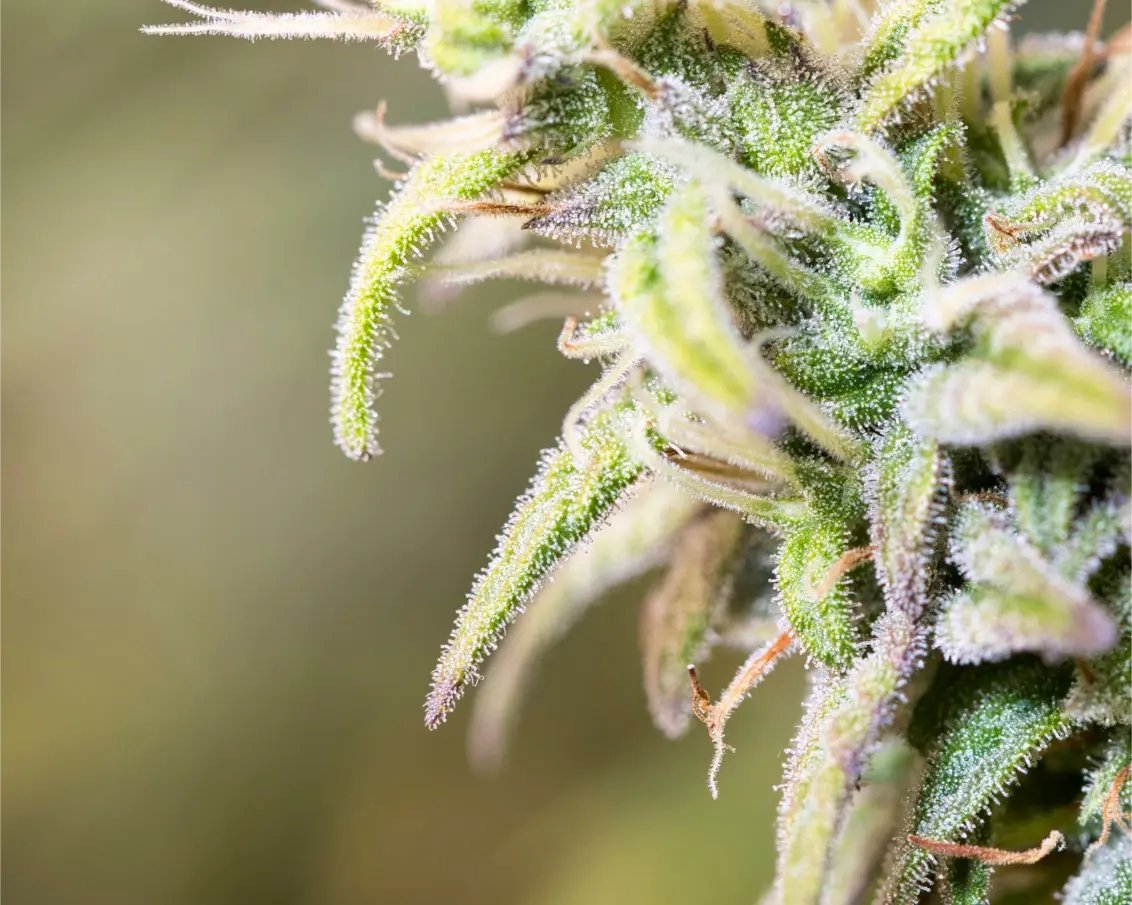
Bud Structure & Visual Appeal 9.0/10 Hard pointed flowers, bright pistils and heavy resin.
Aroma Complexity 9.2/10 Sour fruit transforms into mango, pineapple, coconut and lemon.
Flavor & Smoothness 8.9/10 Soft tropical exhale after a proper cure.
Effects & High Experience 8.7/10 Creative and bright, but easy to overconsume.
Overall Satisfaction & Recommendation 8.9/10 A distinctive fast sativa hybrid for selection-minded growers.
The best keeper feels like a tropical fruit strain designed by someone who refused to wait twelve weeks.
FAQ
Is The Third Dimension the same as 3D?
Yes. 3D is a common shortened name.
What is its lineage?
It is commonly described as Apollo 13 crossed with Jack the Ripper, with Jack's Cleaner and Space Queen behind the Jack the Ripper side.
How many phenotypes are common?
Two broad expressions are frequently reported: a short fast phenotype and a taller more sativa-dominant phenotype.
How long does it flower?
Compact plants may finish just over seven weeks. Taller plants often need eight to nine weeks.
Is it a heavy feeder?
No. It generally performs best with light to moderate feeding and restrained nitrogen.
Is SCROG suitable?
Yes, but fill the screen according to phenotype. Compact plants need more pre-flip coverage. Tall plants need more empty space for stretch.
Does it need support?
Stems are often strong, but a net helps keep branches separated and manages the tall phenotype.
Why does it smell fermented in flower?
Sour overripe fruit is part of the living aroma. The cure often reveals cleaner tropical fruit.
Is it good for extraction?
Resinous sugar leaves can be useful for dry sift or ice-water separation when they are clean and handled properly.
When should the compact phenotype be harvested?
Begin checking around week six, but harvest only after full swelling and mostly cloudy calyx trichomes.
Is it beginner-friendly?
A careful beginner can succeed, but mixed phenotypes and delayed potency make it better suited to growers with some experience.
Is it good for sleep?
Usually not as a first choice. The body can relax, but the imagination may remain active.
Similar Strains
Apollo 11: Shares a fast finish, bright cerebral effect and fruit-citrus character, with less physical weight.
Jack the Ripper: Offers stronger lemon, resin and mental intensity. It can be more demanding and less forgiving at high doses.
Space Queen: Brings tropical fruit, resin and a more balanced body effect, with stronger flowering stretch.
Chernobyl: Similar lime-tropical energy and creative euphoria, often with a longer-lasting effect.
Jilly Bean: A sweeter orange and fruit alternative with a happy social effect and clear phenotype variation.
F-13: Another fast, connoisseur-oriented hybrid with fruit, flowers and a motivational daytime experience.
Share this article
A quick overview of the topics covered in this article.
Follow us
Latest articles
August 21, 2026
August 21, 2026
August 21, 2026
August 21, 2026
