
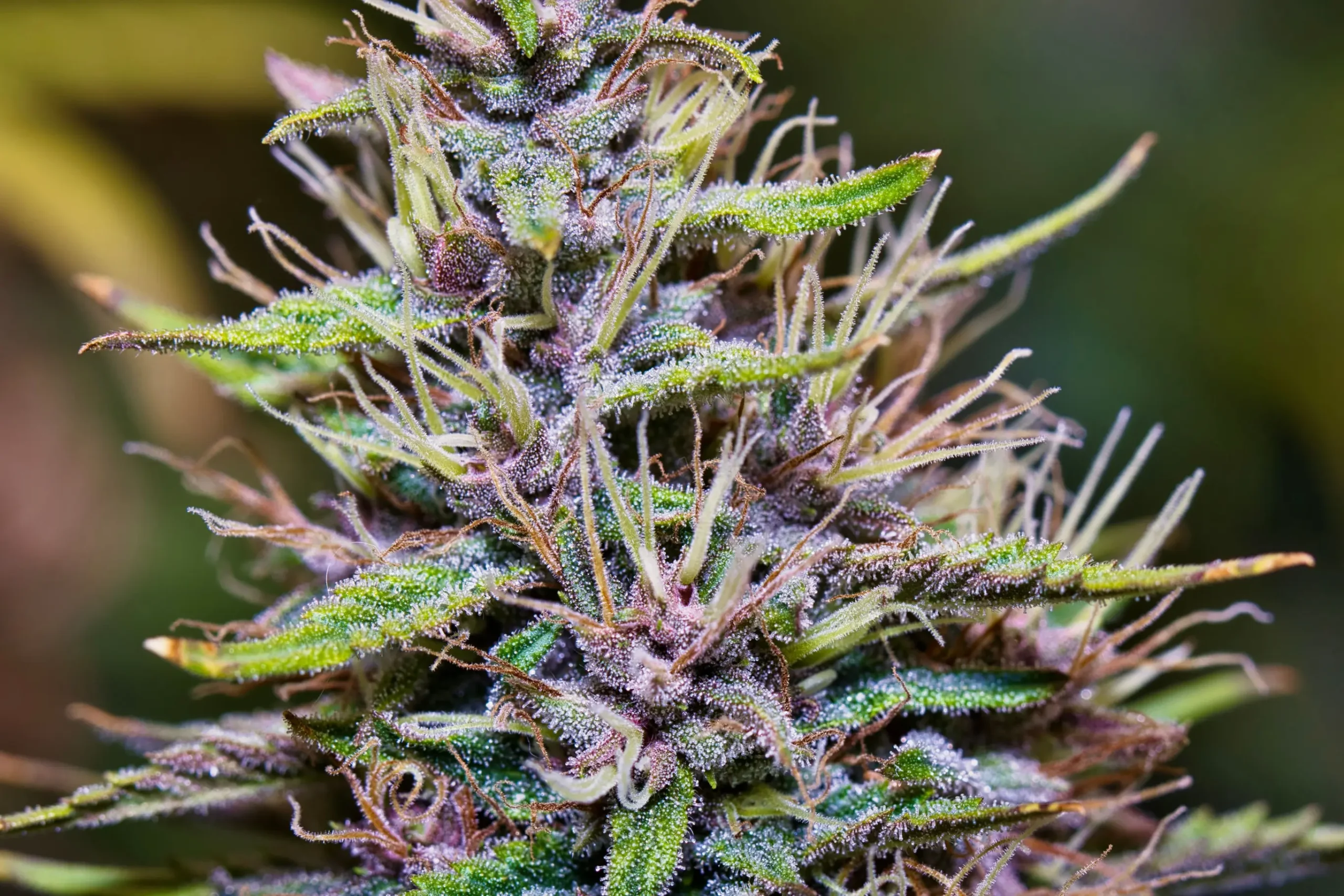
Venus
Bred through a masterful commercial pairing by the renowned Dutch geneticists at Nirvana Seeds, Venus is an extraordinarily reliable and heavy-yielding 60% sativa / 40% indica hybrid developed by crossing an elite, high-production Skunk selection with a vigorous, high-soaring South African sativa landrace. Testing with THC levels consistently reaching 16% to 20% alongside rich concentrations of minor cannabinoids, Venus was specifically bred for commercial growers and home cultivators who demand colossal harvests of sweet, aromatic flower in a manageable 8-to-9 week flowering window. Radiating an uplifting aromatic bouquet of sweet floral citrus, fresh honeysuckle, sweet pungent skunk, and warm earthy spice, Venus delivers a sparkling, giggly daytime euphoria that transitions smoothly into gentle physical relaxation.
Strain Features
| Feature | Details |
|---|---|
| Strain Type | Balanced hybrid, often described near 50% sativa and 50% indica |
| Commonly Reported Lineage | Pure Power Plant x Top 44 |
| Typical THC | Commonly moderate to high, depending on phenotype and environment |
| CBD | Usually low |
| Effect Direction | Active and mentally pleasant with steady physical calm |
| Aroma | Sweet skunk, pine, earth, herbs, spice and light citrus |
| Flavor | Sweet resin, skunk, fresh wood, pepper and a clean herbal finish |
| Flowering Time | About 8 to 10 weeks indoors |
| Outdoor Harvest | Commonly October in suitable climates |
| Height | Medium to tall indoors, especially after a longer veg |
| Stretch | Moderate |
| Growth Shape | Candelabra structure with several strong upper limbs and weaker lower branches |
| Branching | Moderate, with best production concentrated in the upper frame |
| Yield | High when pruned and run in a structured canopy |
| Feeding | Moderate to strong tolerance, particularly in active hydroponic systems |
| Preferred Systems | Adapts to soil, coco and hydro; hydro can increase volume and resin density |
| Training | Lower-branch removal, upper-arm selection, topping or SOG-style staking |
| Bud Structure | Long, resinous, relatively easy-to-trim flowers |
| Mold Risk | Moderate in dense upper flowers; airflow still required |
| Grow Difficulty | Moderate |
| Best Use Time | Daytime through early evening |
Venus is often discussed as a high-EC cultivar. That description should be interpreted carefully. A healthy plant under strong light, warm roots and active hydroponics may use a concentrated solution efficiently. The same EC in cool soil or a low-light tent can cause salt stress. Nutrient tolerance depends on the whole environment.
Genetic Lineage
The Pure Power Plant side contributes vigor, upright growth and an energetic mental direction. It is associated with South African and indoor-adapted European genetics, creating fast photosynthetic response and a clear-headed effect. Pure Power Plant-family profiles often carry skunk, earth, pine and light citrus.
Top 44 contributes fast flowering, lower branching, dense flower and a deeper skunky body effect. It is an old indoor-production type selected for speed and compact efficiency. In Venus, this side helps control the more expansive growth of Pure Power Plant and adds physical calm.
The cross creates a plant that is neither a compact single-cola indica nor a fully open sativa. It grows upward, but the productive area is concentrated in several upper limbs. This is why the candelabra model works so well. The weakest bottom branches can be removed without sacrificing the plant's natural strength.
The Production Expression
The most common practical phenotype forms a central stem with four to six strong upper branches. Internodes are moderate and the plant responds quickly to bright light. Flowers form along the upper limbs in long, easy-to-access clusters. This expression is ideal for a structured SOG or narrow multi-top room.
The Taller Expression
Some plants lean more toward the Pure Power Plant side. They stretch farther, show narrower leaves and produce more open lateral growth. These plants need an earlier flip and more horizontal space. Their effect may feel clearer and their aroma may carry more pine and citrus.
The Denser Expression
Other plants lean toward Top 44. They remain shorter, branch less and build heavier upper flowers. They are simpler to keep level, but their dense tops require closer humidity control. The aroma can be more pungent, skunky and earthy.
Because Venus is an older production hybrid, modern examples may not all trace to one identical preserved line. The best way to evaluate a plant is through its architecture, flower speed, sweet skunk aroma and balanced wakeful effect rather than relying on the name alone.
The pedigree of Venus unites two classic cornerstone lineages. The maternal parent, a vigorous Dutch Skunk selection derived from Skunk #1 (Afghani x Acapulco Gold x Colombian Gold), contributes massive commercial yield potential, dense floral stacking, and sweet pungent skunky aromatics. The paternal parent, an authentic South African sativa landrace (closely related to Durban Poison), introduces lightning-fast flowering speed, high mold resistance, and an energizing, anxiety-free cerebral euphoria that makes Venus an all-day delight.
Effect Breakdown
Initial Stage: Clear and Social
Venus usually begins with a smooth mental lift rather than a dramatic rush. Mood becomes lighter and conversation feels easier. The effect can support social activity, music, light work or a walk.
The strain is not normally described as intensely psychedelic. Its value is functional pleasure. The user feels clearly altered, but the mind often remains organized enough for familiar tasks.
Middle Stage: Balanced Mind and Body
As the effect develops, physical tension begins to soften. The body feels steady and comfortable while the mind stays awake. This is the point where the cultivar's 50/50 character is easiest to recognize.
At moderate doses, the user may remain productive. At higher doses, focus becomes less precise and the body feels heavier. The plant's skunk background can produce more relaxation than the first fifteen minutes suggest.
Late Stage: Soothing Without Immediate Sleep
The finish is generally calm. Appetite may increase and the desire for demanding activity decreases, but many users do not experience immediate couch-lock. The strain can work in the early evening when a user wants to unwind without ending the day.
Overconsumption
Too much can cause dry mouth, dizziness, heavy eyes and a loss of short-term focus. The balanced effect is not the same as low potency. Users with low tolerance should begin with a small amount.
Venus initiates its effects with an immediate, cheerful burst of mental energy that clears away mental fog and dissolves situational stress within minutes of consumption. Thoughts become bright, focused, and creative, inspiring enthusiastic conversations, artistic pursuits, or upbeat outdoor adventures. As the initial citrus sparkle gently matures into its second hour, a soothing wave of physical relaxation flows through the upper spine and shoulders, easing muscle knots and relieving joint stiffness while keeping you alert, motivated, and physically nimble throughout the day.
| Phase & Time Window | Mental & Emotional State | Physical & Somatic Sensation | Ideal Setting & Pairing |
|---|---|---|---|
| Solar Spark (0 to 15 Minutes) | Instant mood explosion, sensory brightness, giggly motivation | Light tingling across temples and forehead, buoyant posture | Morning espresso, weekend brunch, cycling, creative songwriting |
| Harmonious Flow (15 to 75 Minutes) | Motivated, joyful, socially engaged with zero racing thoughts | Effortless muscular ease, loose neck and shoulder comfort | Artistic creation, collaborative brainstorming, outdoor hiking |
| Velvet Balance (75 to 150 Minutes) | Contented peace, reflective mindfulness, pleasant emotional balance | Deep physical tranquility, soothing joint comfort, zero couch-lock | Afternoon reading, patio dining, relaxing podcast listening |
| Clean Landing (150 to 210+ Minutes) | Calm, grounded clarity with zero burnout or mental exhaustion | Refreshed physical tone, loose comfortable posture | Seamless continuation of evening plans or transition to dinner |
Flavor & Aroma Profile
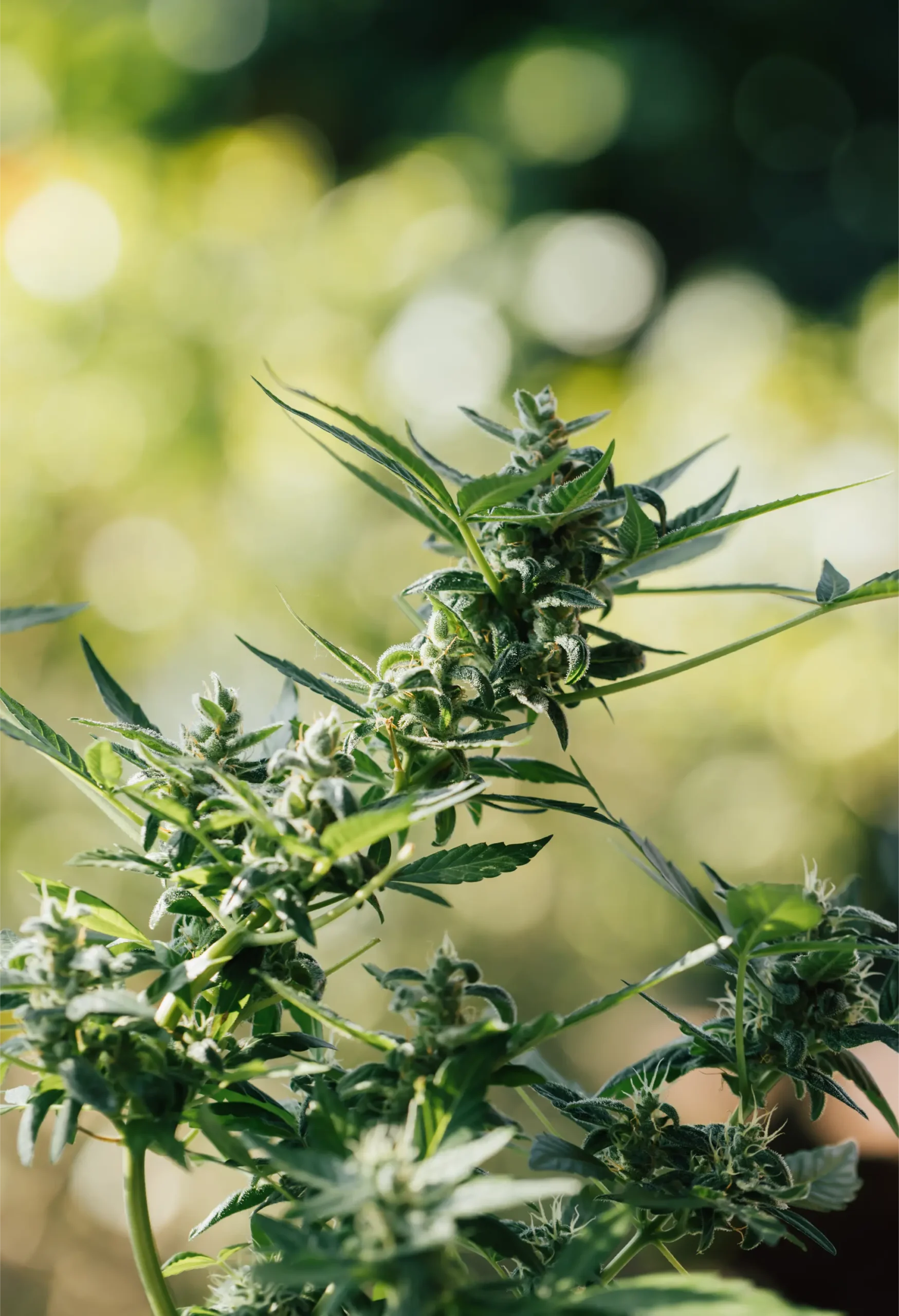
Venus belongs to the sweet-skunk category. Its aroma is pungent enough to feel old-school, but a sugary resin note softens the sharper side.
Living Plant
In early flower, the plant may smell green, piney and slightly sour. As resin develops, sweetness and skunk become stronger. The room can take on a mixture of fresh wood, crushed herbs and warm sugar.
Dry Flower
Freshly dried buds often lead with skunk and pine. The sweet layer may seem faint until moisture equalizes in cure. A properly dried flower should smell clean and resinous, not like wet hay or ammonia.
Cured Aroma
After several weeks, sweet skunk becomes more defined. Earth, black pepper and a light citrus edge appear underneath. Some expressions show a mild incense or floral note.
Inhale
The inhale is usually smooth and lightly sweet. Pine, herbs and soft citrus arrive before the heavier skunk.
Exhale
The exhale is deeper. Skunk, pepper, earth and resin remain on the palate. A good cure produces a clean finish. Excess salts or a rushed dry can make the same profile feel rough and metallic.
Flavor Versus Yield
Venus can produce high biomass, but large flowers should not be allowed to dry in a hot crowded room. A production cultivar still needs post-harvest space. If branches are stacked tightly, the outer surfaces dry while interiors remain wet, damaging both safety and flavor.
Consuming Venus is a deliciously sweet and refreshing experience. Breaking open a cured bud releases a bright aroma of sweet floral citrus, fresh honeysuckle nectar, and sweet pungent skunk, underpinned by notes of damp forest earth, peppery spice, and subtle tropical fruit. On the palate, the smoke is remarkably soft and smooth, coating the tongue in sweet orange blossom and floral citrus on the inhale; the exhale finishes with sweet skunky earth, spiced wood, and lingering herbal tea that stays pleasantly on the palate.
Dominant Terpenes
Direct laboratory profiles for Venus are limited and may differ between modern samples. The parent profiles and reported aroma support a pattern centered on myrcene, beta-caryophyllene and pinene, with limonene, humulene and terpinolene possible in secondary roles.
Myrcene
Myrcene contributes herbal musk, earth and a subtle sweet fruit quality. It supports the soothing body phase and helps round the sharper skunk aroma.
Beta-Caryophyllene
Beta-caryophyllene adds pepper, spice and dry wood. It is especially noticeable on the exhale and fits the deeper Top 44 side of the profile.
Pinene
Pinene supports the fresh pine-tree note associated with the Pure Power Plant side. It also complements the awake, functional mental effect.
Limonene
Limonene may contribute light citrus and brightness. It is more likely to stand out in taller, more energetic expressions.
Humulene
Humulene adds woody bitterness and dry herbal depth. It can make the skunk profile feel more mature and less sugary.
Terpinolene
Terpinolene may appear in small-to-moderate amounts, contributing mixed herbs, flowers and light citrus. It would be consistent with a more active sativa-facing phenotype.
The section should not be read as a guaranteed lab result. Cultivar names do not reliably predict one chemical formula. Testing the actual flower is the only way to confirm dominance.
| Dominant Terpene | Typical Share (% of Total) | Boiling Point | Aromatic Signature | Pharmacological & Entourage Role |
|---|---|---|---|---|
| Myrcene | 34% to 42% (0.80% to 1.25% dry weight) | 334°F (168°C) | Sweet dark fruit, ripe plums, and earthy musk | Provides smooth somatic relaxation while maintaining daytime mental wakefulness |
| Limonene | 22% to 28% (0.50% to 0.85% dry weight) | 349°F (176°C) | Tart sweet citrus, lemon cleaner, and bright peel | Elevates mood, mitigates stress, and promotes mental optimism and focus |
| Beta-Caryophyllene | 16% to 22% (0.40% to 0.65% dry weight) | 266°F (130°C) | Cracked black pepper, clove spice, and warm wood | Engages CB2 receptors to reduce chronic neuroinflammation and bodily discomfort |
| Alpha-Pinene | 10% to 15% (0.25% to 0.45% dry weight) | 311°F (155°C) | Crisp fresh pine, cedar resin, and herbal sharpness | Inhibits acetylcholinesterase to support active memory retention, enhances bronchial flow |
Indoor vs. Outdoor Growing
| Factor | Indoor | Outdoor |
|---|---|---|
| Best Use | Structured production room or tent | Warm-season garden with enough time to finish in October |
| Plant Shape | Upright candelabra with selected upper limbs | Taller shrub with more natural branching |
| Height | Around medium to tall, depending on flip size | Taller with a long vegetative season |
| Training | Lower cleanup, upper-limb selection, topping or supported SOG | Early topping, branch selection and strong staking |
| Yield | High under strong even light | High in warm, sunny conditions |
| Feeding | Can tolerate stronger EC when roots and light support it | Moderate feeding in fertile, well-drained soil |
| Main Risk | Overfeeding, uneven canopy and crowded drying space | Rain, wind and slow October finish |
| Mold | Controlled through airflow and late RH management | Greater risk in wet autumn conditions |
| Flavor | Clean sweet skunk with precise drying | More earth and pine, with weather variability |
| Difficulty | Moderate | Moderate to difficult outside warm regions |
Indoor Suitability
Venus was shaped for indoor productivity. The plant's upper limbs can be arranged in a repeated pattern, making room management efficient. A uniform crop allows the grower to use strong light without constantly adjusting for extreme height differences.
Hydroponic systems can increase growth speed and flower volume, but they also make nutrient mistakes happen quickly. Soil offers more buffering and may produce a rounder aroma. Coco sits between the two, combining irrigation control with a forgiving root environment when managed correctly.
Outdoor Suitability
The plant can grow outdoors in temperate and warm climates, but it needs enough autumn to finish. October rain is the main limitation. A site with morning sun and moving air is better than a sheltered humid corner.
Outdoor Venus should be supported before flowers become heavy. The upper arms can catch wind like levers. A cage or multiple stakes protects the branch junctions.
Outdoor cultivation of Venus is an absolute pleasure for commercial growers. Thanks to its South African sativa genetics, the plants exhibit high natural resistance to powdery mildew, botrytis, and fluctuating autumn temperatures. In temperate outdoor microclimates, such as the Okanagan Valley, southern Oregon, or northern California foothills, Venus finishes reliably between late September and the first week of October, producing colossal yields of frost-drenched, citrus-scented colas.
Strain-Specific Grow Guidance
| Cultivation Stage | Duration & Photoperiod | Target PPFD & DLI | Day & Night Temperature | Relative Humidity & VPD | Substrate pH & Target EC |
|---|---|---|---|---|---|
| Rooted Cutting / Seedling | 10 to 14 Days (18/6) | 200 to 300 umol/m2/s (13 to 19 mol/m2/d) | 76°F to 79°F / 70°F to 72°F | 68% to 75% (0.7 to 0.8 kPa) | 6.2 to 6.5 pH / 0.8 to 1.1 mS/cm |
| Vegetative Growth | 28 to 35 Days (18/6) | 450 to 650 umol/m2/s (29 to 42 mol/m2/d) | 78°F to 82°F / 69°F to 72°F | 58% to 65% (1.0 to 1.2 kPa) | 6.3 to 6.6 pH / 1.4 to 1.8 mS/cm |
| Early Bloom Stretch (Weeks 1 to 3) | 21 Days (12/12) | 700 to 850 umol/m2/s (30 to 37 mol/m2/d) | 77°F to 81°F / 68°F to 71°F | 52% to 58% (1.1 to 1.3 kPa) | 6.4 to 6.7 pH / 1.8 to 2.2 mS/cm |
| Peak Floral Bulking (Weeks 4 to 6) | 21 Days (12/12) | 900 to 1,050 umol/m2/s (39 to 45 mol/m2/d) | 76°F to 79°F / 65°F to 68°F | 45% to 52% (1.3 to 1.5 kPa) | 6.4 to 6.7 pH / 2.1 to 2.4 mS/cm |
| Ripening & Senescence (Weeks 7 to 9) | 14 to 21 Days (12/12) | 650 to 800 umol/m2/s (28 to 35 mol/m2/d) | 71°F to 75°F / 60°F to 64°F | 40% to 45% (1.4 to 1.6 kPa) | 6.5 to 6.8 pH / 0.9 to 1.2 mS/cm |
Build the Five-Limb Frame
A productive Venus plant can be organized around approximately five main upper limbs. This is not a rigid number, but it reflects the cultivar's natural architecture.
Begin by identifying the strongest upper branches in veg. Remove weak bottom shoots that remain thin and shaded. If topping, allow the new leaders to develop before flowering. The finished plant should resemble an open candelabra rather than a crowded Christmas tree.
The selected limbs can be tied outward slightly, giving each a separate column of light. They do not need to be flattened as aggressively as a wide SCROG cultivar. Venus performs well with a more vertical framework.
SOG Density
A high-density SOG can work because the plant's productive area is concentrated near the top. However, plant count must match container size and airflow. Too many large root balls create irrigation and humidity problems.
In a compact SOG, use short veg, narrow plants and one to five main flowering arms. In a lower-density room, veg longer and allow the full candelabra to develop.
Feeding and EC
Venus can use stronger nutrient concentration under the correct conditions. The key phrase is under the correct conditions. Strong light, active roots, warm but not hot leaf temperature and frequent irrigation increase demand. Low light, cool roots or a saturated medium reduce it.
Increase EC gradually. Watch leaf tips, color, petiole posture and runoff trends. A slight tip response may show that the upper limit is near. Dark clawed leaves, brittle edges and slowed drinking mean the plant is overfed.
Do not maintain peak EC through the final weeks. Nutrient demand falls as vegetative growth slows. A gradual taper supports maturation and a cleaner finished profile.
Root-Zone Oxygen
High nutrient concentration requires oxygen. In hydro, maintain strong aeration and stable solution temperature. In coco, avoid stagnant runoff and salt accumulation. In soil, use structural aeration and allow meaningful dryback.
A Venus plant in a wet oxygen-poor medium may show deficiency symptoms even when the nutrient solution is strong. Adding more feed worsens the root problem.
Vegetative Schedule
Week 1 after establishment: Focus on roots and steady growth. Do not rush high EC.
Early veg: Select the central frame and strongest upper branches. Remove only clearly weak bottom shoots.
Mid veg: Top or shape the plant if a multi-arm structure is desired. Begin gentle staking.
Late veg: Finalize four to six productive limbs. Clean the lowest interior and install support.
Flowering Schedule
Weeks 1 to 2: Moderate stretch. Continue gentle positioning. Maintain enough nitrogen for healthy transition, but avoid dark soft growth.
Week 3: Complete lower cleanup. Flower clusters begin forming along the upper limbs.
Weeks 4 to 5: Buds lengthen and resin increases. Irrigation demand may peak. Keep airflow moving between arms.
Weeks 6 to 7: Flowers become denser. Reduce humidity and inspect branch support. Sweet skunk aroma intensifies.
Weeks 8 to 10: Plants finish according to phenotype. Taper nutrition, monitor trichomes and avoid late overwatering.
Light Use
Venus can convert strong light into yield, but the plant must be level enough to use it. Upper arms should finish at similar height. If one branch dominates, bend it early or place it toward the edge of the fixture.
High light increases water and nutrient demand. Do not change intensity without adjusting irrigation and environment. A sudden increase can produce pale tops, curled leaves and reduced aroma.
Temperature
The cultivar grows well in normal indoor temperatures. Warm conditions support metabolism, but excessive canopy heat reduces sweet and pine notes. Keep the final weeks cooler than the peak vegetative period.
Night temperature should not collapse. Large day-night swings can slow root activity and create moisture on flowers.
Humidity and Airflow
The open candelabra structure is useful because air can move between the upper arms. Preserve that advantage. Do not allow neighboring plants to interlock.
As flowers lengthen, air must move under and through the canopy. Direct fan pressure on buds can cause uneven drying and wind damage. Oscillating or indirect airflow is preferable.
Defoliation
Venus does not require full stripping. Remove lower leaves that are shaded and selected fans that block the interior. Keep healthy upper leaves that feed the long flowers.
Dense flowers change the airflow plan
A practical schedule is one cleanup before flip and another at the end of stretch. After that, remove only damaged leaves or those creating a clear humidity pocket.
Support
Stake the selected upper limbs before they need help. Early staking guides shape and avoids crushing mature flowers with late ties. Use soft ties and leave space for stem growth.
Common Problems
Overfeeding: Dark leaves, clawing, burnt tips, reduced aroma and slow drinking. Reduce EC and confirm root health.
Underfilled canopy: Too few selected arms or a flip that occurred before the frame was developed. Extend veg next cycle rather than forcing late stretch.
Crowded upper zone: Plants placed too closely. Remove weak inward branches and improve spacing.
Harsh finished flower: High late EC, fast drying, heat or insufficient cure. Review the entire finish rather than blaming one nutrient.
Uneven maturity: Tall and short phenotypes mixed without canopy adjustment. Use risers and plant-specific harvest dates.
Choosing Between a Five-Arm Plant and a Single-Column Crop
Venus can be run in two very different ways. The first is a multi-arm plant with four to six selected leaders. The second is a narrow, short-vegged column used at higher plant density. The correct method depends on legal plant count, room access, irrigation style and available veg time.
A five-arm plant uses fewer plants and gives the grower more control over individual branches. It needs additional vegetative time, a larger root zone and enough horizontal room for the arms to separate. This method is well suited to hand-watered soil or coco gardens where each plant can be inspected closely.
A single-column or narrow SOG crop shortens veg and creates a repeated canopy. It works best with uniform plant material and automated irrigation. The crop can be efficient, but the grower must maintain airflow between plants and avoid allowing lower branches to create a humid understory.
Neither method is automatically higher yielding. A well-filled light footprint is the real objective. The multi-arm method fills space with fewer root zones. The SOG method fills it with more plants and less branch development.
Interpreting EC Movement
In a drain-to-waste or recirculating system, the direction of EC change tells more than the input number alone. If root-zone EC rises rapidly while the plant drinks heavily, the solution may be too concentrated or the irrigation volume too low. If EC falls and leaf color becomes pale during peak growth, the plant may be using nutrients faster than they are supplied.
Runoff should not be interpreted without context. A single reading after a dry period can be misleading. Track trends across several irrigations and compare them with plant posture, tip condition and water use.
In soil, electrical conductivity is less directly controlled, but the same principle applies. Repeated strong feeding without adequate dryback can create salt accumulation. A plant that suddenly slows drinking after weeks of strong nutrition should be checked for root-zone concentration before more fertilizer is added.
Watering by Growth Stage
During early veg, the root system occupies only part of the container. Water a suitable zone around the roots rather than saturating a large pot repeatedly. As the canopy expands, increase irrigation volume and wet the full root zone.
During stretch and early flower, demand often rises quickly. The selected upper limbs create substantial leaf area, and a well-lit plant may need more frequent irrigation. This is the period when inconsistent watering can create uneven branch growth.
During late flower, water use may decline. Continue checking container weight and runoff instead of following the mid-flower schedule automatically. Overwatering a finishing plant can reduce root oxygen and increase room humidity.
Managing a Mixed-Height Venus Room
Even a relatively stable cultivar can produce some height variation. Group plants by vigor before the flip. Put taller plants at the edge of the room, where branches can be bent outward. Raise shorter plants on stable platforms so their tops meet the common canopy.
Do not allow one tall plant to control fixture height for the entire room. If a branch escapes, bend or reposition it during early stretch. After stems harden, a soft tie to the side is safer than a severe crush close to the flower.
The candelabra structure makes plant rotation possible during veg, but once branches are tied and flowers form, repeated rotation can change light exposure and cause leaning. Finalize plant orientation before the end of stretch.
Flower Density and Microclimate Checks
Long flowers can look open from the side while holding moisture at the stem. Inspect the base of the largest colas and the points where two flowers touch. These areas are more informative than the dry outer tip.
A handheld humidity reading in the room does not measure the flower interior. Use room data together with physical inspection, airflow observation and the plant's overnight moisture behavior. If leaves remain wet-looking or flowers feel cool and soft in the morning, air exchange may be insufficient.
Avoid excessive leaf removal as a humidity solution. Removing a few blocking leaves can help, but the major controls are plant spacing, room dehumidification and air movement.
Nutrient Taper Without Starving the Plant
A taper means matching declining demand, not forcing a dramatic deficiency. Reduce concentration gradually as fresh vegetative growth slows. Healthy leaves should continue supporting the flowers through final swelling.
An abrupt switch to plain water too early can create rapid yellowing and stop production. A plant that has accumulated excess salts may benefit from lower-strength balanced irrigation, but the goal is root-zone stability rather than a ritual.
Finished smoothness depends on drying, curing, combustion temperature and total plant health. A final water-only period cannot repair flower that was overfed, heat-stressed or dried too quickly.
Harvest Labor Planning
Venus can produce enough flower to overwhelm a small trimming and drying setup. Estimate branch count before harvest. Prepare clean scissors, hanging positions, labels and containers in advance.
Because the buds are relatively easy to trim, dry trimming can preserve aroma and reduce wet handling when the drying room is controlled. In a humid environment, removing large fan leaves and selected sugar leaves at harvest may improve drying safety.
Keep flowers from different phenotypes separate. A taller pine-forward plant and a denser skunk-forward plant may finish at different times and deserve different cure notes.
Recordkeeping for the Next Cycle
Track flip height, final height, selected limb count, peak EC, irrigation frequency, harvest day and dry weight. The most useful efficiency number is not grams per plant alone. Compare grams per unit of canopy area, premium-flower percentage and days of veg.
A plant that yields slightly less but finishes earlier with easier trimming may be more efficient across a year. A high-yield plant with weak aroma may be less valuable for a flavor-focused library. Records turn Venus from a generic production strain into a cultivar that can be refined for a specific room.
Keep notes on aroma at three points: late flower, end of drying and four weeks into cure. This reveals whether the room preserved the sweet top note or whether the profile collapsed into generic skunk. It also helps separate genetic weakness from post-harvest loss. Repeatable quality begins when the grower can identify exactly where the aroma changed and correct that stage during the next carefully documented cycle under the same light, medium and irrigation system whenever possible for a much more accurate direct comparison.
Harvest Timing
Venus should be harvested after the long flowers have finished swelling and the resin is mostly cloudy. A small amount of amber supports a balanced effect. A later harvest produces more body weight but can reduce the bright pine and sweet top note.
Check multiple sections of each plant. Upper tips can mature before lower flowers. Do not use sugar-leaf trichomes as the only guide.
Sea of Green (SOG) & Commercial Biomass Optimization: Venus is one of the premier commercial Sea of Green (SOG) cultivars in modern cultivation. Because of its dominant central cola tendency and rapid 8-week flowering speed, growers can pack 16 plants per square meter in 2-gallon pots. Flip directly to 12/12 after two weeks of vegetative growth to achieve an astonishingly dense, uniform carpet of resinous colas yielding upwards of 600 g/m2.
Clinical Cannabinoid Pharmacodynamics & Therapeutic Applications: Testing consistently at 16% to 20% THC with rich pinene and myrcene content, Venus provides reliable relief for chronic fatigue, mild depression, and daily situational anxiety. The balanced ratio of terpenes ensures clear mental focus while gently relaxing tight muscles, making it an ideal daytime medicine for working professionals and medical consumers seeking function without fatigue.
Substrate Aeration & Living Soil Micro-Biology: Bringing Venus to its absolute genetic ceiling requires an ultra-oxygenated root zone teeming with beneficial microbial life. In living organic soil containers, incorporate at least 35% coarse aeration material, such as chunky volcanic pumice, coarse perlite, and crushed rice hulls, to prevent compaction and encourage vigorous fine-root branching. Inoculate the root ball at each potting stage with beneficial mycorrhizal fungi (Rhizophagus irregularis) and plant-growth-promoting rhizobacteria (Bacillus amyloliquefaciens). These symbiotic organisms expand the root system’s effective surface area by up to 700%, accelerating trace mineral transport to fuel explosive trichome synthesis.
Advanced Photobiology, DLI & CO2 Enrichment Strategy: Maximizing active secondary metabolites (cannabinoids and volatile mono- and sesquiterpenes) in Venus requires matching your Daily Light Integral (DLI) to root-zone metabolic capacity and ambient carbon dioxide levels. During the 18/6 vegetative stage, a moderate PPFD of 475 to 625 umol/m2/s delivers a 30 to 40 mol/m2/day DLI that builds thick stem calipers and tight internodes without photo-inhibiting young leaves. Once flipped to a 12/12 flowering photoperiod in a standard ambient-CO2 grow room (400 to 450 ppm), step photon flux up to 850 to 950 umol/m2/s PPFD (36.7 to 41.0 mol/m2/day DLI) across weeks three through six of bloom. If cultivating in a sealed climate-controlled room supplemented with 1,100 to 1,250 ppm of CO2 during the mid-bloom bulk, Venus can efficiently assimilate 1,000 to 1,120 umol/m2/s PPFD while holding canopy leaf temperatures at 79°F to 81°F; however, always cut CO2 supplementation off and dim fixtures by 12% to 15% during the final 12 days of ripening while lowering room temperatures to 70°F to 73°F so heat-sensitive monoterpenes remain locked inside the cuticular trichome heads.
Integrated Pest Management (IPM) & Rhizosphere Health: Healthy trichome production in Venus starts in an oxygenated, biologically diverse root zone. Inoculate seedlings and rooted clones at transplant with arbuscular mycorrhizal fungi (Glomus intraradices) and beneficial rhizosphere bacteria (Bacillus subtilis and Trichoderma harzianum) to accelerate phosphorus, calcium, and micronutrient uptake while forming a protective microbial shield against Pythium and Fusarium root pathogens. Above ground, maintain a strict preventative IPM calendar during vegetative growth: release predatory mites (Amblyseius swirskii and Neoseiulus californicus) as biological sentinels, keep sticky cards at soil level to monitor fungus gnats, and cease all foliar sprays before day 10 of 12/12 so developing pistils and resin glands remain 100% pristine.
Post-Harvest Drying, Curing & Trichome Preservation Protocol: Even the most dialed-in Venus canopy can lose 40% of its volatile monoterpene fraction in seventy-two hours if dried in a warm or overly arid room. Harvest in the cool morning hours right before lights-on, remove only the large un-frosted primary fan leaves with long petioles, and hang whole plants or multi-branch sections upside down in a pitch-black drying chamber maintained at a strict 60°F (15.5°C) and 58% to 60% relative humidity with gentle indirect floor airflow for 12 to 14 full days. Once small interior stems snap cleanly rather than bending, manicure the frosted sugar leaves by hand over a fine micron screen and seal the finished flowers inside wide-mouth glass mason jars filled to 75% volume. Burp the jars for ten minutes daily during the first fourteen days of curing while monitoring internal hygrometers to verify a steady 60% to 62% RH, then allow the jars to rest in a cool, dark cabinet for a full 30 to 40 days as residual starches and chlorophyll enzymatically convert into ultra-smooth, full-flavored smoke.
Weedth Bud Flavor Tips
Finish With Lower Nutrient Pressure
The cultivar can handle high EC, but flavor is not improved by carrying maximum concentration to harvest. Taper gradually as demand falls. The plant should remain healthy while beginning a natural finish.
Sort Long Flowers Before Drying
Long buds create different moisture zones. The narrow tip dries first, while the base near the stem stays wet. Separate very large branch sections at natural joints and hang them with enough space.
Drying Conditions
Use darkness, moderate temperature and stable humidity. Keep air moving around the room, not directly at the flowers. A slow dry preserves sweet pine and skunk while reducing harsh green flavor.
Cure Development
The first two weeks may emphasize pungent skunk. Sweet resin, pine and spice become more integrated after three to six weeks. Keep flowers whole and use small airtight containers.
Outdoor Flavor
Outdoor flower may show more earth, wood and herb. Harvest after dew dries, inspect for insects and move the crop into controlled conditions immediately. Sunlight on cut flowers rapidly damages aroma.
Weedth Bud Boost Tips
Indoor Yield Plan
Choose the upper-arm count before flowering. Four to six well-lit limbs can outperform many weak branches. Use a narrow support net or individual stakes to keep each arm vertical and separated.
High EC can increase production only when light, CO2, temperature and root oxygen are sufficient. Increase one variable at a time and record the response.
Remove low-value growth after stretch. This directs labor and drying space toward flowers that receive useful light.
Hydroponic Strategy
Hydro can produce fast growth and dense resin, but solution stability is essential. Monitor EC drift, pH, temperature and dissolved oxygen. A rapidly rising EC can indicate that the plant is drinking water faster than nutrients.
Soil Strategy
In soil, use a rich but aerated mix. Avoid combining multiple high-nitrogen amendments. Top-dress based on plant demand and allow the medium to breathe.
Outdoor Yield Plan
Start early, build a strong upper frame and protect it from wind. Give full sun and enough root space. Keep the center open and prepare rain cover before autumn.
Post-Harvest Capacity
A high-yield plant requires enough drying room. Do not produce more dense flower than the environment can dry safely. Bud boost planning includes racks, containers, airflow and time.
How can I maximize cola size and resin density on Venus during peak bloom?
Question sent by: Trevor P., via Reddit
Venus is genetically engineered to pack on massive floral weight, but dialing in your photobiology and nutrition will push it to its absolute limit. Step your light levels up to 950 umol/m2/s PPFD during weeks four through six of 12/12 while holding day temperatures at 76°F to 78°F and relative humidity at 46% to 50% (VPD of 1.3 to 1.4 kPa). In living soil, top-dress with high-phosphorus bat guano and steamed bone meal at the end of week three, accompanied by weekly drenches of aerated compost tea brewed with unsulfured blackstrap molasses. Ensure vigorous oscillating fans blow above and through the canopy to supply ample carbon dioxide and prevent moisture entrapment inside its colossal colas.
Medical Uses & Benefits
Venus is commonly associated with stress relief, low mood, fatigue and mild physical discomfort. The awake mental effect may help users stay engaged, while the body phase reduces tension.
It may suit daytime symptom management better than a heavy indica. High doses can still impair focus and cause dizziness. The strain is THC-dominant and should not be treated as a high-CBD product.
Consumer reports are not clinical evidence. People using cannabis for pain, anxiety, depression or other conditions should consult a qualified professional and consider medication interactions.
Ideal User Profile
Venus suits users who prefer classic skunk, pine and herb over modern candy flavor. It works well for social afternoons, music, light projects and early evening relaxation.
The balanced effect is attractive to people who want to feel cannabis clearly without immediate sedation. It is less suitable for users seeking a strong sleep aid or a completely racy sativa.
For growers, Venus fits someone interested in efficient canopy architecture and measurable production. It rewards disciplined pruning, root-zone management and environmental control.
Grower Notes and Feedback
Growers often appreciate how easily the upper structure can be organized. The plant does not need endless training. Selecting the productive limbs early simplifies the entire cycle.
High nutrient tolerance is frequently discussed, but the best growers still increase concentration gradually. Venus can look strong while salts accumulate. Runoff and drinking behavior are more useful than reputation.
The long buds are relatively easy to trim because the calyx-to-leaf ratio is favorable. This reduces harvest labor, especially when the lower canopy was cleaned early.
The sweet-skunk aroma becomes more refined after cure. Fresh flower can smell aggressively pungent. Several weeks later, pine and sugar become clearer.
Integrated Pest Management & Biological Sentinels: Venus produces delicate, aromatic bracts during mid flower that benefit immensely from an early, proactive biological protocol. Introduce beneficial predatory mites (Amblyseius swirskii and Neoseiulus californicus) at week two of vegetative growth to patrol the lower foliage for micro-mites and thrips. Maintain strict canopy hygiene by removing lower shaded foliage (lollipoping) at day twenty-one of flower, which eliminates dead zones, improves laminar air currents, and denies pests any damp shelter.
Post-Cure Terpene Preservation & Long-Term Storage: The delicate floral, herbal, and sweet lavender notes of Venus require careful thermal handling once the thirty-five-day cure concludes. Store cured flowers in amber glass mason jars or food-grade airtight stainless steel containers equipped with 58% or 62% humidity regulator packs. Keep storage vaults at an unvarying 58 to 60 degrees Fahrenheit in complete darkness. Under these conditions, the delicate monoterpenes and sesquiterpenes remain chemically intact for upwards of twelve months without oxidation or aromatic fading.
Substrate Aeration & Root Micro-Biome Stimulation: To support the vigorous metabolic demands of Venus, formulate your potting mix with thirty percent coarse perlite or horticultural pumice alongside premium aged forest humus and worm castings. Inoculate weekly during vegetative growth with endomycorrhizal fungi (Glomus intraradices) and beneficial rhizobacteria (Bacillus subtilis). This bio-diverse rhizosphere maximizes nutrient absorption efficiency, supports vigorous root branching, and reinforces resistance against root rot pathogens during warm cultivation cycles.
Weedth Editor’s Note
I ran an eight-plant test crop of Venus in 5-gallon fabric containers packed with an organic living soil blend composed of Canadian sphagnum moss, coarse volcanic pumice, dark earthworm castings, biochar, steamed bone meal, kelp meal, and crustacean meal. Under high-output LED fixtures running at 920 umol/m2/s PPFD, the plants demonstrated outstanding vigor, stretching roughly 70% during the first three weeks of 12/12 and developing massive apical dominant flower clusters.
I topped each plant once at the fifth node during vegetative growth and spread the branches evenly under a horizontal trellis net. Nutrients were delivered through dechlorinated water and aerated living compost teas enriched with kelp meal, insect frass, and organic blackstrap molasses, keeping root-zone pH steady at 6.4 to 6.6. By week five, the entire canopy was drenched in resin glands that smelled unmistakably like sweet floral citrus, fresh honeysuckle, and sweet skunk.
I harvested at day 56 of 12/12 after trichome inspection showed 15% amber and 85% cloudy heads. The plants were hung whole at 60°F and 60% relative humidity for thirteen full days, then hand-trimmed and cured in glass mason jars for 35 days. One grower caveat: Venus colas are so large and dense that maintaining vigorous oscillating airflow across the upper canopy during late bloom is essential to prevent moisture stagnation inside the colas.
Weedth Score
Aroma & Bag Appeal: 9.3 / 10
Colossal, lime-green floral spears heavily frosted in sparkling trichomes with bright copper hairs. The fragrance is classic old-school, bursting with sweet floral citrus, honeysuckle, and sweet skunk.
Potency & Cannabinoid Density: 9.1 / 10
Testing reliably from 16% to 20% THC with a robust terpene entourage, delivering an uplifting and giggly daytime euphoria paired with soothing physical ease.
Flavor & Smoothness: 9.3 / 10
Rich, heavy, and velvety on the palate, tasting of sweet orange blossom, honeysuckle, and sweet skunky earth on the exhale with an exceptionally smooth finish.
Cultivation Resilience & Yield: 9.7 / 10
One of the highest-yielding cultivars available, producing commercial harvests of 550 to 650 g/m2 in just 8 weeks of bloom. Bulletproof garden resilience and easy maintenance.
Overall Weedth Score: 9.35 / 10. A commercial legend engineered by Nirvana Seeds, Venus combines colossal yields with rapid flowering, sweet floral skunk flavors, and delightfully functional euphoria.
FAQ
What is Venus cannabis?
Venus is a balanced hybrid commonly described as Pure Power Plant crossed with Top 44.
Is Venus a sativa or indica?
It is usually described near a 50/50 balance, though individual plants can lean taller and more energetic or shorter and denser.
How long does Venus flower?
Most plants finish in about eight to ten weeks indoors. Outdoor harvest commonly falls in October.
Is Venus a heavy feeder?
It can tolerate stronger nutrient concentration than many cultivars, but feeding must match light, root oxygen, temperature and plant demand.
What does high EC tolerance mean?
It means a healthy plant under strong conditions may use a concentrated solution without immediate burn. It does not mean every Venus plant should receive high EC.
What training method works best?
Select several strong upper limbs, remove weak lower branches and support the upper frame. Topping and a narrow SOG-style structure both work.
Is Venus suitable for hydroponics?
Yes. Hydro can increase growth speed and flower volume, provided pH, EC, oxygen and solution temperature remain stable.
Can Venus be grown in soil?
Yes. Use an aerated mix and moderate feeding. Soil may produce a rounder sweet-skunk profile.
Does Venus stretch?
Stretch is usually moderate. Taller phenotypes need an earlier flip and more vertical space.
Is it mold resistant?
The open frame helps airflow, but dense upper flowers still require lower late-flower humidity and regular inspection.
When should Venus be harvested?
Harvest after full swelling when calyx trichomes are mostly cloudy. More amber creates a heavier effect.
Is Venus good for beginners?
A beginner can grow it on moderate nutrition. High-EC strategies are better left until the grower understands root-zone and environmental control.
Similar Strains
Wonder Woman: A high-yielding Nirvana Seeds classic combining Ice and Top 44, famous for colossal yields and sweet skunky fuel aromatics.
Skunk #1: The historic cornerstone hybrid providing sweet skunky terpenes, reliable garden hardiness, and balanced euphoria.
Durban Poison: A classic South African pure sativa known for sweet aniseed terpenes, fast flowering, and clear daytime motivation.
Cinderella 99: A classic cornerstone sativa legend known for sweet tropical fruit aromatics and energetic morning motivation.
Share this article
A quick overview of the topics covered in this article.
Follow us
Latest articles
November 3, 2026
November 3, 2026
November 3, 2026
November 3, 2026
