White Satin
A slim, central-cola hybrid with Punjab roots, mild apricot aroma, functional daytime effects, and a late-flower humidity problem hidden inside an easy grow.
White Satin is an example of a cultivar that looks simple until the main cola reaches full size. The plant grows with a slim profile, firm stems, medium-long side shoots, and a strong central flowering tendency. That architecture makes it efficient in Sea of Green, but it also creates a dense final crown that can hold substantially more moisture than the rest of the plant. The grow is forgiving through most of the cycle. The final two weeks are where disciplined humidity control separates clean flower from a hidden loss.
The cultivar is commonly connected to Punjab, North India, and is usually described as a balanced indica-sativa hybrid rather than a modern dessert cross. Its aroma is restrained while growing and more expressive after cure, developing mild apricot, fresh sweetness, soft herbs, and a clean plant-spice background. The effect is mentally stimulating without the heavy body or mental incapacitation associated with stronger indica-dominant cultivars.
White Satin deserves a strain-specific plan because its strengths can create its main weakness. A large central cola improves production per plant and simplifies trimming, but the same mass creates a humid internal microclimate. The most efficient grower does not eliminate the central-cola character. The grower shapes it, spaces it, supports it, and dries it according to its actual diameter.
Legal note: Educational content only. Always follow the cultivation and cannabis laws that apply in your location.
Strain Features
| Feature | Details |
|---|---|
| Strain Type | Balanced hybrid, commonly described near 50% indica and 50% sativa. |
| Commonly Reported Origin | Punjab, North India derived genetics. |
| THC and CBD | THC-dominant with low CBD in most reports; exact laboratory ranges vary by selection. |
| Flowering Time | Approximately 60-67 days indoors, commonly around 65 days. |
| Indoor Height | Medium with a slim upright profile and a dominant central flower. |
| Outdoor Height | Medium, with firm stems and stronger side growth under full sun. |
| Yield Style | Good central-cola efficiency with useful side nuggets; suitable for SOG and compact SCROG. |
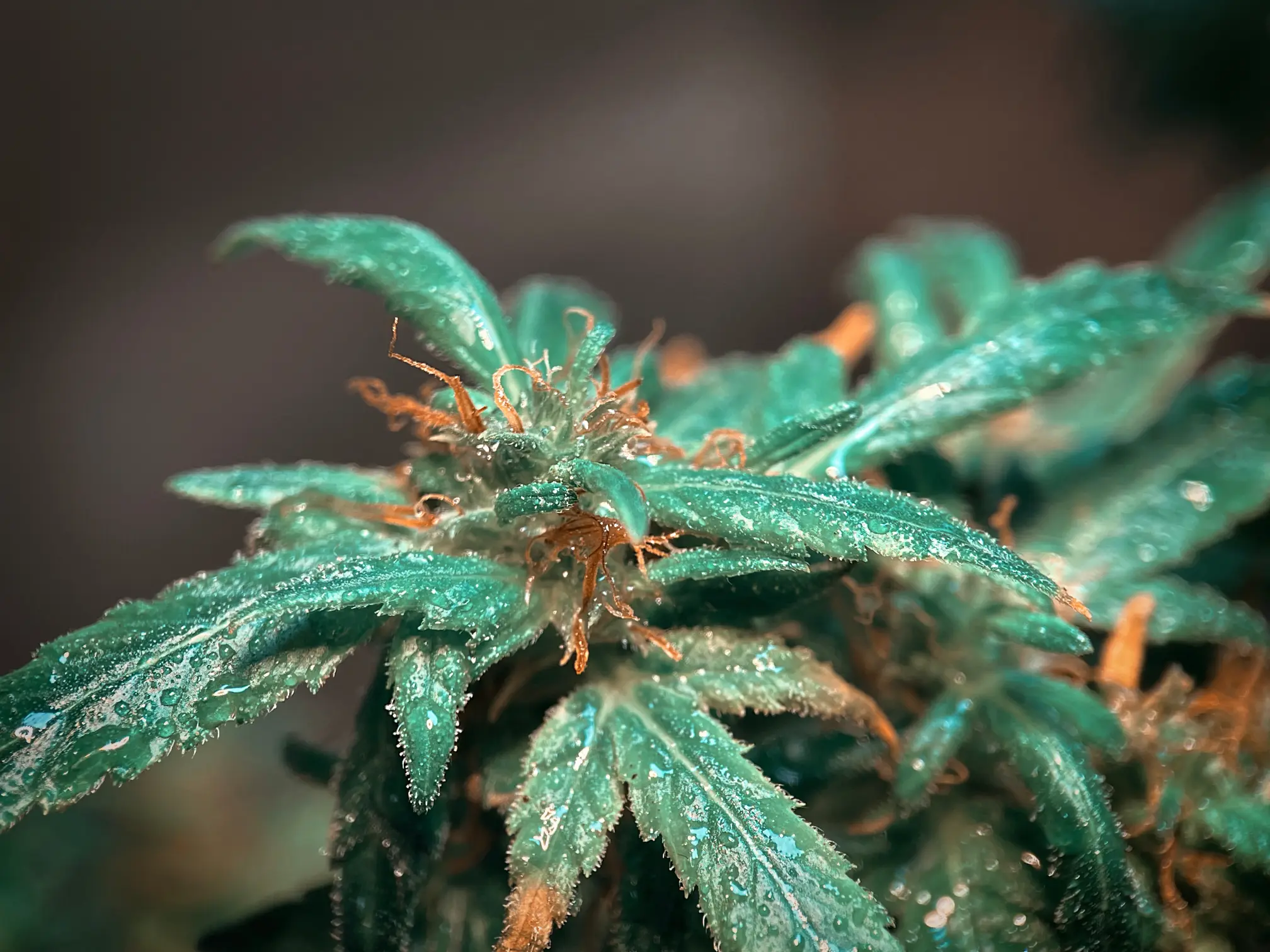
| Bud Structure | Broad oval buds with large calyxes; the main cola can become exceptionally dense. |
| Aroma | Low to moderate during growth; mild apricot, fresh sweetness, herbs, and soft earth after cure. |
| Flavor | Clean sweet fruit, apricot skin, fresh herbs, and a silky low-spice finish. |
| Dominant Terpene Direction | Often expected to include myrcene, pinene, caryophyllene, and fruit-associated minor terpenes. |
| Grow Difficulty | Easy to moderate; beginner friendly if late-flower humidity is controlled. |
| Best Training | SOG from seed or clone, one early top for SCROG, or light multi-branch shaping. |
| Main Risks | Oversized central cola, hidden mold, overwatering in low-light rooms, and harvesting before apricot aroma develops. |
| Medical Interest | Reported for daytime stress, low mood, and mild tension without strong sedation. |
| Best Time of Use | Daytime to early evening for functional relaxation and mental freshness. |
White Satin should not be confused with The White or White Berry. The name refers to a separate cultivar with a slimmer structure, milder odor, and apricot-sweet cured character.
Genetic Lineage
Punjab as the central genetic reference
Punjab lies within a region with a long history of cannabis cultivation and diverse local populations. White Satin is commonly presented as a domesticated hybrid built from this regional material. The practical inheritance is a combination of firm stems, flexible environmental response, moderate height, and an effect that sits between mental stimulation and physical calm.
The regional label should not be treated as proof of a single untouched landrace. Commercial lines are selected and reproduced over generations. What matters to the grower is the stable pattern that has been reported: slim growth, a powerful main flower, moderate side branching, a relatively short finish, and a mild fruit-herb profile.
Balanced architecture rather than equal chemistry
The common 50/50 description is a shorthand for mixed morphology and effect. It does not mean every plant has exactly equal ancestry or produces equal concentrations of specific compounds. Some plants remain more upright and clear-headed, while others develop broader leaves and a softer body finish.
Phenotype selection priorities
The best keeper is not automatically the plant with the largest central cola. Compare stem strength, interior flower health, trim ratio, apricot retention, and functional effect. A slightly smaller crown that remains clean and aromatic can deliver more usable premium flower than an enormous cola with uneven moisture.
Selection rule: Judge White Satin after drying the central and side flowers separately. The plant’s true value is the combination of clean density and cured apricot flavor.
Effect Breakdown
Initial phase: fresh mental lift
White Satin usually begins with a clear increase in interest and sensory engagement. The effect is not as fast or electric as a pure Haze. It feels more orderly, with improved mood, easier conversation, and a mild desire to begin an activity.
Middle phase: functional balance
The body relaxes without becoming heavy. Muscular tension may soften while posture and coordination remain relatively normal at moderate doses. This middle phase is the cultivar’s strongest identity. It can support music, housework, creative hobbies, or a calm social afternoon.
Late phase: gentle calm rather than collapse
The final stage tends to fade cleanly. A higher dose can create laziness, hunger, or light drowsiness, but deep couch-lock is not the expected outcome. Later-harvested flower may carry more physical calm and less mental brightness.
Common unwanted effects
Dry mouth and dry eyes are the most likely. Large doses can cause dizziness or mental fog, particularly in users expecting a very mild strain because the aroma is subtle. Low odor should never be interpreted as low potency.
Effect note: White Satin is functional when the dose is functional. Repeated inhalations can turn a fresh daytime profile into an unfocused afternoon.
Flavor & Aroma Profile
Growing aroma
White Satin is relatively discreet during much of flowering. Stem rub can reveal green herbs, fresh wood, light pepper, and fruit skin. The low odor makes changes harder to notice, so growers should avoid assuming the plant lacks terpene potential.
Apricot expression after cure
The recognizable cured note is mild apricot rather than candy fruit. It resembles apricot skin, fresh pulp, and a slightly tart edge. Underneath are clean herbs and soft earth. The best examples smell fresh and natural, not syrupy.
Texture and smoothness
A patient cure can produce unusually smooth smoke or vapor, which is consistent with the Satin name. The inhale is sweet and light, while the exhale adds herbs and a small pepper note. Overfed or quickly dried flower loses the silky quality and becomes bland.
Why the main cola and side buds can taste different
The central flower dries more slowly because of its diameter. Side buds may be ready for curing while the core of the main cola still holds moisture. Combining them too early creates uneven cure and can mute the apricot profile. Drying by branch size produces a more consistent final flavor.
Dominant Terpenes
Myrcene
Myrcene can provide soft earth, herbs, and ripe fruit. In White Satin it is more likely to support the apricot body than to create a heavy sedating character.
Pinene
Pinene contributes fresh green wood and a clean finish. It fits the cultivar’s mentally alert effect and keeps the fruit aroma from becoming overly sweet.
Beta-caryophyllene
Caryophyllene adds pepper and dry spice. Its CB2 activity is scientifically interesting, but it does not establish a medical claim for the strain.
Limonene and fruit-associated minor compounds
Small amounts of limonene and other volatile compounds may create the tart fruit-skin impression. These top notes are vulnerable to warm drying and long periods in open containers.
Why low total aroma can still be complex
A cultivar does not need extreme terpene concentration to have a recognizable sensory identity. White Satin’s appeal is proportion and smoothness. A mild apricot-herb profile can be more distinctive than a loud but chemically confused jar.
Flavor reality: Evaluate White Satin at close range after cure. Its aromatic quality is subtle, not absent.
Indoor vs. Outdoor Growing
| Aspect | Indoor Cultivation | Outdoor Cultivation |
|---|---|---|
| Height | Medium and slim; easy to arrange in rows. | Medium with stronger side branches and a wider base. |
| Flowering | Roughly 60-67 days. | Usually mid-autumn in suitable dry climates. |
| Best System | SOG, compact SCROG, soil, coco, or low-complexity hydro. | Large container or ground with open sun and late-season rain protection. |
| Main Risk | Dense main cola holding moisture in the final two weeks. | Autumn humidity, dew, and rain inside the central crown. |
| Odor | Low to moderate, but filtration is still responsible practice. | Mild compared with Skunk lines; can still travel during harvest. |
| Yield Pattern | Efficient main-cola production with useful side nuggets. | Good per-plant yield when the main and side branches receive full sun. |
| Flavor | Precise temperature control preserves fresh apricot. | Sun can deepen fruit and herbs if the finish remains dry. |
| Difficulty | Easy to moderate. | Moderate where autumn is dry; unsuitable for persistently wet finishes. |
Indoors, the plant can be kept simple. It does not require aggressive high-stress training to produce. The main question is whether the grower wants one dominant cola per plant or a smaller number of topped plants with several medium colas.
Outdoors, the firm stems are useful, but the central flower still needs inspection. Morning sun is especially valuable because it dries dew before the day warms.
Strain-Specific Grow Guidance
Choose the architecture before vegetative growth
For SOG, keep the central leader and remove weak lower branches early. For SCROG, top once and allow the medium-long side shoots to become the main production arms. Avoid combining a long vegetative period with an untouched central leader unless the room can manage a very large crown.
Use moderate containers and predictable dryback
White Satin can perform under modest light, but low-light plants also use water more slowly. An oversized container can remain wet and reduce root oxygen. Match pot volume to plant size and allow the upper root zone to approach a clear dryback before irrigation.
Feed for balance, not maximum darkness
The cultivar generally accepts moderate nutrition. Excess nitrogen creates extra leaf around the central flower and delays the clean late fade associated with better flavor. Watch tip color and growth rate rather than pushing until burn appears.
Preserve the central stem advantage
The main stem is naturally capable of carrying weight. Support may still be useful when the flower becomes exceptionally large, but hard bending late in veg can reduce the clean central structure that makes the strain efficient.
Thin the collar around the main cola
Large fan leaves directly beneath the central crown can trap humid air. Remove only the leaves that repeatedly rest against flower or block the airflow path. The goal is not a stripped plant. It is a clean boundary around the developing cola.
Lower humidity before the danger becomes visible
Dense flowers change the airflow plan
The final two weeks deserve lower humidity and stable night temperature. A cold dark cycle increases relative humidity and slows evaporation. Keep night conditions warm enough that moisture does not condense within the central flower.
Inspect the crown from multiple sides
Bud rot often begins where the main cola meets a side cluster. Rotate the plant or use a neutral inspection light. A wilted sugar leaf, soft interior, or musty smell should be investigated immediately.
Do not mistake low odor for incomplete ripeness
White Satin never becomes as loud as many modern hybrids. Harvest should rely on calyx swelling, pistil behavior, trichome maturity, and water-use slowdown. Waiting for a room-filling smell can push the plant beyond its best fresh flavor window.
Separate main and side flowers during drying
The central cola may need to be divided into large sections if the drying environment cannot safely handle its mass. Side branches can be hung separately and moved to cure earlier. Never seal everything together based on the driest piece.
Critical warning: A beginner-friendly plant can still lose its best flower to mold. White Satin’s main cola must be treated as a separate microclimate.
Choosing Between a Single-Cola Row and a Small Screen
A single-cola row is the most direct expression of White Satin. Plants are flowered young, the main leader is preserved, and weak lower branches are removed before they consume space. This route shortens vegetative time and creates a predictable vertical crop. The limitation is that every plant develops one dense crown, so spacing, airflow, and plant uniformity must be excellent.
A small SCROG is more useful when plant count is limited or seedlings show unequal vigor. One early top converts the medium-long side shoots into a low set of production arms. The screen should remain lightly filled at the flip because the branches continue extending. Several medium colas reduce drying risk and can improve premium yield even when the total wet weight is similar.
The wrong choice is often a half-trained plant with a large central crown plus many shaded side branches. That structure carries the humidity risk of SOG and the maintenance burden of SCROG without gaining the full benefit of either. Decide early whether the central leader or the side shoots will receive priority.
Late-Flower Main-Cola Audit
Begin the audit before visible danger, around the point when the main crown becomes wider than the supporting stem. First inspect the leaf collar directly beneath the flower. Leaves that lie flat against the bud should be repositioned or selectively removed. The goal is a narrow moving-air channel, not a stripped stem.
Second, compare dark-cycle and light-cycle conditions. A room that remains safe during the warm day may rise sharply in relative humidity after lights off. White Satin benefits from a stable dark-cycle temperature because cold air holds less moisture and can create condensation within the crown. Dehumidification should continue through the night rather than responding only to daytime readings.
Third, inspect the flower from the stem side. Exterior resin and color can remain attractive while the inner bracts begin to soften. Use clean hands, minimal pressure, and neutral light. A single sugar leaf that dies suddenly while surrounding leaves remain healthy can indicate a damaged interior point.
Fourth, smell the crown at close range. Healthy White Satin should remain fresh, mildly fruity, and herbal. A wet basement, sour cloth, or stagnant plant smell is not part of the cultivar. Remove suspicious material promptly and examine the neighboring tissue rather than waiting for discoloration to reach the surface.
Fifth, verify that irrigation demand is declining normally. A dense flower can transpire less as maturation advances. If the container remains heavy longer, reduce water volume or extend the interval. Repeating the peak-flower schedule increases both root-zone moisture and room humidity at the most vulnerable moment.
Low-Light Performance and Its Hidden Cost
White Satin can produce useful flower under lower intensity, which makes it attractive for small rooms. Lower light, however, means lower photosynthetic demand and slower water use. The grower must reduce irrigation and avoid using a large container simply because the plant can carry a large cola.
The central flower may still become dense under moderate light, while the side buds remain smaller. This uneven allocation is normal for the cultivar. Trying to force every side shoot with extra fertilizer creates leaf mass rather than equivalent flower. Remove weak sites and let the main structure do the work.
When stronger light is available, increase intensity gradually. A plant accustomed to modest light can bleach at the top before the lower canopy benefits. Uniform coverage and safe leaf temperature improve quality more reliably than one intense center.
Drying the Main Crown Without Losing the Side Buds
At harvest, sort the plant into at least two moisture classes: the main crown and the smaller branches. Large sections of the crown can be preserved for appearance only when the drying room can maintain safe humidity and airflow around every side. In uncertain conditions, divide the crown along natural branch junctions.
Side branches should leave the drying room when their internal moisture is ready, even if the crown needs additional time. Holding them beside the large flower until everything feels equal causes overdrying and removes the mild apricot top note.
Cure the size classes separately for the first weeks. Moisture can then equalize within each container without a wet central piece rehydrating smaller buds. Once both groups are stable, compare flavor before deciding whether to combine them.
Weedth Bud Flavor Tips
Let the apricot emerge before harvest
The fruit note becomes clearer as the flowers finish. Early flower may smell mostly green and herbal. Wait for full oval calyx expansion and a mild tart-sweet scent.
Dry by diameter
Sort branches by thickness. The main crown and side buds should not follow the same schedule. This simple decision protects both safety and flavor.
Avoid over-drying the side nuggets
Smaller buds can become crisp while the central flower remains wet. Remove them from the drying environment when their internal moisture is ready, then cure them separately.
Use a longer cure than the odor suggests
Because the aroma is subtle, growers sometimes assume curing will not change much. Four to six weeks can improve sweetness, smoothness, and the distinction between fruit and herbs.
Keep long-term storage cool and dark
Mild top notes disappear quickly when jars are warm or opened repeatedly. Divide the harvest into smaller containers and keep the main supply sealed.
Weedth Bud Boost Tips
SOG: prioritize uniformity and airflow
Use plants or clones of similar size, maintain clear gaps between central colas, and clean weak lower growth. More plants do not help if the crowns touch.
SCROG: top once and use the natural side shoots
White Satin’s medium-long laterals can fill a small screen efficiently. One early top is often enough. Excessive topping delays a cultivar that already has a useful architecture.
Use adequate light without forcing heat
The plant can produce under lower intensity, but stronger uniform light improves density and resin. Raise intensity gradually and protect the central top from heat accumulation.
Support microbial activity without sweetener myths
Healthy soil biology can improve nutrient cycling. Added sugars do not travel into flowers as fruit flavor. Avoid heavy molasses use that compacts the medium or attracts pests.
Outdoor: build one clean central lane
Stake the main stem and train side branches outward. The open lane allows morning light and air to reach the crown.
Measure premium yield, not wet crown size
A clean, evenly dried harvest is the real result. Do not celebrate an oversized cola until the core has passed inspection and completed cure.
Medical Uses & Benefits
White Satin is generally discussed as a functional THC-dominant cultivar. Reported uses include stress, low mood, mild fatigue, and physical tension. These are consumer reports, not evidence of a standardized medical product.
| Reported Use | How the Profile May Fit |
|---|---|
| Stress | A clear mental lift followed by light physical relaxation may reduce tension without immediate sedation. |
| Low Mood | The fresh, engaged effect may support activity and social connection. |
| Fatigue | Moderate daytime energy can feel useful, though higher doses may reduce motivation. |
| Mild Pain | The body calm may soften discomfort without producing a strong narcotic effect. |
| Anxiety | Some users find the balanced effect comfortable; THC-sensitive users may still feel uneasy. |
| Appetite | Hunger can appear during the later phase, but it is not the cultivar’s defining feature. |
Medical note: Anyone using cannabis for symptoms should discuss dose, interactions, and mental-health risks with a qualified clinician.
Ideal User Profile
White Satin fits the user who values function, smoothness, and a mild fruit-herb profile more than extreme odor or sedation. It is also a sensible cultivar for a first or second grow if the cultivator can control late humidity.
- Best timing: daytime through early evening.
- Best activities: light work, conversation, walking, music, and routine creative tasks.
- Best grow style: simple SOG, small SCROG, or minimally trained outdoor plant.
- Poor fit: users seeking heavy sleep or growers in wet late-season climates.
- Special appeal: low growing odor and smooth cured flavor.
Troubleshooting White Satin by Symptom
Main cola feels hard outside but smells damp: the exterior has dried faster than the core or the flower is holding excessive nighttime humidity. Reduce direct fan intensity, inspect the interior, and improve whole-room dehumidification. A hard shell is not proof of safe internal moisture.
Leaves remain dark and clawed near harvest: nitrogen or root-zone concentration is probably above demand. Confirm that the medium is not staying wet, reduce unnecessary feeding, and allow the plant to mature. Do not attempt an aggressive correction that causes sudden deficiency.
Side buds are airy while the main crown is dense: this is partly genetic. Improve side-light exposure on the next cycle, remove weak shaded shoots earlier, or use one top to redistribute dominance. Extra late fertilizer will not rebuild a shaded branch.
Apricot aroma is missing: the phenotype may be mild, but early harvest, warm drying, high nitrogen, or repeated jar exposure are common causes. Evaluate an untouched bud after several weeks of cure before deciding the aroma is absent.
The plant drinks very slowly in a large container: reduce irrigation volume and allow the active roots to expand. White Satin can remain visually healthy while the lower medium is saturated. Container weight is more useful than the dryness of the top centimeter alone.
A sugar leaf dies suddenly inside the crown: isolate the plant and inspect the attachment point immediately. One dead leaf can be caused by physical damage, but it is also a classic early sign of internal rot or caterpillar injury outdoors.
Split-Harvest Decisions
White Satin can mature unevenly when the central crown receives much stronger light than the side branches. A split harvest is appropriate when the main calyxes are swollen and cloudy while the side flowers remain visibly active. Remove the crown cleanly and maintain a stable environment for the remaining branches.
After the top is removed, lower sites receive more light and may dry faster. Reduce intensity if newly exposed leaves show stress, and reassess irrigation because the plant has lost a significant amount of transpiring tissue.
A split harvest is not mandatory. If the difference is small, one harvest preserves workflow simplicity. Use it only when the lower flower has a realistic chance to improve, not to prolong weak shaded sites.
Grower Notes and Feedback
Growers often report that the plant looks ordinary until the main cola begins to bulk. The late change can be dramatic, which is why support and humidity planning should be installed before the weight appears.
The cultivar can perform in lower-light gardens, but the resulting root zone may dry slowly. Irrigation should be adjusted to plant demand rather than copied from a brighter room.
The mild live aroma leads some growers to harvest too late or overfeed in search of more smell. Neither strategy improves the apricot profile. The cure reveals more than the final week of fertilizer.
Trim work is usually efficient because the calyxes are large and the sugar leaves can be resinous. The central flower still requires careful separation during drying.
Outdoor growers appreciate the firm stems, but dew and rain remain the major limiting factors. A strong stem does not protect the interior of a wet cola.
Field advice: Smell every large crown during late flower. Mustiness can appear before discoloration is visible.
A Final White Satin Quality Checklist
A ready crop should have a clean air gap around every main crown, stable nighttime humidity, and containers that are drying more slowly but not remaining saturated. The central flowers should smell fresh rather than stagnant, and the side branches should show enough light exposure to justify keeping them until harvest.
At the cut, the main cola should be evaluated as a separate drying object. Measure its diameter, inspect branch junctions, and decide whether it can hang intact. The visual appeal of one large crown is never more important than safe internal moisture.
During cure, compare the first and fourth week. The desired direction is from fresh herbs toward mild apricot, sweetness, and smoothness. A shift toward mustiness or ammonia indicates excess moisture and requires immediate correction.
For the next cycle, use the dry premium yield and the condition of the crown to choose the system. If one main cola repeatedly creates risk, move the keeper into a topped multi-cola format rather than trying to solve the same problem with stronger fans.
Weedth Editor's Note
How I would judge the finished flower
I like White Satin because its cultivation logic is easy to explain. The plant already knows how to build a useful central flower. I would avoid turning it into an overtrained bush unless the room specifically benefits from a screen.
My main intervention would come late. I would open the leaf collar around the crown, stabilize the dark-cycle climate, and inspect the interior from several angles. That small amount of attention protects the most valuable part of the plant.
I would also dry the main cola separately from the side branches. Treating every branch as if it holds the same moisture is the fastest way to lose smoothness or create an unsafe cure.
The finished flavor is not loud. I would not call that a weakness. A clean apricot-herb profile with silky smoke can be more useful than a jar that overwhelms the room but tires the palate.
For a beginner, White Satin offers a real lesson in reading structure. It forgives many early mistakes, yet it teaches that the final two weeks and the first two weeks after harvest deserve as much attention as vegetative growth.
Weedth Score
Growing Experience 8.7/10 – Straightforward structure and moderate feeding, with one serious late-flower humidity issue.
Bud Structure & Visual Appeal 8.5/10 – Large oval calyxes and an impressive central crown.
Aroma Complexity 7.8/10 – Mild but refined apricot, herbs, and fresh sweetness.
Flavor & Smoothness 9.0/10 – Silky and clean when dried by branch size and cured patiently.
Effects & High Experience 8.4/10 – Functional, stimulating, and balanced without heavy incapacitation.
Overall Satisfaction & Recommendation 8.6/10 – An efficient, approachable cultivar with more depth than its low odor suggests.
Editor closer: Quiet in the room, smooth in the jar, and useful when a heavy strain would be too much.
White Satin Canopy Records Worth Keeping
Record the diameter of the main crown, final plant spacing, and the highest nighttime humidity during the final two weeks. These values explain mold risk more clearly than a general note that the room felt humid.
Record the dry weight of the central flower and side branches separately. This reveals whether the single-cola strategy truly improved usable yield or only concentrated the same biomass into a more difficult drying shape.
Record the number of cure days required before the apricot note became clear. If the aroma never develops, compare harvest maturity, drying temperature, and nitrogen level before blaming the genetics.
Why White Satin Remains Useful in Small Gardens
The cultivar does not demand extreme light, complicated feeding, or repeated high-stress training. That makes it useful where the grower wants a reliable plant that still teaches important lessons about cola spacing, moisture, and curing. Its lower odor can simplify management, but filtration and legal discretion remain necessary.
The best small-garden result comes from limiting variables. Use one proven medium, one clear training route, and a simple environmental target. White Satin rewards consistency more than aggressive experimentation.
White Satin also offers a useful comparison between visual yield and smoking quality. A spectacular crown can attract attention, but the final score should include interior cleanliness, drying uniformity, apricot retention, and smoothness. This broader measurement prevents the grower from repeating a risky architecture only because it photographs well.
The cultivar is especially valuable for learning restraint. It does not require every available additive, training method, or environmental trick. A healthy root zone, a clearly chosen architecture, and a protected final crown usually produce a better result than constant intervention. That lesson makes White Satin relevant even for experienced growers testing a new room.
A simple, well-documented cycle is the fastest route to understanding how much central-cola density the room can safely support.
The safest large cola is the one the grower can inspect, support, dry, and cure evenly from the core to the surface.
FAQ
Is White Satin related to White Widow?
It is generally treated as a separate Punjab-derived cultivar. The shared White name does not establish direct White Widow lineage.
How long does White Satin flower?
Most plants finish in roughly sixty to sixty-seven days, commonly around sixty-five days.
Is White Satin low odor?
It is relatively mild during growth, but no flowering cannabis plant should be considered odorless. The cured flower becomes more noticeable.
What training method works best?
SOG suits its central-cola dominance. One early top and a compact SCROG also work well because the side shoots are productive.
Why is the main cola at risk of mold?
Its large diameter traps humid air and slows internal drying. Keep late-flower humidity controlled and inspect the core.
What does White Satin taste like?
The classic description is mild apricot, fresh sweetness, herbs, and a smooth clean finish.
Is White Satin suitable for beginners?
Yes. It is robust and uncomplicated, provided the grower understands watering and late-flower humidity.
Can it grow under lower light?
It can produce under modest intensity, but yields and density improve with strong uniform lighting. Low-light plants also need less frequent irrigation.
When should the main cola be divided for drying?
Divide it when its diameter and the drying-room humidity make whole-cola drying unsafe. Preserve large sections when conditions are controlled, but never prioritize appearance over internal dryness.
Does low odor mean low potency?
No. Aroma intensity and THC concentration are separate traits. Dose the finished flower cautiously.
Similar Strains
- Hashberry: Another approachable cultivar with smooth fruit and a balanced grow, but with darker berry and hash notes.
- White Berry: Faster and more resin-forward, with stronger berry-citrus aroma and a dose-dependent body effect.
- Shiva Skunk: Compact and productive with more pungent Skunk character and heavier physical relaxation.
- Maple Leaf Indica: Sweeter and more sedating, with a classic broad-leaf structure.
- Mazar: A sturdier, hashier indica choice with stronger evening effects.
- Wappa: Compact, easy to manage, and functional for many users, though fruitier and more resinous.
Share this article
A quick overview of the topics covered in this article.
Follow us
Latest articles
September 9, 2026
September 9, 2026
September 9, 2026