
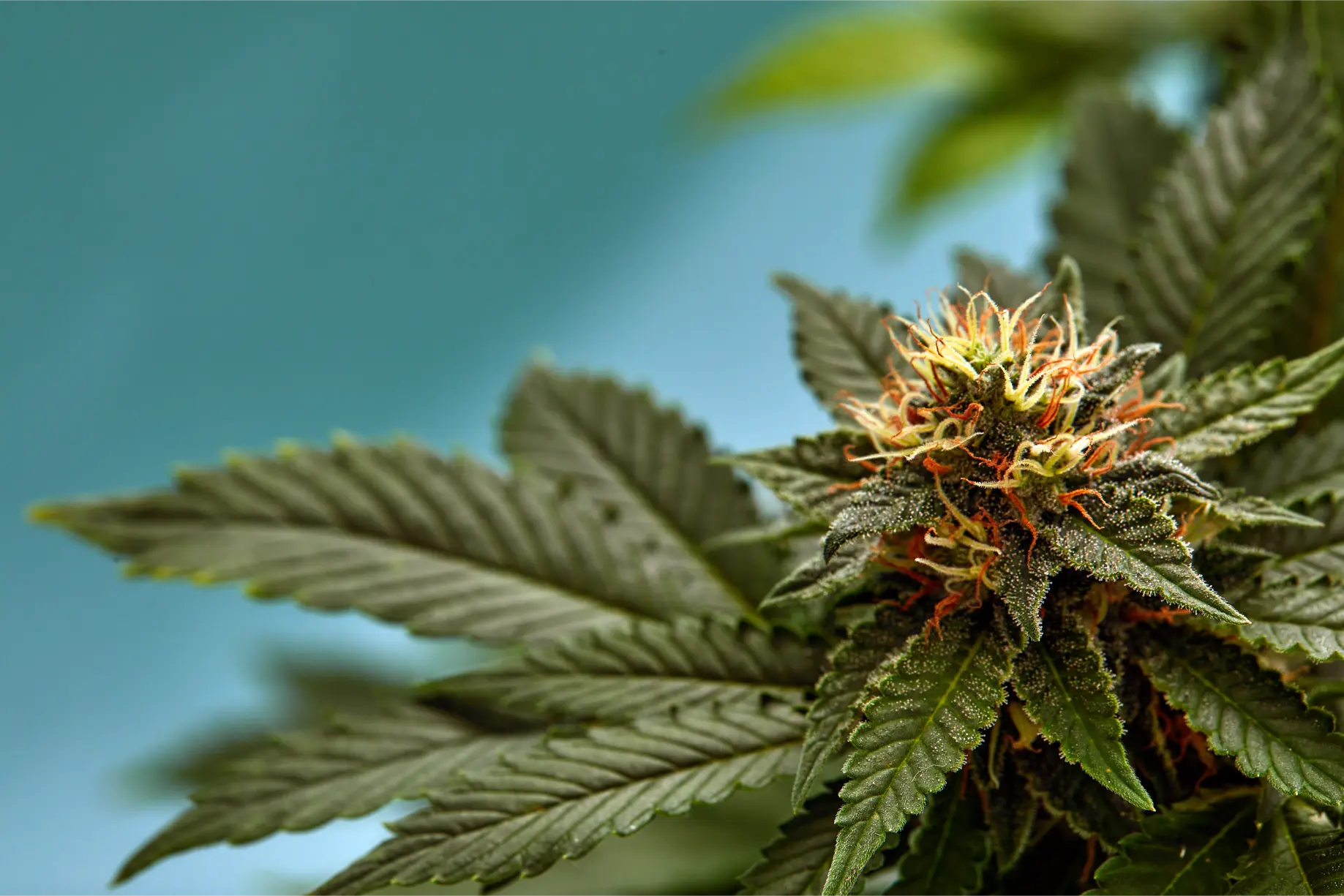
Zoap Strain: Complete Cultivar & Grow Guide
In the rapidly evolving landscape of modern craft cannabis, few cultivars have captured the imagination of discerning palates quite like Zoap. Bred from a sophisticated convergence between the celebrated Rainbow Sherbet family (most notably aligned with the RS11 genetic lineage) and an elite selection of Pink Guava, Zoap stands apart from the crowded sea of generic dessert cultivars. Where many modern varieties rely entirely on overt, heavy-handed candy sweetness, Zoap introduces an enigmatic sensory signature: an intoxicating union of clean floral soap, sweet pink guava, tart citrus zest, crisp apple peel, and a lingering, high-octane chemical gas undertone that challenges and delights experienced connoisseurs.
For the dedicated cultivator, Zoap represents a compelling exercise in precision horticultural management. Morphologically, the plant presents a well-proportioned, medium-stature hybrid architecture with sturdy lateral branching and moderate internodal spacing. During vegetative growth, it demonstrates remarkable cooperativeness, rooting swiftly from clone and responding enthusiastically to early canopy shaping and structural training. However, the cultivar’s defining challenge emerges during the final three weeks of floral maturation. As dense, rounded calyx clusters swell and accumulate astonishing layers of glandular trichomes, the plant demands rigorous environmental discipline. Excess humidity, stagnant interior microclimates, or an overly warm, hurried post-harvest dry will swiftly oxidize the delicate floral monoterpenes and volatile esters that give Zoap its iconic namesake profile, leaving behind a flat, unremarkable earthy profile.
Achieving top-shelf expression with Zoap requires looking beyond raw yield metrics or headline cannabinoid percentages. While analytical lab profiles consistently demonstrate total cannabinoid levels between twenty-two and twenty-six percent, the true mark of mastery lies in terpene preservation and calyx cleanliness. Maximizing this cultivar’s genetic potential demands conservative late-bloom nitrogen tapering, strategic leaf canopy pruning, precise vapor pressure deficit tracking, and an unhurried, whole-plant drying cycle at sixty degrees Fahrenheit. This comprehensive guide details the botanical lineage, physiological requirements, nutritional schedules, and master grower techniques necessary to cultivate, harvest, and cure Zoap at the highest commercial and craft standards.
Strain Features
| Feature | Details |
|---|---|
| Strain Type | Balanced Hybrid (55% Indica / 45% Sativa) |
| Genetic Lineage | Rainbow Sherbet line (RS11 ancestry) x Pink Guava |
| Average THC Level | 22% to 26% (Select phenotype cuts achieve 27%) |
| Average CBD Level | Less than 0.4% (Measurable CBG content between 0.8% and 1.5%) |
| Dominant Terpenes | Beta-Caryophyllene, Limonene, Alpha-Humulene, Linalool, Trans-Ocimene |
| Aromatic Profile | Perfumed floral soap, tropical pink guava, green apple peel, sweet citrus, solvent gas |
| Primary Effects | Fast-acting cerebral euphoria, sociability, sensory enhancement followed by soothing physical ease |
| Indoor Flowering Time | 56 to 63 days (8 to 9 weeks post-transition) |
| Flowering Stretch Ratio | Moderate (1.4x to 1.7x vertical expansion during bloom transition) |
| Bud Morphology | Dense, rounded golf-ball style bract clusters with vibrant lavender and forest green marbling |
| Cultivation Difficulty | Intermediate (Demands careful microclimate and post-harvest drying control) |
| Primary Grow Risks | Late-flower interior humidity pockets, rapid drying terpene loss, botrytis in dense apical buds |
The botanical presentation of Zoap is one of the most aesthetically striking sights in contemporary horticulture. In the vegetative phase, the plant establishes a balanced, symmetrical habit with deep emerald foliage and thick petiole attachments. Leaf margins are cleanly serrated with medium-width blades that reflect its near-even hybrid equilibrium. Unlike gangly, narrow-leaf sativas that stretch uncontrollably, Zoap exhibits disciplined internodal spacing of one and a half to two inches, creating a compact framework that is ideally suited for horizontal indoor training systems.
Upon induction into twelve-hour flowering photoperiods, Zoap initiates floral sites rapidly, showing visible pistillate primordia by day eight to ten. Vertical stretch is moderate, rarely exceeding one hundred and seventy percent of vegetative height, which allows cultivators working with standard ceiling heights to manage vertical clearance without anxiety. By week four of bloom, calyx stacking accelerates dramatically, forming tight, globular clusters that aggregate into substantial, baseball-sized terminal spears along primary branches.
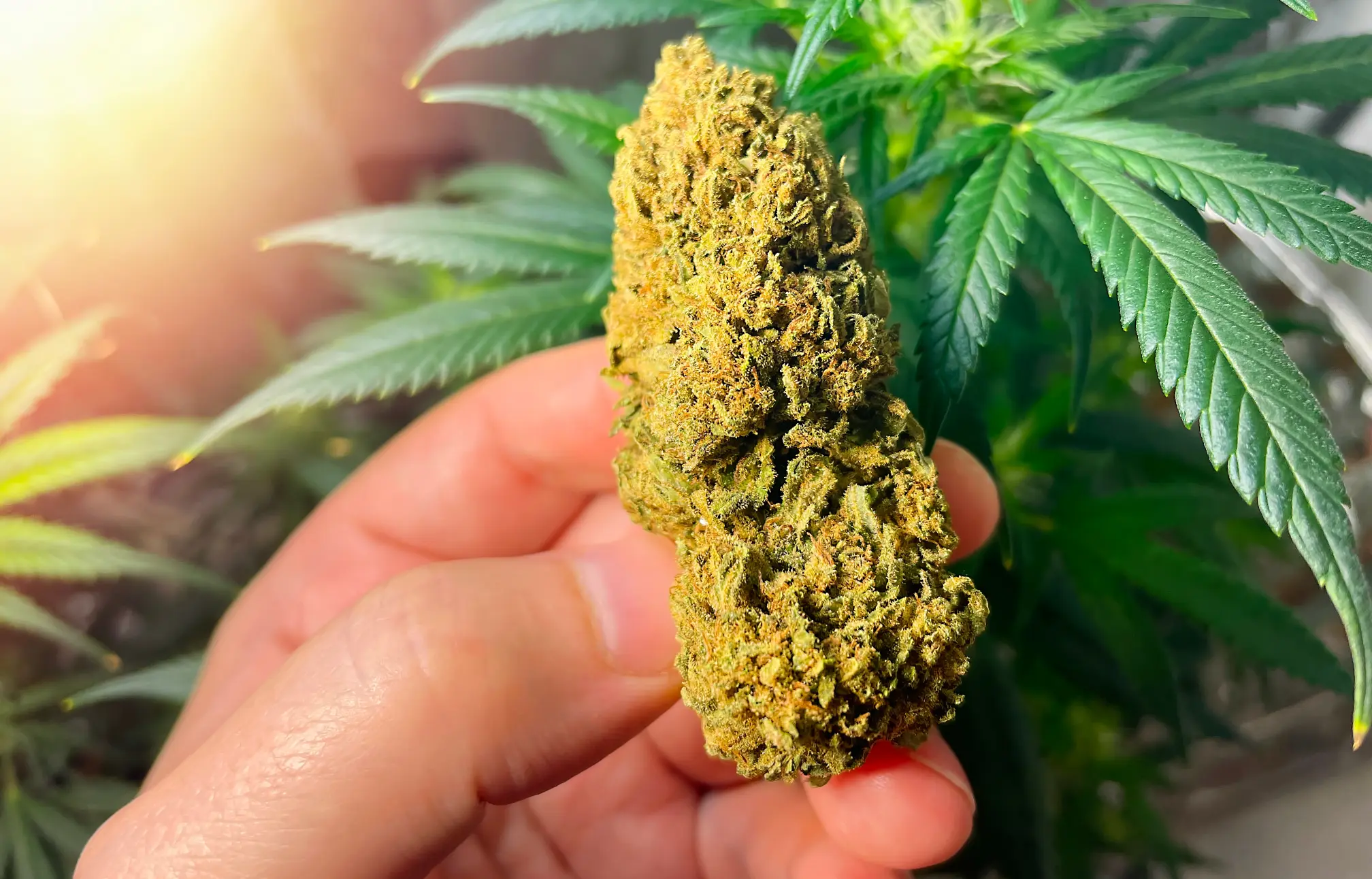
The visual bag appeal of mature Zoap flowers is exceptional. As flowering approaches week seven and eight, anthocyanin synthesis intensifies across the outer bract tissue, washing the buds in rich mosaics of royal purple, lavender, and dusky plum. These deep hues contrast magnificently with vivid coral-pink and fiery tangerine pistils that weave throughout the floral structure. Draped over this vibrant canvas is a heavy, shimmering mantle of glandular trichomes whose bulbous capitate-stalked heads give the flowers a glazed, frosted appearance.
Structurally, cured Zoap flowers exhibit high calyx density and substantial mechanical resistance. When gently squeezed, the nuggets offer a dense, spring-like firmness that resists compression without pulverizing into dust. The calyx-to-leaf ratio remains impressively high throughout the upper two-thirds of the canopy, facilitating swift manicuring and minimizing the volume of non-trichome plant material in the finished jar.
Microscopic inspection of the resin glands reveals high concentrations of capitate-stalked trichomes measuring between 100 and 130 microns in diameter. The resin heads possess exceptionally clear to cloudy glandular secretions during peak harvest windows, suspended on sturdy, fibrous stalks that shear cleanly during ice water hash extraction protocols, making Zoap a favorite among boutique solventless concentrate artisans.
Individual calyx clusters display an impressive degree of radial symmetry around the central floral axis. Even secondary and tertiary floral sites situated beneath the primary colas achieve remarkable solidity when properly defoliated, minimizing the volume of loose, larfy lower material and maximizing top-shelf jar returns for craft cultivators.
Genetic Lineage
The genetic heritage of Zoap represents a masterclass in modern West Coast cultivar selection, uniting the flavorful complexity of the Rainbow Sherbet family with the exotic tropical funk of Pink Guava. While commercial breeding narratives often reduce the pedigree to a simple two-way cross, the genealogical architecture is considerably more nuanced. The maternal contributor, Rainbow Sherbet (heavily associated with the celebrated RS11 phenotype), traces its foundational ancestry back through Sunset Sherbet and Pink Guava, combining the rich confectionery dough, dark berry, and relaxing body stone of the Cookies family with vibrant, effervescent fruit notes.
The paternal contributor, Pink Guava, is an enigmatic and celebrated cultivar within elite grower circles, prized for its unmistakable tropical fruit aroma, musky sulfur notes, and invigorating cerebral energy. Pink Guava contributed substantial vigor, open vascular branching, and a complex spectrum of volatile aromatic compounds that shift typical fruit flavors into a strange, clean, perfumed realm reminiscent of luxury botanical soaps and tropical fruit preserves. When these complementary genetic streams were united and subjected to rigorous multi-generational selection, the resulting Zoap cut emerged as a rare phenotype capable of expressing both the velvety, dessert-like smoothness of Sherbet and the sharp, perfumed guava pungency of its exotic ancestor.
Across craft cultivation rooms and analytical testing facilities, two notable phenotypic tendencies are recognized within Zoap selections:
- The Floral-Soap Expression: This is the hallmark phenotype that defines the cultivar’s reputation. It features heavy concentrations of linalool, limonene, and trans-ocimene, producing an aromatic bouquet that evokes luxury hand-milled French soaps, crushed pink guava, and sweet citrus blossom with a crisp solvent-fuel finish. It finishes flowering between day fifty-six and fifty-nine, displaying dramatic royal purple coloration across the calyxes.
- The Tropical Gas Expression: Slightly taller in stature with a more vigorous stretch (up to 1.8x), this cut leans more heavily toward beta-caryophyllene and alpha-humulene. The aroma emphasizes tart passionfruit, green mango, and sharp chemical kerosene, with the floral soap note lingering as an elegant background nuance. It typically requires sixty to sixty-three days to achieve peak trichome maturity.
Both phenotypic variations share the same foundational hybrid vigor and exceptional resin density, ensuring that cultivators who secure verified clone stock or high-grade genetic lines will enjoy consistent garden performance, striking bag appeal, and that rare, conversation-starting aromatic profile that distinguishes Zoap in any setting.
Historical genealogical tracking confirms that the Sunset Sherbet line within Rainbow Sherbet transmits robust resistance to powdery mildew along with heavy terpene synthase expression, while Pink Guava introduces unique volatile sulfur compounds (VSCs) that interact with monoterpenes to create the unmistakable guava-fuel finish. This genetic synergy ensures that Zoap retains its distinct chemical fingerprint across multiple generations of clone-based propagation.
Effect Breakdown
The psychoactive and somatic progression of Zoap delivers a dynamic, uplifting experience that makes it one of the most versatile daytime and early evening cultivars available. Within three to five minutes of consumption, the onset arrives as a luminous, cheerful cerebral lift centered behind the eyes and across the forehead. Visual perception seems to soften, auditory stimuli take on greater texture, and a buoyant, giggly optimism sweeps aside mental fatigue and daily stressors. This opening act is notably social, talkative, and engaging, making Zoap an outstanding accompaniment for friendly gatherings, collaborative artistic projects, or outdoor weekend excursions.
Unlike purely sedative indica varieties that immediately impair mental processing or heavy sativa landraces that can provoke anxious palpitations, Zoap operates within a beautifully calibrated middle ground. The cognitive high feels buoyant, playful, and emotionally expansive. Thoughts flow with creative fluidity, mundane chores feel enjoyable, and conversational humor comes effortlessly. Experienced consumers praise its ability to elevate mood without triggering mental cloudiness or cognitive paralysis.
As the session progresses past the forty-five-minute mark, the somatic grounding inherited from the Sunset Sherbet lineage begins to weave smoothly into the experience. A warm, relaxing sensation radiates through the neck, trapezius muscles, and spinal column, gently releasing physical tension and soothing daily muscle aches. The physical relaxation is comfortable and restorative, yet it deliberately avoids immobilizing the user in heavy couchlock, provided consumption remains within reasonable boundaries.
At elevated dosages, however, Zoap reveals its substantial twenty-five percent THC potency. The euphoric mental energy gradually yields to dreamy, contemplative introspection, while somatic relaxation deepens into profound physical contentment. Eyelids grow pleasantly heavy, the appetite receives a noticeable boost, and the consumer settles comfortably into a restful, restorative mindset. Novice consumers should approach initial sessions with measured dosing, allowing ten to fifteen minutes between inhalations to gauge their physiological response before continuing.
The total duration of active effects spans between two and a half to three hours, concluding with a clean, smooth transition back to baseline. Users rarely report the heavy mental hangover, lethargy, or brain fog that often follows high-potency dessert hybrids, leaving the consumer relaxed, content, and clear-headed.
From an entourage perspective, the co-presence of trans-ocimene and limonene helps drive the brisk, euphoric cerebral lift, while linalool and beta-caryophyllene modulate neurochemical pathways to keep the experience centered, peaceful, and grounded. This dynamic balance ensures that consumers experience profound relaxation without sacrificing mental clarity.
Flavor & Aroma Profile
The organoleptic experience of Zoap is truly singular within the botanical kingdom of cannabis. Unsealing a properly cured glass jar produces an immediate, highly distinct aromatic cloud that defies conventional strain categorizations. The initial impression is remarkably clean, perfumed, and slightly waxy, evoking images of artisanal rosewater soaps, luxury floral cosmetics, and fresh laundry drying in a sunlit orchard. Yet this clean floral top note is quickly grounded by an exotic wave of tropical fruit: ripe pink guava, sweet apricot nectar, crisp Granny Smith apple peel, and tangy pink grapefruit zest.
Breaking a cured flower apart fractures thousands of dense trichome heads, instantly shifting the aromatic spectrum into higher gear. Beneath the perfumed fruit sits a pungent, dark foundation of cracked black pepper, damp earth, crushed juniper, and a sharp, chemical fuel note that recalls high-octane racing gasoline. This striking juxtaposition between clean floral cosmetics and pungent chemical gas is the exact signature that earned Zoap its devoted following among flavor chasers.
When consumed through a temperature-regulated convection vaporizer set to 380 degrees Fahrenheit (193 degrees Celsius), the flavor translation is impeccably faithful to the dry aroma. The first pull washes over the palate with a silky, velvety smoke carrying sweet guava puree, candied elderflower, and creamy vanilla wafer. The mid-palate introduces a tart, refreshing citrus acidity that cuts through the sweetness, while the exhale reveals a complex combination of white pepper, dry pine, and that unmistakable, clean soapy finish that lingers on the tongue long after the vapor has dissipated.
When rolled into a joint using thin, unbleached rice papers, Zoap burns with exemplary precision. The smoke is extraordinarily cool, gentle on the throat, and velvety in texture. It leaves a thick, oily resin ring that tracks closely behind the glowing amber cherry, producing an immaculate, solid white-to-light-gray ash that confirms comprehensive nutrient leaching and slow, disciplined moisture equilibrium during the post-harvest cure.
A dry flower pull across an unlit joint provides an enchanting preview of what is to come. Inhaling gently delivers pronounced sensations of pink guava pulp, lime blossom, and sweet herbal confectionery. This dry-inhale clarity is the ultimate test of a successful cure, indicating that all harsh volatile chlorophyll molecules have degraded completely while leaving the fragile monoterpene and ester fractions perfectly intact.
The persistence of the aftertaste is remarkable, often lingering on the oral palate for fifteen to twenty minutes following consumption. The interplay of water-soluble anthocyanins and lipid-soluble terpenes creates a clean, sweet coating that makes each puff taste as fresh and layered as the very first draw.
Dominant Terpenes
| Terpene | Typical Concentration | Primary Sensory Contributions | Horticultural & Physiological Role |
|---|---|---|---|
| Beta-Caryophyllene | 0.65% to 1.15% | Cracked black pepper, warm woody spice, dry earth | Binds to peripheral CB2 receptors to mediate somatic relaxation; provides robust natural plant pest deterrence |
| Limonene | 0.50% to 0.90% | Sweet pink grapefruit, lemon zest, bright citrus brightness | Facilitates rapid blood-brain barrier permeability; provides essential plant defense against mold and mildew |
| Alpha-Humulene | 0.20% to 0.40% | Earthy wood, fresh hops, dry herbal astringency | Works synergistically with caryophyllene for anti-inflammatory signaling; natural appetite suppressant |
| Linalool | 0.25% to 0.45% | French lavender, perfumed floral cleanliness, sweet soap notes | Modulates central neurotransmission to ease anxiety and muscle tension; enhances plant stress tolerance |
| Trans-Ocimene | 0.12% to 0.28% | Tropical sweetness, sweet herbaceous woods, green floral notes | Critical contributor to exotic fruit aroma; evolutionary defense against predatory insect infestation |
Analytical high-performance liquid chromatography and gas chromatography-mass spectrometry screenings of cured Zoap flowers routinely demonstrate an extraordinary total terpene content ranging between 2.2% and 3.6% by dry weight. What makes Zoap’s chemical architecture so compelling is not merely the abundance of major terpenes, but the presence of rare secondary volatile esters, aldehydes, and sulfur-containing organic compounds that interact synergistically with its dominant terpene trio.
Beta-caryophyllene anchors the lower olfactory register, contributing the warm, peppery fuel notes that emerge during combustion. Because caryophyllene functions as a functional dietary cannabinoid, it engages peripheral CB2 receptors to downregulate pro-inflammatory cytokines, delivering genuine somatic relief without psychotropic intoxication. In the living garden, elevated caryophyllene production safeguards the developing flowers against sap-sucking insects and fungal spores.
Limonene and linalool together form the aromatic engine of the cultivar’s distinctive bouquet. Limonene generates the effervescent pink grapefruit and tropical brightness, while linalool introduces the soothing, perfumed floral soap essence that characterizes the cultivar. Trans-ocimene, though present in smaller fractions, plays a vital role in synthesizing the sweet, ripe guava notes that elevate the aroma into an exotic, multi-layered masterpiece.
Additionally, trace concentrations of alpha-pinene, nerolidol, and terpineol are frequently identified in lab assays. Nerolidol adds subtle woody-floral undertones while offering antimicrobial properties, while alpha-pinene helps preserve cognitive alertness and short-term memory function during the session, preventing the mental fog commonly associated with high-THC dessert cultivars.
Laboratory data also highlights the presence of volatile thiols and prenylated cannasulfur compounds (VSCs) that, even in parts-per-billion concentrations, provide the high-octane diesel edge that anchors the otherwise sweet, floral, and tropical bouquet.
Indoor vs Outdoor Growing
| Cultivation Parameter | Indoor Cultivation | Outdoor Cultivation |
|---|---|---|
| Optimal Photoperiod / Season | 18/6 vegetative, 12/12 bloom (56-63 days) | Full sun exposure; harvest late September to early October |
| Canopy Management | Responds exceptionally to SCROG, topping, and light leaf thinning | Forms a broad, multi-branched shrub; needs heavy wire cages for support |
| Average Yield Potential | 450 to 520 grams per square meter | 600 to 850 grams per plant in 75+ gallon living soil beds |
| Climate Control Priorities | Maintain tight VPD (1.2-1.45 kPa) and reduce late-bloom RH to 42-45% | Requires shelter from autumn dew and rainfall during final three weeks |
| Aromatic Terpene Expression | Exceptional terpene clarity and intact floral-soap notes under cool LEDs | Massive resin volume; requires careful sun drying to prevent terpene flash |
| Pathogen Risks | Powdery mildew if canopy humidity stagnates inside lower foliage | High susceptibility to botrytis in dense calyx clusters during late rain |
When weighing indoor versus outdoor cultivation for Zoap, the grower must evaluate their environmental capabilities against the cultivar’s specific vulnerabilities. Indoors, Zoap is an absolute dream for precision growers. Its disciplined vertical stretch (rarely exceeding 1.7x) and cooperative branching habit make it an ideal candidate for horizontal trellis netting and screen of green (SCROG) layouts. Under high-performance full-spectrum horticultural LED fixtures operating at 850 to 950 PPFD, Zoap develops exceptionally dense, jewel-like floral nuggets whose delicate floral and guava terpenes are shielded from excessive heat degradation.
Furthermore, indoor climate control allows the grower to systematically drop relative humidity down to forty-two percent during the final two weeks of flowering, completely neutralizing the risk of internal bud rot (Botrytis cinerea) inside the swelling apical colas. Nocturnal temperature manipulation (driving nighttime temps down to 64 degrees Fahrenheit) can also be applied with surgical precision during late bloom to bring out breathtaking royal purple and lavender pigmentation across the entire canopy.
Outdoors, Zoap can thrive and achieve substantial biomass when planted in regions blessed with long, warm, and arid summers followed by dry autumns, such as the sunny valleys of Southern Oregon, California’s Central Valley, or Mediterranean coastal belts. Rooted into seventy-five to one hundred and fifty gallon fabric containers filled with rich living organic soil, plants expand into broad, vigorous six-foot bushes capable of yielding upwards of 800 grams per plant of premium resinous flower.
However, outdoor cultivation in temperate, humid, or northern climates requires serious caution. Because Zoap produces dense, rounded calyx clusters that trap ambient moisture, the heavy morning dew and sudden cold rains typical of late September and early October can spell disaster for unshielded crops. Outdoor cultivators in these zones must utilize clear poly-hoop structures, deploy industrial oscillating canopy fans, or physically shake plants dry at dawn to ensure that moisture never stagnates within the dense interior of the floral clusters.
The choice between artificial LED lighting and natural sunlight also influences finished chemical profiles. Full-spectrum solar radiation elevates minor cannabinoid synthesis (notably CBG and CBC), while climate-controlled indoor environments preserve peak monoterpene fractions, resulting in a cleaner, sharper expression of the signature floral soap and pink guava aroma.
Strain-Specific Grow Guidance
Cultivating Zoap to its absolute sensory peak requires balancing its vegetative vigor against its late-flowering environmental sensitivities. By executing the following horticultural strategies throughout each developmental phase, growers can ensure maximum resin production, flawless floral density, and uncompromised aromatic purity.
Protect Zoap’s Delicate Floral Terpenes From High Late-Bloom Canopy Heat
The defining aromatic signature of Zoap, its unique floral soap and exotic pink guava bouquet, is driven by fragile monoterpenes and volatile esters including trans-ocimene, linalool, and limonene. These compounds possess low boiling points and will volatilize rapidly if canopy leaf temperatures exceed 78 degrees Fahrenheit (25.5 degrees Celsius) during weeks six through nine of bloom. Lower ambient room temperatures to 72 to 74 degrees during the final twenty days, maintain strong indirect airflow, and never place hot HID fixtures too close to the upper colas.
Vegetative Structuring and Canopy Management
Zoap vegetative development is cooperative and well-paced. Start by topping the main stem once the seedling or rooted clone has developed five to six healthy nodes, pruning cleanly back to the fourth node. This early decapitation breaks apical dominance and stimulates the lateral expansion of four to six primary branches of nearly identical vigor.
Implement gentle low-stress training (LST) by guiding lateral branches outward toward the perimeter of your container using soft rubberized garden ties. Unlike stiffer OG varieties, Zoap branches remain supple and pliable through week four of veg, allowing for effortless horizontal spreading without the danger of snapping at the nodal junctions. Install a single layer of trellis netting ten to twelve inches above the pot rim to establish a uniform, planar canopy before initiating the flowering cycle.
Nutrient Blueprints and Electrical Conductivity Targets
Zoap prefers a steady, moderate nutritional regimen and can react negatively to aggressive over-fertilization. In soilless substrates like coco coir or automated drip hydroponics, establish early vegetative input EC at 1.3 to 1.5 mS/cm with a solution pH maintained strictly between 5.8 and 6.0.
Should I heavily flush Zoap with pure reverse osmosis water before harvest?
Question sent by: Darren Cole, via Instagram.
No. Stripping the root zone with zero-ppm reverse osmosis water causes severe osmotic shock, forcing the plant to cannibalize stored mobile nutrients too rapidly, which results in yellow, brittle bracts and degraded flavor. Instead, initiate a gentle nutrient taper during the final ten days by dropping your base electrical conductivity down to 0.6 to 0.8 mS/cm, supplying light bioavailable potassium silicate and organic humic acids. This allows the plant to metabolize residual nitrates smoothly while maintaining healthy cellular turgor and terpene synthesis until harvest day.
During the flowering stretch (weeks one through three), maintain input EC at 1.8 to 2.0 mS/cm. As the stretch concludes around day twenty-one, begin transitioning the nutrient formulation away from nitrate-heavy vegetative inputs and elevate monopotassium phosphate (MKP) and potassium sulfate ratios to support calyx swelling. Maintain peak bloom EC between 2.0 and 2.2 mS/cm through week six, ensuring that root-zone runoff electrical conductivity does not creep more than 0.3 mS/cm above input levels.
Living Soil and Organic Amendment Strategies
For organic craft cultivators utilizing living soil beds or large fabric containers, Zoap responds brilliantly to microbial inoculants and balanced dry amendments. Top-dress at the onset of flowering with composted worm castings, steamed bone meal, pulverized langbeinite, and bat guano to provide sustained phosphorus and potassium release. Water with aerated compost teas enriched with blackstrap molasses and humic acid to stimulate mycorrhizal fungi and beneficial bacteria, which significantly enhances secondary metabolite and terpene synthesis.
Canopy Thinning and Airflow Dynamics
Because Zoap foliage develops into dense clusters of broadleaf fan leaves, internal canopy airflow must be maintained through deliberate pruning interventions:
- Day 21 Lollipopping and Center Pruning: At day twenty-one of flower, strip away all weak, shaded lower growth and non-productive shoots from the bottom thirty percent of the plant. Simultaneously, remove inward-facing fan leaves that obstruct light penetration into the center of the canopy or impede horizontal airflow across developing floral sites.
- Day 42 Selective Leaf Removal: By week six, inspect the canopy for secondary fan leaves that are directly pressing against swelling calyx clusters. Carefully snip these leaves at the petiole base to eliminate microclimate moisture traps between colas, ensuring that air circulates freely around every floral column.
Irrigation Frequency and Dryback Management
Zoap performs best when its root system experiences consistent, rhythmic substrate dryback cycles. In coir or peat-perlite blends, deliver multiple small irrigation events throughout the daylight cycle to maintain substrate volumetric water content (VWC) within comfortable ranges, allowing for a twenty-five to thirty percent overnight dryback. Avoid keeping the medium perpetually saturated, as excessive root-zone moisture impedes root oxygenation and promotes soft, spongy calyx development.
Climate Curves: Daily Light Integral (DLI) and Vapor Pressure Deficit (VPD)
Maintain tight environmental steering throughout the cycle. In vegetative growth, provide a DLI of 30 to 35 mol/m2/day paired with a VPD of 0.9 to 1.1 kPa (78 degrees F, 65% RH). During weeks one to four of bloom, increase DLI to 40 to 45 mol/m2/day and VPD to 1.25 to 1.35 kPa (76 degrees F, 55% RH). During peak swelling (weeks five to eight), supply a DLI of 45 to 50 mol/m2/day under 1100 ppm supplemental CO2, maintaining VPD at 1.35 to 1.45 kPa (74 degrees F, 45% RH) to promote active transpiration and prevent botrytis.
Weedth Bud Flavor Tips
The difference between average commercial Zoap and legendary craft-grade flower lies entirely in how the cultivator manages late-season temperatures and the post-harvest cure. Implement these proven protocols to protect its exquisite aroma:
Maintain Cool Canopy Temperatures During Late Bloom: During weeks seven through nine of flower, drop your daytime ambient temperature to 72 to 74 degrees Fahrenheit (22 to 23 degrees Celsius) and night temperatures to 64 to 66 degrees Fahrenheit (17 to 19 degrees Celsius). Excessive heat rapidly strips fragile monoterpenes like trans-ocimene and limonene from the trichome heads. Cooler temperatures lock in these volatile aromatics while encouraging the expression of deep purple anthocyanin pigments across the calyxes.
Taper Nitrogen Inputs Cleanly: Lingering excess nitrogen inside plant tissues at harvest causes harsh, dark smoke and masks delicate tropical flavors behind bitter, grassy notes. Reduce nitrogen inputs by fifty percent after week five of bloom, allowing the fan leaves to transition naturally into pale lime and autumn colors as harvest approaches.
Execute a Whole-Plant 60/60 Hang Dry: Never wet-trim Zoap. Wet trimming ruptures resin heads and causes rapid chlorophyll release that gives dried buds a hay-like smell. Hang the entire plant whole in complete darkness at 60 degrees Fahrenheit (15.5 degrees Celsius) and 60% relative humidity for fourteen to sixteen days. Ensure gentle, indirect room air circulation that never blows directly onto drying branches.
Commit to an Extended Glass Cure: Following a meticulous dry trim, seal the manicured buds into airtight glass jars or stainless steel curing containers, filling to seventy percent capacity. Store in total darkness at 62 to 64 degrees Fahrenheit. Burp containers daily for ten minutes during the first two weeks, then burp once weekly for an additional three to four weeks. This unhurried cure allows residual moisture to equalize while permitting the floral soap, pink guava, and sweet citrus terpenes to fully harmonize into a velvety, multi-dimensional smoke.
Store in Small, Airtight Glass Vessels: Once cured, divide your harvest into smaller glass containers rather than repeatedly unsealing a single large jar. Every time a curing vessel is opened, fresh oxygen enters and accelerates the oxidation of delicate monoterpenes, gradually dulling that rare floral soap vibrancy over time.
Weedth Bud Boost Tips
For growers seeking to maximize commercial yield without compromising trichome density or calyx structure, apply these advanced horticultural techniques:
Optimize PPFD and Carbon Dioxide Enrichment: Zoap responds enthusiastically to high light intensity when balanced with supplementary carbon dioxide. Supply 850 to 950 micromoles per square meter per second of PPFD across weeks three through seven of flowering, paired with 1100 to 1200 parts per million of supplemental CO2. Ensure canopy VPD is maintained at 1.35 to 1.45 kPa to support high transpiration rates, allowing the root system to transport massive volumes of calcium and potassium required for rock-hard calyx development.
Incorporate Bioavailable Monosilicic Acid: Throughout vegetative growth and continuing through week five of bloom, supplement your nutrient reservoir with bioavailable monosilicic acid (SiO4) at forty to fifty parts per million. Silicon integrates directly into cellular wall matrices, thickening stem diameter, reinforcing vascular transport bundles, and building rigid branches that easily carry heavy floral spears without bowing or breaking under their own weight.
Deploy Strategic Secondary Trellising: Zoap colas build substantial density during the final twenty days of bloom. Install a secondary horizontal trellis net eighteen inches above the primary screen during week three of bloom. This secondary grid provides vital physical reinforcement as heavy flower clusters stack and gain mass, preventing branches from leaning against tent walls or shading neighboring colas.
Calibrate Potassium-to-Nitrogen Ratios During Bulk Swelling: Between day thirty-five and day fifty of flowering, adjust your elemental nutrient formulation to deliver a 2.5:1 potassium-to-nitrogen ratio. This shift provides the exact mineral balance required for rapid calyx expansion and carbohydrate deposition without triggering foliar tip burn.
Implement Supplemental UV-A Lighting: Introducing supplemental UV-A radiation (365 to 385 nanometers) during weeks four through seven of bloom stimulates an adaptive defense response in the plant, increasing glandular trichome density and boosting total secondary metabolite synthesis by ten to twelve percent across the upper canopy.
Medical Uses & Benefits
Within medical cannabis clinical frameworks and patient survey data, Zoap is highly regarded for its versatile therapeutic window. Delivering an uplifting, mood-elevating cerebral onset paired with soothing somatic relaxation, patients utilize this balanced hybrid across numerous functional healthcare applications.
Relief From Chronic Stress and Depressive Symptoms: The brisk surge of cerebral euphoria and mood elevation driven by limonene and elevated THC concentrations provides swift relief for patients battling chronic stress, situational anxiety, and depressive fatigue. The cognitive shift interrupts negative ruminative patterns, replacing anxiety with bright optimism and conversational ease.
Alleviation of Musculoskeletal Tension and Mild Pain: The significant concentration of beta-caryophyllene interacts directly with peripheral CB2 receptors, providing systemic anti-inflammatory signaling that helps ease joint stiffness, lower back tension, tension headaches, and neck spasms. Patients note that physical tightness unwinds without inducing daytime motor lethargy.
Appetite Stimulation and Nausea Mitigation: As the experience transitions into its second hour, Zoap reliably stimulates appetite while calming gastrointestinal discomfort. Patients navigating nausea or loss of appetite find it helpful for encouraging healthy nutritional intake without inducing immediate couchlock.
Creative Focus and Mild ADHD Management: For patients dealing with mental exhaustion or attention-deficit challenges, low to moderate microdosing delivers a calm, focused cognitive state that facilitates creative concentration and task completion.
Medical Disclaimer: This information summarizes reported patient feedback and horticultural observations. It is intended for educational purposes only and does not constitute medical advice. Cannabis affects individuals differently based on physiological variables, dosage, and tolerance. Always consult with a licensed healthcare physician regarding cannabis-based symptom management.
Ideal User Profile
Zoap is tailor-made for discerning cannabis enthusiasts, creative professionals, and medical consumers who prioritize exotic flavor profiles paired with versatile, functional potency. The ideal user appreciates sophisticated, non-traditional terpene expressions and values a hybrid capable of transitioning effortlessly from active daytime hours to relaxing evenings.
The Flavor Connoisseur: Perfect for enthusiasts who find one-dimensional sweet or fuel strains uninspiring. Zoap’s complex, layered combination of floral soap, tropical pink guava, green apple, and chemical kerosene offers an intellectual, multi-stage palate experience that rewards slow, attentive vaporization.
The Social and Creative Professional: Ideal for social dinners, creative jam sessions, outdoor adventures, or collaborative brainstorming. The upbeat, giggly opening fosters effortless conversational warmth, while the subsequent physical ease keeps the user anchored and relaxed.
Who Should Exercise Caution: Individuals with very low cannabinoid tolerance should approach Zoap with care. Its average twenty-four to twenty-six percent THC potency can quickly overwhelm sensitive users if consumed too rapidly. Novices should begin with a single gentle inhalation and wait fifteen minutes to evaluate its effects before taking additional draws.
Grower Notes and Feedback
A comprehensive review of commercial cultivation reports, caregiver forums, and boutique garden journals highlights several consistent observations regarding Zoap’s garden dynamics:
Predictable Canopy Discipline: Cultivators consistently praise Zoap for its cooperative growth habit. Unlike gangly, unwieldy hybrids, Zoap stays within a manageable vertical footprint, stretching roughly 1.5x after the flip and filling trellis netting with uniform, well-spaced floral colas.
Exceptional Solventless Extraction Returns: Concentrates artists report that Zoap is an exceptional candidate for fresh frozen ice water extraction and live rosin pressing. Its large, bulbous capitate-stalked trichome heads detach cleanly from stalks during gentle mechanical washing, yielding four to five percent solventless returns with incredible terpene retention.
The Critical Need for Late-Bloom Airflow: The most frequent operational warning from experienced cultivators centers on floral density. As calyx clusters tighten during weeks seven and eight, failure to maintain adequate horizontal canopy air velocity can result in localized humidity pockets and botrytis. Growers emphasize the necessity of day-twenty-one lollipopping and oscillating canopy fans.
Commercial Retail Dominance: Dispensary operators report that Zoap is a perennial top-tier retail seller. The combination of vibrant purple bag appeal, glittering trichome frost, and that unmistakable, room-filling floral soap aroma commands premium top-shelf pricing across competitive legal markets.
Weedth Editor’s Note
When I first secured a verified cutting of Zoap, I was frankly skeptical of the naming hype. In an industry full of marketing hyperbole, a strain claiming to smell like luxury perfumed soap sounded like an exaggeration. But from the moment my clones rooted into my coco-perlite blend under a 600-watt Metal Halide lamp, I realized this cultivar possessed something genuinely extraordinary. Under that blue 6500K spectrum, the vegetative frame developed thick, muscular branching with short, sturdy internodes that took to topping and low-stress training with complete ease.
Here in our northern climate near the Great Lakes, the shift from late summer into autumn brings sudden, punishing atmospheric changes that will expose any weakness in a dense garden. By the time my Zoap reached week six of flower under a 1000-watt High-Pressure Sodium fixture, outdoor night temperatures had plunged into the lower forties Fahrenheit (around 6 degrees Celsius), pulling cold, saturated lake air right against the basement walls of my facility. Cold concrete floors can rapidly chill root zones and create dangerous microclimate condensation inside dense canopies. To protect the crop, I elevated my five-gallon fabric pots on heavy-duty plastic drainage grids with root-zone heating cables maintained at 68 degrees Fahrenheit (20 degrees Celsius), ensuring nutrient transpiration never stalled.
The flowering stretch was remarkably well-behaved, expanding by roughly fifty percent before settling into aggressive floral bulking by day twenty-two. But by day forty-five, the density of the colas caught my attention: they were forming rounded, rock-hard spheres that looked like clusters of frosted purple plums. I immediately brought in two additional oscillating floor fans beneath the canopy and lowered my dehumidifier setpoints to forty-two percent relative humidity. With flowers this dense, you cannot allow stagnant air to sit for even an hour, or botrytis will claim the core of your best colas.
I harvested at day sixty, when my pocket microscope showed eighty-five percent cloudy trichomes with roughly ten percent amber heads across the primary calyxes. I hung the entire plant whole in darkness at strictly 60 degrees Fahrenheit and 60% relative humidity for a full sixteen days. That unhurried drying curve is where the magic happens with Zoap: if you rush the dry at seventy degrees, you will evaporate the delicate pink guava and floral notes, leaving behind only generic sweetness and pepper. After four weeks in glass jars, opening the lid filled the room with that clean, perfumed soap, sweet guava, and sharp kerosene aroma that makes Zoap an undeniable modern masterpiece. Treat the late bloom with respect and dry it slowly, and this cut will become a permanent fixture in your garden.
On my second run with Zoap, I made one fine adjustment to the feeding schedule: I cut my base nitrogen inputs in half at day fourteen of bloom rather than waiting until week four. That early nitrogen restriction produced significantly less leafy foliage around the floral clusters, resulting in golf-ball colas that were nearly effortless to dry trim. If you cultivate this plant in a small tent, keep your late feeding lean and prioritize airflow above all else.
Weedth Score
Growing Experience: 8.9 / 10
Zoap is a joy to cultivate throughout vegetative and early bloom phases, exhibiting dependable rooting vigor, disciplined internodal spacing, and high responsiveness to canopy training. The only reason it misses a higher mark is its extreme sensitivity to late-flowering humidity and the absolute necessity of strict microclimate management to protect its dense colas from fungal pathogens.
Bud Structure & Visual Appeal: 9.7 / 10
The visual appeal of mature Zoap flower is extraordinary. The colas form dense, rounded golf-ball clusters bathed in glittering capitate-stalked trichomes that sparkle brilliantly against royal purple, plum, and emerald bracts, accented by fiery coral-pink pistils. It is universally acknowledged as a top-tier jar showstopper.
Aroma Complexity: 9.8 / 10
An undeniable masterpiece of modern botanical chemistry. Zoap shatters traditional dessert profiles by uniting perfumed floral soap, ripe tropical pink guava, green apple skin, and sweet citrus against a pungent, acrid chemical-kerosene baseline. The bouquet is immediately identifiable and completely unmatched by conventional commercial hybrids.
Flavor & Smoke Smoothness: 9.3 / 10
When given a disciplined whole-plant dry and an extended glass cure, Zoap delivers an exquisite, velvety palate experience. The vapor coats the oral palate in sweet tropical fruit and floral elderflower before resolving into a clean, spicy soap and diesel finish. It burns cleanly to pure white ash with a pronounced resin oil ring.
Effects & High Experience: 9.1 / 10
The psychoactive trajectory is cheerful, functional, and socially engaging. It initiates with infectious euphoria, bright creative focus, and easy laughter, tapering smoothly into restorative musculoskeletal relaxation without heavy sedation or mental fogginess. It serves as an exceptional late-afternoon and social evening companion.
Overall Cultivar Score: 9.4 / 10
Zoap is a triumphant modern hybrid that fully justifies its immense reputation. For growers who possess the environmental tools to manage late-stage humidity and execute a slow, disciplined sixty-degree cure, it delivers connoisseur-grade flower with peerless bag appeal, extraordinary aromatic nuance, and immense retail power.
FAQ
What is the genetic parentage of Zoap?
Zoap is a balanced hybrid bred by crossing an elite Rainbow Sherbet line (heavily connected to the RS11 genetic lineage) with a selected cut of Pink Guava. This combination unites the dense floral structure, dessert dough, and vibrant color of Sherbet with the exotic tropical fruit, waxy floral soap, and chemical gas of Pink Guava.
How much does Zoap stretch during the flowering flip?
Zoap displays a moderate flowering stretch, typically expanding by 1.4x to 1.7x its vegetative height during the first three weeks of twelve-twelve photoperiod lighting. Its disciplined internodal spacing makes it exceptionally well-suited for indoor grow tents and standard ceiling heights.
Why does Zoap smell like soap?
The distinctive floral soap aroma of Zoap is produced by a rare, complex synergy between elevated concentrations of linalool, limonene, and trans-ocimene, complemented by secondary volatile organic esters and aldehydes. This unique chemical profile generates a clean, waxy, and perfumed aroma reminiscent of artisanal botanical soaps, balanced by sweet pink guava and fuel.
How long does Zoap take to finish flowering indoors?
Indoor flowering cycles for Zoap span 56 to 63 days (8 to 9 weeks) post-transition. The floral-soap phenotype typically reaches peak maturity between day 56 and 59, while the tropical gas expression benefits from several extra days, finishing near day 62 to 63. Harvest when eighty-five to ninety percent of trichome heads are milky with five to ten percent displaying rich amber coloring.
Is Zoap susceptible to mold or bud rot?
Yes. Because Zoap produces dense, rounded calyx clusters that pack tightly along the stem, it is susceptible to botrytis (bud rot) if late-flowering relative humidity exceeds fifty percent or if interior canopy airflow becomes stagnant. Growers must implement day-21 lollipopping, install oscillating fans, and drop bloom humidity to 42-45% during the final three weeks.
What are the dominant terpenes found in Zoap?
The primary terpene profile of Zoap is led by beta-caryophyllene, limonene, and alpha-humulene, supported by meaningful secondary fractions of linalool, trans-ocimene, and alpha-pinene. This combination yields total terpene concentrations routinely between 2.2% and 3.6% by dry weight.
Does Zoap perform well for solventless hash making?
Yes. Zoap is celebrated across the extraction community for its exceptional solventless washing capabilities. Its large, bulbous capitate-stalked trichome heads detach cleanly from stalks during ice water washing, consistently delivering four to five percent fresh frozen returns with extraordinary terpene capture.
What light intensity (PPFD) does Zoap prefer during peak bloom?
During peak flowering (weeks 4 through 7), Zoap thrives under light levels between 850 and 950 micromoles per square meter per second (PPFD). When supplemented with carbon dioxide at 1100 to 1200 parts per million, light levels can be increased to 1000 PPFD, accelerating calyx swelling without heat stress.
Similar Strains
Connoisseurs and cultivators who admire the exotic floral soap, tropical guava, and balanced hybrid potency of Zoap will appreciate these closely aligned cultivars:
Rainbow Sherbet (RS11): As the direct genetic ancestor of Zoap, RS11 shares a comparable high-resin bag appeal, dense calyx formation, and sweet fruit-forward aroma. However, RS11 leans more heavily into creamy dessert sherbet, sweet berries, and gas, with less of the clean, waxy floral soap notes that define Zoap.
Tropicana Cookies: A vibrant hybrid cross of Girl Scout Cookies and Tangie that delivers equally dazzling purple and magenta pigmentation paired with uplifting, sociable cerebral energy. Tropicana Cookies leans aggressively into tart blood orange and citrus peel, offering a sharper citrus profile compared to Zoap’s complex guava-soap balance.
Zkittlez (The Original Z): The foundational queen of modern candy cannabis profiles. Zkittlez offers a comparable sweet, multi-layered tropical fruit explosion on the palate, though it generally grows with more delicate, weaker lateral branching and lacks Zoap’s distinctive floral cosmetic finish.
Gelonade: An elite pairing of Lemon Tree and Gelato #41 that mirrors Zoap’s cheerful, outgoing social euphoria and superior jar appeal. Gelonade emphasizes bright lemon cleaner, sweet melon, and diesel exhaust rather than floral soap and pink guava.
Permanent Marker: A contemporary powerhouse sharing Zoap’s rare ability to showcase non-traditional, chemically complex aromatics. Permanent Marker features similar rock-hard floral density and heavy resin saturation, though its terpene profile leans darker, inkier, and more pungently industrial compared to Zoap’s bright floral sweetness.
Educational content. Always adhere to local cultivation laws and compliance regulations.
Share this article
A quick overview of the topics covered in this article.
Follow us
Latest articles
November 3, 2026
November 3, 2026
November 3, 2026
November 3, 2026
