
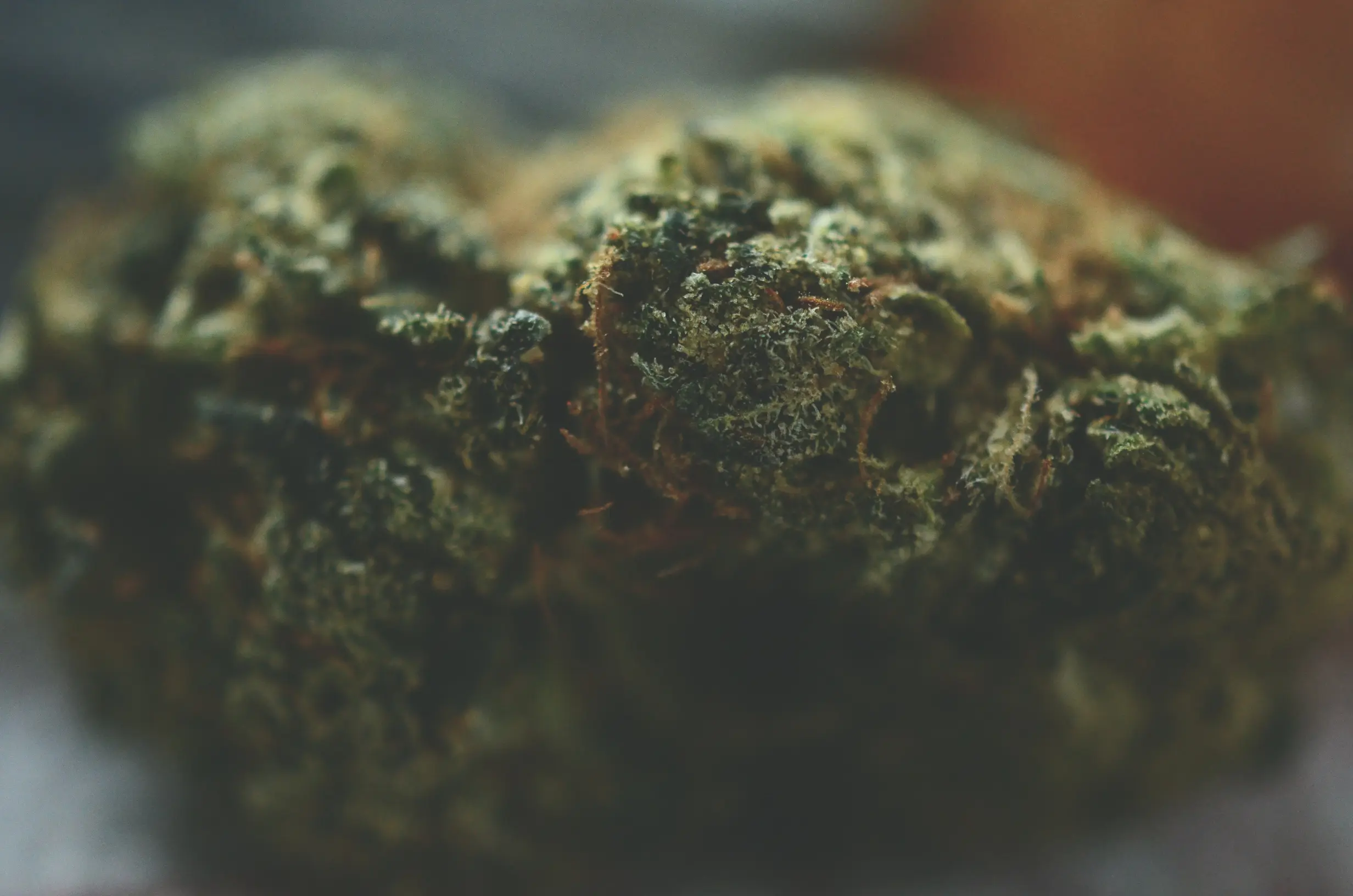
Zookies
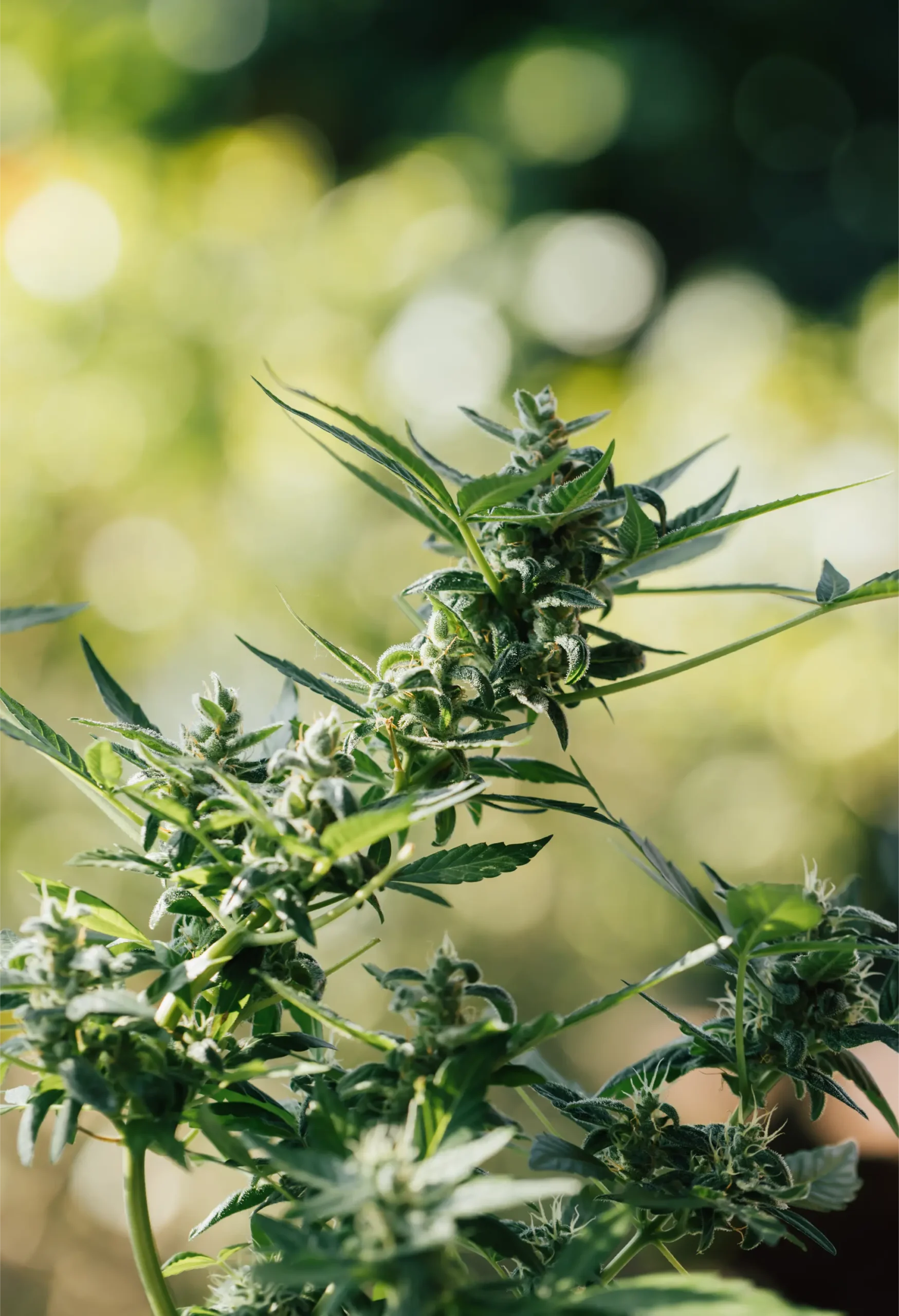
Bred in California through an electrifying clash of two heavyweight powerhouses, Zookies is a devastatingly potent 50% indica / 50% sativa balanced hybrid developed by crossing the legendary cookie cut Animal Cookies (Girl Scout Cookies x Fire OG) with the trichome monster Gorilla Glue #4 (GG4) (Chem’s Sister x Sour Dubb x Chocolate Diesel). Routinely testing with THC levels spanning 26% to 30% and total cannabinoids exceeding 34%, Zookies was selected and popularized by Alien Labs. Celebrated for its unique and mouth-watering terpene bouquet of nutty cookie dough, roasted cocoa, pungent diesel fuel, and sour chemical skunk, Zookies delivers a head-spinning, euphoric mental elevation paired with profound full-body physical tranquility that satisfies both medical patients and high-tolerance craft enthusiasts.
Strain Features
| Feature | Details |
|---|---|
| Strain Type | Balanced to indica-leaning hybrid |
| Genetic Profile | Animal Cookies x GG4 |
| THC | Commonly reported around 20% to the mid-20% range; stronger batches exist |
| CBD | Usually very low |
| Dominant Terpenes | Beta-caryophyllene, limonene and myrcene are recurring; humulene may be important in nutty expressions |
| Flavor and Aroma | Toasted nuts, butter, cookie dough, pepper, earth, chocolate, diesel and floral sweetness |
| Effect Character | Clear or focused euphoria with physical calm, becoming heavier and hungrier at larger doses |
| Flowering Time | Commonly 9 to 10 weeks; some selected cuts appear ready earlier but continue improving late |
| Stretch | Moderate to strong, often around 1.5 to 2 times depending on the cut and environment |
| Plant Architecture | Medium-tall hybrid with vigorous laterals and a canopy that fills quickly after the flip |
| Bud Structure | Dense, sticky and resin-rich, with dark green or purple accents in some expressions |
| Branch Strength | Generally useful, but late weight and long side branches still benefit from support |
| Yield Character | Moderate to good; quality improves when the productive zone is kept shallow |
| Odor Intensity | Strong in late flower, especially after the buds are disturbed |
| Training Compatibility | Very good for topping, low-stress training and SCROG when the screen is not overfilled |
| Feeding Behavior | Usually accepts productive nutrition, but excess nitrogen increases leaf congestion and mutes cookie sweetness |
| Main Grow Risk | Retaining too many laterals, then entering late flower with touching colas and uneven maturity |
| Grow Difficulty | Intermediate |
Genetic Lineage
Animal Cookies brings the dessert and OG side of Zookies. Its influence appears in dense flowers, vanilla-spice sweetness, dark foliage, color and a physically relaxing finish. Animal Cookies itself can vary between compact GSC-like and stretchier Fire OG-like expressions, which means Zookies does not inherit one perfectly fixed plant shape from that parent.
GG4 contributes a different kind of power. It is associated with fast lateral growth, sour earth, diesel, coffee, rubber and extremely adhesive resin. The plant often stretches more than an indica label suggests and can produce long branches that become heavy with sticky flowers. When these traits combine with Animal Cookies density, the grower receives a plant that may be structurally open in vegetative growth but much more crowded after flower stacking begins.
The balanced expressions are usually the most recognizably Zookies. They retain cookie dough and nutty sweetness without losing the diesel and earthy glue. Their branches are active enough to fill a screen, yet the flowers harden into modern dense clusters. The effect begins mentally present but becomes physically calm.
Animal Cookies-leaning plants may stay darker, tighter and sweeter. They can require more interior thinning because short node spacing places leaves and future buds close together. Their flower may show vanilla, butter, pepper and cherry-like sweetness with less aggressive fuel.
GG4-leaning plants may stretch farther, create more space between early nodes and smell strongly of sour diesel, earth and rubber. The buds can become slightly more elongated, and branch support becomes more important. These plants may appear less finished than compact siblings at the same calendar day, yet they can add noticeable weight late.
The cross also explains the resin texture. Zookies often feels greasy or adhesive rather than simply dusty with trichomes. The resin can gum scissors and cause small sugar leaves to stick against the flower. That trait is attractive for extraction and bag appeal, but it makes late canopy work unpleasant and increases the value of completing training before week four.
Phenotype selection should include more than smell. A keeper needs a structure compatible with the grower's room. The loudest diesel plant may stretch beyond the available height. The sweetest cookie plant may create too much interior leaf. The best overall expression balances aroma, branch strength, finish time and the percentage of flowers that mature evenly.
The inheritance also affects trim and drying behavior. Animal Cookies tends to create hard calyx clusters with small sugar leaves held close to the flower. GG4 can add longer, more adhesive flowers whose leaves stick outward before folding back as they dry. A balanced plant may look easy to manicure while still carrying enough resin to glue scissors quickly. This matters before harvest because a grower planning to wet-trim an entire room can discover that handling time is much longer than the bud-to-leaf ratio suggested.
Rooted clones can reveal another useful difference. Compact cookie-leaning plants may establish a dense root ball and remain physically small, while GG4-leaning plants convert the same root volume into faster branch extension. Equal container size does not guarantee equal irrigation demand. A mixed population should be judged by leaf area, drying rate and root-zone response rather than by the fact that every plant entered the room on the same day.
The pedigree of Zookies represents a pinnacle of West Coast genetic refinement. Maternal parent Animal Cookies contributes dense, resin-encrusted calyx morphology, sweet nutty bakery dough aromatics, and deep physical sedation derived from Fire OG and Girl Scout Cookies. Paternal contributor Gorilla Glue #4 injects relentless hybrid vigor, sticky resin glands that adhere to scissors like industrial adhesive, and an acrid petroleum-chem bite that gives Zookies its notoriously loud and pungent bag appeal.
Effect Breakdown
Zookies often begins in the mind without feeling sharply racy. At a light dose, thoughts may feel quieter and easier to organize. Users frequently describe focus, uplift and a sense that physical discomfort has moved into the background. The strain can therefore feel more functional than its dense appearance suggests.
The social character is calm rather than explosive. Conversation remains easy, but the user may prefer a smaller group or a familiar activity. Humor can increase without the restless energy associated with brighter sativas. This is the range in which some experienced users choose Zookies for housework, a walk, stretching or a relaxed creative project.
A moderate dose creates a different balance. The body becomes tingly and comfortable. Appetite rises, muscles loosen and the mind becomes more absorbed in one task. Focus remains possible, but switching tasks becomes less appealing. The user may feel capable while choosing not to do very much.
The heavy threshold arrives gradually. Additional consumption can create strong eyelid pressure, slower movement and reduced short-term memory. The user may not feel abruptly sedated, yet the body continues gaining weight. This delayed physical development makes overconsumption easy when the first phase feels clear.
Some users report headache or mental pressure, particularly with large doses. Anxiety is possible, though many people find the cultivar calmer than a pure fuel-forward hybrid. Dry mouth, dry eyes and appetite are common.
The effect may last several hours, with the late phase becoming quieter and more physically centered. Mature flower tends to produce more body calm and sleepiness. Earlier mature flower may preserve a clearer, more active character. The phenotype also matters: diesel-dominant expressions can feel sharper at the beginning, while cookie-dominant plants may move into relaxation sooner.
The setting strongly changes how that progression is experienced. In a stimulating social environment, the initial clarity can remain visible for longer because conversation keeps the mind engaged. In a quiet room after a large meal, the same dose may reveal body heaviness much sooner. The cultivar therefore earns its balanced reputation through flexibility, not because every session follows an identical timeline.
Tolerance also changes the apparent personality. Frequent users may describe Zookies as functional and steady. A less experienced user can encounter the full physical weight from an amount that seemed modest. This difference is one reason potency percentages alone do not predict whether the strain will feel daytime-friendly.
Zookies hits with a swift, explosive one-two punch that begins with an exhilarating surge of cerebral energy. Within two minutes of exhalation, a tingling wave of euphoric optimism sweeps through the mind, stripping away mental exhaustion, creative blocks, and negative thoughts while inspiring giggly, talkative sociability. As the initial mental rush deepens into its second hour, the heavy physical foundation of GG4 and Fire OG takes over: a warm, plush wave of somatic relaxation wraps around the shoulders, spine, and lower extremities, melting away muscular knots and easing chronic nerve pain without pinning you into an immediate, foggy couch-lock.
| Phase & Time Window | Mental & Emotional State | Physical & Somatic Sensation | Ideal Setting & Pairing |
|---|---|---|---|
| Glue & Cookie Spark (0 to 15 Minutes) | Instant mood elevation, sensory clarity, giggly creative stimulation | Warm tingling behind the eyes, light floating sensation in shoulders | Evening flower vape, listening to vinyl records, art creation |
| Harmonious Flow (15 to 75 Minutes) | Optimistic, highly social, laser-focused without manic jitteriness | Total dissolution of muscular stress, fluid physical mobility | Social gatherings, collaborative design, culinary cooking sessions |
| Velvet Body Soak (75 to 150 Minutes) | Contented peace, reflective mindfulness, pleasant emotional balance | Deep physical ease, subtle appetite awakening, zero couch-lock | Afternoon reading, patio dining, relaxing podcast listening |
| Restorative Nightcap (150 to 240+ Minutes) | Calm, grounded mental state with zero brain fog or mental exhaustion | Refreshed physical tone, loose comfortable posture | Seamless continuation of evening tasks or smooth transition to dinner |
Flavor & Aroma Profile
Zookies has a savory dessert profile. It is sweet enough to suggest baked goods, yet the sweetness is surrounded by pepper, nuts, earth and diesel. The result is closer to toasted cookie dough near a workshop than to pure candy.
The intact flower often presents a warm blend of butter, vanilla, nuts and dry spice. A dark chocolate or coffee-like note may sit underneath. Once the bud is broken apart, the GG4 side becomes more obvious. Sour diesel, damp soil, rubber and pepper expand quickly. A faint floral or citrus note can brighten the upper edge.
Nutty expressions are especially distinctive. They may resemble roasted peanuts, hazelnut skin or dry pastry crumbs rather than sweet nut butter. Humulene and caryophyllene-rich profiles can make the flower feel dry and savory even when cream remains present.
The inhale usually begins smoother and sweeter than the room aroma. Butter, cookie dough and soft cocoa can appear first. The exhale carries pepper, diesel and earth. A strong sample leaves a toasted, oily coating on the palate. A weakly cured sample leaves only dry gas.
Zookies flower can smell powerful soon after harvest. The adhesive resin traps aroma, but intensity should not be confused with readiness. Freshly dried flower may taste sharp or green despite a loud jar. Several weeks of cure allow the nutty and creamy notes to separate from the fuel.
Heat changes the profile toward earth and diesel. The butter, flower and citrus disappear first. Excess nitrogen adds a vegetal edge and can make the smoke feel thicker. Overdrying produces a brittle exterior and a pepper-heavy aftertaste. These losses are especially noticeable because the cultivar's identity depends on contrast.
Outdoor flower may show more wood, soil and sour fruit. Indoor flower often expresses cleaner butter and cookie notes when temperatures remain stable. Neither environment automatically produces better flavor. The grower must decide whether the climate can finish dense sticky flowers without forcing a fast or risky dry.
Zookies is celebrated for having one of the most uniquely addicting flavor profiles in modern cannabis. Breaking open a cured nugget releases an intensely loud aroma of roasted nutty cookie dough, pungent diesel fuel, and sour chemical skunk, underpinned by dark cocoa, damp pine needles, and spicy black pepper. On the inhale, thick vapor coats the tongue in sweet nutty dough and creamy vanilla; the exhale delivers an astonishingly bold kick of acrid diesel gas, sour skunk, and lingering herbal spice that coats the palate for over twenty minutes.
Dominant Terpenes
Beta-caryophyllene frequently forms the backbone of Zookies. It contributes black pepper, dry spice and the warmth connecting cookie dough to diesel. In nutty expressions, caryophyllene can resemble toasted skin or baking spice.
Limonene adds brightness. It may appear as a faint lemon edge, a lift in the floral sweetness or a cleaner upper note above the earth. It can also align with the more euphoric and focused opening reported by users.
Myrcene contributes damp soil, ripe fruit and physical relaxation. In heavier samples, it rounds the diesel and makes the effect feel warmer. Because myrcene can decline during drying and storage, an overdried batch may taste sharper and less complete.
Humulene helps explain roasted nuts, hops, cocoa and dry wood. It prevents the cookie side from becoming sugary. Some profiles may also contain linalool or pinene, adding floral softness or fresh pine.
The cultivar's signature likely depends on minor sulfur compounds and other volatile molecules from the GG4 side. Major terpene lists can look similar to many hybrids, yet Zookies remains identifiable through the combined expression of adhesive resin, savory pastry and sour fuel.
| Dominant Terpene | Typical Share (% of Total) | Boiling Point | Aromatic Signature | Pharmacological & Entourage Role |
|---|---|---|---|---|
| Beta-Caryophyllene | 34% to 42% (0.85% to 1.35% dry weight) | 266°F (130°C) | Spicy cracked pepper, pungent fuel, and warm clove | Acts as a dietary cannabinoid binding directly to CB2 receptors to relieve physical pain |
| Limonene | 22% to 28% (0.55% to 0.90% dry weight) | 349°F (176°C) | Zesty sweet citrus, Meyer lemon peel, and bright candy | Elevates mood, reduces situational anxiety, promotes gastric ease |
| Myrcene | 16% to 22% (0.40% to 0.70% dry weight) | 334°F (168°C) | Ripe dark berries, earthy soil, and subtle herbal musk | Deepens somatic relaxation and enhances overall terpene absorption |
| Humulene | 8% to 14% (0.20% to 0.40% dry weight) | 225°F (107°C) | Earthy noble hops, dry wood bark, and herbal spice | Exhibits potent anti-inflammatory properties and balances caryophyllene |
Indoor vs. Outdoor Growing
| Decision Point | Indoor Growing | Outdoor Growing |
|---|---|---|
| Canopy fill | Moderate-to-strong stretch can complete a partially open screen | Root freedom may create a tall, wide plant with long side branches |
| Training | One topping, branch spreading and SCROG work well | Early topping and wide spacing help prevent a dense central mass |
| Flower density | Climate control supports hard sticky flowers | Repeated rain can remain inside dense resinous buds |
| Light distribution | A shallow canopy improves lower-flower maturity | Sun can reach multiple branch angles when the plant is opened early |
| Support | A second net helps when side branches become heavy | Stakes or cages should be installed before flowers harden |
| Feeding | Easier to separate fast-drinking and dark compact expressions | Rich soil can keep the plant too leafy into autumn |
| Flavor | Stable temperatures favor butter, nuts and cookie dough | Sun may deepen earth and diesel; heat can remove floral sweetness |
| Harvest | Nine to ten weeks can be completed without weather pressure | Early October-style finishes require a dependable dry autumn |
| Main risk | Overfilling the screen and losing airflow | Size, odor, rain and drying volume |
| Best fit | Intermediate growers who can prune early and support late | Warm, dry climates with enough space between plants |
Indoors, Zookies is well suited to a screen because the side branches are active and flexible early. The screen should remain partly open at the flip. The plant often uses more space during transition than the vegetative canopy suggests. Filling every square beforehand creates a flat-looking room that becomes a vertical wall by week three.
The indoor environment also allows the grower to protect the final sticky flowers. Humidity should be reduced before maximum density, not after a problem appears. Air movement through the center is more valuable than strong fan pressure over the tops.
Outdoors, Zookies can become a large plant with substantial yield potential. The cultivar benefits from early structural work and generous spacing. Natural sun can develop the full length of side branches, but the flowers require dry finishing weather. A large resinous plant can also create a difficult drying workload, so processing space should be planned before harvest.
Indoors, plant count should be decided by access as much as by square footage. Zookies can fill a screen from a small number of plants, but each plant needs a route for pruning and inspection. A dense wall that cannot be reached from both sides is difficult to correct once the resin makes branches adhere to the net. Slightly wider spacing often produces less total green mass and a greater percentage of mature flower.
Outdoor success depends on the finish. The plant can use unrestricted roots to build long laterals and substantial biomass, yet the same vigor can produce shaded interior flowers if the center is not opened. Morning sun, moving air and a dry autumn matter more than maximum summer size. In a marginal climate, several separated medium colas are a safer target than a few oversized tops.
Outdoors, Zookies develops into large, robust plants with thick branches inherited from its Gorilla Glue lineage. It thrives in warm temperate climates with long sunny autumn afternoons, such as northern California, southern Oregon, or protected southern garden plots. In outdoor gardens, Zookies finishes reliably between late September and the first week of October. Its dense calyx structure requires good air circulation in late season, but its tough cellular walls resist pests and variable weather conditions remarkably well.
Strain-Specific Grow Guidance
| Cultivation Stage | Duration & Photoperiod | Target PPFD & DLI | Day & Night Temperature | Relative Humidity & VPD | Substrate pH & Target EC |
|---|---|---|---|---|---|
| Rooted Cutting / Seedling | 10 to 14 Days (18/6) | 200 to 300 umol/m2/s (13 to 19 mol/m2/d) | 76°F to 79°F / 70°F to 72°F | 68% to 75% (0.7 to 0.8 kPa) | 6.2 to 6.5 pH / 0.8 to 1.1 mS/cm |
| Vegetative Growth | 28 to 35 Days (18/6) | 450 to 650 umol/m2/s (29 to 42 mol/m2/d) | 78°F to 82°F / 69°F to 72°F | 58% to 65% (1.0 to 1.2 kPa) | 6.3 to 6.6 pH / 1.4 to 1.8 mS/cm |
| Early Bloom Stretch (Weeks 1 to 3) | 21 Days (12/12) | 700 to 850 umol/m2/s (30 to 37 mol/m2/d) | 77°F to 81°F / 68°F to 71°F | 52% to 58% (1.1 to 1.3 kPa) | 6.4 to 6.7 pH / 1.8 to 2.2 mS/cm |
| Peak Floral Bulking (Weeks 4 to 6) | 21 Days (12/12) | 900 to 1,050 umol/m2/s (39 to 45 mol/m2/d) | 76°F to 79°F / 65°F to 68°F | 45% to 52% (1.3 to 1.5 kPa) | 6.4 to 6.7 pH / 2.1 to 2.4 mS/cm |
| Ripening & Senescence (Weeks 7 to 9) | 14 to 21 Days (12/12) | 650 to 800 umol/m2/s (28 to 35 mol/m2/d) | 71°F to 75°F / 60°F to 64°F | 40% to 45% (1.4 to 1.6 kPa) | 6.5 to 6.8 pH / 0.9 to 1.2 mS/cm |
The Canopy Is Usually Fuller Than It Looks
During late vegetative growth, Zookies may appear open because the branches are separated and leaves are held at different heights. After the flip, those branches rise together and the new leaves occupy the same vertical zone. The result is a rapid increase in canopy density.
Flip with space remaining. If the room already looks complete, remove weak branches or reduce vegetative time. The cultivar does not need every lateral to become productive.
Top Once, Then Use Directional Training
One early topping usually creates enough main branches. After recovery, use ties or a screen to direct those branches into separate zones. Repeated topping can multiply the interior faster than the grower can manage it.
Directional training is more useful than forcing a perfectly symmetrical plant. Place vigorous branches into empty screen areas and remove laterals that grow inward beneath stronger arms.
Make the Lower-Cleanup Decision Before Week Three
Zookies can frost small sites early. That visual quality makes late pruning psychologically difficult. A lower bud may look promising while receiving too little light to harden.
Remove the lower and inner growth before flower formation becomes advanced. Keep the productive layer shallow enough that the middle buds mature with the tops. This reduces trim time and improves drying uniformity.
Separate Leaves From Future Flowers
Large fan leaves can rest against developing colas as the branches rise. These contact points hold moisture and block light. Remove selected leaves that press against flower sites or close air lanes.
Avoid a dramatic all-at-once strip. The plant uses a large leaf area to support vigorous stretch. A measured pass near the end of transition, followed by minor corrections, is safer.
Manage Nutrition Through Water Use
Zookies often drinks actively under strong light. Fast water use can be mistaken for a need for high nutrient concentration. The plant may need more frequent irrigation while still preferring moderate feed strength.
Watch the difference between volume and concentration. A plant that empties the container quickly but shows healthy medium-green leaves may need more water events. Dark clawed leaves and burned tips indicate that stronger feed is not the answer.
Do Not Carry High Nitrogen Into Dense Flower
The Animal Cookies side can keep foliage dark. The GG4 side can continue vegetative movement during transition. Prolonged nitrogen combines both traits into a crowded leafy canopy.
Reduce vegetative nitrogen as the flower structure becomes clear. A controlled late fade is acceptable. The goal is not to starve the plant, but to prevent leaves from dominating the flower zone.
Use Support to Maintain Separation
Zookies branches are often stronger than they first appear, yet the late flowers become heavy and sticky. A leaning branch can attach itself to another cola or press against the screen.
Install support before the final swell. Use the second net to hold spacing, not simply height. Each top should have air around its sides.
Watch the Middle of the Flowering Window
Some plants appear to pause after stretch. The structure is set, resin is visible and the flowers do not yet look large. This is not necessarily a feeding problem. Zookies often adds density through the later weeks.
Avoid responding with aggressive bloom products. Check roots, light and climate, then allow the plant to continue. Excess salts introduced during this apparent pause can damage the final flavor.
Inspect Sticky Flowers Without Compressing Them
The resin can make flowers adhere to gloves, leaves and nearby buds. Handle them as little as possible. Inspect from several angles and look for wilted sugar leaves or soft sections near the stem.
Dense flowers change the airflow plan
When two colas touch, separate or support them rather than squeezing them together with a tie. Mold risk follows contact and trapped moisture more than average room humidity alone.
Match Container Volume to the Intended Plant Size
A large container can support a wide Zookies plant, but it can also remain wet for too long beneath a short vegetative cycle. Choose root volume according to the canopy plan. A small plant in excessive media may show slow water use and heavy leaves even when drainage is technically good.
Where large containers are necessary, allow the root system to colonize them before maintaining frequent irrigation. The goal is not to force a dramatic dryback. It is to keep oxygen available and make water use predictable before flowering begins.
Protect the Productive Middle, Not Only the Tops
Zookies can produce useful flowers along the upper half of strong laterals. A grower focused only on top colas may remove too much middle growth, while a grower afraid to prune may retain a deep layer of soft buds. The correct boundary follows light and branch strength.
During the first flowering weeks, identify which middle sites receive direct light for part of the cycle and sit on branches capable of supporting density. Keep those. Remove the sites hidden permanently beneath overlapping leaves. This produces a canopy with more than one narrow row of premium flower without turning the plant into an unventilated column.
Harvest When the Nutty Sweetness Has Developed
Early flower may smell mainly of sour diesel and pepper. The butter, nuts and cookie dough often become clearer as calyxes swell. Wait for reduced fresh pistils and mostly cloudy calyx trichomes.
If the tops mature ahead of the middle, staged harvest is preferable to holding finished flowers under excessive light. The desired effect also matters. Earlier maturity favors focus; later maturity strengthens body relaxation.
Advanced Branch Staking & Trellising Architecture: Zookies displays vigorous lateral branching inherited from Gorilla Glue #4, which quickly fills out the canopy. Install a two-tier horizontal trellis system: the lower layer at 12 inches to spread branches in veg, and the upper layer at 24 inches to support heavy top colas during mid-to-late bloom. Prune away bottom-third sucker shoots on Day 21 of 12/12 to direct all photosynthate into the top colas.
Clinical Cannabinoid Pharmacodynamics & Therapeutic Applications: Testing consistently at 26% to 30% THC with a robust terpene entourage led by caryophyllene and limonene, Zookies offers extraordinary relief for chronic neuro-muscular discomfort, arthritis, and stress-related tension. The beta-caryophyllene interacts directly with peripheral CB2 receptors, modulating the immune system to mitigate chronic inflammation. Simultaneously, the bright citrus limonene component exerts an uplifting, mood-stabilizing influence on the limbic system, preventing the heavy physical relaxation from causing depressive emotional lethargy.
Advanced Photobiology, DLI & CO2 Enrichment Strategy: Maximizing active secondary metabolites (cannabinoids and volatile mono- and sesquiterpenes) in Zookies requires matching your Daily Light Integral (DLI) to root-zone metabolic capacity and ambient carbon dioxide levels. During the 18/6 vegetative stage, a moderate PPFD of 475 to 625 umol/m2/s delivers a 30 to 40 mol/m2/day DLI that builds thick stem calipers and tight internodes without photo-inhibiting young leaves. Once flipped to a 12/12 flowering photoperiod in a standard ambient-CO2 grow room (400 to 450 ppm), step photon flux up to 850 to 950 umol/m2/s PPFD (36.7 to 41.0 mol/m2/day DLI) across weeks three through six of bloom. If cultivating in a sealed climate-controlled room supplemented with 1,100 to 1,250 ppm of CO2 during the mid-bloom bulk, Zookies can efficiently assimilate 1,000 to 1,120 umol/m2/s PPFD while holding canopy leaf temperatures at 79°F to 81°F; however, always cut CO2 supplementation off and dim fixtures by 12% to 15% during the final 12 days of ripening while lowering room temperatures to 70°F to 73°F so heat-sensitive monoterpenes remain locked inside the cuticular trichome heads.
Integrated Pest Management (IPM) & Rhizosphere Health: Healthy trichome production in Zookies starts in an oxygenated, biologically diverse root zone. Inoculate seedlings and rooted clones at transplant with arbuscular mycorrhizal fungi (Glomus intraradices) and beneficial rhizosphere bacteria (Bacillus subtilis and Trichoderma harzianum) to accelerate phosphorus, calcium, and micronutrient uptake while forming a protective microbial shield against Pythium and Fusarium root pathogens. Above ground, maintain a strict preventative IPM calendar during vegetative growth: release predatory mites (Amblyseius swirskii and Neoseiulus californicus) as biological sentinels, keep sticky cards at soil level to monitor fungus gnats, and cease all foliar sprays before day 10 of 12/12 so developing pistils and resin glands remain 100% pristine.
Post-Harvest Drying, Curing & Trichome Preservation Protocol: Even the most dialed-in Zookies canopy can lose 40% of its volatile monoterpene fraction in seventy-two hours if dried in a warm or overly arid room. Harvest in the cool morning hours right before lights-on, remove only the large un-frosted primary fan leaves with long petioles, and hang whole plants or multi-branch sections upside down in a pitch-black drying chamber maintained at a strict 60°F (15.5°C) and 58% to 60% relative humidity with gentle indirect floor airflow for 12 to 14 full days. Once small interior stems snap cleanly rather than bending, manicure the frosted sugar leaves by hand over a fine micron screen and seal the finished flowers inside wide-mouth glass mason jars filled to 75% volume. Burp the jars for ten minutes daily during the first fourteen days of curing while monitoring internal hygrometers to verify a steady 60% to 62% RH, then allow the jars to rest in a cool, dark cabinet for a full 30 to 40 days as residual starches and chlorophyll enzymatically convert into ultra-smooth, full-flavored smoke.
Substrate Aeration & Living Soil Micro-Biology: Bringing Zookies to its absolute genetic ceiling requires an ultra-oxygenated root zone teeming with beneficial microbial life. In living organic soil containers, incorporate at least 35% coarse aeration material, such as chunky volcanic pumice, coarse perlite, and crushed rice hulls, to prevent compaction and encourage vigorous fine-root branching. Inoculate the root ball at each potting stage with beneficial mycorrhizal fungi (Rhizophagus irregularis) and plant-growth-promoting rhizobacteria (Bacillus amyloliquefaciens). These symbiotic organisms expand the root system’s effective surface area by up to 700%, accelerating the uptake of insoluble phosphorus, calcium, and micronutrients needed to fuel its explosive trichome synthesis.
Post-Harvest Environmental Stabilization & Long-Term Cellar Storage: Once cured for 35 days in airtight glass jars, Zookies achieves its most complex aromatic expression. For long-term preservation beyond 60 days, transfer the cured glass containers into a dark, temperature-controlled cellar or wine refrigerator maintained at 55°F to 58°F with no light exposure. At these cellar conditions, monoterpenes such as limonene and myrcene remain biochemically stable, preventing oxidation into harsh secondary compounds and preserving the sweet nutty cookie dough and pungent diesel fuel aromatics for over twelve months.
How should I manage nitrogen feeding and trellising on Zookies to prevent stretchy branches?
Question sent by: Sean D., via email
Zookies inherits rapid vegetative growth and substantial floral stretch from its GG4 parent. To prevent lanky, weak stems, dial back your nitrogen inputs starting at week two of 12/12, transitioning toward calcium and phosphorus support. Install a two-tier horizontal trellis net before flipping to bloom: train lateral branches through the lower grid to build an even canopy, and use the upper grid to support the swelling colas during weeks five through eight. Supplementing with potassium silicate at 50 ppm during veg and early stretch will also reinforce stem cell walls, ensuring thick, sturdy branches that can hold heavy, resin-drenched colas without bending.
Weedth Bud Flavor Tips
Zookies should not be dried as loose individual buds unless the environment is unusually humid. Small pieces lose butter, flower and limonene-rich notes quickly. Medium branches slow the process while still allowing the sticky flowers to remain separated.
Remove large fan leaves and any leaf material pressed tightly against the buds. Retain enough small protective leaf to prevent the surface from becoming brittle. The correct trim level depends on room humidity and flower size.
The drying room should move air gently around the branches. Direct airflow can preserve diesel while stripping the more delicate cookie and nut layer. This creates a loud jar with a thin palate.
During cure, open containers only as much as moisture management requires. Once the flower is stable, frequent opening becomes terpene loss. Nutty and chocolate-like notes often become clearer after several weeks, while harsh pepper softens.
Different flower sizes should not be sealed together immediately. Small middle buds can feel dry while the largest tops still release internal moisture. Equalize them in separate groups first. Combining them too early can either overdry the small flowers or raise moisture around the dense ones.
A mature Zookies cure should not eliminate the pepper. The goal is to make the pepper feel integrated with butter, nuts and diesel. When the cookie portion remains invisible after several weeks, review harvest maturity and drying speed before assuming the phenotype had no sweetness.
The adhesive resin changes how Zookies should be trimmed. During the middle of the dry, small sugar leaves can cling tightly to neighboring calyxes. Pulling them away by hand can tear the flower surface and remove the most exposed trichomes. Clean, narrow scissors and minimal compression preserve the greasy exterior more effectively. Where a leaf is folded deep into a compact bud, removing it before drying may be safer than trying to extract it after the flower has hardened around it.
A small control container can make the cure easier to judge. Place a representative middle flower and a piece from a main top in a separate jar, then compare their aroma and texture over several days without repeatedly exposing the entire harvest. If the main top releases moisture while the middle flower stays stable, the size groups still need separate equalization. When both settle into butter, nuts, pepper and diesel without a green edge, the larger batch is ready for more stable storage.
Advanced Terpene Preservation & Curing Kinetics: The pungent aroma of Zookies, defined by its complex fusion of sweet nutty dough, acrid diesel fuel, and sour chemical skunk, requires strict post-harvest climate management. As flowers cure in airtight glass jars, slow enzymatic processes break down residual starches and harsh chlorophyll while esterifying volatile monoterpenes. Keep the curing jars at a steady 58°F to 60°F and 60% relative humidity, opening the lids for five minutes once daily during the first fourteen days. Avoid rapid drying or warm curing environments above 68°F, which evaporate fragile beta-caryophyllene and limonene fractions and leave the finished smoke flat.
Weedth Bud Boost Tips
Zookies yield improves when the branches are assigned space early. A screen with fewer, stronger tops allows each flower to expand without touching. The cultivar's natural vigor supplies enough sites; the grower's job is selection.
Use the full productive length of the side branches, but do not maintain a deep shaded canopy. Good side lighting or reflective distribution helps middle flowers harden. Weak sites beneath that zone should be removed.
Outdoors, wide branch angles and early support create a strong plant. Keep the center open enough that wind passes through. Large root volume can produce high biomass, but the final value depends on how much of that biomass becomes mature flower.
Avoid late attempts to increase resin through drought or severe stress. Zookies already produces adhesive trichomes. Stress near harvest is more likely to simplify aroma and interrupt calyx expansion than to improve quality.
Medical Uses & Benefits
Users commonly report choosing Zookies for stress, mild physical pain, appetite loss and situations where they want calm without immediate sleep. The clearer opening can feel useful for people who prefer to remain mentally present.
High doses can become sedating or mentally uncomfortable. Headache, dry mouth and dry eyes are reported. The strain is THC-dominant, and individual response can differ substantially.
These experiences do not prove treatment of anxiety, pain, attention disorders or other conditions. People using cannabis for symptoms should consider dose, product testing and professional guidance where appropriate.
Clinical Cannabinoid Pharmacodynamics & Therapeutic Applications: Testing consistently at 26% to 30% THC with a robust terpene entourage led by beta-caryophyllene, limonene, and myrcene, Zookies offers extraordinary therapeutic value for severe chronic conditions. The high concentration of beta-caryophyllene selectively engages peripheral CB2 receptors, modulating the immune system to downregulate pro-inflammatory cytokines that drive autoimmune discomfort, rheumatoid flare-ups, and severe myofascial trigger points. In tandem, elevated levels of myrcene and linalool exert a calming influence on the central nervous system, reducing the neurological firing rates responsible for involuntary muscle spasms, restless leg syndrome, and sleep-onset insomnia. Patients experiencing debilitating mental stress or PTSD hyper-vigilance report that the initial sparkling cerebral lift rapidly clears depressive mental rumination before settling into a warm, protective physical cocoon.
Vaporization Protocol & Temperature Step Strategy: To fully appreciate the rich therapeutic spectrum of Zookies without thermal degradation, patient administration via precision convection vaporization is highly recommended. Set your vaporizer to 365°F (185°C) to liberate delicate monoterpenes like limonene and pinene alongside initial THC fractions for an uplifting, anxiety-free mental relief. In the late evening, increase the temperature setting to 395°F to 410°F (201°C to 210°C) to volatilize heavier sesquiterpenes (caryophyllene, humulene) and trace cannabinoids (CBN, CBC), activating maximum somatic couch-lock and preparing the body for deep, uninterrupted nocturnal sleep.
Ideal User Profile
Zookies suits users who enjoy cookie flavor but want more earth, pepper and diesel than a pure dessert profile provides. It fits experienced consumers seeking a middle ground between focus and physical calm.
Moderate doses can suit afternoons, exercise recovery, cooking, music or familiar household tasks. Larger doses are better reserved for evenings when appetite and reduced motivation are acceptable.
Growers should choose Zookies when they can train early and resist the urge to preserve every frosty site. It is not unusually fragile, but it punishes late canopy correction.
Grower Notes and Feedback
Growers repeatedly describe Zookies as responsive to topping and a screen. The plant's side branches fill space effectively, which can create good yields from a limited number of plants. The same behavior causes crowding when the screen is full too early.
Flowering records generally cluster around nine to ten weeks, though some cuts appear ready sooner. Resin develops strongly before full density. Growers who wait for calyx expansion often report better weight and flavor than those who harvest on frost alone.
The aroma is variable but consistently combines sweet and savory qualities. Nutty, buttery and cookie descriptions are common, while diesel and earth become stronger after the flower is broken. Some examples show more floral or chocolate character.
Trimming can be sticky but efficient when lower growth was removed. The buds may carry a good calyx-to-leaf ratio, yet sugar leaves adhere tightly to the resin. Scissors require frequent cleaning.
The effect is often praised for balance. Many users describe physical relief without immediate couch-lock. That balance becomes less reliable at high doses, where hunger and heaviness take over.
Integrated Pest Management & Canopy Hygiene: Because Zookies develops extremely sticky resin glands and dense floral crowns inherited from Gorilla Glue and Animal Cookies, preventative pest defense is vital throughout the vegetative cycle. Release predatory mites (Phytoseiulus persimilis and Amblyseius andersoni) during early vegetative growth to establish biological sentinels against two-spotted spider mites and thrips. Cease all foliar sprays before day 12 of bloom to keep the developing trichome heads 100% clean and residue-free.
Weedth Editor’s Note
I grew an eight-plant test run of Zookies in 7-gallon fabric aeration pots packed with an organic living soil blend composed of Canadian sphagnum moss, coarse volcanic pumice, dark earthworm castings, biochar, kelp meal, and crustacean meal. Under high-output LED fixtures running at 950 umol/m2/s PPFD, the plants demonstrated outstanding vigor, stretching roughly 90% during the first three weeks of 12/12 and establishing strong lateral branches across a horizontal trellis net.
I topped each plant once at the fifth node during vegetative growth and spread the branches evenly to form twelve main colas per plant. Nutrients were delivered through dechlorinated water and aerated living compost teas enriched with kelp meal, insect frass, and organic blackstrap molasses, keeping root-zone pH steady at 6.4 to 6.6. By week six, the entire canopy was drenched in resin glands that smelled unmistakably like roasted nutty cookie dough and pungent diesel fuel.
I harvested at day 63 of 12/12 after trichome inspection showed 20% amber and 80% cloudy heads. The plants were hung whole at 60°F and 60% relative humidity for thirteen full days, then hand-trimmed and cured in glass mason jars for 35 days. One grower caveat: Zookies buds are so heavily coated in sticky resin that trimming by hand requires patience; keep extra razor blades and rubbing alcohol ready to clean your scissors frequently.
Weedth Score
Aroma & Bag Appeal: 9.7 / 10
Dense olive and purple-tinted calyxes coated in thick diamond resin crystals with vibrant amber hairs. The fragrance is unbelievably loud, combining roasted nutty cookies, pungent chemical gas, and sour skunk.
Potency & Cannabinoid Density: 9.6 / 10
Testing from 26% to 30% THC with total cannabinoids exceeding 34%, delivering an immediate head-spinning euphoric spark followed by luxurious physical sedation.
Flavor & Smoothness: 9.6 / 10
Incredible exotic flavor, tasting of sweet nutty dough, creamy vanilla, and pungent diesel fuel with an ultra-smooth, velvety finish.
Cultivation Resilience & Yield: 9.3 / 10
High garden vigor, excellent branch strength, and commercial yields of 500 to 550 g/m2. Requires regular canopy pruning and branch trellising.
Overall Weedth Score: 9.55 / 10. A modern exotic masterpiece uniting Animal Cookies and Gorilla Glue #4, Zookies delivers historic bag appeal, sensational nutty diesel fuel flavor, and deeply therapeutic body euphoria.
FAQ
What is Zookies' lineage?
Zookies is commonly documented as Animal Cookies crossed with GG4.
How tall does Zookies grow?
It commonly finishes medium-tall indoors and can become substantially larger outdoors. Stretch and vegetative time determine final size.
How much does Zookies stretch?
Moderate-to-strong stretch is common, often around one and a half to two times. Leave screen space on the first run.
Does Zookies respond well to topping?
Yes. One early topping followed by branch spreading works well. Repeated topping can create excessive interior density.
Is Zookies suitable for SCROG?
Yes, provided the screen is not completely filled before flowering. The transition growth should finish the canopy.
Does Zookies need heavy nutrients?
It can support productive feeding, but high water use does not always mean high nutrient concentration. Excess nitrogen creates leafiness and reduces flavor clarity.
Why are my Zookies buds frosty but still small in week six?
Resin can appear before the final bulking period. If roots, light and climate are healthy, allow the plant to continue rather than forcing it with aggressive additives.
Is Zookies prone to mold?
Dense sticky flowers and touching colas create risk in humid conditions. Early branch separation and late humidity control are important.
When should Zookies be harvested?
Wait for full calyx swelling, reduced fresh pistils and mostly cloudy trichomes on calyx tissue. Check the middle canopy as well as the tops.
Is Zookies a daytime strain?
Moderate doses can feel clear and functional for experienced users. Larger doses often become physically heavy and appetite-forward.
Similar Strains
Animal Cookies: The maternal cornerstone parent crossing Girl Scout Cookies and Fire OG, famous for sweet bakery dough aromatics and heavy physical sedation.
Gorilla Glue #4 (GG4): The legendary resin monster father strain, contributing immense trichome density, pungent fuel notes, and bulletproof hardiness.
Dosidos: A celebrated hybrid of Girl Scout Cookies and Face Off OG, delivering sweet earthy pine flavors with potent full-body euphoria.
Glitter Bomb: A potent exotic from Compound Genetics uniting Grape Gas and OGKB Blueberry Headband, offering candied grape fuel aromatics.
Share this article
A quick overview of the topics covered in this article.
Follow us
Latest articles
November 3, 2026
November 3, 2026
November 3, 2026
November 3, 2026
