Afghan Kush
Afghan Kush is a legendary pure Indica cannabis strain originating from the Hindu Kush mountains of Afghanistan. This landrace strain has been cultivated and perfected over centuries in its harsh native environment. Renowned for its heavy resin production and powerfully sedating effects, Afghan Kush has long been the ultimate source for traditional hash (like charas and Afghani black hash). Beloved by growers for its hardy, no-fuss nature and by consumers for its deeply relaxing body high, Afghan Kush is a cornerstone strain that delivers a classic Indica experience.
Strain Highlights
| Feature | Details |
|---|---|
| Strain Type | Indica – pure landrace (100% Indica genetics). |
| Origin | Hindu Kush region (Afghanistan–Pakistan border); brought to global market via Dutch seed banks. |
| THC – CBD | THC ~16–21% (can reach ~20%+); CBD ~1–2% (moderate for an indica). |
| Effects | Deep full-body relaxation, couch-lock sedation, heavy sleepy buzz; induces hunger (“munchies”) and stress relief. Not energizing (mostly calming). |
| Flavors & Aroma | Earthy, woody, and pungent with sweet floral and spicy/herbal notes. Often described as hash-like with hints of incense and pine. Very aromatic and skunky. |
| Flowering Time | Indoors: ~7–8 weeks flowering. Outdoors: Ready by late September to early October (Northern Hemisphere). |
| Yield | Indoors: ~400–550 g/m² of dense buds. Outdoors: ~500–600 g per plant in optimal conditions. |
| Grow Difficulty | Easy – very forgiving, suitable for beginners. Hardy landrace genetics with high resistance to pests and common diseases. |
| Climate | Prefers sunny, dry Mediterranean climates, but tolerates cooler mountain nights (good for temperate regions). Ensure low humidity (dense buds can attract mold if very humid). |
| Mold Resistance | Naturally resilient (evolved in harsh climate) – has high mold and pest resistance. Still, maintain airflow to prevent mold on its thick colas. |
| Medical Uses | Stress & Anxiety relief, pain reduction, insomnia aid, appetite stimulation, and muscle relaxation. Often chosen for nighttime relief of physical ailments. |
Genetic Lineage
Afghan Kush is a pure Indica landrace strain – meaning it originated naturally in the wild rather than from deliberate hybrid breeding. Its roots trace directly to the Hindu Kush mountain range in Afghanistan/Pakistan. Centuries of isolated cultivation in this region produced a strain with stable Indica traits: short, sturdy plants and resinous buds. In the late 20th century, Dutch breeders (e.g. White Label/Sensi Seeds) collected these Afghan genetics and made Afghan Kush seeds available commercially worldwide. Because of its unadulterated genetics, Afghan Kush often serves as breeding stock for many modern hybrids and “Kush” strains. (For example, strains like Purple Kush and Bubba Kush have Afghani lineage.) However, Afghan Kush itself remains a classic phenotype – essentially cannabis in one of its purest Indica forms, shaped only by natural selection. This lineage gives Afghan Kush its consistently potent, sedating profile and the hardy characteristics that make it such a reliable strain generation after generation.
Effect Profile
Afghan Kush is renowned for its deeply relaxing, full-body effects that set in strongly and last for hours. As a 100% Indica, its high is almost entirely physical: expect a wave of calm that eases tension from your muscles and plants you firmly in the couch. Users report profound stress relief and sedation – making it a go-to strain for unwinding after a long day. It’s common to feel a gentle euphoria and uplifted mood initially, but this soon gives way to a tranquil, sleepy state. In fact, Afghan Kush is known for “couch-lock” tendencies, often making people “happy, lazy, and very hungry”.
This strain’s potency means even moderate doses can induce drowsiness and appetite (“the munchies”). Many enjoy the giggly, carefree mindset that Afghan Kush can provide in the early phase of the high, followed by tingly relaxation and an “absolute peace” as it progresses. Ultimately, a strong dose in a comfortable setting often leads to deep, restful sleep. Because of these effects, Afghan Kush is best suited for evening or nighttime use – it is not a strain for productivity or active socializing. Newer users should consume slowly, as its full-on potency can be overwhelming if you’re not used to strong indicas. Adverse effects are mild but can include dry mouth/eyes and occasional dizziness; paranoia is rare but possible with overconsumption. Overall, Afghan Kush delivers the quintessential “stoned” Indica experience: blissful relaxation, relief from worries, and a path to dreamland for those who need it.
Flavor and Aroma
Afghan Kush boasts a rich and inviting aroma that immediately marks it as a classic Indica. Its fragrance is pungent and earthy, often filling the room with the scent of fresh hashish and damp wood as soon as you open a jar. Breaking apart the buds releases notes of sandalwood and spice, with an almost incense-like sweetness in the air. Many describe the smell as “old-school hashy”, which isn’t surprising – this strain’s resin has been used to make hash for generations.
In flavor, Afghan Kush is deeply earthy and woody on the inhale, often with a hint of pine and herbal spice. There’s a subtle sweetness that lingers, sometimes with a floral quality, making each puff surprisingly complex. On the exhale, expect a touch of peppery warmth or creamy spice, reminiscent of its caryophyllene terpene content. The smoke is notably smooth and thick – true to its hash-making heritage, Afghan Kush is easy on the lungs and unlikely to induce coughing fits. Overall, the flavor profile can be summed up as earthy and robust with sweet, spicy undertones. Whether smoked or vaporized, the taste is often described as comfortingly hash-like with that classic “Kush” pungency and a lingering woodsy aftertaste.
Terpene Profile
Afghan Kush’s distinctive aroma comes from a rich terpene blend. The dominant terpene is Myrcene, which gives the strain its earthy, musky base and is known to enhance the sedative effect. Supporting terpenes include β-Caryophyllene, contributing a peppery, sandalwood spice note, and α-Pinene, adding hints of fresh pine and herbs. Limonene is present in smaller amounts – rather than a citrusy flavor, here it manifests as a sharp, pungent “hash” aroma that boosts the overall richness. Trace levels of Linalool (a floral, incense-like terpene) also add to the strain’s subtle sweet and lavender-like undertone. This diverse terpene mix not only creates Afghan Kush’s signature flavor but also underpins its effects (e.g. myrcene’s sedative influence and caryophyllene’s stress-relief). Below is a summary of key terpenes in Afghan Kush and their contributions:
| Terpene | Aromatic Notes & Role |
|---|---|
| Myrcene | Earthy, musky, herbal – dominant terpene giving classic hashy aroma. Enhances relaxation (“couch-lock” effect). |
| β-Caryophyllene | Spicy, woody (sandalwood, pepper) – adds depth and warm spice. Also interacts with cannabinoid receptors to aid stress relief. |
| α-Pinene | Pine, fresh, herbal – contributes subtle pine needle scent and can promote alertness (tempering sedation slightly). |
| Limonene | Citrus rind, but here comes across as a pungent, hashy zest. Adds brightness to aroma; mood-uplifting properties. |
| Linalool | Floral (lavender), slight incense sweetness – provides a sweet, soothing note that complements the heavy earthiness. |
Note: Carene, Bisabolol, and Geraniol have also been reported in Afghan Kush’s profile in trace amounts, contributing subtle cedar, chamomile, and rosy hints. However, Myrcene and Caryophyllene remain the primary drivers of its scent and sedative charm.
Indoor vs. Outdoor Grow Comparison
Afghan Kush is prized by cultivators for being versatile and hardy, performing well both indoors and outdoors. Here’s how this strain fares in different grow settings:
| Aspect | Indoor Growth | Outdoor Growth |
|---|---|---|
| Plant Height | Short to Medium (~60–100 cm typical) – compact, bushy structure is easy to manage in tents/rooms. | Medium (slightly taller outdoors, up to ~120–150 cm). Still a relatively short bush, which helps it stay inconspicuous. |
| Flowering Time | ~7–8 weeks of flowering under 12/12 light. Rapid bloom; ideal for quick harvest cycles. | Ready by late September to early October in Northern Hemisphere. Finishes before fall frost in most climates (early harvest is a plus for growers in cooler regions). |
| Yield | High for an indica: ~400–550 g/m² of dense bud under ideal conditions. Techniques like SCROG can maximize yields from its many side branches. | Generous: ~500–600 g per plant in sunny open ground. In warm climates with long summers, plants develop multiple heavy colas (may need staking for support). |
| Climate Needs | Environment easily controlled – thrives at ~21–26°C and moderate humidity. Prefers low humidity in late bloom to prevent mold on dense buds. Good air circulation is important (its thick foliage can trap moisture). | Prefers dry, warm climates (Mediterranean-like). However, originating from high-altitude regions means it tolerates cool nights and even grows in cool temperate zones. Does best in sunny conditions; too much rain/humidity late in season can risk bud rot due to dense flowers. |
| Difficulty | Easy – Great for beginners: forgiving with nutrients and resilient to pests. Its compact size suits small indoor spaces. Odor control (carbon filter) is recommended, as flowering plants are very pungent. | Easy to Moderate – Very hardy outdoors, resistant to pests and diseases. It can handle outdoor variables well. Just watch for high humidity or early cold snaps near harvest. Otherwise, minimal special care is needed aside from basic feeding and pruning for airflow. |
Strain-Specific Grow Notes
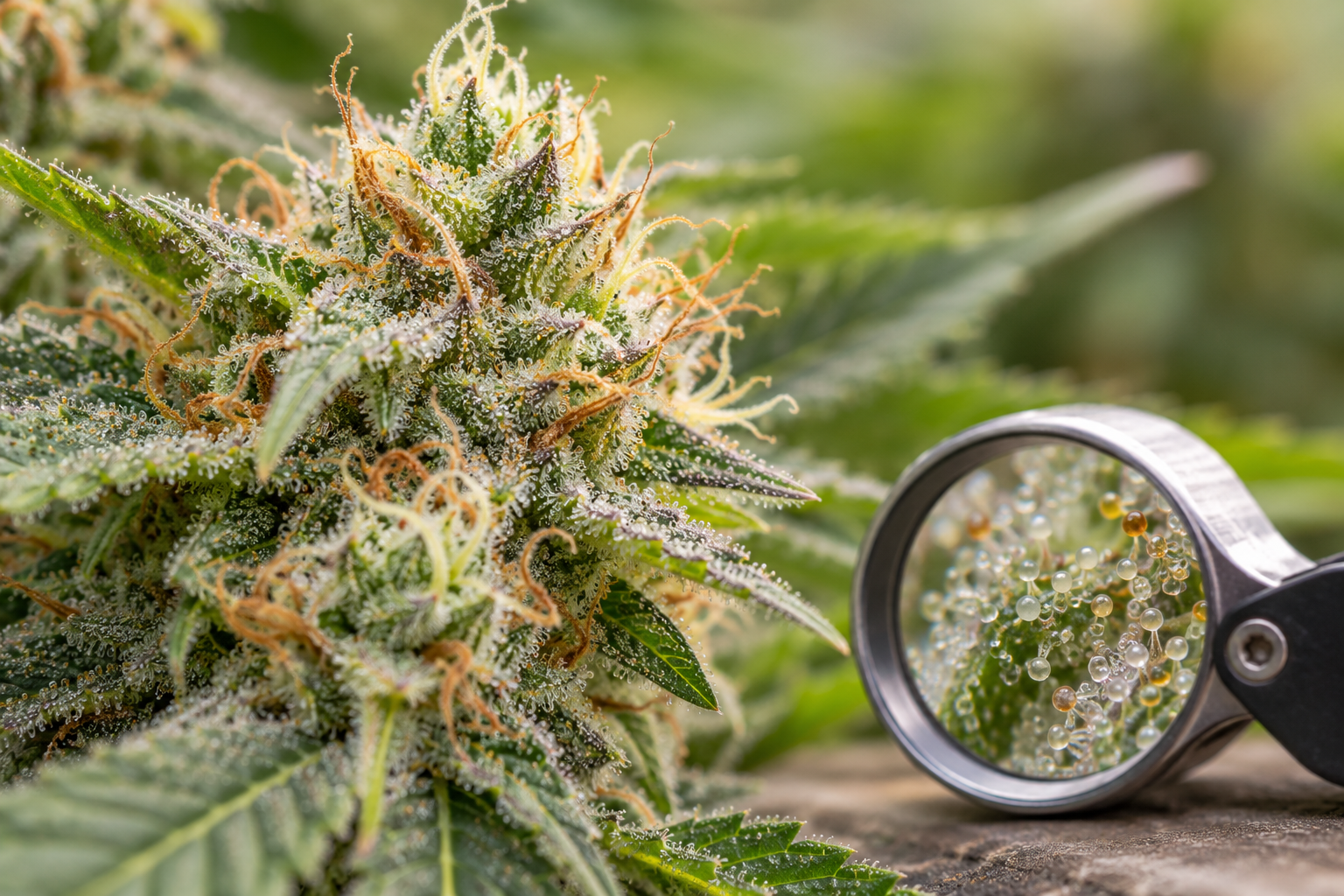
Afghan Kush’s growth pattern is distinctly Indica. Plants tend to be short, bushy, with broad dark-green leaves and short internodal spacing. During vegetative stage, it exhibits vigorous growth, quickly filling out into a thick, stout bush if left untopped. Many growers top or train (LST) Afghan Kush early to encourage even more branching – the strain responds well to these techniques, rewarding you with multiple bud sites on a squat frame. The buds themselves are extremely resinous, forming fat, blunt-topped colas that sparkle with frosty trichomes. Expect dark olive-green buds with a coating of orange pistils weaving through the dense structure. Because the nugs are so thick and sticky, ensure good airflow (especially in late flowering) to prevent moisture buildup. Fortunately, Afghan Kush’s landrace genetics give it a natural toughness – it shows high resistance to common molds, pests, and temperature stress. This strain can withstand less-than-perfect conditions that might stunt fussier hybrids.
One notable aspect is the strong odor during cultivation: Afghan Kush will fill your grow area with a skunky, hashy aroma as it flowers, so odor control is important indoors. Its feeding needs are moderate; it generally does well in organic soil and isn’t prone to nutrient burn. Given its origin in rugged terrain, Afghan Kush can handle fluctuations in environment and often forgives beginner mistakes, making it an excellent choice for novice growers. Many growers also love that trimming is rewarded – the sugar leaves and trim from Afghan Kush are laden with resin, perfect for making hash or concentrates (a nod to the strain’s heritage in hash production). Overall, Afghan Kush is a low-maintenance, high-reward plant: it finishes fast, yields generously, and produces top-quality indica buds even with basic care.
Weedth Bud Flavor Tip (Tasting Tips)
Indoor: For indoor-grown Afghan Kush, take time curing the buds to unlock their full flavor. A slow dry and cure of at least 2–3 weeks will intensify the strain’s sweet and floral notes. When you finally sample it, use a clean glass pipe or vaporizer to truly savor the terpene profile – you’ll notice that well-cured indoor Afghan Kush can have surprisingly smooth smoke with a creamy, pine-tinged inhale and a sweet hashy exhale. Pro tip: Smell a freshly cured bud before smoking; the aroma of indoor Afghan Kush is like a bouquet of earth, wood, and wildflowers. Appreciating that scent first will heighten the tasting experience.
Outdoor: Outdoor Afghan Kush often develops an even bolder aroma, thanks to real sun and soil. Expect a slightly earthier and spicier flavor from sun-grown buds – some growers notice a stronger pine or sandalwood kick. To fully enjoy outdoor Afghan Kush, consider using a vaporizer at a lower temperature for the first taste. Vaporizing can highlight those delicate herbal and incense-like terpenes that might get lost in smoke. If you prefer smoking, try a hemp wick or clean match to light it (avoiding butane fumes) – this preserves the pure outdoor-organic flavor. Sun-grown Afghan Kush often has a robust, hashy richness; pairing it with a cup of herbal tea or a sweet treat can complement its piney, earthy aftertaste during your session.
Weedth Bud Boost Tip (Maximizing Bud Quality)
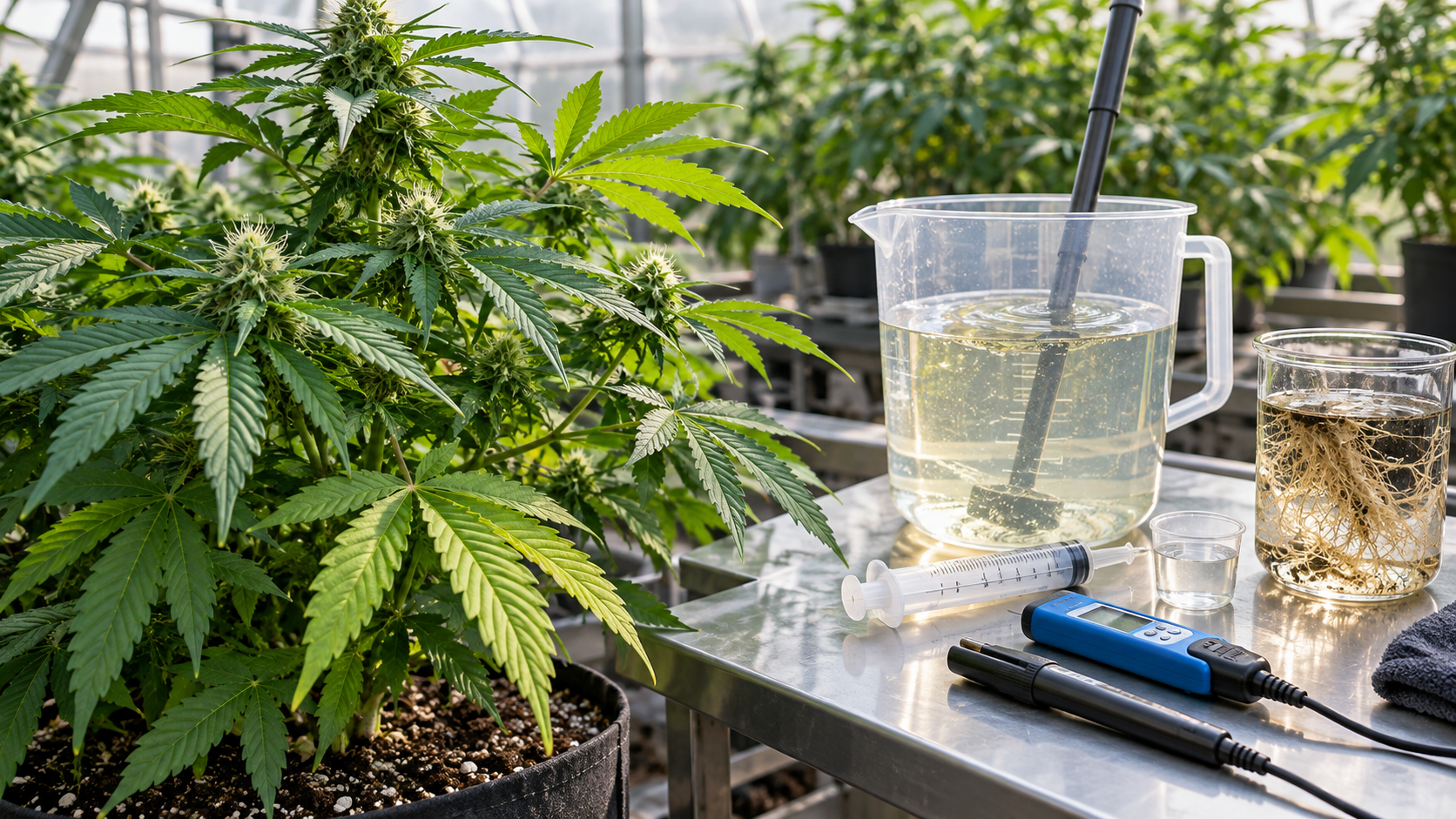
Indoor: To boost your indoor Afghan Kush yields and bud quality, focus on light and canopy management. This strain stays short, so using a SCROG (Screen of Green) setup or gentle LST can spread the canopy and ensure even light exposure to all bud sites. More light = bigger buds, and Afghan Kush’s sturdy branches can handle hefty colas. Also, maintain cool nights (around 18°C/64°F) in late flowering if possible – this temperature drop can mimic its mountain origins and may encourage extra trichome production. Keep humidity low (40-45% RH) in the last 2 weeks to protect those dense buds from mold and to promote resin density. Finally, do a thorough flush in the final week before harvest; Afghan Kush already smokes smooth, but flushing excess nutrients will make your buds burn cleaner and taste even richer.
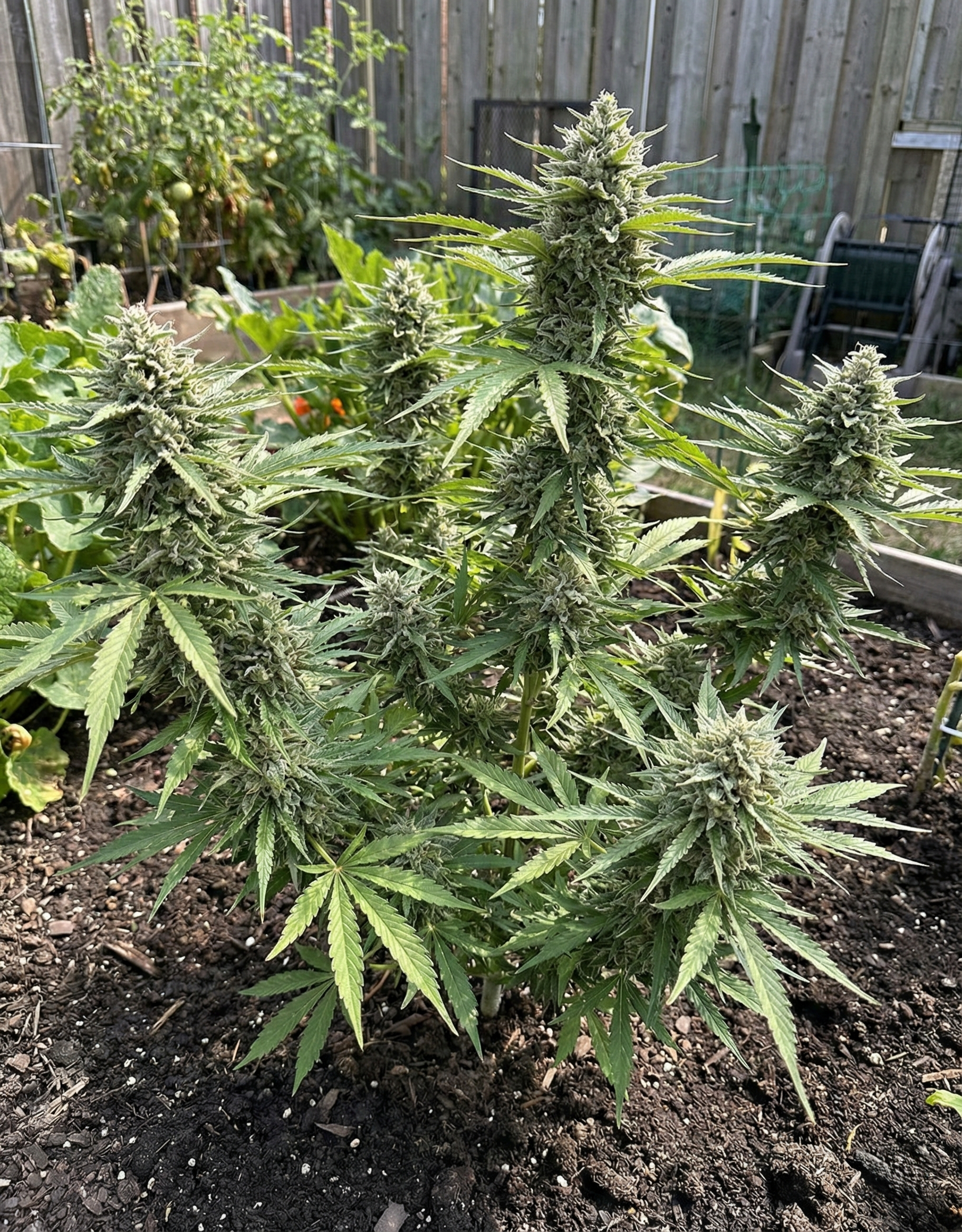
Outdoor: For outdoor growers, start with quality soil (Afghan Kush loves rich, well-draining soil – consider using compost or organic amendments to mimic its natural environment). Plant in a location with plenty of direct sunlight – more sun will fuel larger, more potent buds on this hardy plant. A useful tip is to top the plant once or twice early in vegetative growth; this will create a bushier shape with multiple main colas, significantly boosting your yield per plant. Given Afghan Kush’s resilience, it usually doesn’t need much pampering, but consistent watering and a boost of phosphorus and potassium in mid-flowering will help maximize bud size and resin output. Support the branches with stakes or tomato cages if they start sagging under heavy buds – you don’t want those precious colas snapping. Lastly, try to harvest on a dry day after a stretch of sunshine; this ensures the terpenes are at peak and avoids any moisture-related issues at harvest. A careful slow dry (protecting the outdoor buds from excess heat during drying) will lock in that outdoor Afghan Kush potency and flavor.
Medical Use Summary
Afghan Kush is cherished by medical cannabis patients seeking potent physical relief. Its strong Indica effects can address a range of conditions, especially those requiring relaxation and pain reduction. Below is a summary of common medical uses and the reported effectiveness of Afghan Kush:
| Condition | Reported Relief |
|---|---|
| Insomnia | Very high – ~85% of users report improved sleep; Afghan Kush’s sedative power makes it a popular night-time remedy. |
| Chronic Pain | Very high – ~80% report significant pain reduction. The heavy body stone can alleviate muscle pain, joint aches, and migraines effectively. |
| Stress & Anxiety | High – ~75% report relief from stress/anxiety. The calming euphoria eases mental tension, though its potency means anxious beginners should dose low. |
| Appetite Loss | High – ~70% report stimulated appetite. Afghan Kush is well-known for triggering hunger (“the munchies”), which can help those with poor appetite or nausea. |
| Muscle Spasms | Moderate–High – ~65% report reduction in spasms. Its muscle-relaxant qualities can help calm cramps, spasticity, and tightness. |
| Others | Moderate for insomnia-related depression or headaches (some relief reported, but primarily it addresses physical symptoms). Not typically used for conditions requiring focus or energy. |
Medical Notes: Afghan Kush’s 1-2% CBD content alongside its high THC may contribute to its efficacy in pain and spasm relief, giving it a slightly broader therapeutic scope than purely high-THC strains. Due to the heavy sedation, it’s best suited for evening medicinal use. Patients often choose Afghan Kush to unwind, ease tension, and get restful sleep, rather than for daytime symptom management.
Ideal User Profile
Afghan Kush is ideal for consumers who are looking for strong relaxation and classic Indica effects. It’s particularly well-suited for:
Evening Relaxation Seekers: Perfect for those who want to unwind after work, watch a movie, or relax before bed. If you enjoy a tranquil night in, Afghan Kush will deliver a soothing, couch-friendly high.
Individuals with Pain or Insomnia: If you struggle with chronic pain, muscle tension, high stress, or sleep issues, this strain’s deep body high can provide significant relief and help you drift off to sleep.
Fans of Traditional Cannabis Flavors: Consumers who love earthy, hash-like flavors and aromas will appreciate Afghan Kush’s old-school taste. It’s great for people interested in the heritage of cannabis – smoking it is like experiencing a piece of history.
Beginner Growers (for cultivation): Those new to growing who want a forgiving strain will find Afghan Kush to be a friendly choice. It tolerates mistakes, doesn’t require advanced techniques to yield well, and stays manageable in size.
Hash/Concentrate Enthusiasts: Because of its extreme resin content, Afghan Kush is ideal if you plan to make kief, hash, or other concentrates from your buds or trim. Connoisseurs of hash will love the rich resin this strain produces.
On the other hand, Afghan Kush may not be the best fit if you’re seeking an energetic, clear-headed high for creative work or daytime errands – its sedative nature is better suited to relaxation and recovery. Overall, the ideal user is someone who values potent calming effects, natural flavors, and a reliably soothing experience every time.
Grower Notes
From a grower’s perspective, Afghan Kush is a joy to cultivate. Its easy-going nature means that even first-time growers can achieve rewarding results. The strain’s compact size and quick flowering (as fast as 7 weeks) make it a convenient choice for indoor setups and for growers who want a fast turnaround. Unlike finicky hybrids, Afghan Kush doesn’t demand perfect conditions – it thrives in soil or hydro, withstands nutrient fluctuations, and shrugs off many common problems. Growers often remark that “Afghan Kush practically grows itself.”
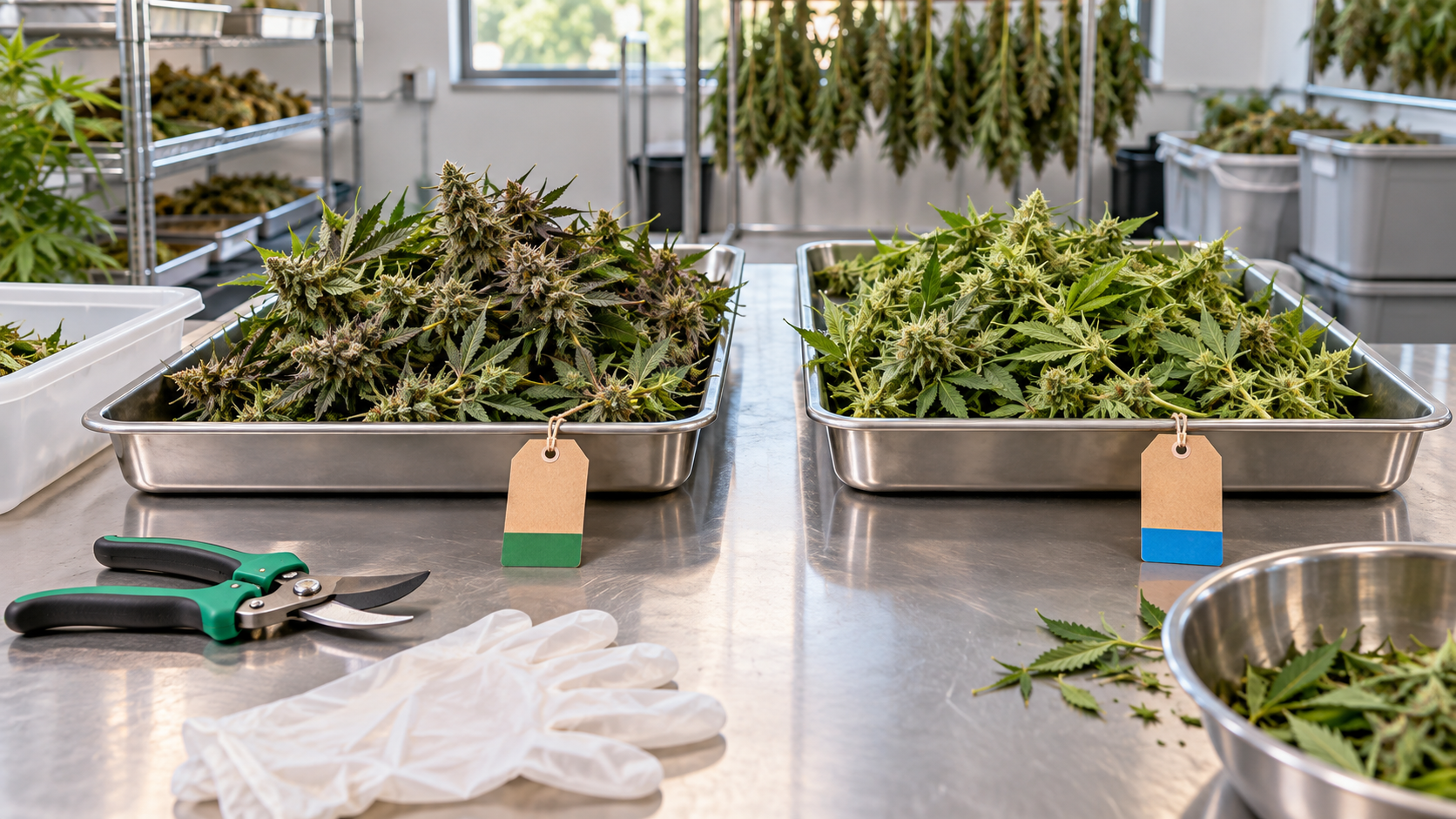
One thing to prepare for is the rich aroma: the plants will emit a strong skunky-earthy smell, especially in late bloom, so invest in odor filtration if stealth is a concern. As harvest approaches, you’ll notice the buds are absolutely glistening with trichomes – wear gloves during trimming! The resin can be sticky and abundant (a great problem to have). Many cultivators save the resin-coated trim to make hash or infusions, taking advantage of Afghan Kush’s hash plant heritage.
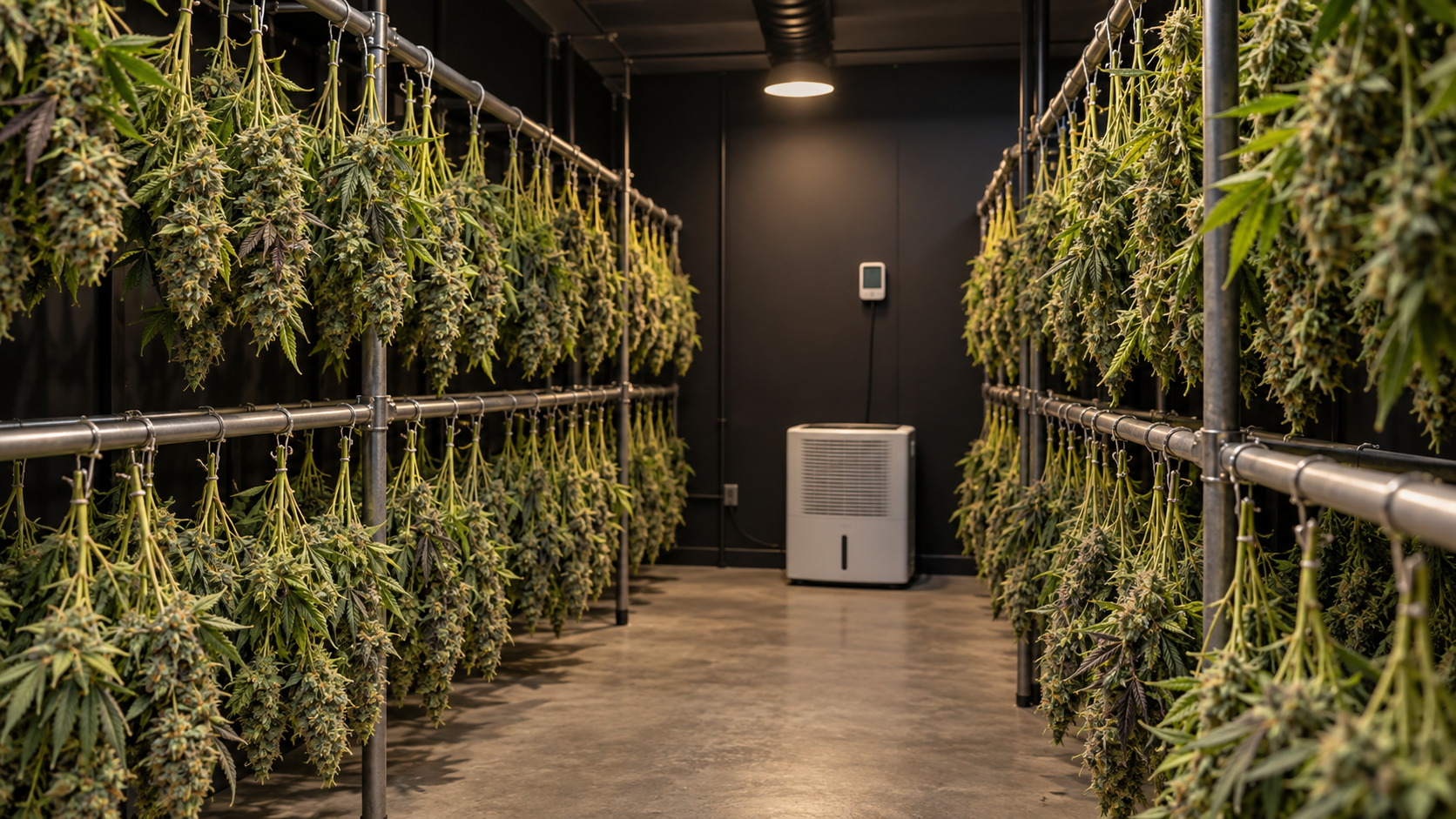
Because Afghan Kush has very dense flowers, after harvest it’s wise to trim fan leaves well and dry the buds slowly to avoid trapping moisture (preventing mold during the curing stage). The reward for good drying/curing is huge: properly cured Afghan Kush buds are potent, smooth, and bursting with flavor. Yields are solid even without heavy training, but can be maximized by giving the plant a bit more vegetative time and space to branch out. In sum, Afghan Kush offers consistent performance: you get robust, resinous buds without needing advanced skills – making it a staple strain for home growers who want a reliable Indica in their garden.
Weedth Editor’s Note
Afghan Kush stands as one of those strains that truly embodies the spirit of Indica. Here at Weedth, we consider this strain a must-try for any cannabis enthusiast – not because it’s the trendiest new hybrid, but because of its timeless quality and dependability. Growing Afghan Kush is like connecting with cannabis history: you’re cultivating a plant that has been cherished for generations in its native land. The first time you inhale its smooth, earthy smoke and feel that heavy warmth spread through your body, you’ll understand why Afghan Kush remains a fan favorite among both medicinal and recreational users. Its simple cultivation needs and consistently relaxing effects make it a strain we often recommend to beginners and seasoned growers alike. In an age of ever-more elaborate hybrids, Afghan Kush is a gentle reminder that sometimes the pure, original genetics have all the magic you need. – Weedth Editor
FAQ
Q: Where does Afghan Kush come from?
A: Afghan Kush is a landrace Indica strain from the Hindu Kush mountains in Afghanistan. It evolved naturally in that region’s rugged climate and was later brought to the West by seed collectors. Essentially, it’s a direct descendant of wild cannabis from Afghanistan’s highlands, which is why it carries the country’s name.
Q: Is Afghan Kush easy to grow for beginners?
A: Yes – Afghan Kush is considered beginner-friendly. Its landrace Indica genetics make it very hardy and low-maintenance. It can handle common mistakes (like minor nutrient or watering issues) and still produce a good yield. Plus, it stays short, flowers relatively quickly, and resists pests and mold well, so new growers usually have a high chance of success.
Q: What are the effects of smoking Afghan Kush?
A: The effects are deeply relaxing and sedating. Soon after smoking, you’ll likely feel stress melt away as a heavy, calm sensation takes over your body. Many people get couch-lock (you’ll want to lounge and not move much) and an increase in appetite (classic “munchies”). It’s great for unwinding or before bed because it often makes you sleepy. Don’t expect a heady, energetic high – Afghan Kush is all about calm, happy, lazy vibes and physical relaxation.
Q: How does Afghan Kush taste and smell?
A: Afghan Kush has a strong earthy and woody taste with a pungent, hash-like aroma. When you smell it, it’s very skunky and spicy, with notes that remind you of incense or herbal tea. The flavor when smoking is similarly earthy, with hints of pine, spice, and a bit of sweetness on the exhale. It’s a smooth smoke and the room will fill with a rich, skunk scent. If you like classic cannabis or hashish flavors, you’ll love Afghan Kush’s old-school taste.
Q: What medical conditions can Afghan Kush help with?
A: Afghan Kush is commonly used to help with insomnia, chronic pain, stress, and anxiety due to its strong body-high and calming nature. It’s excellent for evening relief – for example, people with back pain or arthritis might use it to relax muscles and reduce pain, and those with insomnia find it easier to fall asleep after using Afghan Kush. It can also stimulate appetite, so medical patients dealing with loss of appetite or nausea (such as during chemotherapy) sometimes use it to help eat. However, because it’s so sedating, it’s not typically used for conditions where you need to be alert during the day.
Similar Strains
If you enjoy Afghan Kush, you might also like these similar strains known for their indica effects, flavor, or easy growth:
- Hindu Kush: Another pure Indica landrace from the same mountain region. Very similar heavy body high and earthy, incense-like flavor – essentially a close cousin of Afghan Kush.
- Northern Lights: A famous Indica-dominant strain that actually has Afghani genetics in its lineage. It’s equally easy to grow and delivers a tranquilizing, pain-relieving high on par with Afghan Kush’s relaxation.
- Bubba Kush: A popular Indica that descends from Afghani strains. Bubba Kush is known for its powerful couch-lock and coffee-like earthy taste. Fans of Afghan’s potency often appreciate Bubba’s strong sedative buzz and stress relief.
- Purple Kush: The child of an Afghan landrace and Purple lineage, Purple Kush is a 100% Indica with very similar effects – deeply stony and long-lasting. It adds a hint of sweet grape to the earthy flavor profile, but maintains that heavy, narcotic relaxation Afghan Kush lovers seek.
- Master Kush: An award-winning Indica hybrid bred from Hindu Kush varieties. Master Kush shares Afghan Kush’s hashy aroma, resin production, and easy-growing nature. It delivers a smooth, serene body high and has been a staple among indica enthusiasts much like Afghan Kush.
Each of these strains carries the Indica torch in its own way, offering robust relaxation and rich flavors. Whether you’re after another grower-friendly strain or simply want that old-school Indica experience, these suggestions are great next picks after Afghan Kush.
Share this article
A quick overview of the topics covered in this article.
Follow us
Latest articles
October 7, 2026
October 7, 2026