
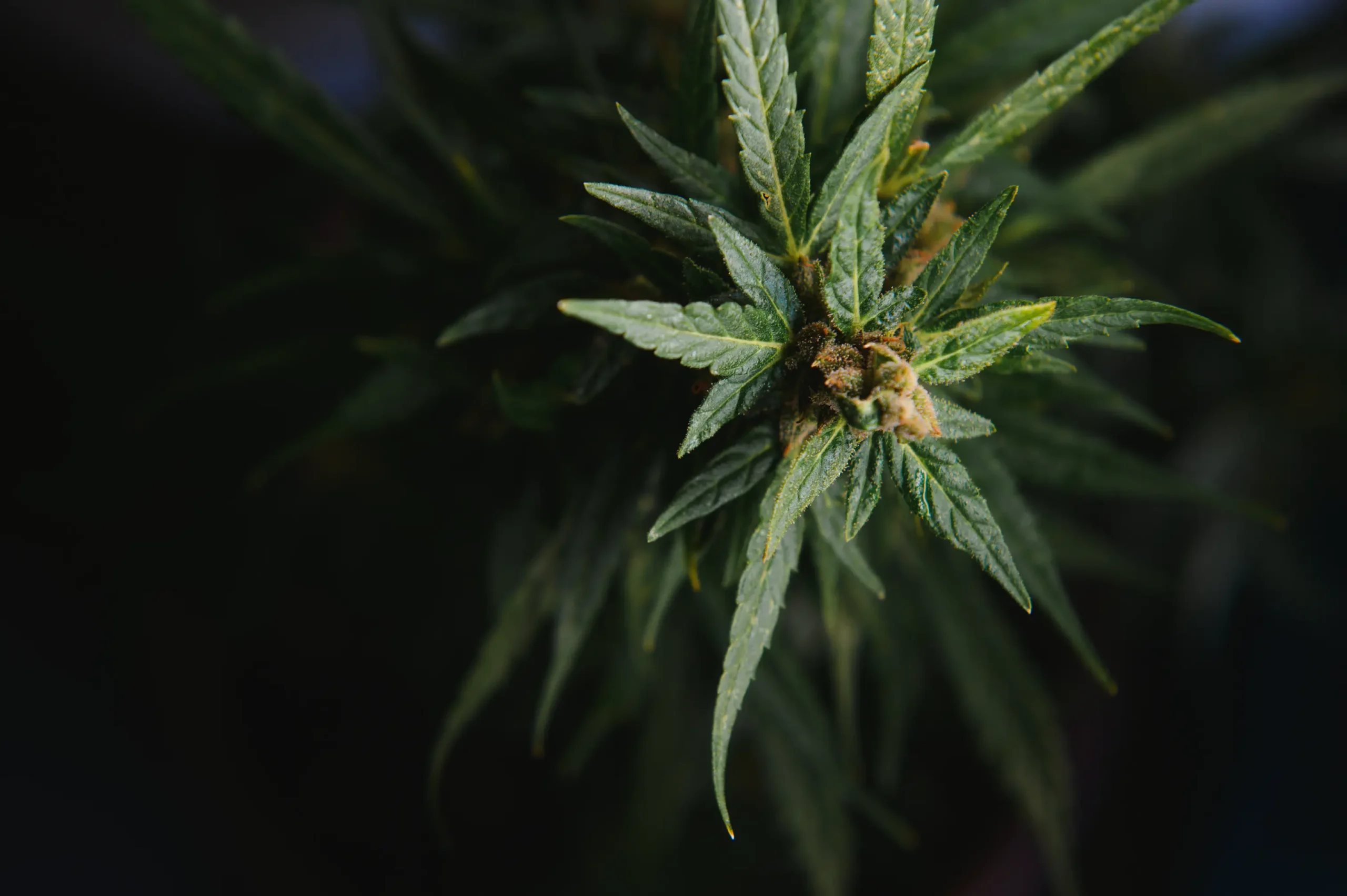
Sherb Cream Pie
Engineered through an artisanal genetic breakthrough by Humboldt Seed Company, Sherb Cream Pie is an intensely decadent 70% indica / 30% sativa hybrid developed by crossing two modern dessert titans: Ice Cream Cake (Wedding Cake x Gelato #33) and an elite Sunset Sherbet Bx1 backcross selection. Consistently registering lab-verified THC levels between 24% and 28% with total active cannabinoids surpassing 32%, Sherb Cream Pie is celebrated among connoisseurs for its rich aromatic bouquet of vanilla pastry cream, sweet citrus zest, and gassy fuel. Combining heavy trichome density with a deeply relaxing, blissfully euphoric body high, Sherb Cream Pie stands as a top-tier choice for evening relaxation, physical recovery, and gourmet dessert terpene appreciation.
Strain Features
| Feature | Details |
|---|---|
| Type | Indica-dominant hybrid |
| Genetic profile | approximately 70% indica and 30% sativa expression in many selections |
| Lineage | Ice Cream Cake x Sherb Bx1 |
| THC | commonly 23-28% THC |
| CBD | usually below 1% |
| Indoor flowering time | about 63 days indoors, with an 8-10 week working range |
| Outdoor harvest | early to mid-October in the Northern Hemisphere when protected from prolonged rain |
| Yield potential | high under a well-filled supported canopy |
| Height | medium to tall because flowering stretch can be substantial |
| Grow difficulty | Moderate because stretch, density, late humidity, and fragile resin require planning |
| Plant structure | medium-tall hybrid growth, high flowering stretch, productive lateral branches, dark foliage, and dense frosty flowers with purple potential |
| Stretch | usually 1.7-2.2x, making early height planning essential |
| Aroma | vanilla cream, sweet berry, citrus sherbet, pine, black pepper, nutty dough, floral candy, and clean gas |
| Flavor | vanilla and berry cream on the inhale with citrus, pine, pepper, roasted nut, and gassy pastry on the exhale |
| Primary cultivation concern | unexpected stretch, uneven canopy height, hidden mold, resin damage during late handling, branch sag, and a harsh or muted profile from rushed drying |
| Best training direction | top once or twice early, spread the branches under a net, finish major bending by the third week of bloom, and support the dense tops before they lean |
Genetic Lineage
The lineage of Sherb Cream Pie is best understood as a combination of structural and sensory inheritance rather than a simple family-tree label. Ice Cream Cake contributes dense resin, vanilla dough, purple color, and a strong evening finish. The Sherb backcross reinforces sweet citrus, berry candy, creamy gas, and flowering stretch. The result is a plant with premium visual potential but more vertical movement than its dense indica-style flowers suggest. These parent traits do not appear in equal proportions in every plant. A grower may find one phenotype that emphasizes fruit and color, another that emphasizes fuel and density, and a third that sits between them.
The most useful lineage clue for cultivation is the relationship between internodal spacing and flower density. Medium-tall hybrid growth, high flowering stretch, productive lateral branches, dark foliage, and dense frosty flowers with purple potential. This means the plant can create a productive canopy, but only when the grower prevents strong branches from shading weaker interior sites. The genetics provide the capacity for yield; the final architecture determines how much of that capacity becomes premium flower rather than lower-grade material.
Lineage also explains the effect progression. The early phase tends to show a delayed but noticeable euphoric rise, improved mood, easier laughter, and a warm pressure behind the eyes. The middle becomes relaxed alertness, richer sensory enjoyment, slower conversation, and gradually dropping muscle tension. The finish develops into a calm heavy body phase that can become sleepy without fully erasing the earlier uplift. That sequence is more informative than a simple indica or sativa percentage because it describes how the experience changes over time.
Published strain descriptions can disagree because the same popular name may be used for different selections, clone-only cuts, or later breeding generations. This is especially common with modern dessert and Kush lines. When the documented lineage, flowering time, and aroma all point in the same direction, the identity is reasonably clear. When they conflict, the plant label should be treated cautiously until morphology and finished aroma confirm it.
For a home grower keeping a mother plant, clone testing is valuable. Root and flower several copies under the same conditions before making a long-term selection. Compare stretch, branch strength, flower density, aroma after four weeks of cure, and the effect at a controlled dose. The best keeper is not always the plant with the loudest stem rub in veg. A plant that finishes evenly, resists stress, dries predictably, and retains flavor after storage may be more valuable over repeated cycles.
The pedigree of Sherb Cream Pie unites the most coveted dessert genetics of California’s modern breeding era. Maternal parent Ice Cream Cake brings rock-hard calyx density, frosty diamond resin coverage, and decadent vanilla dough aromatics from its Wedding Cake and Gelato #33 parents. Paternal parent Sunset Sherbet Bx1 reinforces the exotic sweet berry citrus terpene profile, rich purple anthocyanin coloration, and soothing somatic body euphoria that make this cross a true connoisseur delight.
Effect Breakdown
The creeper is part of the identity
Sherb Cream Pie does not always reveal its full direction with the first inhalation. A warm pressure behind the eyes and a gentle improvement in mood may appear first, while the heavier physical phase continues building out of sight. This delayed structure is important: the cultivar can encourage redosing precisely because the opening feels softer than the eventual destination.
The early phase is sociable without being fast. Conversation loosens, music and flavor become richer, and minor frustrations lose urgency. Unlike a sharp daytime cultivar, the mental lift already carries a creamy, cushioned quality that hints at the Ice Cream Cake influence.
Relaxed attention in the middle
As the Sherb side brightens berry, citrus, and sensory interest, the body begins releasing tension. A moderate dose can suit a film, slow creative work, cooking, or an unhurried conversation. The user may feel mentally present but less interested in deadlines, rapid switching, or precise organization.
High doses narrow attention and increase appetite. Speech may slow before the user feels sleepy, creating a period that is pleasant for leisure but unreliable for work. Harvested with mostly cloudy trichomes, the plant generally preserves more uplift; extra amber brings the heavy phase forward.
The finish belongs to the body
The final stage is calm, warm, and increasingly still. Legs and shoulders feel heavier, and the earlier sweetness gives way to a quiet evening state. It can support sleep for some users, but the initial euphoria means taking it immediately at bedtime may feel mentally active before sedation arrives.
Plan the entire arc rather than judging the first ten minutes. Low-tolerance users should begin small, wait, and avoid combining the batch with alcohol or other sedating substances.
Warning
Delayed weight makes early redosing deceptive
The bright cream-and-berry opening may stabilize before the body phase peaks. Give the first serving time to complete its transition.
Sherb Cream Pie takes hold with a swift, blissful rush of mental euphoria that melts away stress, frustration, and daily anxiety within minutes of the first puff. A pleasant sense of cheerful contentment washes over the mind, encouraging comfortable introspection, relaxed conversations, or cozy entertainment. Over the following thirty minutes, the 70% indica foundation wraps around the physical body, releasing muscle tension, soothing aching joints, and providing a plush, couch-friendly warmth that allows you to decompress fully at the end of a demanding day.
| Phase & Time Window | Mental & Emotional State | Physical & Somatic Sensation | Ideal Setting & Pairing |
|---|---|---|---|
| Creamy Onset (0 to 15 Minutes) | Instant mental tranquility, euphoric warmth, release of emotional stress | Warm tingling across the scalp, brow, and upper shoulders | Evening flower vape, sunset deck lounging, relaxing jazz or soul music |
| Velvet Pastry Flow (15 to 60 Minutes) | Carefree, tranquil ease, peaceful mood without racing thoughts | Profound musculoskeletal comfort, relief of lower back tightness | Streaming favorite series, conversation with close friends, comfort dessert |
| Indica Decompression (60 to 120 Minutes) | Dreamy mindfulness, introspective calm, quiet emotional contentment | Heavy limb relaxation, soothing body buzz, stimulated appetite | Watching a movie, late-night snacking, casual relaxation |
| Restorative Nightcap (120 to 210+ Minutes) | Effortless mental wind-down, preparation for deep restorative sleep | Total physical restoration, sustained joint and nerve comfort | Bedtime routine, restful nocturnal sleep for insomnia sufferers |
Flavor & Aroma Profile
From citrus sherbet to pastry gas
The living flower often begins with citrus sherbet and floral candy, then grows heavier as vanilla, berry cream, pine, black pepper, roasted nut, and clean gas develop. Ice Cream Cake-leaning plants emphasize dough, vanilla, density, and color. Sherb-leaning plants can stretch farther and keep a brighter berry-citrus edge.
A useful keeper should not smell like undifferentiated sweetness. Open the jar, note the berry and citrus first, then return after a moment for vanilla, nutty dough, pepper, pine, and fuel. The second layer is what gives the cultivar depth.
Inhale and exhale
At moderate vaporization temperature, vanilla and berry cream lead the inhale. Citrus appears around the edges rather than dominating. The exhale becomes drier and more structured: pine, black pepper, roasted nut, and gassy pastry. Combustion favors pepper and dough and can hide the floral-citrus detail.
Harshness is not a genetic flavor. Excess late nitrogen, accumulated salts, hot upper flowers, or a rapid dry can turn the intended nutty gas into a bitter mineral finish. The flower should remain creamy even when the pepper and fuel are strong.
Why rushed drying flattens the pie
The vanilla-berry-citrus top is more fragile than the pepper, pine, and dough base. Fast surface drying leaves a loud but blunt jar in which gas survives and the sherbet character disappears. Hang large branches in a cool dark room with gentle exchange, inspect dense flowers, and avoid direct fan pressure.
After four to six weeks of cure, the profile should feel integrated: vanilla berry cream at the opening, citrus sherbet in the middle, and roasted nut with clean gas at the finish. Color alone cannot create that sequence.
Sherb Cream Pie lives up to its gourmet dessert name with an extraordinarily rich and creamy flavor profile. Breaking open a cured flower releases a sumptuous perfume of sweet vanilla custard, freshly baked pie crust, and ripe berries, accented by sweet citrus zest, pungent diesel, and cool mint. On the palate, the smoke is thick, creamy, and velvety, coating the tongue in rich vanilla cream and sweet sherbet citrus; the exhale reveals lingering notes of pastry dough, earthy spice, and subtle gas that remain on the palate long after the session finishes.
Dominant Terpenes
Sherb Cream Pie can change terpene order by cut and environment. The most useful reading is the way several aromatic groups cooperate.
| Direction | Contribution | Grower relevance |
|---|---|---|
| Limonene | Citrus sherbet and brightness around the berry cream | One of the first layers reduced by hot late-flower tops |
| Beta-caryophyllene | Black pepper, dry pastry, and warm gas | Can taste harsh when late nutrition is excessive |
| Myrcene | Ripe berry depth, earth, and physical weight | Becomes disproportionately dull in a warm stagnant cure |
| Linalool | Floral candy and creamy softness | Protected by gentle handling and a cool dry |
| Pinene | Fresh pine that separates cream from fuel | Helps identify brighter Sherb-leaning expressions |
No terpene guarantees a medical result. THC dose, minor cannabinoids, tolerance, and harvest maturity shape the experience. For cultivation, the table is a preservation map: protect citrus and floral cream while allowing pepper, dough, and gas to mature.
| Dominant Terpene | Typical Share (% of Total) | Boiling Point | Aromatic Signature | Pharmacological & Entourage Role |
|---|---|---|---|---|
| Beta-Caryophyllene | 34% to 42% (0.85% to 1.30% dry weight) | 266°F (130°C) | Warm baker’s spice, sweet clove, and rich woody fuel | Binds to peripheral CB2 receptors to relieve physical discomfort and inflammation |
| Limonene | 22% to 28% (0.50% to 0.85% dry weight) | 349°F (176°C) | Sweet citrus zest, candied orange, and lemon curd | Elevates mood, reduces stress, and promotes mental optimism |
| Linalool | 12% to 18% (0.25% to 0.50% dry weight) | 388°F (198°C) | Floral lavender, sweet cream blossoms, and soft wood | Works synergistically to calm the central nervous system and support deep sleep |
| Myrcene | 10% to 16% (0.20% to 0.45% dry weight) | 334°F (168°C) | Sweet dark berries, ripe fruit, and earthy musk | Deepens somatic relaxation and enhances overall cannabinoid absorption |
Indoor vs. Outdoor Growing
| Factor | Indoor | Outdoor |
|---|---|---|
| Size | medium to tall because flowering stretch can be substantial | Larger root volume can create a wide multi-branch plant |
| Finish | about 63 days indoors, with an 8-10 week working range | early to mid-October in the Northern Hemisphere when protected from prolonged rain |
| Main advantage | Environmental control and repeatable quality | Root volume, sunlight, and higher per-plant yield |
| Main risk | unexpected stretch, uneven canopy height, hidden mold, resin damage during late handling, branch sag, and a harsh or muted profile from rushed drying | Weather, insects, branch damage, and late moisture |
| Best strategy | top once or twice early, spread the branches under a net, finish major bending by the third week of bloom, and support the dense tops before they lean | Open structure, early support, and weather planning |
Indoor structure
Indoors, Sherb Cream Pie usually finishes as a medium to tall because flowering stretch can be substantial plant. Its stretch is usually 1.7-2.2x, making early height planning essential. The main objective is to create an even canopy before vertical growth stops. A net is useful, but branches should not be woven so tightly that removal at harvest becomes destructive.
Indoor climate
Indoor success depends on reduce humidity early enough that dense purple flowers finish dry internally, not only on the surface. Air should move above, below, and through the canopy without blasting one flower continuously. Strong extraction is more valuable than a fan pointed directly at the buds.
Indoor nutrition
The cultivar’s feeding direction is moderate to moderately heavy in mid-flower, then reduce nitrogen and avoid late salt accumulation that muddies the cream and citrus. Irrigation runoff, leaf color, and tip condition should guide adjustment. A predetermined high-strength recipe is less reliable than observing how quickly the plant uses water and how the new growth develops.
Outdoor structure
Outdoors, the plant benefits from unrestricted root volume and direct sun. Expected timing is early to mid-October in the Northern Hemisphere when protected from prolonged rain. Give branches enough space to move in wind and enough support to prevent the final flowers from folding them downward.
Outdoor climate
The best outdoor site provides morning sun, steady airflow, and protection from prolonged late-season rain. The cultivar’s dense flower structure makes dry autumn weather more valuable than extreme summer heat.
Outdoor pest pressure
Outdoor aroma and dense flowers attract attention from insects as well as people. Inspect the interior of flowers and branch junctions. Caterpillar damage can open a path for rot, while mites and aphids reduce vigor long before yield visibly collapses.
Greenhouse use
A greenhouse can extend the season and protect flowers from rain, but it can also trap humidity. Side ventilation, roof vents, plant spacing, and active airflow are essential. Closing the structure at night without humidity control can create a wetter environment than growing outside.
Which environment fits best
Choose indoors when flavor consistency, security, and climate control are the priorities. Choose outdoors when root volume, plant size, and lower energy use matter more. Sherb Cream Pie can perform in both, but the grower must solve different problems: canopy density indoors and weather uncertainty outdoors.
Outdoors, Sherb Cream Pie develops into stocky, medium-height bushes with thick, sturdy branches capable of supporting dense, resinous flower clusters. It thrives in warm temperate climates with plenty of late-summer sunshine, such as northern California, southern Oregon, or protected southern garden plots. In cooler climates, dropping night temperatures in late September trigger gorgeous purple and violet pigmentation across the sugar leaves and calyxes, creating striking visual contrast beneath a thick blanket of trichomes.
Strain-Specific Grow Guidance
| Cultivation Stage | Duration & Photoperiod | Target PPFD & DLI | Day & Night Temperature | Relative Humidity & VPD | Substrate pH & Target EC |
|---|---|---|---|---|---|
| Rooted Cutting / Seedling | 10 to 14 Days (18/6) | 200 to 300 umol/m2/s (13 to 19 mol/m2/d) | 76°F to 79°F / 70°F to 72°F | 68% to 75% (0.7 to 0.8 kPa) | 6.2 to 6.5 pH / 0.8 to 1.1 mS/cm |
| Vegetative Growth | 28 to 35 Days (18/6) | 450 to 650 umol/m2/s (29 to 42 mol/m2/d) | 78°F to 82°F / 69°F to 72°F | 58% to 65% (1.0 to 1.2 kPa) | 6.3 to 6.6 pH / 1.4 to 1.8 mS/cm |
| Early Bloom Stretch (Weeks 1 to 3) | 21 Days (12/12) | 700 to 850 umol/m2/s (30 to 37 mol/m2/d) | 77°F to 81°F / 68°F to 71°F | 52% to 58% (1.1 to 1.3 kPa) | 6.4 to 6.7 pH / 1.8 to 2.2 mS/cm |
| Peak Floral Bulking (Weeks 4 to 6) | 21 Days (12/12) | 900 to 1,050 umol/m2/s (39 to 45 mol/m2/d) | 76°F to 79°F / 65°F to 68°F | 45% to 52% (1.3 to 1.5 kPa) | 6.4 to 6.7 pH / 2.1 to 2.4 mS/cm |
| Ripening & Senescence (Weeks 7 to 9) | 14 to 21 Days (12/12) | 650 to 800 umol/m2/s (28 to 35 mol/m2/d) | 71°F to 75°F / 60°F to 64°F | 40% to 45% (1.4 to 1.6 kPa) | 6.5 to 6.8 pH / 0.9 to 1.2 mS/cm |
Sherb Cream Pie is deceptive because its final flowers look indica-dense while the plant can stretch like a much more open hybrid. Plan for roughly 1.7-2.2x extension, productive lateral branches, and heavy resinous tops that need support before they lean.
Flip before the room looks finished
An untested seed plant should enter flower with genuine empty vertical space. Waiting for the vegetative canopy to fill every gap usually produces an uneven ceiling during weeks two and three. One early topping, followed by a broad screen and lateral placement, is usually more efficient than repeated topping.
Continue gentle tucking during early stretch, then stop major bending when flower sites become defined. Late corrections rub fragile resin and can split branches already carrying dense flowers.
Pruning window
My preferred pruning window is late vegetative growth through the end of stretch. Once final branch lanes are visible, remove weak lower shoots that will never reach the screen, crowded inward forks, and wet leaf contact points. Preserve illuminated secondary sites; the cultivar can yield along its productive laterals when the geometry is clean.
Control stretch before increasing light
Spread branches, set the final support plane, and verify irrigation before driving the canopy harder.
Solving height with late supercropping
Emergency bends in full flower damage resin, complicate support, and create wounds inside a humid canopy.
Feeding behavior
There is no published Sherb Cream Pie-specific EC curve. Treat it as a moderate feeder that needs stable calcium and magnesium where water or medium requires them, not as a plant that must be forced because its yield potential is high.
| Stage | Priority | Useful direction | Back-off signal |
|---|---|---|---|
| Establishment | Roots before topping | Gentle complete feed and aerated moisture | Slow dry-back and dark hooked growth |
| Vegetative build | Strong flexible laterals | Moderate nitrogen with balanced Ca/Mg | Glossy clawed leaf and soft extension |
| Stretch | Architecture and support | Hold continuity; avoid a heavy transition spike | Dark crowded growth and delayed flower set |
| Early flower | Finish stretch cleanly | Reduce nitrogen gradually as flowers organize | Leafy flowers and burnt new tips |
| Bulk | Dense resinous top support | Balanced bloom feed and consistent irrigation | Falling water use, rising root EC, muted cream |
| Ripening | Aroma integration | Taper with actual demand, not a forced starvation calendar | Fresh leafy growth or harsh mineral odor |
Light and climate
Push intensity only after stretch control is working. Tall tops are susceptible to heat and bleaching, and the vanilla-citrus layer fades before the pine-pepper base. Even canopy distribution is more valuable than a few overdriven colas.
Dense flowers require declining humidity and two air paths, above and below the canopy. A practical progression is about 50-55% RH early, 45-50% in bulk, and 40-45% near finish where temperature and plant health allow. Inspect flower interiors; the room sensor cannot see trapped moisture.
Warning
The plant can be tall and internally dense at the same time
Do not assume stretch creates airy flowers. Sherb Cream Pie can combine long branches with compact resinous tops, so height control and mold prevention must be planned together.
Harvest and support
Install a second support layer before bulk. Harvest when bracts are swollen, fresh pistils decline, calyx trichomes are mostly cloudy, and vanilla-berry cream remains distinct above peppered gas. A little amber deepens the evening finish; waiting too long can reduce sherbet brightness.
Carbohydrate Loading & Cal-Mag Support: During the explosive calyx swelling phase of weeks four through six, Sherb Cream Pie benefits greatly from natural carbohydrate supplementation. Feed aerated compost teas enriched with organic blackstrap molasses and humic acids to stimulate rhizosphere microbial colonies, and provide supplemental calcium and magnesium via gypsum and basalt flour to ensure rock-solid cell wall integrity in swelling colas.
Advanced Photobiology, DLI & CO2 Enrichment Strategy: Maximizing active secondary metabolites (cannabinoids and volatile mono- and sesquiterpenes) in Sherb Cream Pie requires matching your Daily Light Integral (DLI) to root-zone metabolic capacity and ambient carbon dioxide levels. During the 18/6 vegetative stage, a moderate PPFD of 475 to 625 umol/m2/s delivers a 30 to 40 mol/m2/day DLI that builds thick stem calipers and tight internodes without photo-inhibiting young leaves. Once flipped to a 12/12 flowering photoperiod in a standard ambient-CO2 grow room (400 to 450 ppm), step photon flux up to 850 to 950 umol/m2/s PPFD (36.7 to 41.0 mol/m2/day DLI) across weeks three through six of bloom. If cultivating in a sealed climate-controlled room supplemented with 1,100 to 1,250 ppm of CO2 during the mid-bloom bulk, Sherb Cream Pie can efficiently assimilate 1,000 to 1,120 umol/m2/s PPFD while holding canopy leaf temperatures at 79°F to 81°F; however, always cut CO2 supplementation off and dim fixtures by 12% to 15% during the final 12 days of ripening while lowering room temperatures to 70°F to 73°F so heat-sensitive monoterpenes remain locked inside the cuticular trichome heads.
Integrated Pest Management (IPM) & Rhizosphere Health: Healthy trichome production in Sherb Cream Pie starts in an oxygenated, biologically diverse root zone. Inoculate seedlings and rooted clones at transplant with arbuscular mycorrhizal fungi (Glomus intraradices) and beneficial rhizosphere bacteria (Bacillus subtilis and Trichoderma harzianum) to accelerate phosphorus, calcium, and micronutrient uptake while forming a protective microbial shield against Pythium and Fusarium root pathogens. Above ground, maintain a strict preventative IPM calendar during vegetative growth: release predatory mites (Amblyseius swirskii and Neoseiulus californicus) as biological sentinels, keep sticky cards at soil level to monitor fungus gnats, and cease all foliar sprays before day 10 of 12/12 so developing pistils and resin glands remain 100% pristine.
Post-Harvest Drying, Curing & Trichome Preservation Protocol: Even the most dialed-in Sherb Cream Pie canopy can lose 40% of its volatile monoterpene fraction in seventy-two hours if dried in a warm or overly arid room. Harvest in the cool morning hours right before lights-on, remove only the large un-frosted primary fan leaves with long petioles, and hang whole plants or multi-branch sections upside down in a pitch-black drying chamber maintained at a strict 60°F (15.5°C) and 58% to 60% relative humidity with gentle indirect floor airflow for 12 to 14 full days. Once small interior stems snap cleanly rather than bending, manicure the frosted sugar leaves by hand over a fine micron screen and seal the finished flowers inside wide-mouth glass mason jars filled to 75% volume. Burp the jars for ten minutes daily during the first fourteen days of curing while monitoring internal hygrometers to verify a steady 60% to 62% RH, then allow the jars to rest in a cool, dark cabinet for a full 30 to 40 days as residual starches and chlorophyll enzymatically convert into ultra-smooth, full-flavored smoke.
Advanced Irrigation Dynamics & Dry-Back Monitoring: Cultivating Sherb Cream Pie to its full genetic potential demands disciplined root-zone water management. Because of its dense Afghan and Gelato parentage, the root system is sensitive to waterlogged conditions that deprive root tips of dissolved oxygen. Employ a strict wet-to-dry cycling methodology: irrigate thoroughly until 10% to 15% runoff is achieved, then allow the potting substrate to dry down to 50% of its fully saturated pot weight before the next watering cycle. In living soil beds, utilize digital soil tensiometers to initiate irrigation at 80 to 100 mbar of soil moisture suction during vegetative growth and 110 to 130 mbar during mid-to-late flower, ensuring vigorous aerobic root expansion and robust resin gland swelling.
Post-Harvest Environmental Stabilization & Long-Term Cellar Storage: Once cured for 35 days in airtight glass jars, Sherb Cream Pie reaches its peak flavor expression. For long-term preservation beyond 60 days, transfer the cured glass containers into a dark, temperature-controlled cellar or wine refrigerator maintained at 55°F to 58°F with no light exposure. At these cellar conditions, monoterpenes such as limonene and myrcene remain biochemically stable, preventing oxidation into harsh secondary compounds and preserving the sweet vanilla cream and citrus pastry notes for over twelve months.
Weedth Bud Flavor Tips
Indoor flavor priorities
Indoors, the key is to prevent heat and excessive nitrogen from flattening Sherb Cream Pie’s profile. Strong even light improves resin and color, but hot tops lose citrus and become vulnerable to stress-driven foxtailing. Keep the canopy uniform so top flowers do not experience a different temperature and stress level from the middle.
Reduce late nitrogen gradually rather than starving the plant. A healthy fade is not the same as forced deficiency. The goal is mature flower with clean combustion and defined aroma, not yellow leaves at any cost.
Avoid foliar products once flowers are established. Even products considered natural can leave aroma, residue, or microbial risk on resinous surfaces.
Outdoor flavor priorities
Outdoors, harvest timing should consider daily heat and incoming weather. Cutting in the cool morning after surface moisture has evaporated can reduce handling heat without trapping dew inside the flowers.
If rain is expected near maturity, compare the risk of early harvest with the risk of rot. A slightly early but clean crop may retain more usable flavor than a fully mature crop damaged by moisture. Use covers only when they do not trap humidity around the plant.
Keep harvested branches shaded and move them into the drying environment quickly. Direct sun on cut flower accelerates volatile loss and wilting.
Drying strategy
The cultivar-specific drying direction is: use a cool slow dry and minimal handling because the large resin heads and vanilla-citrus top notes are easily damaged. Use darkness, cool temperature, gentle air exchange, and enough spacing that branches do not touch. Direct fan air should move around the crop, not at it.
Large and small flowers do not dry at the same speed. Sort or hang them so that inspection is easy. Do not seal the whole harvest based on the feel of one small branch.
The common stem-snap test is only one clue. The outside of a flower can feel dry while moisture remains in the center. Small containers with hygrometers can be used as a short conditioning test before the entire crop is sealed.
Curing and storage
The recommended cure is: four to eight weeks turns raw sweetness into vanilla cream, berry, pine, nutty dough, and cleaner gas. Early in cure, open containers as needed to release excess moisture and refresh the headspace. As moisture stabilizes, reduce the frequency of opening.
Do not add fruit peel or other organic material to change aroma. It introduces uncontrolled moisture and microbes while masking the cultivar’s real profile. If flower is overdried, humidity control should be gradual and sanitary.
For long storage, use small airtight containers in a cool, dark place. Handle flowers by the stem where possible. Repeated grinding, squeezing, and container movement knocks trichome heads away from the surface.
Weedth Bud Boost Tips
Yield starts with architecture
The most reliable yield method is the cultivar’s preferred training approach: top once or twice early, spread the branches under a net, finish major bending by the third week of bloom, and support the dense tops before they lean. Yield comes from productive surface area, not from the number of techniques used. A well-spaced canopy with ten strong tops can outperform a stressed plant with twenty weak tops.
Count the branches that can reach the productive light zone. Remove shoots that will remain shaded and thin. Direct resources toward sites that can form mature flowers. This also reduces trimming time and humidity risk.
A second support layer can protect yield late in bloom. Branches that fall below the light receive less energy and can split at the joint. Support preserves both quantity and flower shape.
Light and canopy efficiency
Use strong, uniform light according to this cultivar direction: strong even light improves resin and color, but hot tops lose citrus and become vulnerable to stress-driven foxtailing. Measure intensity at multiple points rather than trusting the fixture setting. Edge plants and center plants should not live in completely different environments.
Lower-canopy lighting can improve middle flower when used carefully, but it does not replace pruning and spacing. Additional light also adds heat and energy cost. The first priority is an efficient top canopy.
Clean reflective surfaces and maintain fixture distance. A small loss of usable light across an entire cycle can reduce flower density without creating an obvious visual problem.
Root volume and irrigation
Root health should follow the cultivar’s water preference: likes consistent irrigation and root oxygen; irregular watering can exaggerate stretch, leaf clawing, and uneven flower density. Choose a container that supports the intended plant size. An oversized wet container can be as damaging as a rootbound small one.
Irrigate thoroughly enough to wet the active root zone, then allow an appropriate dryback. Frequent small splashes can leave the lower medium dry and concentrate salts near the top.
Automated irrigation can improve consistency, but emitters must be checked. A blocked line can create a stressed phenotype that is mistakenly blamed on genetics.
Nutrition without excess
Follow the strain’s feeding direction: moderate to moderately heavy in mid-flower, then reduce nitrogen and avoid late salt accumulation that muddies the cream and citrus. The plant needs complete nutrition, not constant escalation. Increased fertilizer does not automatically increase cannabinoid or terpene production.
During mid-flower bulking, monitor water use and leaf condition. If water demand is rising and leaves remain healthy, a small feed increase may be useful. If water use drops, reduce stress before adding nutrients.
A late-flower taper should be based on plant maturity and medium, not a fixed myth. The objective is stable ripening and clean post-harvest quality.
Outdoor yield strategy
Outdoors, early root establishment and branch support create more value than late bloom additives. Prepare the site, improve drainage, and install support before the plant becomes difficult to access.
Open the center enough for sunlight and air, but preserve leaf area around productive branches. Excessive stripping outdoors can expose flower to heat and reduce the plant’s ability to buffer stress.
Inspect after storms. Re-tie branches, remove damaged tissue with clean tools, and dry trapped water from dense flower zones using natural airflow or gentle fans where legal and practical.
Remember: The cleanest yield increase comes from better light distribution, root health, and climate consistency. More additives cannot repair poor architecture.
How can I maximize trichome density and bud swelling on Sherb Cream Pie during weeks 5 to 7?
Question sent by: Samantha D., via Discord
To push maximum trichome head size and calyx swelling on Sherb Cream Pie, dial in your light intensity and nutrient inputs during mid-bloom. Step your PPFD up to 950 to 1,000 umol/m2/s while maintaining room temperatures at 76°F to 78°F and relative humidity at 46% to 50% (VPD around 1.3 to 1.4 kPa). In living soil, top-dress with a rich blend of high-phosphorus bat guano, steamed bone meal, and langbeinite at the end of week four, accompanied by weekly drenches of aerated compost tea brewed with organic unsulfured blackstrap molasses. The simple carbohydrates feed root-zone fungal networks that deliver phosphorus and potassium directly to swelling calyx clusters.
Medical Uses & Benefits
Users most often consider Sherb Cream Pie for reported use for stress, anxiety, mild pain, appetite loss, and evening sleep support, with caution for high-THC sensitivity. These are reported uses, not guaranteed treatments. Cannabis can reduce symptoms for one person and worsen them for another, especially when THC dose is high.
The onset of a delayed but noticeable euphoric rise, improved mood, easier laughter, and a warm pressure behind the eyes may be helpful when stress or low mood is the main problem. The later development into a calm heavy body phase that can become sleepy without fully erasing the earlier uplift may suit evening discomfort and physical tension. The same progression can be inconvenient for anyone who needs sustained alertness.
Pain relief is usually described as partial rather than anesthetic. The strain may change attention, muscle tone, and emotional response to discomfort. Severe, new, or unexplained pain requires medical evaluation rather than self-treatment.
For sleep, timing matters. Taking a potent strain immediately before bed can feel mentally active for some users, even when the late phase is sedating. An earlier evening dose may allow the initial mental effects to settle before bedtime.
Anxiety response is dose-dependent. A small dose may feel calming, while a large dose can increase heart awareness, dizziness, or repetitive thought. Users with panic history should be especially conservative and consider lower-THC options.
Dry mouth, dry eyes, appetite changes, slowed reaction time, and short-term memory impairment are common cannabis effects. Combining cannabis with alcohol or other sedatives can increase impairment.
Medical patients should consider medication interactions, cardiovascular conditions, pregnancy, age, and mental-health history. Professional guidance is appropriate when cannabis is used alongside prescription treatment.
The safest therapeutic approach is repeatable dosing. Use the same preparation, measure the amount, keep notes, and avoid judging benefit from one unusually strong or weak batch.
Therapeutic Synergy, Neuro-Muscular Relief & Entourage Dynamics: With THC concentrations averaging 24% to 28% backed by rich caryophyllene, limonene, and linalool concentrations, Sherb Cream Pie is an exceptional botanical remedy for chronic somatic tension, joint degradation, and sleep disturbances. The synergistic interaction between linalool and beta-caryophyllene works across both peripheral CB2 cannabinoid sites and central nervous system GABA receptors, inducing a smooth deceleration of involuntary muscle twitching, nocturnal restless leg syndrome, and deep spinal tension. Furthermore, the bright citrus limonene component exerts an uplifting, mood-stabilizing influence on the limbic system, preventing the heavy 70% indica foundation from causing depressive emotional lethargy.
Gastrointestinal Support & Appetite Restoration Protocol: The soothing sweet pastry aromatics and unique terpene profile of Sherb Cream Pie offer profound therapeutic benefits for patients experiencing appetite loss, chemotherapy-induced nausea, and irritable bowel conditions. Inhaling smooth convection vapor thirty minutes prior to an evening meal gently settles gastric sensitivity, alleviates abdominal cramping, and stimulates digestive salivary enzymes, making healthy nutritional intake comfortable and enjoyable.
Ideal User Profile
The ideal user is experienced dessert-strain consumers and indoor growers who can control stretch, support, humidity, and post-harvest handling. The strain suits someone who values a changing experience rather than a single flat effect. The early phase and late phase may feel different enough that timing matters.
For low-tolerance users, one inhalation may be sufficient. Wait at least several minutes before adding more. Edible forms require much longer onset time and should be dosed even more conservatively.
Time of day should match the finish. A cultivar that begins cheerful can still become physically heavy. Users should plan the full two-to-three-hour window rather than judging only the first fifteen minutes.
The best activities are low-risk and sensory: music, conversation, film, a meal, light stretching, or a familiar creative hobby. Driving, machinery, important financial decisions, and unfamiliar physical environments are poor matches.
Flavor-focused users should compare flower through a clean vaporizer at moderate temperature. Combustion can emphasize pepper and char while hiding delicate fruit, cream, or floral notes.
Growers considering this strain should be comfortable with its main cultivation issue: unexpected stretch, uneven canopy height, hidden mold, resin damage during late handling, branch sag, and a harsh or muted profile from rushed drying. A grower who can manage that issue will usually find the rest of the cycle straightforward.
Grower Notes and Feedback
Growers most often underestimate stretch because the dark foliage and dessert lineage suggest a shorter plant. Recording flip height and stop-stretch height by phenotype fixes the second run.
Ice Cream Cake-leaning plants commonly stay denser, darker, and more vanilla-dough dominant. Sherb-leaning plants can extend farther and hold brighter berry-citrus aroma. Keep them separate through cure before selecting a mother.
The best yields come from early geometry and support, not from late bloom additives. Once the screen is evenly filled, the plant can build substantial weight; when the canopy is uneven, upper heat and shaded lower growth divide quality sharply.
A rushed dry is the most common reason an impressive purple, frosty crop tastes ordinary. The successful jar keeps cream and citrus above the durable pepper-pine-gas base.
Weedth Editor’s Note
I grew an eight-plant canopy of Sherb Cream Pie in 7-gallon fabric containers using an organic living soil blend composed of Canadian sphagnum moss, volcanic perlite, coarse pumice, aged earthworm castings, biochar, steamed bone meal, kelp meal, and crustacean meal. Under high-efficiency LED arrays delivering 950 umol/m2/s PPFD, the plants exhibited vigorous vegetative branching and responded enthusiastically to a single topping at the fifth node followed by low-stress branch training.
During the flowering stretch, Sherb Cream Pie doubled in height over the first twenty days before channeling all photosynthetic energy into forming dense, spherical flower clusters. I fed an aerated compost tea every ten days made from worm castings, alfalfa meal, organic blackstrap molasses, and liquid kelp, keeping root-zone pH steady at 6.5 to 6.6. When night temperatures were cooled to 62°F during the final twelve days, the outer calyxes took on gorgeous shades of royal purple dusted in glistening, snow-white trichomes.
I harvested at day 62 of 12/12 when trichome heads showed 20% amber and 80% cloudy with zero translucent glands remaining. After hanging whole plants in a 60°F and 60% relative humidity dry room for fourteen days, the manicured buds were cured in glass jars for 35 days. One grower caution: Sherb Cream Pie buds are so dense and resinous that they require continuous, gentle oscillating airflow across the upper canopy during late bloom to prevent micro-climates of trapped humidity from forming inside the colas.
Weedth Score
Aroma & Bag Appeal: 9.7 / 10
Deep purple and forest-green colas completely blanketed in glittering trichome frost with fiery amber pistils. The aroma is mouth-watering, bursting with sweet vanilla custard, pastry pie crust, and citrus sherbet.
Potency & Cannabinoid Density: 9.4 / 10
Testing from 24% to 28% THC with rich caryophyllene and limonene synergy, delivering an immediate euphoric mood lift followed by deep, relaxing physical peace.
Flavor & Smoothness: 9.7 / 10
Extremely delicious, coating the palate in sweet vanilla cream, pastry crust, and candied citrus with an ultra-smooth, velvety smoke on the exhale.
Cultivation Resilience & Yield: 9.2 / 10
Sturdy structure, predictable 60 to 65 day flowering timeline, and commercial yields of 500 to 550 g/m2. Requires regular canopy pruning and cal-mag support during peak stretch.
Overall Weedth Score: 9.50 / 10. An exquisite artisanal hybrid from Humboldt Seed Company, Sherb Cream Pie unites elite dessert genetics with world-class bag appeal, decadent pastry cream flavors, and deeply therapeutic body euphoria.
FAQ
Is Sherb Cream Pie beginner-friendly?
It is moderate. The plant is vigorous, but 1.7-2.2x stretch, dense flowers, and fragile late resin require early height planning, support, and humidity discipline.
How long does it flower?
About 63 days is a useful center point, with an 8-10-week working range. Confirm with swollen bracts, reduced fresh pistils, mature aroma, and calyx trichomes.
Why did it stretch more than expected?
The Sherb backcross can produce substantial extension despite the dense indica-style flower. Root vigor, high nitrogen, warm nights, and low early-flower light can add more length.
What training works best?
Top once or twice early, spread branches beneath a net, tuck during early stretch, and stop major bending by the third week of bloom.
Does it need heavy feeding?
No. Moderate complete nutrition is safer. Heavy nitrogen delays clean flower formation and can mute vanilla-citrus detail.
What is the main grow risk?
Unexpected height and internally dense flowers occur together. An uneven canopy creates hot tops, while crowded heavy colas create hidden moisture.
When should support be installed?
Set the main screen before the flip and add a second support layer before the flowers become heavy and resinous.
What does it taste like?
Vanilla and berry cream lead, followed by citrus sherbet, pine, pepper, roasted nut, dough, and clean gas.
Why is my flower mostly pepper and gas?
Heat, late nitrogen, fast drying, or a gas-dominant phenotype can remove or overshadow the more fragile cream, berry, and citrus layers.
How should it be dried?
Use a cool dark room, large branches, gentle exchange, and no direct fan pressure. Aim for a controlled 10-14-day process, adjusted by actual branch moisture.
When should it be harvested?
Choose mostly cloudy calyx trichomes with a small amber fraction when the goal is a euphoric opening followed by calm. More amber emphasizes heaviness.
Is it good for daytime use?
The creeper-style body phase makes early evening more predictable. Even a bright beginning can become slow and physically heavy later.
What defines a keeper?
Repeatable stretch, strong supportable branches, a clean finish, and cured citrus-berry cream that remains distinct inside the dough-gas base.
Similar Strains
Ice Cream Cake: The celebrated maternal ancestor crossing Wedding Cake and Gelato #33, famous for vanilla dough aromatics and heavy physical relaxation.
Sunset Sherbet: The legendary paternal parent (Girl Scout Cookies x Pink Panties), contributing sweet berry citrus flavors and soothing hybrid effects.
Wedding Cake: A world-famous hybrid offering rich vanilla cake, sweet dough, and peppery fuel aromatics with potent full-body euphoria.
Gelato #33 (Larry Bird): A classic cornerstone exotic hybrid known for creamy citrus gas flavors and balanced daytime euphoria.
Share this article
A quick overview of the topics covered in this article.
Follow us
Latest articles
October 28, 2026
October 28, 2026
October 28, 2026
October 28, 2026
