
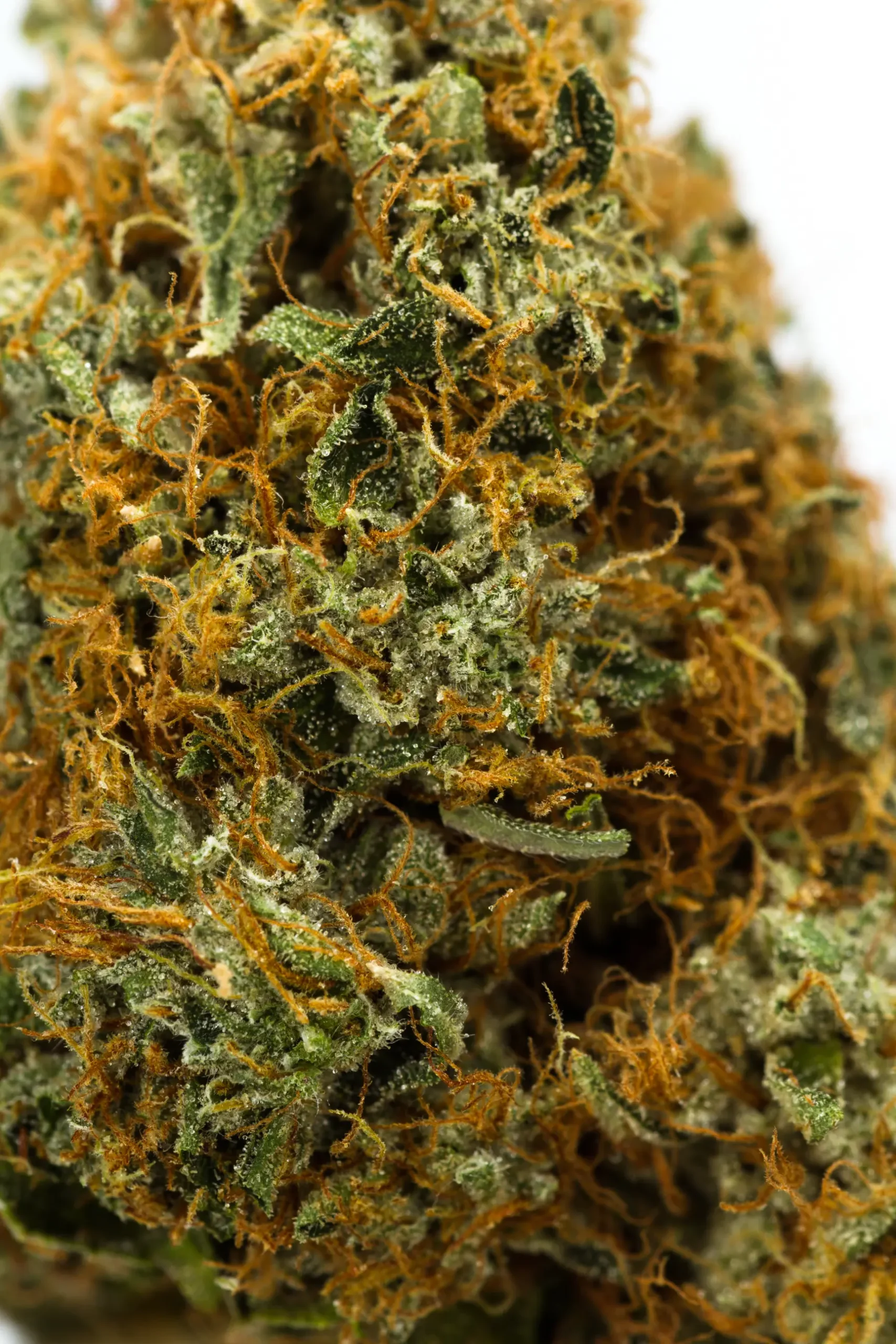
T5 and T8 Fluorescent Lights for Cannabis Propagation Guide
T5 and T8 Fluorescent Lights for Propagation
Direct Answer: Linear Fluorescent Propagation Scope and Target Photometrics
Linear fluorescent fixtures, specifically High-Output T5 (T5 HO) and standard T8 systems, have served as the gold standard for commercial cannabis propagation and seedling nurseries for over two decades. While modern solid-state light-emitting diodes (LEDs) dominate high-intensity vegetative and flowering environments, linear fluorescents possess physical properties uniquely suited to delicate, unrooted vegetative cuttings. Their elongated glass tubular geometry radiates gentle, highly diffused photons across a wide horizontal plane, eliminating the intense, localized optical hotspots that desiccate tender apical meristems.
Operating a successful cannabis propagation nursery requires providing an initial Photosynthetic Photon Flux Density (PPFD) of 50 to 80 μmol/m²/s during the first 5 to 7 days of callus formation, ramping to 80 to 120 μmol/m²/s as adventitious secondary root tips emerge from rockwool or peat plugs. This delivers an optimal Daily Light Integral (DLI) of 5.0 to 8.0 mol/m²/day under an 18-hour photoperiod. Standard 54W 4-foot T5 HO lamps suspended 6 to 10 inches (15 to 25 cm) above standard 1020 propagation domes achieve this target with biological consistency, driving 95%+ rooting success across commercial cultivar libraries.
Freshly cut cannabis clones have zero root vascular architecture; all water absorption occurs through passive cuticular and basal stem uptake. Exposing unrooted cuttings to PPFD levels exceeding 130 μmol/m²/s forces foliar transpiration to outpace cellular water uptake, causing permanent turgor collapse, leaf margin yellowing, and cutting death. Always maintain propagation lighting between 50 and 80 μmol/m²/s until root tips visibly emerge.
1. Linear Fluorescent Lamp Architecture Matrix
The physical diameter, electrical power draw, and luminous output vary significantly across linear fluorescent formats:
| Lamp Designation | Tube Diameter | Nominal Wattage (4ft) | Luminous Output | Primary Propagation Application |
|---|---|---|---|---|
| T5 High Output (T5 HO) | 5/8 Inch (15.9 mm) | 54 Watts (4ft) / 24 Watts (2ft) | 4,800 – 5,000 Lumens | High-density cloning racks and vigorous early vegetative growth. |
| T5 Standard Output (T5 HE) | 5/8 Inch (15.9 mm) | 28 Watts (4ft) / 14 Watts (2ft) | 2,600 – 2,900 Lumens | Gentle seed germination and low-stress maintenance of tissue culture. |
| Standard T8 Linear | 8/8 Inch = 1.0 Inch (25.4 mm) | 32 Watts (4ft) / 17 Watts (2ft) | 2,800 – 3,000 Lumens | Budget clone shelves and holding mother root stock at slow growth rates. |
| Legacy T12 Linear | 12/8 Inch = 1.5 Inch (38.1 mm) | 40 Watts (4ft) | 2,200 – 2,400 Lumens | Obsolete: Magnetic ballasts hum, run hot, and waste energy. |
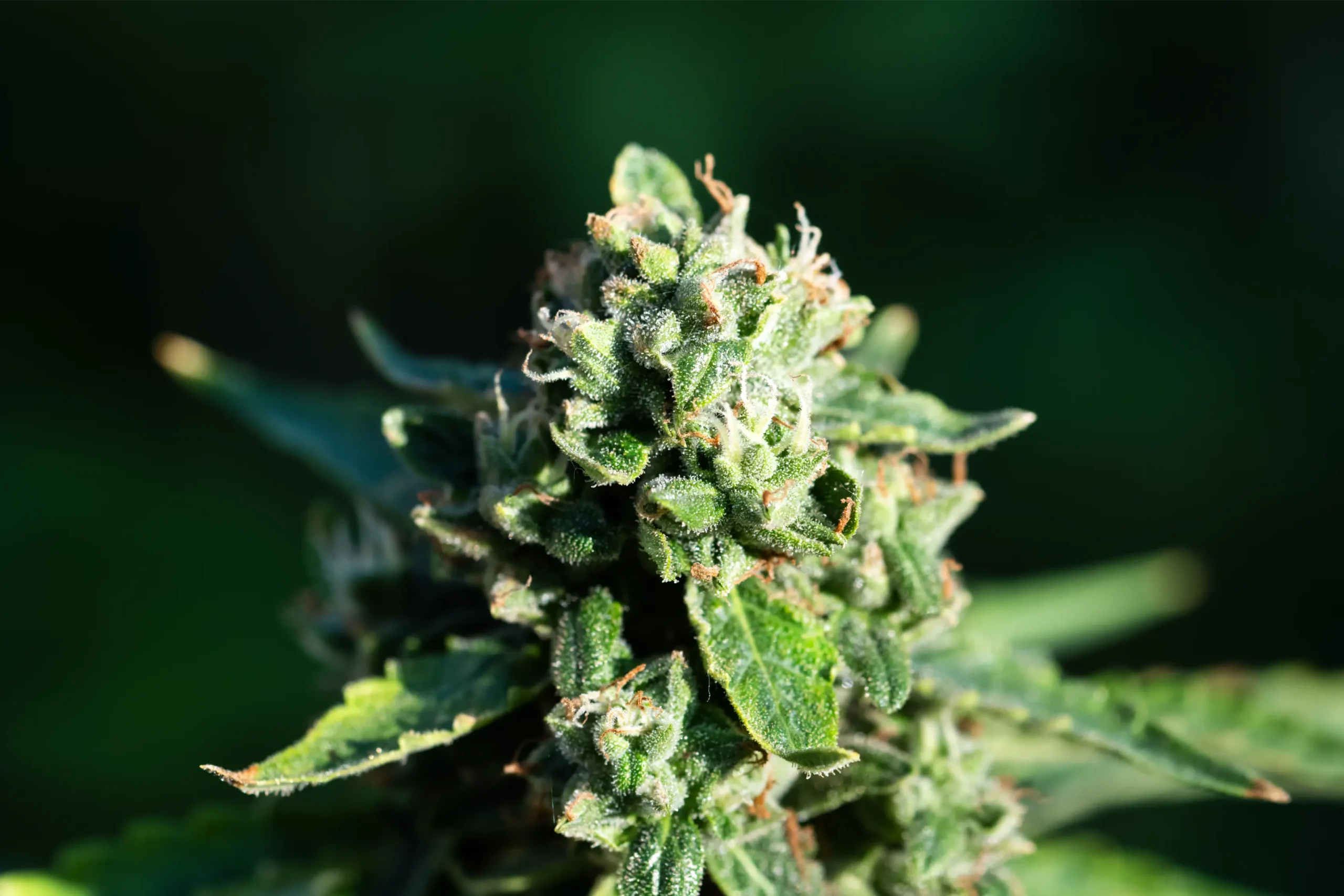
Linear Gas-Discharge Physics: T5 HO vs Standard T8 Diameters and Ballasts
The operational superiority of T5 High Output lamps over older T8 and T12 systems stems from physical thermodynamics and high-frequency electronic ballast engineering.
1. Tube Diameter and Surface Luminance Dynamics
In lighting engineering, the numerical designation following the letter “T” specifies the outer diameter of the glass tube in eighths of an inch. A T5 lamp has a diameter of 5/8 inch (15.9 mm), whereas a T8 lamp has a diameter of 8/8 inch (25.4 mm, exactly 1.0 inch). Because a T5 tube has a significantly smaller internal surface area than a T8 tube, driving 54 watts through a T5 envelope concentrates electrical energy into a much denser plasma column.
This narrow geometry results in higher surface luminance and allows fixture reflectors to capture and direct emitted light with superior optical precision. High-purity specular aluminum reflectors fitted behind T5 HO tubes deliver an optical fixture efficiency of 85% to 92%, compared to only 65% to 75% for wide-diameter T8 fixtures where the thick glass tube absorbs a significant portion of its own reflected light (self-absorption losses).
2. High-Frequency Electronic Ballasts
Older T12 fixtures relied on heavy electromagnetic ballasts operating at 60 Hz mains frequency, producing visible 120-cycle stroboscopic flicker and loud acoustic hum. Modern T5 HO and commercial T8 fixtures utilize solid-state electronic ballasts operating at high frequencies between 40,000 Hz and 100,000 Hz (40 to 100 kHz):
- Elimination of Stroboscopic Flicker: At 40+ kHz, gas ionization within the tube is continuous and seamless, delivering smooth photon flux that maximizes photosynthetic electron transport without dark gaps.
- Thermodynamic Efficacy: High-frequency excitation increases phosphor efficacy by approximately 10% compared to 60 Hz operation, converting more electrical energy into photons rather than waste heat.
- Operating Temperature Peak: Standard T8 tubes are engineered to achieve maximum light output at an ambient air temperature of 77 °F (25 °C). In contrast, T5 HO tubes are engineered to operate at a higher internal wall temperature, reaching peak photon output at 95 °F (35 °C). This makes T5 HO lamps exceptionally well-suited for warm propagation environments where humidity domes trap ambient warmth.
Commercial cultivation facilities operating multi-tier propagation racks must verify that T5 HO ballasts feature a Power Factor (PF) ≥ 0.95 and Total Harmonic Distortion (THD) < 10%. Cheap consumer-grade fixtures frequently utilize low-power-factor ballasts (PF ≈ 0.50), which pull twice the apparent line current (amps) for the same true wattage, overloading circuit breakers and overheating neutral conductors in commercial multi-wire branch circuits.
Photobiology of Adventitious Rooting: PPFD Thresholds, DLI, and Auxin Translocation
Cloning cannabis is the process of inducing adventitious root formation from non-root tissue (the severed stem). This biological transformation is governed by endogenous plant hormones (primarily auxins) and mediated by light intensity and photoperiod.
1. The Carbohydrate vs Transpiration Balance
When a cutting is severed from the donor mother plant, it is cut off from its primary water supply. The cutting must maintain cellular turgor pressure while producing enough carbohydrates through photosynthesis to fuel cell division at the basal cut. If light intensity is too low, the cutting depletes stored starches and succumbs to stem rot (Pythium and Rhizoctonia). If light intensity is too high, stomata open wide, transpirational water loss exceeds cuticular uptake, and the cutting dehydrates.
The physiological sweet spot requires strict photon management:
- Days 1 to 5 (Wound Healing & Callus Formation): Target PPFD of 50 to 65 μmol/m²/s. Endogenous auxin (indole-3-acetic acid, IAA) migrates downward toward the severed base via basipetal polar auxin transport. Low light suppresses excessive vegetative metabolism, allowing auxins to accumulate at the cut edge to trigger undifferentiated callus parenchyma cells.
- Days 6 to 10 (Root Primordia Initiation): Target PPFD of 70 to 90 μmol/m²/s. Callus cells differentiate into root apical meristems, pushing outward through stem cortical tissue.
- Days 11 to 14 (Vascular Secondary Rooting): Target PPFD of 100 to 120 μmol/m²/s. Secondary feeder roots branch out into the media plug. Increased photon flux fuels true leaf vegetative expansion, preparing the rooted cutting for transplant into the vegetative room.
2. Daily Light Integral (DLI) for Propagation
Calculate the cumulative daily photon load using the photoperiod equation:
DLI = PPFD × Photoperiod Hours × 0.0036 mol/m2/day
For an 18-hour propagation cycle at a steady 75 μmol/m²/s:
DLI = 75 × 18 × 0.0036 = 4.86 mol/m2/day
Holding DLI between 5.0 and 7.5 mol/m²/day delivers the exact quantum energy required for adventitious rooting without photoinhibitory stress.
3. Cellular Osmotic Potential and Vapor Pressure Deficit (VPD) Dynamics in Propagation Domes
The physiological driver of cutting survival under fluorescent lighting is Vapor Pressure Deficit (VPD). In standard vegetative cultivation, cannabis operates optimally at a VPD of 0.8 to 1.1 kPa. In an unrooted propagation dome, VPD must be suppressed to 0.20 to 0.40 kPa by maintaining relative humidity between 90% and 95% at 75 °F to 78 °F (24 °C to 25.5 °C).
Because the severed stem lacks xylem connectivity to an active root system, any elevation in VPD above 0.50 kPa creates a steep moisture concentration gradient between the leaf interior and surrounding air. Transpiration accelerates, draining water from foliar parenchyma cells faster than capillary action can draw moisture through the cut stem base. This causes cellular plasmolyzing, stomatal closure, and permanent wilt. Gentle T5 fluorescent irradiance prevents leaf surface temperatures from rising above ambient dome air, preserving ultra-low VPD and maintaining full cellular hydration during critical early callus initiation.
Should I run my T5 propagation lights on an 18/6 photoperiod or leave them on 24 hours continuously for faster rooting?
Question sent by: Elijah Morales, via email.
While cannabis cuttings can root under both regimes, an 18/6 photoperiod (18 hours on, 6 hours dark) is physiologically superior to continuous 24/0 lighting for two key reasons:
1. Auxin Translocation and Root Cell Elongation: In plant biology, the polar transport of endogenous auxins toward the basal stem cut peaks during the dark period when carbohydrate transport (sucrose export via phloem) occurs without photoperiodic interference.
2. Vascular Turgor Recovery: During the 6-hour dark nyctoperiod, stomatal conductance drops, halting transpirational moisture loss. This allows cuttings to fully rehydrate their internal cellular vacuoles from the humid humidity dome air. Facilities running 18/6 consistently demonstrate thicker, more branching primary root radicles and lower incidence of foliar chlorosis compared to 24/0 regimens.
Spectral Phosphor Engineering: 6500K Blue Ratios vs 3000K Full-Spectrum Blends
Linear fluorescent tubes utilize rare-earth chemical phosphors to produce specific spectral power distributions tailored to plant photoreceptors.
1. The 6500K Daylight Spectrum
The undisputed industry standard for cannabis propagation is the 6500K “Daylight” (Cool White) tube:
- Cryptochrome Activation: 6500K phosphors emit intense photon flux in the blue waveband (400 to 500 nm, peaking at 435 nm and 450 nm). Blue photons activate cryptochrome 1 (CRY1) and cryptochrome 2 (CRY2) photoreceptors, which repress transcription factors responsible for stem cell elongation.
- Morphological Impact: Cuttings rooted under 6500K develop thick, stocky stems, dense lateral branching, and short internodal spacing. This prevents newly rooted clones from becoming tall, spindly, and fragile when transferred into high-intensity vegetative rooms.
2. Spectral Blending in Multi-Lamp Fixtures
In commercial 4-lamp and 8-lamp T5 fixtures, growers often blend spectral tubes to broaden photosynthetic action:
- The 3:1 Vegetative Ratio: Installing three 6500K tubes and one 3000K warm-red tube per 4-lamp bay introduces supplementary red photons (630 to 660 nm). Red light targets chlorophyll a and b absorption peaks, enhancing net photosynthetic carbohydrate synthesis while preserving the morphological compacting benefits of dominant blue light.
- Seedling Nursery Optimization: For germinating seeds from breeding stock, 100% 6500K tubes are recommended to ensure cotyledons and early first true leaves stay compact and resist “damping-off” stem collapse.
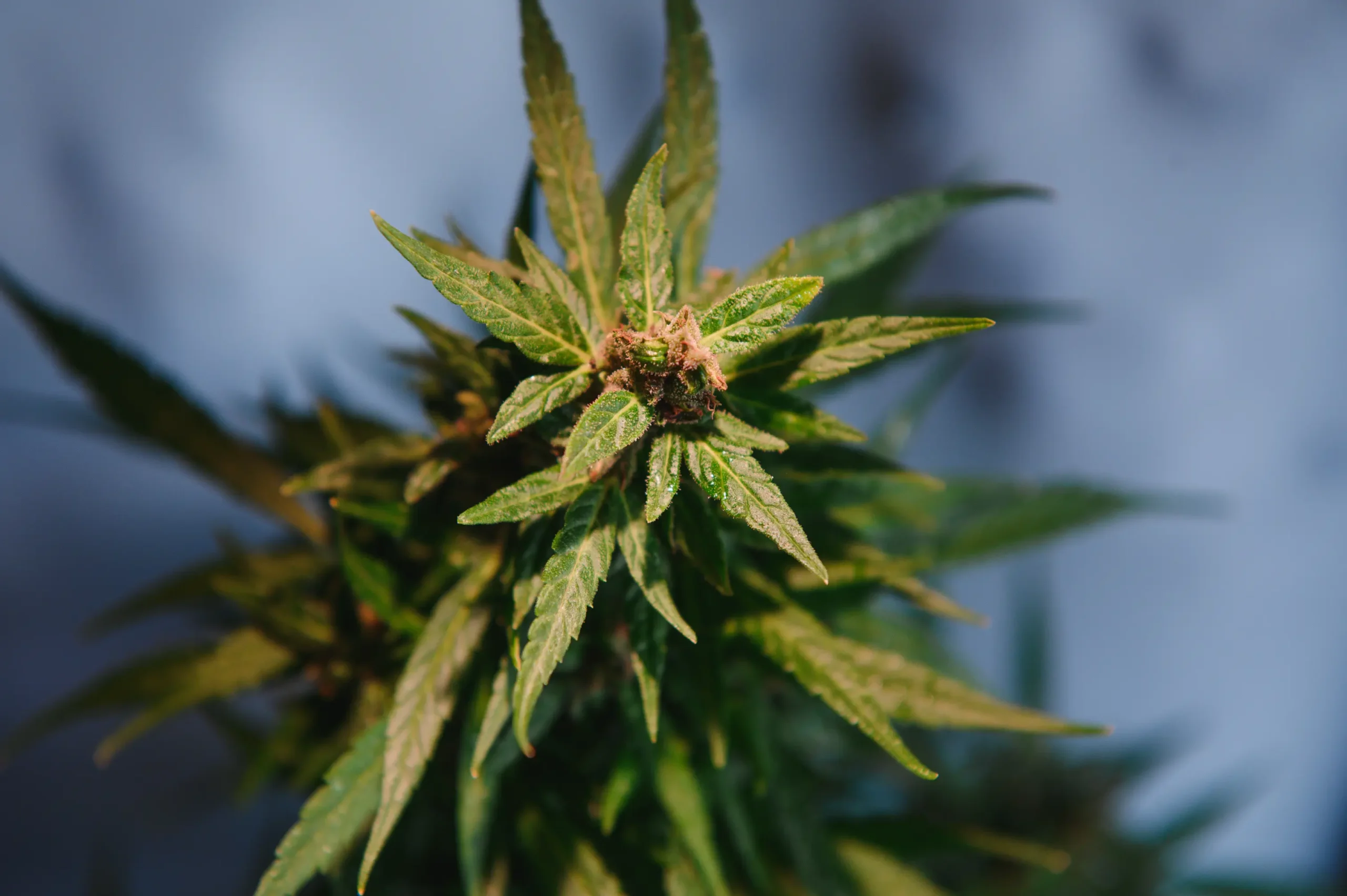
Propagation Rack Engineering: Tray Footprints, Lamp Spacing, and Canopy Clearance
Commercial cannabis cloning relies on multi-tier vertical racking to maximize spatial efficiency.
1. Matching Fixture Footprint to Standard 1020 Trays
The agricultural standard container for cloning is the 1020 propagation flat, measuring approximately 11 inches wide by 21 inches long. Linear fluorescent fixtures match these dimensions perfectly:
- 2-Foot, 4-Lamp T5 HO (96W True Draw): Features an active footprint of 24×18 inches. Suspended horizontally, it provides uniform PAR coverage over exactly two 1020 flats (up to 100 cuttings in 50-cell plug inserts).
- 4-Foot, 4-Lamp T5 HO (216W True Draw): Features an active footprint of 48×18 inches. It provides perfect, edge-to-edge photon delivery across four 1020 flats (up to 200 cuttings simultaneously).
- 4-Foot, 8-Lamp T5 HO (432W True Draw): Features a wider 48×24-inch chassis. It delivers higher PPFD (up to 250 μmol/m²/s), making it ideal for transitioning rooted cuttings into vigorous early vegetative mother plants.
2. Vertical Clearance and Thermal Spacing
On multi-tier wire metro shelving (typically 48 inches wide by 18 or 24 inches deep):
- Shelf Spacing: Space wire shelves 20 to 24 inches apart vertically.
- Dome Clearance: Standard tall propagation humidity domes stand 7 inches high. Suspend the T5 HO fixture so the bottom of the bulbs sits 4 to 6 inches above the top of the clear dome (11 to 13 inches above the bottom of the tray).
- Ballast Thermal Separation: Ensure at least 4 inches of clear air space exists between the top of the T5 reflector chassis and the underside of the upper shelf wire grid. This allows convective heat rising off ballasts to dissipate into the room rather than warming the substrate of the shelf above.
3. Electrical Circuit Sizing for Commercial Multi-Tier Racks
When designing commercial vertical propagation nurseries, electrical load stacking across multi-tier wire metro shelving requires careful ampacity calculation:
- 4-Tier Rack Electrical Load: A standard 4-tier wire rack holding two 4-foot, 2-lamp T5 HO fixtures per shelf (eight 54W lamps total per tier = 432W) consumes 1,728 watts across the entire rack.
- Continuous Duty NEC 80% Rule: Because propagation lighting operates for 18 to 24 hours consecutively, National Electrical Code (NEC Article 210.19) restricts continuous loading to 80% of circuit capacity. A dedicated 20-amp, 120-volt circuit can support a continuous maximum of 1,920 watts (16 amps). A single 4-tier cloning rack operating at 1,728W plus four 40W seedling heat mats (160W, total 1,888W) pushes the circuit to 98% of its safe continuous limit.
- Commercial 240V Distribution: In multi-rack commercial nurseries, specify commercial multi-voltage ballasts wired for 240-volt operation. Operating at 240V reduces current draw to only 3.6 amps per rack, allowing four complete multi-tier cloning racks (holding up to 3,200 cuttings) to operate safely on a single 20-amp 240V branch circuit with minimal line resistance losses.
Never place a T5 HO fixture resting directly on top of clear plastic propagation humidity domes. The surface temperature of a 54W T5 HO glass tube reaches 130 °F to 145 °F (54 °C to 63 °C) during operation. Direct contact will melt or warp polystyrene humidity domes, releasing toxic plastic fumes and burning the upper leaves of cuttings touching the dome ceiling.
Step-by-Step Propagation Protocol: Days 1 Through 14 Environmental Staging
Follow this standardized commercial protocol to manage light intensity, humidity, and temperature across the 14-day cloning cycle.
| Phase & Day Range | Target PPFD | Dome Status / RH | Substrate Temp | Photobiological Focus |
|---|---|---|---|---|
| Phase 1: Days 1 – 4 | 50 – 65 μmol/m²/s | Vents fully closed / 90 – 95% RH | 75 – 78 °F (24 – 25.5 °C) | Cellular turgor maintenance; basipetal auxin migration to cut. |
| Phase 2: Days 5 – 8 | 65 – 80 μmol/m²/s | Open side vents 50% / 80 – 85% RH | 75 – 77 °F (24 – 25 °C) | Callus tissue formation; adventitious root primordia emergence. |
| Phase 3: Days 9 – 11 | 80 – 100 μmol/m²/s | Vents 100% open / 70 – 75% RH | 72 – 75 °F (22 – 24 °C) | Primary taproot and lateral root hair extension into plug. |
| Phase 4: Days 12 – 14 | 100 – 120 μmol/m²/s | Domes removed / 60 – 65% RH | 70 – 74 °F (21 – 23.3 °C) | Hardening off; full transpiration under ambient room airflow. |
Technology Comparison: T5 HO vs T8 vs Ballast-Bypass LED Clone Bars
With the rise of commercial horticultural LEDs, cultivators must evaluate whether to maintain fluorescent tubes or upgrade to solid-state LED bars.
| Lighting System | System Power (4-Tray) | PPE Efficacy | Operating Lifespan | Operational Tradeoffs |
|---|---|---|---|---|
| 4-Lamp T5 HO Fluorescent | 216 Watts | 1.10 – 1.25 μmol/J | 8,000 – 12,000 Hours (Replace @ 3,500 hrs) | Low upfront cost; gentle radiant heat helps maintain warm root zones in winter. |
| 4-Lamp Standard T8 Fluorescent | 128 Watts | 0.85 – 1.00 μmol/J | 10,000 Hours (Replace @ 4,000 hrs) | Low intensity; unsuited for high-density commercial nurseries. |
| Type A Plug-and-Play LED Tubes | 100 Watts (Utilizes T5 ballast) | 1.90 – 2.10 μmol/J | 35,000 Hours | Cuts power by 50%; however, existing electronic ballasts still fail over time. |
| Dedicated LED Clone Bars (Type B) | 60 – 80 Watts (Direct mains wire) | 2.30 – 2.60 μmol/J | 50,000+ Hours | Maximum efficiency; runs 15 °F cooler; requires heat mats during winter. |
1. Lifecycle Economics and Diode Retrofit Payback Analysis
When analyzing the return on investment (ROI) of retrofitting commercial T5 HO cloning racks with high-efficiency LED clone bars, facility managers must calculate direct energy savings and deferred lamp maintenance:
- Annual Energy Consumption: Operating a standard 4-lamp 216W T5 HO fixture for 18 hours daily consumes: 0.216 kW × 18 hrs × 365 days = 1,419 kWh/year. At a commercial utility rate of $0.14 per kWh, electricity costs $198.66 annually per tier.
- LED Clone Bar Consumption: A direct-wire Type B 70W LED clone strip delivering identical PPFD consumes: 0.070 kW × 18 hrs × 365 days = 459.9 kWh/year, costing $64.39 annually (yielding an immediate annual power saving of $134.27 per shelf).
- Tube Replacement & Labor Savings: Fluorescent lamps require replacement every 3,500 hours (approx. every 6.5 months under 18/6 lighting). In a commercial 10-rack facility, replacing 160 T5 tubes twice per year costs over $1,600 in lamp purchases and disposal fees, plus dozens of maintenance labor hours. LED retrofit bars pay for their initial capital cost within 9 to 14 months of continuous operation.
- HVAC Thermal Load Reduction: Every watt of fluorescent power saved is a watt of heat that does not need to be removed by facility air conditioning. Upgrading to cool-running LEDs reduces nursery sensible heat loads by 65%, allowing facility mini-split compressors to cycle down significantly during warm summer months.
Common Mistakes: Excessive Irradiance, Heat Dome Traps, and Photoperiod Errors
Avoid these critical operational errors that decimate rooting percentages in propagation nurseries:
- Mistake 1: Placing Unrooted Cuttings Under High PPFD: Exposing fresh clones to 150+ μmol/m²/s causes rapid photo-bleaching and leaf chlorosis. If top leaves turn pale yellow within 72 hours of cutting, your lights are too close or too powerful. Raise fixtures or remove two outer bulbs immediately.
- Mistake 2: Thermal Stratification Inside Humidity Domes: When T5 HO lamps hang too close to unvented domes, internal dome temperatures can soar past 88 °F (31.1 °C). High heat combined with 95% humidity creates a steam-bath environment that cooks stem tissue and triggers explosive bacterial soft rot (Erwinia carotovora). Maintain internal dome air temperatures between 75 °F and 78 °F (24 °C to 25.5 °C).
- Mistake 3: Neglecting Root-Zone Bottom Heat: In cool grow rooms or basements, unheated propagation shelves drop below 68 °F. Cold root zones slow cell division, delaying rooting by up to 10 days. Always place waterproof horticultural seedling heat mats beneath propagation flats, thermostatic-controlled to maintain 75 °F to 77 °F (24 °C to 25 °C) at the plug core.
- Mistake 4: Running Old, Degraded Fluorescent Tubes: Fluorescent phosphors degrade invisibly. A T5 HO tube that has run for 12 months continuously may still emit bright visible light, but its output of photosynthetic blue photons has dropped by over 30%, resulting in sluggish, delayed rooting.
Verification and Commissioning: PPFD Mapping and Root Health Diagnostics
Before loading commercial cultivar genetics into a propagation bay, verify environmental uniformity.
1. The 9-Point PAR Verification Grid
- Grid Mapping: Position a clean 1020 tray filled with media plugs on the propagation shelf. Set a digital quantum PAR meter (such as an Apogee SQ-500) at plug surface height across a 9-point grid (four corners, four edge midpoints, and one center point).
- Fixture Height Adjustment: Adjust fixture suspension chains until center PPFD measures exactly 65 μmol/m²/s and corner readings do not fall below 50 μmol/m²/s. Uniformity ratio (Min / Max) across the tray should exceed 0.75.
- Substrate Core Temperature Verification: Insert a digital probe thermometer 1.5 inches deep into center and corner rockwool plugs. Verify that bottom heating mats maintain core plug temperatures between 75 °F and 77 °F with lights energized.
How can I tell if my cutting failure is caused by lighting stress versus over-watering the plugs?
Question sent by: Kendra Lindqvist, via contact form.
Examine the specific pattern of foliar symptoms:
1. Lighting Stress Symptoms: If cuttings suffer from excessive PPFD or light scorch, top fan leaves will bleach pale yellow or white from the apical center outward, while leaf tips curl upward (canoe cupping) in an attempt to reduce exposed surface area. The stem remains firm, but rooting is stalled because carbohydrates are burned attempting cellular repair.
2. Over-Watering / Anaerobic Symptoms: If media plugs are waterlogged, roots suffocate from lack of oxygen. Symptoms begin at the bottom of the cutting: the basal stem becomes soft, brown, and translucent (“stem rot”), while lower leaves turn dark yellow, wilt flaccidly downward, and detach easily with slight tension. Plugs should be saturated initially, then shaken out until they feel like a squeezed-out sponge (approx. 50% water holding capacity) before inserting stems.
Operational Maintenance, Tube Replacement, and Socket Cleaning Schedule
Maintain peak photometric performance through disciplined nursery maintenance.
| Component | Inspection Frequency | Action Protocol | Operational Standard |
|---|---|---|---|
| T5 HO Glass Tubes | Bi-Weekly | Wipe glass envelope with lint-free microfiber cloth and isopropyl alcohol. | Zero dust, mineral spray, or algae coating glass. |
| Specular Reflector | Between Cycles | Clean polished aluminum reflector with mild detergent; dry thoroughly. | Maximum specular reflectance; zero corrosion pitting. |
| Tombstone Sockets | Quarterly | Inspect G5 / G13 bi-pin rotary sockets for carbon tracking or loose spring tension. | Tight mechanical pin connection; zero electrical arcing. |
| Tube Replacement | Every 3,500 Hours | Replace all fluorescent tubes with fresh 6500K tri-phosphor lamps. | Consistent PPF output within 95% of factory rating. |
| Heat Mat Thermostats | Between Batches | Verify digital temperature probe accuracy against calibrated reference thermometer. | Substrate temperature regulated within ±1.0 °F. |
Final Propagation Lighting Decision Checklist and Next Weedth Resources
Execute this practical checklist to ensure your linear fluorescent nursery setup is fully optimized before taking cuttings.
Linear Fluorescent Propagation Checklist
- High-Output T5 System Deployed: 54W 4ft or 24W 2ft T5 HO electronic ballast fixtures installed over propagation flats.
- 6500K Daylight Spectrum Confirmed: High-blue tri-phosphor tubes selected to suppress hypocotyl stretching and promote stocky stems.
- Initial PPFD Verified (50 – 80 μmol): Height set so cuttings receive gentle irradiance during first 7 days of callus initiation.
- Safe Dome Clearance Maintained: Minimum 4 to 6 inches preserved between bulbs and plastic domes to prevent thermal melting.
- Bottom Root-Zone Heat Regulated: Thermostat-controlled heat mats holding rockwool plug cores steady at 75 °F to 77 °F.
- 18/6 Photoperiod Configured: 6-hour dark period scheduled to facilitate basipetal auxin transport and cellular rehydration.
- High-Power-Factor Ballast Confirmed: Electronic ballasts rated PF ≥ 0.95 deployed to eliminate line current overloads.
- Class A GFCI Circuit Protection: Propagation racks wired through certified GFCI outlets to eliminate water splash shock hazards.
- Tube Replacement Cycle Logged: Fluorescent lamps scheduled for replacement every 3,500 operating hours (3 cycles max).
- Gradual Hardening-Off Protocol: Domes vented gradually and PPFD stepped up to 100-120 μmol before transplanting.
Scientific References
- Illuminating Engineering Society (IES). (2020). The Lighting Handbook: Reference and Application. Illuminating Engineering Society of North America, New York, NY.
- Zheng, Y. (Ed.). (2021). Handbook of Cannabis Production in Controlled Environments. CRC Press, Boca Raton, FL.
- National Fire Protection Association (NFPA). (2023). NFPA 70: National Electrical Code (NEC). National Fire Protection Association, Quincy, MA.
- Caplan, D., Dixon, M., & Zheng, Y. (2018). Increasing inflorescence dry weight and cannabinoid content in medicinal cannabis using controlled drought stress. HortScience, 54(5), 964-969.
- Bilodeau, S. E., Dufour, B., & Bouchard, J. (2019). Thermal and environmental control inside modern cannabis production facilities. Agronomy, 9(8), 443. DOI: 10.3390/agronomy9080443
- Nelson, J. A., & Bugbee, B. (2014). Economic analysis of greenhouse lighting: light emitting diodes vs. high intensity discharge technologies. PLOS ONE, 9(6), e99012.
- Morvant, J. K., et al. (2020). Botrytis cinerea infection dynamics in cannabis sativa floral tissues under fluctuating relative humidity. Plant Disease, 104(9), 2415-2422.
Share this article
A quick overview of the topics covered in this article.
Follow us
Latest articles
November 2, 2026
November 2, 2026
November 2, 2026
November 2, 2026
