
Pave Strain: Complete Cultivar & Grow Guide
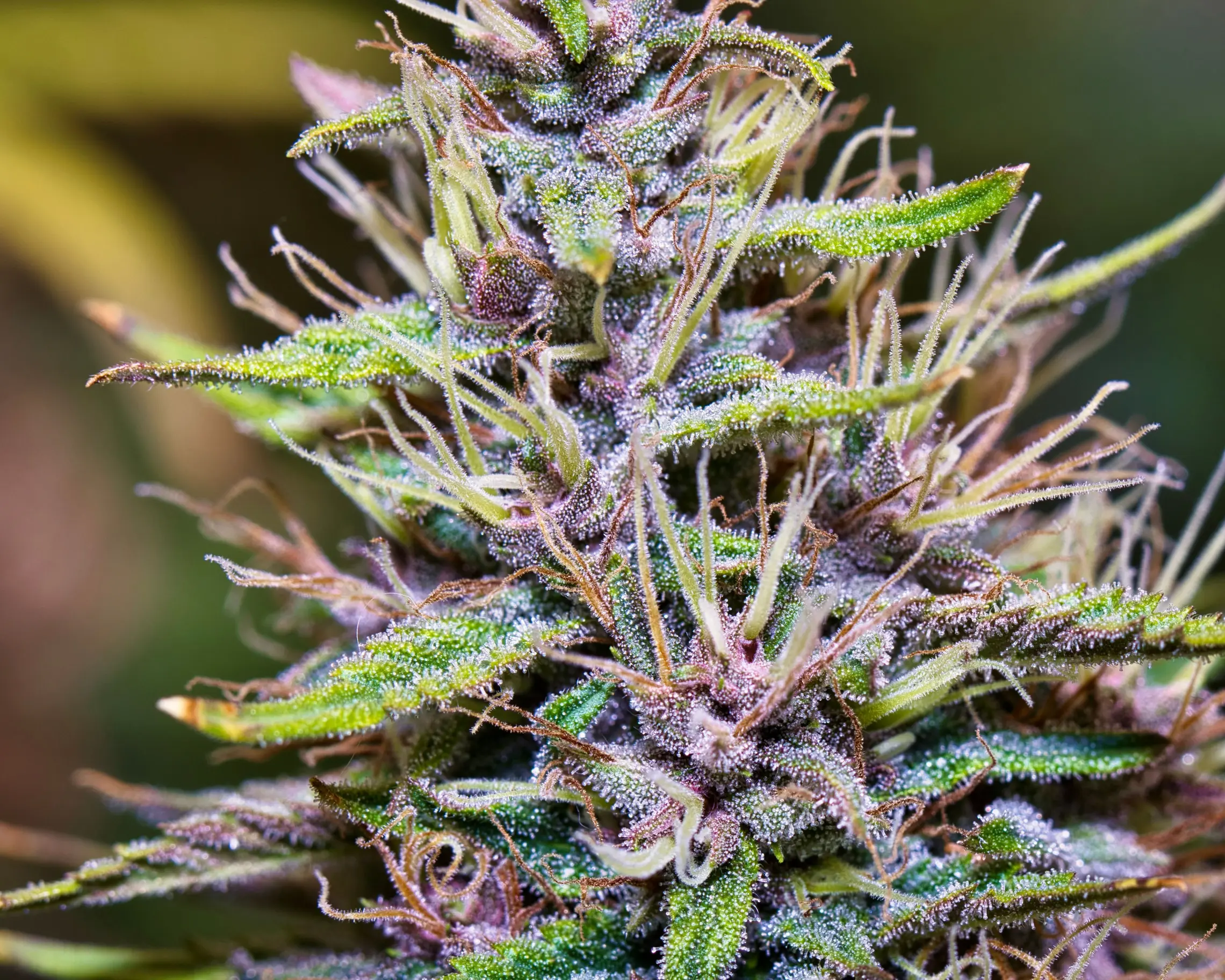
In the contemporary craft cannabis landscape, Pave stands as a pinnacle monument to high-potency breeding, visual extravagance, and sophisticated terpene chemistry. Developed through an epochal collaboration between Compound Genetics, spearheaded by master breeder Chris Lynch, and the lifestyle brand Quiksilver, Pave was engineered to establish a new gold standard for bag appeal and potency. Named for the French jewelry term pavé, which describes surfaces encrusted so tightly with diamonds that no underlying metal is visible, Pave produces floral clusters so heavily blanketed in capitate-stalked glandular trichomes that the buds appear completely paved in brilliant white crystals.
The genetic architecture of Pave combines two formidable titans of modern cannabis: Paris OG and The Menthol. Paris OG, an elite cut of legendary Southern California OG Kush heritage, contributes crushing physical sedation, thick woody stems, and a deep, brooding foundation of damp pine earth, cracked peppercorns, and skunky petroleum fuel. The Menthol, one of Compound Genetics most celebrated breeding parents (Gelato 45 x White Diesel x High Octane x Jet Fuel G6), introduces crisp, cooling peppermint, icy eucalyptus, wintergreen candy, sharp chemical cleaner, and immense resin production. The resulting polyhybrid achieves complete horticultural heterosis, delivering high-yielding, spear-shaped colas that routinely test between 25% and 31% total delta-9-THC.
Agronomically, Pave presents a rewarding yet demanding challenge for commercial facility managers and boutique craft growers alike. The cultivar displays vigorous vegetative growth and moderate transition stretch, building sturdy lateral branches capable of supporting rock-hard floral clusters. However, capturing the full magic of Pave requires meticulous microclimate calibration and disciplined post-harvest preservation. The delicate monoterpenes responsible for its signature Asian pear and cooling peppermint top notes are exceptionally sensitive to ambient heat; allowing late-flower canopy temperatures to exceed 25°C (77°F) will rapidly evaporate these volatile compounds, collapsing its intricate profile into basic earth and fuel. Furthermore, because its swollen calyxes form diamond-dense clusters, relative humidity must be strictly maintained below 45% during late bloom to prevent internal Botrytis moisture entrapment. This comprehensive technical guide provides cultivators with an exhaustive agronomic blueprint covering genetic heritage, phenotype selection, precision crop steering, and post-harvest drying science.
Strain Features
| Feature | Details |
|---|---|
| Strain Type | Balanced hybrid (approximately 50% Indica / 50% Sativa) |
| Genetic Lineage | Paris OG crossed with The Menthol (Compound Genetics) |
| THC Potency Range | 25% to 31% total delta-9-THC under optimized indoor commercial CEA protocols |
| CBD & Secondary Cannabinoids | CBD: 0.05% to 0.15%, CBG: 0.9% to 1.7%, CBC: 0.2% to 0.5%, THCV: 0.1% to 0.3% |
| Dominant Terpenes | D-Limonene, Beta-Caryophyllene, Beta-Myrcene, Linalool, Alpha-Pinene, Eucalyptol |
| Aromatic Profile | Crisp Asian pear, cooling peppermint cream, sweet vanilla gas, crushed peppercorn, damp pine earth, jet fuel, and chemical ammonia cleaner |
| Flavor Profile | Cooling mint, crisp pear skin, and sweet vanilla cream on inhale, resolving into heavy OG gas, cracked black pepper, and earthy diesel on exhale |
| Flowering Time (Indoor) | 63 to 70 days (9 to 10 weeks) under 12/12 photoperiod |
| Harvest Window (Outdoor) | Early to mid-October in Northern hemisphere; early to mid-April in Southern hemisphere |
| Indoor Yield Potential | 475 to 575 g/m² (1.5 to 1.9 oz/ft²) under high-intensity commercial LED arrays |
| Outdoor Yield Potential | 700 to 950 grams (1.5 to 2.1 lbs) per plant in full sun amended living soil beds |
| Optimal Canopy Temperature | Vegetative: 25°C to 28°C (77°F to 82°F); Early Bloom: 24°C to 26°C (75°F to 79°F); Late Bloom: 20°C to 22°C (68°F to 72°F) |
| Optimal Relative Humidity | Vegetative: 65% to 75%; Stretch (Weeks 1 to 3): 60% to 65%; Bulk (Weeks 4 to 6): 50% to 55%; Finish (Weeks 7 to 10): 40% to 45% |
| Optimal Substrate pH | Hydroponics / Inert Media: 5.8 to 6.2; Organic Living Soil: 6.3 to 6.8 |
| Optimal Electrical Conductivity (EC) | Vegetative: 1.4 to 1.7 mS/cm; Peak Bloom: 2.2 to 2.6 mS/cm; Final Ripening: 0.8 to 1.2 mS/cm |
| Transition Stretch Multiplier | 140% to 180% vertical expansion during initial 21 days of 12/12 photoperiod |
| Bud Density & Morphology | Diamond-hard, rounded to spear-shaped calyx clusters encrusted with thick trichome coats, purple highlights, and fiery amber pistils |
| Trichome Coverage & Gland Head Size | Extreme capitate-stalked trichome density, yielding exceptional returns in 90 to 120-micron wash screens |
| Primary Cultivation Challenges | Controlling late-flower relative humidity to avoid internal bud rot, preserving volatile menthol-pear terpenes through cold drying |
| Difficulty Level | Intermediate; requires canopy training, precise environmental control, and slow post-harvest curing |
Genetic Lineage
Pave represents an intentional, masterstroke breeding collaboration executed by Compound Genetics, designed to fuse the extreme chemical potency and savory intensity of classic OG Kush with the frosted visual perfection and cooling menthol gas of The Menthol.
The Maternal Contributor: Paris OG
The maternal parent of Pave is Paris OG, an acclaimed cut of Southern California OG Kush celebrated across the cannabis underground for winning multiple Cannabis Cups. Paris OG embodies the purest traits of elite OG Kush: thick, woody branching, pale emerald calyxes, and an overpowering bouquet of damp forest earth, crushed peppercorns, industrial kerosene, and rotting pine needles. Paris OG imparts immense physical sedation, powerful pain relief, and heavy, rock-hard bud density that serves as the muscular structural chassis of Pave.
The Paternal Contributor: The Menthol
The paternal contributor is The Menthol, one of Compound Genetics most celebrated in-house breeding creations. The Menthol is a sophisticated four-way polyhybrid combining Gelato 45, White Diesel, High Octane, and Jet Fuel G6. This complex lineage introduces extraordinary resin output, crisp cooling peppermint, frosty wintergreen candy, sharp chemical cleaner, and vibrant royal purple anthocyanin accumulation. The Menthol acts as a genetic amplifier, elevating the trichome head count and expanding the sensory profile into an icy, refreshing realm.
The Hybrid Synergy: Diamond-Paved Perfection
When Paris OG was crossed with The Menthol, the resulting progeny achieved what commercial cannabis breeders call complete heterosis. Pave retains the deep, skull-gripping physical potency of Paris OG while inheriting the diamond-like resin frosting and crisp peppermint gas of The Menthol. The calyxes stack tightly along lateral branches, creating dense, frosty floral spears that deliver an unforgettable sensory contrast: icy menthol and sweet Asian pear colliding with warm, peppery OG fuel.
Core Phenotypes & Selection Criteria
When popping Pave seeds or evaluating production clones, cultivators typically observe three distinct phenotypic expressions across the hybrid spectrum.
Phenotype 1: The Diamond Menthol Cut (Balanced Award Winner)
This is the definitive, world-renowned commercial expression that put Pave on the global map. Phenotype 1 displays balanced hybrid vigor, stretching approximately 150% to 170% during the initial three weeks of bloom. Stems are thick and sturdy, supporting dense, spear-shaped colas that swell into rock-hard floral clusters. Bracts express rich plum and violet marbling beneath thick sheets of glistening resin. The aroma is a ferocious mix of crisp Asian pear, cooling peppermint cream, sweet vanilla gas, and industrial diesel, underpinned by damp earth and cracked black pepper. Yields are very heavy (525 to 575 g/m²), and THC consistently tests between 27% and 30%.
Phenotype 2: The Paris Gas Dominant (OG Leaning)
Phenotype 2 leans heavily toward the maternal Paris OG ancestry. Plants exhibit strong lateral branching and stretch up to 180% after the photoperiod flip. Foliage is dark emerald green, and flowers form rounded, golf-ball-shaped towers completely encrusted with large-headed trichomes. The bouquet is dominated by pungent fuel, damp forest earth, pine needles, and sharp cracked peppercorns, with only a faint whisper of mint in the background. This phenotype finishes in 65 to 68 days and delivers crushing, couch-locking physical sedation.
Phenotype 3: The Pear Candy & Wintergreen Expression (Menthol Leaning)
Phenotype 3 expresses strong dominance from The Menthol. This cut grows slightly taller and more open, stretching up to 180% to 200% during the transition and requiring aggressive trellising. The flowers develop into elongated, crystalline spears that turn brilliant lavender and royal violet. The olfactory profile is centered on candied pear, eucalyptus, sweet spearmint candy, and chemical cleaner, backed by a softer petrol note. While offering a clear, euphoric, highly functional high, Phenotype 3 requires a full 70 days of flowering and demands careful humidity control to prevent moisture entrapment.
Effect Breakdown
Pave delivers a sophisticated, multi-stage psychoactive and physiological experience that mirrors its intricate genetic pedigree. Thanks to its high cannabinoid concentrations and complementary terpene matrix, the cultivar acts rapidly on both the central nervous system and peripheral somatic receptors.
Phase 1: Cerebral Warmth and Tingling Euphoria (0 to 30 Minutes)
Within seconds of inhalation, Pave initiates a sparkling rush of mental clarity and tingling euphoric warmth centered behind the eyes, temples, and across the bridge of the nose. This rapid onset is driven by high concentrations of D-limonene, alpha-pinene, and cooling menthol volatiles acting in synergy with delta-9-THC. Mental fog, daily stress, and negative rumination dissolve, replaced by a radiant sense of optimism, heightened sensory appreciation, and creative inspiration. Users feel alert, talkative, and mentally stimulated without the jittery raciness often associated with pure sativas.
Phase 2: Somatic Unwinding and Physical Ease (30 to 90 Minutes)
As the initial euphoric peak stabilizes, the heavy indica influence of Paris OG begins its physical descent. A noticeable wave of muscular relaxation spreads down the neck, shoulders, spine, and lower extremities. Beta-caryophyllene interacts directly with peripheral CB2 cannabinoid receptors, dampening localized inflammation and soothing joint aches. Facial muscles relax, tension headaches melt away, and a heavy, weighted physical comfort envelops the body. During this secondary phase, appetite stimulation becomes pronounced, accompanied by cheerful social warmth.
Phase 3: Deep Tranquility and Restorative Slumber (90 to 180+ Minutes)
In its final phase, Pave demonstrates why it is universally respected as an elite evening and nighttime cultivar. High concentrations of beta-myrcene and linalool synergize with the heavy cannabinoid load to induce profound physical couch-lock and gentle mental fog. Eyelids grow heavy, voluntary physical movement becomes pleasantly slow and unappealing, and mental ideation winds down into peaceful tranquility. When consumed in moderate to high doses, Pave transitions effortlessly into deep, restorative, uninterrupted sleep.
Flavor & Aroma Profile
The aromatic and flavor profile of Pave is one of the most intriguing sensory studies in modern cannabis breeding. The cultivar is defined by a dynamic, almost contradictory sweet-cool-gas balance that shifts dramatically between the raw flower, the dry inhale, the combusted smoke, and the lingering aftertaste.
The Olfactory Bouquet: Crisp Pear Meets Menthol Gas
Opening a sealed glass jar of properly cured Pave releases an immediate wave of crisp Asian pear, cooling peppermint candy, and sweet vanilla cream. Beneath the initial fruit and mint sits an explosive eruption of pungent, savory volatile compounds. The air fills with the unmistakable scent of jet fuel, damp forest earth, chemical ammonia cleaner, and crushed peppercorns. It is a bold, room-filling fragrance that connoisseurs describe as a luxury perfume drenched in high-octane gasoline.
The Combustion and Vaporization Palate
On the dry pull of an unlit joint, the peppermint and pear notes take the spotlight, coating the lips and tongue with sweet mint syrup, crisp fruit skins, and vanilla dough. When lit, the initial draw delivers rich, velvety smoke tasting of cooling spearmint, sweet pear, and creamy pastry. As the smoke expands within the oral cavity, the mid-palate transitions into sharp cracked black pepper, savory herbs, and earthy pine. On the exhale, the Paris OG lineage dominates, leaving an enduring aftertaste of fuel, chemical cleaner, and earthy Kush that lingers on the tongue for ten to fifteen minutes after the session concludes.
Dominant Terpenes
Laboratory analytical testing reveals that Pave possesses a diverse, highly concentrated terpene matrix frequently exceeding 2.5% to 3.8% total terpene content by dry weight under precision cultivation. The interaction between these terpenes and cooling volatiles creates its signature aroma and therapeutic power.
| Terpene Compound | Typical Concentration | Sensory Aroma & Flavor Role | Pharmacological & Agronomic Role |
|---|---|---|---|
| D-Limonene | 0.8% to 1.4% | Zesty citrus peel, crisp pear brightness, sweet fruit rind | Enhances dermal and blood-brain barrier permeability, uplifts mood, and modulates dopamine pathways during the initial euphoric onset |
| Beta-Caryophyllene | 0.7% to 1.3% | Cracked black pepper, woody clove, warm spice, diesel fuel | Potent CB2 receptor agonist; delivers peripheral anti-inflammatory and pain-relieving effects without psychotropic binding |
| Beta-Myrcene | 0.4% to 0.8% | Ripe mango, damp earth, sweet fruit musk | Promotes blood-brain barrier cannabinoid uptake, induces deep muscular relaxation, and contributes to nighttime sedation |
| Linalool | 0.2% to 0.5% | Floral lavender, sweet vanilla cream, gentle citrus lily | Modulates GABA receptors to reduce stress, silence nervous anxiety, and promote calm, restful slow-wave sleep |
| Alpha-Pinene | 0.2% to 0.4% | Crisp fresh pine needles, rosemary resin, sharp herbal clarity | Inhibits acetylcholinesterase, supporting memory retention, respiratory bronchodilation, and initial mental clarity |
| Eucalyptol & Menthol Volatiles | 0.1% to 0.3% | Cooling peppermint, wintergreen candy, icy eucalyptus | Imparts distinct cooling mouthfeel, assists respiratory airflow, and enhances sensory sharpness |
Indoor vs Outdoor Growing
Pave adapts exceptionally well to both indoor controlled environment agriculture (CEA) and outdoor sun-grown operations, provided that the grower accounts for its substantial transition stretch and dense floral architecture.
| Cultivation Parameter | Indoor CEA (Controlled Environment) | Outdoor Sun-Grown (Field & Greenhouse) |
|---|---|---|
| Canopy Height Management | Requires early topping and two layers of trellis netting to contain a 140% to 180% transition stretch within vertical ceiling limits | Demands aggressive early season topping and sturdy wire cages or bamboo staking to build wide, multi-armed bush canopies |
| Flowering Cycle Duration | 63 to 70 days under strict 12/12 photoperiod; uniform finish across entire canopy | Matures by early to mid-October in Northern hemisphere; requires frost and rain protection during late autumn finishes |
| Average Yield Potential | 475 to 575 g/m² (1.5 to 1.9 oz/ft²) with supplemental CO2 and high PPFD | 700 to 950 grams (1.5 to 2.1 lbs) per plant in amended living soil mounds or 100-gallon fabric pots |
| Flavor & Terpene Expression | Maintains pristine sweet pear and cooling peppermint monoterpenes through strict climate and temperature control during weeks 7 to 9 | Develops deeper, more complex earthy umami and heavy diesel fuel notes driven by natural solar UV spectrum and living soil microbes |
| Microclimate & Mold Risks | High risk of internal Botrytis inside dense terminal colas if late-flower relative humidity exceeds 45% | Dense, rock-hard purple flowers require proactive morning dew shaking, excellent airflow, and protection from cold autumn rains |
| Best Cultivator Fit | Intermediate to commercial indoor operators seeking high bag appeal, dense nugs, and top-tier solventless rosin returns | Growers in Mediterranean, dry temperate, or Pacific Northwest microclimates with reliable sunny late-season autumns |
Strain-Specific Grow Guidance
Successfully finishing Pave with maximum bag appeal, immense trichome density, and a perfectly balanced menthol-gas terpene profile requires adhering to several cultivar-specific horticultural principles.
Flip Early to Prevent Vertical Crowding
Pave inherits vigorous hybrid stretch from Paris OG and The Menthol, expanding 140% to 180% during the initial three weeks of 12/12 bloom. To prevent upper colas from scorching against light fixtures or creating a congested double-canopy, initiate flowering when plants reach only 45% to 50% of your maximum allowable ceiling height. Enter bloom with generous horizontal space across your trellis grid.
Deploy a Multi-Tier Trellis Grid
Install your first trellis net approximately 20 to 25 cm (8 to 10 inches) above the substrate surface to weave lateral branches horizontally during late vegetative growth and early transition stretch. As the stretch culminates around day 21 of flower, install a second support net 30 to 40 cm above the first. While Pave stems are thick and woody, swollen late-flower colas become exceptionally heavy, causing unsupported lateral branches to bend, lean, and snap under their own mass.
Strategic Defoliation and Lollipoping
Pave produces wide, leathery fan leaves that can cast dense shadows over developing lower bud sites. Perform a comprehensive bottom lollipoping around day 18 to 21 of flower, stripping away the lower third of weak undergrowth, spindly shoots, and non-productive foliage. Remove select interior fan leaves that block photon penetration to primary lateral tops. Preserving healthy solar panels ensures rapid photosynthetic carbohydrate synthesis during the critical bulk phase.
Disciplined Nitrogen Management and Tapering
Pave is sensitive to excess nitrogen during generative bloom. Excessive nitrogen beyond week 4 leads to curled leaf tips, delayed calyx swelling, foxtailing, and most detrimentally, a harsh mineral burn that overwhelms the sweet pear and cooling menthol profile. Taper elemental nitrogen down aggressively starting at week 4, transitioning plant nutrition toward phosphorus, potassium, calcium, and sulfur.
Cold Finishing for Anthocyanin and Terpene Locking
The delicate monoterpenes responsible for Pave sweet pear and cooling peppermint notes are highly volatile. If indoor canopy temperatures exceed 25°C (77°F) during the final three weeks of flowering, these prized aromatics will evaporate into the room air, leaving only basic earth and gas behind. Lower daytime canopy temperatures to 21°C to 23°C (70°F to 73°F) and nighttime temperatures to 16°C to 18°C (61°F to 64°F) during weeks 8, 9, and 10. This temperature drop preserves the volatile terpene matrix while triggering spectacular royal purple and amethyst coloration across every calyx.
Crop Steering & Irrigation Matrix
Commercial indoor CEA cultivators utilize precision crop steering to control Pave transition stretch, drive dense calyx stacking, and maximize trichome resin gland expansion. The following matrix outlines irrigation shot sizing, volumetric water content (VWC) drybacks, and substrate electrical conductivity (EC) targets across the 10-week flowering cycle in high-porosity coco coir or stonewool media.
| Flowering Phase | Timeline | Steering Type | Inflow EC | Target Substrate EC | Daily Dryback % | Irrigation Strategy & Horticultural Goal |
|---|---|---|---|---|---|---|
| Vegetative Phase | Weeks 1 to 4 (Veg) | Vegetative Steering | 1.4 to 1.7 mS/cm | 1.8 to 2.2 mS/cm | 10% to 15% | Frequent, smaller irrigation events maintaining high substrate moisture to promote rapid cell division, root expansion, and lush lateral shoot development. |
| Transition & Stretch | Days 1 to 21 (Bloom) | Generative Steering | 2.0 to 2.5 mS/cm | 3.0 to 4.2 mS/cm | 25% to 35% | Large morning drybacks and higher EC restrict excessive internodal elongation, forcing tight node spacing and early floral initiation. |
| Calyx Stacking & Bulk | Days 22 to 49 (Bloom) | Vegetative Steering | 2.2 to 2.6 mS/cm | 2.6 to 3.2 mS/cm | 15% to 20% | Deliver frequent small pulses starting 2 hours after lights-on to maintain high root zone hydration, fueling massive calyx swelling and rapid floral biomass accumulation. |
| Trichome Maturation | Days 50 to 63 (Bloom) | Generative Steering | 1.6 to 2.0 mS/cm | 2.8 to 3.5 mS/cm | 25% to 30% | Wider drybacks create mild osmotic root stress, triggering heavy defensive secondary metabolite production, trichome resin head swelling, and terpene synthesis. |
| Final Ripening & Leach | Days 64 to 70 (Bloom) | Balanced Leach | 0.4 to 0.8 mS/cm | 1.0 to 1.4 mS/cm | 15% to 20% | Gradual low-EC water applications leach accumulated mineral fertilizer salts from media, ensuring clean combustion, white ash, and an untainted pear-mint gas flavor profile. |
Living Soil & Menthol Gas Amplification
While automated commercial coco coir facilities achieve impressive yields through precision crop steering, organic living soil cultivation produces an undeniably richer, more nuanced expression of Pave complex aromatic bouquet. When grown in biologically active living soil beds, the interaction between root exudates and beneficial soil microorganisms unlocks deep layers of cooling peppermint, crisp pear, and rich vanilla gas that synthetic mineral salts simply cannot replicate.
Building the Living Soil Foundation
Pave thrives in well-aerated living soil matrices built upon a base of sphagnum peat moss, aged forest compost, premium worm castings, and pumice or lava rock aeration. Amend the soil with slow-release organic inputs including steamed bone meal, soft rock phosphate, kelp meal, alfalfa meal, gypsum, and basalt rock dust. The inclusion of basalt rock dust is especially beneficial; its rich volcanic mineral composition provides iron, magnesium, and silicon, which strengthen plant vascular walls and enhance the structural integrity of glandular trichome stalks.
Chitinase Stimulation and Pest Defense
Amending the topsoil with crustacean meal (crab and shrimp shells) provides an abundant supply of organic chitin. As beneficial soil bacteria and actinomycetes break down this chitin, they secrete the enzyme chitinase. This microbial enzyme not only deters root-zone nematodes and fungus gnat larvae by breaking down their exoskeletons, but also triggers a systemic acquired resistance (SAR) response within the plant. Sensing chitin breakdown products, Pave perceives a simulated pest presence and responds by dramatically increasing its glandular trichome density and terpene synthesis.
Mycorrhizal Inoculation and Phosphorus Mobilization
Inoculating the root zone with diverse endomycorrhizal fungi (such as Rhizophagus irregularis) during transplanting forms an expansive symbiotic fungal network that extends the effective reach of the root system by up to 1,000%. Mycorrhizal hyphae produce organic acids and enzymes that solubilize locked organic phosphorus and calcium, delivering them directly to the plant during peak flower swelling. This organic phosphorus mobilization ensures rock-hard bud density and sweet calyx formation without risking the salt toxicity associated with synthetic PK boosters.
Lighting Spectrum & Photobiology
Optimizing photon intensity and spectral distribution allows cultivators to exploit the full genetic potential of Pave, balancing maximum floral biomass with heavy resin production.
Photosynthetic Photon Flux Density (PPFD) Targets
During vegetative growth, maintain canopy PPFD between 450 and 600 μmol/m²/s. Once flowering is initiated, gradually ramp photon intensity up to 750 to 900 μmol/m²/s during weeks 1 through 3. During peak bulk flowering (weeks 4 through 7), robust Pave canopies thrive under 900 to 1,150 μmol/m²/s. In sealed grow rooms equipped with supplemental carbon dioxide maintained between 1,150 and 1,300 ppm, plants can efficiently process up to 1,250 μmol/m²/s without experiencing photochemical saturation.
Managing Far-Red Photons During Transition
Growers should avoid heavy far-red (730 nm) photon exposure during the initial 21 days of 12/12 bloom. Far-red light stimulates the shade-avoidance response, which can cause internodes to elongate excessively. Save far-red supplementation for a brief 10 to 15-minute end-of-day pulse to accelerate the phytochrome dark reaction (Pfr to Pr conversion), or reintroduce it during late flower to assist with senescence.
UVA and UVB Radiation for Resin Expansion
Supplementing the canopy with ultraviolet radiation (UVA 365 nm to 395 nm and UVB 280 nm to 315 nm) during weeks 5 through 8 provides profound qualitative benefits. Ultraviolet photons trigger defensive secondary metabolic pathways within the plant. In response, Pave produces thicker protective layers of capitate-stalked trichomes encrusted with cannabinoids and aromatic terpenes, which serve as natural solar shields protecting delicate calyx tissue from UV damage.
Mineral Nutrition & Deficiency Guide
Pave is a vigorous feeder that requires precise nutritional balancing throughout each distinct developmental phase. Recognizing early visual indicators of nutrient imbalances is critical to avoiding permanent damage to flower quality.
Calcium and Magnesium Requirements
The vigorous cell division during the initial three-week stretch creates an immense demand for elemental calcium and magnesium. Calcium is essential for synthesizing calcium pectate, the cementing agent in plant cell walls that gives branches their strength, while magnesium sits at the center of every chlorophyll molecule. Under high-intensity LED lighting, cultivators should maintain an inflow calcium-to-magnesium ratio of approximately 3:1 (140 to 160 ppm Ca, 50 to 60 ppm Mg). A calcium deficiency will manifest as necrotic, rusty brown spots across upper fan leaves, while magnesium deficiency appears as distinct interveinal chlorosis on mid-canopy foliage.
Phosphorus and Potassium in Bulk Bloom
Starting in flower week 4, calyxes begin to multiply and swell into dense clusters. During this phase, demand for potassium (K) and phosphorus (P) rises sharply. Potassium regulates stomatal conductance, water pressure, and carbohydrate translocation into developing floral bracts. Ensure an inflow potassium level between 220 and 260 ppm during weeks 4 through 6. Insufficient potassium leads to marginal leaf necrosis, weak bud density, and delayed resin development. Avoid excessive phosphorus spikes; keeping elemental phosphorus around 60 to 75 ppm provides optimal energy transfer without causing zinc or iron lockouts.
Sulfur for Volatile Terpene Complexity
Because Pave possesses an intricate bouquet spanning sweet pear to pungent Kush gas, elemental sulfur plays an essential nutritional role. Sulfur is an indispensable building block for methionine and cysteine, amino acids that drive secondary terpene and volatile synthesis. Maintaining sulfur levels between 60 and 80 ppm during bloom ensures that the cultivar can synthesize its full spectrum of candy and fuel aromas without restriction.
Pathogen Management & Microclimate Control
The extraordinary density of Pave floral spears makes microclimate vigilance the primary defense against devastating commercial crop loss.
Vapor Pressure Deficit (VPD) Calibration
Maintaining precise canopy Vapor Pressure Deficit ensures active transpiration, healthy nutrient uptake, and minimal boundary layer moisture accumulation. Maintain VPD between 1.1 and 1.3 kPa during vegetative growth and transition stretch. As floral colas bulk during weeks 4 through 6, raise VPD to 1.3 to 1.5 kPa. During the final three weeks of ripening, elevate VPD to 1.4 to 1.6 kPa by strictly pulling relative humidity down to 40% to 45%. This dry atmosphere prevents water vapor from condensing inside the dense, moisture-trapping interior of heavy colas.
Botrytis Cinerea (Grey Mold) Prevention
Botrytis is the primary pathogen threat facing Pave cultivators. The dense calyxes can trap humid microclimates around internal stems, creating an ideal incubation environment for fungal spores. To safeguard the crop, ensure continuous horizontal and vertical airflow through the canopy using oscillating fans positioned above and below the trellis grid. Avoid temperature swings greater than 5°C (9°F) when lights turn off, as rapid cooling drops the air temperature past its dew point, depositing liquid condensation onto flowers. Proactively apply biological biofungicides containing beneficial bacteria like Bacillus subtilis or Bacillus amyloliquefaciens during vegetative growth and early stretch to colonize leaf surfaces before calyx development.
Powdery Mildew Vigilance
While Pave demonstrates intermediate natural resistance to powdery mildew (Golovinomyces cichoracearum), crowded canopies with poor air exchange remain vulnerable. Implement strict biosecurity protocols, including HEPA intake filtration, protective cleanroom garments for facility workers, and regular preventative foliar applications of biofungicides or horticultural potassium bicarbonate during the vegetative phase. Never apply foliar sprays after flower week 2.
Solventless Hash & Live Rosin Extraction
Pave is widely recognized across the concentrate industry as an elite, five-star cultivar for solventless ice water hash and live rosin production. It inherits the exceptional trichome density and brittle resin stalks of The Menthol combined with the heavy resin weight of Paris OG.
Trichome Morphology and Sieve Collection
Microscopic inspection of mature Pave bracts reveals an overwhelming carpet of capitate-stalked glandular trichomes with head diameters averaging between 90 and 125 microns. The trichome abscission zone is exceptionally thin and brittle when chilled. In ice water wash vessels, these resin heads cleanly shear away from their stalks with minimal mechanical agitation, leaving behind intact, pure resin gland heads without plant matter contamination. The prime collection occurs within the 90-micron and 120-micron sieve bags, yielding shimmering, ivory-to-golden full-melt bubble hash.
Solventless Yield Metrics and Live Rosin Terpene Capture
In commercial fresh-frozen extraction operations, verified cuts of Pave regularly achieve fresh-frozen hash returns between 4.5% and 6.0% by weight. When the collected ice water hash is freeze-dried and pressed into live rosin through 25-micron or 37-micron stainless steel mesh bags at temperatures between 75°C and 85°C (167°F to 185°F), it yields a luscious, glistening rosin badder. The resulting extract offers an intoxicating bouquet of sweet Asian pear, peppermint candy, and chemical diesel, testing over 80% total cannabinoids with 6% to 9% terpene content.
Water Activity & Terpene Retention
Harvesting spectacular Pave flowers is only half the battle; preserving its volatile pear and menthol monoterpenes while allowing its diesel gas to harmonize requires adherence to strict post-harvest drying and curing protocols.
The Cold 60/60 Whole-Plant Dry
Upon harvest, hang whole plants or large primary branches upside down in a dedicated drying chamber maintained strictly at 15.5°C to 16.5°C (60°F) and 58% to 62% relative humidity. Ensure indirect, gentle air circulation that keeps air moving without blowing directly onto hanging branches. Drying under these cool, humid parameters prolongs the drying cycle to a slow 12 to 16 days. This deliberate pace allows plant enzymes to metabolize residual chlorophyll and starches into simple sugars while preventing the premature evaporation of volatile monoterpenes like myrcene, limonene, and pinene.
Target Water Activity and Moisture Content
Dry flowers are ready for bucking and trimming when smaller stems snap cleanly rather than bending, and flower moisture content reaches 10.5% to 12.0%. Commercial cultivators should utilize a calibrated water activity meter, targeting a finished water activity (Aw) between 0.58 and 0.62 Aw. This precise window inhibits microbial and fungal proliferation while preserving the elasticity and integrity of the resin heads.
The Curing Evolution: Softening Pepper into Cool Menthol Cream
Seal trimmed buds in airtight glass jars, stainless steel curing containers, or specialized terpene-preserving bags, storing them in total darkness at 15°C to 18°C (59°F to 64°F). During the initial 10 to 14 days of curing, burp containers daily to exhaust accumulated humidity. Over 3 to 5 weeks of patient curing, complex biochemical esterification occurs. The harsh peppery edges mellow, allowing the crisp Asian pear, cooling peppermint, and sweet vanilla cream undertones to fuse into the signature unified flavor profile that defines world-class Pave.
Weedth Bud Flavor Tips
To fully experience the decadent pear, menthol, and gas complexity of Pave, implement these proven flavor-maximizing techniques.
Prioritize Late-Bloom Canopy Cooling
Lower your daytime canopy temperature to 21°C to 23°C (70°F to 73°F) and nighttime temperature to 16°C to 18°C (61°F to 64°F) during the final 14 days of flowering. This locks in the complex volatile monoterpenes while triggering deep purple pigmentation across every calyx.
Taper Nitrogen Early to Prevent Bitter Mineral Notes
Excess residual nitrogen in flower tissue burns with an acrid, harsh, black-ash smoke that masks sweet flavors. Stop high-nitrogen inputs by flower week 4 and perform a clean, gradual low-EC water leach during the final 10 days of bloom to purge accumulated mineral salts from the vascular system.
Vaporize at Lower Temperatures First
When consuming cured flower in a dry herb vaporizer, begin your session between 175°C and 185°C (347°F to 365°F). This lower heat setting volatilizes limonene, eucalyptol, and light fruit esters without combustion, delivering pure crisp pear and peppermint clarity. Step up to 195°C to 205°C (383°F to 401°F) later in the session to unleash the peppery caryophyllene, jet fuel, and soothing Kush finish.
Weedth Bud Boost Tips
Maximize yield, bud density, and overall commercial efficiency with these focused crop management strategies.
Anticipate and Contain the 140% to 180% Stretch
Do not allow the hybrid label to fool you into letting vegetative plants get too tall. Flip plants to 12/12 bloom when they reach only 45% to 50% of your vertical clearance, and aggressively weave developing branches horizontally through your first trellis net during the initial three weeks.
Implement Generative Irrigation Drybacks During Stretch
Enforce large daily root zone drybacks (25% to 35% VWC) during the first 21 days of flower. This controlled water stress signals the plant to restrict stem elongation and rapidly initiate tight, stacked floral sites at every node.
Enrich Sealed Rooms with 1,200 ppm CO2
Pair high photon levels (900 to 1,150 μmol/m²/s PPFD) with 1,150 to 1,250 ppm of supplemental carbon dioxide during peak bulking (weeks 4 through 7). Elevated CO2 supercharges photosynthetic carbon fixation, packing noticeable weight, density, and extra calyx swelling onto terminal colas.
Medical Uses & Benefits
Pave is highly valued among medical cannabis patients seeking powerful, long-lasting relief from severe somatic symptoms, emotional distress, and sleep architecture disruption.
Chronic Pain and Neuromuscular Spasticity
With THC concentrations reaching up to 31% and abundant beta-caryophyllene, Pave provides potent analgesic and anti-inflammatory relief. Patients suffering from fibromyalgia, arthritis, chronic lower back pain, sciatica, and neuromuscular spasms report profound physical comfort and easing of muscle tension within minutes of use.
Severe Insomnia and Sleep Initiation
The heavy synergy of beta-myrcene, linalool, and high cannabinoids makes Pave an exceptional natural aid for intractable insomnia. Consumed one to two hours before bed, it quietens racing thoughts, eases physical restlessness, and facilitates a smooth transition into deep, restorative slow-wave sleep without morning grogginess.
Chronic Stress, Anxiety, and Post-Traumatic Stress
The uplifting, euphoric opening phase helps patients manage clinical depression, acute emotional stress, generalized anxiety, and PTSD-related hypervigilance. The strain silences persistent negative mental loops, allowing patients to decompress in a state of tranquil mental safety.
Appetite Stimulation and Nausea Mitigation
Pave provides reliable appetite stimulation during the second hour of the experience. This makes it a premier therapeutic option for oncology patients undergoing chemotherapy, individuals suffering from medication-induced anorexia, or patients recovering from wasting syndromes, while also quelling gastric nausea.
Ideal User Profile
Pave is tailored for specific consumer preferences, physiological tolerances, and lifestyle contexts.
The Bag Appeal & Diamond Frost Aficionado
Consumers who value eye-popping visual drama and extreme trichome density will find Pave to be an absolute revelation. Its diamond-paved purple floral spears make it one of the most visually stunning flowers in modern dispensary display jars.
The Evening Decompression Seeker
This cultivar is ideal for evening use after a strenuous day. It pairs perfectly with an elaborate dinner, a captivating movie or gaming session, listening to music, and melting comfortably into the couch before a deep, restorative night of sleep.
Who Should Exercise Caution
Beginners with low cannabinoid tolerance should avoid Pave or dose with extreme caution. Its soaring 30%+ THC potency and heavy myrcene load can easily overwhelm uninitiated users, causing sudden dizziness, couch-lock, or couch-bound disorientation. It should never be consumed before driving, operating machinery, or conducting analytical work.
Grower Notes and Feedback
Commercial cultivation logs and home grower journals consistently highlight several recurring themes regarding Pave.
Growers repeatedly emphasize the importance of preparing for the transition stretch and maintaining structural support. Cultivators who deployed two tiers of trellis praised the cultivar for producing uniform, diamond-frosted colas that trimmed effortlessly thanks to a high calyx-to-leaf ratio. In organic living soil, growers note that the sweet Asian pear and cooling peppermint notes emerge with greater clarity, whereas synthetic hydroponic setups often emphasize the heavy chemical kerosene and peppery OG fuel profile.
Weedth Editor’s Note
Pave is one of the most stunning examples of modern genetic selection. Compound Genetics set out to create a flower that literally looks like it was paved in crushed diamonds, and they succeeded on every single level.
My top piece of advice for growing this cultivar is to treat late-flowering temperatures and drying humidity as your primary priorities. If you want that gorgeous diamond frost to retain its cooling peppermint and pear bouquet, you must keep canopy temperatures below 24°C during late bloom. Give it a gentle 14-day dry at 60°F and 60% humidity, and you will have one of the most jaw-dropping jars in your collection.
Weedth Score
| Assessment Category | Score (1 to 10) | Editorial Assessment & Cultivation Notes |
|---|---|---|
| Growing Experience | 9.0 / 10 | Vigorous hybrid with strong lateral branches, highly responsive to early topping and trellis training; requires vigilance during 140% to 180% transition stretch |
| Bud Density & Bag Appeal | 9.9 / 10 | Spectacular visual presentation; rock-hard purple calyxes completely encrusted in thick diamond-like resin blankets, vibrant amber hairs, and an outstanding calyx-to-leaf ratio |
| Aroma Complexity | 9.7 / 10 | Unrivaled bouquet of crisp Asian pear, cooling peppermint candy, sweet vanilla cream, chemical ammonia cleaner, and pungent jet fuel |
| Flavor Smoothness & Translation | 9.5 / 10 | Delivers crisp pear and cooling mint on inhale that transition smoothly into peppery Kush fuel and chemical gas on exhale when leached and cured properly |
| Effects & Physical Comfort | 9.6 / 10 | Potent, long-lasting relief featuring an uplifting euphoric opening followed by deep muscular comfort, intense appetite induction, and restorative sedation |
| Overall Connoisseur Rating | 9.6 / 10 | An exceptional modern masterpiece from Compound Genetics that delivers elite commercial yields, breathtaking bag appeal, and legendary solventless extraction performance |
FAQ
Is Pave an indica or a sativa?
Pave is a balanced hybrid, typically testing around 50% indica and 50% sativa. It produces dense, rock-hard purple flowers, an uplifting initial euphoric head buzz, and deep, lasting somatic body relaxation ideal for evening and nighttime use.
What are the genetics behind Pave?
Pave was bred by Compound Genetics in collaboration with Quiksilver by crossing the legendary Southern California powerhouse Paris OG with Compound signature male, The Menthol (Gelato 45 x White Diesel x High Octane x Jet Fuel G6).
How long does Pave take to flower indoors?
Under a standard 12/12 photoperiod, Pave finishes flowering in 63 to 70 days (approximately 9 to 10 weeks). Phenotypes leaning toward Paris OG can finish around day 63, while Menthol-dominant expressions benefit from 68 to 70 days.
How much does Pave stretch during transition?
Pave typically stretches between 140% and 180% in height during the first three weeks of 12/12 bloom. Growers should flip plants early and install horizontal trellis netting to manage canopy height.
What does Pave taste and smell like?
Pave features an extraordinary menthol-gas profile. It combines crisp Asian pear, cooling peppermint candy, sweet vanilla cream, crushed black peppercorns, damp pine earth, jet fuel, and chemical ammonia cleaner.
What is the average THC potency of Pave?
Under optimized commercial indoor conditions, Pave routinely tests between 25% and 31% total delta-9-THC, making it one of the most consistently potent cultivars on the market.
How does Pave perform for ice water hash and live rosin?
Pave is an elite solventless extraction cultivar. It produces abundant 90 to 120-micron capitate-stalked trichomes that detach cleanly in ice water, delivering fresh-frozen wash returns between 4.5% and 6.0% of premium, aromatic full-melt rosin.
Is Pave suitable for beginner growers?
Pave is best suited for intermediate growers. While it is naturally vigorous and easy to trim, managing its transition stretch, preventing late-flower mold in diamond-dense buds, and dialing in nutrient tapering requires horticultural attentiveness.
Does Pave turn purple naturally without cold temperatures?
Yes. The Menthol parent imparts strong genetic anthocyanin accumulation. Even under moderate room temperatures, calyxes will develop rich purple and violet hues by week 6 of flower, though dropping night temperatures into the mid-60s amplifies the coloration dramatically.
What substrate electrical conductivity (EC) works best for Pave?
In coco coir or rockwool, feed at an inflow EC of 2.0 to 2.5 mS/cm during stretch, peaking at 2.4 to 2.6 mS/cm during bulk bloom (weeks 4 to 6). Taper down to 1.6 to 2.0 mS/cm during late bloom, and finish with a gentle 0.4 to 0.8 mS/cm leach during the final 7 to 10 days.
What are the primary medical uses of Pave?
Medical patients utilize Pave for chronic inflammatory pain, joint stiffness, severe insomnia, muscle spasticity, treatment-induced appetite loss, and managing emotional stress or PTSD.
Why is the strain named Pave?
Pave is named after the French jewelry setting technique pavé, where tiny diamonds are set so close together that the underlying surface appears paved in solid diamond frost, reflecting the cultivar extraordinary trichome encrustation.
What is the optimal vaporizing temperature for Pave?
To fully appreciate the crisp Asian pear and cooling peppermint cream without scorching delicate monoterpenes, set your dry herb vaporizer between 175°C and 185°C (347°F to 365°F). This temperature range releases D-limonene, eucalyptol, and linalool cleanly. Stepping up to 195°C to 205°C (383°F to 401°F) unleashes the heavier sesquiterpenes like beta-caryophyllene and humulene, activating deep somatic physical comfort and peppery OG fuel.
How should I train Pave canopies under commercial LED fixtures?
Apply early topping at the fourth or fifth node during late vegetative growth, followed by horizontal branch bending into an open trellis grid. Spreading lateral arms across a wide Screen of Green (SCROG) ensures that each developing floral spear receives uniform PPFD photon exposure, preventing shaded popcorn buds while keeping tall colas at a safe distance from intense light diodes.
Similar Strains
| Cultivar Name | Genetic Relationship | Aromatic & Flavor Overlap | Agronomic & Growth Similarities |
|---|---|---|---|
| Paris OG | Direct maternal parent (Elite Southern California OG Kush) | Damp forest earth, pine needles, crushed black pepper, and skunky fuel | Muscular branching, heavy bud density, and profound narcotic physical comfort |
| The Menthol | Direct paternal parent (Gelato 45 x White Diesel x High Octane x Jet Fuel G6) | Cooling peppermint candy, eucalyptus, chemical cleaner, and petrol gas | Enormous resin output, royal purple coloration, and sharp cerebral stimulation |
| Pink Certz | The Menthol x Grape Gasoline hybrid | Sweet grape syrup, cooling spearmint, wintergreen, and high-octane petrol | Diamond frost, balanced euphoria, and exceptional solventless rosin return |
| Jealousy | Gelato 41 x Sherbet Bx1 | Sweet hazelnut dough, pungent fuel, and creamy citrus earth | Dense purple calyxes, heavy trichome crust, and deep evening relaxation |
| High Octane OG | Chemdawg x Lemon Thai x Hindu Kush | Pungent sour diesel, sharp kerosene, lemon rind, and earthy skunk | Vigorous stretch, heavy resin production, and powerful sedative couch-lock |
Share this article
A quick overview of the topics covered in this article.
Follow us
Latest articles
November 2, 2026
November 2, 2026
November 2, 2026
November 2, 2026
