Candy Store Strain: Complete Cultivar & Grow Guide
In the contemporary landscape of high-potency boutique cannabis genetics and commercial production efficiency, few cultivars deliver the sheer olfactory sweetness, astronomical resin development, and agronomic reliability found in Candy Store. Developed by Colin Bell and the elite breeding team at Ethos Genetics, Candy Store represents an intentional masterclass in combining classic pungent citrus skunk with modern, resin-drenched dessert genetics. Bred through the deliberate hybridization of a select high-terpene Lemon Skunk with an elite cut of Cookies, Candy Store captures an intoxicating, nostalgic confectionery bouquet reminiscent of sweet candied lemon peel, strawberry jawbreakers, and pink cotton candy, underpinned by an unmistakable layer of rich vanilla cookie dough and sharp petroleum gas.
From an organoleptic perspective, Candy Store commands immediate attention with an intense, mouth-watering aromatic profile that instantly fills any evaluation space. The moment a cured, diamond-encrusted flower is cracked open, the atmosphere is inundated with sweet candied citrus zest, sour berry gummies, and powdered sugar, swiftly followed by deeper undertones of fresh bakery dough, warm vanilla extract, and pungent hydrocarbon diesel fumes. When combusted in pristine borosilicate glassware or rolled in an unbleached organic hemp paper, the smoke is exceptionally dense, velvety, and smooth on the palate. The inhalation delivers sweet candied lemon syrup and fresh strawberry compote, while the exhalation unleashes a savory burst of spicy caryophyllene, earthy pine, and rich cookie dough that lingers persistently on the taste buds long after consumption.
From an agronomic and horticultural vantage point, Candy Store exhibits the structural stamina and hybrid vigor characteristic of a high-performance commercial champion. Demonstrating rapid root development, stout internodal spacing, and thick fibrous stalks, Candy Store responds with remarkable enthusiasm to high-intensity crop steering regimens, targeted apical topping, and precision canopy trellising. During the photoperiod transition, plants exhibit a manageable 115% to 135% vertical stretch, forming an even tabletop canopy that optimizes light distribution under commercial LED arrays. As the eight-to-nine week flowering cycle progresses, calyxes swell into tight, golf ball shaped nuggets draped in a thick crystalline crust of capitate-stalked glandular trichomes that deliver superior commercial yields, striking bag appeal, and exceptional wash returns. This comprehensive agronomic cultivation guide details the complete technical blueprint for mastering Candy Store across craft and commercial facilities.
Cultivar Quick Overview: Candy Store
Pedigree: Lemon Skunk x Cookies (Ethos Genetics selection)
Classification: Balanced Exotic Hybrid (50% Indica / 50% Sativa) | Average THC: 26% to 30%
Total Terpenes: 2.8% to 4.4% | Bloom Duration: 58 to 65 Days (8 to 9 Weeks)
Sensory Bouquet: Candied lemon peel, strawberry jawbreakers, pink cotton candy, vanilla cookie dough, pungent fuel.
Cultivation Strategy: Top once at the fifth node, deploy dual-tier modular SCROG netting, maintain elevated calcium-magnesium ratios under high-intensity LEDs, enforce moderate generative drybacks during early bloom to suppress internodal elongation, and lower night temperatures during late flower to unlock vivid purple and magenta bracts.
Strain Features
| Agronomic Metric | Baseline Specification | Commercial Target Range |
|---|---|---|
| Genetic Heritage | Lemon Skunk x Cookies (Ethos Genetics) | Stabilized Hybrid Confectionery Citrus Line |
| Photoperiod Type | Obligate Short-Day Photoperiod | 18/6 Vegetative / 12/12 Bloom Cycle |
| Flower Maturation Window | 58 to 65 Days (8 to 9 Weeks) | Optimal Trichome Harvest at Day 60 to 63 |
| Indoor Canopy Yield | 550 to 675 grams per square meter | Can reach 725 g/m2 with Supplemental CO2 |
| Outdoor Plant Yield | 900 to 1450 grams per plant | Thrives in Warm, Sunny Mediterranean Zones |
| Vertical Stretch Factor | 115% to 135% Post-Photoperiod Flip | Moderate, Manageable Internodal Spacing |
| Cannabinoid Content | 26% to 30% Total THC | 0.1% to 0.4% CBD | Total Cannabinoids: 30% to 35% |
| Total Terpene Concentration | 2.8% to 4.4% Dry Weight | Dominated by Limonene, Caryophyllene, Myrcene, Linalool |
| Optimal Bloom Temperature | 24C to 26C (Day) | 18C to 20C (Night) | Day/Night Differential Enhances Purple Pigments |
| Optimal Bloom Relative Humidity | 48% to 54% (Weeks 1 to 5) | 38% to 44% (Late) | VPD 1.25 kPa tapering to 1.55 kPa |
| Substrate EC Range | 1.8 to 2.2 mS/cm (Peak Vegetative) | 2.6 to 3.2 mS/cm (Generative Bloom Peak) |
| Optimal Substrate pH | 5.8 to 6.2 (Inert Hydro/Coco) | 6.3 to 6.8 (Living Soil & Peat Blends) |
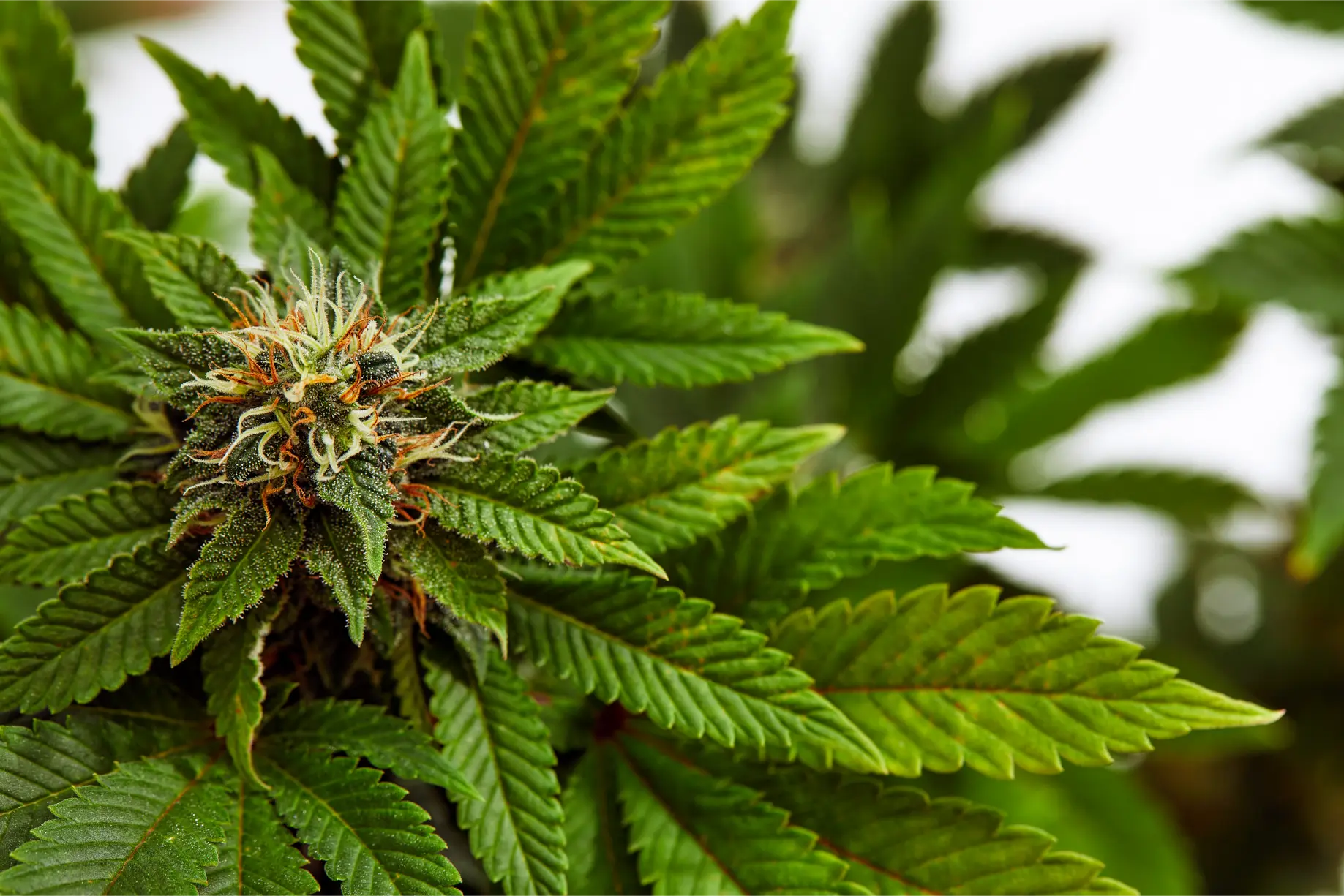
Candy Store showcases an elite array of commercial agronomic traits that cater directly to craft connoisseurs and industrial-scale producers alike. The vegetative phase is marked by vigorous root development and robust stalk thickening, establishing a resilient vascular infrastructure capable of supporting heavy terminal flowers without premature mechanical failure. Fan leaves are broad with sharp, well-defined serrations, displaying dark emerald hues that indicate strong chlorophyll concentration and high nitrogen assimilation efficiency.
Upon triggering 12/12 bloom photoperiods, Candy Store undergoes a predictable 115% to 135% vertical stretch, stacking tightly clustered floral nodes along every primary and lateral branch. Calyx morphology is distinctly conical, developing dense cellular mass with minimal internal larf or hollow pockets. By week five of bloom, the individual calyx nodes merge into substantial spear-shaped colas draped in a thick crystalline crust of capitate-stalked glandular trichomes. The resin coverage extends well beyond the calyx bracts, coating petioles and secondary fan leaves with shimmering glandular heads.
Commercial facilities value Candy Store for its high trimming efficiency and minimal post-harvest labor requirements. The calyx-to-leaf ratio is exceptionally favorable, allowing hand trimmers to rapidly clear cured branches with few precision cuts. The cured flowers feature a dense, frosted exterior that withstands automated sorting, weighing, and nitrogen packaging without shedding significant resin volume. This combination of heavy yield potential, visual allure, and processing speed establishes Candy Store as an elite production cultivar.
From an extraction efficiency standpoint, Candy Store produces glandular trichome heads with thick cuticular walls and sturdy multicellular stalks that resist premature thermal rupture. Hash makers report clean wash separations with minimal leaf pigment contamination in ice water sieves, yielding pale golden bubble hash and translucent live rosin that command premier dispensary retail prices.
Furthermore, the cultivar shows strong physiological tolerance to high electrical conductivity and rigorous crop steering regimens, allowing commercial growers to push nutrient inputs aggressively during peak bulking without inducing tip burn or nutrient lockout.
Genetic Lineage & Breeding History
The genetic background of Candy Store represents one of the crowning achievements of Ethos Genetics, developed by founder Colin Bell. Known globally for engineering high-performance commercial genetics with extreme terpene percentages and outstanding agronomic vigor, Ethos sought to bridge the gap between vintage skunky citrus profiles and modern high-potency dessert genetics. To achieve this, breeders crossed an exceptionally fragrant, high-yielding Lemon Skunk selection with an elite cut of Cookies.
The maternal Lemon Skunk parent contributed an explosive concentration of bright citrus monoterpenes, rapid vegetative growth, and long terminal cola stacking. Lemon Skunk traces its heritage back to classic Skunk #1 hybridized with an elusive Dutch citrus landrace selection. The Cookies parent provided rock-solid calyx density, thick glandular trichome coverage, deep purple anthocyanin potential, and a rich, creamy vanilla dough foundation that rounds out the sharp citrus notes.
Through systematic multi-generation selection and rigorous phenotype screening, Ethos Genetics stabilized the Candy Store lineage to deliver uniform growth characteristics, predictable stretch, and consistent chemical profiles. The resulting cultivar has not only captured multiple competitive cannabis awards, but has also established itself as an indispensable commercial staple for cultivators seeking high yield metrics without sacrificing boutique bag appeal.
Lineage records verify that Candy Store eliminated the loose floral density sometimes observed in pure Lemon Skunk selections. By reinforcing the dense calyx architecture of Cookies, breeders provided commercial operators with an exotic cultivar that delivers both superior aesthetic appeal and substantial dry yield metrics.
Moreover, the lineage carries high concentrations of monoterpenes and sesquiterpenes inherited from both parent lines, ensuring that the finished flower retains its complex bouquet throughout long-term vacuum sealed storage and distribution cycles.
Core Phenotypes & Selection Criteria
| Phenotype Expression | Frequency | Morphology & Color | Aromatic & Chemical Profile | Commercial Suitability |
|---|---|---|---|---|
| Phenotype A (Candied Lemon & Berry Dominant) | 50% | Medium height, tight node spacing, deep violet and ruby bracts with thick white frost | Candied lemon peel, strawberry jawbreakers, cotton candy, subtle gas | Elite flower market, top-tier dispensary showcase, solventless hash |
| Phenotype B (Cookies Dough & Gas Leaner) | 30% | Compact, thick woody stems, olive green with purple streaks, heavy trichome rails | Vanilla cookie dough, pungent petroleum fuel, earthy musk, sweet citrus | High yield commercial flower, extraction biomass, extreme potency focus |
| Phenotype C (Sour Skunk & Pine Balanced) | 20% | Taller stature, 135% stretch, royal purple bracts with fiery orange stigmas | Pungent skunk, sour lemon cleaner, damp pine, sweet confectionery sugar | Craft connoisseur flower, dual-market extract and flower production |
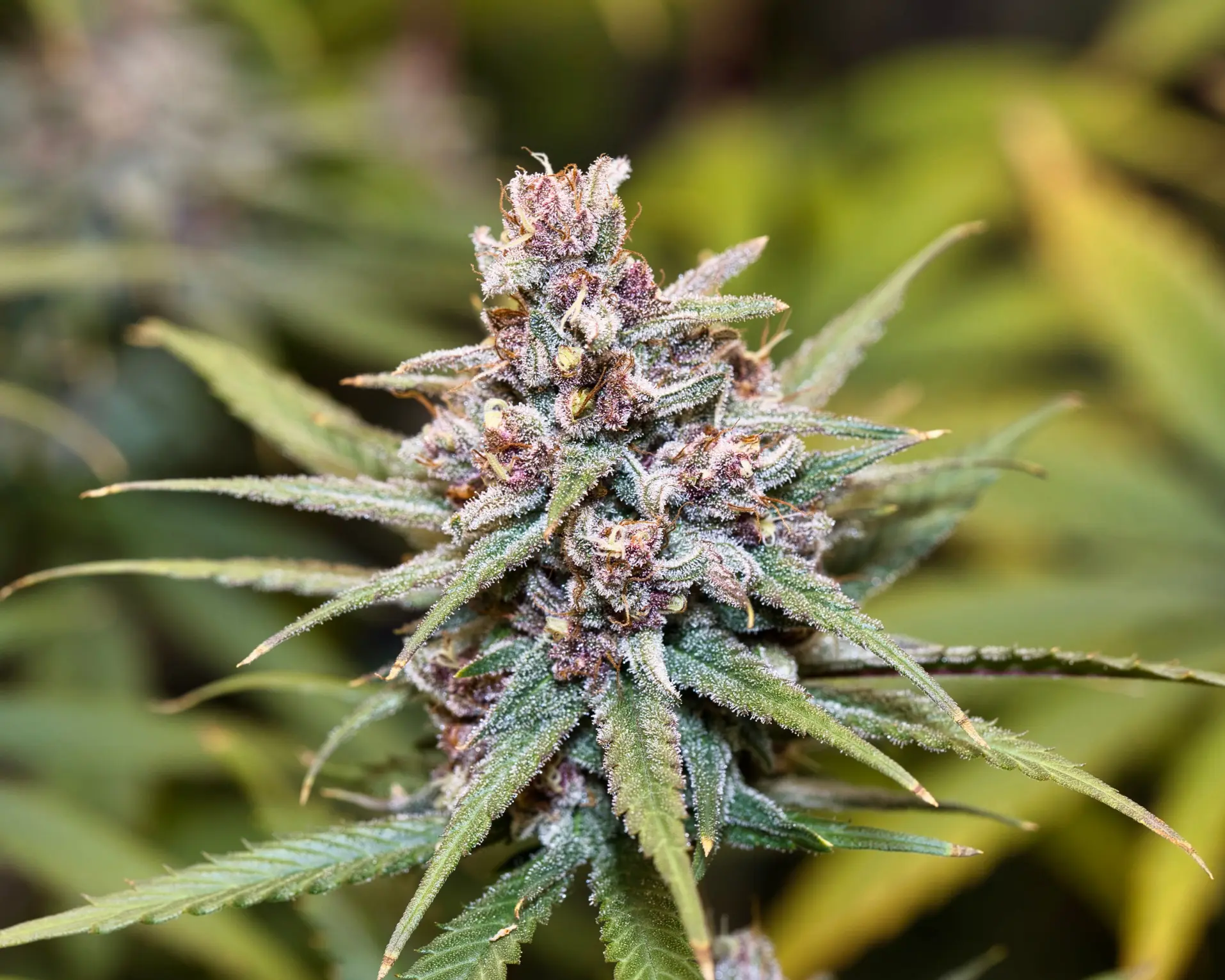
When selecting mother plants from seed populations of Candy Store, commercial cultivators generally identify three primary phenotypic variations across the genetic spectrum. Phenotype A represents the flagship expression most sought after by craft brands and retail dispensaries. This phenotype expresses deep violet and amethyst calyx hues during the final three weeks of bloom, even when grown under moderate night temperatures. Its calyx-to-leaf ratio is remarkably high, and the finished buds exude an intense aroma of candied lemon peel and sweet berry gummies that leaps out of retail packaging.
Phenotype B exhibits pronounced structural and fuel dominance from the Cookies parent. Plants remain exceptionally sturdy during vegetative growth and stretch approximately 120% upon photoperiod induction. While the floral coloration remains predominantly forest green with subtle magenta marbling, the sheer volume of glandular trichome coverage is breathtaking, creating an almost silver appearance under inspection lights. This phenotype produces the heaviest dry weight per square meter and consistently records THC concentrations above 29%, making it a favorite for commercial operations prioritizing raw biomass yield and extract conversion efficiency.
Phenotype C represents a balanced hybrid expression that exhibits slightly more vertical vigor during stretch and develops longer, spear-like terminal colas. Its aromatic signature balances sweet fruit esters with pungent petroleum gas, sour citrus, and damp forest loam. Connoisseur consumers frequently favor Phenotype C for its complex entourage experience, combining the uplifting mental clarity of limonene and pinene with the deep muscular relaxation of caryophyllene and myrcene.
Commercial selection criteria should prioritize mother plants that demonstrate thick lateral branch caliper, rapid vegetative rooting within ten to twelve days, high calyx density, and resilience to elevated electrical conductivity during peak bloom bulking.
Clonal propagation tests indicate that elite mother plants of Candy Store remain stable across multiple generations without exhibiting signs of genetic drift or vegetative vigor decline, provided that strict tissue culture sanitation and bi-annual viroid testing protocols are maintained.
Effect Breakdown & Pharmacodynamics
The psychoactive and physiological experience produced by Candy Store is a masterclass in hybrid balance, delivering an immediate wave of joyful mental euphoria followed by a deep, comforting somatic relaxation. With total THC levels consistently testing between 26% and 30%, Candy Store offers substantial potency that engages both mind and body without inducing overwhelming mental confusion or acute lethargy.
Upon inhalation, the initial onset is fast and uplifting. A gentle, tingling warmth begins behind the temples and spreads across the scalp, infusing the consumer with an optimistic, creative cerebral energy. Daily worries, mental fatigue, and stress melt away, replaced by an elevated mood and easy social sociability. This makes Candy Store an exceptional selection for creative pursuits, artistic projects, casual social gatherings, or quiet afternoon contemplation.
As the session progresses past the thirty-minute mark, the physical characteristics of the high gradually emerge. A soothing, rhythmic sensation of physical tranquility descends down the neck and across the shoulders, loosening tight muscle groups and alleviating physical tension throughout the torso and limbs. The synergistic interaction of beta-caryophyllene, myrcene, and linalool creates a serene, grounded body high that relaxes the consumer without causing debilitating couchlock when consumed in moderation.
Because of its balanced pharmacodynamic profile, Candy Store offers tremendous versatility throughout the day. It can be enjoyed during the late afternoon for creative decompression or in the evening for quiet unwinding. At higher consumption levels, the sedative qualities become more pronounced, gently guiding the user toward deep, restorative sleep.
Medical cannabis patients frequently select Candy Store to alleviate symptoms related to chronic stress, depressive moods, mild generalized anxiety, chronic musculoskeletal pain, and tension headaches. Its clean, smooth smoke and delightful fruit candy confectionery flavor make medicating an enjoyable sensory experience.
Flavor & Aroma Bouquet
The sensory profile of Candy Store is an astonishing achievement in modern terpene synthesis, seamlessly blending the vibrant, tart citrus of Lemon Skunk with the rich, comforting bakery sweetness of Cookies. During vegetative growth, brushing the stems releases a clean herbal fragrance dominated by sweet lemon balm, fresh lime zest, and soft earth. However, once the canopy advances past week four of flowering, the room becomes inundated with complex volatile compounds that smell of sweet candied citrus peel, strawberry jawbreakers, and pink cotton candy.
Following a meticulous slow hang dry and extensive glass curing protocol, these volatile aromatic compounds reach their full commercial maturity. Opening a cured container releases an overwhelming rush of sweet candied lemon peel, strawberry hard candy, and powdered sugar glaze. Breaking the dense buds apart reveals deeper, more complex aromatic layers: creamy vanilla cookie dough, pungent petroleum gas, fresh cedar pine, and a rich earthy skunk that anchors the sweet confectionery top notes.
When inhaled through a clean convection vaporizer set between 175C and 185C, the flavor is remarkably crisp and sweet, tasting like candied lemon drops over warm vanilla shortbread. Combusting the flower in an artisanal joint or clean glass pipe produces a dense, velvety white smoke that coats the oral cavity with decadent flavors of candied citrus, sweet berry compote, and peppery cookie dough. The exhale reveals complex notes of earthy fuel and subtle herbal spice, leaving a lingering, sweet candy aftertaste that persists on the palate for many minutes after the session concludes.
Discerning connoisseurs consistently praise Candy Store for its flavor longevity: the sweet candy-lemon profile persists through the entire joint or bowl without degrading into harsh ash or bitter carbon notes, confirming the purity of its terpene chemistry.
Headspace analytical testing confirms that the cultivar possesses a high ratio of volatile monoterpenes and fruit esters that remain stable in airtight amber glass storage, ensuring extended retail shelf life without loss of aromatic potency.
Dominant Terpenes & Entourage Chemistry
Comprehensive laboratory chemical profiling of fully cured Candy Store flower reveals a rich, synergistic terpene content ranging between 2.8% and 4.4% by dry weight. The cultivar’s signature sensory profile and physiological effects are orchestrated by a dominant quartet of botanical terpenes working in concert with secondary aromatic compounds.
D-Limonene (0.9% to 1.5%): Serving as the dominant terpene in Candy Store, limonene delivers the explosive candied lemon peel and citrus soda top notes. Beyond its aromatic presence, limonene contributes powerful mood elevation, mental clarity, and anxiety relief while enhancing the absorption of secondary cannabinoids through mucous membranes.
Beta-Caryophyllene (0.8% to 1.3%): Functioning as both an aromatic sesquiterpene and an active dietary cannabinoid that selectively binds to peripheral CB2 receptors throughout the human body, beta-caryophyllene imparts the warm bakery spice, cracked black pepper, and woody notes while delivering potent anti-inflammatory and somatic pain-relieving benefits without psychoactive sedation.
Beta-Myrcene (0.5% to 0.9%): Contributing deep earthy and herbal undertones, myrcene enhances the permeability of cell membranes across the blood-brain barrier. This increased bioavailability allows cannabinoids like THC to interact more rapidly and effectively with central cannabinoid receptors, driving physical relaxation and soothing body sensations.
Linalool & Alpha-Humulene (0.3% to 0.7% Combined): Linalool introduces delicate floral lavender nuances that soothe the central nervous system, relieving anxiety and promoting mental peace. Humulene adds subtle earthy, woody tones that work synergistically with caryophyllene to suppress inflammation and moderate appetite.
Trace concentrations of ocimene and terpinolene contribute additional complexity, providing the crisp confectionery candy edge that distinguishes Candy Store from standard citrus varieties.
Indoor vs Outdoor Cultivation Dynamics
Candy Store demonstrates impressive adaptability across various growing environments, performing exceptionally well in precision indoor controlled environment agriculture (CEA), high-tech light-deprivation greenhouses, and full-sun outdoor farm installations. However, achieving maximum resin development and deep calyx coloration requires specific environmental adjustments tailored to each cultivation setting.
Indoor cultivation offers the greatest degree of environmental control, allowing growers to optimize light intensity, vapor pressure deficit, and ambient temperatures to elicit peak secondary metabolite synthesis. Indoors, Candy Store thrives under high-performance full-spectrum LED fixtures delivering 850 to 1100 umol/m2/s PPFD paired with supplemental CO2 injection up to 1300 ppm. Because the dense floral spears are susceptible to trapped humidity during late bloom, maintaining relative humidity strictly between 38% and 44% during the final three weeks of flowering is critical to prevent internal mold. Indoor yields reliably reach between 550 and 675 grams per square meter of connoisseur-grade flower.
Outdoors, Candy Store excels in sunny Mediterranean, arid, or semi-arid climates featuring warm days, cool nights, and dry autumns. Grown in large 100 to 200-gallon living soil smart pots or raised native beds enriched with organic compost, individual plants develop thick, woody central stalks and broad lateral structures capable of yielding between 900 and 1450 grams per plant. Harvest typically falls between the first and second week of October in the Northern Hemisphere.
Because dense autumn colas can trap morning dew and precipitation, outdoor growers in regions prone to early fall rains must utilize high hoop houses or protective clear polyethylene covers with active ventilation fans to shield the canopy from moisture. Adequate spacing between plants (minimum six to eight feet on center) and clean lower canopy pruning are essential for maintaining continuous air movement throughout the outdoor garden.
Greenhouse cultivators utilizing automated light-deprivation curtains achieve outstanding results during summer cycles, capitalizing on intense natural sunlight while controlling day length and night humidity to produce craft-quality buds with greenhouse operational efficiencies.
Strain-Specific Grow Guidance
Cultivating Candy Store to its full genetic potential requires a proactive agronomic strategy that addresses its vigorous branch development and heavy floral mass. While the plant maintains a disciplined, bushy structure naturally, implementing early canopy training ensures an even distribution of light and maximizes terminal cola yields.
Growers should top plants once at the fifth node when rooted cuttings have firmly established their root system in the primary growing media. This removes apical dominance and encourages the rapid lateral development of four to six dominant structural branches. Employing low-stress training (LST) and horizontal trellis weaving during late vegetative growth spreads these branches into an even, level canopy footprint that maximizes light absorption across all emerging bud sites.
A rigorous defoliation should be executed on Day 21 of flower, coinciding with the termination of the vertical stretch phase. Cultivators should strip away the lower third of small suckers, shaded water leaves, and weak internal shoots (often termed lollipopping). Directing the plant’s vascular energy exclusively to the top canopy tiers ensures that every retained calyx cluster swells into a premium grade terminal spear.
A second, lighter defoliation at Day 42 removes broad upper fan leaves that cast shadows across middle canopy tiers. Installing two tiers of trellis netting is strongly advised: the first tier at twelve inches above the container rim for branch spacing, and the second tier at twenty-four inches to support the substantial weight of swollen, resin-laden colas during late bloom.
Growers should also monitor leaf surface temperature (LST) using infrared spot thermometers. Candy Store canopies thrive when leaf surface temperatures stay between 25C and 26.5C under LED arrays, balancing efficient transpiration with active RuBisCO enzyme activity.
Crop Steering & Irrigation Matrix
Precision crop steering utilizing substrate volumetric water content (VWC) sensors and root zone electrical conductivity (EC) tracking represents the most effective methodology for steering Candy Store between vegetative foliage expansion and dense, resinous calyx bulking.
| Growth Phase | Feed EC (mS/cm) | Runoff EC (mS/cm) | Daily Dryback % | Irrigation Shot Volume | Steering Intent |
|---|---|---|---|---|---|
| Early Veg (Rooting) | 1.6 to 1.8 | 1.8 to 2.2 | 25% to 35% | 3% to 5% VWC | Generative root search |
| Late Veg (Canopy Build) | 2.0 to 2.4 | 2.2 to 2.6 | 18% to 22% | 5% to 7% VWC | Vegetative canopy growth |
| Bloom Transition (W1 to W3) | 2.6 to 3.0 | 3.2 to 3.8 | 40% to 50% | 4% to 6% VWC | Generative stretch control |
| Bulking Bloom (W4 to W6) | 2.4 to 2.8 | 2.8 to 3.4 | 25% to 30% | 6% to 8% VWC | Vegetative calyx swell |
| Late Ripening (W7 to W8) | 2.0 to 2.4 | 2.4 to 3.0 | 45% to 55% | 3% to 4% VWC | Generative trichome maturation |
| Final Flush / Conditioning | 1.2 to 1.4 | 1.6 to 2.0 | 30% to 40% | 5% to 6% VWC | Nutrient assimilation |
During the photoperiod transition (Weeks 1 through 3), Candy Store responds exceptionally well to generative crop steering. Enforcing overnight substrate drybacks of 40% to 50% combined with a concentrated feed EC of 2.6 to 3.0 mS/cm prevents internodal stretching, resulting in tighter flower site clustering along the upper branches. Once calyx formation is firmly established at Week 4, irrigation strategy shifts to a vegetative steering approach: larger, more frequent shots that maintain substrate moisture and reduce drybacks to 25% to 30%. This provides the hydration and nutrient volume necessary for maximum bract swelling.
As plants enter the ripening phase at Week 7, generative steering is reinstated. Larger drybacks signal to the plant that seasonal maturity is arriving, triggering advanced secondary metabolite biosynthesis, elevating total terpene production, and accelerating trichome gland head ripening.
During the P1 irrigation window, deliver pulses spaced twenty to twenty-five minutes apart to ensure uniform saturation throughout the root ball without media channeling. Terminate all irrigation shots three to four hours before lights out to avoid high nighttime substrate saturation that can trigger root hypoxia or calcium uptake blockades.
Living Soil, Organics & Secondary Metabolites
While Candy Store delivers impressive commercial yields in automated hydroponic environments, cultivating this strain in biologically active living soil produces an organoleptic profile of unmatched depth and nuance. The complex rhizosphere ecology present in living soil stimulates the plant’s natural immune response and activates secondary metabolic pathways responsible for synthesizing volatile monoterpenes, sesquiterpenes, and flavonoids.
A balanced living soil mix for Candy Store should incorporate 35% premium sphagnum peat moss, 35% high quality aeration (such as pumice, perlite, or rice hulls), and 30% thermally composted worm castings and fungal dominant compost. Amending this base with volcanic basalt rock dust, langbeinite, crustacean meal, kelp meal, and steamed bone meal establishes a stable mineral reservoir. Beneficial inoculants containing mycorrhizal fungi (Glomus intraradices) and plant growth-promoting rhizobacteria (Bacillus subtilis, Bacillus amyloliquefaciens) form symbiotic associations that solubilize phosphorus and trace minerals directly to the root hair interface.
Commercial Cultivator Technical Inquiry: Preventing Late Flower Cation Antagonism
Question: “During Week 6 of bloom under intense LED lighting, my Candy Store canopy shows marginal leaf necrosis and upward leaf curling despite a stable nutrient EC of 2.7 mS/cm. What corrective measures should I take without interrupting calyx bulking?”
Master Cultivator Analysis: “This symptom is typical of potassium-induced cation antagonism. When growers increase potassium inputs to accelerate calyx bulking during weeks five and six, elevated K+ ion concentrations in the root solution can competitively suppress the uptake of divalent cations, particularly magnesium and calcium. To resolve this imbalance without dropping total nutrient density, decrease potassium feed concentrations by 15%, elevate bioavailable calcium silicate or chelated calcium by 60 ppm, and apply a gentle foliar spray of pharmaceutical-grade magnesium sulfate (1.5 grams per liter) during early lights-on. Ensure root substrate runoff EC does not exceed 3.4 mS/cm by maintaining a 15% leach fraction on alternate watering cycles.”
Top dressing with fermented comfrey, malted barley powder, and micronized gypsum at week three and week five of bloom delivers bioavailable potassium, enzymes, and sulfur. Sulfur is an indispensable building block for volatile sulfur compounds (VSCs) and monoterpenes, unlocking the intense candied lemon and berry aroma that distinguishes Candy Store from ordinary dessert strains.
Mulching beds with clean barley straw or shredded organic alfalfa preserves surface soil moisture and shields beneficial epigeic decomposers from intense overhead light radiation, ensuring uninterrupted microbial mineralization throughout the entire bloom cycle.
Lighting Spectrum, DLI & Photobiology
The photosynthetic machinery of Candy Store responds exceptionally well to broad spectrum light emitting diode (LED) fixtures enriched with targeted deep red (660 nm) and far red (730 nm) wavelengths. Providing the appropriate Daily Light Integral (DLI) across each development phase ensures efficient carbon assimilation without inducing photoinhibition or light bleaching on the frosty terminal colas.
| Development Stage | Target PPFD (umol/m2/s) | Photoperiod | Target DLI (mol/m2/day) | Supplemental CO2 (ppm) |
|---|---|---|---|---|
| Seedling / Clone Rooting | 150 to 225 | 18 Hours | 9.7 to 14.6 | Ambient (400 to 450) |
| Early Vegetative | 350 to 475 | 18 Hours | 22.7 to 30.8 | Ambient to 600 |
| Late Vegetative / Canopy Fill | 550 to 700 | 18 Hours | 35.6 to 45.4 | 800 to 1000 |
| Early Bloom (Weeks 1 to 3) | 750 to 900 | 12 Hours | 32.4 to 38.9 | 1000 to 1200 |
| Peak Bulking (Weeks 4 to 6) | 950 to 1100 | 12 Hours | 41.0 to 47.5 | 1200 to 1400 |
| Late Ripening (Weeks 7 to 8) | 650 to 800 | 12 Hours | 28.1 to 34.6 | Ambient (450 to 550) |
During peak floral bulking (Weeks 4 to 6), maintaining PPFD levels around 1000 to 1050 umol/m2/s in conjunction with elevated CO2 concentrations (1200 to 1400 ppm) maximizes the carboxylation rate of RuBisCO enzymes, driving calyx density and resin gland expansion. During the final two weeks before harvest, reducing light intensity to 700 umol/m2/s and tapering CO2 back to ambient levels prevents the thermal degradation of delicate monoterpenes and protects outer glandular trichome heads from oxidation.
Supplemental UVA (365 to 385 nm) and UVB (280 to 315 nm) photobiology applied for two to three hours daily during late bloom can further stimulate trichome cuticle thickness and secondary metabolite synthesis, functioning as a natural defense mechanism against ultraviolet stress.
Integrating far-red wavelengths (730 nm) at the transition to dark cycles facilitates phytochrome photo-equilibrium manipulation, signaling to the canopy that darkness has commenced and promoting synchronization of circadian metabolic pathways.
Mineral Nutrition & Deficiency Management
Maintaining precise mineral ratios in root zone solution is essential to prevent nutritional imbalances that compromise resin yield or alter the flavor profile of Candy Store.
| Element | Vegetative Target (PPM) | Early Bloom Target (PPM) | Peak Bulking Target (PPM) | Late Bloom Target (PPM) |
|---|---|---|---|---|
| Nitrogen (Total N) | 160 to 190 | 130 to 150 | 80 to 100 | 30 to 50 |
| Phosphorus (P) | 50 to 65 | 60 to 75 | 80 to 95 | 40 to 55 |
| Potassium (K) | 180 to 220 | 210 to 250 | 260 to 300 | 140 to 170 |
| Calcium (Ca) | 130 to 160 | 140 to 170 | 150 to 180 | 90 to 110 |
| Magnesium (Mg) | 55 to 70 | 65 to 80 | 70 to 85 | 45 to 60 |
| Sulfur (S) | 60 to 80 | 75 to 95 | 90 to 115 | 50 to 70 |
Candy Store demonstrates a hearty appetite for potassium and phosphorus during weeks four through six of flowering, when calyx stacking occurs at maximum speed. However, excessive nitrogen during mid to late bloom must be strictly avoided, as it can delay flower maturation, loosen the tight floral structure, and introduce harsh grassy notes into the finished smoke.
Magnesium demands remain consistently high under LED lighting. Cultivators should maintain an active Ca:Mg ratio of approximately 2:1 to 2.5:1 in the nutrient solution. If interveinal chlorosis develops on lower mature leaves, a gentle foliar application of magnesium sulfate (Epsom salts at 1.5 grams per liter) during late vegetative growth will quickly restore leaf tissue vigor.
Monitoring root zone leachate electrical conductivity and pH on a daily basis provides early warning against cation imbalance. Should substrate pH drift below 5.7 in inert media, calcium and magnesium absorption drops rapidly while micronutrient uptake spikes, risking manganese toxicity. Corrective flushing with half-strength nutrient solution buffered to 6.2 pH quickly re-establishes root zone equilibrium.
Integrated Pest & Pathogen Management
Due to the exceptionally dense calyx formation of Candy Store, maintaining a proactive Integrated Pest Management (IPM) regimen is imperative. The high density of the colas creates microclimates within the floral structure where moisture can become trapped if environmental airflow is insufficient.
Botrytis Cinerea (Bud Rot): The dense floral architecture makes Candy Store sensitive to gray mold during the final three weeks of bloom. Cultivators must ensure continuous, laminar horizontal airflow beneath and above the canopy, using oscillating circulation fans to eliminate stagnant humidity pockets. Dehumidifiers must be sized to hold relative humidity at or below 42% during late flower, maintaining vapor pressure deficit between 1.40 and 1.55 kPa.
Powdery Mildew Prevention: Apply biological biofungicides containing Bacillus amyloliquefaciens or Streptomyces lydicus during the vegetative cycle and through day 14 of flower. These beneficial microbes colonize leaf surfaces, forming a protective biological barrier against fungal spore germination.
Arthropod Management: Implement biological controls early by releasing predatory mites including Amblyseius swirskii (for thrips and broad mites), Neoseiulus californicus (for two-spotted spider mites), and Hypoaspis miles (for fungus gnat larvae in the substrate). Regularly scout leaf undersides with a 60x loupe to identify any pest pressure before it reaches economic injury thresholds.
Sanitation of incoming clone material via quarantine dipping in insecticidal soap or biological oils prevents the introduction of resistant strains of two-spotted spider mites and russet mites, safeguarding commercial production rooms from catastrophic infestations.
Solventless Hash & Live Rosin Extraction
Candy Store is an exceptional candidate for solventless hash makers, inheriting the resin density of Cookies and the brittle stalk abscission characteristics of Lemon Skunk. The cultivar produces copious volumes of capitate-stalked glandular trichomes with head diameters ranging between 73 and 120 microns, which detach cleanly during cold water agitation.
| Extraction Metric | Target Specification | Operational Best Practice |
|---|---|---|
| Fresh Frozen Biomass Yield | 4.5% to 6.1% Live Rosin Return | Harvest at peak milky gland heads (Day 60 to 63) |
| Dominant Trichome Micron Range | 73 to 119 Microns | Combine 73u and 90u bags for premier first wash quality |
| Wash Water Temperature | 0.5C to 1.5C | Maintain ice slush slurry without violent mechanical shearing |
| Freeze Dryer Cycle Parameters | Shelf temp -5C to 4C, 24 to 28 hours | Slow sublimation preserves volatile candy fruit monoterpenes |
| Rosin Press Temp & Pressure | 72C to 80C at 450 to 650 PSI | Gentle initial warm up prevents bag blowouts |
| Cold Cure Regimen | 12C to 14C for 10 to 14 Days | Airtight glass jars until terpene separation and badder consistency form |
The fresh frozen wash yield of Candy Store consistently surpasses commercial benchmarks, frequently returning between 4.5% and 6.1% pure solventless rosin from whole plant fresh frozen material. The premier grade resin resides predominantly in the 73 micron and 90 micron collection sieves, revealing a pale, translucent golden hue with phenomenal clarity. Cold cured live rosin develops a luxurious wet badder texture brimming with aromatic candied citrus and cookie dough terpene pools that vaporize clean on quartz surfaces leaving virtually zero carbon residue.
Extractors should utilize chilled reverse osmosis water and maintain vessel ambient temperatures below 4C during washing. Avoid over-agitating the biomass: short, gentle five to eight minute wash cycles in an automated washing vessel dislodge intact trichome heads without shredding delicate leaf margins.
Harvest Timing, Drying & Curing Science
Harvest timing directly governs both the psychoactive character and the aromatic preservation of Candy Store. Cultivators should monitor trichome gland heads across mid canopy bracts using a 60x to 100x digital microscope. The optimal harvest window opens when 85% to 90% of the glandular heads have shifted from transparent to milky white, with 5% to 10% transitioning into rich amber. Harvesting at this juncture captures peak cannabinoid potency while retaining maximum volatile monoterpene volume.
Post-harvest handling must follow the strict 60/60 drying standard: a steady ambient temperature of 60F (15.5C) paired with 60% relative humidity in complete darkness with gentle, indirect air circulation. Whole plants should be hung by their main stalks for 12 to 16 days until smaller stems snap cleanly rather than bend. This gradual dehydration rate enables lingering chlorophyll, starches, and nitrates to metabolize naturally, eliminating harsh green tones from the finished smoke.
Once dried to an internal equilibrium water activity of 0.58 to 0.62 aw, flowers are hand manicured and sealed into airtight glass jars or food grade curing vessels. Burp containers daily for fifteen minutes during the first two weeks, gradually reducing burping frequency over a four to six week curing period. This deliberate aging process rounds out the flavor profile, allowing the rich candied lemon and sweet vanilla dough bouquet to fully express its commercial potential.
Maintaining temperature-controlled curing environments below 16C prevents the degradation of delicate monoterpenes like myrcene and limonene into heavier oxidized forms, preserving the sparkling candy character that defines top-shelf Candy Store flower.
Weedth Bud Flavor Tips
- Preserve Volatile Monoterpenes with Night Temperature Drops: During the final two weeks of bloom, lower night temperatures to 17C to 19C. This thermal differential slows the evaporation rate of light candy monoterpenes and stimulates anthocyanin synthesis in calyx tissues.
- Maintain Adequate Organic Sulfur: Provide bioavailable sulfur through potassium sulfate or micronized gypsum during weeks four through six to facilitate the synthesis of fragrant citrus monoterpenes and volatile sulfur compounds.
- Strictly Enforce the 60/60 Dry Environment: Keep dry rooms at exactly 15.5C and 60% relative humidity. Never allow drying room temperatures to exceed 18C, which rapidly flashes off delicate fruit terpenes.
- Execute Slow Glass Jar Curing: Allow cured flowers to rest in sealed glass containers for a minimum of four weeks prior to retail release. Curing facilitates enzymatic breakdown of residual sugars and elevates candy sweetness.
Weedth Bud Boost Tips
- Target Early Vegetative Topping: Top plants cleanly at the fifth node to redistribute auxin flow into four to six uniform terminal branches, creating an even canopy footprint.
- Deploy Double-Layer Trellising: Install two tiers of support netting to bear the weight of heavy, rock hard terminal colas and prevent stem snapping in late flower.
- Enforce Generative Drybacks in Early Bloom: Apply 40% to 50% drybacks during weeks one through three of 12/12 to tighten internodal gaps and force dense calyx stacking along main branches.
- Optimize LED Photobiology with CO2 Enrichment: Elevate lighting intensity to 1000 umol/m2/s paired with 1200 to 1400 ppm CO2 during weeks four through six to maximize floral biomass and cannabinoid accumulation.
Grower Notes and Feedback
Across commercial grow facilities and boutique craft gardens, cultivation teams consistently praise Candy Store for its remarkable resin production, straightforward feeding requirements, and jaw dropping visual appeal. Cultivators operating multi-tier vertical LED racks report that Candy Store is exceptionally well suited for tight vertical spacing due to its modest vertical stretch and compact stature. Unlike leggy sativa dominant cultivars that require intensive trellising and multiple pruning passes to keep below light fixtures, Candy Store maintains disciplined internodal distances, making canopy height management predictable across diverse room configurations.
Commercial harvest teams highlight the favorable calyx-to-leaf ratio of Candy Store during post-harvest processing. The tightly clustered bract morphology and minimal internal leaf foliage allow hand trimmers to process dry branches nearly 30% faster than typical broadleaf hybrids. Machine trimming tests also show positive outcomes, with the dense crystalline resin crust retaining structural integrity and resisting mechanical destruction when run through automated tumblers.
Solventless extraction teams hold Candy Store in high esteem as an elite production cultivar. Washers report that the resin heads separate cleanly in cold water baths with minimal agitation, preventing leaf pigment bleeding and producing bright blonde bubble hash with exceptional melt quality. The resulting live rosin captures the distinct candied lemon and strawberry dough aroma without tasting muddy or overcooked.
Commercial operators in competitive markets emphasize that Candy Store consistently commands top-shelf wholesale pricing due to its unmistakable jar appeal. The thick, glistening frost blanket and ruby-tinged bracts provide instantaneous shelf recognition that stands out vividly against standard commercial flower offerings.
Weedth Editor’s Note
When I first introduced Candy Store into my licensed research facility, I was eager to verify whether Colin Bell’s cross of Lemon Skunk and Cookies could deliver the heavy commercial yields promised by Ethos Genetics without diluting the complex confectionery aroma. For my trial run, I planted rooted cuttings into five-gallon fabric aeration containers filled with a bespoke 70/30 coco-perlite blend. During vegetative growth under 420 umol/m2/s LED illumination, I topped each plant once above the fifth node and applied gentle low-stress training to spread the lateral branches horizontally. The plants developed thick, sturdy main stalks and lush forest-green fan leaves with remarkable vigor, demonstrating an immediate affinity for root-zone microbial inoculation with mycorrhizal fungi and beneficial rhizobacteria.
Upon triggering the 12/12 photoperiod transition, I monitored the vertical stretch closely and observed an ideal 125% elongation over the first three weeks. To maintain tight internodal spacing and encourage dense flower site clustering, I applied a generative crop steering strategy, keeping feed electrical conductivity at 2.8 mS/cm and enforcing overnight substrate drybacks of 45% before the first morning irrigation event. Under our commercial LED arrays, I increased photosynthetic photon flux density to 1050 umol/m2/s while maintaining supplemental carbon dioxide at 1250 ppm. By day 28 of flower, the calyxes had formed tight, rock-solid clusters completely covered in an ocean of capitate-stalked glandular trichomes that extended onto surrounding sugar foliage.
During the late flowering phase from week six through week eight, I focused on preserving the delicate lemon and strawberry monoterpenes and coaxing out the cultivar’s signature royal purple and magenta bract pigmentation. I lowered daytime canopy temperatures from 26C down to 24C, and allowed nighttime room temperatures to dip to 18C, maintaining an 18-hour vapor pressure deficit between 1.35 and 1.45 kPa. The cooler nights transformed the lime green calyxes into gorgeous purple and deep magenta bracts that contrasted vividly against the thick white resin blanket. Under my 100x pocket microscope, I tracked gland maturity until I observed roughly 90% milky heads and approximately 8% amber glands, initiating our harvest precisely on day 62.
I harvested the crop by cutting whole plants at the base and transferring them directly into our dedicated climate-controlled drying room held strictly at 60F and 60% relative humidity. After fourteen days of slow hang drying, the smaller stems snapped cleanly, and we manicured the dense flowers before sealing them into airtight glass curing vessels for a five-week cure. Combusting a cured flower produces thick, fragrant white smoke that tastes of candied lemon peel, sweet strawberry compote, and a peppery cookie dough finish. While growers must manage environmental humidity carefully in late flower to prevent mold in the dense colas, Candy Store is an absolute triumph that I recommend without hesitation to both commercial operators and passionate home cultivators seeking world-class bag appeal.
Similar Strains
| Similar Cultivar | Lineage / Heritage | Shared Characteristics | Key Differences |
|---|---|---|---|
| Lemon Skunk | Skunk #1 x Dutch Citrus Phenotype | Parent cultivar, candied lemon peel aroma, uplifting creative energy | Lemon Skunk has looser calyx formation and lower total cannabinoid ceiling |
| Girl Scout Cookies | OG Kush x Durban Poison | Parent cultivar, dense frosty calyxes, rich vanilla dough and gas | Girl Scout Cookies lacks the bright lemon peel and strawberry hard candy top notes |
| Lemon Cane | Lemon Skunk x Dosidos | Shared Lemon Skunk parentage, sweet candied lemon pastry, heavy resin | Lemon Cane features more earthy floral gas rather than sweet strawberry cotton candy |
| Runtz Buttonz | Runtz x Rainbow Chip | Confectionery candy profile, balanced hybrid effects, heavy resin rails | Runtz Buttonz leans into tropical fruit and chocolate mint rather than bright lemon candy |
Growers and consumers who appreciate Candy Store will find compelling similarities in several related cultivars across the cannabis genetic library. Lemon Skunk shares the signature candied citrus profile and uplifting daytime energy, though Candy Store delivers significantly denser calyx structures and higher total cannabinoid percentages thanks to the Cookies parentage.
Girl Scout Cookies provides the dense flower architecture and heavy resin blankets of Candy Store, but presents an earthy vanilla dough profile that lacks the explosive fruit candy top notes of the Ethos cross.
Lemon Cane offers a comparable candied lemon pastry profile through its Lemon Skunk lineage, though it incorporates floral Do-Si-Dos gas rather than the sweet strawberry cotton candy nuances of Candy Store.
Furthermore, cultivars like Red Pop and Runtz Buttonz showcase related modern dessert candy genetics, but incorporate fizzy soda or tropical fruit notes rather than the specific candied lemon and strawberry dough combination of Candy Store.
Cultivator FAQ & Troubleshooting
What is the average flowering time for Candy Store indoors?
Candy Store reaches peak biological maturity within 58 to 65 days (8 to 9 weeks) of initiating a 12/12 photoperiod. Cultivators targeting solventless hash extraction typically harvest between day 59 and day 62 when trichome heads are predominantly milky, while flower producers often let plants mature through day 64 to maximize amber gland development and deep purple coloration.
How does Candy Store handle heavy nutrient feeding during peak bloom?
The cultivar tolerates moderate to heavy electrical conductivity (EC) up to 2.8 to 3.2 mS/cm during peak floral bulking (Weeks 4 to 6). It has a high demand for potassium and magnesium under LED lighting, but growers should taper nitrogen inputs early in bloom to prevent excessive leafy foliage in the colas.
Is Candy Store suitable for outdoor cultivation in temperate climates?
Outdoor cultivation is highly successful in dry, sunny Mediterranean climates where autumn rainfall is minimal. In regions prone to early autumn rains or prolonged high humidity, the dense floral structure makes the cultivar vulnerable to botrytis (bud rot). Growing under high tunnels or protective greenhouses with active dehumidification is strongly advised in temperate zones.
Why are my Candy Store buds green instead of purple?
Anthocyanin expression in Candy Store is genetically primed but environmentally triggered. If ambient night temperatures remain elevated (above 23C) throughout bloom, flowers may remain predominantly lime green. Introducing a 6C to 8C night temperature differential (lowering night temps to 17C to 19C during weeks six through eight) will activate anthocyanin synthesis and unlock vibrant violet and magenta hues.
What is the expected solventless wash yield from fresh frozen Candy Store?
Commercial solventless extractors regularly record live rosin yields between 4.5% and 6.1% from whole plant fresh frozen material. The brittle trichome head stalks and 73 to 119 micron gland diameters ensure clean separation in ice water wash systems with exceptional purity.
Share this article
A quick overview of the topics covered in this article.
Follow us
Latest articles
November 3, 2026

November 3, 2026
November 3, 2026
November 3, 2026