Compost Tea for Indoor Cannabis: Aeration Kinetics, Extraction Chemistry, and Application SOPs
In controlled environment agriculture and indoor living soil cultivation, actively aerated compost tea (AACT) represents one of the most powerful biological tools available for building root health, suppressing soil-borne pathogens, and accelerating organic nutrient cycling. However, compost tea is also one of the most widely misunderstood practices in cannabis horticulture. Novice growers frequently confuse biological teas with liquid organic fertilizers, dump indiscriminate quantities of refined sugar into stagnant buckets, or apply contaminated, anaerobic broths that introduce root rot pathogens directly into their crops. To harness the genuine agronomic power of compost tea indoors, an operator must approach brewing through the rigorous lens of fluid dynamics, microbial ecology, and dissolved oxygen kinetics. When brewed correctly with verified mature compost, high dissolved oxygen saturation, and precise food resources, compost tea acts as an extraordinary biological inoculant that repopulates the rhizosphere, coats the phyllosphere with protective epiphytic microflora, and stimulates the innate immune defenses of the cannabis plant.
The Physics of Microbial Extraction and Liquid Rhizosphere Biology
To master compost tea brewing, one must first draw a definitive physical boundary between two distinct liquid biological inputs: liquid compost extracts and actively aerated compost teas (AACT). A liquid compost extract is a physical washing process. High-grade solid compost or vermicompost is subjected to mechanical agitation or pressurized water flow over a brief period (typically 5 to 30 minutes) to strip resting bacteria, fungal spores, humic acids, and protozoan cysts off solid organic particles into solution. Once extracted, the liquid is immediately applied to the root zone without an incubation or brewing cycle. Liquid extracts yield a modest microbial population reflective of the starting compost but introduce zero risk of microbial oxygen depletion.
In contrast, Actively Aerated Compost Tea (AACT) is a 24-to-36-hour aerobic fermentation and exponential multiplication process. After the initial mechanical extraction phase strips microorganisms from their compost aggregates, the liquid is continuously infused with saturated dissolved oxygen while being fed specialized prebiotic carbohydrates, proteins, and minerals. Over the 24-hour brewing window, single bacterial cells undergo multiple binary fissions, fungal spores germinate into branching hyphal fragments, and dormant protozoan cysts excyst into active bacterivorous flagellates and amoebae. The resulting liquid contains microbial population densities several orders of magnitude higher than the starting solid material, transforming a modest handful of vermicompost into trillions of active biological units.
Core Distinction: Biological Inoculant vs Liquid Fertilizer
Compost tea is fundamentally an inoculant of living biology and secondary biochemical metabolites, not a primary N-P-K mineral fertilizer. The total elemental mineral content of a finished compost tea is remarkably low: typical laboratory analyses reveal nitrogen, phosphorus, and potassium concentrations rarely exceeding 0.1% to 0.2% by weight (EC values usually measure between 0.3 and 0.8 dS/m). Attempting to use compost tea as a primary source of macronutrients will result in severe plant starvation. Instead, compost tea serves as the biological catalyst that colonizes the root zone and mineralizes previously insoluble organic matter into bioavailable ionic forms.
Root Physiological Responses to Microbial Metabolites
When freshly aerated compost tea is applied as a root drench, the plant responds not to the sparse mineral salts, but to the rich suite of biological metabolites synthesized during the brewing cycle. Beneficial rhizobacteria actively produce and release phytohormones directly into the liquid matrix, including indole-3-acetic acid (auxin), gibberellins, and cytokinins. These signaling molecules stimulate the plant root pericycle, triggering rapid lateral root initiation and exponential elongation of root hairs.
Simultaneously, fungal hyphae and bacterial biofilms secrete extracellular enzymes, such as acid phosphatases, proteases, and chitinases. These enzymes diffuse into the surrounding substrate, cleaving complex phosphorus esters and breaking down organic nitrogen polymers into plant-absorbable orthophosphate and amino acids. Furthermore, low-molecular-weight fulvic acids extracted during brewing act as natural chelating agents, binding insoluble iron, manganese, and zinc cations and transporting them across root epidermal cell membranes via specialized plant carrier proteins.
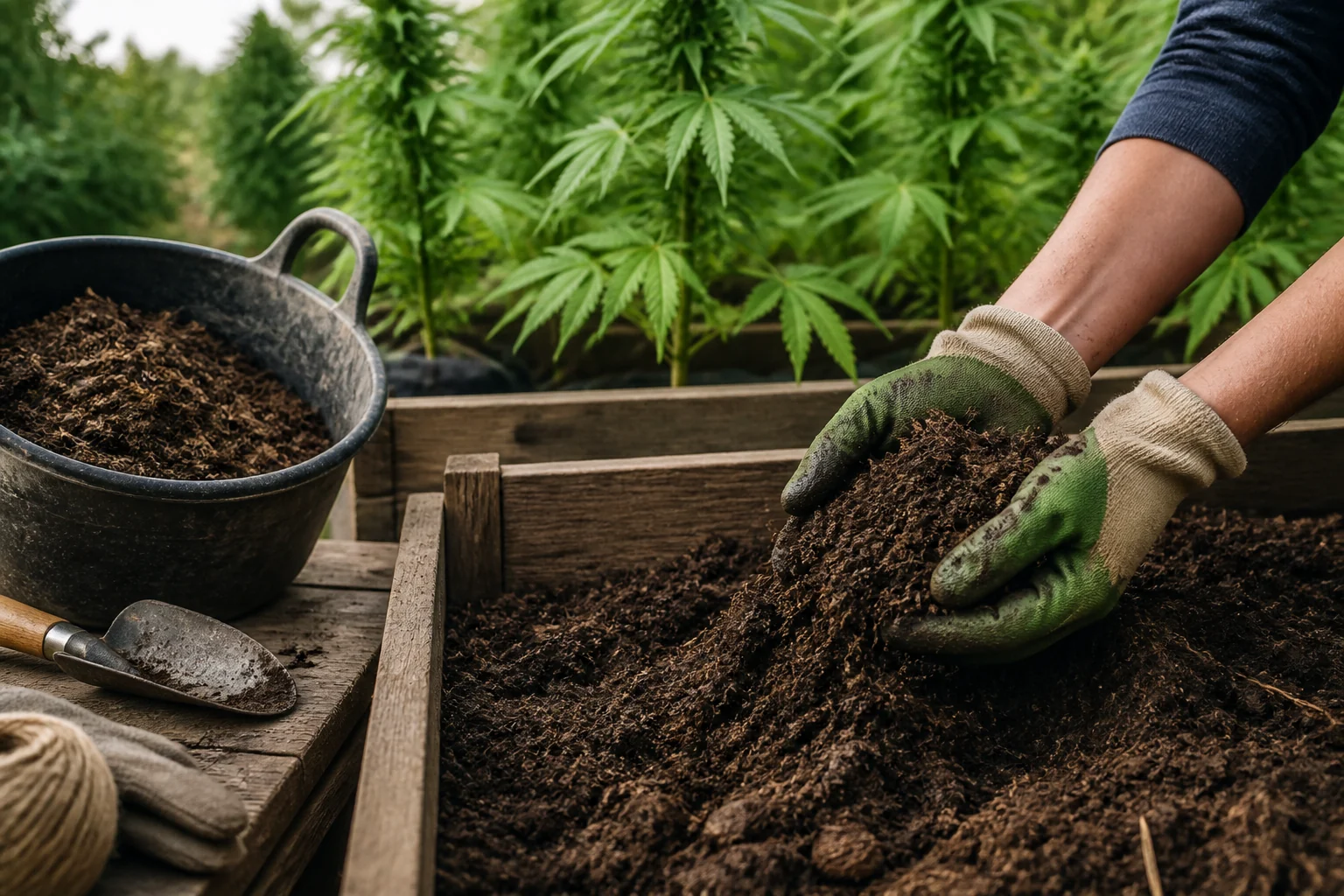
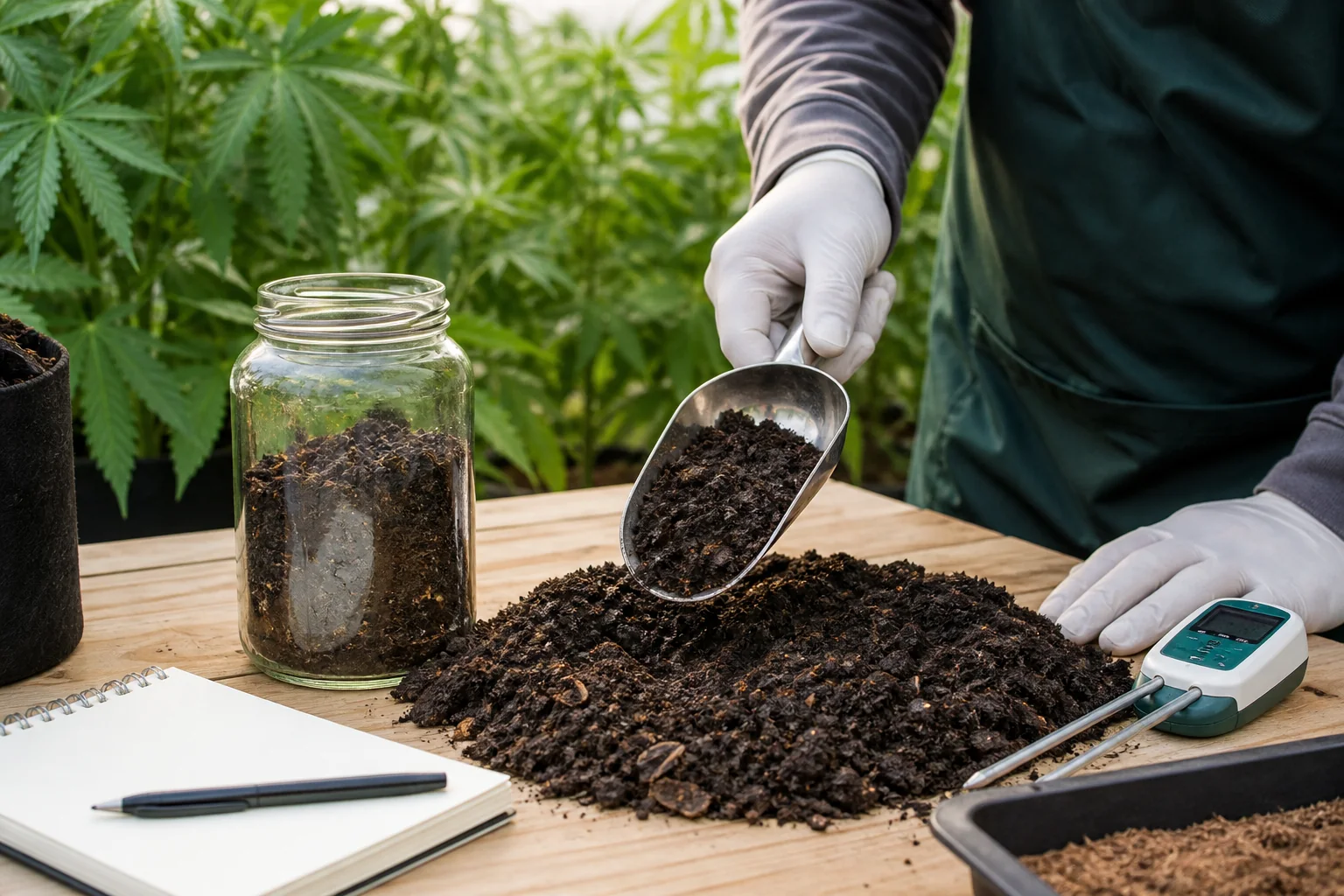
High-quality cured vermicompost rich in humic compounds and diverse indigenous microbial guilds.
Aeration Kinetics, Bubble Dynamics, and Dissolved Oxygen Saturation
The single most critical variable governing compost tea safety and efficacy is dissolved oxygen (DO) tension throughout the entire duration of the brew. Beneficial aerobic soil microorganisms, including plant growth-promoting rhizobacteria (PGPR), beneficial actinobacteria, and saprophytic fungi, require molecular oxygen (O2) to sustain aerobic cellular respiration. If dissolved oxygen levels within the brewing vessel fall below critical physiological thresholds, the entire biological ecosystem undergoes a catastrophic taxonomic shift toward facultative and obligate anaerobes.
Commercial and academic agronomic standards dictate that dissolved oxygen must remain strictly above 6.0 mg/L (ppm) at all times, with optimal operational saturation maintained between 8.0 and 10.0 mg/L. Maintaining this dissolved oxygen saturation requires continuous compensation for two opposing forces: the biological oxygen consumption rate (OCR) of the exploding microbial population, and the physical gas transfer rate of atmospheric oxygen dissolving into the water column.
Bubble Size Mechanics: Microbubbles vs Coarse Bubbles
Oxygen transfer from injected air bubbles into liquid water follows two physical parameters: surface area-to-volume ratio and bubble contact residence time. Standard aquarium air stones produce large, coarse bubbles (5 to 10 millimeters in diameter). Coarse bubbles possess a low surface area relative to their volume and rise rapidly to the liquid surface within fractions of a second, resulting in exceptionally poor oxygen transfer efficiency (typically less than 2% of delivered oxygen dissolves into the liquid). Furthermore, fine-pored ceramic stones rapidly become clogged with bacterial slime and insoluble compost silt, choking off airflow.
Conversely, high-efficiency vortex air-lift brewers and industrial regenerative blowers utilize specialized membrane diffusers or venturi injection tubes that generate microbubbles (0.5 to 2.0 millimeters in diameter). Microbubbles dramatically increase the total interfacial contact area between gas and liquid, rising through the water column with a gentle helical motion that maximizes residence time. This delivers oxygen transfer efficiencies exceeding 15% to 20%, ensuring that even during the peak microbial exponential growth phase (hours 12 to 18), dissolved oxygen never dips into hypoxic territory.
Air Volume Sizing: CFM per Gallon Requirements
Under-sizing the air pump is the most common hardware failure in indoor compost tea setups. Sizing an air pump based on aquarium ratings (liters per minute) almost always results in anaerobic failure when scaled to dense compost brews. To maintain DO > 8.0 mg/L in a 5-gallon brew vessel, the air pump must deliver a minimum of 0.05 to 0.08 Cubic Feet per Minute (CFM) per gallon of brew water (equivalent to 1.4 to 2.2 L/min per gallon). For a standard 50-gallon commercial brewing tank, an industrial diaphragm pump or regenerative blower delivering at least 3.0 to 4.0 CFM at 2.5 to 3.5 PSI is strictly required to overcome hydraulic head pressure and supply adequate oxygen.
Brew Water Temperature Kinetics
The solubility of oxygen in liquid water is inversely proportional to temperature: cold water physically holds more dissolved oxygen than warm water. At 18 °C (64 °F), water reaches 100% saturation at approximately 9.4 mg/L DO, whereas at 28 °C (82 °F), saturation drops to 7.8 mg/L. Compounding this physical limitation, microbial metabolic respiration rates double with every 10 °C rise in temperature. Consequently, brewing in hot ambient rooms (above 24 °C) rapidly outpaces the oxygen delivery capacity of standard air pumps. The ideal brewing temperature for cannabis compost tea is 19 °C to 22 °C (66 °F to 72 °F), providing the perfect physiological balance between rapid microbial division and high dissolved oxygen solubility.
Why did my compost tea smell like sour vinegar and alcohol after 36 hours of brewing?
Question sent by: Julian Morales, via email.
“I followed an online recipe using a 5-gallon bucket, a small fish tank bubbler, a cup of worm castings, and four tablespoons of blackstrap molasses. At the 24-hour mark, it smelled sweet and earthy. But by 36 hours, it smelled like rotten beer and sour vinegar with a greasy scum on top. What went wrong, and can I still feed it to my plants?”
You must discard this brew immediately; pouring it onto your cannabis plants will severely damage root tissues and introduce pathogenic fermentation byproducts. The sour, alcoholic odor indicates that your brew suffered a catastrophic anaerobic oxygen crash between hours 24 and 36.
Two primary factors caused this collapse. First, four tablespoons of molasses in a 5-gallon volume is an extreme carbohydrate overdose. Molasses is composed of simple sugars (sucrose, glucose, fructose) that trigger an explosive, exponential reproduction bloom of fast-growing heterotrophic bacteria. Second, a standard aquarium bubbler delivers less than 0.02 CFM per gallon, which is utterly inadequate to support such an immense bacterial population. As billions of bacteria consumed oxygen faster than the small bubbler could replace it, dissolved oxygen plummeted below 1.0 mg/L. Deprived of oxygen, facultative anaerobic bacteria took over, fermenting the sugars into ethanol, acetic acid (vinegar), and butyric acid (vomit odor). Applying this anaerobic liquid would strip root hairs of oxygen, burn delicate cell walls with volatile organic acids, and invite Pythium root rot.
Quality Control, Maturity Assessment, and Microscopic Verification
The foundational law of biological brewing is simple: compost tea can never be of higher biological quality than the starting compost from which it was brewed. Extracting immature, poorly cured, or anaerobic compost into water will merely culture and amplify pathogens. Before brewing, verify that your raw compost or vermicompost has completed all thermophilic phases, exhibits an earthy forest scent with zero ammonia or sulfide undertones, and tests fully mature according to standardized Solvita respiration and phytotoxicity assays. For a detailed guide on evaluating raw compost stability, pore structure, and heavy metal safety, review our comprehensive resource on compost quality and maturity tests.
Direct Optical Microscopy Protocols
Commercial living soil facilities utilize direct phase-contrast or brightfield optical microscopy (at 100x and 400x total magnification) to inspect both starting compost and finished tea before application. Prepare a wet mount slide with one drop of finished tea and a standardized cover slip. A high-grade, fully functional compost tea should display the following microscopic benchmarks across 10 random fields of view:
- Bacteria: Dense populations of active, motile rods and cocci (thousands per field of view), indicating robust bacterial colonization and active enzyme synthesis.
- Beneficial Fungal Hyphae: Visible segments of wide, uniform, dark-pigmented (brown or amber) septate fungal hyphae measuring greater than 3.0 micrometers in diameter. Thin, colorless, non-septate hyphae (less than 2.0 μm) are indicative of oomycetes or pathogenic fungi.
- Bacterivorous Protozoa: High numbers of active flagellates (erratic, spinning motility) and naked or testate amoebae (crawling pseudopodia). Protozoa graze on bacteria and excrete surplus nitrogen as plant-available ammonium (NH4+), driving the biological fertility cycle.
- Beneficial Nematodes: Occasional bacterial-feeding or fungal-feeding nematodes with visible muscular pharynxes and smooth, un-toothed mouth cavities.
Microscopic Bio-Indicator: The Ciliate Alarm
Under 400x magnification, pay careful attention to the presence of large, oval, rapidly swimming ciliated protozoa (such as Paramecium or Colpoda). In soil ecology, ciliates are specialized bio-indicators of low-oxygen environments; they thrive exclusively when dissolved oxygen drops below 2.0 to 3.0 mg/L. If you observe more than one or two ciliates per field of view, or if spirilla bacteria (spiral-shaped motile bacteria) are present, the brew has experienced an anaerobic dip and contains elevated risks of anaerobic metabolites and potential enteropathogens. Do not apply ciliate-heavy brews to sensitive indoor crops.
Oxygenation Kinetics and Gas Transfer During the Brewing Cycle
Maintaining dissolved oxygen (DO) above 6.0 mg/L throughout the entire 24-hour brewing cycle is the fundamental engineering requirement of aerated compost tea (ACT). When billions of dormant bacterial spores and fungal propagules hydrate in warm water (18 °C to 22 °C) enriched with simple carbohydrates, their metabolic respiration ramps exponentially. If aeration equipment delivers insufficient airflow, microbial oxygen consumption rapidly outpaces the physical gas transfer rate across the liquid surface. Within forty-five minutes of oxygen depletion, aerobic microbes cease multiplying and enter dormancy, while opportunistic facultative and obligate anaerobes take over the vessel.
To overcome this intense biological oxygen demand, commercial brewers utilize industrial oil-free regenerative blowers or commercial diaphragm linear air pumps rated for at least 0.05 to 0.08 CFM per gallon of liquid. These air pumps feed micro-bubble fine-pore diffusers or engineered air lifts positioned along the tank bottom. Fine micro-bubbles drastically increase the interfacial surface area between air and water, maximizing oxygen mass transfer (kLa) while generating turbulent mixing that keeps organic particulates in continuous suspension. Testing dissolved oxygen saturation with a calibrated optical DO probe every six hours ensures the culture remains strictly aerobic from initial pitch to final application.
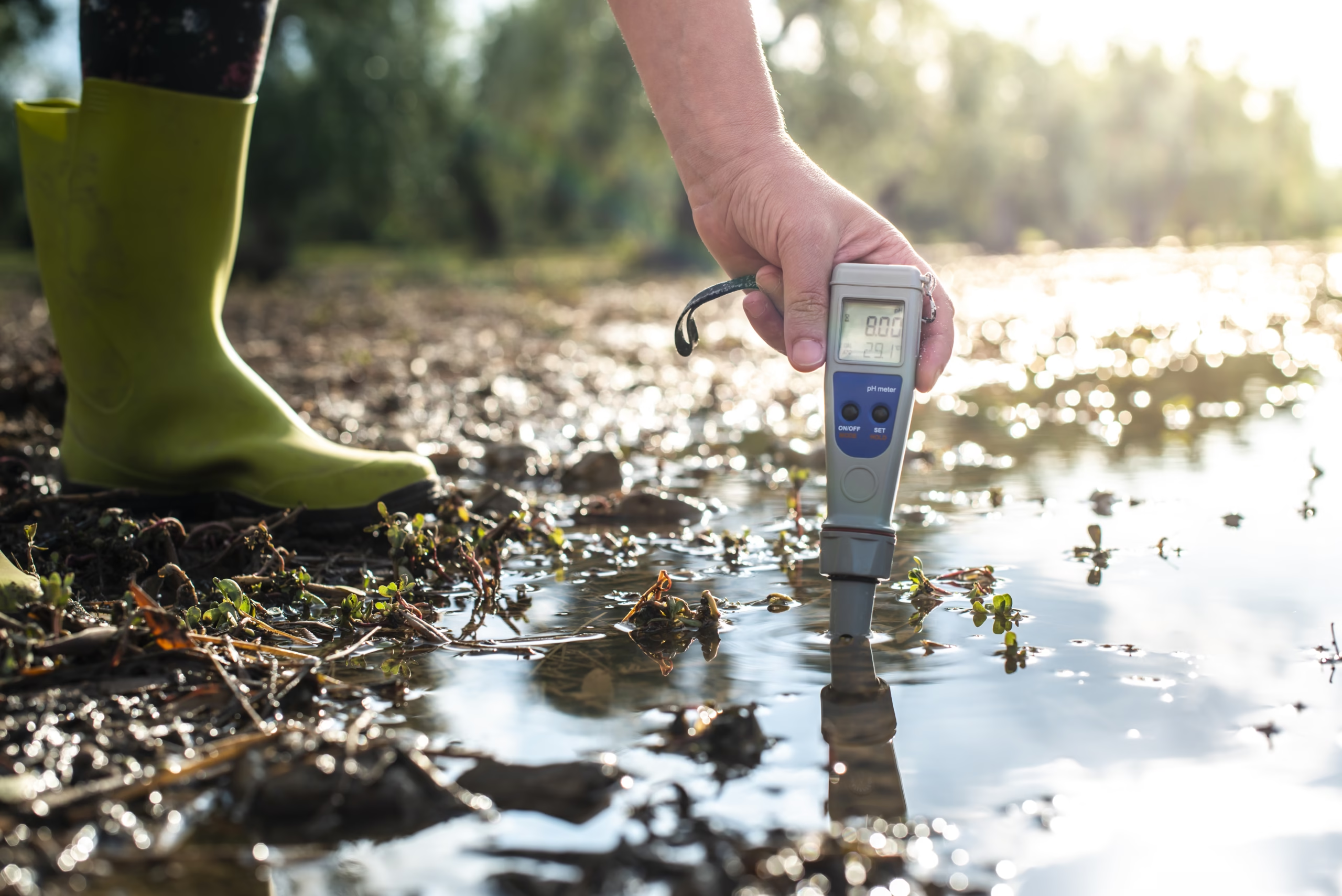
Digital dissolved oxygen and electrical conductivity monitoring during the 24-hour compost tea brewing cycle.
Brewing Hardware, Vessel Geometry, and Application System Tradeoffs
Designing an effective indoor compost tea brewing station requires selecting hardware that balances gas exchange, fluid circulation, and sanitization efficiency:
Vessel Geometry: Conical Vortex Tanks vs Flat-Bottom Buckets
Standard flat-bottom 5-gallon buckets or 55-gallon drums suffer from hydrodynamic dead zones. Fluid currents naturally stagnate in bottom corner seams, allowing heavy organic particulates to settle into an un-aerated layer of anaerobic sediment. Within hours, this sediment turns hypoxic, souring the entire liquid volume above it. Professional brewing systems utilize conical or cone-bottom inductor tanks (such as 30-degree to 45-degree slope cones). In a conical tank, rising air bubbles create a powerful toroid vortex: liquid is pushed upward through the central column and cycles downward along the angled walls, continuously drawing heavy particulates back into the high-velocity aeration zone and preventing sediment stagnation.
Extraction Mesh Sizing: 400 to 800-Micron Monofilament
Never use tight cotton pillowcases, tight felt bags, or dense pantyhose to hold compost during brewing. Tight fabrics (below 150 microns) trap beneficial fungal spores, hyphal strands, and large protozoan amoebae inside the bag, allowing only small individual bacteria to escape. Conversely, loose burlap or raw wire mesh allows large organic particles to escape into the water, rapidly clogging pump impellers and spray nozzles. The optimal extraction mesh is a 400 to 800-micron monofilament nylon filter bag. This aperture size permits free passage of expansive fungal hyphae and testate amoebae while retaining coarse sand, bark, and mineral grit.
Can I run freshly brewed compost tea through my commercial automated drip lines?
Question sent by: Chloe Bennett, via email.
“We operate a 4,000-square-foot facility with pressure-compensating drip emitters (0.5 GPH) fed by automated dosing pumps. We brewed a 100-gallon aerated compost tea and pumped it through our main drip manifold. By the next morning, 40% of our emitters were completely clogged with brown slime and stopped dripping. How can commercial automated grows use compost tea without ruining drip systems?”
Running biologically active, un-sanitized compost tea directly through commercial automated drip systems equipped with micro-orifice pressure-compensating (PC) emitters is an operational disaster. Even if you pass the tea through a fine 120-mesh disc filter to remove suspended compost grit, you cannot filter out living bacteria, fungal spores, and dissolved organic polymers.
Once inside the stagnant, dark interior of low-velocity drip tubing, beneficial bacteria attach to the plastic poly-walls and secrete Extracellular Polymeric Substances (EPS). Within 12 to 24 hours, this biological biofilm expands into thick, rubbery slime that clogs the labyrinth passages and silicone diaphragms of PC emitters. Furthermore, dead biofilm trapped in the lines decomposes, dropping local oxygen and fostering anaerobic bacteria inside your irrigation plumbing.
In commercial facilities, compost tea should be applied through dedicated distribution equipment: use a mobile drench cart equipped with a high-flow diaphragm pump, coarse 1/2-inch transfer hoses, and a high-flow wand with large showerhead nozzles (orifice size > 2.0 mm). If drip lines must be used, you must formulate clear liquid compost extracts (rather than brewed teas with molasses), utilize open-flow micro-tubing without tortuous-path emitters, and immediately flush the irrigation network post-application with clean water followed by a registered bio-safe line cleaner (such as food-grade peracetic acid).
Failure Modes, Anaerobic Crashes, and Human Pathogen Proliferation
Working with rich biological cultures indoors requires strict adherence to biosafety and contamination protocols. Three primary failure modes threaten crops and human health:
1. Enteropathogen Amplification (E. coli and Salmonella)
Human pathogens such as Escherichia coli O157:H7 and Salmonella enterica are enteric bacteria that originate from the gastrointestinal tracts of warm-blooded animals. If un-composted animal manures, fresh bird guanos, or contaminated vermicompost are used as tea brewing inputs, these pathogens enter the liquid. When high concentrations of simple carbohydrates (molasses) are added under suboptimal aeration, E. coli and Salmonella reproduce with extreme velocity, reaching dangerous infectious doses within 24 hours. Applying enteropathogen-laden tea to flowering cannabis can contaminate floral trichomes and bracts, causing commercial crops to fail mandatory state microbial screening tests (Total Coliform and STEC testing).
2. Phytotoxic Anaerobic Fermentation Metabolites
When dissolved oxygen drops below 2.0 mg/L, anaerobic bacteria metabolize carbohydrates through fermentation pathways, producing ethanol, lactic acid, butyric acid, and propionic acid. At the same time, sulfur-reducing bacteria generate hydrogen sulfide (H2S), while denitrifying bacteria convert bioavailable nitrate into gaseous nitrous oxide and ammonia (NH3). When applied to plant foliage or roots, these volatile compounds cause immediate chemical burns: leaf margins display scorched, water-soaked necrosis, stomatal aperture collapses, and root epidermal cells lyse. Always verify that a finished tea has a pleasant, earthy, forest-floor fragrance; if it emits any sour, sulfurous, or ammoniacal odor, discard it immediately.
3. Phyllosphere Biofilm Blockage from Excessive Foliar Feeding
While foliar compost tea applications can coat leaves with beneficial epiphytes that physically outcompete powdery mildew (Golovinomyces spadiceus) and botrytis spores, excessive or improperly filtered foliar sprays present serious risks. Spraying sticky teas containing residual molasses or kelp residues coats leaf surfaces in unevaporated sugars. This residue fosters opportunistic saprophytic sooty molds, blocks stomatal gas exchange pores, reduces leaf photosynthetic photon reception, and attracts fungus gnats and shore flies into the indoor canopy. Foliar sprays must be restricted to the vegetative phase, strained through 100-mesh screens, brewed with minimal simple sugars, and applied right as lights dim to allow gradual trans-cuticular absorption without burning.
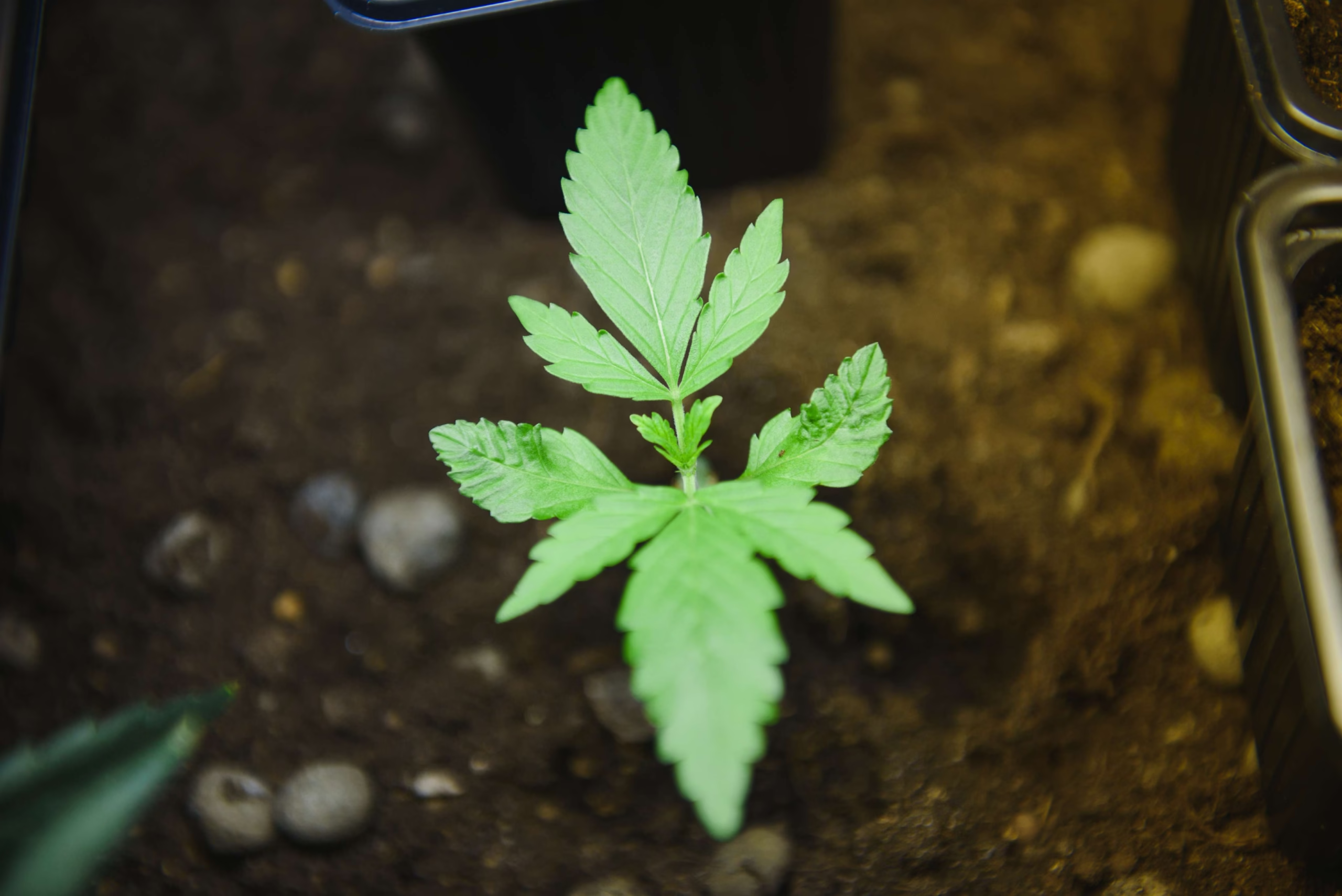
Vigorous vegetative cannabis root-drenched with freshly aerated compost tea displaying accelerated nutrient uptake.
Compost Tea Formulation Matrix for Indoor Cannabis
Customizing compost tea recipes according to plant developmental stage allows growers to steer biological functions toward specific agronomic goals. During early vegetative growth, canopies require rapid cell division, broad leaf expansion, and robust vascular development. Formulating a bacterial-dominant brew rich in humic acids and soluble kelp stimulates rapid nitrogen cycling, delivering abundant ammonium and nitrate ions directly to hungry root hairs. Conversely, during generative floral transition and floral bulking, excessive nitrogen leads to airy buds and delayed ripening.
In mid-to-late flower, commercial recipes shift toward fungal dominance by incorporating oat flour, ground humic shale, and high-chitin crab meal into the compost inoculum. Fungi synthesize extracellular phosphatase enzymes that dissolve insoluble rock phosphate, delivering orthophosphate directly to swelling floral bracts while enhancing secondary cannabinoid and terpene synthesis. When preparing these tailored formulations, cultivators must strictly adhere to ingredient ratios to avoid nutrient burning or excessive foaming. The following formulation matrix outlines precise ingredient recipes, aeration timelines, and target benefits for standard 5-gallon (20-liter) batch sizes:
| Tea Formulation | Target Stage | Compost Inoculum (per 5 gal) | Prebiotic Food Resources | Brew Duration | Application Method |
|---|---|---|---|---|---|
| Bacterial-Dominant Tea | Vegetative growth; rapid root expansion | 2 cups fresh vermicompost (earthworm castings) | 1.5 tbsp unsulfured blackstrap molasses + 1 tbsp liquid kelp extract | 18 to 24 hours | Root drench (100% full strength) or vegetative foliar spray (diluted 1:1) |
| Fungal-Dominant Tea | Transition & Weeks 1-4 of flowering | 2 cups fungal-cured thermal compost + 1 cup humic forest humus | 1 tbsp soluble fulvic acid + 2 tbsp cold-water kelp meal + 1 tbsp oat flour (pre-incubated) | 24 to 30 hours | Root drench around root flare (diluted 1:1 with dechlorinated water) |
| Biocontrol Protective Tea | Preventative IPM drench; pathogen suppression | 2 cups high-chitin compost + 0.5 cup crab meal amendment | 1 tbsp micronized humic acid + 1 tsp soluble kelp + 1 g commercial Bacillus inoculant | 20 to 24 hours | Substrate saturation drench to displace Pythium / Fusarium |
| Quick Liquid Compost Extract | Mid-to-late flower feeding; no-sugar drench | 3 cups diverse cured vermicompost in 400-micron bag | Zero sugars added; 10 mL pharmaceutical fulvic acid only | 15 to 30 minutes (vigorous agitation) | Immediate root drench; zero biofilm risk in clean drip systems |
Standard Operating Procedure: Brewing, Sanitization, and Application Protocols
To achieve consistent, lab-verified biological quality crop after crop, commercial facilities must enforce this standardized brewing and sanitation protocol:
Phase 1: Water Conditioning and Dechlorination
Fill the sanitized brewing vessel with pure reverse osmosis (RO) or tap water. If using municipal tap water, verify whether your municipality treats with free chlorine or persistent chloramines. Free chlorine can be stripped via 60 minutes of active bubbling. Chloramines, however, will not outgas; neutralize chloramines by adding 50 to 100 mg of pharmaceutical-grade ascorbic acid (Vitamin C) per 10 gallons of water, or run water through a certified catalytic carbon filter. Verify total chlorine reads 0.0 ppm with a test strip before adding biology. Bring water temperature to 20 °C to 22 °C.
Phase 2: Inoculum Inoculation and Food Addition
Place high-grade vermicompost or cured compost into the 400-micron nylon mesh bag. If aiming for fungal dominance, pre-activate your compost 3 to 5 days prior by moistening a batch of vermicompost with a tiny dusting of baby oatmeal or humic acid in a dark, warm container until white fungal mycelium visibly blankets the surface. Submerge the bag in the vortex tank directly over the aeration diffuser. Dissolve liquid prebiotic food resources (molasses, kelp, fulvic acid) in a small jar of warm water before pouring evenly into the tank. Start the air compressor.
Phase 3: The 24-Hour Active Aeration Window
Operate aeration continuously. A healthy, active tea will develop a thin head of fine, aromatic foam within 8 to 12 hours (produced by microbial proteins and saponins lowering water surface tension). If thick, foul-smelling, brown foam overtakes the tank, excess proteins are putrefying; reduce food inputs in future brews. Monitor water temperature and ensure DO remains above 8.0 mg/L.
Phase 4: The 4-Hour Application Golden Rule
The moment you shut off the air compressor to harvest the tea, the biological countdown begins. In a static, non-aerated bucket, millions of active microorganisms consume the residual dissolved oxygen within 2 to 4 hours. If allowed to sit stagnant, the tea will rapidly suffocate and turn anaerobic. Apply 100% of finished compost tea within 4 hours of turning off aeration. Never bottle, store, or refrigerate aerated compost tea.
Phase 5: Immediate Equipment Decontamination
The single greatest operational hazard in compost tea brewing is dried microbial biofilm adhering to tank walls, diffusers, and hoses. Immediately after emptying the tank, rinse all components thoroughly with clean water. Scrub tank walls with a non-abrasive pad. Disinfect the entire system by circulating a 2% to 3% hydrogen peroxide solution or food-grade peracetic acid (100 ppm active PAA) through the air diffusers and tank for 30 minutes. Drain, rinse with clean water, and allow to air-dry completely. Never allow biological residue to dry into rubbery crusts inside your brewing vessel.
Compost Tea Brewing and Application Standard Operating Checklist
Verify these critical quality checkpoints before, during, and after every compost tea brew cycle:
- Source water is tested and verified completely free of chlorine and chloramines before adding biological inoculants.
- Raw compost or vermicompost is verified fully cured, sweet-smelling, and free of weed seeds or un-composted animal manures.
- Air pump capacity delivers at least 0.05 to 0.08 CFM per gallon of brew water (or >3.0 CFM for 50-gal commercial tanks).
- Brewing tank utilizes a conical or vortex geometry to eliminate bottom dead zones and particulate settlement.
- Extraction filter bag is constructed from 400 to 800-micron monofilament nylon to allow fungal hyphal passage.
- Simple sugars (molasses) are dosed strictly below 1.5 tablespoons per 5 gallons to prevent catastrophic bacterial oxygen crashes.
- Brew water temperature is maintained strictly between 19 °C and 22 °C (66 °F to 72 °F) throughout the aeration cycle.
- Dissolved oxygen (DO) is monitored with a calibrated meter and verified above 6.0 mg/L (optimally 8.0 to 10.0 mg/L).
- Microscopic wet mount inspection confirms diverse active bacteria, flagellates, amoebae, and dark septate fungal hyphae.
- Brew is discarded immediately if any sour, vinegar, alcohol, or rotten-egg odor is detected.
- 100% of finished tea is applied to crops within 4 hours of shutting off aeration.
- Brewing vessel, hoses, and air diffusers are immediately sanitized with hydrogen peroxide or peracetic acid post-brew.
Scientific References
- Bernal-Vicente, A., Ros, M., Tittarelli, F., Intrigliolo, F., & Pascual, J. A. (2008). Compost tea and compost amendment for the biocontrol of Pythium ultimum in melon. Bioresource Technology, 99(17), 8044-8048.
- Ingham, E. R. (2005). The Compost Tea Brewing Manual (5th ed.). Soil Foodweb Incorporated, Corvallis, OR.
- Pane, C., Celano, G., Villecco, D., & Zaccardelli, M. (2012). Control of Botrytis cinerea, Alternaria alternata and Pyrenochaeta lycopersici on tomato with whey or milk-derived compost teas. Crop Protection, 38, 80-86.
- Scheuerell, S. J., & Mahaffee, W. F. (2002). Compost tea: Principles and prospects for plant disease control. Compost Science & Utilization, 10(4), 313-338.
- Scheuerell, S. J., & Mahaffee, W. F. (2004). Microbial antagonism in aerated compost tea against Pythium ultimum. Phytopathology, 94(11), 1156-1163.
- Taiz, L., Zeiger, E., Møller, I. M., & Murphy, A. (2015). Plant Physiology and Development (6th ed.). Sinauer Associates, Sunderland, MA.
- Zheng, Y. (2021). Handbook of Cannabis Production in Controlled Environments. CRC Press, Boca Raton, FL.
Share this article
A quick overview of the topics covered in this article.