
Can Nutrients Improve Cannabis Flavor and Terpenes? Sulfur Biochemistry, Terpene Synthases, and Flush Dynamics
In the competitive modern cannabis marketplace, commercial success is no longer judged solely by crude percentage of tetrahydrocannabinol (THC). Discerning connoisseurs, extraction technicians, and medical patients prioritize the organoleptic profile: the complex bouquet of aroma, taste, and smoothness dictated by hundreds of secondary metabolites, including monoterpenes (myrcene, limonene, pinene, terpinolene), sesquiterpenes (caryophyllene, humulene, bisabolol), and pungent volatile sulfur compounds (VSCs). This sensory reality drives cultivators to constantly ask: can specific nutrient formulations, elemental adjustments, or specialized supplements directly enhance cannabis flavor and terpene density? In traditional growing culture, this question is surrounded by persistent mythology: commercial nutrient manufacturers market sugary carbohydrate solutions, exotic botanical fruit extracts, and “terpene-enhancer” tonics claiming to impart sweet candy flavors into developing flowers.
Plant physiology and agricultural biochemistry reveal a far more nuanced, rigorous truth. Cannabis roots cannot physically absorb complex sugar molecules or synthetic flavoring agents from a nutrient reservoir; instead, flavor and aroma are synthesized de novo within the 16-cell secretory disc of capitate-stalked glandular trichomes. What nutrients can do is govern the enzymatic machinery, cofactor availability, and substrate precursor pools that feed the MEP (plastidic) and MVA (cytosolic) terpene synthesis pathways. Providing optimal concentrations of elemental sulfur (SO42-), balancing the potassium-to-nitrogen (K:N) ratio, ensuring adequate divalent magnesium (Mg2+) as an enzymatic cofactor, and strictly tapering excessive late-stage nitrogen are proven scientific levers that maximize genetic terpene expression. Conversely, mineral imbalances, toxic salt accumulations, and misguided starvation flushes degrade volatile aromatics, resulting in harsh, flavorless flower. This comprehensive scientific guide analyzes the biochemical mechanisms of terpene synthesis, evaluates the true efficacy of commercial flavor additives, establishes precise elemental feeding targets, and provides a verified flush-and-cure protocol to achieve maximum aromatic intensity, connecting directly with our core guides on cannabis fertilizer math and elemental PPM, organic vs synthetic nutrients, and water stress and cannabinoid production.
Biochemical Pathways: How Cannabis Synthesizes Terpenes and Flavors
To understand how mineral nutrients influence flavor, cultivators must examine the dual metabolic pathways governing terpene synthesis:
- The MEP Pathway (Plastidic Monoterpene Synthesis): Monoterpenes: the volatile, low-molecular-weight compounds (C10H16) that provide the bright floral, citrus, and pine top-notes of cannabis (such as d-limonene, beta-myrcene, and alpha-pinene): are synthesized inside trichome plastids via the 2-C-methyl-D-erythritol 4-phosphate (MEP) pathway. The pathway combines pyruvate and glyceraldehyde-3-phosphate (derived from photosynthetic carbon fixation) to generate the fundamental five-carbon universal building blocks: isopentenyl pyrophosphate (IPP) and dimethylallyl pyrophosphate (DMAPP). These are condensed by geranyl pyrophosphate synthase (GPPS) into geranyl pyrophosphate (GPP), the direct precursor for all monoterpenes.
- The Mevalonate (MVA) Pathway (Cytosolic Sesquiterpene Synthesis): Heavier, less volatile sesquiterpenes (C15H24): such as spicy beta-caryophyllene, woody humulene, and floral bisabolol: are synthesized within the plant cell cytoplasm via the mevalonate (MVA) pathway. The MVA pathway condenses three molecules of acetyl-CoA (derived from mitochondrial cellular respiration) into farnesyl pyrophosphate (FPP). Specialized sesquiterpene synthases then cyclize FPP into finished aroma compounds that provide deep base-notes and long-lasting flavor lingering on the palate.
- Volatile Sulfur Compounds (VSCs) and the “Gas” Profile: Recent analytical gas chromatography-mass spectrometry (GC-MS) research has discovered that the iconic “skunk, gas, fuel, and diesel” aroma characterizing elite cultivars (such as Chemdawg, Sour Diesel, and OG Kush) is not produced by terpenes alone, but by ultra-trace concentrations of volatile sulfur compounds (VSCs), most notably 3-methyl-2-butene-1-thiol (3-MBT). The human olfactory system can detect 3-MBT at parts-per-trillion levels. These potent sulfur thiols require robust subterranean sulfur nutrition to provide the cysteine and methionine amino acid precursors needed for their enzymatic assembly.
The Enzymatic Key: Divalent Magnesium and Manganese as Terpene Catalysts
Every terpene synthase (TPS) enzyme in cannabis possesses an absolute, non-negotiable chemical requirement: it must bind a cluster of divalent metal cations: primarily magnesium (Mg2+) or manganese (Mn2+): at its catalytic active site. These metal cofactors coordinate the pyrophosphate moiety of GPP or FPP, neutralizing negative charges and facilitating the carbon-oxygen bond cleavage that initiates carbocation cyclization. If root-zone magnesium or manganese is deficient or locked out by excess potassium, terpene synthase enzymes physically cannot catalyze reactions, causing aromatic density to collapse regardless of genetic pedigree.
Key Mineral Nutrients Directly Linked to Terpene and Flavor Synthesis
Specific mineral elements play direct catalytic and structural roles in determining finished flavor quality:
- 1. Sulfur (SO42-): The Master Aromatics Driver: Sulfur is the unsung hero of cannabis flavor. It is an essential component of the sulfur-bearing amino acids cysteine and methionine, as well as Coenzyme A (CoA), which fuels the initial condensation steps of cannabinoid and sesquiterpene synthesis. In commercial flowering formulations, maintaining elemental sulfur between 60 and 80 PPM during weeks 3 to 7 of flower directly enhances volatile sulfur compound (VSC) synthesis, amplifying the deep diesel and funk notes while supporting healthy terpene synthase protein expression. Deficiencies cause pale upper leaves and flat, cardboard-like floral bouquets.
- 2. Potassium (K+): Carbohydrate Translocation and Osmotic Turgor: Terpene synthesis is energetically expensive: every milligram of essential oil requires significant ATP and carbon precursors. Potassium is the primary enzymatic activator of pyruvate kinase, the master enzyme controlling glycolysis and carbohydrate generation. Furthermore, potassium maintains cell turgor pressure within trichome secretory cells, allowing resin vesicles to swell without rupturing prematurely. Maintaining a robust potassium level (200 to 250 PPM K) during floral bulking ensures ample carbon delivery to terpene pathways.
- 3. Nitrogen (NO3– / NH4+): The Double-Edged Sword: While nitrogen is vital during early vegetative expansion for building chlorophyll and structural proteins, excessive nitrogen in late flowering is the single greatest destroyer of cannabis flavor. High nitrate concentrations force the plant to prioritize vegetative green biomass over secondary metabolite synthesis. Residual nitrates in harvested floral tissue result in dark green buds that burn into black, acrid ash with a harsh, throat-scratching smoke that masks delicate terpenes. Tapering nitrogen down to 50 to 70 PPM during the final three weeks of flowering accelerates natural chlorophyll breakdown, unlocking pristine combustion and pure flavor.
- 4. Iron (Fe) and Zinc (Zn): Electron Transport and Terpene Precursors: Iron is a critical constituent of ferredoxin and cytochrome electron transport chains in chloroplasts, driving the light reactions that power the MEP pathway. Zinc serves as an essential cofactor for RNA polymerase and zinc-finger transcription factors that regulate secondary metabolic gene expression. Maintaining balanced, fully chelated micronutrients ensures that the enzymatic machinery operates at peak velocity.
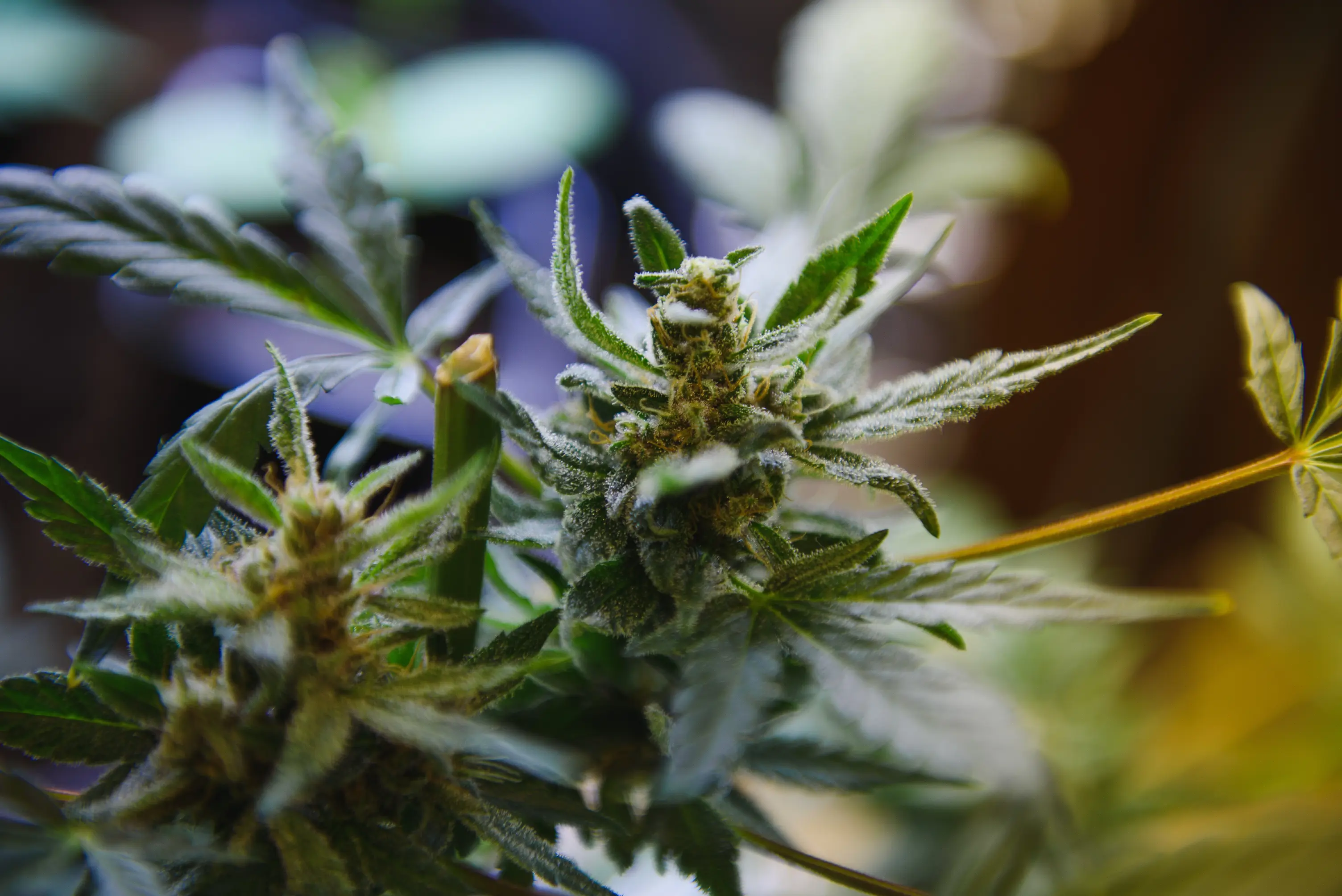
Dense flowering colas exhibiting complex cultivar-specific terpene bouquets supported by optimized sulfur and potassium ratios.
Myth vs Reality: Carbohydrate Supplements, Molasses, and Flavor Enhancers
The retail cannabis fertilizer market is saturated with products promising to infuse buds with artificial candy flavors. Examining the biological reality separates commercial facts from marketing myths:
- Can Plants Absorb Complex Sugars Through Roots? In a word: No. Sucrose, molasses, and complex oligosaccharides possess large molecular weights and cannot pass freely through root epidermal cell membranes. Cannabis roots possess low-affinity hexose transporters that can absorb tiny amounts of simple monosaccharides (glucose, fructose), but the plant synthesizes its own sucrose through photosynthesis at volumes hundreds of times greater than anything roots could absorb. Adding molasses to a hydroponic reservoir does not “sweeten the bud”; rather, it feeds subterranean heterotrophic bacteria in the root zone.
- The Legitimate Role of Carbohydrates in Living Soil: While sugars do not directly enter floral trichomes, adding organic carbohydrates (such as unsulfured blackstrap molasses or fulvic acid) to living organic soil beds serves a legitimate indirect agronomic purpose: it provides an immediate carbon food source for beneficial soil bacteria and mycorrhizal fungi. These stimulated microbes mineralize locked rock phosphate, cycle micronutrients, and produce plant-available organic acids that improve plant metabolic vigor, indirectly aiding terpene expression. In sterile or inert hydro systems, however, molasses creates anoxic bacterial slime and rots roots.
- Commercial “Terpene Enhancer” Formulations: Most commercial terpene boosters on the market do not contain magical secret ingredients. When analyzed in laboratory chemical assays, these expensive products typically consist of simple, inexpensive compounds: potassium sulfate (supplying K and S), magnesium sulfate (Epsom salts), amino acid hydrolysates (glutamic acid, glycine), and low concentrations of humic acids. Cultivators can achieve identical or superior results for a fraction of the cost by engineering their base fertilizer recipes to include adequate sulfate and magnesium.
| Mineral Element | Optimal Bloom PPM | Primary Biochemical Function | Impact on Terpene & Flavor Profile | Risk of Deficiency or Excess |
|---|---|---|---|---|
| Sulfur (S) | 60 – 80 PPM | Methionine/cysteine amino acids; Coenzyme A | Fuels volatile sulfur compounds (VSCs); gassy/skunky depth | Deficiency: flat aroma, pale leaves; Excess: high EC |
| Potassium (K) | 200 – 250 PPM | Pyruvate kinase activation; carbohydrate transport | Provides carbon energy for trichome resin vesicle swelling | Deficiency: margin burn; Excess: blocks Ca2+ and Mg2+ |
| Magnesium (Mg) | 50 – 65 PPM | Central chlorophyll atom; TPS enzyme catalytic cofactor | Coordinates diphosphate cleavage in monoterpene cyclization | Deficiency: interveinal chlorosis, low terpene density |
| Nitrogen (N) | 80 – 100 PPM (Taper to 50) | Amino acids, nucleic acids, vegetative cell division | Early flower fuel; must taper late to avoid harsh chlorophyll smoke | Excess: dark green, acrid smoke, masked aromatic terpenes |
| Phosphorus (P) | 50 – 65 PPM | ATP, NADPH, phospholipids, IPP/DMAPP building blocks | Energy transfer driving continuous metabolic resin synthesis | Excess: iron and zinc lockout, harsh chemical burn |
The physiological data summarized in Table 1 illustrates why dialing in elemental mineral ratios produces profound changes in finished terpene density. When cultivators supply luxury amounts of sulfur and magnesium alongside a controlled potassium curve, the plant’s internal biochemistry possesses all the building blocks and enzymatic cofactors required to express its full genetic aroma potential. However, in the craft and commercial cultivation communities, intense debates continue regarding whether specialized organic amendments or sugary carb additives can bypass standard plant metabolic pathways. Many growers observe noticeable changes in aroma when using carbohydrate additives and assume the sugar was transported directly into the buds, misinterpreting the complex subterranean microbial chain reaction taking place in the substrate.
Do sweet carbohydrate additives and molasses actually make my buds taste sweeter, or is it a marketing gimmick?
Question sent by: Travis Sterling, via email.
“I have been using a popular ‘bud candy’ carbohydrate product that smells like vanilla sugar for the past three weeks of flower. My friend says my buds taste fruitier because the plants absorb the liquid sugar into their trichomes. Does molasses or carbohydrate feeding actually transfer sweetness into the buds, or am I being fooled by marketing?”
Your friend’s explanation is a complete biological myth: cannabis flowers cannot absorb external sugars to become sweeter, and dried cannabis flower contains virtually zero free sugar.
First, plant vascular biology does not permit large disaccharide or polysaccharide molecules (like sucrose, maltose, or corn syrup) to be taken up by roots and translocated intact into floral trichomes. The endodermis of cannabis roots is sealed by the hydrophobic Casparian strip: a physical suberin barrier that forces all water and solutes to pass through selective plasma membrane transport proteins. There are no root transporters that import complex liquid vanilla or candy flavorings into the xylem stream.
Second, what humans perceive as “sweetness” when smoking or vaporizing cannabis is not sugar at all: burning sugar produces acrid, toxic caramelization and harsh smoke. What you perceive as “sweet” or “fruity” is the olfactory sensation of specific monoterpenes and volatile esters: such as d-limonene (citrus sweet), terpinolene (fruity/floral), and geraniol stimulating your nasal retro-olfactory receptors.
Carbohydrate products in soil work purely by feeding subterranean soil microbes. In soilless coco or hydro, pouring in heavy molasses frequently backfires by causing bacterial blooms that deplete root-zone oxygen. If you want truly explosive fruit and candy terpenes, focus on providing adequate elemental sulfur (70 PPM), optimal magnesium (60 PPM), and a cool late-flower canopy temperature (21 °C – 23 °C) to prevent those delicate volatile monoterpenes from evaporating under hot lights.
Travis’s question gets to the core of consumer sensory perception in cannabis. What tastes sweet on the palate is a delicate symphony of volatile hydrocarbons and oxygenated aromatic esters, synthesized exclusively through internal plant enzymes. While carbohydrate tonics do not magically infuse candy flavors into trichome heads, elemental nutrition plays an irreplaceable role in unlocking specific terpene notes. Cultivators growing iconic “fuel” and “diesel” lineages frequently find that their harvests lack the sharp, biting pungency that made those strains legendary. In many cases, the culprit is not bad genetics, but an unrecognized deficit of available sulfate in commercial nutrient formulations.
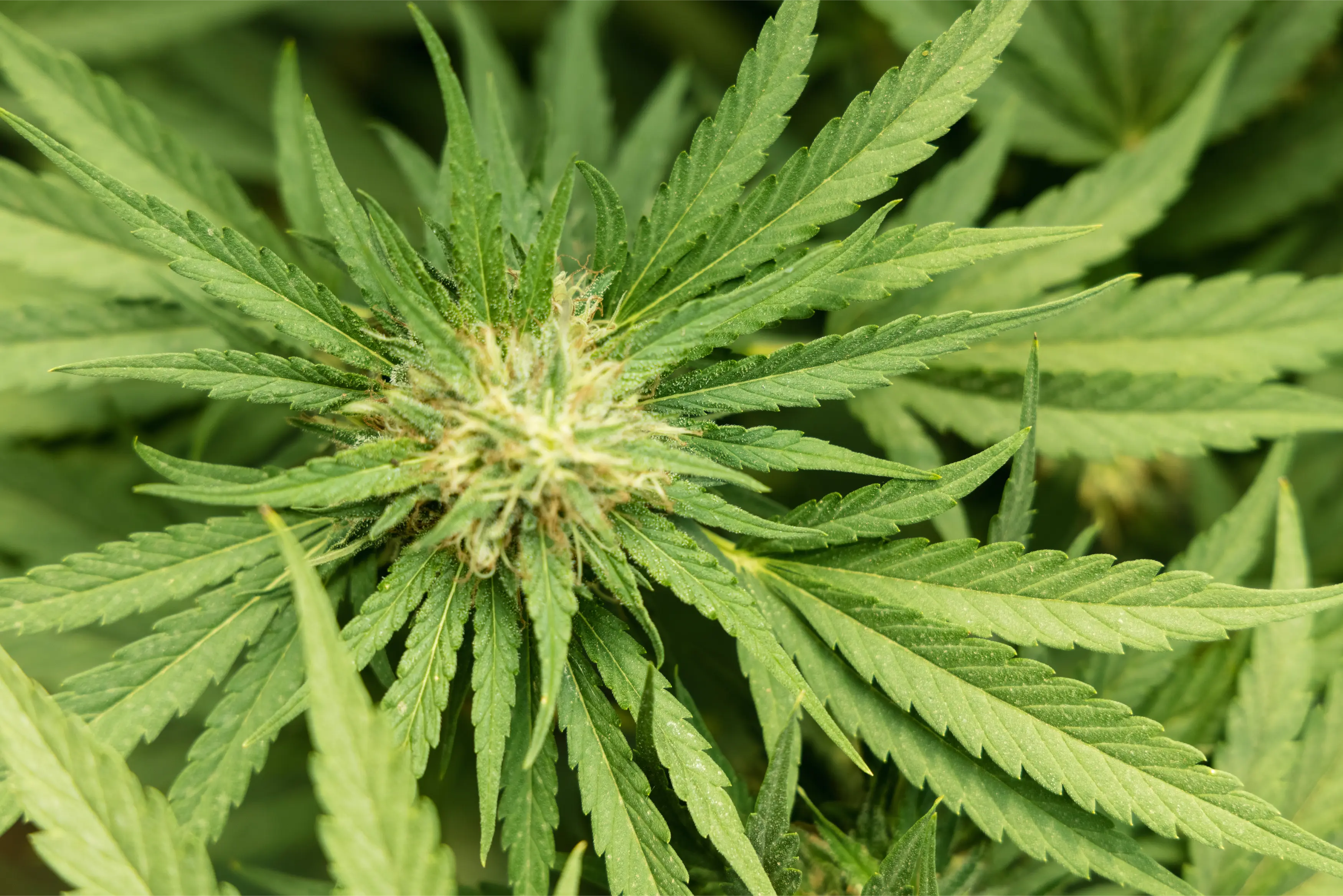
Resinous floral bracts undergoing late-stage nitrogen tapering to accelerate chlorophyll breakdown and enhance combustion smoothness.
The Chemistry of Gas: Volatile Sulfur Compounds (VSCs) and Prenylated Thiols
The scientific breakthrough in cannabis aroma chemistry centers on the discovery of prenylated volatile sulfur compounds:
- The Molecular Identity of “Gas”: Groundbreaking analytical chemistry (Oswald et al., 2021) identified a family of prenylated volatile sulfur compounds (VSCs) unique to Cannabis sativa. The primary driver of skunk and diesel pungency is 3-methyl-2-butene-1-thiol (VSC3), along with related compounds like 3-methyl-1-butanethiol (VSC2) and 2-methyl-1-butanethiol (VSC1). These compounds contain a sulfur atom bound to a prenyl carbon skeleton, identical in chemical structure to the defensive spray of skunks.
- The Sulfate-to-Thiol Metabolic Pipeline: Cannabis roots absorb sulfur exclusively as oxidized sulfate anions (SO42-) via specialized high-affinity sulfate transporters (SULTR). Inside plant chloroplasts, sulfate undergoes adenosine 5′-phosphosulfate (APS) reduction, assimilating into the amino acid cysteine. Cysteine donates sulfur atoms to synthesize glutathione and dimethylallyl mercaptan, which is enzymatically prenylated to form VSC3. If substrate sulfate concentrations drop below 40 PPM during peak floral swelling, the plant cannot synthesize these sulfur precursors, and elite diesel cultivars produce bland, grassy flowers devoid of sharp pungency.
- Maintaining Optimal Sulfate Ratios: In automated hydroponic and coco coir fertigation, growers can maintain ideal sulfate levels (65 to 80 PPM SO42-) economically by utilizing magnesium sulfate heptahydrate (Epsom salts, MgSO4·7H2O) and potassium sulfate (K2SO4) in place of excessive potassium chloride or potassium phosphate. This satisfies both potassium and magnesium demand while saturating the sulfur pool needed for maximum VSC and terpene expression.
The Agronomic Reality: The 14-Day Pure Water Flush Does Not Cleanse Buds
One of the most fiercely defended rituals in cannabis culture is the two-week pre-harvest pure water flush: the belief that starving plants of all nutrients for 14 days “flushes out excess chemicals” and improves burning smoothness. Peer-reviewed research from the University of Guelph and laboratory trials by RX Green Technologies tested this practice rigorously. Mineral tissue analysis of harvested buds revealed that a 14-day flush did not significantly reduce elemental nutrient concentrations in floral tissue compared to zero flushing. However, blind consumer sensory panels actually preferred flower from mild-fertilizer treatments, noting that harsh starvation flushes cause premature cellular senescence, leaf death, and terpene volatilization.
The scientific debunking of the two-week pure water flush forces commercial cultivators to re-evaluate their final harvest protocols. Rather than plunging plants into extreme osmotic shock and nutrient starvation: which causes fan leaves to die and rot inside colas: modern agronomy deploys a disciplined gradual nutrient taper. Under a controlled taper, input electrical conductivity is steadily stepped down over the final ten to fourteen days while maintaining a low baseline of calcium and sulfur. This prevents cellular lysis, allows the plant to smoothly translocate internal nitrogen reserves, and preserves the structural integrity of glandular trichome stalks so that delicate volatile terpenes remain intact until the cure.
If starving plants for two weeks doesn’t remove nutrients, what actually causes harsh, black-burning ash?
Question sent by: Anika Patel, via email.
“Every grower I know swears that white ash and smooth smoke only come from a 14-day RO flush that pulls nutrients out of the plant. If scientific research says flushing doesn’t lower bud nutrient levels, what actually causes harsh, throat-scratching smoke and black, un-burnable ash?”
Harsh smoke and black ash are caused primarily by three biochemical factors that have nothing to do with whether you starved your plants of phosphorus: excess residual chlorophyll, high free nitrate concentrations, and improper drying and curing.
First, when cannabis receives heavy nitrogen (especially nitrate, NO3–) up to the day of harvest, plant cells remain packed with chlorophyll and free vegetative proteins. Chlorophyll contains a magnesium-porphyrin ring and complex hydrocarbons that burn at high temperatures, producing bitter, acrid volatile gases that irritate bronchial tissues. When nitrogen is tapered smoothly in late flower, the plant naturally catabolizes chlorophyll into colorless, tasteless catabolites, turning lower fan leaves pale yellow while leaving buds sweet and smooth.
Second, mineral ash color is dictated by burning temperature and moisture equilibrium. White or light-gray ash occurs when organic plant matter undergoes complete combustion, burning off all carbonaceous char at temperatures exceeding 600 °C. If flower is dried too fast (in under 5 days) or retains too much moisture and non-combusted starches, it burns incompletely at lower temperatures (300 °C to 400 °C), leaving behind black, carbonaceous char.
The Professional Protocol: Do not starve your plants with zero-EC pure water for 14 days: that stresses root membranes and ruins terpenes. Instead, taper your feed EC from 2.2 dS/m down to 1.0 – 1.2 dS/m over the final 10 days, cutting nitrogen while keeping a trace of sulfate. Follow this with a slow, controlled 14-day hang dry at 16 °C (60 °F) and 60% relative humidity. This slow dry allows residual plant enzymes to naturally degrade remaining starches and chlorophyll, guaranteeing pure white ash and pristine, velvet-smooth flavor.
Anika’s inquiry resolves one of the most contentious topics in cannabis agronomy. White ash and smooth combustion are the direct biochemical consequences of thorough chlorophyll breakdown and slow curing, not brute-force root starvation. When cultivators understand that smooth smoke stems from enzyme-mediated starch and pigment degradation, they can abandon destructive two-week pure water flushes in favor of a gentle electrical conductivity taper. Combining an optimal elemental feed taper with a cool late-flower microclimate ensures that glandular trichome heads retain their maximum volume of volatile monoterpenes and aromatic sulfur compounds right through the drying process.
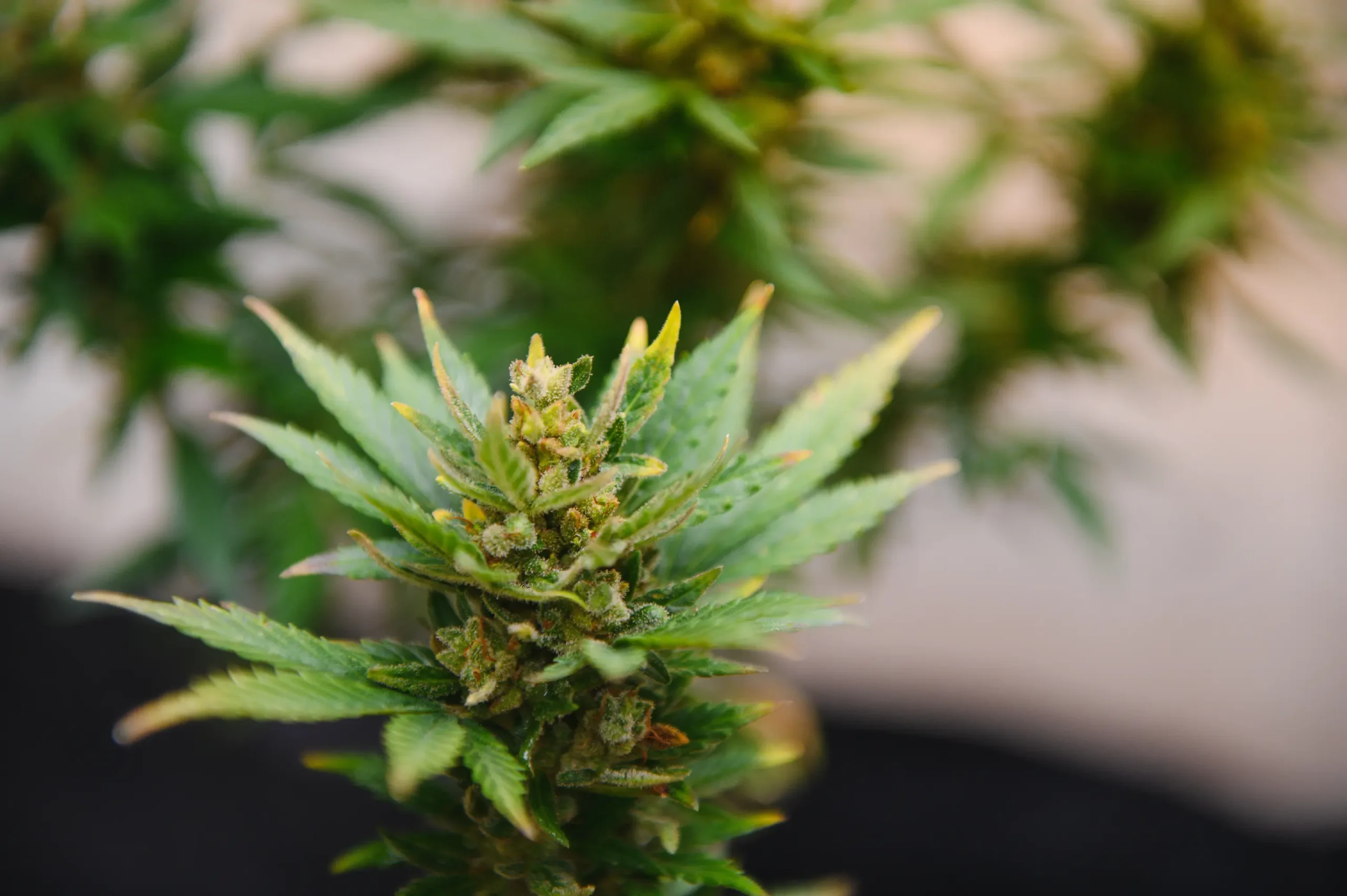
Cannabis canopy in the final ripening window audited for terpene retention, leaf senescence, and volatile preservation.
The Flavor and Terpene Optimization Matrix: Week-by-Week Flowering Ratios
Commercial facilities maximize terpene expression by calibrating elemental nutrient ratios across weekly flowering stages:
- Weeks 1 to 3 Flower (Stretch & Floral Induction): Focus on vegetative transition and node formation. Maintain balanced nitrogen (120 to 140 PPM N) and moderate potassium (160 to 180 PPM K) with feed EC at 2.0 – 2.2 dS/m. Ensure adequate sulfur (50 PPM S) and magnesium (55 PPM Mg) to establish healthy chloroplasts.
- Weeks 4 to 6 Flower (Floral Bulking & Bract Swelling): Peak secondary metabolite initiation. Elevate potassium (220 to 250 PPM K) while ramping sulfur to peak concentration (70 to 85 PPM S). Reduce nitrogen slightly to 100 PPM. Maintain magnesium at 60 PPM to serve as the catalytic cofactor for terpene synthases.
- Weeks 7 to 8 Flower (Ripening & Terpene Density): Active secondary metabolite accumulation. Drop nitrogen significantly to 50 to 60 PPM N. Maintain potassium at 180 PPM and sulfur at 65 PPM. Lower day room temperature to 22 °C – 24 °C to prevent monoterpene evaporation.
- Final 7 to 10 Days (The Smoothness Taper): The gentle EC taper. Reduce input feed EC to 0.8 to 1.1 dS/m. Supply minimal calcium and sulfate while completely eliminating nitrate. Allow the canopy to metabolize internal chlorophyll reserves naturally without cellular shock.
| Flowering Stage (Weeks) | Input EC Target | Target N-P-K-S Ratios (PPM) | Target Day/Night Room Temp | Primary Terpene & Flavor Objective |
|---|---|---|---|---|
| Weeks 1 – 3 (Stretch) | 2.0 – 2.2 dS/m | 130 N – 55 P – 170 K – 50 S | 26 °C Day / 20 °C Night | Vascular development; expand floral node count |
| Weeks 4 – 6 (Bulking) | 2.2 – 2.5 dS/m | 100 N – 60 P – 240 K – 80 S | 25 °C Day / 19 °C Night | Peak terpene synthase catalysis; maximize VSC sulfur pools |
| Weeks 7 – 8 (Ripening) | 1.6 – 1.8 dS/m | 60 N – 45 P – 180 K – 65 S | 22 °C Day / 18 °C Night | Preserve volatile monoterpenes; initiate chlorophyll breakdown |
| Final 7-10 Days (Taper) | 0.8 – 1.1 dS/m | 25 N – 25 P – 100 K – 40 S | 21 °C Day / 17 °C Night | Smoothness optimization; pristine white ash combustion |
Environmental Preservation: Preventing Monoterpene Volatilization Under High PPFD
No discussion of cannabis flavor can be complete without addressing the thermodynamic vulnerability of volatile terpenes. Cultivators can provide the most chemically pristine fertilizer formulation in the world, but if environmental temperatures are unmanaged during late flowering, the most aromatic terpenes will literally evaporate off the plant before harvest. Monoterpenes possess exceptionally low boiling points and high vapor pressures. Beta-myrcene begins volatilizing at ambient temperatures as low as 25 °C (77 °F); d-limonene and beta-caryophyllene vaporize rapidly above 28 °C.
Under modern high-intensity LED lighting grids delivering 1,000 to 1,200 μmol/m2/s PPFD, foliar radiant heat can drive leaf surface temperatures past 30 °C if ambient room air is kept at standard 26 °C. In late flowering (weeks 7 to 9), commercial facilities must intentionally drop ambient room temperatures to 21 °C to 23 °C (70 °F to 73 °F) during the photoperiod and 16 °C to 18 °C (61 °F to 64 °F) during the dark cycle. This crisp thermal environment locks volatile aromatic terpenes securely inside intact glandular resin heads, ensuring that the intense tropical, citrus, and gas aromas created by precision mineral nutrition are fully preserved for the final cured product.
Cannabis Flavor and Terpene Master Checklist
Audit these critical nutritional and environmental parameters to maximize finished aroma and flavor:
- Elemental sulfur is maintained at 65 to 80 PPM during weeks 4 to 7 to fuel volatile sulfur compounds (VSCs).
- Divalent magnesium is maintained at 55 to 65 PPM to ensure active cofactor binding in terpene synthases.
- Potassium-to-nitrogen ratio is transitioned from 1.3:1 in stretch up to 3.5:1 during late floral bulking.
- Nitrogen is aggressively tapered down to 50 to 60 PPM starting 3 weeks prior to harvest to eliminate harshness.
- Carbohydrate additives and molasses are strictly excluded from inert hydroponic reservoirs to prevent root anoxia.
- Pre-harvest starvation (14-day zero-EC flush) is replaced by a gentle 10-day nutrient taper to 0.9 dS/m EC.
- Canopy ambient temperature is reduced to 21 °C – 23 °C in late flower to prevent monoterpene volatilization.
- Vapor pressure deficit (VPD) is maintained between 1.2 and 1.4 kPa to sustain nutrient mass flow without stress.
- Harvested plants are dried slowly over 12 to 16 days at 16 °C (60 °F) and 60% RH to degrade residual chlorophyll.
- Curing jars or containers are burped or sealed at 58% to 62% RH to stabilize delicate volatile aromatic profiles.
Scientific References
- Oswald, I. W., Ojeda, M. A., Pobanz, R. J., Koby, K. A., Buchanan, A. J., Del Rosso, J., … & Martin, T. J. (2021). Identification of a new family of prenylated volatile sulfur compounds in cannabis emissions. ACS Omega, 6(47), 31667-31676.
- Booth, J. K., & Bohlmann, J. (2019). Terpenes in Cannabis sativa: From plant genome to humans. Plant Science, 284, 67-72.
- Zheng, Y. (2021). Handbook of Cannabis Production in Controlled Environments. CRC Press, Boca Raton, FL.
- Marschner, H. (2012). Marschner’s Mineral Nutrition of Higher Plants (3rd ed.). Academic Press, London.
- Bernstein, N., Gorelick, J., Zerahia, R., & Koch, S. (2019). Impact of environmental conditions on secondary metabolite production in Cannabis sativa L. Industrial Crops and Products, 139, 111467.
- Dudareva, N., Klempien, A., Muhlemann, J. K., & Kaplan, I. (2013). Biosynthesis, function and metabolic engineering of plant volatile organic compounds. New Phytologist, 198(1), 16-32.
- Taiz, L., Zeiger, E., Møller, I. M., & Murphy, A. (2015). Plant Physiology and Development (6th ed.). Sinauer Associates, Sunderland, MA.
- Stemeroff, J. (2017). Irrigation management and fertilizer flush in Cannabis sativa L. Master’s Thesis, University of Guelph, Ontario, Canada.
Share this article
A quick overview of the topics covered in this article.