Dehumidifier and Air-Conditioner Water for Plants
In commercial controlled environment agriculture and indoor craft cannabis cultivation, water management represents both a major operational expense and an environmental sustainability challenge. During the peak vegetative and heavy flowering stages, a dense indoor canopy transpires up to 95 percent of all irrigation water applied to the substrate directly into the grow room atmosphere. High-capacity commercial dehumidifiers and multi-split air handling systems extract dozens, or even hundreds, of gallons of this condensed water vapor from the air every single day to maintain proper relative humidity and vapor pressure deficit (VPD) targets.
To many cultivators, watching barrels of clean-looking, clear water drain into waste plumbing feels profoundly wasteful. Furthermore, when testing this air-handling condensate with a digital electrical conductivity (EC) or total dissolved solids (TDS) meter, the water registers remarkably low readings, often between 10 and 30 microSiemens per centimeter (μS/cm), or roughly 5 to 15 parts per million (PPM). Because these numbers closely mirror expensive multi-stage reverse osmosis (RO) permeate, growers frequently ask whether dehumidifier and air-conditioner condensate can be recycled directly back into crop irrigation reservoirs.
The short answer is nuanced: while pure condensed atmospheric water is fundamentally distilled water, the physical surfaces across which it condenses transform it into a potentially hazardous chemical and biological cocktail. Untreated HVAC condensate frequently contains toxic heavy metal ions leached from copper coils and leaded solder, along with airborne fungal spores, toxic molds, and aggressive bacterial biofilms that breed in warm drain pans. In this comprehensive technical guide, we analyze the exact physical chemistry of air-handling condensate, examine the severe risks to cannabis root health and human safety, and detail the industrial-grade remediation protocols required to recycle condensate safely.
Chemical Reality: Pure Atmospheric Vapor vs. Contaminated Metal Condensation
The water vapor evaporating from cannabis leaves through foliar stomata is chemically pure distilled water. However, the refrigeration process used to condense that vapor relies on chilling metallic heat exchanger coils below the atmospheric dew point. As moist grow room air is forced across these chilled fins by high-velocity blowers, airborne dust, pesticide residues, aerosolized foliar nutrients, and mold spores are scrubbed from the air and washed into the condensate pan. Concurrently, slightly acidic condensed water chemically reacts with copper tubing, aluminum fins, and galvanized steel pans, leaching soluble metallic ions directly into the collected runoff.
Before deciding to reuse air-conditioner or dehumidifier runoff, cultivators must evaluate the physiological sensitivity of the cannabis plant. Cannabis is an aggressive bioaccumulator; its roots actively extract trace elements and heavy metals from the substrate and translocate them into vegetative stems, fan leaves, and resinous floral trichomes. In legal adult-use and medical cannabis markets, regulatory agencies enforce strict laboratory action levels for heavy metals and microbiological impurities in finished flower. Utilizing contaminated condensate water can easily cause an entire commercial harvest to fail state compliance testing.
Furthermore, the water-holding medium dictates how plants react to condensate chemistry. While large living soil beds with rich organic matter and humic substances possess significant buffering capacity against trace mineral imbalances, recirculating hydroponic systems (such as deep water culture or nutrient film technique) provide zero buffering. In hydroponics, introducing biological pathogens or copper ions from raw HVAC runoff triggers catastrophic root disease within 48 to 72 hours. In the following sections, we will explore the precise chemical, biological, and technical parameters of condensate reuse.
The Chemistry of HVAC Condensate: Mineral Absence, pH Instability, and Metal Leaching
Analyzing the chemistry of air-conditioner and dehumidifier condensate reveals why this water behaves unpredictably in irrigation reservoirs. Unlike groundwater or municipal tap water, which contains natural dissolved mineral salts that impart chemical stability, raw HVAC condensate is completely unmineralized.
The most immediate chemical characteristic of condensate water is its complete lack of carbonate hardness (KH) and calcium/magnesium minerals (GH). Municipal water supplies typically carry dissolved calcium carbonate and magnesium bicarbonate, which act as a natural chemical buffer. This buffering capacity stabilizes pH, preventing rapid swings when concentrated fertilizers or acids are introduced. Condensate water, by contrast, has zero alkalinity.
Because condensate lacks carbonate buffering, it is exceptionally vulnerable to atmospheric gas dissolution. As soon as condensed water forms on cold evaporator coils and drips into the collection trough, it rapidly absorbs gaseous carbon dioxide (CO2) from the surrounding grow room air. In indoor gardens enriched with elevated carbon dioxide levels (1,200 to 1,500 PPM), this absorption occurs at an accelerated rate. The dissolved carbon dioxide reacts with water molecules to form carbonic acid (H2CO3):
H2O + CO2 ↔ H2CO3 ↔ H+ + HCO3-
Because there are no mineral bases to neutralize the liberated hydrogen ions, the pH of fresh dehumidifier and AC condensate plunges rapidly, typically measuring between 5.0 and 5.8. When left standing in open collection buckets, pH can drop below 4.8. This acidic pH directly accelerates the corrosion of internal heat exchanger components, transforming trace metals into bioavailable ionic forms.
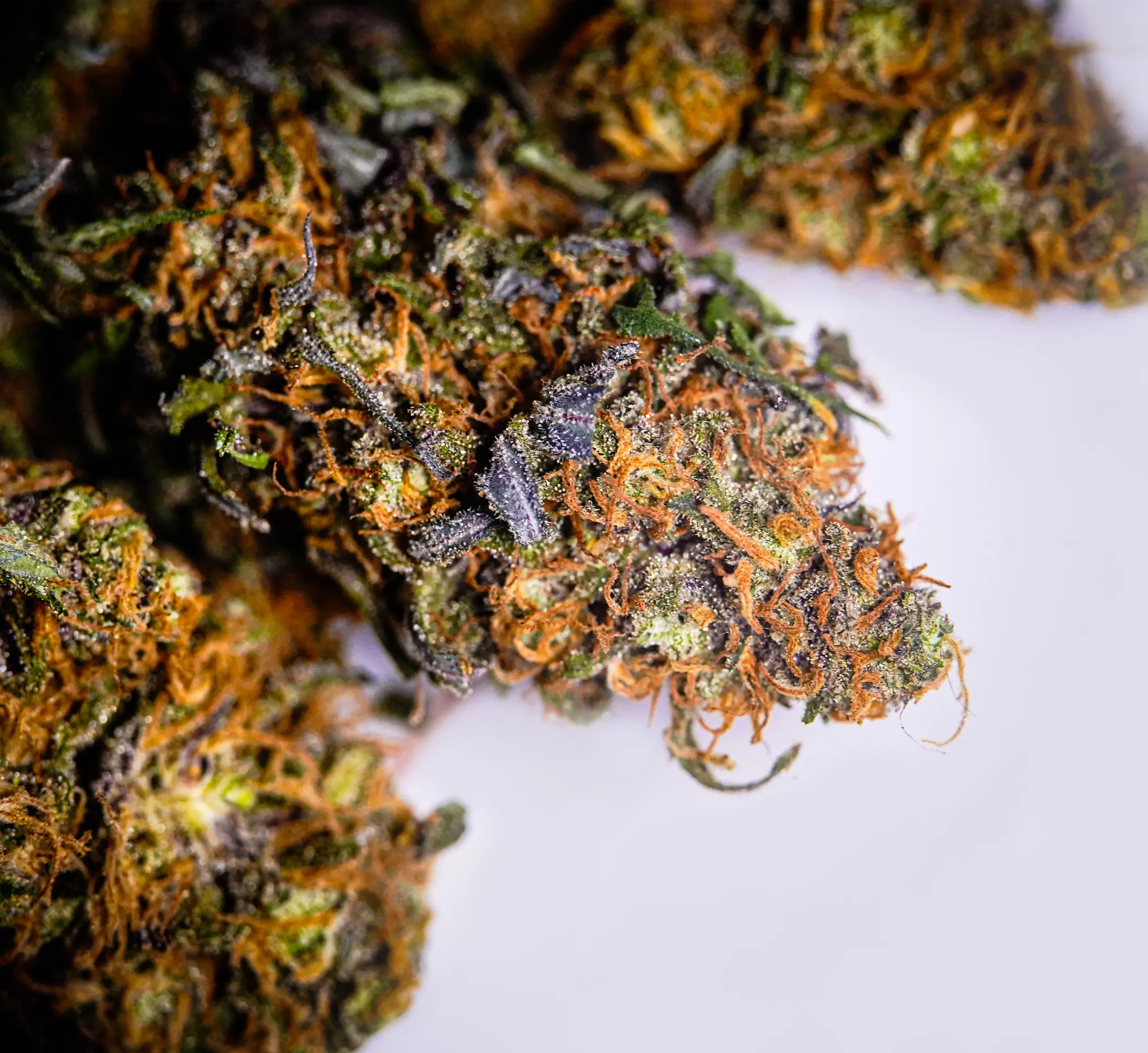
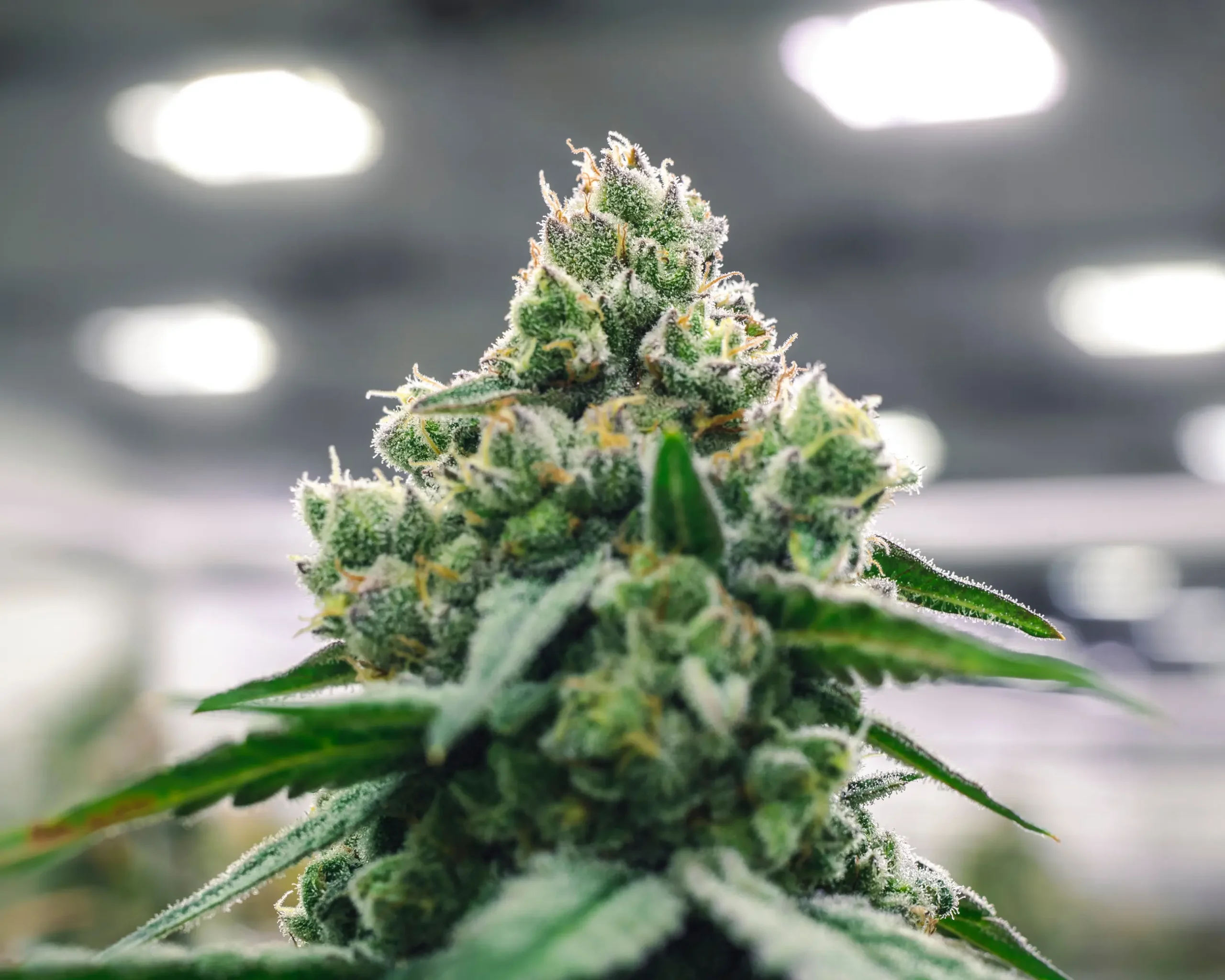
Figure 1: Maximum cannabinoid and terpene synthesis requires clean, heavy-metal-free water that preserves delicate rhizosphere biology.
The primary metallurgical hazard in HVAC condensate is copper toxicity. Almost all residential and commercial dehumidifiers and air conditioner evaporators are constructed with copper refrigerant tubing surrounded by thin aluminum cooling fins. As acidic water droplets condense onto these coils, copper ions (Cu2+) and aluminum ions (Al3+) slowly leach into the liquid stream.
While cannabis requires trace quantities of copper as an essential micronutrient for plastocyanin synthesis and electron transport during photosynthesis, the line between sufficiency and severe toxicity is razor-thin. Normal horticultural nutrient solutions maintain copper concentrations between 0.02 and 0.05 milligrams per liter (mg/L or PPM). When irrigation water contains copper concentrations exceeding 0.2 to 0.5 mg/L, copper accumulates rapidly in the root elongation zone. High copper levels displace iron and zinc, induce severe root stunting, destroy root hair membranes, and cause widespread interveinal chlorosis across young canopy leaves.
In older commercial air handling units or budget dehumidifiers, an even more dangerous contaminant is present: lead. Until relatively recently, copper pipe joints and coil header connections were assembled using tin-lead solder alloys. Acidic condensate water trickling over corroded solder seams leaches inorganic lead ions (Pb2+) directly into the drainage water. Because lead is a non-essential, highly toxic heavy metal with stringent zero-tolerance thresholds in commercial cannabis (often mandated below 0.2 to 0.5 PPM in dried flower), irrigating with lead-tainted condensate can render an entire commercial crop legally unmarketable and dangerous for medical consumption.
Biological Hazards: Microbial Biofilms, Fungal Inoculum, and Legionella
While chemical toxicity represents a severe chronic threat, biological contamination in HVAC condensate presents an acute, immediate danger to plant survival and facility biosecurity. The internal anatomy of an air conditioner or dehumidifier provides the perfect breeding ground for aggressive microorganisms.
Inside an operating dehumidifier, moist air is pulled across cooling coils, depositing liquid water into an internal catch pan. This drip pan operates in darkness at temperatures ranging between 18 and 25 degrees Celsius, bathed in continuous moisture. Over weeks of operation, airborne heterotrophic bacteria, algae, and protozoa colonize the wet surfaces, secreting extracellular polymeric substances (EPS) that form thick, gelatinous biofilms. These slimy biofilms coat the drain pan, line the condensate discharge tubing, and shed continuous bacterial plumes into the collected water.
Biological Threat: The Air-Scrubbing Effect and Pathogen Accumulation
An operating dehumidifier acts as a giant wet air scrubber. The fan pulls hundreds of cubic feet of grow room air through the damp cooling fins every minute. Any microscopic particle suspended in the air stream collides with wet coil surfaces and is washed into the drainage pan. If a grow tent contains even a minor sub-clinical presence of powdery mildew (Golovinomyces cichoracearum), gray mold (Botrytis cinerea), or root rot (Pythium ultimum), billions of airborne fungal spores and oomycete cysts are continuously deposited into the condensate water. Recycling this raw water back into the root zone creates an artificial inoculation loop, spreading virulent root rot pathogens directly to every plant in the garden.
In addition to agricultural plant pathogens, air handling systems harbor human health hazards. Warm, stagnant condensate pans are notorious environments for Legionella pneumophila, the bacterium responsible for Legionnaires’ disease. While Legionella does not infect plant roots, handling aerosolized, contaminated condensate water or running it through high-pressure aeroponic misters creates severe bioaerosol inhalation risks for garden workers and home cultivators.
Furthermore, internal drip pans often accumulate airborne mineral dust, carbon filter particulates, and dead insect matter (such as fungus gnats and thrips attracted to the damp interior). As this organic sludge decomposes anaerobically within the drain pan, it produces volatile organic acids and sulfur compounds that foul water quality, deplete dissolved oxygen, and introduce anaerobic bacteria directly into crop fertigation lines.
Can I collect the drainage water from my commercial grow room dehumidifier and use it to mix my hydroponic nutrient reservoir?
Question sent by: Julian Mercer, via email.
You should never pour raw, untreated dehumidifier or air conditioner condensate directly into a hydroponic nutrient reservoir. Although the water registers very low electrical conductivity (often 10 to 30 uS/cm), it is not equivalent to clean reverse osmosis water. Raw condensate frequently contains phytotoxic concentrations of copper and aluminum leached from the evaporator coils, along with high concentrations of bacterial biofilms, Pythium root rot spores, and Botrytis spores scrubbed from the grow room air.
In a sensitive hydroponic system like deep water culture (DWC) or rockwool drip, these biological pathogens and dissolved metal ions will attack bare root membranes, triggering severe root rot and iron lockout within days. If you wish to reclaim HVAC condensate water in a commercial facility, you must route the runoff through an engineered four-stage treatment sequence: sediment filtration, catalytic carbon block absorption (for heavy metal reduction), germicidal ultraviolet (UV-C) sterilization, and sub-micron or reverse osmosis polishing.
Cultivators who attempt to reuse condensate without sanitization frequently observe sudden root discoloration, foul reservoir odors, and unexplained pH crashes. The microscopic bacterial slime present in raw condensate colonizes pump impellers, coats drip irrigation emitters, and consumes dissolved oxygen in the nutrient solution, creating localized anaerobic zones that suffocate root hairs.
Moreover, chemical treatments like chlorine bleach or hydrogen peroxide added to un-remediated condensate offer only temporary suppression. While oxidizing agents kill free-floating planktonic bacteria, they do not eliminate dissolved heavy metal ions, and the rapid decomposition of killed organic biomass creates secondary nutrient spikes that feed reinfection.
Substrate Vulnerability: How Growing Media Respond to Condensate Water
The operational danger of using untreated HVAC condensate varies dramatically depending on the specific growing medium, irrigation method, and root-zone biology utilized in the garden.
Deep Water Culture (DWC) and Recirculating Hydroponics: Extreme Hazard. Recirculating hydroponic systems represent the most vulnerable growing environment. In DWC, aeroponics, and NFT, bare plant roots are suspended directly in liquid nutrient solution without any protective physical buffer. Introducing raw condensate introduces Pythium zoospores and copper ions directly to naked root epidermal cells. The lack of organic matter means copper ions remain 100 percent free and bioavailable, causing immediate root tip burning, while bacterial biofilms colonize air stones and strip dissolved oxygen from the water.
From a cellular physiology perspective, free copper ions (Cu2+) present in un-remediated condensate compete directly with iron (Fe2+ and Fe3+) for uptake across plasma membrane iron-regulated transporters (IRT1) in root epidermal cells. When copper concentrations in the root zone rise above 0.2 milligrams per liter, copper outcompetes iron, preventing essential iron atoms from integrating into chlorophyll synthesis enzymes and cytochrome electron transport complexes. As a direct consequence, the cannabis plant exhibits rapid interveinal chlorosis across young leaves, severe photosynthetic deceleration, and widespread root cortex necrosis even when abundant chelated iron fertilizers are present in the reservoir.
Rockwool and Peat-Based Soilless Media: High Hazard. Inert soilless media like stone wool and peat-perlite mixes possess very low cation exchange capacity (CEC) and minimal biological buffering. Condensate water applied to rockwool slabs drains slowly through fine capillary fibers, allowing heavy metals to concentrate around root zones over successive dry-back cycles. Furthermore, because condensate lacks calcium and magnesium, soilless mixes experience rapid pH drift unless substantial supplemental Cal-Mag is provided.
Coco Coir Substrates: High Buffering, Cation Imbalance Risk. Coco coir possesses a high cation exchange capacity naturally saturated with potassium and sodium. Under normal cultivation, growers supply abundant calcium and magnesium to displace these cations and satisfy the coir complex. Pure condensate water contains zero calcium and zero magnesium. Irrigating unamended condensate through coco coir rapidly strips calcium from the root zone, causing severe calcium deficiency (leaf tip necrosis, distorted new growth) while releasing displaced potassium that induces secondary nutrient lockouts.
Organic Living Soil in Large Raised Beds: Moderate Resistance, Long-Term Risk. Organic living soils featuring rich humic and fulvic acids, biochar, and active microbial food webs provide substantial protection against raw condensate hazards. Humic substances act as natural chelating agents that bind free copper and heavy metal ions, sequestering them away from plant roots. Soil microbes can digest moderate bacterial loads without succumbing to disease. However, chronic application of untreated condensate over multiple continuous cycles leads to heavy metal accumulation in the soil matrix, eventually surpassing the binding capacity of the humic complex and sterilizing beneficial mycorrhizal fungi.
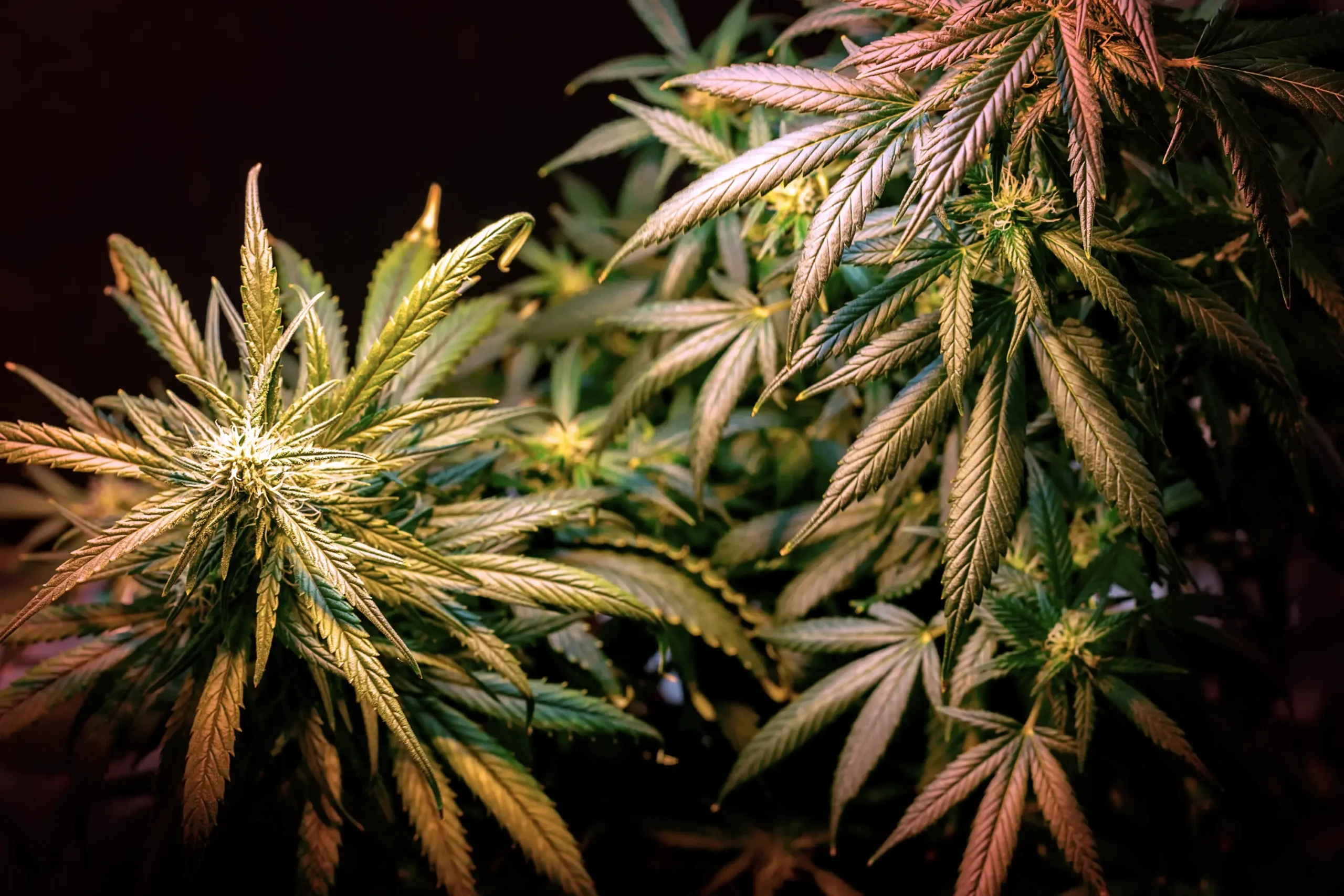
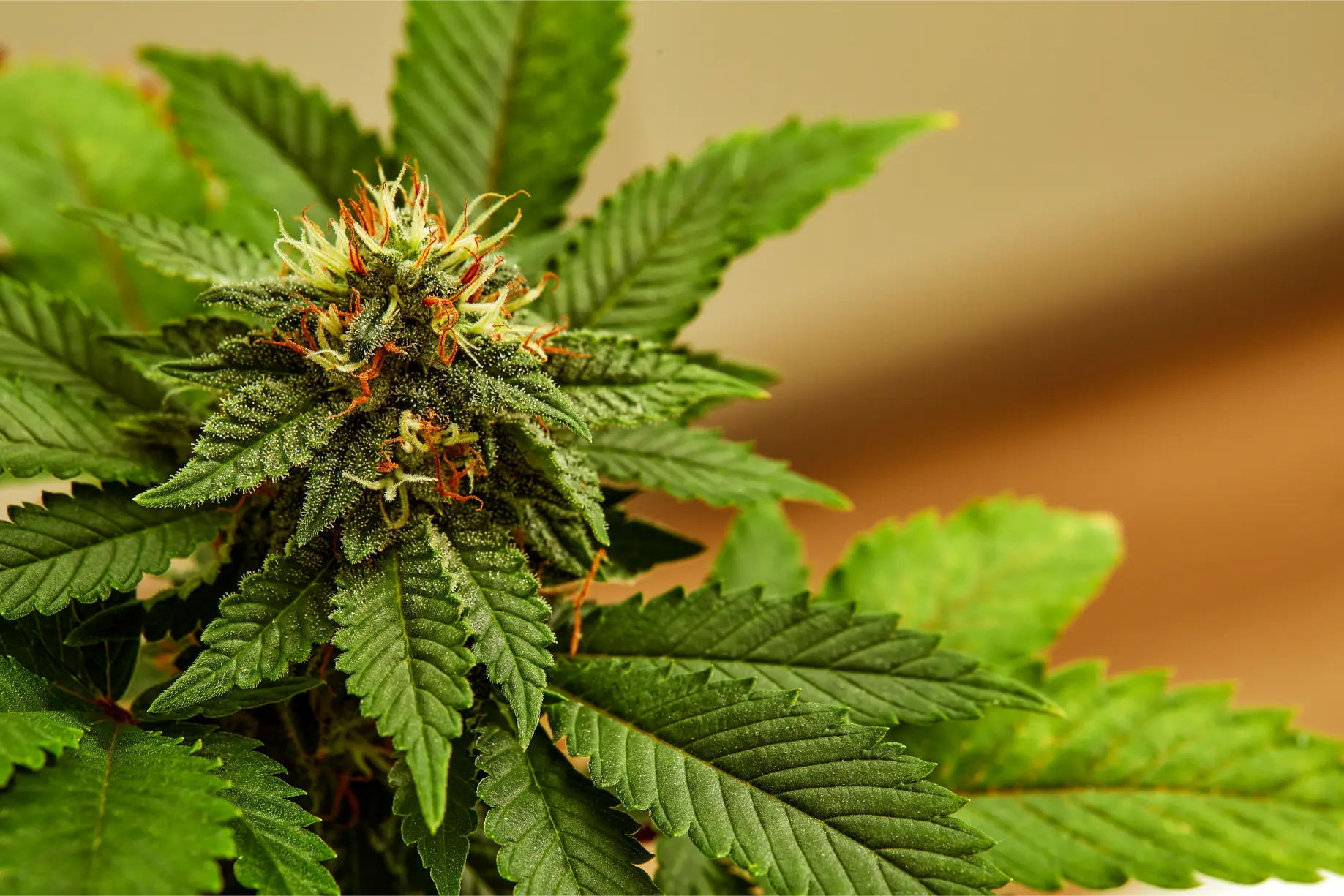
Figure 2: Sustaining peak vegetative growth requires consistent root-zone cation balance and strict exclusion of heavy metal contaminants.
Water Source Comparison: Condensate vs. Tap Water vs. Reverse Osmosis
Evaluating water quality in commercial controlled environment agriculture requires understanding how source-water mineral composition interacts with fertilizer chemistry, root-zone osmotic pressure, and plant physiological uptake. A pristine source water should serve as a clean, blank slate that allows the master grower to dictate the exact ratio of ionic nutrients delivered to the root hairs without competing background salts or destructive biological pathogens.
While municipal tap water supplies carry substantial background minerals like calcium carbonate, sodium chloride, and disinfectant chemical residuals (chlorine and chloramine), raw HVAC condensate provides near-zero background electrical conductivity. However, that lack of mineral content comes with the severe hidden liability of heavy metal toxicity and high microbial loads. To evaluate whether investing in an industrial condensate reclamation system makes economic and operational sense, cultivators must systematically compare HVAC runoff against alternative water sources across key physical, chemical, and economic parameters.
| Water Source | Typical EC (μS/cm) | Heavy Metal Risk | Biological Pathogen Load | Buffering Capacity (Alkalinity) | Treatment Required for Safe Use | Relative Cost per 1,000 Gallons |
|---|---|---|---|---|---|---|
| Raw HVAC Condensate | 10 – 40 (Very Low) | High to Severe (Cu, Al, Pb) | Severe (Biofilms, Pythium, Molds) | Zero (Rapid acid crash) | Multi-stage: Carbon, UV, RO | $0.50 (Electricity recovery) |
| Municipal Tap Water | 200 – 800 (Moderate to High) | Low (Regulated municipal limits) | Very Low (Chlorine/chloramine treated) | Moderate to High (Calcium carbonate) | Dechlorination / RO filtration | $4.00 – $12.00 |
| Reverse Osmosis (RO) Water | 5 – 25 (Extremely Low) | Undetectable (Membrane rejects >98%) | Undetectable (Sterile permeate) | Zero (Requires Cal-Mag re-mineralization) | Cal-Mag re-mineralization | $8.00 – $18.00 (Includes wastewater) |
| Natural Rainwater | 15 – 60 (Low) | Low (Atmospheric particulates) | Moderate (Bird droppings, pollen) | Very Low | Sediment filtration & UV sterilization | $1.00 – $3.00 (Storage maintenance) |
| Remediated HVAC Condensate | 5 – 20 (Extremely Low) | Undetectable (Carbon/RO stripped) | Zero (UV-C inactivated) | Zero (Requires Cal-Mag re-mineralization) | Cal-Mag re-mineralization | $3.00 – $6.00 (Amortized system cost) |
The comparative data illustrates the fundamental paradox of HVAC condensate: while it offers the low electrical conductivity of commercial reverse osmosis permeate, it carries the biological pathogen profile of stagnant pond water and the heavy metal profile of industrial drainage. In its raw, unconditioned state, the economic savings of free water are vastly outweighed by the catastrophic risk of crop failure or heavy metal compliance rejection.
However, when properly engineered reclamation systems are installed, condensate represents an exceptional renewable water source. In dry, arid cultivation regions where municipal water is scarce, heavily chloraminated, or restricted by utility surcharges, recycling condensate can slash facility water intake by 60 to 80 percent while eliminating discharge sewer fees.
The Industrial Reclamation Protocol: The 4-Stage Remediation System
For commercial facilities and serious craft cultivators producing substantial daily condensate volumes, implementing an engineered water treatment train transforms hazardous runoff into pristine, medical-grade irrigation water. The industry-standard 4-stage reclamation sequence operates as follows:
Stage 1: Mechanical Sediment Filtration (5-Micron Melt-Blown Polypropylene). Raw condensate pumped from dehumidifier sumps first passes through a heavy-duty particulate sediment filter. This cartridge captures gross physical contaminants, including airborne dust, carbon filter granules, insect fragments, and detached biofilm clumps, preventing downstream components from fouling prematurely.
Stage 2: Catalytic Activated Carbon Block Filtration. Water flows directly into high-grade catalytic acid-washed carbon block filters. Unlike standard granular carbon, dense extruded carbon blocks utilize specialized surface chemistry to physically adsorb dissolved organic matter, volatile organic compounds (VOCs), and trace pesticide residues scrubbed from the air. Crucially, catalytic carbon beds extract soluble heavy metal ions, chemically reducing free copper, zinc, and lead concentrations by up to 90 percent.
Stage 3: Germicidal Ultraviolet (UV-C) Sterilization Chamber. Following carbon filtration, the clear water enters an industrial stainless steel UV-C disinfection reactor. The water passes around a high-output quartz sleeve emitting ultraviolet light at a germicidal wavelength of precisely 253.7 nanometers. A properly sized commercial UV reactor delivers a minimum ultraviolet dose of 40,000 microwatt-seconds per square centimeter (μW·s/cm² or 40 mJ/cm²). This intense radiation penetrates microbial cell walls, instantly cross-linking thymine bases in cellular DNA and RNA. Bacteria, Legionella, Pythium zoospores, and fungal spores are permanently sterilized and rendered non-viable.
Engineering Requirement: Flow Rate Verification for UV-C Lethal Dosage
A UV-C sterilizer is only effective if water velocity allows sufficient contact dwell time. If a high-volume transfer pump pushes 20 gallons per minute through a UV chamber rated for only 5 gallons per minute, the delivered radiation dose drops by 75 percent. Microorganisms survive the brief radiation flash, allowing living fungal spores to enter clean storage reservoirs. Always install an inline flow restrictor or variable-speed delivery pump calibrated to guarantee the manufacturer-specified lethal contact duration.
Stage 4: Reverse Osmosis Polishing Membrane or Sub-Micron Ultrafiltration. The final purification stage routes the sanitized, carbon-filtered water through a low-energy commercial reverse osmosis membrane or a 0.02-micron hollow-fiber ultrafiltration module. This stage removes any residual heavy metal ions, fine colloidal minerals, and pyrogens, delivering 100 percent sterile, ultra-pure water with an EC below 10 μS/cm. The polished water discharges into an opaque, food-grade polyethylene storage reservoir fitted with an airtight lid and sub-micron air breather filter.
Stage 5: Re-Mineralization and Cal-Mag Buffering. Purified condensate water must never be applied to plants without re-mineralization. Because the water contains zero dissolved minerals, it is chemically aggressive and will strip cations from plant root tissues through osmotic pull. Always add a balanced horticultural Calcium/Magnesium supplement to bring baseline water EC to 0.3 to 0.4 mS/cm (roughly 150 to 200 PPM on the 500 scale) before adding base macro- and micronutrient fertilizers.
Laboratory Testing and Quality Assurance Protocol
Before connecting an HVAC condensate reclamation system to automated irrigation lines, commercial operators must conduct rigorous laboratory analytical testing to verify purification efficacy. Follow this diagnostic quality assurance sequence:
- Inductively Coupled Plasma Mass Spectrometry (ICP-MS) Metal Screen: Collect a sterile 250 mL sample of remediated water and submit it to an accredited agricultural or environmental laboratory. Test specifically for heavy metals: Copper (target <0.03 mg/L), Lead (target <0.005 mg/L), Aluminum (target <0.05 mg/L), Zinc (target <0.05 mg/L), and Nickel (target <0.01 mg/L).
- Total Aerobic Microbial Count and Pathogen Assay: Submit water samples for microbiological plating. Total Aerobic Bacteria must be below 10 Colony Forming Units per milliliter (CFU/mL); Total Yeast and Mold must be undetectable (0 CFU/mL); Pythium and Phytophthora assays must register negative.
- In-Line pH and Dissolved Oxygen Monitoring: Install continuous digital telemetry probes in the bulk storage reservoir. Ensure storage water is aerated with submerged ceramic micro-diffusers to maintain dissolved oxygen levels above 7.0 mg/L, preventing anaerobic stagnation.
Executing this laboratory testing sequence provides empirical verification that reclaimed atmospheric water meets commercial food-safety and pharmaceutical cultivation standards, protecting both crop health and end-consumer safety.
HVAC Condensate Reclamation Setup and Safety Checklist
Before commissioning an air conditioner or dehumidifier water reuse system, verify that every physical, electrical, and plumbing component satisfies this operational checklist.
- Zero Direct Line Bypasses: Ensure there are no physical bypass valves allowing raw condensate to flow directly into irrigation holding tanks without traversing the multi-stage filtration train.
- Drain Pan Sanitary Maintenance: Dehumidifier and air handler internal drain pans must be physically inspected, scrubbed with non-corrosive disinfectant (peracetic acid), and fitted with slow-dissolving quaternary ammonium condensate pan tablets to inhibit biofilm growth.
- Piping Material Verification: All condensate transfer plumbing must consist of food-grade schedule 40/80 PVC, polypropylene, or braided reinforced polyethylene tubing. Never use copper or brass piping downstream of condensate collection.
- UV-C Intensity Metering: Confirm that the UV sterilization chamber is equipped with an active digital UV intensity sensor or runtime hour meter to guarantee bulb replacement before emission degrades past 80 percent intensity (typically every 9,000 operating hours).
- Automated Dump-to-Drain Fail-Safe: Install an automated three-way solenoid valve triggered by an in-line EC/turbidity sensor. If filtration media foul or line turbidity spikes, the fail-safe diverts contaminated runoff directly to municipal sewer rather than polluting the clean storage reservoir.
Adhering to this rigorous checklist prevents catastrophic system contamination, preserves expensive purification membranes, and guarantees that every drop of reclaimed water supports vigorous plant growth.
Preventative Maintenance and Sanitation Schedule
Maintaining long-term biosecurity and equipment reliability requires executing this preventative maintenance schedule on all HVAC drainage and water treatment equipment.
| Service Interval | Target Component | Maintenance Action | Acceptable Operational Benchmark |
|---|---|---|---|
| Weekly | 5-Micron Sediment Filter | Check differential pressure gauge across filter housing. | Pressure drop <10 PSI; replace cartridge when drop exceeds 15 PSI. |
| Monthly | HVAC Internal Drain Pans | Inspect drain troughs for biofilm slime, stagnant sludge, or mineral buildup; flush with 3% H2O2. | Zero visible biofilm; unobstructed drainage flow through discharge ports. |
| Quarterly | Catalytic Carbon Block | Test effluent water for trace copper and chlorine breakthrough; replace carbon cartridge. | Effluent copper <0.02 mg/L; carbon block replaced every 90 days. |
| Bi-Annually | UV-C Quartz Sleeve | Isolate reactor, remove quartz sleeve, and clean mineral scale using mild citric acid solution. | Crystal-clear sleeve transmission; zero optical clouding or mineral fouling. |
| Annually (or 9,000 Hrs) | UV-C Germicidal Lamp | Replace UV-C lamp with OEM germicidal replacement; replace all silicone sealing O-rings. | Maintains certified >40 mJ/cm² germicidal irradiation dose at full flow. |
| Annually | Full Laboratory Assay | Submit treated water sample for complete agricultural ICP-MS metal and microbial lab panel. | All heavy metals undetectable; Total Aerobic Count <10 CFU/mL. |
Following this structured maintenance schedule guarantees that water recycling infrastructure operates safely and sustainably, turning transpirational crop humidity into clean, reliable irrigation water across years of commercial cultivation.
Scientific References and Technical Standards
- American Society of Heating, Refrigerating and Air-Conditioning Engineers (ASHRAE Standard 188-2021). Legionellosis: Risk Management for Building Water Systems. ASHRAE, Atlanta, GA.
- Bernstein, N., Gorelick, J., Zerahia, R., & Koch, S. (2019). Impact of environmental conditions and nutrient management on secondary metabolite production in medicinal cannabis. Industrial Crops and Products, 139, 111467.
- Bryson, G. M., Mills, H. A., Sasseville, D. N., Jones, J. B., & Barker, A. V. (2014). Plant Analysis Handbook III. Micro-Macro Publishing, Athens, GA.
- Licina, D., & Nazaroff, W. W. (2018). Air-handling system condensate: Characteristics, volumes, and potential for reuse. Energy and Buildings, 169, 122-131.
- Marschner, H. (2012). Marschner’s Mineral Nutrition of Higher Plants (3rd ed.). Academic Press, London, UK.
- United States Environmental Protection Agency (EPA 816-F-22-001). Drinking Water Standards and Advisory Tables. US EPA Office of Water, Washington, DC.
- World Health Organization (WHO/FWC/WSH/17.02). Guidelines for Drinking-Water Quality (4th ed.). World Health Organization, Geneva, Switzerland.
Share this article
A quick overview of the topics covered in this article.
Follow us
Latest articles

November 6, 2026
November 6, 2026
November 6, 2026

November 6, 2026