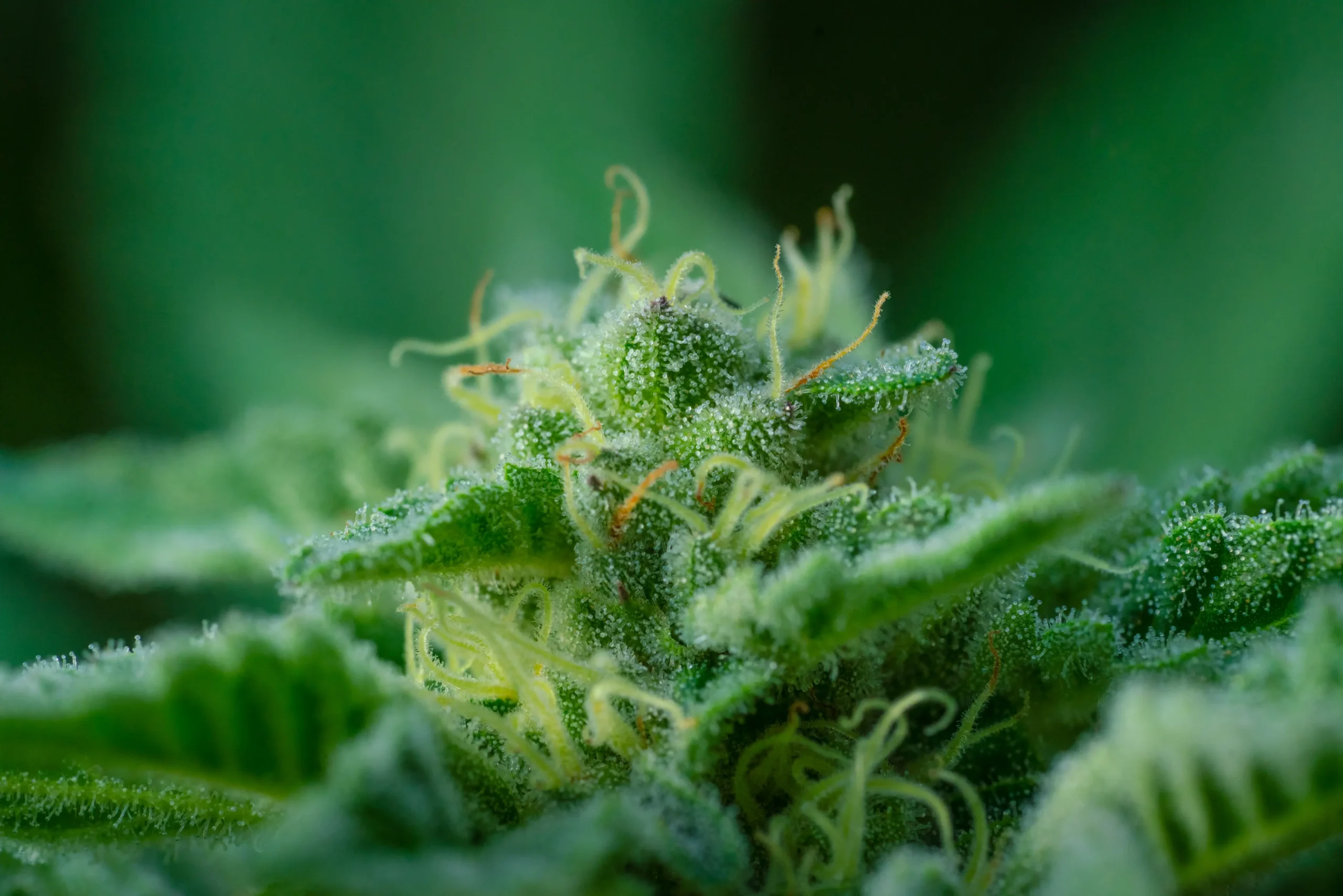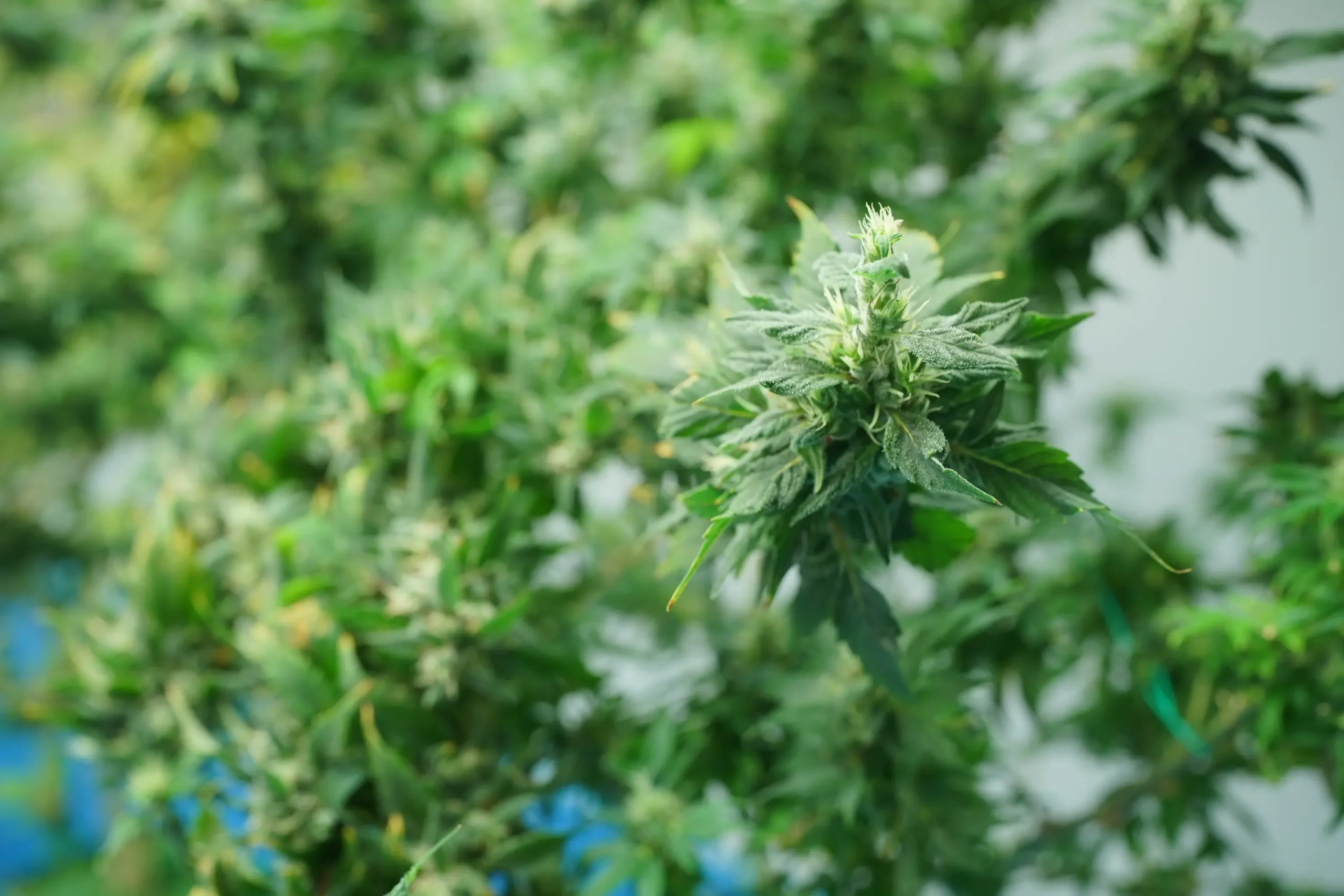
High EC and Osmotic Stress in Cannabis
In high-performance controlled environment agriculture and precision cannabis cultivation, managing electrical conductivity (EC) is the primary lever through which cultivators regulate mineral nutrition, metabolic rate, and final floral density. Cultivators frequently push nutrient concentrations to their upper biological limits, believing that higher electrical conductivity automatically translates into faster vegetative biomass accumulation and larger harvest yields. However, when root-zone electrical conductivity surpasses the physiological threshold of the crop, the plant enters a state of severe physiological dysfunction known as osmotic stress.
Osmotic stress, often colloquially referred to by growers as nutrient burn or fertilizer burn, is not simply a chemical poisoning of plant tissues. It is a profound biophysical crisis governed by the fundamental laws of plant water relations and thermodynamic water potential. When dissolved mineral salt concentrations in the substrate become excessively dense, the osmotic pressure of the soil solution rises higher than the internal osmotic pressure of the plant root cells. Under these extreme conditions, water movement reverses: instead of root cells easily absorbing moisture, the hypertonic soil solution actively resists water uptake, inducing a paradoxical condition known as physiological drought, where plant roots literally drown in liquid water while the canopy dies of thirst.
The visual symptoms of osmotic stress are among the most frequently misdiagnosed anomalies in indoor horticulture. Early-stage high EC manifests as deep blue-green foliar pigmentation and subtle tip curling, which novice cultivators often celebrate as signs of robust vigor. Within days, however, this deceptive vigor collapses into burnt necrotic leaf margins, downward clawing, severe transpirational shutdown, and widespread nutrient lockouts. In this comprehensive technical guide, we dissect the biophysics of osmotic potential, examine how environmental variables amplify salt stress, analyze common diagnostic look-alikes, and establish precise, non-destructive remediation protocols to restore crop health.
The Fundamental Equation of Plant Water Relations: Total Water Potential
Water movement into and through cannabis root systems is dictated by total water potential (Psi_w), measured in MegaPascals (MPa) or bars. Total water potential is the sum of three primary thermodynamic components: Psi_w = Psi_s + Psi_p + Psi_m, where Psi_s represents solute (osmotic) potential, Psi_p represents turgor pressure potential, and Psi_m represents matric potential. Water moves spontaneously strictly from regions of higher water potential (less negative) to regions of lower water potential (more negative). Pure water at atmospheric pressure has a water potential of exactly 0.0 MPa. Dissolving mineral fertilizer salts into water lowers solute potential into negative values. In an optimized root zone, soil solution Psi_w hovers around -0.05 to -0.15 MPa, allowing root cells (maintaining internal Psi_w of -0.5 to -1.0 MPa) to absorb water effortlessly. When substrate EC spikes past 4.0 or 6.0 mS/cm, external solute potential drops below -0.6 MPa, stalling water uptake and triggering stomatal closure.
Understanding this thermodynamic gradient reveals why high electrical conductivity behaves identically to severe drought. When external solute concentration becomes too high, the plant must expend immense cellular metabolic energy to synthesize internal organic osmoprotectants (such as proline, glycine betaine, and soluble sugars) in a desperate attempt to lower internal cell water potential below that of the surrounding soil. This process, known as osmotic adjustment, drains valuable photosynthetic carbohydrates away from vegetative growth, floral bud swelling, and cannabinoid synthesis, severely penalizing final crop yield long before visible leaf burn appears.
Furthermore, the physical impact of high EC is dictated heavily by atmospheric vapor pressure deficit (VPD) and lighting intensity. Under low-intensity lighting and humid conditions, a cannabis plant transpires slowly and can tolerate elevated root-zone EC with minimal distress. However, when placed beneath intense commercial LED arrays operating at 1,200 μmol/m²/s PPFD under dry, hot air, transpirational pull surges. Root hairs cannot supply water fast enough against the high osmotic barrier, causing immediate cellular collapse, wilting, and lethal tissue desiccation. In the following sections, we will explore the cellular mechanisms of salt stress, compare diagnostic extraction methods, and detail proven recovery sequences.
Cellular Mechanisms of Osmotic Stress: From Plasma Membrane to Leaf Tip
To recognize and treat osmotic stress before permanent tissue loss occurs, cultivators must trace the pathological cascade that unfolds inside plant cells as substrate salinity escalates.
The first physical barrier between the cannabis plant and the root-zone solution is the semipermeable plasma membrane of root epidermal cells and root hairs. Under normal, balanced fertigation (EC 1.5 to 2.2 mS/cm), the concentration of dissolved mineral ions inside root cortical cells is significantly higher than in the surrounding substrate. This concentration differential creates a favorable osmotic gradient: water molecules pass spontaneously through specialized cellular water channels known as aquaporins into the root symplast, driven by positive osmotic suction.
As the cultivator feeds excessively or allows containers to undergo extreme dry-backs, unabsorbed mineral ions (primarily nitrates, potassium, calcium, magnesium, sulfates, and sodium) accumulate in the dwindling pore water. As water evaporates and transpires, the remaining solution becomes hypertonic. The biological cascade of osmotic stress unfolds across three distinct developmental phases:
- Phase 1: Loss of Turgor and Stomatal Constriction. As external solute potential drops, root cells can no longer draw water freely. Root cell turgor pressure (Psi_p) collapses. Root tips immediately synthesize the stress phytohormone Abscisic Acid (ABA), which is rapidly translocated through the xylem stream upward into the canopy foliage. Upon reaching leaf guard cells, ABA triggers an immediate efflux of potassium and chloride ions, causing guard cells to lose turgor and close stomatal pores. Stomatal closure conserves moisture, but halts atmospheric carbon dioxide (CO2) assimilation, paralyzing the Calvin cycle and stalling photosynthesis.
- Phase 2: Reactive Oxygen Species (ROS) and Photo-Oxidative Damage. With stomata closed, high-intensity photons from grow lights continue to strike foliar chlorophyll molecules in photosystems I and II. Because the plant cannot use this captured light energy for carbon fixation, excess excitation energy is transferred to molecular oxygen, generating highly toxic Reactive Oxygen Species (ROS), including superoxide radicals (O2-), hydrogen peroxide (H2O2), and hydroxyl radicals (OH-). These free radicals attack cellular lipids, oxidize cell membranes, and destroy chlorophyll pigments.
- Phase 3: The Leaf Tip Burn Mechanism. Dissolved mineral salts that manage to enter the transpirational stream travel upward through xylem vessels, carried toward the outermost perimeter of the leaf blades. The terminal ends of leaf vascular bundles terminate in specialized microscopic pore structures called hydathodes, located along the serrated margins and extreme tips of cannabis leaves. Here, water evaporates, leaving concentrated mineral salts behind. As salt concentrations at the leaf tips surpass cellular tolerance, cells undergo plasmolysis (the plasma membrane shrinks away from the cell wall), leading to localized cellular necrosis that manifests as crispy, bleached, or brown burnt leaf tips.

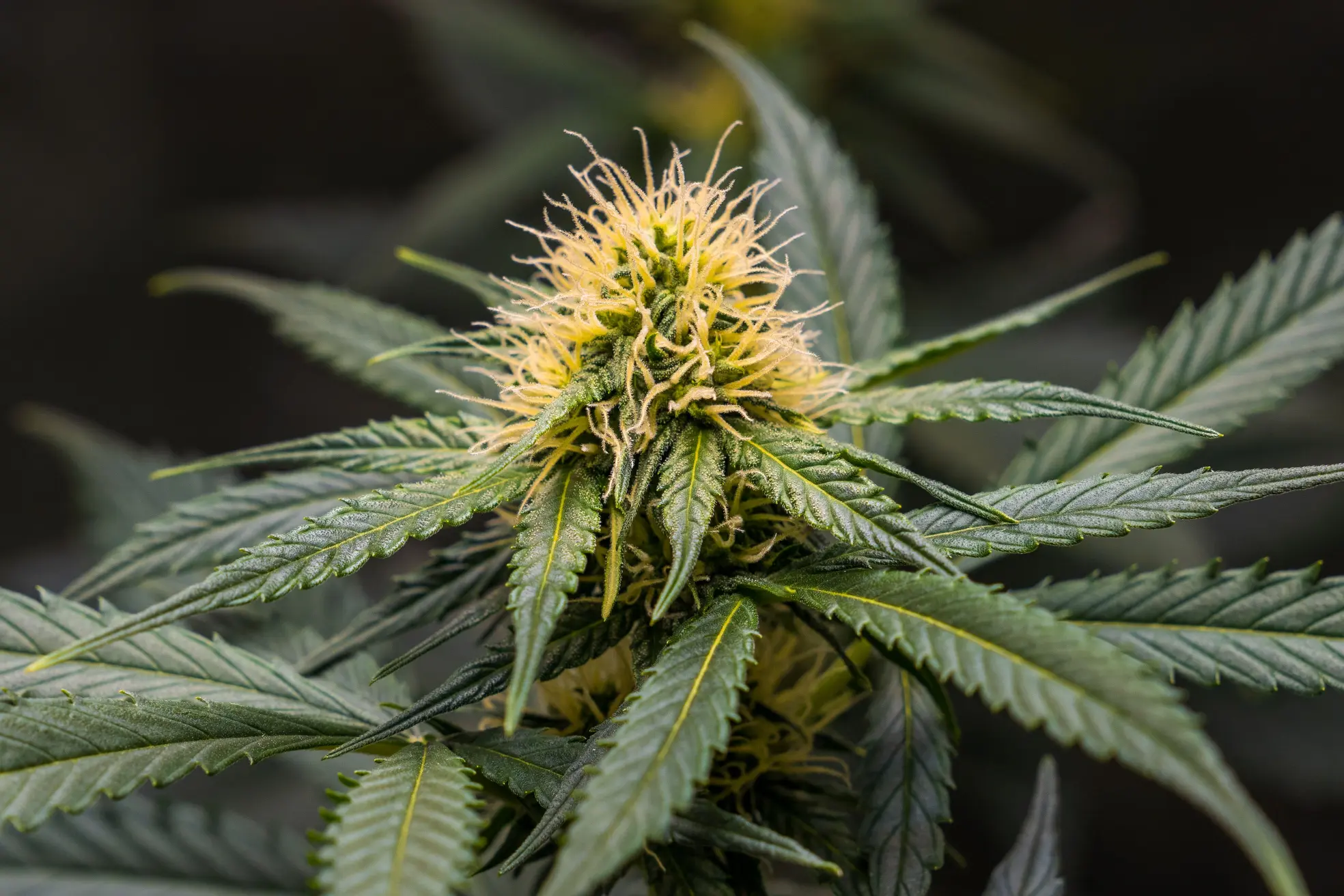
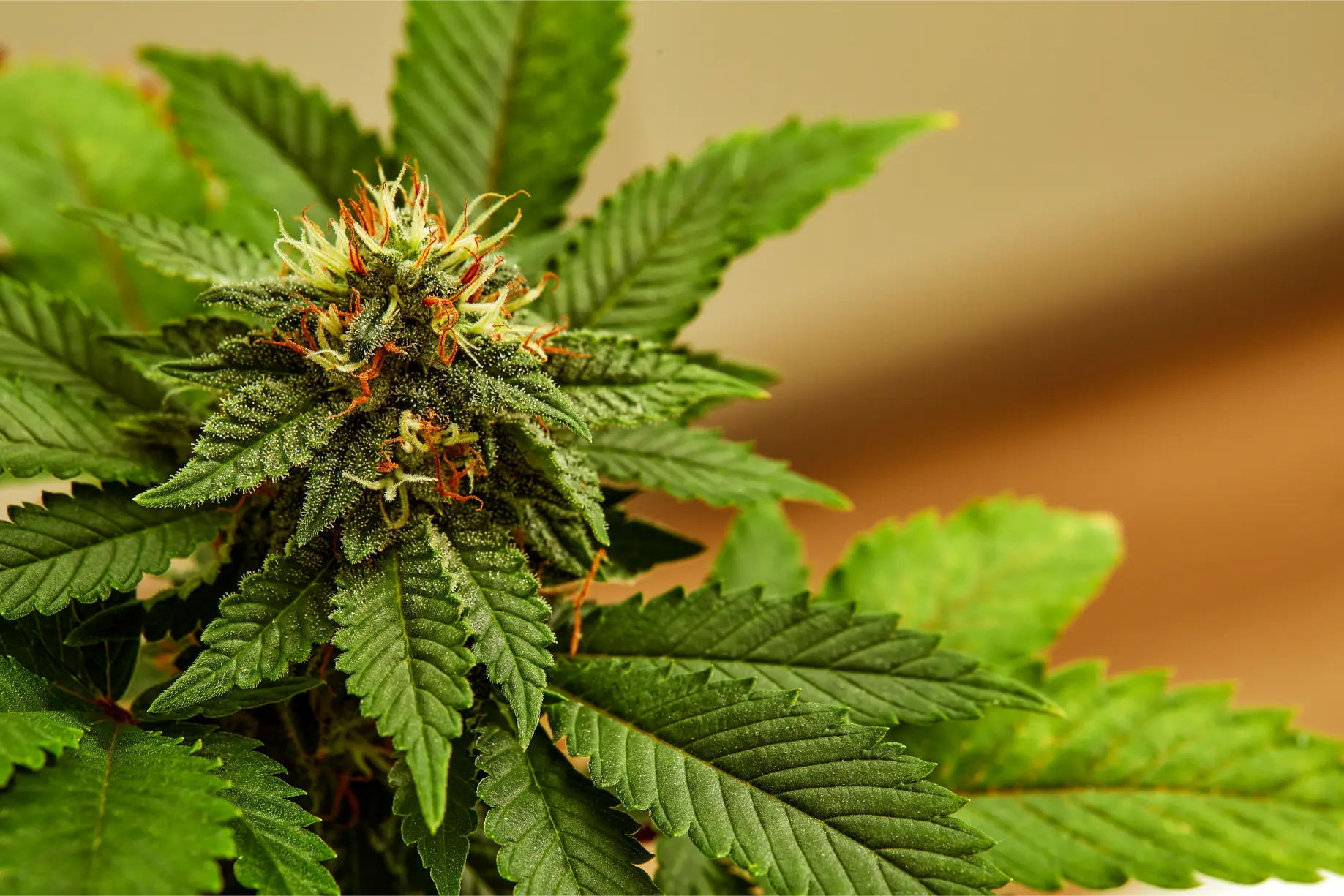
Figure 1: Maximizing glandular resin synthesis requires calibrating root-zone electrical conductivity precisely beneath the threshold of osmotic tissue stress.
Cultivators must distinguish between harmless minor tip bleaching and destructive osmotic necrosis. When cultivating under ultra-high PPFD (1,000+ μmol/m²/s) with elevated CO2 enrichment, commercial growers frequently steer crops right at the edge of sufficiency, producing a tiny 1-millimeter white or yellow tip on mature fan leaves. This micro-tip simply indicates that transpirational mineral deposition has reached maximum capacity without causing cellular death. However, when that tip turns dark brown, curls downward like a talon, and advances inward along the serrated leaf margins, the crop has crossed into acute osmotic damage.
Furthermore, severe osmotic stress induces secondary specific ion toxicities. When electrical conductivity is driven excessively high by over-application of potassium or phosphorus boosters, these dominant ions physically compete with and block the uptake of other critical nutrients. High potassium (K+) competitively blocks calcium (Ca2+) and magnesium (Mg2+) uptake across root transporters, causing acute calcium deficiency (spotty necrotic lesions on new growth) even while the substrate is completely saturated with fertilizer salts.
Variables That Alter Osmotic Tolerance: Genetics, VPD, Substrate, and Stage
The precise electrical conductivity threshold at which a cannabis crop enters osmotic stress is not a fixed, universal number. A nutrient concentration that thrives in one grow room can severely burn plants in another. Susceptibility to high EC depends on the dynamic interplay of five environmental and biological variables.
1. Vapor Pressure Deficit (VPD) and Transpiration Flux. Atmospheric vapor pressure deficit is the primary environmental engine dictating plant water consumption. Under a high VPD environment (hot, dry air, such as 30°C at 40 percent RH, corresponding to a VPD of 2.5 kPa), the atmosphere pulls water aggressively from the foliage. The plant transpires massive volumes of water to cool leaf surfaces. If the root-zone EC is high (e.g., 2.6 mS/cm), the plant drinks large quantities of water while absorbing immense salt loads, rapidly accumulating toxic mineral concentrations in leaf tips. In dry climates, input EC must be lowered to 1.4 to 1.8 mS/cm. Conversely, in a cool, humid room (VPD of 0.8 kPa), transpiration slows, allowing growers to feed at significantly higher EC (2.4 to 2.8 mS/cm) without inducing osmotic burn.
2. Growing Substrate and Physical Buffer Capacity. The physical architecture of the growing medium profoundly influences osmotic dynamics:
- Stonewool (Rockwool): Zero cation exchange capacity (CEC) and rapid hydraulic conductivity. Stonewool exhibits immediate responses to EC changes. Substrate EC can double within six hours of dry-back, requiring precise multi-pulse micro-irrigations to manage osmotic pressure.
- Coconut Coir: Moderate CEC naturally buffered with calcium and magnesium. Coco holds high moisture while maintaining excellent air-filled porosity, providing a stable hydraulic buffer against sudden salt spikes compared to rockwool.
- Organic Living Soil: High CEC dominated by humic acids, clay minerals, and organic matter. Soil particles adsorb and chemically buffer excess ions, protecting root cells from sudden osmotic shock. However, once a living soil bed becomes oversaturated with salts, leaching them out takes weeks of continuous flushing.
- Deep Water Culture (DWC): Infinite water volume with zero matric potential. Because roots are submerged directly in water, any spike in reservoir EC acts instantaneously on root cell membranes with zero substrate buffer.
Understanding these substrate-specific cation dynamics allows cultivators to tailor irrigation frequency to physical medium properties. While inert stonewool requires frequent, low-volume pulse fertigation to maintain stable pore-water electrical conductivity, high-CEC organic soils provide substantial physical and chemical buffering, damping sudden salinity spikes and protecting delicate root cortical cells from immediate osmotic shock.
The Dry-Back Multiplier: How Moisture Loss Concentrates Salts
The single most common cause of sudden osmotic burn in coco coir and rockwool is neglecting substrate dry-back percentages. Consider a 1-gallon container irrigated with nutrient solution at an EC of 2.0 mS/cm. When the container is at full saturation (container capacity), the root hairs experience exactly 2.0 EC. However, as the plant transpires and absorbs 50 percent of the available water, pure water molecules leave the pot while the majority of dissolved mineral salts remain behind in the substrate. Consequently, the electrical conductivity of the remaining pore water doubles to 4.0 mS/cm! If the grower permits a 70 percent dry-back, pore water EC surges past 6.5 mS/cm, inducing acute osmotic shock even though the original input feed was completely reasonable.
3. Plant Developmental Stage. Osmotic tolerance scales dramatically with plant maturity. Unrooted cuttings and young seedlings possess delicate, single-cell-thick root hairs with thin cuticles, entering severe osmotic plasmolysis at an EC above 1.0 to 1.2 mS/cm. Actively growing vegetative canopies with established root masses thrive between 1.6 and 2.0 mS/cm. During generative peak bloom (weeks 3 through 6 of flowering), mature cannabis plants exhibit their highest osmotic tolerance, capable of utilizing 2.2 to 2.6 mS/cm under optimal CO2 and light intensity. During late flower senescence (weeks 7 through 9), root metabolic activity declines, and input EC must be tapered down to prevent late-stage osmotic toxicity.
4. Genetic Variation and Cultivar Plasticity. Broad-leaf Afghanica and Kush cultivars historically adapted to arid, mineral-rich mountain soils frequently display high osmotic tolerance, absorbing dense electrical conductivity without foliar distress. In contrast, narrow-leaf tropical equatorial Sativa landraces adapted to high-rainfall, low-nutrient jungle soils are notoriously sensitive to fertilizer salts, exhibiting severe tip burn and downward leaf clawing at an EC as low as 1.6 mS/cm.
Diagnostic Testing Protocols: Pour-Through, 1:2 Extraction, and SME
Diagnosing root-zone osmotic stress accurately requires empirical testing rather than visual guesswork. Measuring the electrical conductivity of input nutrient solution tells you only what enters the top of the pot; it reveals nothing about the actual salt concentration surrounding root hairs. Cultivators must master three standardized scientific testing methodologies.
My runoff EC is reading 4.8 mS/cm, and my leaf tips are curling down like eagle talons; should I flush my pots with pure zero-PPM reverse osmosis water immediately?
Question sent by: Lance Sterling, via email.
Flushing your pots with pure zero-PPM reverse osmosis water is one of the most dangerous mistakes you can make right now! While your instinct is to wash away the salts as quickly as possible, flooding a hypertonic root zone (4.8 EC) with hypotonic zero-PPM water creates a violent osmotic shock in reverse. Pure water rushes across root cell membranes at extreme speed, generating massive internal turgor pressure that ruptures root cell walls (cellular lysis) while stripping the substrate of its calcium buffer.
Instead of pure water, you must execute a calibrated low-EC reset flush. Mix a light, balanced nutrient solution containing calcium and magnesium calibrated to an EC between 0.8 and 1.0 mS/cm, with pH adjusted to 5.8 (for coco/rockwool) or 6.2 (for soil). Pour this solution through your containers until you generate 50 to 75 percent runoff volume. This gentle wash safely strips accumulated salts out of the pore spaces, reduces substrate EC to safe levels gradually without rupturing root membranes, and preserves the essential cation exchange complex.
To obtain reliable substrate telemetry, deploy one of these three laboratory-grade testing procedures:
Method 1: The Pour-Through Extraction Method (Best for Potted Substrates). One hour after a standard irrigation event when the container has reached full container capacity, apply 100 to 200 mL of distilled or RO water evenly across the surface of the container. Collect the very first 50 mL of drainage water that drips from the bottom drainage openings. Measure the EC and pH of this extracted fluid with a calibrated digital meter. Because this method displaces the actual pore water residing in the root core with minimal dilution, it provides an accurate, non-destructive reflection of root-zone solute potential.
Method 2: The Saturated Media Extract (SME) Method (The Commercial Gold Standard). Extract a representative 100 mL core sample of substrate from mid-depth in the container. Place the sample in a clean glass beaker. Add distilled water in small increments while gently stirring with a spatula until the substrate surface glistens with moisture and flows slightly when the beaker is tilted, with no free standing water pooled on top. Allow the mixture to equilibrate for two hours. Filter the slurry through a vacuum Buchner funnel or fine laboratory filter paper. Measure the extracted filtrate. SME benchmarks are universally standardized in agricultural extension literature: an SME EC of 1.5 to 2.5 mS/cm represents optimal fertility; an SME EC above 4.0 mS/cm indicates dangerous osmotic stress.
Method 3: The 1:2 Dilution Method (Rapid Soil and Peat Testing). Combine exactly one part by volume of air-dried substrate with two parts by volume of distilled water (e.g., 50 mL substrate mixed with 100 mL distilled water). Shake vigorously for five minutes, allow particulate matter to settle for twenty minutes, and insert the EC probe into the supernatant liquid. Because the 1:2 method dilutes the original soil solution, the resulting EC reading must be interpreted using dilution conversion tables: a 1:2 EC reading of 1.0 mS/cm corresponds to a true soil solution EC of approximately 2.8 to 3.2 mS/cm.
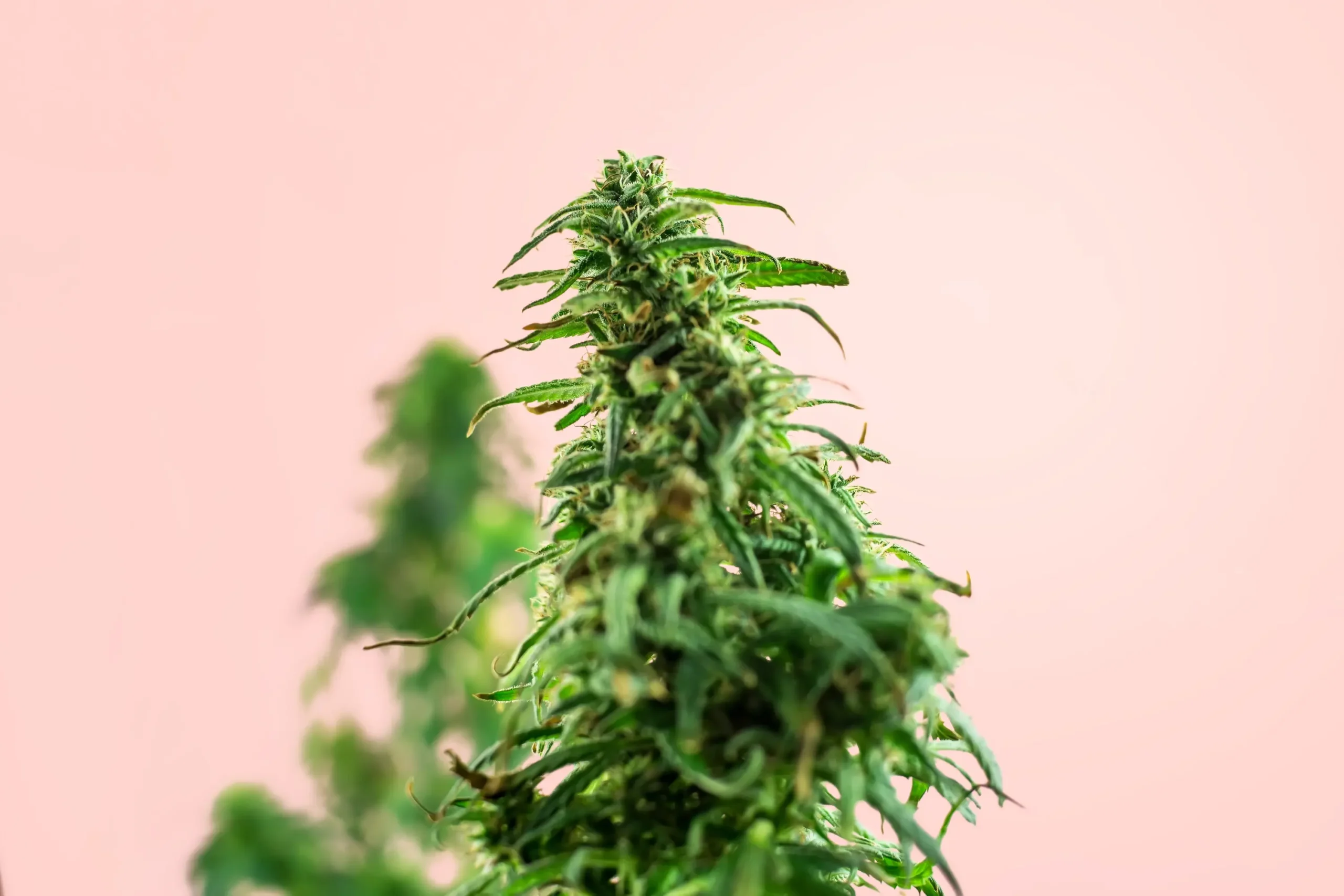
Figure 2: Restoring vascular turgor pressure following an osmotic reset requires maintaining stable root-zone matric potential and moderate canopy VPD.
Diagnostic Look-Alikes: Separating Osmotic Stress from True Deficiencies
One of the most dangerous aspects of osmotic stress is that it frequently masquerades as other completely unrelated cultural problems. Inexperienced cultivators observing foliar chlorosis or leaf curling often misdiagnose the underlying issue, applying interventions that worsen crop damage.
Look-Alike 1: Windburn vs. Osmotic Drought. Strong air currents from oscillating circulation fans strip moisture rapidly from leaf surfaces, causing leaf margins to curl downward and edges to become crisp and papery. However, windburn is strictly localized: only the specific leaves directly in the high-velocity air plume display symptoms, while shaded under-canopy foliage remains completely normal. Osmotic stress, conversely, is systemic across the entire plant, affecting the tips of every mature fan leaf simultaneously.
Look-Alike 2: Nitrogen Toxicity vs. High EC Clawing. Excessive nitrogen causes leaves to turn deep waxy dark green and curl downward into a hooked talon (the classic nitrogen claw). While nitrogen toxicity is often present concurrently with high EC, nitrogen toxicity alone does not cause crispy necrotic burnt leaf tips. If the leaf tip is hooked downward but remains soft, flexible, and green, it is nitrogen excess; if the tip is bleached yellow, crispy brown, and crumbles when touched, it is acute osmotic salt burn.
Look-Alike 3: Underwatering vs. Osmotic Wilting. When a root zone suffers from severe osmotic stress, the canopy wilts because roots cannot absorb moisture against the hypertonic solute gradient. Novice growers observe wilting leaves, conclude the plant is thirsty, and pour more water and more fertilizer into the pot! In true underwatering, the container feels feather-light upon lifting, and the soil is bone-dry. In osmotic wilting (physiological drought), the container is heavy and wet, yet the plant remains completely flaccid.
| Diagnostic Symptom | High EC / Osmotic Stress | Nitrogen Toxicity | Underwatering Drought | Potassium Deficiency |
|---|---|---|---|---|
| Leaf Tip Appearance | Crispy, bleached yellow to brown; necrotic | Dark green, hooked downward; soft | Uniformly wilted, limp; normal color | Yellowing margins progressing to brown burn |
| Foliar Color Profile | Deep blue-green, dull; sudden necrosis | Deep glossy waxy green; excessive chlorophyll | Pale green to dull; loss of luster | Interveinal chlorosis starting on lower leaves |
| Canopy Turgor Pressure | Flaccid to stiff curling; leaf margin canoe | Turgid stems; leaf tips curled downward | Completely flaccid; stems and petioles droop | Normal stem turgor; foliar margin necrosis |
| Container Weight / VWC | Heavy, wet substrate; high moisture content | Variable; normal irrigation weight | Extremely light; substrate pulled from edges | Variable; normal irrigation weight |
| Substrate Pour-Through EC | Very High (>3.5 to 6.0+ mS/cm) | Moderate to High (2.0 – 2.8 mS/cm) | Normal baseline EC | Low to Normal (or locked out by high Ca/Mg) |
As demonstrated in the diagnostic matrix, measuring root-zone electrical conductivity via the pour-through or SME method is the only definitive way to confirm osmotic stress. Relying solely on visual leaf symptoms invites misdiagnosis, leading to erroneous chemical additions that compound root-zone trauma.
Once high EC is empirically confirmed, cultivators must halt all nutrient booster applications, verify irrigation delivery uniformity, and execute a structured remediation sequence to restore cellular turgor.
The Step-by-Step Remediation Sequence: Safe Root-Zone Desalination
Correcting root-zone osmotic stress requires a methodical, non-destructive rehabilitation protocol. Aggressive, panicked interventions (such as drowning pots in gallons of ice-cold pure water) often kill the plant faster than the original salt buildup. Execute this five-step clinical reset sequence:
Step 1: Environmental Dampening (Reduce Transpirational Pull). Before altering substrate chemistry, protect the vulnerable canopy from acute dehydration. Dim overhead LED grow lights by 30 to 40 percent (or raise fixtures 12 to 18 inches) to lower PPFD below 600 μmol/m²/s. Concurrently, raise room relative humidity to lower vapor pressure deficit into the gentle 0.8 to 1.0 kPa range. Reducing transpirational demand allows closed stomata to stabilize, halts photo-oxidative free-radical damage, and takes hydraulic pressure off damaged root hairs.
Step 2: Formulate the Low-EC Reset Solution. Never flush with pure, zero-PPM water! Pure water induces violent hypotonic cell bursting (plasmoptysis) and strips essential calcium from substrate exchange sites. Prepare a fresh batch of reverse osmosis water amended with a balanced, highly refined horticultural calcium/magnesium supplement and a quarter-strength base nutrient formulation, calibrated to:
- Reset Solution EC: Exactly 0.8 to 1.0 mS/cm. This provides enough osmotic tension to prevent cellular shock while establishing a steep concentration gradient that pulls excess salts out of substrate pores.
- Reset Solution pH: Exactly 5.8 for coco coir and stonewool; exactly 6.3 for peat-based and living soil media.
- Solution Temperature: Strictly 19°C to 21°C (66°F to 70°F). Cold water shocks root membranes and halts nutrient transport.
This calibrated low-electrical-conductivity solution establishes a gentle, controlled osmotic gradient across the root-zone boundary layer. Because the reset wash carries a modest ionic concentration (0.8 to 1.0 mS/cm), it prevents the violent hypotonic influx of water that ruptures plant cell membranes, while creating a favorable chemical concentration differential that dissolves accumulated mineral precipitates and draws hyper-concentrated pore-water salts outward into the drainage stream.
Furthermore, maintaining appropriate wash solution temperature prevents thermal shock. Pouring cold tap water (below 16°C) onto an already stressed root system causes immediate vasoconstriction of vascular root channels, paralyzes cytoplasmic streaming, and arrests cellular respiration, preventing the plant from initiating membrane repair mechanisms.
Chemical Science: The Role of Calcium in Cell Membrane Repair
During severe osmotic stress, high sodium and potassium concentrations displace divalent calcium ions (Ca2+) from root cell plasma membranes, compromising membrane structural integrity and causing cellular electrolyte leakage. Incorporating generous calcium into your reset flush solution is biologically mandatory: calcium binds to phospholipid heads, sealing leaky membranes, stabilizing cell walls, and signaling root cells to resume normal aquaporin water channel transport. A reset flush without calcium leaves root membranes structurally compromised and vulnerable to opportunistic fungal pathogens.
Step 3: Execute the Multi-Volume Leaching Wash. Pour the calibrated reset solution slowly and evenly across the entire surface of the container, avoiding concentrated streams that channel down the sides of the pot. Continue applying solution until you achieve approximately 50 to 75 percent runoff volume exiting the bottom drainage holes (for a 5-gallon container, apply roughly 2.5 to 3 gallons of reset solution). Allow the container to drain freely under gravity for twenty minutes.
Step 4: Verify the Drainage Exit Telemetry. Collect a sample of the final runoff exiting the base of the container. Measure electrical conductivity with your digital meter. Your target benchmark is to see runoff EC fall within 0.3 to 0.5 mS/cm of your input solution (target runoff EC between 1.1 and 1.5 mS/cm). If runoff EC remains stubbornly above 2.5 mS/cm, wait one hour to allow stubborn bound salts to dissolve, then repeat with an additional 25 percent volume wash.
Step 5: Post-Reset Stabilization and Gradual Ramp-Up. Once safe root-zone EC is verified, elevate containers on wire risers and vacuum away all standing drainage wastewater immediately. Allow the container to undergo a normal, healthy transpirational dry-back (typically 48 to 72 hours). Resume automated feeding at a moderate, conservative EC (1.4 to 1.6 mS/cm in vegetative, 1.8 to 2.0 mS/cm in bloom), and gradually re-intensify lighting over four days as the canopy displays renewed turgor and active stomatal conductance.
Pre-Cycle EC Management and Salinity Prevention Checklist
Preventing osmotic stress requires continuous operational vigilance. Before launching each new crop cycle, verify that your fertigation architecture satisfies this preventative checklist.
- Digital Meter Calibration Verified: Calibrate all handheld EC meters and in-line continuous monitors monthly using fresh, unexpired 1.413 mS/cm conductivity reference solution.
- Source Water Purity Confirmed: Ensure starting reverse osmosis water registers an electrical conductivity below 25 μS/cm (0.025 mS/cm) and zero detectable sodium or chloride.
- Mandatory Leaching Fraction Programmed: In automated drain-to-waste systems, configure irrigation duration to generate a consistent 10 to 15 percent drainage runoff during every daytime pulse event.
- Substrate Dry-Back Benchmarks Enforced: Monitor container weights or volumetric water content (VWC) sensors; never permit substrate dry-back to exceed 45 to 50 percent in coco or rockwool, preventing salt concentration spikes.
- Runoff Telemetry Log Established: Establish a daily physical log tracking input EC, runoff EC, and runoff pH across representative canopy sample zones.
- Pot Elevators Deployed: Ensure every container sits elevated above its drainage saucer, breaking capillary reabsorption of high-EC runoff wastewater.
Adhering to this operational checklist eliminates the root causes of salt accumulation, protects root-zone osmotic potential, and guarantees that crops maintain uninterrupted transpiration throughout the lifecycle.
Preventative Maintenance and EC Audit Schedule
To ensure long-term root-zone stability and prevent creeping salinity buildup across continuous cycles, commercial cultivators should adhere to this structured audit schedule.
| Audit Frequency | Target Component | Diagnostic Action | Acceptable Operational Benchmark |
|---|---|---|---|
| Daily | Batch Tank & Runoff EC | Measure input EC and compare directly against collective tray runoff EC. | Runoff EC within ±0.3 mS/cm of input; zero creeping salt accumulation. |
| Weekly | Pour-Through Substrate Extraction | Execute pour-through test on three sample pots per 100 square feet of canopy. | Pore-water EC <2.4 mS/cm in veg, <2.8 mS/cm in peak bloom. |
| Bi-Weekly | Drip Emitter Flow Uniformity | Measure 2-minute catch-cup volumes from twelve emitters across the delivery grid. | Flow rate variation within ±5%; zero clogged or salt-encrusted emitters. |
| Monthly | EC Meter Sensor Calibration | Clean probe electrodes with isopropyl alcohol; re-calibrate against 1.413 mS/cm standard. | Meter reads reference solution within ±0.02 mS/cm accuracy. |
| Between Cycles | Substrate Leaching & Reset | If reusing media, leach slabs/beds with 0.8 EC Ca-buffered wash until runoff <1.0 EC. | Completely strips legacy residual salts before transplanting new cuttings. |
Following this structured maintenance and audit protocol ensures that physical root-zone water potential remains permanently optimized, enabling vigorous stomatal conductance, robust nutrient assimilation, and exceptional floral density season after season.
Scientific References and Technical Standards
- Bernstein, N., Gorelick, J., Zerahia, R., & Koch, S. (2019). Impact of environmental conditions and nutrient management on secondary metabolite production in medicinal cannabis. Industrial Crops and Products, 139, 111467.
- Boyer, J. S. (1995). Measuring the Water Status of Plants and Soils. Academic Press, San Diego, CA.
- Epstein, E., & Bloom, A. J. (2005). Mineral Nutrition of Plants: Principles and Perspectives (2nd ed.). Sinauer Associates, Sunderland, MA.
- Marschner, H. (2012). Marschner’s Mineral Nutrition of Higher Plants (3rd ed.). Academic Press, London, UK.
- Munns, R., & Tester, M. (2008). Mechanisms of salinity tolerance. Annual Review of Plant Biology, 59, 651-681.
- Taiz, L., Zeiger, E., Møller, I. M., & Murphy, A. (2015). Plant Physiology and Development (6th ed.). Sinauer Associates, Sunderland, MA.
- Zheng, Y. (Ed.). (2021). Handbook of Cannabis Production in Controlled Environments. CRC Press, Boca Raton, FL.
Share this article
A quick overview of the topics covered in this article.
Follow us
Latest articles

November 6, 2026

November 6, 2026
November 6, 2026
November 6, 2026