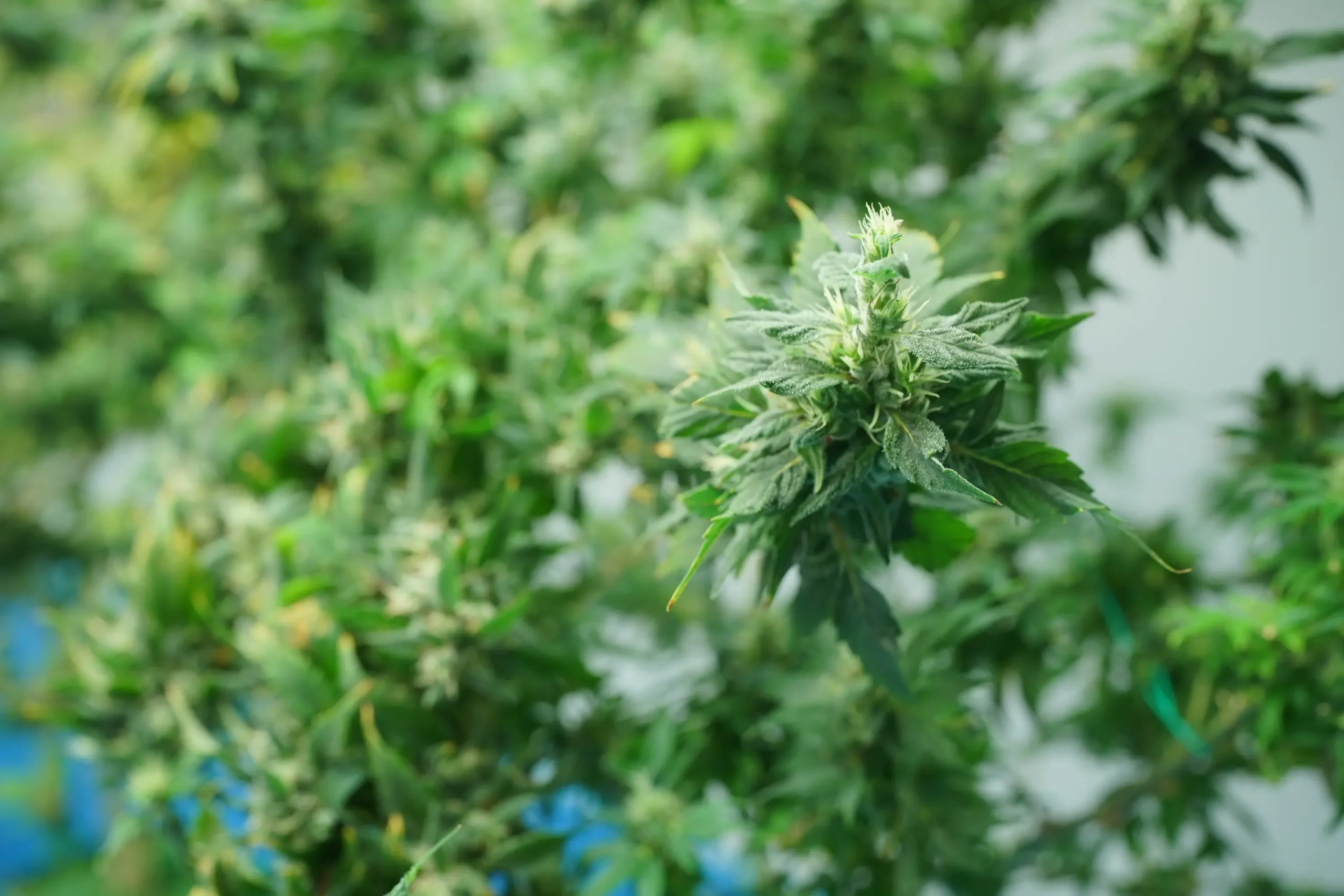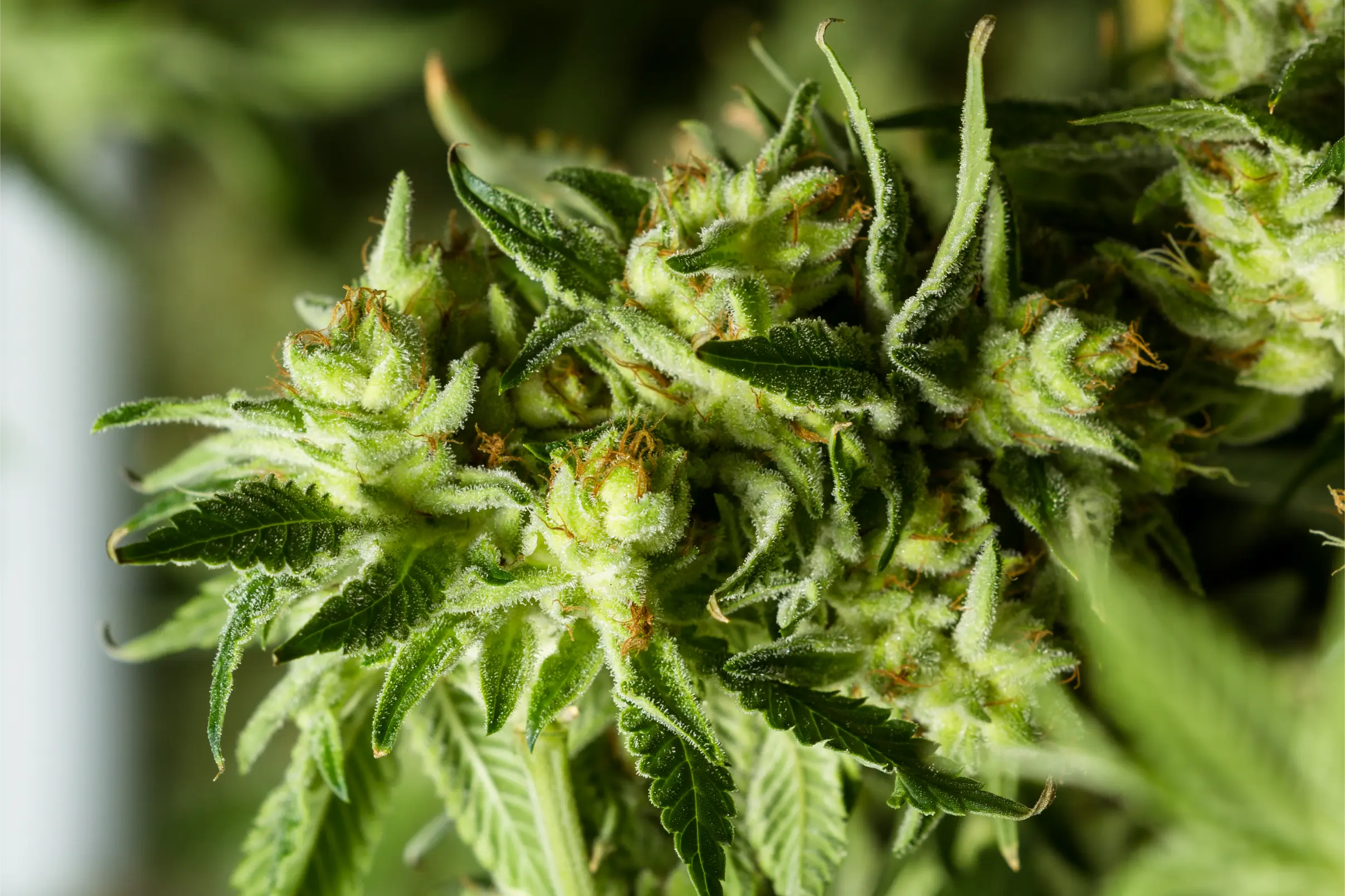
Bottom Watering and Subirrigation Systems
In modern horticultural engineering and intensive indoor cannabis cultivation, irrigation management directly governs plant metabolic vitality, root-zone oxygenation, and final cannabinoid yield. For decades, conventional cultivation methodology has relied almost exclusively on top hand-watering or surface drip emitters. While surface irrigation is intuitive, it presents well-documented physiological drawbacks: surface soil compaction, uneven channeling through hydrophobic dry pockets, continuous wetting of the topsoil that fosters fungus gnat (Bradysia spp.) infestations, and substantial nutrient runoff waste.
To overcome these challenges, commercial growers and craft indoor cultivators are increasingly deploying bottom watering and subirrigation systems. Subirrigation fundamentally inverts the traditional hydraulic delivery model. Instead of applying water to the surface of the container and allowing gravity to pull it downward, subirrigation introduces water or nutrient solution directly to the bottom base of the container. Through the natural physical forces of capillary action and matric suction, water wicks smoothly upward through the substrate, establishing a stable, continuous moisture gradient from the bottom reservoir to the upper root zone.
When engineered correctly, subirrigation delivers remarkable agronomic advantages: water and fertilizer consumption decline by 30 to 50 percent, the top two inches of substrate remain dry and inhospitable to pests and algae, root density explodes across the bottom third of the container, and labor requirements drop dramatically. However, bottom watering is governed by strict physical principles. If a grower fails to balance capillary pore sizes, mismanages nutrient electrical conductivity (EC), or ignores surface salt accumulation, subirrigation can quickly lead to chronic root asphyxiation, toxic salt burn, and crop stunting. In this comprehensive technical guide, we dissect the physics of capillary subirrigation, evaluate the leading system architectures, and establish precise operational protocols for high-yield cultivation.
The Physical Law of Subirrigation: Capillary Rise and the Lucas-Washburn Equation
The upward movement of liquid through an unsaturated growing medium is governed by the Lucas-Washburn capillary flow dynamics. As water molecules contact substrate particles (peat fibers, coco pith, and mineral grains), adhesive forces attract the liquid to solid surfaces, while cohesive surface tension pulls liquid upward through microscopic pore channels against the downward pull of gravity. The maximum vertical height of capillary rise is inversely proportional to equivalent pore diameter: fine micropores exert powerful suction that pulls water high into the container, whereas large macropores provide zero capillary rise. Subirrigation requires a precisely balanced substrate with enough micropores to sustain vertical wicking, combined with enough large macropores to ensure continuous oxygen diffusion to the roots.
Before implementing bottom watering, cultivators must understand that water movement in a subirrigated container is fundamentally self-regulating. In a standard top-watered pot, the grower dictates when and how much moisture enters the root zone, often causing severe oscillations between saturated waterlogging and desiccating drought. In a subirrigated system featuring a continuous or demand-driven bottom water reservoir, the plant dictates water consumption. As the crop transpires water through foliar stomata, a negative water potential is generated in the xylem vessels, drawing water out of the surrounding substrate pores and pulling fresh moisture upward from the bottom reservoir in direct response to environmental vapor pressure deficit (VPD).
However, this inverted hydraulic flow permanently alters mineral salt distribution within the container. Because water travels exclusively upward and evaporates from the upper soil surface, non-volatile mineral nutrient ions are deposited at the top of the pot rather than being flushed out of bottom drainage holes. Managing this unique salt profile requires specialized feeding strategies that differ fundamentally from drain-to-waste cultivation. In the following sections, we will explore the internal hydraulics of subirrigation, compare the four primary system designs, and detail step-by-step commissioning sequences for foolproof execution.
The Physics of Capillary Wicking: Pore Geometry and Hydraulic Continuity
To successfully operate a subirrigation system, one must master the physical mechanics of capillary action in soilless substrates. Capillary wicking is not a mechanical pumping action; it is a passive physical equilibrium driven by the surface tension of water and the matric suction of the medium.
When a container filled with an unsaturated porous medium is placed in a shallow pool of water, the liquid immediately wets the lowest substrate particles. The meniscus of water within each microscopic capillary pore curves upward, creating a localized pressure drop across the liquid-gas interface. Atmospheric pressure acting on the open water reservoir forces water upward into the pore until the downward weight of the elevated water column exactly balances the upward capillary attraction. This equilibrium height is described by the classical capillary rise equation:
Capillary Height = (2 x Surface Tension x Cosine of Contact Angle) / (Density of Liquid x Gravitational Acceleration x Effective Pore Radius)
In practical horticultural applications, the effective vertical wicking height of common potting media varies considerably based on substrate physical composition:
- Pure Peat Moss Mixes: Fine fibrous structure delivers extraordinary vertical wicking height (up to 30 to 35 centimeters), but exhibits low air-filled porosity (10 to 15 percent) when wet, creating a high risk of root hypoxia if not amended with coarse aggregate.
- Coco Coir (Pith and Fiber): Exceptional capillary conductivity with rapid lateral and vertical moisture distribution. Wicks reliably to a height of 20 to 25 centimeters while maintaining superior air-filled porosity (20 to 25 percent) compared to peat.
- Coarse Perlite and Pumice: Pores between coarse aggregate particles are too large to generate capillary suction. Adding 30 to 40 percent coarse perlite reduces total wicking height, but introduces essential macropores that allow atmospheric oxygen to penetrate the root zone.
- Heavy Native Soil and Compost: Extremely fine clay and silt particles create dense capillary suction, but wet particles consolidate, destroying macropores and leading to catastrophic root rot within 72 hours of continuous bottom soaking.
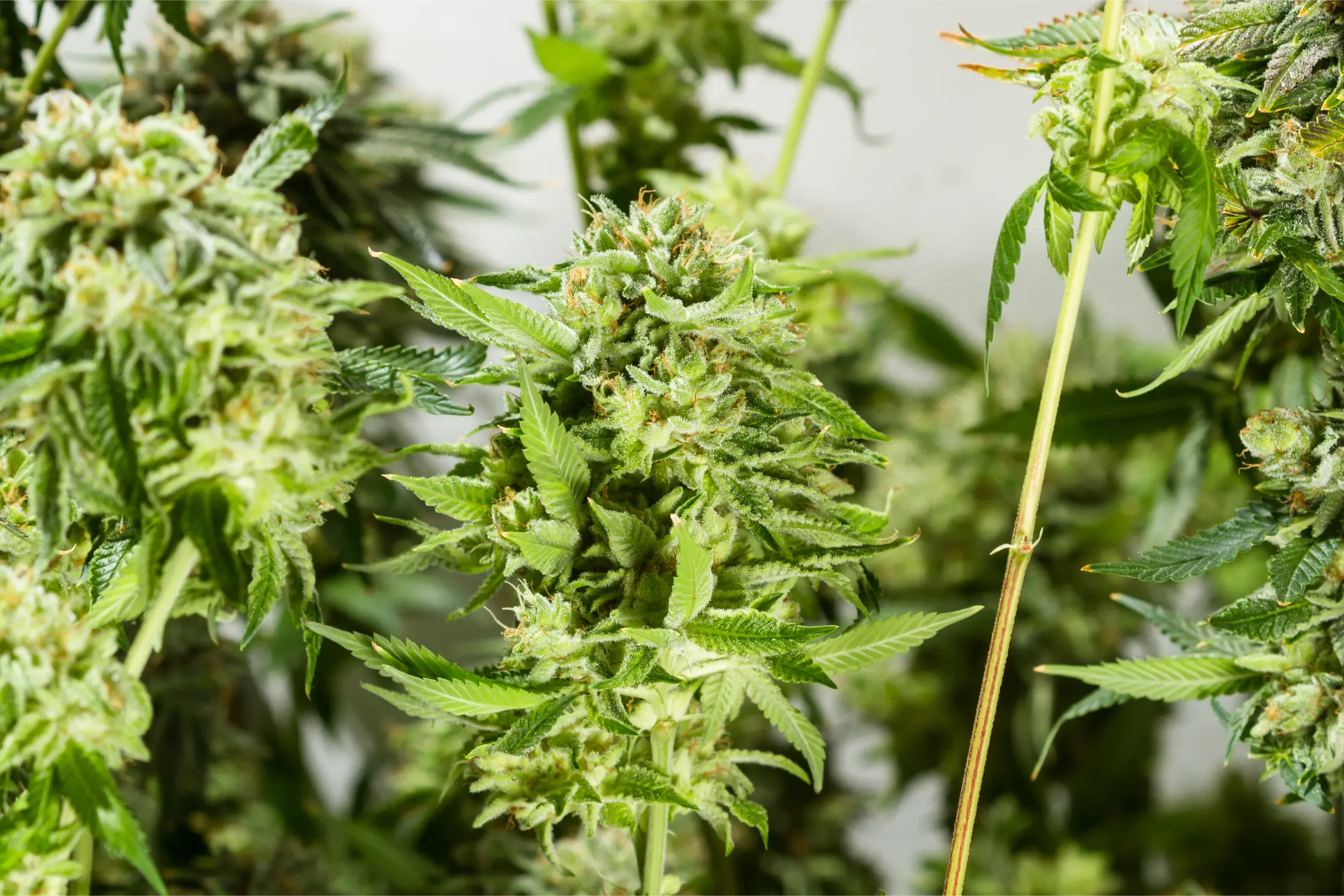
Figure 1: Robust subterranean root mass thrives in the aerated transition zone above a passive bottom-watering capillary reservoir.
A critical physical requirement for subirrigation is unbroken hydraulic continuity. For water to travel from the bottom reservoir to the root core, there must be an uninterrupted chain of moist capillary pores. If a container of dry potting soil is placed into a shallow water reservoir, the soil may fail to wick water upward because dry peat and bark fibers are naturally hydrophobic. The contact angle of water against dry organic matter exceeds 90 degrees, causing the soil to actively repel water.
To establish capillary continuity, all subirrigated containers must be thoroughly top-watered to full container capacity during initial planting. This initial wetting step hydrates organic colloids, breaks surface hydrophobicity, and establishes continuous liquid water bridges throughout the substrate profile. Once this hydraulic bridge is established, the container can be transitioned to 100 percent bottom watering for the remainder of the vegetative and flowering cycles.
Subirrigation Architectures: Four Primary Engineered Systems
Growers can implement bottom watering through four distinct mechanical configurations, ranging from simple manual protocols to fully automated gravity-fed commercial systems.
System 1: Sub-Irrigated Planters (SIPs) and EarthBoxes. Sub-Irrigated Planters represent a fully self-contained passive subirrigation technology. A SIP container incorporates a built-in false bottom or perforated aeration screen that separates the upper soil compartment from a water storage reservoir below. One or more hollow perforated depressions (called wicking legs or wicking feet) extend downward from the soil floor into the water reservoir. These wicking feet are packed tightly with growing medium, acting as physical capillary sponges that pull water upward from the reservoir into the main soil bed. A vertical fill pipe allows the cultivator to refill the bottom reservoir from the top without wetting the soil surface, while an overflow drainage hole drilled precisely below the false bottom guarantees that the water level can never rise high enough to flood the soil compartment, permanently preserving an oxygen-rich air gap above the water.
System 2: Capillary Matting and Geotextile Wicking Trays. Capillary mat systems utilize dense, non-woven synthetic absorbent fabric (typically recycled polyester or polypropylene felt) laid flat across the floor of a shallow watertight drainage tray. The mat is kept continuously moist by an automated float valve, drip tape, or timed soak cycles. Potted plants in fabric containers or plastic nursery pots with bottom perforated drainage holes are set directly on top of the wet matting. Water wicks upward from the fibrous mat through the pot drainage holes and into the substrate. Capillary matting is highly versatile for high-density sea-of-green (SOG) setups, commercial clone nurseries, and multi-pot vegetative tables, allowing dozens of containers of varying sizes to feed from a single shared irrigation tray.
Engineering Warning: The Anoxia Hazard of Continuous Standing Water
The most common mistake made by beginners attempting manual bottom watering is allowing plant pots to sit continuously in deep standing water inside standard runoff saucers. If a container sits submerged in two inches of stagnant nutrient solution without a false bottom or air gap, the bottom three to four inches of substrate become permanently waterlogged. Dissolved oxygen in the standing water drops to zero within hours. Root tips submerged in this anoxic zone die from lack of cellular respiration, allowing anaerobic Pythium water molds to infect the root cortex. In true engineered subirrigation, water is either wicked through an air-separated false bottom (SIPs) or delivered through timed soak-and-drain cycles that allow the tray to dry out between feedings.
System 3: Manual Bottom Soak-and-Drain (The Nursery Dip Method). For small-scale craft cultivators operating without automated plumbing, the manual bottom soak method provides an effective, low-cost way to leverage subirrigation. Instead of pouring water onto the topsoil, the grower fills a shallow basin or saucer with conditioned nutrient solution to a depth of 2 to 3 centimeters (1 inch). The potted plant is placed into the basin and allowed to soak passively for 20 to 30 minutes. Capillary matric suction rapidly pulls the solution upward into the root ball. Once the substrate has absorbed its capacity, the container is lifted out of the basin and placed on an elevated drying rack to allow free gravitational drainage for 10 minutes. This method completely eliminates surface compaction and fungus gnats while guaranteeing zero standing water.
System 4: Automated Float-Valve Subirrigation (Octopots and GroBuckets). Hybrid automated systems combine the deep water reservoir of a hydroponic system with the biological buffer of organic soil. In an Octopot-style hybrid system, a fabric aeration container filled with soil or coco sits directly atop a 3-to-6-gallon dedicated water reservoir. A wicking core of substrate extends downward into the reservoir, while secondary aquatic feeder roots grow directly out of the bottom of the soil and hang directly into the aerated water. The reservoir is connected to a central header line managed by a float valve, maintaining constant water volume automatically throughout the flowering cycle.
The Salt Crust Paradox: Surface Evaporation and Nutrient Dynamics
The most profound physiological difference between top watering and bottom watering is the vertical distribution of mineral fertilizer salts within the growing medium. Understanding this phenomenon is essential to preventing catastrophic crop toxicity.
In conventional top-watering systems, nutrient solution is poured onto the surface, percolating downward under gravity. Any unabsorbed mineral ions (nitrates, phosphates, potassium, sulfates, and sodium) are washed downward and flushed out of the bottom drainage holes as runoff. The highest salt concentration in a top-watered container is always found at the bottom of the pot.
In subirrigation, this hydraulic gradient is completely reversed. Water is wicked continuously upward from the bottom reservoir toward the surface. As liquid ascends through the root zone, plant root hairs actively absorb water and specific nutrient ions. However, water that reaches the upper two inches of soil is subjected to ambient air exposure, radiant lamp heat, and low relative humidity, causing it to evaporate into the atmosphere. Because pure water evaporates while dissolved mineral salts cannot evaporate, non-volatile fertilizer salts are left behind at the top soil surface.
There is a thick white crust of fertilizer salts forming on top of my soil in my bottom-watering trays; should I top-water my pots with pure water to flush that crust away?
Question sent by: Bradley Cooper, via email.
Whatever you do, do not top-water your plants to wash that crust away! In a subirrigated system, that white surface crust represents weeks of accumulated mineral salts that were carried upward by capillary evaporation and safely deposited outside the active root zone. As long as you continue to bottom-water, those concentrated salts remain completely harmless, locked harmlessly in dry, non-transpiring topsoil where no feeder roots reside.
If you pour water onto the top of the pot, you will instantly dissolve that hyper-concentrated mineral crust and flush an overwhelming tidal wave of high-EC fertilizer directly down into your delicate root core! This sudden osmotic spike (often exceeding 6.0 to 10.0 mS/cm) will cause acute osmotic shock, catastrophic root tip burning, severe leaf clawing, and severe nutrient lockout within 24 hours. If the surface salt crust becomes unsightly or excessive, simply use a clean spoon or trowel to scrape off and discard the top quarter-inch of dry crusty soil, and continue bottom-watering normally.
Because zero runoff leaching occurs in subirrigation, fertilizer salts cannot escape the container. Cultivators must adjust their nutrient feeding formulation accordingly. In standard drain-to-waste cultivation with 15 percent runoff, growers typically feed at an electrical conductivity (EC) of 1.8 to 2.4 mS/cm to compensate for leaching. In subirrigation systems, feeding at those concentrations leads to rapid root-zone salt toxicity. Cultivators must reduce their input nutrient solution EC by 25 to 35 percent (typically feeding between 1.1 and 1.5 mS/cm) to maintain optimal osmotic balance within the root zone.
Furthermore, cultivators should utilize high-purity, fully soluble mineral fertilizers or gentle organic liquid feeds in bottom-watering reservoirs. Thick organic emulsions containing suspended bone meal, kelp meal, or fish hydrolysate can ferment inside warm bottom reservoirs, creating foul anaerobic odors, lowering dissolved oxygen, and clogging sub-surface wicking channels.
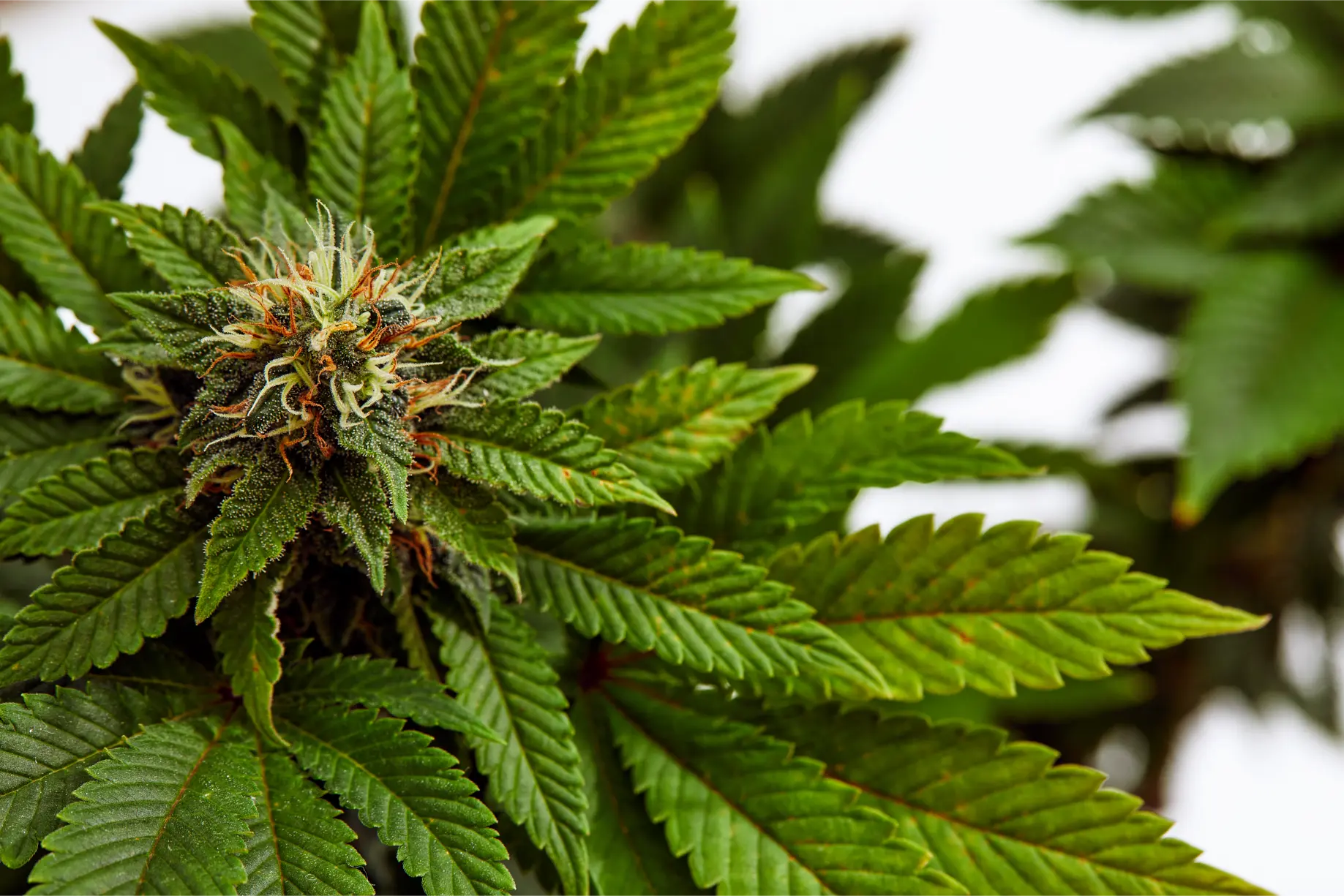
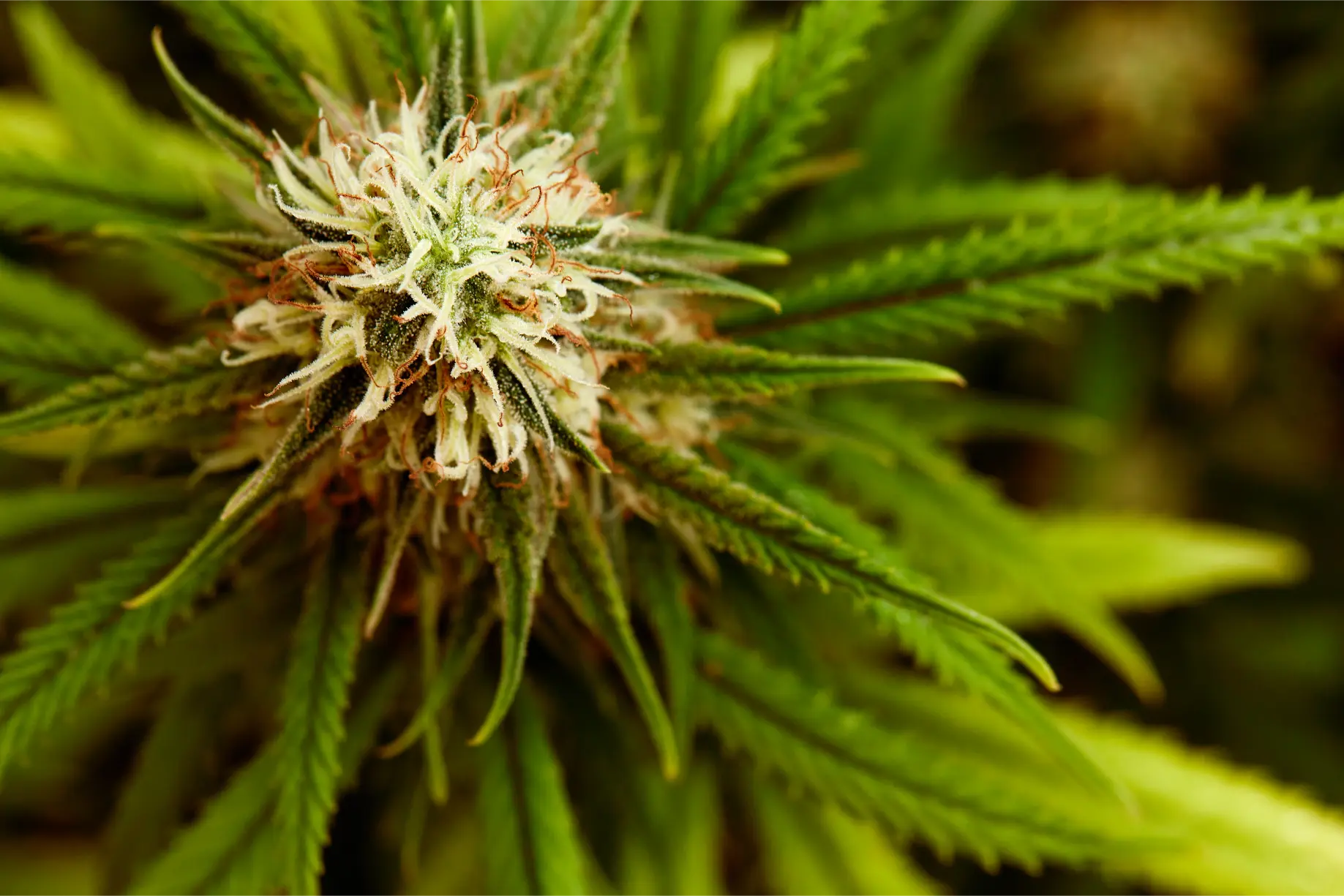
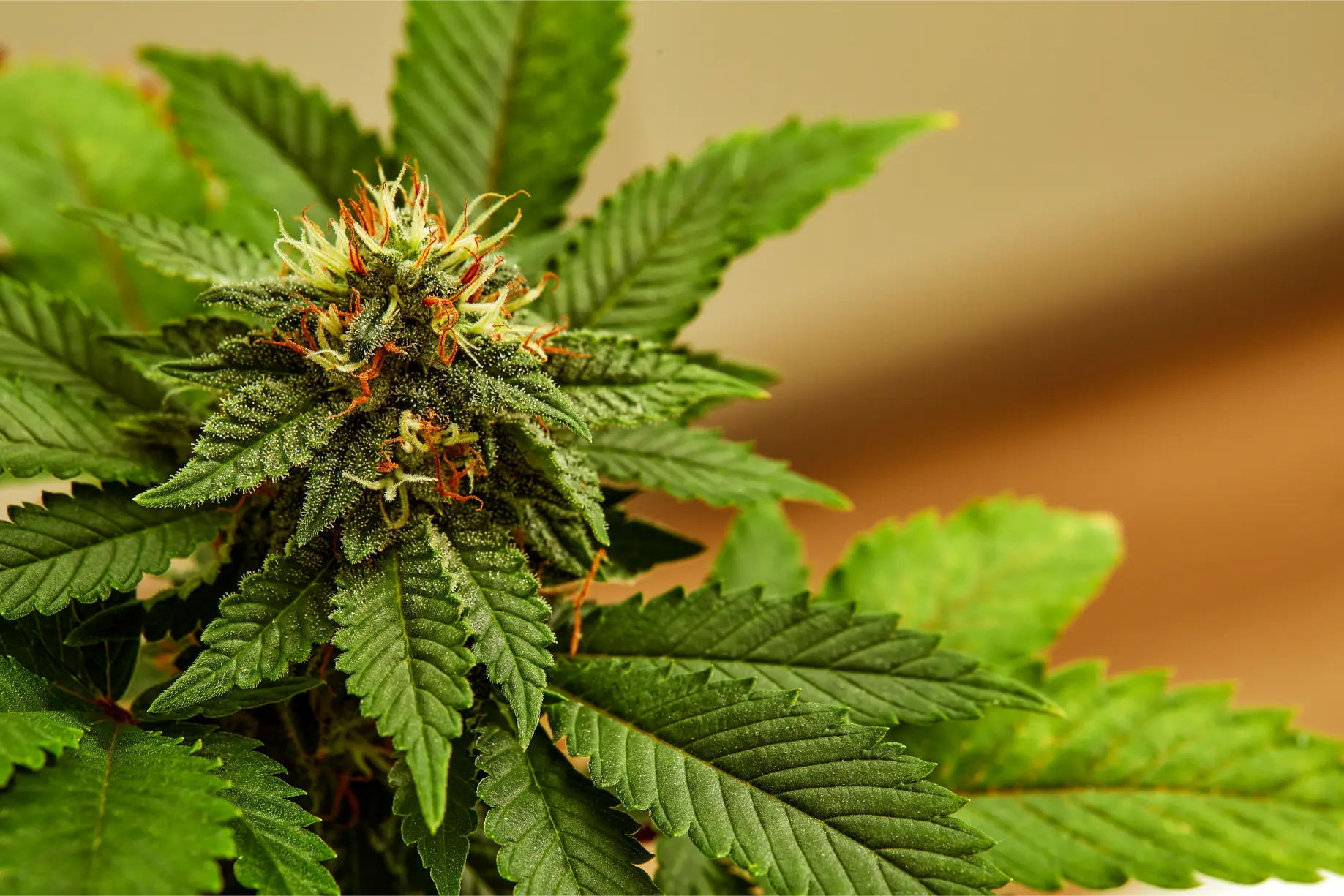
Figure 2: Dense floral calyx development depends on steady root-zone moisture tension without the hydraulic stress of extreme wet-dry oscillations.
Subirrigation Systems Comparison Matrix
Selecting an appropriate subirrigation architecture requires evaluating how each mechanical design balances capillary suction against root-zone gas exchange. Cannabis roots exhibit distinct morphological adaptations when grown under continuous capillary subirrigation: primary taproots and structural lateral anchors establish in the upper, well-aerated horizons, while dense curtains of ultra-fine, highly absorptive root hairs proliferate directly in the lower capillary fringe.
Because each commercial subirrigation system manages water depth, overflow mechanisms, and air-gap spacing differently, cultivators must match the system engineering to their specific facility constraints, growing medium, and labor availability. Furthermore, evaluating upfront equipment capital expenditure against ongoing operational labor reductions yields clear financial return-on-investment benchmarks for commercial facilities seeking sustainable water stewardship. The following engineering matrix compares the four primary subirrigation architectures across hydraulic reliability, aeration performance, operational complexity, and optimal grow-room applications.
| Subirrigation System | Primary Wicking Mechanism | Root-Zone Aeration Quality | Risk of Root Anoxia | Fertigation Efficiency | Labor Requirement | Best Application |
|---|---|---|---|---|---|---|
| Sub-Irrigated Planter (SIP) | Soil wicking legs over air gap | Very High (Built-in air screen) | Very Low (Fixed overflow port) | Extremely High (Zero runoff) | Low (Fill reservoir 1-2x/wk) | Living soil beds, craft organic tents |
| Capillary Matting System | Geotextile wicking felt in tray | High (Fabric container sidewalls) | Low to Moderate (Requires drainage) | High (Recovers unwicked fluid) | Very Low (Automated float valve) | Commercial SOG tables, clone nurseries |
| Manual Soak & Drain | Direct bottom immersion & drain | High (Full gravitational drain) | Low (If drained 10 min after soak) | Moderate (Residual tray effluent) | High (Manual pot handling) | Small home tents (1-4 plants) |
| Hybrid Basin (Octopot) | Dual root system (soil + liquid) | High (Upper fabric pot aeration) | Low (Requires reservoir oxygen) | Extremely High (Continuous feed) | Very Low (Central automated supply) | High-yield commercial vegetative & bloom |
| Unmanaged Saucer Soaking | Continuous standing water | Zero (Saturated mud zone) | Extreme (Guaranteed Pythium rot) | Very Low (Stagnant toxic effluent) | Moderate (Continuous pouring) | Not Recommended (Causes crop failure) |
As demonstrated in the comparison matrix, true engineered subirrigation systems (SIPs, capillary mats, and hybrid basins) incorporate physical design safeguards that prevent root drowning. In contrast, simply filling a plant saucer with water and leaving the pot submerged violates the basic laws of soil aeration, transforming a beneficial wicking system into a lethal anoxic swamp.
For organic living soil cultivators, Sub-Irrigated Planters (such as EarthBoxes or custom wooden SIP beds) represent the pinnacle of biological efficiency. The continuous moisture supply provided by the wicking legs maintains steady-state water potential in the lower soil horizons, stimulating dense mycorrhizal fungal networks and earthworm activity while allowing the top layer of organic mulch to remain loose, well-aerated, and biologically active.
Substrate Formulation and Aeration Engineering for Subirrigation
A standard potting soil formulated for top-watering is rarely optimized for subirrigation. Because water enters from the base and creates a persistent capillary zone, the substrate must possess significantly higher air-filled porosity (AFP) to prevent compaction and moisture saturation.
To formulate a high-performance subirrigation medium, cultivators should adhere to this physical blending specification:
- Base Capillary Wicking Component (50 to 60 percent by volume): High-grade blonde sphagnum peat moss or washed, buffered coconut coir pith. This component provides the fine micropores responsible for continuous vertical capillary rise. If using peat, ensure an organic wetting agent (yucca extract) is incorporated to prevent hydrophobicity.
- Aeration Aggregate Component (35 to 45 percent by volume): Coarse #3 or #4 horticultural perlite, 3/8-inch volcanic pumice, or expanded shale. Large coarse aggregate particles break up compaction, creating permanent macropores that remain filled with air even when water is actively wicking through surrounding peat fibers.
- Biological Buffer and Nutrients (5 to 10 percent by volume): High-grade thermal compost, aged earthworm castings, biochar, and dry mineral amendments (dolomite lime for calcium/magnesium buffering, basalt rock dust for trace minerals). Keep fine compost powders below 10 percent to prevent sediment from clogging bottom wicking screens.
When blending these ingredients, maintaining bulk density uniformity throughout the container is paramount. In traditional top-watered pots, coarse perlite tends to float toward the top of the pot over repeated heavy waterings. In subirrigated containers, because water moves upward rather than downward, perlite particles remain locked in their original spatial positions, providing consistent, lifelong aeration channels that resist settling and compaction throughout long multi-month flowering cycles.
Cultivators must also account for particle size stratification at the base of the container. If fine peat dust settles into the lower drainage perforations, it forms a dense, slimy mud layer that impedes oxygen diffusion into the water reservoir. Incorporating screened, dust-free pumice or perlite prevents lower pore occlusion, ensuring that both liquid water and atmospheric air move freely across the bottom boundary.
Coco Coir vs. Peat Moss in Subirrigation: The Cation Exchange Factor
While both coco coir and peat moss wick water effectively, their chemical behaviors in subirrigation differ substantially. Peat moss has high cation exchange capacity (CEC) naturally dominated by hydrogen ions; it requires substantial calcium carbonate (dolomite lime at 30 to 45 grams per cubic foot) to buffer pH between 6.2 and 6.8. Coco coir, conversely, naturally carries high levels of sodium and potassium bound to its cation exchange sites. In subirrigation systems where zero leaching occurs, using unbuffered raw coco coir will rapidly displace potassium into the water stream, causing severe calcium and magnesium lockouts. Always utilize triple-washed, calcium-nitrate-buffered coco coir in subirrigated cultivation.
Proper physical pot placement is equally critical. When utilizing fabric aeration containers on capillary mats or subirrigation trays, ensure the container base makes 100 percent flush, flat contact with the underlying wicking surface. Any air gaps or uneven folds in the fabric bottom break the liquid water bridge, preventing capillary tension from pulling water upward into the root ball.
Furthermore, growers should never compress or tightly pack the growing medium into subirrigated containers. Substrate should be gently scooped into the pot and settled by lightly tapping the container base against the floor. Compressing damp substrate collapses macropores, slashes air-filled porosity, and elevates the perched water table.
Commissioning and Operational Protocol for Subirrigation Systems
Successfully transitioning a cannabis crop to automated subirrigation requires following this structured four-phase commissioning protocol.
Phase 1: Substrate Preparation and Potting. Prepare the uniform high-porosity potting mix according to the 60/40 wicking-to-aeration specification. Fill the container, leaving 5 centimeters of clearance below the top rim. If using a SIP planter with wicking feet, pack the wicking depressions firmly with moist medium to ensure maximum particle density for vertical suction, then fill the remainder of the container loosely.
Phase 2: Initial Top-Saturation Priming. Transplant the rooted seedling or vegetative cutting into the container. Immediately top-water the container thoroughly using a balanced, low-EC nutrient solution (EC 1.0 mS/cm, pH 6.2 to 6.5) until water drains freely from the bottom drainage openings. This establishes complete hydraulic continuity throughout the vertical soil column and ensures the root plug makes unbroken physical contact with the surrounding substrate.
Phase 3: The 7-to-10-Day Root Establishment Window. Do not add water to the bottom subirrigation reservoir immediately after transplanting! Young transplants possess small root systems confined to the upper third of the pot; filling the bottom reservoir prematurely keeps the lower soil saturated before roots have colonized the space. Allow the container to dry back naturally under top-watering for 7 to 10 days until roots penetrate into the lower third of the container. Verify root establishment by checking bottom drainage holes for emerging white root tips.
Phase 4: Reservoir Activation and Telemetry Tracking. Once lower root colonization is confirmed, fill the bottom subirrigation reservoir with calibrated nutrient solution. Set input nutrient EC 30 percent lower than your standard top-feed recipe. Monitor daily water consumption. A healthy flowering cannabis canopy in a 5-gallon subirrigated container will consume between 2 and 4 liters of water daily during peak transpiration.
Subirrigation Commissioning and Operational Safety Checklist
Before leaving an automated bottom-watering or subirrigation system to operate unattended, verify that all mechanical, biological, and hydrological parameters satisfy this operational checklist.
- Hydraulic Continuity Primed: Confirm that the container was thoroughly top-watered at planting to eliminate dry hydrophobic pockets and establish continuous capillary wicking pathways.
- Air-Gap Overflow Verified: Inspect SIP planters to ensure overflow drainage ports are completely unobstructed, guaranteeing water levels cannot rise into the soil bed.
- Input EC Calibration: Verify that reservoir nutrient electrical conductivity (EC) is calibrated 25 to 35 percent lower than standard drain-to-waste top-feed schedules to prevent root-zone salt accumulation.
- Zero Top-Watering Enforcement: Post clear signage in the cultivation facility prohibiting top-watering once subirrigation is active, preventing surface salt crusts from being washed into the root zone.
- Float Valve Mechanical Inspection: In automated multi-pot systems, physically test every mechanical float valve or AquaValve by manually depressing the float arm to confirm clean shutoff without sticking.
- Algae and Biofilm Light Exclusion: Ensure all bottom reservoirs, transfer tubing, and capillary trays are completely opaque and sealed against grow-light penetration to prevent photosynthetic algae blooms.
Adhering to this operational checklist ensures that subirrigation equipment operates reliably, maintains root-zone biosecurity, and delivers exceptional water and nutrient efficiency season after season.
Preventative Maintenance and Sanitation Schedule
To prevent biofilm accumulation, mineral scaling, and emitter fouling, commercial cultivators should adhere to this routine maintenance schedule across all subirrigation equipment.
| Maintenance Frequency | Target Component | Service and Inspection Action | Operational Benchmark |
|---|---|---|---|
| Weekly | Bottom Reservoir EC & pH | Measure electrical conductivity and pH of standing reservoir fluid. | EC within ±0.2 mS/cm of target; pH stable between 5.8 and 6.5. |
| Bi-Weekly | Substrate Surface Salt Audit | Inspect topsoil surface for crystalline salt crusting; scrape away excessive deposits. | Top 2 inches remain dry and friable; zero algae formation on soil surface. |
| Monthly | Capillary Mats & Trays | Inspect mats for mineral salt encrustation, root penetration, or biological slime. | Clean, flexible wicking felt; flush with 1% food-grade hydrogen peroxide if fouled. |
| Between Cycles | Wicking Reservoirs & Plumbing | Drain reservoirs, flush distribution lines with citric acid descaler, and sanitize with peracetic acid. | Zero organic biofilms, mineral scale, or root debris in supply plumbing. |
| Annually | Capillary Matting Replacement | Remove and discard worn, compressed geotextile matting; install fresh wicking fabric. | Restores 100% capillary wicking speed and lateral moisture distribution. |
Executing this structured maintenance schedule eliminates operational surprises, maintains pristine root-zone hygiene, and ensures that bottom-watering infrastructure delivers consistent, high-yield cannabis harvests year after year.
Scientific References and Technical Standards
- Biernbaum, J. A. (1992). Subirrigation for greenhouse crops. HortTechnology, 2(3), 302-309.
- Handreck, K. A., & Black, N. D. (2002). Growing Media for Ornamental Plants and Turf (3rd ed.). UNSW Press, Sydney, Australia.
- Lucas, R. (1918). Ueber das Zeitgesetz des kapillaren Aufstiegs von Flussigkeiten. Kolloid-Zeitschrift, 23(1), 15-22.
- Raviv, M., & Lieth, J. H. (2008). Soilless Culture: Theory and Practice. Elsevier Science, Amsterdam, Netherlands.
- Rouphael, Y., & Colla, G. (2005). Growth, yield, fruit quality and water use efficiency of hydroponically grown zucchini squash as affected by irrigation system and growing season. Scientia Horticulturae, 105(2), 177-195.
- van Iersel, M. W., Dove, S., Kang, J. G., & Burnett, S. E. (2010). Growth and water use of petunia as affected by substrate water content and daily light integral. HortScience, 45(2), 277-282.
- Washburn, E. W. (1921). The dynamics of capillary flow. Physical Review, 17(3), 273-283.
Share this article
A quick overview of the topics covered in this article.
Follow us
Latest articles

November 6, 2026
November 6, 2026
November 6, 2026

November 6, 2026