
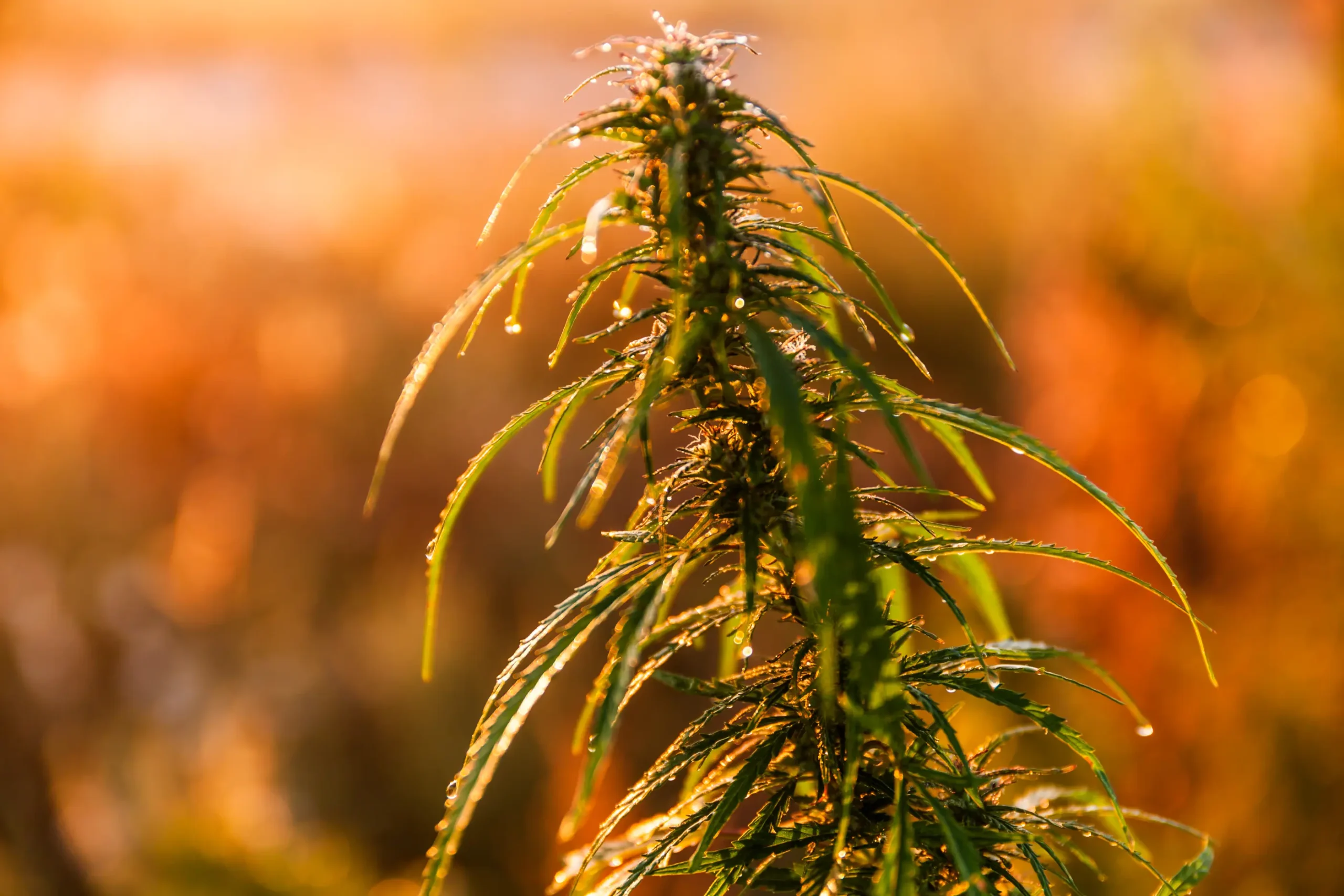
Apple Blossom
Weedth Strain Library
Apple Blossom is best understood as a cultivar with a specific relationship between growth speed, flower architecture, aroma and harvest timing. It should not be reduced to a potency number or a short flavor label. The plant's value becomes clearer when the grower studies how its structure behaves before and after the flowering transition, how quickly dense tissue forms, how the root zone responds to feeding, and how the chosen drying method changes the final smoke.
The profile below follows the complete Weedth strain format and treats published figures as working ranges rather than promises. Cannabis performance changes with phenotype, propagation method, root volume, light intensity, environment and harvest preference. The practical goal is to identify what is repeatedly associated with Apple Blossom and then turn that information into usable decisions for legal cultivators and informed adult consumers.
The costly mistake to avoid with Apple Blossom
Published data for Apple Blossom should be treated as a range. Phenotype, environment, harvest preference and naming consistency can change the result.
Strain Features
| Feature | Details |
|---|---|
| Type | Balanced to sativa-leaning hybrid |
| Genetic profile | often presented as a balanced hybrid with an energetic expression |
| Lineage | Blueberry Muffin x Dream Queen |
| THC | commonly reported in the mid-to-high 20% range in selected flower, although homegrown results vary |
| CBD | typically low |
| Indoor flowering | a published target near 45 days, with practical harvest often extending into the 49-60 day range depending on phenotype |
| Outdoor harvest | mid to late September in suitable northern climates |
| Yield potential | high when its fast vigor is shaped before flower |
| Plant height | medium to tall, with strong branching and rapid early flower movement |
| Grow difficulty | easy to moderate |
| Aroma | sweet apple peel, delicate flowers, blueberry pastry, pine, orange zest and mild skunk |
| Flavor | fresh apple and berry pastry first, then floral herbs, pine and a light skunky finish |
| Dominant terpenes | myrcene, beta-caryophyllene, limonene, pinene and ocimene in supporting roles |
| Common effects | quick uplift, energy, social warmth, appetite stimulation and a relaxed but not heavily sedated finish |
| Potential medical use | low appetite, stress, low mood and mild daytime discomfort for users comfortable with potent THC |
The table provides a planning snapshot. The sections that follow explain why Apple Blossom may finish outside the stated range and how to protect its flavor and flower quality.
Genetic Lineage
The documented genetic foundation of Apple Blossom is Blueberry Muffin x Dream Queen. That parentage explains much of the cultivar's behavior, but lineage should be treated as a map rather than a guarantee. Seed populations can still show meaningful differences in stretch, leaf width, flower density, finish time and aroma. Clone-only material is more repeatable, yet even a stable clone changes when root restriction, lighting, climate and nutrition alter expression.
The most useful way to read the lineage is to separate inherited traits into three groups. The first group is structural: branch angle, internodal distance, stem strength and apical dominance. The second is chemical: the balance among myrcene, beta-caryophyllene, limonene and the smaller aromatic compounds that shape sweet apple peel, delicate flowers, blueberry pastry, pine, orange zest and mild skunk. The third is developmental: how quickly the plant commits to flower, how long calyx expansion continues and how rapidly the finished trichomes move from clear to cloudy and amber.
For Apple Blossom, the stable center of the profile is a balanced to sativa-leaning hybrid expression with hybrid vigor, quick branch extension, medium internodes and rapid flower formation. Growers should still expect phenotype variation. One plant may emphasize fruit and floral sweetness while another leans more toward fuel, pine, herb or spice. A plant that smells strongest in week five is not automatically the keeper. The better selection is usually the one that combines aroma with healthy roots, branch strength, manageable stretch and a flower structure that can finish without chronic humidity risk.
Naming also deserves care. Cannabis names are not governed like registered agricultural cultivars in every market, so unrelated or partially related material can circulate under the same label. A responsible grower records the source description, date, propagation type and observed traits. That record matters more than assuming every package, clone or dried flower with the same name is genetically identical.
The practical lineage takeaway is that Apple Blossom should be selected and managed by observed behavior. Use the genetic description to anticipate possibilities, then let the actual plant confirm feeding strength, training response and harvest window. This approach protects the grower from forcing a plant into a schedule written for a different expression.
Effect Breakdown
Initial emotional phase. Apple Blossom commonly begins with quick uplift. The first change is often emotional rather than physical: tension feels less central, music or conversation becomes more engaging and the user notices a shift toward curiosity or ease. The speed of onset depends on dose and method, but potent flower can become obvious within minutes.
Mental development. As the effect settles, the cultivar tends to express quick uplift, energy, social warmth, appetite stimulation and a relaxed but not heavily sedated finish. This does not mean every user becomes productive. Environment and tolerance decide whether stimulation becomes focus, sociability or distraction. A small inhaled dose may support a clear task, while repeated dosing can make the same cultivar feel scattered or inward.
Physical phase. The body response usually arrives more gradually. Shoulders and facial tension may loosen before the legs or back feel heavier. In balanced doses, the physical component can make the mental lift feel smoother. At higher doses, the body effect becomes more prominent and can reduce coordination, motivation or the desire to leave a comfortable setting.
Late phase. The final stage is where Apple Blossom reveals whether the chosen dose matched the occasion. A moderate session may fade into calm clarity. A large session can produce appetite, dry mouth, red eyes and a stronger need to rest. Users should not treat the advertised type label as a dosing instruction. Sativa-dominant cultivars can still become heavy, and indica-leaning cultivars can begin with a bright mental rush.
Dose sensitivity. Fast flowering reduces the time available to recover from overfeeding, severe pruning or climate mistakes. New or returning users should start with one small inhalation and wait. Edible effects require even more caution because delayed onset makes accidental overconsumption easy. The desired experience is usually found by increasing slowly, not by testing the maximum potency.
The most accurate effect description is therefore a progression, not a single word. Mood, attention and body tone change at different speeds. Recording the dose, method, time of day, food intake and setting helps a user identify the version of the experience that is genuinely useful rather than merely intense.
Flavor & Aroma Profile
The jar aroma of Apple Blossom is centered on sweet apple peel, delicate flowers, blueberry pastry, pine, orange zest and mild skunk. A well-cured sample should not smell flat or simply sweet. The first opening usually releases the most volatile top notes, while breaking a flower exposes heavier spice, fuel, wood or herbal compounds from inside the bud.
On inhalation, the expected flavor is fresh apple and berry pastry first, then floral herbs, pine and a light skunky finish. Temperature changes the order in which these notes appear. Lower-temperature vapor often emphasizes fruit, cream and flowers. Combustion brings more pepper, earth, toasted sweetness and resin. Neither method is automatically better, but they reveal different parts of the same chemical profile.
The flavor can be separated into four layers. The top layer contains the quick fruit or floral notes that disappear first during a hot dry. The middle layer supplies sweetness, cream, candy or pastry. The base layer contains earth, fuel, pine, wood and pepper. The finish is the flavor that remains after exhalation, and it often provides the best clue about whether the cure is complete.
Harvest timing also changes the profile. An early-cut Apple Blossom can smell bright but taste green, sharp or thin because the flower has not completed its final metabolic changes. A later harvest may produce more depth and body but can lose some high, fresh top notes. The best window is usually when the fruit or floral identity is fully formed, the calyxes are swollen and the trichome mix matches the desired effect.
Aroma intensity should not be confused with quality. A loud sample can still be harsh if it dried too quickly or retained excess moisture. The target is clarity: individual notes should be recognizable, the smoke or vapor should feel clean and the aftertaste should remain pleasant rather than acrid.
Dominant Terpenes
Myrcene. In Apple Blossom, this terpene contributes an earthy, musky and herbal base that often supports physical relaxation and rounds sharp fruit notes. Its exact percentage can change across phenotype and environment, so it is more useful to view it as part of a relationship than as an isolated promise.
Beta-Caryophyllene. In Apple Blossom, this terpene contributes pepper, dry spice and wood; it also interacts with CB2 receptors and may contribute to the strain's stress and discomfort profile. Its exact percentage can change across phenotype and environment, so it is more useful to view it as part of a relationship than as an isolated promise.
Limonene. In Apple Blossom, this terpene contributes citrus brightness and a lifted aromatic edge that often makes fruit profiles feel cleaner. Its exact percentage can change across phenotype and environment, so it is more useful to view it as part of a relationship than as an isolated promise.
Pinene And Ocimene In Supporting Roles. In Apple Blossom, this terpene contributes pine, sweet herbs and fresh green notes that keep fruit sweetness from becoming heavy. Its exact percentage can change across phenotype and environment, so it is more useful to view it as part of a relationship than as an isolated promise.
Together, these compounds create the strain's recognizable movement from sweet apple peel, delicate flowers, blueberry pastry, pine, orange zest and mild skunk to fresh apple and berry pastry first, then floral herbs, pine and a light skunky finish. The terpene blend also helps explain why a sample with moderate laboratory THC can sometimes feel richer or more complete than a higher-THC sample with a weak aromatic profile.
Terpenes are volatile. Excess canopy heat, drought stress, late overfeeding, rough handling and rapid drying can reduce them before the flower reaches storage. Preserving the profile begins in the living plant and continues through harvest, drying, curing and daily jar use.
Indoor vs. Outdoor Growing
Indoor cultivation. Indoors, Apple Blossom offers control over the trait that matters most: moderate to strong; it can double under vigorous conditions. The grower can set plant count, root volume, flip height and canopy depth before flower. This is especially useful when the plant's published finish is fast, because environmental errors have less time to be corrected after bud formation accelerates.
The indoor advantage is precise humidity management. Fast flowers can become dense before the grower expects it, so late-flower climate changes must begin early. Strong but indirect air movement should pass above and below the canopy. The goal is leaf movement and moisture exchange, not windburn. Exhaust capacity must be sufficient for the room at lights-on, when transpiration and heat rise together.
Indoor yield is most reliable when training matches the plant. For Apple Blossom, the preferred approach is top early, spread branches before the flip and avoid major structural work after rapid flowering begins. A flat canopy is useful only if branch strength and airflow remain adequate. An overcrowded screen can produce more bud sites but lower the proportion of truly finished, flavorful flower.
Outdoor cultivation. Outdoors, the cultivar can use full-spectrum sunlight and greater root volume. The expected harvest window is mid to late September in suitable northern climates. This timing can reduce autumn risk, but geography matters. A date published for one latitude cannot predict another location's daylight, rainfall, frost or disease pressure.
Outdoor plants should be opened from the center during vegetative growth. Removing a few badly placed inward branches early is usually safer than stripping a dense plant late. Support stakes or a wide trellis should be installed before branches become heavy, because tying a loaded branch after a storm often damages bark and flower.
The outdoor risk is uneven exposure. One side may receive excellent sun while the inner and lower flowers remain shaded. For Apple Blossom, rotate container plants when practical, maintain clean ground beneath the canopy and inspect after rain. A plant described as resistant can still develop mold when damaged flowers, caterpillars or trapped moisture create an entry point.
Indoor cultivation usually offers more visual uniformity and tighter environmental control. Outdoor cultivation can produce greater biomass and a broader aromatic expression, but the result depends heavily on site quality. The better method is the one that allows the grower to control the strain's main risk rather than the one associated with the largest advertised yield.
Strain-Specific Grow Guidance
Plant shape and early planning. Apple Blossom typically shows hybrid vigor, quick branch extension, medium internodes and rapid flower formation. The grower should decide the final footprint before aggressive vegetative growth begins. A small plant can be corrected with another week of vegetative time. A crowded plant that has already entered rapid flower is harder to repair without sacrificing momentum.
Stretch management. Moderate to strong; it can double under vigorous conditions. Measure the plant at the flip and again every three days for the first two weeks. That simple record reveals whether the chosen environment is producing the expected behavior. Move or raise lighting gradually and keep enough distance to prevent top bleaching while maintaining intensity across the middle canopy.
Training response. The most reliable strategy is top early, spread branches before the flip and avoid major structural work after rapid flowering begins. High-stress work should be completed early. Topping a healthy plant in vegetative growth can create a more useful branch structure, but repeated cuts on a slow or stressed plant only delay root and canopy development. Once flower sites are visible, use soft ties and gentle repositioning rather than hard stem damage.
Root zone. Root health determines how much light and nutrition the canopy can use. Choose a container large enough for the planned vegetative period. In soil or soilless media, maintain porosity and allow a clear wet-to-dry rhythm without forcing the plant into severe wilt. In recirculating systems, dissolved oxygen, solution temperature and sanitation are more important than chasing an extreme nutrient concentration.
Feeding pattern. Handles moderate feeding but benefits from an early nitrogen reduction because the short cycle leaves little correction time. During vigorous stretch, nutrient demand can rise quickly, but dark clawed leaves and burnt tips show that concentration has exceeded useful uptake. Reduce nitrogen as vertical growth slows. Potassium, phosphorus, sulfur, calcium and magnesium all matter, yet more product does not guarantee more aroma or weight.
Irrigation. Water to the actual root mass, not to a calendar. A recently transplanted plant may need a smaller watering zone until roots explore the container. A mature flowering plant may use water rapidly under strong light, but repeated small irrigations in a poorly aerated medium can keep the lower root zone saturated. Observe pot weight, runoff behavior and leaf posture.
Temperature and humidity. Fast flowers can become dense before the grower expects it, so late-flower climate changes must begin early. Early flower can tolerate more humidity than late flower because the flowers are still open. As density increases, lower the room's moisture load gradually. Sudden extreme dryness can stress the plant and accelerate terpene loss, so climate control should be stable rather than reactive.
Defoliation. Remove leaves for a reason: blocked airflow, stacked leaves that remain wet, or a fan leaf completely covering a valuable flower site. Do not strip the plant simply because a calendar says day 21. Different phenotypes carry different leaf density. The best defoliation leaves the canopy photosynthetically strong while removing persistent humidity traps.
Pest and disease inspection. Check leaf undersides, petioles, stem joints and the inner side of large flowers. Fast cultivars can reach harvest before a small pest population becomes catastrophic, but they can also hide damage because the flowering window moves quickly. Use prevention, sanitation and biological controls early; avoid spraying mature flowers whenever possible.
Flower development. Published flowering guidance for Apple Blossom is a published target near 45 days, with practical harvest often extending into the 49-60 day range depending on phenotype. Treat the first number as a planning reference. The plant is ready when pistil behavior, calyx swelling, trichome maturity, water use and aroma all support the same conclusion.
Harvest decision. Judge the fruit aroma, calyx swell and trichomes together; the advertised speed can encourage premature cutting. Inspect trichomes on the calyx surface rather than only the sugar leaves, which often mature earlier. Sample multiple positions because top flowers and shaded lower flowers can differ by days.
Common mistake. The most common error is trying to force maximum yield, maximum potency and maximum speed at the same time. Dense canopies, intense feeding and late harvest can increase weight, but each also raises risk. The better target is a healthy, evenly mature crop whose aroma survives into the jar.
Week-by-Week Cultivation Roadmap
Establishment and early roots
During the first stage, the priority is not rapid leaf production but a root system capable of supporting hybrid vigor, quick branch extension, medium internodes and rapid flower formation. Keep the medium evenly moist without saturating the full container around a small root ball. Use gentle light and steady warmth, then increase intensity only after new growth confirms that roots are active. A compact seedling does not always predict a compact flowering plant, so begin recording node spacing and branch angle rather than making the final training decision too early.
Vegetative framework
Once growth becomes consistent, decide whether the plant will be topped or trained around a single dominant stem. Because moderate to strong; it can double under vigorous conditions, the framework should be wider than it first appears necessary. Remove only damaged or badly placed growth. Healthy lower branches can become productive if they are brought into light early, but branches trapped under the center of the plant usually remain weak and increase humidity. The goal is to create several strong paths from the root crown to the future flower sites.
The final week before flowering
Use the final vegetative week to finish structural work, inspect pests and stabilize irrigation. For Apple Blossom, the recommended approach is top early, spread branches before the flip and avoid major structural work after rapid flowering begins. Do not enter flower immediately after a severe prune, transplant or nutrient correction. Give the plant time to show healthy new growth. Set support equipment before branches become difficult to move, and leave visible gaps in the canopy so the expected stretch can fill them without turning the room into a wall of leaves.
Flower weeks one and two
The first two weeks reveal the real stretch pattern. Moderate to strong; it can double under vigorous conditions. Continue tucking and soft tying while stems remain flexible, but avoid repeated hard bending once flower clusters become visible. Water demand can increase quickly as leaf area expands. Increase irrigation because the plant is using more water, not because a calendar recommends a larger volume. This is also the right moment to reduce excessive lower growth that clearly will not reach useful light.
Flower weeks three and four
By the middle of early flower, the plant should have a stable canopy and unobstructed airflow. Fast flowers can become dense before the grower expects it, so late-flower climate changes must begin early. Inspect the spaces where leaves overlap and where side flowers touch the main stem. Maintain balanced nutrition and watch the transition from stretch to flower building. If leaves remain extremely dark and clawed, reduce nitrogen rather than waiting for late flower. Major defoliation at this stage should be reserved for genuine airflow problems.
Flower weeks five and six
This is often the period when Apple Blossom begins to show its mature identity of sweet apple peel, delicate flowers, blueberry pastry, pine, orange zest and mild skunk. Aroma should become clearer as flowers swell, but a sudden loss of smell can indicate excessive heat, drought stress or interrupted root function. Support heavy branches before they lean into neighboring flowers. Reduce humidity gradually and keep air moving through the canopy. Do not chase weight with a sudden strong nutrient increase; late burn cannot be repaired before harvest.
Final ripening
Published timing for the cultivar is a published target near 45 days, with practical harvest often extending into the 49-60 day range depending on phenotype. During the final stage, compare multiple signals. Water use may slow, pistils may darken and retract, calyxes should swell and trichomes on the calyx surface should become mostly cloudy. Judge the fruit aroma, calyx swell and trichomes together; the advertised speed can encourage premature cutting. Continue normal plant care until the selected harvest window. Severe drought, prolonged darkness or an aggressive flush is not required to make the plant mature and can reduce aroma if it creates stress.
Phenotype selection and repeat runs
After drying and curing, score each plant separately for structure, finish time, aroma, flavor, effect and resistance. A keeper should solve more problems than it creates. For Apple Blossom, prioritize a plant that preserves fresh apple and berry pastry first, then floral herbs, pine and a light skunky finish while maintaining manageable stretch and healthy flower density. The loudest plant at harvest may not be the smoothest after cure. Keep accurate labels and do not combine phenotypes before evaluation, because blended jars hide the traits needed for the next run.
Harvest troubleshooting
If upper flowers are ready while lower flowers remain immature, consider a staged harvest instead of delaying the whole crop. If flowers feel dry outside but soft inside, slow the transition to sealed containers and test a small sample first. If the cured aroma is weak, review canopy temperature, harvest handling and drying speed before blaming genetics. The next improvement usually comes from correcting one measurable process, not adding another product.
Grower Note: The safest schedule for Apple Blossom is built from observed stretch, water use and flower maturity, not from a single advertised day count.
Weedth Bud Flavor Tips
The flavor target for Apple Blossom is fresh apple and berry pastry first, then floral herbs, pine and a light skunky finish. Reaching that target requires decisions before harvest. Keep the flower zone within a stable temperature range, avoid direct fan pressure on exposed tops and reduce severe drought cycles in the final weeks. A stressed plant may smell loud, but stress can also stop swelling and produce a harsher mineral finish.
Harvest handling. Judge the fruit aroma, calyx swell and trichomes together; the advertised speed can encourage premature cutting. Cut branches with clean tools and handle them by the stem. Resin heads contain much of the aromatic material, and repeated squeezing or stacking warm branches damages the surface before drying begins.
Drying. Keep the dry cool enough to protect apple and floral volatiles, with steady air exchange rather than direct fan pressure. Darkness matters because light accelerates chemical degradation. Air should circulate through the room, not directly across the flower. The outside should not become crisp while the center remains wet.
A target near 60% relative humidity and cool room temperature is a useful starting point, not a rigid law. Flower size, trim style, plant water status and room airflow change the actual drying rate. Track the crop by feel, stem flexibility and small sealed-container tests rather than by counting days alone.
Curing. Three to six weeks merges apple peel, blueberry pastry and pine into a smoother profile. Place only properly dried flower into clean airtight containers. During the first week, check frequently for moisture redistribution. If the jar aroma becomes sour, grassy and damp, remove the flower and allow more drying. Curing cannot safely rescue wet flower.
For long-term storage, use multiple small containers rather than one large jar opened every day. Keep them cool and dark. Avoid adding fruit peel or other fresh organic material because it introduces moisture unevenly and increases contamination risk. The strain's natural profile should be preserved, not flavored artificially.
Indoor and outdoor flower may need different handling. Outdoor colas often contain more size variation and hidden debris, so inspection and spacing are essential. Indoor flower may be denser and can dry unevenly if the room is too still. In both cases, a slow controlled process usually produces more flavor than a warm rapid dry.
Weedth Bud Boost Tips
Bud production in Apple Blossom begins with canopy design, not a late additive. Its yield potential is high when its fast vigor is shaped before flower. The plant must first convert available light into productive flower sites. A lower branch that never reaches useful light is not a future cola; it is a maintenance cost.
Canopy strategy. Use top early, spread branches before the flip and avoid major structural work after rapid flowering begins. Fill approximately three quarters of the intended space before the expected stretch completes the canopy. This leaves room for airflow and reduces the need to remove large amounts of growth after flower formation is underway.
Light intensity. Increase intensity gradually and judge the plant by leaf angle, color, internode behavior and top temperature. More photons improve production only when carbon dioxide, water, nutrients and temperature remain balanced. Bleached tops and curled leaves are lost quality, not evidence of an advanced setup.
Root volume and oxygen. Large healthy roots support larger flowers. Fabric containers, well-structured media and correct irrigation improve oxygen availability. In hydroponic systems, keep the solution clean and oxygenated. A stressed root zone cannot use an expensive lighting system efficiently.
Nutrition. Handles moderate feeding but benefits from an early nitrogen reduction because the short cycle leaves little correction time. Build flower gradually. Avoid large mid-bloom changes based on a single pale leaf. Diagnose the whole plant, check pH and root conditions, and change one variable at a time.
CO2. Enrichment can improve growth in sealed, high-light rooms, but only when environment and safety are professionally controlled. It is not a substitute for a healthy canopy. In a ventilated room, added gas may be exhausted before the plant uses it. Growers without monitoring equipment should focus on fresh air exchange and plant health.
Support. Install a second net or individual supports before the final weight arrives. Supported branches maintain better light orientation and are less likely to crease. This is especially valuable for resinous flowers whose weight increases rapidly in the last weeks.
Selective harvest. If upper flowers mature earlier than the lower canopy, a staged harvest can improve total usable quality. Remove the ready tops, restore light to the lower sites and allow a short finishing period. This is more useful than waiting until the top flowers are overripe merely to mature shaded material.
The highest-value harvest is not always the heaviest wet weight. Dense immature flower, excess leaf and water retained from late irrigation can make a crop look productive before drying. Judge success by dry trimmed flower, aroma retention, smoke quality and the percentage of the crop that reaches the desired grade.
Medical Uses & Benefits
Adult medical consumers commonly consider Apple Blossom for low appetite, stress, low mood and mild daytime discomfort for users comfortable with potent THC. These uses are based on reported effects and terpene-cannabinoid patterns, not a guarantee of treatment. Cannabis can interact with medications, worsen some psychiatric symptoms and impair driving or work. A clinician familiar with the patient's history is the appropriate source for medical advice.
The cultivar's reported terpene group includes myrcene, beta-caryophyllene, limonene. Beta-caryophyllene is of particular interest because it interacts with CB2 receptors, while myrcene, pinene, limonene, terpinolene or ocimene may influence perceived relaxation, alertness and aroma. Human response is still shaped strongly by THC dose.
For stress or low mood, a small dose may be more useful than a large one. The goal is often to reduce mental friction without creating confusion, anxiety or fatigue. Users treating pain or tension may prefer the later physical phase, but increasing dose also increases impairment.
Patients sensitive to anxiety should avoid assuming that a pleasant fruit or dessert aroma means a mild experience. Potent THC can produce racing thoughts, dizziness or panic. Start low, use a familiar setting and avoid combining cannabis with alcohol or other intoxicants.
Symptom tracking improves decisions. Record the product, dose, route, onset time, peak, benefit, side effects and duration. Over several sessions, this produces more reliable guidance than strain names alone, especially when multiple lineages circulate under the same name.
Ideal User Profile
Apple Blossom best suits afternoon users who want fruity energy, appetite support and a friendly social mood. The user should appreciate quick uplift, energy, social warmth, appetite stimulation and a relaxed but not heavily sedated finish rather than seeking a completely neutral or low-potency experience.
For inhaled use, the most practical session begins with a small amount and a clear purpose. Creative work, music, conversation, a meal or an evening wind-down each require a different dose. Repeated consumption before the first effect stabilizes is the easiest way to lose the strain's balance.
Less suitable users include people who need to drive, operate equipment or remain completely unimpaired. Fast flowering reduces the time available to recover from overfeeding, severe pruning or climate mistakes. Anyone with a history of panic, psychosis, pregnancy, serious cardiovascular concerns or medication interactions should seek professional guidance.
Experienced consumers may enjoy exploring the difference between lower-temperature vapor and combustion, or between an early and mature harvest. Beginners benefit more from consistency: one method, one small dose and enough time to understand the response.
Grower Notes and Feedback
Growers repeatedly value Apple Blossom for hybrid vigor, quick branch extension, medium internodes and rapid flower formation. The positive feedback is usually strongest when the plant is given enough horizontal space before the flip and when late-flower humidity is controlled before dense flowers become obvious.
A common observation is that moderate to strong; it can double under vigorous conditions. This makes flip timing more important than the calendar age of the plant. Two plants started on the same day may require different flowering dates if one has already filled its intended footprint.
Feeding feedback generally supports the view that handles moderate feeding but benefits from an early nitrogen reduction because the short cycle leaves little correction time. Growers who chase dark green leaves throughout flower often report slower fade, rougher smoke or less distinct aroma. A healthy late-flower plant can naturally lose some older leaf color without being starved.
Harvest reports also show why the stated window must remain flexible. Judge the fruit aroma, calyx swell and trichomes together; the advertised speed can encourage premature cutting. Fast flowering claims are useful for planning, but environmental stress, phenotype and light level can add days.
The best grower notes include failures. Record the point at which a branch was topped, the amount of stretch, the week when water use peaked, any nutrient sensitivity and the actual dry yield. Those details turn one successful crop into a repeatable method.
Finally, compare aroma before harvest, after drying and after one month of cure. A cultivar that smells impressive on the plant but loses identity in the jar may need a cooler dry, gentler handling or an earlier reduction in canopy heat.
Weedth Editor's Note
The point where this plant reveals itself
Apple Blossom rewards growers who prepare before the flip. I learned that lesson when a plant entered flower with too much lower growth. By the time I decided to clean it up, flower formation was already moving quickly and the plant spent several days recovering. On the next run I finished the structural pruning earlier, kept only productive branches and let the plant flower without interruption. The second harvest was more even and the apple-floral aroma was stronger. The cure was also revealing: blueberry pastry appeared first, while the fresh apple note became clearer after several weeks.
I would grow Apple Blossom again, but I would not copy a generic feed chart or harvest date. I would begin with the plant's documented tendencies, especially moderate to strong; it can double under vigorous conditions, then adjust to the individual expression. That is the difference between growing a strain name and growing the plant in front of me.
For flavor, my priority would be a calm final two weeks and a controlled dry. Keep the dry cool enough to protect apple and floral volatiles, with steady air exchange rather than direct fan pressure. I would keep enough leaf to protect the flowers during drying, but I would remove damaged material and any leaves that trap moisture inside the largest clusters.
I also prefer to save a small labeled sample from different harvest positions. Top, middle and lower flowers can mature differently. Comparing them after cure helps decide whether the next run should use stronger lower-canopy cleanup, a staged harvest or a different flip height.
The cultivar's strongest quality is not one laboratory number. It is the combination of sweet apple peel, delicate flowers, blueberry pastry, pine, orange zest and mild skunk, quick uplift, energy, social warmth, appetite stimulation and a relaxed but not heavily sedated finish and a growth pattern that can be managed when the grower plans ahead.
Weedth Score
Growing Experience 8.8/10 The plant is rewarding when the grower accounts for moderate to strong; it can double under vigorous conditions and avoids late corrections.
Bud Structure & Visual Appeal 8.7/10 Its flowers reflect hybrid vigor, quick branch extension, medium internodes and rapid flower formation, with quality depending heavily on airflow and maturity.
Aroma Complexity 8.9/10 The profile of sweet apple peel, delicate flowers, blueberry pastry, pine, orange zest and mild skunk gives the cultivar a clear identity when terpenes are preserved.
Flavor & Smoothness 9.0/10 A careful dry and three to six weeks merges apple peel, blueberry pastry and pine into a smoother profile produce the smoothest and most layered result.
Effects & High Experience 8.9/10 The progression toward quick uplift, energy, social warmth, appetite stimulation and a relaxed but not heavily sedated finish is distinctive, although dose sensitivity remains important.
Overall Satisfaction & Recommendation 8.9/10 A strong choice for afternoon users who want fruity energy, appetite support and a friendly social mood when verified genetics and good post-harvest handling are available.
Personal closer: Apple Blossom earns its place through a recognizable aroma, a clear effect progression and a grow pattern that rewards preparation more than aggression.
FAQ
Is Apple Blossom suitable for beginners?
It is best described as easy to moderate. A beginner can succeed by controlling plant size before flower, using moderate nutrition and checking the root zone before adding more water. The strain becomes harder when the canopy is allowed to crowd or when the grower assumes a published finish date guarantees maturity.
How long does Apple Blossom really flower?
The working range is a published target near 45 days, with practical harvest often extending into the 49-60 day range depending on phenotype. The exact finish depends on phenotype, light, root health and the preferred effect. Use the calendar for planning, then confirm maturity through calyx swelling, pistil behavior and trichomes on the calyx surface.
How much does Apple Blossom stretch?
Moderate to strong; it can double under vigorous conditions. Indoor growers should leave vertical and horizontal space at the flip. Measuring every few days during the first two weeks gives a better answer than relying on a percentage printed for another environment.
What training method works best?
The preferred approach is top early, spread branches before the flip and avoid major structural work after rapid flowering begins. Complete major cuts in vegetative growth and use gentler positioning after flowering begins. The objective is an even, breathable canopy rather than the highest possible number of tops.
Is Apple Blossom sensitive to nutrients?
Handles moderate feeding but benefits from an early nitrogen reduction because the short cycle leaves little correction time. Begin below the maximum label rate, monitor leaf tips and color, and change one factor at a time. Excess nitrogen late in flower is especially likely to delay fade and reduce flavor clarity.
What humidity is safest in late flower?
Fast flowers can become dense before the grower expects it, so late-flower climate changes must begin early. Many rooms finish dense cultivars near 40-50% relative humidity, but temperature and airflow change the actual risk. Inspect the center of large flowers and avoid direct fan blast.
When should I harvest for the best flavor?
Judge the fruit aroma, calyx swell and trichomes together; the advertised speed can encourage premature cutting. For a brighter effect, harvest with mostly cloudy trichomes and very little amber. For more physical weight, allow a modest amber percentage, provided the top aroma has not begun to fade.
How should Apple Blossom be dried and cured?
Keep the dry cool enough to protect apple and floral volatiles, with steady air exchange rather than direct fan pressure. Then three to six weeks merges apple peel, blueberry pastry and pine into a smoother profile. Do not jar wet flower, and do not use heat to accelerate drying. The most volatile fruit, floral and cream notes are usually the first to disappear.
What does Apple Blossom taste like?
A well-grown and cured sample should taste like fresh apple and berry pastry first, then floral herbs, pine and a light skunky finish. Phenotypes and consumption temperature change the balance, so some samples will lean more toward fruit or cream while others show more fuel, pine, herb or pepper.
Who should approach Apple Blossom cautiously?
Fast flowering reduces the time available to recover from overfeeding, severe pruning or climate mistakes. New users, anxiety-prone consumers and anyone taking interacting medication should use a very small dose and seek professional advice where appropriate.
Can Apple Blossom be grown outdoors?
Yes, where legal and where the climate supports mid to late September in suitable northern climates. Choose full sun, good drainage and enough airflow. Install support early and inspect after rain, because resistance does not make any dense flower immune to mold.
Why might two samples with the same name feel different?
Cannabis names can cover different seed populations, clones or even unrelated lineages. Harvest timing, storage and terpene loss also alter the experience. Source records and observed traits are more reliable than the name alone.
Similar Strains
The following strains share genetics, flavor direction, effect style or cultivation behavior with Apple Blossom. Similarity does not mean identical potency or flowering response.
Blueberry Muffin
For direct lineage, fast flowering and recognizable berry pastry aroma.
Dream Queen
For direct lineage, speed, yield and energetic daytime effects.
Pineapple Express
For fruit-forward energy and a practical hybrid structure.
Mimosa
For citrus-fruit uplift and social daytime use.
Cinderella 99
For fast sativa-like energy in a manageable frame.
Strain comparisons are most useful when the reader identifies the trait they want to repeat. Choose by effect, aroma, flowering behavior or plant structure rather than expecting one cultivar to reproduce every quality of another.
Share this article
A quick overview of the topics covered in this article.
Follow us
Latest articles
October 26, 2026
October 26, 2026
October 26, 2026
October 26, 2026